stever_sl
ACCESS: Secret
- Joined
- 31 August 2010
- Messages
- 221
- Reaction score
- 1,451
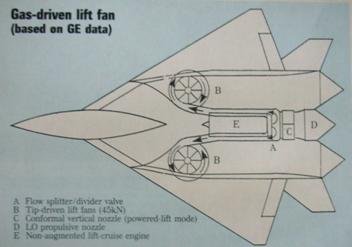
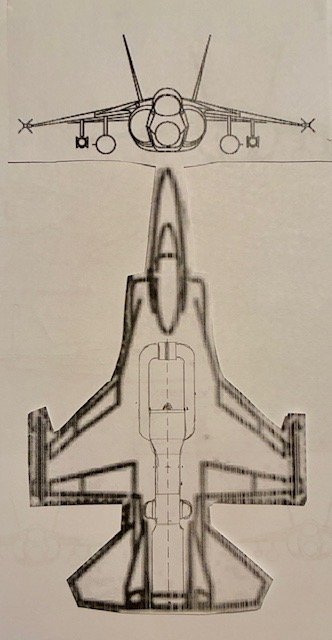
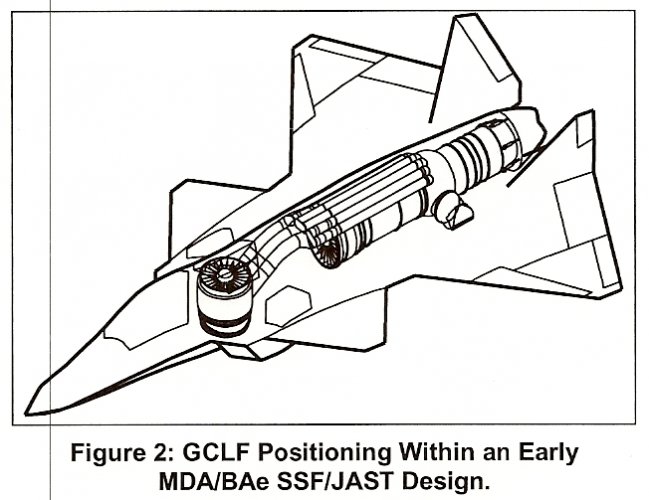
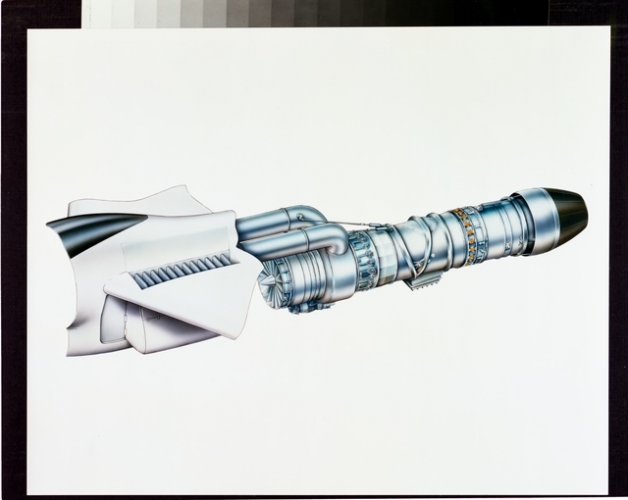
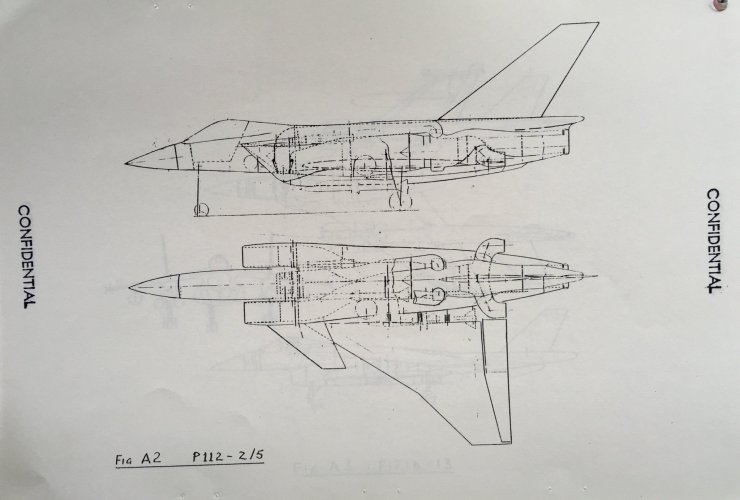
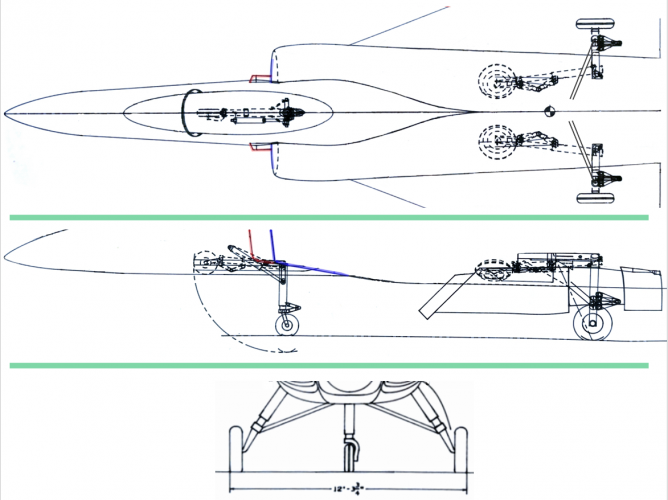
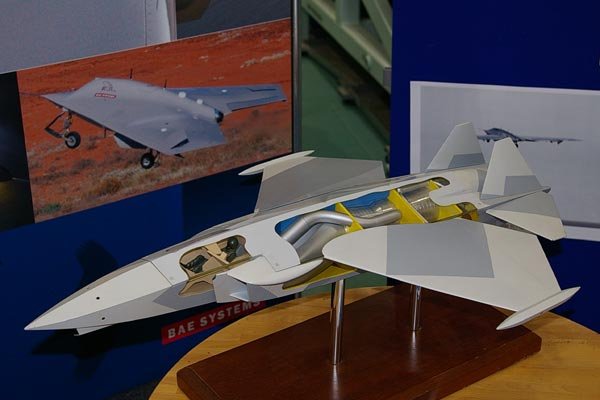
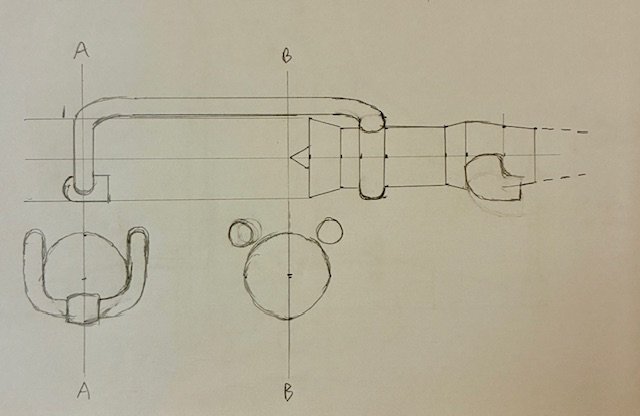
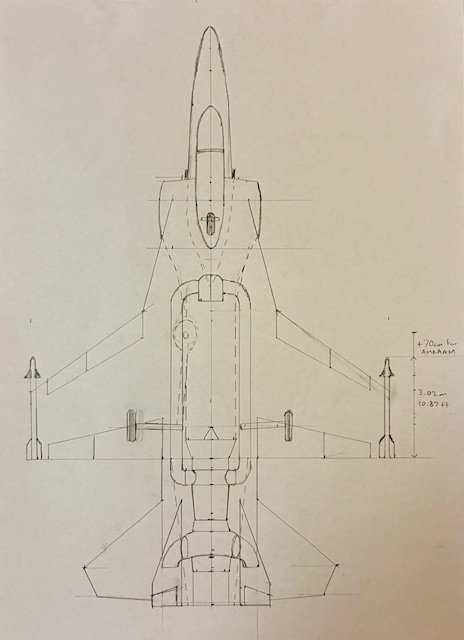
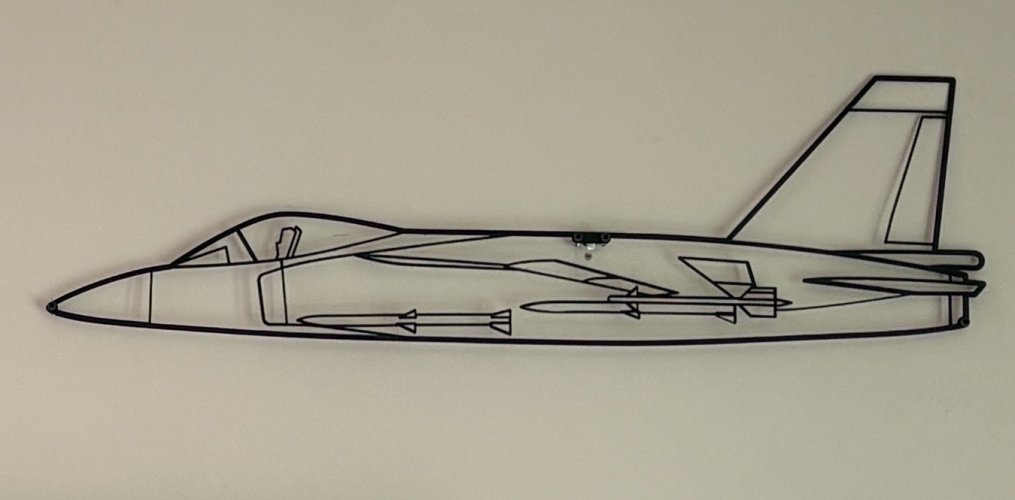
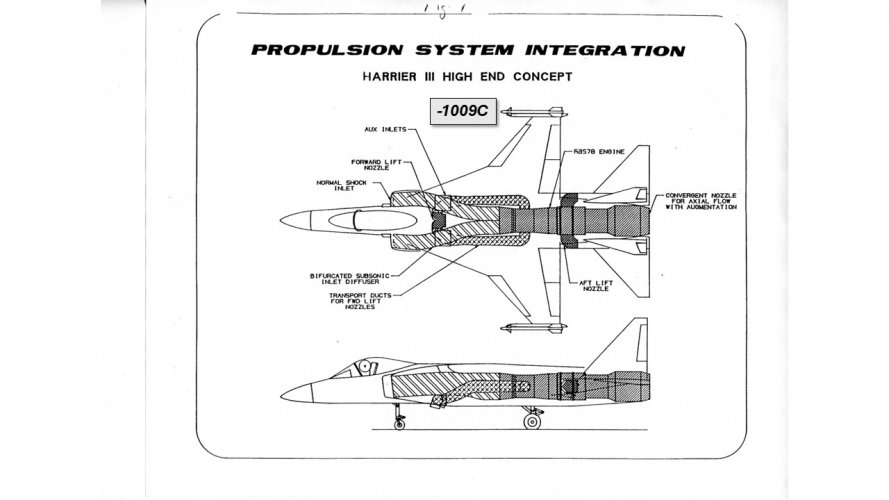
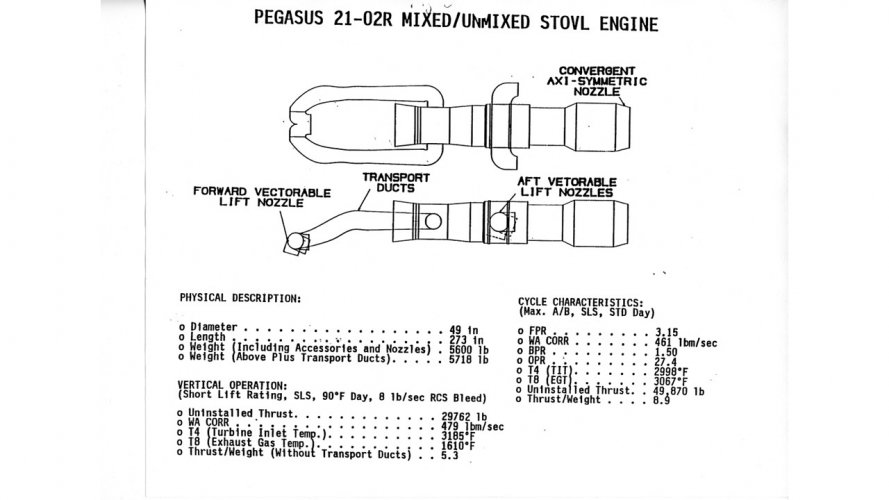
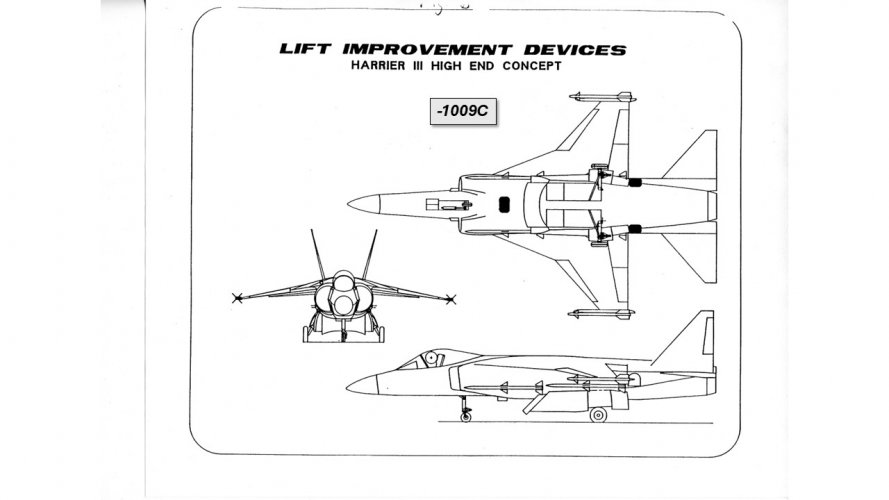
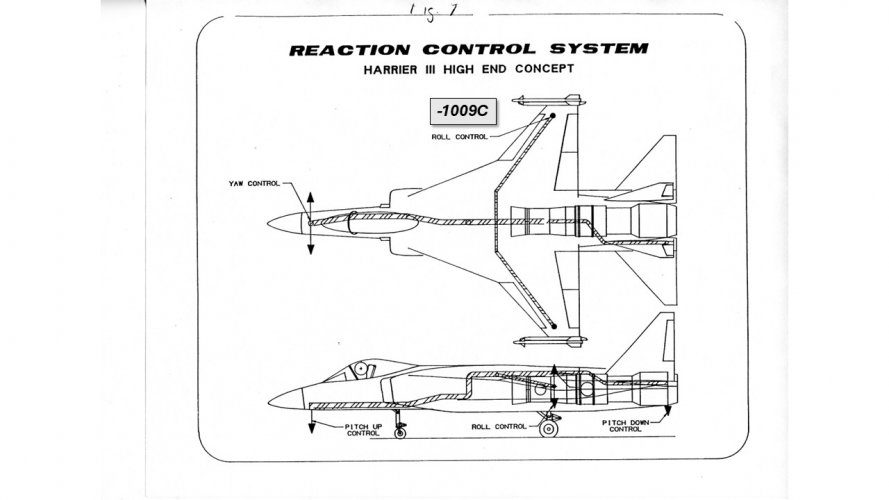
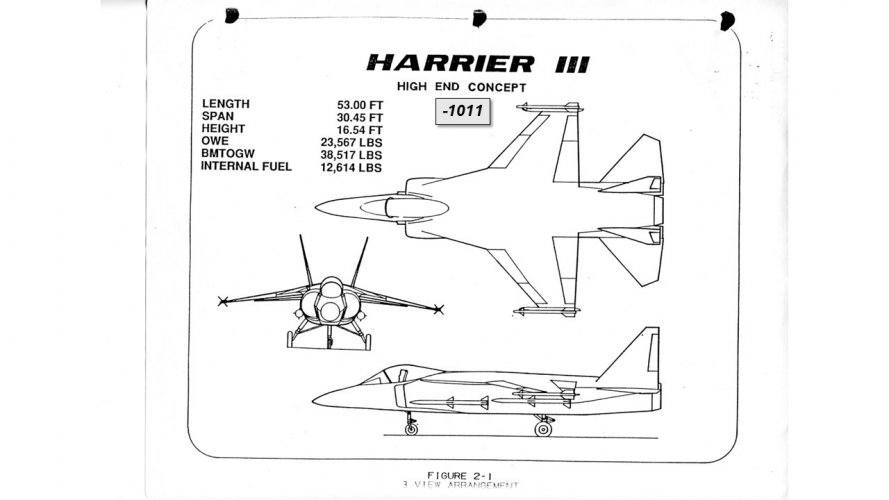
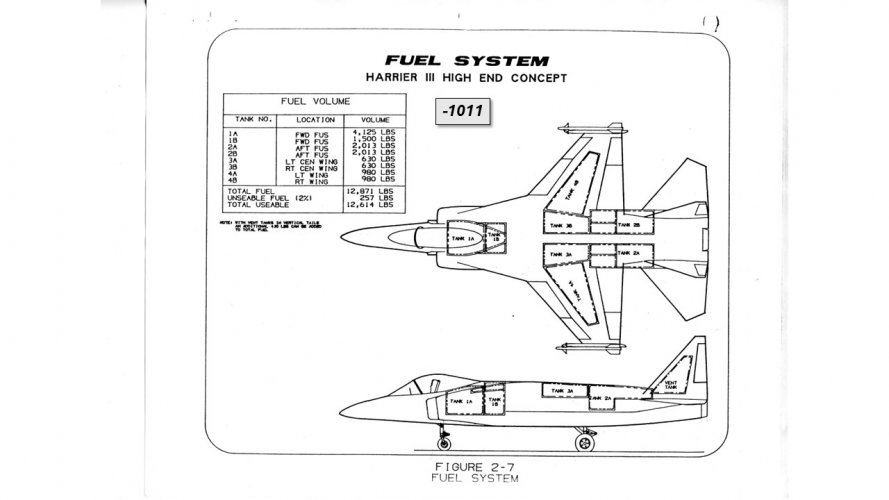
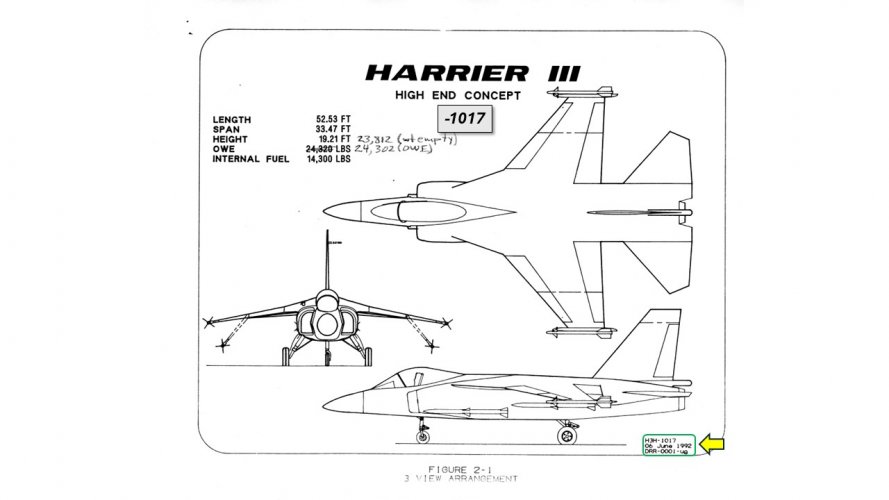
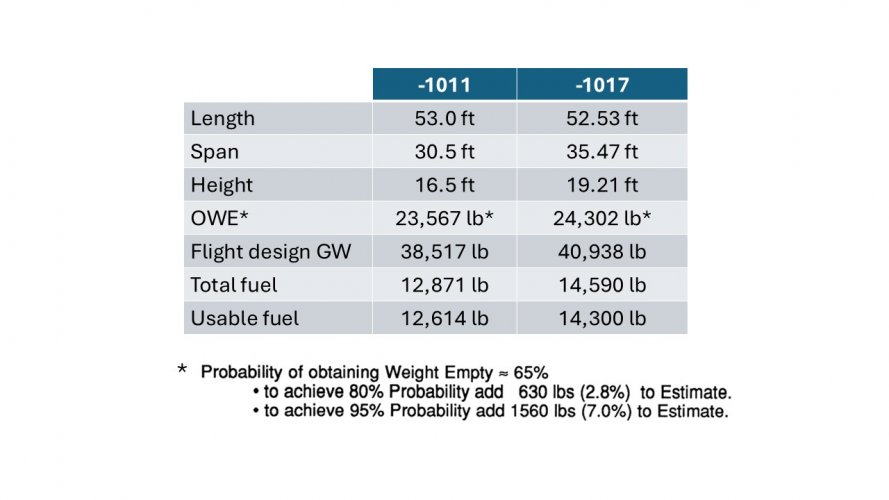
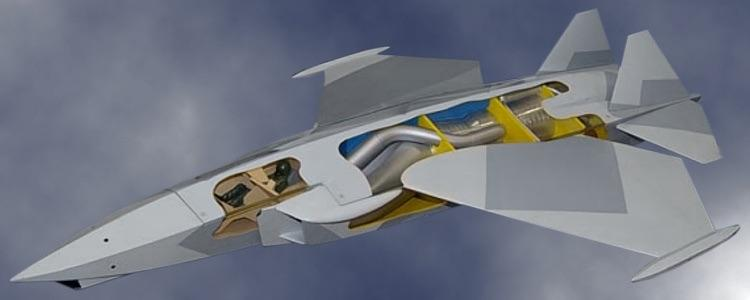
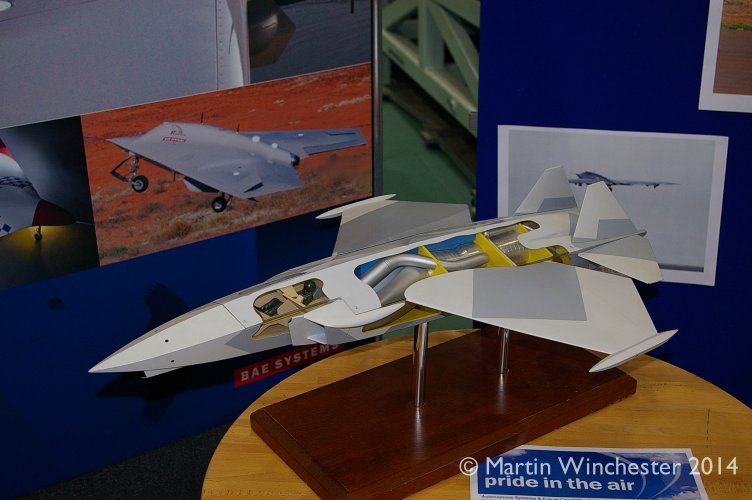
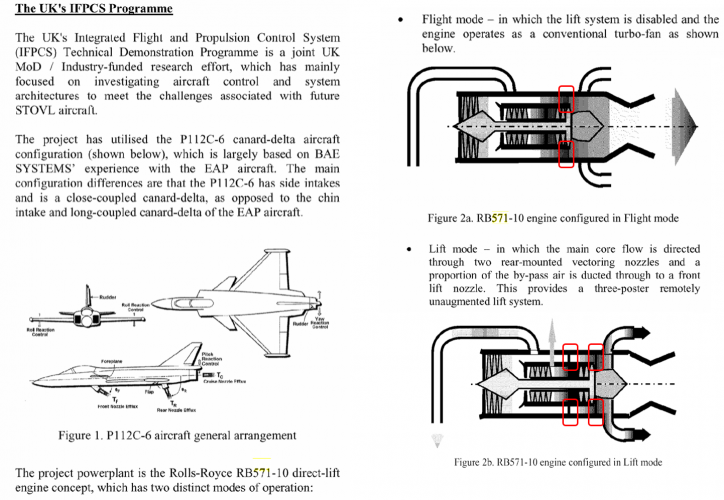
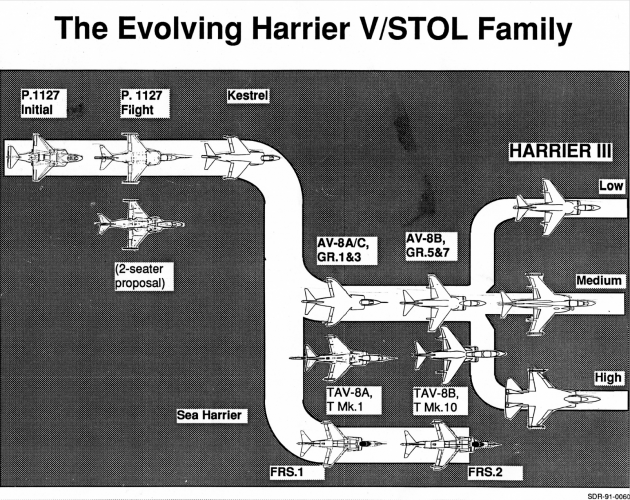
I agree, it's so simple compared with other approaches to the problem of direct lift. We found as a practical matter, though, that if you have everything in the airplane competing for space close to the c.g. (engine, wing, fuel) you end up with a fat midsection and impossible transonic drag rise characteristics. I think I mentioned somewhere that we arbitrarily froze the -408 Pegasus engine's size but doubled and tripled its thrust with nozzles aft, and couldn't get past Mach 1. To reach our Harrier 21's defined dash speed we had to decouple something from that midsection, and it turned out to be the Pegasus, its core at least, in its new wrapper. So in hover we still had the well-proven Pegasus direct lift concept, but in a 3-poster instead of a 4-poster.Fair point.
It's still ugly to me. The original Pegasus lift is so much more elegant.
Strange side story: I vividly remember that there was a large wood wind tunnel model left over when the program was shut down. I even remember whose desk it hung over for years. But it disappeared, and I was told that there never had been such a model. I'm also sure there was a wind tunnel model for MiniCAS, too, although I don't remember ever actually seeing that one; I know it existed because a program manager once told me it had cost $40,000. It's amazing how much stuff just disappears...