
You are using an out of date browser. It may not display this or other websites correctly.
You should upgrade or use an alternative browser.
You should upgrade or use an alternative browser.
Messerschmitt Bf/Me 109 - Blohm & Voss Bv 155 Projects & Prototypes
- Thread starter Justo Miranda
- Start date

- Joined
- 26 May 2006
- Messages
- 38,253
- Reaction score
- 20,390
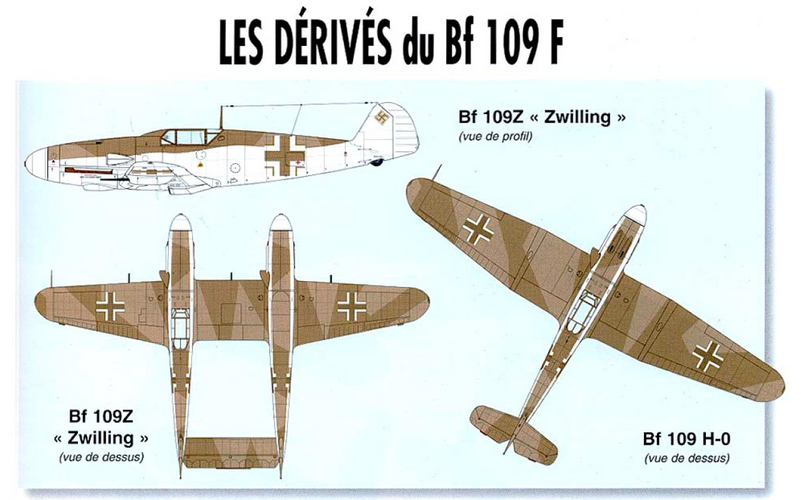
From my files,
the concept of building twin-aisle combat aircraft as a combination of
existing single-aisle designs - for this reason called Zwilling (= twin) -
was tested in practice in the early 1940s, with the construction of a five-
engine aircraft for towing heavy transport gliders, the Heinkel He 111Z.
The creator of this idea was Generaloberst Ernst Udet. Based on the same
idea, in 1942 the Messerschmitt factory proposed the development of a
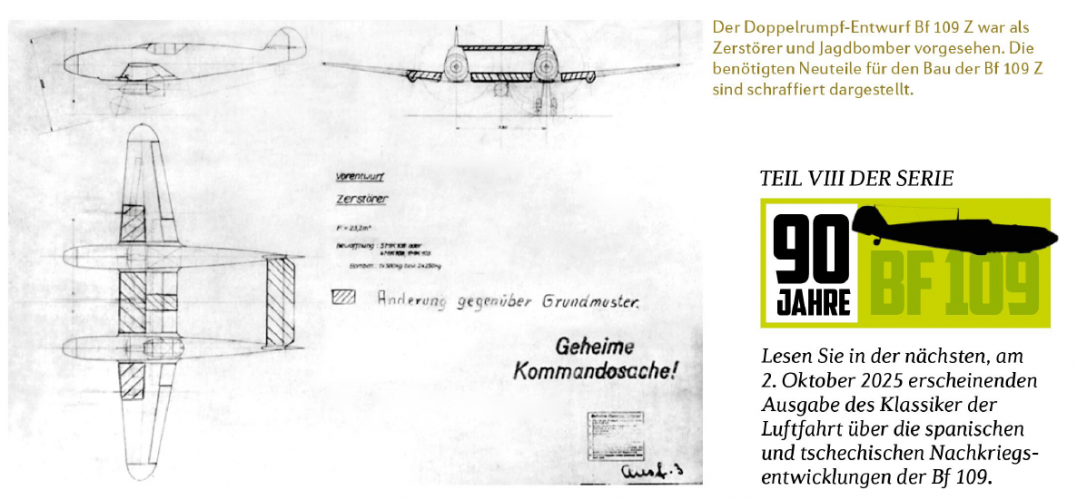
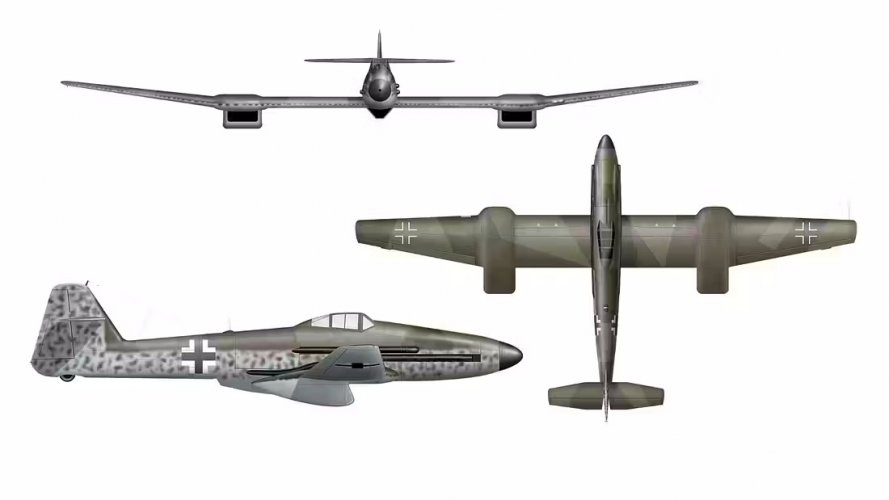
twin-aisle heavy fighter (so-called Zerstörer ), a combination of two
standard Messerschmitt Bf 109G-6 fighters. The new aircraft, designated
Bf 109Z-1 (Z for Zwilling or Zerstörer), was intended by its designers to
be the successor to the twin-engine Bf 110 destroyer. The two fuselages
were to be connected by a new center wing containing two undercarriage
bays, two glycol coolers, a universal ETC 250 bomb hook, and gunnery.
The horizontal tail was modified, eliminating the previous stabilizers and
replacing them with a common stabilizer connecting both fuselages.
Since the aircraft was to be a single-seater, the pilot's cabin was retained
in the left fuselage, while the cabin in the right fuselage was eliminated,
covering its bay with a sheet metal and installing an additional fuel tank
in it. The aircraft's very powerful armament was to consist of five 20 mm
Mauser MG 151/20 cannons or, ultimately, 30 mm Rheinmetall-Borsig
MK 108 or MK 103 cannons. The abandonment of machine guns allowed
for an increase in the ammunition supply for the cannons. The preliminary
design was accepted by representatives of the Technisches Amt des RLM
and at the end of 1942, the factory began building the first experimental
model.
According to some older publications, the prototype Bf 109Z-0 (or
Bf 109Z V1 ) was built in the second half (according to other sources,
in the beginning) of 1943, using two examples of the older Bf 109F-4
version with Daimler-Benz DB 601E-1 engines of 992 kW (1,350 hp) each.
Its takeoff weight was supposedly 5,897 kg. This aircraft - if it existed at all -
was never flown, as it was supposedly destroyed during one of the Allied
bombing raids. In addition to the initial fighter version of the Bf 109Z-1,
it was planned to develop further development variants: the bomber
Bf 109Z-3 , based - like the Z-1 - on the airframes of the Bf 109G-6
version with Daimler-Benz DB 605A-1 engines, armed with four 30 mm
cannons and 500 kg of bombs (according to some publications, this
variant was designated Z-2), the heavy fighter (destroyer) Bf 109Z-2 ,
based on the airframes of the Bf 109H-2 version with Junkers Jumo 213E
engines, armed with five 30 mm cannons and 500 kg of bombs (according
to some publications, this variant was designated Z-3) and the bomber
Bf 109Z-4 , also based on the airframes of the Bf 109H-2 version with
Junkers Jumo engines. 213E and armed with only two 30 mm cannons,
but as many as 1,000 kg of bombs. However, all design work on the
Bf 109's "twin" was finally stopped in 1944, probably due to the factory's
efforts being concentrated on the development and production of the
more needed Luftwaffe twin-engine jet aircraft Me 262 "Schwalbe" .
Finally, it is worth mentioning that at the same time as the Bf 109Z,
Messerschmitt designers were also working on the design of another
twin-fuselage heavy fighter - the Me 609. This aircraft was to be a
combination of two Me 309 aircraft. It seems likely, therefore, that the
Bf 109Z could have been just the first stage of the experiment, while the
more modern Me 609 was intended for eventual serial production. But
that is a slightly different story
the concept of building twin-aisle combat aircraft as a combination of
existing single-aisle designs - for this reason called Zwilling (= twin) -
was tested in practice in the early 1940s, with the construction of a five-
engine aircraft for towing heavy transport gliders, the Heinkel He 111Z.
The creator of this idea was Generaloberst Ernst Udet. Based on the same
idea, in 1942 the Messerschmitt factory proposed the development of a
twin-aisle heavy fighter (so-called Zerstörer ), a combination of two
standard Messerschmitt Bf 109G-6 fighters. The new aircraft, designated
Bf 109Z-1 (Z for Zwilling or Zerstörer), was intended by its designers to
be the successor to the twin-engine Bf 110 destroyer. The two fuselages
were to be connected by a new center wing containing two undercarriage
bays, two glycol coolers, a universal ETC 250 bomb hook, and gunnery.
The horizontal tail was modified, eliminating the previous stabilizers and
replacing them with a common stabilizer connecting both fuselages.
Since the aircraft was to be a single-seater, the pilot's cabin was retained
in the left fuselage, while the cabin in the right fuselage was eliminated,
covering its bay with a sheet metal and installing an additional fuel tank
in it. The aircraft's very powerful armament was to consist of five 20 mm
Mauser MG 151/20 cannons or, ultimately, 30 mm Rheinmetall-Borsig
MK 108 or MK 103 cannons. The abandonment of machine guns allowed
for an increase in the ammunition supply for the cannons. The preliminary
design was accepted by representatives of the Technisches Amt des RLM
and at the end of 1942, the factory began building the first experimental
model.
According to some older publications, the prototype Bf 109Z-0 (or
Bf 109Z V1 ) was built in the second half (according to other sources,
in the beginning) of 1943, using two examples of the older Bf 109F-4
version with Daimler-Benz DB 601E-1 engines of 992 kW (1,350 hp) each.
Its takeoff weight was supposedly 5,897 kg. This aircraft - if it existed at all -
was never flown, as it was supposedly destroyed during one of the Allied
bombing raids. In addition to the initial fighter version of the Bf 109Z-1,
it was planned to develop further development variants: the bomber
Bf 109Z-3 , based - like the Z-1 - on the airframes of the Bf 109G-6
version with Daimler-Benz DB 605A-1 engines, armed with four 30 mm
cannons and 500 kg of bombs (according to some publications, this
variant was designated Z-2), the heavy fighter (destroyer) Bf 109Z-2 ,
based on the airframes of the Bf 109H-2 version with Junkers Jumo 213E
engines, armed with five 30 mm cannons and 500 kg of bombs (according
to some publications, this variant was designated Z-3) and the bomber
Bf 109Z-4 , also based on the airframes of the Bf 109H-2 version with
Junkers Jumo engines. 213E and armed with only two 30 mm cannons,
but as many as 1,000 kg of bombs. However, all design work on the
Bf 109's "twin" was finally stopped in 1944, probably due to the factory's
efforts being concentrated on the development and production of the
more needed Luftwaffe twin-engine jet aircraft Me 262 "Schwalbe" .
Finally, it is worth mentioning that at the same time as the Bf 109Z,
Messerschmitt designers were also working on the design of another
twin-fuselage heavy fighter - the Me 609. This aircraft was to be a
combination of two Me 309 aircraft. It seems likely, therefore, that the
Bf 109Z could have been just the first stage of the experiment, while the
more modern Me 609 was intended for eventual serial production. But
that is a slightly different story

Airborne2001
ACCESS: Secret
- Joined
- 19 June 2020
- Messages
- 377
- Reaction score
- 541
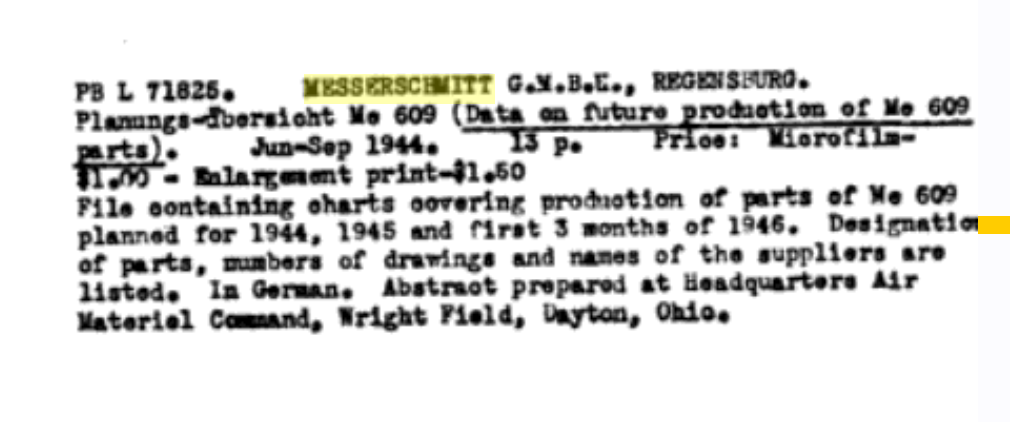
Brilliant, thank you. Those bomber variants would've been something! Also, and @newsdeskdan can probably shine more light on this than me, but I think the Me-609 designation was actually something for an Me-262 (I think a prototype? not sure exactly).From my files,
the concept of building twin-aisle combat aircraft as a combination of
existing single-aisle designs - for this reason called Zwilling (= twin) -
was tested in practice in the early 1940s, with the construction of a five-
engine aircraft for towing heavy transport gliders, the Heinkel He 111Z.
The creator of this idea was Generaloberst Ernst Udet. Based on the same
idea, in 1942 the Messerschmitt factory proposed the development of a
twin-aisle heavy fighter (so-called Zerstörer ), a combination of two
standard Messerschmitt Bf 109G-6 fighters. The new aircraft, designated
Bf 109Z-1 (Z for Zwilling or Zerstörer), was intended by its designers to
be the successor to the twin-engine Bf 110 destroyer. The two fuselages
were to be connected by a new center wing containing two undercarriage
bays, two glycol coolers, a universal ETC 250 bomb hook, and gunnery.
The horizontal tail was modified, eliminating the previous stabilizers and
replacing them with a common stabilizer connecting both fuselages.
Since the aircraft was to be a single-seater, the pilot's cabin was retained
in the left fuselage, while the cabin in the right fuselage was eliminated,
covering its bay with a sheet metal and installing an additional fuel tank
in it. The aircraft's very powerful armament was to consist of five 20 mm
Mauser MG 151/20 cannons or, ultimately, 30 mm Rheinmetall-Borsig
MK 108 or MK 103 cannons. The abandonment of machine guns allowed
for an increase in the ammunition supply for the cannons. The preliminary
design was accepted by representatives of the Technisches Amt des RLM
and at the end of 1942, the factory began building the first experimental
model.
According to some older publications, the prototype Bf 109Z-0 (or
Bf 109Z V1 ) was built in the second half (according to other sources,
in the beginning) of 1943, using two examples of the older Bf 109F-4
version with Daimler-Benz DB 601E-1 engines of 992 kW (1,350 hp) each.
Its takeoff weight was supposedly 5,897 kg. This aircraft - if it existed at all -
was never flown, as it was supposedly destroyed during one of the Allied
bombing raids. In addition to the initial fighter version of the Bf 109Z-1,
it was planned to develop further development variants: the bomber
Bf 109Z-3 , based - like the Z-1 - on the airframes of the Bf 109G-6
version with Daimler-Benz DB 605A-1 engines, armed with four 30 mm
cannons and 500 kg of bombs (according to some publications, this
variant was designated Z-2), the heavy fighter (destroyer) Bf 109Z-2 ,
based on the airframes of the Bf 109H-2 version with Junkers Jumo 213E
engines, armed with five 30 mm cannons and 500 kg of bombs (according
to some publications, this variant was designated Z-3) and the bomber
Bf 109Z-4 , also based on the airframes of the Bf 109H-2 version with
Junkers Jumo engines. 213E and armed with only two 30 mm cannons,
but as many as 1,000 kg of bombs. However, all design work on the
Bf 109's "twin" was finally stopped in 1944, probably due to the factory's
efforts being concentrated on the development and production of the
more needed Luftwaffe twin-engine jet aircraft Me 262 "Schwalbe" .
Finally, it is worth mentioning that at the same time as the Bf 109Z,
Messerschmitt designers were also working on the design of another
twin-fuselage heavy fighter - the Me 609. This aircraft was to be a
combination of two Me 309 aircraft. It seems likely, therefore, that the
Bf 109Z could have been just the first stage of the experiment, while the
more modern Me 609 was intended for eventual serial production. But
that is a slightly different story

- Joined
- 8 March 2009
- Messages
- 1,169
- Reaction score
- 1,733
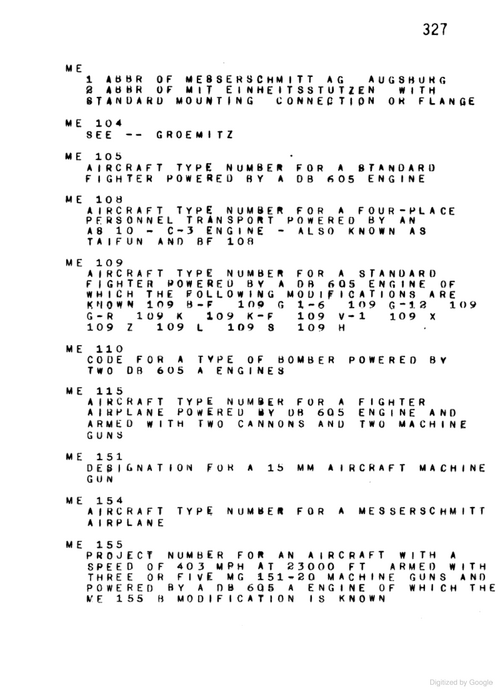
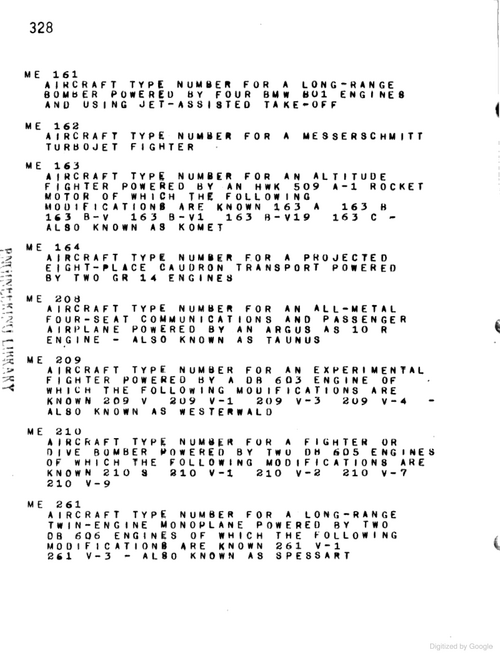
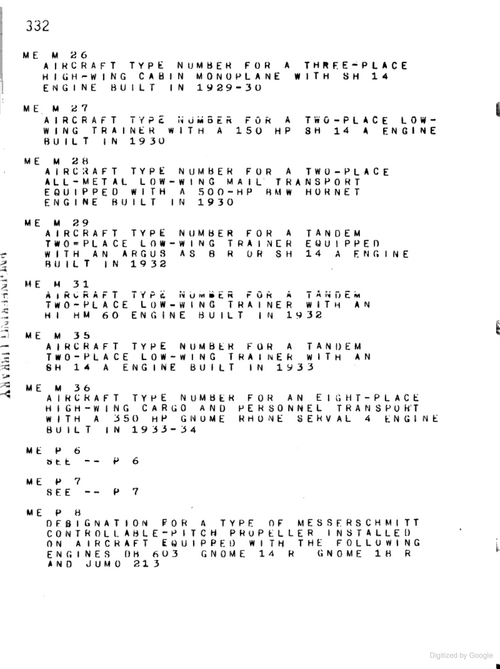
Perhaps it wasn't just the 262;


https://www.google.com/books/edition/Glossary_of_German_aeronautical_codes_mo/eWVUAAAAYAAJ
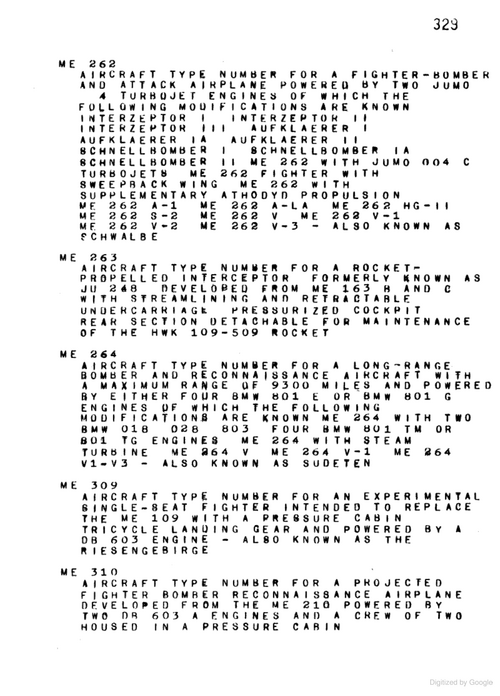
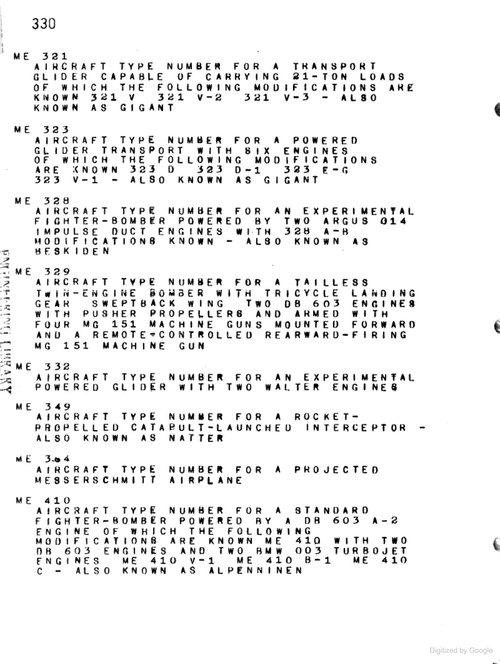
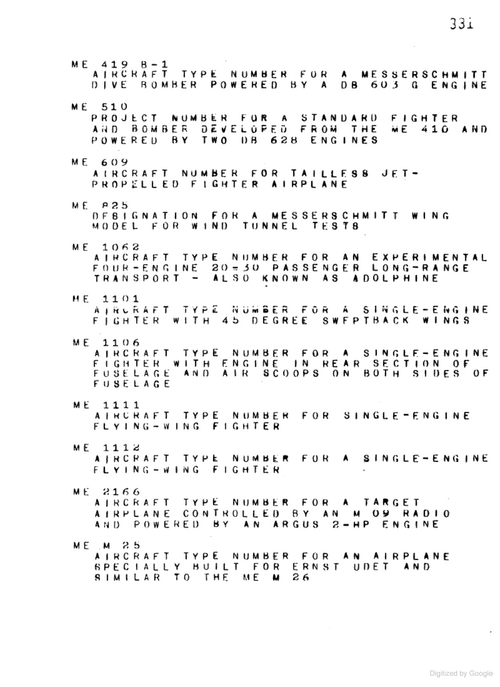
https://www.google.com/books/edition/Glossary_of_German_aeronautical_codes_mo/eWVUAAAAYAAJ
Attachments

- Joined
- 11 June 2014
- Messages
- 1,641
- Reaction score
- 3,509
I believe it was a cover designation for the 262
View attachment 759207
I don't know if 'cover designation' is quite the right term. Basically, an Me 609 was an Me 262 built at Regensburg. Construction documents from Regensburg, or about Regensburg, refer to Me 262 production using '8-609'. It's not entirely clear why. But there are a lot of documents referring to the Me 609 and they all refer to Me 262 production at Regensburg.
That Glossary of German Aeronautical codes is just terrible btw. Whoever compiled it simply threw in every number they could lay their hands on - including numbers resulting from typos and misreadings of other numbers. Please disregard it!
- Joined
- 11 June 2014
- Messages
- 1,641
- Reaction score
- 3,509
Brilliant, thank you. Those bomber variants would've been something! Also, and @newsdeskdan can probably shine more light on this than me, but I think the Me-609 designation was actually something for an Me-262 (I think a prototype? not sure exactly).
The Me 109 Z was created as a fast bomber - that was its intended role. But it never reached the point of sub-types being derived from it. You only get 'A-0', 'A-1' etc. once an aircraft is the subject of a production contract.
If you see 'A-1', 'A-2' (or indeed 'Z-1', 'Z-2') etc. for anything that wasn't scheduled for production at any point, such as the Me 109 Z, I would regard it with at least a degree of scepticism.
Last edited:
1:72 AZ MODEL "WHAT-IF"
MESSERSCHMITT 109 K-14 "LATE" with Bubble Canopy
https://www.britmodeller.com/forums/index.php?/topic/235130866-bf109k-14-late-az7850-172/
MESSERSCHMITT 109 K-14 "LATE" with Bubble Canopy
https://www.britmodeller.com/forums/index.php?/topic/235130866-bf109k-14-late-az7850-172/

Avia S.199 'bubble' canopy ?


- Joined
- 25 July 2007
- Messages
- 4,912
- Reaction score
- 5,521
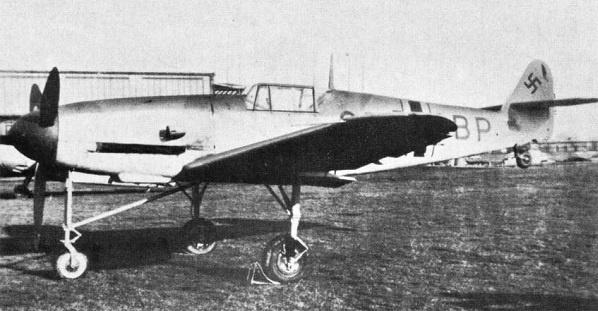
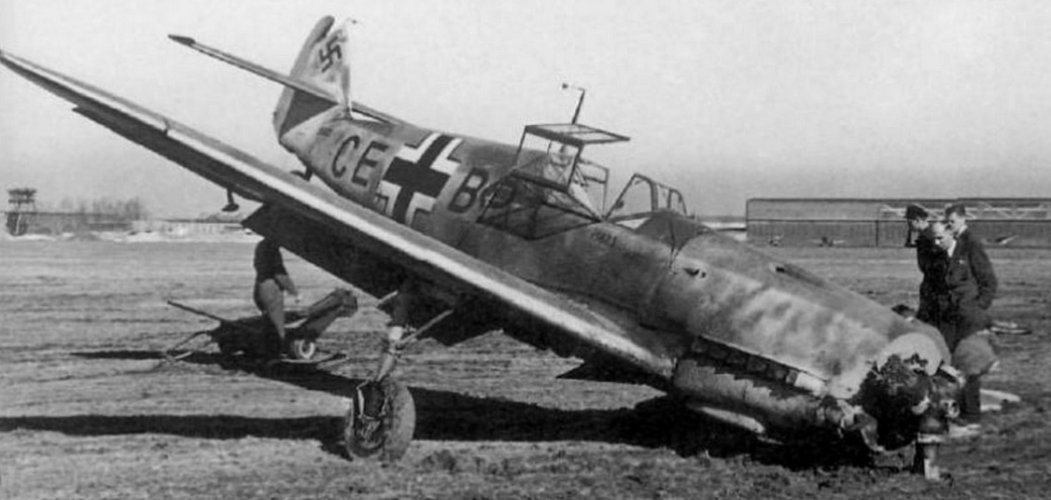
What is it and what for?
Bf 109 V23 (stammkennzeichen CE+BP). This Bf 109F-0 airframe (W.Nr. 5603) was being used to test features of the proposed Me 309 including, obviously, the tricycle undercarriage (albeit in a crude, non-retractable form).
Image source: https://www.modelforum.cz/viewtopic.php?f=57&t=131311&start=3435
Attachments
Last edited:
- Joined
- 11 June 2014
- Messages
- 1,641
- Reaction score
- 3,509
What is it and what for?
View attachment 779636
It's fully explained in my book (with Calum Douglas) Messerschmitt Me 309 Development & Politics.
Messerschmitt 109 "Explosive Carrier"
Perhaps this modification was intended for the Rammjäger of "Sonderkommando Elbe"?
March 5, 1945 – March 15, 1945
8 - 109 / SO gegen 4 mot.
"Nach Ausbau der Motorwaffe wird Waffenabdeckung zur Füllung mit Sprengstoff benutzt. Änderungsumfang bei der Truppe gering.
-----
Messerschmitt 109 "Selbstopfer" (self-sacrifice) filled with explosives for use against 4-engined bombers. Replacing the engine-mounted weapon with explosives.
Source: Bundesarchiv
Signatur: RL 3/2567; Page 271
Additional information regarding
"S.O. Grosseinsatz - Unternehmen Wehrwolf".
Source: Bundesarchiv
Signatur: RL 2-II/23; Page: 15, 79, 107-109, 127, 167
Perhaps this modification was intended for the Rammjäger of "Sonderkommando Elbe"?
March 5, 1945 – March 15, 1945
8 - 109 / SO gegen 4 mot.
"Nach Ausbau der Motorwaffe wird Waffenabdeckung zur Füllung mit Sprengstoff benutzt. Änderungsumfang bei der Truppe gering.
-----
Messerschmitt 109 "Selbstopfer" (self-sacrifice) filled with explosives for use against 4-engined bombers. Replacing the engine-mounted weapon with explosives.
Source: Bundesarchiv
Signatur: RL 3/2567; Page 271
Additional information regarding
"S.O. Grosseinsatz - Unternehmen Wehrwolf".
Source: Bundesarchiv
Signatur: RL 2-II/23; Page: 15, 79, 107-109, 127, 167
Last edited:

- Joined
- 3 June 2006
- Messages
- 3,538
- Reaction score
- 6,212
Same source, but this time from the website. In my opinion, no new information was published in the article.From, Klassiker der Luftfahrt 2025-07
Source (German, but behind a paywall):
https://www.flugrevue.de/klassiker/...rvarianten-des-legendaeren-weltkriegsjaegers/
Attachments


- Joined
- 3 June 2006
- Messages
- 3,538
- Reaction score
- 6,212
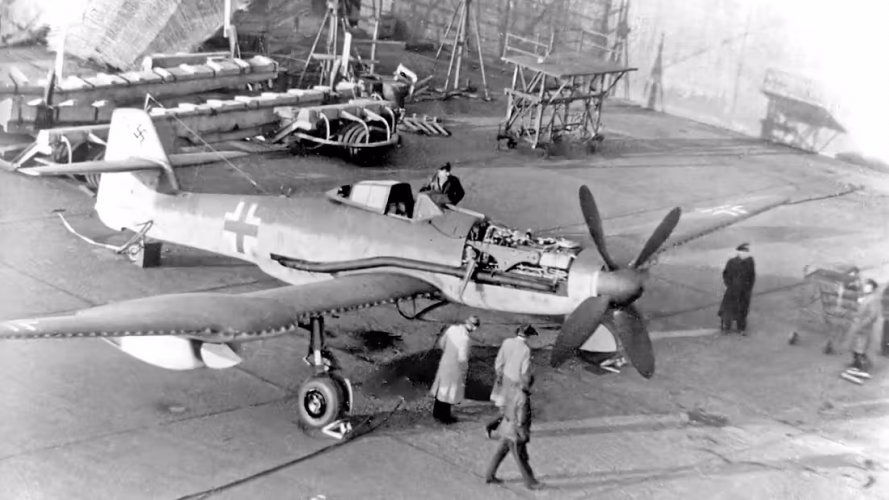
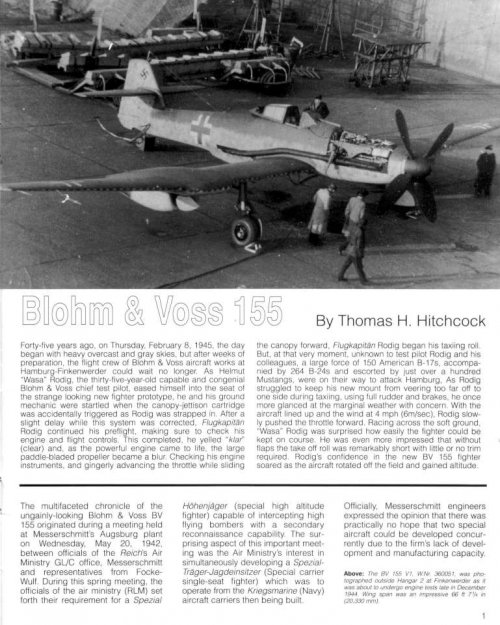
Hello folks, here some pictures from an article about the Blohm & Voss BV 155.
Once featured as part 2 of Klassiker der Luftfahrt in July 2025, and now appearing in FlugRevue February 2026 issue.
In my view, the article didn’t present any new information.
Source (German, but behind a paywall):
https://www.flugrevue.de/klassiker/blohm-voss-bv-155-ein-hoehenjaeger-auf-basis-der-bf-109/
Once featured as part 2 of Klassiker der Luftfahrt in July 2025, and now appearing in FlugRevue February 2026 issue.
In my view, the article didn’t present any new information.
Source (German, but behind a paywall):
https://www.flugrevue.de/klassiker/blohm-voss-bv-155-ein-hoehenjaeger-auf-basis-der-bf-109/
Attachments
-
 20260124_Blohm & Voss BV 155_Flug_Revue_KdL_007.jpg66.3 KB · Views: 135
 -
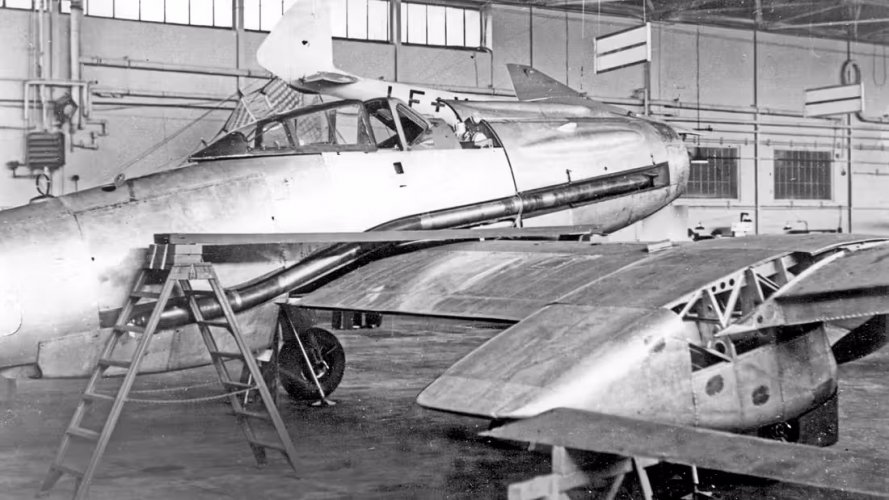 20260124_Blohm & Voss BV 155_Flug_Revue_KdL_006.jpg209.1 KB · Views: 98
 -
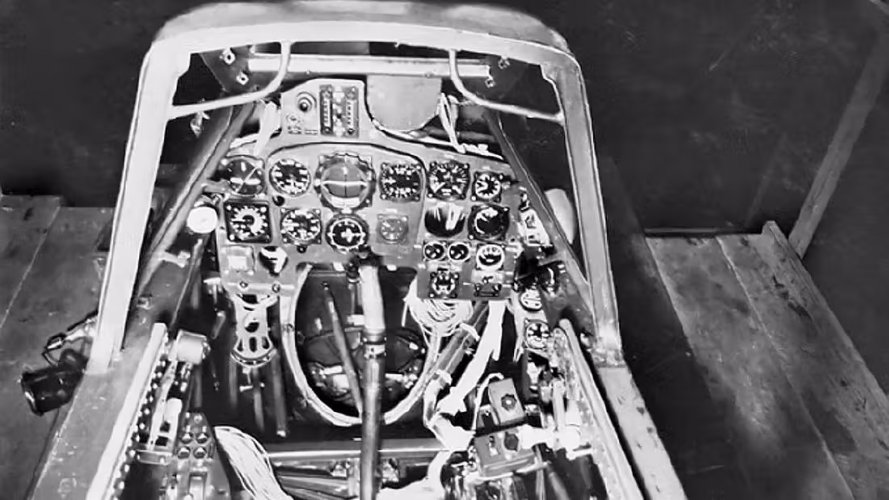 20260124_Blohm & Voss BV 155_Flug_Revue_KdL_005.jpg201.7 KB · Views: 83
 -
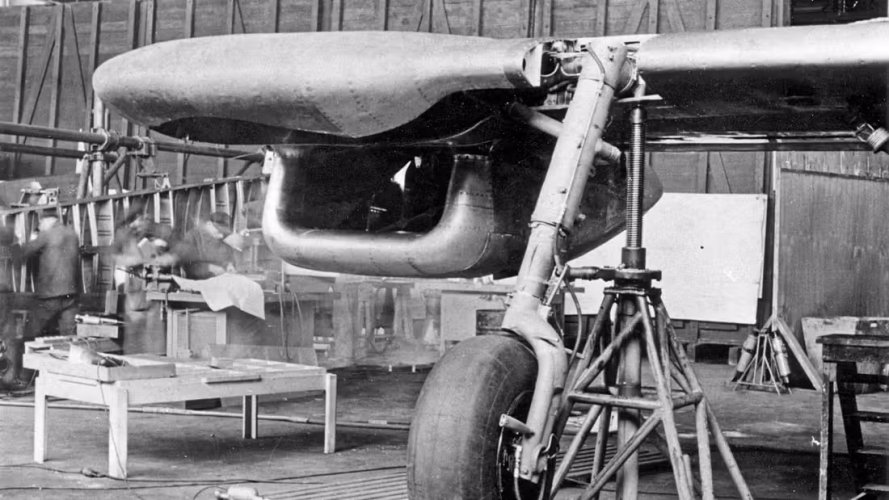 20260124_Blohm & Voss BV 155_Flug_Revue_KdL_004.jpg224.3 KB · Views: 81
 -
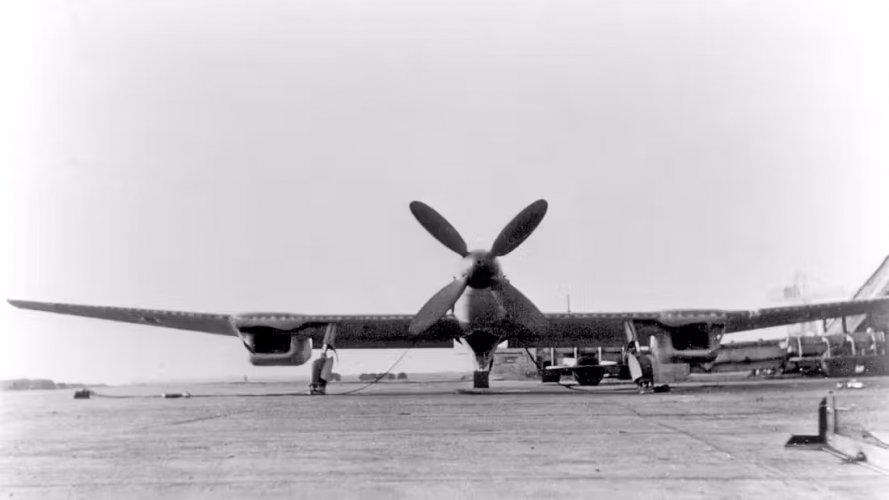 20260124_Blohm & Voss BV 155_Flug_Revue_KdL_003.jpg93 KB · Views: 81
 -
 20260124_Blohm & Voss BV 155_Flug_Revue_KdL_002.jpg172.2 KB · Views: 96
 -
 20260124_Blohm & Voss BV 155_Flug_Revue_KdL_001.jpg69.2 KB · Views: 128
Last edited:

Dagger
ACCESS: Secret
- Joined
- 24 December 2019
- Messages
- 412
- Reaction score
- 836
More precisely: from the latest issue of FlugRevue magazine.Part 2 of Klassiker der Luftfahrt 2025-07, ...............
The magazine article shows the port/left side colour profile, however on the website they put a mirror image of that profile, which is not correct as both sides are not identical.
Increased Range:
Me 109 - Aircraft Development - Table
- "Doppelreiter" external fuel tanks for Me 109 K6/R6
Source: Bundesarchiv
Signatur: RL 3/1277; Page: 59
Direct Link:
https://invenio.bundesarchiv.de/invenio/direktlink/689c2bf5-92c8-4afa-9c14-8683f936df8e/
Me 109 - Aircraft Development - Table
- "Doppelreiter" external fuel tanks for Me 109 K6/R6
Source: Bundesarchiv
Signatur: RL 3/1277; Page: 59
Direct Link:
https://invenio.bundesarchiv.de/invenio/direktlink/689c2bf5-92c8-4afa-9c14-8683f936df8e/

blackkite
Don't laugh, don't cry, don't even curse, but.....
- Joined
- 31 May 2007
- Messages
- 9,515
- Reaction score
- 9,652
Attachments
-
 1.jpg75.7 KB · Views: 50
 -
 2.jpg115.2 KB · Views: 35
 -
 3.jpg103.2 KB · Views: 34
 -
 4.jpg133.6 KB · Views: 34
 -
 5.jpg112.6 KB · Views: 33
 -
 6.jpg137.5 KB · Views: 32
 -
 7.jpg142.6 KB · Views: 26
 -
 8.jpg119.8 KB · Views: 25
 -
 9.jpg106.6 KB · Views: 23
 -
 10.jpg138.6 KB · Views: 25
 -
 11.jpg129.9 KB · Views: 26
 -
 12.jpg90.9 KB · Views: 31
 -
 13.jpg83.8 KB · Views: 34
 -
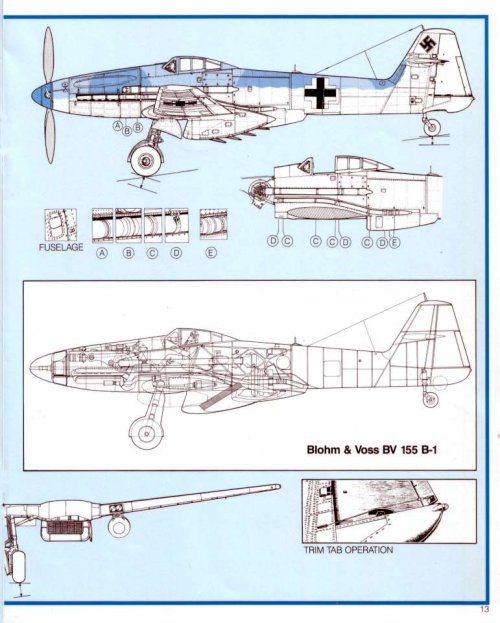 14.jpg85.6 KB · Views: 35
 -
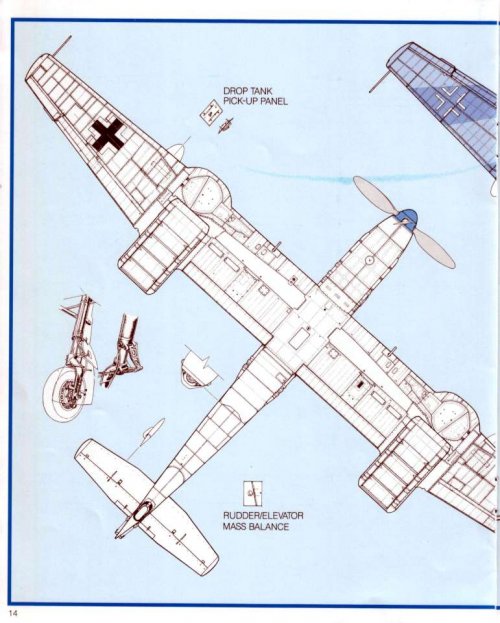 15.jpg82.6 KB · Views: 37
 -
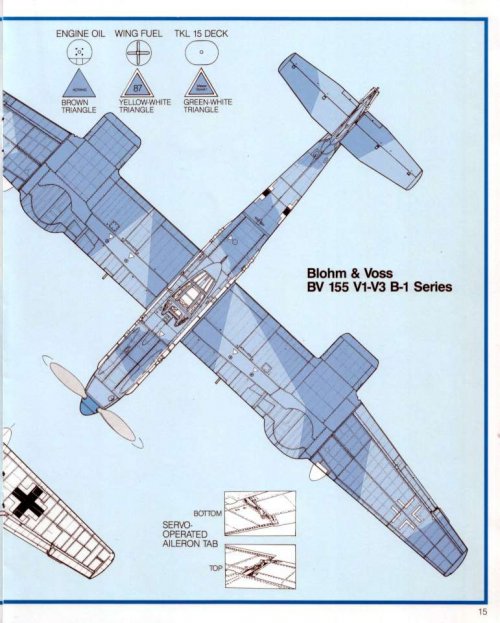 16.jpg80.8 KB · Views: 37
 -
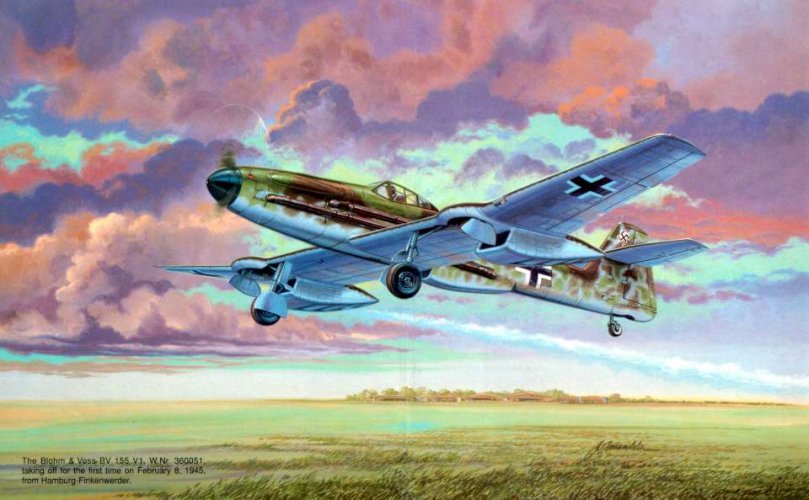 17.jpg62.9 KB · Views: 38
 -
 18.jpg61.4 KB · Views: 37
 -
 19.jpg73.2 KB · Views: 34
 -
 20.jpg100.4 KB · Views: 33
blackkite
Don't laugh, don't cry, don't even curse, but.....
- Joined
- 31 May 2007
- Messages
- 9,515
- Reaction score
- 9,652
Hi!
Attachments
-
 33.jpg115.1 KB · Views: 30
 -
 32.jpg106.7 KB · Views: 29
 -
 31.jpg113.8 KB · Views: 28
 -
 30.jpg95 KB · Views: 29
 -
 29.jpg102.9 KB · Views: 29
 -
 28.jpg96.7 KB · Views: 28
 -
 27.jpg131.1 KB · Views: 28
 -
 26.jpg149 KB · Views: 29
 -
 25.jpg107.5 KB · Views: 28
 -
 24.jpg136 KB · Views: 27
 -
 23.jpg91.4 KB · Views: 24
 -
 22.jpg91.4 KB · Views: 22
 -
 21.jpg128.1 KB · Views: 36
blackkite
Don't laugh, don't cry, don't even curse, but.....
- Joined
- 31 May 2007
- Messages
- 9,515
- Reaction score
- 9,652
Attachments
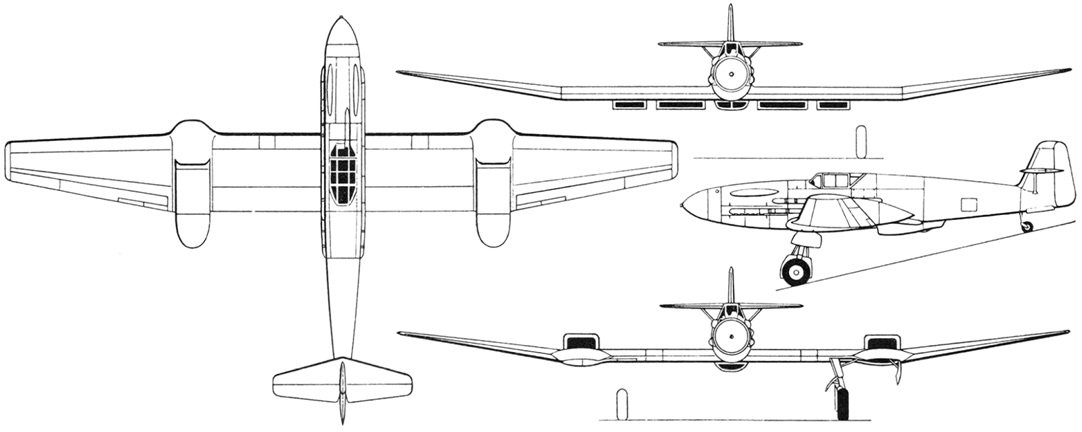
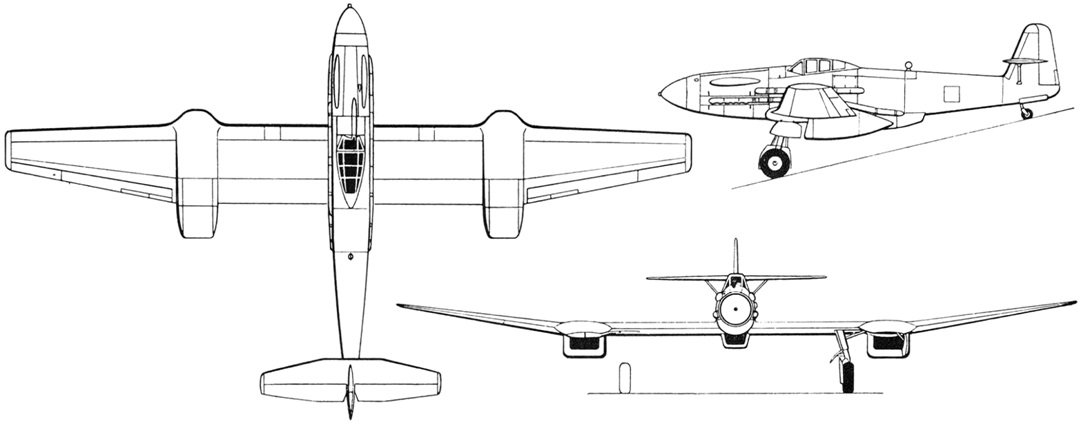
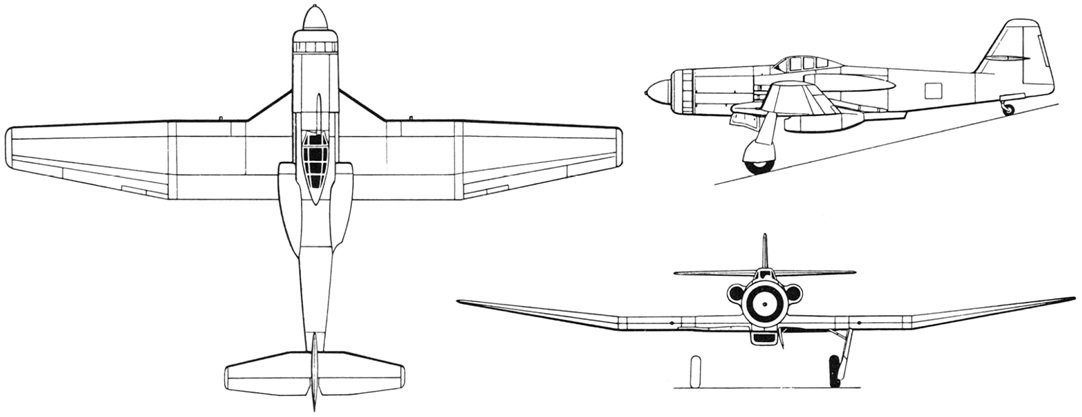
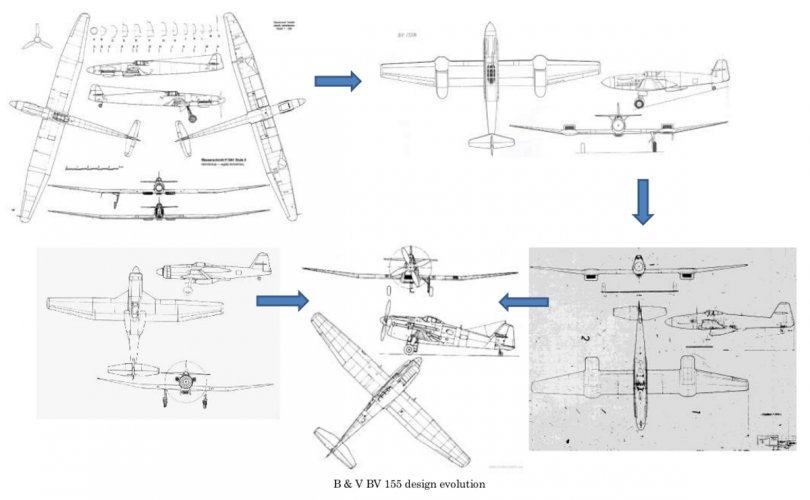
blackkite
Don't laugh, don't cry, don't even curse, but.....
- Joined
- 31 May 2007
- Messages
- 9,515
- Reaction score
- 9,652
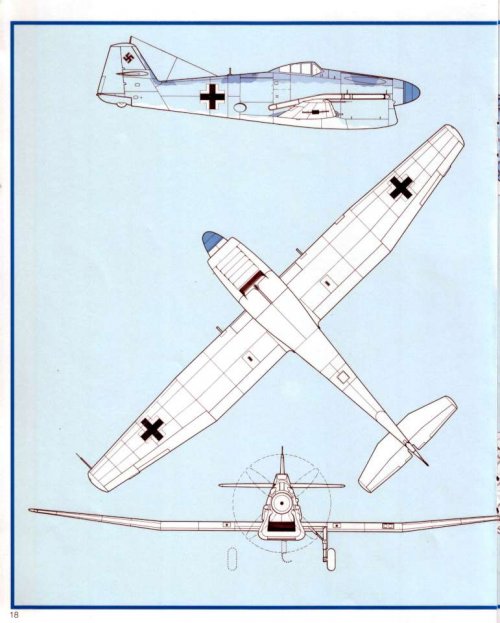
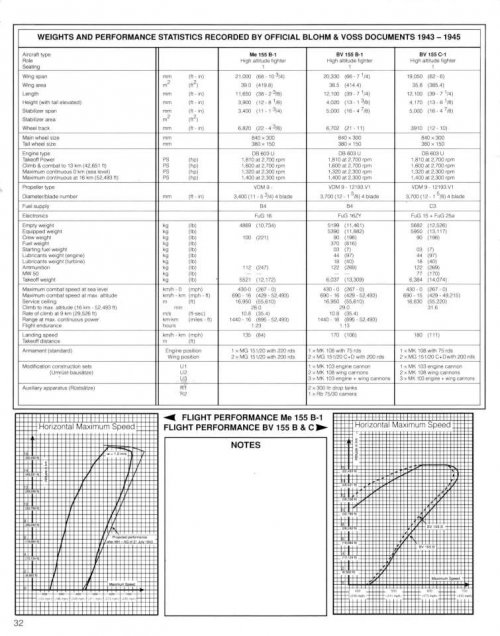
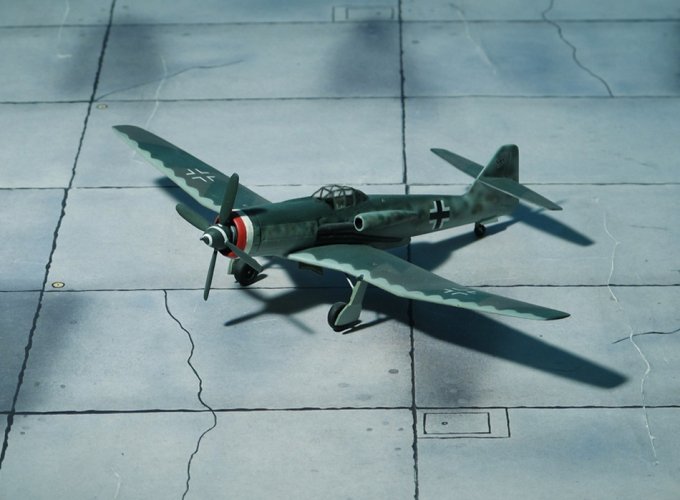
Hi! BLOHM & VOSS BV P.205
https://modelplanes.de/luftwaffe/jaeger-luftwaffe/blohm-voss-bv-p-205-rs-models-resin/"ACCOMMODATION: Pilot only, in pressurized cockpit
POWER PLANT: One Daimler-Benz DB603V inverted V-12 liquid-cooled piston engine with Hirth TJ KL 15 turbo-charger, rated at 1,609 hp at 32,808 ft
PERFORMANCE: 435 mph at 52,493 ft
COMMENT: : Immediately after transfer of the Messerschmitt Me 155-project from Messerschmitt to Blohm & Voss the layout and the arrangement of the radiator was a topic of intensive discussion between both companies. Dr. Vogt from Blohm & Voss Company suggested a solution to delete the unpopular complex underwing radiators. As a result the Bv P.205, as the designation was officially given to that design, the aircraft was quite different in appearance to the Blohm & Voss Bv 155 V1. The clumsy wing-mounted radiators were eliminated, and the main landing gear leg attachment points were moved inboard to retract inwards. The cooling was provided by an annular frontal radiator as in the Focke-Wulf Ta 152. Large circular intakes were attached to the fuselage sides above the wing roots. The engine cowling and turbo–charger were unchanged. With the wings now free of clutter, they were considerably simpler and were reduced in span. This also had the side effect of reducing the track, which would later prove to be a welcome change. The new design would be simpler, lighter and faster, and plans were made to make it the standard version of the aircraft. The project never left the drawing board, but further development led to the Blohm & Voss Bv 155C “Spezial Höhenjäger” (Special high altitude fighter) where all radiators were located underneath the engine, allowing an aerodynamically clean airfoil. A mock-up was under construction when the war ended (Ref.: 17, 24)."
Attachments
Last edited:
blackkite
Don't laugh, don't cry, don't even curse, but.....
- Joined
- 31 May 2007
- Messages
- 9,515
- Reaction score
- 9,652
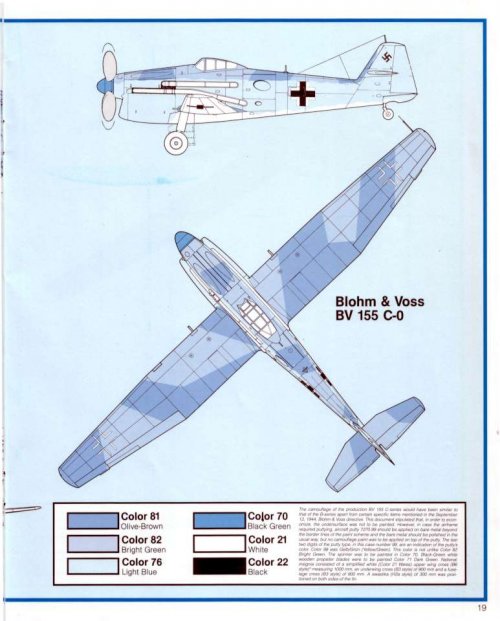
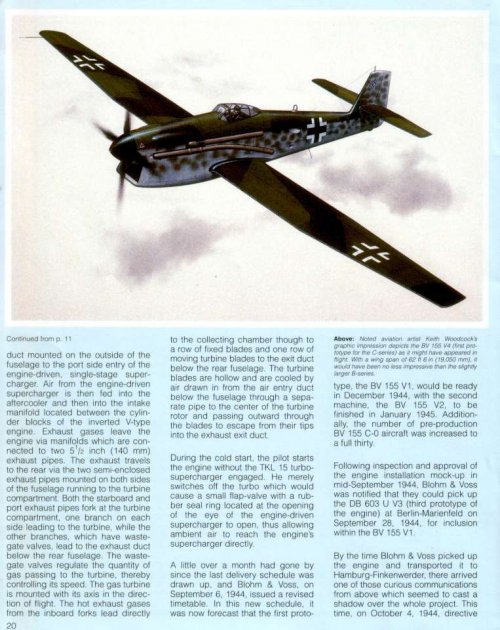
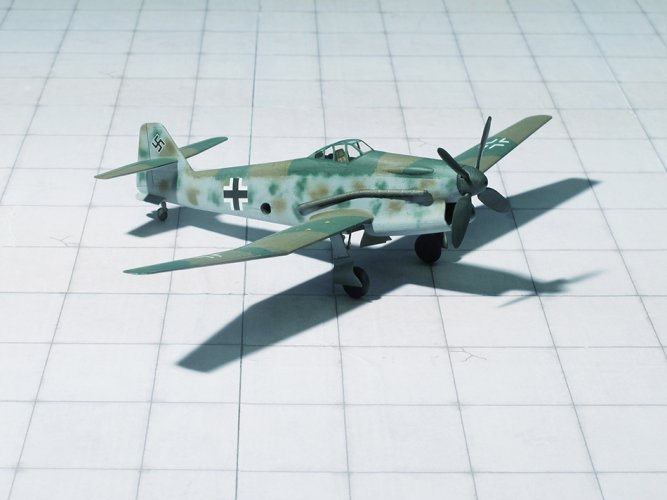
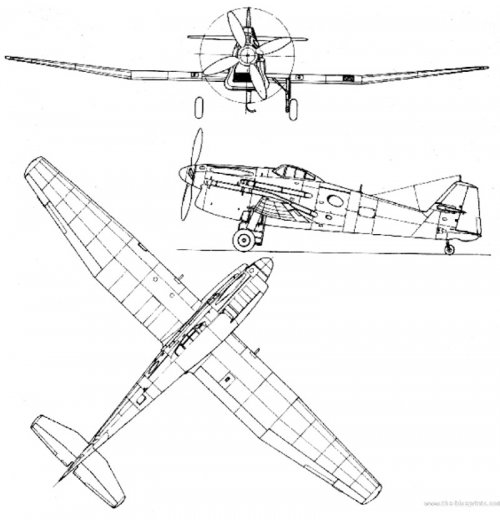
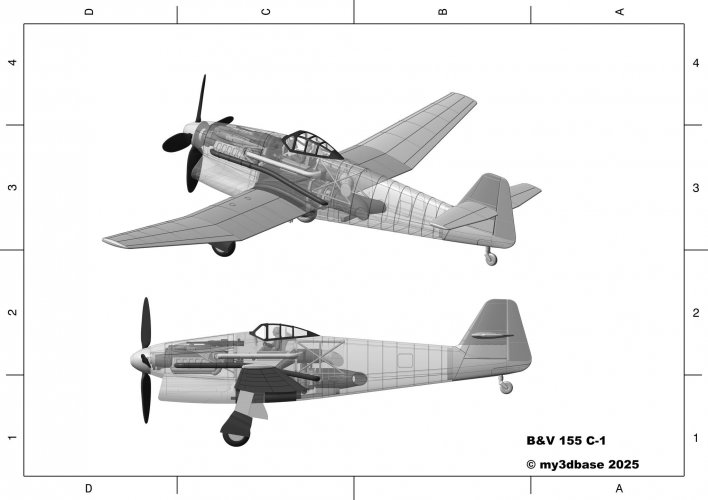
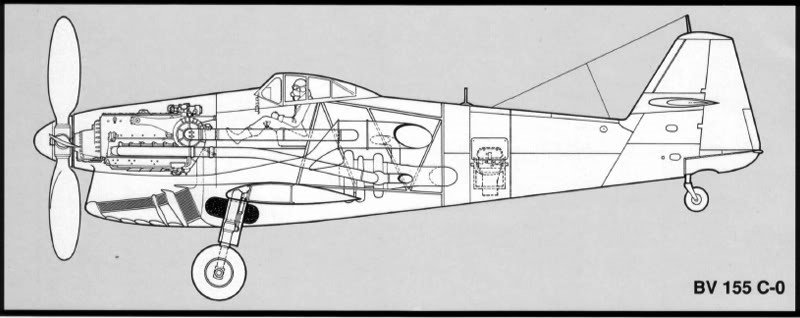
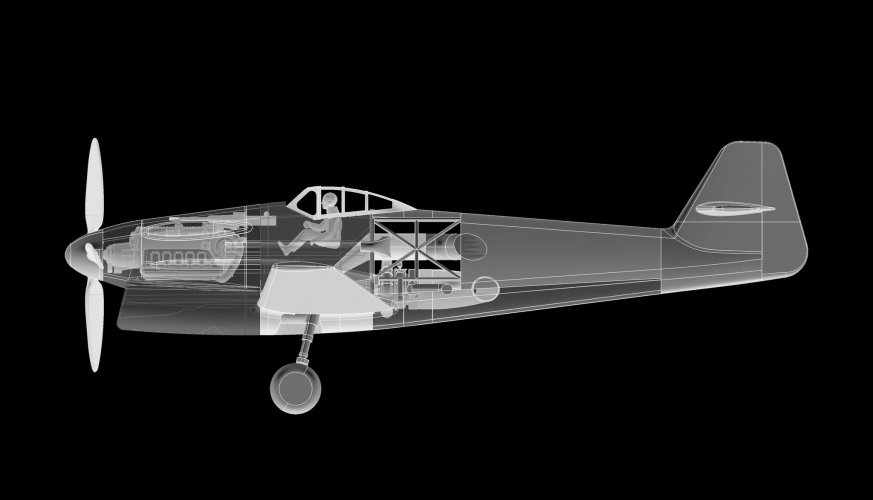
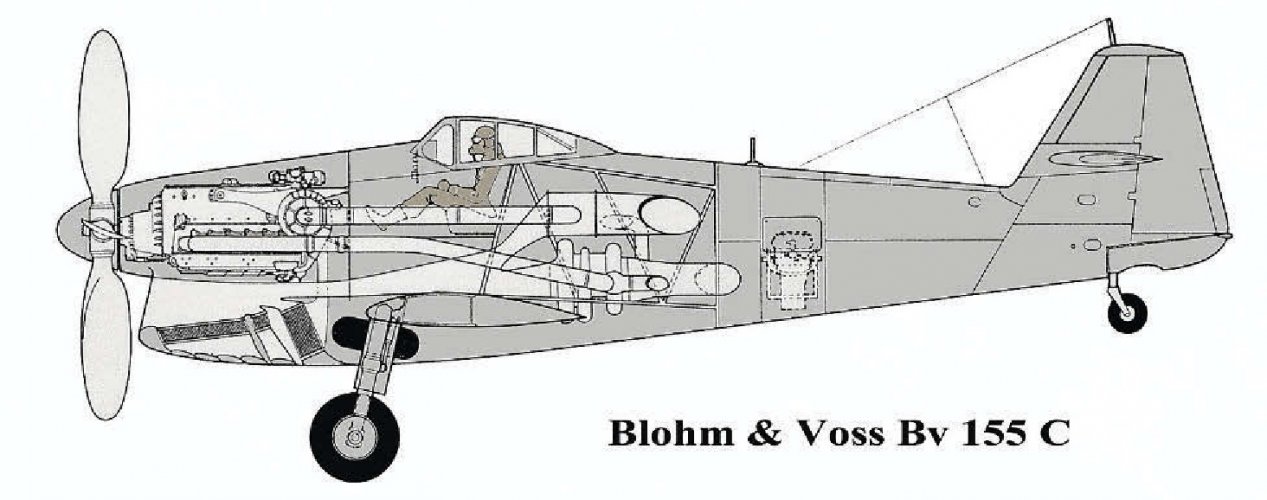
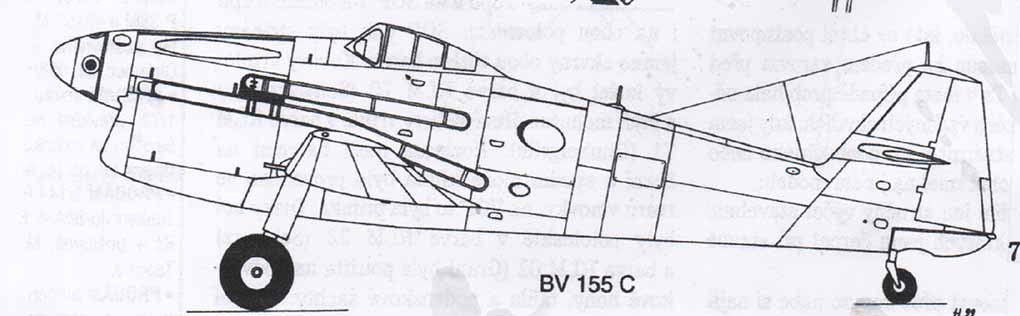
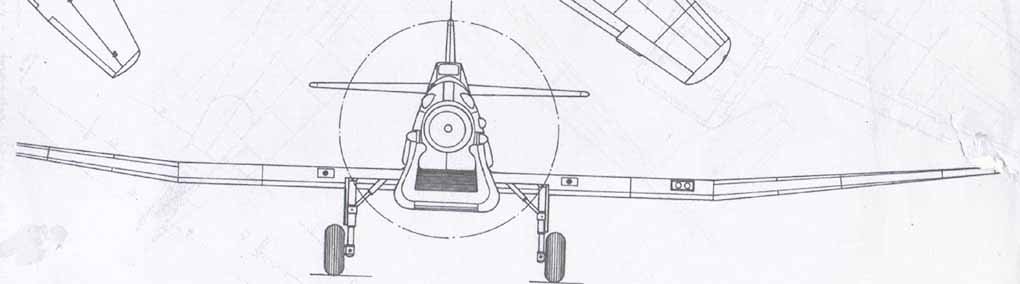
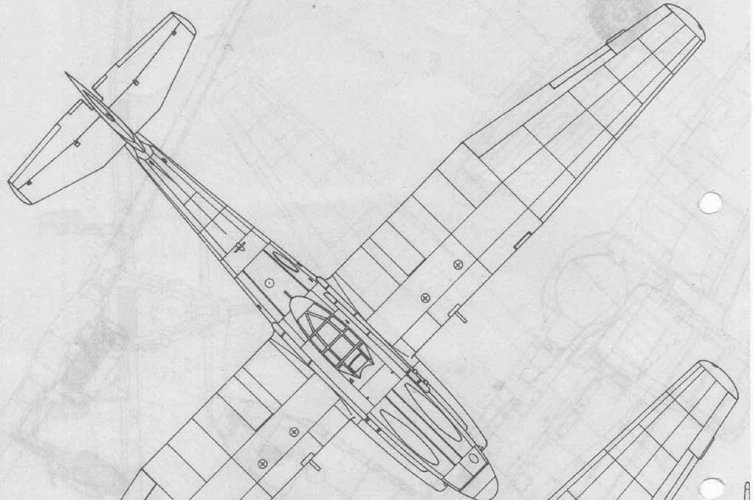
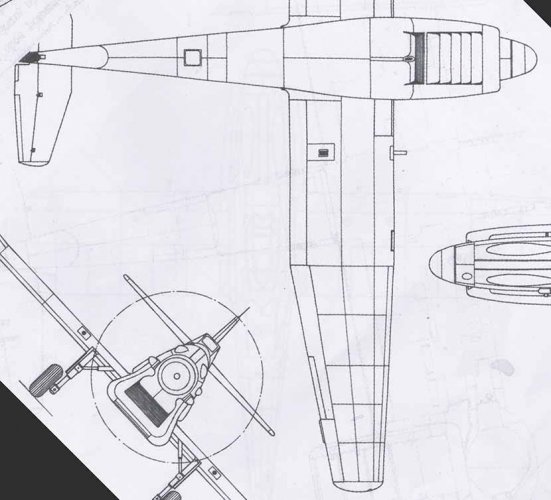
Hi! BLOHM & VOSS BV 155C
https://modelplanes.de/luftwaffe/jaeger-luftwaffe/blohm-voss-bv-155c-my3dbase-model-resin/"TYPE: High altitude interceptor
ACCOMMODATION: Pilot only
POWER PLANT: One Daimler-Benz DB 603U liquid-cooled engine with Hirth TJ KL 15 turbo-charger, rated at 1,430 hp at 49,000 ft.
PERFORMANCE: 690 km/h (429 mph) at 16,000 m (52,000 ft)
COMMENT: The Blohm & Voss Bv 155 was a German high-altitude interceptor aircraft intended to be used by the Luftwaffe against increasing numbers of high-altitude bomber raids of the Allies.
Performance estimates of the American Boeing B-29 Superfortress became acquainted with the RLM (Reichs Luftfahrtministerium, Reich’s Air Ministry). The bomber would cruise at an altitude at which no current German plane could operate effectively. To intercept it, the Luftwaffe would urgently need new aircraft.
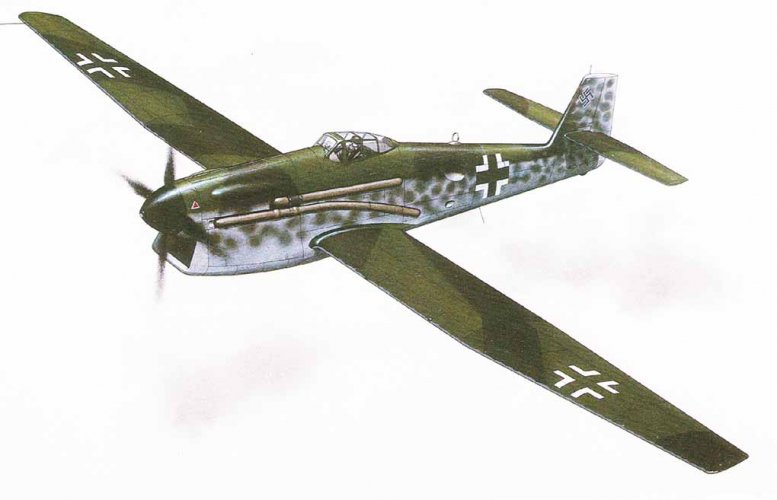
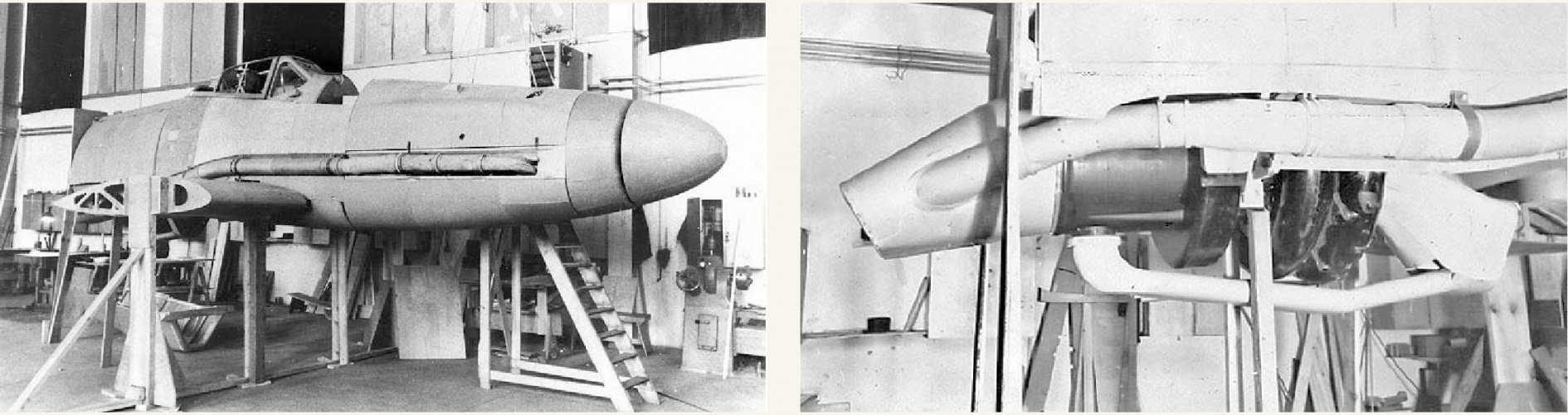
Perhaps the most bizarre piston-engined fighter to be flown in Germany during the life of the Third Reich was the ungainly Blohm & Voss Bv 155 high-altitude interceptor, with its inordinate wing span and, in its Bv 155B-series, uniquely situated coolant radiators. The development history of this warplane was nowise less curious than its appearance, for it commences its career not on the drawing boards of Blohm & Voss’s design team, but in the project office of Ing. Dr. W. Vogt of the Messerschmitt AG at Augsburg. Furthermore, its type number has bee previously applied to a single-seat shipboard fighter, being resurrected when the RLM’s Technische Amt conceived a requirement for what was, by the standards of the day, an ultra-high-altitude interceptor.
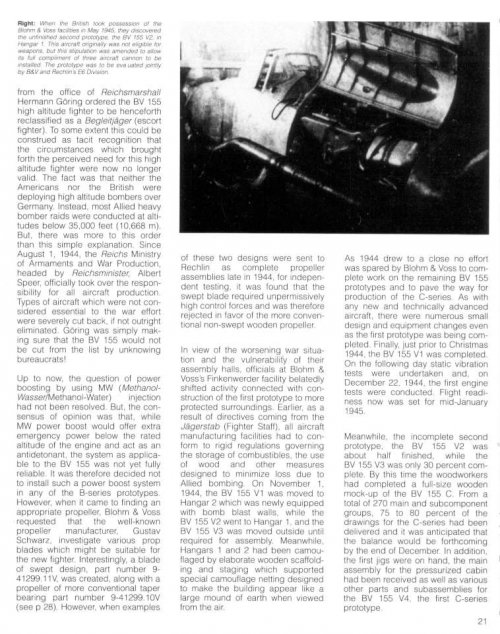
Work on a high altitude fighter was originally begun by Messerschmitt in spring 1942 as a follower of the carrier-based fighter Messerschmitt Me 109T (T for Träger, Carrier) under the designation Messerschmitt Me 155. In 1943 the project was passed to Blohm & Voss and an order for five prototypes was placed. Blohm & Voss accepted the order only on condition they had complete design freedom and were not bound by Messerschmitt’s work to date. The redesign was named the Bv 155.
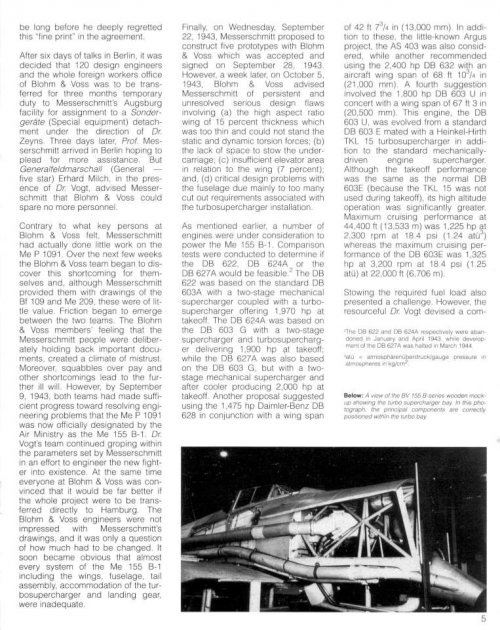
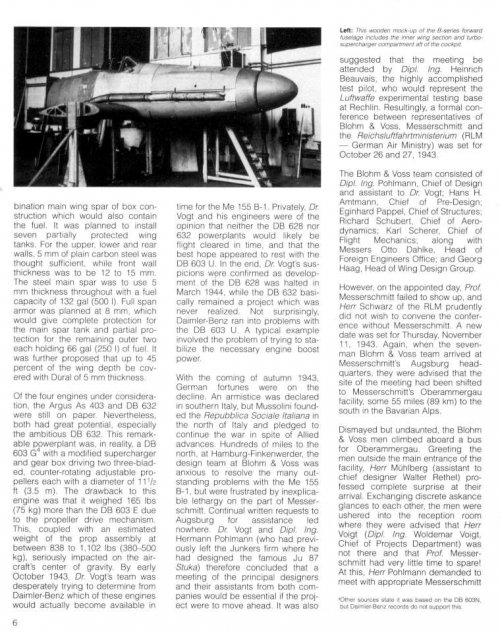
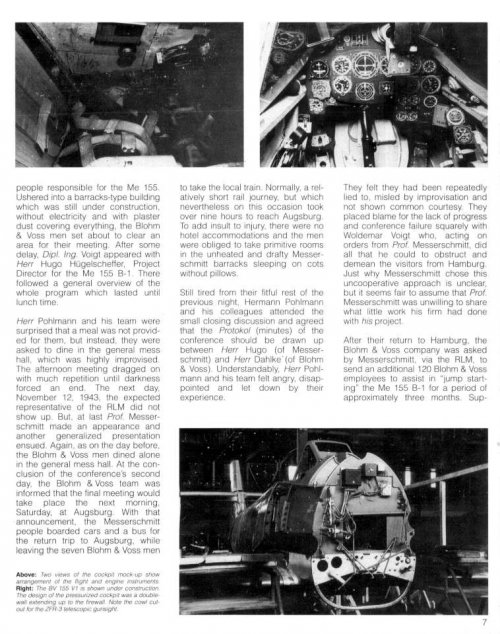
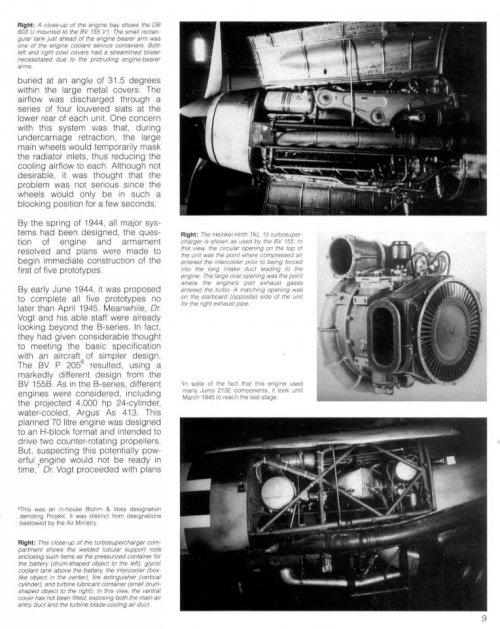
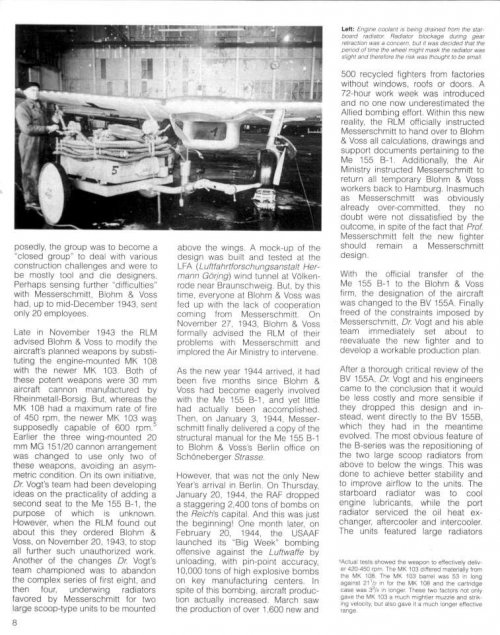
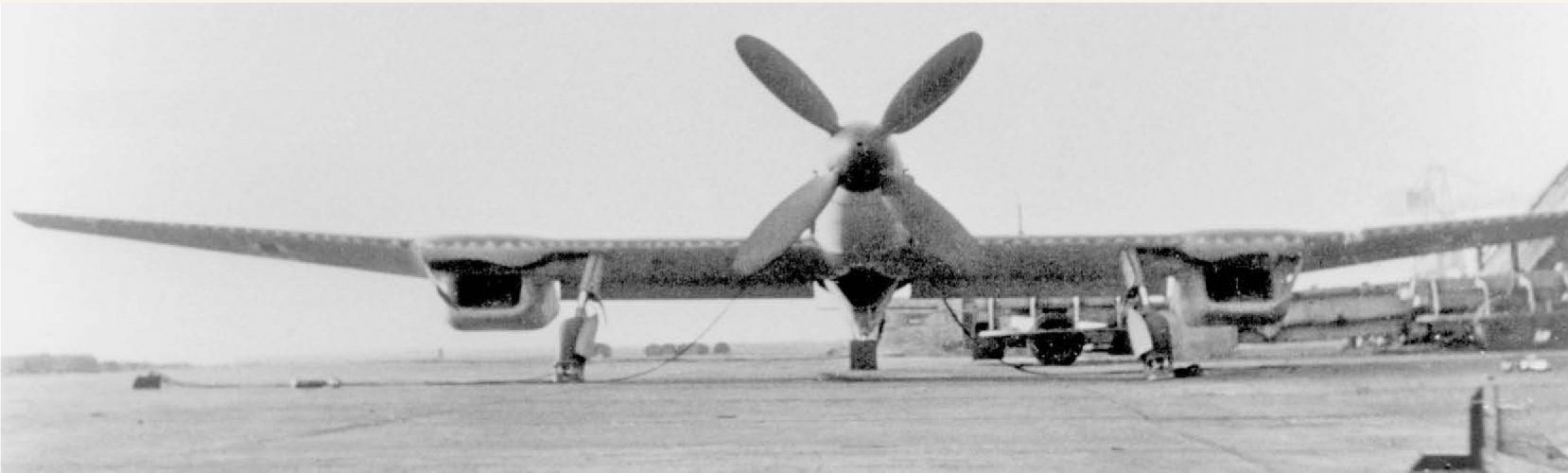
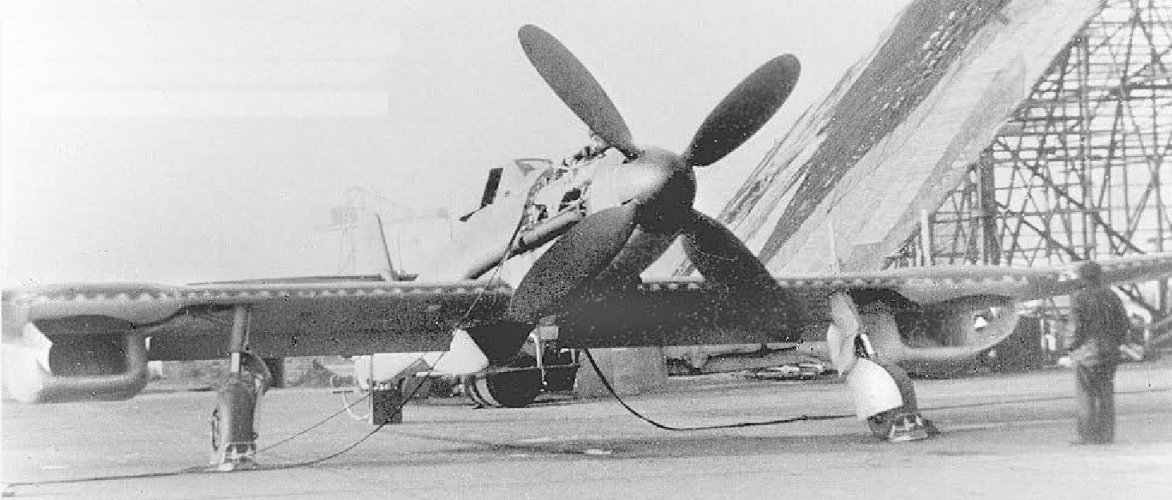
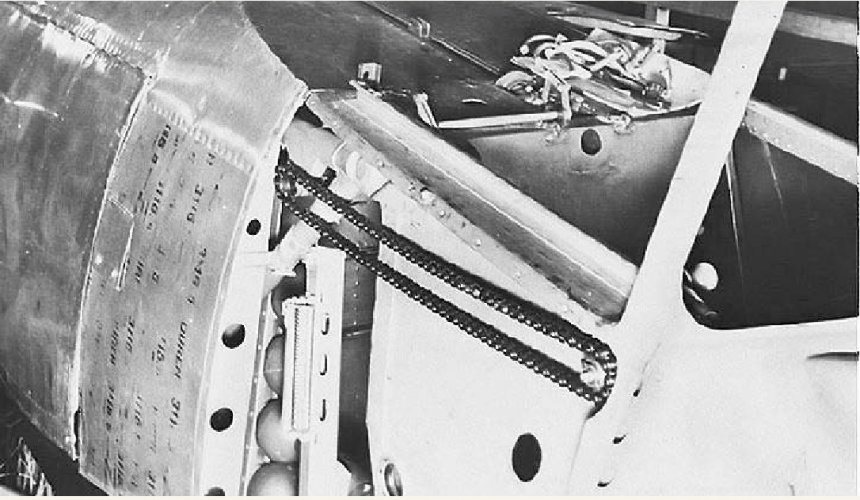
Work on the prototype began on early 1944. Power was provided by a Daimler-Benz DB 603A engine with a TKL 15 turbo-supercharger offering an output of 1,450 hp at 49,210 ft, driving a four-bladed wooden airscrew. MW 50 injection was provided as well as a pressurized cockpit. Overwing radiators were mounted and a new laminar flow wing had span of 67ft. 3in.
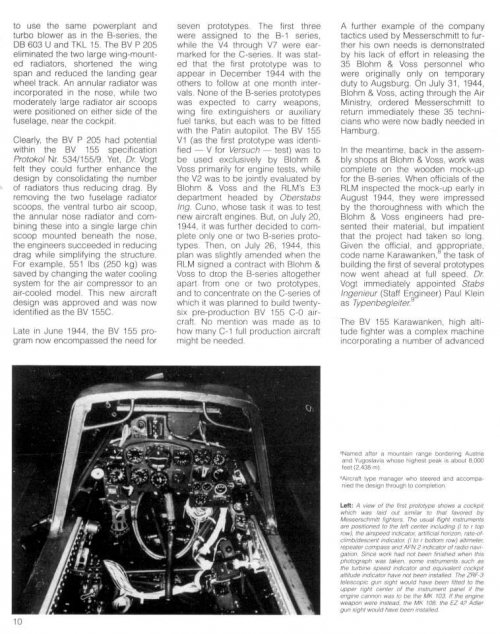
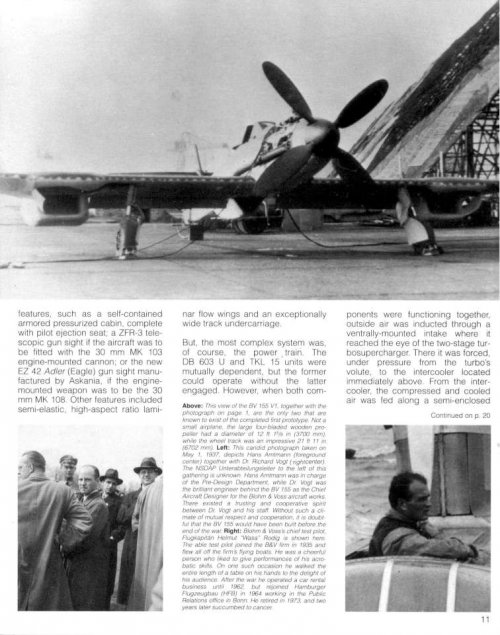
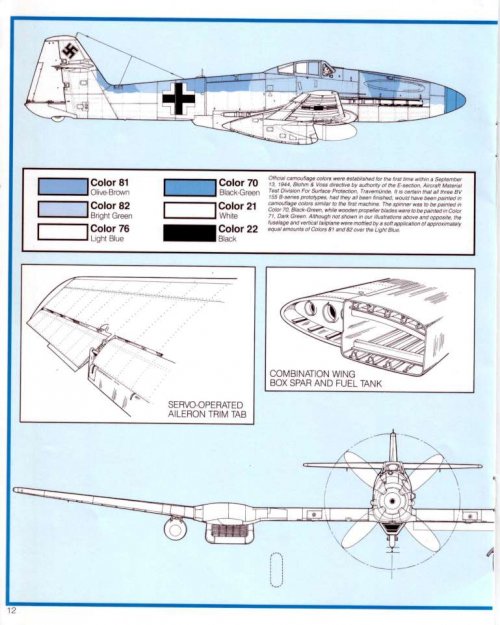
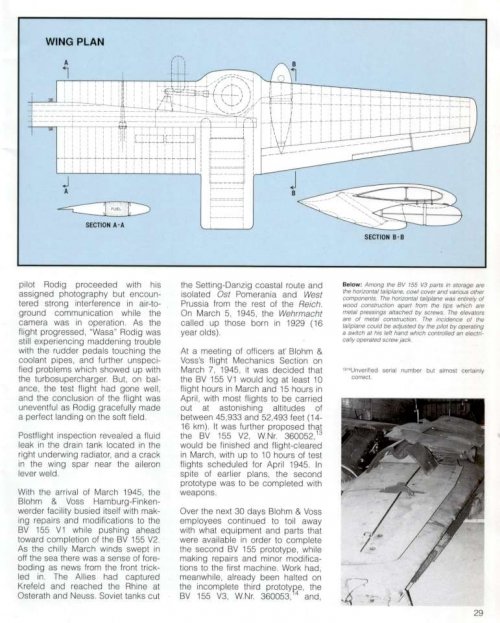
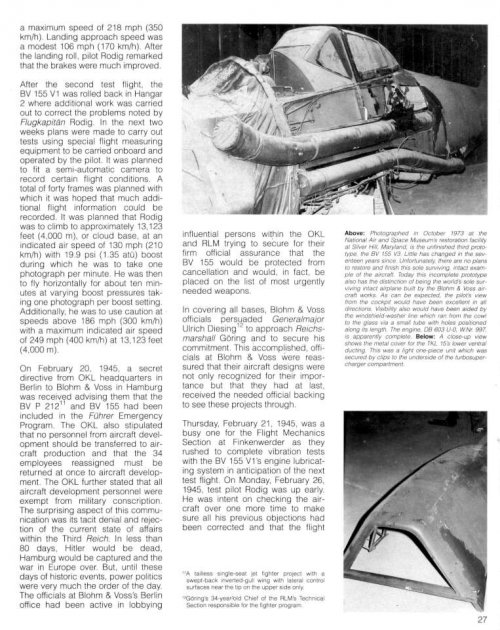
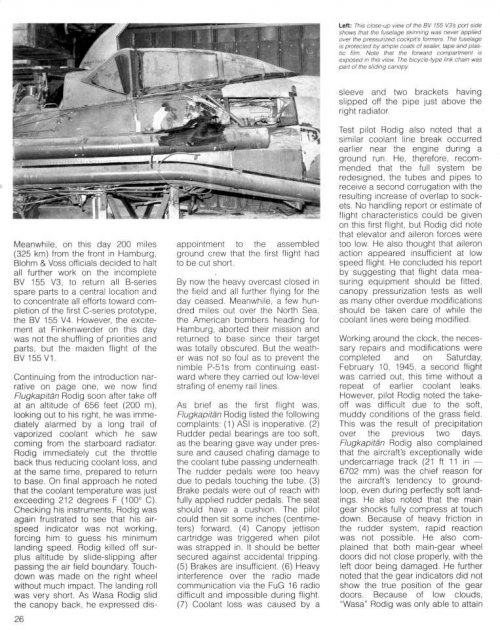
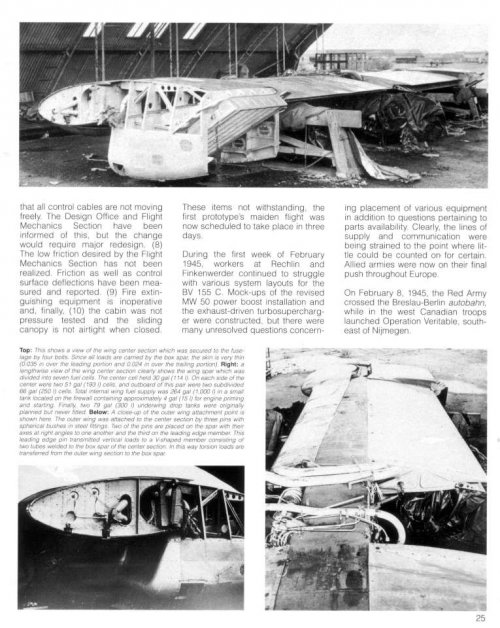
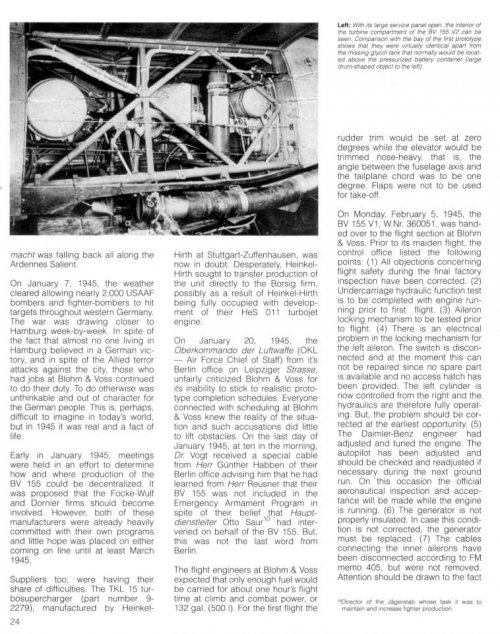
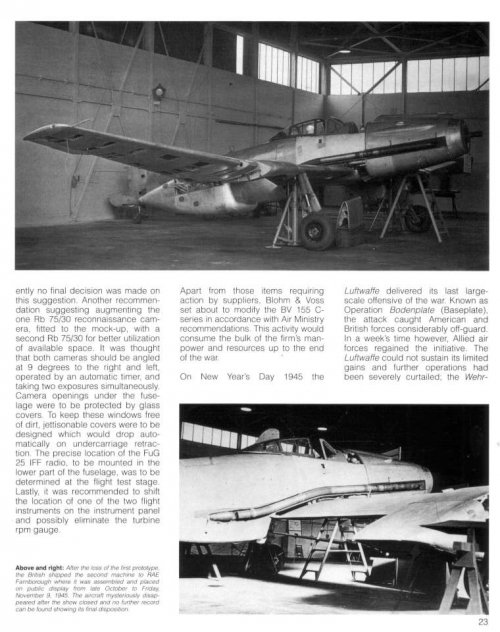
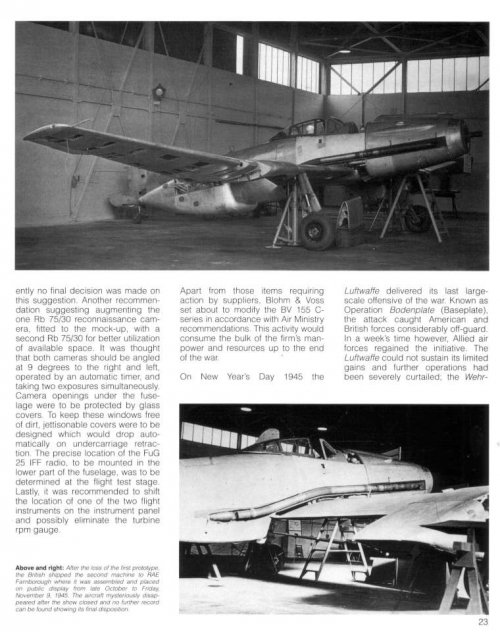
The prototype Blohm & Voss Bv 155 V1 made ist initial flight on September 1944. Flight tests showed that the outboard radiators provided inadequate cooling, especially at high angle of attack. The intakes on the next prototype were enlarged and underslung beneath the wing rather than placed over it. However, the enlarged radiators changed the aircraft’s center of gravity which required moving the pressurized cockpit forward. The Blohm & Voss team took this opportunity to replace the original Messerschmitt Bf 109G canopy with an aft-sliding all-round vision canopy, and the rear fuselage decking was cut down. This in turn required that a larger rudder be fitted. The ventral radiator bath was also enlarged.
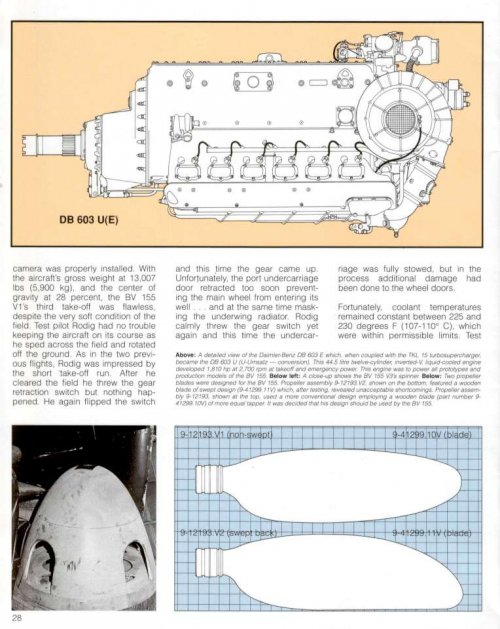
With these changes, the Bv 155 V2 flew on 8 February 1945. Blohm & Voss was still not satisfied with the design, and before the Bv 155 V2 began its flight trials they proposed that the engine be switched to the DB 603U having the larger mechanically driven supercharger of the DB 603E. The DB 603U promised a power of 1,660 hp for takeoff and 1,430 hp at 49,000 ft. The ventral turbosupercharger was retained. The Technische Amt decided to accept this proposal, and abandoned all work on the Bv 155B in favor of the revised design, which was designated Bv 155C.
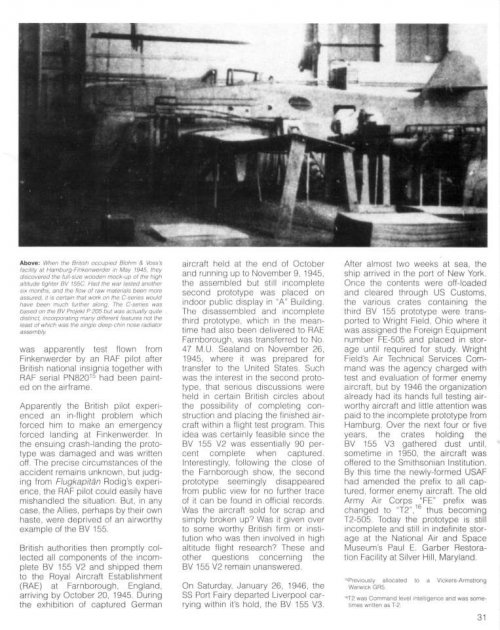
The Bv 155 V2 was damaged beyond repair during a bad landing. It was to be replaced in the test program by the Bv 155 V3. The Bv 155 V3 differed from the V2 in having the DB 603U intended for the Bv 155C. However, the engine cowling and turbosupercharger were unchanged.
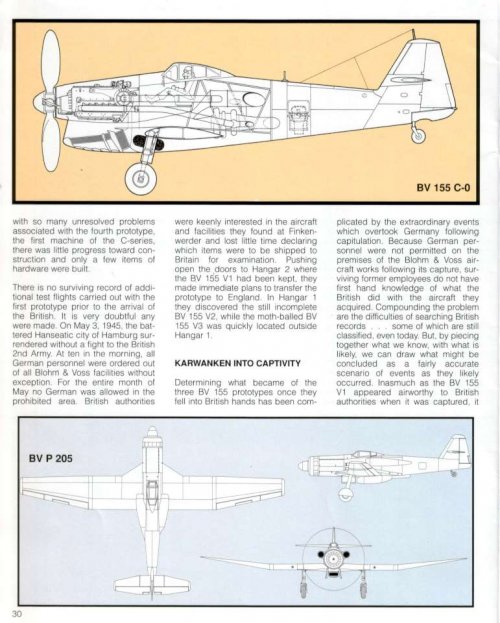
In parallel with the prototype development, Blohm & Voss had been working on additional changes under Project Blohm & Voss Bv.P205. P.205 replaced the underwing radiators with an annular one around the front of the engine, a design feature commonly found on a number of German designs (Focke-Wulf Ta 152H). With the wings now free of clutter, they were considerably simpler and were reduced in span. This also had the side effect of reducing the track, which would later prove to be a welcome change. The new design would be simpler, lighter and faster, and plans were made to make it the standard version of the aircraft. During the October re-evaluation, it was agreed that Bv 155V1 and V2 would be completed as Bv 155B models, while the V3 would be the prototype for the Bv 155C. This design was to be significantly different in appearance from the Bv 155B. Based on the Bv 155B and experiences with the high-altitude fighter project Blohm & Voss P 205, the Bv 155C was developed. In this version, the radiators were mounted under the engine, and the wings were aerodynamically streamlined, resulting in a completely altered appearance. Before the end of the war, only a mock-up was completed (Ref.: 7, 24, My3dbase Model)."
https://www.facebook.com/groups/luft46models/posts/667374069127605/
https://www.facebook.com/groups/luft46models/posts/249341950930821/
https://www.the-blueprints.com/blueprints/ww2planes/blohmvoss/63990/view/blohm_voss_bv_155c-0/
https://www.modellboard.net/index.php?topic=71031.0
https://www.facebook.com/photo/?fbi...gm.360146083183740&idorvanity=183056904225993
Attachments
-
 12.jpg252.7 KB · Views: 40
 -
 BV-155 C-1 3 SIDE VIEW.jpg84.5 KB · Views: 43
 -
 B&V 155 C-1.jpg127.6 KB · Views: 40
 -
 Cutaway of a BV 155 C0.jpg50.8 KB · Views: 40
 -
 488658749_3963808820497791_8863201246468482011_n.jpg635.6 KB · Views: 33
 -
 490021079_3969343266611013_5325699608209821573_n.jpg72.4 KB · Views: 38
 -
 BLOHM_UND_VOSS_BV-155-08.jpg196.9 KB · Views: 40
Last edited:
blackkite
Don't laugh, don't cry, don't even curse, but.....
- Joined
- 31 May 2007
- Messages
- 9,515
- Reaction score
- 9,652
blackkite
Don't laugh, don't cry, don't even curse, but.....
- Joined
- 31 May 2007
- Messages
- 9,515
- Reaction score
- 9,652
Attachments
-
 BLOHM_UND_VOSS_BV-155-02.jpg423.9 KB · Views: 35
 -
 BLOHM_UND_VOSS_BV-155-05.jpg247.6 KB · Views: 30
 -
 BLOHM_UND_VOSS_BV-155-11.jpg298.8 KB · Views: 26
 -
 BLOHM_UND_VOSS_BV-155-03.jpg246.2 KB · Views: 24
 -
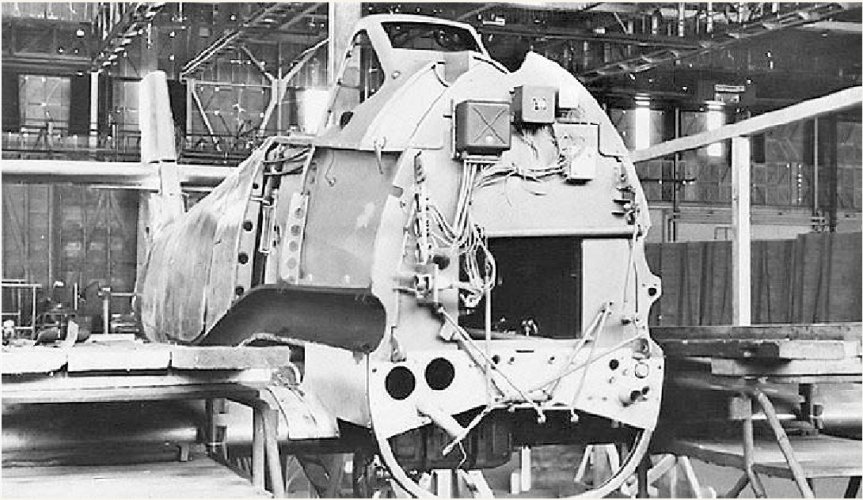 BLOHM_UND_VOSS_BV-155-04.jpg308.1 KB · Views: 25
 -
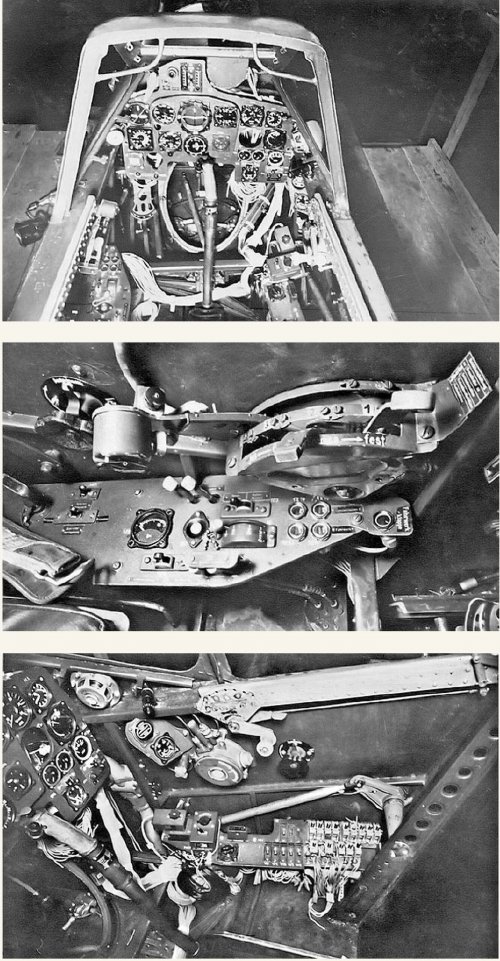 BLOHM_UND_VOSS_BV-155-06-scaled.jpg684.4 KB · Views: 28
 -
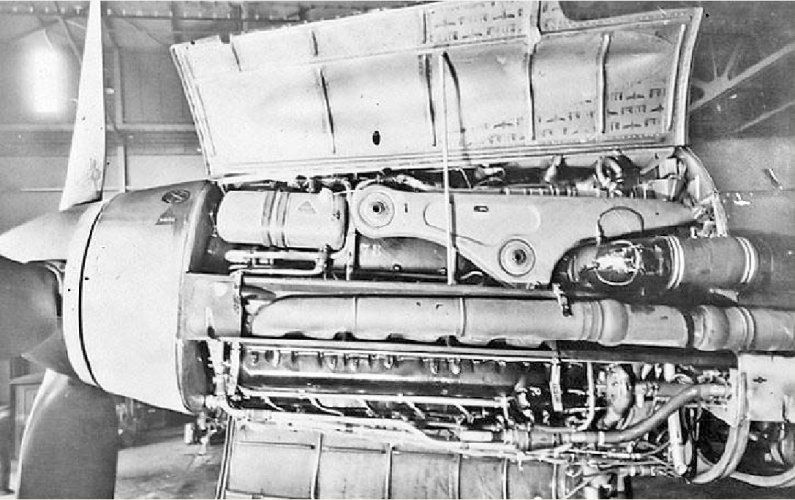 BLOHM_UND_VOSS_BV-155-09.jpg293.2 KB · Views: 31
 -
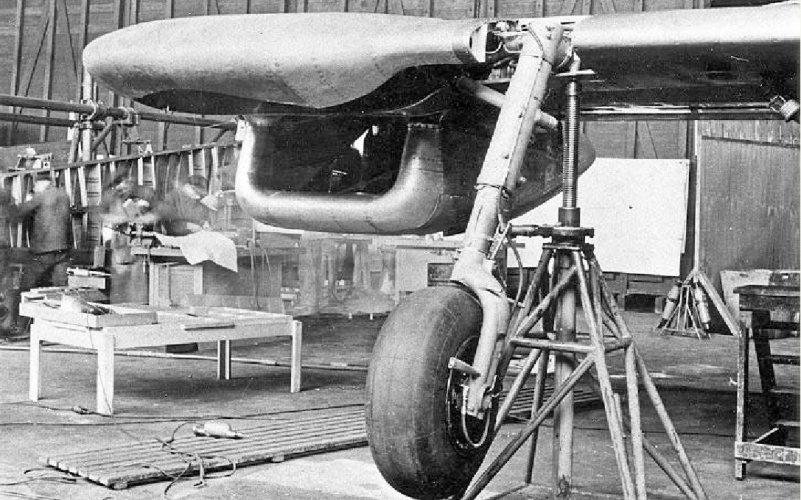 BLOHM_UND_VOSS_BV-155-10.jpg341.8 KB · Views: 31
 -
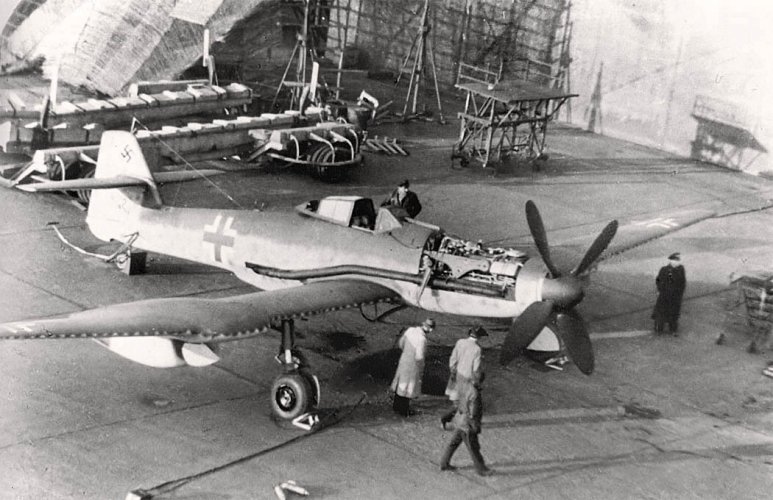 BLOHM_UND_VOSS_BV-155-101.jpg144.5 KB · Views: 30
 -
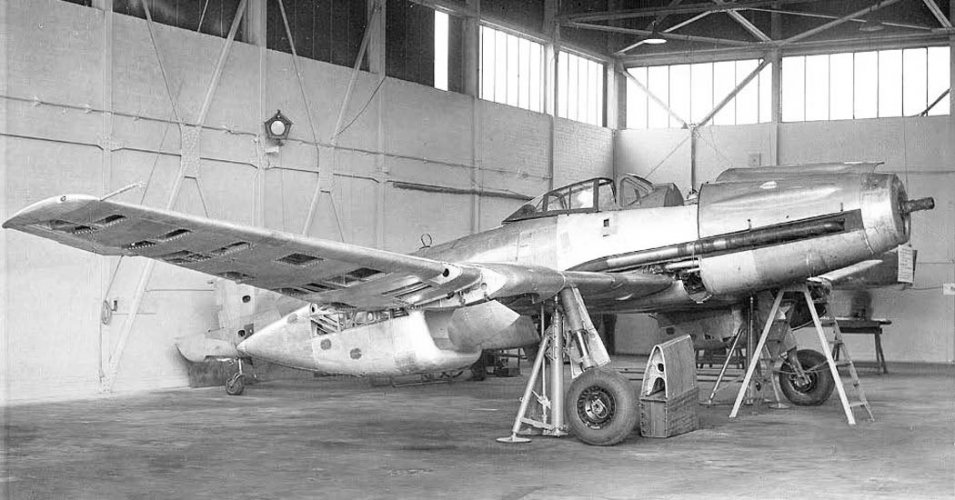 BLOHM_UND_VOSS_BV-155-112.jpg109.8 KB · Views: 42
Last edited:
blackkite
Don't laugh, don't cry, don't even curse, but.....
- Joined
- 31 May 2007
- Messages
- 9,515
- Reaction score
- 9,652
Hi!
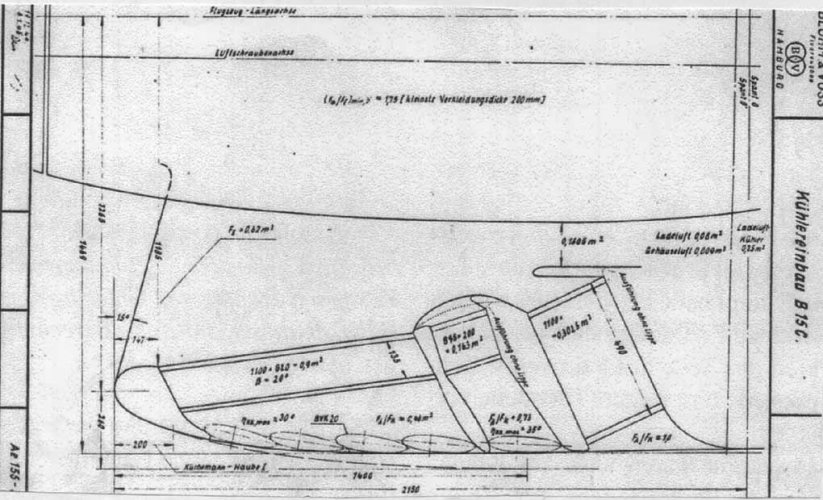
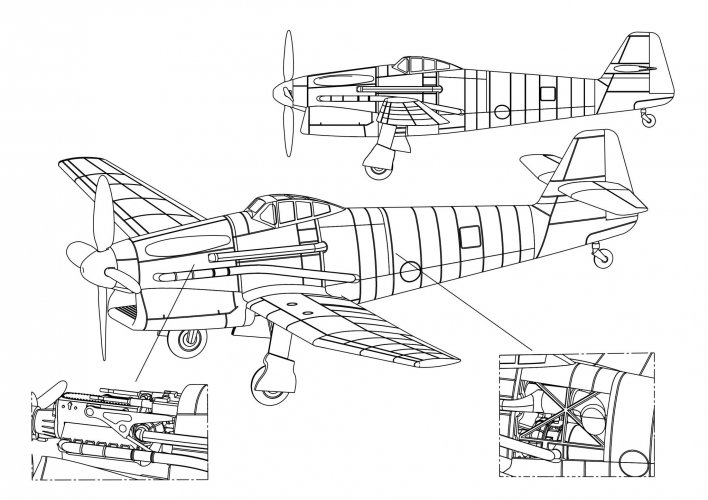
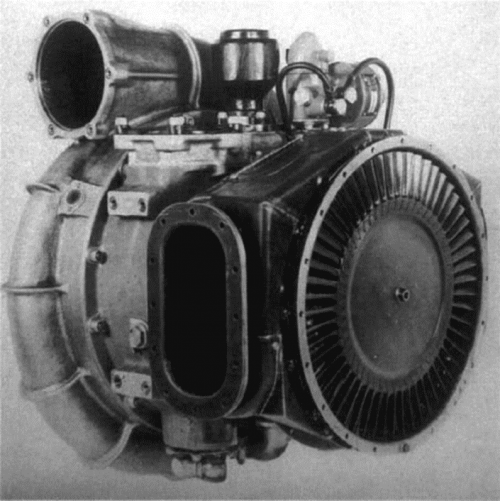
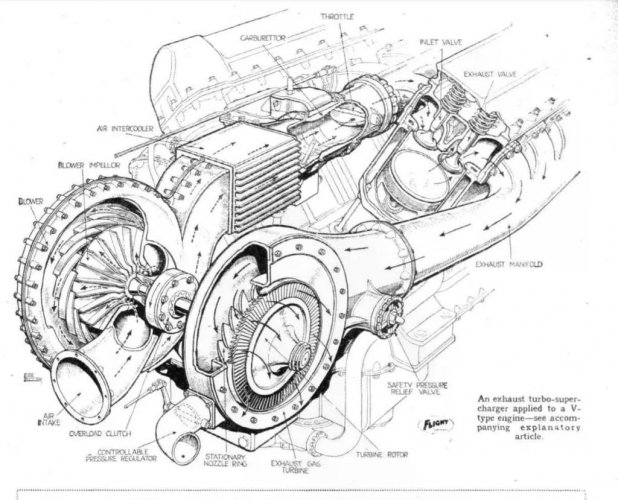
I can see air duct from intercooler to vulkan coupling drive mechanical supercharger in this drawing.
Of course, the air outlet nozzles after intercooler cooling is omitted in this illustration.
https://www.facebook.com/photo/?fbi...gm.367756015756080&idorvanity=183056904225993
I can see air duct from intercooler to vulkan coupling drive mechanical supercharger in this drawing.
Of course, the air outlet nozzles after intercooler cooling is omitted in this illustration.
https://www.facebook.com/photo/?fbi...gm.367756015756080&idorvanity=183056904225993
Attachments
Last edited:
blackkite
Don't laugh, don't cry, don't even curse, but.....
- Joined
- 31 May 2007
- Messages
- 9,515
- Reaction score
- 9,652
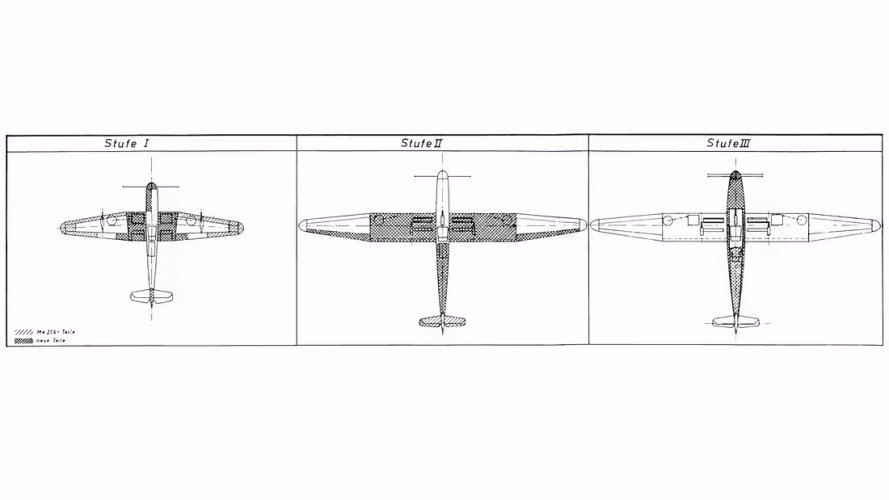
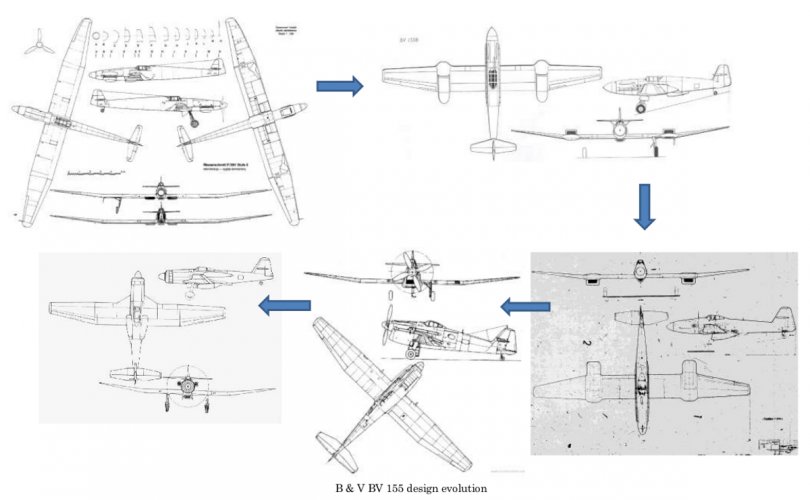
Hi! Progress on the way.
http://luftwaffelovers.blogspot.com/2016/01/blohm-und-voss-bv155-some-interesting.html
http://luftwaffelovers.blogspot.com/2016/01/blohm-und-voss-bv155-some-interesting.html
Attachments
-
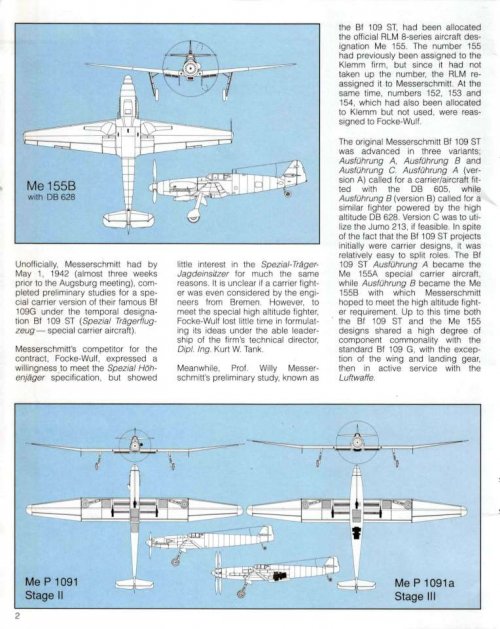
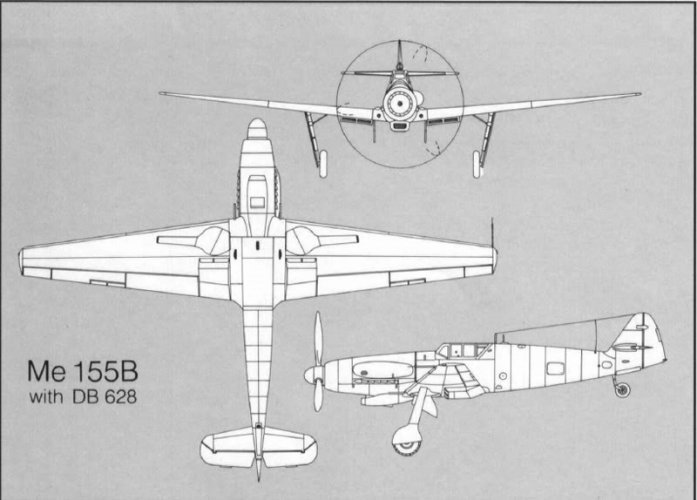 Messerschmitt Me 155B DB628 engine high altitude. The boss is on the nose is where the turboch...jpg69.6 KB · Views: 42
 -
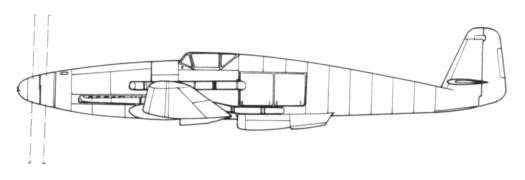 Messerschmitt Me 155 B1 with complex DB 632 engine with propellers contrarotativs.jpg11.4 KB · Views: 37
 -
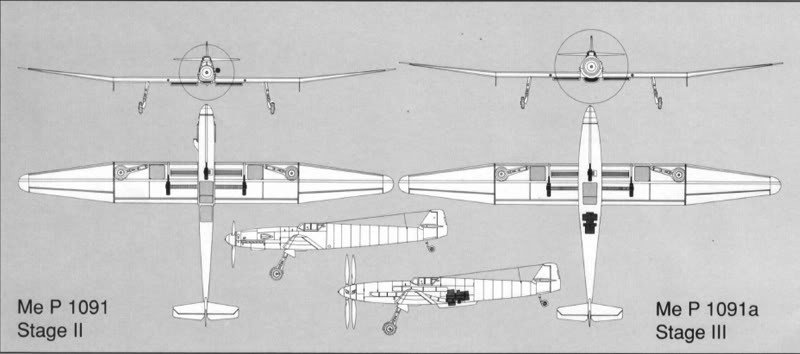 Three views of the P.1091 project with two different stages or Stuffe.jpg44.9 KB · Views: 32
 -
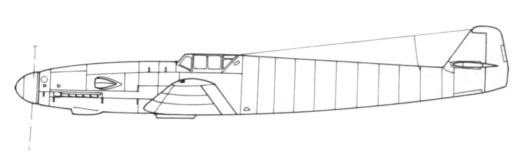 Messerschmitt project called P.1091 Stuffe II.jpg10 KB · Views: 30
 -
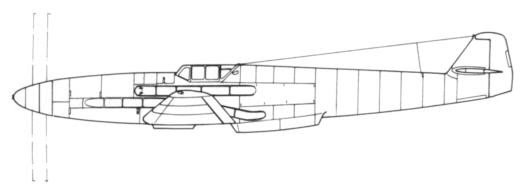 Messerschmitt project called P.1091 Stuffe III.jpg11.7 KB · Views: 30
 -
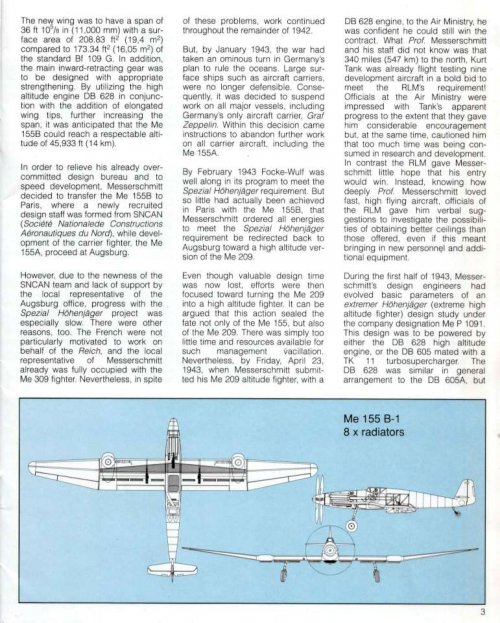
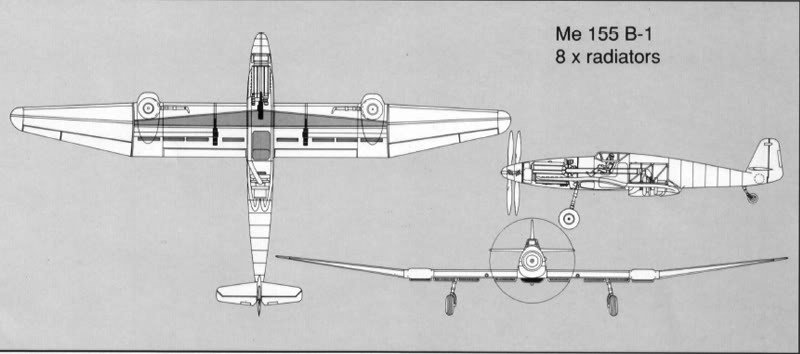 Me 155B1 8xradiators.jpg41.9 KB · Views: 31
 -
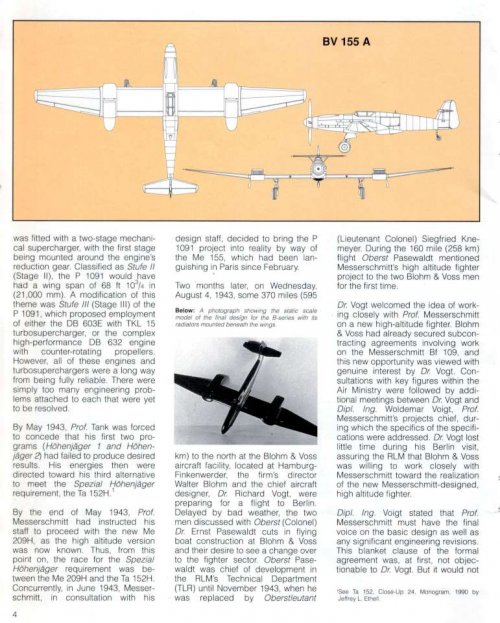
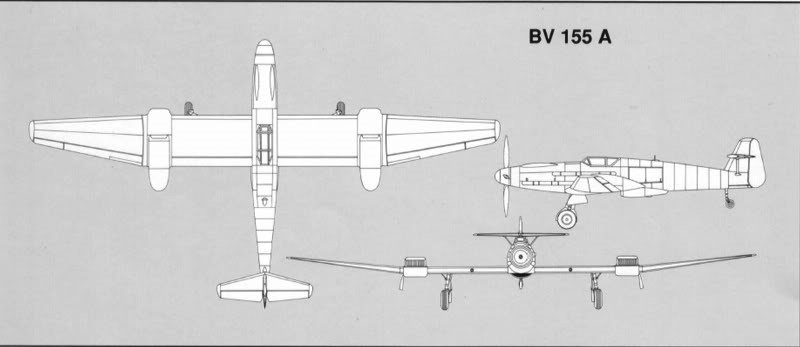 Bv 155 A radiators above.jpg31.4 KB · Views: 39
blackkite
Don't laugh, don't cry, don't even curse, but.....
- Joined
- 31 May 2007
- Messages
- 9,515
- Reaction score
- 9,652
Attachments
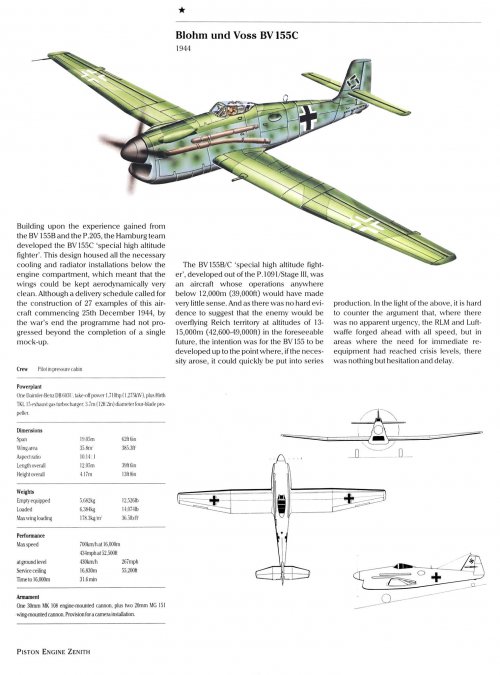
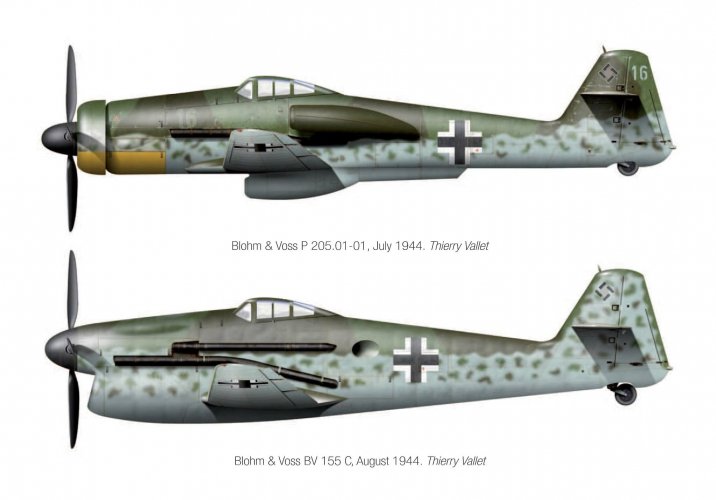
Last edited:
blackkite
Don't laugh, don't cry, don't even curse, but.....
- Joined
- 31 May 2007
- Messages
- 9,515
- Reaction score
- 9,652
Attachments
blackkite
Don't laugh, don't cry, don't even curse, but.....
- Joined
- 31 May 2007
- Messages
- 9,515
- Reaction score
- 9,652
Attachments
-
 TURBO CHARGER.jpg126.9 KB · Views: 34
 -
 received_11027638108066165433436447915150968.jpg71.4 KB · Views: 26
 -
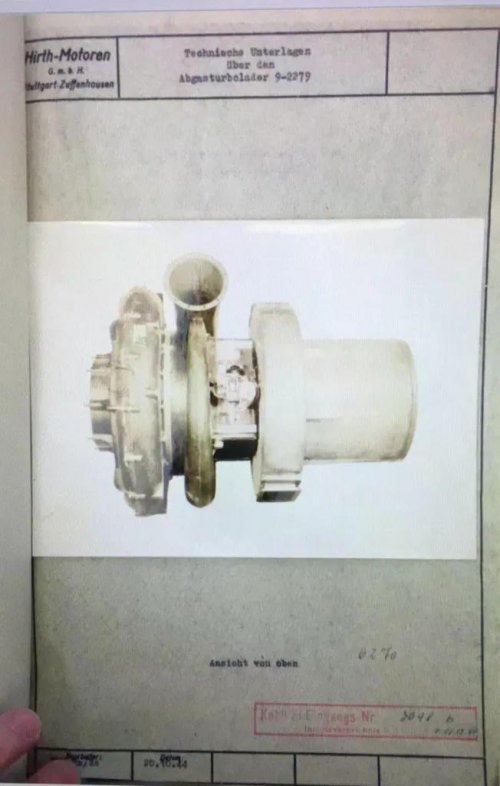 received_15870886820498616685080052462666876.jpg54.7 KB · Views: 26
 -
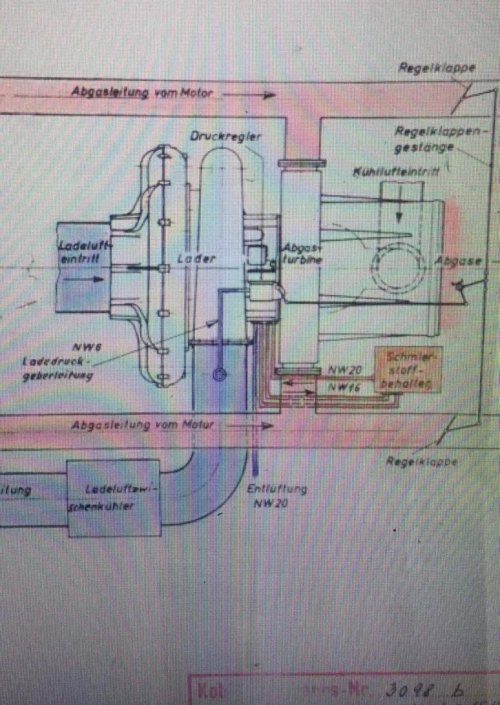 received_3116946551534086681209365280257547.jpg151.8 KB · Views: 25
 -
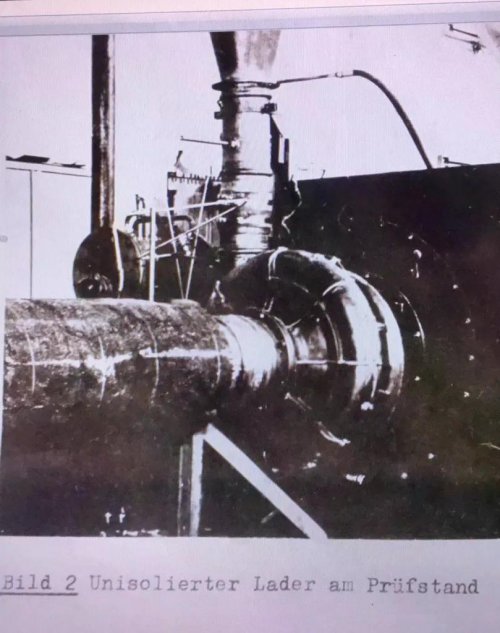 received_39340672934998832169289629068895125.jpg84.5 KB · Views: 25
 -
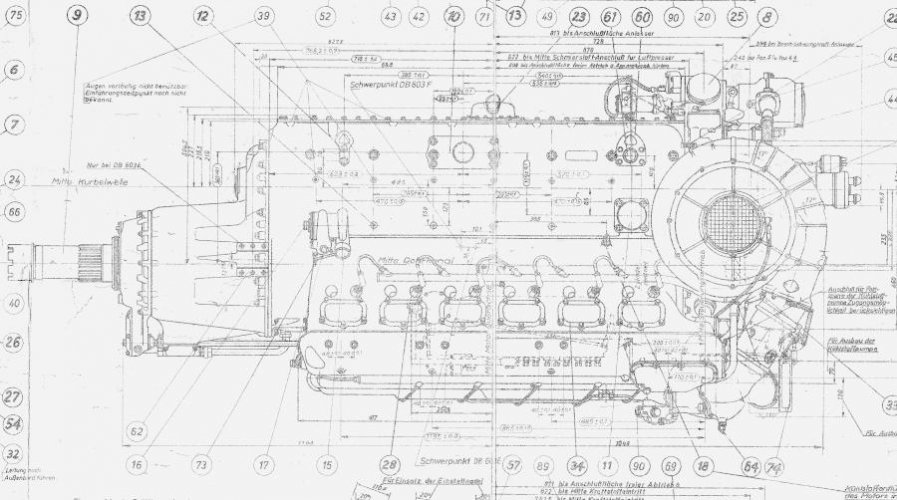 side_small.jpg85 KB · Views: 25
 -
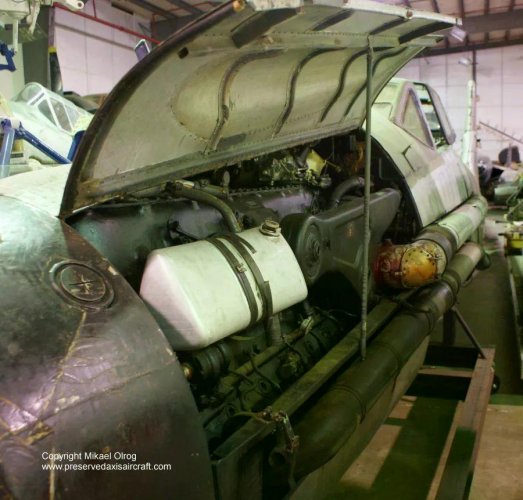 bv155engine3776445239497349188.jpg100.2 KB · Views: 26
 -
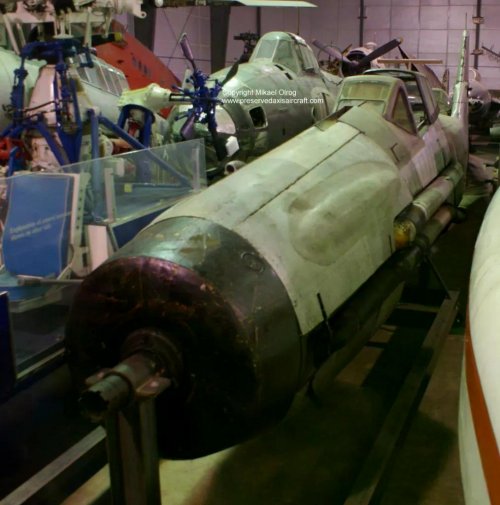 bv1556114064217615109912.jpg93.6 KB · Views: 28
 -
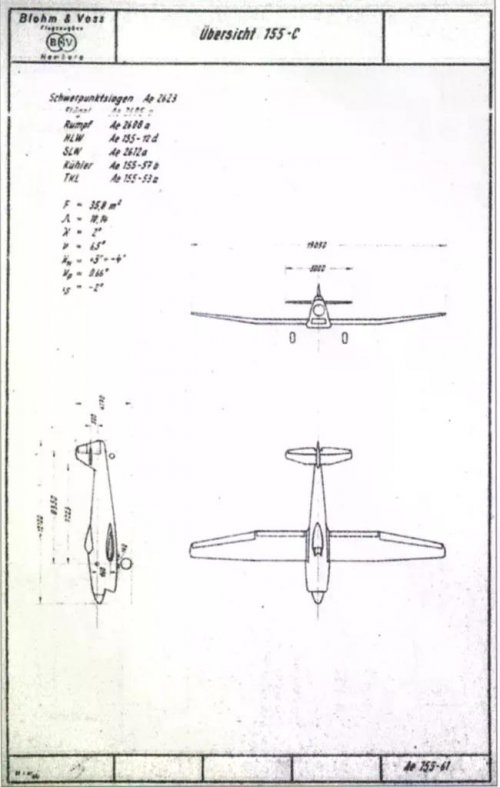 ccf21092023_0001_2.jpg50.3 KB · Views: 30
 -
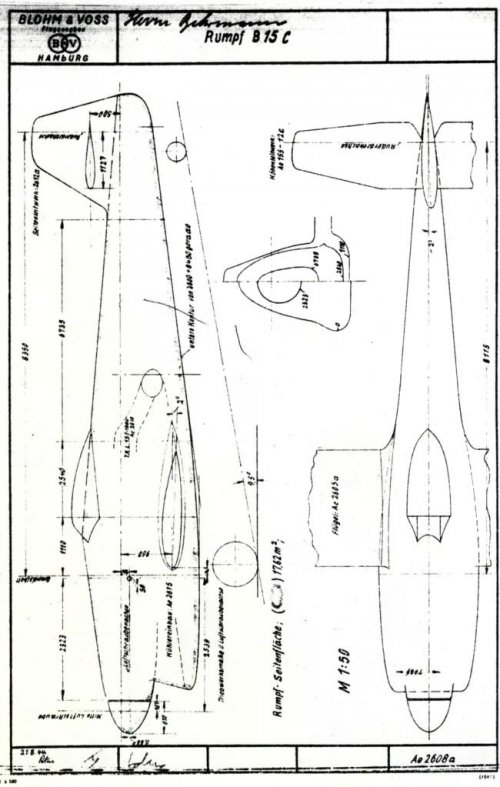 ccf21092023_1.jpg82.8 KB · Views: 29
 -
 fb_img_1695498653723.jpg66.1 KB · Views: 28
blackkite
Don't laugh, don't cry, don't even curse, but.....
- Joined
- 31 May 2007
- Messages
- 9,515
- Reaction score
- 9,652
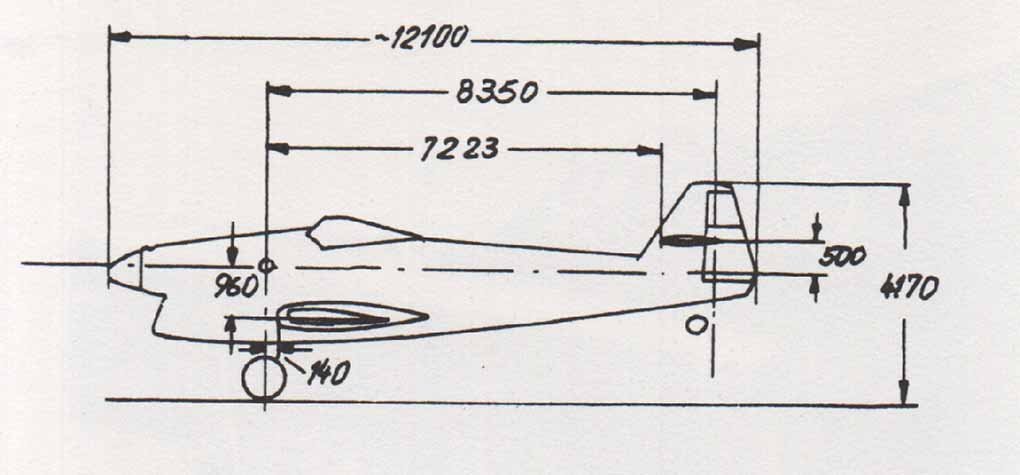
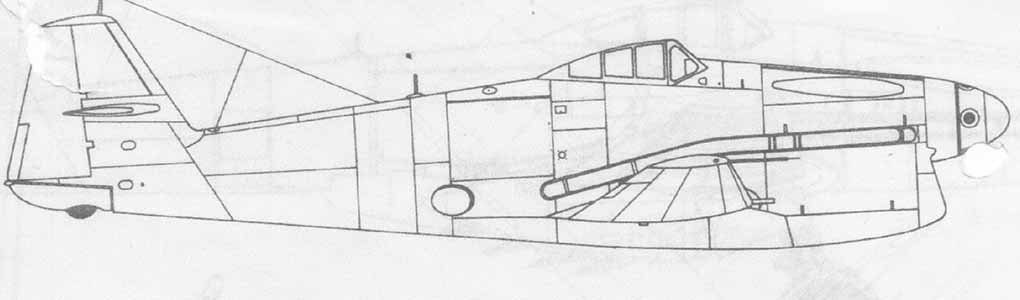
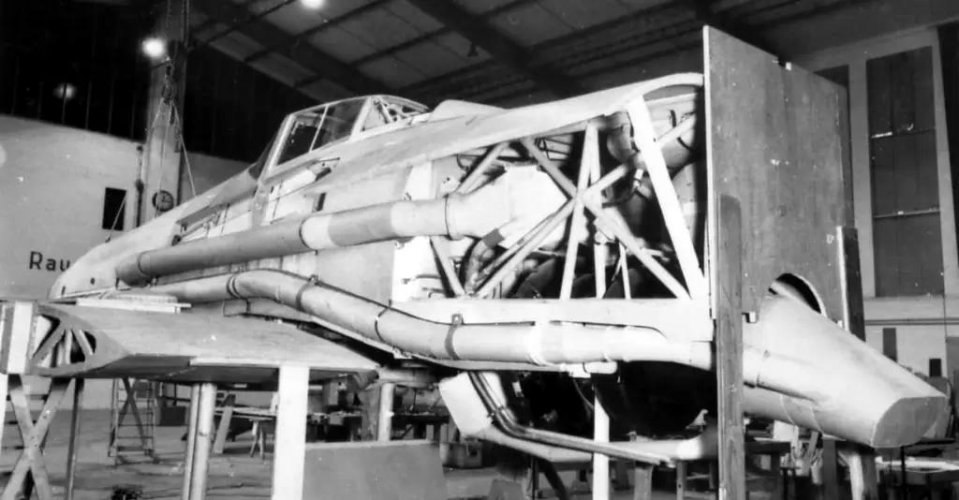
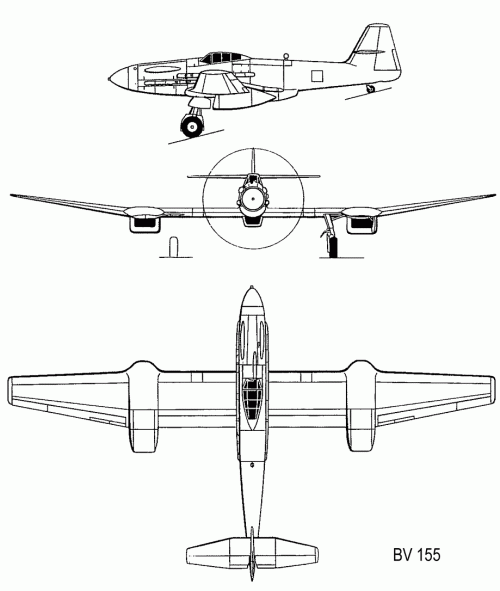
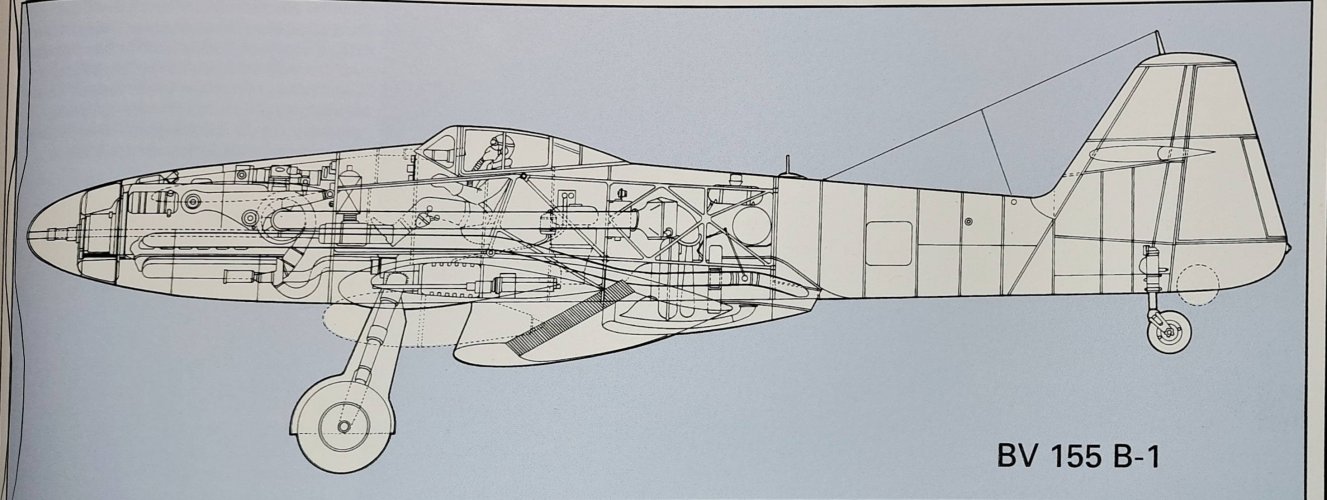
Watching three side view drawing of BV 155B-1, I think that the radiator position is not good, because propelller after stream almost do not cover the radiator. Engine overheat may occur when engine test run on the ground and when taxi the runway.
Attachments
Last edited:
- Joined
- 11 June 2014
- Messages
- 1,641
- Reaction score
- 3,509
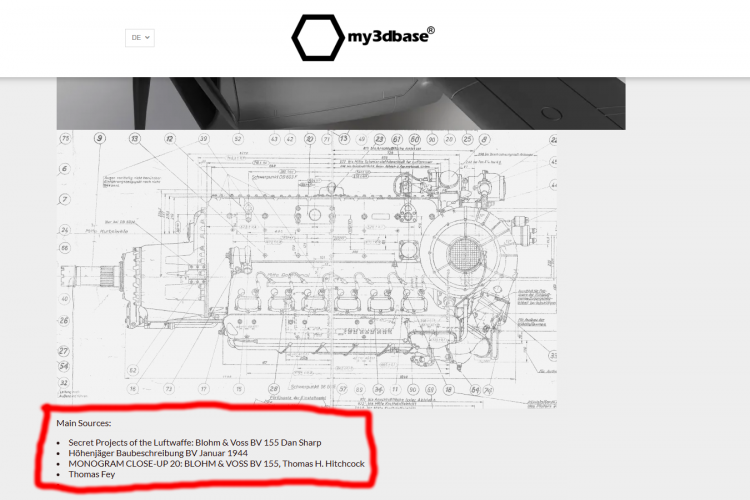
Kris at my3dbase does excellent work - including archival research of primary source documents. As a result, his models are the most accurate ever made.
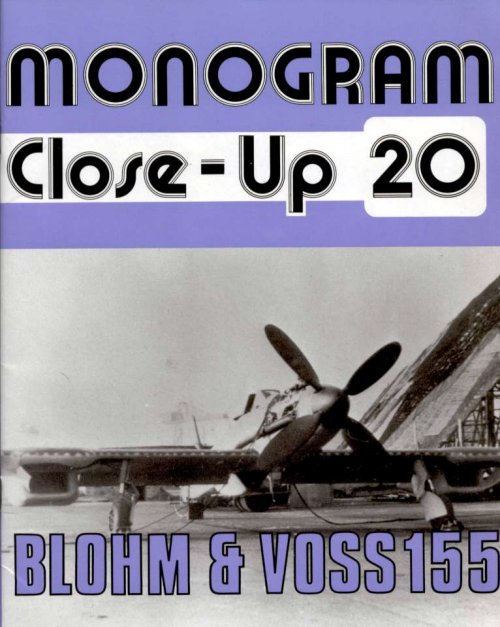
He also cites the sources of his material, where this hasn't resulted from his own original research (see below). I should say that the Monogram Close-Up Hitchcock book was pioneering for its time (1990). Hitchcock gave a whole generation a great deal of insight into a wealth of obscure German aviation history, passing away in 2020 aged 84. Most of his work has, however, been superceded by other writers in recent years.
Since writing my own BV 155 book in 2019 (Secret Projects of the Luftwaffe: Blohm & Voss BV 155, which cites all the many primary sources that it is based upon but which @blackkite has singularly failed to mention in any of the above posts), I have uncovered significant quantities of new material on the type - enough to expand and revamp my book dramatically, should the opportunity ever arise.

He also cites the sources of his material, where this hasn't resulted from his own original research (see below). I should say that the Monogram Close-Up Hitchcock book was pioneering for its time (1990). Hitchcock gave a whole generation a great deal of insight into a wealth of obscure German aviation history, passing away in 2020 aged 84. Most of his work has, however, been superceded by other writers in recent years.
Since writing my own BV 155 book in 2019 (Secret Projects of the Luftwaffe: Blohm & Voss BV 155, which cites all the many primary sources that it is based upon but which @blackkite has singularly failed to mention in any of the above posts), I have uncovered significant quantities of new material on the type - enough to expand and revamp my book dramatically, should the opportunity ever arise.
Last edited:
blackkite
Don't laugh, don't cry, don't even curse, but.....
- Joined
- 31 May 2007
- Messages
- 9,515
- Reaction score
- 9,652
Sorry about this and thanks for good news.
I also like your book, "SECRET PROJECTS OF THE LUFTWAFFE, especially The big push."
I hope DAN-san to make a book about Henschel P.75 and P.87.
I also like your book, "SECRET PROJECTS OF THE LUFTWAFFE, especially The big push."
I hope DAN-san to make a book about Henschel P.75 and P.87.
Last edited:
blackkite
Don't laugh, don't cry, don't even curse, but.....
- Joined
- 31 May 2007
- Messages
- 9,515
- Reaction score
- 9,652
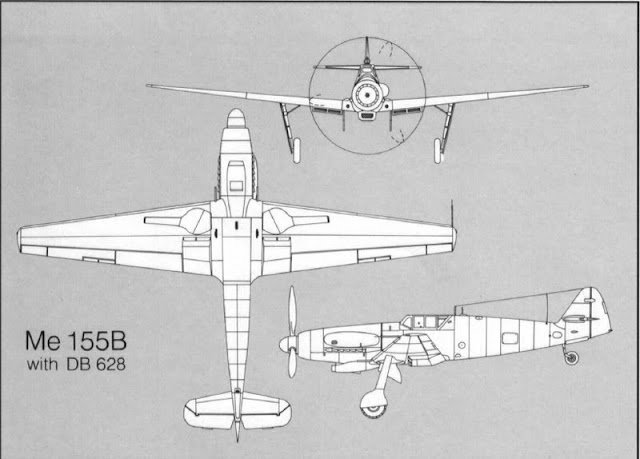
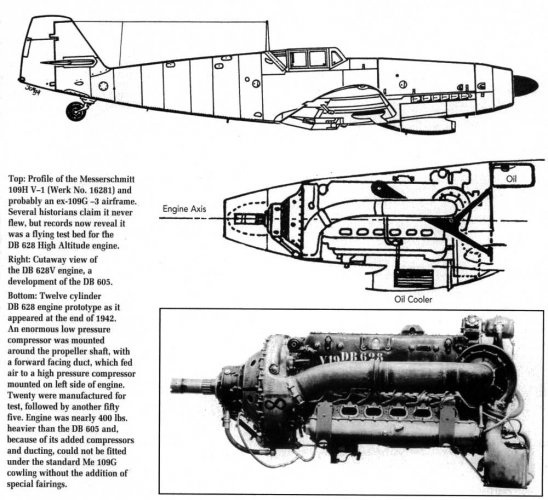
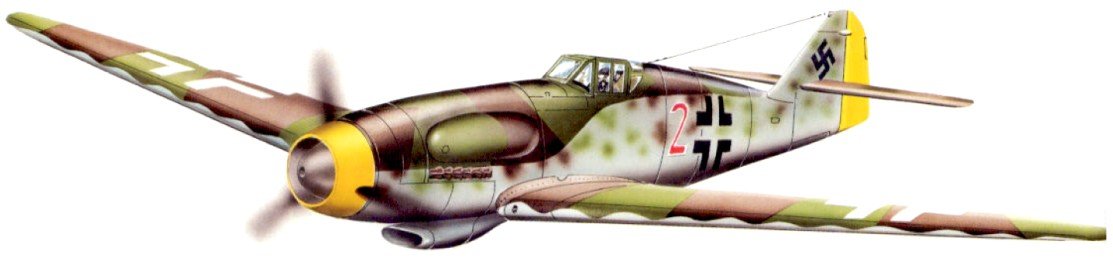
Me 155B installed a interesting DB628 engione which had two stage supercharger, but without intercooler.
https://p-d-m.livejournal.com/201821.html
https://p-d-m.livejournal.com/201821.html
Attachments
Last edited:
Similar threads
-
 Secret Projects of the Luftwaffe: Blohm & Voss BV 155 by Dan Sharp
- Started by Dan Sharp
- Replies: 68
-

-
 Blohm und Voss P.173.02 - Long range bomber project
- Started by kiradog
- Replies: 13
-

-