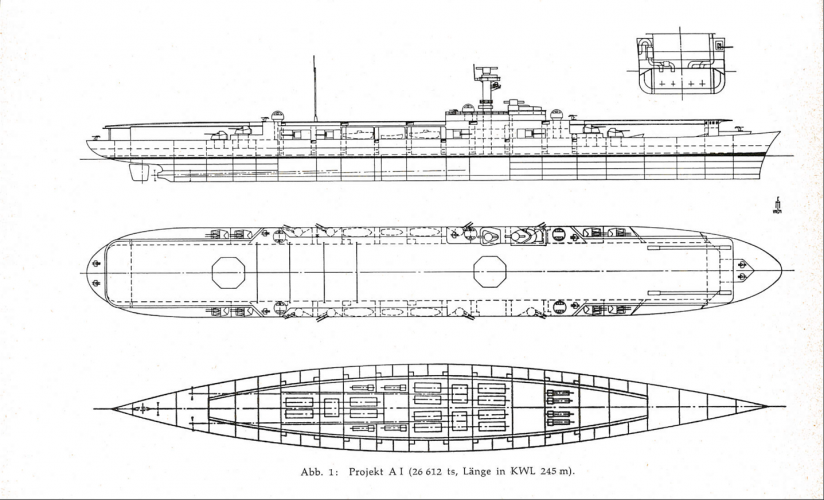
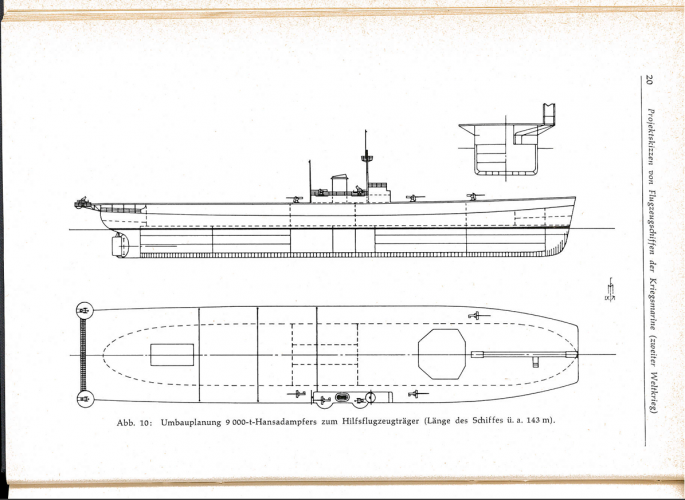
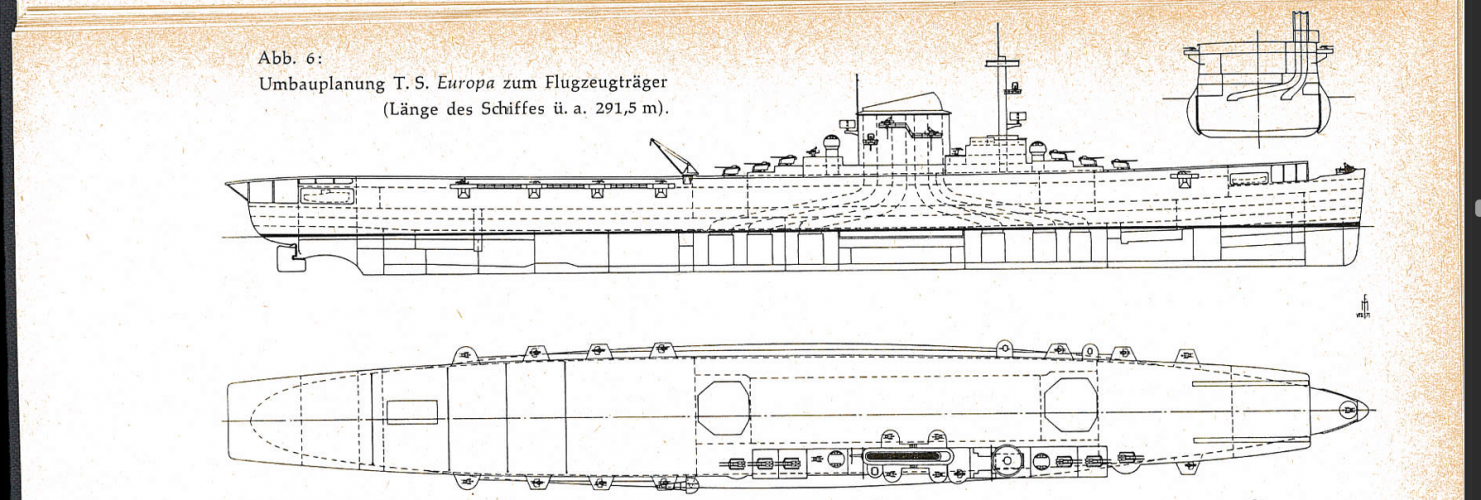
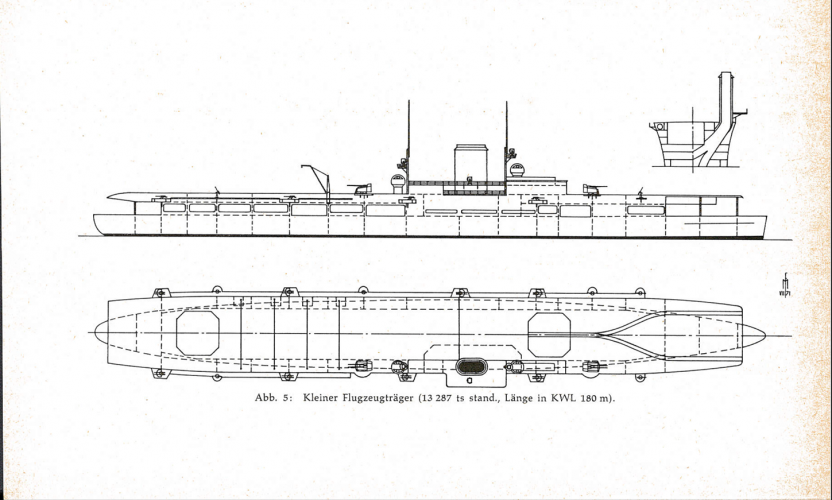
speaking of the German carriers: does anyone have information on any other proposed names for carriers besides the Graf Zeppelin and the Jade/Elbe? "Peter Strasser" is obviously often claimed, but it is said that this name is in fact merely speculative.

Is it even known that the naming conventions would be "Germans that made large contributions to aviation" for the fleet carriers, and rivers for the light? Or is that speculation as well?
And how accurate are other hypothetical names, like for instance August von Parseval (possibly it should be "Parzeval" according to the era?), Manfred von Richtofen, Max Immelmann, and Erich Loewenhardt by Wargaming?

I could see a name after Mölders happening (considering the honorary fighter wing and the Bundesmarine destroyer) -- perhaps like "Oberst Mölders"?
 
speaking of the German carriers: does anyone have information on any other proposed names for carriers besides the Graf Zeppelin and the Jade/Elbe? "Peter Strasser" is obviously often claimed, but it is said that this name is in fact merely speculative.

Is it even known that the naming conventions would be "Germans that made large contributions to aviation" for the fleet carriers, and rivers for the light? Or is that speculation as well?
And how accurate are other hypothetical names, like for instance August von Parseval (possibly it should be "Parzeval" according to the era?), Manfred von Richtofen, Max Immelmann, and Erich Loewenhardt by Wargaming?

I could see a name after Mölders happening (considering the honorary fighter wing and the Bundesmarine destroyer) -- perhaps like "Oberst Mölders"?
Well, we also have Weser (ex-Seydlitz), which is sorta light carrier and was renamed after river. So, with light carriers we can be relatively certain about their naming scheme.
With fleet carriers... not so certain, because we really have only Zeppelin for sure. I'd say that Parseval is relatively accurate (barring spelling nuances). And ships named afetr Richthofen, Immelmann a bunch of other WW1 aces did, in fact, exist in Kriegsmarine — but they were seaplane tenders. Not sure if such names could be assigned to full-fledged carriers.

P.S. About Peter Strasser — from what I heard, this name either was invented by British journalists (just like "KMS" prefix for Kriegsmarine ships), or it was really considered by Germans but not formally assigned due to Flugzeugtrager B never being launched. Don't know which version is correct.
 
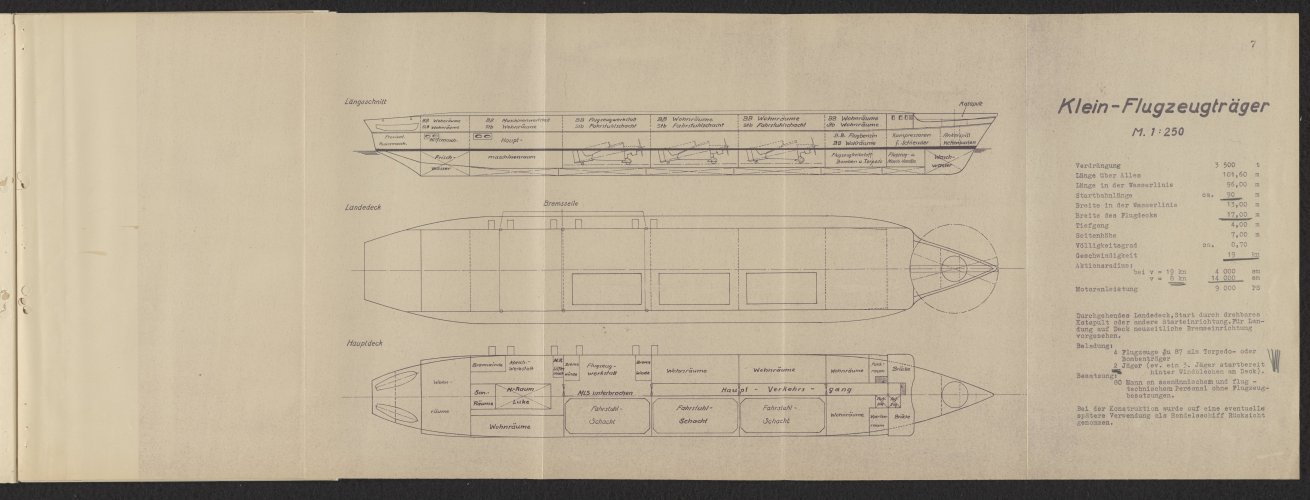
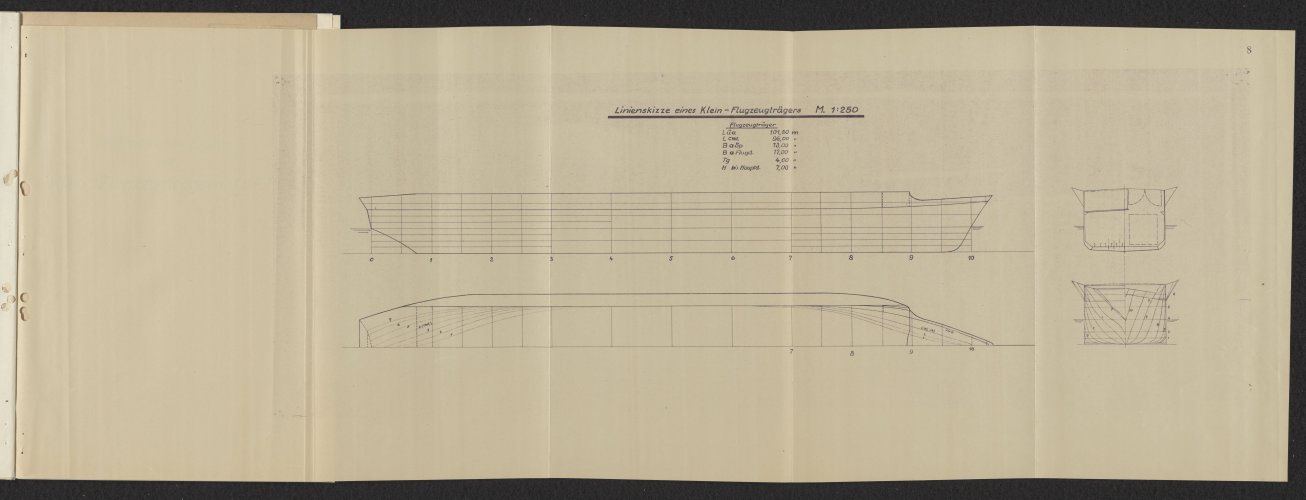
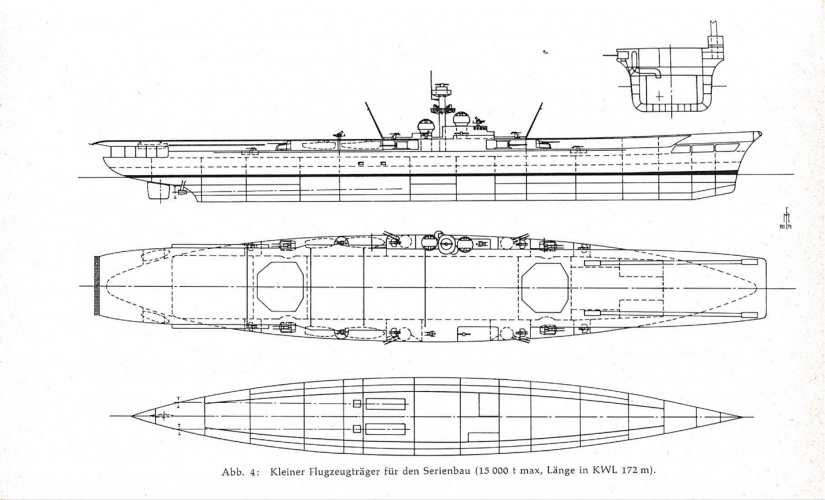
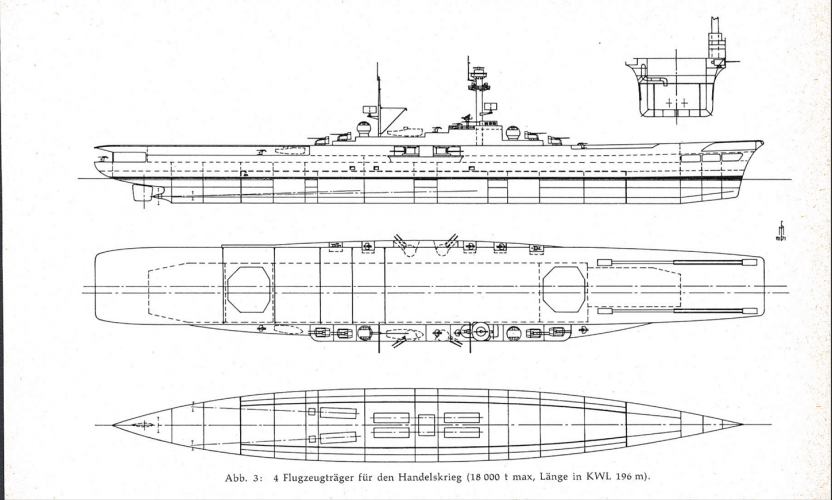
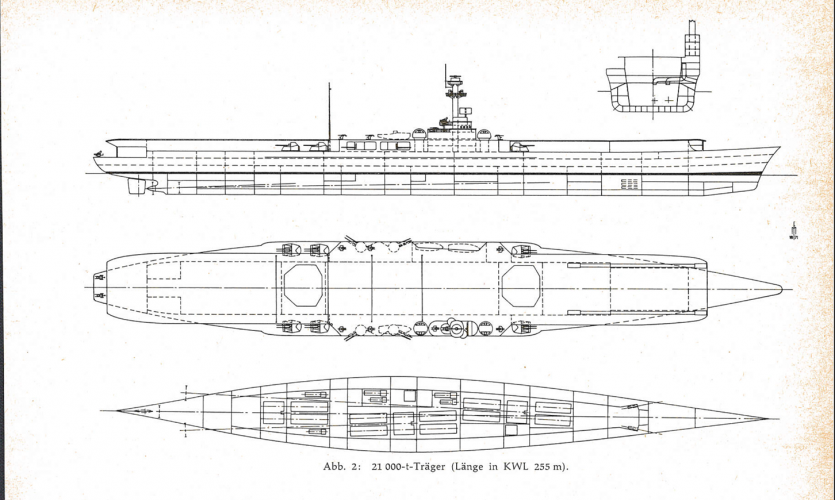
As usual, looking for something else I found this document on Invenio:

NS 19/792
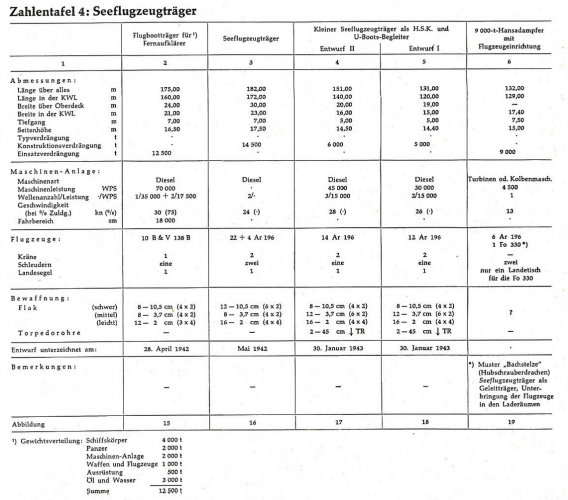
Bau von Kleinflugzeugträgern (KFT) nach einem Vorschlag von Dr. Heinrich Dräger (Construction of small aircraft carriers (KFT) based on a proposal by Dr. Heinrich Dräger)
1942-1943

The document in pdf and the two plans in jpg:

NS_19_792_0017.jpg
NS_19_792_0019.jpg
 

Attachments

  • NS 19-72.pdf
    3 MB · Views: 90
What happened to the google drive folder? Did it get moved or something?

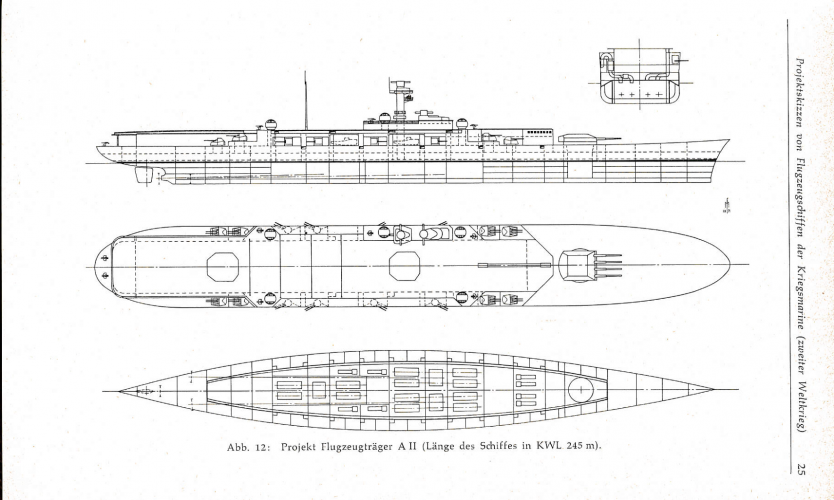
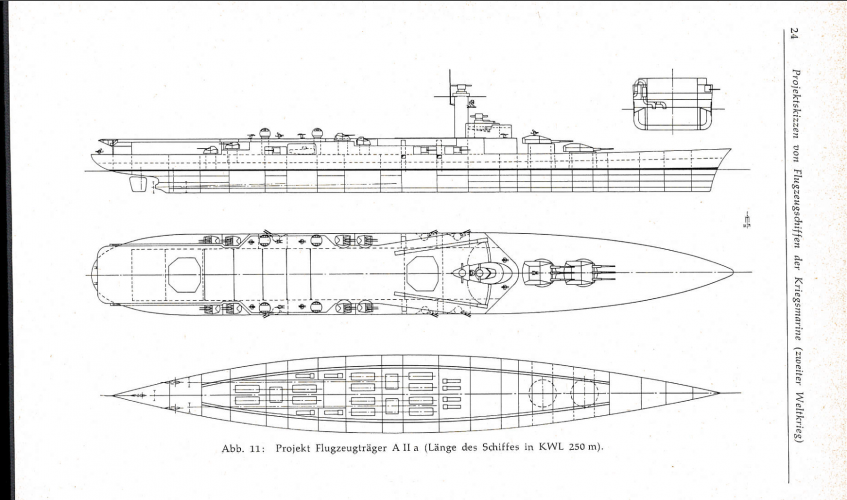
I was looking for hangar arrangement plans for the German carriers if anybody has those on hand
 
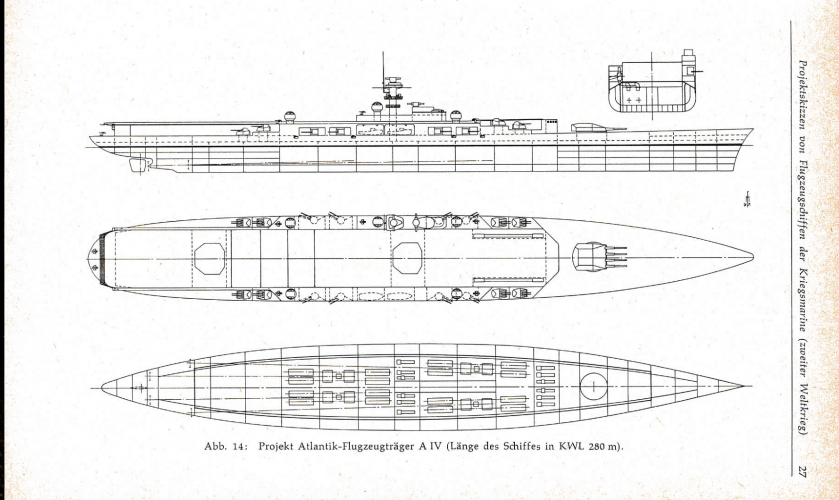
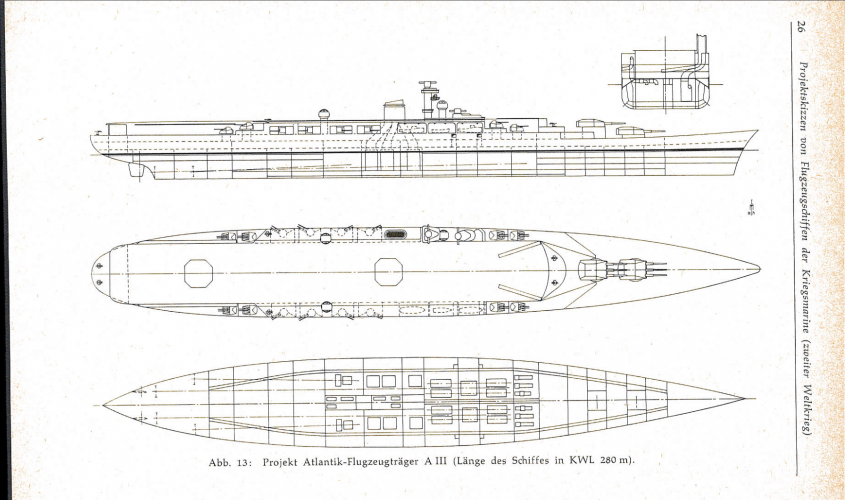
Did germany ever have any super huge aircraft carrier designs like there super huge h-class battleships "designs".
Closest thing comes from this passage from M. J. Whitley's "German Capital Ships of World War Two": https://www.deviantart.com/ijn-yamato-bb17/art/Lilienthal-project-1008081704

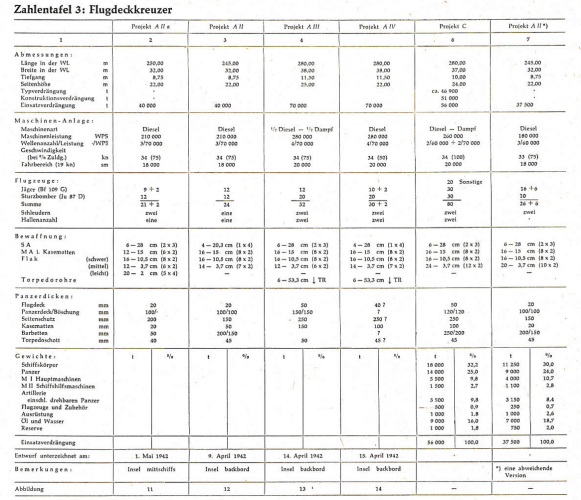
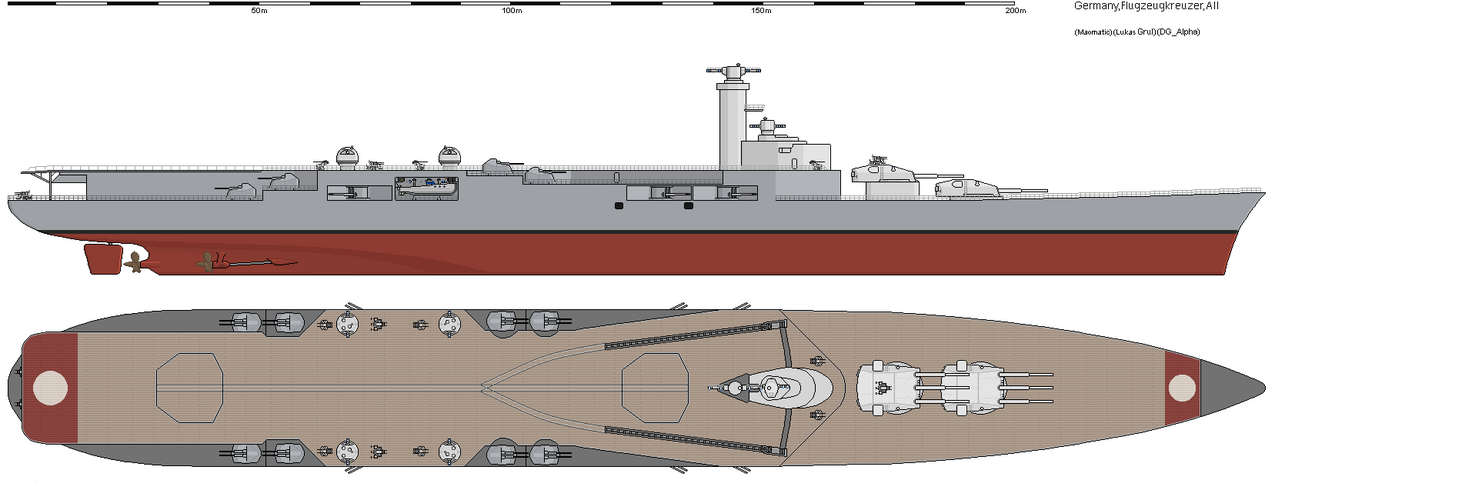
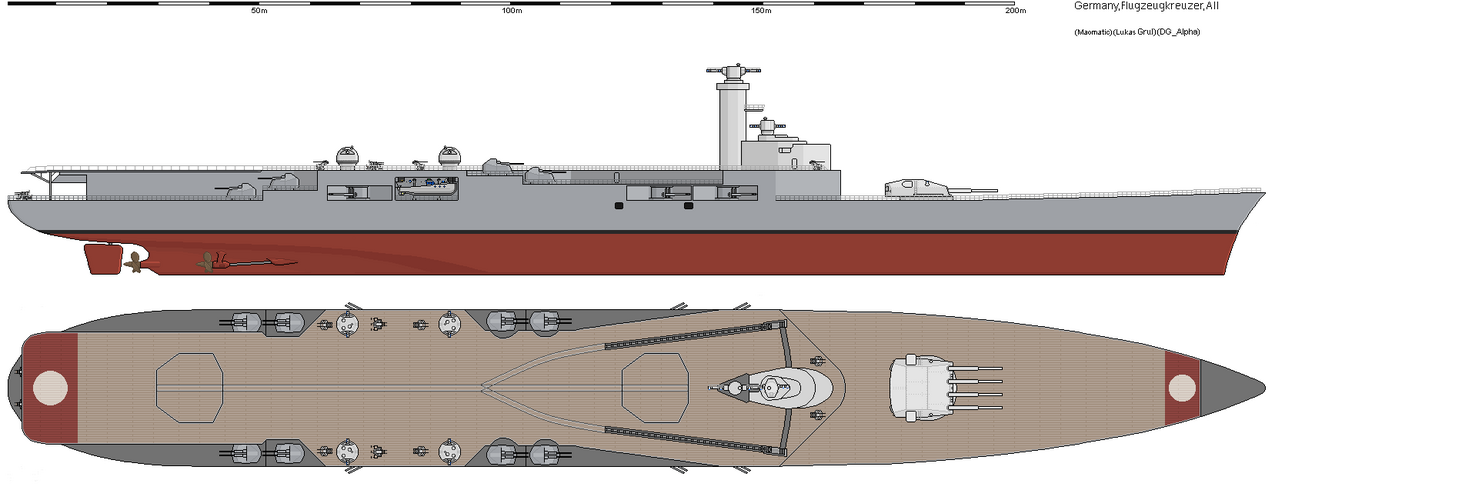
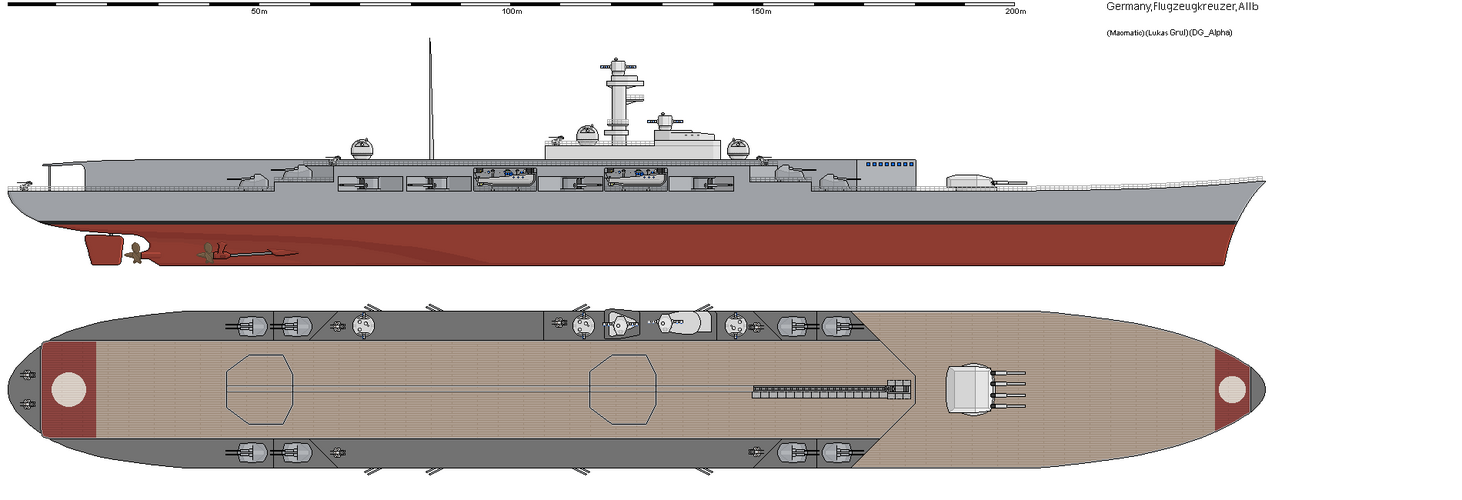
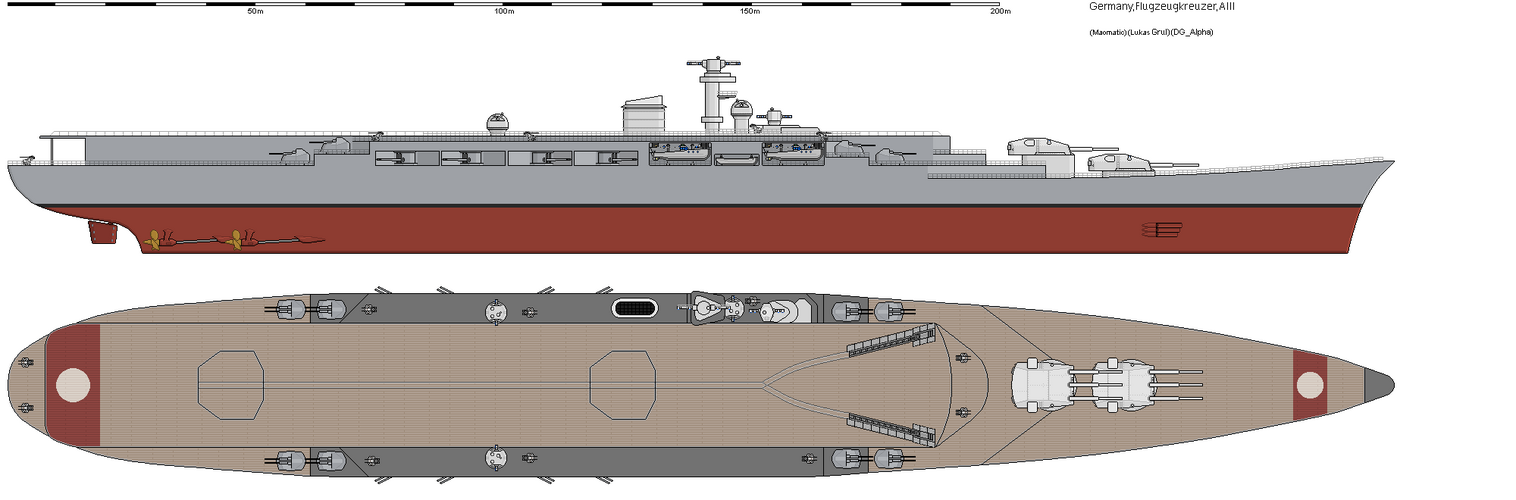
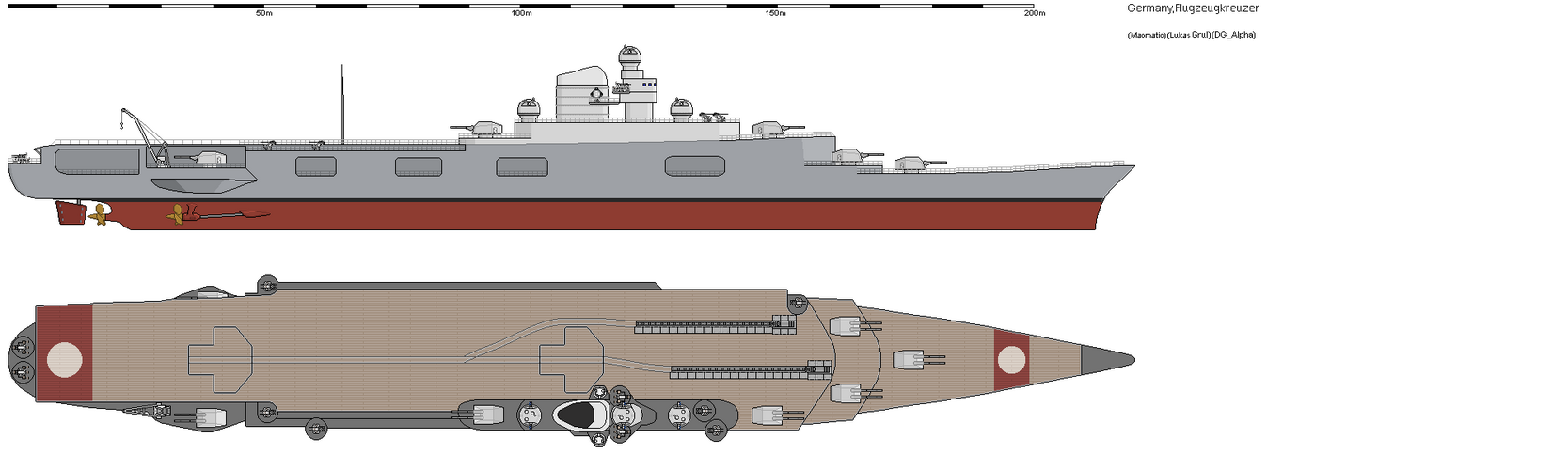
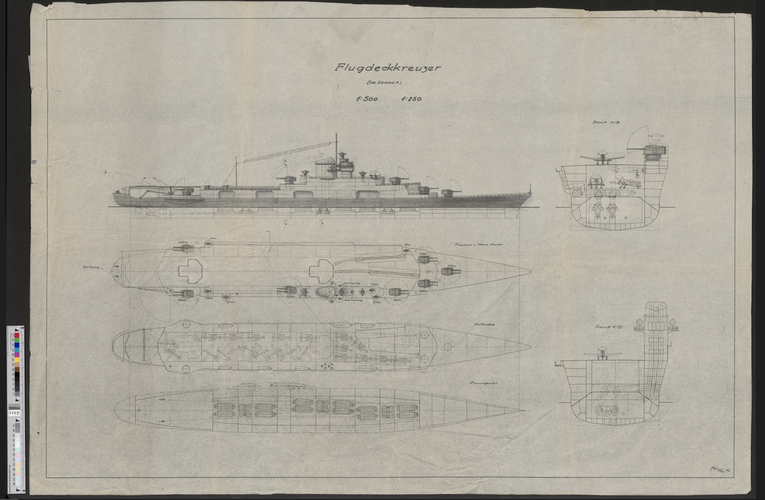
EDIT: There's also the larger Flugdeckkreuzer ships, carriers with large cruiser guns (much like the IJN's Ise and Hyuga semi-carrier conversions) that were projected to reach up to 70,000 tons displacement. According to the very same Whitley, apparently the Flugdeckkreuzer ships had pure carrier variants with the big guns removed.
 
Last edited:
Were there any other possible aircraft options? I saw photo of Focke-wulf Fw 190 with tirpedo attached to it , I think that the Fw 190 would be much better than Bf 109 as a fighter. And if it could carry a torpedo it would be very versatile plane. Were there any problems with Fw 190 or why germans didn´t make navalised version of Fw 190 rather than making Bf 109 T of Me 155.
The primary reason that the Germans didn't make a navalised version of the Fw.190 was: By October, '42, when the 1st Würger's you'd trust to be reliable enough to fly over water were available, Graf Zeppelin had been reduced to a floating lumber storage facility and there is no point designing (modifying a plane for a ship that will never sail).

As far as carrying a torpedo - bombers trade fuel (range) for payload (armament/bombs). The Fw.190A-5/U14 needed to remove the mg17s and outer mgffs to be able to carry a torpedo (I'm not sure if the larger fin of the Ta-152 was required, or just added to the later Fw.190Fs to improve directional control). So, it's combat range is going to be...limited (Carrier planes often operated <20% of range to allow time for forming up, travel to target, attack, return from target, waiting to land<crash on deck, rain squall, etc>.)

Aside: "Conventional" gear aircraft need the center of gravity behind the main wheels, so they remain on the tail wheel during initial acceleration. Unfortunately, this means when you add a heavy load (torpedo) it overwhelms the elevators ability to lift the tail wheel off the runway. Until the tail wheel is lifted, the wing is in a very high drag (if not stalled) condition reducing the plane's ability to accelerate.

Focke-Wulf's solution was to extend the tail wheel - reduces drag, but means you need to be much more gentle with the throttle - not exactly what you want on a limited carrier deck.

Which is where the "rig" to catapult launch planes comes in, it:
a. Lifts the plane to flying altitude - which actually allows heavier take offs from the catapult than from a 'land based runways'. (Numbers for Ju.87E versus Ju.87D confirm this)​
b. Accelerates the plane to flying speed aggressively. (2.5g's)​

There's also the minor issue - when enemy fighters are in the vicinity, the German fighter pilots tended to forget they were bombers 1st and dropped their ordinance to engage (Heer was not impressed with Luftwaffe in North Africa).
 

Similar threads

Back
Top Bottom