
You are using an out of date browser. It may not display this or other websites correctly.
You should upgrade or use an alternative browser.
You should upgrade or use an alternative browser.
Fugaku : Z-plane, G10 or G12

blackkite
Don't laugh, don't cry, don't even curse, but.....
- Joined
- 31 May 2007
- Messages
- 9,515
- Reaction score
- 9,657
Chikuhei Nakajima, the founder of Nakajima Aircraft, predicted that Japan would be burned by the bombing of the US military , and thought that the only way to win the war was to bomb the continental United States.
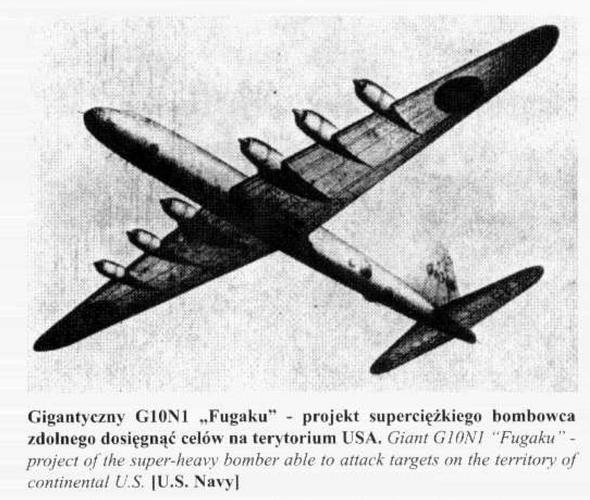
Therefore, Nakajima Aircraft planned the Z plane, which is a bomber capable of bombing the continental United States alone.
The plane carried a 10-ton bomb, had a cruising range of 18,000 km, and required six 5000-horsepower engines.
The plan was to launch the bomber from a base on the Kuril Islands, cross the Pacific Ocean in a jet stream, bomb Pittsburgh and New York, then cross the Atlantic Ocean, and land in Germany-occupied France.
The return trip was planned to bomb the Soviet Union in some cases and return to Japan.
The plan for this bomber was compiled into a plan called a “Winning game plan” and proposed to the Japanese government and the Japanese military.
This proposal was adopted, the bomber was named Fugaku and the Fugaku Committee was formed by the military, Nakajima Aircraft and others.
As for the 5000 horsepower engine, Nakajima tried to develop the Ha 54 engine by combining two 2500 horsepower Nakajima Ha44 double air-cooled radial engines in series.
However, as the design progressed, it turned out to be difficult to cool the last row of quadruple engines, and this solution was expected to take a considerable amount of time.
Therefore, the Fugaku Committee decided to develop a bomber using six Ha44 engines and a bomber using six 3000 horsepower Ha50 engines, which was under development by Mitsubishi, as an emergency measure.
After that, the battlefield deteriorated, mass production of fighters became necessary, and the plan for the Fugaku bomber was canceled.
Therefore, Nakajima Aircraft planned the Z plane, which is a bomber capable of bombing the continental United States alone.
The plane carried a 10-ton bomb, had a cruising range of 18,000 km, and required six 5000-horsepower engines.
The plan was to launch the bomber from a base on the Kuril Islands, cross the Pacific Ocean in a jet stream, bomb Pittsburgh and New York, then cross the Atlantic Ocean, and land in Germany-occupied France.
The return trip was planned to bomb the Soviet Union in some cases and return to Japan.
The plan for this bomber was compiled into a plan called a “Winning game plan” and proposed to the Japanese government and the Japanese military.
This proposal was adopted, the bomber was named Fugaku and the Fugaku Committee was formed by the military, Nakajima Aircraft and others.
As for the 5000 horsepower engine, Nakajima tried to develop the Ha 54 engine by combining two 2500 horsepower Nakajima Ha44 double air-cooled radial engines in series.
However, as the design progressed, it turned out to be difficult to cool the last row of quadruple engines, and this solution was expected to take a considerable amount of time.
Therefore, the Fugaku Committee decided to develop a bomber using six Ha44 engines and a bomber using six 3000 horsepower Ha50 engines, which was under development by Mitsubishi, as an emergency measure.
After that, the battlefield deteriorated, mass production of fighters became necessary, and the plan for the Fugaku bomber was canceled.

Raa
ACCESS: Restricted
- Joined
- 7 December 2020
- Messages
- 44
- Reaction score
- 149
This is a completely worthless post....
A few months ago, I contacted someone who had original documents on Fugaku (or more precisely, the six-engine aircraft planned for Nakajima) and was able to show it to me.
But he doesn't want it to be filmed or posted online.
But there were certainly drawings, texts, and graphs about the six-engine aircraft.
And I know another person who has original documents on Fugaku.
I believe that documents these two people have are all of the existing documents directly related to Fugaku.
If my memory was better, I might have been able to pick out some excerpts from what I saw, but I've forgotten most of them now...
A few months ago, I contacted someone who had original documents on Fugaku (or more precisely, the six-engine aircraft planned for Nakajima) and was able to show it to me.
But he doesn't want it to be filmed or posted online.
But there were certainly drawings, texts, and graphs about the six-engine aircraft.
And I know another person who has original documents on Fugaku.
I believe that documents these two people have are all of the existing documents directly related to Fugaku.
If my memory was better, I might have been able to pick out some excerpts from what I saw, but I've forgotten most of them now...
That plan makes way more sense than the next dozen WW2 long-range bomber plans.…..
The return trip was planned to bomb the Soviet Union in some cases and return to in series.
…
Consider that - to this day - the Russian Army heavily depends upon railroads, so all that Japan needed to do was wreck a dozen rail bridges to prevent a Russian invasion of the Japanese Home Islands.
Except for the obvious problem that hitting specific bridges from high altitude with a strategic bomber ain't that easy. Taking out bridges was more often accomplished with tactical aircraft, and even then it wasn't a given that it would be successful.That plan makes way more sense than the next dozen WW2 long-range bomber plans.
Consider that - to this day - the Russian Army heavily depends upon railroads, so all that Japan needed to do was wreck a dozen rail bridges to prevent a Russian invasion of the Japanese Home Islands.
Last edited:
Unfortunately Japanese military collectors are known to hoard photographs and documents, and never share themThis is a completely worthless post....
A few months ago, I contacted someone who had original documents on Fugaku (or more precisely, the six-engine aircraft planned for Nakajima) and was able to show it to me.
But he doesn't want it to be filmed or posted online.
But there were certainly drawings, texts, and graphs about the six-engine aircraft.
And I know another person who has original documents on Fugaku.
I believe that documents these two people have are all of the existing documents directly related to Fugaku.
If my memory was better, I might have been able to pick out some excerpts from what I saw, but I've forgotten most of them now...
Last edited:
Raa
ACCESS: Restricted
- Joined
- 7 December 2020
- Messages
- 44
- Reaction score
- 149
Well, it is not good thing.Unfortunately Japanese military collectors are known to hoard photographs and couments, and never share them
I tried to negotiate with him, but to no avail.
But, I plan to go see it again, so if I have any interesting information I might post it here.
What did you see exactly? Anything new that differs from here?Well, it is not good thing.
I tried to negotiate with him, but to no avail.
But, I plan to go see it again, so if I have any interesting information I might post it here.
Raa
ACCESS: Restricted
- Joined
- 7 December 2020
- Messages
- 44
- Reaction score
- 149
Absolutely yes.What did you see exactly? Anything new that differs from here?
As for the drawings, there may not be many new ones.
However, new texts and etc there are many.
Regarding Fugaku, I will refrain from posting to this thread until I look at the documents again.
My unclear story will only confuse many people.

blackkite
Don't laugh, don't cry, don't even curse, but.....
- Joined
- 31 May 2007
- Messages
- 9,515
- Reaction score
- 9,657
Attachments
blackkite
Don't laugh, don't cry, don't even curse, but.....
- Joined
- 31 May 2007
- Messages
- 9,515
- Reaction score
- 9,657
Attachments
blackkite
Don't laugh, don't cry, don't even curse, but.....
- Joined
- 31 May 2007
- Messages
- 9,515
- Reaction score
- 9,657
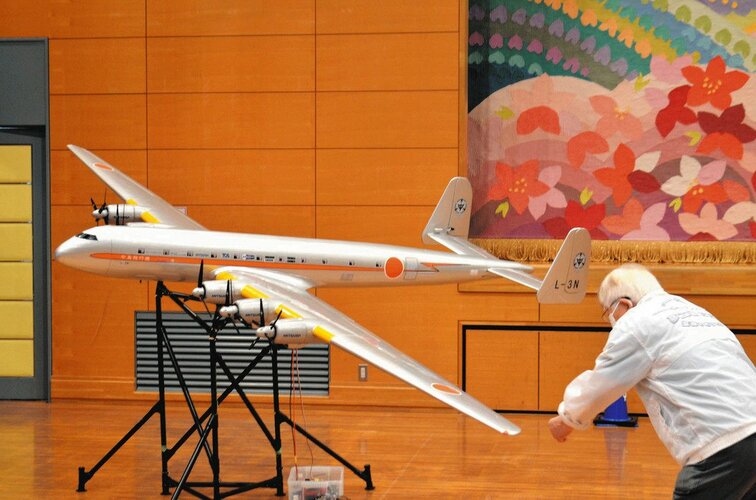
You can see Fugaku bomber version model rear camera movie and transport version model front camera movie.
View: https://www.youtube.com/watch?v=tudOa-Z9sMw
View: https://www.youtube.com/watch?v=9yshdxqllEw

Tonton-42
ACCESS: Secret
- Joined
- 10 May 2014
- Messages
- 405
- Reaction score
- 798
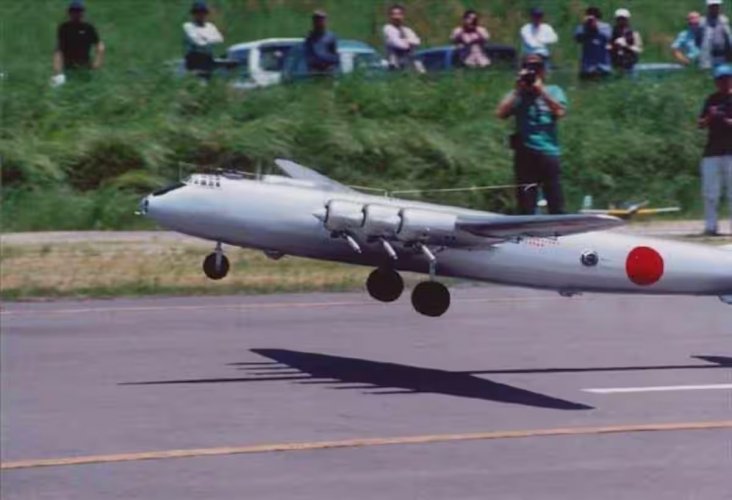
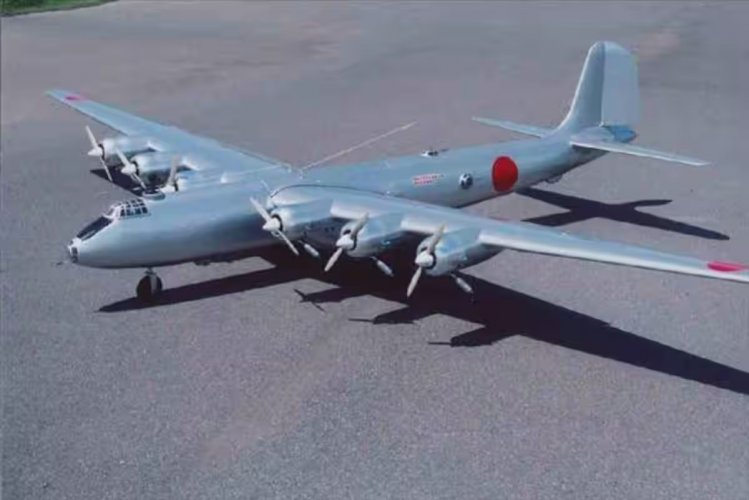
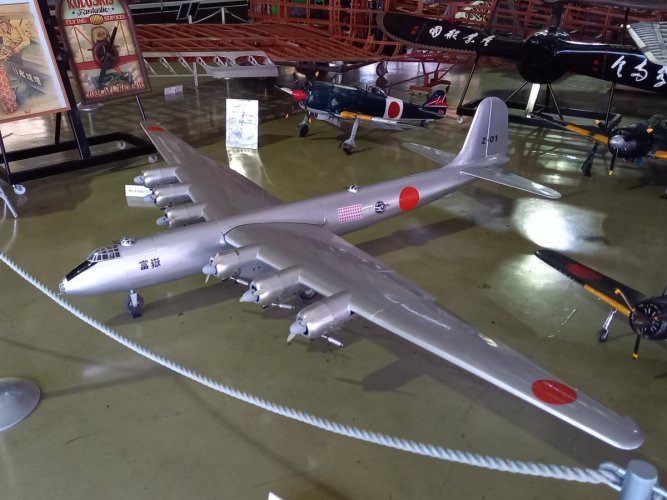
I don't understand why nr 3 and 4 engines have simple propellers on this model ... Is it the same thing on the real project ? (If a real project did exist ...)
blackkite
Don't laugh, don't cry, don't even curse, but.....
- Joined
- 31 May 2007
- Messages
- 9,515
- Reaction score
- 9,657
Good question!!
Model shape is little strange compared with the original drawing. I don't know why.
I will ask your question to the Fugaku flying club.
Model shape is little strange compared with the original drawing. I don't know why.
I will ask your question to the Fugaku flying club.
Attachments
Last edited:
blackkite
Don't laugh, don't cry, don't even curse, but.....
- Joined
- 31 May 2007
- Messages
- 9,515
- Reaction score
- 9,657
The answer is as follows
"The six-engine transport aircraft 1/15 model in question was completed in 2016 and made its first flight.
There was an issue of what to do with the power when manufacturing this machine, but fortunately we were able to get a local company to prototype an electric double-reversing motor.
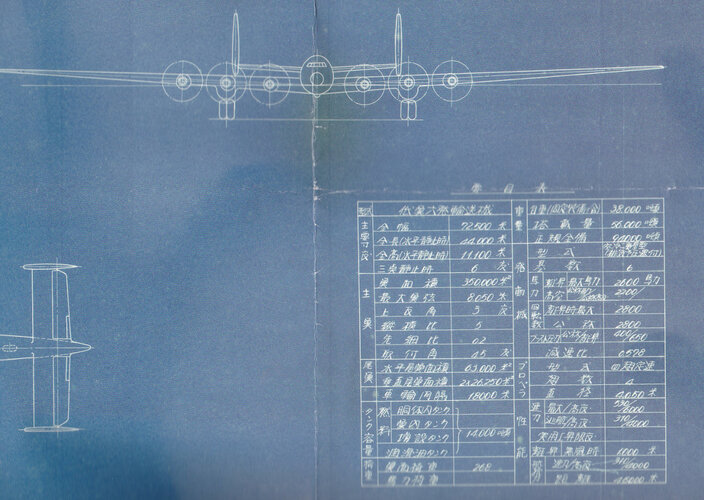
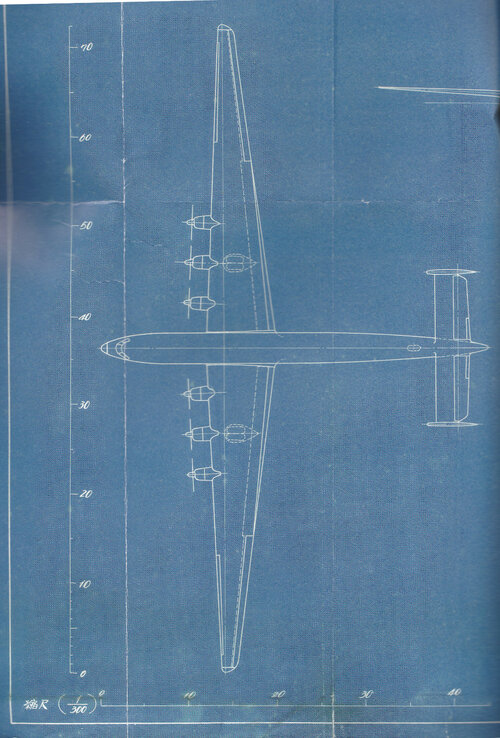
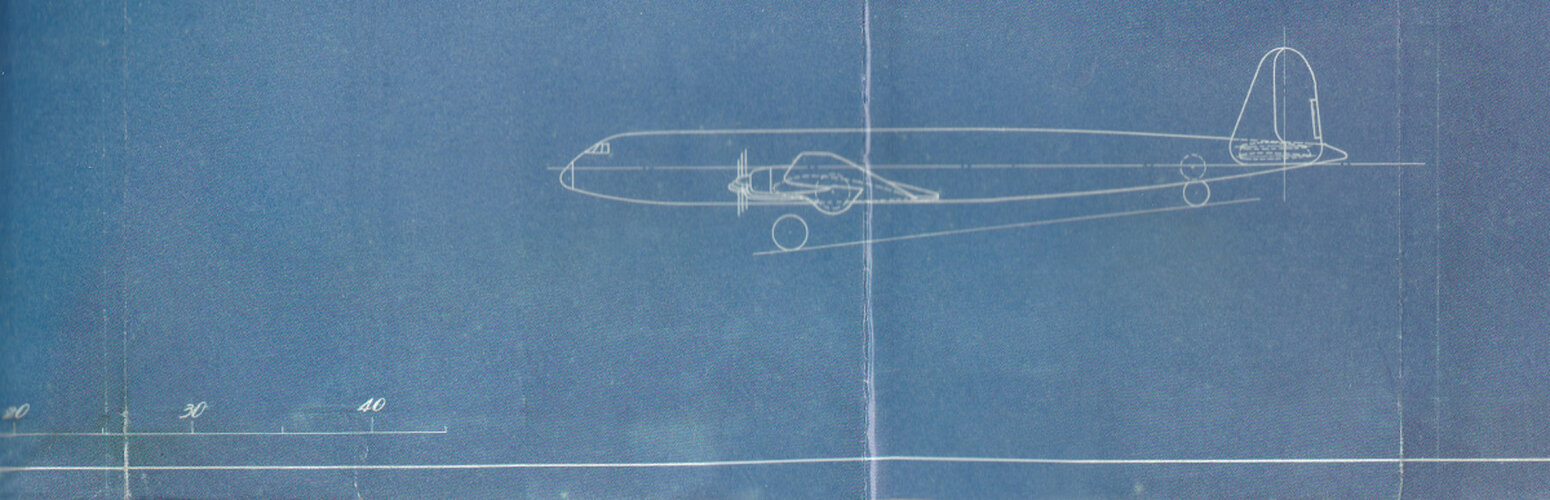
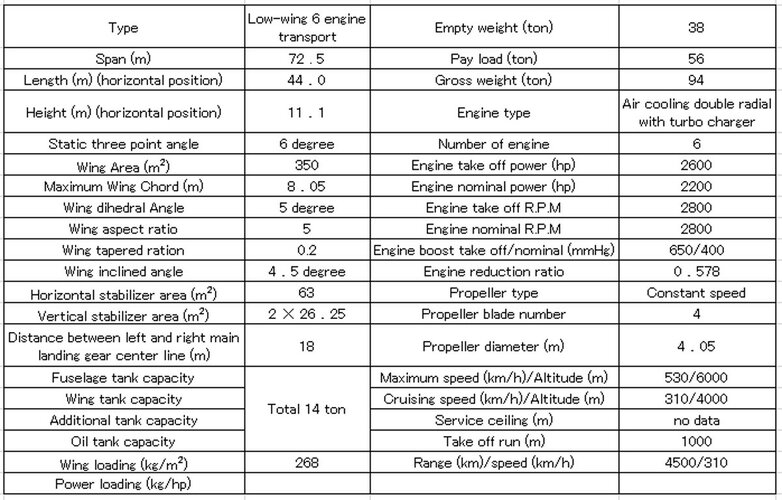
As you can see in the drawings, the original aircraft was planned to turn a four-wing constant-speed propeller with a diameter of 4.05 m with a 2600 horsepower engine, and it was not a double-inverted propeller, but we dared to try something new.
We have also confirmed that the flight with six prototype double-inverted motors mounted on the RC model.
The motor speed was lower than planned, and there was no room for thrust during flight.
The two central motors (No. 3 & No. 4) have been changed to normal commercial motors.
As a result, there are two types of propellers on the fuselage in the photo."
"The six-engine transport aircraft 1/15 model in question was completed in 2016 and made its first flight.
There was an issue of what to do with the power when manufacturing this machine, but fortunately we were able to get a local company to prototype an electric double-reversing motor.
As you can see in the drawings, the original aircraft was planned to turn a four-wing constant-speed propeller with a diameter of 4.05 m with a 2600 horsepower engine, and it was not a double-inverted propeller, but we dared to try something new.
We have also confirmed that the flight with six prototype double-inverted motors mounted on the RC model.
The motor speed was lower than planned, and there was no room for thrust during flight.
The two central motors (No. 3 & No. 4) have been changed to normal commercial motors.
As a result, there are two types of propellers on the fuselage in the photo."
Last edited:

TunderTunder
ACCESS: Restricted
- Joined
- 12 September 2021
- Messages
- 8
- Reaction score
- 47
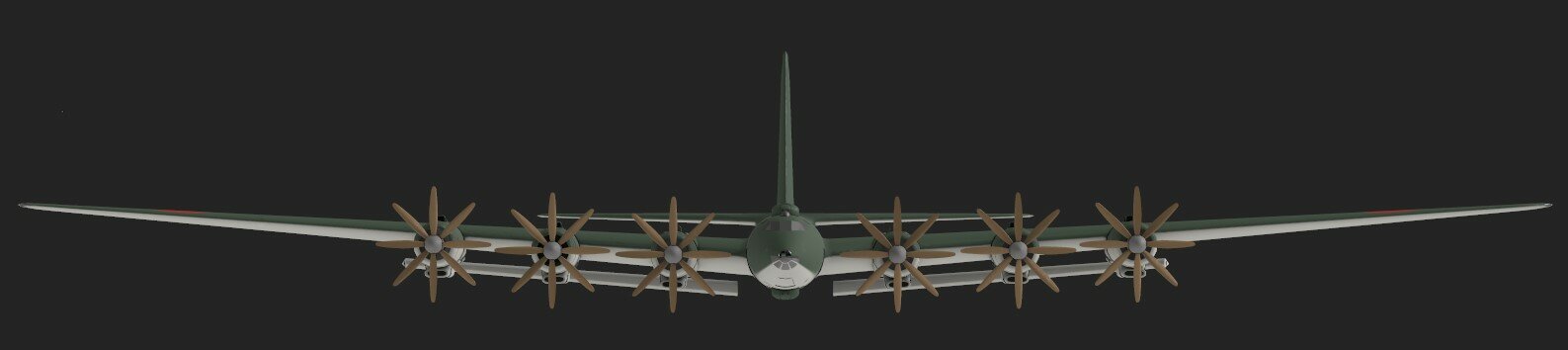
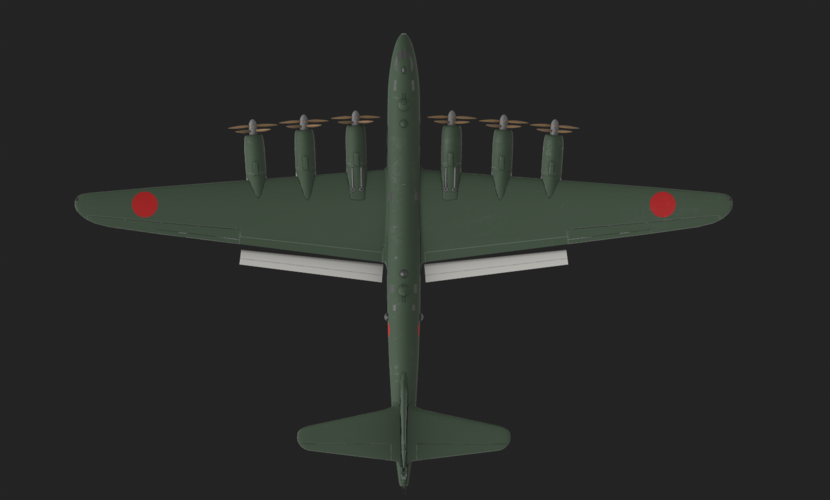
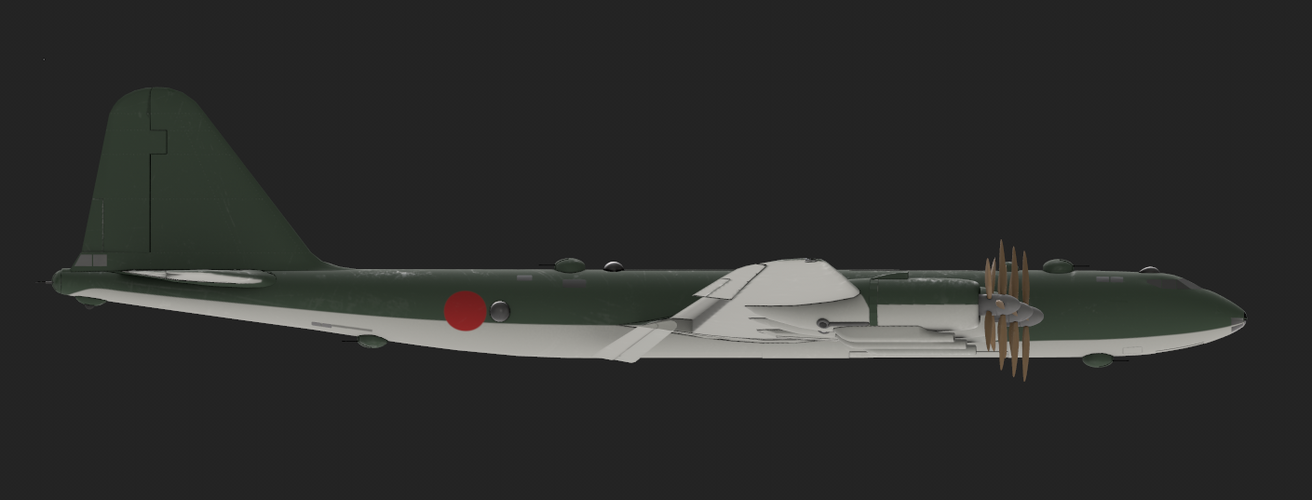
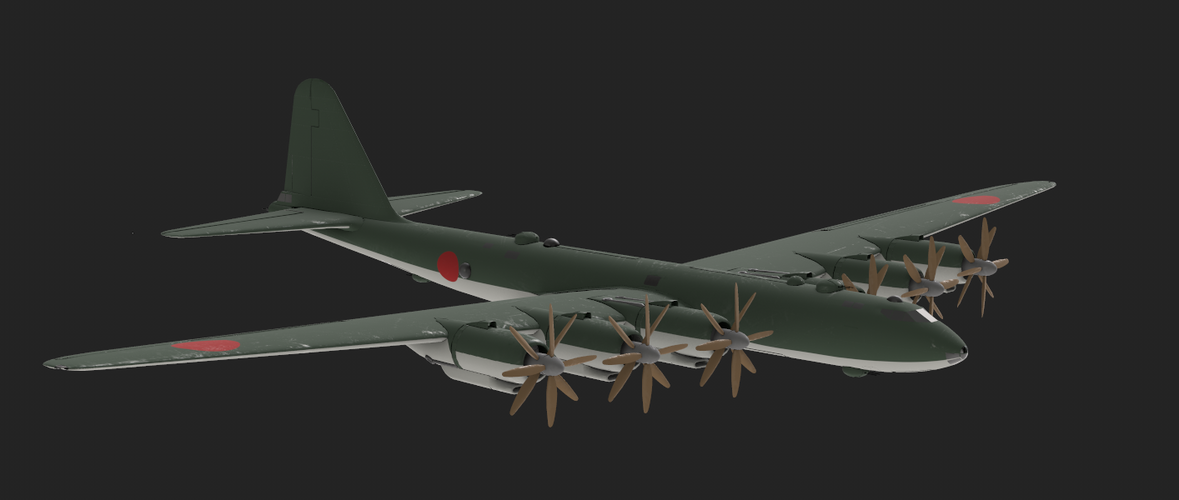
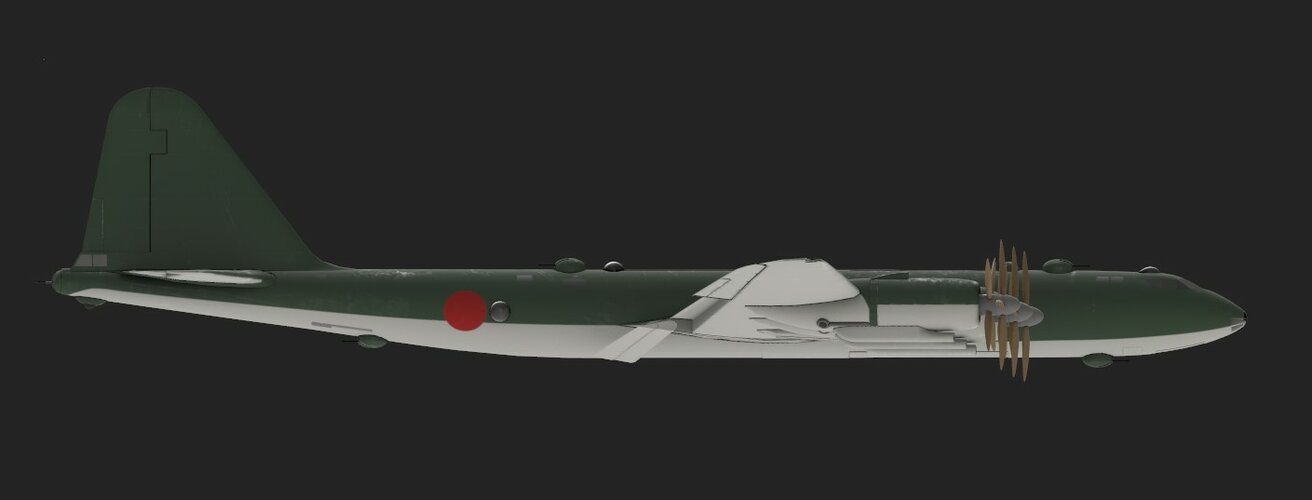
TunderTunder
ACCESS: Restricted
- Joined
- 12 September 2021
- Messages
- 8
- Reaction score
- 47
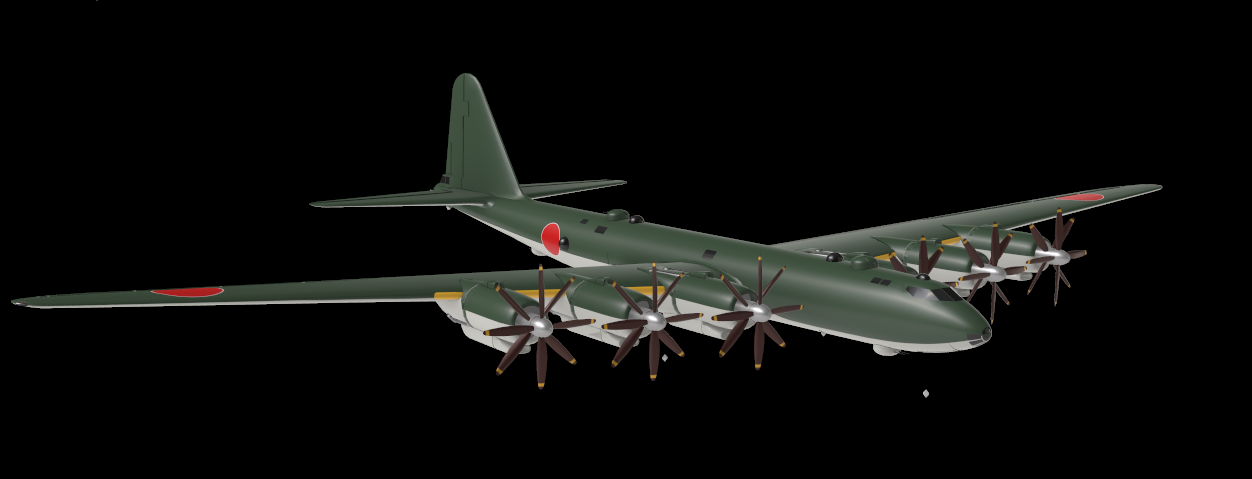
TunderTunder
ACCESS: Restricted
- Joined
- 12 September 2021
- Messages
- 8
- Reaction score
- 47
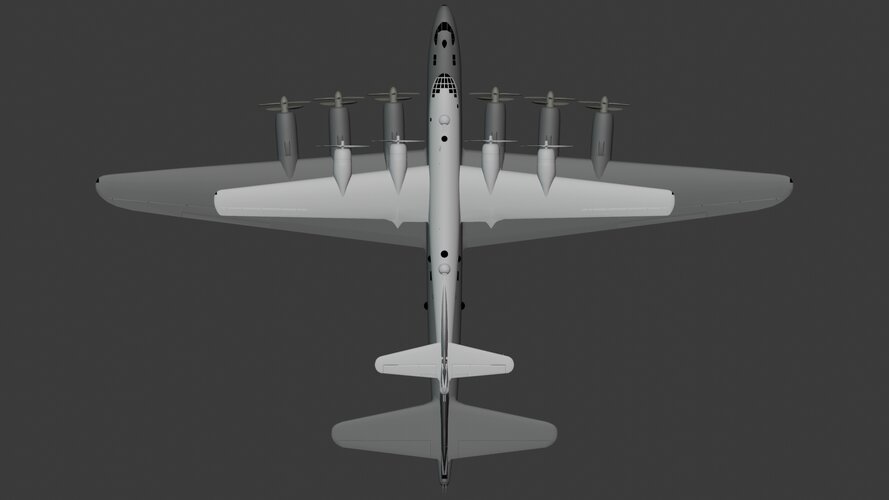
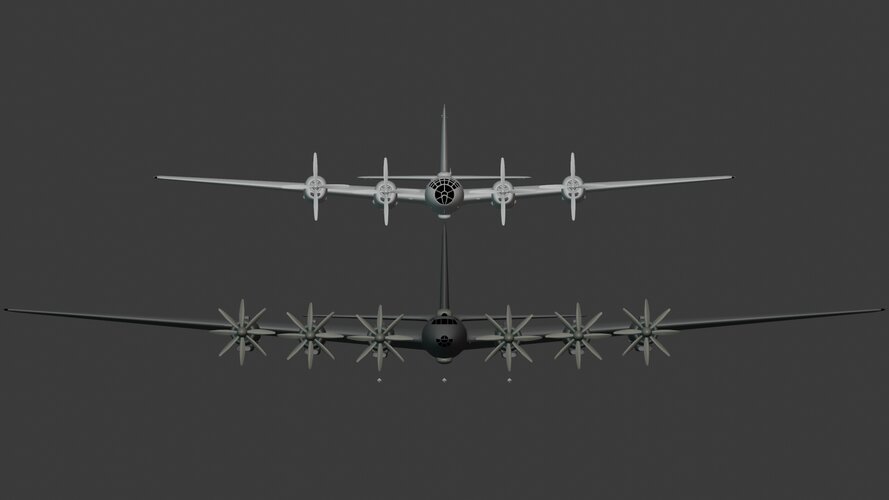
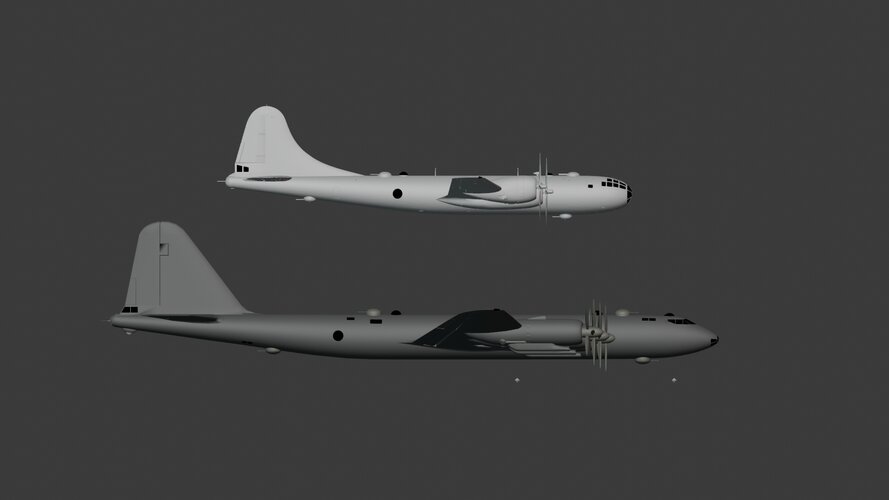
TunderTunder
ACCESS: Restricted
- Joined
- 12 September 2021
- Messages
- 8
- Reaction score
- 47
B-36 is faster, but this huge boy is impressive anyway.Japan B-36
TunderTunder
ACCESS: Restricted
- Joined
- 12 September 2021
- Messages
- 8
- Reaction score
- 47
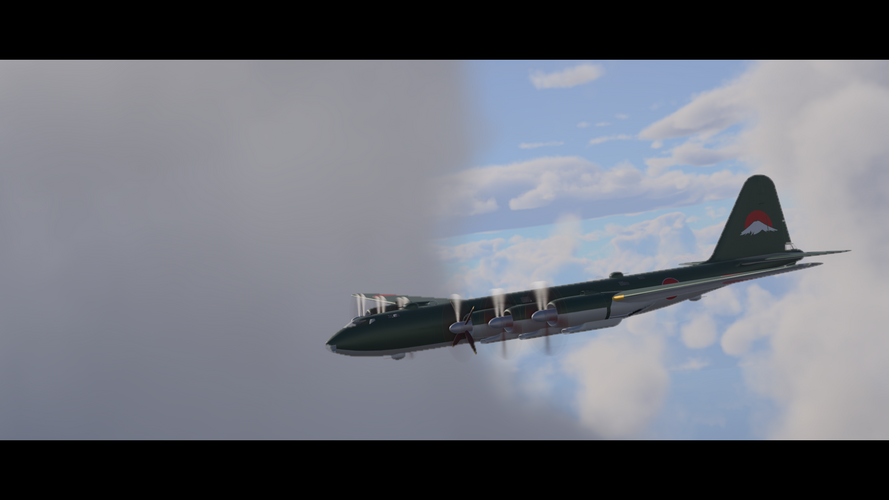
My vision
Attachments
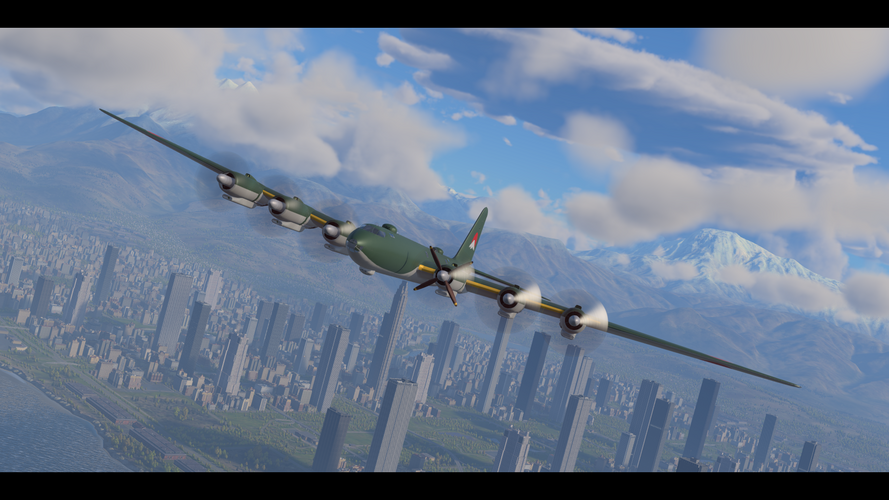
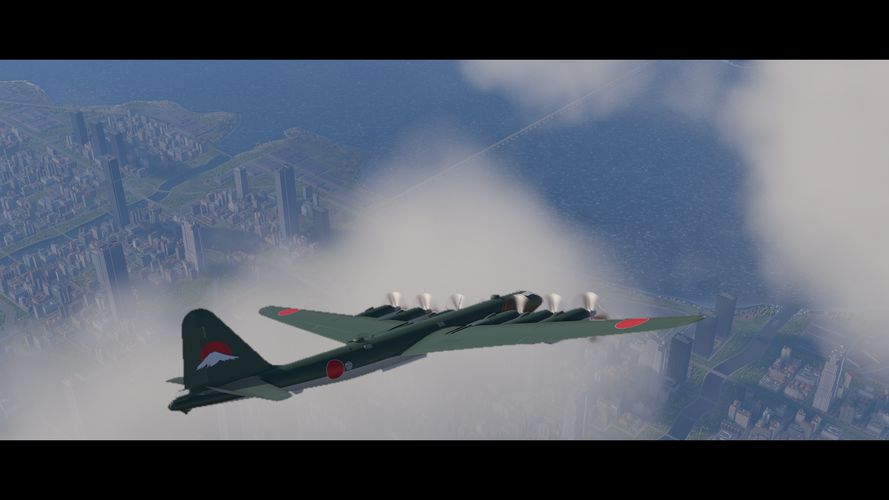
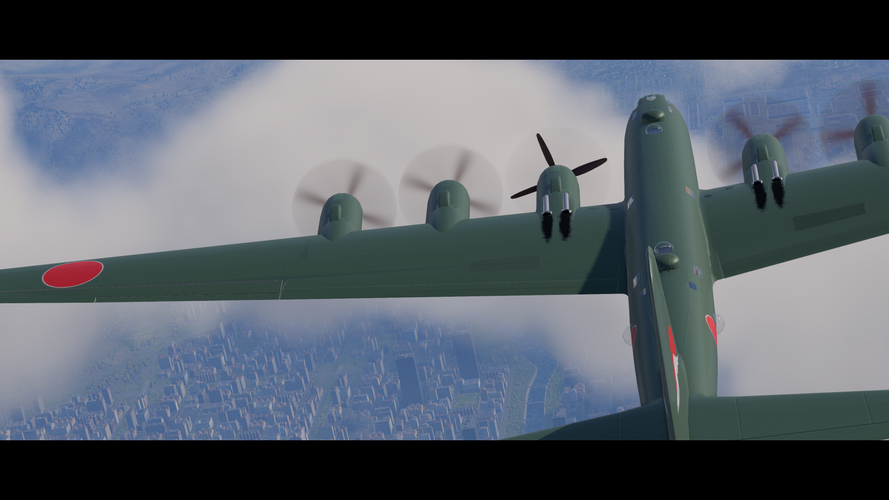
blackkite
Don't laugh, don't cry, don't even curse, but.....
- Joined
- 31 May 2007
- Messages
- 9,515
- Reaction score
- 9,657
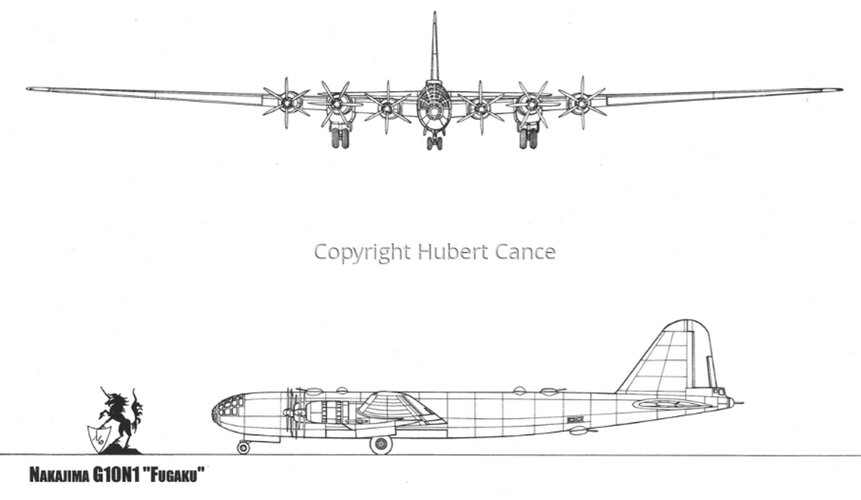
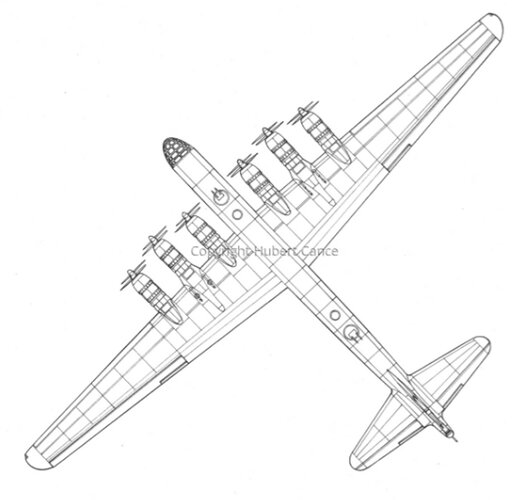
https://www.hubertcance.com/large-m...399-270442/Drawing/nakajima-g10n1-fugaku.html
These drawings undoubtedly depicts Nakajima Chikuhei's ultimate ideal of Fugaku.
However, in reality, it was difficult to realize the HA54 four-row 36-cylinder engine.
I recommend circular fuselage cross section.
These drawings undoubtedly depicts Nakajima Chikuhei's ultimate ideal of Fugaku.
However, in reality, it was difficult to realize the HA54 four-row 36-cylinder engine.
I recommend circular fuselage cross section.
Attachments

Last edited:

TunderTunder
ACCESS: Restricted
- Joined
- 12 September 2021
- Messages
- 8
- Reaction score
- 47

This aircraft deservers for better recognition, than this fr.
Only 1 documentary in all youtube
Hello, do you know where I can watch Goodbye Air battle warship Fugaku?I watched Japanese TV drama "さらば 空中戦艦 富嶽 (Good-bye Air battle warship Fugaku)" which described Fugaku project from the beginning untill the end. In the drama, I watched strange blue print which shows the aircraft shape we used to discuss.
I can see some Nakajima's official blue prints in the drama. They were Z-Koizumu, Z-Ohta, Z-final and HA-54 engine.
I can see the cover of Chikuhei Nakajima's "試製富嶽日記 (Experimental Fugaku diary)"
Also I can see real interview to Yasuo Naito(Wing aero dynamic desingner), Kiyoshi Tanaka(HA-54 desinger), etc.
It seems that the information from the actual Fugaku project persons concerned was also reflected in this drama.

WinterMoon
ACCESS: Restricted
- Joined
- 3 April 2024
- Messages
- 2
- Reaction score
- 12
Anything new In regards to your research?Absolutely yes.
As for the drawings, there may not be many new ones.
However, new texts and etc there are many.
Regarding Fugaku, I will refrain from posting to this thread until I look at the documents again.
My unclear story will only confuse many people.
sgeorges4
I really should change my personal text
- Joined
- 8 October 2017
- Messages
- 681
- Reaction score
- 375
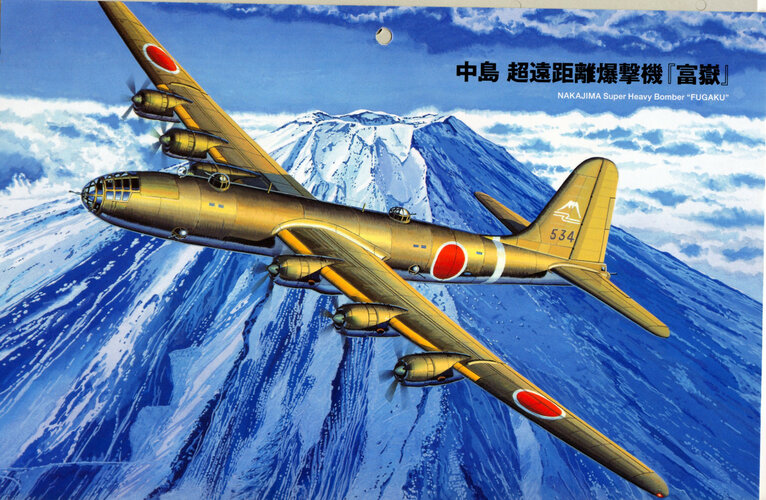
Hello, currently working on finally finishing my fujimi fugaku this year and I was wondering wich propeller configuration I should choose, I noticed it vary a lot between drawing of the project and fujimi give 2 of them (the double rotating prop and the 4 bladed one).
Thanks for your answers, mine will have a scheme inspired by the full green betty.
Thanks for your answers, mine will have a scheme inspired by the full green betty.
sgeorges4
I really should change my personal text
- Joined
- 8 October 2017
- Messages
- 681
- Reaction score
- 375
I don't reccall having much issues building the kit itself tho I'm unsure wich version of the plane it's meant to represent, I've seen renders with this one but original drawings shows a different cabin. I've had that kit going on for years since I got it, I'd like to finish it at some point
blackkite
Don't laugh, don't cry, don't even curse, but.....
- Joined
- 31 May 2007
- Messages
- 9,515
- Reaction score
- 9,657
In 1942, Nakajima Chikuhei wrote "Winning game plan" and proposed the "Z -plane", a large long-range strategic bomber that could fly to Europe after bombing the US mainland and land in Nazi Germany or its occupied territories. This Z-plane, which Nakajima Aircraft Company designed, became the basis for the Fugaku.
On May 31, 1943, Nakajima explained the following plan at a dinner party at the Naval General Staff's official residence:
"By 1945, a large number of B-29 bombers will be deployed, destroying Japan's munitions factories and rendering it unable to fight. To prevent this, we will quickly design and build an ultra-long-range bomber to bomb the US mainland."
Nakajima is said to have presented his plan to Prime Minister Hideki Tojo, as well as the Ministers of the Army and Navy, and other related parties.
On August 15 of the same year, the Army Department of the Imperial General Headquarters sent a request to the Ministry of the Army for the "devising of a decisive weapon to complete the world war," which included an item on the list called for an "ultra-long-range airplane."
After this, the plan was approved by a joint planning committee of the Army and Navy, and the development of an ultra-long-range bomber named Fugaku was carried out with the participation of the Ministry of Munitions. However, the Army and Navy had different requirements, which made it difficult to make adjustments, and the Ministry of Munitions had Kawanishi Aircraft independently create a design proposal midway through, and there was strong opposition not only from the Army and Navy and other companies, but even within Nakajima Aircraft, so there were many problems with the development system. The first plan was for six Ha-54 engines , but the development of a new type of air-cooled quadruple radial engine took time, so as a temporary measure, the plan was tentatively carried out with six Ha-44 (air-cooled double radial type 18 cylinders, 2,450 horsepower/2,800 rpm) and Ha-50 (air-cooled double radial type 22 cylinders, 3,100 horsepower/2,400 rpm). As a result, the bomb load was reduced from 20 tons to 15 tons.
In 1943, construction of an assembly plant for the Fugaku began within the Nakajima Aircraft Mitaka Research Center. However, on April 28, 1944, the Japanese military gathered the relevant parties from the Army and Navy, the Ministry of Munitions, and related manufacturing companies to consider whether to continue research on the super-heavy bomber "Fugaku." As a result, if the Fugaku was produced as planned, it was expected that the Japanese Army would reduce production of 943 Type 4 fighters and the Navy would reduce production of 235 Ginga land-based bombers. From the perspective of materials, machine tools, and technical research, it was concluded that research on the Fugaku "regrettably must be discontinued." The Japanese military was defeated in the Battle of the Mariana Sea in late June 1943, and Saipan, which was the eastern key of the absolute national defense sphere, fell on July 6. Prime Minister Tojo, who had been the biggest supporter of the project, resigned on July 18 due to ostracism from those around him. Due to the policy of prioritizing the development of fighter aircraft for the homeland air defense battle and reducing the number of models developed, the development of the Fugaku was discontinued as it was deemed "not to be ready in time for this war."
On May 31, 1943, Nakajima explained the following plan at a dinner party at the Naval General Staff's official residence:
"By 1945, a large number of B-29 bombers will be deployed, destroying Japan's munitions factories and rendering it unable to fight. To prevent this, we will quickly design and build an ultra-long-range bomber to bomb the US mainland."
Nakajima is said to have presented his plan to Prime Minister Hideki Tojo, as well as the Ministers of the Army and Navy, and other related parties.
On August 15 of the same year, the Army Department of the Imperial General Headquarters sent a request to the Ministry of the Army for the "devising of a decisive weapon to complete the world war," which included an item on the list called for an "ultra-long-range airplane."
After this, the plan was approved by a joint planning committee of the Army and Navy, and the development of an ultra-long-range bomber named Fugaku was carried out with the participation of the Ministry of Munitions. However, the Army and Navy had different requirements, which made it difficult to make adjustments, and the Ministry of Munitions had Kawanishi Aircraft independently create a design proposal midway through, and there was strong opposition not only from the Army and Navy and other companies, but even within Nakajima Aircraft, so there were many problems with the development system. The first plan was for six Ha-54 engines , but the development of a new type of air-cooled quadruple radial engine took time, so as a temporary measure, the plan was tentatively carried out with six Ha-44 (air-cooled double radial type 18 cylinders, 2,450 horsepower/2,800 rpm) and Ha-50 (air-cooled double radial type 22 cylinders, 3,100 horsepower/2,400 rpm). As a result, the bomb load was reduced from 20 tons to 15 tons.
In 1943, construction of an assembly plant for the Fugaku began within the Nakajima Aircraft Mitaka Research Center. However, on April 28, 1944, the Japanese military gathered the relevant parties from the Army and Navy, the Ministry of Munitions, and related manufacturing companies to consider whether to continue research on the super-heavy bomber "Fugaku." As a result, if the Fugaku was produced as planned, it was expected that the Japanese Army would reduce production of 943 Type 4 fighters and the Navy would reduce production of 235 Ginga land-based bombers. From the perspective of materials, machine tools, and technical research, it was concluded that research on the Fugaku "regrettably must be discontinued." The Japanese military was defeated in the Battle of the Mariana Sea in late June 1943, and Saipan, which was the eastern key of the absolute national defense sphere, fell on July 6. Prime Minister Tojo, who had been the biggest supporter of the project, resigned on July 18 due to ostracism from those around him. Due to the policy of prioritizing the development of fighter aircraft for the homeland air defense battle and reducing the number of models developed, the development of the Fugaku was discontinued as it was deemed "not to be ready in time for this war."
blackkite
Don't laugh, don't cry, don't even curse, but.....
- Joined
- 31 May 2007
- Messages
- 9,515
- Reaction score
- 9,657
The Fujimi model is different from the Z-plane for which official three-view drawings remain, different from the Fugaku with the HA44 engine, and different from the Fugaku with the HA50 engine.
I have no idea what on earth it is trying to represent.
I think it would have been much more meaningful for Fujimi to model the Z-plane, for which official drawings remain in the Winning game plan, the Z-plane Koizumi Works Design, for which official drawings remain in the Nakajima Aircraft Company, and the Z-plane Ota Works Design, rather than creating such a model with no basis.
I have no idea what on earth it is trying to represent.
I think it would have been much more meaningful for Fujimi to model the Z-plane, for which official drawings remain in the Winning game plan, the Z-plane Koizumi Works Design, for which official drawings remain in the Nakajima Aircraft Company, and the Z-plane Ota Works Design, rather than creating such a model with no basis.
Last edited:
blackkite
Don't laugh, don't cry, don't even curse, but.....
- Joined
- 31 May 2007
- Messages
- 9,515
- Reaction score
- 9,657


blackkite
Don't laugh, don't cry, don't even curse, but.....
- Joined
- 31 May 2007
- Messages
- 9,515
- Reaction score
- 9,657
Hi! Winning game plan original paper.
https://www1.library.pref.gunma.jp/winj/archive/jpeg/1100247813/album00001.html
https://www1.library.pref.gunma.jp/winj/archive/jpeg/1100247813/album00001.html
blackkite
Don't laugh, don't cry, don't even curse, but.....
- Joined
- 31 May 2007
- Messages
- 9,515
- Reaction score
- 9,657
blackkite
Don't laugh, don't cry, don't even curse, but.....
- Joined
- 31 May 2007
- Messages
- 9,515
- Reaction score
- 9,657
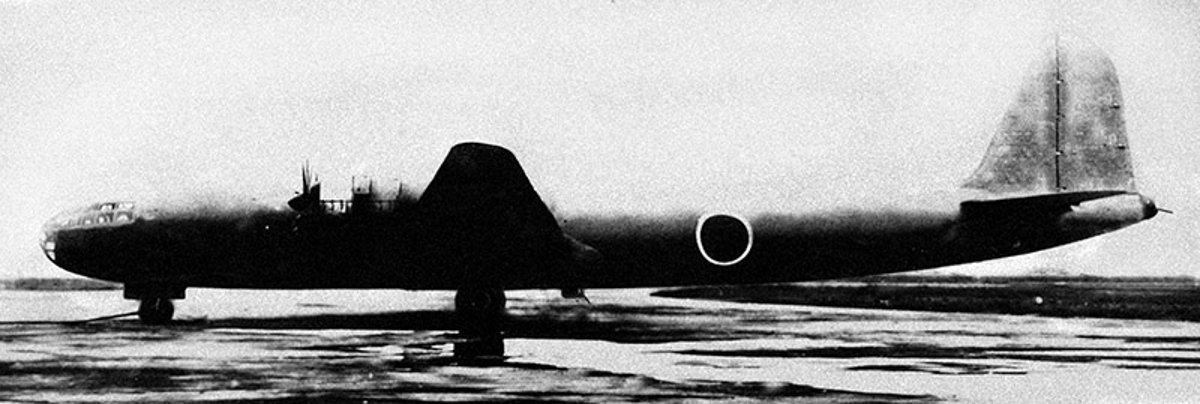
Hi! Good speculation for Fugaku except engine.
https://alternate-timelines.com/thread/3994/nakajima-g10n-fugaku
https://alternate-timelines.com/thread/3994/nakajima-g10n-fugaku
Attachments
Last edited:
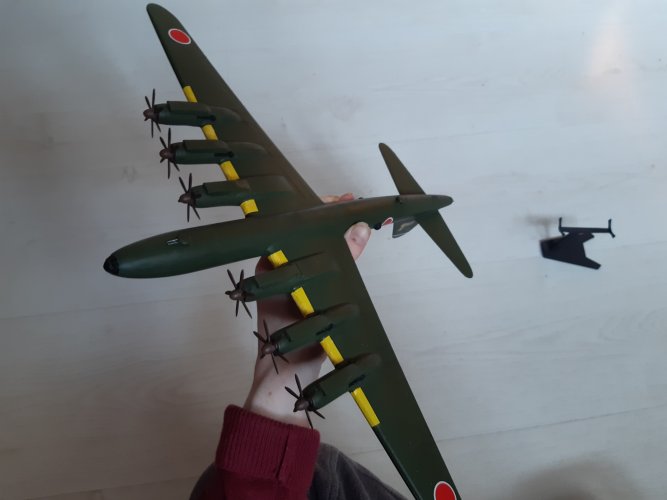
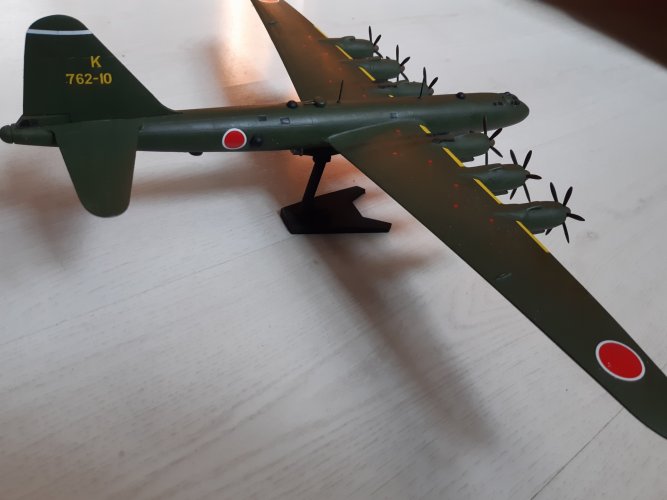

Adler
Die Wunderwaffe
- Joined
- 27 February 2025
- Messages
- 222
- Reaction score
- 447
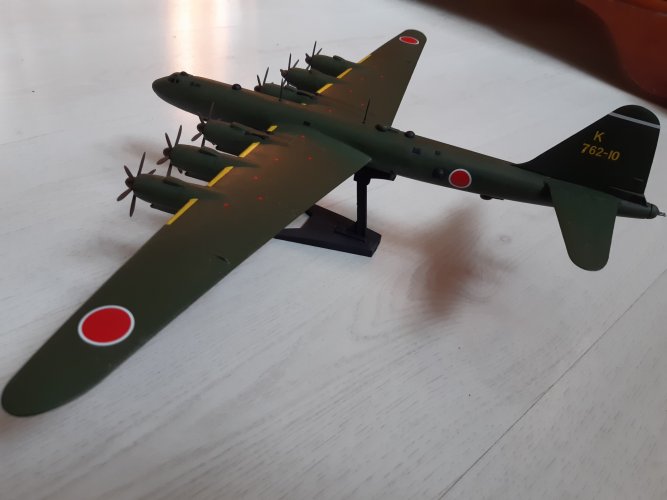
Beautifull! What scale is it in?Hello, since I finished my model, here's what it look like:
View attachment 803540View attachment 803541
View attachment 803542
Similar threads
-

-

-
-
 Nakajima Ki-49 Donryu (Helen) special versions
- Started by Temistocle
- Replies: 15
-
Japanese jet transports and bombers in 1940s?
- Started by Norse
- Replies: 24