Attachments

  • 7ksm-OP150182-24.jpg
    7ksm-OP150182-24.jpg
    261.3 KB · Views: 125
  • 7ksm-OP150182-25.jpg
    7ksm-OP150182-25.jpg
    306.1 KB · Views: 45
  • 7ksm-OP150182-26.jpg
    7ksm-OP150182-26.jpg
    216.5 KB · Views: 41
Last edited by a moderator:
Oh My - Dearest Vadim Lukashevich, The King's English, please - this here is not some random Russian drug den/brothel...
That was a link to the original source, and the original source is always in the language of the source documents — that is why it is the original source
 
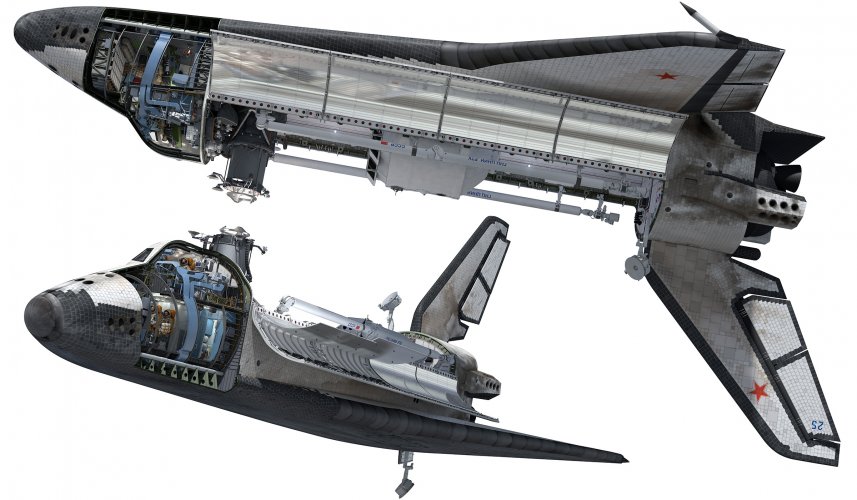
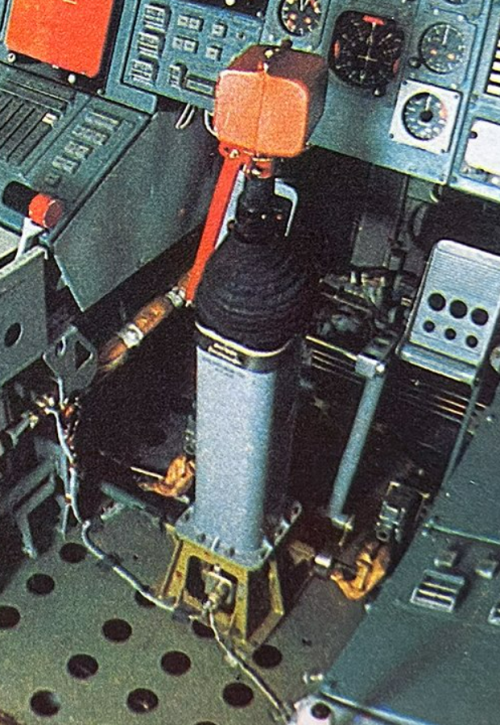
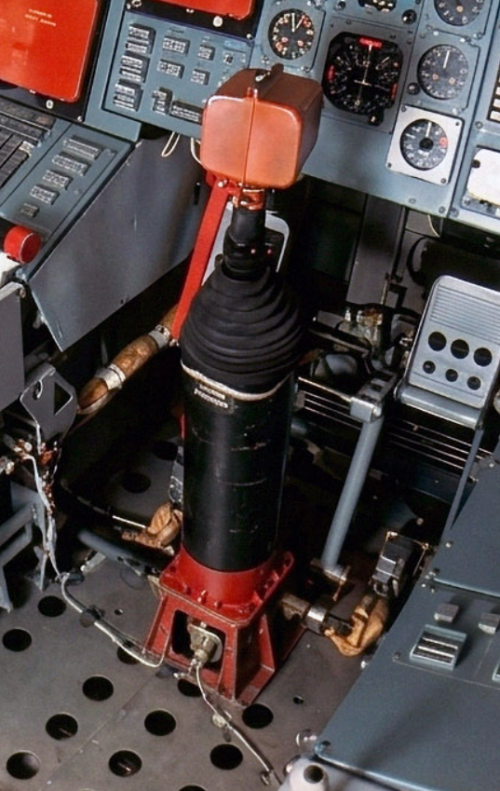
11F35 spacecraft from two different series, showing the interior layout of the crew module: 2.01 on top, 1.01 “Buran” on the bottom. There are about twenty differences.
This is my first time posting this:
 

Attachments

  • моя_98_High.jpg
    моя_98_High.jpg
    701.5 KB · Views: 137
Last edited by a moderator:
Lukashevich’s note does not refer to orbital bombardment. It speaks about some form of combat use. Most likely, it is referring to the destruction of the orbital infrastructure of the Strategic Defense Initiative system.
 
Lukashevich’s note does not refer to orbital bombardment. It speaks about some form of combat use. Most likely, it is referring to the destruction of the orbital infrastructure of the Strategic Defense Initiative system.
Diving into the atmosphere to an altitude of 80 kilometers is not necessary to destroy the enemy’s orbital infrastructure.
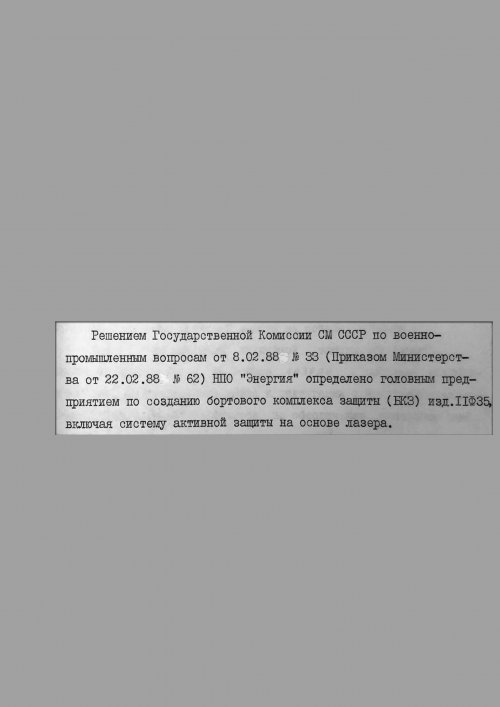
As for countering enemy space assets, the plan was to equip the “Buran” with an “on-board defense system” (initially with space-to-space missiles, and later with weapon systems based on “new physical principles”).
 

Attachments

  • ord22-010388-1а.jpg
    ord22-010388-1а.jpg
    337.7 KB · Views: 118
Last edited by a moderator:
Diving into the atmosphere to an altitude of 80 kilometers is not necessary to destroy the enemy’s orbital infrastructure.
There’s a substitution here. The technical specifications mention multiple reentries, but say nothing about strikes. The test schedule does mention strikes, but it’s unclear what the targets are. Moreover, the schedule is obscured in such a way that this cannot be determined. For flight 8, “maneuvering in the atmosphere” is listed among the objectives, but it is not the only task of the mission. Since a target is mentioned here, it suggests an orbital interception. In flight 10, the “special payloads” could “disperse” not only toward ground targets. In general, “secrecy” can be used to cover any kind of manipulation. The selective publication of the test flight table is Lukashevich’s own selectivity.

 
There’s a substitution here. The technical specifications mention multiple reentries, but say nothing about strikes. The test schedule does mention strikes, but it’s unclear what the targets are. Moreover, the schedule is obscured in such a way that this cannot be determined. For flight 8, “maneuvering in the atmosphere” is listed among the objectives, but it is not the only task of the mission. Since a target is mentioned here, it suggests an orbital interception. In flight 10, the “special payloads” could “disperse” not only toward ground targets. In general, “secrecy” can be used to cover any kind of manipulation. The selective publication of the test flight table is Lukashevich’s own selectivity.
I’m saying what I know for sure.
But since we’re in a public forum, there are some things I can’t say or show.
So it’s up to you whether you believe me or not.

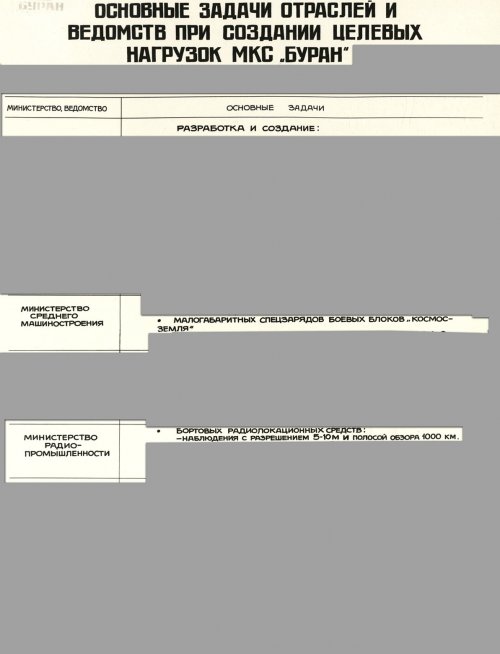
P.S.: The Ministry of Medium Machine Building (Minsredmash) deals with nuclear matters (ammunition, reactors, etc.).
 

Attachments

  • 1 42 0 5361_25%.jpg
    1 42 0 5361_25%.jpg
    151.7 KB · Views: 78
Last edited by a moderator:
I’m saying what I know for sure.
But since we’re in a public forum, there are some things I can’t say or show.
So it’s up to you whether you believe me or not.

P.S.: The Ministry of Medium Machine Building (Minsredmash) deals with nuclear matters (ammunition, reactors, etc.).
Hi again. My friend got interesting question regarding Burans ability to save Columbia.

Could it in theory, with extra tanks, make several dives into the atmosphere to change the orbital inclination by as much as 12°, rendezvous with Columbia to pick up the crew, and then return? This is more a question about Delta-V than about the availability of spacesuits, seats for Columbias crew, or that NASA didn't even knew about the hole in the wing for example.
 
Hi again. My friend got interesting question regarding Burans ability to save Columbia.

Could it in theory, with extra tanks, make several dives into the atmosphere to change the orbital inclination by as much as 12°, rendezvous with Columbia to pick up the crew, and then return? This is more a question about Delta-V than about the availability of spacesuits, seats for Columbias crew, or that NASA didn't even knew about the hole in the wing for example.
The documents only specify the depth of atmospheric penetration—up to 80 km. They also state that an aerodynamic maneuver can be used to re-enter orbit with a different inclination relative to the equator.
However, there is no data on the magnitude of the change in orbital inclination per dive, nor on the permissible number of dives during a single flight.
Theoretically, knowing the spacecraft’s mass, specific impulse, thrust, and specific impulse of the engine, one can calculate the fuel consumption required to return to space from an altitude of 80 km (I have a rough idea of the acceleration impulse), but aerodynamically, a maneuver involving a change in orbital inclination will cause more intense atmospheric drag, the magnitude of which I do not know.

Furthermore, the technical specifications for the design of the “Buran” (late 1976) include a requirement for the time needed to prepare the spacecraft for launch—20 days. But it is clear that in reality (1988+), it took longer
 

Attachments

  • итог69.jpg
    итог69.jpg
    415.7 KB · Views: 164
Last edited by a moderator:
Hi again. My friend got interesting question regarding Burans ability to save Columbia.

Could it in theory, with extra tanks, make several dives into the atmosphere to change the orbital inclination by as much as 12°, rendezvous with Columbia to pick up the crew, and then return? This is more a question about Delta-V than about the availability of spacesuits, seats for Columbias crew, or that NASA didn't even knew about the hole in the wing for example.
It is all about the most efficient means of trading energy. The idea of aero-braking inclination changes usually involved a high apogee, "whose" altitude is "consumed" making up for the energy loss during the aero-braking maneuver. An example:
Let's say the original orbit is 160km x 160km and a aero-braking inclination maneuver is to be performed. A burn is required to drop the perigee to 80km for the maneuver (80 x160). After the maneuver, the orbit is going to be 80 x 120 (it is beyond this forum to how much energy is lost and actually affect on the orbit). At any rate, burns are required to raise the orbit to a stable height. The issue is whether the 3 burns to enable an aerobraking inclination change are less than just burn thrusters to change inclination. Again, beyond the means of this forum to make the determination.
 
It is all about the most efficient means of trading energy. The idea of aero-braking inclination changes usually involved a high apogee, "whose" altitude is "consumed" making up for the energy loss during the aero-braking maneuver. An example:
Let's say the original orbit is 160km x 160km and a aero-braking inclination maneuver is to be performed. A burn is required to drop the perigee to 80km for the maneuver (80 x160). After the maneuver, the orbit is going to be 80 x 120 (it is beyond this forum to how much energy is lost and actually affect on the orbit). At any rate, burns are required to raise the orbit to a stable height. The issue is whether the 3 burns to enable an aerobraking inclination change are less than just burn thrusters to change inclination. Again, beyond the means of this forum to make the determination.
I know that orbit apoapsis will drop. That's exactly why I asked Incarn about Burans ability to change inclination by 12°, because it's obviously will need a lot of fuel for each dive
 
It is all about the most efficient means of trading energy. The idea of aero-braking inclination changes usually involved a high apogee, "whose" altitude is "consumed" making up for the energy loss during the aero-braking maneuver. An example:
Let's say the original orbit is 160km x 160km and a aero-braking inclination maneuver is to be performed. A burn is required to drop the perigee to 80km for the maneuver (80 x160). After the maneuver, the orbit is going to be 80 x 120 (it is beyond this forum to how much energy is lost and actually affect on the orbit). At any rate, burns are required to raise the orbit to a stable height. The issue is whether the 3 burns to enable an aerobraking inclination change are less than just burn thrusters to change inclination. Again, beyond the means of this forum to make the determination.
You're right, but I can't give you a precise answer right now—I need to carefully examine the graphs showing how payload and fuel reserves vary with different orbital altitudes and inclinations, and try to calculate the various possibilities. I plan to do that in the future.
 
I know that orbit apoapsis will drop. That's exactly why I asked Incarn about Burans ability to change inclination by 12°, because it's obviously will need a lot of fuel for each dive
I think this is possible, but it needs to be verified through calculations based on specific data, since the documentation I have does not contain any quantitative data on atmospheric entry.

I might add that the “Spiral” orbital aircraft was designed to change its orbital inclination by 17 degrees (to monitor the results of the strike on a ground target during the first orbit), but only by using the thrust of the rocket engine in its current orbit, without re-entering the atmosphere.
 
Sorry for the off-top but IMO it would be best to stick to real photos/diagrams/blueprints or the occasional 3d model instead of flooding the thread with AI slop based on good quality images we already have - one of which you composited yourself. 1777232127308.png 1777232198527.png
I understand that upscalers using GANs (like non-generative Topaz) are less powerful but they are much better at not inventing details that aren't there (at least on the macro scale) -- diffusion models are still quite shaky on that front. But general purpose stable diffusion generators (like the basic chatgpt/banana/grok) are barely upscalers at all. They just look at the image, write down a description, then throw away the original image and try to generate an image from scratch that's "close enough" to the original.
1777233460766.png 1777233474146.png
So they will miss pretty obvious stuff.
Again, they have their uses (I use Content-aware Fill all the time!) and they can be enjoyed by lots of people, but I will posit that in a history thread on a forum full of people who hunt for original documents/photos/illustrations, mass-producing decoys for yourself is a tad counterproductive.

Maybe a separate thread should be created for AI images instead.
 
Last edited:
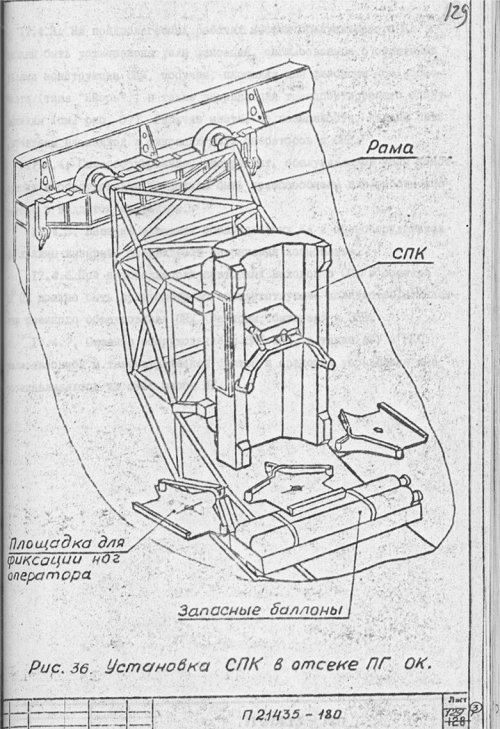
@Incarn does the SPK frame goes all the way to the bottom of the cargo bay and connects with one of payload retention latches there, or it goes all the way to the other side of cargo bay and has same connection type? Or maybe it uses all 3 connections?
 
@Incarn does the SPK frame goes all the way to the bottom of the cargo bay and connects with one of payload retention latches there, or it goes all the way to the other side of cargo bay and has same connection type? Or maybe it uses all 3 connections?
The frame is secured by the lower mounting bracket, centered at the bottom of the cargo compartment
 
that would be lovely

2560x1440
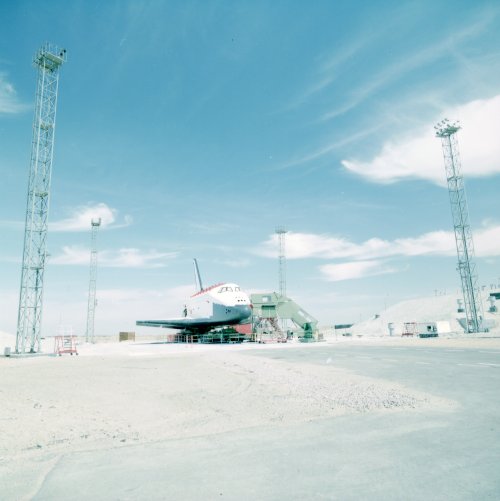
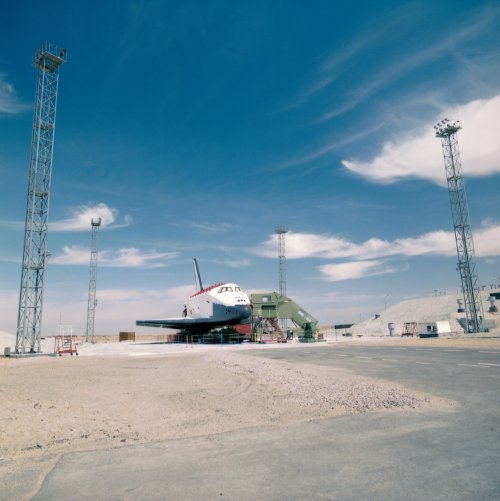
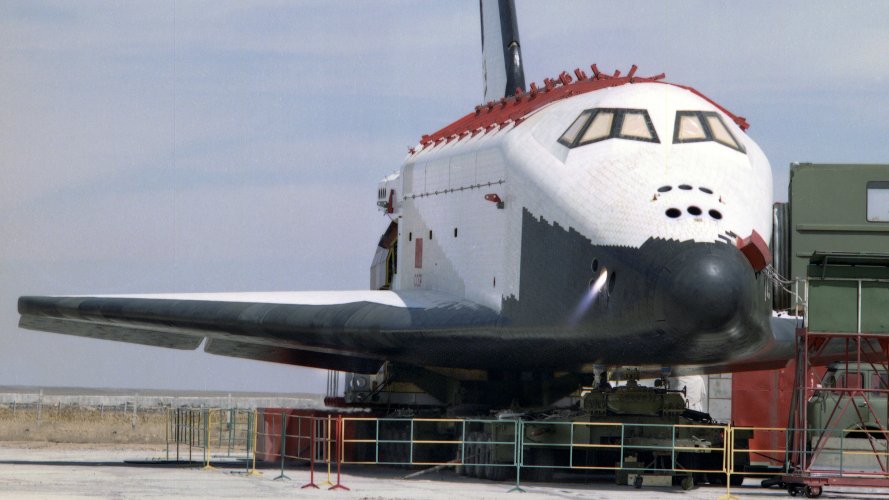
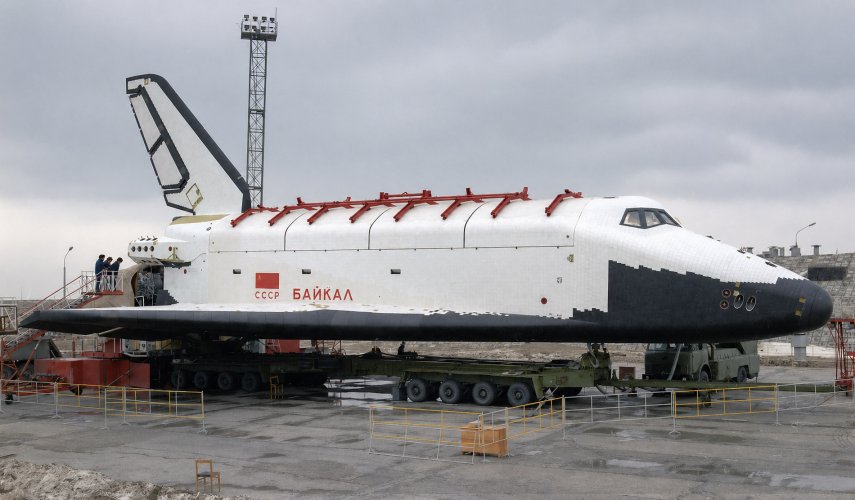
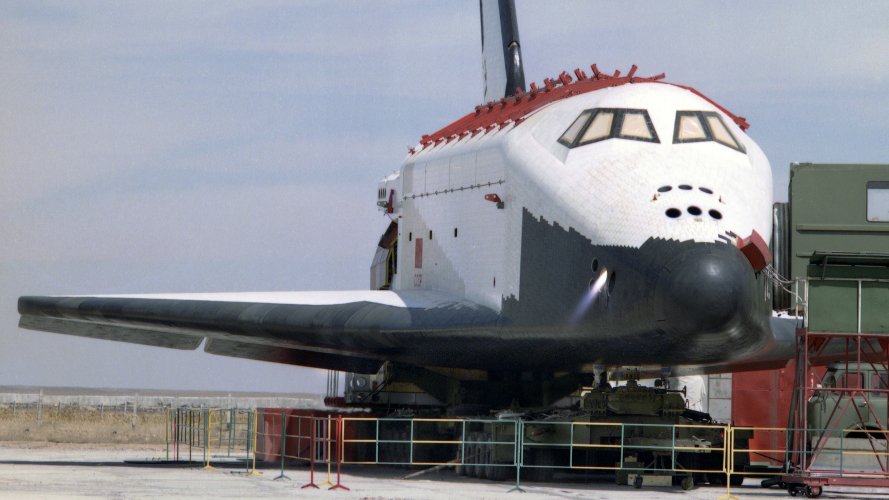
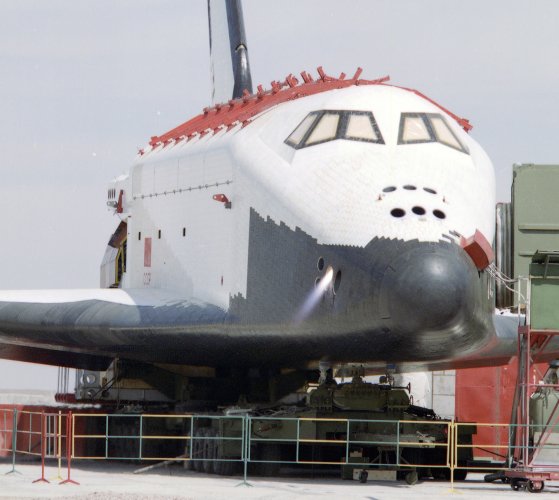
A photo of the “Buran” (the name hasn't been painted on the fuselage yet, but the previous name, “Baikal,” has already been painted over) at the OKI (Firing Control Tests) site.
This photo is being published for the first time.

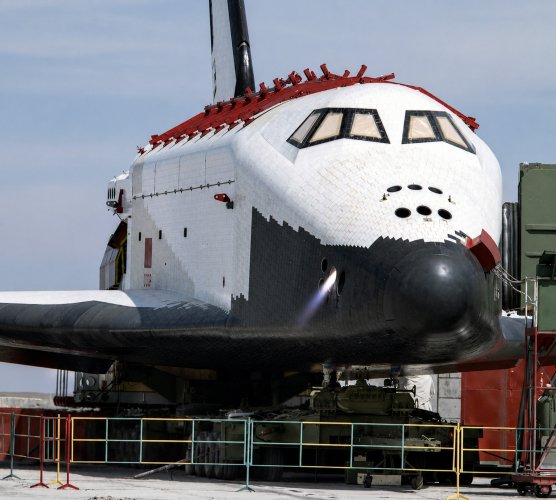
To Fibonacci: I have already restored this photo in Photoshop. Try processing it with artificial intelligence—it will be interesting to see how it turns out...
 

Attachments

  • 680-09m.jpg
    680-09m.jpg
    1.3 MB · Views: 64
Last edited by a moderator:
A photo of the “Buran” (the name hasn't been painted on the fuselage yet, but the previous name, “Baikal,” has already been painted over) at the OKI (Firing Control Tests) site.
This photo is being published for the first time.

To Fibonacci: I have already restored this photo in Photoshop. Try processing it with artificial intelligence—it will be interesting to see how it turns out...

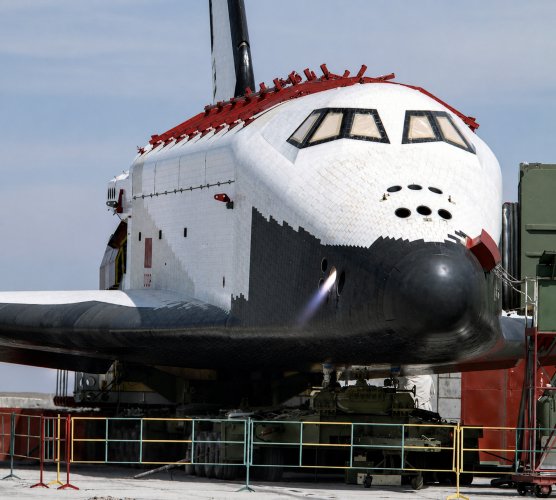
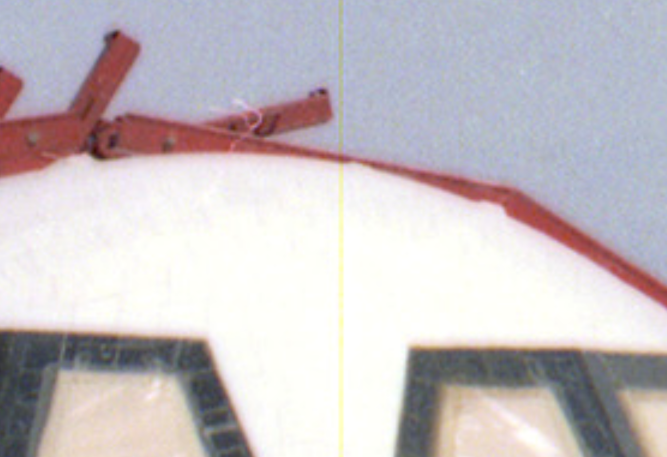
Okay Vadim!! I've only processed a portion of the original image, since I'm using the "free" plan of the AI... I hope you like the result!! ;)
 

Attachments

  • BURAN VADIM 1900 CORRECTED.jpg
    BURAN VADIM 1900 CORRECTED.jpg
    659.8 KB · Views: 51
  • BYRAN PLATAFORMA TESTS  JPG 001.jpg
    BYRAN PLATAFORMA TESTS JPG 001.jpg
    330.8 KB · Views: 46
- Payload capacity (for the 11K77 Zenit rocket) to a 51.6-degree inclined orbit: 2,500–3,000 kg with a crew, 2,800–3,300 kg without a crew; during descent from orbit, 1,200 and 1,500 kg, respectively;
one more thing, which configuration specifically is this referring to?

The poster you posted with 7K-SM shows (to a 51.6 orbit launched on Zenit):
12000 kg spacecraft mass, 2700 kg payload with crew, 3000 kg without crew, 1200 kg return payload for both

Data on 14F70 (Zarya) in RKK Energiya 1946-1996 shows (to a 51.6 orbit launched on Zenit):
~15000 kg spacecraft mass, 2500 kg payload with crew, 3000 kg without crew, 1500-2000 and 2000-2500 kg return respectively
 
one more thing, which configuration specifically is this referring to?

The poster you posted with 7K-SM shows (to a 51.6 orbit launched on Zenit):
12000 kg spacecraft mass, 2700 kg payload with crew, 3000 kg without crew, 1200 kg return payload for both

Data on 14F70 (Zarya) in RKK Energiya 1946-1996 shows (to a 51.6 orbit launched on Zenit):
~15000 kg spacecraft mass, 2500 kg payload with crew, 3000 kg without crew, 1500-2000 and 2000-2500 kg return respectively
I took the information from the document describing the 7K-SM—I trust it more than the book "...1946–1996". But I don’t have a description of the final version of the "Zarya"; I only have posters.
 
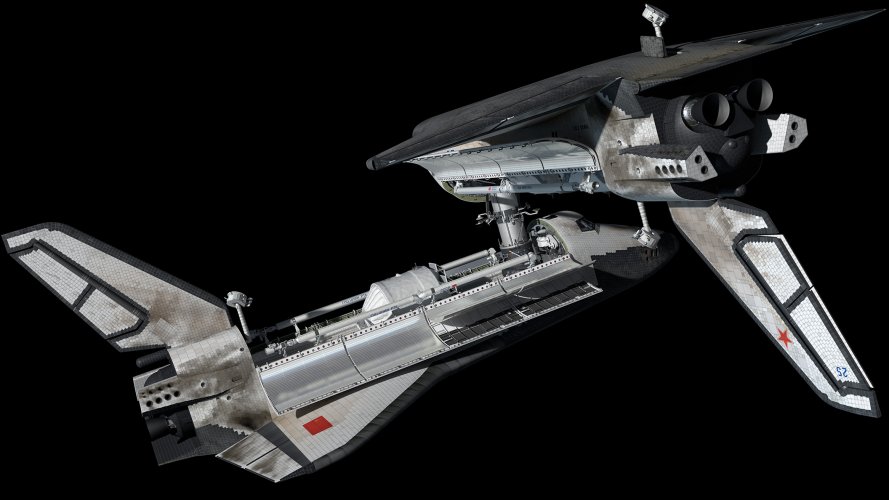
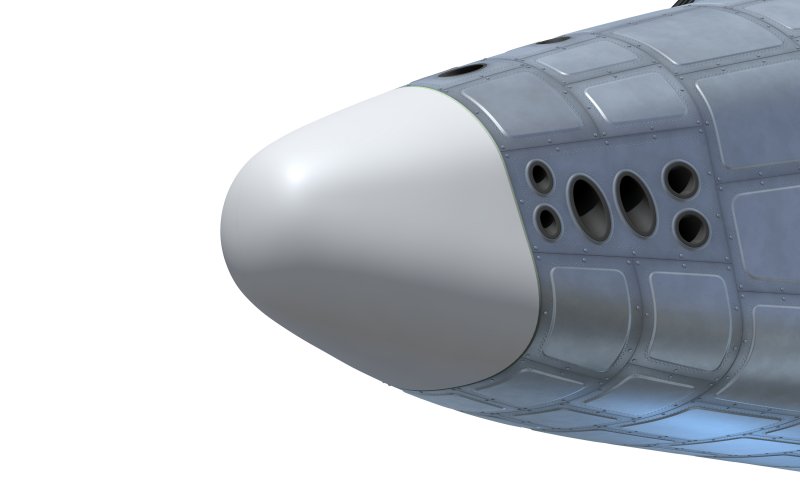
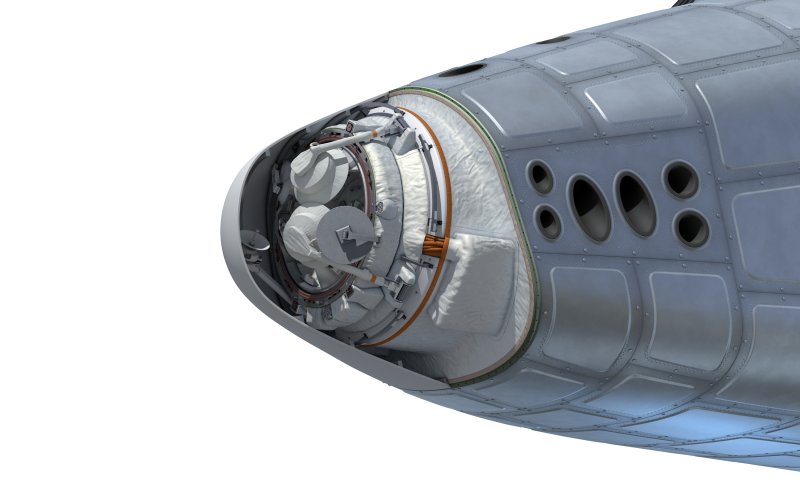
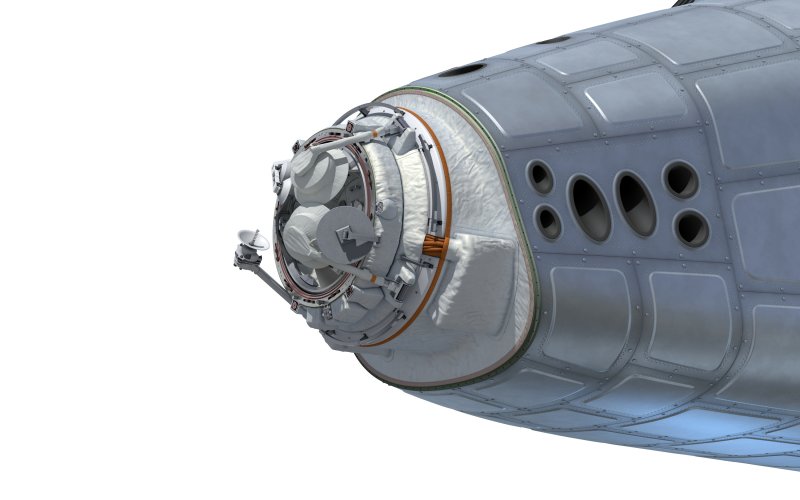
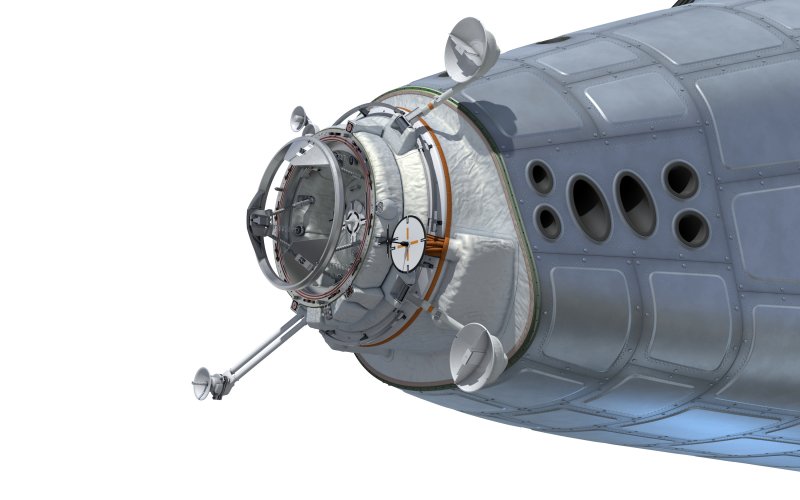
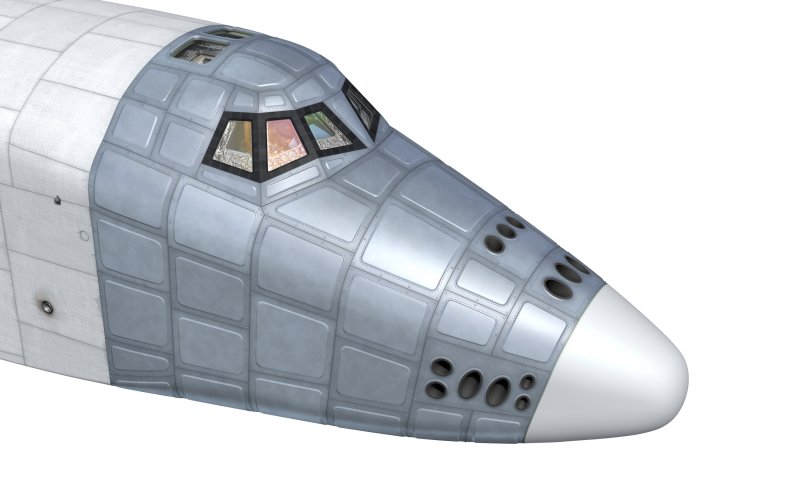
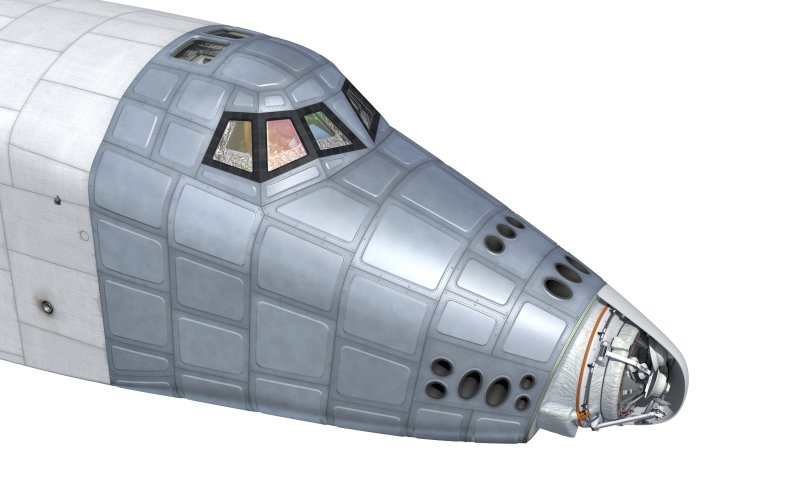
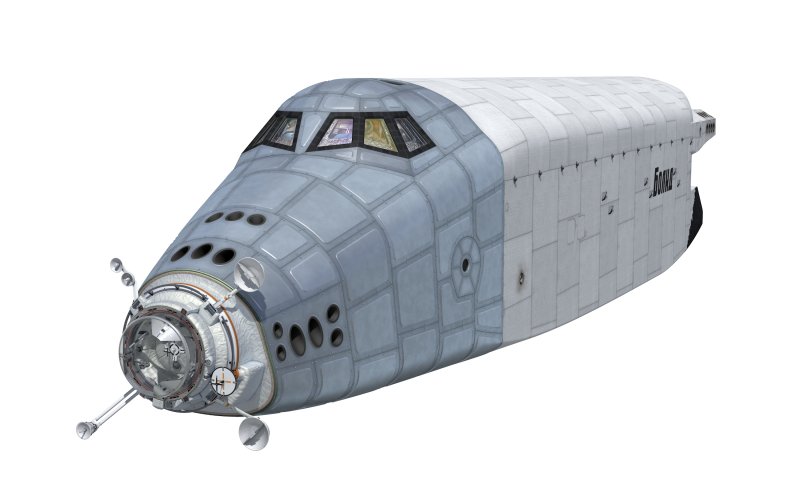
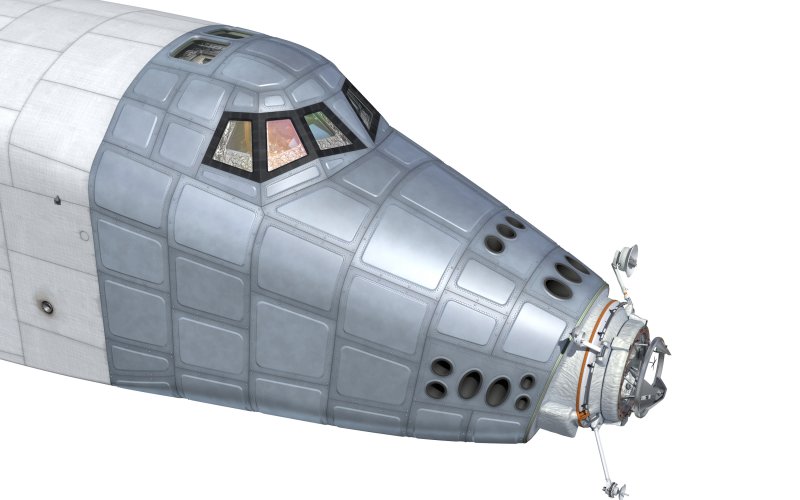
We are continuing to work on the 3D modeling of the “Bolid” combat module, based on the “Buran.”
Based on documentation from the Energia Rocket and Space Corporation, the docking unit has been finalized: all approach and docking antennas are in the correct positions and fold away under the jettisonable nose cone.
 

Attachments

  • bolid_bolid_docking_node_04_1.jpg
    bolid_bolid_docking_node_04_1.jpg
    1.3 MB · Views: 42
  • bolid_bolid_docking_node_04_2.jpg
    bolid_bolid_docking_node_04_2.jpg
    1.8 MB · Views: 40
  • bolid_bolid_docking_node_04_3.jpg
    bolid_bolid_docking_node_04_3.jpg
    1.8 MB · Views: 41
  • bolid_bolid_docking_node_04_4.jpg
    bolid_bolid_docking_node_04_4.jpg
    1.9 MB · Views: 41
  • bolid_bow_08_1.jpg
    bolid_bow_08_1.jpg
    1.8 MB · Views: 41
  • bolid_bow_08_2.jpg
    bolid_bow_08_2.jpg
    2 MB · Views: 42
  • bolid_bow_08_3.jpg
    bolid_bow_08_3.jpg
    2 MB · Views: 39
  • bolid_bow_08_4.jpg
    bolid_bow_08_4.jpg
    2 MB · Views: 43
  • bolid_front_06.jpg
    bolid_front_06.jpg
    1.5 MB · Views: 54
We are continuing to work on the 3D modeling of the “Bolid” combat module, based on the “Buran.”
Based on documentation from the Energia Rocket and Space Corporation, the docking unit has been finalized: all approach and docking antennas are in the correct positions and fold away under the jettisonable nose cone.
Are these metal plates radiators?
 

Similar threads

Back
Top Bottom