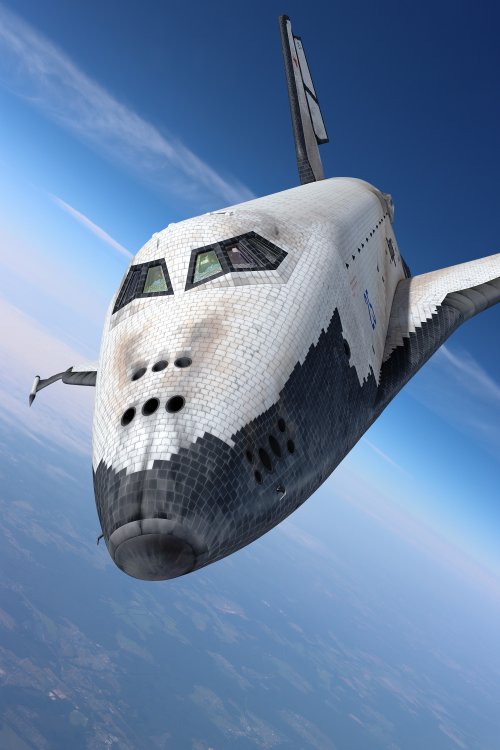
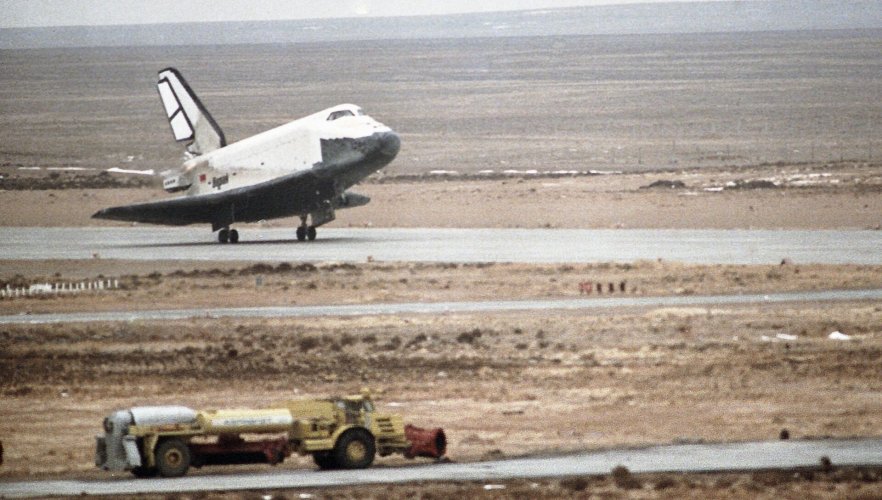
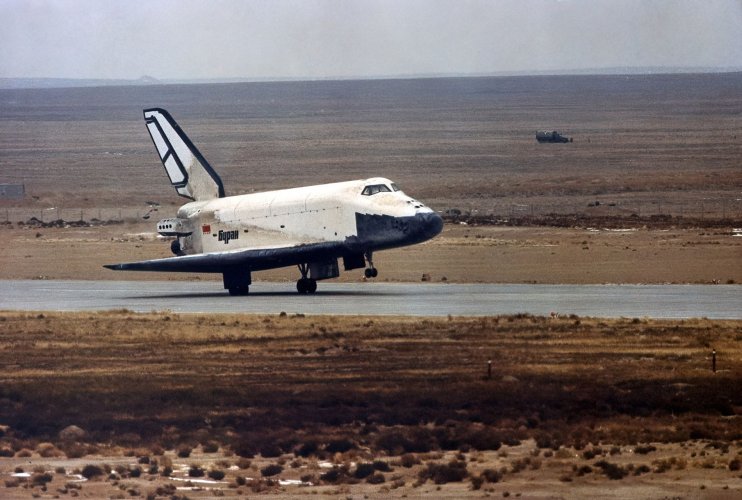
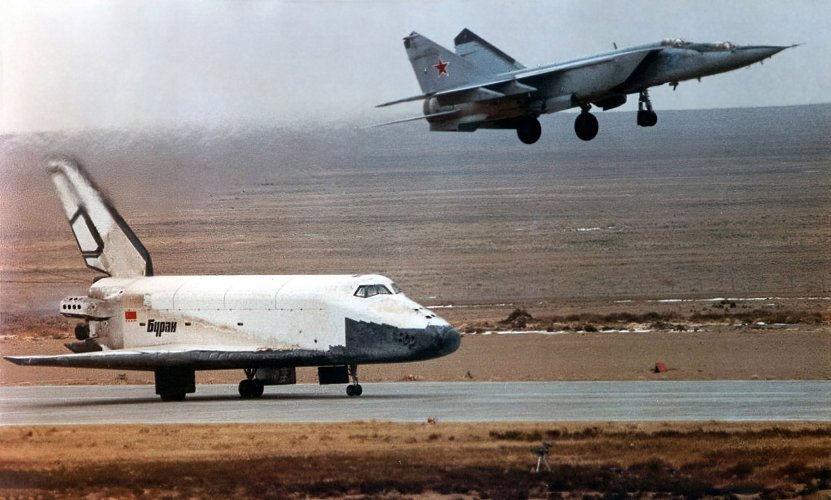
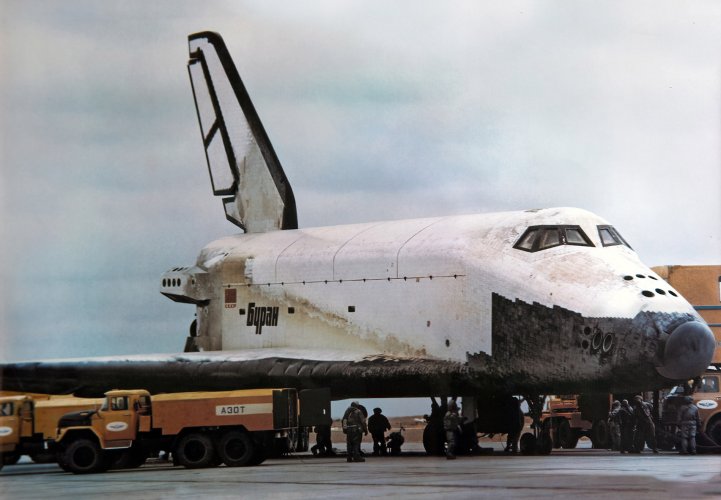
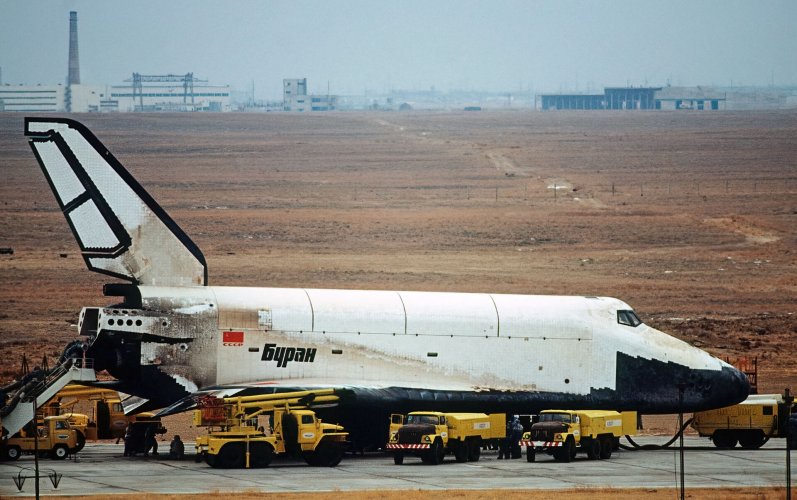
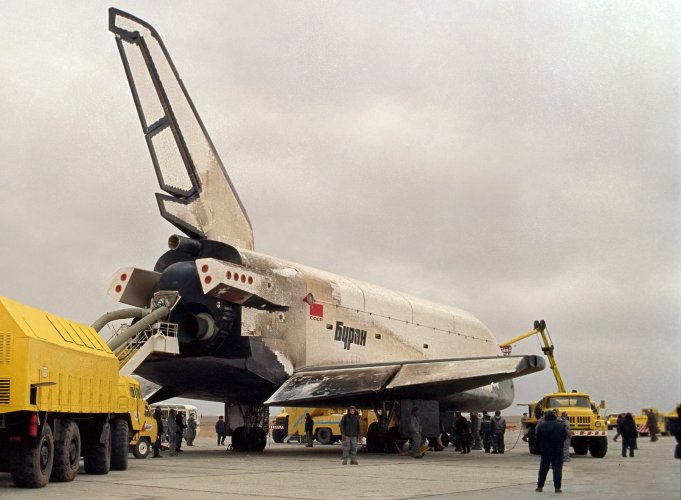
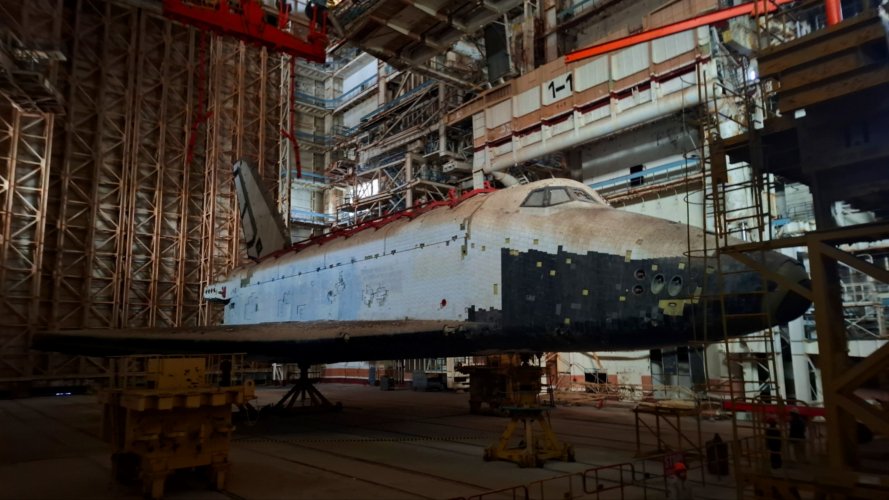
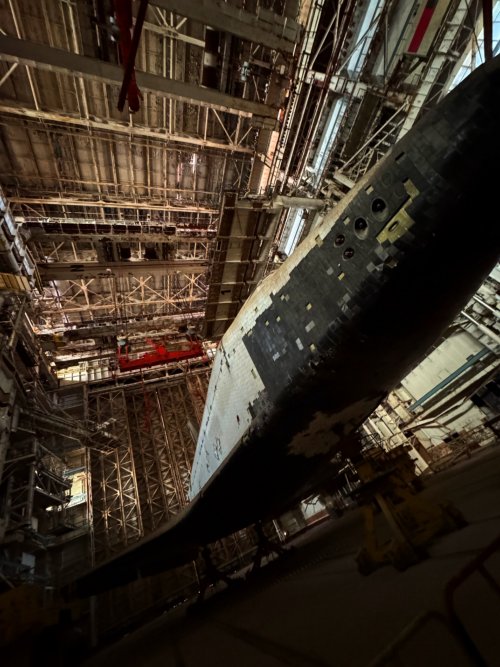
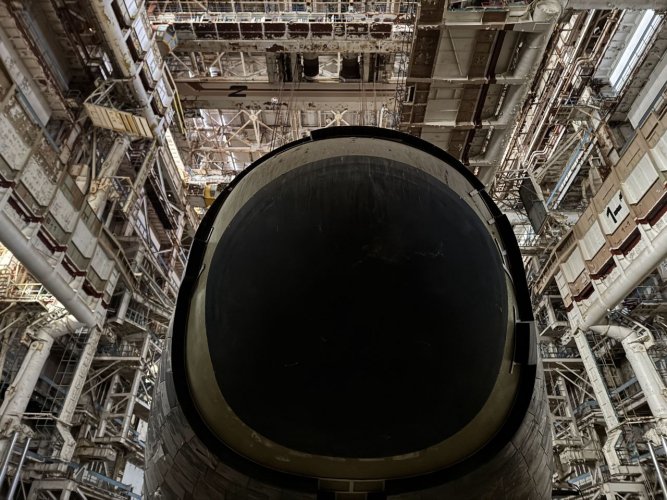
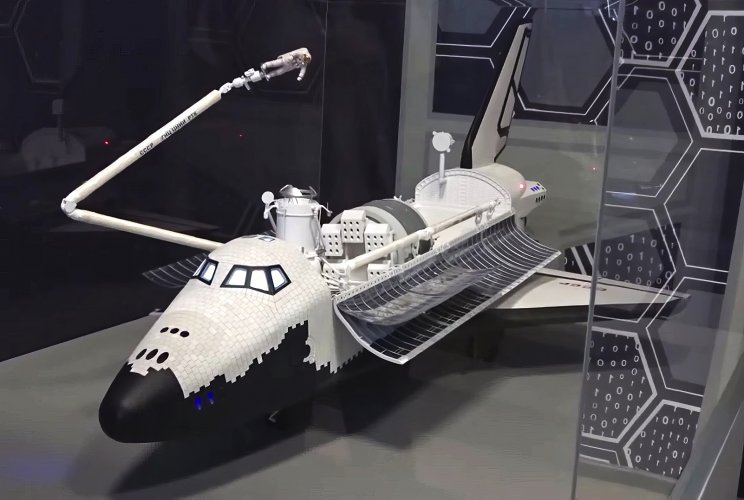
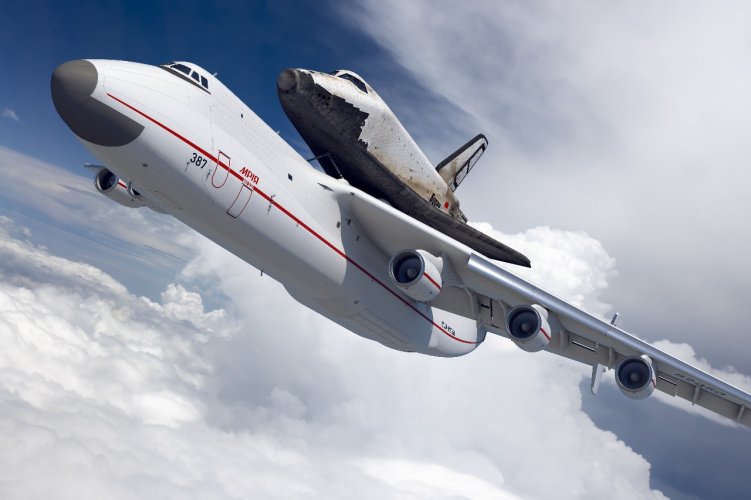
On this day 37 years ago, after two attempts, the reusable spacecraft Buran (11F35, product 1.01) was launched in the USSR. After completing two orbits around the Earth, it made a triumphant automatic landing at its landing complex in Baikonur 208 minutes after launch.

Buran was unique in many ways — it was the most complex aircraft in history. Much has been said about this, but much more is still classified and is unlikely to ever be disclosed.
I hope that, little by little, I will be able to lift the veil of secrecy surrounding this project.
To talk about the plans for using the 11F35 spacecraft.
About the objectives of the first ten planned flights.
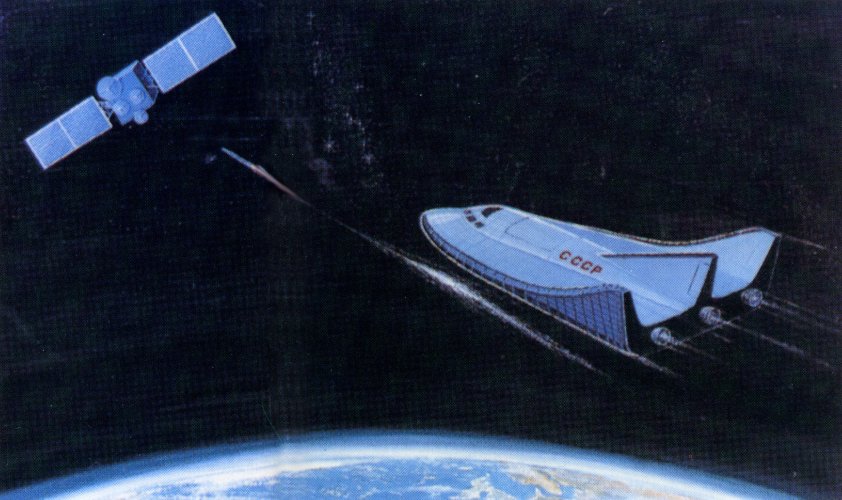
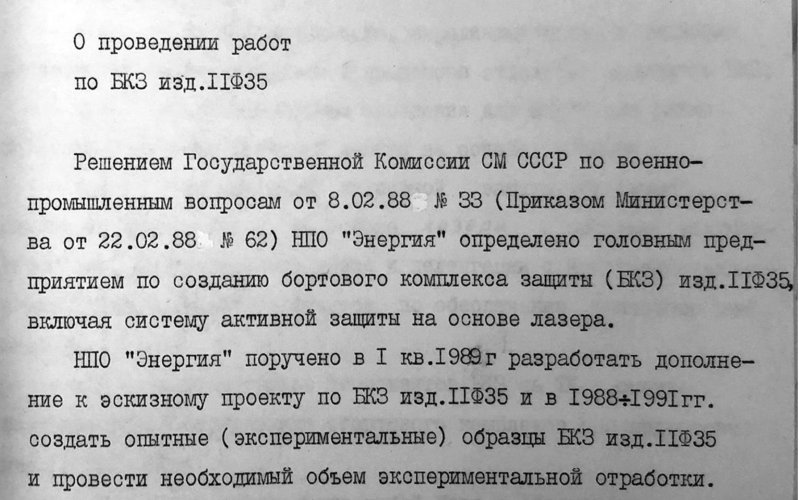
About the standard weapons on board, including the onboard defence system ‘based on new physical principles’.
About the strategic space systems that it was supposed to service in space.
About the engineering solutions that went with it.
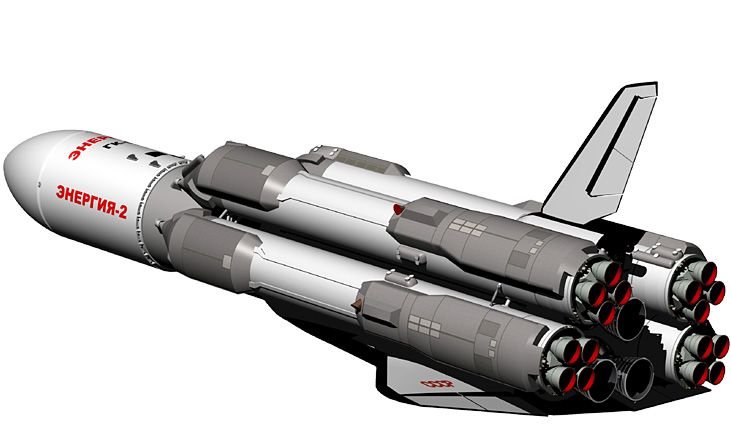
About plans for the further development of Buran, up to the creation of fully reusable versions of the system and launch vehicles with a launch mass of up to 10,000 tonnes...
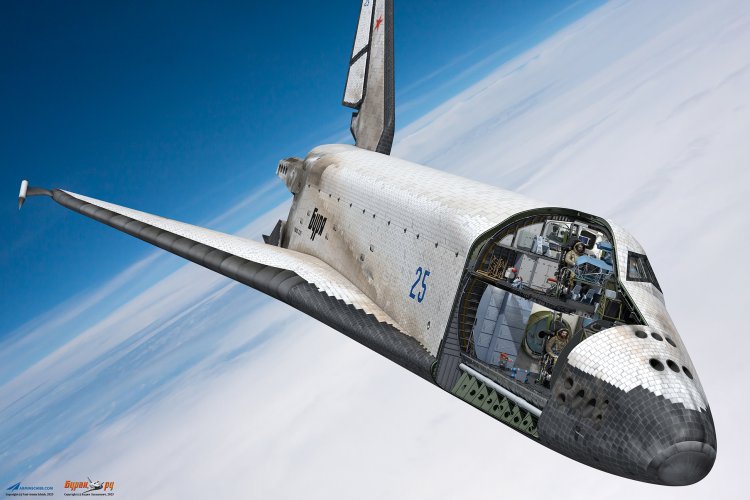
In the meantime, here is one of my extreme illustrations.

IMG_3389.jpg

In one of the enthusiastic foreign publications of November 1988, I came across this assessment of the unprecedented flight of Buran, which stuck in my memory:
"There are only three truly epoch-making events in the history of world cosmonautics: the launch of the first Sputnik, Armstrong's landing on the Moon, and the flight of Buran.
Today, we can say that the flight of Buran was the last achievement of Soviet cosmonautics. After that, we have seen many years of decline, which is now turning into agony before our very eyes...
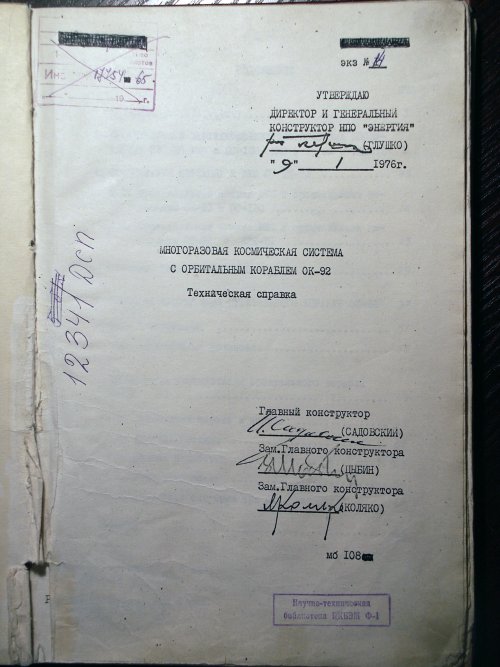
 
publiusr said:
OK-92 could have taken off with its powerful abort system--usable with or without Energia
No existing data or engineering knowledge supports the claims.
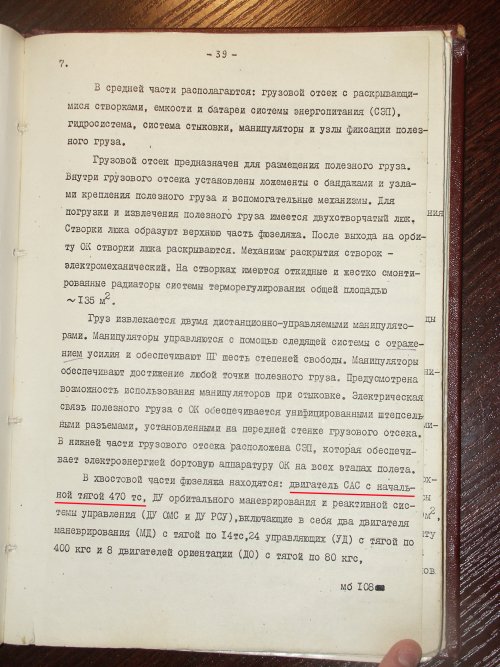
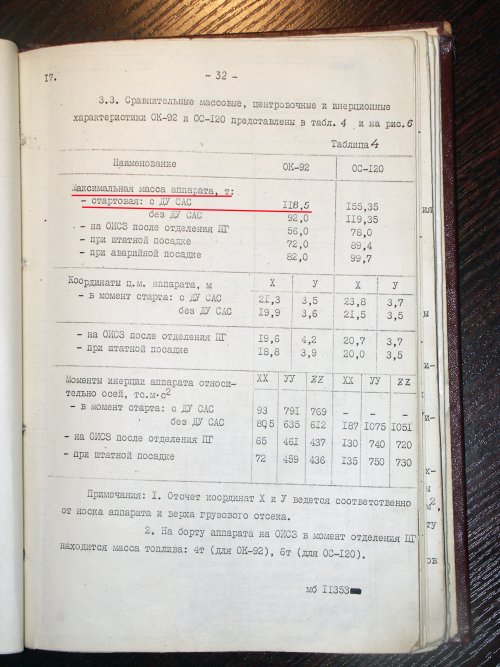
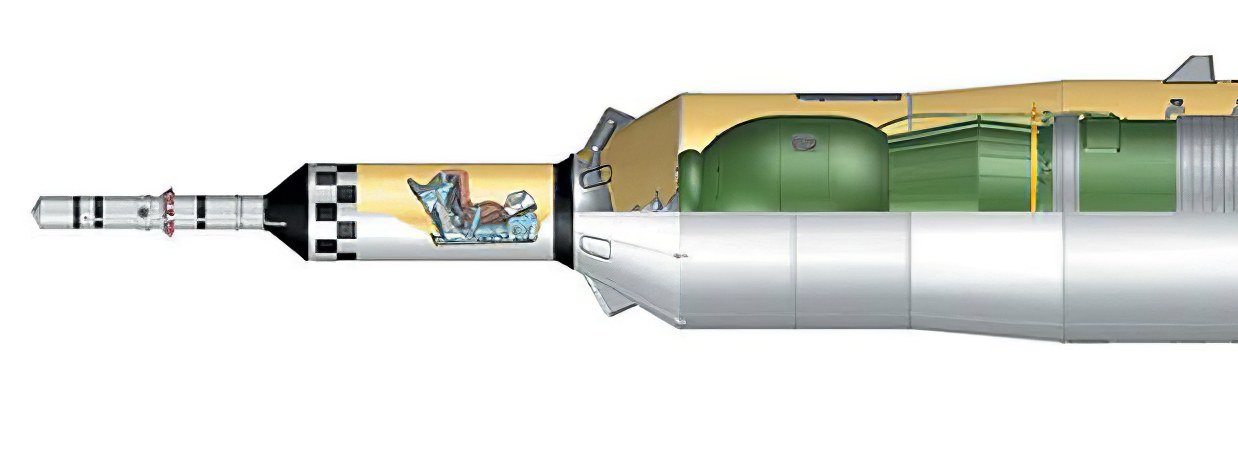
The thrust of the solid-fuel engine of the OK-92 emergency rescue system was 470 tonnes, which, with a total launch mass of 116.5 tonnes, ensured the rescue of the spacecraft at all stages of its launch into orbit and the possibility of autonomous operation of the spacecraft.
I am attaching the original source.
PICT0003.jpg
PICT0041.jpg
PICT0033.jpg
 
Last edited:
Thank you for doing this. I value your contributions.

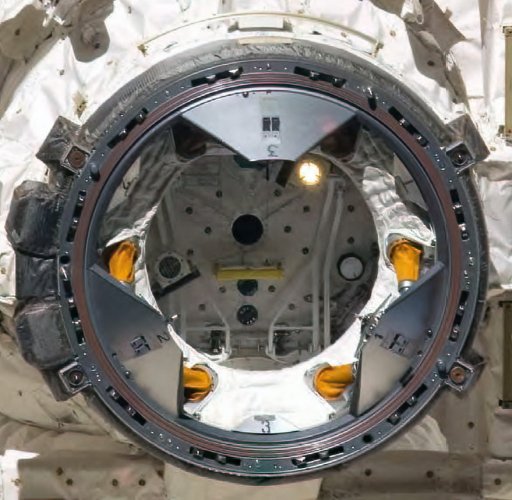
That a docking hatch in the nose?

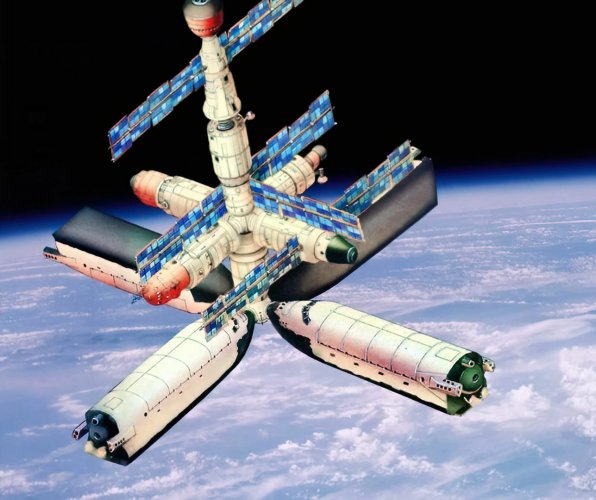
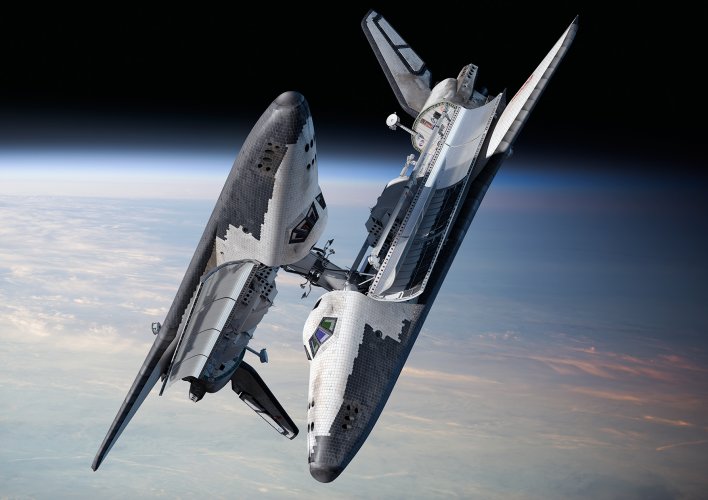
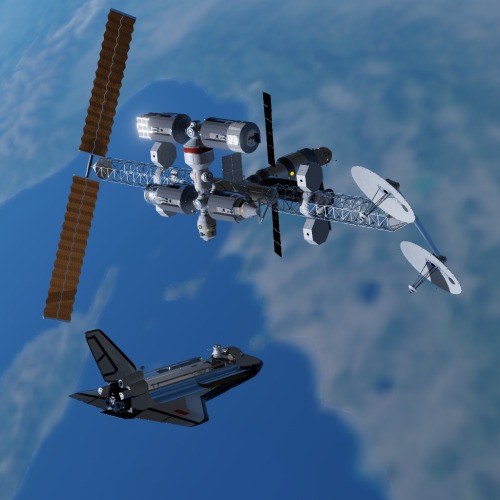
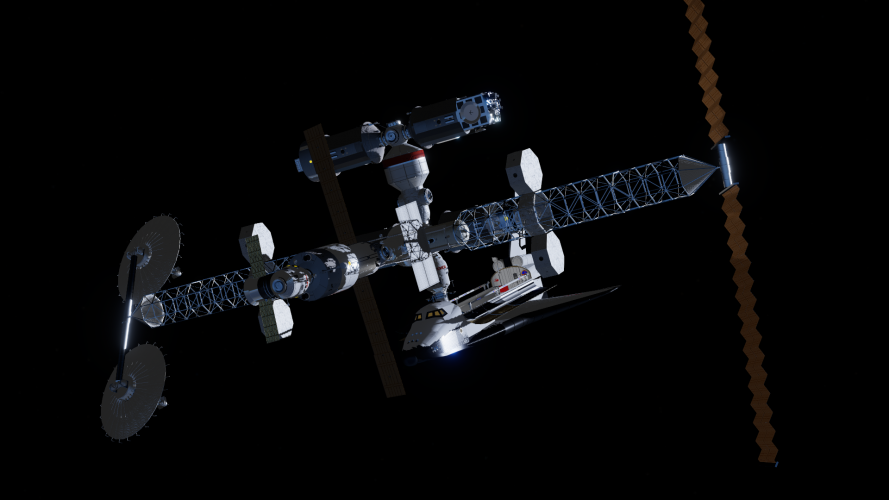
A space combat station based on Buran was a Soviet concept, not a built reality, that would have used parts of the Buran spacecraft to create a military space station. The idea was to combine modules built from modified Buran components, such as nose sections, airlocks, and payload bay panels, to create a space-based weapons platform or a transport ship. While this concept never materialized beyond studies, a separate Soviet program did explore the possibility of creating weapons for space combat. The different modules of this combat station would be attached to its core node using a docking system called APAS-89.

Sin título-1mnbv.jpg

APAS on Space Shuttle.jpg

;)
 
I first heard of Energiya Buran because Dan Rather had a 3-second clip that left me screaming at the TV. Only three seconds---then commercial.

At least no one can say it is SORA.
 
Is it about onboard laser weapons and crewed Energia-Uragan?
About the standard weapons on board, including the onboard defence system ‘based on new physical principles’.

About plans for the further development of Buran, up to the creation of fully reusable versions of the system
 
Is it about onboard laser weapons and crewed Energia-Uragan?
There was no Uragan Project—it was invented by the CIA in 1980, and the Pentagon presented this myth in its propaganda brochure 'Soviet Military Power' in 1985 (see fig.). All this is described in detail in a separate chapter entitled ‘Hurricane, Terrible and Horrible’ in the book ‘Space Wings’.
 

Attachments

  • Scan0042.jpg
    Scan0042.jpg
    1.3 MB · Views: 59
  • gunston1.jpg
    gunston1.jpg
    707.3 KB · Views: 47
  • gunston2.jpg
    gunston2.jpg
    1.9 MB · Views: 60
Last edited:
Is it about onboard laser weapons and crewed Energia-Uragan?
To answer your question about Buran: all flights were to be equipped with an on-board defence system, which in the first flights was armed with space-to-space guided missiles, and in subsequent flights with weapons based on ‘new physical principles’. It was assumed that testing of the onboard defence system would begin with the fourth or fifth flight.
I would add that military tasks were already being accomplished during the first unmanned test flight of Buran on 15 November 1988.
 

Attachments

  • ord22-010388-1.jpg
    ord22-010388-1.jpg
    920.9 KB · Views: 73
There was no Uragan Project—it was invented by the CIA in 1980, and the Pentagon presented this myth in its propaganda brochure 'Soviet Military Power' in 1985 (see fig.). All this is described in detail in a separate chapter entitled ‘Hurricane, Terrible and Horrible’ in the book ‘Space Wings’.
I meant that fully reusable Energia concept with winged Blocks A and Ц)))

I know about that Spiral-looking speculation (I had a lot of arguments with a friend about this "CIA Hurricane." He kept trying to prove to me that it was a real project)
 

Attachments

  • 1000088124.jpg
    1000088124.jpg
    39.5 KB · Views: 65
Last edited by a moderator:
To answer your question about Buran: all flights were to be equipped with an on-board defence system, which in the first flights was armed with space-to-space guided missiles, and in subsequent flights with weapons based on ‘new physical principles’. It was assumed that testing of the onboard defence system would begin with the fourth or fifth flight.
I would add that military tasks were already being accomplished during the first unmanned test flight of Buran on 15 November 1988.
Then I hope to see your renders of these systems)
 
I meant that fully reusable Energia concept with winged Blocks A and Ц)))

I know about that Spiral-looking speculation (I had a lot of arguments with a friend about this "CIA Hurricane." He kept trying to prove to me that it was a real project)
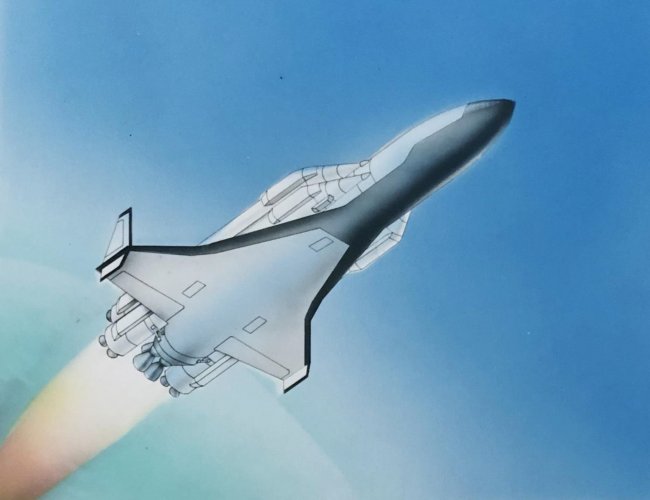
This is the GK-175 project.
GK (проект Главного Конструктора, ГК) is the internal designation used by NPO Energia for initiative projects that do not have an external customer or support.
GK-175 had a second variant, see fig.
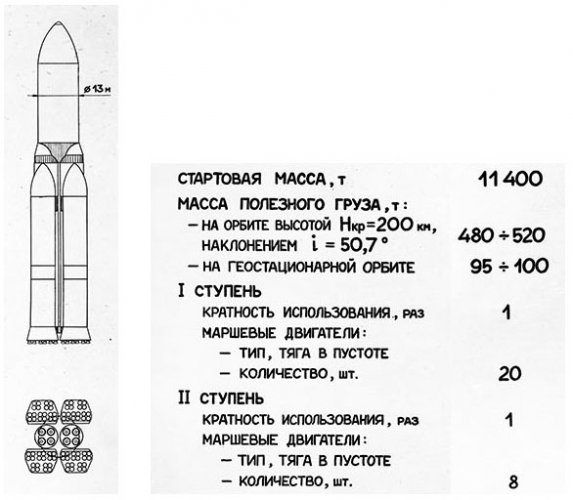
The next stage was to be the creation of a fully reusable two-stage launch vehicle (both stages winged), and, in the future, the creation of a family of super-heavy launch vehicles, including the most powerful single-use rocket, Otpor ("Отпор"), with a launch mass of 10,000 tonnes, capable of delivering a payload of 500 tonnes to low Earth orbit.
mvks2-8.jpg
 
Then here it is))
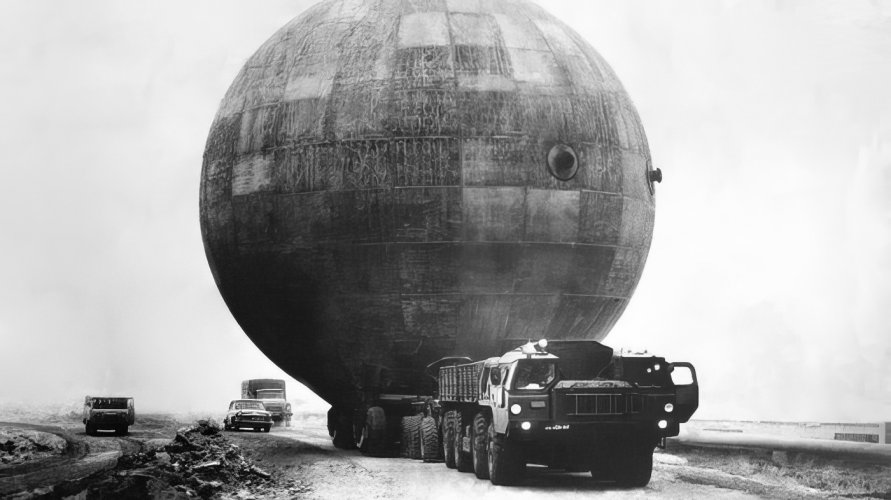
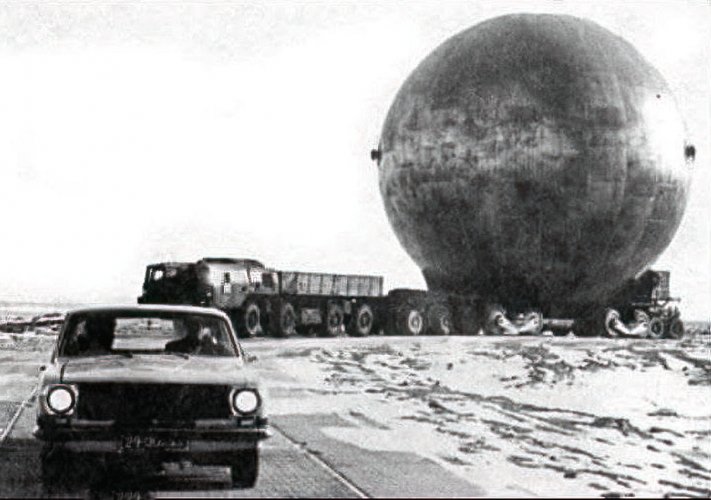
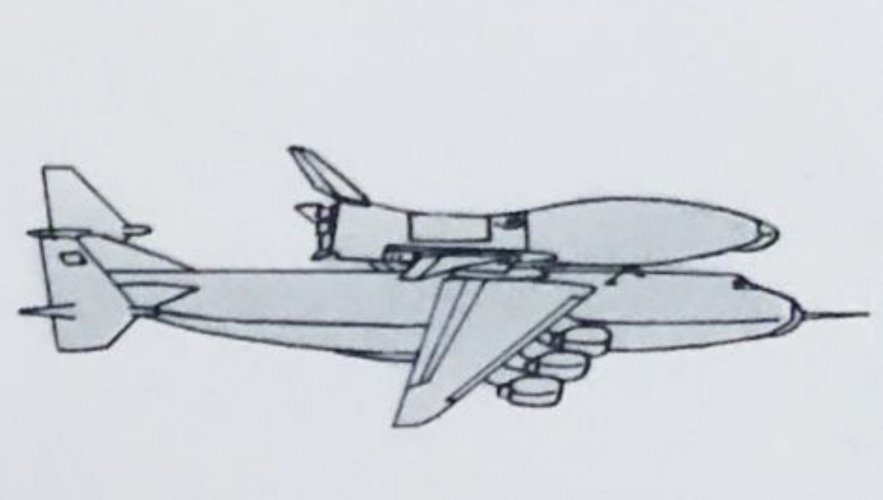
One of the promising options for the development of the Energia-Buran project is a global air-based space launch vehicle.
The final modification is a fully reusable space launch vehicle.
This has never been published before.

View attachment 793010

Wow, that latest concept was super curvy...!!

;)
 
Then here it is))
One of the promising options for the development of the Energia-Buran project is a global air-based space launch vehicle.
The final modification is a fully reusable space launch vehicle.
This has never been published before.

View attachment 793010
Wow

And what about Отпор? I've never seen anything about LV from Energia family with 500t payload capacity.

I can't even imagine how it should look like (even Vulkan is powerful, and here we got something with 2-3 times more payload capacity)
 
Wow

And what about Отпор? I've never seen anything about LV from Energia family with 500t payload capacity.

I can't even imagine how it should look like (even Vulkan is powerful, and here we got something with 2-3 times more payload capacity)
For obvious reasons, I can only show a small fragment of the document, sorry.
By the way, the launch weight is not 10,000 tons, but 11,400.
Published for the first time)
Отпор.jpg
 
Last edited:
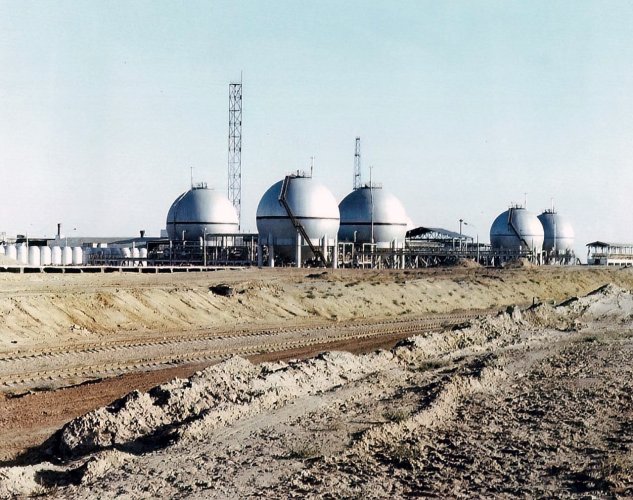
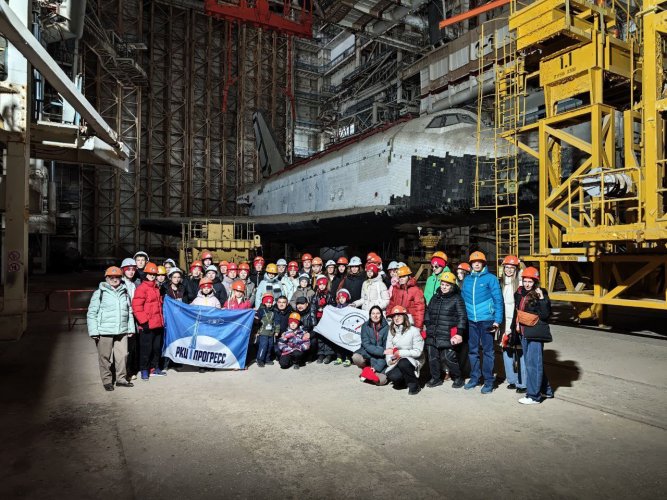
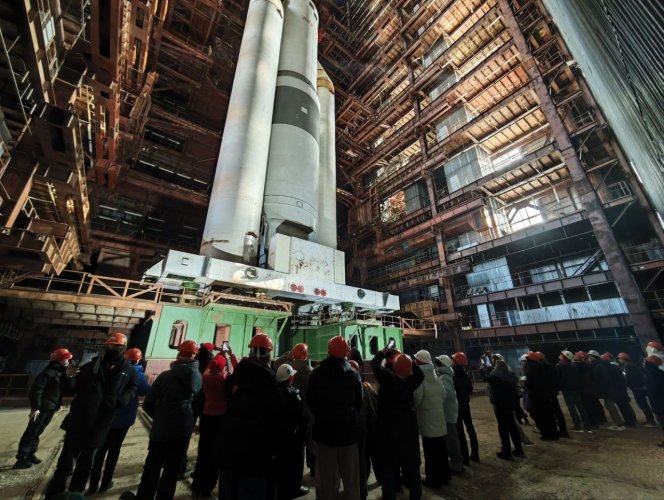
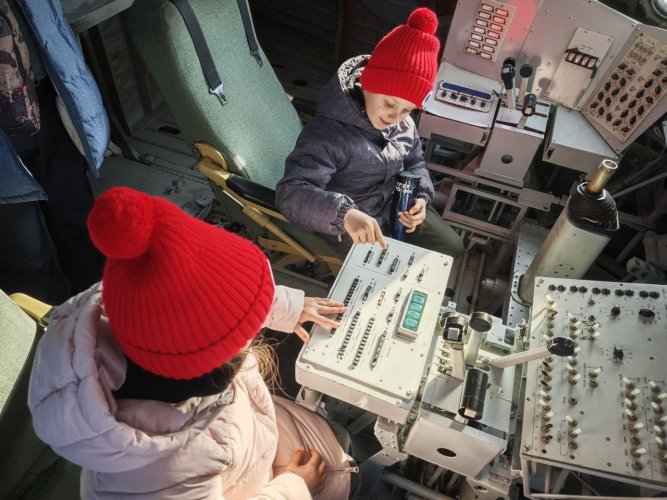
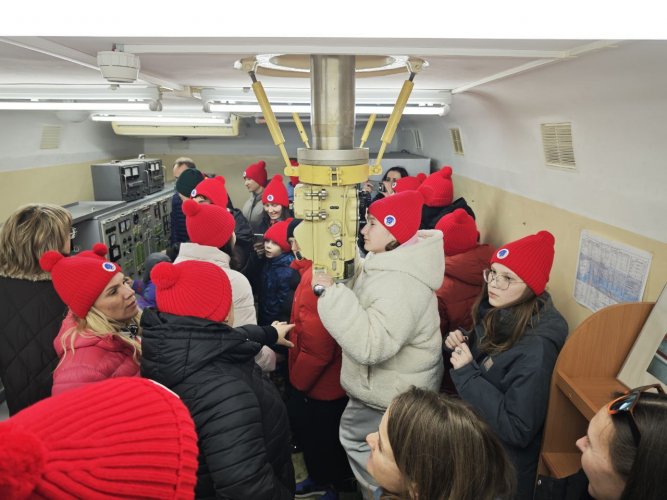
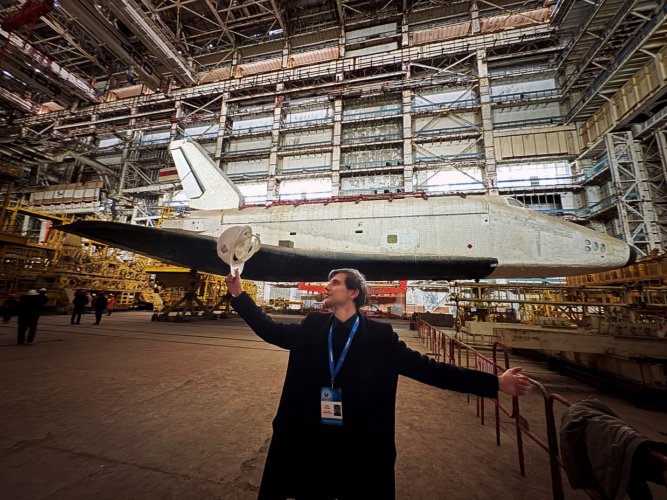
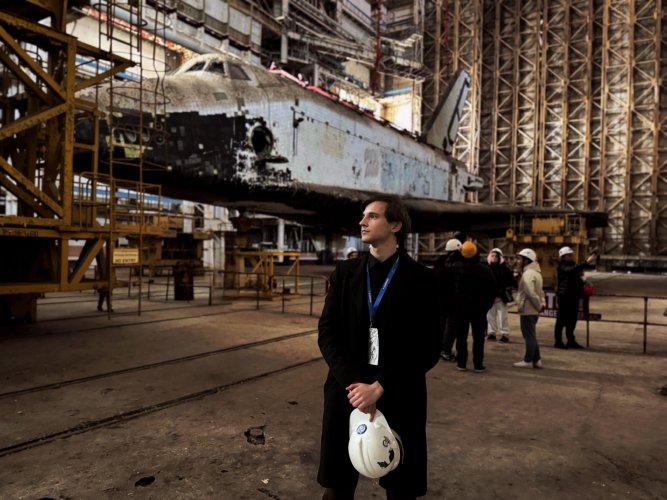
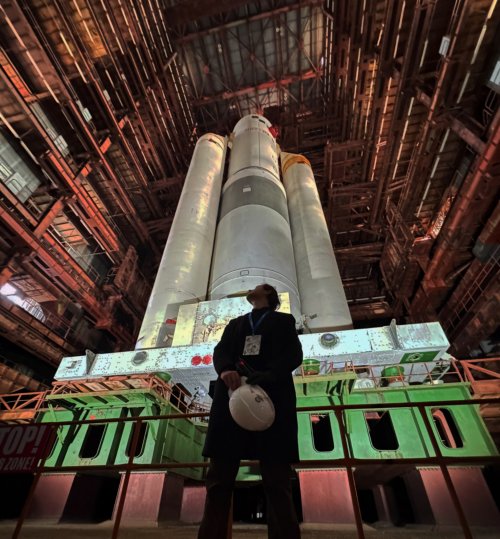
Baikonur Cosmodrome: employees of the "Progress Rocket and Space Center" (RKTs Progress) organized exciting tours for the guests from the Unity Foundation. This foundation is an institution dedicated to helping people with cancer.

View attachment 793173

View attachment 793174

View attachment 793175

View attachment 793176

;)

Interesting that they seem far more willing to let organised groups into the MZK these days (which is looking a bit tidier). I wonder what provoked the change of heart? It does suggest that the building isn’t imminently about to collapse, which I suppose is a positive…

I hope one day that 1.02 can be saved and restored for properly, although I’m not holding my breath. Anyone got the keys to those gigantic doors? ;)
 
Baikonur Cosmodrome: employees of the "Progress Rocket and Space Center" (RKTs Progress) organized exciting tours for the guests from the Unity Foundation. This foundation is an institution dedicated to helping people with cancer.

View attachment 793173

View attachment 793174

View attachment 793175

View attachment 793176

;)
What exactly do we see in the last photo?
It looks like an underground bunker with a periscope for observations.
Where exactly is it located and what could be observed?
 
What exactly do we see in the last photo?
It looks like an underground bunker with a periscope for observations.
Where exactly is it located and what could be observed?
The command post (not the center) for pre-launch operations and rocket launch. Located in an underground bunker at a depth of about 8 m and 200 m from the launch site of the R-7 rockets.
 
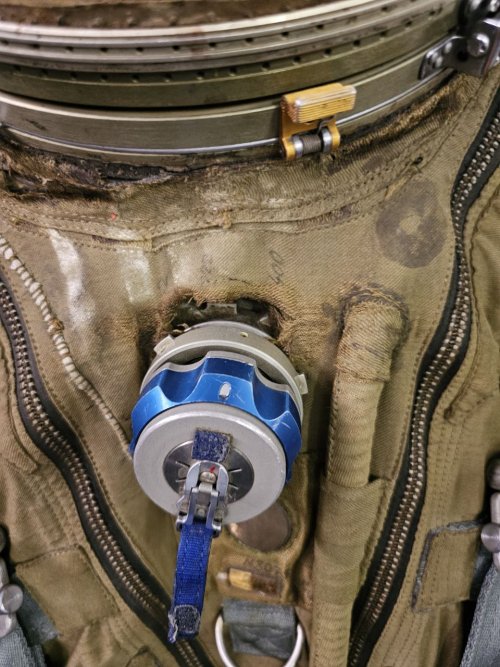
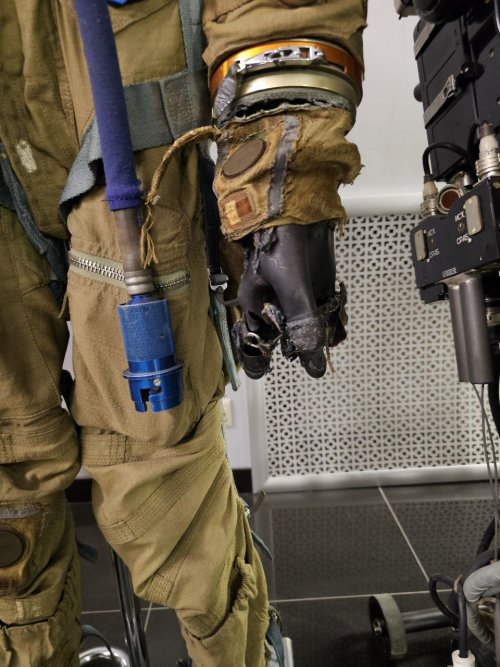
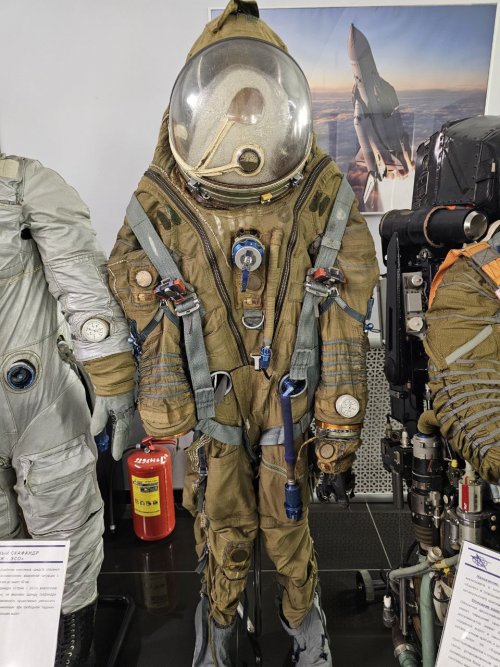
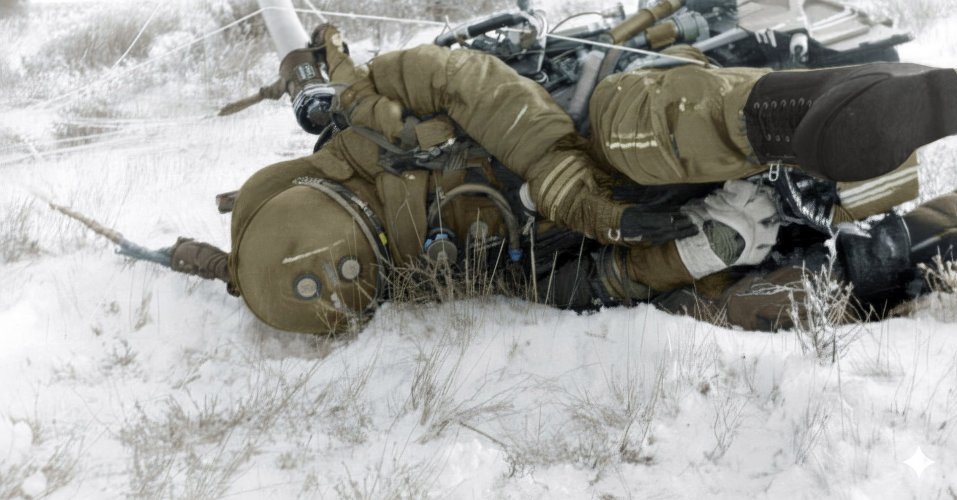
These images show the effects of atmospheric friction on the 'Strizh' spacesuit designed for the Buran program. The Zvezda K-36RB ejection seat was tested between 1988 and April 1990 with 'jumps' from altitudes up to 40 km. Progress 38–42 carried these seats in their escape towers, each equipped with a dummy wearing the Strizh suit.

photo_5316737387658415129_y.jpg

photo_5316737387658415130_y.jpg

photo_5316737387658415128_y.jpg

Image_c06eobc06eobc06e.jpeg

;)
 
Progress 38–42 carried these seats in their escape towers, each equipped with a dummy wearing the Strizh suit.

Do you have any photographs of these test seats installed in the Progress payload fairings? No doubt those payload-fairings would've been heavily modified to accommodate those ejection-seats.
 
-Wow those dummies got one hell of a ride ! Never knew that. Very clever way of testing.

-For a start, never realized Progress flew with Soyuz escape systems, except deactivated. I presume as a way of standardizing launch vehicles between Progress and Soyuz ?

-And so - once 40 km high they discarded the escape shroud, then fired the ejector seat with the dummy ?

-Su-27 and MiG-29 pilots could brag "that K-36 ejection seat you see in my cockpit, it was tested on a Soyuz rocket." Wild !
 
Last edited:

Similar threads

Back
Top Bottom