
You are using an out of date browser. It may not display this or other websites correctly.
You should upgrade or use an alternative browser.
You should upgrade or use an alternative browser.
Arsenal de l'aéronautique: built prototypes and unbuilt projects
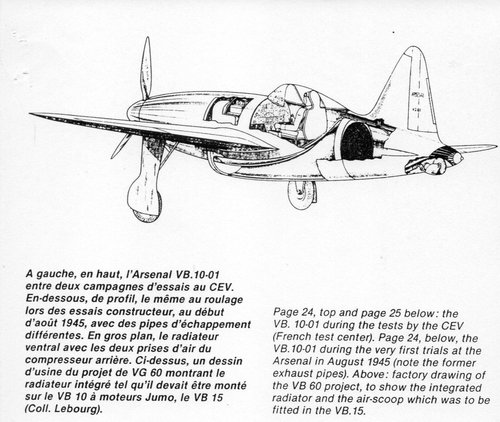
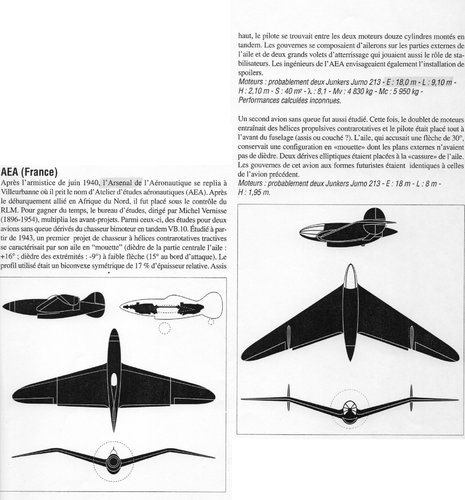
Please see also some flying wings designs at Le Fana Nº 246 (Arsenal VB-10 monographie) and Hesham post Dec 22, 2015 here.

- Joined
- 26 May 2006
- Messages
- 37,579
- Reaction score
- 19,633
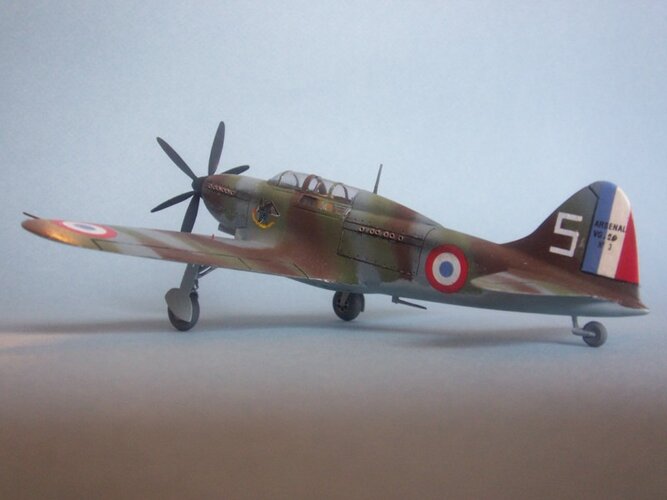
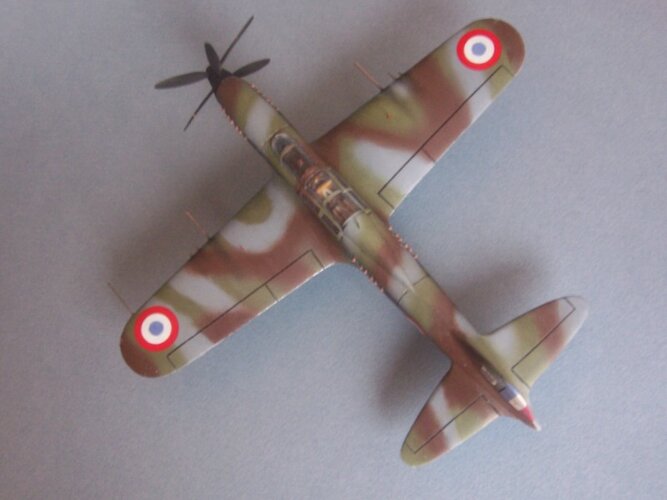
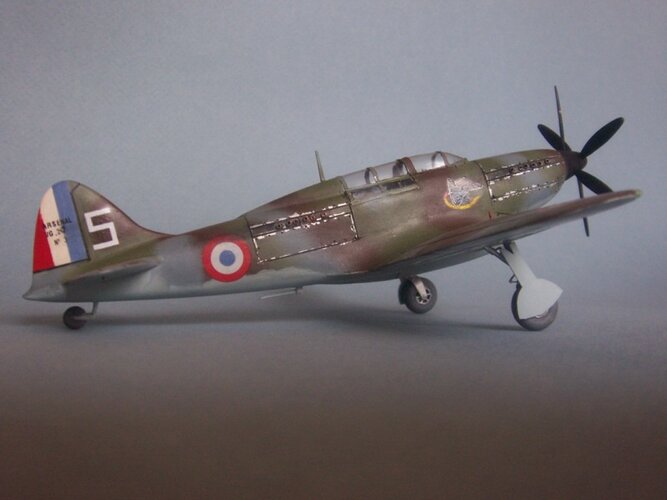
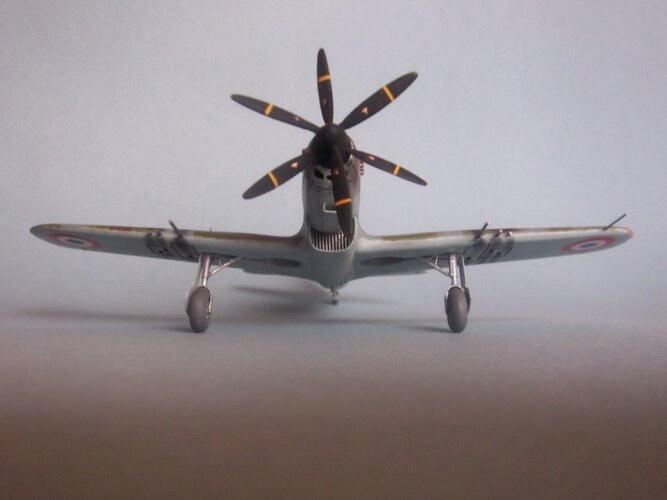
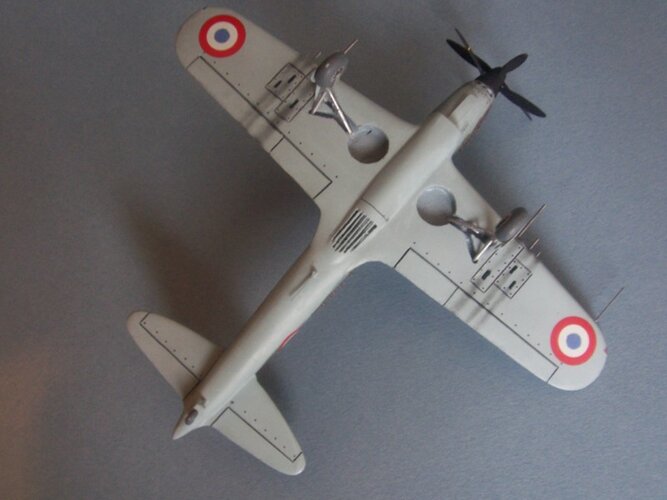
The Arsenal VG. 60 is one of my all time favorite French projects.
Hi Airborne,
but the designation VG.61 & VG.64,are they real one or fake ?.

- Joined
- 25 July 2007
- Messages
- 4,789
- Reaction score
- 5,293
... but the designation VG.61 & VG.64,are they real one or fake ?.
Yes, that's what Airborne2001 was asking. On his 'VG 60/VG 64 Revenant (Ghost)' link, you will find a host of fictional VG 60 variants listed - a bubble-canopied VG 60 (HS 12Z), VG 61A (produced by someone other than Arsenal), VG 61H (with HS 12Z-55), VG 61N (presumably Navale with unspecified armament changes), and VG 64 ("Late 1941" with an unnamed HS V-12 with "a Turbomeca supercharger").
Links in the specifications areas are to now-defunct WesWorld pages. I think that should be enough to confirm that these designations are what-ifs. (Perhaps Hood could confirm?)
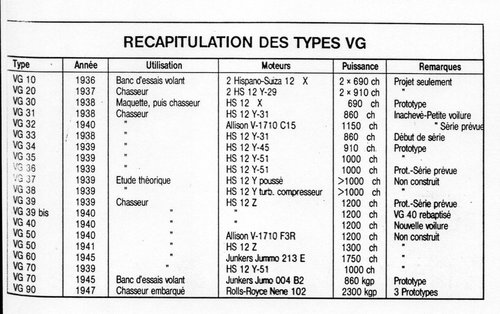
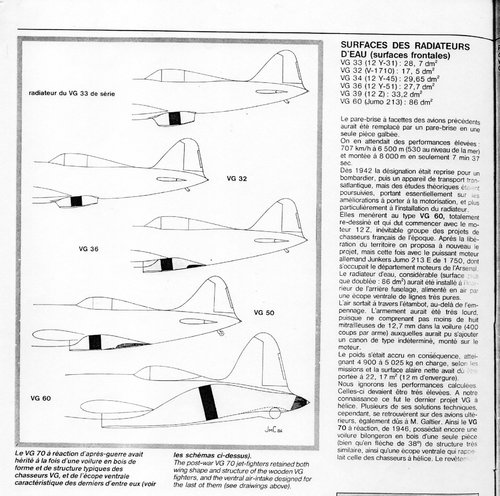
Still, the Arsenal confusion continues ... On Justo's Le Fana table (676.jpg), the VG 60 is listed only as a 'Jummo 213E' (sic) powered 1945 project. It is the 1939 version of the VG 70 that is listed with an HS 12Y-51. However, in the text (678.jpg) is says: "Elles menèrent au type VG 60, totalement re-dessiné et qui dut commencer avec le moteur 12Z, inévitable groupe des projets de chasseurs français de l'époque."
That bit about 'like all French fighter projects of the time' seems abit overarching to me. With so much contradictory information on VG 60 development, nothing is irrefutable. It seems entirely plausible that, in 1939, Arsenal intended to power a prototype VG 60 with an HS 12Y-51 followed by production aircraft with HS 12Zs. Or, at least, that's the story I am sticking with ... until someone can show incontrovertibly that an HS 12Z was planned from the outset

Last edited:
charles
I really should change my personal text
- Joined
- 30 November 2015
- Messages
- 2
- Reaction score
- 1
Nick Sumner said:I don't know of any French inverted 'V' engines but Arsenal used Jumo 213s on the He 274 prototype. Was the VG70 a late war or post war design featuring the Jumo 213?
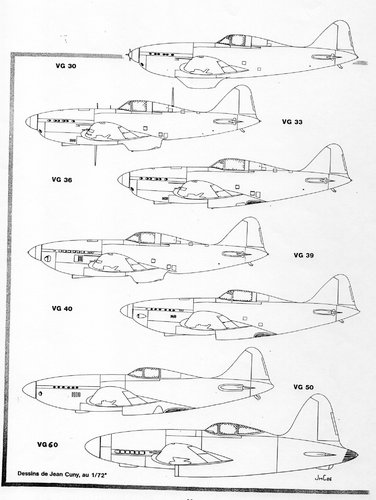
I note that the 'VG 70' sideview in Reply #41 looks very much like the VG 60 in Reply #42. Is it possible that the Le Fana author has conflated the two?
I have the VG 70 as a Jumo 004-powered VG 60 derivative (work beginning in September 1944). The VG 60 was, initially to have an 'upright' Hispano (first HS 12Y-51, then HS 12Z). However, the VG 60's post-war (1946?) incarnation was, indeed, to be powered by an inverted V-12 Arsenal 12H (Jumo 213E).
The Arsenal VG. 60 is one of my all time favorite French projects.
Now there is this website here which mentions some variants:

Our Forums are moving to Discord
forum.worldofwarplanes.com
However, I have never heard of any of these variants. Searches have brought up nothing. Are these real, or jest theoretical/fantasy developments?
The Arsenal VG. 60 is one of my all time favorite French projects.
Now there is this website here which mentions some variants:
Our Forums are moving to Discord
forum.worldofwarplanes.com
However, I have never heard of any of these variants. Searches have brought up nothing. Are these real, or jest theoretical/fantasy developments?
- Joined
- 26 May 2006
- Messages
- 37,579
- Reaction score
- 19,633
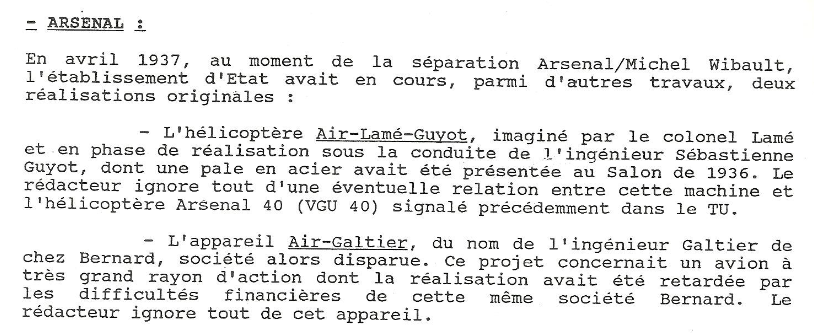
From TU 170,
In April 1937, when Arsenal / Michel Wibault separated,
the state establishment had in progress, among other works, two
original achievements:
- The Air-Lamé-Guvot helicopter, designed by Colonel Lamé
and in the construction phase under the supervision of engineer
Sébastienne Guyot, whose steel blade was presented at the 1936
Salon. editor is unaware of any possible relation between this
machine and the Arsenal 40 helicopter (VGU 40) previously
reported in the TU.
- The Air-Galtier aircraft, named after engineer Galtier from
at Bernard, a company then disappeared. This project involved
an airplane very large radius of action, the realization of which
had been delayed by the financial difficulties of this same company
Bernard. The editor ignores all of this device.
In April 1937, when Arsenal / Michel Wibault separated,
the state establishment had in progress, among other works, two
original achievements:
- The Air-Lamé-Guvot helicopter, designed by Colonel Lamé
and in the construction phase under the supervision of engineer
Sébastienne Guyot, whose steel blade was presented at the 1936
Salon. editor is unaware of any possible relation between this
machine and the Arsenal 40 helicopter (VGU 40) previously
reported in the TU.
- The Air-Galtier aircraft, named after engineer Galtier from
at Bernard, a company then disappeared. This project involved
an airplane very large radius of action, the realization of which
had been delayed by the financial difficulties of this same company
Bernard. The editor ignores all of this device.
Attachments

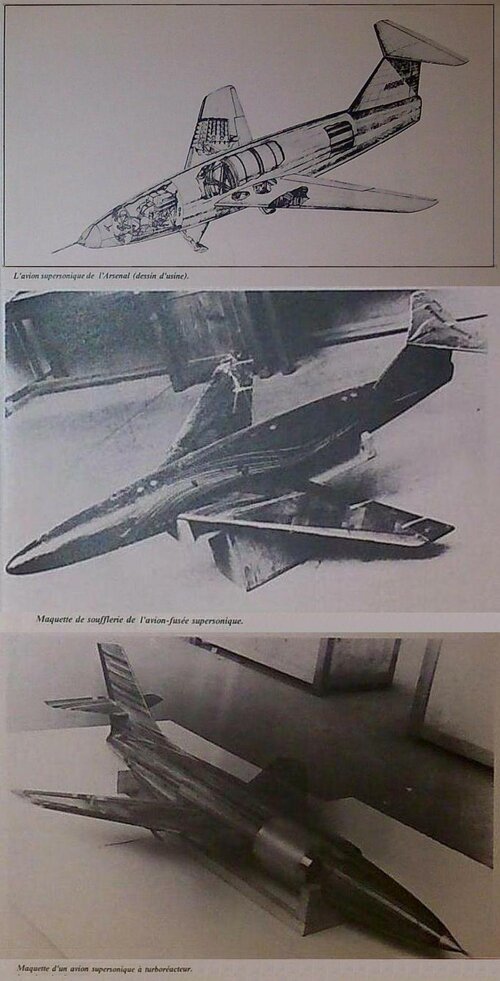
klem
I really should change my personal text
- Joined
- 7 March 2015
- Messages
- 740
- Reaction score
- 1,752
- Joined
- 15 February 2024
- Messages
- 683
- Reaction score
- 1,849
Hello,
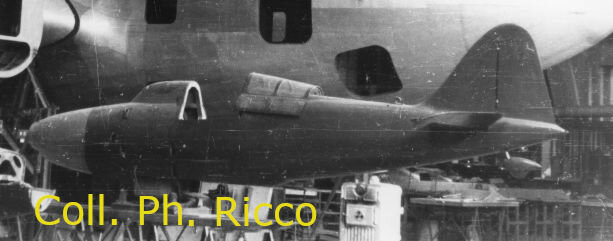
I come back to VG-20: a big wind tunnel model (scale 1) was built and tested at Chalais-Meudon.
In 1940, the German troups captured this model in Arsenal Hangar at Villacoublay, with the huge Arsenal Air-Wibault 100 prototype under construction. I attach a photo of this model from my collection.
I come back to VG-20: a big wind tunnel model (scale 1) was built and tested at Chalais-Meudon.
In 1940, the German troups captured this model in Arsenal Hangar at Villacoublay, with the huge Arsenal Air-Wibault 100 prototype under construction. I attach a photo of this model from my collection.
Attachments
- Joined
- 26 May 2006
- Messages
- 37,579
- Reaction score
- 19,633
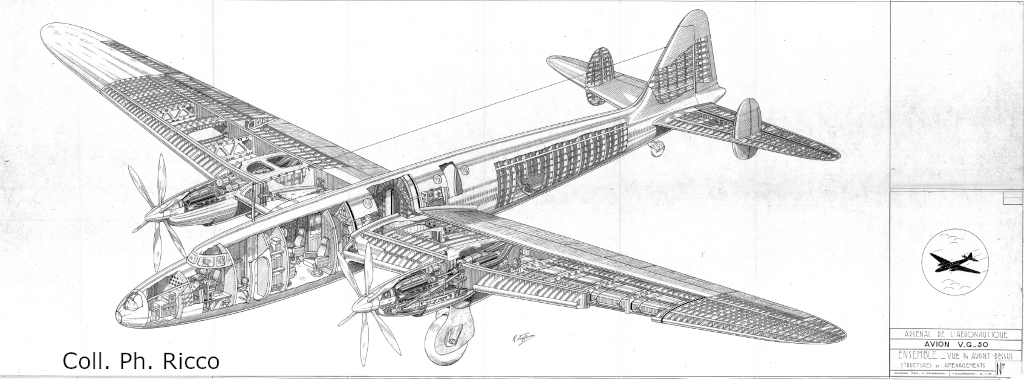
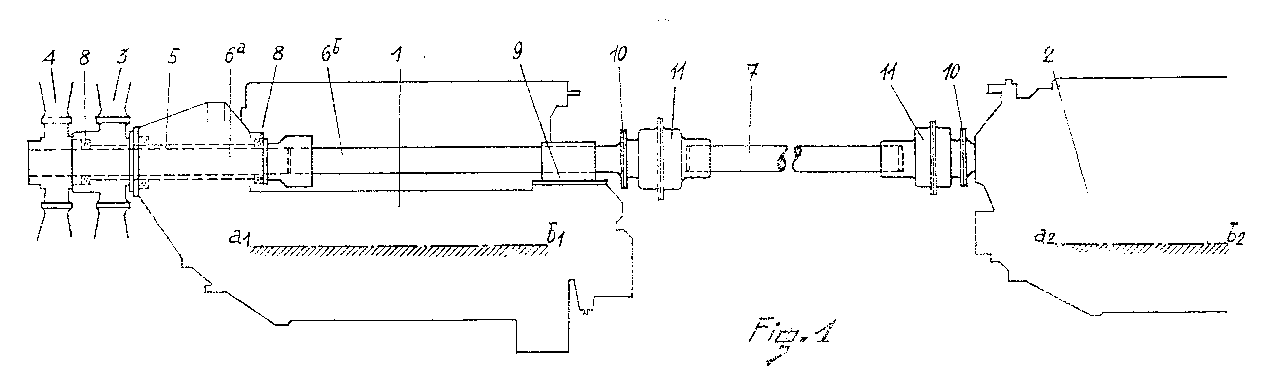
An overview of the Arsenal VG-50 project.
Amazing my dear Philippe,
and as you know,there were 9 different aircraft,carried this designation "VG.50".
- Joined
- 15 February 2024
- Messages
- 683
- Reaction score
- 1,849
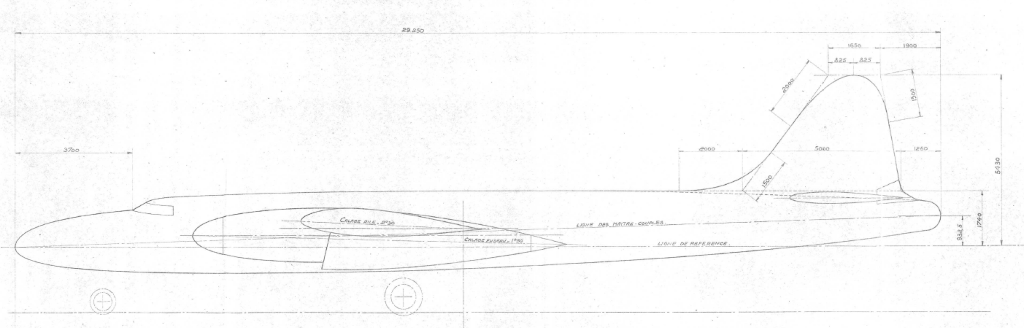
I do not know how you established this number of 9 projects, but it is true that VG-50 designation was reused as generic number for multiple projects. It was initially a fighter, member of VG-30 familly, but during war, it was assigned to a bigger experimental plane for engine coupling experimentation. Some additional usages were suggested to justify the efforts of the team in Villeurbane: transatlantic, maritime patrol, etc.Amazing my dear Philippe,
and as you know,there were 9 different aircraft,carried this designation "VG.50".
I attach a side view of one of the latest versions.
Attachments
Last edited:

- Joined
- 15 February 2024
- Messages
- 683
- Reaction score
- 1,849
Good question.What is the powerplants with those contraprops?
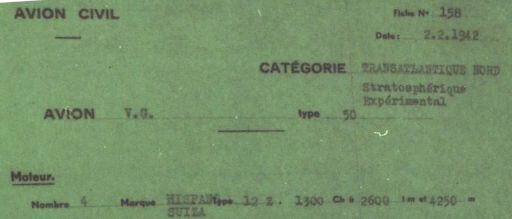
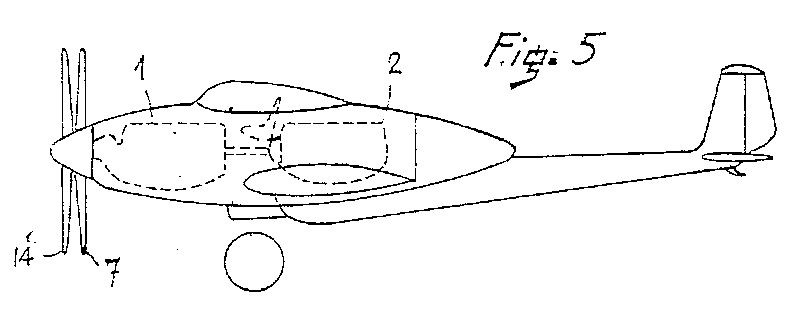
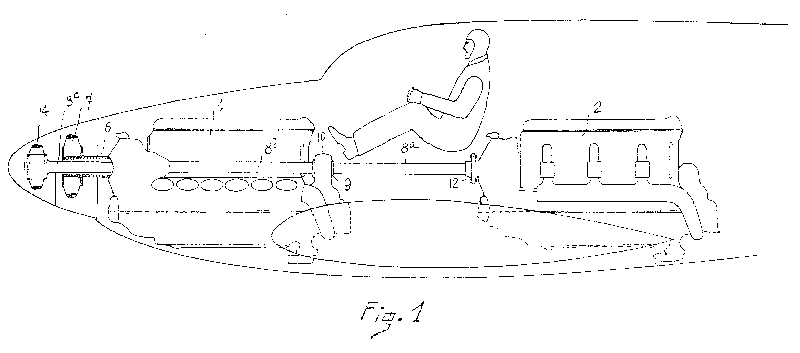
Michel Vernisse filed various patents for a mechanism "homéoceinétique" for engine coupling. The VG-50 was planned to be used as engine testbed for such coupling system. The engines planned were 4 Hispano-Suiza 12Z, coupled by pairs.
Attachments

Deltafan
ACCESS: Top Secret
- Joined
- 8 May 2006
- Messages
- 1,772
- Reaction score
- 2,718
Hi,Michel Vernisse filed various patents for a mechanism "homéoceinétique" for engine coupling. The VG-50 was planned to be used as engine testbed for such coupling system. The engines planned were 4 Hispano-Suiza 12Z, coupled by pairs.
8 years ago, you told us in a special issue of the French magazine Avions, that the Arsenal testbed Latécoère 299A (tandem HS12Y31, contra-props) had made three flights (April 25, 27 and 28, 1944). Until then, it was accepted that it had been destroyed before its first flight.
Do you know how these three flights took place (breakdowns, problems or not, speed reached, etc.)?
Last edited:
- Joined
- 26 May 2006
- Messages
- 37,579
- Reaction score
- 19,633
Please ,I heard that there was those Arsenal designations VB.11,VB.12 & VB.14,we know an odd designation in this series,called VB.16,who can
explain that ?.
Actually in this period,Arsenal developed a nine projects from VB.10,
included VB.15,so may their series are from VB.11 to VB.19 ?.
Attachments
- Joined
- 25 July 2007
- Messages
- 4,789
- Reaction score
- 5,293
Actually in this period,Arsenal developed a nine projects from VB.10, included VB.15, so may their series are from VB.11 to VB.19 ?.
You have now raised these 'designations' five times in this thread but we still face a number of problems here ...
1 - What was your source(s) for these "nine projects from VB.10" (as well as for your unattributed attachment)? [1]
2 - Which VB 10 design is being referred to here? Is it the original June 1938 concept (eventually prototyped in 1945-46)? Or is it the 1944 'Aile Volante' (with 2 x wing variants)?
3 - Arsenal was known to apply 'cover' designations to various VB 10 projects to disguise their on-going work from the German authorities of the zone occupée. If such 'designations' existed, they may have been nothing more that 'covers' for the planned reconnaissance-fighter or any other proposed variants or série types (which you, yourself, have listed).
4 - Your rejoinder in reply #74 stops short of being an actual logical fallacy ... but it comes close.
but we must search good before confirm they were not existed.
In effect, your argument is a demand for others to disprove 'designations' which existed nowhere online besides in one of those nonsensical Wiki 'reference loops'. [2] Without reference to actual documents, such circular 'sources' are worse than useless (and highly damaging to Wikipedia's reputation).
When in doubt, it is better practice to list positives rather than to demand proof of negatives.
_______________________________________
[1] In reply #77, you list unspecified TU and La Fana issues as sources for 5 x VB 10 variants (to which we could add the unrelated VB 10 'Aile Volante' concept with two wing types).
[2] IPFS is a peer-to-peer network acting, in this case, as a mirror of Wikipedia.

Airborne2001
ACCESS: Secret
- Joined
- 19 June 2020
- Messages
- 332
- Reaction score
- 486
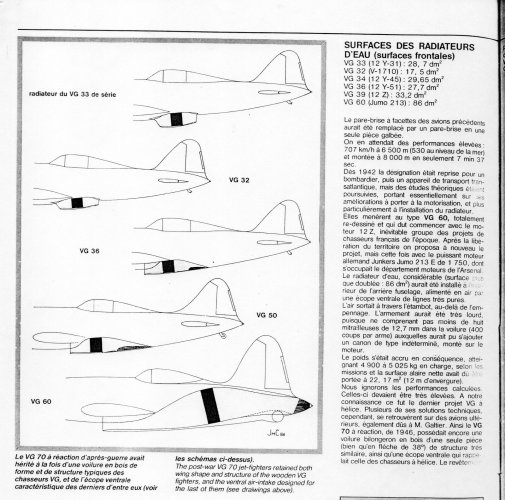
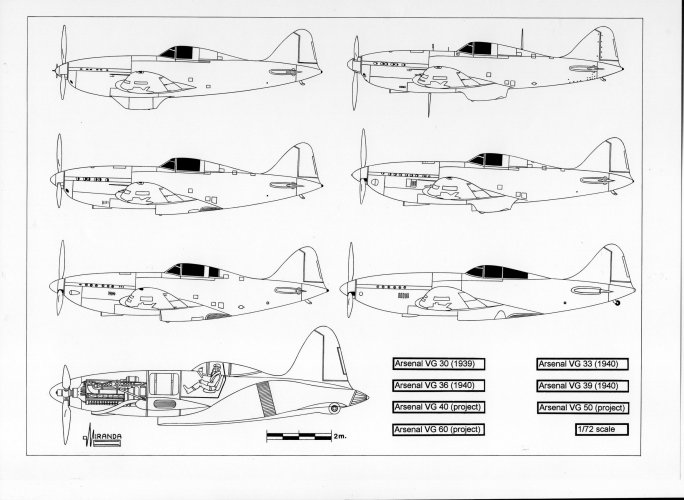
I was able to look at the radiator photo through a translater, and the VG 60 radiator was huge. Perhaps it was for a "Mega-Miranda Effect" of sorts, even more so than the P-51?From Le Fana Nº 197 to 200
- Joined
- 26 May 2006
- Messages
- 37,579
- Reaction score
- 19,633
My dear Apophenia,
you don't understand me at all,and you mix between two things,the
nine projects were really existed,but about the VB.11 to VB.19,that's
only my speculation,however I spoke about VB.10 of normal shape,
not the tailless one,but I can't talk about them because they are a
part of my book.
you don't understand me at all,and you mix between two things,the
nine projects were really existed,but about the VB.11 to VB.19,that's
only my speculation,however I spoke about VB.10 of normal shape,
not the tailless one,but I can't talk about them because they are a
part of my book.
HiI was able to look at the radiator photo through a translater, and the VG 60 radiator was huge. Perhaps it was for a "Mega-Miranda Effect" of sorts, even more so than the P-51?
Attachments
- Joined
- 25 July 2007
- Messages
- 4,789
- Reaction score
- 5,293
... but I can't talk about them because they are a part of my book.
Then why keep bringing them up?
- Joined
- 26 May 2006
- Messages
- 37,579
- Reaction score
- 19,633
Then why keep bringing them up?
To know the real designations for them ?!,we only have the
VB.15 and VB.16 from reliable source,so I seek for more.
- Joined
- 15 February 2024
- Messages
- 683
- Reaction score
- 1,849
Really? Which ones? Where are they coming from?the nine projects were really existed
I agree for VB.15, but what is this VB.16? What is your "reliable" source?we only have the VB.15 and VB.16 from reliable source
- Joined
- 26 May 2006
- Messages
- 37,579
- Reaction score
- 19,633
-The VB 16 designation comes from an article in Le Fana de l'aviation N°247 (June 1990) about the VB 10. It's only said that this VB 16 was "a(n unknown) derivative" of the VB 15.
That's the answer.
I guess you mean mega Meredith effect....I was able to look at the radiator photo through a translater, and the VG 60 radiator was huge. Perhaps it was for a "Mega-Miranda Effect" of sorts, even more so than the P-51?
I think that too, but I don't fully understand the birdcage like structure on the end. To really gain thrust out of the cooling air, the exhaust opening must be variable so that it can be minimized at high speeds. That strange thing at the rear is shurly a variable cross section nozzle, but I have no idea how it worked
- Joined
- 15 February 2024
- Messages
- 683
- Reaction score
- 1,849
The so-called "Meredith" effect was known in France as "Leduc effect". René Leduc patented this effect in June 1933 (FR-770.326). He participated to implement it in the Breguet 482 engine cowling.I guess you mean mega Meredith effect....
It is not required to have variable cross section nozzle to take benefit of this effect, it only requires a cross surface of the exhaust greater that the cross section of the inlet. But of course, having variable nozzle helps a lot to adapt to flight evolutions.

Tonton-42
ACCESS: Secret
- Joined
- 10 May 2014
- Messages
- 401
- Reaction score
- 785
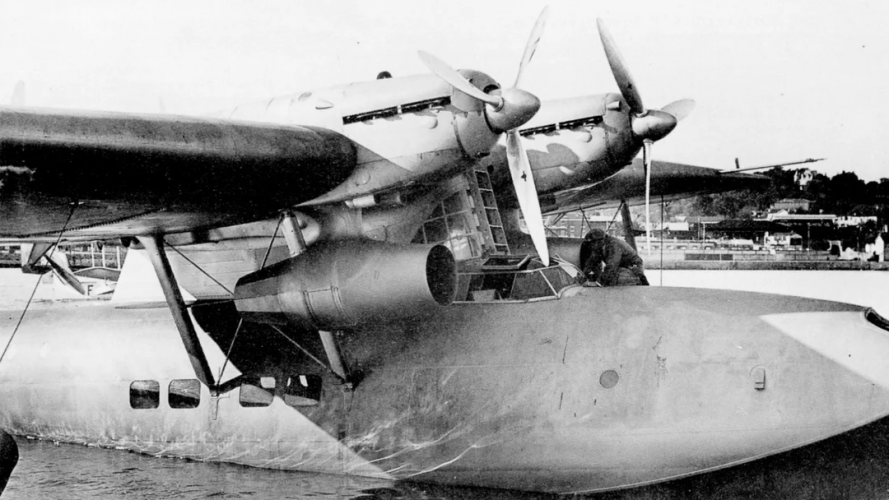
The Lioré and Olivier H-47 seaplane had ring coolers designed to minimize their aerodynamic drag. The prototype flew in 1936, but it was only after the first flight that this type of cooler was apparently installed ... Meredith’s work on the additional thrust of coolers designed according to his principle was published in 1936 ... The most famous example of the application of the Meredith effect is obviously the famous NA P-51 Mustang... But it is good to remember that this was in the air in the mid 1930s and 1940s, and it still is today in formula 1 racing cars !..The so-called "Meredith" effect was known in France as "Leduc effect". René Leduc patented this effect in June 1933 (FR-770.326). He participated to implement it in the Breguet 482 engine cowling.
It is not required to have variable cross section nozzle to take benefit of this effect, it only requires a cross surface of the exhaust greater that the cross section of the inlet. But of course, having variable nozzle helps a lot to adapt to flight evolutions.
This geometry was allready invented by Hugo Junkers (''Duesenkuehler'') and used in the J1 (first all metal plane from 1914).The so-called "Meredith" effect was known in France as "Leduc effect". René Leduc patented this effect in June 1933 (FR-770.326). He participated to implement it in the Breguet 482 engine cowling.
It is not required to have variable cross section nozzle to take benefit of this effect, it only requires a cross surface of the exhaust greater that the cross section of the inlet. But of course, having variable nozzle helps a lot to adapt to flight evolutions.
Meredith puplished a paper about the posibility of creating thrust, it might have been the first one. This can only be archieved, when the outlet speed is greater than the entry speed, therefor the exhaust cross section must be very small. A small exhaust cross section would cause the engine to overheat, therefor it must be variable.
- Joined
- 15 February 2024
- Messages
- 683
- Reaction score
- 1,849
I do not understand this statement. It is exactly the opposite: the cross section of the exhaust must be greater than the inlet. If it is not the case, the thermodynamic effect cannot provide thust.the exhaust cross section must be very small
Not true, just look at the graphs of this post, you can see exhaust flaps but no inlet flaps. Same is true for the P51, the very first variants had iinlet and exhaust flaps, while the later ones only used exhaust flapsI do not understand this statement. It is exactly the opposite: the cross section of the exhaust must be greater than the inlet. If it is not the case, the thermodynamic effect cannot provide thust.
Similar threads
-
-
-
 Dimitri sensaud de lavaud turbojet (1937)
- Started by Archibald
- Replies: 4
-
French Aircraft Carrier Never-Were Designs and Proposals
- Started by Fr05ty
- Replies: 88
-
