BernardQuatermass21

ACCESS: Restricted
Joined
17 June 2025
Messages
27
Reaction score
18
I am looking for references confirming a couple of details relating to the German Wasserfall Surface To Air missile.

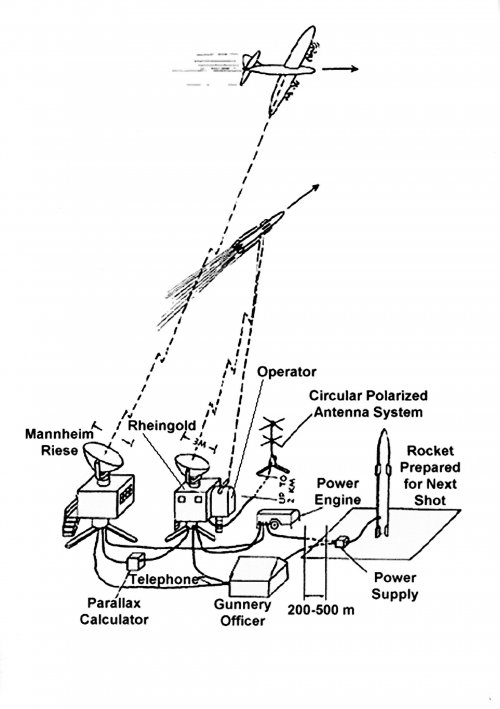
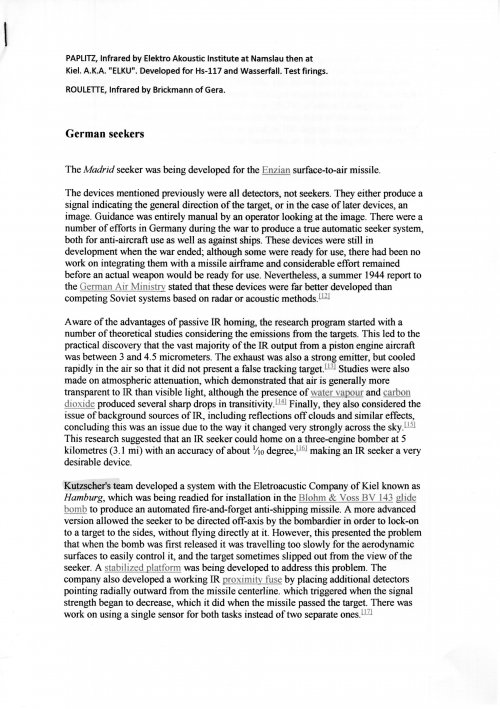
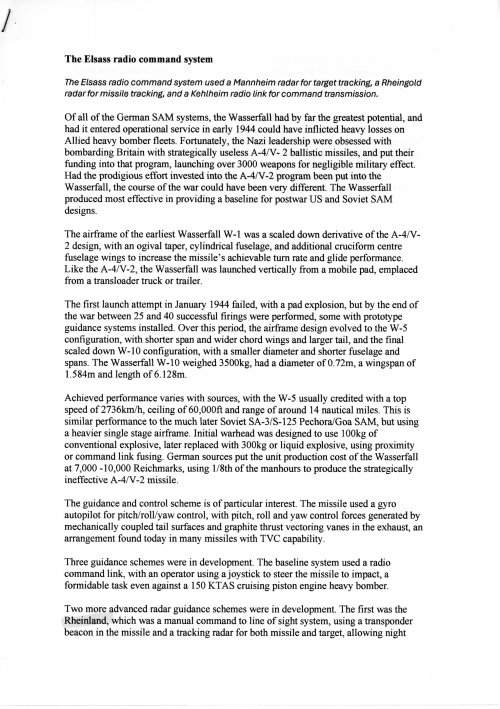
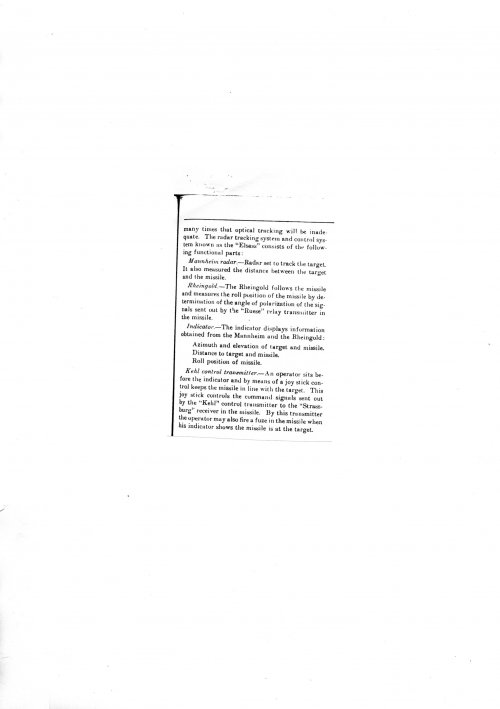
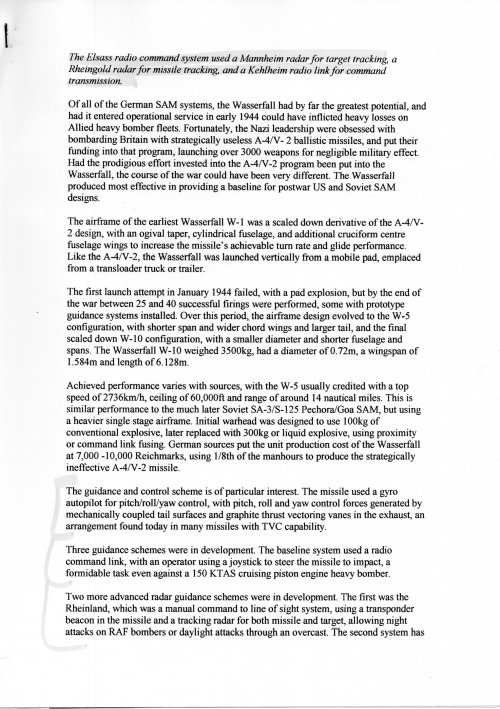
The first is the name of the missile tracker in the proposed radar guided variant. Some articles say this was called Rheingold. Some of the earlier aparently high quality technical sources call the overall guidance system Elsas and identify the target tracker as Mannheim, but give no codename to the missile tracker. Does anyone have a reliable reference to confirm the missile tracker was ever called Rheingold ?

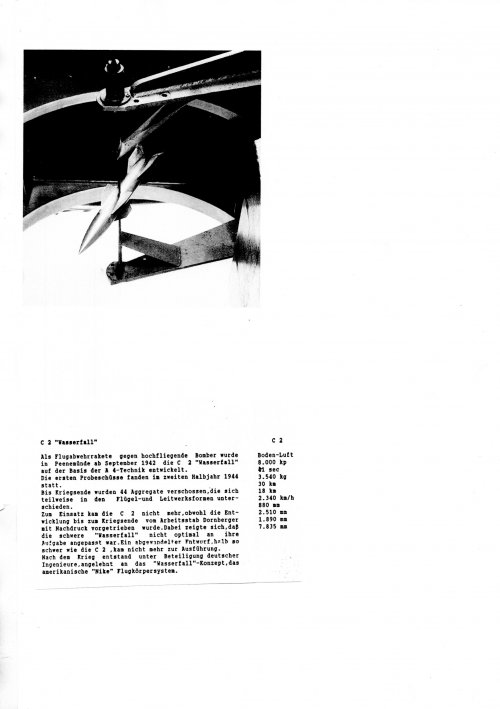
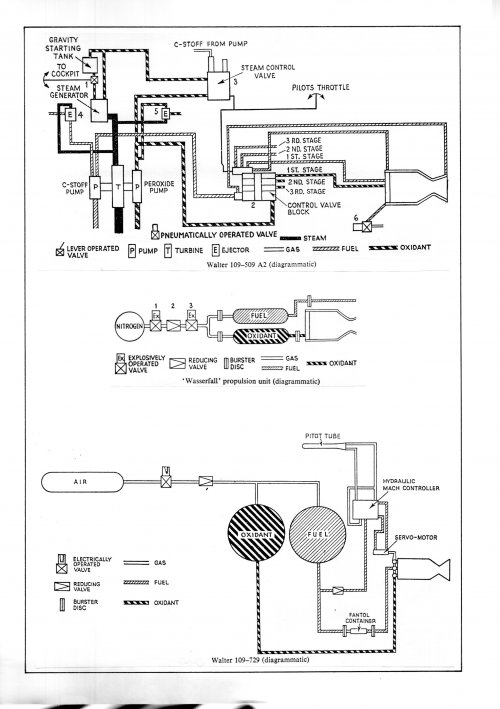
My other query is whether Wasserfall dropped its graphite exhaust gas vectoring fins once it had enough speed to depend on the large control surfaces on the external fins. A few articles say it did this to reduce weight, but the footage of test launches on YouTube doesnt confirm this. Again, anyone know of reliable sources that confirm this detail ?

Huge Thanks

Nick
 
I am looking for references confirming a couple of details relating to the German Wasserfall Surface To Air missile.

The first is the name of the missile tracker in the proposed radar guided variant. Some articles say this was called Rheingold. Some of the earlier aparently high quality technical sources call the overall guidance system Elsas and identify the target tracker as Mannheim, but give no codename to the missile tracker. Does anyone have a reliable reference to confirm the missile tracker was ever called Rheingold ?

My other query is whether Wasserfall dropped its graphite exhaust gas vectoring fins once it had enough speed to depend on the large control surfaces on the external fins. A few articles say it did this to reduce weight, but the footage of test launches on YouTube doesnt confirm this. Again, anyone know of reliable sources that confirm this detail ?

Huge Thanks

Nick
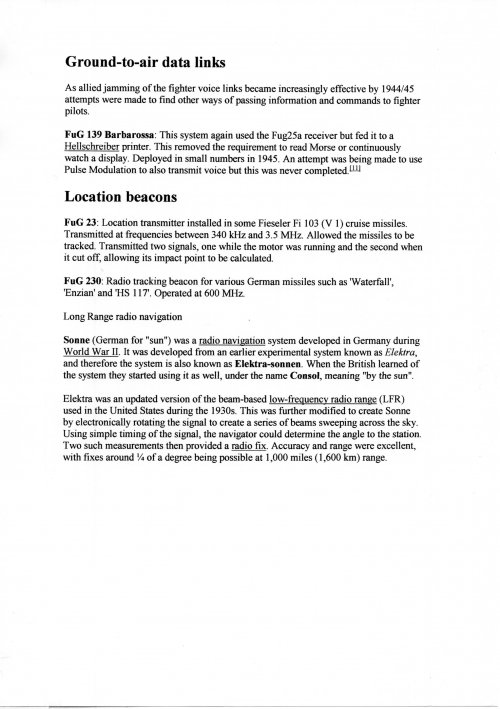
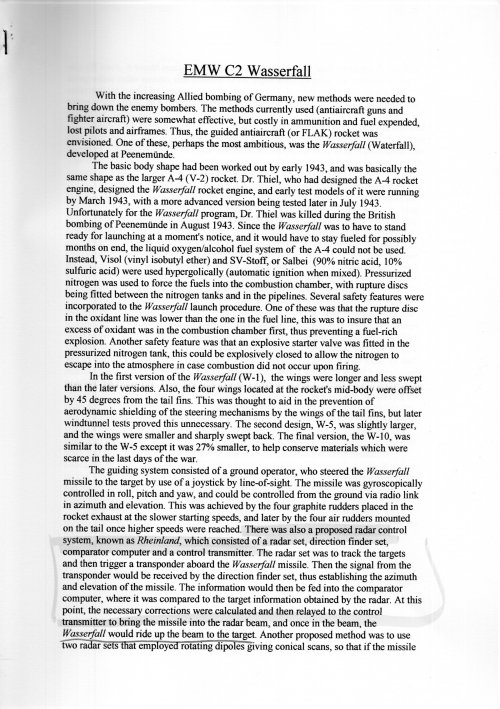
No, there is no tracking system for that missile called Rheingold. There is a single drawing, the source is sketchy, that refers to that radar.

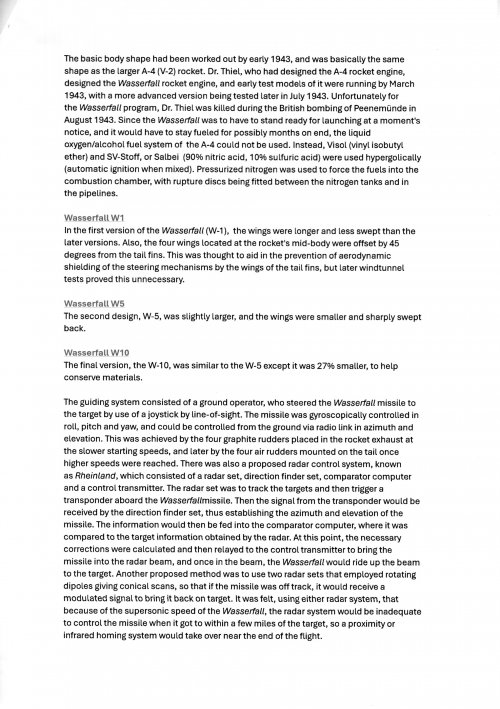
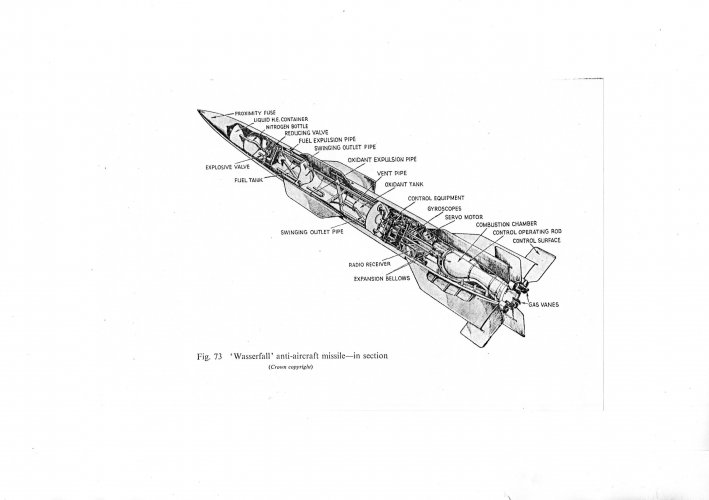
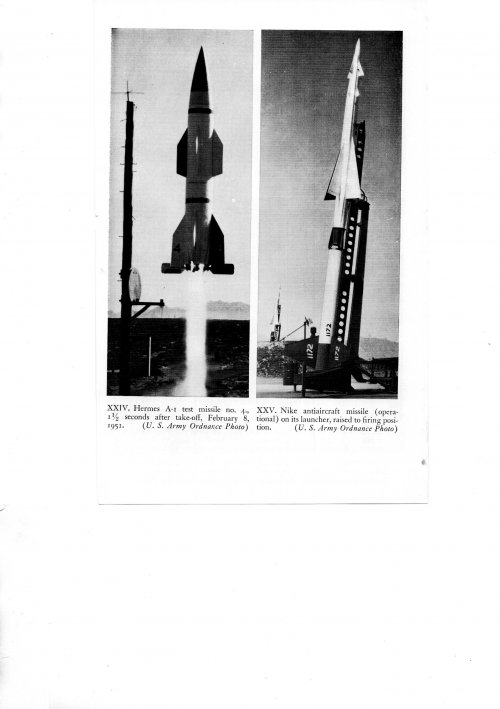
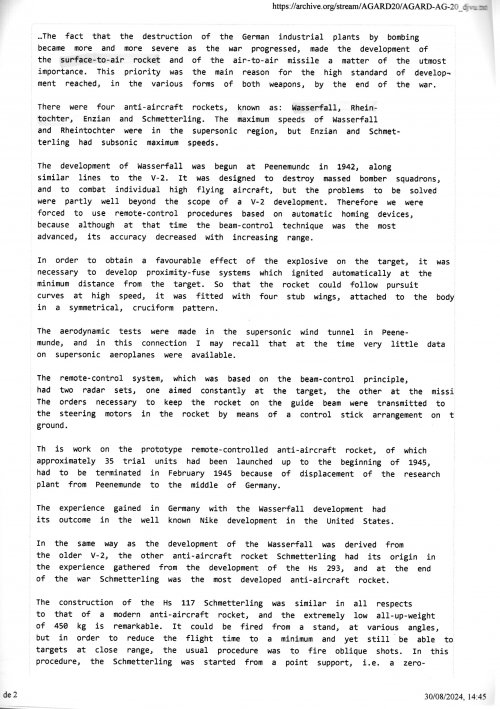
As for the graphite veins, those are for stability and roll control on the missile while the trailing control surfaces are to turn the missile towards its target. The missile has to know which way is "up" to be guided in flight. GE retained them on the Hermes series for the same purpose post war.

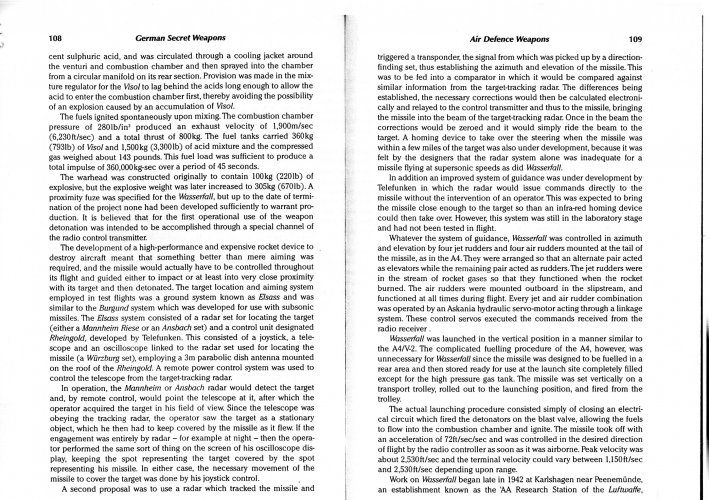
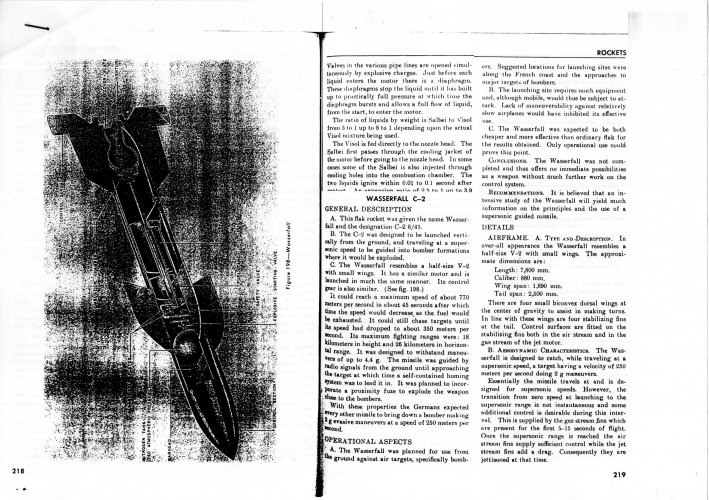
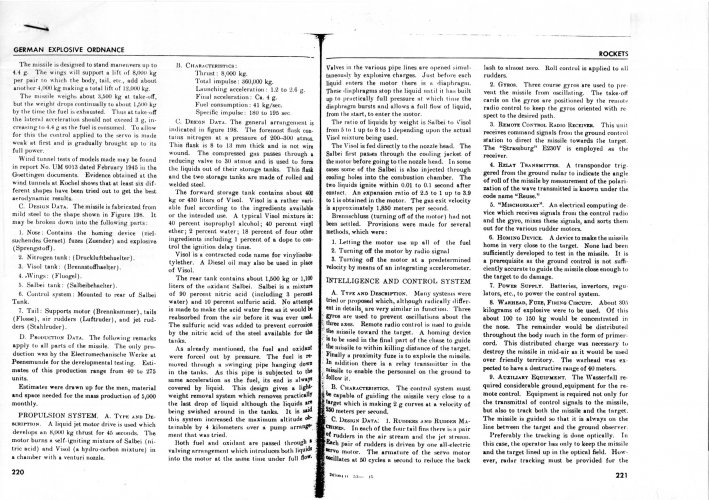
With the V-2, guidance was simpler because it flew a ballistic course, and the graphite veins could handle that in 2-axis motion. With Wasserfall, during the first 6 seconds of flight, the graphite veins control the roll and pitch of the missile using a system called Ruse that is a telemetry radio link that sends commands to the missile. Once it gains enough range and altitude the guidance system--optical or radar--takes over and the operator using the MCLOS link with either Keil Straßburg or Kogge Brigg system guides it. Either Würtzburg or Mannheim radars (Reise usually) were to be used for tracking both the missile and target and these fed data to an Einlink electro-mechanical computer that gave an output to a CRT scope showing the position of the missile in relation to the target that was centered in the display on crosshairs.

With the optical systems the data was fed to a Marsai table with special drums being used specifically for the missile. Guidance was done by the operator watching the plot on the table as it would be done for guns using the same system.

Because of the long wavelengths of the radars available to the Germans, the sets would have been several kilometers from the launch site. That made Ruse necessary.
 
This is the information I have about Wasserfall, I hope it can help.


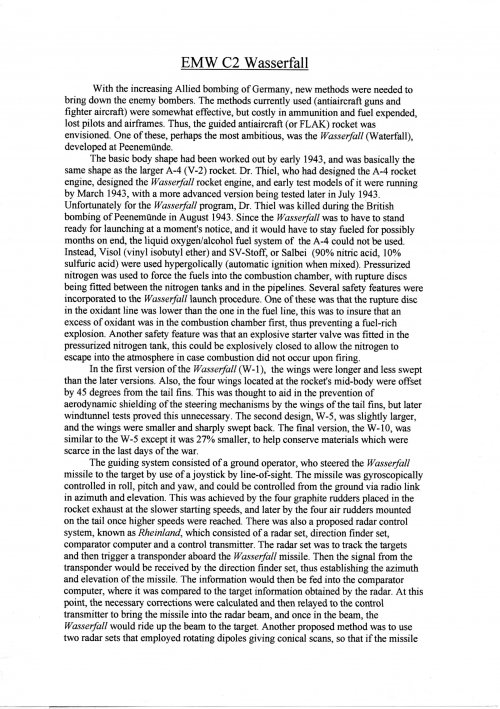
EMW Wasserfall


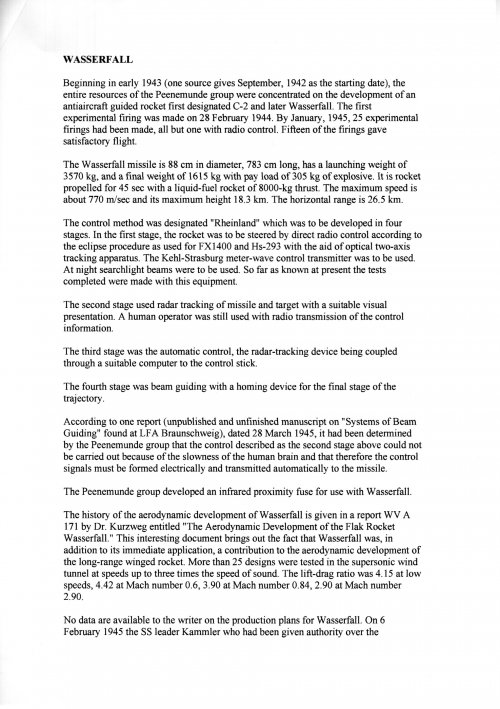
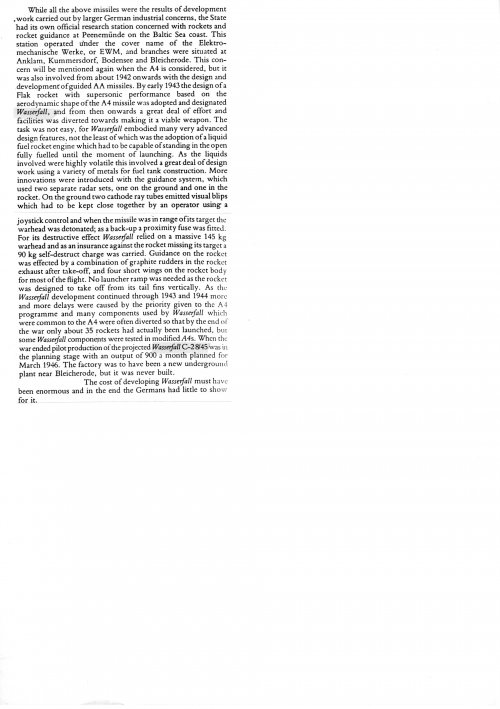
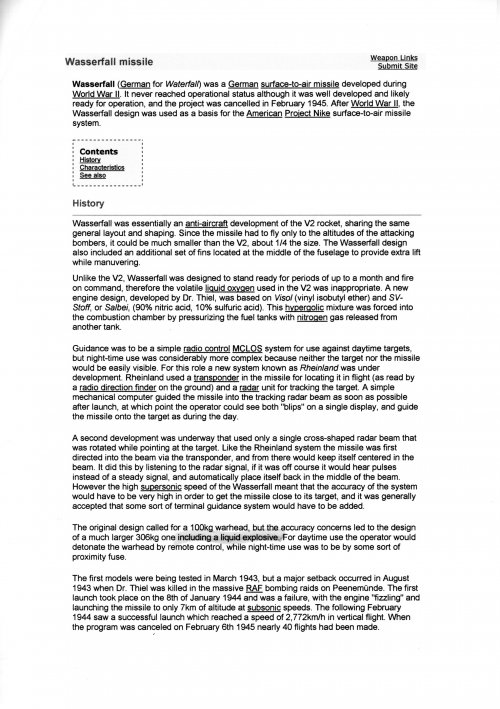
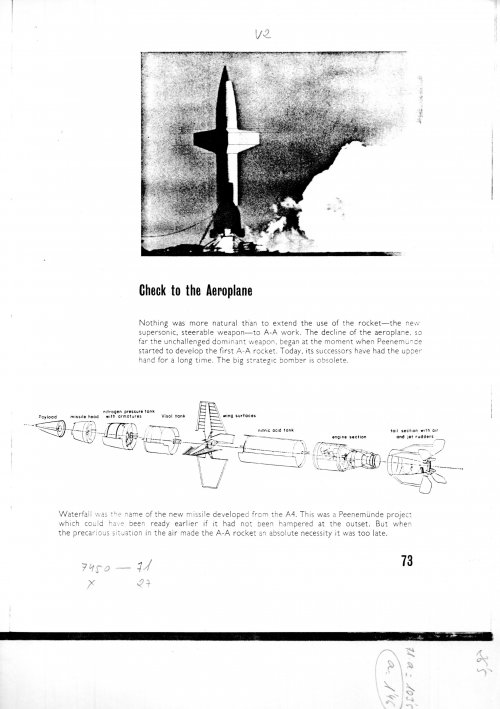
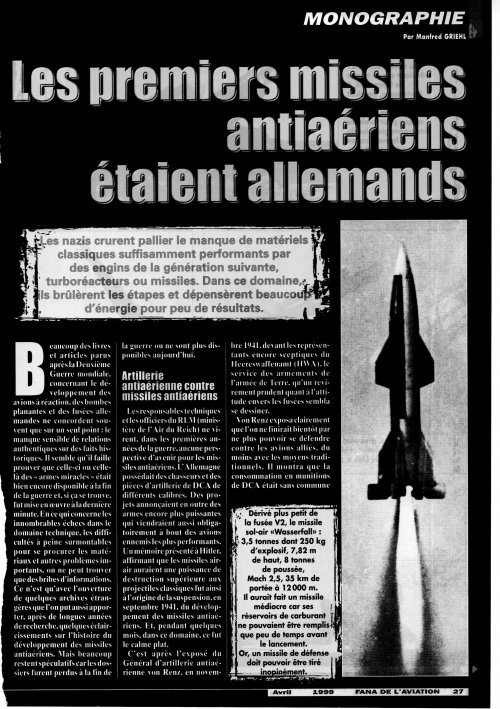
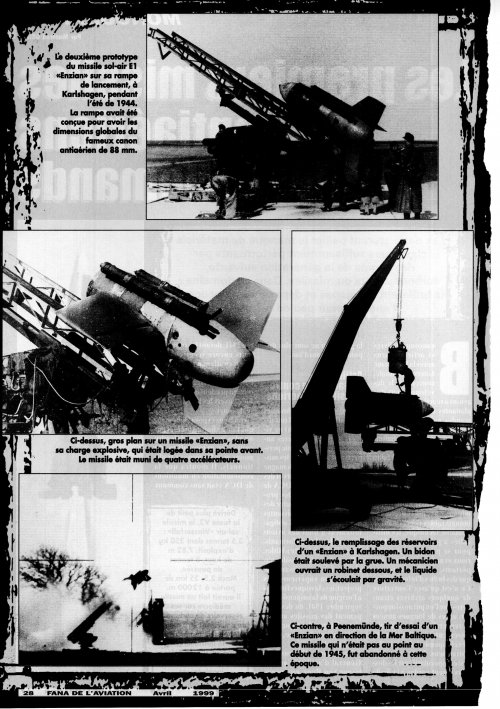
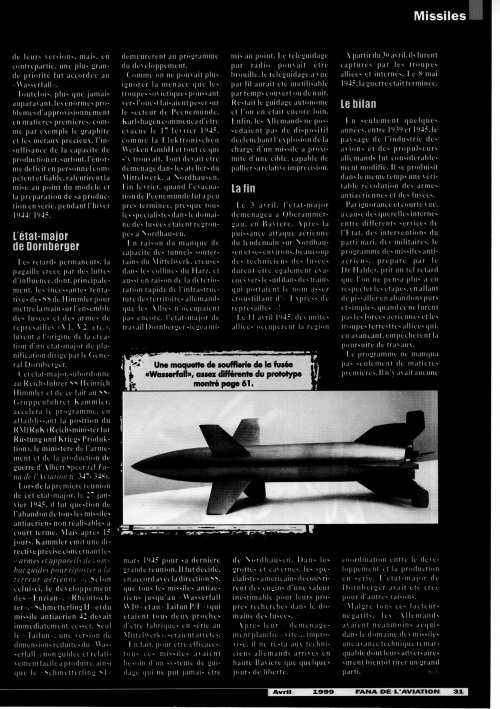
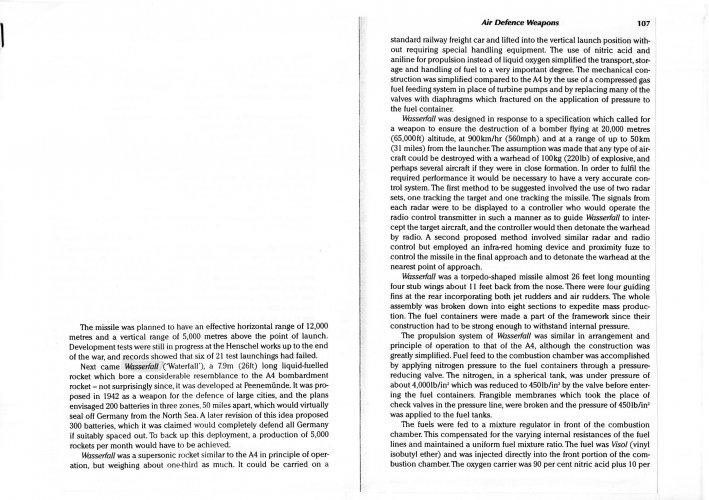
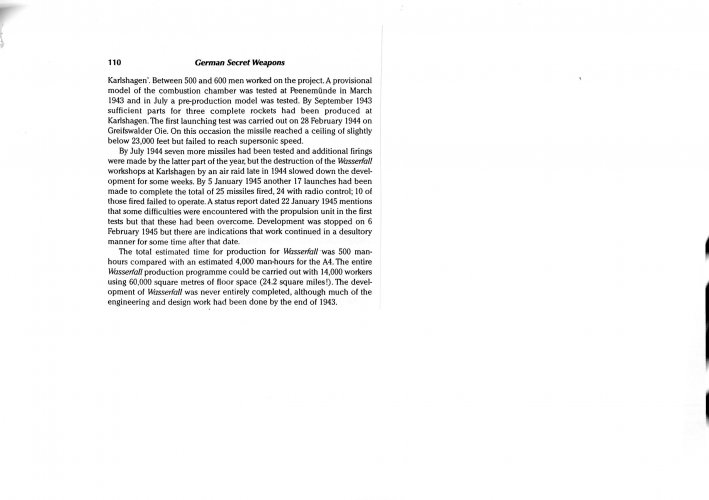
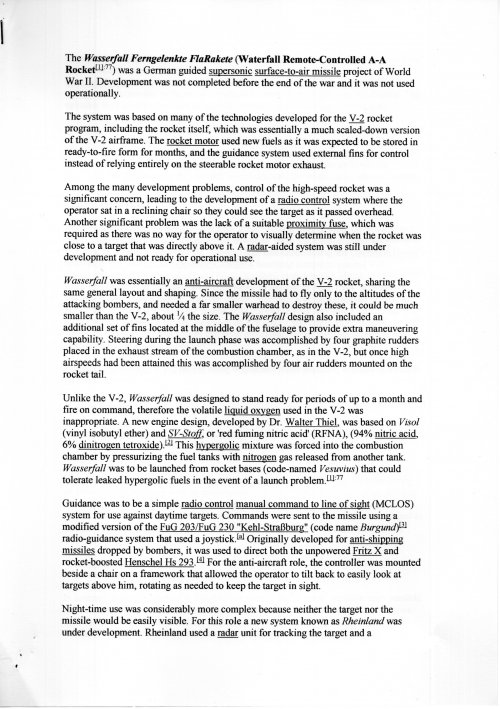
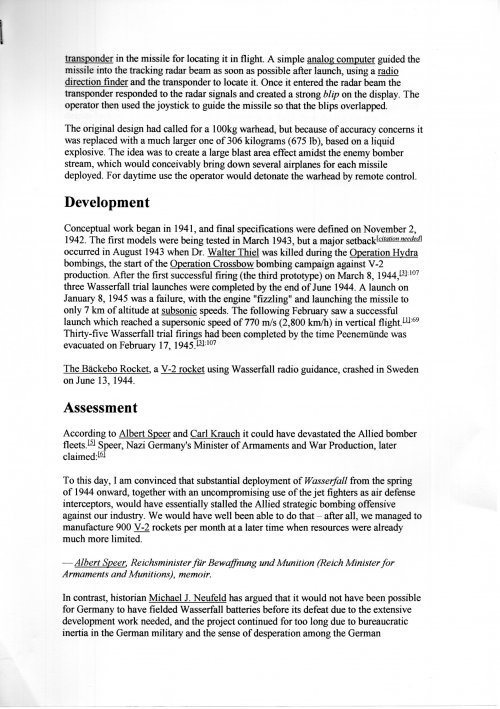
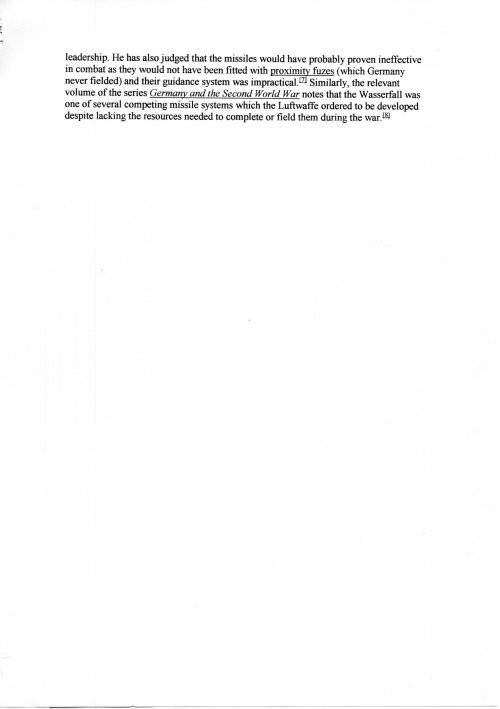
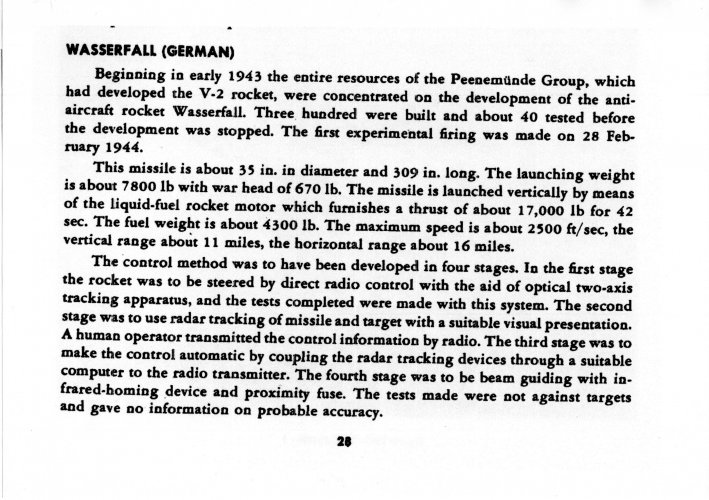
In September 1942, Elektromechanische Werke-Peenemünde (EMW) started the development of a high-altitude, anti-aircraft, supersonic missile (based in the V-2) under the codename EMW C-2 8/45.

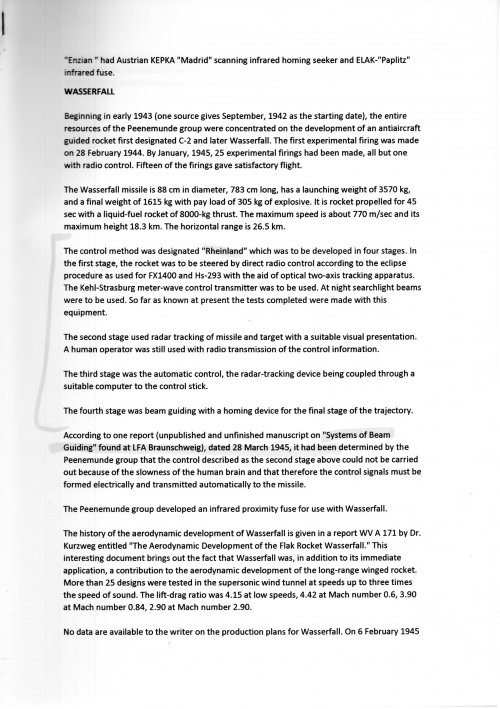
About twenty-five wind tunnel models, with six different aerodynamic configurations, were tested at speeds up to Mach 3.0.

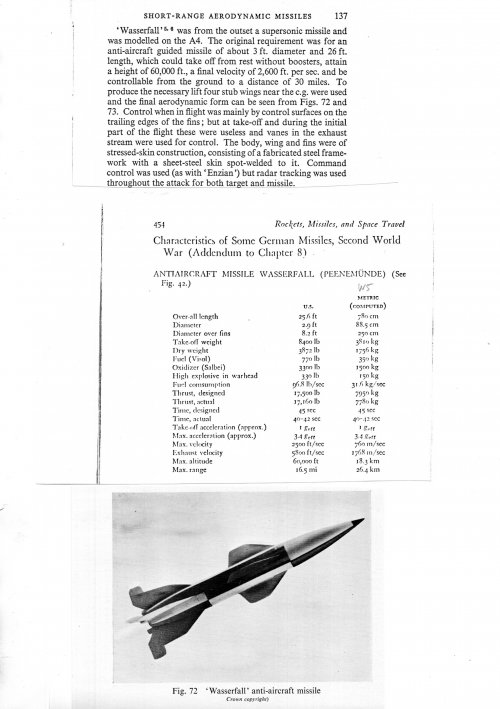
The original requirement was for an anti-aircraft guided rocket of about 900-mm of diameter and 8,000-mm length, which could take-off without boosters, attain 18,000 m of altitude and 800 m/sec speed.

In February 1943 the project was accepted by the OKL under the codename Wasserfall.

Two prototypes of the W-1 Series were built at the Peenemünde facilities early in 1944.

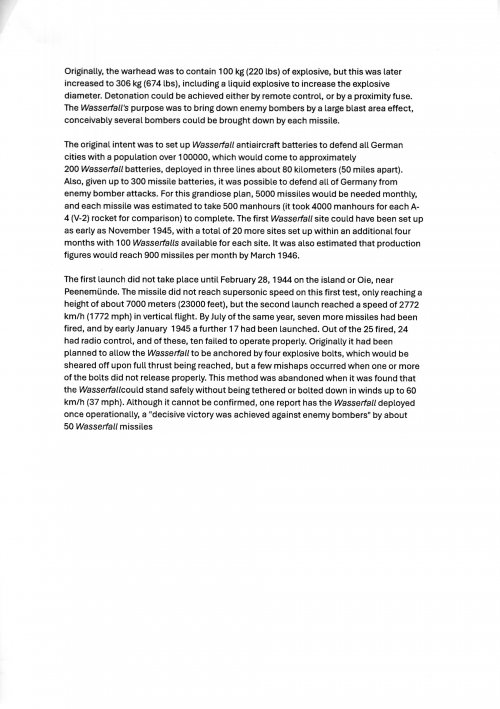
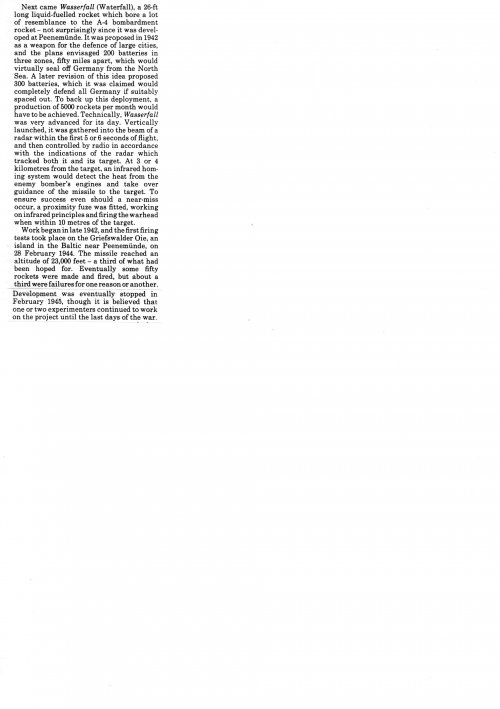
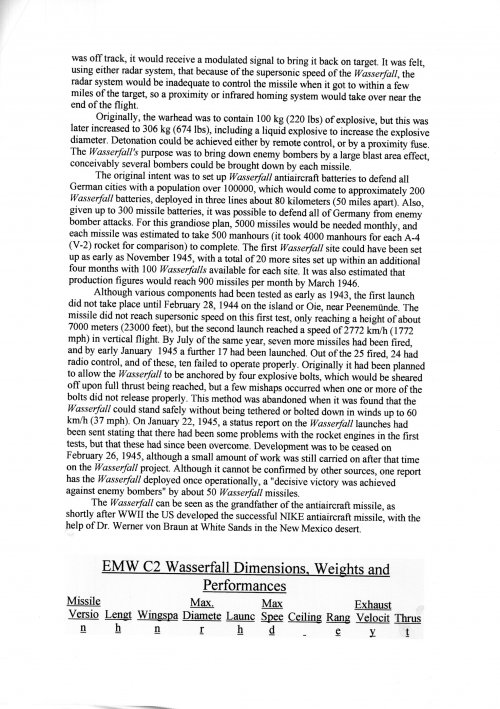
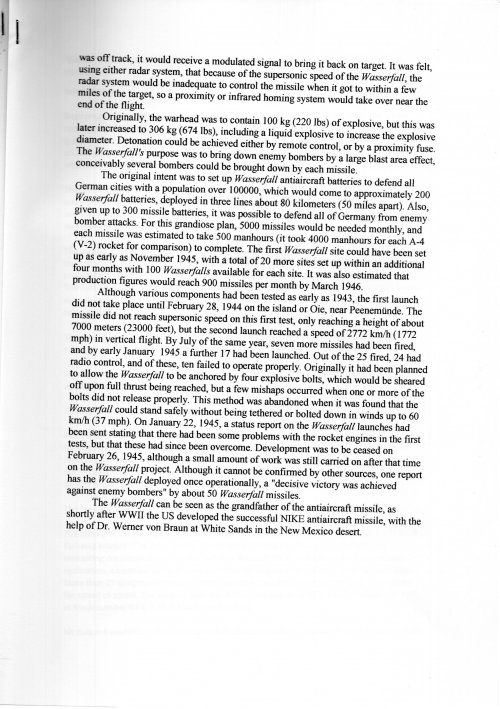
The first launch test was performed on February 28,1944 at Greifswalder Oie. The prototype was flown at subsonic speed reaching only 7,000 meters altitude, but the second missile reached 2,272 km/h on March 8,1944.

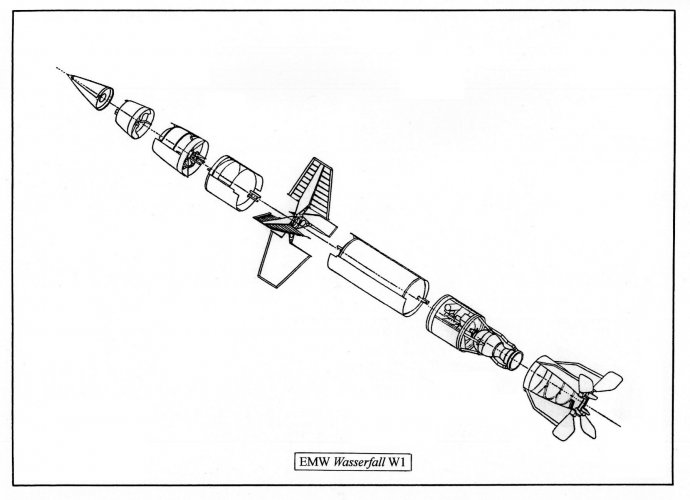
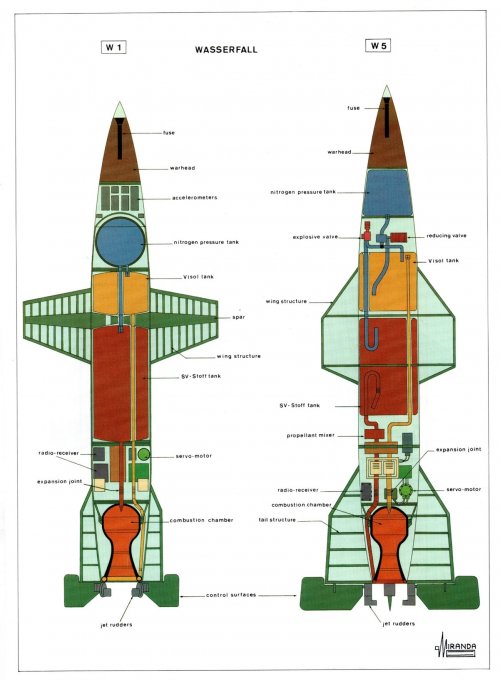
W-1 was built from mild steel, the body, wings and fins were of stressed skin construction consisting of a steel framework with a sheet-steel skin spot welded to it.

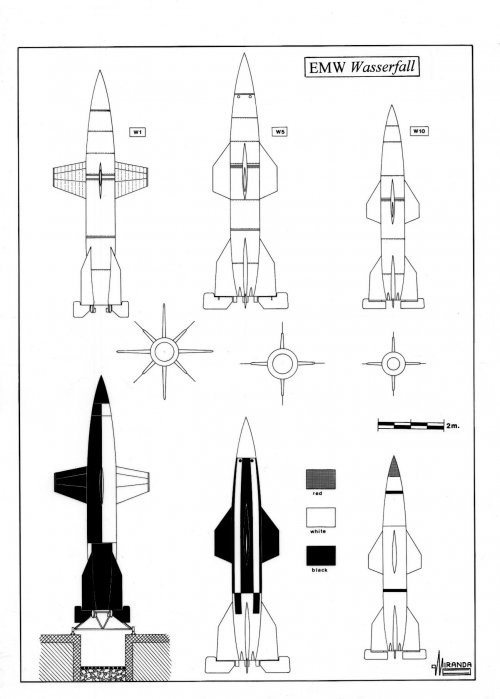
It was fitted with four biconvex wings to assist in making high-altitude pursuit curves at high speed and 4.4 g.

The W-1 was designed to intercept lone Spitfire and Mosquito reconnaissance aircraft that proved very difficult to shoot down by conventional Luftwaffe fighters. To increase maneuverability at high altitude the wings were mounted offset by 45-degrees from the tail fins.

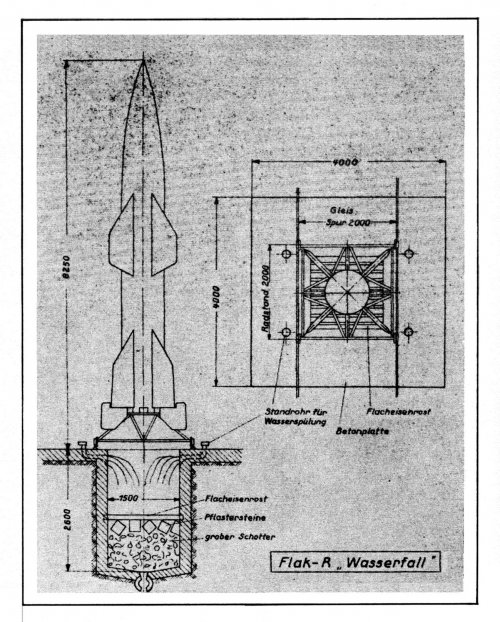
Wasserfall was launched at 22 m/sec in vertical position, like a V-2.

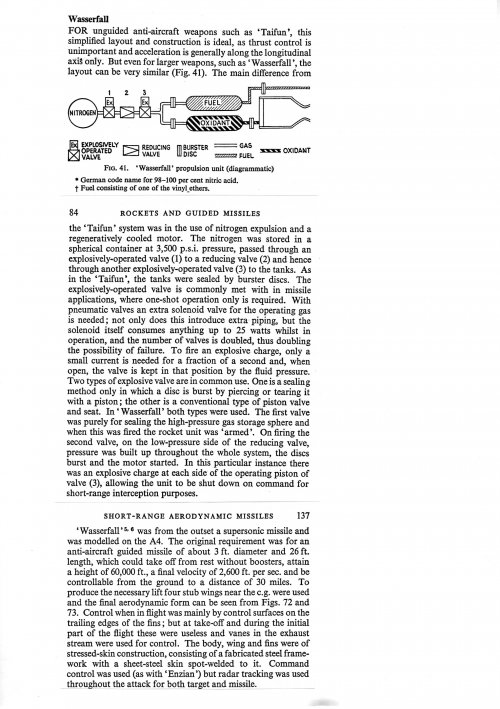
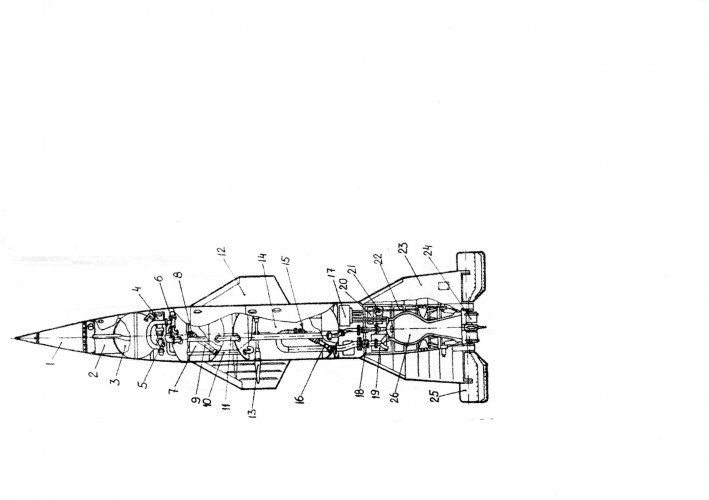
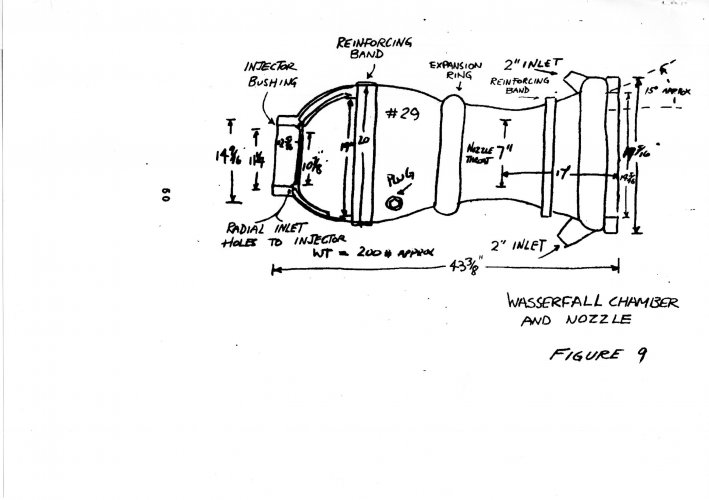
During take-off the missile was controlled by a three-axes gyro auto-pilot driving four detachable jet rudders mounted into the rocket nozzle. During the flight, control was achieved by means of four air rudders mounted in the tailfins. All the control rudders were operated by four Askania hydraulic servo motors.

Radio-control commands were sent to the missile by means of the Burgund MCLOS system, a modified version of the Kehl/Strassburg control.

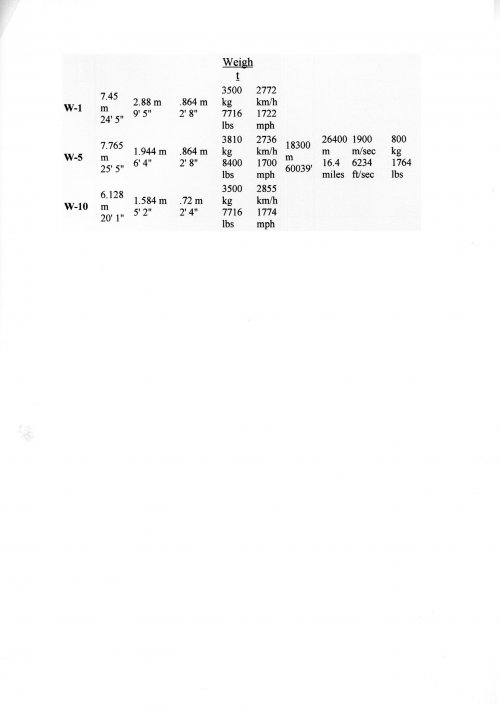
EMW Wasserfall W-1 technical data

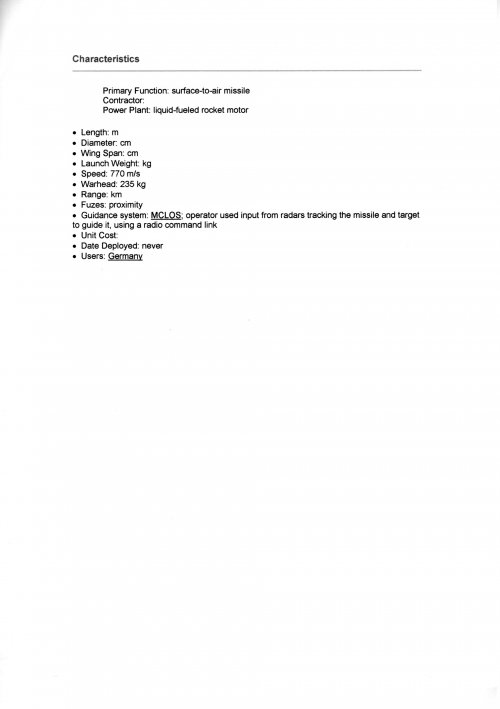
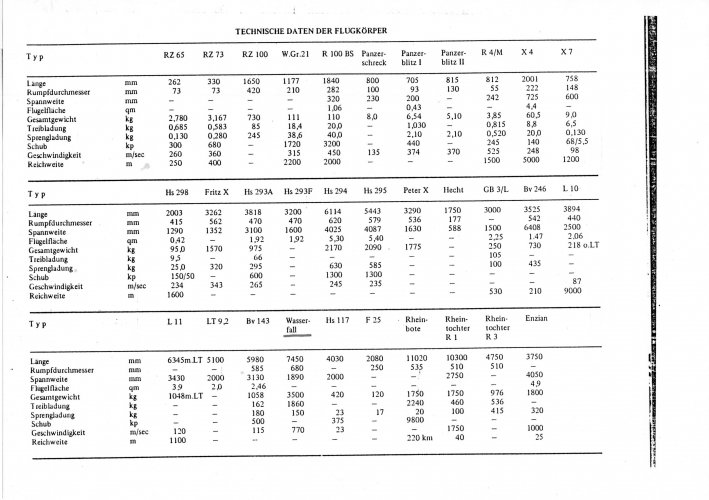
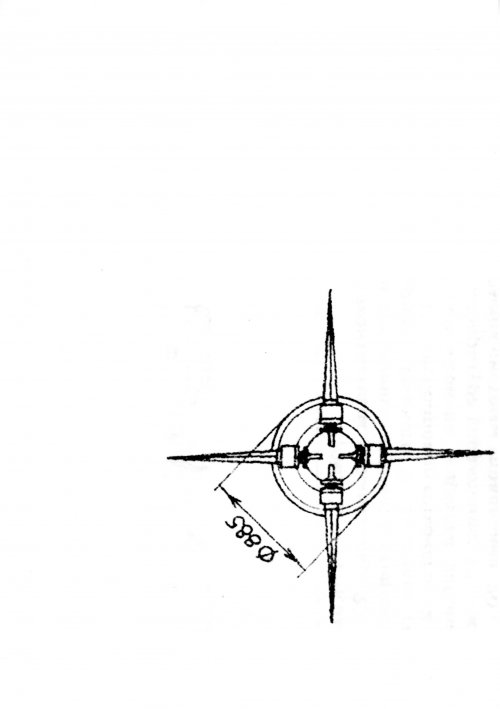
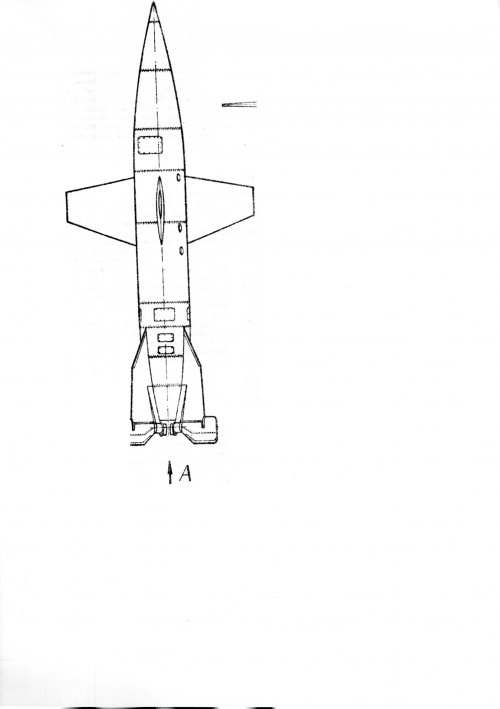
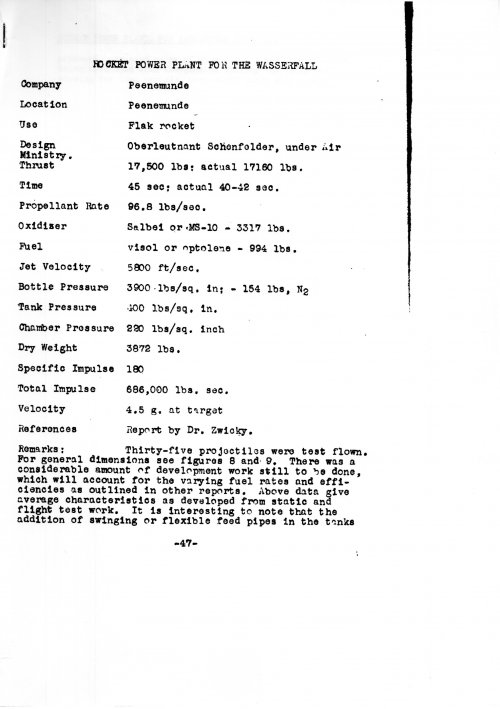
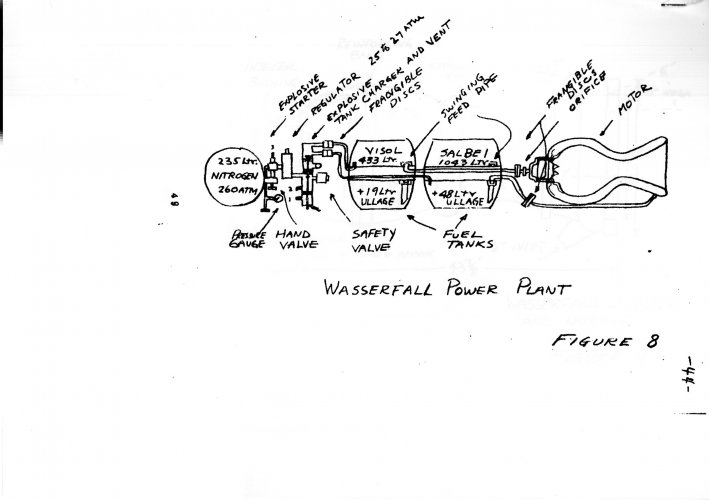
Wingspan: 2,880-mm, length: 7,450-mm, diameter: 864-mm, weight: 3,570 kg, speed: 2,772 km/h, service ceiling: 7,000 m, range: 12 to 18 km, warhead: 150 kg with 40 m lethal radius, power plant: one by-propellant rocket engine EMW, developed by Dr. Thiel and Oberleutnant Schönfelder, with 7,780 kg peak thrust and 45 seconds life, propellants: SV-Stoff + Visol + compressed nitrogen.


A second development was underway in April 1944.

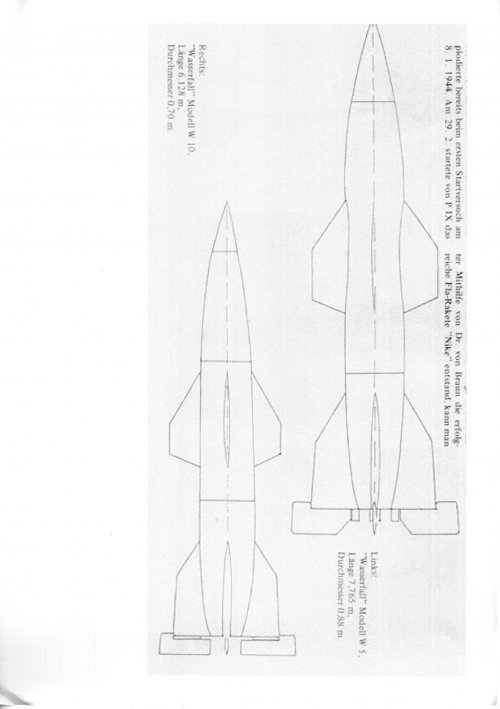
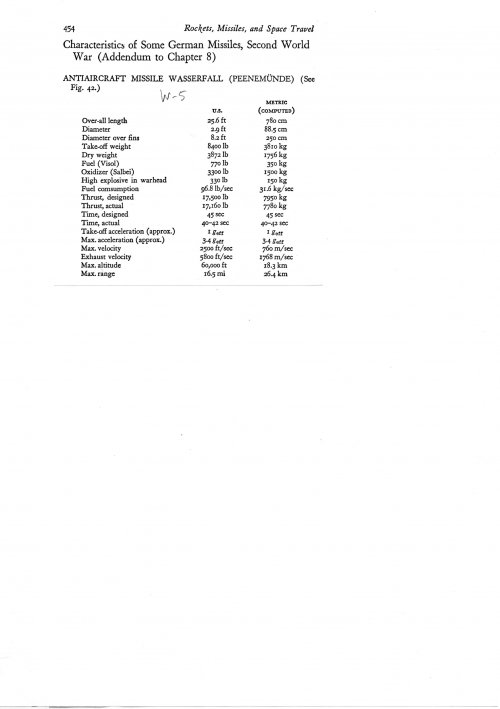
The W-5 was designed as Pulkzerstörer weapon against U.S. bomber formations, it was slightly larger than the W-1 and its wings were smaller and sharply back.

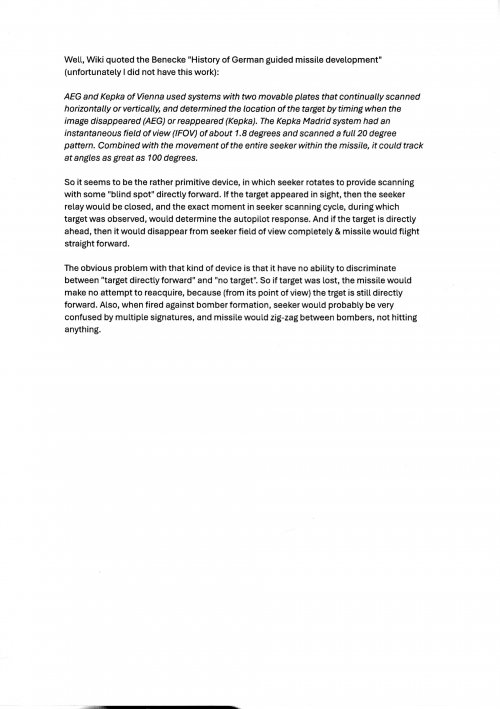
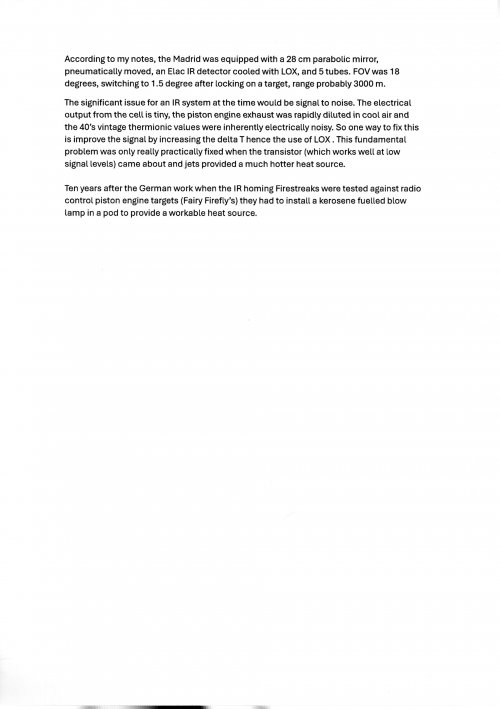
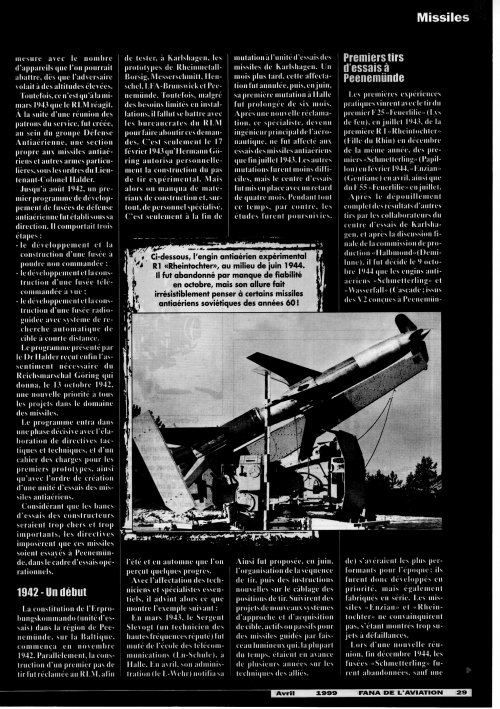
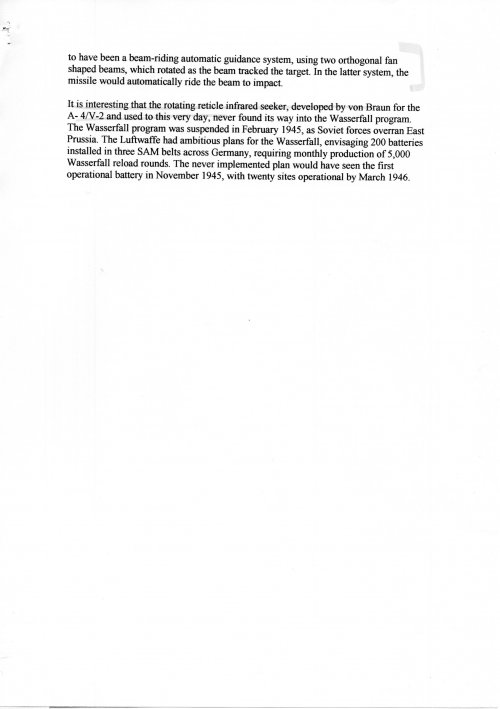
The beam-control accuracy of Burgund decreased with extended range, in the production version it was expected to be able to use the most advanced Rheinland automatic control system and the IR terminal seeker Madrid.

Using Rheinland the missile would ride up the beam to the target. The new system did not require visual tracking and could also be used at night against British bombers.

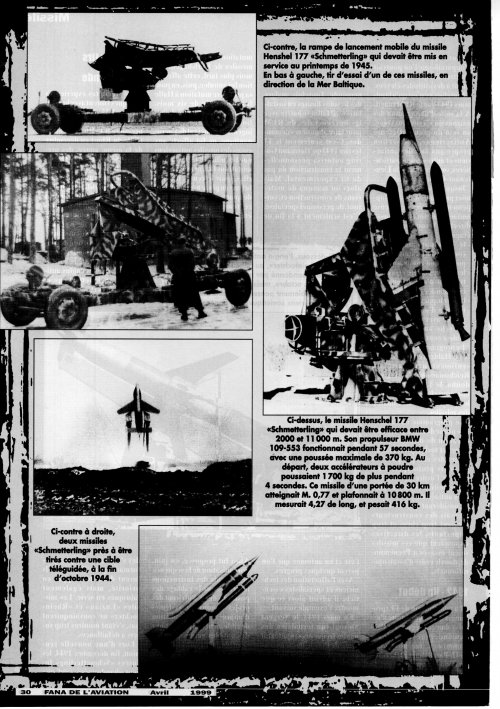
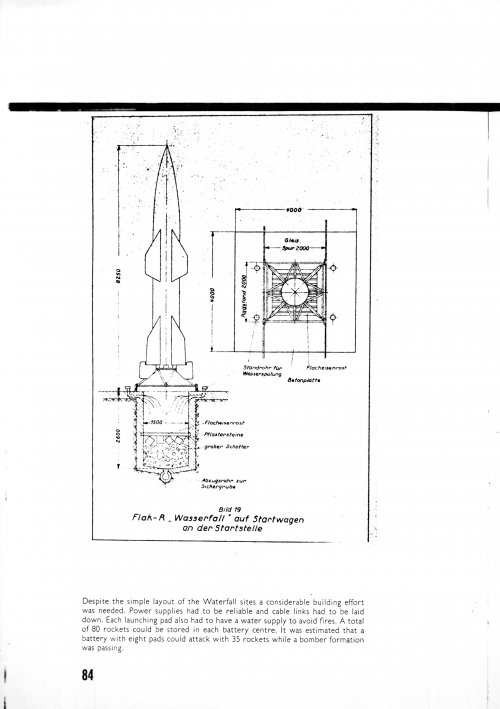
In early 1945 the Luftwaffe planned to deploy the Wasserfall at 2,000 Vesubius Flakbatteries with 35 launch pads each.

The production rate expected from November 1945 was 5,000 missiles per month, but only 35 prototypes were built and flight tested.

EMW Wasserfall W-5 technical data

Wingspan: 1,980-mm, length: 7,765-mm, diameter: 885-mm, weight: 3,810 kg, speed: 2,736 km/h, service ceiling: 18,300 m, range: 26.4 km, warhead: 235 kg, power plant: one by-propellant rocket engine EMW, with 7,950 kg peak thrust and 45 seconds life, propellants: 770 kg of SV-Stoff + 1,500 kg of Visol + compressed nitrogen.

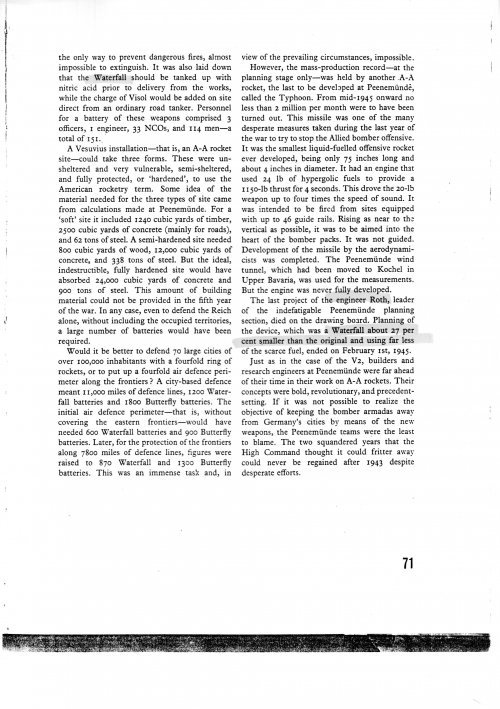
The W-10 was designed in January 1945 by Dipl. Ing. Roth as cheap 27 per cent scaled down W-5, using far less fuel. Roth estimated that it was not necessary to use much fuel to reach 18 km altitude when most enemy bombers routinely flew at altitudes of 7,000 to 8,000 meters. W-10 was also designed as Pulkzerstörer with one powerful warhead.

EMW Wasserfall W-10 technical data

Wingspan: 1,584-mm, length: 6,128-mm, diameter: 720-mm, weight: 3,500 kg, speed: 2,855 km/h, service ceiling: 8,000 m, range: 18 km, warhead: 305 kg of liquid explosive, power plant: one by-propellant rocket engine EMW, with 7,950 kg peak thrust and 45 seconds life, propellants: SV-Stoff + Tonka Optolin + compressed nitrogen.

Project cancelled on February 26, 1945.

 

Attachments

  • x.jpg
    x.jpg
    167.9 KB · Views: 47
  • xxx.jpg
    xxx.jpg
    836.8 KB · Views: 52
  • xx.jpg
    xx.jpg
    230.2 KB · Views: 58
  • xxxx.jpg
    xxxx.jpg
    301.9 KB · Views: 50
Post-2
 

Attachments

  • 065.jpg
    065.jpg
    785.5 KB · Views: 45
  • 066.jpg
    066.jpg
    714.6 KB · Views: 38
  • 067.jpg
    067.jpg
    115.3 KB · Views: 31
  • 068.jpg
    068.jpg
    724.6 KB · Views: 29
  • 069.jpg
    069.jpg
    521.9 KB · Views: 28
  • 070.jpg
    070.jpg
    332.6 KB · Views: 31
  • 071.jpg
    071.jpg
    757.9 KB · Views: 33
  • 072.jpg
    072.jpg
    492.3 KB · Views: 30
  • 073.jpg
    073.jpg
    765 KB · Views: 28
  • 074.jpg
    074.jpg
    150.7 KB · Views: 34
Post-3
 

Attachments

  • 075.jpg
    075.jpg
    663.1 KB · Views: 45
  • 076.jpg
    076.jpg
    331.7 KB · Views: 43
  • 077.jpg
    077.jpg
    368.9 KB · Views: 40
  • 078.jpg
    078.jpg
    272 KB · Views: 41
  • 079.jpg
    079.jpg
    362.5 KB · Views: 46
  • 081.jpg
    081.jpg
    527.8 KB · Views: 43
  • 083.jpg
    083.jpg
    808.2 KB · Views: 41
  • 084.jpg
    084.jpg
    222.8 KB · Views: 33
  • 085.jpg
    085.jpg
    795.5 KB · Views: 31
  • 086.jpg
    086.jpg
    264.6 KB · Views: 37
post-4
 

Attachments

  • 087.jpg
    087.jpg
    1.1 MB · Views: 38
  • 088.jpg
    088.jpg
    1.3 MB · Views: 37
  • 089.jpg
    089.jpg
    1.1 MB · Views: 35
  • 090.jpg
    090.jpg
    1.4 MB · Views: 41
  • 091.jpg
    091.jpg
    956.4 KB · Views: 42
  • 092.jpg
    092.jpg
    372.3 KB · Views: 40
  • 095.jpg
    095.jpg
    546.8 KB · Views: 42
  • 099.jpg
    099.jpg
    272.3 KB · Views: 37
  • 100.jpg
    100.jpg
    157.3 KB · Views: 34
  • 101.jpg
    101.jpg
    153.2 KB · Views: 30
Post-5
 

Attachments

  • 102.jpg
    102.jpg
    160.9 KB · Views: 39
  • 103.jpg
    103.jpg
    307.7 KB · Views: 46
  • 105.jpg
    105.jpg
    732.9 KB · Views: 44
  • 106.jpg
    106.jpg
    342.5 KB · Views: 41
  • 107.jpg
    107.jpg
    950.8 KB · Views: 37
  • 108.jpg
    108.jpg
    911 KB · Views: 35
  • 109.jpg
    109.jpg
    236.3 KB · Views: 40
  • 110.jpg
    110.jpg
    862.1 KB · Views: 46
  • 111.jpg
    111.jpg
    988.8 KB · Views: 46
  • 112.jpg
    112.jpg
    713.6 KB · Views: 36
Post-6
 

Attachments

  • 113.jpg
    113.jpg
    149.8 KB · Views: 30
  • 114.jpg
    114.jpg
    861.8 KB · Views: 25
  • 115.jpg
    115.jpg
    1.2 MB · Views: 28
  • 116.jpg
    116.jpg
    391.6 KB · Views: 30
  • 117.jpg
    117.jpg
    500.3 KB · Views: 36
  • 118.jpg
    118.jpg
    430.9 KB · Views: 32
  • 119.jpg
    119.jpg
    407.3 KB · Views: 28
  • 120.jpg
    120.jpg
    157 KB · Views: 29
  • 121.jpg
    121.jpg
    343.1 KB · Views: 33
  • 122.jpg
    122.jpg
    322.5 KB · Views: 31
Post-7
 

Attachments

  • 123.jpg
    123.jpg
    213.3 KB · Views: 34
  • 124.jpg
    124.jpg
    1.4 MB · Views: 28
  • 125.jpg
    125.jpg
    1.2 MB · Views: 25
  • 126.jpg
    126.jpg
    210.4 KB · Views: 26
  • 127.jpg
    127.jpg
    972.4 KB · Views: 27
  • 128.jpg
    128.jpg
    803.4 KB · Views: 25
  • 129.jpg
    129.jpg
    218 KB · Views: 24
  • 130.jpg
    130.jpg
    938.6 KB · Views: 26
  • 131.jpg
    131.jpg
    287.9 KB · Views: 24
  • 132.jpg
    132.jpg
    790 KB · Views: 27
Rheingold was an acoustic proximity fuze, as far as I know.
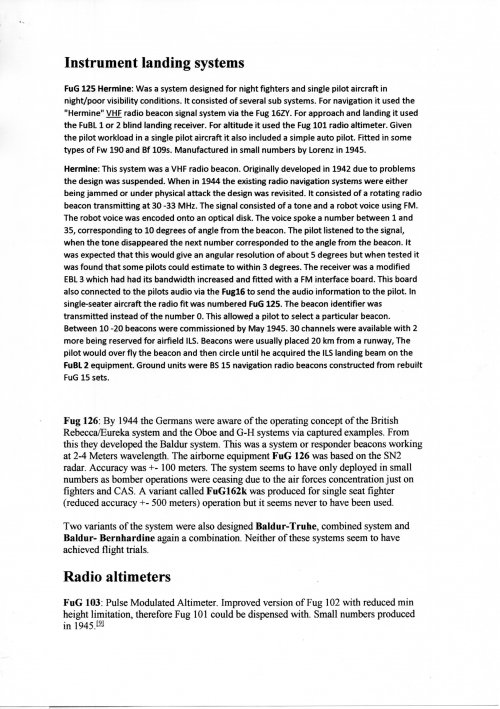
A manual guidance system for AA missiles was called Rheinland and had to use one or two Mannheim radars, depending on the variant.
I suspect at the time, the US technical teams doing the investigation in Germany, be it FIAT or some other one, simply got things mixed up on what was called what.
 
Chaps

Huge thanks for all your input. It’s very much appreciated. Especially Justo for the comprehensive set of scans.

I think T A Gardner summed it up well regarding confusion. One of the things that makes C-2 Wasserfall so interesting is that it’s so obscured by the fog of war that covered Europe in 1944/45. Same for the A9/A10. A combination of other things to think about, destroying secret documents to stop the allies getting them, allies pillaging the records for valuable technical data and then post war writers making things up hasn’t helped. But separating the facts from the fiction is all part of the fun :).
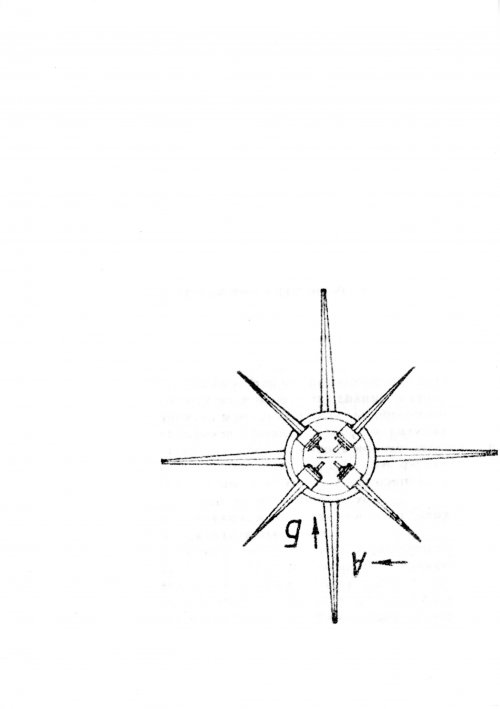
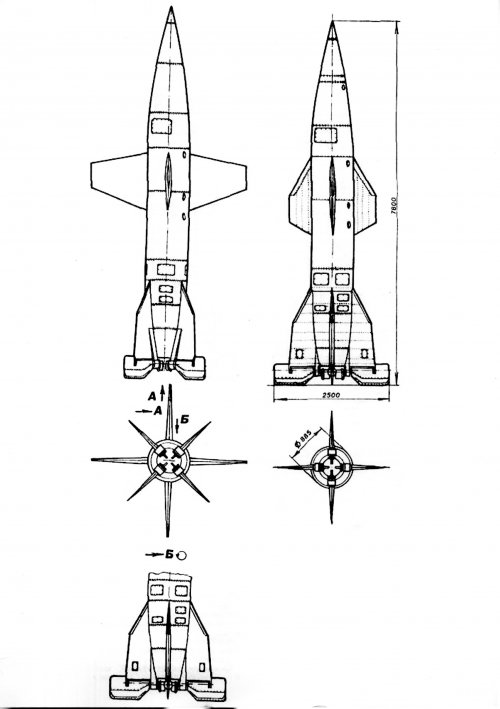
 
I’ve continued to dig on the question of whether the C2 Wasserfall jettisoned its thrust vector control vanes once its velocity was sufficient to depend on aerodynamic control.

Sources vary. A few say its was planned to improve efficiency but the vanes burned off anyway so wasn’t needed. A few others say the vanes burned unevenly, causing asymmetric thrust, making jettison critical.

Ive found a very good technical article on Wasserfall in a 1951 Interavia magazine by Rudolf Reichel. I think Reichel was at Peenemunde so can be regarded as a primary source ? His article stated that it was set up for vane jettison, each vane and backplate assembly being held in a slide rail by a squib operated bolt.

I have yet not found a wartime German language technical report that confirms this, so would say squib jettison on C2 is 80 percent but not certain.

I think a fair number of early missiles that followed the war also used graphite TVC vanes. Does anyone know if any of those had a scheme to jettison vanes once up to speed ?
 
Ive found a very good technical article on Wasserfall in a 1951 Interavia magazine by Rudolf Reichel. I think Reichel was at Peenemunde so can be regarded as a primary source ? His article stated that it was set up for vane jettison, each vane and backplate assembly being held in a slide rail by a squib operated bolt.
Here the complete paper:
 

Attachments

  • Interavia_1951_6_10 Wasserfall.pdf
    2.3 MB · Views: 46
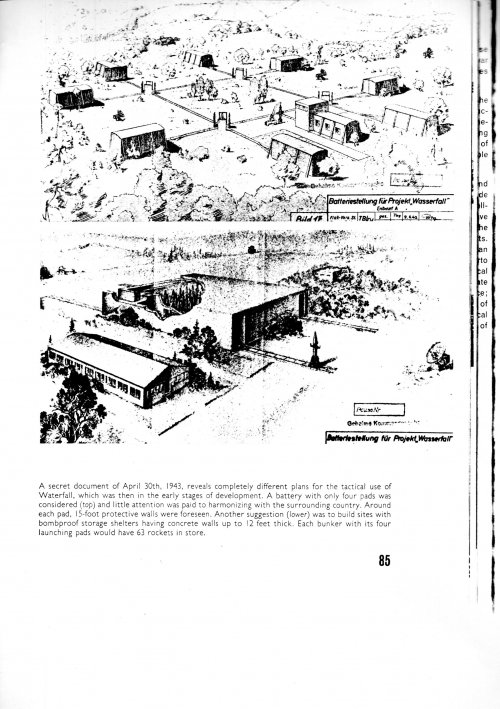
Bundesarchiv Files

SOURCE: BUNDESARCHIV
SIGNATUR: RL 36/600
Batteriestellungen für Projekt "Wasserfall".- Entwürfe A bis C (Skizzen)
1.- three different Wasserfall batteries
[CLICK "DIGITALISAT ANZEIGEN" TO VIEW THE FILE]

Source: Bundesarchiv
Signatur: RL 3/67
Flakraketen.- Einsatz und Bodenorganisation - 1943
[CLICK "DIGITALISAT ANZEIGEN" TO VIEW THE FILE]
 

Similar threads

Back
Top Bottom