Welcome aboard Hector,and we use English language here;

(That project was the one that the allies shared, it fell to the English and developed the Victor.).

And of course,maybe it left its influence in Victor,you are right.

Luftwaffe Secret Projects Strategic Bomber 1935-1945
 

Attachments

  • 1.png
    1.png
    386.4 KB · Views: 836
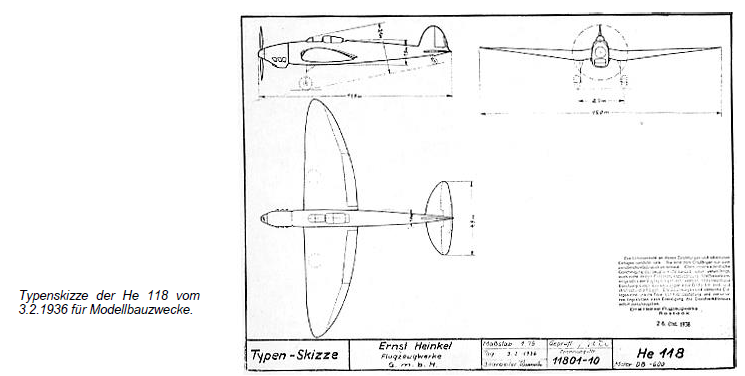
From, heinkel-he-118-stuka-sturzkampfbomber,

was that the P.1030 (He.118) early drawing ?.
 

Attachments

  • 1.png
    1.png
    101 KB · Views: 647
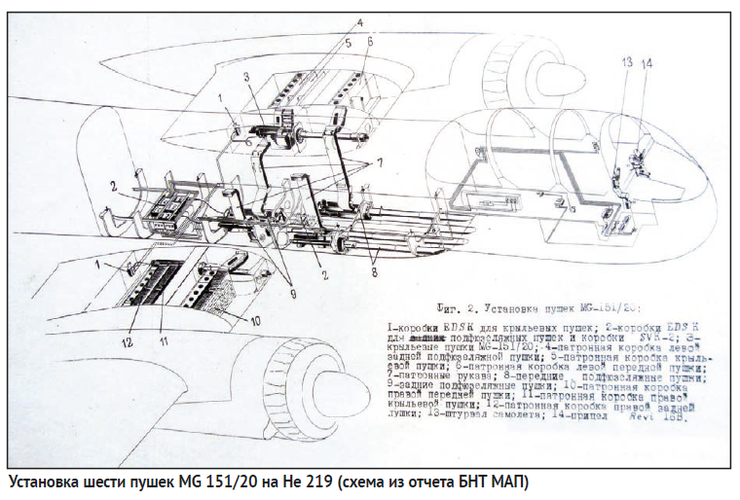
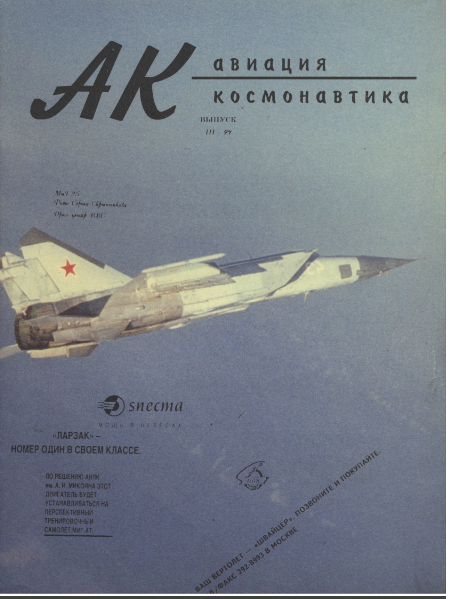
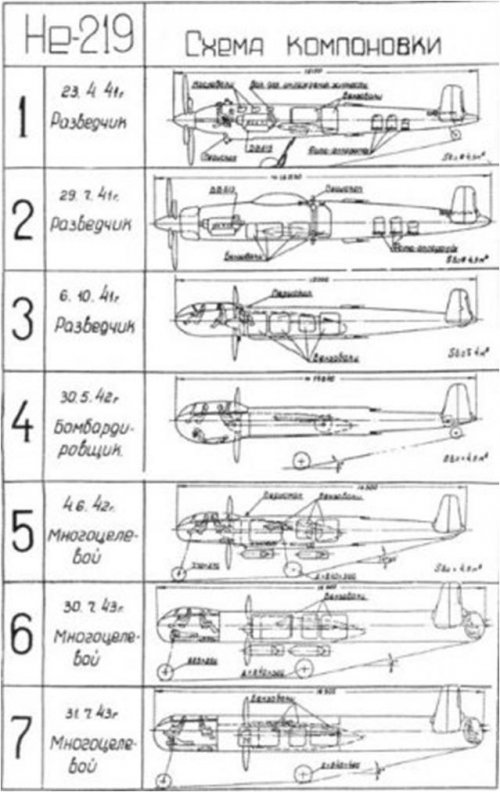
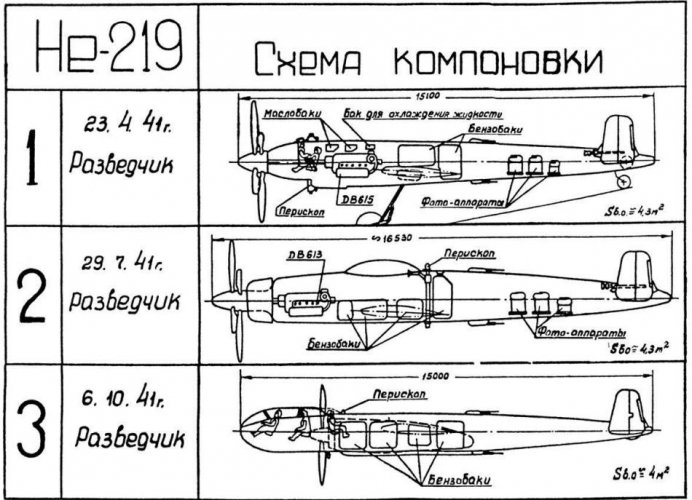
From, Авиация и Космонавтика 2021-04.
 

Attachments

  • 0.png
    0.png
    446.1 KB · Views: 561
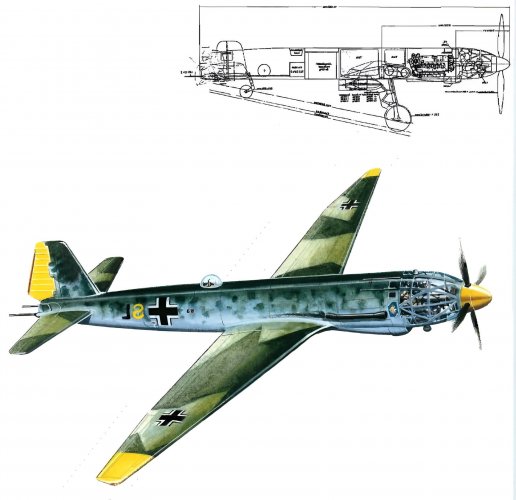
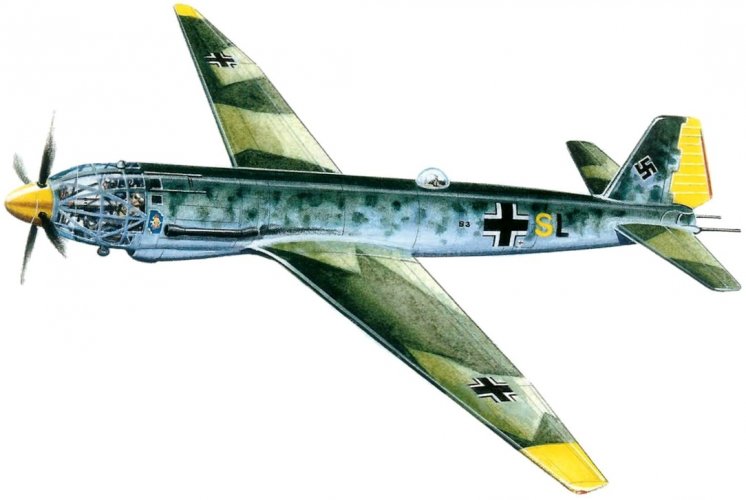
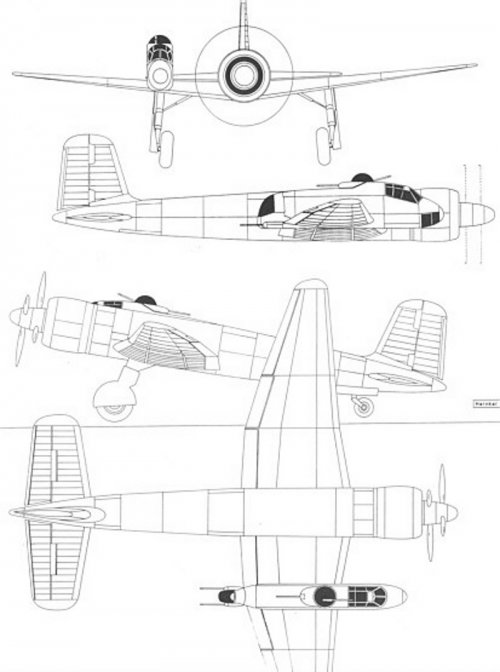
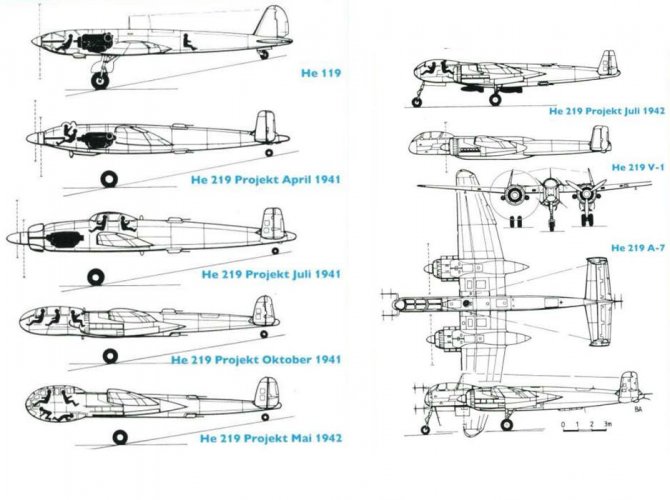
P1065 Ⅲ's shape was similar to P1055 and He119.
P1055's engine was DB613(twin DB603) and P1065 Ⅲ's engine was DB619(twin DB609).
What is the device which located fuselage front side?
Anti-inflammatory exhaust pipe?


View: https://www.flickr.com/photos/makfreak/10288485734


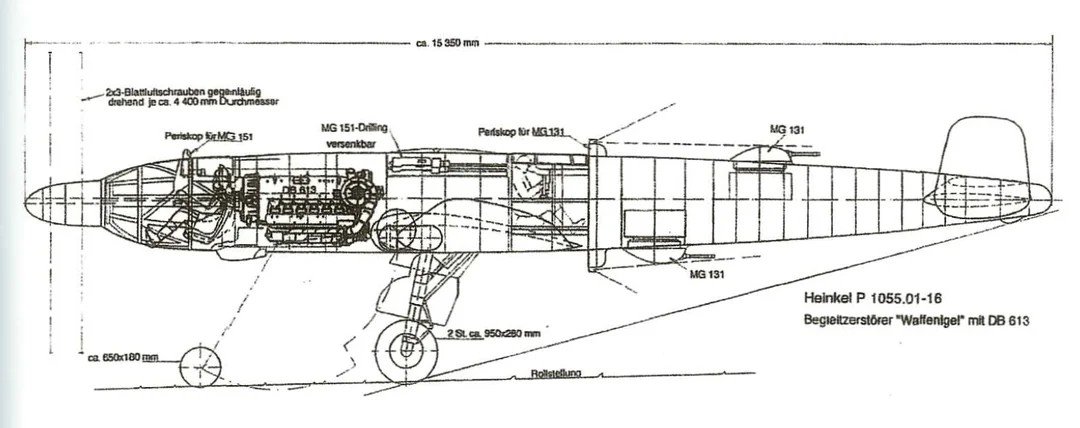
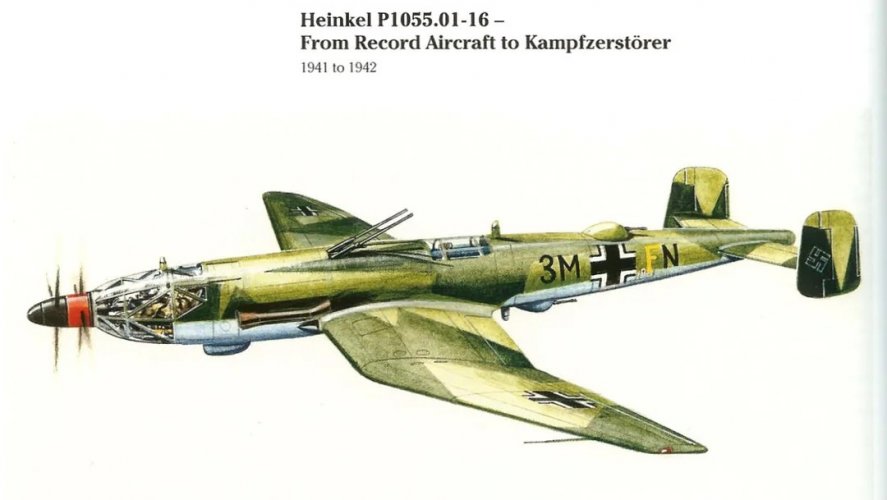
Heinkel p 1055.01-16 Heavy escort fighter
Span : 19.25m, Length : 15.35m, Height : 4.95m, Wing Area : 45m2, Mean Weight : 11,000kg, Maximum soeed : 720km/h at 9000m, Service ceiling : 11,000m, Armament : 3×MG151 in mid dorsal turret, 4×MG131 in rear dorsal turret, 4×MG131 in vertical turret, Engine : DB613C/D 3800hp
The book Die Deutsche Luftruestung 1933-1945 Vol. 2. may well be the root of the putative designation "He 519" for the P.1065 IIIc because Dan Sharp informed me that the RLM slot 8-278 was never allocated to any wartime Heinkel project.
 
Welcome aboard Hector,and we use English language here;

(That project was the one that the allies shared, it fell to the English and developed the Victor.).

And of course,maybe it left its influence in Victor,you are right.

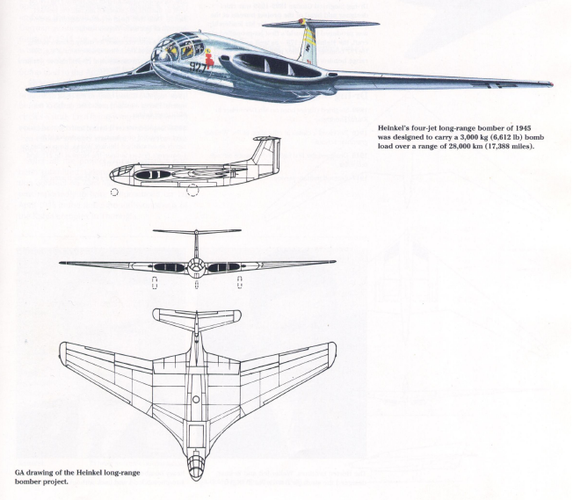
Luftwaffe Secret Projects Strategic Bomber 1935-1945
The Air Material Command document "Glossary of German aeronautical codes, models, project numbers, abbreviations, etc" lists "He 278" as a four-engine jet bomber, but Dan Sharp informed me that there is no evidence that RLM slot 8-278 was assigned to a Heinkel bomber project. It's therefore possible that the Heinkel long-range jet bomber mentioned in the second volume of Luftwaffe Secret Projects and which the AMC document calls "He 278" could be P.1070 because a list of late-war Heinkel aircraft designs prepared by Heinkel designers after they were captured by Allied personnel after Nazi Germany's surrender (on page 34 of Dan Sharp's bookazine Luftwaffe: Secret Bombers of the Third Reich) describes the P.1070 as a four-engine flying wing jet bomber.
 
Many thanks for confirming the "P" designation. Is there any clue for the "He 11" designation ?
HE in HE 11 stood for Heinkel Eindecker. The P.897 was a monoplane, so HE 11 was Heinkel's company designation for the P.897 project.
 
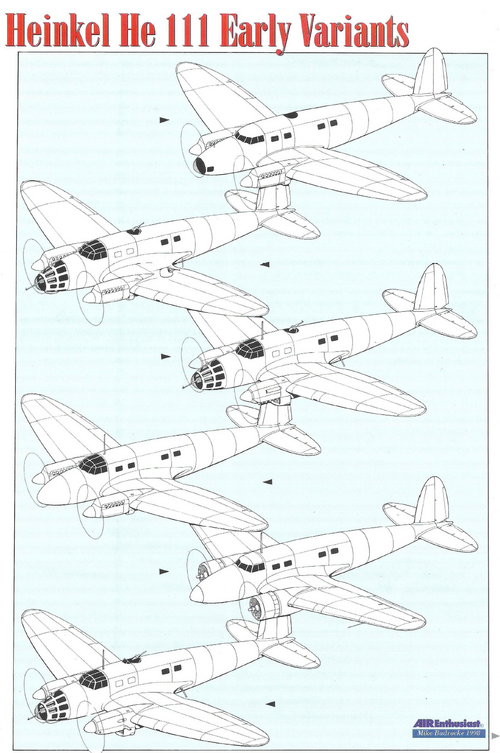
From Air Enthusiast 75.
 

Attachments

  • 1.png
    1.png
    1.5 MB · Views: 417
From Air Enthusiast 75.
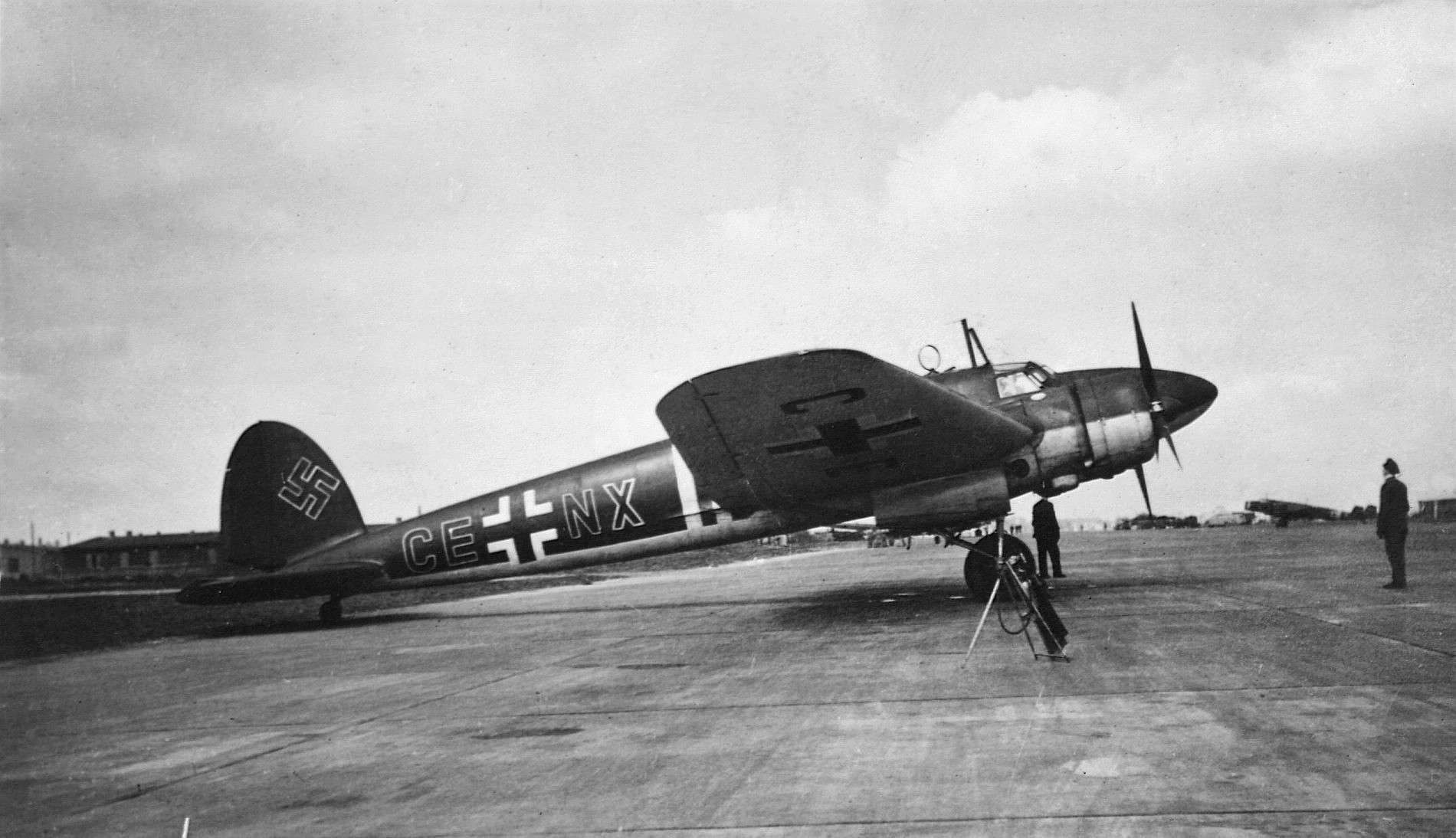
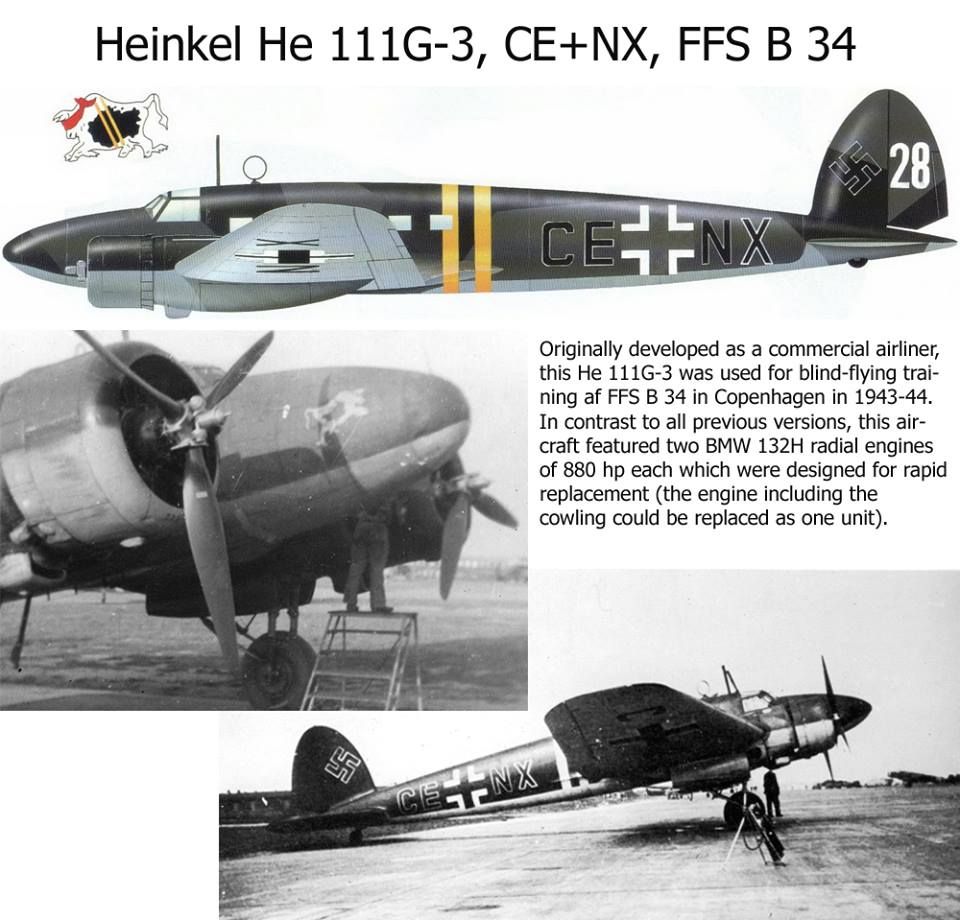
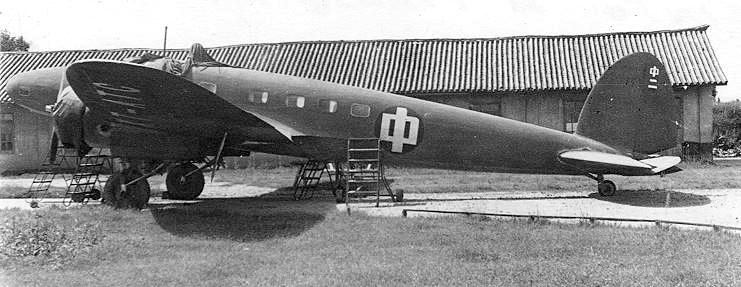
civil Heinkel 111 with radial engines is new for me ! I found magazine and article : in picture is mentioned " Ausburg" unique Heinkel 111 with radial engines ( BMW 132A) (800hp) tested at Rechlin in summer 1936.
 
Last edited:
He_111_G-3%2C_CE%2BNX%2C_mit_2xBMW_132.jpg

facfe95b15f3eb1ee31dfb37b84a0a86.jpg
 
OK my dear Jemiba,


and from Jet & Prop 5/2004,here is a hint to Heinkel P.997,may be it was a transport/bomber aircraft project,who know more about it ?.

Unfortunately,no drawing was known for it ?.
 
What is this beauty?


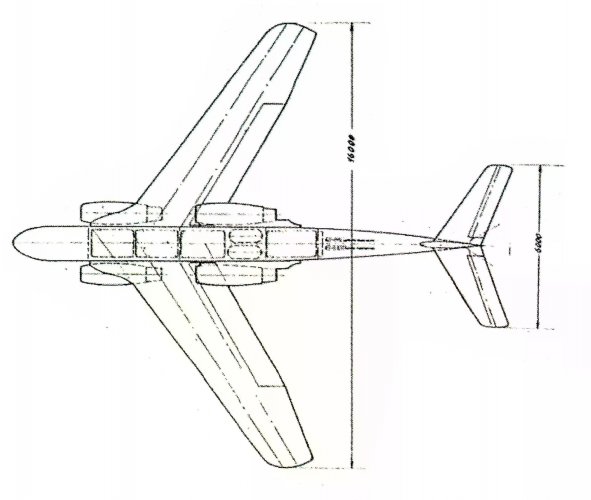
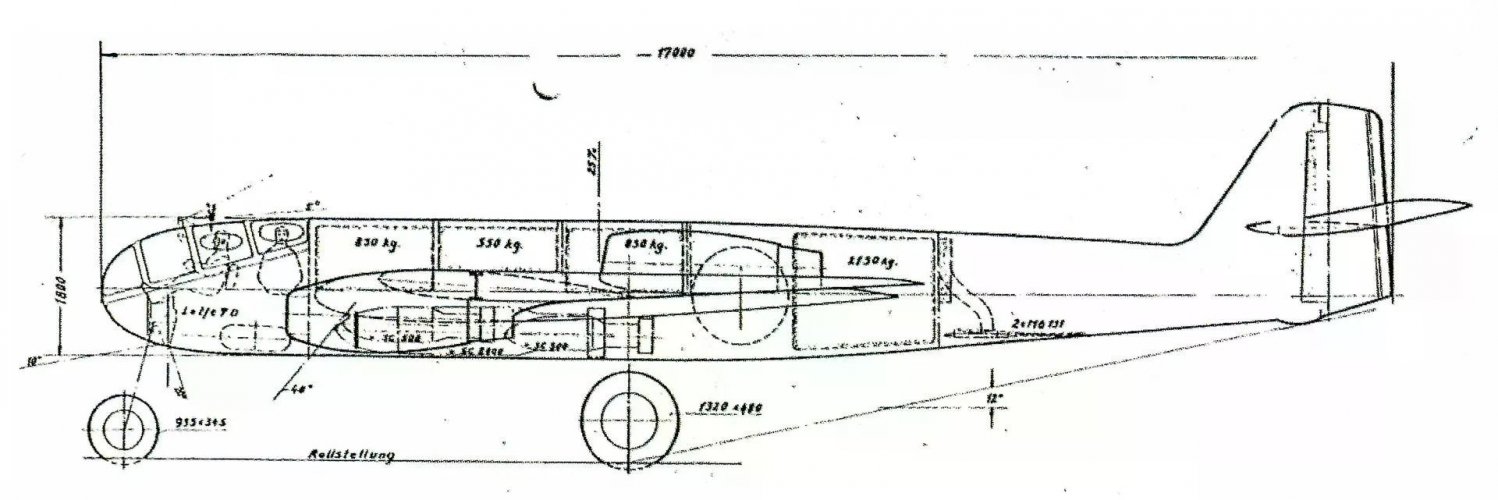
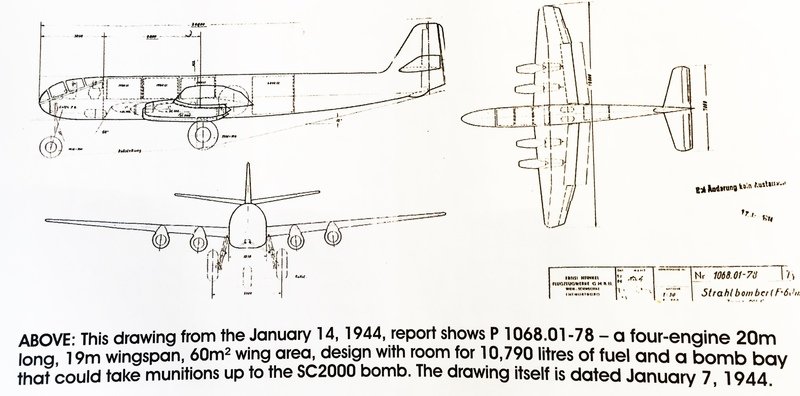
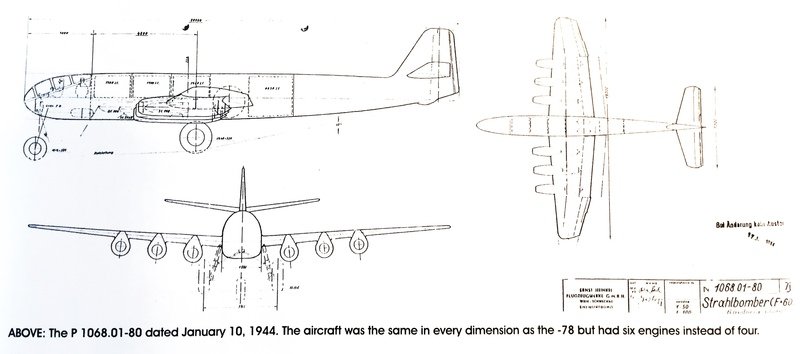
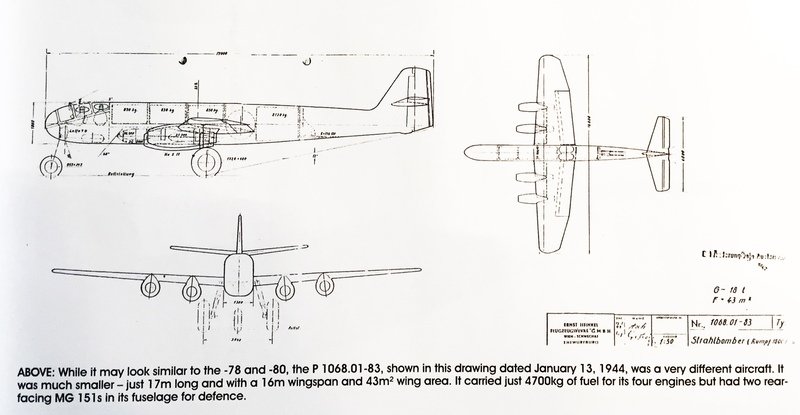
HEINKEL "HE P.1068", BOMBER
In January 1944, Heinkel presented the RLM project "He P.1068.01-83". This project was a heavier version of the He P.1068.01-76" project with a two-seat cockpit and additional armament instead of a bomb bay.

Engines – 4x1300 kg Heinkel-Hirth HeS011A or 4×1200 kg Junkers Jumo004C ???
Wingspan – 18.0 m
Length – 16.5 m
Height – 5.35 m
Wing area – 42.25 m
Empty weight – 10770 kg
Fuel weight – 4820 kg
Max. Speed – 825 km/h
Height ceiling – 12900 m

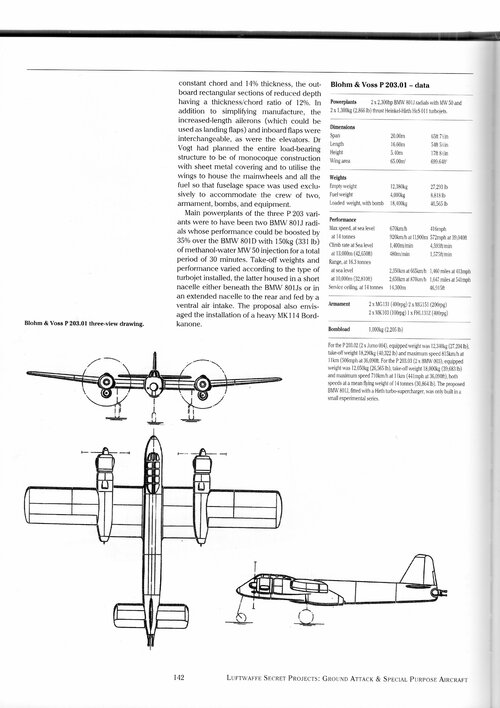
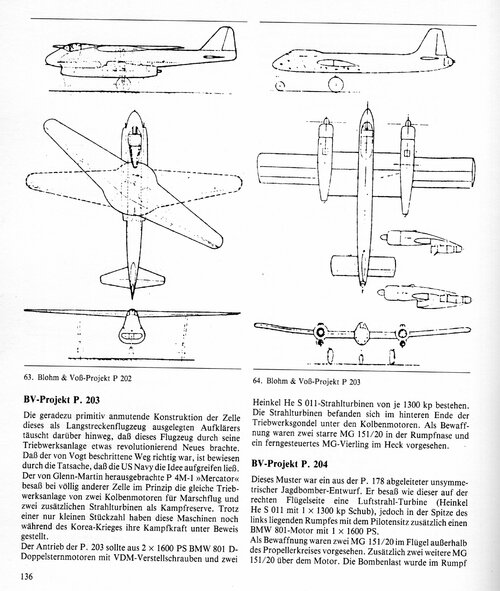
I saw this picture in LUFTWAFFE SECRET PROJECTS GRAND ATTACK & SPECIAL PURPOSE AIRCRAFT, page 156.
This aircraft looks like Bv 203.
 

Attachments

  • 00095999.jpg
    00095999.jpg
    137.2 KB · Views: 169
  • bv203.jpg
    bv203.jpg
    18.3 KB · Views: 168
Last edited:
What is this beauty?


HEINKEL "HE P.1068", BOMBER
In January 1944, Heinkel presented the RLM project "He P.1068.01-83". This project was a heavier version of the He P.1068.01-76" project with a two-seat cockpit and additional armament instead of a bomb bay.

Engines – 4x1300 kg Heinkel-Hirth HeS011A or 4×1200 kg Junkers Jumo004C ???
Wingspan – 18.0 m
Length – 16.5 m
Height – 5.35 m
Wing area – 42.25 m
Empty weight – 10770 kg
Fuel weight – 4820 kg
Max. Speed – 825 km/h
Height ceiling – 12900 m

I saw this picture in LUFTWAFFE SECRET PROJECTS GRAND ATTACK & SPECIAL PURPOSE AIRCRAFT, page 156.
This aircraft looks like Bv 203.
Error in the British edition, please see pp.142;)
 

Attachments

  • 643.jpg
    643.jpg
    1.1 MB · Views: 172
  • 642.jpg
    642.jpg
    1 MB · Views: 172
  • 641.jpg
    641.jpg
    1.1 MB · Views: 181
Do you have something on that one?
106502-24883-71-pristine.jpg

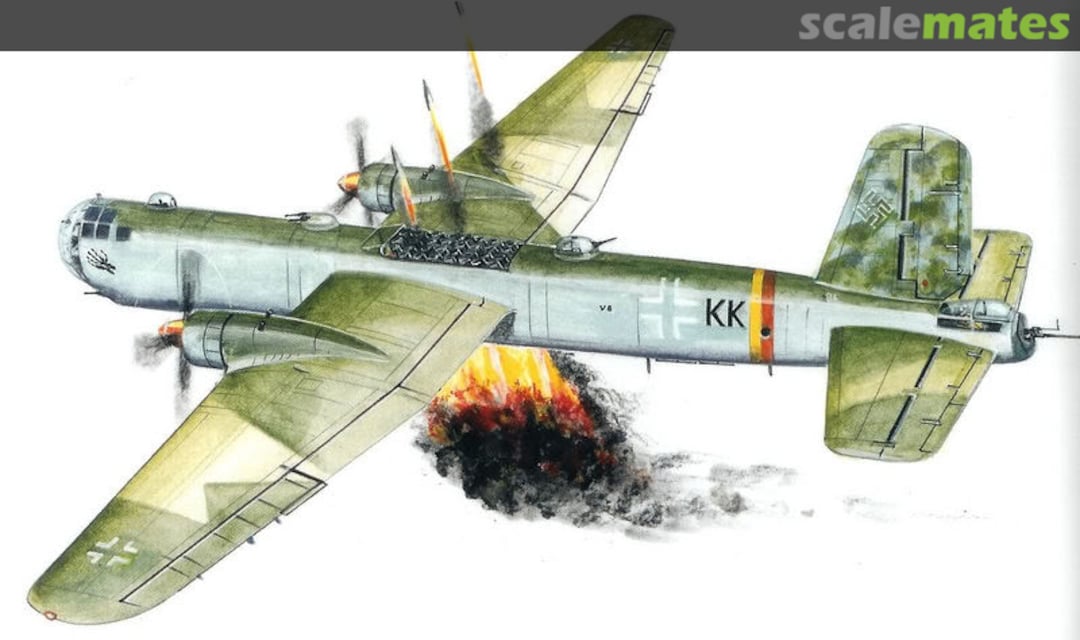
Anti-bomber He-177 which was proposed to use Wfr.Gr.42 rockets
Five He 177 A-5s were experimentally equipped in January 1944 with batteries of 33 obliquely mounted 21 cm (8¼ in) calibre rocket mortar tubes, physically similar to the Werfer-Granate 21 single units already in use with single and twin-engined Luftwaffe fighters for bomber destroyer missions, and also likely to have been similarly derived from components of the Nebelwerfer infantry barrage rocket system. The nearly three dozen launch tubes placed in a Greif's fuselage in such a manner was meant to create the Grosszerstörer ("Big Destroyer") flying battleship, designed to break up and destroy the tight combat box defensive formations used by USAAF daylight bombers over Germany. The bomb bays and fuselage-housed auxiliary fuel tanks were removed on these aircraft in order to provide space for the spin-stabilized 21 cm (8 in) rockets and their launch tubes. The tubes were inclined to fire upward at an angle of 60° to the horizontal, and slightly to starboard. The tubes could be fired individually, simultaneously, or in two salvoes of 15 and 18. Tests with fixed balloon targets showed the potential of this system, and limited operational trials against US Eighth Air Force bomber streams were authorized. The aircraft were operated by Erprobungskommando 25, flying out of the Baltic coastal Erprobungstelle facility at Tarnewitz. The intended mode of operation required the Grosszerstörer He 177s to follow the enemy bomber formations, passing below (as with a Schräge Musik cannon fitment) and to port of the target, maintaining a difference of altitude of 2,000 m (6,560 ft) beneath the targets at the time of the attack. A few trial daylight operations were flown but no contact was made with Allied bomber formations.
 
From this magazine
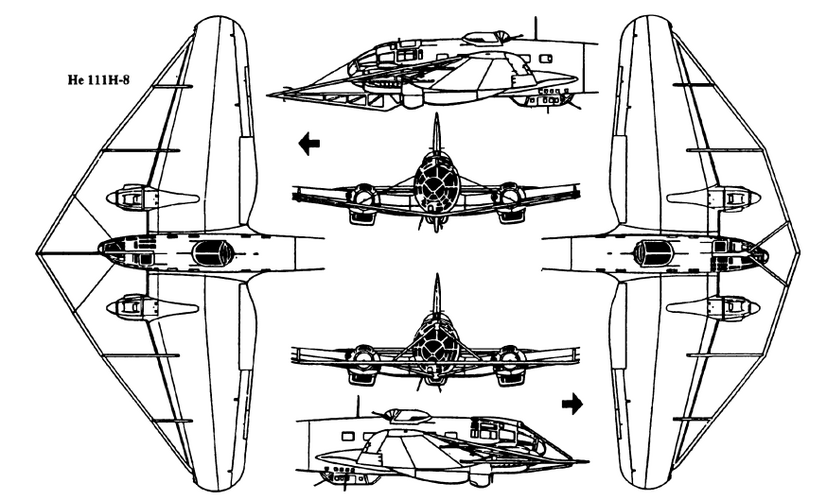
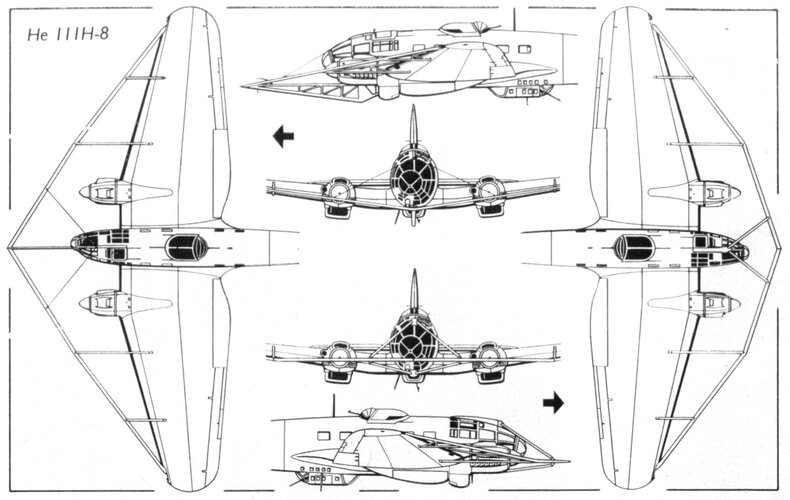
Dennis I. Punnett's drawing of the He 111H-8 with balloon-cable cutters was originally published in Warplanes of the Second World War - Volume 9 - Bombers and Reconnaissance Aircraft by William Green, Macdonald 1967.
It later appeared in Warplanes of the Third Reich, also by William Green, Macdonald 1970.

Thirty aircraft converted from H-3/H-5 aircraft, survivors were again converted to He 111H-8/R2 glider tugs - cable-cutters were removed.
 

Attachments

  • He 111H-8.jpg
    He 111H-8.jpg
    247.2 KB · Views: 152
Last edited:
From, Klassiker der Luftfahrt 2009-06,

about He.178.
 

Attachments

  • 20.png
    20.png
    999.1 KB · Views: 72
  • 21.png
    21.png
    790.8 KB · Views: 78
  • 22.png
    22.png
    992.5 KB · Views: 83
Heinkel He 111 mothership for V-1 and Fieseler Fi 103 Reichenbergs

No He 111 variants thread on the forum, so can as well put this here. In 1942 the Luftwaffe converted some H series He 111s into these He 111 H-22 motherships. At the outset, V-1 air launches were not considered for combat, and only performed for testing and evaluation of the weapon in flight. Following D-Day landings and ensuing loss of many French launch sites, the Luftwaffe was forced to resort to air-launched V-1 attacks due to all available launch sites now being out of range of many British targets. The exact number of such launches is lost to history but the current estimate is 1,176 between July 1944 and January 1945, performed mostly by Kampfgeschwader 3 (3rd Bomber Wing). The practice proved ineffective with a 40% failure rate, not to mention endangering the aircraft during and shortly after launch by illuminating and exposing it to night fighters. The piloted Reichenbergs, while never used in combat, where tested primarily on the He 111 H-22s, and were to be deployed from them had they entered operational use. The He 111 is the only aircraft to deploy V-1s (or its derivatives) in combat, and one of two aircraft (the other being the FW 200 Condor) to deploy the weapons during testing.
1749185398484.png 1749185409812.png 1749185427493.png 1749185489115.png 1749185549490.png 1749185586797.png 1749185642046.png
 
Last edited:
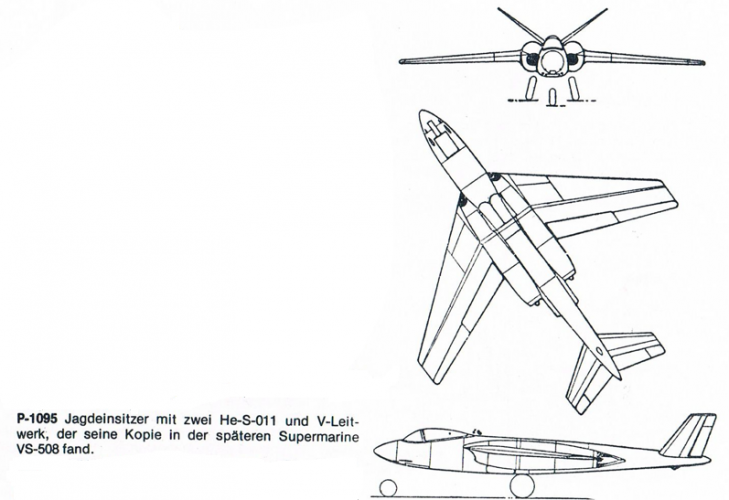
I have some pages from old German book,I think that,
it was probably, Heinkel Und Seine Flugzeuge,

the P.1095.
 

Attachments

  • 8.png
    8.png
    243.1 KB · Views: 84

Attachments

  • He p.1055-01-16  cutaway drawing.jpg
    He p.1055-01-16 cutaway drawing.jpg
    82.6 KB · Views: 44
  • P.1055-01-16.jpg
    P.1055-01-16.jpg
    78.7 KB · Views: 52
Last edited:
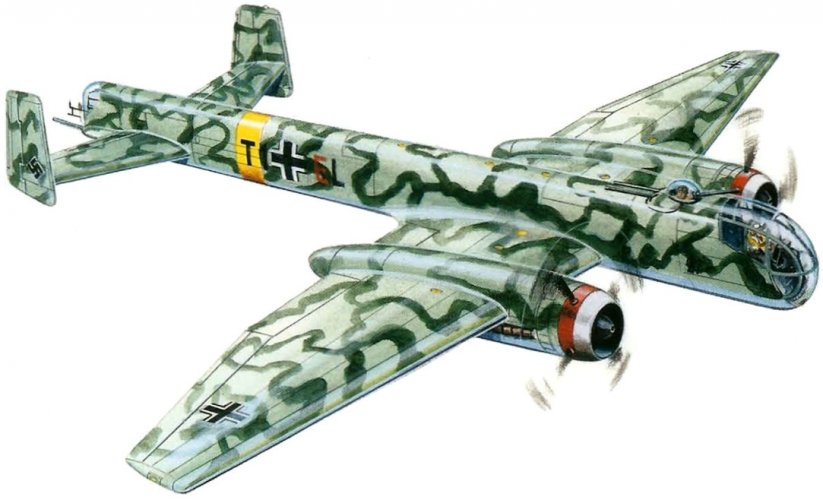
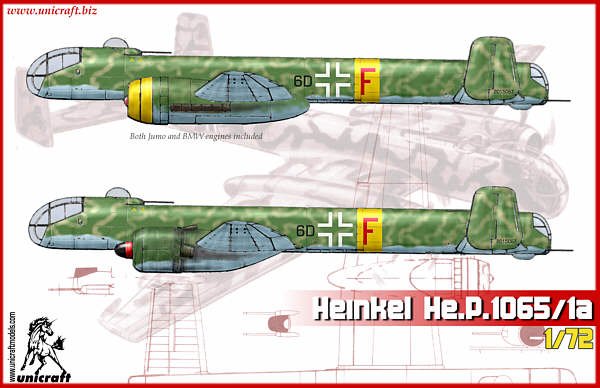
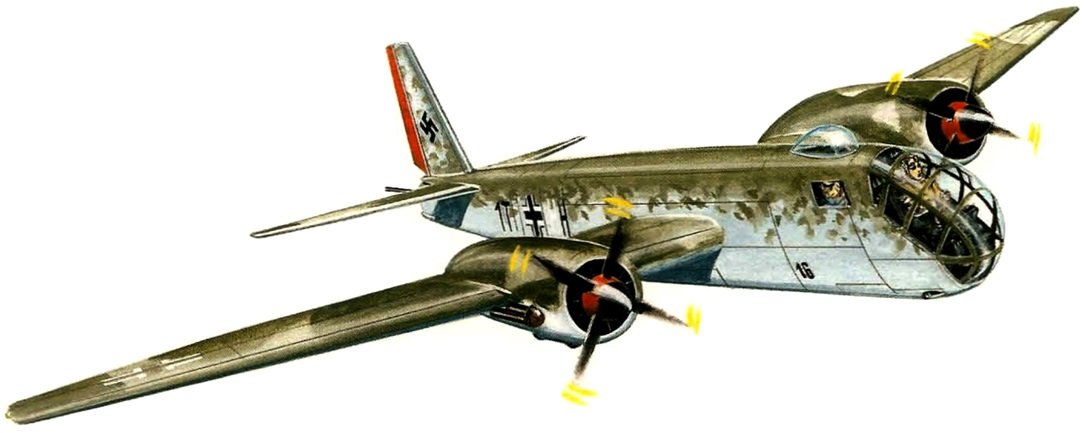
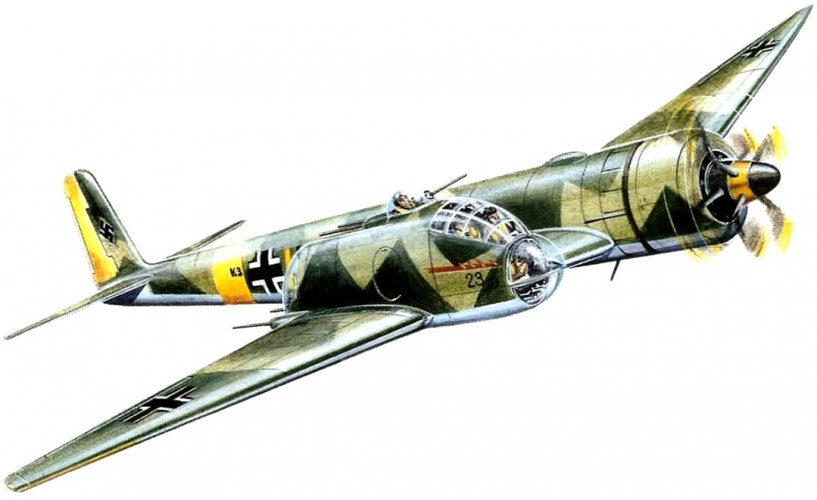
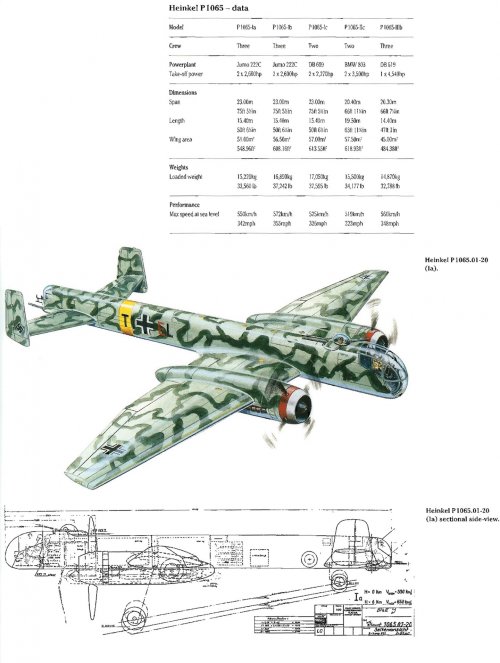
The Heinkel He P.1065 was a series of conceptual multi-purpose aircraft designs developed by Heinkel in 1942, intended as bombers and heavy fighters; none of the seven variants progressed beyond the design phase.


Attachments

  • heinkel p 1065Ⅰa.jpg
    heinkel p 1065Ⅰa.jpg
    155.5 KB · Views: 41
  • he1065-1a-box.jpg
    he1065-1a-box.jpg
    44.1 KB · Views: 36
  • p 1065Ⅰc.jpg
    p 1065Ⅰc.jpg
    93.6 KB · Views: 32
  • p 1065Ⅱc.jpg
    p 1065Ⅱc.jpg
    123 KB · Views: 39
  • P.1065Ⅲb and Ⅲc.jpg
    P.1065Ⅲb and Ⅲc.jpg
    175.1 KB · Views: 39
  • P 1065Ⅲc.jpg
    P 1065Ⅲc.jpg
    134.1 KB · Views: 39
  • HeP1065-data.jpg
    HeP1065-data.jpg
    329.6 KB · Views: 36
  • he1065Ⅱc.jpg
    he1065Ⅱc.jpg
    70.6 KB · Views: 40
  • he1065Ⅱc.jpg
    he1065Ⅱc.jpg
    189.1 KB · Views: 66
Last edited:

"In 1942 Heinkel Aircraft Company was working on concepts for a new multi-purpose aircraft, able to fulfill different operational duties. Seven designs were elaborated that differed in many aspects.

Four designs, proposed as ”Versions I”, were competitors of the Junker Ju 288. He P. 1065 Ia was a two-engine bomber or heavy fighter, powered by two BMW 801E, rated at 1,555 hp each or two Junkers Jumo 222C engines, rated at 2,600 hp each.

“Version Ib” was a somewhat different bomber and powered by two Junkers Jumo 222C engines, rated at 2,100 hp each. All designs had tail units with twin fins and rudders.

He P. 1065 Ic was a twin-engine fast bomber design, powered by two Daimler-Benz DB 609 engines, rated at 2,270 hp each and conventional tail fin and rudder. The design was forerunner of what was projected as Heinkel He 319 V1.

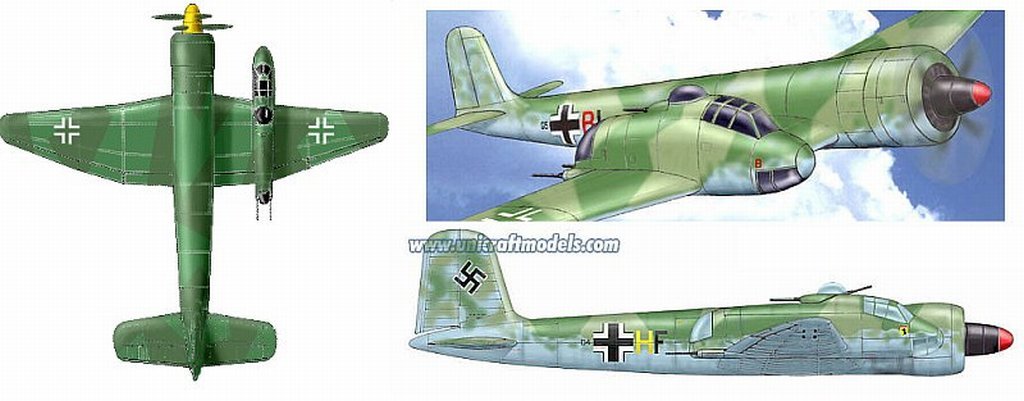
Heinkel He P. 1065 IIc was an asymmetric low wing airplane, comparable to the Blohm & Voss Bv 141, proposed as a fighter bomber and powered by either BMW 803, rated at 3,500 hp or Daimler-Benz DB 619 engines, rated at 4,540 hp.

Finally, “Version III”, was a further development of the Heinkel He 119 as a fast bomber.
He P. 1065 IIIb should be powered by one Daimler-Benz DB 619, rated at 4,450 hp and had a tail unit with twin fins and rudders.

Heinkel He P. 1065 IIIc was powered by one Daimler-Benz DB 613, rated at 3,100 hp and had conventional tail fin and rudder. This project should be further developed into Heinkel He 519. None of the seven projects were realized."

 
Last edited:

Attachments

  • 511114470_10160954770372260_778032535700343004_n.jpg
    511114470_10160954770372260_778032535700343004_n.jpg
    63.2 KB · Views: 70
  • 511098625_10160954777827260_4388058376095720723_n.jpg
    511098625_10160954777827260_4388058376095720723_n.jpg
    71.5 KB · Views: 67
  • 511258965_10160954777877260_7319022422373101039_n.jpg
    511258965_10160954777877260_7319022422373101039_n.jpg
    90 KB · Views: 59
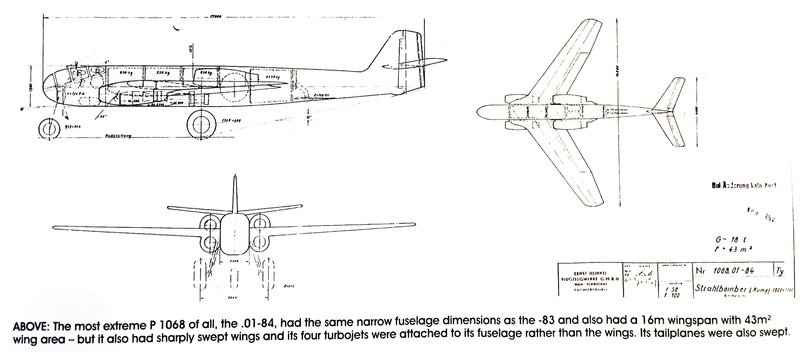
Hi! P 1068-01-84.
 

Attachments

  • top-1920w.jpg
    top-1920w.jpg
    167.1 KB · Views: 25
  • Heinkel P.1068 – A Bomber.jpg
    Heinkel P.1068 – A Bomber.jpg
    136.8 KB · Views: 29

Similar threads

Back
Top Bottom