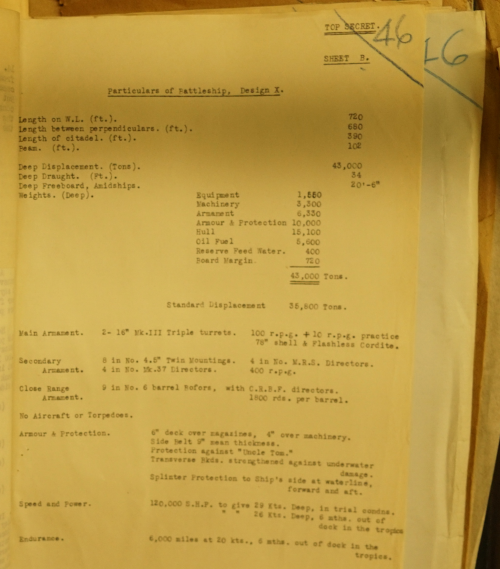
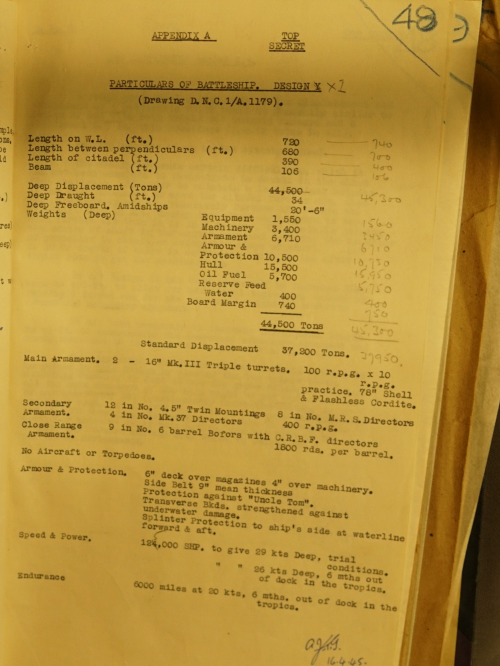
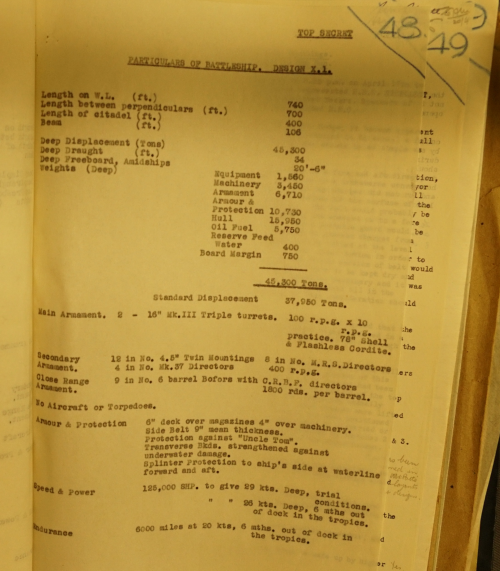
In the run up to WW2 the usual competitive tendering process (Admiralty design ship, request tenders, tenders reviewed and accepted / rejected, order placed, construction then starts a few months later) was not always adhered to in order to get ships built ASAP.
For example with Duke of York, John Brown had been told informally in late 1936 that they would be awarded a contract to build a new battleship as part of the 1937 Programme. By the end of 1936 they had agreement from the Admiralty about suppliers of equipment required for the new ship and had begun to place orders. A formal tender document was still required for accounting purposes and that was submitted on 15th Feb 1937. At that point some 2,600 tons of steel had been ordered (half before the end of 1936) and by the 17th Feb it was reported that 400 tons was already in the yard and a month later prelimary work was already underway in the yard on drawings and the first sub-assemblies. The Admiralty formally placed the order on 28th April 1937 and her keel was laid on 5th May.
Similarly with the first 5 Fiji class, tenders were sought from 9 yards, but even before the issue of the tender requests (on 27th Oct 1937) John Brown, Stephen, VA & Swan Hunter were approached to begin work on the detailed drawings for the class on the "tacit understanding" that they would receive contracts to each build a ship (the fifth ship in the Programme, Trinidad, was to be built in a Royal Dockyard). Tenders had to be received by 1 Dec 1937. Orders were formally placed on 20th Dec 1937 with the above noted 4 yards. They also proved to be the lowest four tenders. That was a product of the Shipbuilding Conference trade association, which, with the unwritten agreement of the Admiralty, sought to limit price competition between builders.
VA(T) were able to lay Nigeria down on 2 Feb 1938.
In addition to VA(T) and Cammell Laird receiving orders for Lion & Temeraire on 21st Feb 1939, John Brown also submitted an unsuccessful tender dated 31st Jan 1939. Unfortunately I don't have details of the issue dates of the request for tenders, but the submission date must have been close to the end of Jan 1939. As noted, the successful bidders were able to lay the ships down June / July 1939.
So It does beg the question as to when the yards were able to begin amassing materials etc for the Lions.
John Brown submitted a new tender for the third Lion, Conqueror, on 17th July 1939 with the order being placed on 15th Aug. On the outbreak of war the Admiralty delayed her progress initially for a few months, but then extended later. But again it raises a question about materials being collected by the yard for her.