France just had put Clemenceau and Foch in service, 1960 and 1963 respectively. Plus, the bulk of the military budget was swallowed by the Force de Frappe, notably the incoming missiles and submarines.

You are using an out of date browser. It may not display this or other websites correctly.
You should upgrade or use an alternative browser.
You should upgrade or use an alternative browser.
CVA-01 from Design to Cancellation
- Thread starter GTX
- Start date
-
- Tags
- aircraft carrier amphibious warfare vessel anti-air warfare anti-submarine warfare area air defence cold war commando carrier cruiser fleet air arm great britain guided missile aviation cruiser helicopter carrier late 1960s north atlantic treaty organisation royal marines royal marines commandos royal navy v/stol aircraft vstol carriers vtol

- Joined
- 31 July 2013
- Messages
- 623
- Reaction score
- 1,313
Thanks, I thoght that was the situation but just needed confirmationNo, there was no French involvement in CVA-01. There was Anglo-French AEW collaboration but that's as far as it went.
- Joined
- 31 July 2013
- Messages
- 623
- Reaction score
- 1,313
I have to admit i completely forgot how new the two French carriers were compared to the Uk examples in the 1960sFrance just had put Clemenceau and Foch in service, 1960 and 1963 respectively. Plus, the bulk of the military budget was swallowed by the Force de Frappe, notably the incoming missiles and submarines.
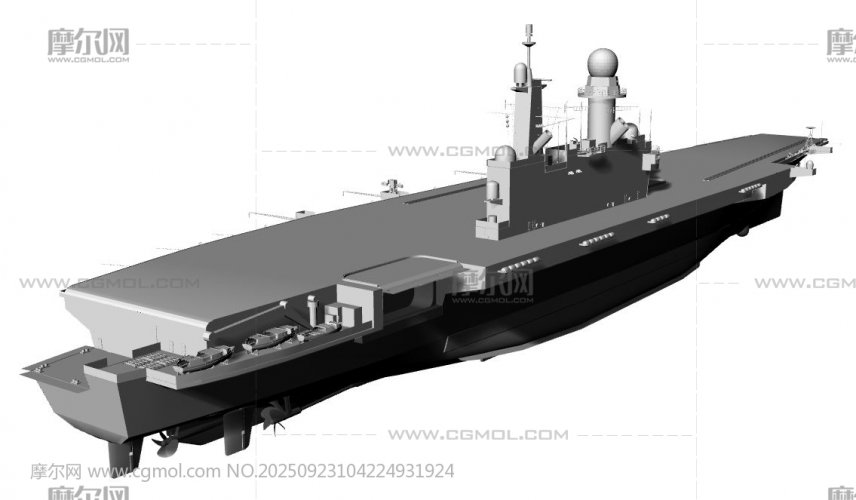
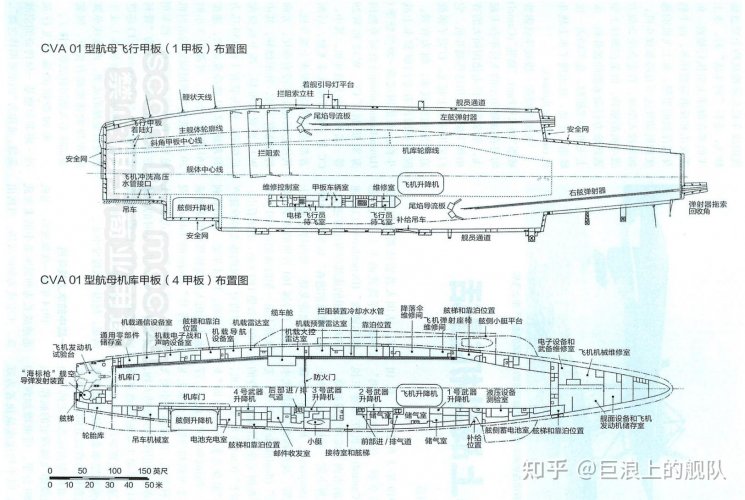
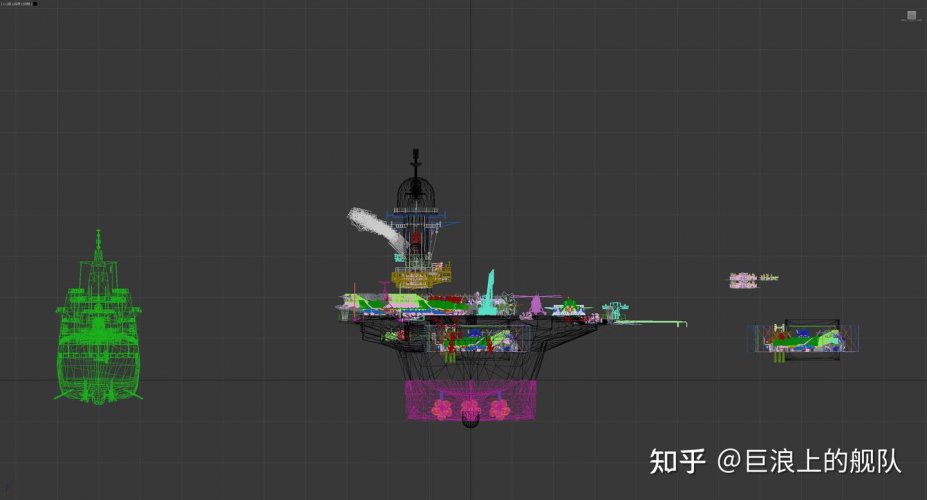
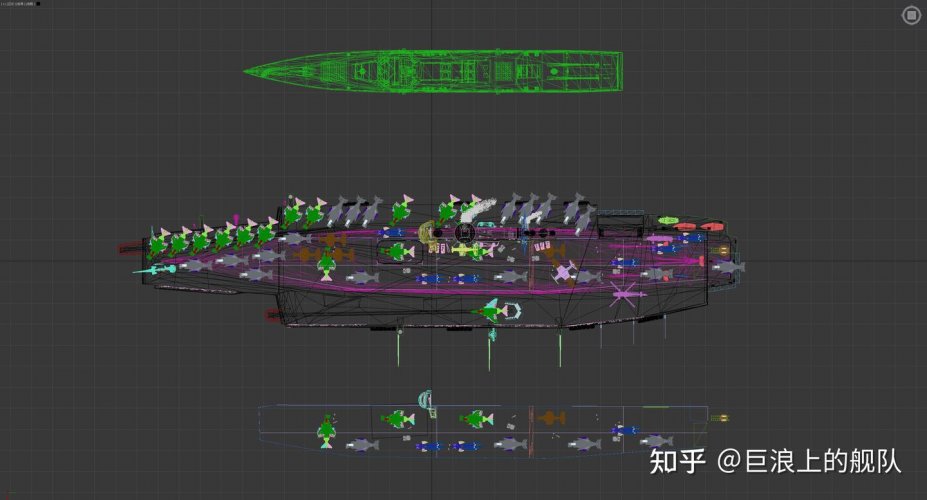
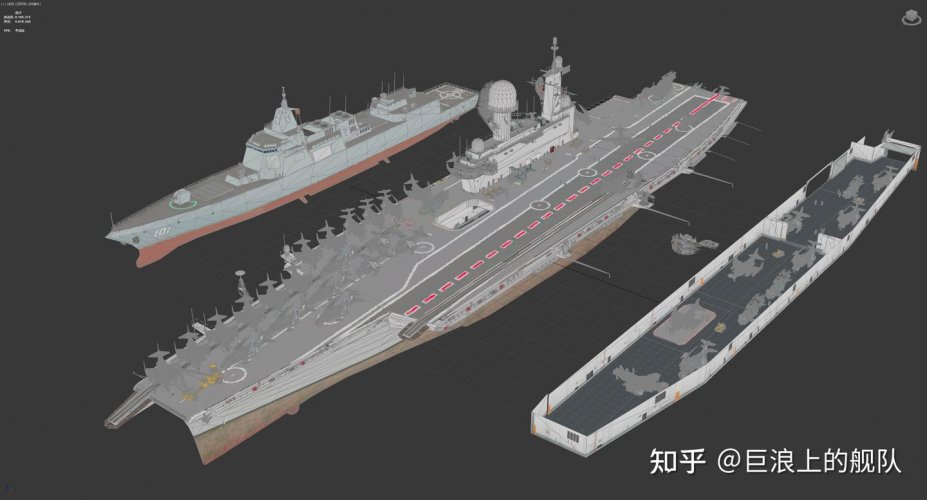
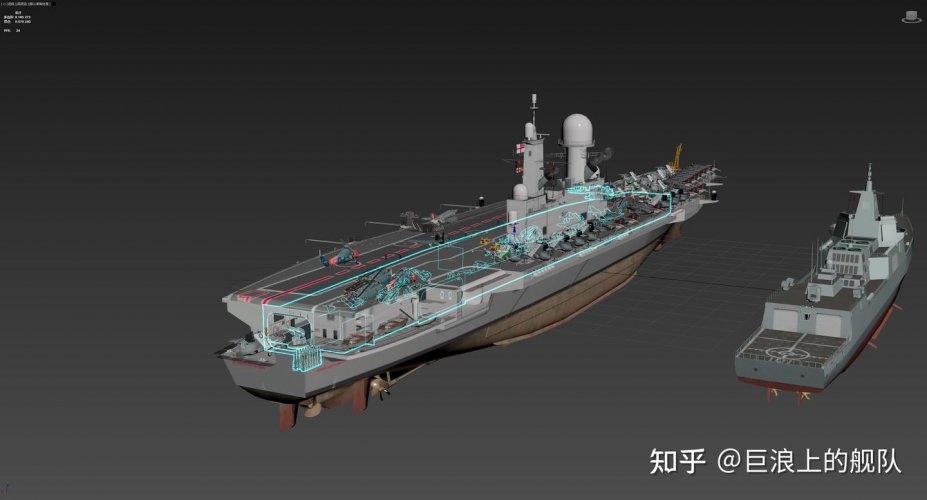
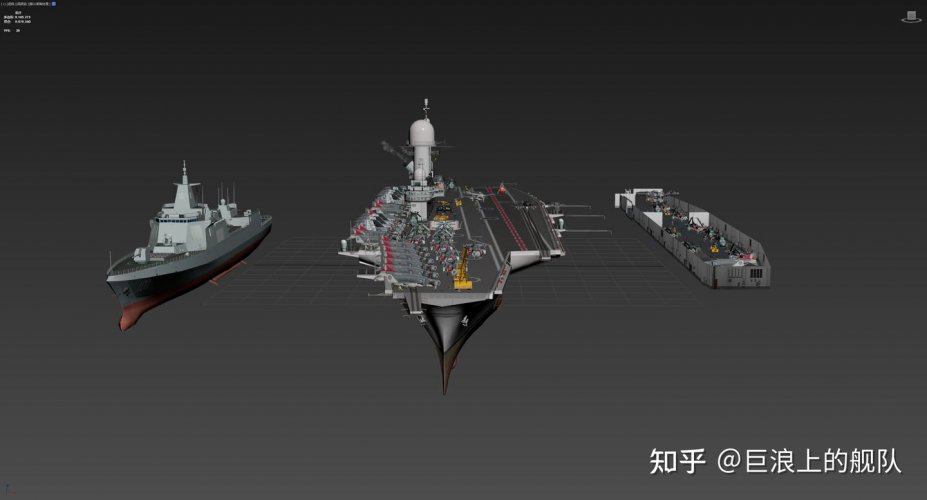
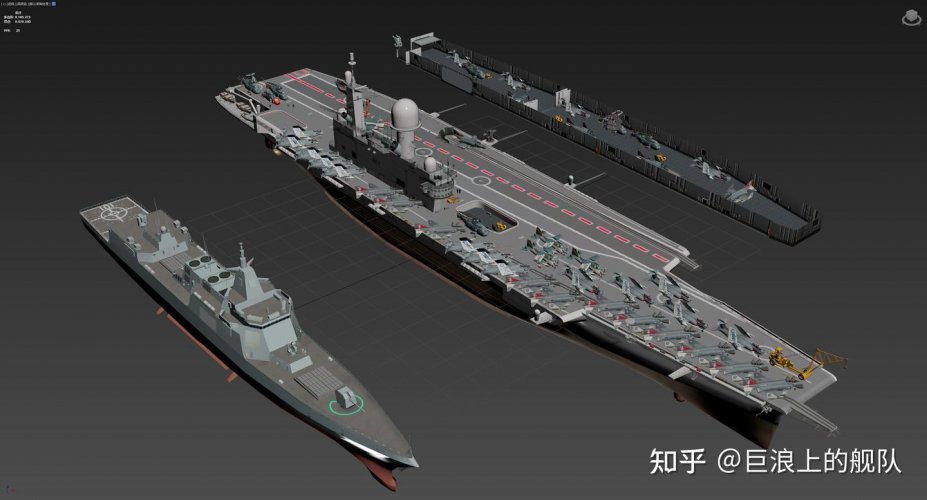
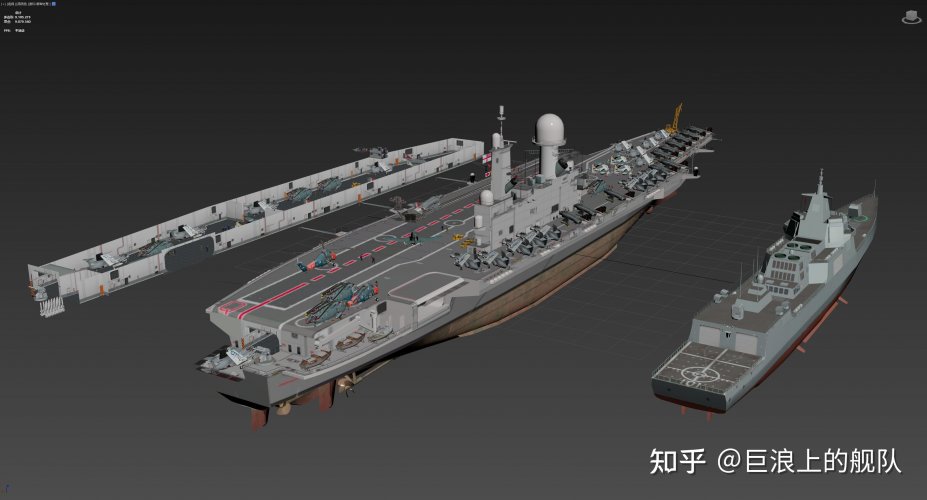
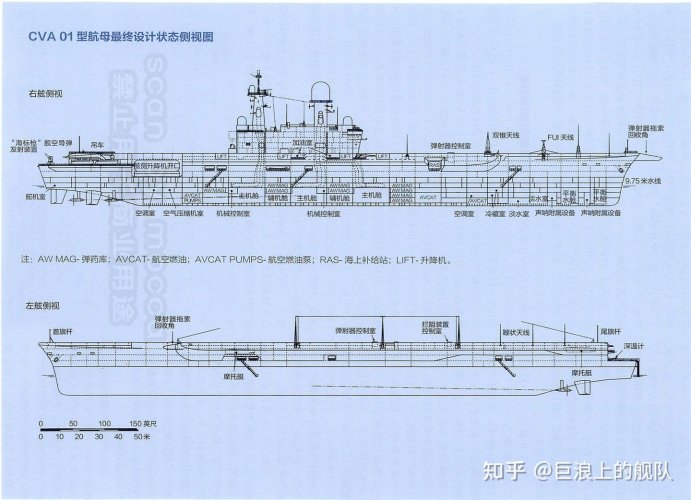
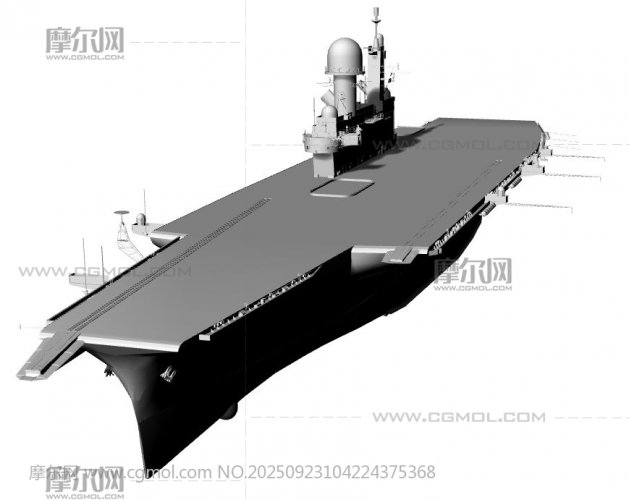
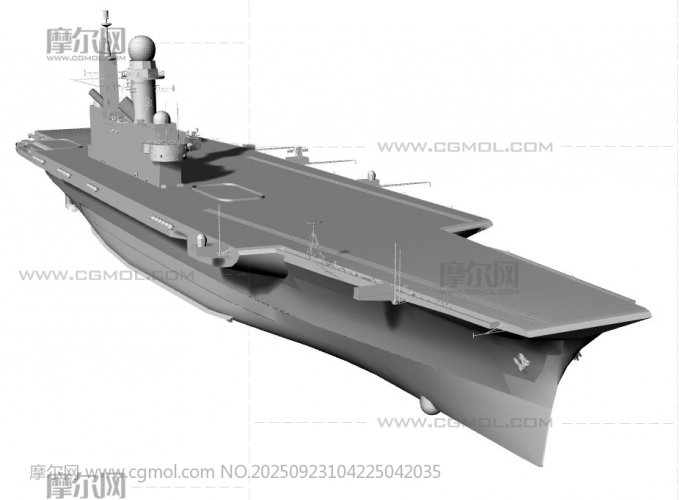
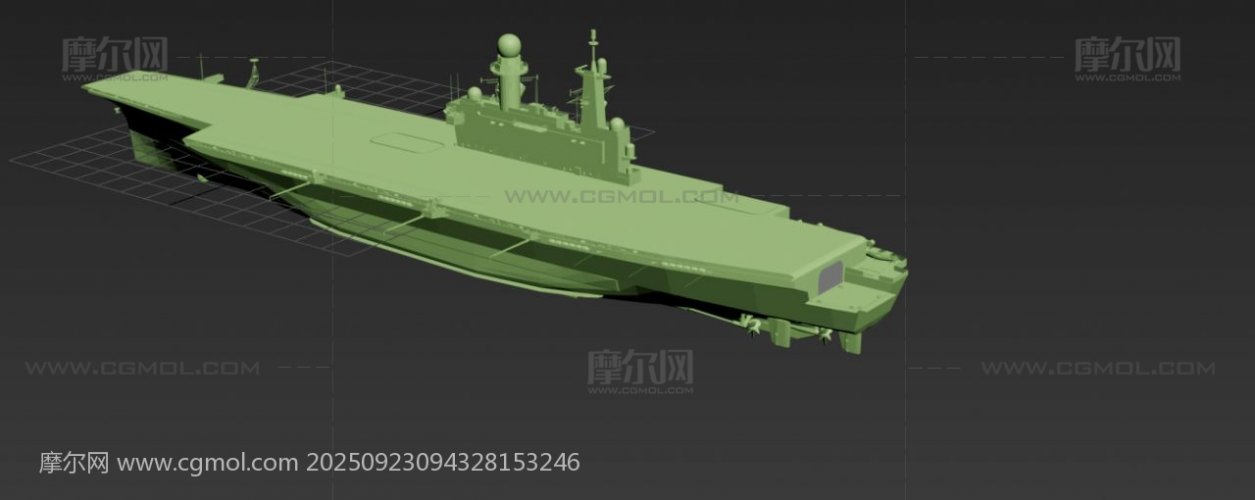
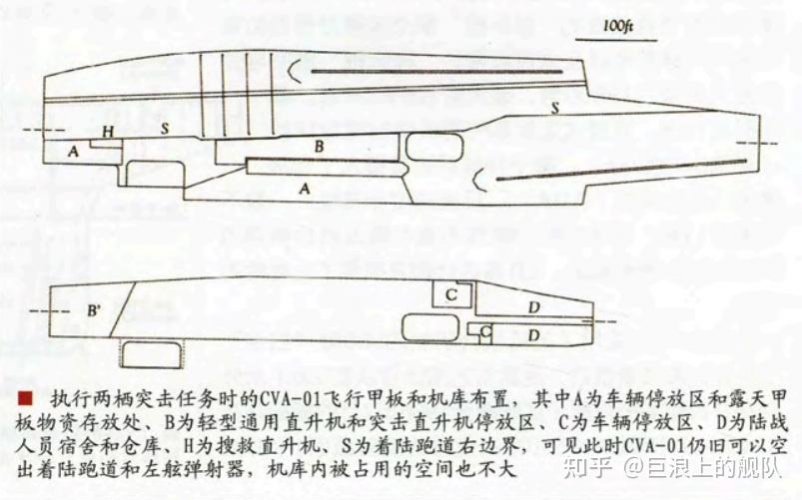
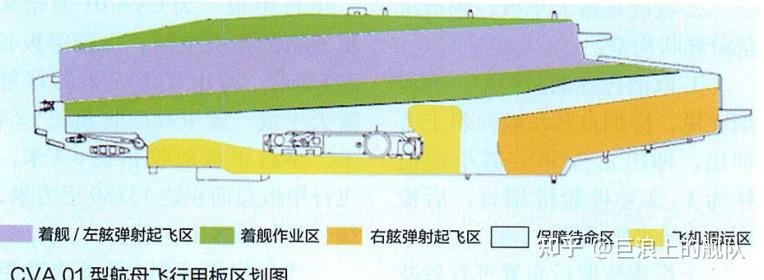
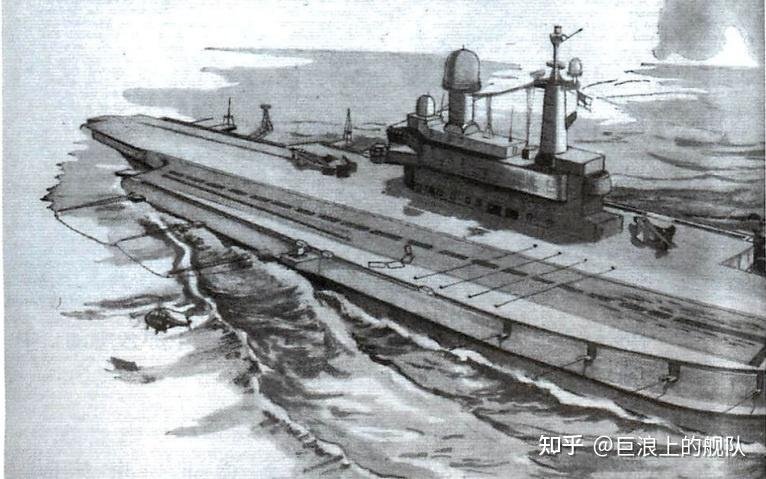
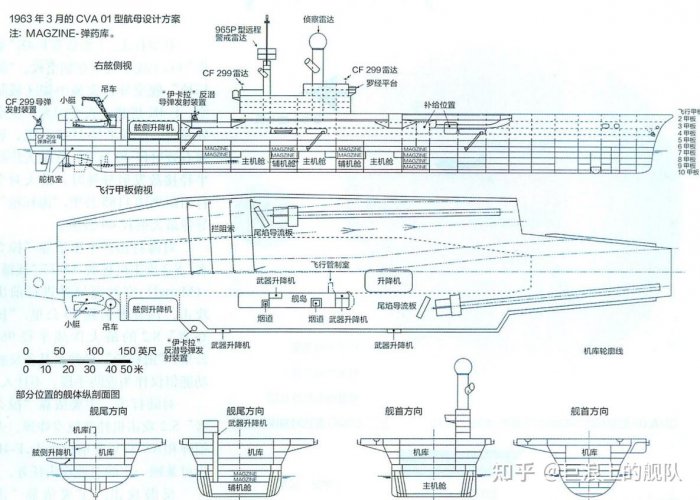
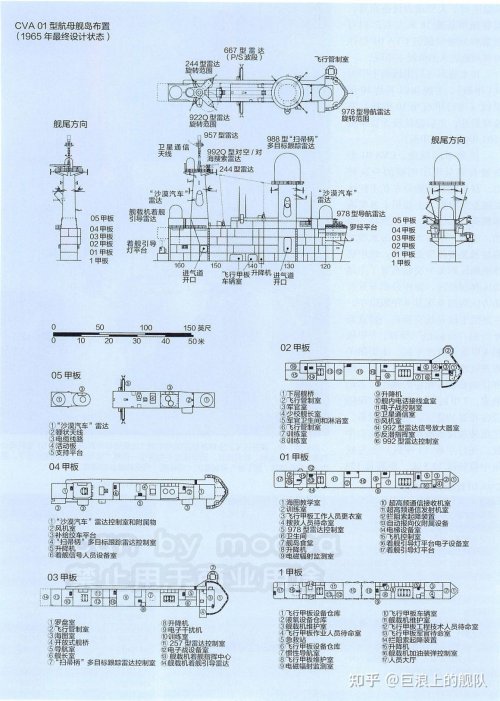
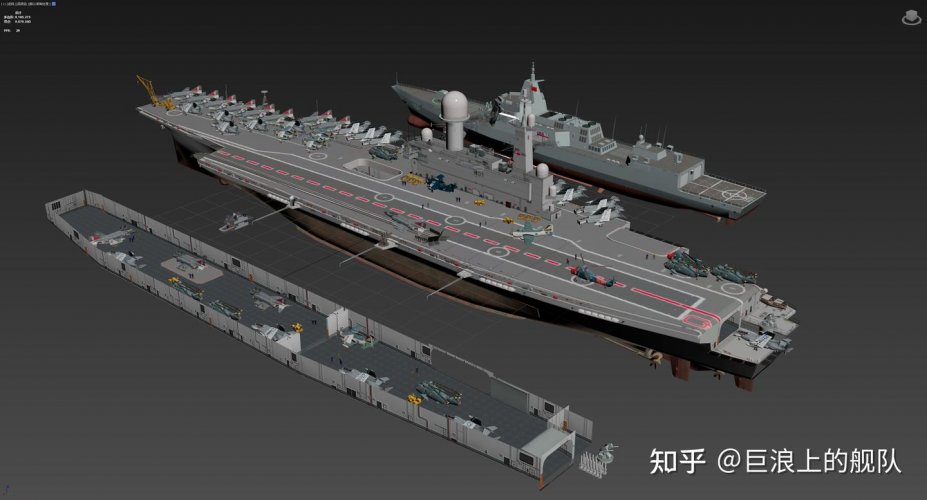
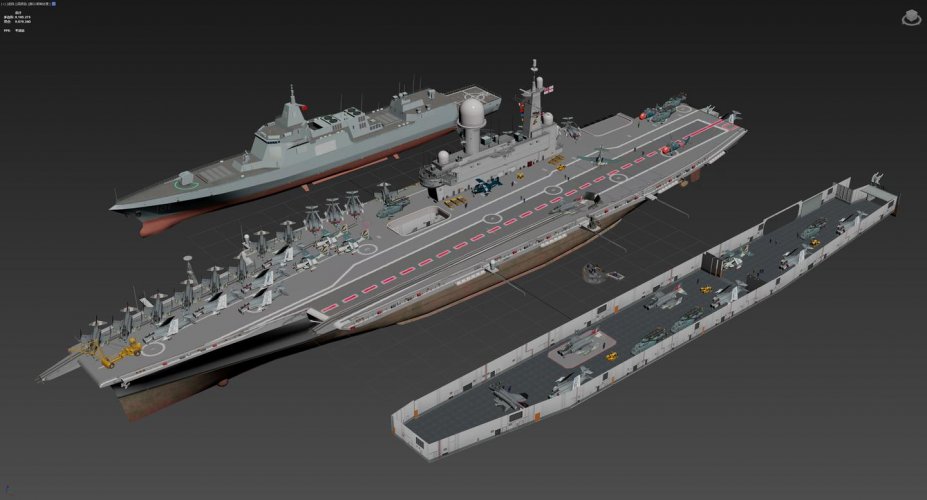
Some renders and plans from a Chinese post,
https://zhuanlan.zhihu.com/p/1953161749441262233
for archive purposes mainly.
https://zhuanlan.zhihu.com/p/1953161749441262233
for archive purposes mainly.
Attachments
-
 b_468617_19212556838544597.jpg143.6 KB · Views: 157
 -
 v2-5d8c7ab659cbbac884034063410c900c_r.jpg230.6 KB · Views: 162
 -
 v2-8915b5e0431287db7e0c87918a8b2d32_1440w.jpg68.5 KB · Views: 142
 -
 v2-b3e175990d88f26dda6cd70eee901beb_1440w.jpg102.6 KB · Views: 144
 -
 v2-3a54478acaf54a61c8cd72610b4103c1_1440w.jpg93.9 KB · Views: 148
 -
 v2-ad95e542314ae7437922249871289587_1440w.jpg74.9 KB · Views: 139
 -
 v2-fa5f38db6589e514a3ab9ccb8e48bec2_1440w.jpg55.1 KB · Views: 138
 -
 v2-ec659aa9aee0b413b95f62df0c5ff347_1440w.jpg96.3 KB · Views: 143
 -
 v2-887a6f47ed31e05021ed3ba8894b356d_r.jpg323.6 KB · Views: 146
 -
 v2-c77a0e1584fb6a4c39c64ea59ff85f6a_1440w.jpg209.6 KB · Views: 167
 -
 v2-cb4b6ffcfc1a082580ca6b4098d021bc_1440w.jpg66.5 KB · Views: 169
 -
 b_468617_1221407853854488.jpg112.9 KB · Views: 137
 -
 b_468617_7346978385459.jpg116.8 KB · Views: 128
 -
 b_468617_9752858103500886.jpeg103.8 KB · Views: 138
 -
 v2-89177c1ab77e07793f08dd3312166f9e_r.jpg52.5 KB · Views: 150
 -
 v2-d5885c8b6f5c718c1e7d824ece28daa6_1440w.jpg32.4 KB · Views: 152
 -
 v2-c75064e134c84d446dd9b6139c25a932_1440w.jpg70 KB · Views: 162
 -
 v2-79c62edda2bd7e00a777d2d644120361_1440w.jpg144.5 KB · Views: 166
 -
 v2-710a1d7739334a72d36b1c17861376af_1440w.jpg281.9 KB · Views: 165
 -
 v2-851dfc6968a6fa3c65df1ecf42dad3df_1440w.jpg95.6 KB · Views: 142
 -
 v2-ba61800cfa049cd032991a683a752e5b_1440w.jpg93 KB · Views: 151
Last edited:
apparition13
I really should change my personal text
- Joined
- 27 January 2017
- Messages
- 758
- Reaction score
- 1,396
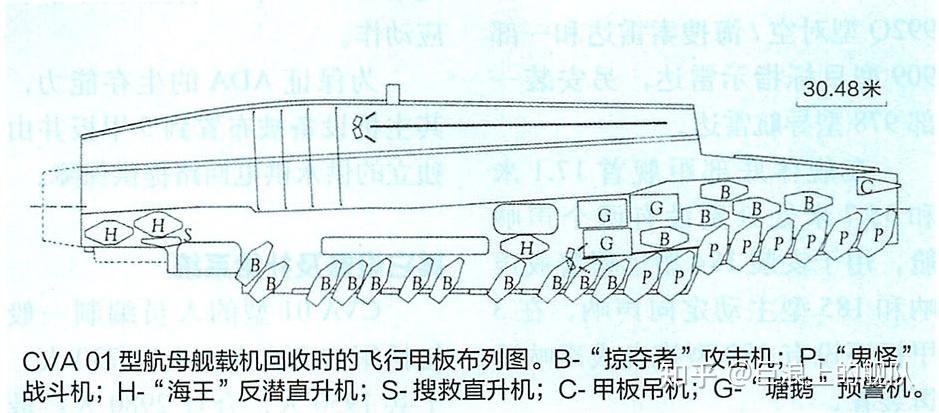
That deck park image looks wrong. The whole point of the design is to have three lanes, with a landing lane to the port, a launch lane to starboard, and a deck park lane centerline.Some renders and plans from a Chinese post,
https://zhuanlan.zhihu.com/p/1953161749441262233
for archive purposes mainly.
Aircraft should be parked on the centerline (and in the hangar), with the Alaska highway clear to run aircraft from the hangar and centerline deck park to the starboard catapult, which also needs to be clear for launches. The flow of aircraft is port (land) to center (park and move to hangar) to starboard (launch).
I think CVA-01 should have been larger, but given the constraints the genius of the design is how efficient aircraft movement is, and how that feeds into operational tempo.
We have no idea, unfortunately, when those plans (not renders, obviously) were made and what from. It very well may be something that the Chinese obtained at the time or somewhat later (60s-80s) or their speculation showing how they would've done it. Those plans are a kind of historical artifact in their own right.That deck park image looks wrong. The whole point of the design is to have three lanes, with a landing lane to the port, a launch lane to starboard, and a deck park lane centerline.
Aircraft should be parked on the centerline (and in the hangar), with the Alaska highway clear to run aircraft from the hangar and centerline deck park to the starboard catapult, which also needs to be clear for launches. The flow of aircraft is port (land) to center (park and move to hangar) to starboard (launch).
Last edited:

A Tentative Fleet Plan
I really should change my personal text
- Joined
- 9 April 2018
- Messages
- 1,386
- Reaction score
- 3,474
The plans are real, they are pirated from Ian Sturton's Warship 2014 article, which were drawn up in reference to archival material.We have no idea, unfortunately, when those plans (not renders, obviously) were made and what from. It very well may be something that the Chinese obtained at the time or somewhat later (60s-80s) or their speculation showing how they would've done it. Those plans are a kind of historical artifact in their own right.
Last edited:
Including the deck parking plan?Ian Sturton's Warship 2014 article
apparition13
I really should change my personal text
- Joined
- 27 January 2017
- Messages
- 758
- Reaction score
- 1,396
I just looked, yes, that image is from the article. It says it shows two-thirds of the air group with the other third presumably in the hangar. Two Buccaneers and ten phantoms are missing, so they must be inside. It's a confusing image though, since it looks like the only way to use the Alaska highway operationally is if a third of the aircraft are airborne. Which makes me reconsider my previous statement.Including the deck parking plan?
So it's at least one of the original arrangements.I just looked, yes, that image is from the article.
And I did think for a moment that these may be a part of the early Chinese carrier studies, when they considered all kinds of foreign examples.
Last edited:
The whole point of the design is to have three lanes, with a landing lane to the port, a launch lane to starboard, and a deck park lane centerline.
Aircraft should be parked on the centerline (and in the hangar), with the Alaska highway clear to run aircraft from the hangar and centerline deck park to the starboard catapult, which also needs to be clear for launches. The flow of aircraft is port (land) to center (park and move to hangar) to starboard (launch).
I think CVA-01 should have been larger, but given the constraints the genius of the design is how efficient aircraft movement is, and how that feeds into operational tempo.
it looks like the only way to use the Alaska highway operationally is if a third of the aircraft are airborne. Which makes me reconsider my previous statement.
That’s what’s always confused me about CVA-01’s deck layout. It seems hyper optimized to optimize deck flow to the catapults during cyclic operations with only but at the expense of everything else since the deck park is small.
This limits the number of aircraft that can be efficiently launched and recovered each cycle and overall air group size. It would never work for a traditional USN air wing. Just about the only rationale for CVA-01’s layout is if you are doing away with cyclic operations and launching & receiving small packets of aircraft on a continuous basis.
Scott Kenny
ACCESS: USAP
- Joined
- 15 May 2023
- Messages
- 19,517
- Reaction score
- 27,965
Which does work for day-to-day ASW and BARCAP missions, plus CAS in colonial interventions.Just about the only rationale for CVA-01’s layout is if you are doing away with cyclic operations and launching & receiving small packets of aircraft on a continuous basis.
It would be worthwhile that someone check the width of the deck, to starboard of the island. The reason to check this is that RN aircraft like the Bucaneer and the Scimitar had widths of just under 20 feet, when folded. In contrast the US Phantom was almost 28 feet when folded, because only the outer part of the wings folded. This may have constrained CVA-01 deck ops, when the air group adopted Phantoms as it's fighter. Early illustrations aluded to SR-177 as the fighter, but this was skinnier that the Scimitar. I'd also suggest that the phrase 'Alaskan highway' only came later on, as it was the coloquial description of the structure added to HMS Eagle outboard of the island, but this wasn't wide enough for aircraft, unlike the parallel deck intended for CVA-01.
Last edited:

- Joined
- 6 September 2006
- Messages
- 5,316
- Reaction score
- 11,544
I estimate the 'Alaskan Highway' to be about 34ft wide, with around 18ft from the centreline to the edge of the island.
So you could - in theory - just about squeeze an F-111B onto it (~33ft).
Most of the OR.346/OR.356 designs came in around 27-31ft, while BAC Type 583V was smallest at 25ft. Ironically the VG Lightning at 36ft 7in would be pushing the limit.
Likewise I estimate the four weapons lifts serving the 'Highway' could accommodate four 65-70ft long aircraft - again tallying with the Bucc and the OR.346/OR.356 designs. The Highway's effective length is around 300ft.
There were only two pressure refuelling stations though located mid-Highway (between weapon lifts 2 & 3), so it was optimised for rapid reloading over rapid refuelling. But with a rolling 'line' of aircraft (given they can only take-off from one bow cat) it would still have been a pretty smooth rolling assembly line-like process.
So you could - in theory - just about squeeze an F-111B onto it (~33ft).
Most of the OR.346/OR.356 designs came in around 27-31ft, while BAC Type 583V was smallest at 25ft. Ironically the VG Lightning at 36ft 7in would be pushing the limit.
Likewise I estimate the four weapons lifts serving the 'Highway' could accommodate four 65-70ft long aircraft - again tallying with the Bucc and the OR.346/OR.356 designs. The Highway's effective length is around 300ft.
There were only two pressure refuelling stations though located mid-Highway (between weapon lifts 2 & 3), so it was optimised for rapid reloading over rapid refuelling. But with a rolling 'line' of aircraft (given they can only take-off from one bow cat) it would still have been a pretty smooth rolling assembly line-like process.
Hood. Interesting details. With the rearming station partway up the highway, and the aircraft still folded, this would be a constraint, i. e. you could only rearm centre line weapons, not those on outer wing pylons.
Scott Kenny
ACCESS: USAP
- Joined
- 15 May 2023
- Messages
- 19,517
- Reaction score
- 27,965
Also, remember that you can hang a wing over the edge for a bit of clearance. Your safe limit is the landing gear!I estimate the 'Alaskan Highway' to be about 34ft wide, with around 18ft from the centreline to the edge of the island.
So you could - in theory - just about squeeze an F-111B onto it (~33ft).
Most of the OR.346/OR.356 designs came in around 27-31ft, while BAC Type 583V was smallest at 25ft. Ironically the VG Lightning at 36ft 7in would be pushing the limit.
Likewise I estimate the four weapons lifts serving the 'Highway' could accommodate four 65-70ft long aircraft - again tallying with the Bucc and the OR.346/OR.356 designs. The Highway's effective length is around 300ft.
There were only two pressure refuelling stations though located mid-Highway (between weapon lifts 2 & 3), so it was optimised for rapid reloading over rapid refuelling. But with a rolling 'line' of aircraft (given they can only take-off from one bow cat) it would still have been a pretty smooth rolling assembly line-like process.
apparition13
I really should change my personal text
- Joined
- 27 January 2017
- Messages
- 758
- Reaction score
- 1,396
I'd hope there is a curb/kerb on the edge then. I've bumped a fair few, I'd hate to do a "whoops-a-daisy" into the drink.Also, remember that you can hang a wing over the edge for a bit of clearance. Your safe limit is the landing gear!

- Joined
- 6 September 2006
- Messages
- 5,316
- Reaction score
- 11,544
The only aircraft of the Sea Vixen-Bucc-Phantom trio with hardpoints on the outer wings is the Bucc with (pair inboard, pair outboard).Hood. Interesting details. With the rearming station partway up the highway, and the aircraft still folded, this would be a constraint, i. e. you could only rearm centre line weapons, not those on outer wing pylons.
The OR.346 designs all had weapon bays for their proposed long-range AAMs or nuclear strike loads and the OR.356 were mostly VG-winged so had most of their armament mounted ventrally. The diminutive P.1154 'Big Wing' was only 22ft folded and all the hardpoints were within that envelope.
So the constraint mainly applies to the Bucc, especially as the accessible inboard pair were normally occupied by external fuel tanks. But there is enough deck space at the forward weapon elevator position to load a spread-winged Bucc to partially overcome that issue.
The Sea Vixen also had a hard point each side outboard of the wing fold. Usually seen carrying a drop tank. There were also two inboard on each wing.
https://www.gettyimages.co.uk/detai...sea-vixen-twin-boom-twin-news-photo/677683497
https://www.gettyimages.co.uk/detai...sea-vixen-twin-boom-twin-news-photo/677683497

- Joined
- 22 April 2012
- Messages
- 2,274
- Reaction score
- 2,847
Abbreviated version of early CVA-01 aircraft size considerations: There were a series of future aircraft studies through the late 1950s, including a diversion into Douglas F6D equivalents, that ultimately culminated in the Vickers Type 581 to OR.346. Other designs were looked at, such as the DH.127, but the Navy's study work focussed on the Type 581. Variable-geometry (VG) was seen as the solution to providing the loiter and speed performance the Navy wanted. Combined with lift jets it was believed VG would also deliver the 80 knot landing speed the Navy were after. It was intended to provide a common airframe for both strike and fighter roles, studies assumed grandfathering in an improved (lightened) version of the TSR-2 nav-attack system for strike and development of a new AI radar and missiles (see here) for the fighter mission. The Navy had a costed plan to run a development and procurement programme through the 1960s. The Type 581 is the canonical Navy only (despite early RAF involvement) OR.346. This work set the following dimensions:
Span: 70ft (30ft folded)
Length: 70ft (64ft folded)
Height: 23ft (19.5ft folded)
Actual detailed design of the carrier produced a lower hangar height and other detail changes with various small fluctuations right up to the end.
The later OR.346 designs were an attempt to meet a combined RN/RAF requirement created by the edict that all future aircraft would be common to both services and should, I think, be considered separately. OR.346/355 was the programme intended to follow the P.1154. Both services saw it as a replacement for their entire inventory at various times. The RAF's starting point was OR.355 which might be the maddest Operational Requirement that service ever produced, think SR-71 performance but V/STOL and with Missileer style radar and AAMs. Despite creating a lot animosity between the services it didn't last very long.
Span: 70ft (30ft folded)
Length: 70ft (64ft folded)
Height: 23ft (19.5ft folded)
Actual detailed design of the carrier produced a lower hangar height and other detail changes with various small fluctuations right up to the end.
The later OR.346 designs were an attempt to meet a combined RN/RAF requirement created by the edict that all future aircraft would be common to both services and should, I think, be considered separately. OR.346/355 was the programme intended to follow the P.1154. Both services saw it as a replacement for their entire inventory at various times. The RAF's starting point was OR.355 which might be the maddest Operational Requirement that service ever produced, think SR-71 performance but V/STOL and with Missileer style radar and AAMs. Despite creating a lot animosity between the services it didn't last very long.
Link to the old website Navy-matters : the CVA-01 entry.
https://web.archive.org/web/20130113105651/http://navy-matters.beedall.com/cva01.htm
https://web.archive.org/web/20130113105651/http://navy-matters.beedall.com/cva01.htm

- Joined
- 31 May 2006
- Messages
- 690
- Reaction score
- 499
The RN's 1960 carrier sketch designs that evolved into CVA 01 are set out in Freidman and other sources.
Does anyone have more details than those set out in these sources?
I'm particularly interested in Design '30,' the largest design at 68,000t, 1004 ft flight deck, 964ft WL, 4 shafts, 3 cats, 3 lifts.
Does anyone have more details than those set out in these sources?
I'm particularly interested in Design '30,' the largest design at 68,000t, 1004 ft flight deck, 964ft WL, 4 shafts, 3 cats, 3 lifts.
- Joined
- 22 April 2012
- Messages
- 2,274
- Reaction score
- 2,847
Study 30:
Length of Flight Deck: 1,004ft
Maximum width of Flight Deck: 190ft
Length on Waterline: 964ft
Beam on Waterline: 128ft
Depth of ship: 92ft
Deep displacement: 68,000 tons
Deep Draught: 33.5ft
SHP on 3 shafts: 160,000
Speed clean / dirty: 30 / 28 knots
Endurance @ 20 knots: 6,000miles
Number of 64ft x 30ft aircraft (folded) Flight Deck / Hangar / Total: 13 / 23 / 36 + 4 Anti-Submarine Helicopters
Number of NA.39: Flight Deck / Hangar / Total: 22 / 37 / 59 + 4 Anti-Submarine Helicopters
Number of Catapults / Length: 3 / 225ft
Number of Arresting Wires / Barriers: 4 / 1
Number of lifts: 3 (Including 2 x deck edge clear of the landing area)
Aviation fuel stowage: 470,000 gallons
Armament: 4 x Tartar
Radar: Types 985 and 978
Sonar: Types 182 and 184
Note that it is described as a three-shaft, not four-shaft, ship and this is consistent across multiple original tables. This study seems to have been less worked out than the others as there was no complement estimate and the implications for graving docks were not studied in detail. It mostly appears to have been used to point out that such a large ship would be expensive and require substantial modifications to existing infrastructure and subsequent studies focussed on the 40-55,000 ton range. There is a note that the size of Study 30 was driven by the requirement for the hangar to be able to accommodate two-thirds of the air wing. The only other thing to note is that the aviation fuel stowage is wildly low compared to other studies in the series, Study 24 had 750,000 gallons for a smaller air wing.
The Type 985 aerials were to be arranged one fore, one aft and one each port and starboard on the Island with their lower edges more than 20ft above the flight deck in order to minimise the radiation hazard. The Tatar launchers were to be two forward and two aft (a four cornered arrangement) but the launchers were to be horizontally loading which would have required the development of a new loading system. The 985 arrangement and horizontally loading Tartar launchers were common to the whole series.
Length of Flight Deck: 1,004ft
Maximum width of Flight Deck: 190ft
Length on Waterline: 964ft
Beam on Waterline: 128ft
Depth of ship: 92ft
Deep displacement: 68,000 tons
Deep Draught: 33.5ft
SHP on 3 shafts: 160,000
Speed clean / dirty: 30 / 28 knots
Endurance @ 20 knots: 6,000miles
Number of 64ft x 30ft aircraft (folded) Flight Deck / Hangar / Total: 13 / 23 / 36 + 4 Anti-Submarine Helicopters
Number of NA.39: Flight Deck / Hangar / Total: 22 / 37 / 59 + 4 Anti-Submarine Helicopters
Number of Catapults / Length: 3 / 225ft
Number of Arresting Wires / Barriers: 4 / 1
Number of lifts: 3 (Including 2 x deck edge clear of the landing area)
Aviation fuel stowage: 470,000 gallons
Armament: 4 x Tartar
Radar: Types 985 and 978
Sonar: Types 182 and 184
Note that it is described as a three-shaft, not four-shaft, ship and this is consistent across multiple original tables. This study seems to have been less worked out than the others as there was no complement estimate and the implications for graving docks were not studied in detail. It mostly appears to have been used to point out that such a large ship would be expensive and require substantial modifications to existing infrastructure and subsequent studies focussed on the 40-55,000 ton range. There is a note that the size of Study 30 was driven by the requirement for the hangar to be able to accommodate two-thirds of the air wing. The only other thing to note is that the aviation fuel stowage is wildly low compared to other studies in the series, Study 24 had 750,000 gallons for a smaller air wing.
The Type 985 aerials were to be arranged one fore, one aft and one each port and starboard on the Island with their lower edges more than 20ft above the flight deck in order to minimise the radiation hazard. The Tatar launchers were to be two forward and two aft (a four cornered arrangement) but the launchers were to be horizontally loading which would have required the development of a new loading system. The 985 arrangement and horizontally loading Tartar launchers were common to the whole series.
Last edited:
- Joined
- 15 July 2007
- Messages
- 5,729
- Reaction score
- 6,306
It's a bit of a shame they didn't take this study further.
One such carrier delivers the equal to two 42,000 ton vessels in aircraft at much less than twice the cost.
It's also the most inherently future proof due to it's size.
And with 3 catapults, it's much more likely to guarantee one in working condition, and when all 3 be operable possess the ability to launch it's airwing 50% faster.
One such carrier delivers the equal to two 42,000 ton vessels in aircraft at much less than twice the cost.
It's also the most inherently future proof due to it's size.
And with 3 catapults, it's much more likely to guarantee one in working condition, and when all 3 be operable possess the ability to launch it's airwing 50% faster.

- Joined
- 1 February 2011
- Messages
- 3,340
- Reaction score
- 5,028
So something like the Kuznetsov's and Ulyanovsk's Aegis looking radars?Study 30:
Length of Flight Deck: 1,004ft
Maximum width of Flight Deck: 190ft
Length on Waterline: 964ft
Beam on Waterline: 128ft
Depth of ship: 92ft
Deep displacement: 68,000 tons
Deep Draught: 33.5ft
SHP on 3 shafts: 160,000
Speed clean / dirty: 30 / 28 knots
Endurance @ 20 knots: 6,000miles
Number of 64ft x 30ft aircraft (folded) Flight Deck / Hangar / Total: 13 / 23 / 36 + 4 Anti-Submarine Helicopters
Number of NA.39: Flight Deck / Hangar / Total: 13 / 23 / 36 + 4 Anti-submarine 22 / 37 / 59 + 4 Anti-Submarine Helicopters
Number of Catapults / Length: 3 / 225ft
Number of Arresting Wires / Barriers: 4 / 1
Number of lifts: 3 (Including 2 x deck edge clear of the landing area)
Aviation fuel stowage: 470,000 gallons
Armament: 4 x Tartar
Radar: Types 985 and 978
Sonar: Types 182 and 184
Note that it is described as a three-shaft, not four-shaft, ship and this is consistent across multiple original tables. This study seems to have been less worked out than the others as there was no complement estimate and the implications for graving docks were not studies in detail. It mostly appears to have been used to point out that such a large ship would be expensive and require substantial modifications to existing infrastructure and subsequent studies focussed on the 40-55,000 ton range. There is a note that the size of Study 30 was driven by the requirement for the hangar to be able to accommodate two-thirds of the air wing. The only other thing to note is that the aviation fuel stowage is wildly low compared to other studies in the series, Study 24 had 750,000 gallons for a smaller air wing.
The Type 985 aerials were to be arranged one fore, one aft and one each port and starboard on the Island with their lower edges more than 20ft above the flight deck in order to minimise the radiation hazard. The Tatar launchers were to be two forward and two aft (a four cornered arrangement) but the launchers were to be horizontally loading which would have required the development of a new loading system. The 985 arrangement and horizontally loading Tartar launchers were common to the whole series.
I know the Type 985 were rectangular shaped and tilted ones offered for the NIGS DDG/DDGN Designs.

Dilandu
I'm dissatisfied, which means, I exist.
Apparently so. Strongly suspect that the overall system was gonna be as problematic as SCANFAR was, though. The 1960s hardware was rather grumbling when engineers tried to put it inside phased array radar.So something like the Kuznetsov's and Ulyanovsk's Aegis looking radars?
I know the Type 985 were rectangular shaped and tilted ones offered for the NIGS DDG/DDGN Designs.
- Joined
- 31 May 2006
- Messages
- 690
- Reaction score
- 499
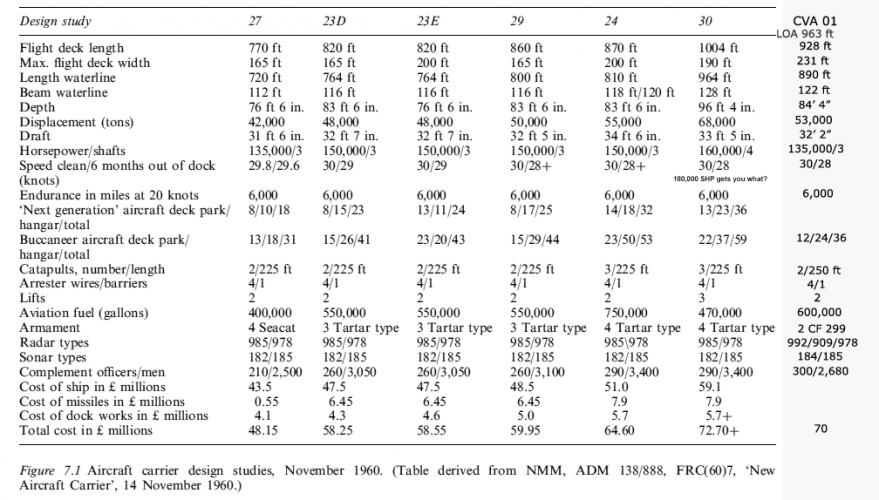
I'll take your word for it. This is certainly true in Friedman but, the below table (which I got from this board but failed to make a note of the source) has four shafts. (I've added CVA 01 final design data to it for comparison)Note that it is described as a three-shaft, not four-shaft, ship and this is consistent across multiple original tables.
it's perhaps worth noting that two of the 1962 studies, the 55,000t iteration and the 58,000t iteration, are both 4 shafts. the 55,000t ship has (like design 30) 160,000 shp.
- Joined
- 31 May 2006
- Messages
- 690
- Reaction score
- 499
It's a bit of a shame they didn't take this study further.
One such carrier delivers the equal to two 42,000 ton vessels in aircraft at much less than twice the cost.
It's also the most inherently future proof due to it's size.
And with 3 catapults, it's much more likely to guarantee one in working condition, and when all 3 be operable possess the ability to launch it's airwing 50% faster.
Forrestal, at around 68,000t had 4 cats and 4 lifts. It might still be difficult for the RN, even with a 68,000 ton ship, to match USN op-tempo.
- Joined
- 22 April 2012
- Messages
- 2,274
- Reaction score
- 2,847
I'll take your word for it. This is certainly true in Friedman but, the below table (which I got from this board but failed to make a note of the source) has four shafts. (I've added CVA 01 final design data to it for comparison)
it's perhaps worth noting that two of the 1962 studies, the 55,000t iteration and the 58,000t iteration, are both 4 shafts. the 55,000t ship has (like design 30) 160,000 shp.
The source of that table is Anthony Gorst's CVA-01 article in The Royal Navy 1930-1990: Innovation and Defense, edited by Richard Harding and published by Cass in 2005. The table was originally posted in the CVA-01 thread in 2012 (see here).
Fortunately, Anthony Gorst gave his sources. Specifically for this table, ADM 138/888, FRC(60)7, 'New Aircraft Carrier', 14 November 1960. ADM 138/888 is the first volume of the CVA-01 Ships Cover. FRC(60)7 refers to a paper produced for the Fleet Requirements Committee and circulated on 9th November 1960, it was discussed at the committee on the 17th November 1960. Both the paper and the minutes of the meeting are included in ADM 138/888. Neither the original table itself or the contents of the paper make any reference to four shafts and the labelling is clear 'S.H.P on 3 shafts'. However, circumstantially, we can be doubly sure Study 30 was a 3 shaft design because another paper (FRC(60)11) was produced for the same committee in December 1960 to be discussed at the 5th January 1961 meeting. This paper includes a revised version of the same table that includes an unnumbered 35,000 ton study, the labelling language is the same ('S.H.P on 3 shafts') but the 35,000 ton study is specifically called out as only having two shafts for its total of 80,000 SHP. It would be very odd for two separate tables from two separate papers to not indicate a fourth shaft on Study 30 when one of the tables does call out a study with only two.
These papers are important in the CVA-01 design history as they start to set a fairly narrow path for the size and machinery arrangement in CVA-01, the 5th January meeting concluded that the recommendation to the board should be a 48,000 ton ship was the smallest that made sense whilst a 55,000 ton ship would give better operational potential and value for money.
This brings us to the second table, from May 1962. This is unambiguous that the A1/6A (55,000 tons) and 52 A/3 (58,000 tons) studies are four shaft designs. This was the point that the CVA-01 design locked in on three shafts. The four-shaft design studies feel a bit political (note the small p, politics within the navy, not actual politicians) to me. This design sequence is effectively saying, build the three-shaft 53,000 ton design because it is the optimal alignment of cost and capability when taking into account the cost of the ship itself, infrastructure modifications and the expected aircraft handling needs. At that size point three shafts were regarded as optimal, putting four shafts in a slightly bigger ship (the 55,000 ton study) resulted in more cost but very little benefit, further upsizing the ship to 58,000 tons to get the full benefit of four shafts produced an intolerable cost. My interpretation is that the May 1962 four shaft designs were being used to say 'you don't want a fourth shaft because it will make the ship larger and more expensive than you want it' and not 'if you want a bigger ship it will need four shafts'. E.g. the size was already relatively fixed, or at least within a very narrow band, it was now a case of confirming the three shaft approach. I see no technical reason why a larger 3 shaft design could not have been produced with higher SHP per shaft - which is what all the evidence says Study 30 was.
I have no idea why Anthony Gorst adapted the table to imply four shafts on Study 30, he didn't use the format used by the original table. My guess would be when he looked back at his notes he saw 160,000 SHP and assumed four shafts on the basis that's what the May 1962 studies had and that 160,000 divides neatly by four. Authors frequently make mistakes, for instance D.K. Brown's Rebuilding the Royal Navy has multiple inaccuracies, I now don't believe anything I read in books until I have found it in original documents myself.
Last edited:
- Joined
- 15 July 2007
- Messages
- 5,729
- Reaction score
- 6,306
RN isn't engaging in a direct copy of USN practices or design philosophy.It might still be difficult for the RN, even with a 68,000 ton ship, to match USN op-tempo.
So I wouldn't follow that line of thinking.
That one's interesting. But 80,000shp is rather low for the tonnage.the 35,000 ton study is specifically called out as only having two shafts for its total of 80,000 SHP.

Pirate Pete
ACCESS: Secret
- Joined
- 25 July 2007
- Messages
- 408
- Reaction score
- 736
HMS Hermes (R12) had 76000shp for 28kts and was 29,200 tons full load so, with engineering and hull design advances perhaps the 80,000shp isn’t quite so fanciful?RN isn't engaging in a direct copy of USN practices or design philosophy.
So I wouldn't follow that line of thinking.
That one's interesting. But 80,000shp is rather low for the tonnage.
Forrestal was 80,000 tons. Remember, the RN is looking at CVA in terms of full load displacement, not light ship or standard. So 50% greater displacement than CVA-01Forrestal, at around 68,000t had 4 cats and 4 lifts. It might still be difficult for the RN, even with a 68,000 ton ship, to match USN op-tempo.
