zebedee
ACCESS: Secret
Having a look round Nizhny Novgorod this evening on Google Earth and the partially complete Spasatel is now visible...
Google Earth Spasatel
Zeb
Google Earth Spasatel
Zeb

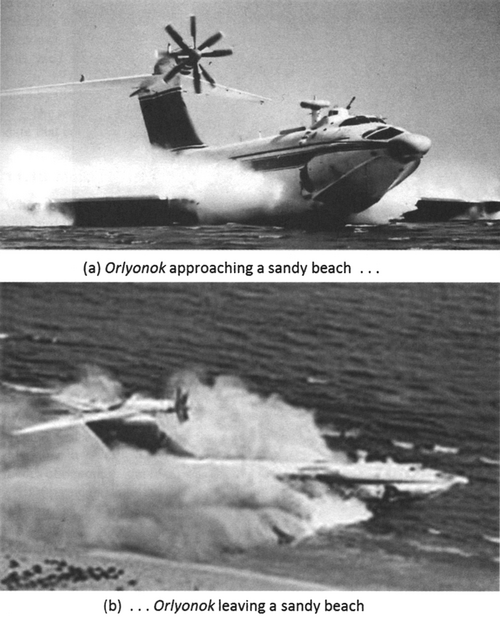

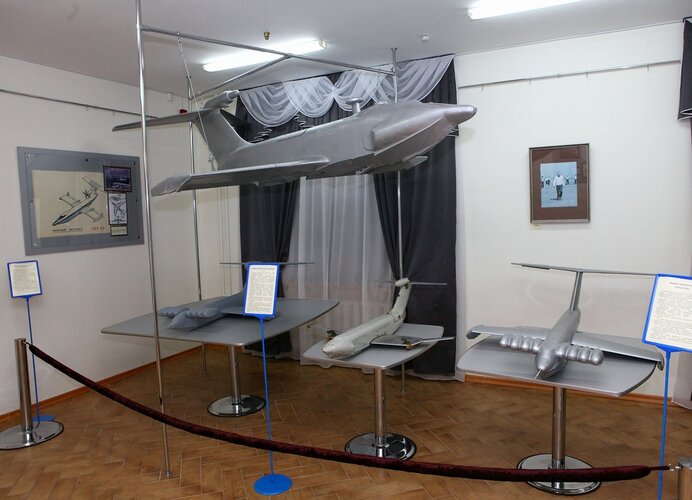
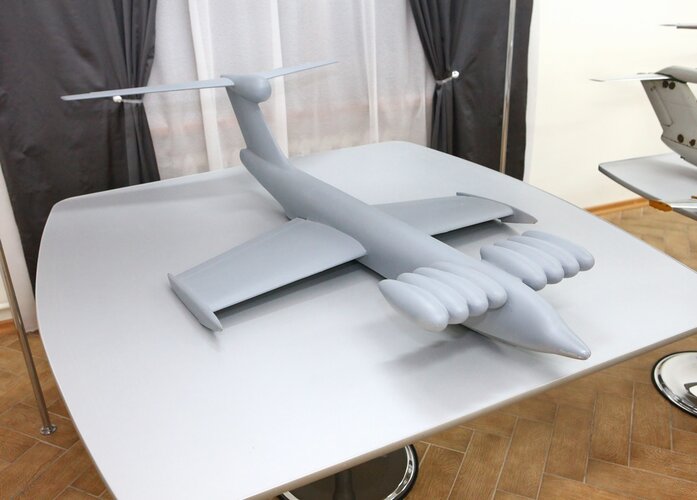
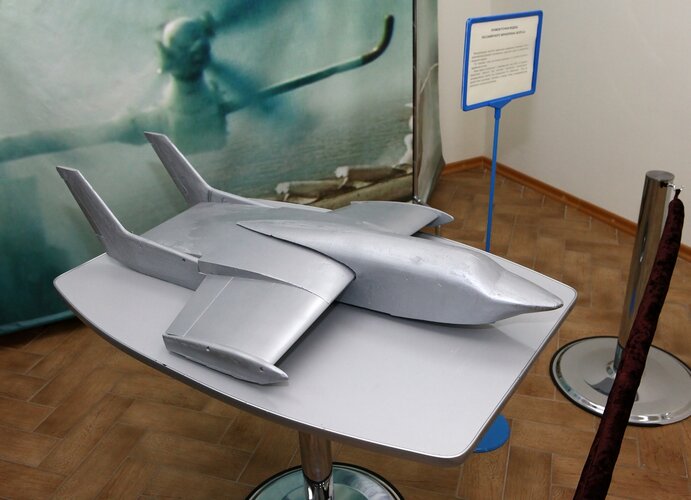
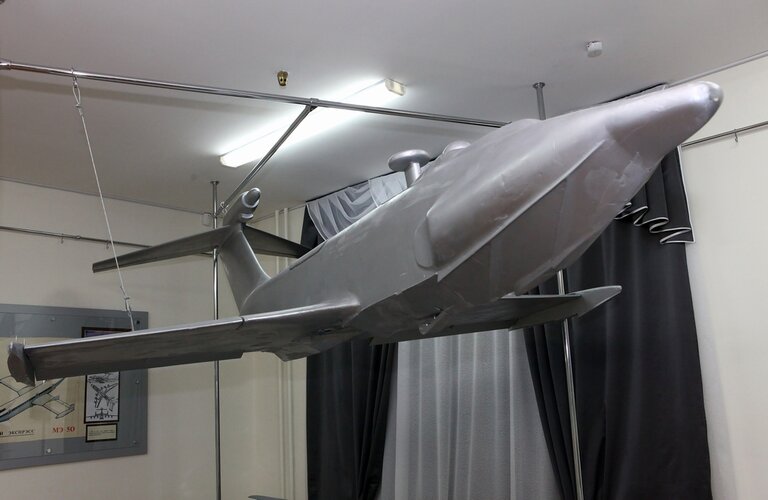
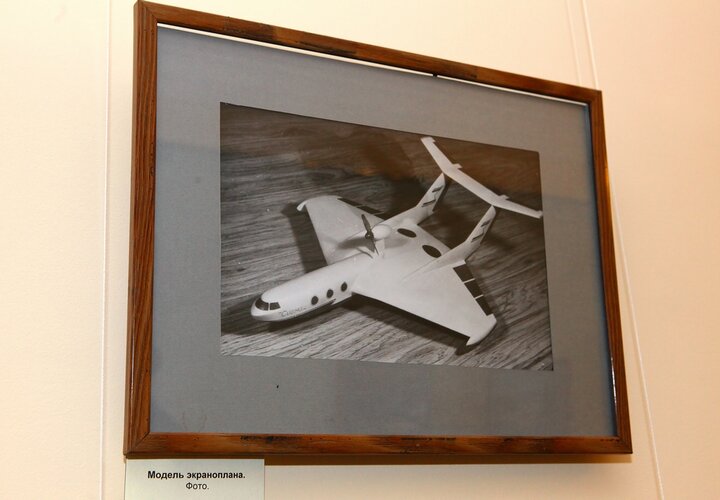
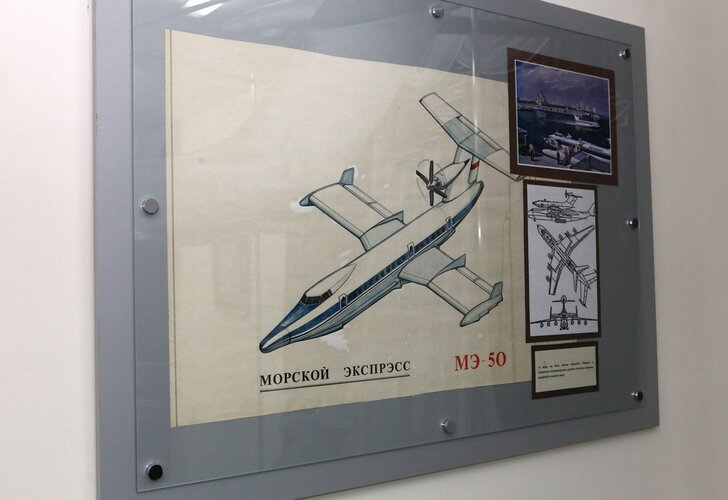
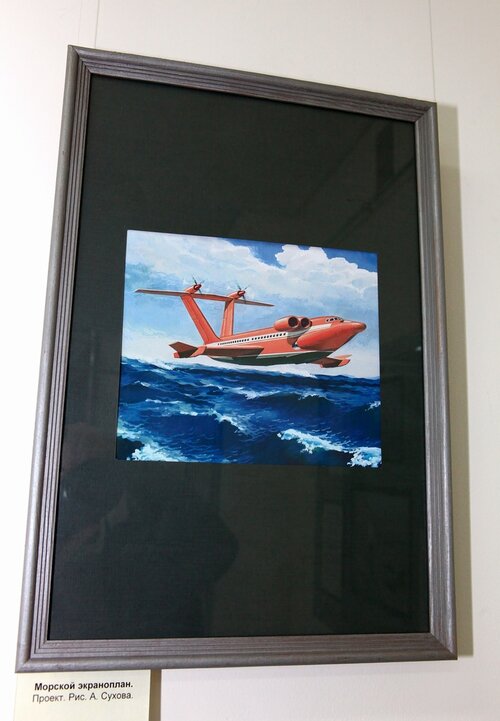
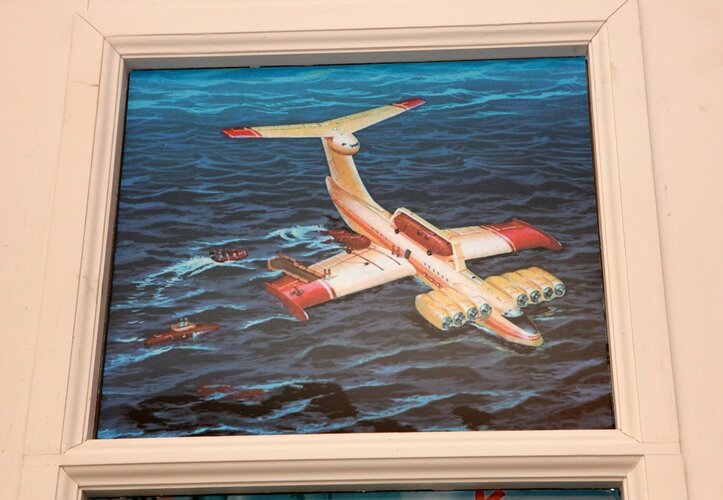
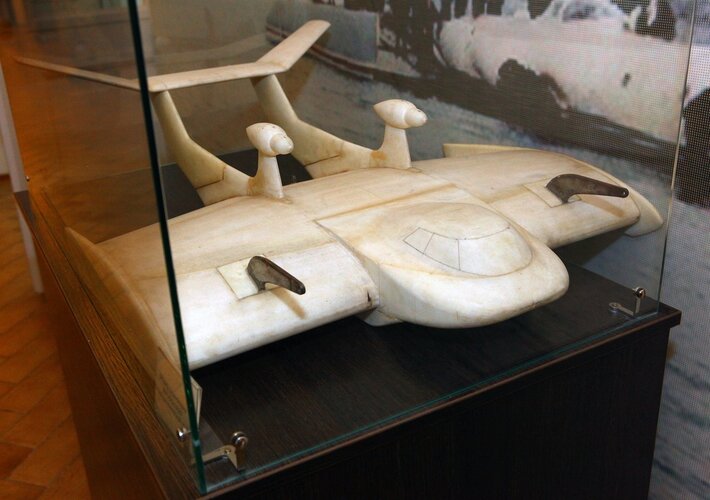
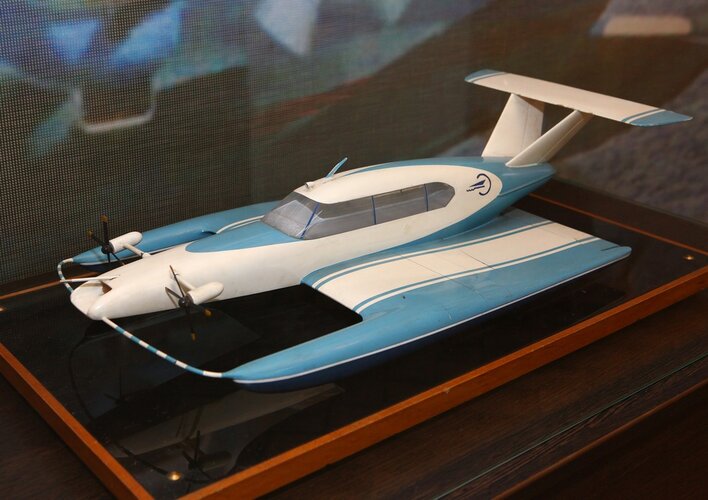
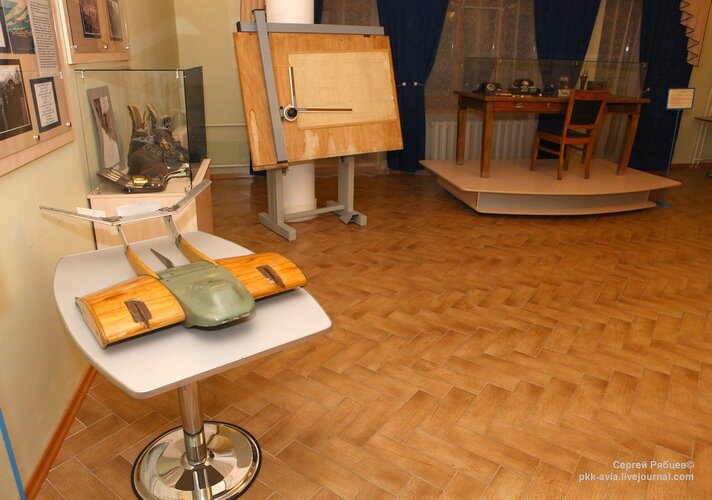
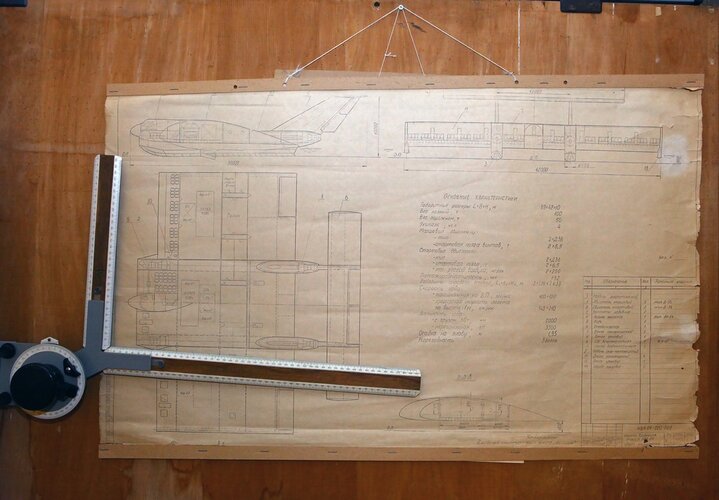
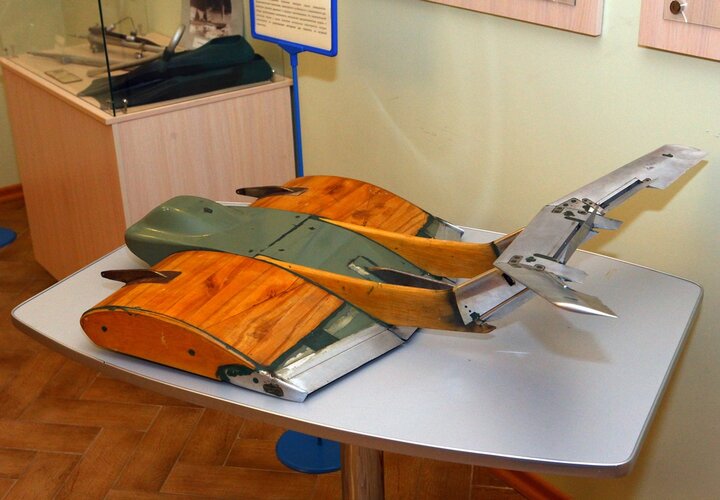
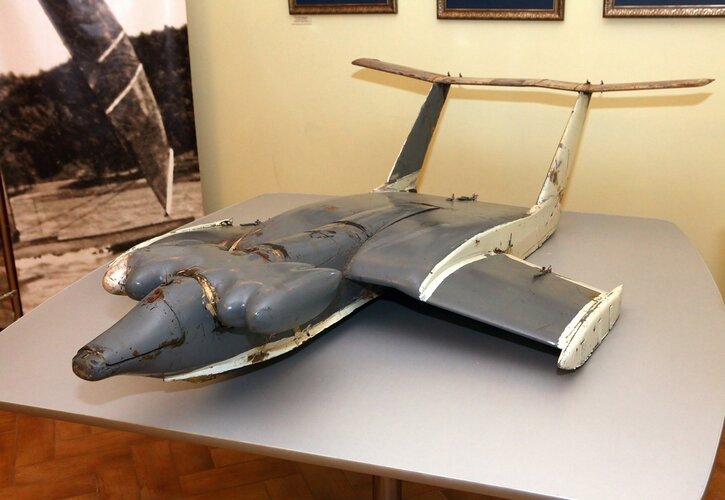

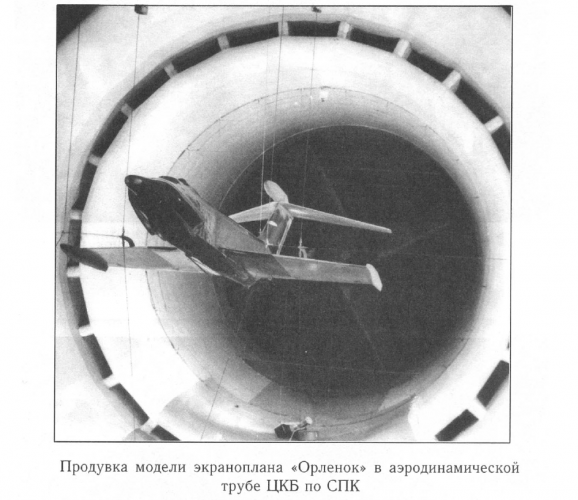
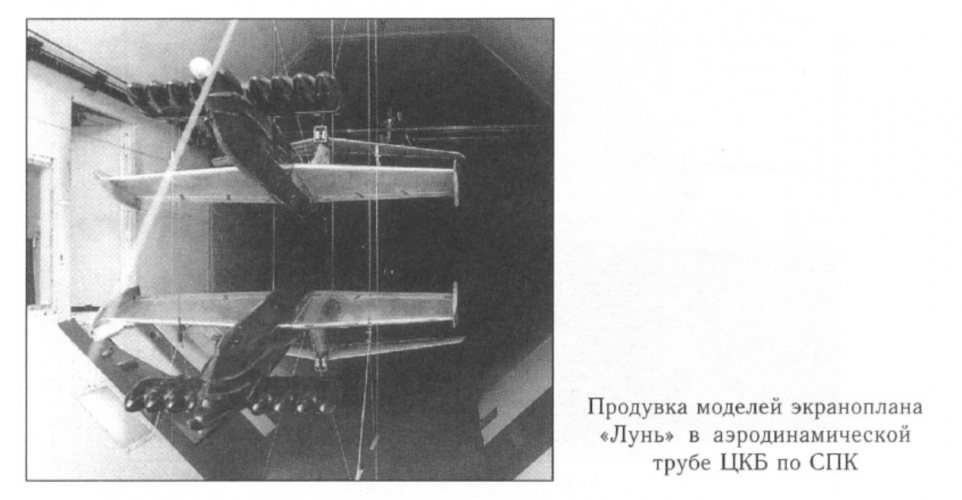
Rostislav Alexeyev (sometimes spelled Alekeyev) of the Central Hydrofoil Design Bureau (CHDB or Tsentral’noye konstruktorskoye byuro na podvodnykh kryl’yakh / TsKB po SPK) had been working out of the Krasnoye Sormovo Shipyard in Gorky (now Nizhny Novgorod), Russia since the 1940s. In the 1950s, Alexeyev began experimental work with ekranoplans (meaning “screen planes”), also known as wing-in-ground effect (WIG) or ground-effect-vehicle (GEV). His work led to the construction of the massive, experimental KM (Korabl Maket or ship prototype) ekranoplan in the mid-1960s.
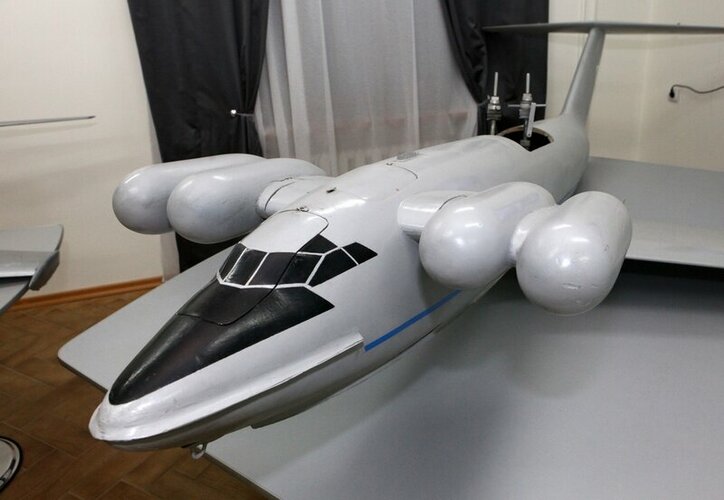
As work on the KM was underway, the Soviet Navy expressed interest in a troop transport ekranoplan, and Alexeyev had started design studies of such a craft as early as 1964. In 1966, the decision was made to construct a 50-percent scale test model of the troop transport. The test ekranoplan was designated SM-6 (samokhodnaya model’-6 or self-propelled model-6).


The layout and basic design solutions of the Strizh were used to develop a family of small civil ekranoplanes with a take-off weight of 1.6-5.0 tons, including the Strizh-3 (Kulik) with two Zoche-Munich aviation diesel engines of 300 hp or M-16, Strizh-4 (Cormorant) with two TIGO 541E 450 hp aircraft piston engines (Lycoming) or TDA 450, Strizh-5 with two Merlin 650 hp aircraft diesels. One prototype of the Strizh was built, and in mass production — the Strizh-M with engines Voyager 300" 220 hp by Teledyne Continental Motors or M-17.

I have read that the project will be picked up again. Do you have any knowledge regarding the fact if the Spasatel will be used again or will it just sit there. Is it for sale?Spasatel has been removed from the hanger to make for other projects by the looks of things...
Zeb
http://bestlj.ru/14950-Nedostroenny...asatel-quot;-vyveden-iz-cekha-na-otstojj.html