Fake MiG-X​


The spindle is the perfect aerodynamic shape but, at speed below Mach 5, this type of body does not produce enough lift to keep on flying. Any attempt to add a wing collides with the problem known as “area rule” during supersonic flight that consists of a proportional increase of drag.

In 1942 a team of aerodynamicists of the AVA (Aerodynamische Versuchs Anstalt) led by Dr. Ing. Alexander Lippisch built a heart-shaped model of a delta wing, with a 60-degree swept, that proved to be an ideal supersonic body. Tests performed in the Göttingen wind tunnel showed that the body offered the minimum drag at over Mach 1, using less power that any of the other tested configurations. Known as Überschall Delta, this shape was unstable during flight, given the technology available at the time, and therefore it could not be used as a base to build a supersonic airplane.

Most of the research work done by Lippisch during the rest of the war had the objective to create a delta wing apt for stable and long-range supersonic flight. This meant that they should reach and surpass Mach 1 in horizontal flight using very powerful engines and should have a great sweep.

Low aspect ratio wings can operate at high angles of attack before stalling, but the designers were afraid that the behaviour of this type of wing would be dangerous during landing at low speed.

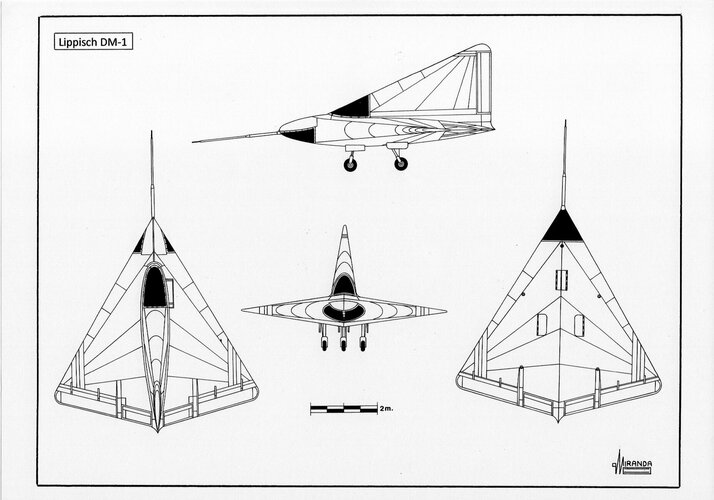
A test glider named Lippisch DM-1 was built to analyse this question, with the cooperation of the FFG Darmstadt and the FFG München in 1945. It was a rhomboid delta wing with 60-degree swept on the leading edge, -15-degree on the trailing edge and the cockpit built within the tailfin.

The advantages of this wing over a conventional wing of similar are: reduced aerodynamic drag, reduced wingspan, low structural weight, high lift/drag ratio, very low supersonic drag and high maneuverability.

After the war, the DM-1 was moved to the USA where its development was pursued by the Scientific Advisory Group of the USAF, under the direction of Professor Theodore Von Kármán, in the NACA and in the Langley wind tunnel. The static tests tried different configurations of cockpit and tailfin and several types of new leading edges. They were trying to find out why the Reynolds coefficient (that measured the relative viscosity of the air flow at high speed) was too high.

The final version was named NACA #8. It had a new leading edge with sharp edges and 64.2-degree, a bubble cockpit and a triangular tailfin with 15% thickness and 35-degree sweep. It was declared stable at supersonic speed but, due to its small size, it would not have been able to carry enough fuel if a rocket engine would have been installed or would it have reached Mach 1.

On 27 January 1945, the OKL published the Vorrückenprogramm for high performance night fighters, equipped with the new radar Telefunken FuG 222 Pauke S with parabolic antenna of 45 cm of diameter. It was expected that the new night fighter would reach a maximum speed of 900 km/h, with a service ceiling of 9,000 m and have an armament of four forward-firing MK 108/30 cannons.

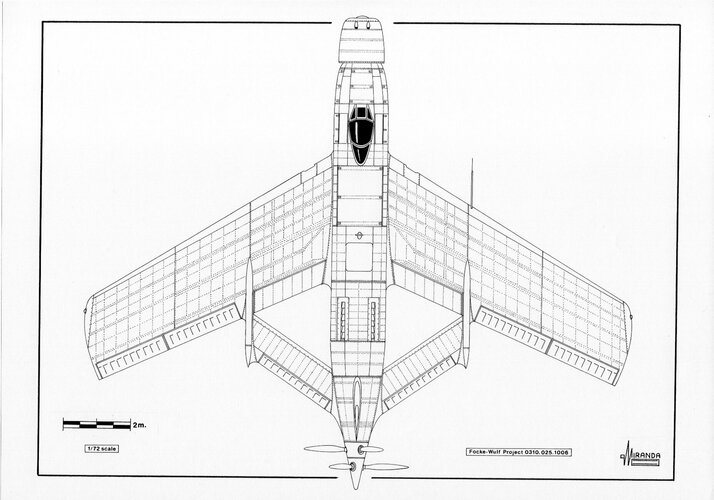
The Focke-Wulf design team proposed to modify its project P.0310.025-1006, that has originally been conceived as single seat high-altitude interceptor and able to fly and fight at an altitude superior to the Me 262 B-2a, with a great rhomboidal wing and pusher airscrews aircraft, powered by a 4,000 hp. Argus As 413 piston engine and armed with four guns of 30 mm. Neither the Argus As 413 nor the Jumo 222 E/F, proposed as replacement, were available when Göring ordered to stop the development of any type of piston engine on February 22, 1945.

Early in 1944 a Henschel design team, under the leadership of Dr. Vöpl, started the development of a new anti-ship supersonic missile with 1.51 m span rhomboidal wings, 3.47 m length and 0.37 m of diameter.

On July 10, 1944, the technical report Nr.3122 Windkanalmessungen am Henschel-Gerät Zitterrochen bei Unter-und Überschallgeschwindigkeiten was proposed to the RLM, under the codename Zitterrochen.

In January 1945 aerodynamic tests, between Mach 0.5 and 1.6, were carried out at the AVA/Göttingen wind tunnel under the direction of Professor Walchner.

The missile was described by Julius Henrici in a technical report produced for the Allies in August 1945.

On April 12, 1948, NACA published the “Technical Memorandum No. 1159” of the wind tunnel measurements of the Zitterrochen in subsonic and supersonic velocities.

The tests used three 1/36 scale models with 9.79 ft. length and three types of wings: ZR-2.0 with 4.11 ft. span, ZR-1.0 with 3.05 ft. span and ZR-0.5 with 2.90 ft. span.

Early in 1954, Artyom Mikoyan published a theoretical article on the supersonic characteristics of rhomboid wings. Possibly it was an aerodynamic study on the supersonic fighter Antonov Per-01, developed in 1952-53.

On June 19, 1954, Anastase Mikoyan published an article on the subject in Sovietskaya Literature. According to author, Artyom Mikoyan it referred to a type of delta wing with negative swept trailing edge, similar to that used in the construction of the Lippisch DM-1 that was being tested on the TsAGI.

The article was published in Aviation Week on September 20, 1954, but was ignored by Western publications that considered it an attempt of disinformation.

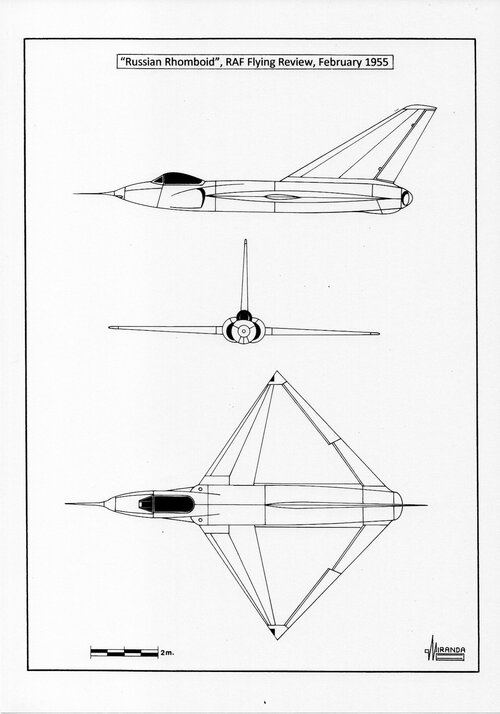
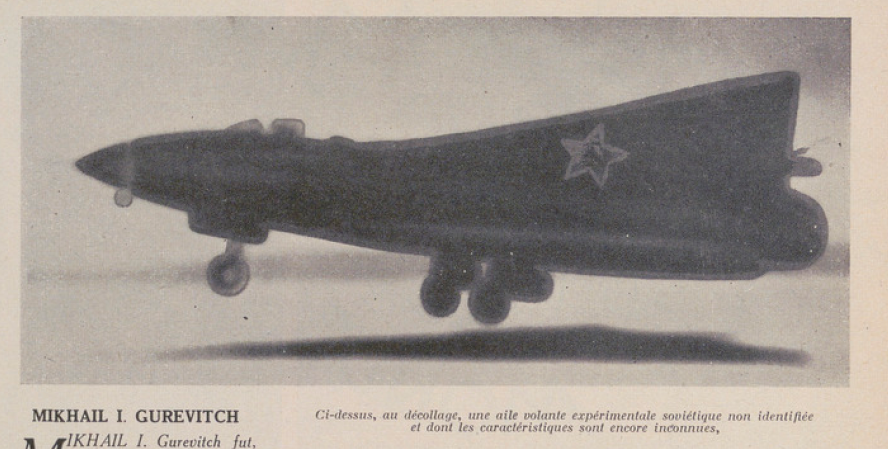
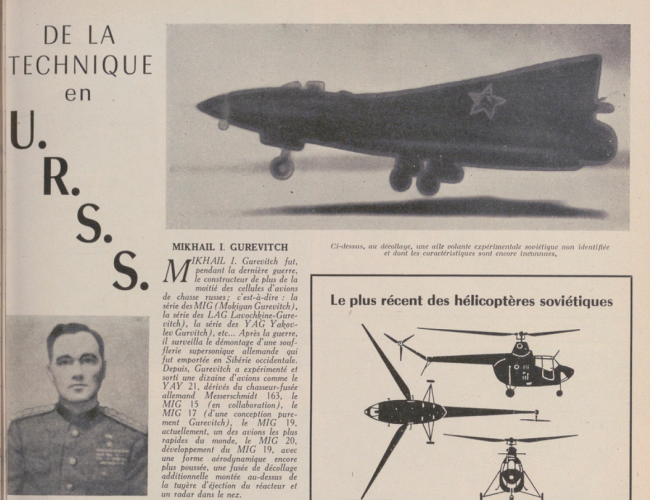
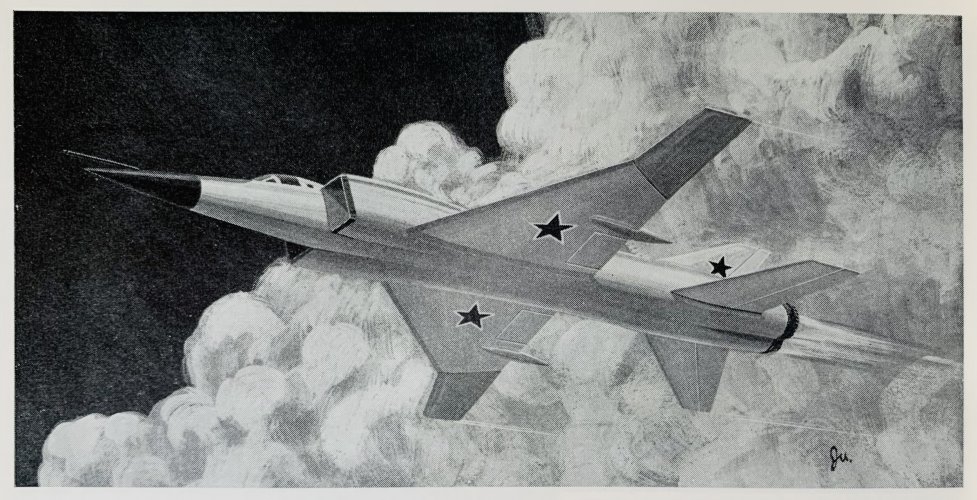
In February 1955 RAF Flying Review published a three-view drawing of a Russian Rhomboid airplane with diamond wings.

In March 1955 Air Force published the illustration of a similar aircraft and mention it made test flights at Ramenskoye.

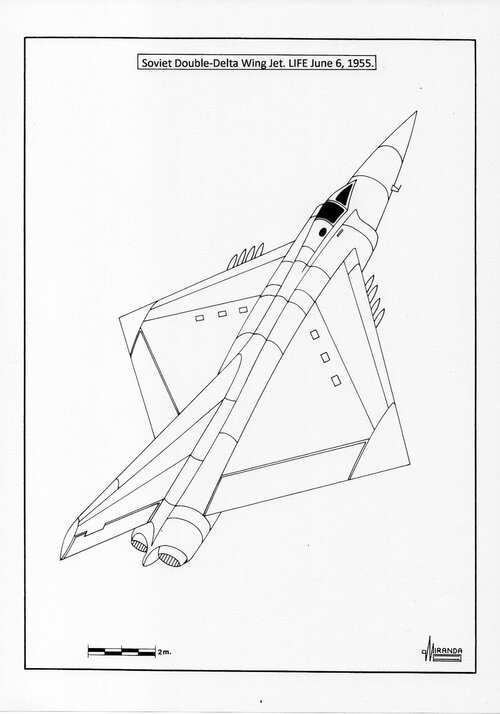
On June 6, 1955, LIFE published an illustration of the same aircraft with the text: “A new Soviet Air Force Threat. Soviet double-delta wing jet, which was already flown, probably travels twice speed of sound, at least matching any known U.S. design”.

The same illustration was published in Popular Mechanics in July 1955.

In March 1958 Revista de Aeronautica published two new illustrations depicting the same aircraft in ventral and side views.

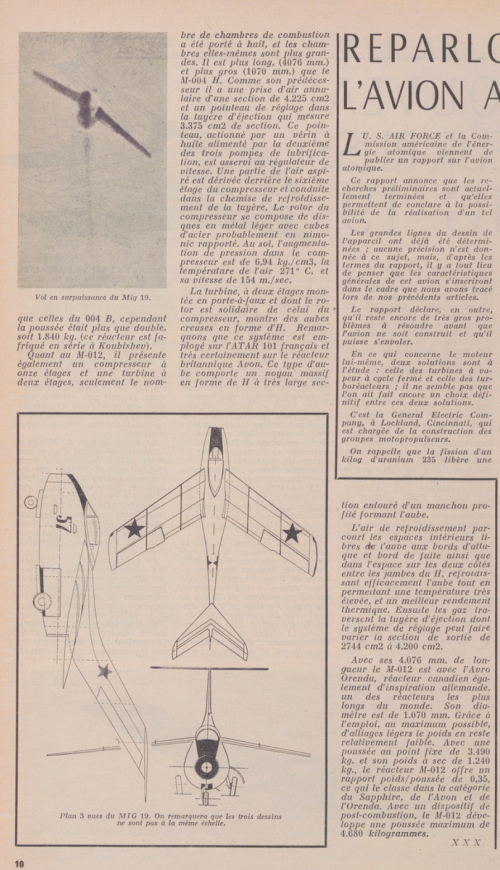
In April 1956 Avion published a three-view drawing defining it as a “Soviet subsonic trainer”.

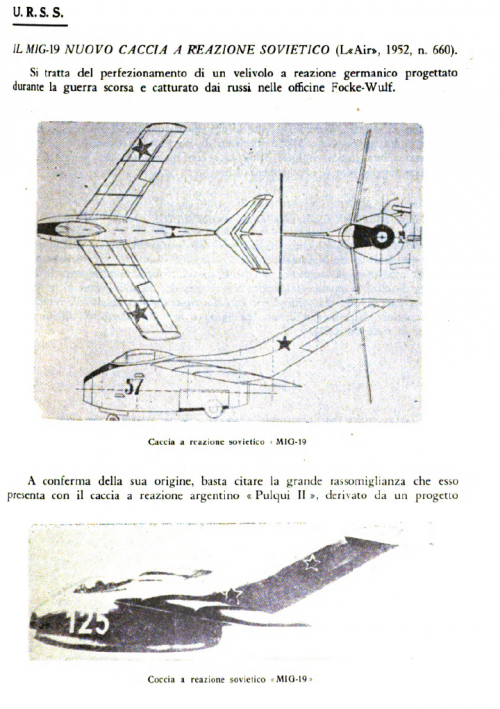
That same year the aircraft was described as “a MiG” in Journal Français de l'Aviation and in the Italian version of the magazine as “The MiG-X that had already entered production”.

In October 1990 the Japanese magazine Aereview published three fake photos of the plane on page 105. Caption mentions that the prototype was tested by MiG in June 1954.

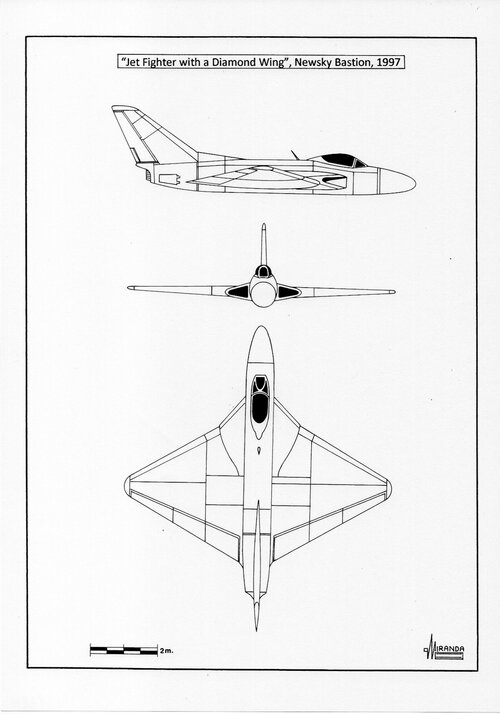
In February 1997, G.F. Petrov published the article "Mysteries of History Military Equipment" in Newsky Bastion magazine, Issue Nº3, along with a speculative three views drawing of a rhomboid fighter, with 8 m wingspan, 9 m length and 3 m height.

According to Petrov, in the years 1950-1952 the TsAGI was working in three diamond-type wings, designated RK-1, RK-1M and RK-2.

They would possibly be duplicates of the three models of the Zitterrochen missile tested in the NACA wind tunnel in 1948.
 

Attachments

  • ty.jpg
    ty.jpg
    297.9 KB · Views: 361
  • tu.jpg
    tu.jpg
    323.2 KB · Views: 155
  • ti.jpg
    ti.jpg
    366.9 KB · Views: 128
  • tp.jpg
    tp.jpg
    358 KB · Views: 139
  • to.jpg
    to.jpg
    367.1 KB · Views: 172
Fake MiG-X​


The spindle is the perfect aerodynamic shape but, at speed below Mach 5, this type of body does not produce enough lift to keep on flying. Any attempt to add a wing collides with the problem known as “area rule” during supersonic flight that consists of a proportional increase of drag.

In 1942 a team of aerodynamicists of the AVA (Aerodynamische Versuchs Anstalt) led by Dr. Ing. Alexander Lippisch built a heart-shaped model of a delta wing, with a 60-degree swept, that proved to be an ideal supersonic body. Tests performed in the Göttingen wind tunnel showed that the body offered the minimum drag at over Mach 1, using less power that any of the other tested configurations. Known as Überschall Delta, this shape was unstable during flight, given the technology available at the time, and therefore it could not be used as a base to build a supersonic airplane.

Most of the research work done by Lippisch during the rest of the war had the objective to create a delta wing apt for stable and long-range supersonic flight. This meant that they should reach and surpass Mach 1 in horizontal flight using very powerful engines and should have a great sweep.

Low aspect ratio wings can operate at high angles of attack before stalling, but the designers were afraid that the behaviour of this type of wing would be dangerous during landing at low speed.

A test glider named Lippisch DM-1 was built to analyse this question, with the cooperation of the FFG Darmstadt and the FFG München in 1945. It was a rhomboid delta wing with 60-degree swept on the leading edge, -15-degree on the trailing edge and the cockpit built within the tailfin.

The advantages of this wing over a conventional wing of similar are: reduced aerodynamic drag, reduced wingspan, low structural weight, high lift/drag ratio, very low supersonic drag and high maneuverability.

After the war, the DM-1 was moved to the USA where its development was pursued by the Scientific Advisory Group of the USAF, under the direction of Professor Theodore Von Kármán, in the NACA and in the Langley wind tunnel. The static tests tried different configurations of cockpit and tailfin and several types of new leading edges. They were trying to find out why the Reynolds coefficient (that measured the relative viscosity of the air flow at high speed) was too high.

The final version was named NACA #8. It had a new leading edge with sharp edges and 64.2-degree, a bubble cockpit and a triangular tailfin with 15% thickness and 35-degree sweep. It was declared stable at supersonic speed but, due to its small size, it would not have been able to carry enough fuel if a rocket engine would have been installed or would it have reached Mach 1.

On 27 January 1945, the OKL published the Vorrückenprogramm for high performance night fighters, equipped with the new radar Telefunken FuG 222 Pauke S with parabolic antenna of 45 cm of diameter. It was expected that the new night fighter would reach a maximum speed of 900 km/h, with a service ceiling of 9,000 m and have an armament of four forward-firing MK 108/30 cannons.

The Focke-Wulf design team proposed to modify its project P.0310.025-1006, that has originally been conceived as single seat high-altitude interceptor and able to fly and fight at an altitude superior to the Me 262 B-2a, with a great rhomboidal wing and pusher airscrews aircraft, powered by a 4,000 hp. Argus As 413 piston engine and armed with four guns of 30 mm. Neither the Argus As 413 nor the Jumo 222 E/F, proposed as replacement, were available when Göring ordered to stop the development of any type of piston engine on February 22, 1945.

Early in 1944 a Henschel design team, under the leadership of Dr. Vöpl, started the development of a new anti-ship supersonic missile with 1.51 m span rhomboidal wings, 3.47 m length and 0.37 m of diameter.

On July 10, 1944, the technical report Nr.3122 Windkanalmessungen am Henschel-Gerät Zitterrochen bei Unter-und Überschallgeschwindigkeiten was proposed to the RLM, under the codename Zitterrochen.

In January 1945 aerodynamic tests, between Mach 0.5 and 1.6, were carried out at the AVA/Göttingen wind tunnel under the direction of Professor Walchner.

The missile was described by Julius Henrici in a technical report produced for the Allies in August 1945.

On April 12, 1948, NACA published the “Technical Memorandum No. 1159” of the wind tunnel measurements of the Zitterrochen in subsonic and supersonic velocities.

The tests used three 1/36 scale models with 9.79 ft. length and three types of wings: ZR-2.0 with 4.11 ft. span, ZR-1.0 with 3.05 ft. span and ZR-0.5 with 2.90 ft. span.

Early in 1954, Artyom Mikoyan published a theoretical article on the supersonic characteristics of rhomboid wings. Possibly it was an aerodynamic study on the supersonic fighter Antonov Per-01, developed in 1952-53.

On June 19, 1954, Anastase Mikoyan published an article on the subject in Sovietskaya Literature. According to author, Artyom Mikoyan it referred to a type of delta wing with negative swept trailing edge, similar to that used in the construction of the Lippisch DM-1 that was being tested on the TsAGI.

The article was published in Aviation Week on September 20, 1954, but was ignored by Western publications that considered it an attempt of disinformation.

In February 1955 RAF Flying Review published a three-view drawing of a Russian Rhomboid airplane with diamond wings.

In March 1955 Air Force published the illustration of a similar aircraft and mention it made test flights at Ramenskoye.

On June 6, 1955, LIFE published an illustration of the same aircraft with the text: “A new Soviet Air Force Threat. Soviet double-delta wing jet, which was already flown, probably travels twice speed of sound, at least matching any known U.S. design”.

The same illustration was published in Popular Mechanics in July 1955.

In March 1958 Revista de Aeronautica published two new illustrations depicting the same aircraft in ventral and side views.

In April 1956 Avion published a three-view drawing defining it as a “Soviet subsonic trainer”.

That same year the aircraft was described as “a MiG” in Journal Français de l'Aviation and in the Italian version of the magazine as “The MiG-X that had already entered production”.

In October 1990 the Japanese magazine Aereview published three fake photos of the plane on page 105. Caption mentions that the prototype was tested by MiG in June 1954.

In February 1997, G.F. Petrov published the article "Mysteries of History Military Equipment" in Newsky Bastion magazine, Issue Nº3, along with a speculative three views drawing of a rhomboid fighter, with 8 m wingspan, 9 m length and 3 m height.

According to Petrov, in the years 1950-1952 the TsAGI was working in three diamond-type wings, designated RK-1, RK-1M and RK-2.

They would possibly be duplicates of the three models of the Zitterrochen missile tested in the NACA wind tunnel in 1948.
I assume Northrop analyzed the DM-1 in great detail as an example. Their XST vehicle and the X-47 share the same planform. The X-47A was definitely an evolved XST for sure. The X-47A was a very scalable design, the inlet hump was for a cockpit along the lines of Boeing's Bird of Prey. These are nice hip pocket design configurations which can be very versatile.
 
Hi,


Attachments

  • 21.png
    21.png
    238.5 KB · Views: 168
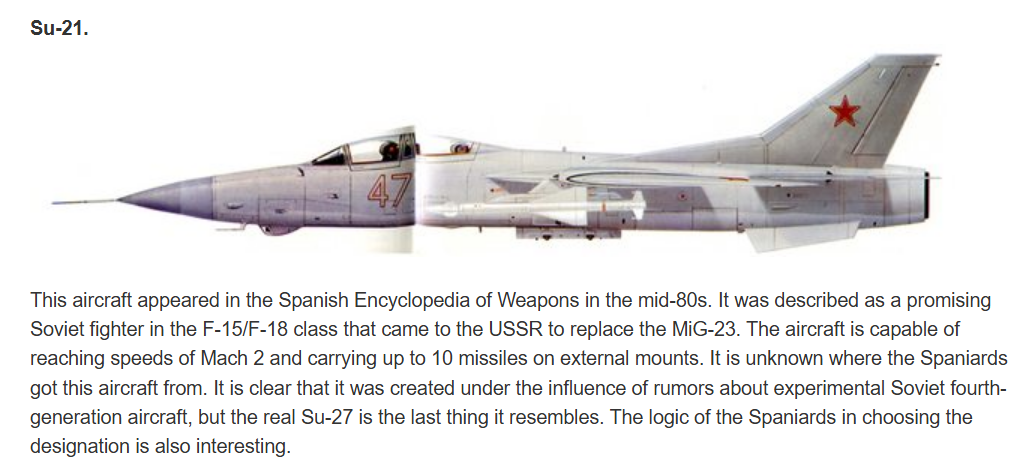
Literally everything here is taken from this same thread.
I uploaded the scan from post #487 at post #7 in this thread. I toke it with my scanner from a book of my own. 19 years after comes attached to an absurd descriptive text including a "supposed wrong designation" and a fantasy about Spaniards.

This is the reason some of us insist in the importance of source citation, the need to avoid speculation and how important is to preserve the core of this forum as a valuable asset for researchers over the years.
 
Spanish edition of an original english encyclopedia of weapons. Published in Spain in the early 80's.

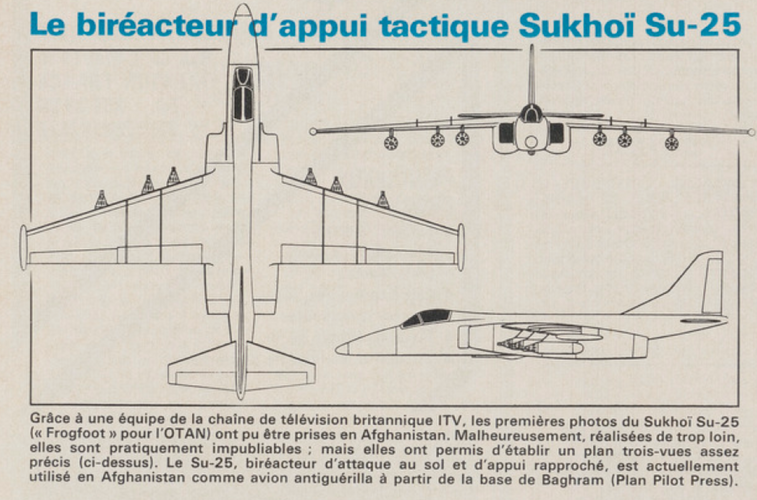
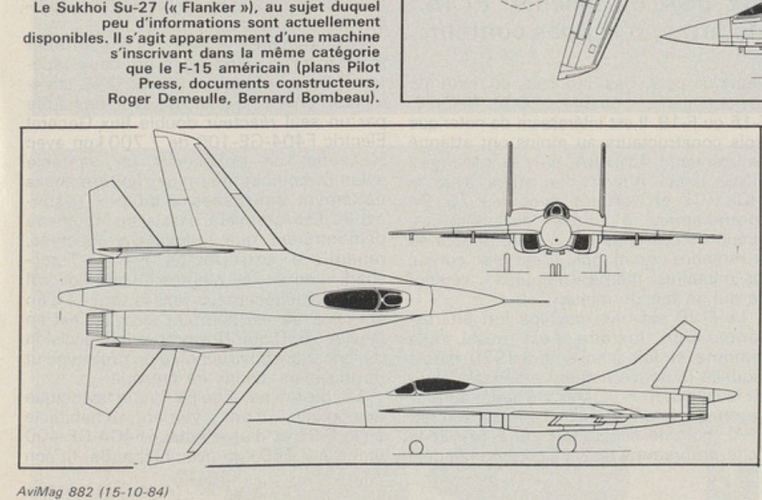
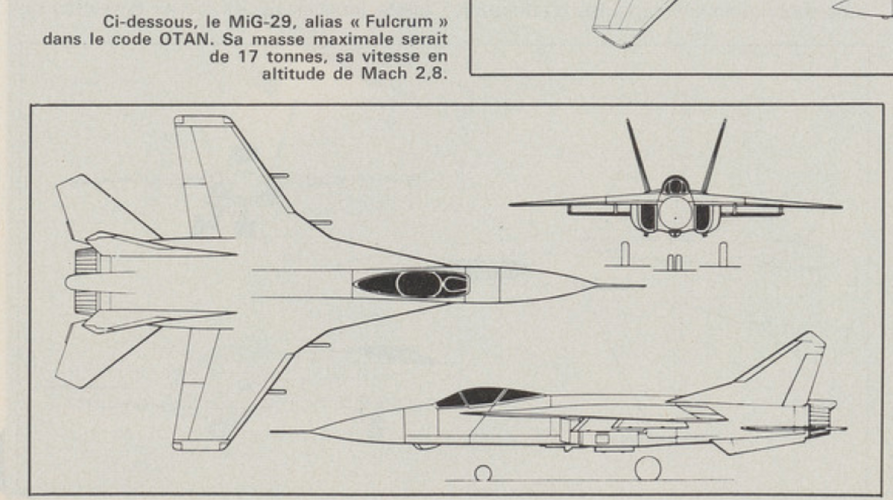
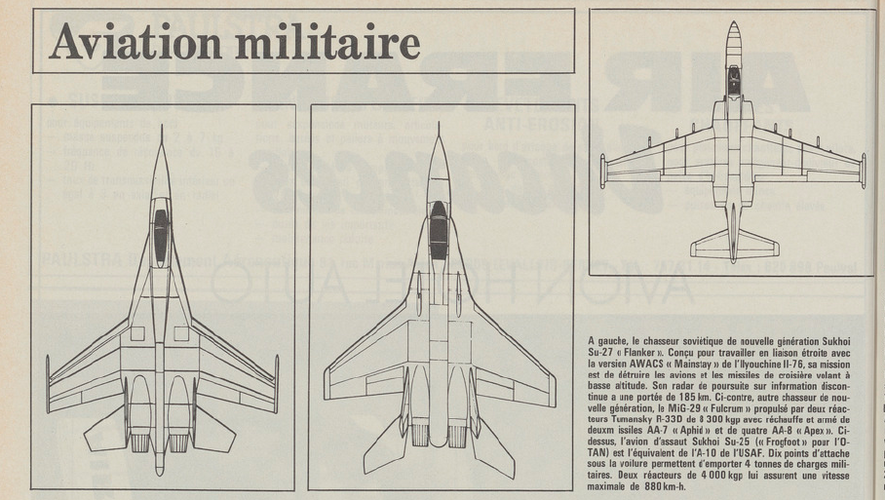
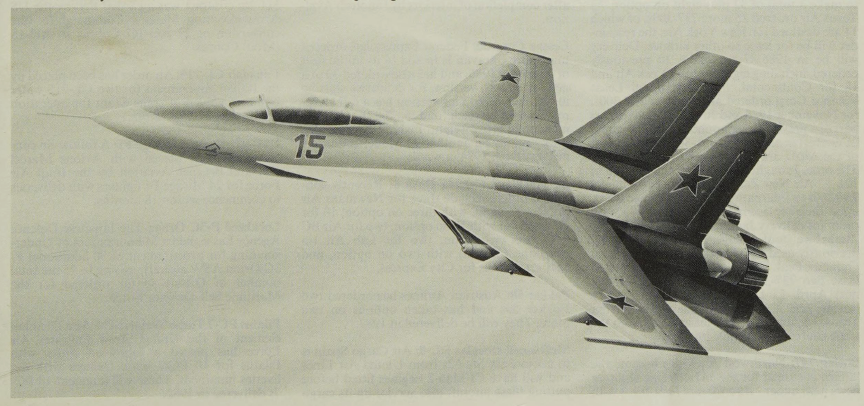
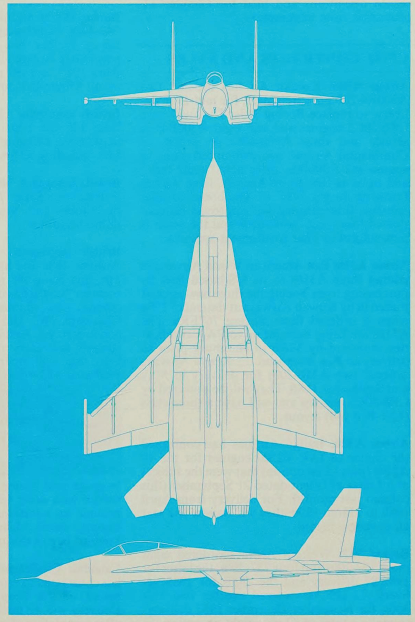
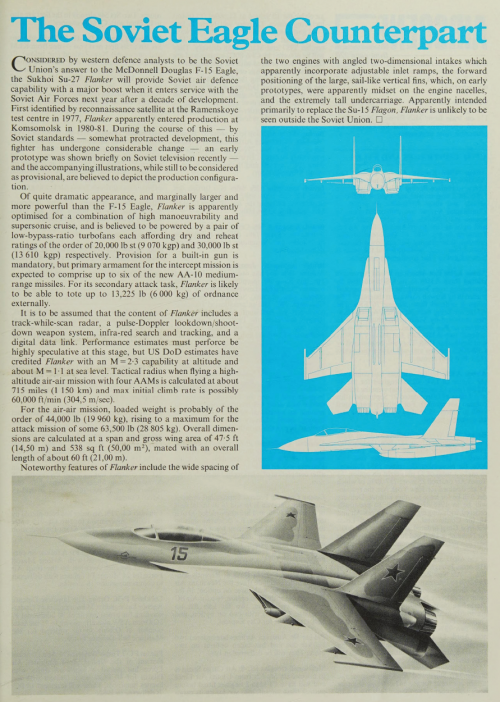
This is my first post from it. An speculative drawing of a "new Soviet fighter in the F-16/F-18 class". "It seems that it comes from MiG and MiG29 designation is given, but others sources identify it as a Sukhoi product".
unsung heroes of color profiles
 

Attachments

  • 61dFkDiN3ZL._AC_UF894,1000_QL80_.jpg
    61dFkDiN3ZL._AC_UF894,1000_QL80_.jpg
    97.3 KB · Views: 130
  • 1741115320326.png
    1741115320326.png
    229.2 KB · Views: 140
I uploaded the scan from post #487 at post #7 in this thread. I toke it with my scanner from a book of my own. 19 years after comes attached to an absurd descriptive text including a "supposed wrong designation" and a fantasy about Spaniards.

This is the reason some of us insist in the importance of source citation, the need to avoid speculation and how important is to preserve the core of this forum as a valuable asset for researchers over the years.

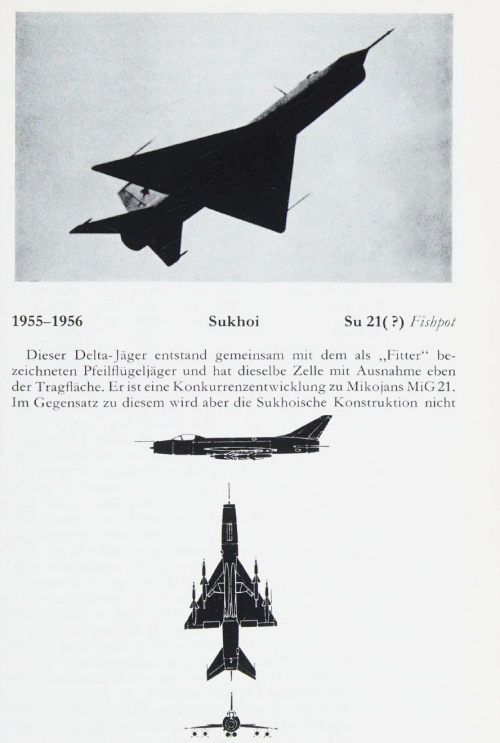
This article was written by me, so the responsibility for the mistake is on me. It's been 9 years since it was written and now I can't remember why I made that mistake. But I can guess. I still have this picture with the caption “Su-21 from Spanish encyclopedia”. Probably long time ago when I saved it I made a mistake when making the caption. And when I wrote the article I didn't check the information additionally. I apologize that this mistake stayed on my blog for so long.

I didn't expect to see the picture here in the sources, the first mentioned source of information is this site.
 
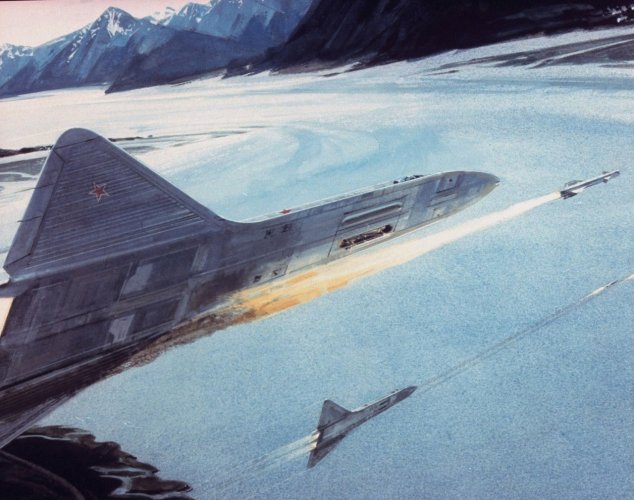
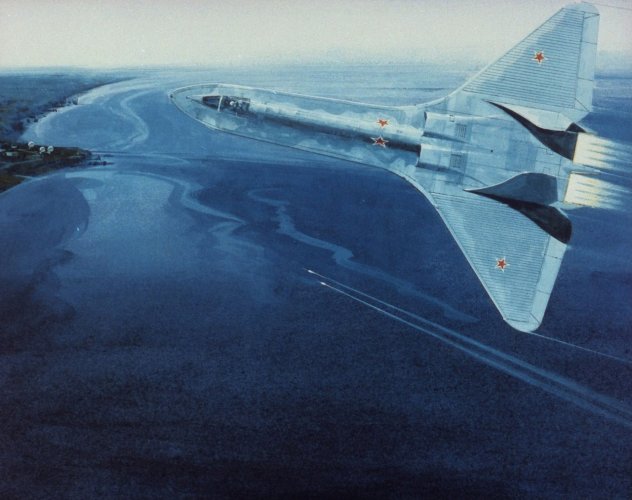
Our old friend from 1989 - "Postulated (contractor [Hughes] artist's conception) Soviet stealth strike aircraft for use against critical mil. targets such as command ctrs." - Overscan has posted it before, but there's one more rendering

Courtesy Google/LIFE/Time Inc.
Higher res (same source):

c (1).jpg
c.jpg
 
Last edited:
Fake Delta Night Fighter


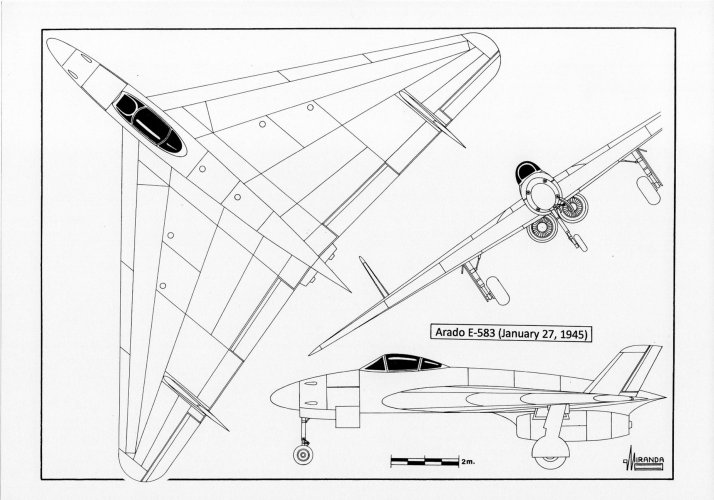
On January 27, 1945, the Oberkommando der Luftwaffe published the Vorrückenprogramm specification number 12376/45 calling for a Hochleistung Nachtjäger (high performance night fighter) on 27 January 1945.

Arado firm decided to present three designs of the flying wing type, with two vertical fins and rudders under the provisional denomination E 583.

The E 583 project had a triangular wing of great surface, able to quickly raise a lot of weight at a great altitude, with big fuel capacity within. Its forward fuselage could house parabolic antennae, armament, and electronic equipment. The two engines were located outside, in a configuration that could adapt to all the types of available or projected turbojets, for easier maintenance.

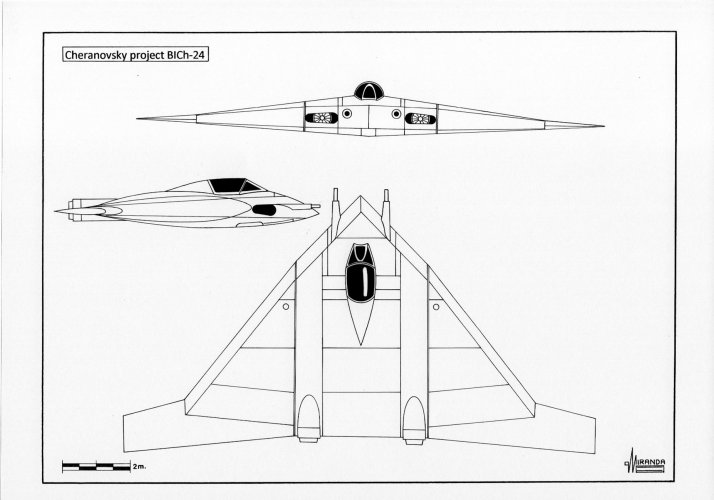
When the tailless glider BICh-22 flew during the Tushino Air Parade on July 17, 1949, the presenter of the show announced that this prototype was a training glider for the preparation of the pilots of a supersonic interceptor based in the BICh-22 configuration.

The reality was that the Soviet government had adopted an anti-flying wings policy and only allowed Boris Tcheranovsky to build the BICh-22 to commemorate the 30th anniversary of the founding of the Konsomol. This small glider only flew twice in September 1948 and July 1949 before suffering the accident occurred at the end of 1949, killing the pilot.

The development of the BICh-23 glider and the jet projects BICh-24 and BICh-26 had to be cancelled because of the lack of official support.

The BICh-24 was designed with variable sweep delta wing, using some structural solutions of the Northrop XP-79B and powered by two RD-10F axial flow turbojets that were not powerful enough to reach Mach 1.

The real supersonic project was the BICh-26, with double-delta configuration, possibly inspired by the German project Henschel P.130.

It was expected to use one Lyulka VDR-2 axial-flow turbojet which was under development at the time, but this indigenous power plant never became available.

It was also planned to use one Mikulin AM-5 but the Tcheranovsky ultimate delta fighter was never built.

Tcheranovsky BICh-22 technical data

Wingspan: 24.6 ft. (7.5 m), length: 13.8 ft. (4.2 m), height: 2.9 ft. (0.9 m), wing surface: 156 sq. ft. (14 sq. m.).


Tcheranovsky BICh-24 technical data

Wingspan: 46 ft. (14 m), length: 26.2 ft. (8 m), height: 8.8 ft. (2.7 m), wing surface: 276 sq. ft. (25 sq. m.).

Tcheranovsky BICh-26 technical data

Wingspan: 26.2 ft. (8 m), length: 33 ft. (10.1 m), wing surface: 291 sq. ft. (27 sq. m.), take-off weight: 9,934 lb. (4,500 kg), estimated maximum speed: Mach 1.7, estimated ceiling: 72,160 ft. (22,000 m), proposed armament: 2x23 mm and 2x37 mm cannon.

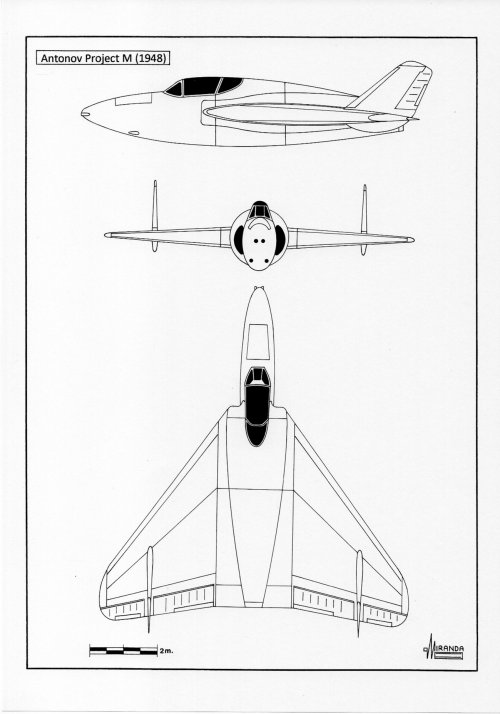
On April 16, 1947, the NCAP ordered to the OKB-153 (Antonov) the design of a flying wing fighter powered by two RD-10 turbojets under the codename “Project M”.

The RD-10 only had 900 kg static thrust and the designers understood that with that power it would be difficult to compete with the latest Western designs Northrop XP-79B and de Havilland DH-108.

To achieve high speeds, it was necessary to use a delta wing with 55-degree swept (at leading edge).

This aerodynamic solution was considered something very extreme at that time and it was feared that the aircraft had a dangerous behavior during landing, to improve its stability at low speeds it was decided to install two wingtip extensions with 17-degree forward swept.

When the first Soviet copies of the British centrifugal turbojet Nene became available, in late 1947, Antonov was instructed to modify the "Project M" replacing the two RD-10 turbojets with an indigenous RD-45, with 2,230 kg thrust. This allowed to reduce the wing swept up to 53-degree and eliminate the wing tips.

The final design of 1948, named Masha, had triangular air intakes mounted in the wing roots and semicircular tailfins very similar to those of the night fighter project proposed by Siegfried Günter that same year.

To test the concept, the glider E-153 was built, which made its first flight in July 1948, but the Masha was unexpectedly cancelled due to the urgent need of Nene engines for the manufacture of the MiG-15 fighters.

Antonov Project M (1947) technical data

Wingspan: 35.4 ft. (10.8 m), length: 34.8 ft. (10.6 m), height: 10.9 ft. (3.3 m), power plant: two RD-10 axial-flow turbojets rated at 900 kg static thrust each, proposed armament: 2x23 mm and 2x37 mm cannon.

Antonov Project M (1948) technical data

Wingspan: 30.5 ft. (9.3 m), length: 35 ft. (10.64 m), height: 12.3 ft. (3.75 m), power plant: one RD-45 centrifugal-flow turbojet rated at 2,230 kg static thrust, estimated climb rate: 3,280 ft/min, estimated ceiling: 32,810 ft. (10,000 m), estimated range: 385 miles (620 km), proposed armament: 2x23 mm and 2x37 mm cannon.

The possibility that the Soviets had developed a supersonic fighter in 1949 was of great concern to the Western intelligence services, which ignored the anti-flying wings policy developed by the Soviet government since 1938.

The “Project M” was highly classified, but some information is filtered to the Western press.

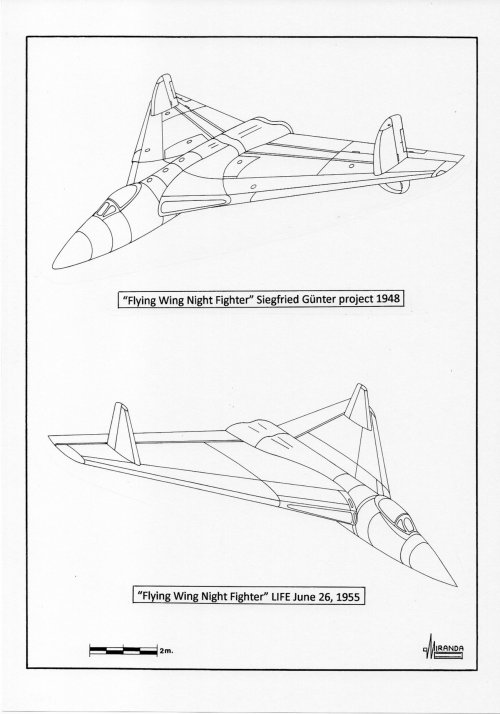
In February 1954 the Flying magazine published the cutaway of a Russian all-weather delta fighter similar to the German project Arado E 583 (January 27, 1945) but fitted with triangular air intakes at the wing roots. A structural solution that had already been used a year earlier by the British in the Avro 707A prototype.

On June 6, 1955, LIFE published a drawing based on the Flying cutaway with the text: “Flying Wing Night Fighter has been seen on the ground and zooming over Moscow. Twin jet engines fed by curved air intakes drive tailless plane at close to the speed of sound and permit rapid climbing for interception of bombers. Unlike planes with standard tail and wings, horizontal control surfaces are in trailing edge of flying wing. Vertical stabilizers are mounted near wing tips. Design has been credited to Cheranovski, one Russia’s best aviation engineers”.

Other similar illustrations were published in Popular Mechanics (July 1955) with the text: “MiG-18, a Soviet twin-engine supersonic interceptor, armed with three 20 mm guns, developed as a basis of captured German technology” and Ali Nuove (February 1956).

In 1998 Schiffer published the book "Secret Aircraft Designs of the Third Reich", according to author David Myhra the cutaway published in Flying, was a night fighter project designed by Dr. Ing. Siegfried Günter in 1948. It was probably a perfected version of the Heinkel P-1079B project also designed by Günter in 1945.
 

Attachments

  • xx1.jpg
    xx1.jpg
    273.6 KB · Views: 78
  • xx2.jpg
    xx2.jpg
    357 KB · Views: 63
  • xx3.jpg
    xx3.jpg
    363.9 KB · Views: 61
  • xx4.jpg
    xx4.jpg
    377.1 KB · Views: 74
Fake Yak-21


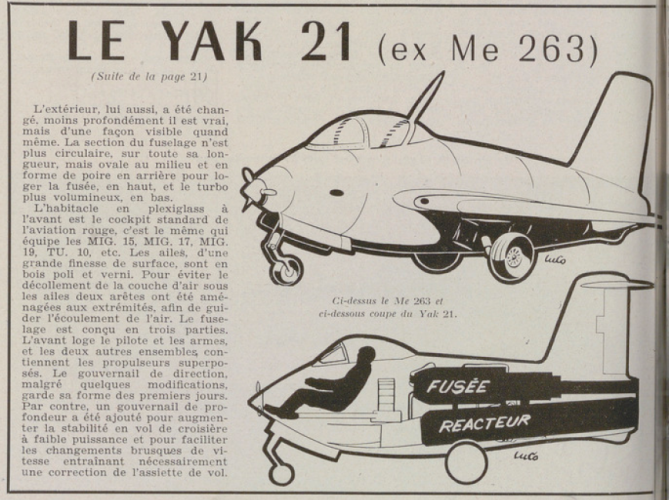
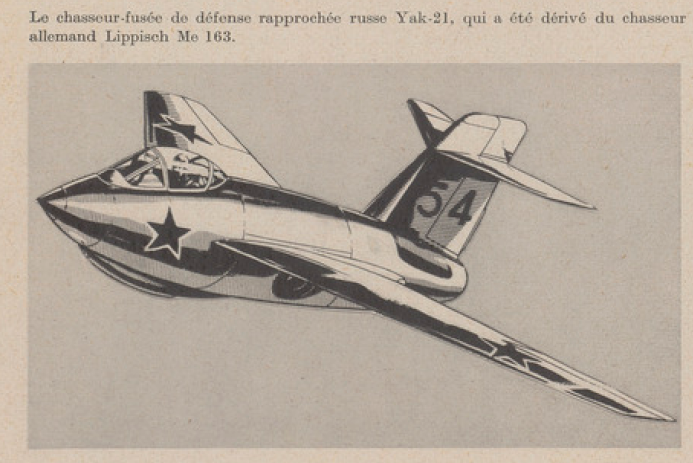
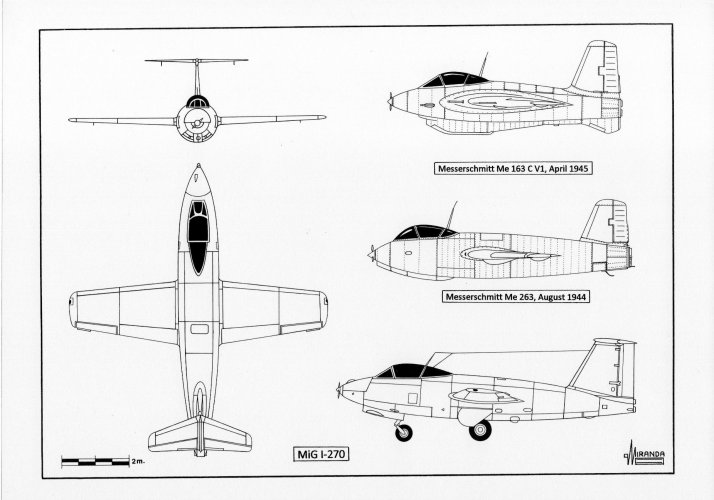
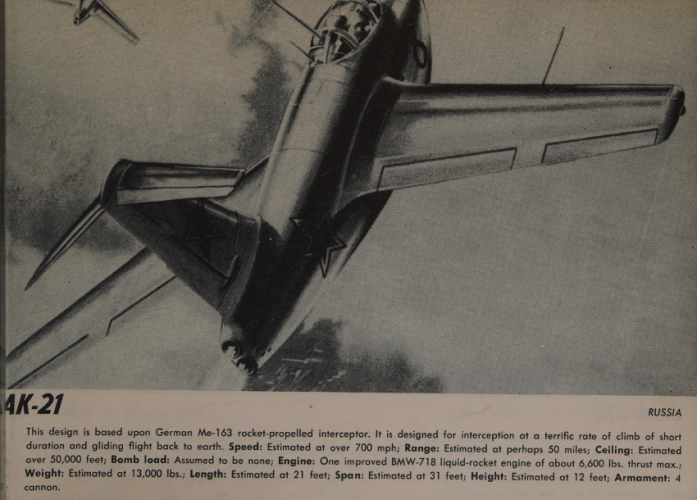
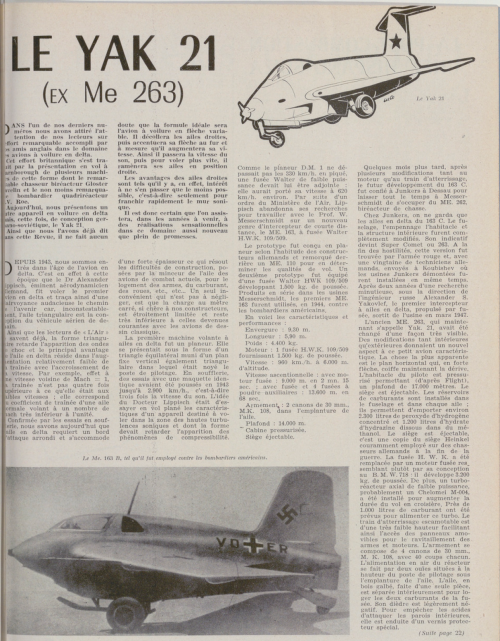
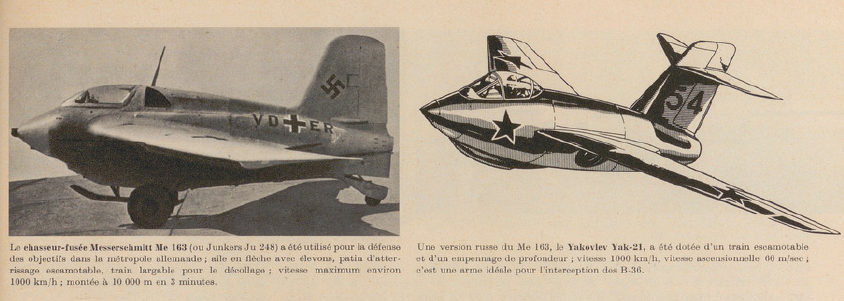
At the end of World War II, the Soviets continued the research on rocket-fighters using the material captured from the Germans. In September of 1947 the MiG I-270 made its first flight. It was a Soviet version of the German rocket fighter Messerschmitt Me 263, fitted with T-tail plane and straight wings. The confusing information available on this model was interpreted by Western analysts as a version of the Me 163 Komet which was given the arbitrary name of Yak-21.

In 1948 L'Ala D'Italia published an illustration with the text:"L’ultimo modello di Jakovlev, il quale evidentemente si è inspirato al Tedesco Me 163”.

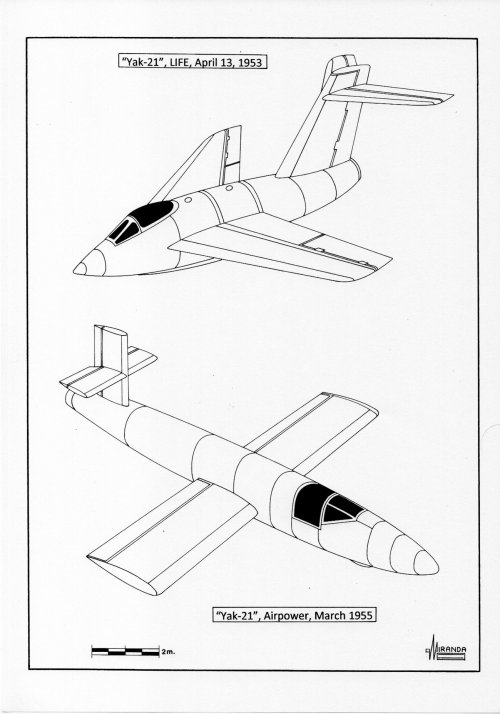
On April 13, 1953, a cutaway was published in LIFE. The illustration depicted a Me 163 powered by a Walter 509 rocket.

In July 1952 the aircraft was described in InterAvia as "Jak-21 derived from the Me 163".

In March of 1955 Air Trails presented it as “Yak-21 rocket interceptor is an only slightly modified version of the original German Me 163. Chief difference appears to lie in the tail unit”.

In May 1979, Le Moniteur de l’Aeronautique speaks about the aircraft as the “Type 11”.

Between 1947 and the introduction of the NATO code names in 1955; the USAF assigned a number to all unknown Soviet plane. “Type 3” was the La-150, “Type 4” the La-152, “Type 6” the La-160 and “Type 11” the Mikoyan I-270 described as Yak-21 in Western publications.

To further complicate the identification, in March 1955 Air Power published a completely different illustration of a rocket plane very similar to the German Bachem Ba 349 Natter, designated “Yak-21” by the author of the article.

The same illustration was published in July 1955 by Popular Mechanics.
 

Attachments

  • xxx456.jpg
    xxx456.jpg
    383.2 KB · Views: 63
On April 17, 1945, the Luftwaffe airbase at Leipzig-Brandis was captured by the US Army’s 9th Armored Division.

This airfield had become the center of operations of Messerschmitt Me 262 A-1 jet fighters from JG7 and the Me 163 B rocket fighters from JG400.

The retreating Germans had sabotaged many of the planes, including two prototypes of the Junkers Ju 287 jet bomber and the Sack AS6 experimental flying saucer, but many fighters rested under camouflage netting in the surrounding woods.

When the giant base was inspected by intelligence, it was discovered five Me 163 B fighters, three Me 163 S two seat trainers, the Horten Ho 9V1 flying wing, many tanks of rocket propellants, Walter HWK 109-509A engines, several Jumo 004 turbojets and technical documentation on Junkers Ju 248 flight tests.

On July 2, 1945, the airbase was handed over to the Soviets allowing them access to the German secret technology.

In Brandis, the Soviets managed to capture two Me 163 B and one Me 163 S that was used for aerodynamic testing at the Aviation Research Institute TsAGI wind tunnel in 1946. Late in 1945, the Me 163 B fighters were flight tested at NII-VVS, in glider configuration, towed by one Tupolev Tu-2 bomber.

No powered flights were made, the small number of rocket propellants captured in Brandis was used in bench testing with the Walter rocket.

The Komet was a very dangerous aircraft to land and the Soviets decided that the tailless configuration was not suitable for high-performance rocket airplanes.

The production facilities at Junkers Flugzeugwerke-Dessau were totally destroyed by six air raids when was occupied by the First U.S. Army, in April 1945.

On July 1, 1945, when the Dessau plant was handed over to Soviet occupation troops, in accordance with the Yalta agreements, most of the documentation, patents, licenses and films had been transferred to the Junkers-Gernrode documentation branch and the rest were taken over by Allied intelligence.

The Soviets obtained the fuselage of the damaged prototype Ju 248 V2 rocket fighter, captured by U.S. troops at Kassel-Bettenhausen, technical documentation on Junkers Ju 248 flight tests captured in Brandis and one Walter HWK 109-509 C engine at the Siebel-Halle plant.

On October 22, 1946, all the captured German engineers, material and tools were transferred to the USSR.

The Soviets attempted to continue the development of the Junkers EF 126, EF 127 and Ju 248 projects. Specialists in fuselage construction were sent to Podberezhye, near Moscow, and the rocket engine team was transferred to Uprawlentscheski Gorodok, but the Ju 248 wooden wings were built by the unknown Puklitsch German firm and the Soviets couldn't get the manufacturing plans.

As a result of the atomic attacks on Hiroshima and Nagasaki, the Soviet government experienced the urgent need for a reliable fast-climbing point-defense interceptor to counter the potential threat of nuclear armed B-29 bombers in a future war.

On February 26, 1946, Josef Stalin ordered the development of two rocket interceptors using technology captured from the Germans, but the Soviet industry proved to be unable to build reverse-engineering copies of the double-walled combustion chamber or turbine-driven fuel pump of the German rocket motor Walter HWK 109-509 A-1, and only managed to produce small amounts of T-Stoff and C-Stoff that was sufficient for ten partial rocket starts and five full powered takeoffs.

The designers were forced to continue using the RD-2-M-3V domestic rocket engine.

The MiG bureau was assigned to design a mass-production daylight interceptor and the Lavochkin bureau was tasked to design a limited-production all-weather/night-fighter fitted with AI radar.

The project developed by the MiG design team, called I-270, was based on information retrieved on the Junkers Ju 248 V2. The TsAGI recommended lengthening the fuselage to contain more propellants, but the German chemicals were abandoned. Instead, the plane used RFNA (96% nitric acid) and kerosene.

In the preliminary configuration of March 1946, the I-270 was designed with 20 degree (25% chord) swept wings based on those of the MiG-8, but the insufficiency of data about the Ju 248 28-degree swept wings and the bad experiences suffered during landings with the Me 163, forced the design team to use the straight wing of the Junkers EF 127 project, with 9 % thickness.

Following the TsAGI calculations, work was stopped on April and the project was revised with a 12 % wing.

On May 30, 1946, a 30-degree swept T-tail plane was adopted to compensate for the extremely small longitudinal stability margin of the tailless designs.

To prevent the turbulence generated by the wings at Mach 0.9 affecting the tailplane, the OKB calculated that it should be installed at a height above the wings equivalent to 1.2 times the average value of the chord (1,772 mm).

Final configuration was approved on August 8, 1946, with one RD-2 MZV two-chamber rocket engine that used a turbo pump unit driven by hydrogen peroxide.

On February 3, 1947, the prototype I-270 F2 was flown, in glider configuration, towed by one Tupolev Tu-2 bomber.

On July 16, the cruise combustion chamber exploded during ground tests, damaging the aft fuselage.

The I-270 F2 made its first powered flight on September 2, 1947, but it was damaged beyond repair during landing.

The prototype I-270 F1 was flown on October 4, reaching 382 mph (615 km/h) only, far from the expected 1,000 km/h.

The engine failures by acid corrosion and explosions continued and, by March 1948, the top speed of the I-270 was only 39 km/h faster than a Lockheed P-80C standard.

MiG was instructed not to fly and preserve the aircraft.

MiG I-270 technical data

Wingspan: 25.4 ft. (7.75 m), length: 29.3 ft. (8.92 m), height: 9.2 ft. (2.8 m), wing surface: 130 sq. ft. (12 sq. m), take-off weight: 9,085 lb (4,121 kg), estimated maximum speed: 544 mph (875 km/h), real attained speed: 382 mph (615 km/h), estimated service ceiling: 56,000 ft. (17,000 m), real attained ceiling: (14,596 ft. (4,450 m), equipment: pressurized cockpit and Heinkel Kartusche ejector seat.
 

Attachments

  • xxx789.jpg
    xxx789.jpg
    406.7 KB · Views: 62
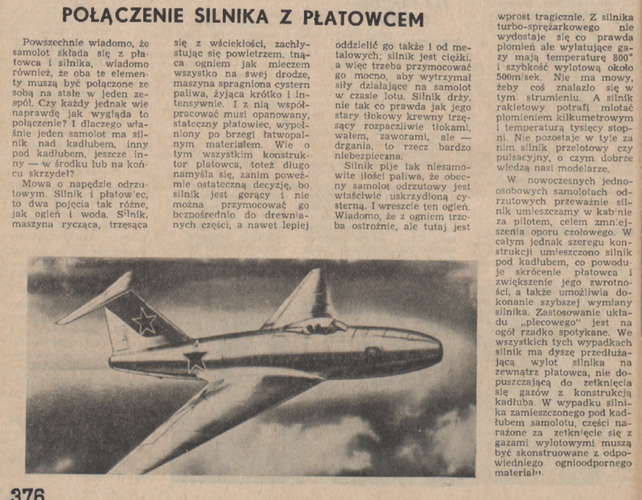
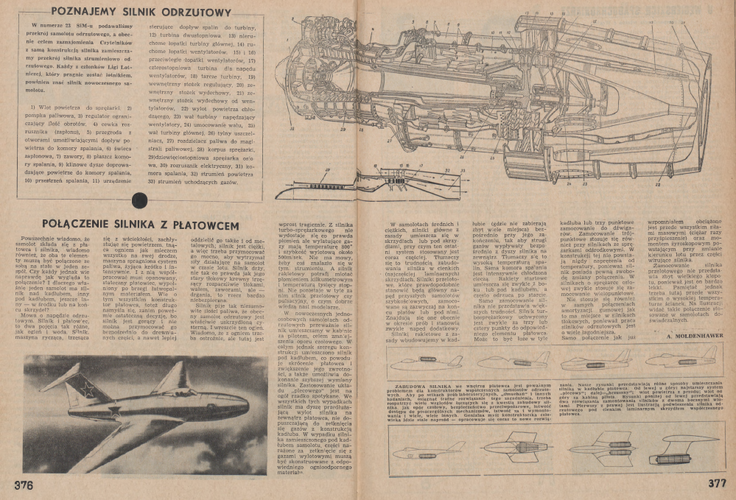
From, Skrzydła i Motor. R. 6, 1951, nr 24
Fake La-17​

On December 26, 1948, the experimental aircraft Lavochkin La-176 overcome the speed of sound.

The information was filtered to the Western press and in January 1949 Popular Mechanics published a speculative cutaway, which was very different from the La-176, with the description “New type turbojet fighter with side air intakes”.

The illustration had four nose mounted guns, semicircular air intakes mounted on both sides of the fuselage and a delta T-tail plane inspired by that of the MiG I-270 rocket prototype.

When the DFS 346-1 experimental rocket plane made its first flight on September 30, 1949, reports of the new supersonic prototype were confused with those of the La-176.

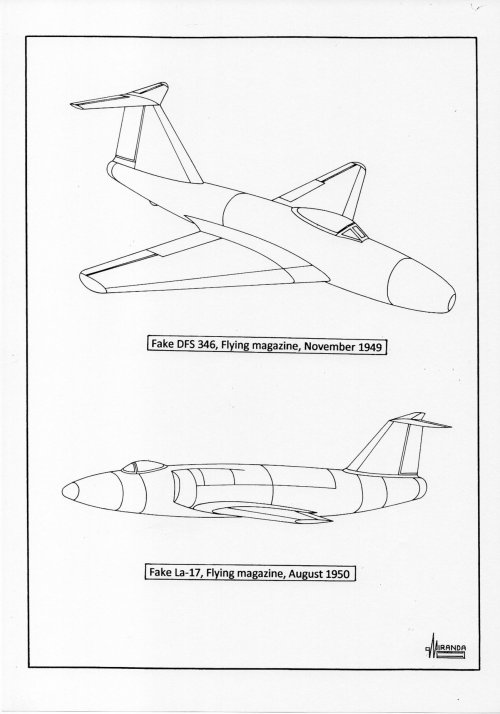
In November 1949 Flying published the illustration of a “Soviet Transonic Research Plane”, with 35-degree (at leading edge) swept wings and T-tail plane, described as “One of the Red’s most advanced planes, reconstructed from three authentic photos”.

At that time some photos of the MiG I-270 were already known, these were low-resolution images taken from a film about the flight tests of the I-270 J-1 and J-2 prototypes carried out in February and October 1947. They were taken at angles from which it was not possible to see that the planes lacked air intakes.

Most likely the third photo used by the Flying cartoonist was taken on December 29, 1948 during the flight tests of the British prototype Supermarine 510 (VV106), surely it was a deliberate fraud in which the photo was cut to prevent the British markings from being seen, leaving only the front of the fuselage with the air intakes and part of the swept wings.

In 1951 Air Trails published a three-view drawing based on Flying information, but with a tear drop canopy similar to that of the Lockheed P-80 located above the air intakes and a straight tailplane, described as “High-speed research jet plane”.

In February 1952 Ali Nuova published the same illustration as Flying described as “La-17”, an aircraft that never existed.

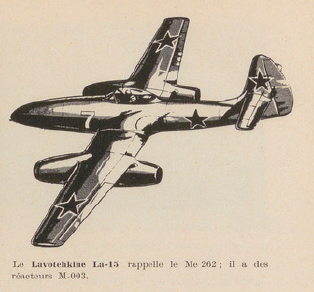
At that time, it was already known in the West that the Soviet supersonic prototype was the Lavochkin La-176 and the Italians assumed that the operational version would be called La-17 as a successor to the La-15.

In March 1955 Air Trails published a strange illustration in which structural elements of several previous illustrations had been mixed. The airframe of a Lavochkin La-15 was used, the solid nose and the lateral air intakes of the Flying drawing and the canopy of a P-80, described as “La-17, one of the more recent Red jet attack planes, two men crew, four 23 or 30-mm cannon”.

It seems that the author of the article thought that it was an all-weather version of the La-15.
 

Attachments

  • xxx432.jpg
    xxx432.jpg
    347.6 KB · Views: 66
unsung heroes of color profiles
I loved this book! Definitely, one of my go to books from 1982 to this day!!
I was absolutely enthralled with the profile depictions of the Su-27 (RAM-K), Su-25 (RAM-J), Su-24, Tu-? (RAM-P) [Tu-160], and dare I say, the IAI Lavi :oops:

Regards
Pioneer
 
From this book.
 

Attachments

  • 1.png
    1.png
    1.2 MB · Views: 49
  • 2.png
    2.png
    1.2 MB · Views: 47
  • 3.png
    3.png
    965 KB · Views: 42
  • 4.png
    4.png
    1.4 MB · Views: 40
  • 5.png
    5.png
    982.7 KB · Views: 43
  • 6.png
    6.png
    1 MB · Views: 44
  • 7.png
    7.png
    362.5 KB · Views: 61

Attachments

  • IMG_6022.jpg
    IMG_6022.jpg
    1.4 MB · Views: 37
This ia a fascinating thread. As a fan of aviation what-ifs and speculations, were there similar speculations of Chinese aircraft of the 1950s?
 

Similar threads

Back
Top Bottom