
You are using an out of date browser. It may not display this or other websites correctly.
You should upgrade or use an alternative browser.
You should upgrade or use an alternative browser.
Various Ekranoplane and WIG projects
- Thread starter ucon
- Start date

Dronescapes
ACCESS: Confidential
- Joined
- 21 August 2022
- Messages
- 83
- Reaction score
- 173
Winged Sea Monsters: The Ekranoplan & Bizarre Flying Machines

- Joined
- 26 May 2006
- Messages
- 38,282
- Reaction score
- 20,422
Attachments


shin_getter
ACCESS: Top Secret
- Joined
- 1 June 2019
- Messages
- 1,491
- Reaction score
- 2,192
https://www.navalnews.com/naval-news/2025/06/china-builds-new-jet-powered-large-ekranoplan/
This probably deserves its own thread if we get more info.
edit: so there is a thread, cough: https://www.secretprojects.co.uk/th...effect-vehicles-ekranoplan.46805/#post-805243
This probably deserves its own thread if we get more info.
edit: so there is a thread, cough: https://www.secretprojects.co.uk/th...effect-vehicles-ekranoplan.46805/#post-805243

Brett Davidson
ACCESS: Top Secret
- Joined
- 26 September 2006
- Messages
- 4,451
- Reaction score
- 12,860
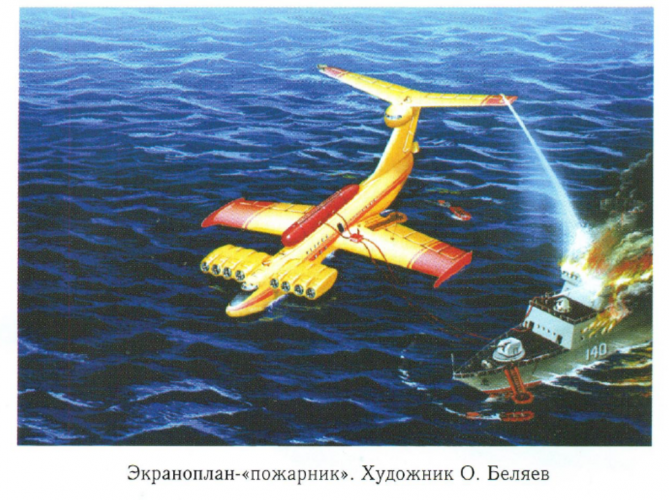
That looks like a concept for a submersible aircraft that just happens to look like the Bartini VVA, judging by what appear to be streams of bubbles coming from the cockpit and engine, the circular windows, and the lighting and colour. Wing in ground effect might be one of its tricks though.

- Joined
- 28 January 2008
- Messages
- 656
- Reaction score
- 615
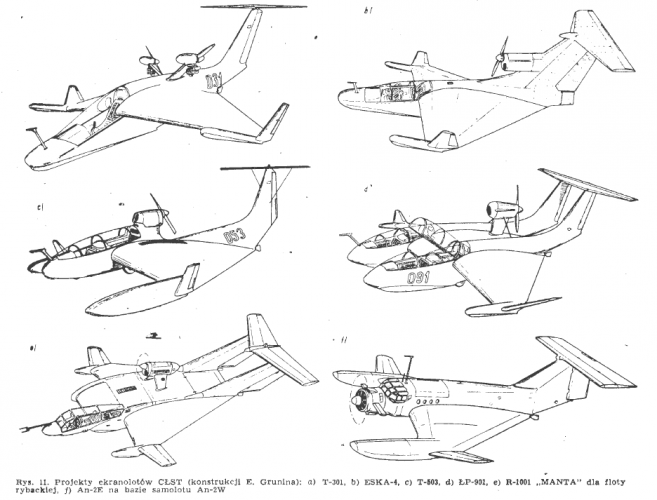
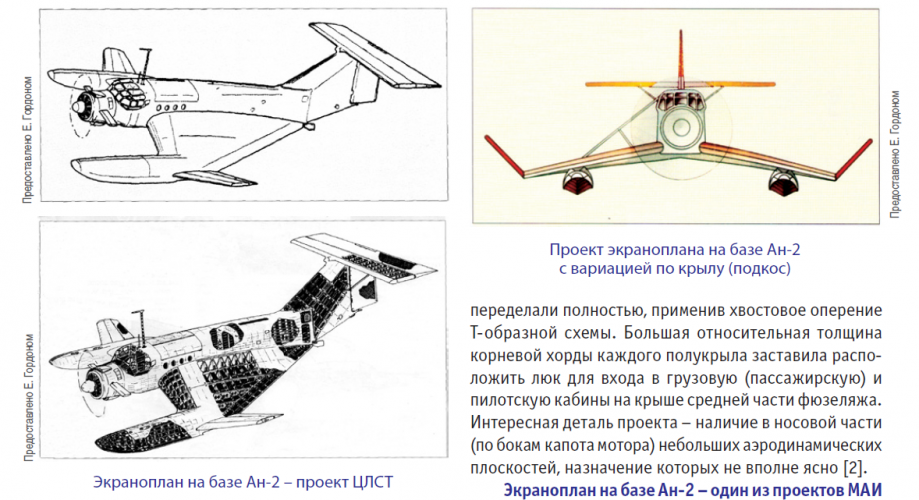
Both T-301 and T-503 were developments of the ESKA-4 proposed by Ya.P. Groonin and designed at the TsLST OSVOD RSFSR (Central Laboratory of New Types of Rescue Equipment Under the Nautical Rescue Agency of the Russian Federation). according to "Russia's Ekranoplans"(Red Star Volume 8) by Sergey Kimissarov (Midland Press) ISBN 9781857801460.
Very little detail:
T-301 : "A similar machine [to ESKA-4] differing in having two engines with pusher propellers mounted on a pylon above the fuselage."
T-503 : "... was a WIG vehicle with twin floats and a dome shaped (anhedral) wing topped by the crew cockpit."
There are also very brief descriptions of other TsLST types in Hesham's drawing (above).
Very little detail:
T-301 : "A similar machine [to ESKA-4] differing in having two engines with pusher propellers mounted on a pylon above the fuselage."
T-503 : "... was a WIG vehicle with twin floats and a dome shaped (anhedral) wing topped by the crew cockpit."
There are also very brief descriptions of other TsLST types in Hesham's drawing (above).
- Joined
- 26 May 2006
- Messages
- 38,282
- Reaction score
- 20,422
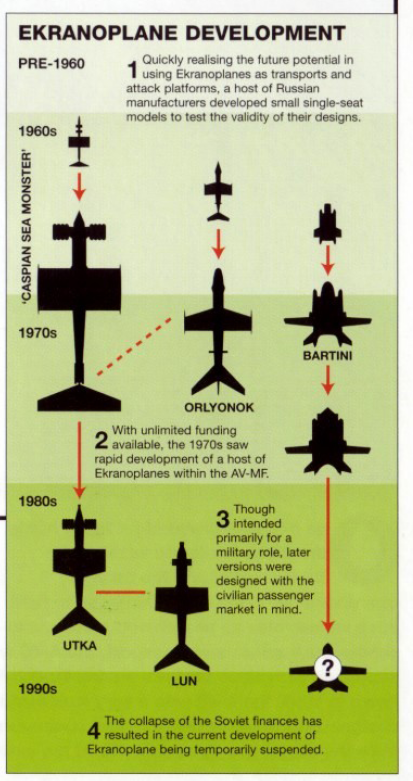
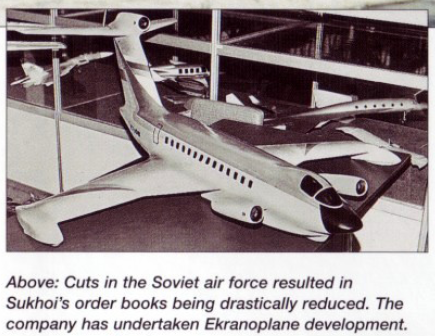
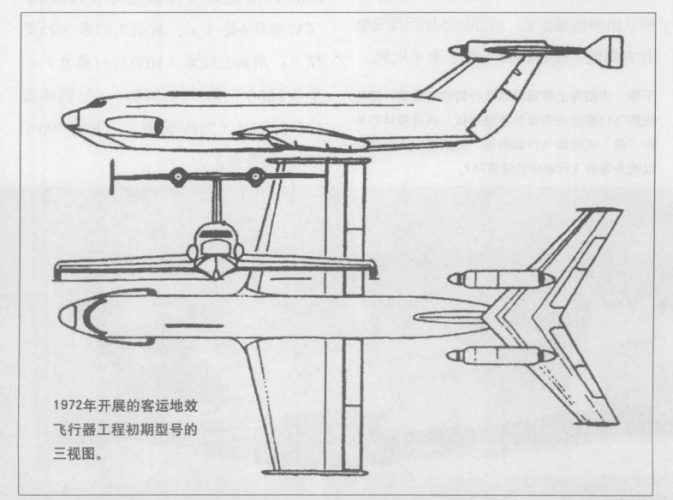
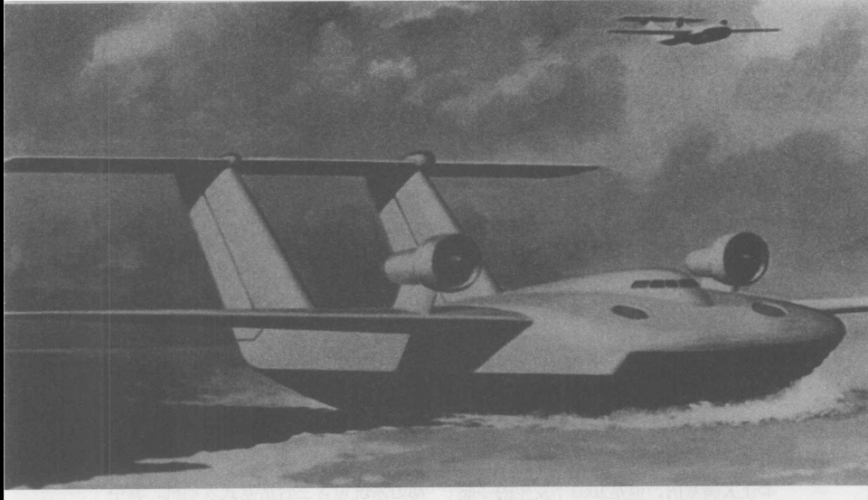
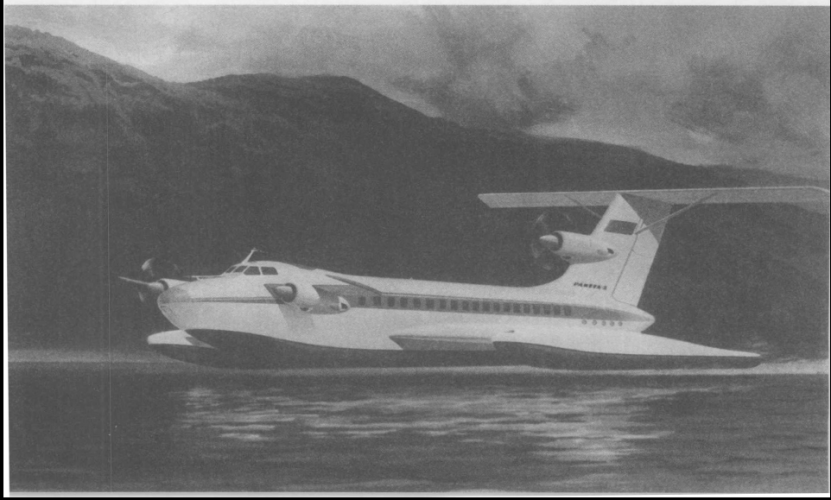
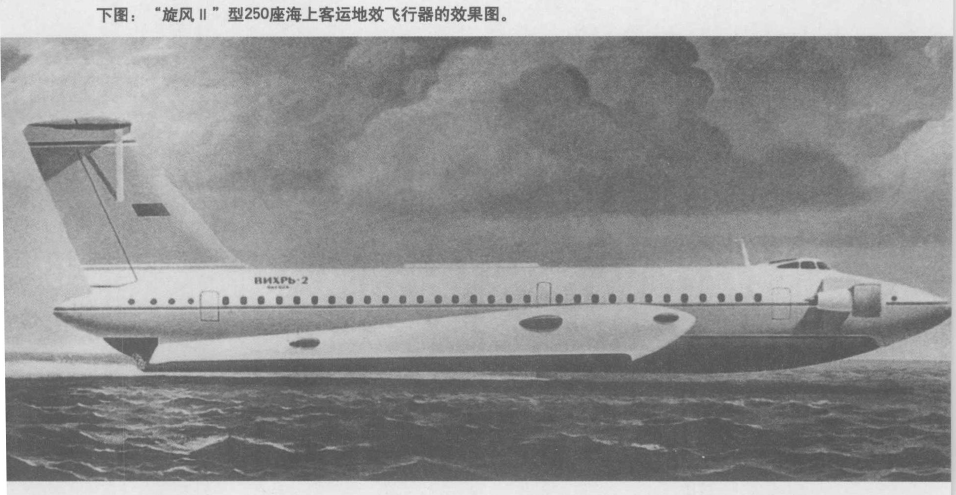
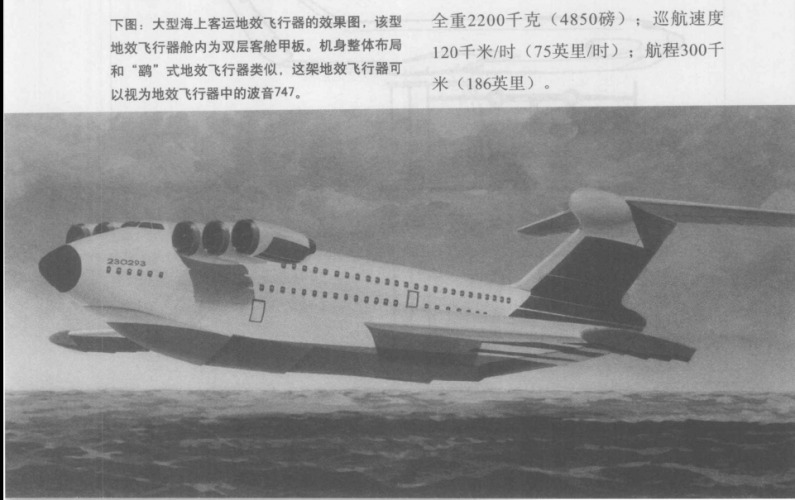
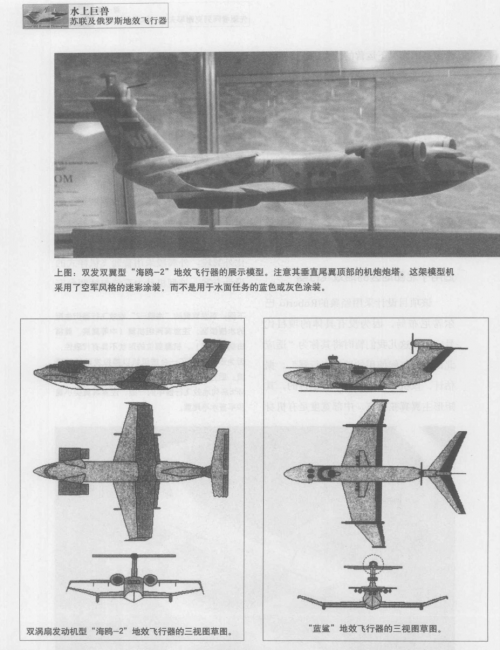
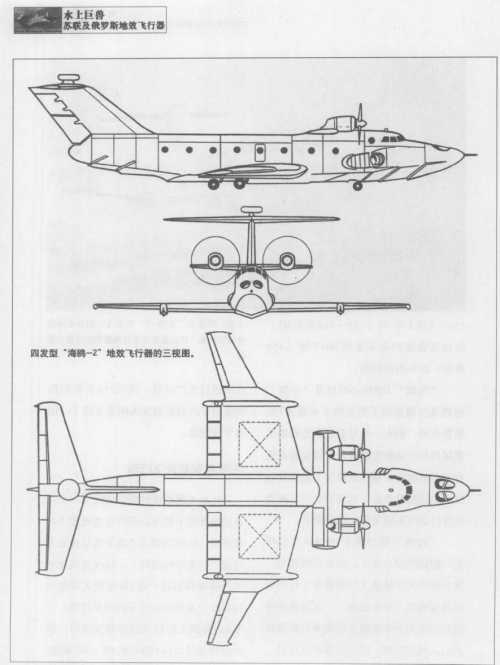
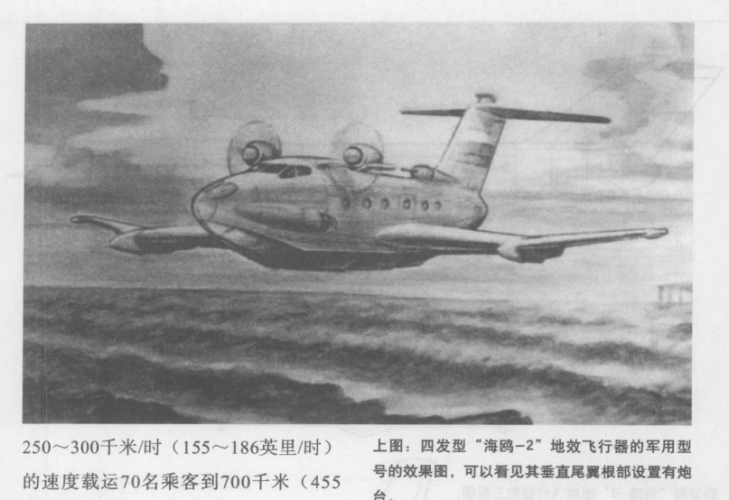
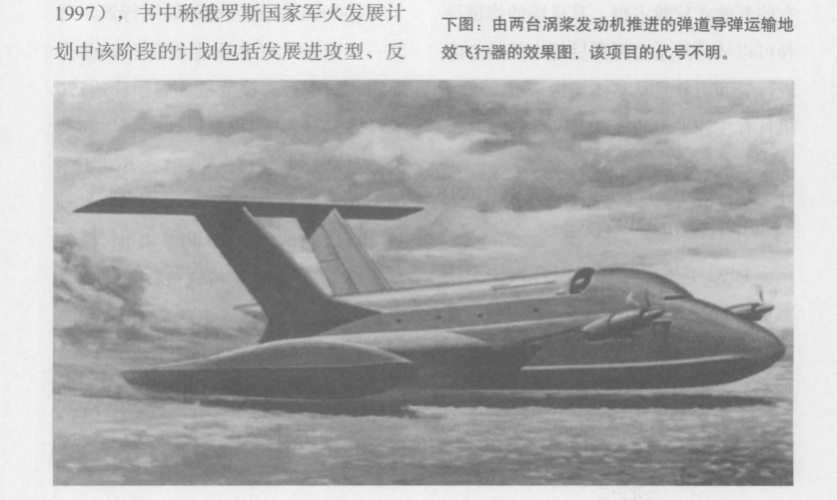
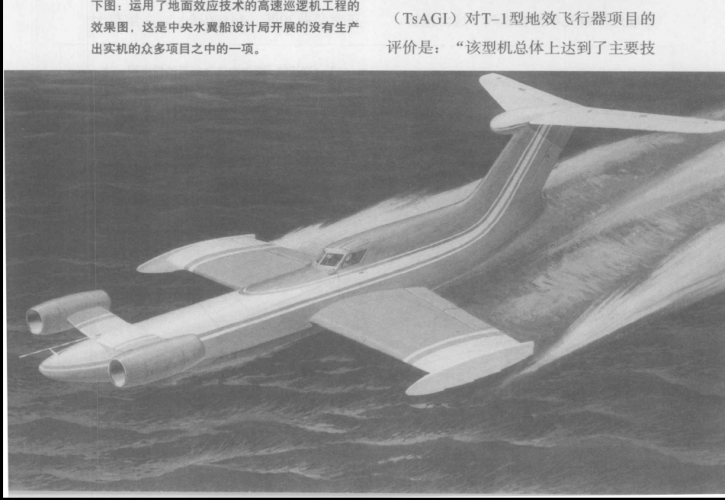
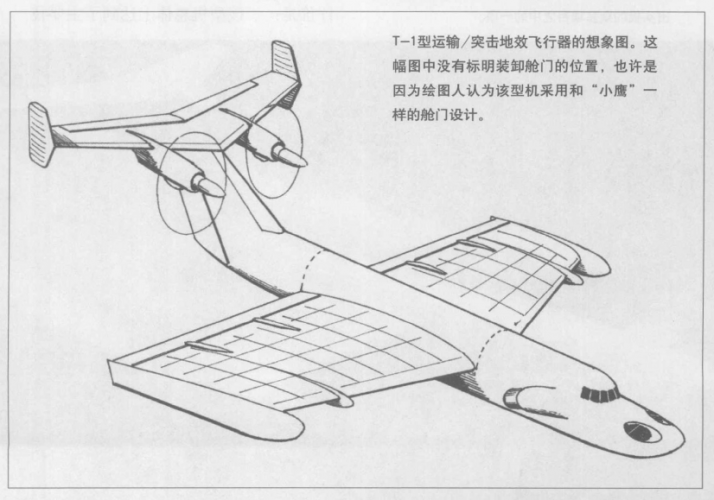
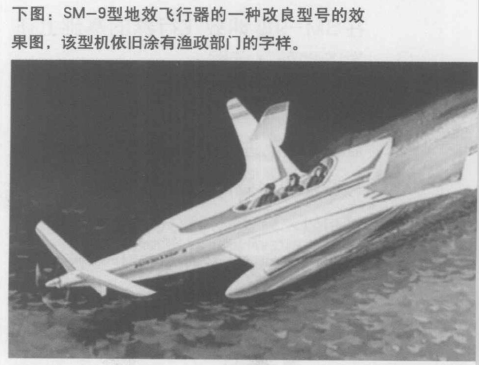
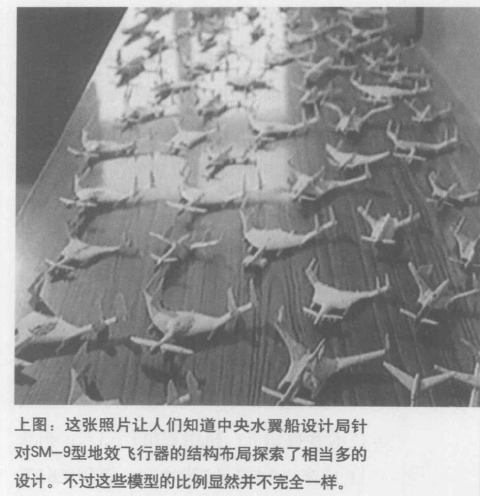
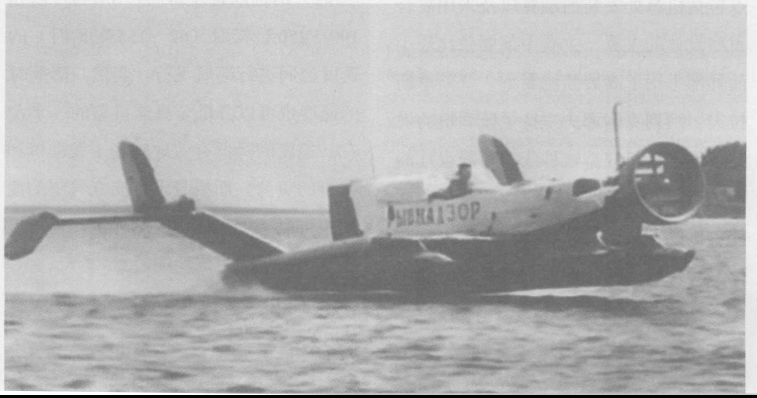
From this book,sorry I sent them earlier in wrong place.
Attachments
-
 11.png397.6 KB · Views: 45
 -
 12.png504.1 KB · Views: 34
 -
 13.png533.4 KB · Views: 30
 -
 14.png475.1 KB · Views: 29
 -
 15.png549.3 KB · Views: 31
 -
 16.png711.1 KB · Views: 29
 -
 10.png1,006.3 KB · Views: 37
 -
 9.png828.7 KB · Views: 38
 -
 8.png439.2 KB · Views: 35
 -
 7.png385.7 KB · Views: 32
 -
 6.png588.9 KB · Views: 34
 -
 5.png416.3 KB · Views: 34
 -
 4.png162.4 KB · Views: 34
 -
 3.png250.7 KB · Views: 33
 -
 2.png278.4 KB · Views: 54

Motocar
I really should change my personal text
- Joined
- 16 May 2014
- Messages
- 1,335
- Reaction score
- 1,659
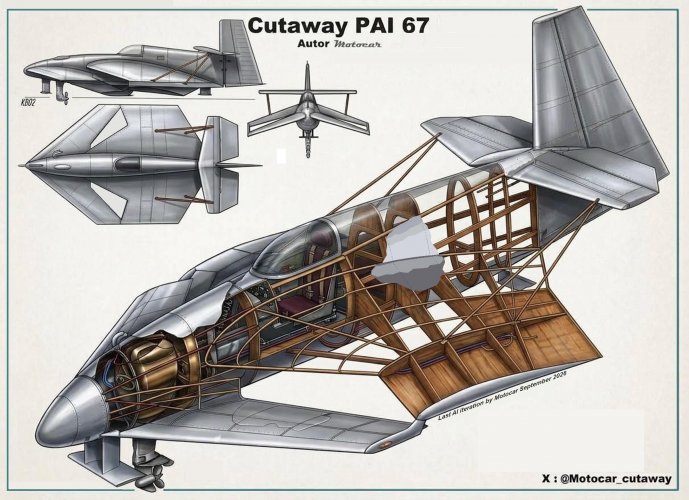
Cutaway PAI-67, author Motocar in free speculative interpretation and blue print
Attachments
- Joined
- 26 May 2006
- Messages
- 38,282
- Reaction score
- 20,422
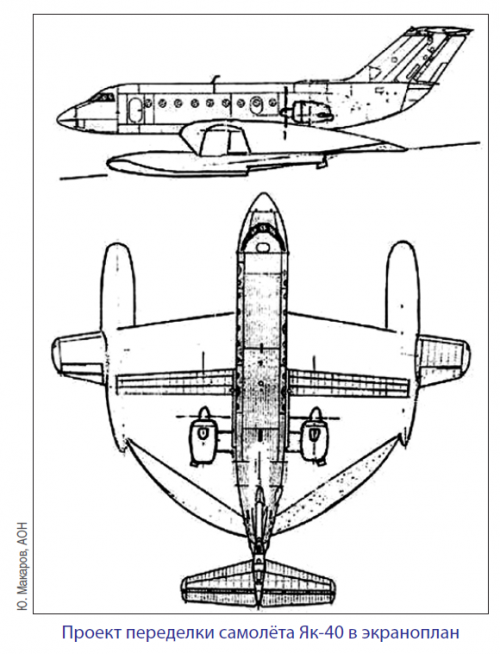
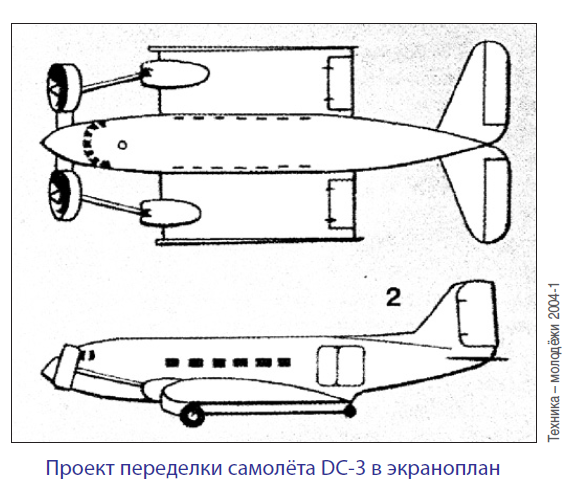

Nik
ACCESS: Top Secret
- Joined
- 15 July 2009
- Messages
- 1,374
- Reaction score
- 1,211
Long since misfiled, but I remember a fascinating RC Modelling magazine {Title ??} article which laid out the essentials of the three (3) self-stable WIG planforms known at that date...
IIRC, it compared the so-scary CG transition as craft went from 'boat' to 'WIG' to transonic aircraft woes: galloping instability, control reversal etc etc...
IIRC, it compared the so-scary CG transition as craft went from 'boat' to 'WIG' to transonic aircraft woes: galloping instability, control reversal etc etc...
ILikeTanks
ACCESS: Confidential
- Joined
- 16 January 2023
- Messages
- 77
- Reaction score
- 47
"EAGLE ekranoplan 2026 RIC enterprises" I found this, seemingly a proposal by an actual company. However, it is completely impractical given the logistics and materials of today. They specified a nearly 800m length. https://docs.google.com/presentatio...G-kadlMH/edit?pli=1&slide=id.p18#slide=id.p18
Scott Kenny
ACCESS: USAP
- Joined
- 15 May 2023
- Messages
- 19,668
- Reaction score
- 28,148
I haven't seen it, but there's a decent drawing of the 3 types on wiki:Long since misfiled, but I remember a fascinating RC Modelling magazine {Title ??} article which laid out the essentials of the three (3) self-stable WIG planforms known at that date...
IIRC, it compared the so-scary CG transition as craft went from 'boat' to 'WIG' to transonic aircraft woes: galloping instability, control reversal etc etc...
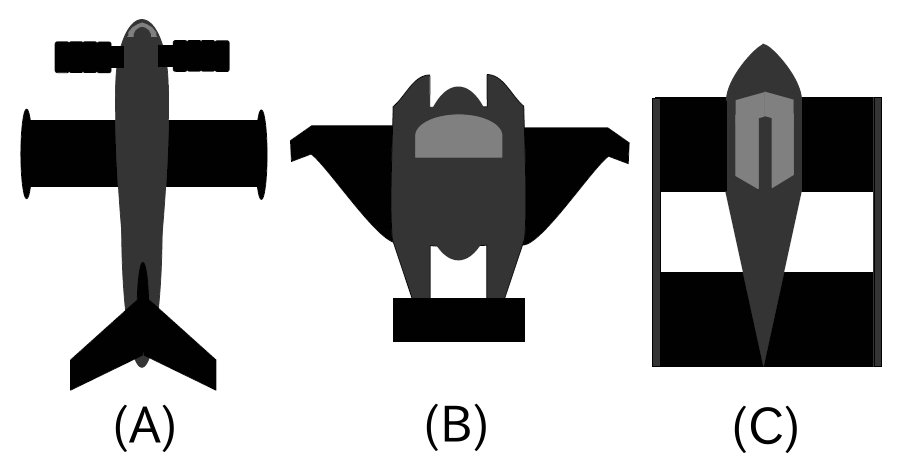
Wing Type A: Straight wings with a highly elevated tail, like the Soviet Lun and Orlyonok.
Wing Type B: Reverse Delta, like the Lippisch and Flarecraft designs.
Wing Type C: Tandem wing, which has three subtypes that aren't really worth the detail here.
Note that these wing types have nothing to do with the other classification of WIGE, which is based on how long they can safely operate out of ground effect. That classification is set by the International Maritime Organization, where Type A WIGE cannot operate out of ground effect, Type B can "hop" out of ground effect up to 150m in altitude, and Type C are able to operate above 150m for sustained periods.
Similar threads
-
 Eastern Asian WIG prototypes and designs (China, Korea...)
- Started by hesham
- Replies: 19
-
 R-01, R-02 and R-50 « Robert » experimental WIG aircraft
- Started by Stargazer
- Replies: 4
-

-
-
 Boeing LOBOY Anti-submarine WIG, 1965
- Started by flateric
- Replies: 5