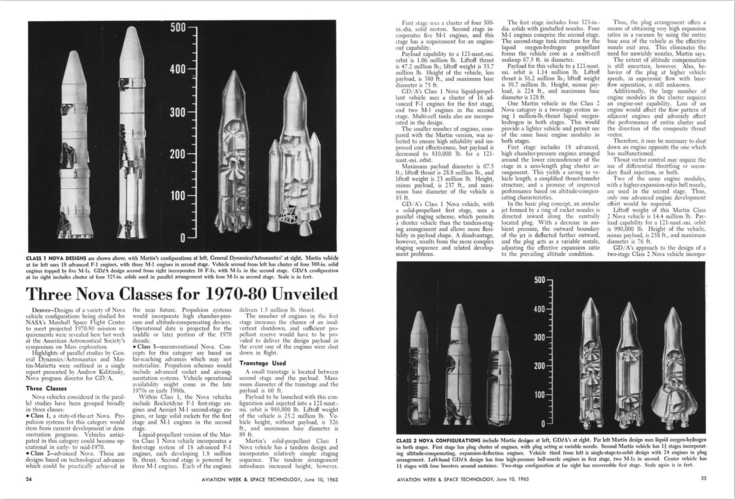
Already in 1960s they study reuse the Novas Booster

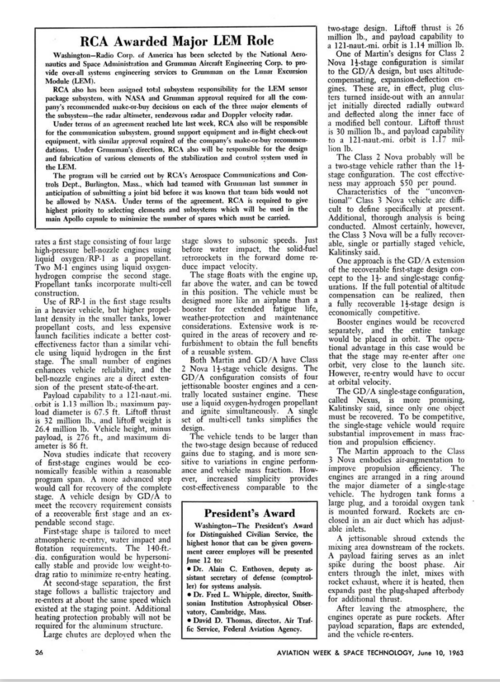
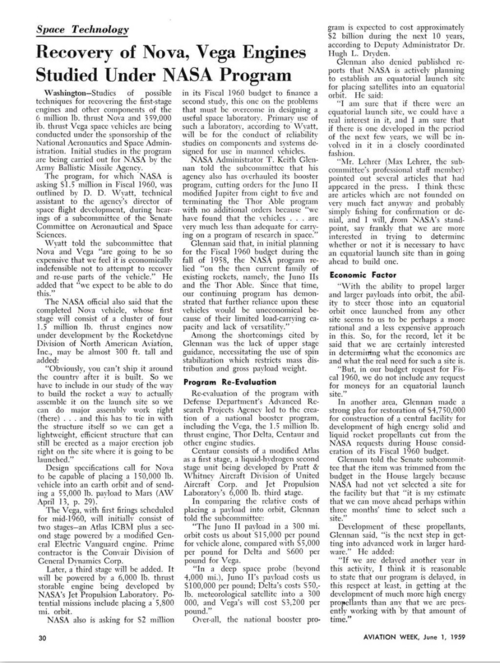
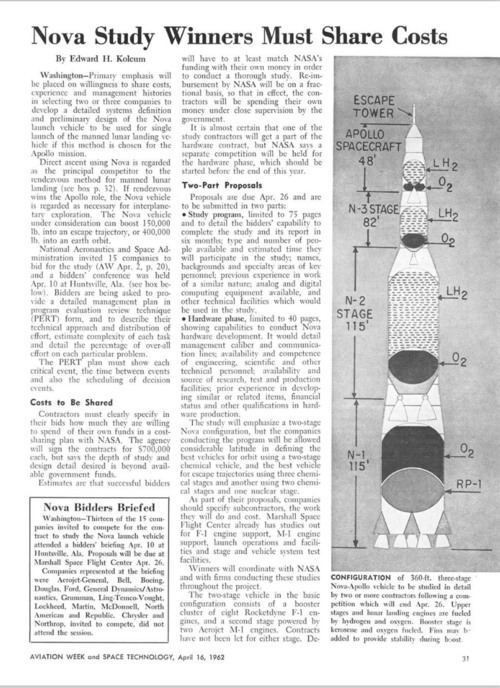
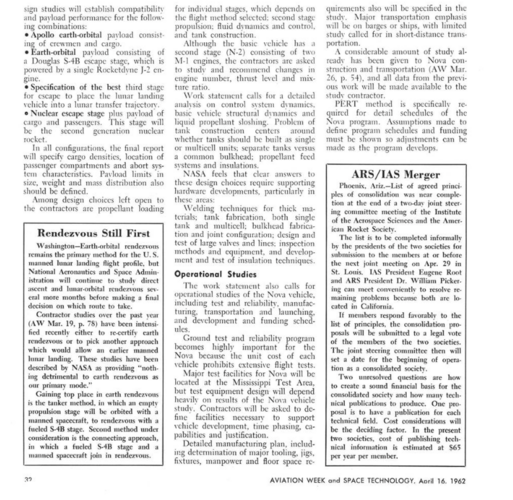
General Dynamics (Convair) look into it
Next Convair Nexus were other configuration study

like General Dynamics Nova Category B/F/J
Were first stage make ballistic landing with parachute and recover from Atlantic

General Dynamics Category H is analog to Atlas/helios concept
Here the propulsion section with 4 engines ballistic landing with parachute

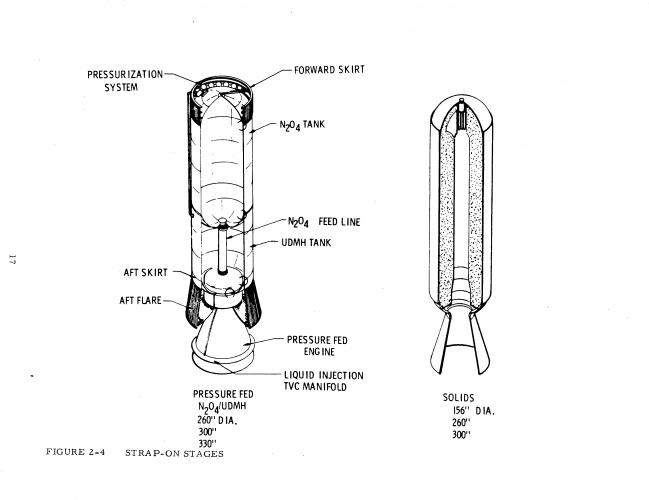
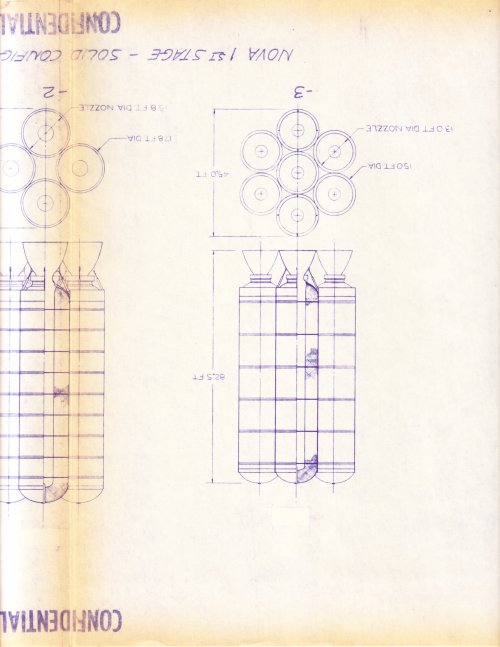
General Dynamics Category E use four 325 inch ø solid motors as first stage.
the four are recover like Shuttle SRB

Source:
They Might be... GIANTS
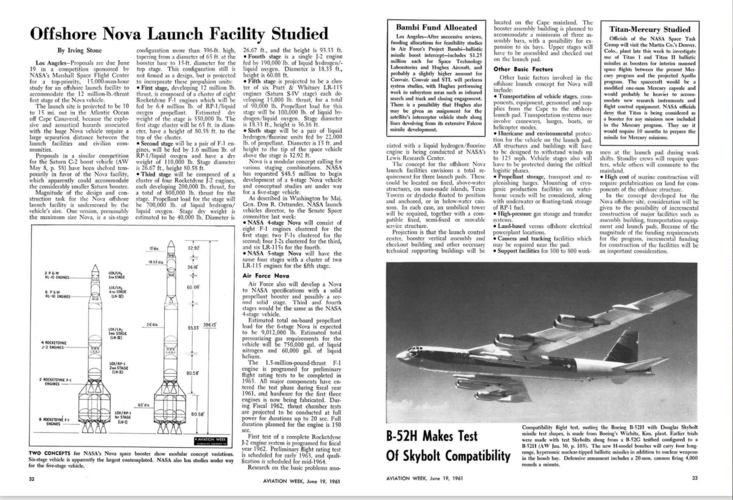
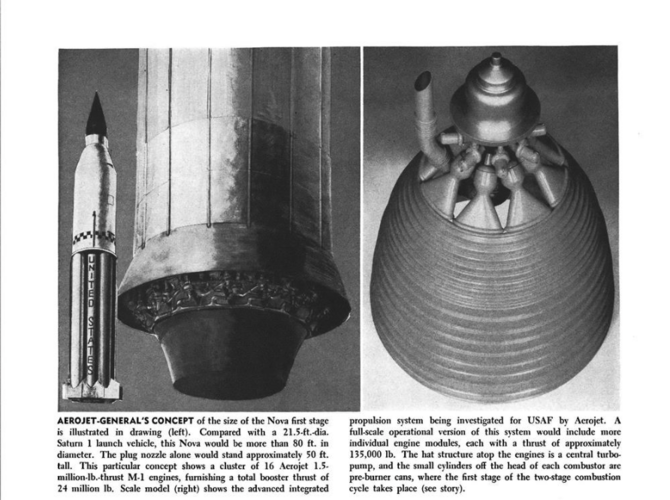
A history of Project NOVA 1959-1964
by Keith J. Scala and Glen E. Swanson.
Capture d’écran 2024-03-04 à 16.17.57.png Capture d’écran 2024-03-04 à 16.18.13.png
 
Years ago when I was doing some searches on NASA's online technical database for reports to do with the Saturn V I stumbled across one or two Nova technical reports from the early 1960s where they were looking at a proposed Nova variant that used SRMs instead of F-1 rocket-motors, IIRC the proposed SRMs was the 240" SRM.
 
Years ago when I was doing some searches on NASA's online technical database for reports to do with the Saturn V I stumbled across one or two Nova technical reports from the early 1960s where they were looking at a proposed Nova variant that used SRMs instead of F-1 rocket-motors, IIRC the proposed SRMs was the 240" SRM.
May be 260''? AJ-260: View: https://www.reddit.com/r/interestingasfuck/comments/pv8ssh/the_aj260_solid_rocket_motor_the_biggest_rocket/
 
I wonder if you could have that for a first stage, two SRBs as strap-ons and a Titan strap-ons grains for a second stage, etc.
 

That's the one I was thinking of, IIRC Aerojet setup a specific test-facility in Florida in the early 1960s to test-fire the 260" SRM where several test-fires were carried out, the facility was abandoned after NASA decided not to use that rocket-motor.
 
Athena III, OMega/Liberty/potato masher, etc. Scott had art of an all-solid Moon rocket...the very sight of which might cause solids-haters to feel faint :)

Just as an intellectual exercise, having an LV that used every type of solid ever produced might be an interesting thought experiment.
Maybe solids in place of Falcon legs, etc.
 
Have you seen some of the full SRB designs that NASA had tossed out over time? :)

Randy
Starting with a needlessly/artificially constrained technology approach for a unnecessarily sub-optimized solution is a fundamental violation of any basic systems engineering principles - why on earth or in space would you want to do that???
 
Athena III, OMega/Liberty/potato masher, etc. Scott had art of an all-solid Moon rocket...the very sight of which might cause solids-haters to feel faint :)

Just as an intellectual exercise, having an LV that used every type of solid ever produced might be an interesting thought experiment.
Maybe solids in place of Falcon legs, etc.
My dear, kind sir, as someone who has actually gone through the intellectual launch vehicle wringer and obtained a good old fashioned German Aerospace Engineering Dipl.-Ing. Degree to show for it (from way back in the day before Germany stupidly succumbed to the Bachelor/Master cookie cutter education system, but as is so often the case these days, I am most definitely not bitter and just digress), may I most politely ask you whether you have an equivalent aerospace engineering degree? Because if not, I would urgently recommend you to strive to obtain one post haste. Actual engineering is not based on pointless "intellectual exercises", but on rigorous cost/performance/requirements optimized solutions. Starting with preconceived technologies is literally putting the cart before the horse, and I am REALLY constraining my language here... But please, feel free to do the math on your *solid* concept and report back with validated quantitative results in comparison to various all or partial liquid solutions to this forum. *NEVER* start with a solution looking for a problem - it's the proverbial "if all you have is a hammer" myopic approach to basic hillbilly "engineering". But otherwise, you're doing just fine - just remember that solids are the devil's fireworks, see STS-51L...
 
Last edited:
Starting with a needlessly/artificially constrained technology approach for an unnecessarily sub-optimized solution is a fundamental violation of any basic systems engineering principles - why on earth or in space would you want to do that???
Because it looks cool and someone else has to pay all the costs, monetary and otherwise, and thus has no incentive to work through the logic and determine what is practical.
 
I often wonder whether @publiusr posts only to trigger @Byeman and from there, to derail threads into bickering and nothingness.
I really wonder.
On the contrary. If I said I liked apple pie crust he'd go out of his way to call me a flake. If I wanted to trigger someone, I'd call Paul Finebaum:
https://www.al.com/news/birmingham/...-zaxbys-ad-amid-senate-run-consideration.html
At any rate, I don't think he hates solid augmentation--and he believes expendables still have a role to play. His CV might not be quite as extensive as Martin's either--as an outsider mine certainly isn't. Hillbilly engineering could be seen in the Saturn I first stage anyway. If memory serves, a German sliding shower feature helped inspire the initial Hubble fix--proving that even folks outside the aerospace community can still play a part. My late father, who never finished school and had no medical training, made a cast for the family cat from an old splint from my little finger and two popsicle sticks and white tape. More remarkable was how calm he kept the cat as he set its leg. It was Biblical.

As for Blue Abyssal's claim that I only support things that are "cool" without regard to cost--why yes, I am a steam locomotive aficionado who also supports AMTRAK.

Byeman might bust my chops on some things--saying I focus too much on performance over cost--but his support for expendables, especially ones like Vulcan/Centaur, likely also comes from appreciation for its upper stage performance. The Centaur certainly saved Vulcan when that solid nozzle came apart.

It is rare to have an upper stage of such quality that it can bail out a mission when a lower stage underperforms--usually a death sentence.

Solids give the LV stack a run-and-go. If powerful enough solids can shove a failing stack away from the pad at least, and as Webb proved, they can even launch sensitive optics. Just get the payload moving, get past maximum dynamic pressure and above most of the atmosphere, and Centaur may bail you out.

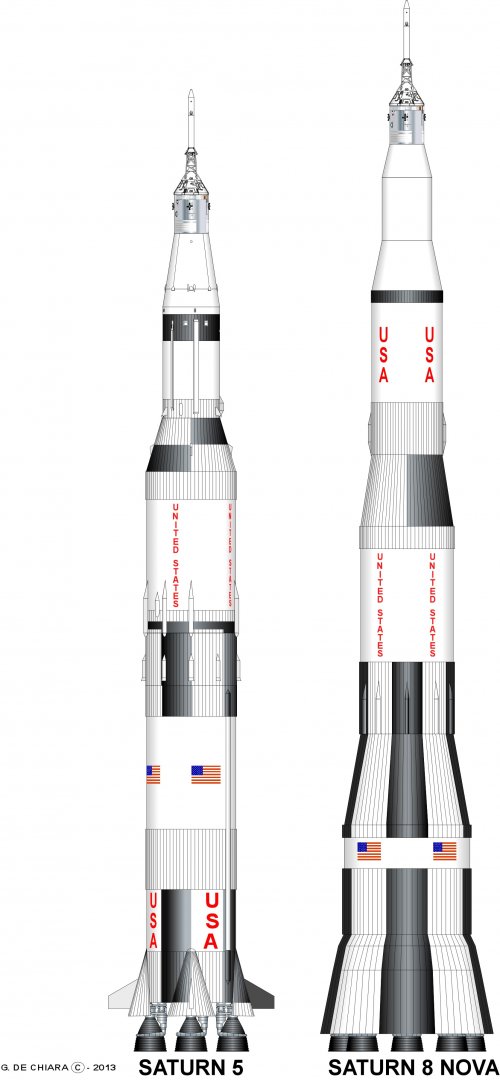
The name NOVA I associate with the post Saturn projects that were to be very much larger, though it has been used as a name for Saturn C-8 as per post #90.


https://up-ship.com/blog/?p=512https://up-ship.com/blog/?p=11448
 
Last edited:
Starting with a needlessly/artificially constrained technology approach for a unnecessarily sub-optimized solution is a fundamental violation of any basic systems engineering principles - why on earth or in space would you want to do that???

Because there was a time when solid motors were seen to be cheaper and "easier" to use, well actually those "traits" are still said to be true despite evidence to the contrary.

Randy
 
In regards to the solid-rocket boosted Nova I found this technical report on the NASA technical report archive:

Solid-boosted Nova Vehicle Study. Volume III - Current-technology Vehicle Final Report
On the solid side, Boeing/Aero-space NAS8-2438 with 4 to 7 solid motors, 240 to 325 inch large solid rocket motors combined with M-1 engines. Vehicles with 21 million lbs take-off weight and 1 million lbs payload to 567-kilometer orbit.

You also want to read the Large Launch Vehicle Planning Group (Golovin Committee) report.

NAS8-2438 was titled "NOVA Solid Vehicle" Boeing, Apr '63
https://ntrs.nasa.gov/search?fundingNumber=NAS8-2438
NAS8-11019 was titled "Application Large Solids" Boeing, Conf, Mar '63
https://ntrs.nasa.gov/search?fundingNumber=NAS8-11019
NAS2_4079 by Boeing on NTRS 19680010577, D5_13421_1, STUDY OF ADVANCED MULTIPURPOSE LARGE LAUNCH VEHICLE. January 1968
 

Hazegrayart just uploaded one of his speculative what-if videos today and it featured the 260" SRM as a first-stage of a manned rocket:


Aerojet 260: The Largest Solid Rocket Motor Ever Tested
In the 1960s, Aerojet, under NASA contract, developed and static-tested the Aerojet 260, the largest solid rocket motor ever built. Measuring 260 inches in diameter and over 80 feet long, it was designed as a potential booster for the Saturn Rocket.​
Two test motors were loaded with 1.68 million pounds of propellant and fired vertically from an underground silo near the Florida Everglades. The motor produced over 5 million pounds of thrust and 3.47 billion pound-seconds of total impulse, with flames visible from 80 miles away during a night test.​
Though never flown, the 260 demonstrated the viability of massive solid rockets producing nearly 100 times the thrust of a Minuteman III second stage and remains the most powerful solid rocket motor ever tested.​

So imagine a Saturn-IB with its' S-IB first-stage replaced by a single AJ-260.
 
There were many studies of S-IVB with solid fuel beneath :
- 120 inch Titan SRM, clustered
- 156 inch, Shuttle -like SRBs, clustered
- 260 inch, half-length or full length.
 
Last edited:
There were many studies of S-IVB with solid fuel beneath :
- 120 inch Titan SRM, clustered
-156 inch, Shuttle -like SRBs, clustered
-260 inch, half-length or full length.
Those were also study for Lunar Novas as bundle of Solids in First stage...

260 inch full length was propose to replace Saturn v first stage
Even bigger solid were Proposed for Novas and Heavy Lift Rocket
 
In November 2024 Curious Droid uploaded this video concerning the Aerojet AJ-260 SRM:


In 1965 the most powerful Solid Rocket Motor ever built was created by Aerojet and tested by NASA as a backup to the F-1 engine for the Saturn V. It had a thrust 3.5 times that of the F-1 and yet it was never used, but it's successor nearly 20 years later provided 85% of the thrust for the space shuttle. This is the story of the Solid Rocket Motors and why we won't see the very largest of these in the future.​
Written researched and presented by Paul Shillito
Images and footage : SpaceX, NASA, Morten Schultz - Hunting and outdoor, Aerojet, Thiokol
 
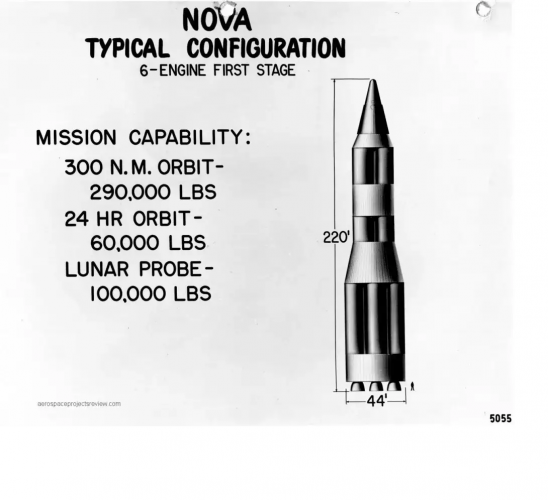
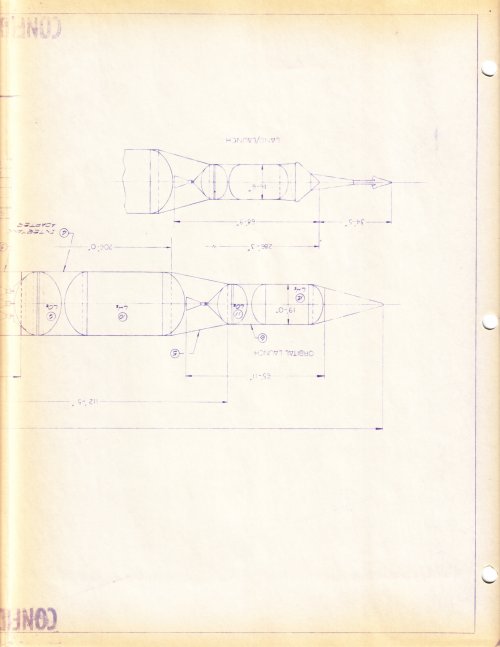
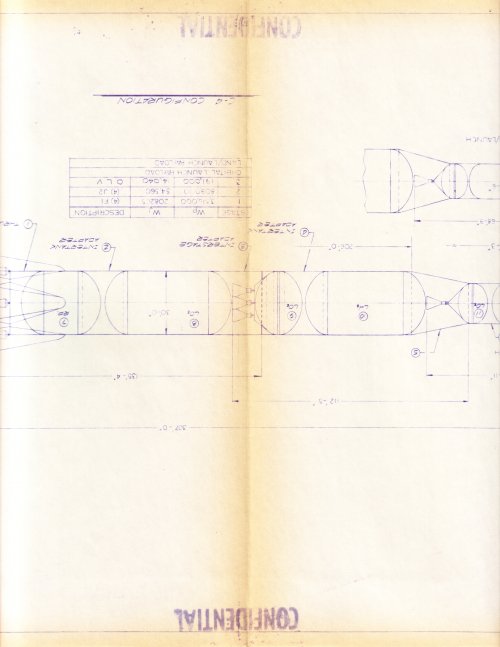
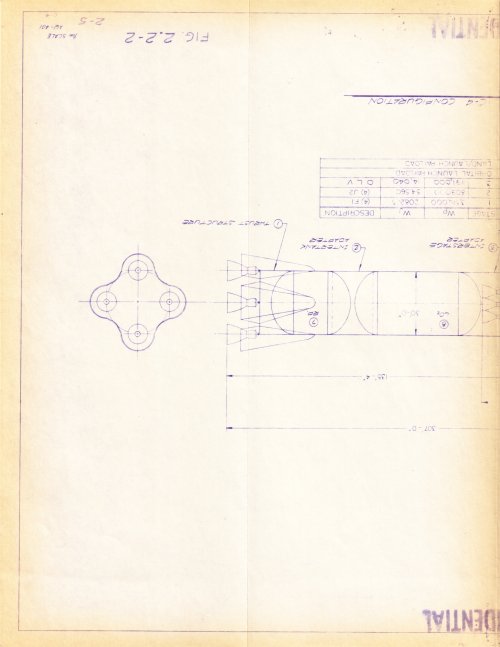
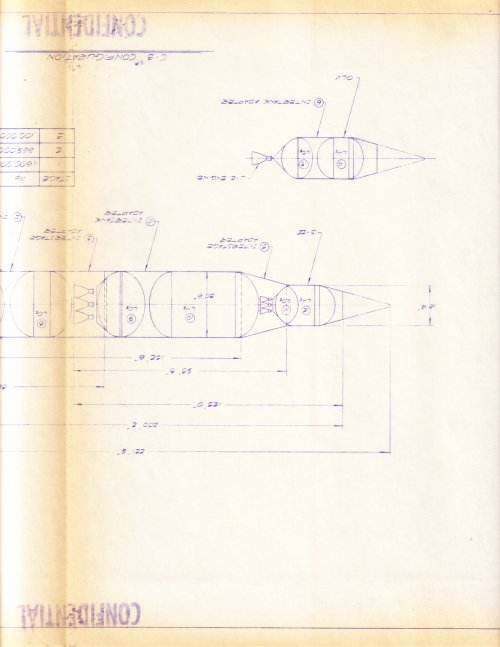
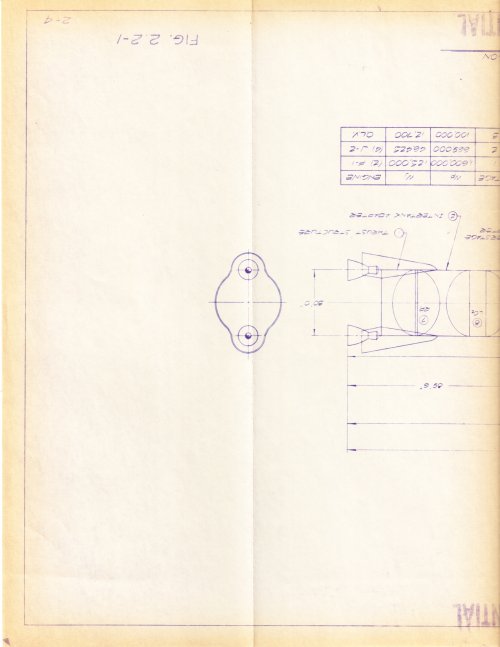
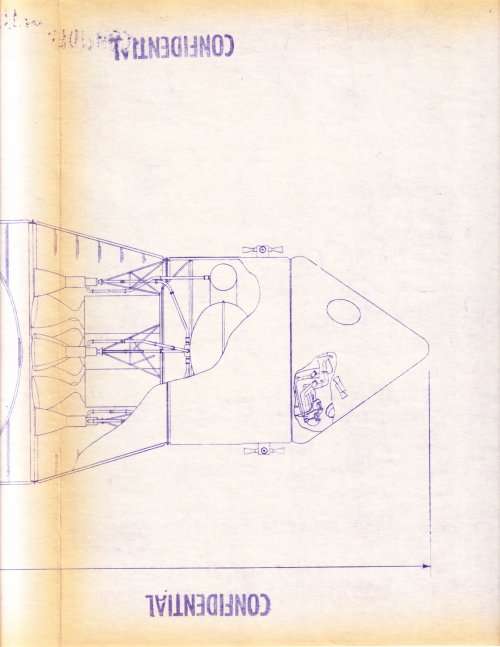
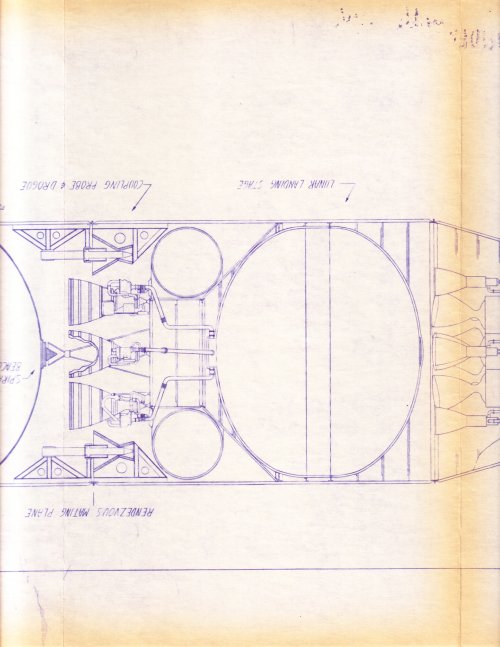
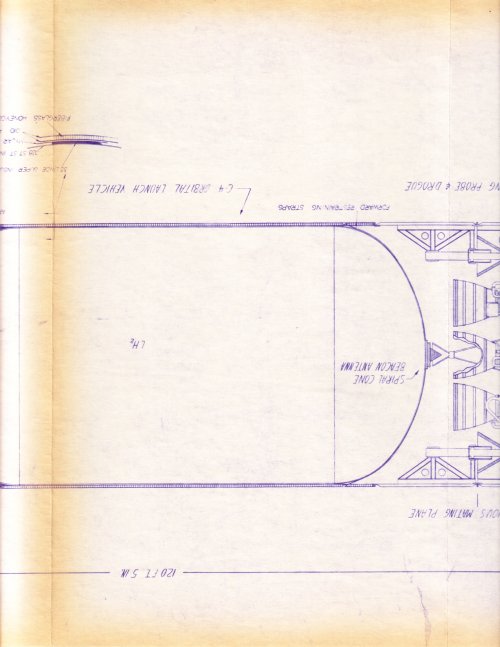
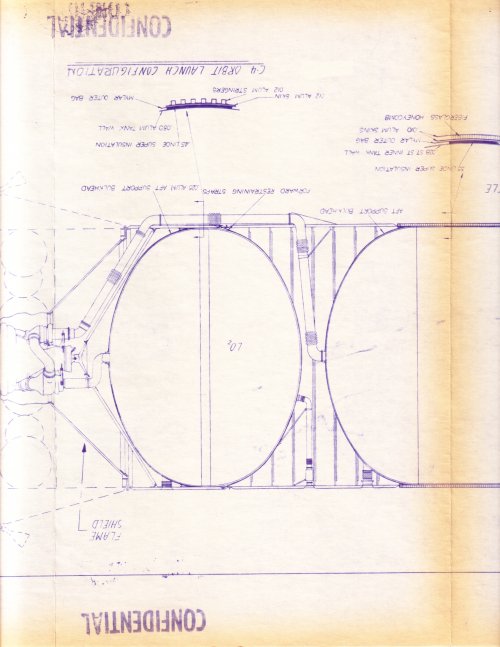
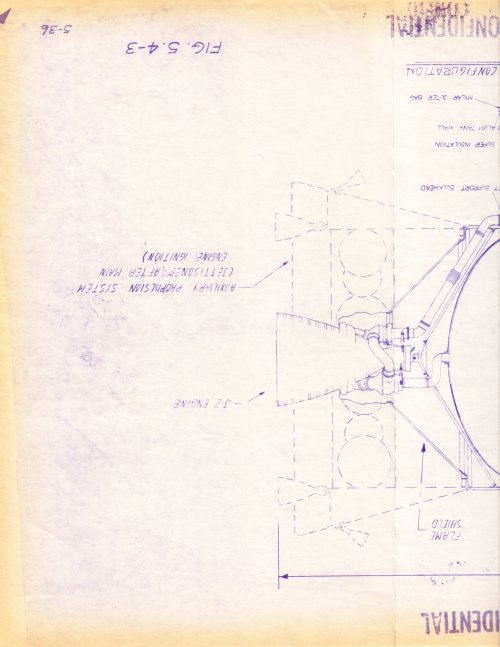
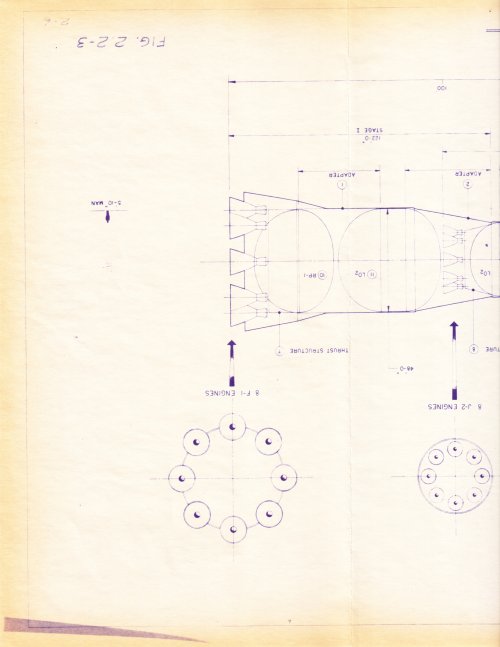
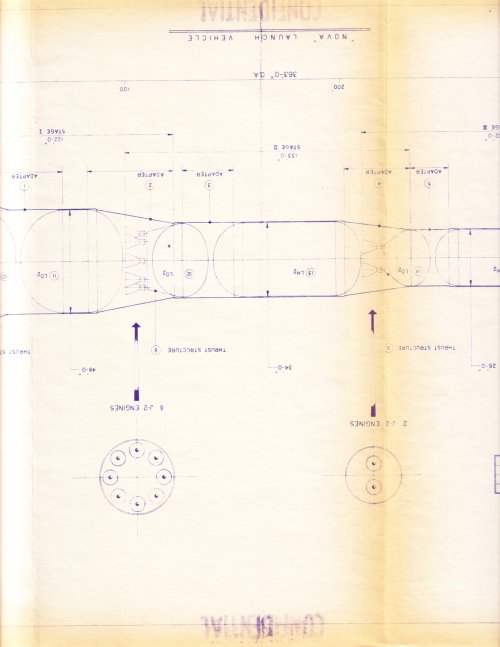
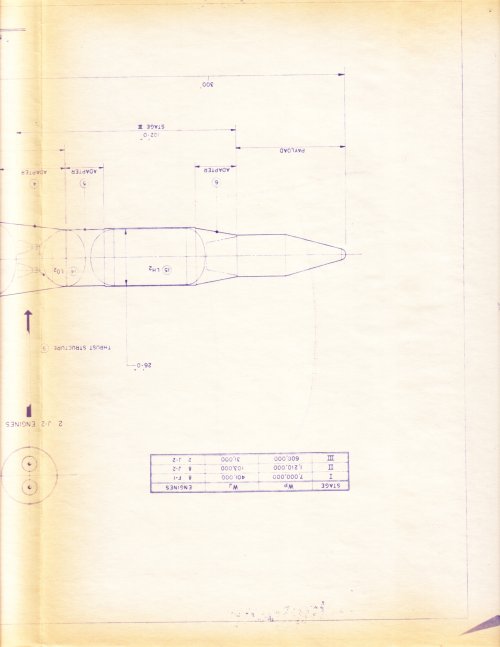
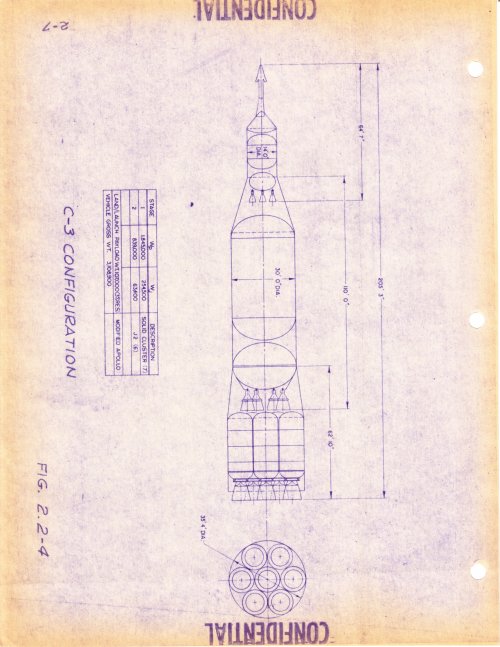
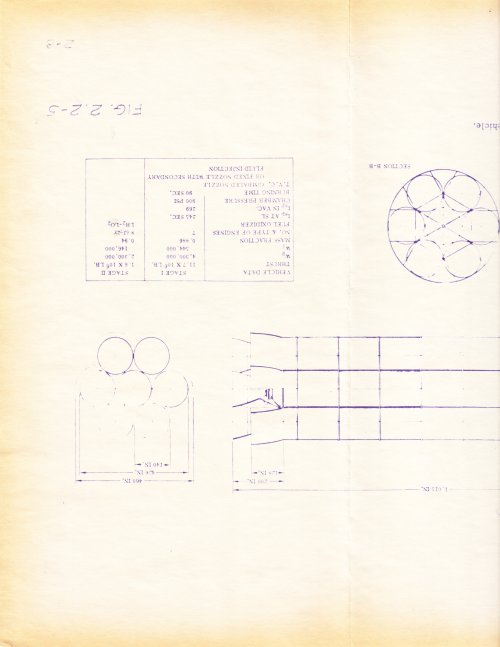
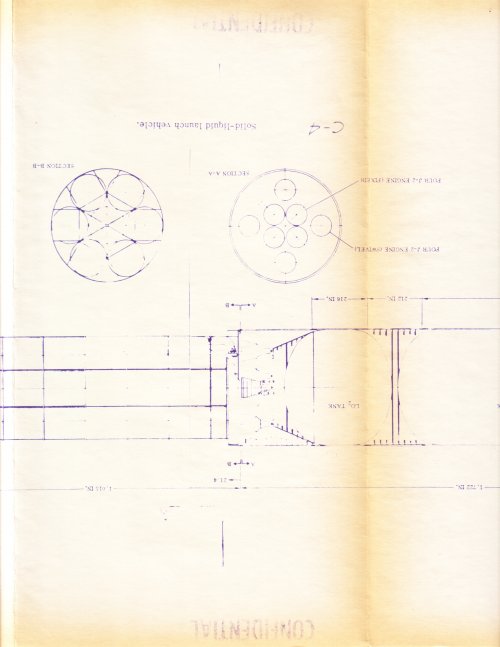
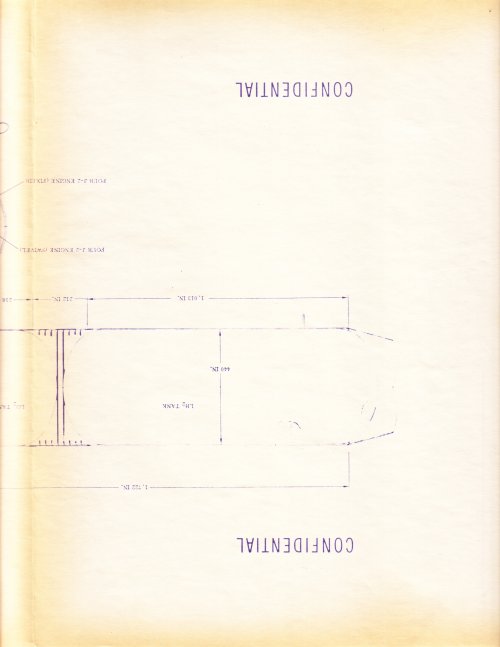
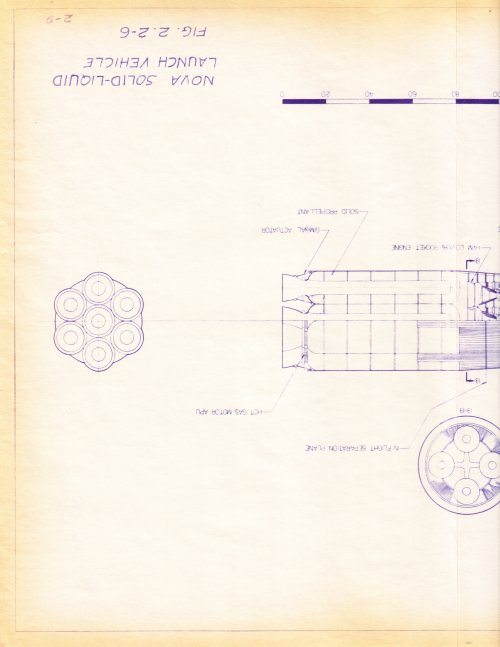
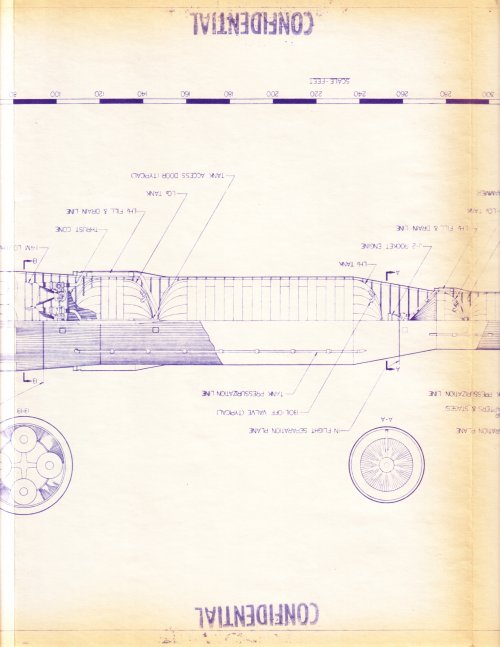
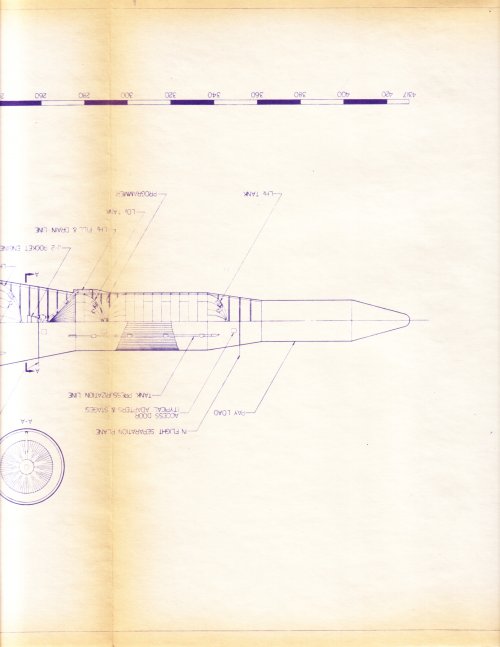
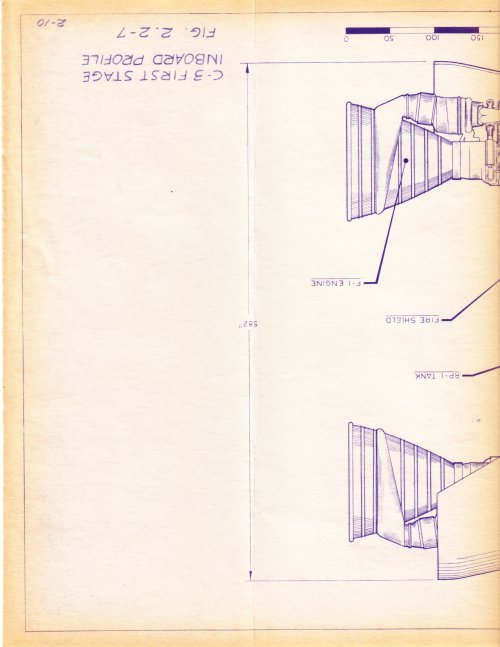
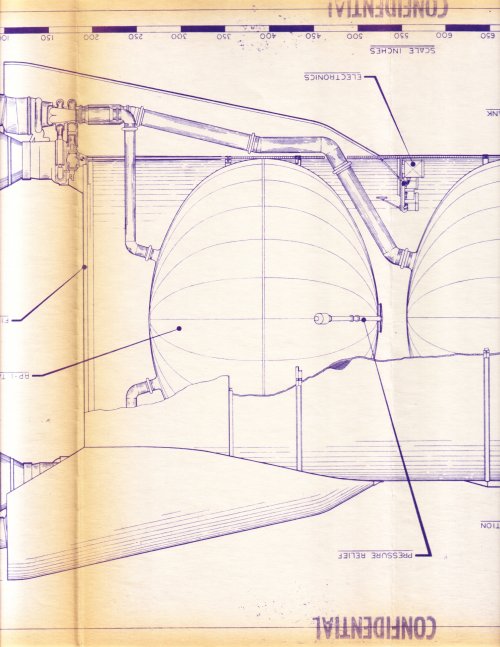
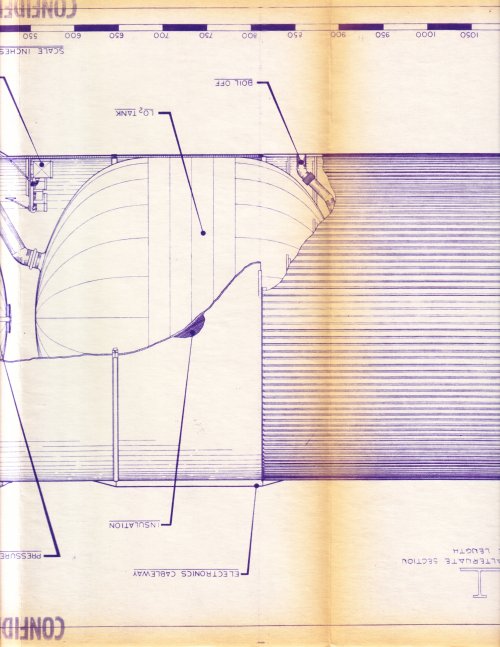
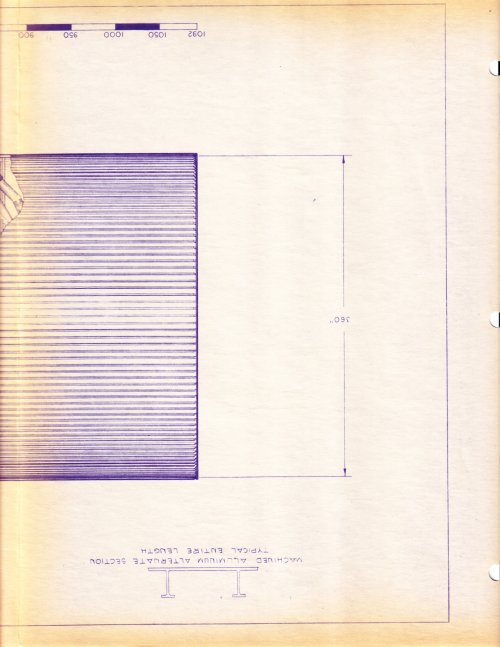
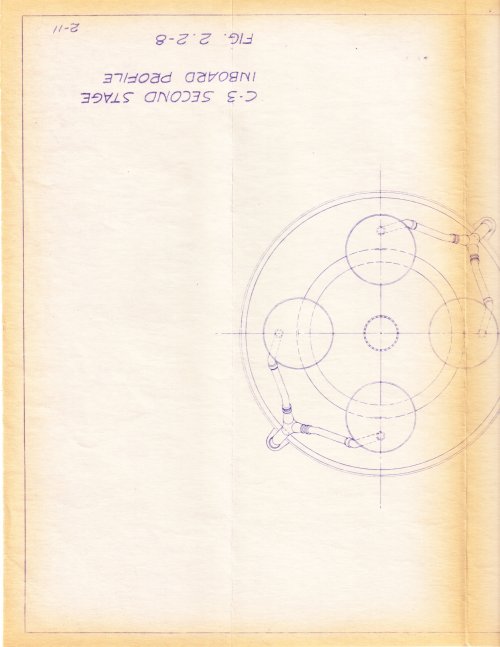
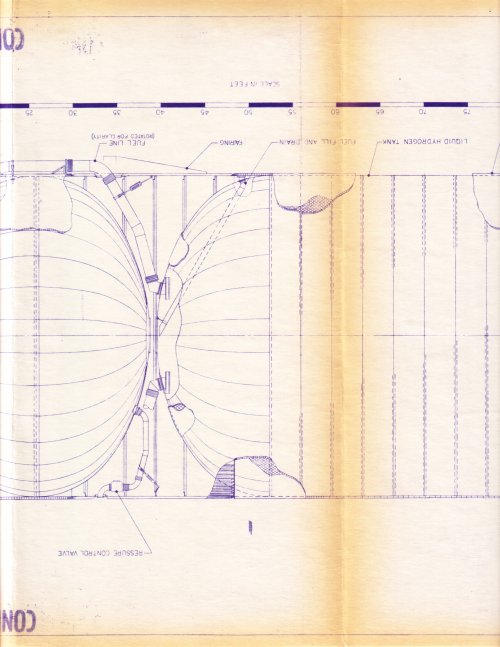
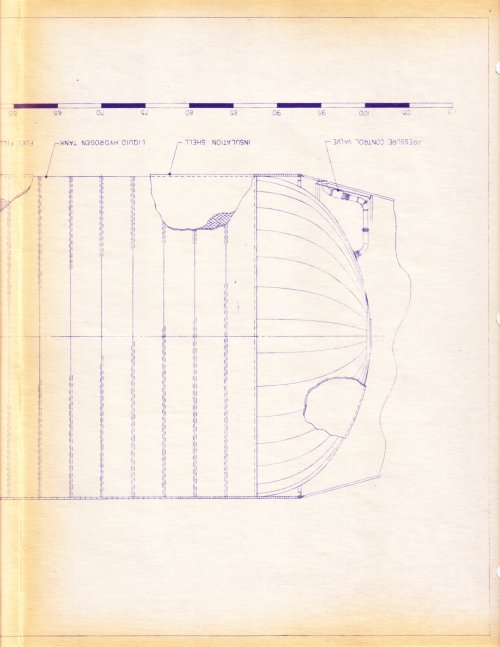
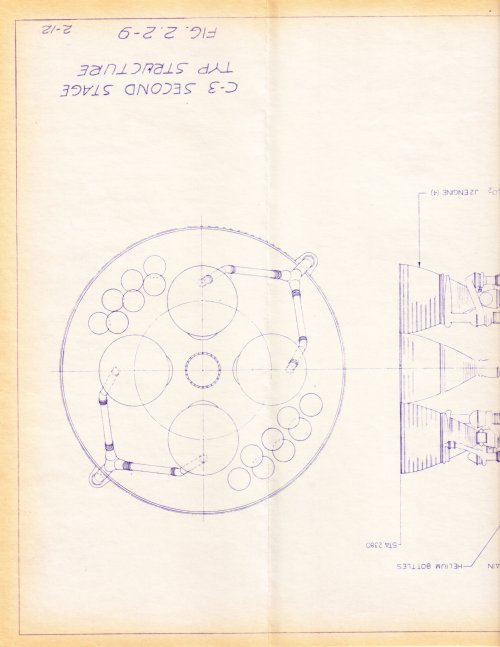
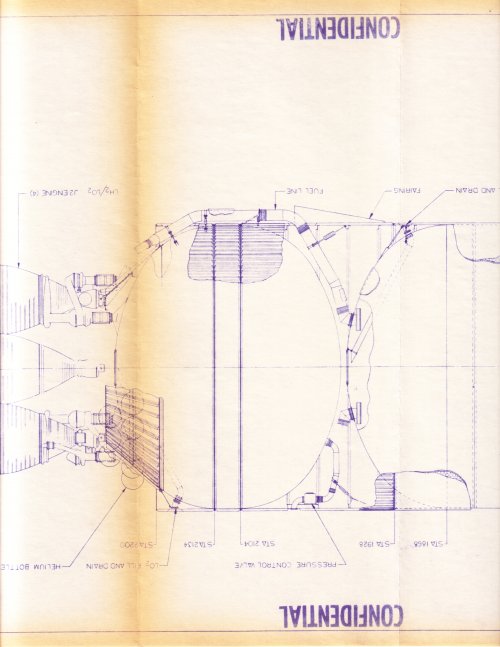
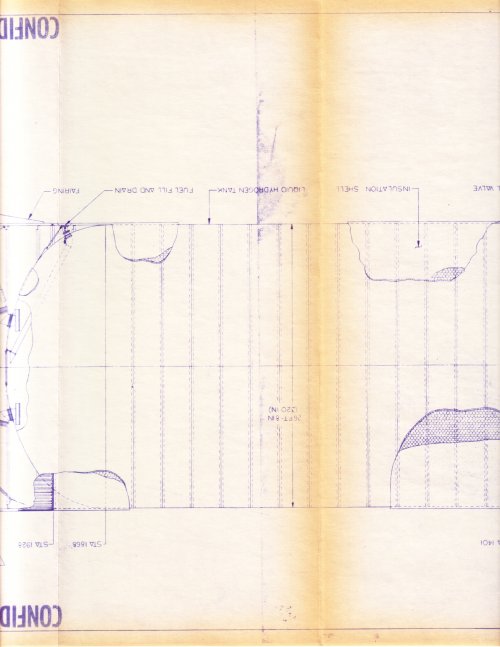
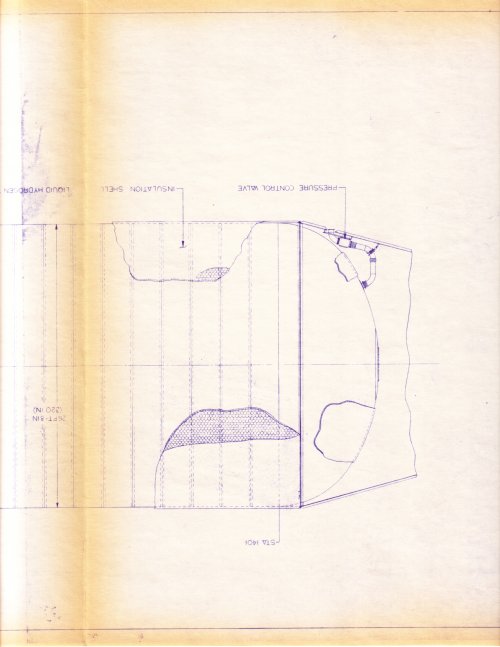
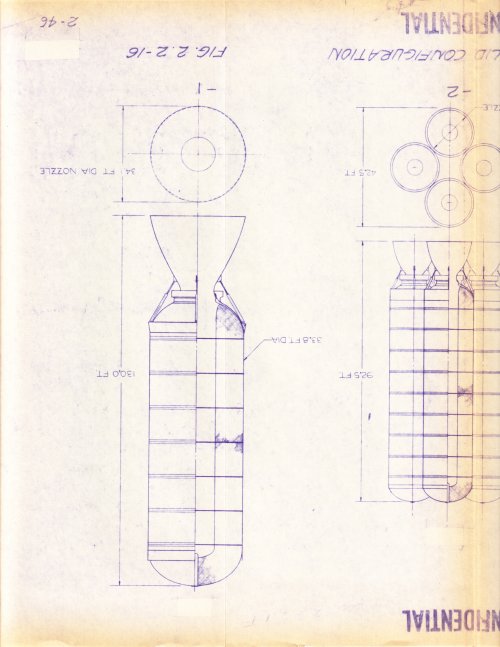
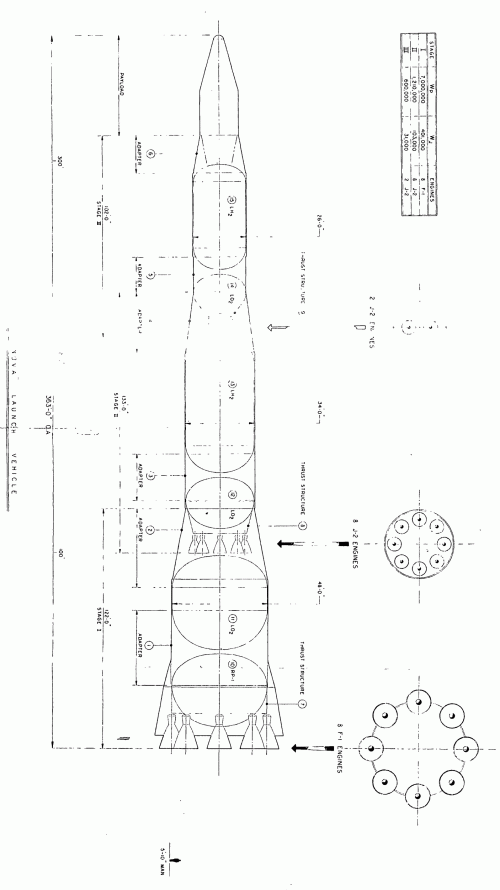
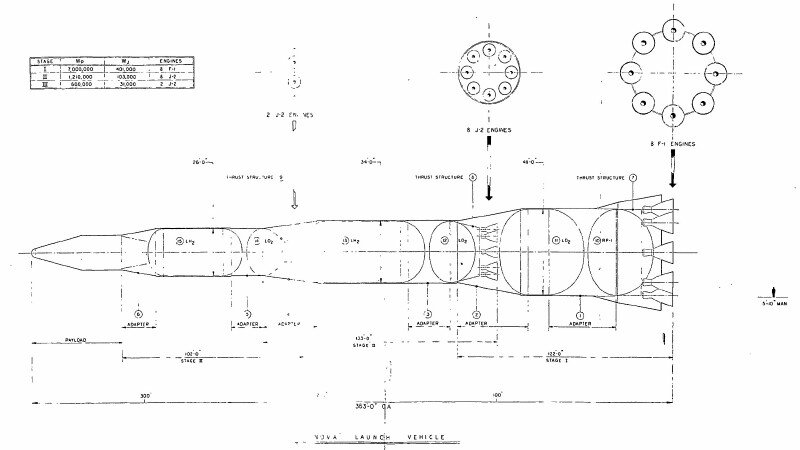
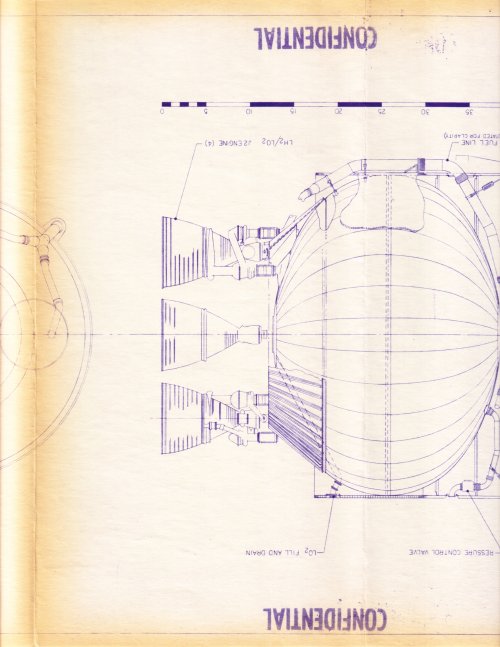
NOVA BLUEPRINTS . . . ( I can't remember the source ).
 

Attachments

  • Image31.jpg
    Image31.jpg
    4.5 MB · Views: 34
  • Image30.jpg
    Image30.jpg
    4.3 MB · Views: 27
  • Image29.jpg
    Image29.jpg
    4.6 MB · Views: 32
  • Image28.jpg
    Image28.jpg
    4.5 MB · Views: 27
  • Image27.jpg
    Image27.jpg
    4.3 MB · Views: 28
  • Image5.jpg
    Image5.jpg
    5 MB · Views: 27
  • Image4.jpg
    Image4.jpg
    4.8 MB · Views: 26
  • Image3.jpg
    Image3.jpg
    4.7 MB · Views: 26
  • Image2.jpg
    Image2.jpg
    4.8 MB · Views: 24
  • Image1.jpg
    Image1.jpg
    5.1 MB · Views: 24
  • Image32.jpg
    Image32.jpg
    4.6 MB · Views: 25
  • Image33.jpg
    Image33.jpg
    4.5 MB · Views: 26
  • Image34.jpg
    Image34.jpg
    4.5 MB · Views: 30
  • Image35.jpg
    Image35.jpg
    6.2 MB · Views: 28
  • Image36.jpg
    Image36.jpg
    4.4 MB · Views: 29
  • Image37.jpg
    Image37.jpg
    4.4 MB · Views: 26
  • Image38.jpg
    Image38.jpg
    4.2 MB · Views: 26
  • Image39.jpg
    Image39.jpg
    4.6 MB · Views: 25
  • Image40.jpg
    Image40.jpg
    4.7 MB · Views: 25
  • Image41.jpg
    Image41.jpg
    4.4 MB · Views: 26
  • Image42.jpg
    Image42.jpg
    4.9 MB · Views: 26
  • Image43.jpg
    Image43.jpg
    5 MB · Views: 23
  • Image44.jpg
    Image44.jpg
    5.3 MB · Views: 23
  • Image45.jpg
    Image45.jpg
    5.1 MB · Views: 23
  • Image46.jpg
    Image46.jpg
    4.7 MB · Views: 23
  • Image47.jpg
    Image47.jpg
    4.8 MB · Views: 23
  • Image48.jpg
    Image48.jpg
    5.1 MB · Views: 22
  • Image49.jpg
    Image49.jpg
    4.9 MB · Views: 21
  • Image50.jpg
    Image50.jpg
    4.8 MB · Views: 21
  • Image51.jpg
    Image51.jpg
    4.9 MB · Views: 21
  • Image52.jpg
    Image52.jpg
    4.7 MB · Views: 21
  • Image53.jpg
    Image53.jpg
    5 MB · Views: 23
  • Image54.jpg
    Image54.jpg
    4.7 MB · Views: 24
  • Image55.jpg
    Image55.jpg
    4.6 MB · Views: 28
  • nova1.gif
    nova1.gif
    97.7 KB · Views: 26
  • nova1-ADJUSTED.jpg
    nova1-ADJUSTED.jpg
    379.4 KB · Views: 37
  • NovaBaselineSm.jpg
    NovaBaselineSm.jpg
    128.7 KB · Views: 38
  • Saturn C5-8_01.jpg
    Saturn C5-8_01.jpg
    409.4 KB · Views: 39
  • saturn c-8 nova design.jpg
    saturn c-8 nova design.jpg
    49.7 KB · Views: 36

Similar threads

Back
Top Bottom