Grey Havoc
ACCESS: USAP
- Joined
- 9 October 2009
- Messages
- 24,500
- Reaction score
- 18,175


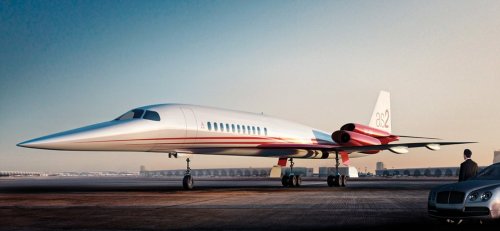
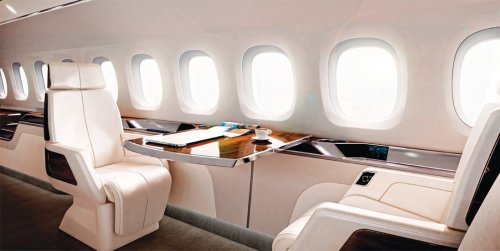
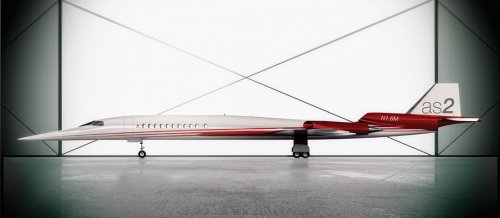

blackkite said:What is AS1?
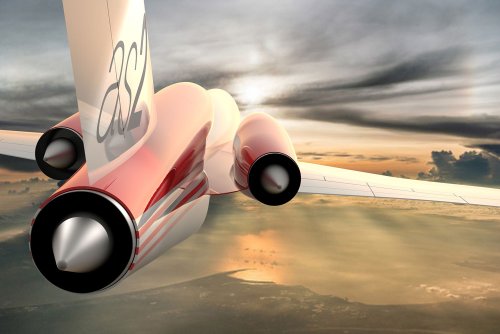
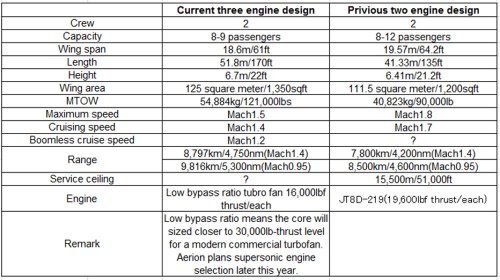
blackkite said:Hmmm.....I made a table to compare......
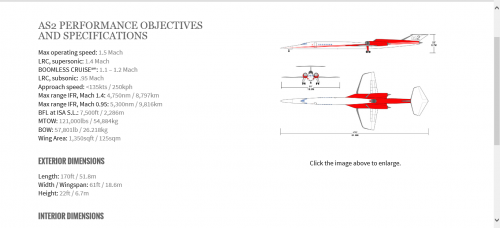
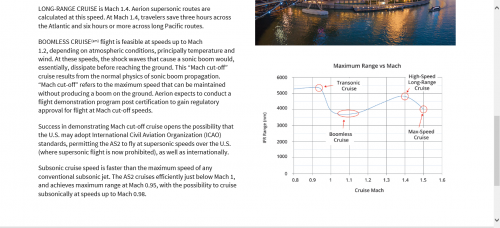
 So The story is that the engines must be smaller but due to the fuselage change in the rear and overall, due to so called 'area ruling', the decrease of efficiency will be made up for with the increase in overall internal volume (And so it can carry more fuel). And yeah the boom helps a lot because it breaks the shock waves in front of the jet decreasing the drag a lot. The drag at Mach 1.4 or 1.5 is a lot higher that of Mach 1.2, since drag increases squared to the speed. If you would leave the boom out and keep the same basic geometry and therefore same drag coefficient, there would act a 1.36 times as big drag force on the jet at mach 1.4 than at mach 1.2. That is a lot to be honest. So yeah the sonic boom is quite essential in this design. If you can increase the range with the boom an 19 percent and fly 17 percent faster, that is quite big achievement.
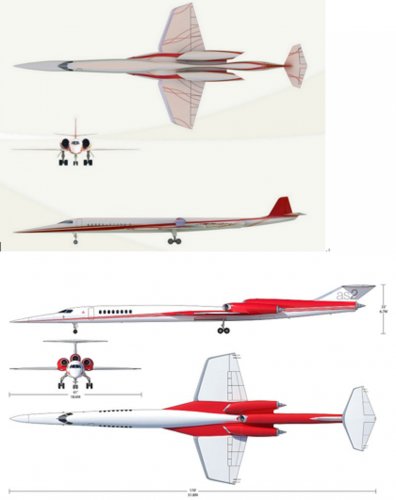
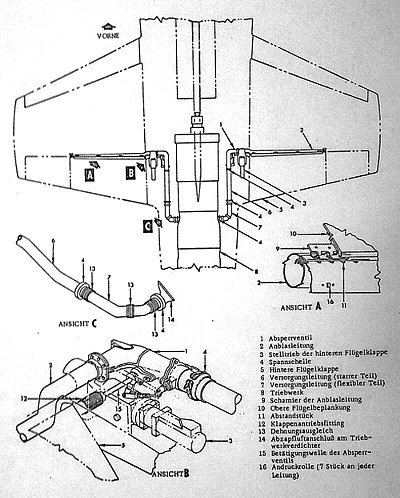
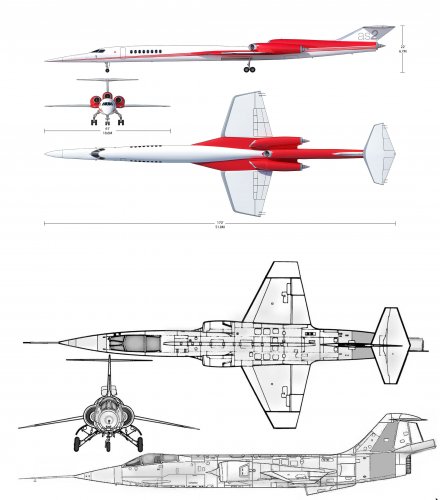
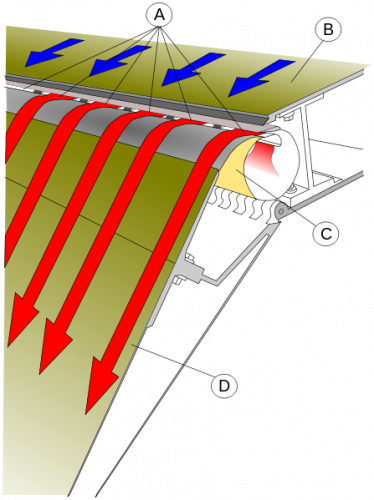
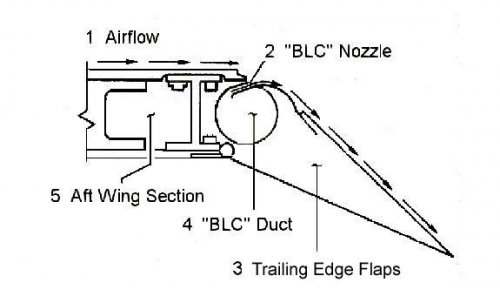
Oh AS2 need BLCS same as F-104? Is this one of the reason why AS2 needs one more engines?sferrin said:I wonder if they'll have to use the Edwards dry lake bed for takeoff.

blackkite said:Oh AS2 need BLCS same as F-104? Is this one of the reason why AS2 needs one more engines?sferrin said:I wonder if they'll have to use the Edwards dry lake bed for takeoff.
blackkite said:Anyway we strongly hope the early realization of this quiet supersonic cruising aircraft very much.
Hip-Hip-Hooray Aerion!!
So this topic must be moved to aerospace section.


Yes, especially if it were a Lockheed executive.LowObservable said:Would you put your CEO on something that says Lockheed on the side and looks like an F-104?

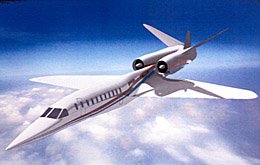
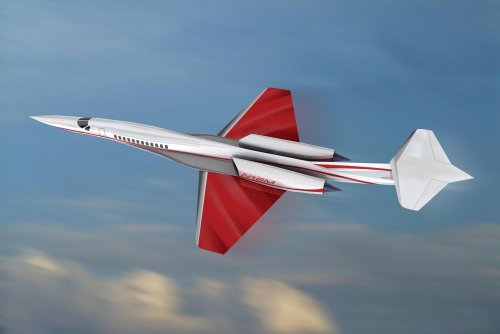
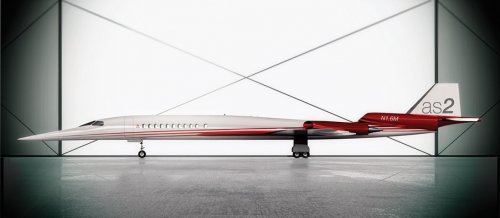
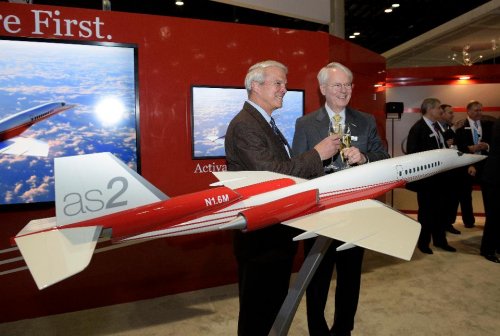
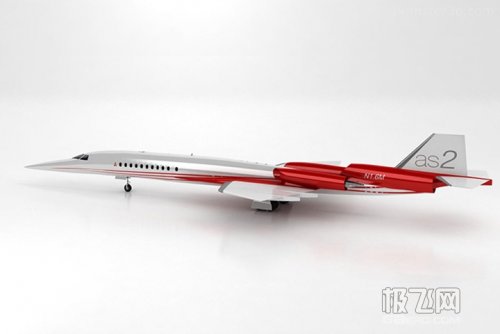
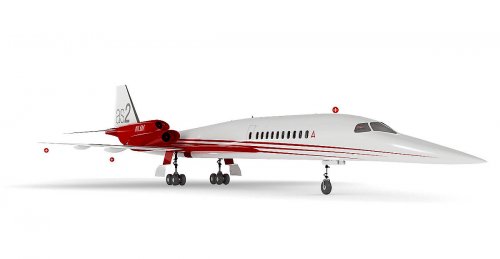
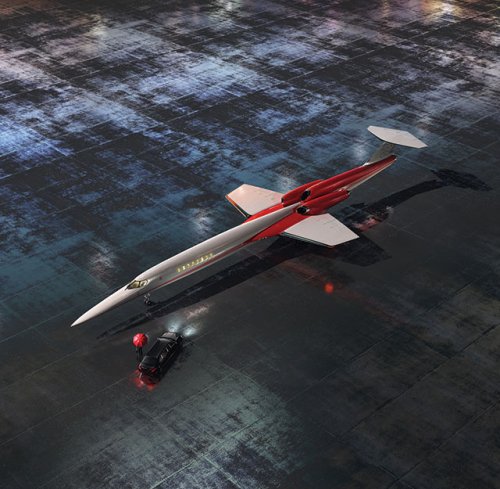
Aerion estimates that it will be able to launch the AS2 supersonic business jet in 18 to 24 months, as it awaits the results of an engine study being conducted by General Electric.
He admits that while the type is a niche aircraft, aimed at individuals with $120 million to spare, the number of billionaires in the world is rising. Aerion estimates that there are 3,600 billionaires in the world today, and this number is growing at 8% a year.

Aviation Week & Space Technology - "Aerion Closes In On Supersonic AS2 Program Launch" - by Guy Norris - July 3, 2018
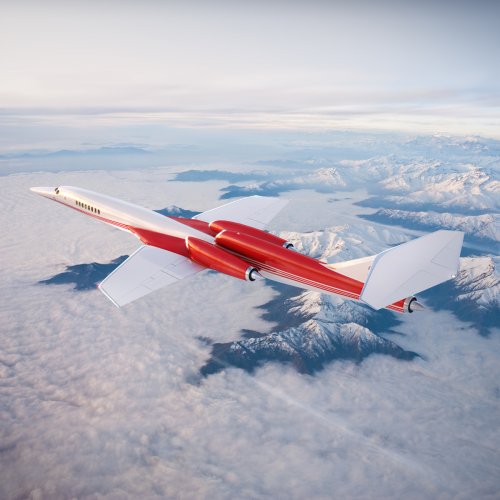
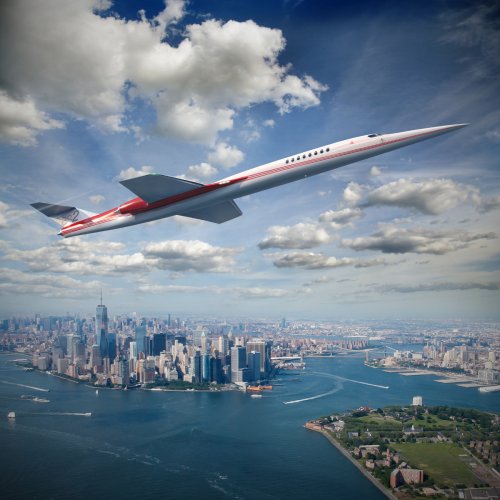
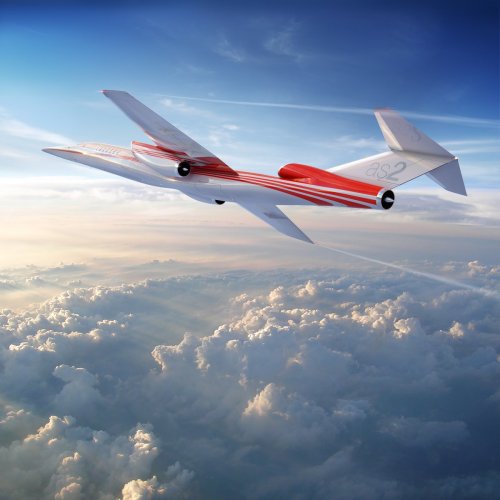
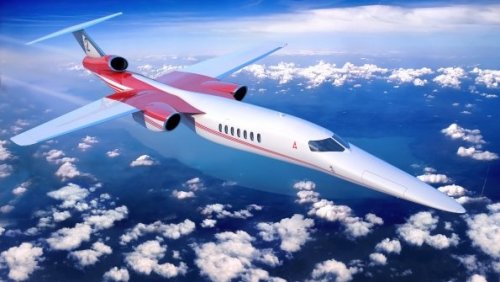
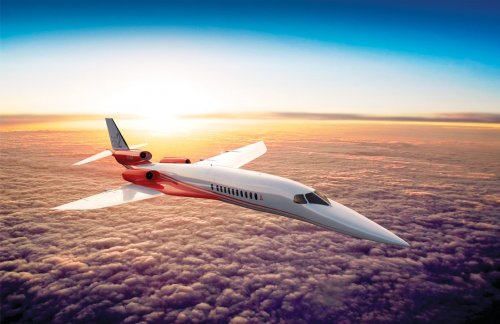
LOS ANGELES—Supersonic business jet developer Aerion says it remains on track to launch the Mach 1.4 AS2 within the next few months.
Aerion also said it is targeting a transatlantic flight from New York to London in October 2023 to mark the 20th anniversary of the retirement of the Anglo-French Concorde.
“We are finalizing the trades on the aircraft so we can launch this year,” Aerion AS2 program manager Mike Hinderberger says. “The plan is two years from now to have preliminary design review (PDR) and first flight in 2023.” Updating progress on the long-running development effort at the American Institute of Aeronautics and Astronautics Aviation 2018 forum in Atlanta, he adds that the return to supersonic travel has “been a long time coming and it is about time.”
. . .
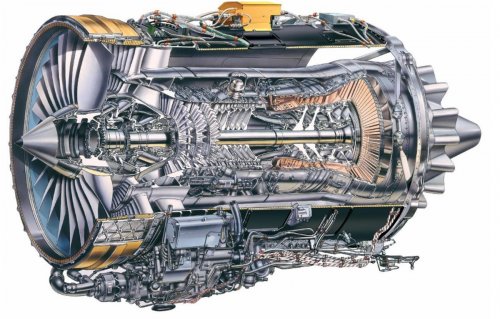
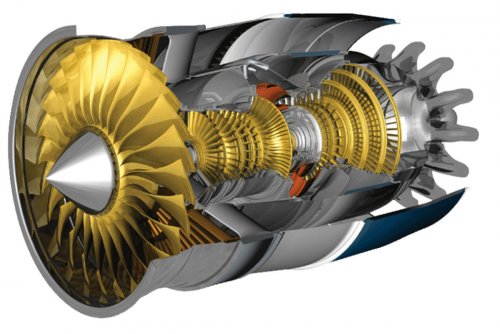
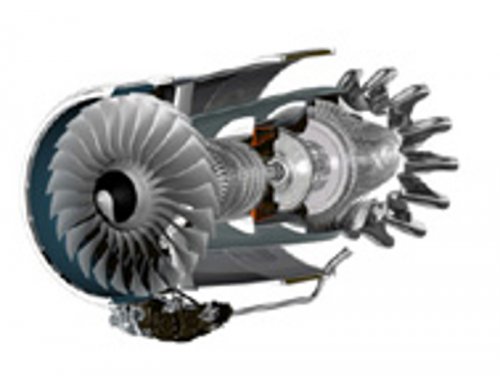
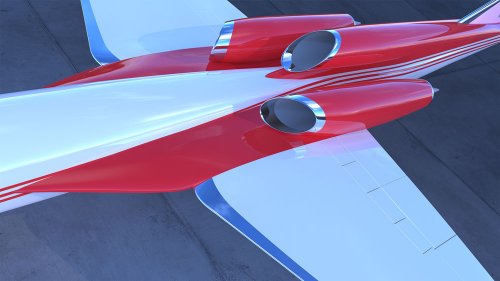
The AS2 will be powered by three 18,000-lb. thrust General Electric engines based on the core of the CFM56 turbofan. Describing the search for the right engine as a “huge challenge” for the program, Hinderberger says “we are finalizing the specifications right now. The engine has been very, very difficult. We scoured the industry but are now adapting an existing core.”
For the AS2, GE is adding a smaller fan, thought to be 52 in. in diameter, and a new booster and low-pressure turbine to the baseline eight-stage, high-pressure compressor and single-stage turbine of the CFM56 core. “We need a relatively big core, and before selecting GE we worked with all the major engine makers, and there are only so many cores out there you can use,” Hinderberger says. “On top of that, with regulations for landing and takeoff noise and trying to drive Stage 5 requirements, it is very difficult, and that’s what we have been focused on.”
Archibald said:The aerion SSBJ will fly as soon as
- NASA will launch JWST
- Roscosmos will launch their MLM module
- Mars sample return will get funded
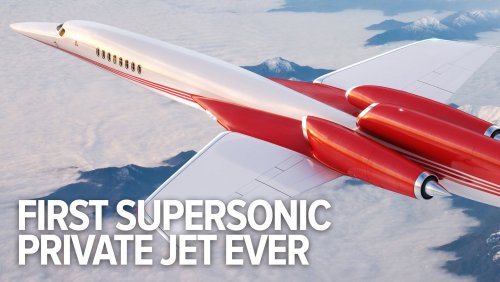
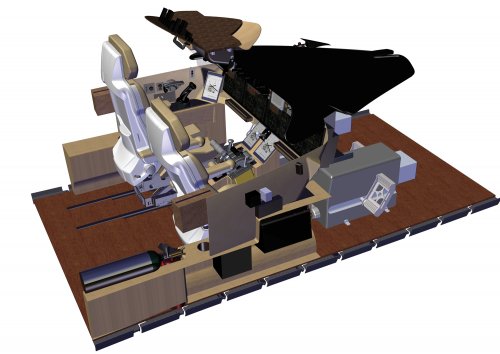
Supersonic business aviation broke a crucial barrier at NBAA today with Aerion’s chief executive Tom Vice laying down a firm timeline for first flight with a new engine variant from GE and what was described as a “revolutionary” new cockpit design with Honeywell for the world’s first faster-than-sound business jet.
“We’re on track to fly in June 2023, and before that year is out we will cross the Atlantic at supersonic speed – the first supersonic crossing since the Concorde’s retirement 20 years earlier,” Vice said at a press conference today.

David Richardson, Skunk Works’ director of air vehicle design, said that the finalization of the engine specs allows for Skunk Works to move on from conceptual work to developing a prelimary design, and he sees no major technical hurdles ahead. “There are no showstoppers, there are no technologies that have to be invented for us to get to where we need to be to make this airplane happen.”
[...]
Given the small number of aircraft envisioned by Aerion, GE Aviation isn’t going ahead with the project just for that company alone. “We don’t view this as one application,” Mottier [(GE)] said