Forest Green
ACCESS: USAP
- Joined
- 11 June 2019
- Messages
- 14,647
- Reaction score
- 31,824


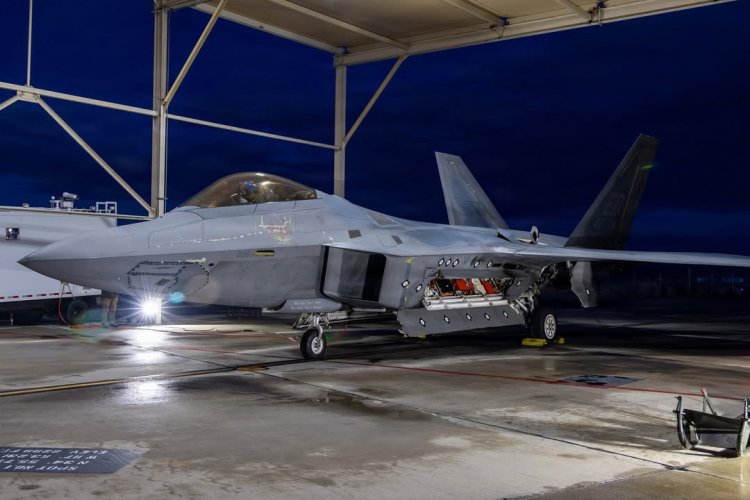
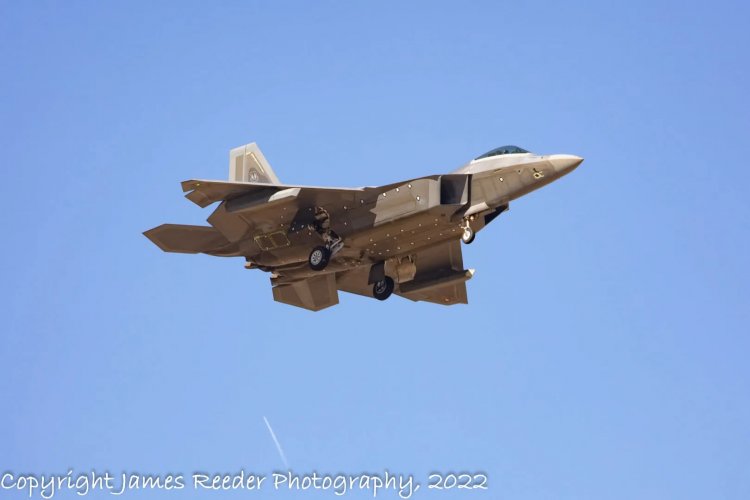
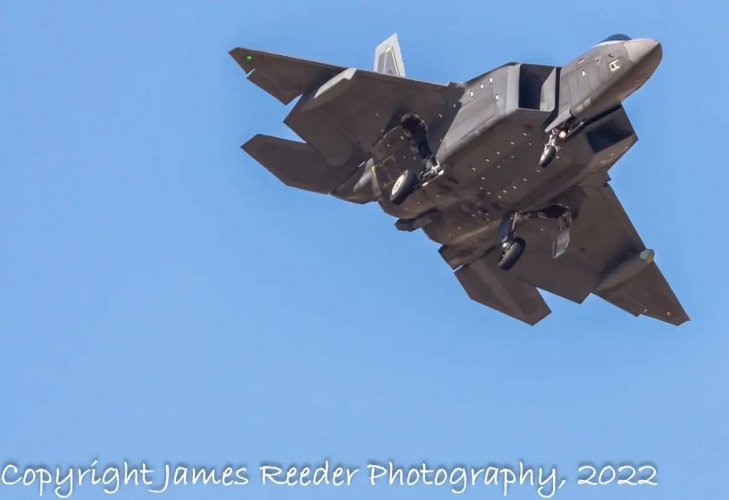
It's hard to say for sure because of lighting and limited perspectives, but it looks as if this version has much darker RAM coating, more akin to what's on the F-35?

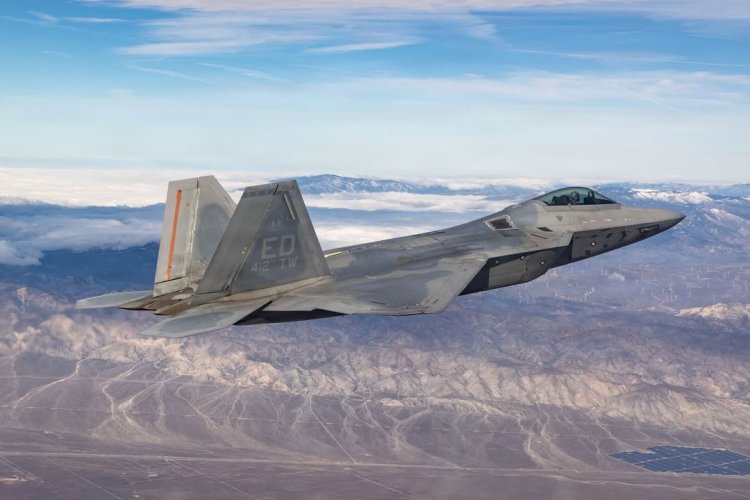
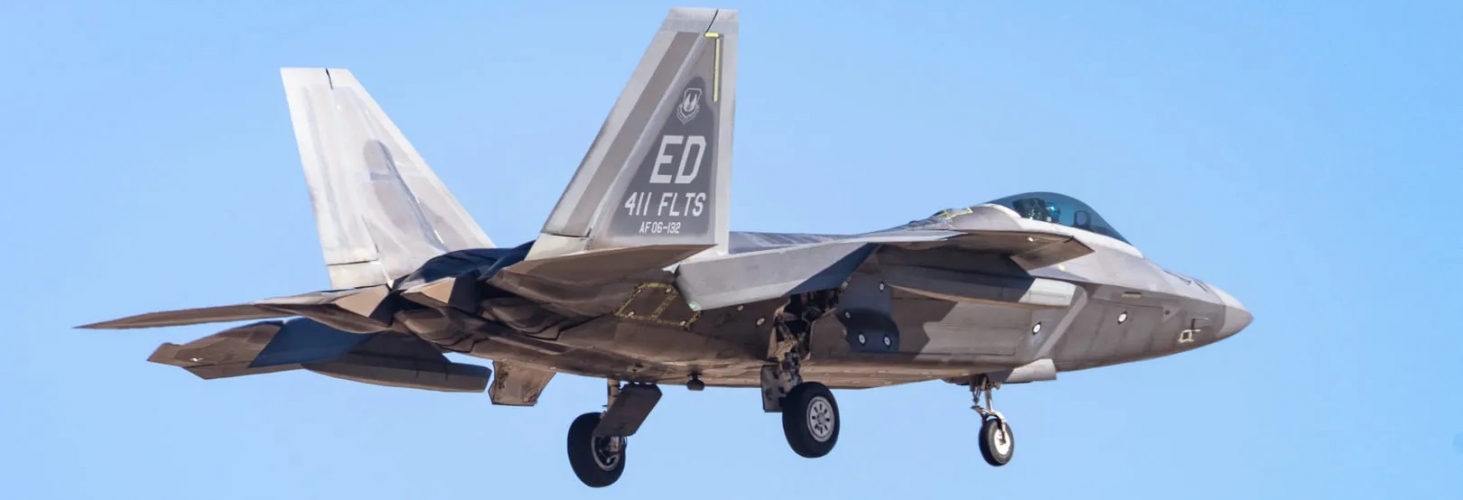
It's to be assumed that it's some form of probe to collect data, I'd say. Possibly how airflow from the pylons and the external payload impact the control surfaces in the rear. But my guess is just based on placement and it being a test article for novel external accessoires. So I'm not claiming absolute certainty here.I’m surprised no one has commented on the things on the tail and elevators, only on one side of the aircraft.

It's to be assumed that it's some form of probe to collect data, I'd say. Possibly how airflow from the pylons and the external payload impact the control surfaces in the rear. But my guess is just based on placement and it being a test article for novel external accessoires. So I'm not claiming absolute certainty here.


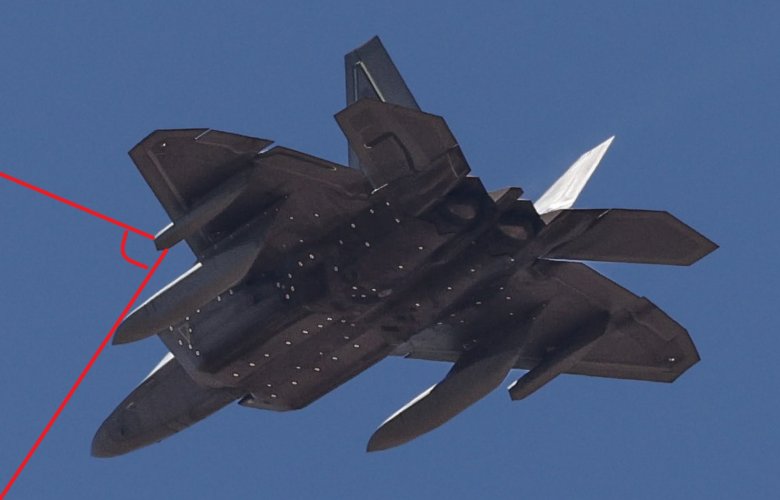
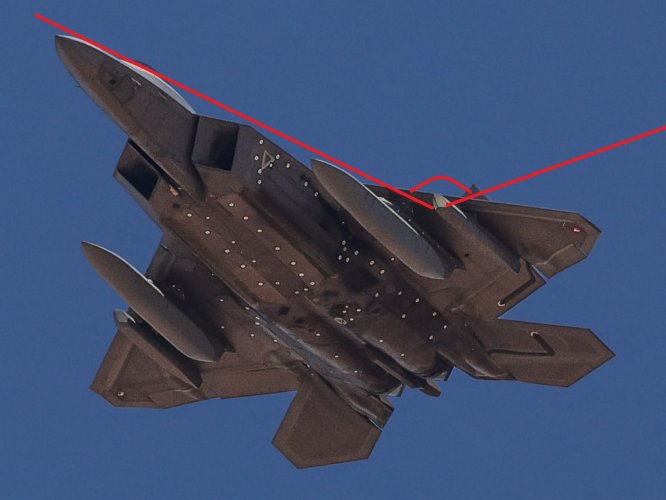

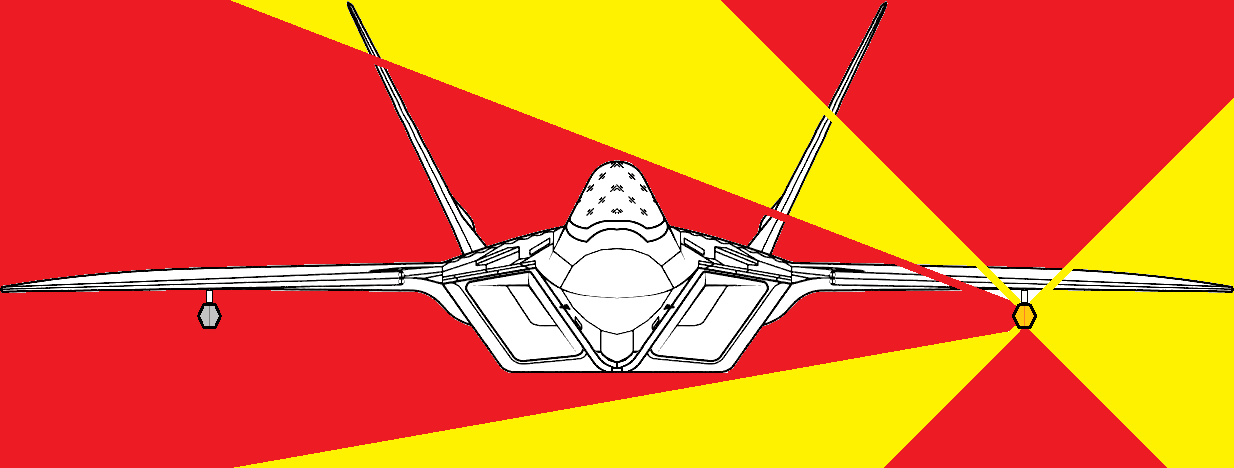
I find it hard to be believe that they'd set things up that way.1 of the stealthy sensor pod looks EO & other like EW.
So the fuselage acts as a blindspot, can't look the other side.
Then how will F-22 have spherical coverage?
Will 1 group of few data-linked F-22s do the IRST for other clean config F-22s?
When did the F-22 get a DAS?The IRST pods are for "longer" ranges while at close range there's the whole DAS array so the blindspots are not really a problem.
The externals windows had been there orver 18 years or so.When did the F-22 get a DAS?
I would hope the IRST is mounted on different sides of different aircraft, and that part of the EW pods role was to datalink the aiRST data to all aircraft in the flight.
The volume originally planned for the IRST was used by something else back in the 1990s.i wonder why they are investing in podded solutions for IRST and DL when they are also investing in open architecture and hardware upgrades. id image the electronics up in the nose could be down sized considerably and be displaced else where to make enough room for a system like EOTS. i get the fuel tanks being pods but even then arent the internal tanks still technically there just not plumbed? maybe it has something todo with maintenance. idk just doesnt make sense unless this is just a stop gap solution until they can design a system to fit but even then to me that doesnt make sense when that all could be invested into internal systems with less of a performance decrease compared to podded solutions. i can only think cost and maintenance are the deciding factors for this
I would hope the IRST is mounted on different sides of different aircraft, and that part of the EW pods role was to datalink the aiRST data to all aircraft in the flight.

I find it hard to be believe that they'd set things up that way.
IRSTs both sides has been the understanding since we started seeing two pods on the Raptors.
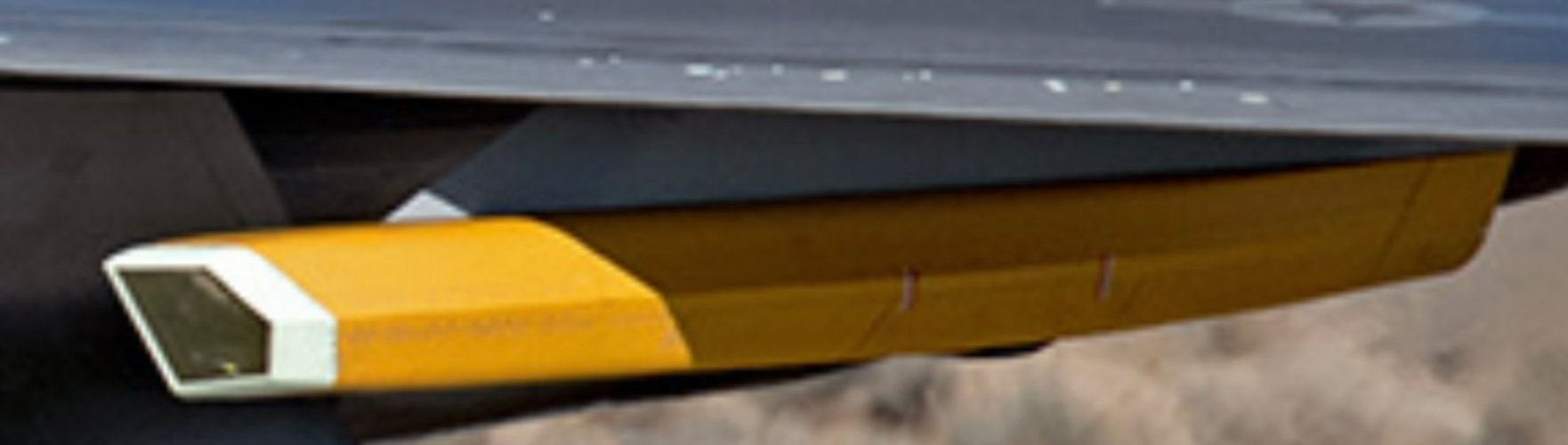
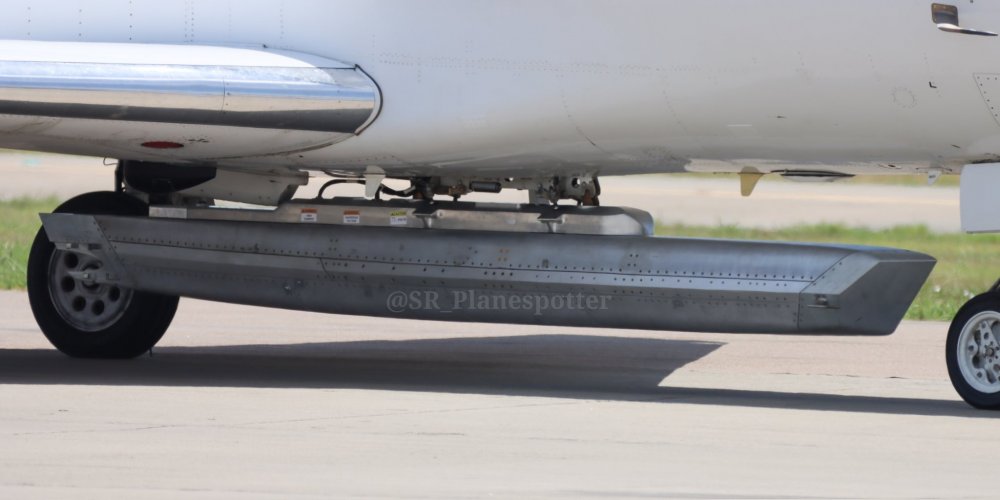
But both the EO seekers & RF emitters are needed to cover all angles, bcoz F-22 after using all BVRAAMs would also try to sneak from side, behind, high & low altitudes & now the adversaries would also use such tactics.Another possibility is that the two pods are IRSTs forwards and EW aft.
The IRST pods are for "longer" ranges while at close range there's the whole DAS array so the blindspots are not really a problem.
The IRST pods are for "longer" ranges while at close range there's the whole DAS array so the blindspots are not really a problem.
The pods are always used in pairs and each is for a specific side of the aircraft. They are both EO pods with other capabilities. They work as a pair for EO.
It's my impression that the IR windows are only on the outboard sides of the pods, so you're seeing the face of the pod without the window.In some images it appeared like one of the pods was opaque - you are confident both have EO/IR apertures?
Maybe? It'll only be good to about 50km at best, and that's if you can really solidly know the distance between the two pods.In that case, might targets in the line of sight of both might provide enough offset for ranging?
There is no DAS; however there is a MAWS which might have local aircraft detection a secondary function.
In some images it appeared like one of the pods was opaque - you are confident both have EO/IR apertures? In that case, might targets in the line of sight of both might provide enough offset for ranging?
Yes, but you can stick a thermometer onto the window to set your squelch correctly. Does cost you some detail when the window is hot, of course, and may require actively cooling the window to regain that detail.Doesn’t every IRST, or FLIR of any type, haTo deal with heating if not low RCS? Though if they want to work during super cruise, that is another level of friction/difficulty.
There's also the trick where you can guesstimate range based on image size versus a calibrated measure inside the imager. This does assume you have a good guess of what the target is (so you know the size of the target). On subs, we used masthead height (waterline to top of mast, because it was easy to see the top of the mast against the sky). For a plane you could use wingspan or length, whichever you have a better view of. So the math turns into "target takes up X many pixels and has a fighter profile, if it's a MiG-29 range will be [X], if it's a Su-27 range will be [X+%]"Let me nerd it out and do some quick and dirty estimation.
[...]
The same goes for all IR guided missiles, which in fact do get active cooling from the aircraft. There's a reason there are different pylon versions of the same type being sold for "same" missiles (like MICA).Doesn’t every IRST, or FLIR of any type, haTo deal with heating if not low RCS? Though if they want to work during super cruise, that is another level of friction/difficulty.
yep. But today this is all digital, hence, a combination of software pixelcounting, AI, and databases.There's also the trick where you can guesstimate range based on image size versus a calibrated measure inside the imager. This does assume you have a good guess of what the target is (so you know the size of the target). On subs, we used masthead height (waterline to top of mast, because it was easy to see the top of the mast against the sky). For a plane you could use wingspan or length, whichever you have a better view of. So the math turns into "target takes up X many pixels and has a fighter profile, if it's a MiG-29 range will be [X], if it's a Su-27 range will be [X+%]"
i guess we didnt read the following sentence. "id image the electronics up in the nose could be down sized considerably and be displaced else where to make enough room for a system like EOTS." for further clarity the electronics that took over the space that was originally designed for IRST should be able to be completely downsized and moved to somewhere else in the airframe to make room for EOTS. this can be done and i believe relatively cheaply as all your really doing is taking these old 90's computers (much larger and gets curb stomped by the newest iphone in terms of performance) and replacing it with modern processors. look at the original xbox to the series S like 1/2 the size yet 12x the performance. which really makes me question why they arent just investing in internal upgrades but instead podded solutionsThe volume originally planned for the IRST was used by something else back in the 1990s.
Nothing in aviation is cheap. Everything in the nose of the F-22 is 386PC equivalent technology. We absolutely could replace all those big boxes with smaller and higher performance ones. But it'd cost big money to do it, because the USAF bought enough of the old spares for full life of the airframe in one buy way back in the day.i guess we didnt read the following sentence. "id image the electronics up in the nose could be down sized considerably and be displaced else where to make enough room for a system like EOTS." for further clarity the electronics that took over the space that was originally designed for IRST should be able to be completely downsized and moved to somewhere else in the airframe to make room for EOTS. this can be done and i believe relatively cheaply as all your really doing is taking these old 90's computers (much larger and gets curb stomped by the newest iphone in terms of performance) and replacing it with modern processors. look at the original xbox to the series S like 1/2 the size yet 12x the performance. which really makes me question why they arent just investing in internal upgrades but instead podded solutions
nothing is cheap by our standards but for the airforce it could be cheaply done. if each upgrade costed a 1/2 of a brand new f16 per f22 fitted it would be a well worthy buy. not to mention all the funds that went into the podded IRST couldve been used for the internal EOTS and other upgrades. it would also allow for further upgrades in the future incase of the f22 seeing a threat to its service life. and we could scrap most of the spares for a extra bit of cash but clearly keep some for the trainers and potential need for going backward in capability. i just cant imagine it would cost THAT much money todo so, i mean just look at everyone putting apple car play in their cars designed in the 90's, it can be done relatively easily and cheap. sure the raptors case is much more difficult because it takes actual integration and reprograming of the FCS and other systems but thats more or less time and not so much cost. and again the US is literally investing into more open architecture which would streamline and make this whole process cheaper. i just find it hard to believe that cost is the true decider here and i dont see a great reason to go with the pods. now maybe if we had a document relating to the funding and or a RFI that goes into how much something like this would cost and what exactly it entails i would understand but as evidence suggests i cant come to the conclusion its costNothing in aviation is cheap. Everything in the nose of the F-22 is 386PC equivalent technology. We absolutely could replace all those big boxes with smaller and higher performance ones. But it'd cost big money to do it, because the USAF bought enough of the old spares for full life of the airframe in one buy way back in the day.
That is a very big if. You're still talking ~30mil each plane to upgrade. Times 185 airframes that's 5.55 billion to upgrade, just in parts.nothing is cheap by our standards but for the airforce it could be cheaply done. if each upgrade costed a 1/2 of a brand new f16 per f22 fitted it would be a well worthy buy.
Note that you are seeing the left side of the first pod, and the right side of the second pod.Yeah it is hard to believe bcoz the pod heads clearly look different.
There are some other pics also i guess people already know.
View attachment 808243
View attachment 808244
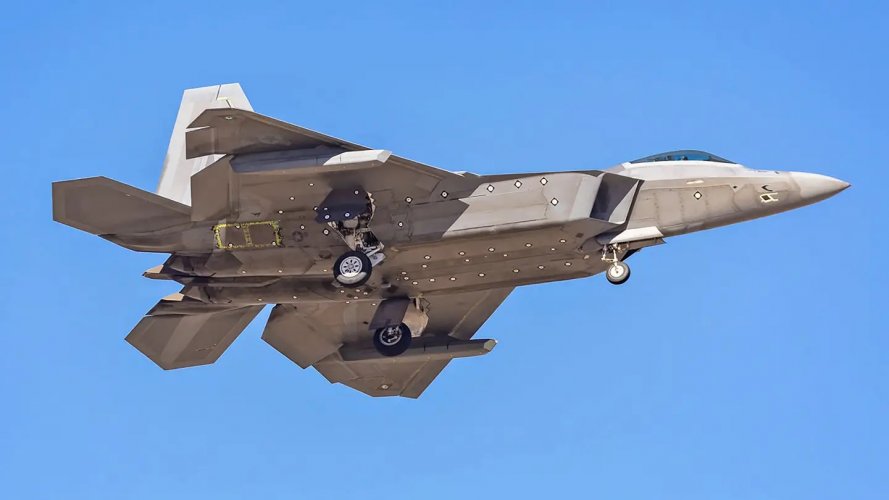
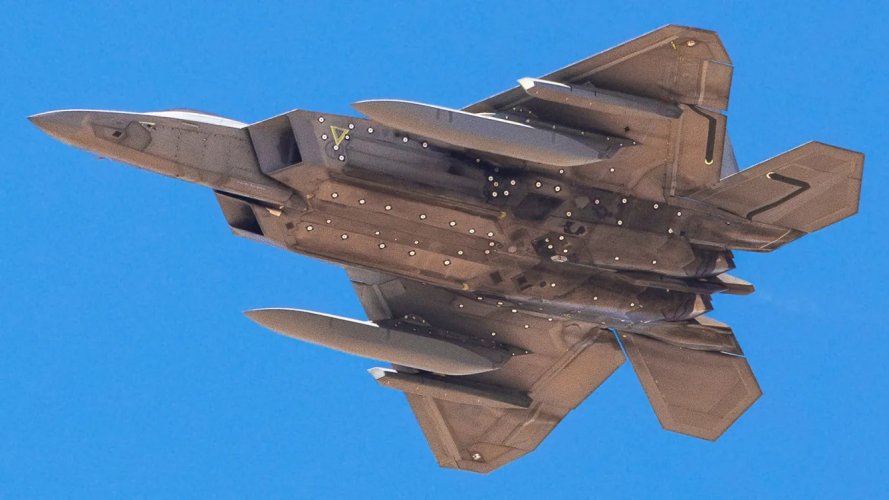
Note that you are seeing the left side of the first pod, and the right side of the second pod.
We already know that the pods are not symmetrical. So as far as we can tell, both of those pictures show a port wing pod.

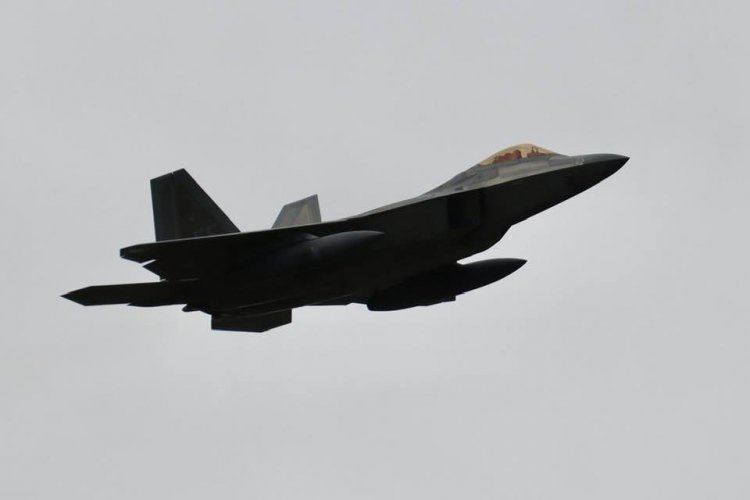
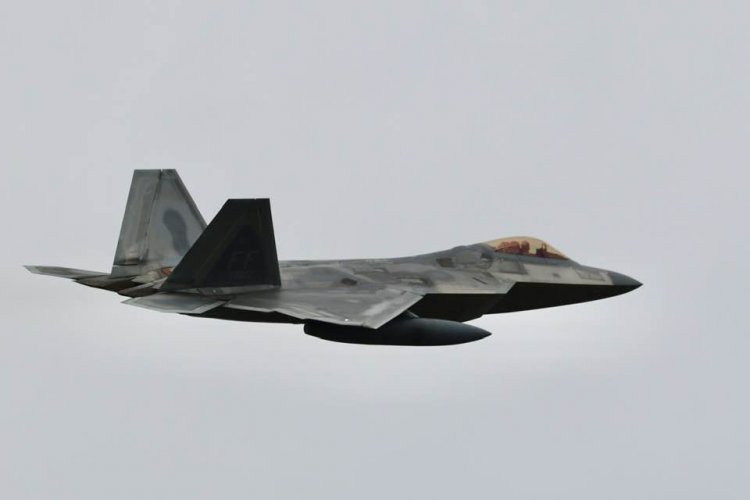
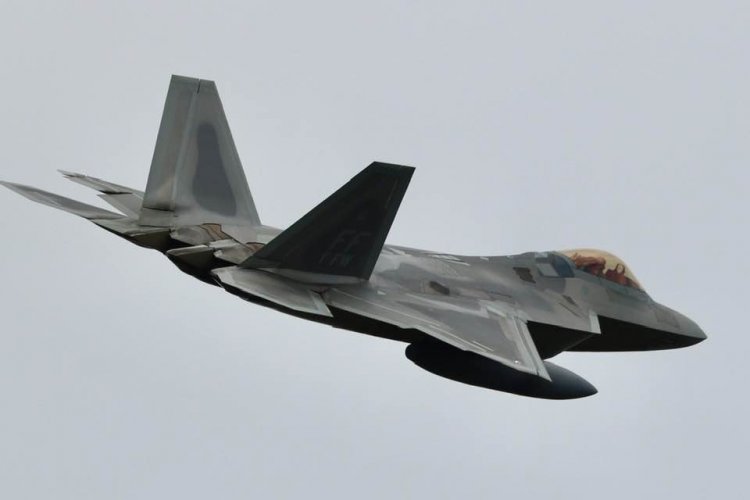
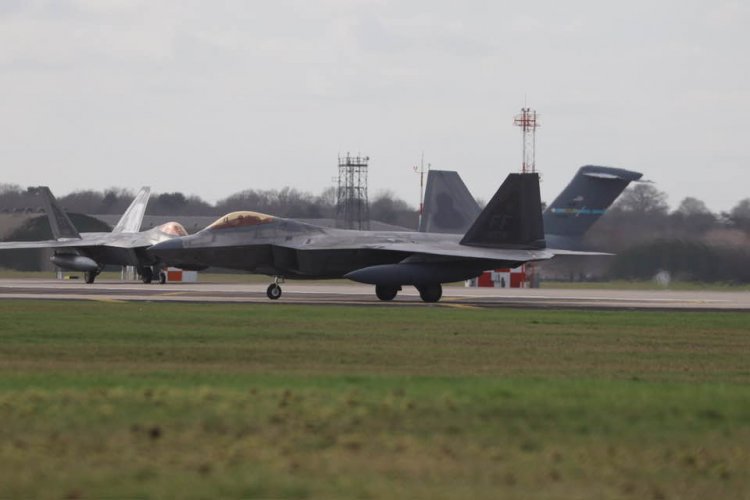
2nd sexiest aircraft on planet earth. easy.Laughingly or not here in the Uk at RAF Lakenheath we have a squadron of Langley based F-22 Raptors for a month since Epic Fury kicked off. But they did not go to the sandpit as expected, instead they went up flew some training sorties over the North Sea so here are my photos over the last few weeks.
View attachment 808516View attachment 808515View attachment 808517View attachment 808518
They have decided to fly back home instead of going to the sandpit so all have gone bar 2/3 .
cheers
That is a very big if. You're still talking ~30mil each plane to upgrade. Times 185 airframes that's 5.55 billion to upgrade, just in parts.
Citation needed.out of the yeah and you know how much the external pod costed? like 2-3 billion on its own,
Yes, but would have required a full avionics redesign instead of adding two pods. And I suspect a full avionics redesign would cost at least as much as all the parts, so we're now talking ~11bn.internal wouldve been far better as there is little compromise to airframe performance and signature compared to the pods
While I admit that the pod shown under the bizjet has a notch in the nose and does generally look like the pods seen on F-22s, no pictures of that notched-nose pod on an F-22 have emerged yet.All these kind of pics come out by either photographer's account or websites/Vlog like TWZ, Sandboxx, etc.
You are considering only the pod closeup pics, that way the FoV of left pod would reduce, it won't be able to look past its own boresight towards radome & FoV would be like just 90 degrees (front outward quadrant).
Like i said there are many other pics from different angles which people might be knowing & it doesn't look that pods are asymmetrical, but the 2 pods are indeed different, left is EO, right is non-EO, which is mentioned in Sandboxx video in 18th minute & TWZ site in 2022.
"With that in mind, the possibility that these pods represent just such a configuration, with an electronic warfare capability on one side and an IRST on the other, looks more likely than not. The pod on the F-22’s left wing does look like it has a different faceted nose area than the other, almost as if it is meant to be a transparent window, while the other is opaque."
It looks like the EW pod might have an air cooling intake at tip & vent at rear tip.