blackkite
Don't laugh, don't cry, don't even curse, but.....
- Joined
- 31 May 2007
- Messages
- 9,515
- Reaction score
- 9,656

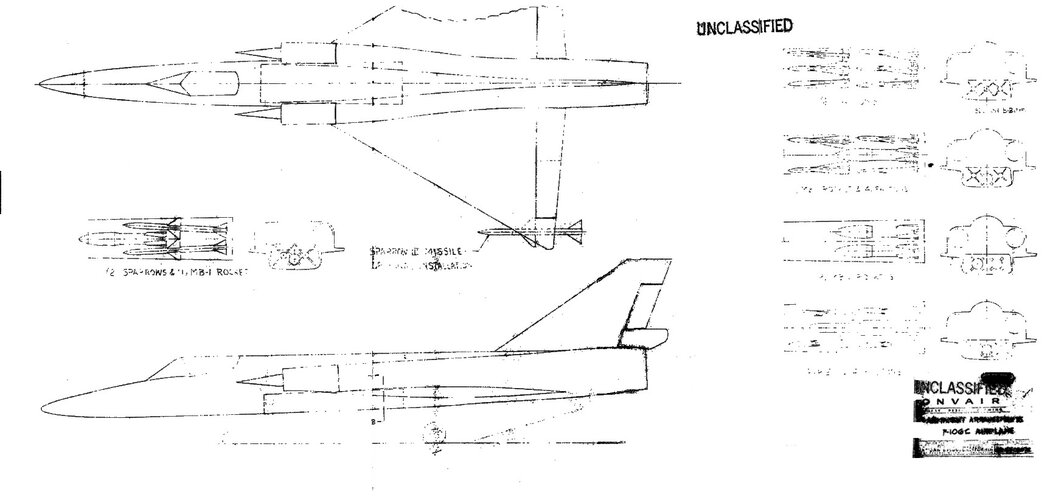
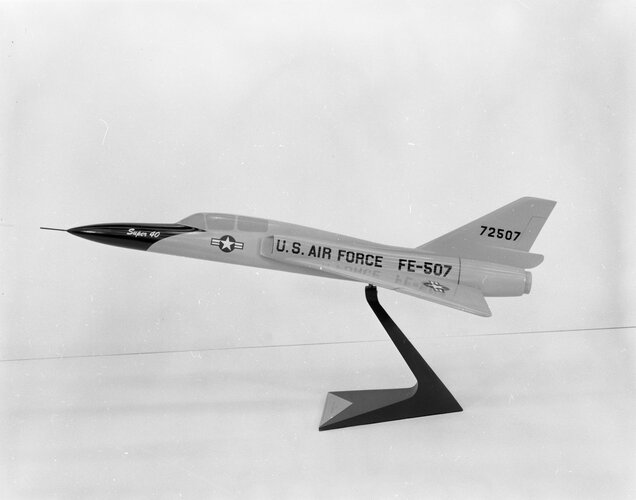
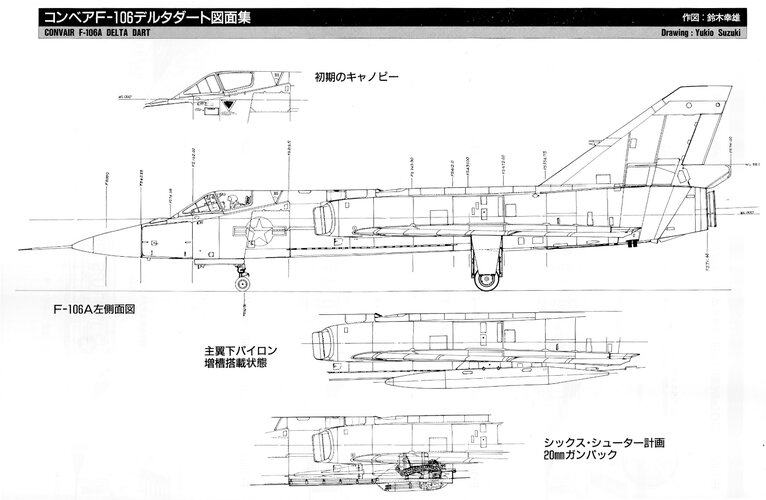
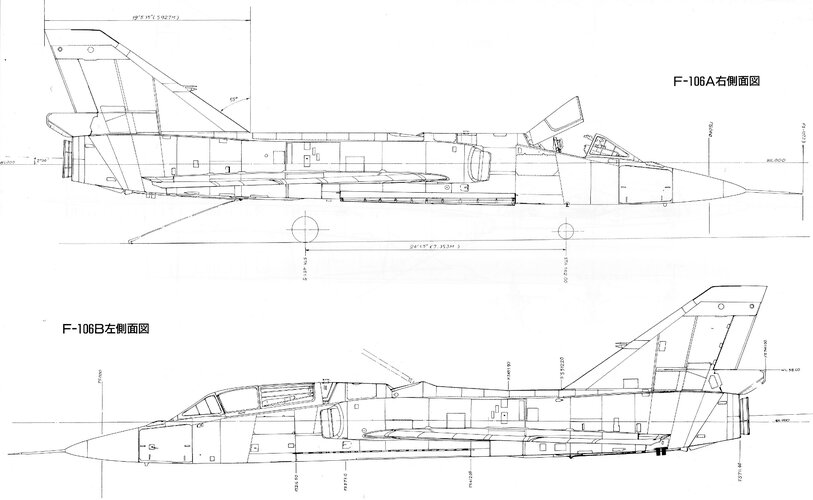
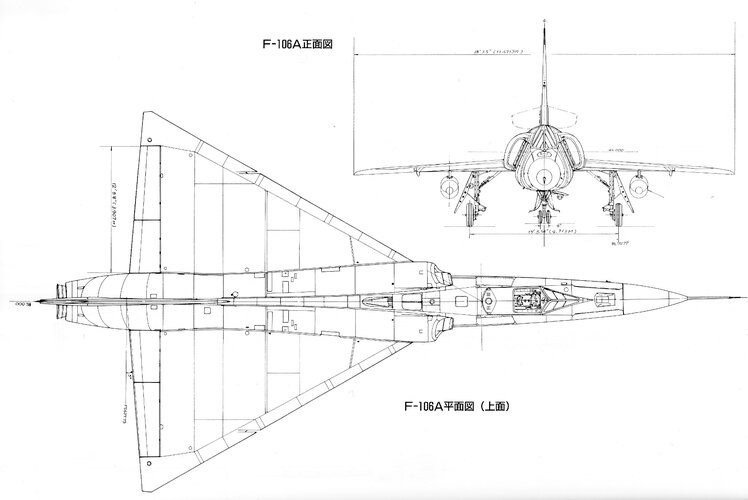
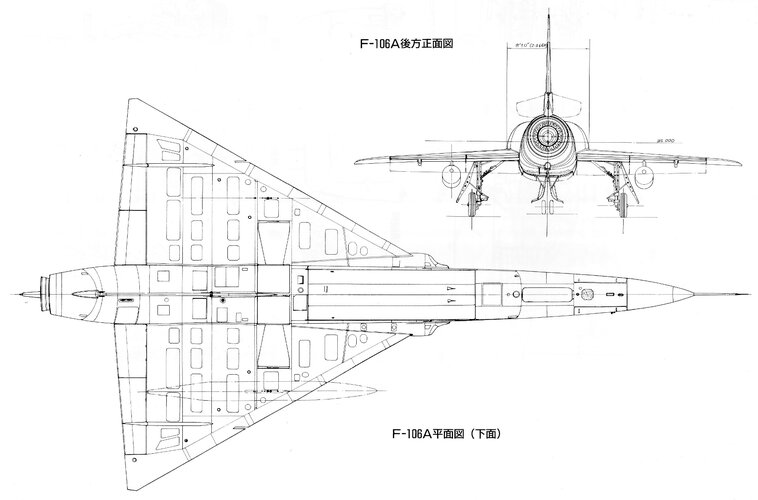
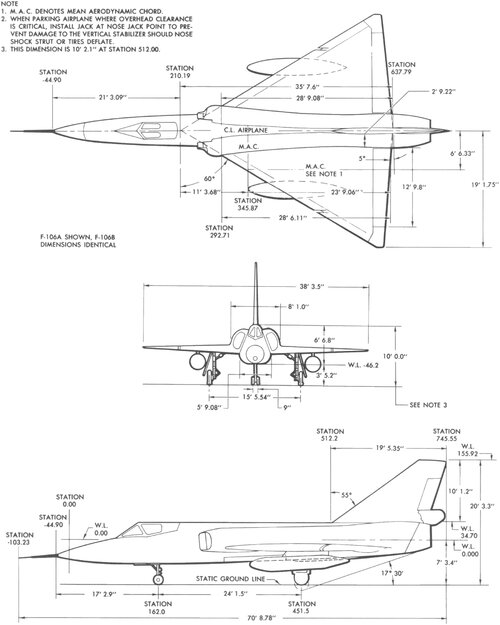
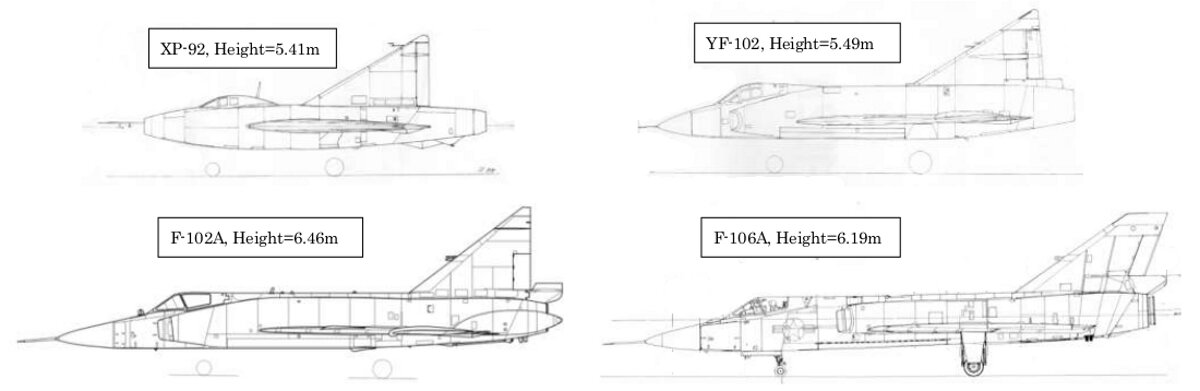
Thanks blackkite and given the irony that I have the book.......guess what I'll be reading tomorrow!There is a same shape two seat F-106C project drawing compared with this drawing in page 81 of AMERICAN SECRET PROJECTS FIGHTERS AND INTERCEPTORS 1945-1978.
Explanation is as follows.
"Convair drawings from November 1957 shows an earlier study for an F-106C with two seats and a longer fuselage,"
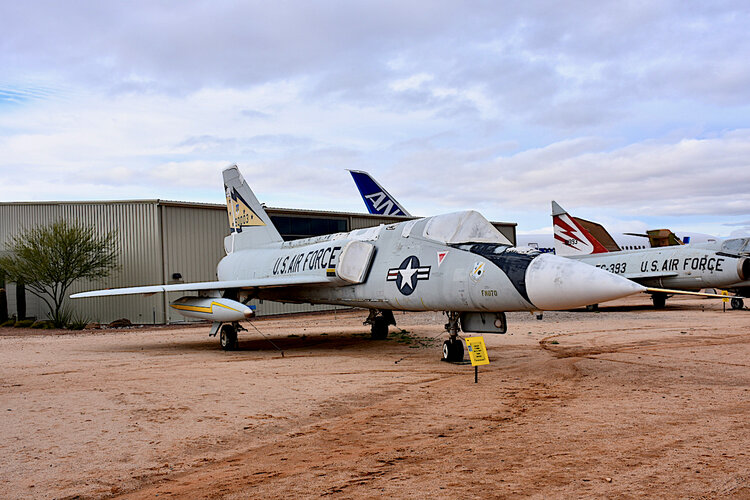
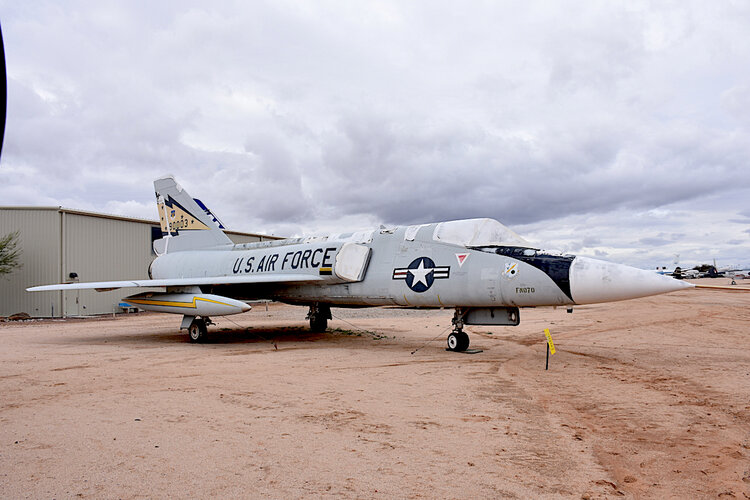
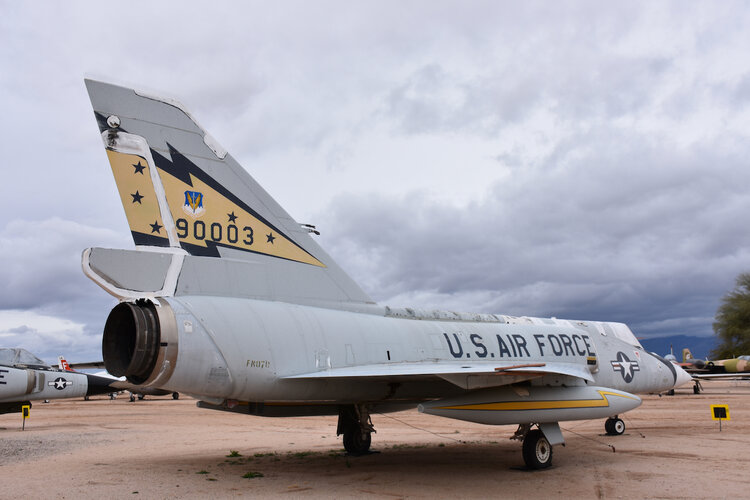
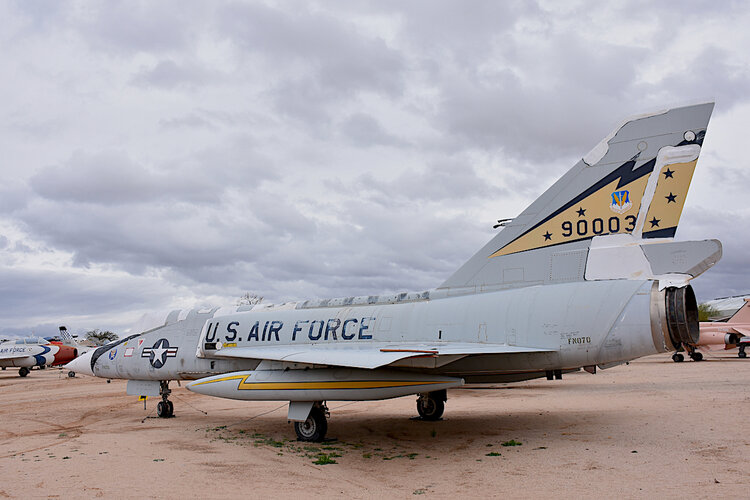
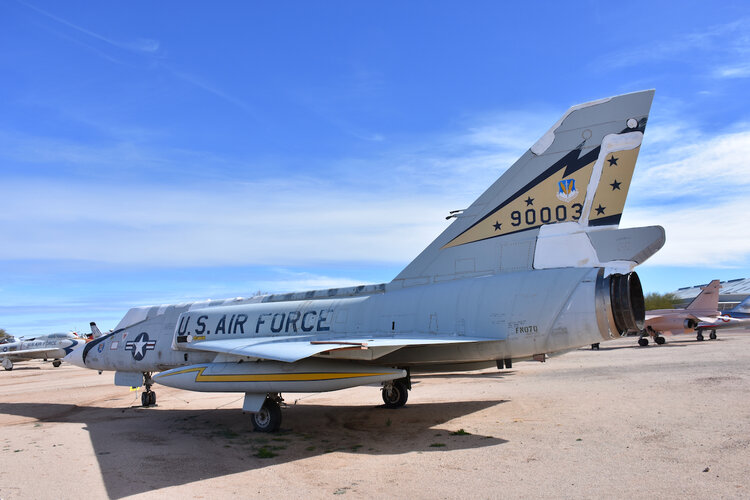
psst! TypoF-105 at Pima Air Museum, Tucson, Arizona.
The biggest concern is probably mass flow needed, how big the intakes need to be.In terms of dimensions and performances, would the P&W F100 and GE F110 have been viable afterburning turbofan replacements for the Delta Dart's Pratt & Whitney J75 afterburning turbojet?

Your numbers for the J75 und the F100 appear to be a bit off.Lets see... it looks like the main issue would have been intake air mass-flow.
J75-P-17 (F-106A/B): thrust 17,200 lb (24,500 lb afterburning)*; weight 5,875 lb; length 144.1" engine only (214" overall); diameter 43" engine body (58.5" over afterburner); SFC .80 (2.15 a/b) lb fuel/lb thrust/hour; intake air mass-flow 200 lb/sec
F100-P-220 (1986, F-15 & F-16): thrust 16,750 lb (27,000 lb)**; weight 3,365 lb; length 208" oa; diameter 40" (46.5" a/b); SFC .74 (2.05 a/b); intake air mass-flow 250
F110-GE-100 (F-16 1986): thrust 16,600 lb (28,000 lb)***; weight 3,920 lb; length 110" (181.9" oa); diameter 40" (46.45" a/b); SFC .735 (1.97 a/b); intake air mass-flow 250
* the -19W (F-105B/D/F/G): thrust 17,200 lb (26,500 lb), and the -5A/6 of the XF8U-3 produced 16,500 lb (29,500 lb); intake air mass-flow 225.
** the later -229/229A: thrust 17,800 lb (29,100 lb/32,000 lb); weight 3,705 lb; intake air mass-flow 280
*** the -129 (F-15 1986): thrust 17,000 lb (29,500 lb)
-132 (2002): thrust 17,000 lb (32,500 lb); weight 4,050 lb; SC .735 (2.09 a/b); intake air mass-flow 270
Everything I´ve seen on the former is in between about 250 and 260 lb/s (e.g., Tommy Thomasons excellent book on the F8-U3 gives 261 lb/s @ 26.000 lbf of thrust) and around 230 lb/s for the latter, with a thrust of about 23,800 lbf.
Upwards of 120 lbf per lb/s of airflow is something you wouldn´t get till about 1990.
Well, again, all references i´ve seen (but that list might obviously not be all-encompassing) credit the basic -220 engine with the same thrust (about 106 kN / 24 klbf) as the earlier versions (some sources only give 22 klbf for the -100 / -200).My numbers came from the engine sections of Jane's Aircraft (many years of volumes) and other such sources, so I wouldn't be surprised if they are a little off.
The airflow and thrust numbers you have are for the earlier F100-P-100 & -200 originally put in the F-15 & F-16 in the 1970s - the numbers I gave are for the improved higher-thrust F100-P-220 & -229 introduced in the late 1980s in those aircraft as I noted.
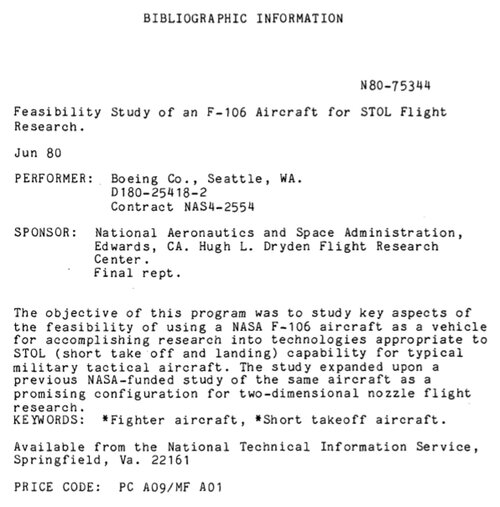
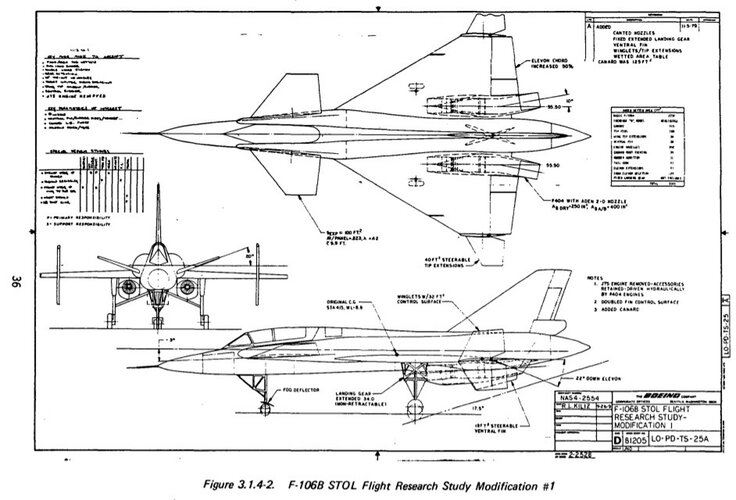
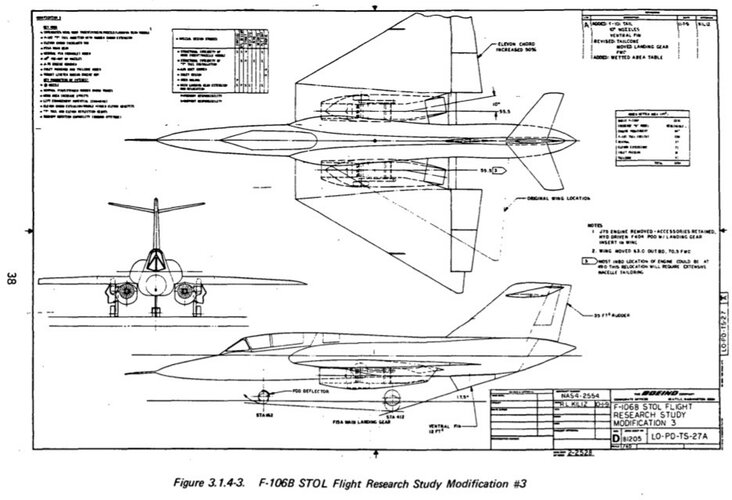
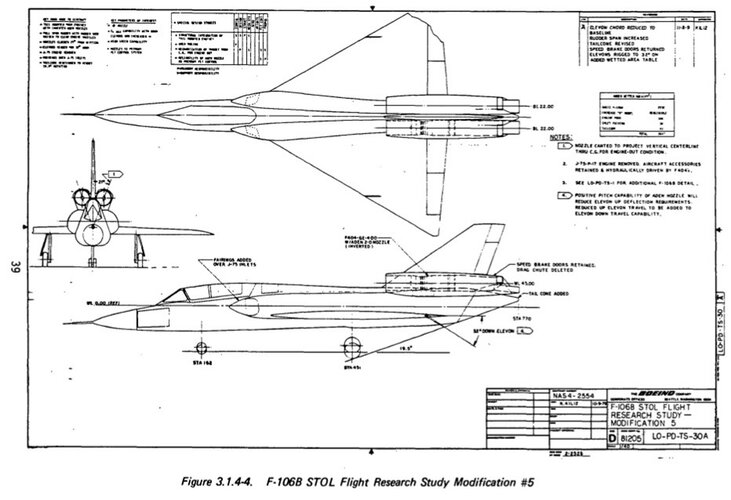
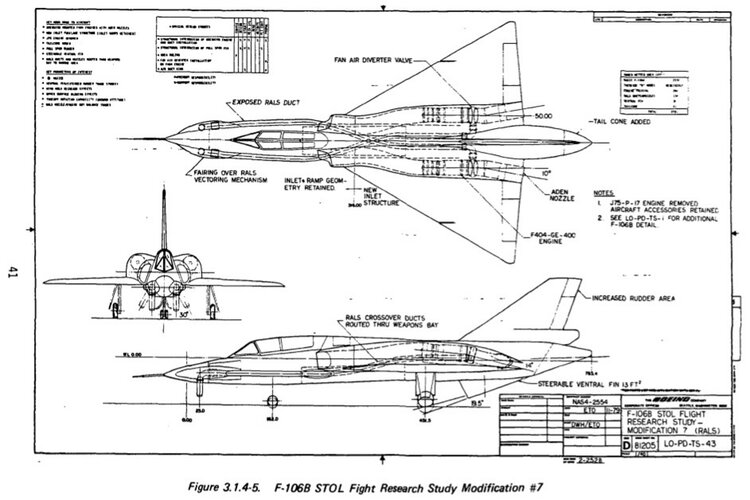
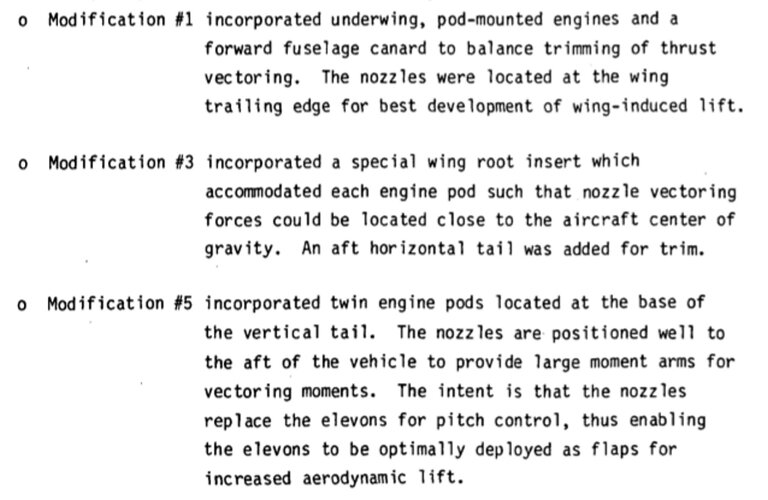
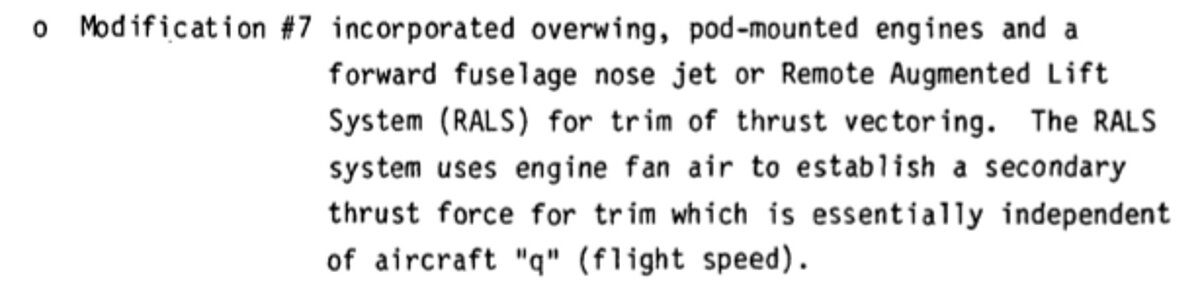
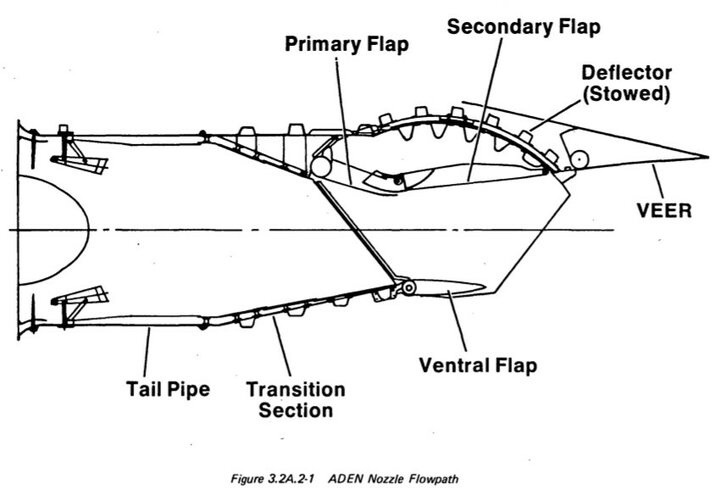
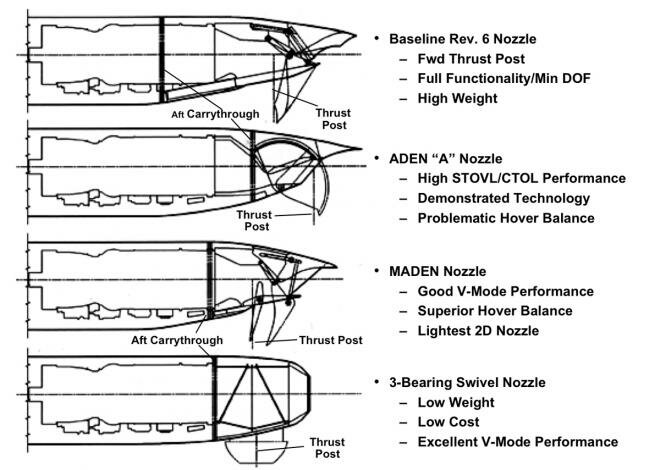
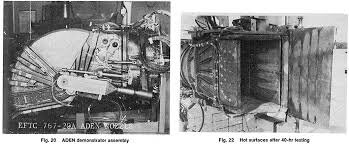
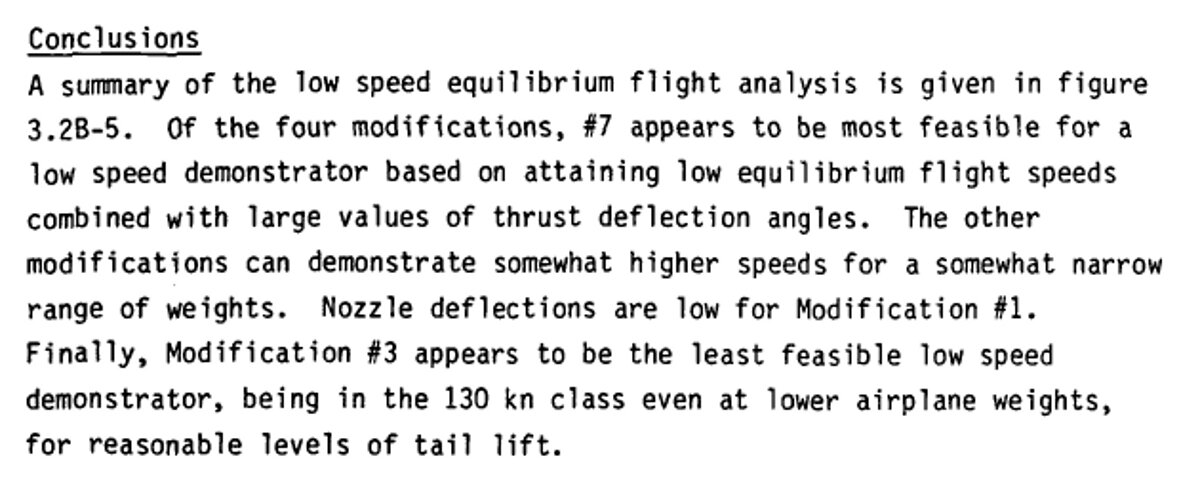
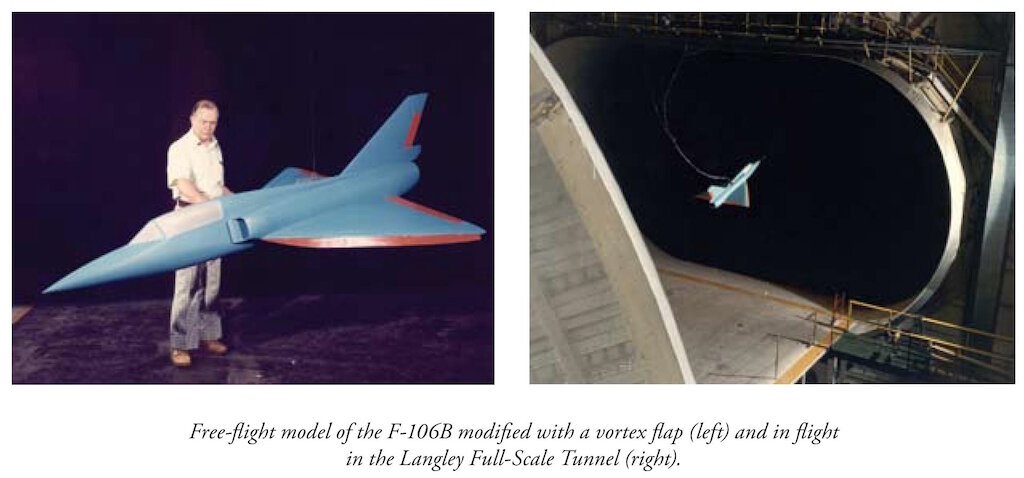
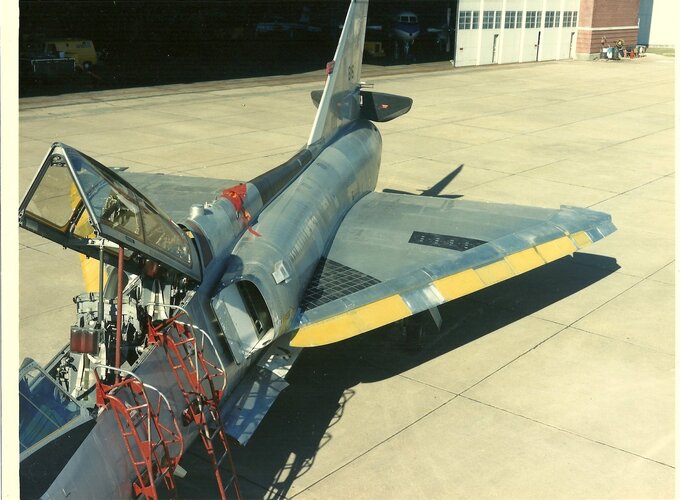
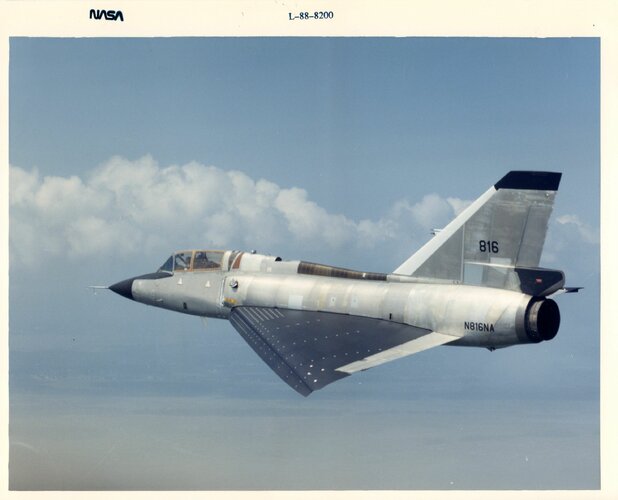
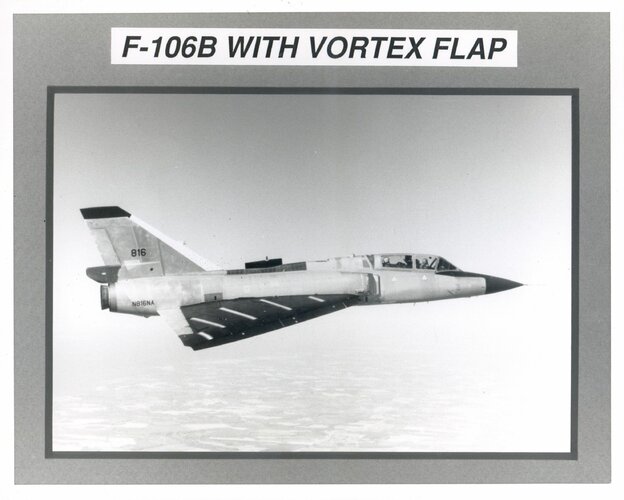
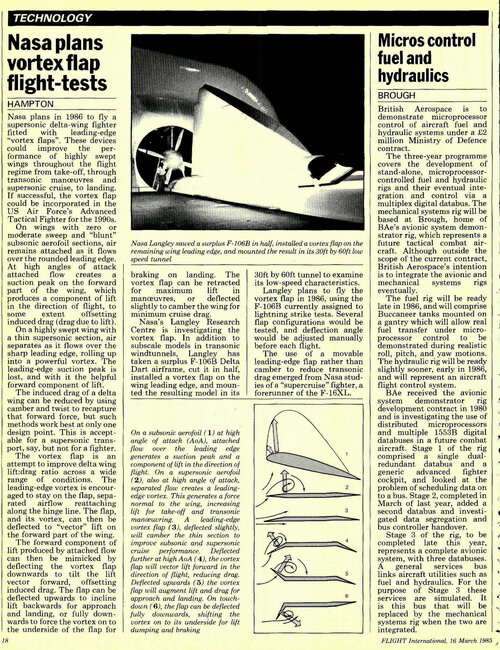
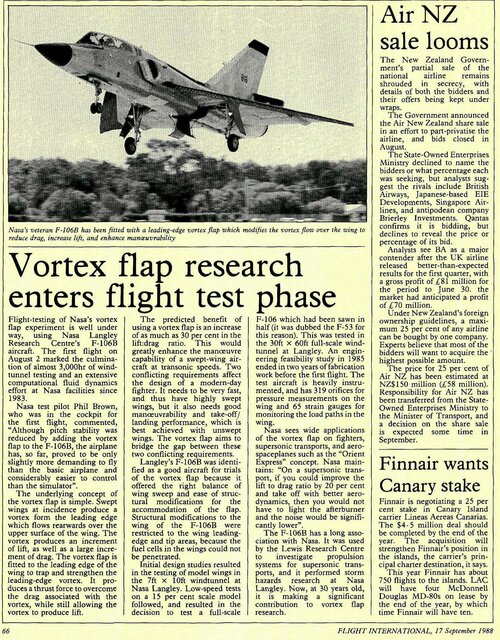
Excellent find!They are Boeing STOL F-106 projects;
http://ntrs.nasa.gov/archive/nasa/casi.ntrs.nasa.gov/19800075253_1980075253.pdf
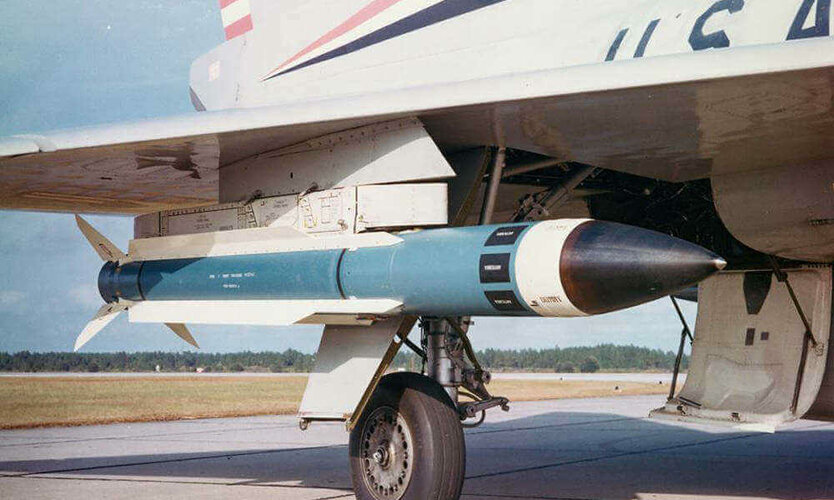
Genies only have a 6mi range...That all depends on the scenario, the allowed weapons, and so on.
Let the F-101 have a pair of Genie AAMs and the freedom to use them, nothing gets close enough to even shoot a missile at it.
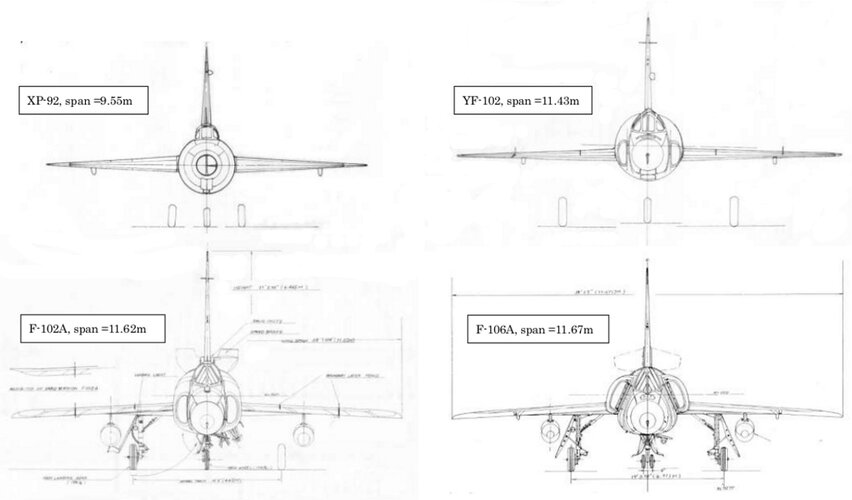
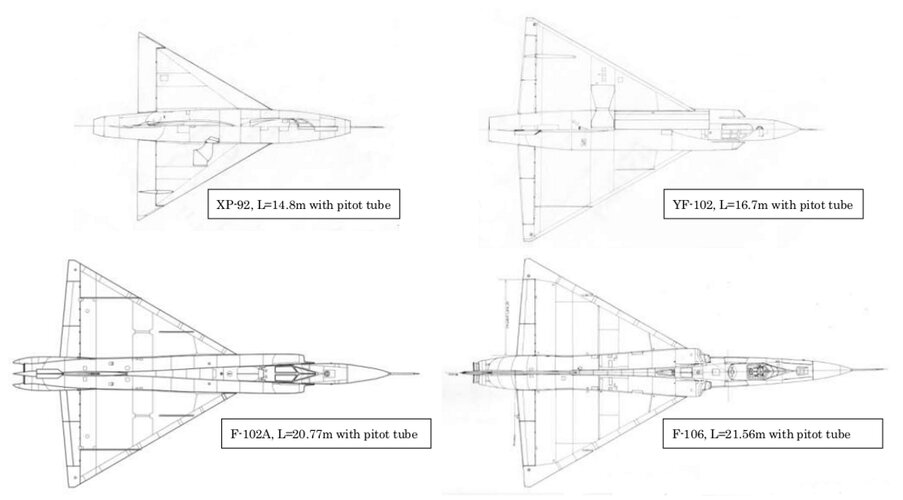
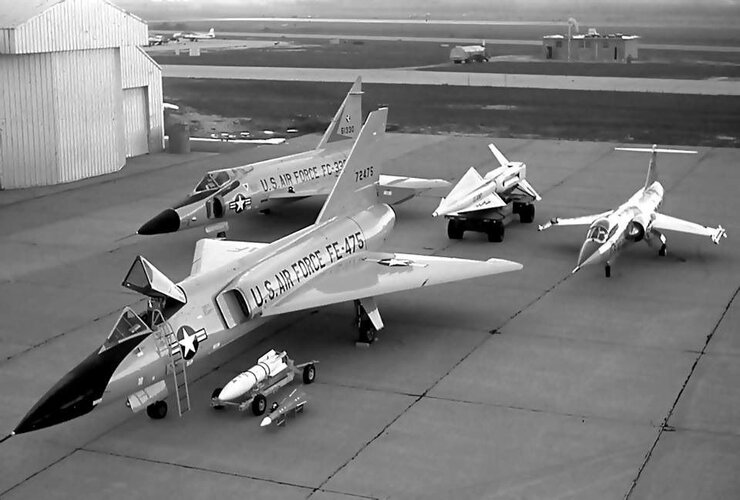
Regarding the photo of F-102/106 and the 104 - interesting to see how large they are compared to the Starfighter ...
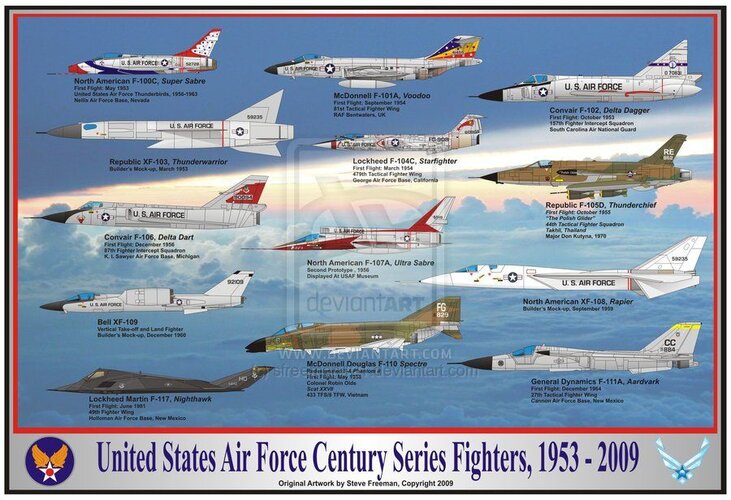
Are all the Century Fighters as drawn by Steve Freeman on the same scale?

That makes it appear that the Genie carrier is on a one way trip. I thought that sort of thing was for 'other folk'.Genies only have a 6mi range...
If the F-111B gets to play, it splashes 6 birds from about 100nmi out with Phoenixes. It may struggle against the last 2 planes, using Sidewinders. F-111s do NOT like dogfighting.
Otherwise, the F-110 is the likely winner, even if it is stuck using IR Falcons.
Genie is a rocket, you let fly and do a 180.That makes it appear that the Genie carrier is on a one way trip. I thought that sort of thing was for 'other folk'.
Thanks mate.Genie is a rocket, you let fly and do a 180.
And it's a small boom, the Genie was tested with USAF officers standing unprotected under the detonation point of the live warhead about 18,000ft above them.
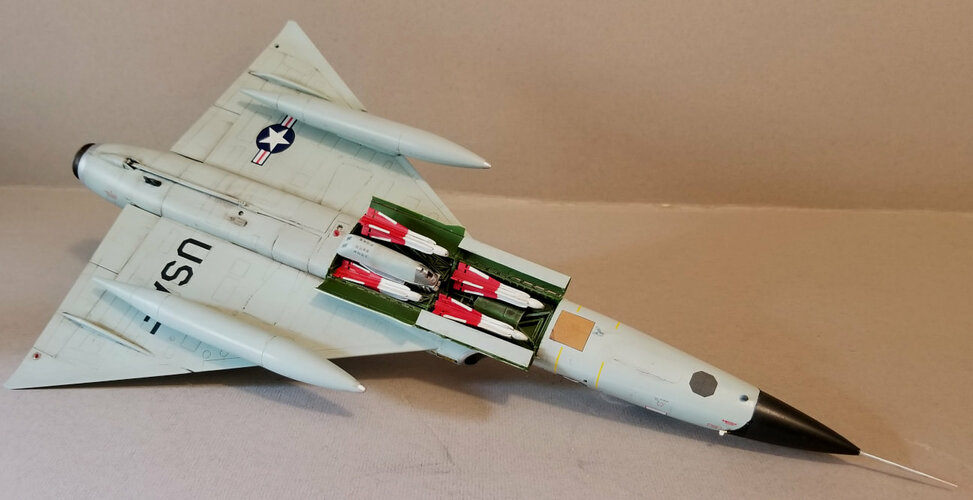
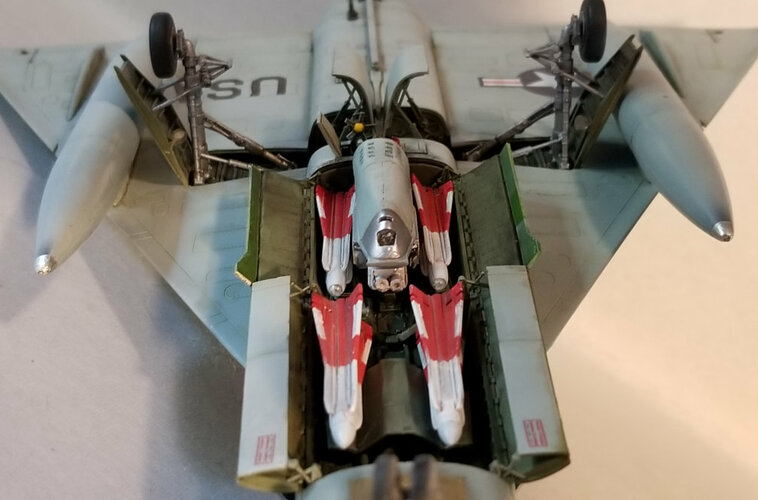
I imagine the Phoenix missile was far to big to have fit into the Dart's weapon bay.