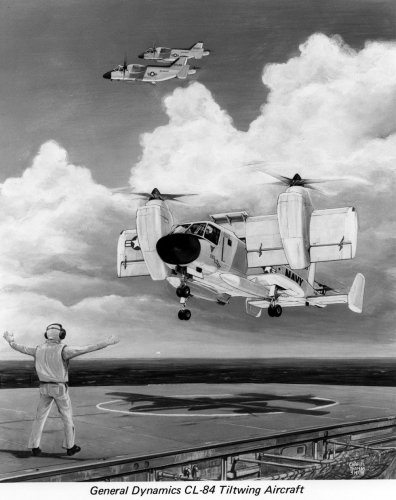
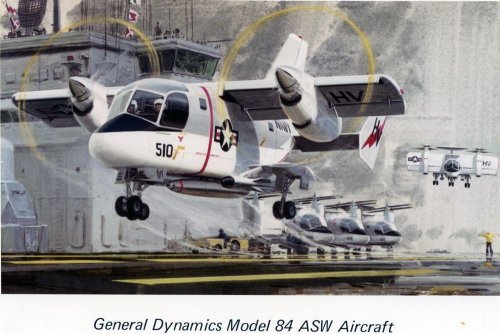
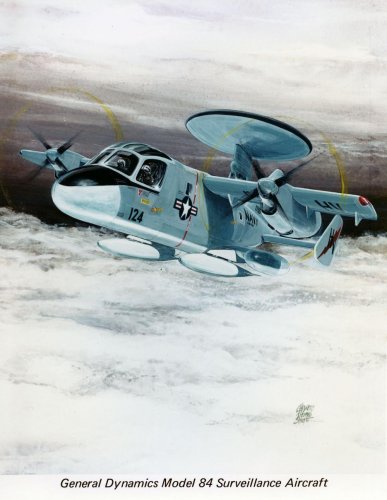
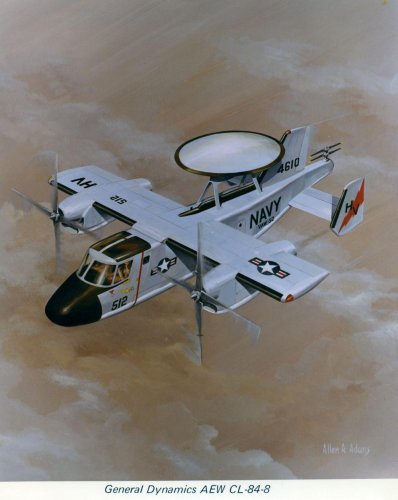
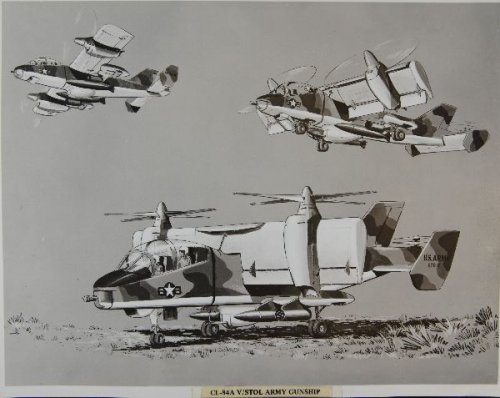
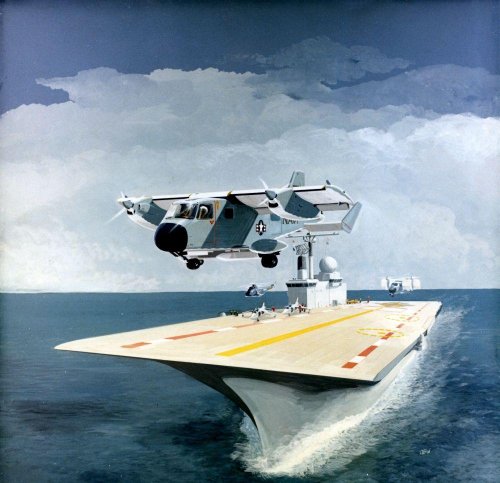
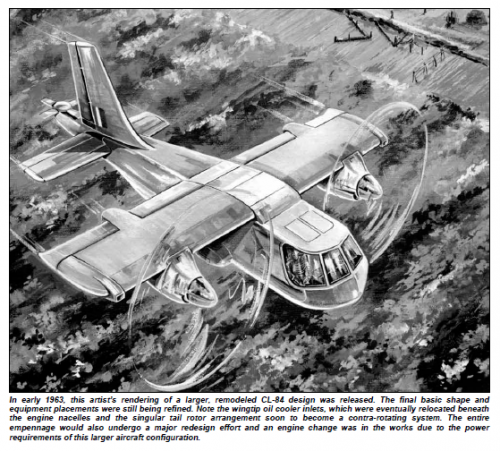
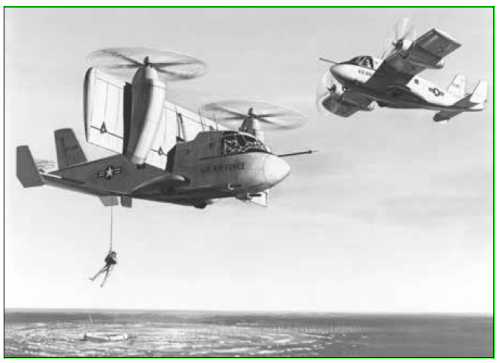
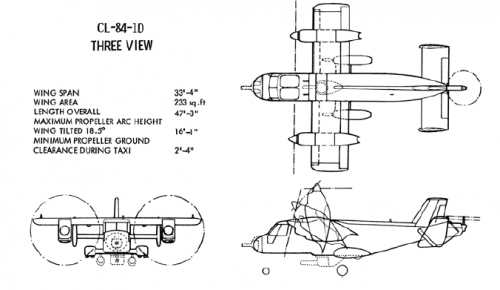
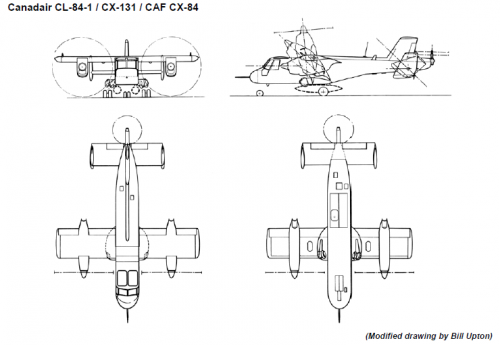
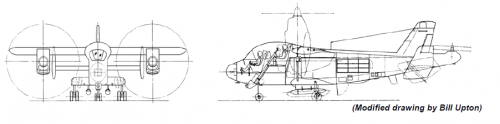
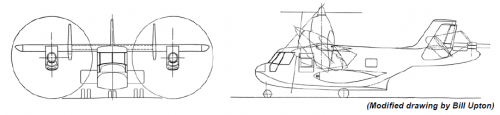
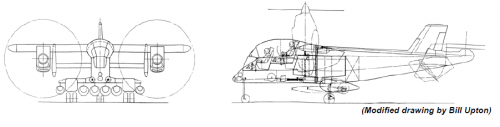
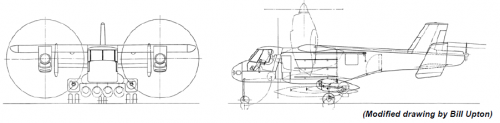
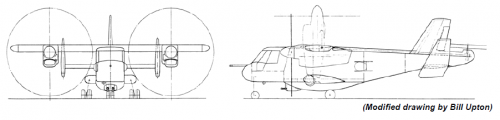
That's a very good description of the tradeoffs between the two configurations. I would expand and add that the so-called "inbound transition" (converting from cruise mode to hover) is the biggest problem for tiltwings, because you are powering down (props are not accelerating the flow as much over the wing) and you are descending (higher angle of attack). As mentioned by TT, if forced into excessively high angle of attack, the result is stall over portions of the wing, thus drag and increased power requirement.
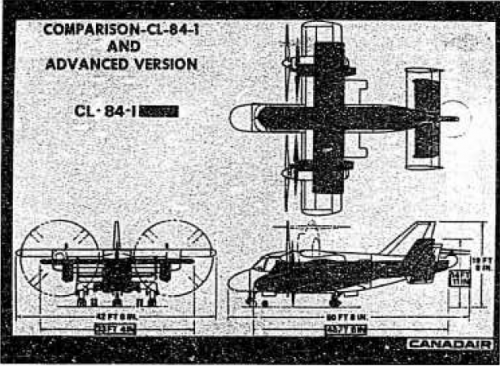
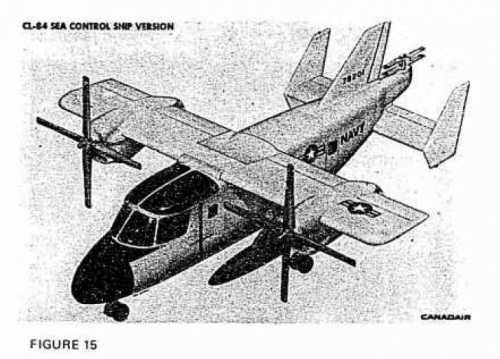
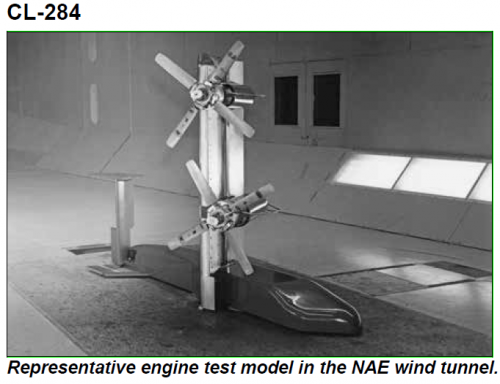
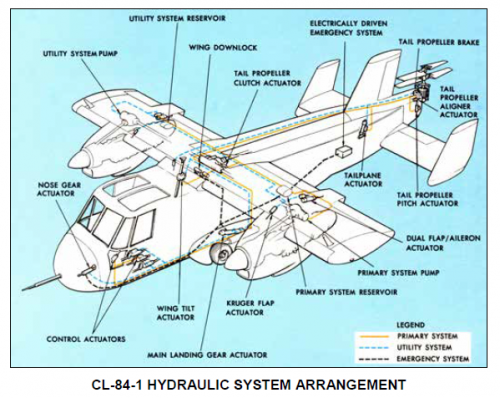
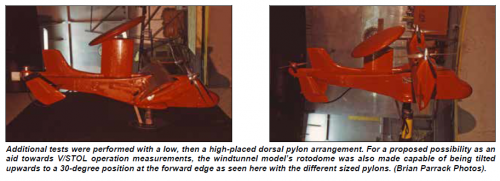
That puts a limit to the flight envelope, which can be more or less acceptable from an operations point of view. It's good to point out that ALL VTOL machines have flight envelope limitations, some more than others. In the case of tilt wings, there are ways to improve the handling qualities and broaden the envelope. For example, tests with the VZ-2 and wind tunnel tests have shown that four props, giving more uniform flow over the entire wing, were better than two. Also, leading edge devices like slats or krugers could delay separation to higher alphas.