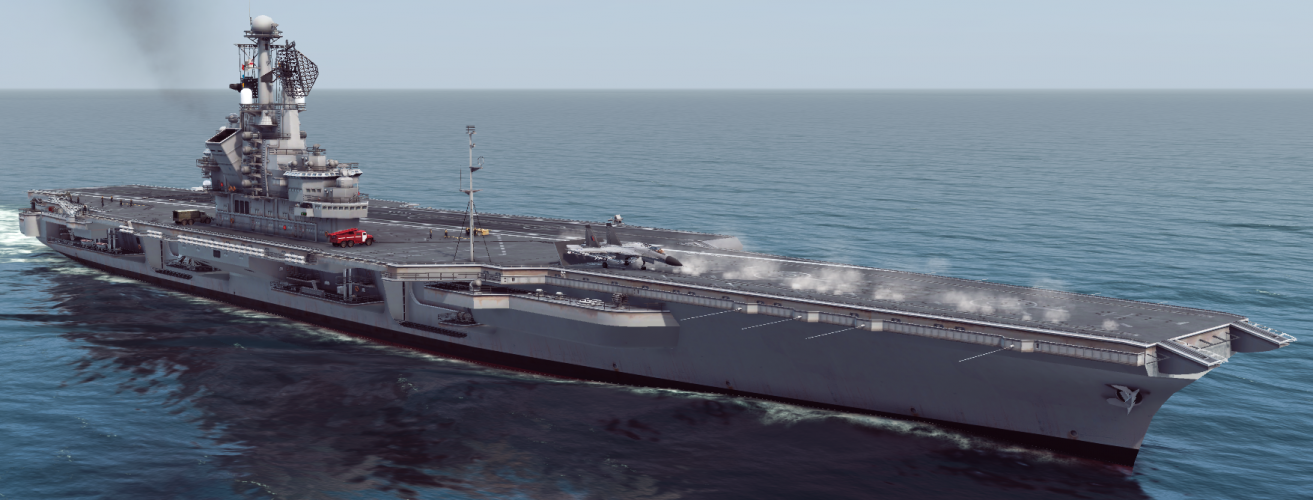
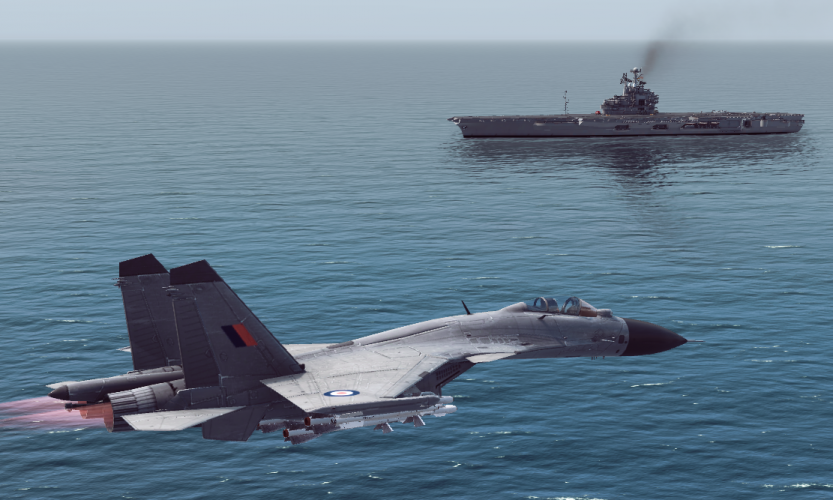
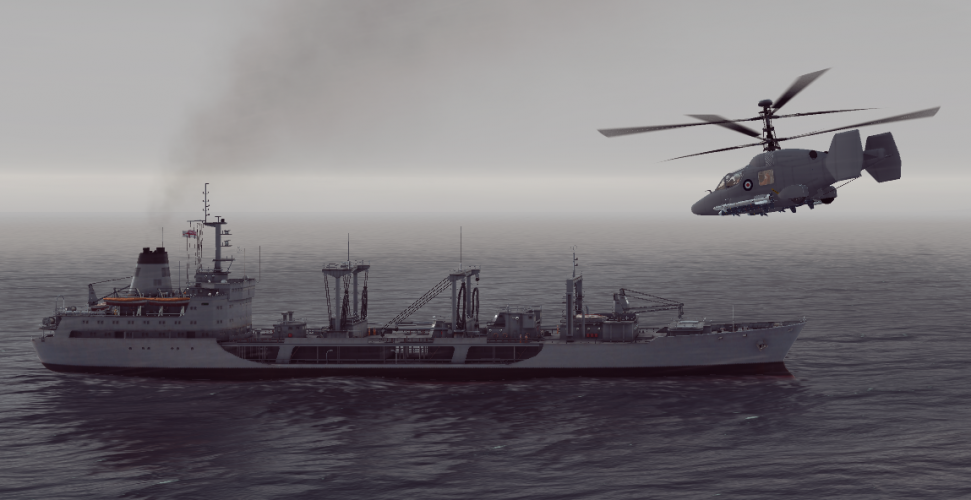
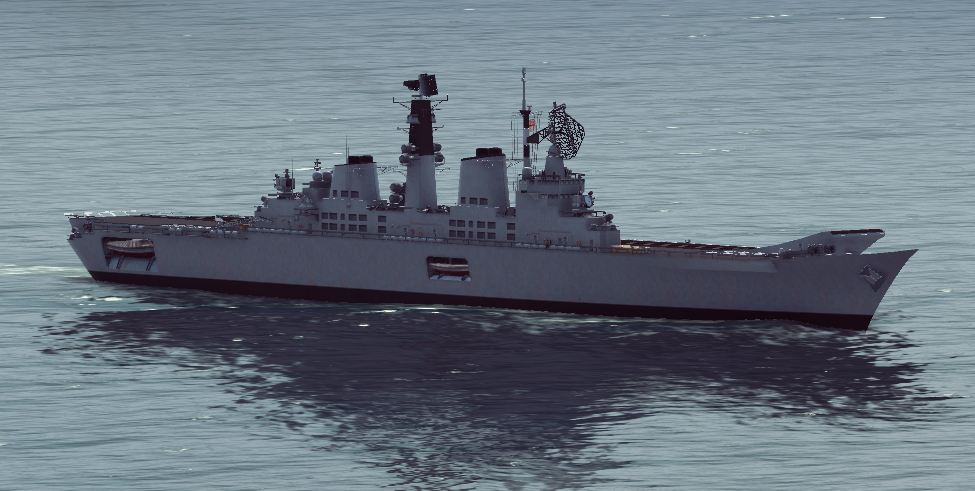
Since ITTL the UK goes red circa 1958
Some thoughts on this:
  • Nye Bevan wins the Labour leadership in 1955.
  • A bigger Suez debacle discredits Eden to the extent that the government collapses entirely.
  • Labour wins a 1957 General Election - my guess is the 21st of February - bringing Bevan in as Prime Minister.
  • A rapid recovery from the 1958 recession is seen as vindiating Bevan's left-wing policies (it happened with moderate supply-side policies under Macmillan, I'd expect similar here) and strengthens the view that the UK could not be tied at the hip to the US.
  • When Bevan dies circa 1960, Harold Wilson probably succeeds him as Prime Minister.
  • With Bevanite policies, the UK is somewhat more insulated from the 1960-1961 US recession, and the taint against the Conservatives mean that support for the Liberals is higher. The Labour party therefore wins a general election in 1962, though with only a narrow majority.
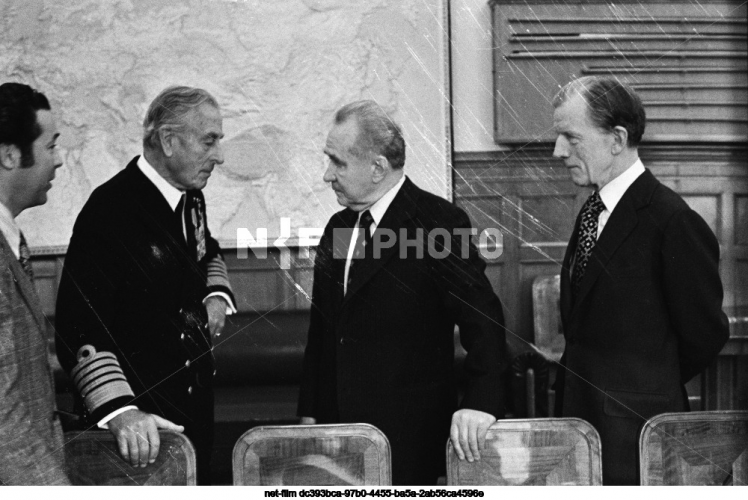
  • Stronger right-wing opposition does lead to an attempt to overthrow Wilson in 1965-1966, taking advantage of his apparent political weakness. Mountbatten, ever the pragmatist, sees that it would be disastrous and throws the conspirators under the bus.
  • Mountbatten (and probably Solly Zuckerman) gain political capital, at the same time as a crackdown on the right-wing press - and by now some kind of political purge of Gaitskellites within the Labour party cements the Bevanite wing as dominant.
  • A 1966 general election, at a time when the right wing looks really bad, gives Wilson an absolutely huge majority, with robust support for much more left-wing policies than in OTL - and the government certainly won't be looking to be dependent on the US for defence.
  • Mountbatten gets reappointed as Chief of the Defence Staff in 1967, a role he'll retain for the rest of his life.
It's a bit far-fetched, but lets you get a more pro-Soviet (or at least anti-American) UK in the relevant timeframe without needing an outright revolution.
Since ITTL the UK goes red circa 1958, I assume the IRA would feel very much betrayed as a whole, and go full nationalist for at least some time.
I'd guess that what happens is the nationalist wing becomes preeeminent in the IRA, whilst the left-wing elements form an early INLF and wither on the vine. They weren't especially strong after the first few years of the Troubles, and here they'll have weaker support both sides of the border.

A stronger IRA when the Troubles kick off, together with a UK government that's already feeling a bit paranoid from the Mountbatten plot, is likely to lead to the development of a bit of a police state in the early 1970s.
 
It's a bit far-fetched, but lets you get a more pro-Soviet (or at least anti-American) UK in the relevant timeframe without needing an outright revolution.
I only wanted to add that - as I mentioned somewhere earlier - the most ironic aspect here may be that the anti-US turn can be supported or even driven by the right-wing military factions, thus converging with the left-wing politicians into a single scenario. Hardly enough to save Eden, probably, but even he could try to start the process in desperate attempt to recover some of his political position.

A stronger IRA when the Troubles kick off, together with a UK government that's already feeling a bit paranoid from the Mountbatten plot, is likely to lead to the development of a bit of a police state in the early 1970s.
Even earlier.

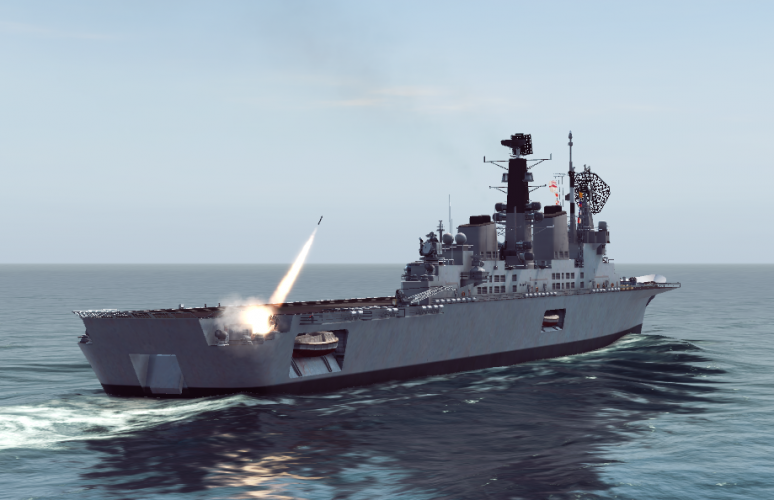
With the introduction of Invincible-class (see post above), which, by the way, even IRL were referred as "navy's newest anti-submarine cruiser" at launch
I wanted to emphasize this as a primary evidence of contemporary perspective - as opposed to later retrospection, indeed.

--------------------------------------
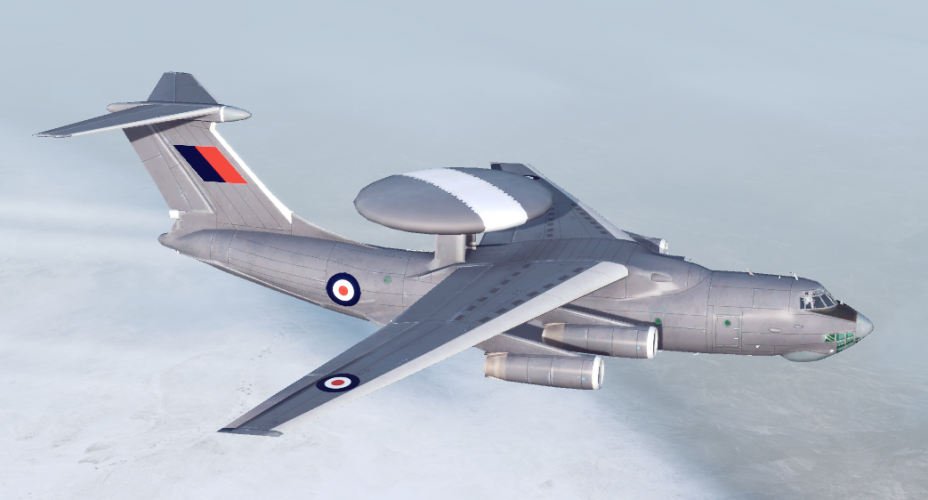
Another couple of necessary repaints of readily available models.

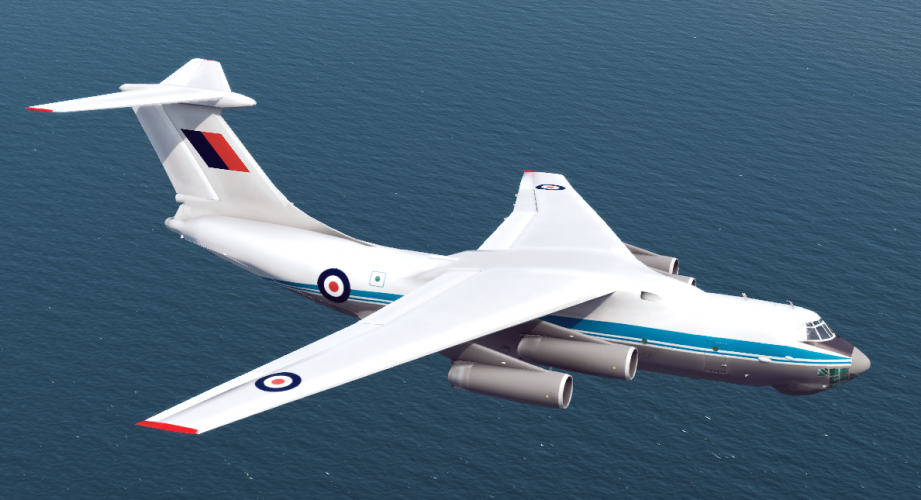
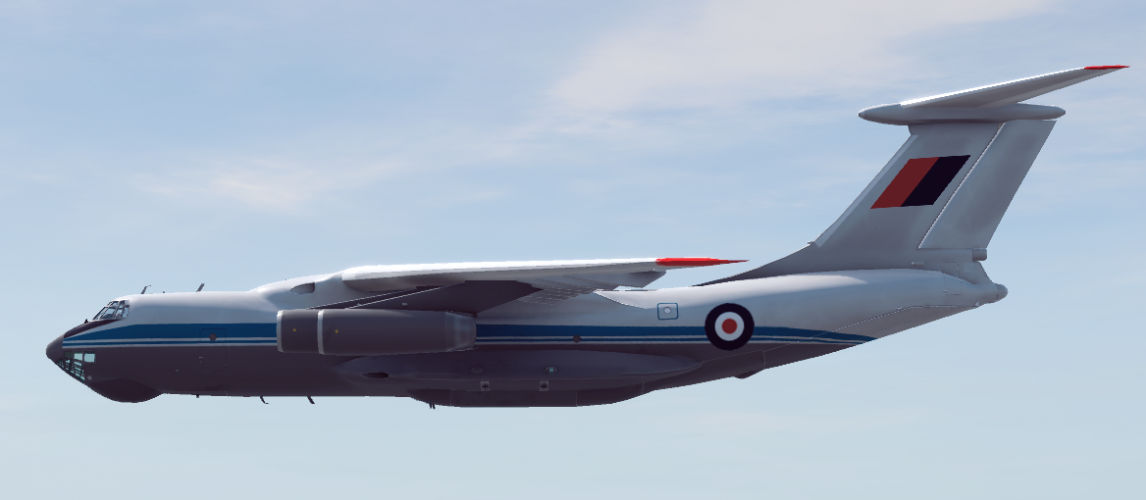
The Il-76 AW.681 transport aircraft (I nicknamed it as Atlas, but if there was some other designation that could have been assigned to it, please let me know):

1752600193169.png

1752600248137.png
and an AWACS based on it:

1752600397206.png
--------------------------------------

And after delving a bit deeper in the Tornado development history I think it can be also implemented ITTL - as a follow-up on the Su-24/Condor, and primarily as a carrier aircraft, because it offers superior performance for less weight and hangar space. The justification for both, GR and F variants and the GR electronic suite would be an ability do deliver a deep strike from a carrier group into the US territory, "project Cockburn" so to say, as the 1812 war would be very prominent in this version of the UK both as part of official propaganda and military planning.

And we are also going to keep Buccaneers for a long time.
 
Last edited:
The justification for both, GR and F variants and the GR electronic suite would be an ability do deliver a deep strike from a carrier group into the US territory, "project Cockburn" so to say, as the 1812 war would be very prominent in this version of the UK both as part of official propaganda and military planning.
Vulcans also proved good at penetrating US air defences during peacetime exercises in our timeline, though the idiotic disbandment of the USAF's Aerospace Defense Command in 1979/80 might helped with some of the later exercises as far as the RAF was concerned. In this timeline such stupidity is likely to have been stillborn.
 
Vulcans also proved good at penetrating US air defences during peacetime exercises in our timeline

That is a very interesting addition to the story about Ark Royal exercises mentioned here before -

The story is that at some point in the 1970s (possibly the 1972 deployment) the ARK ROYAL spent a week or more running simulated strikes against US military bases along most of the Atlantic coast, with the usual claims of Buccaneers climbing to avoid the continental shelf etc., evading detection for a substantial period and generally causing chaos.
 
I only wanted to add that - as I mentioned somewhere earlier - the most ironic aspect here may be that the anti-US turn can be supported or even driven by the right-wing military factions, thus converging with the left-wing politicians into a single scenario. Hardly enough to save Eden, probably, but even he could try to start the process in desperate attempt to recover some of his political position.
You can get the anti-US angle from the right, but not the pro-Soviet one. They'd be far more likely to take a pro-European or pseudo-Gaullist 'Britain alone against the world' position. Which is an interesting proposition in its own right, of course.
Even earlier.
Only if you go down the revolution route. I can see how you get there (botched Suez, economic collapse, general strike, troops in the streets, etc.). But it means a much bigger divergence from OTL.

To be honest, the high level of Soviet kit in your scenario makes me think it's closer to this than to anything based around democratic processes.
 
Vulcans also proved good at penetrating US air defences during peacetime exercises in our timeline, though the idiotic disbandment of the USAF's Aerospace Defense Command in 1979/80 might helped with some of the later exercises as far as the RAF was concerned. In this timeline such stupidity is likely to have been stillborn.
Yes, with opposing carriers and strategic bombers flying around the USAF would definitely keep ADC around. Question then becomes what would they be equipped with?
  • F-12Bs are a bit of an operational challenge due to the need for the crews to prebreathe oxygen. They also have limited missile count, but demonstrated very capable missiles.
  • F-111Bs might be an option, as that was mostly a USAF design.
  • USAF would scream bloody murder about having to adopt Tomcats, despite their pitch under the Improved Manned Interceptor program.
  • "Phoenix Eagles" is what comes to mind, honestly. A 2-seat F-15 with AWG-9 and 4x Phoenix missiles carried in place of the Sparrows. Usually flying with both CFTs and the big 600gal drop tanks on the wing pylons. Possibly hanging a Sparrow off the outside rail of the wing pylon, Sidewinder on the inside rail.
Tomcat IMI picture from Wikipedia:
USAF_ADCOM_Grumman_F-14_Tomcat_proposed_interceptor_-_1972.jpg
 
Oh, yes, please. Maybe not much, like a squadron or so, but I would like to have them around.
But then I'd be tempted to repaint the Tu-160. Should I?

USAF would scream bloody murder about having to adopt Tomcats
What's that with USAF and Tomcats?

To be honest, the high level of Soviet kit in your scenario makes me think it's closer to this than to anything based around democratic processes.

Hardly a democratic, certainly. It had to be done too quickly and accurately to succeed (and avoid an American invasion, for example). But some decorum may be preserved, still. I have to read some more about the involved personalities, and then get back to this, probably, in more detail.

Graphically I rely on things like "A Very British Coup", "Sandbaggers", David Audley series and such, cultural depictions of the inner works of the British state, and my general impression it was definitely possible to pool both anti-US and pro-Soviet characters to work together, because it's all is less about ideology, rather resources and outright survival. Detaching from the US makes the Soviets almost a default alternative and technology/hardware provider, and an alternative nuclear umbrella, such as it was. Around '57 the picture is rather grim.

The shift to police state, as I see it, is very gradual. It's not that everybody wakes in the morning and the police state is here. More like "controlled democracy", decisions made in the clubs and implemented later, MI-5 work on steroids, etc, to the point it may not exactly matter who exactly is the prime minister at this or that moment.

As I wrote in one of the intro posts -

Third is an impression, fed by either documentary reels or period movies/series, that British reality of the 60-70s, say, had a very Soviet look and feel. Similarly looking cities, cars, furniture, nationalizations, austerity that I already mentioned, etc, etc, etc. Consider this as a movie setting, if you want - Philby is M, Blunt is Queen's Secretary, everything is the same, but a little bit different. The dystopian side is there, but it's subtle, creeping and unfelt by most. MI-5 is working overtime, people disappear, Ireland is a perpetual source of trouble and American submarines smuggle weapons into Irish coves. All that and more.

For that reason Mountbatten is a very convenient, constant figure, and I bet the Soviets would think this way as well. And they always had a soft spot for the Royal family, mind. The Soviet system, after all, was much closer to monarchy inside than anything else, whatever they declared.
 
Last edited:
Oh, yes, please. Maybe not much, like a squadron or so, but I would like to have them around.
The actual plan was for ninety-seven (edit) ninety-three F-12Bs. Three times the number of SR-71s built! And Congress had even allocated money for that purchase, it was McNamara who refused to release the funds to try to force the USAF to buy F-111s instead. That's in our timeline, not your what-if.

That'd be probably 8 squadrons of 12x F-12Bs. I'm guessing a squadron based in Alaska, one based in Hawaii, then 2 on each coast and 2 on the Canadian border. Not sure what to do about operational conversion, maybe use one of the West Coast squadrons for that? If the UK went Red, that'd probably increase the number of squadrons purchased.


Now that I think of it, AWACS with a look-down radar would also likely be a high priority, as an airliner is a much better shape for long patrols looking for low-flying bombers and cruise missiles. Call it AWACS flying ~100nmi off the coasts, maybe dragging a fighter flight with them.


But then I'd be tempted to repaint the Tu-160. Should I?
I thought we'd said that the big stuff was going to stay Soviet-only, and just have it based on UK soil? Maybe having UK contribute to design work, not necessarily building anything bigger than Tu-22/22Ms locally.


What's that with USAF and Tomcats?
It's a plane designed for the USN, and the enemy of the USAF is the USN. I wish I was joking.

The USAF did not like getting stuck with the F-4 and then the A-7, even though the USAF A-7 mods (M61 gun and TF41 engine) were such an improvement that the USN adopted them.

Also, the F-14 was screamingly expensive for the time. IIRC, more expensive than F-22s, in constant dollar terms, so equivalent to 200-300mil each today!

The USAF getting arm-twisted to buy F-111B interceptors might be tolerable, most of the design decisions about the F-111 were USAF-based. And the USAF was used to Hughes radar/FCS systems. It'd only need a way to talk to the SAGE system like the MA-1 on the F-106s.
 
Last edited:
The actual plan was for ninety-seven F-12Bs. Three times the number of SR-71s built! And Congress had even allocated money for that purchase, it was McNamara who refused to release the funds to try to force the USAF to buy F-111s instead. That's in our timeline
With red-UK he would hardly be able to stop it.

That'd be probably 8 squadrons of 12x F-12Bs. I'm guessing a squadron based in Alaska, one based in Hawaii, then 2 on each coast and 2 on the Canadian border.
In Canada. There would have to be a lot of USAF bases and missile defense installations in Canada ITTL.

I thought we'd said that the big stuff was going to stay Soviet-only, and just have it based on UK soil? Maybe having UK contribute to design work, not necessarily building anything bigger than Tu-22/22Ms locally.
I remember, I just almost gave in to the temptation, though, considering HS 1011 getting a green light and joint development of Tu-144/Concorde.

It's a plane designed for the USN, and the enemy of the USAF is the USN. I wish I was joking.

The USAF did not like getting stuck with the F-4 and then the A-7, even though the USAF A-7 mods (M61 gun and TF41 engine) were such an improvement that the USN adopted them.
Did they have any workable alternative projects to the Tomcat?
 
The USAF getting arm-twisted to buy F-111B interceptors might be tolerable, most of the design decisions about the F-111 were USAF-based. And the USAF was used to Hughes radar/FCS systems. It'd only need a way to talk to the SAGE system like the MA-1 on the F-106s.
The USN deciding it didn't want the F-111B might also help sell the USAF on it. An F-111 derivative (called 'F-111X-7') was offered to the USAF in 1971 but they wanted dedicated air defence F-15s.
Did they have any workable alternative projects to the Tomcat?
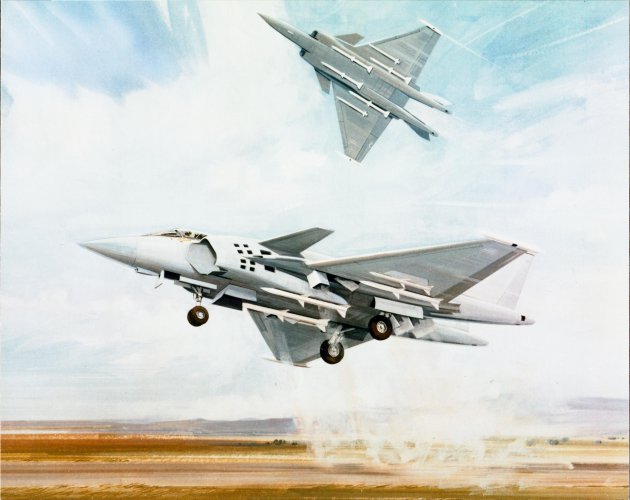
There were proposals for a two-seat F-15 with AIM-47s, which I posted back in 2020. The USAF wanted 194 of them.

I think we may even have a picture of what it might have looked like.

advint-jpg.53486
 
In Canada. There would have to be a lot of USAF bases and missile defense installations in Canada ITTL.
Fair point.

Might increase the F-12B squadron count to ~10-12 (120-144 birds), and put at least 2 squadrons of F-12s in Canada plus those two squadrons on the border. Call it one squadron at roughly the mid-Canada line and one on the Canadian East Coast at the old jump-off point for flying across to London. The US border squadrons back up the Canadian squadrons.

Also, I messed up. It was 93x F-12Bs, not 97x. 93 birds would probably be seven squadrons of 12 (84 birds) plus separate test and OCU squadron/detachments (9 birds).


Did they have any workable alternative projects to the Tomcat?
The F-111B/F-111X-7 and the AIM-47/Phoenix Eagle are the two serious options, IMO. Eagle with ASG-18 would be pretty wild, that's a big antenna (40"). AWG-9 has a slightly smaller antenna (36"?).

IMO, the F-111B would have made a good interceptor for ADC in the mid-late 1960s. Not as purely fast as the Blackbirds, obviously, but excellent range and/or loiter time and a lot cheaper to operate. As an ADC interceptor, there wouldn't be much if any need to dogfight so the TF30 problems would be less of an issue. Plus it'd share a whole lot of parts with the F-111 bombers.

Phoenix Eagle wouldn't be available till the late 1970s.
Timeline-wise, it's F-111B versus F-12B, and Phoenix Eagle versus Tomcat.
 
Speaking of interceptors -


1752887348629.png
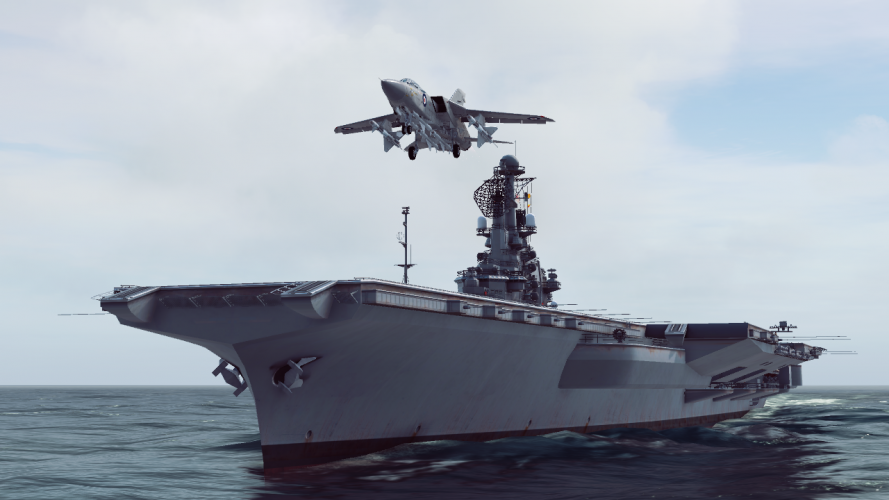
Tornado ADV interceptor launched from the large carrier.

I just added a landing hook to it and rearmed with 4 AA-7 (R-23) under the fuselage and 2 AA-6 (R-40) on pylons, making it a kind of, sort of carrier-portable replacement option of the Mig-25 capabilities for the navy. Both missiles probably would have British electronics inside, like the Skyflash IRL. More conventional loadouts are 4 AA-7, 4 AA-8 and two fuel tanks, or 6xAA-7 + 4xAA-8. AA-6 is large, but it seems to fit (with some effort), and can possibly be replaced by AA-9 later.
 
Last edited:
Last edited:
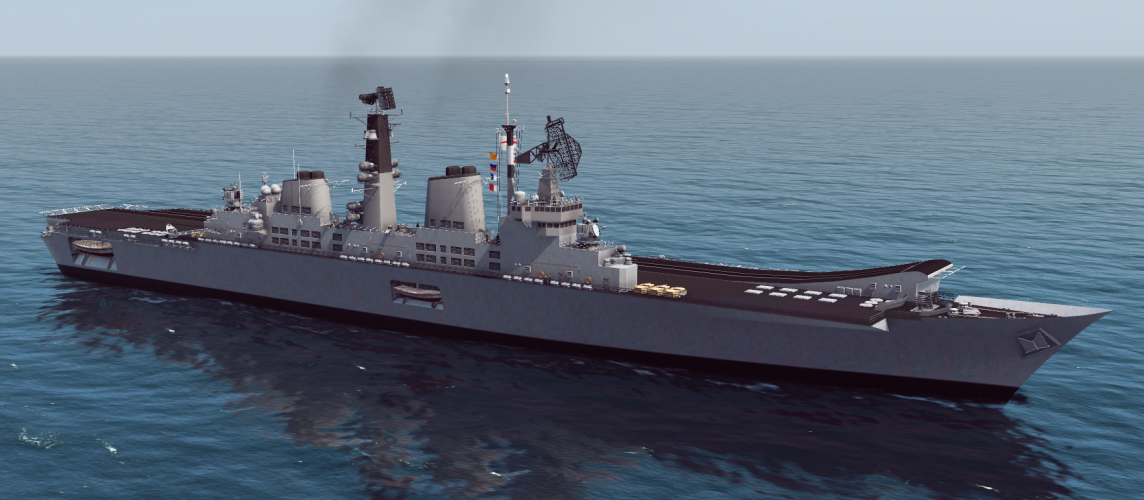
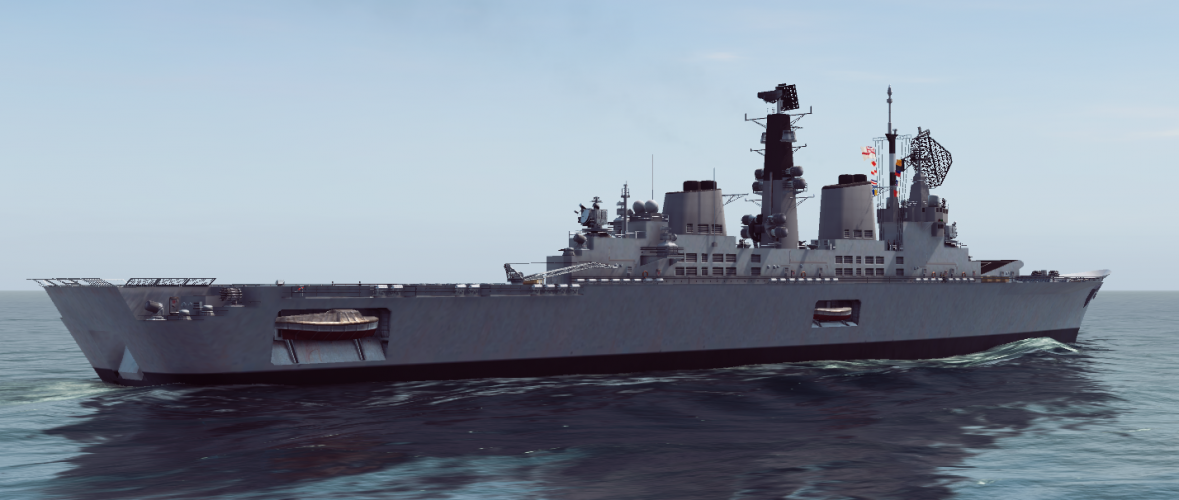
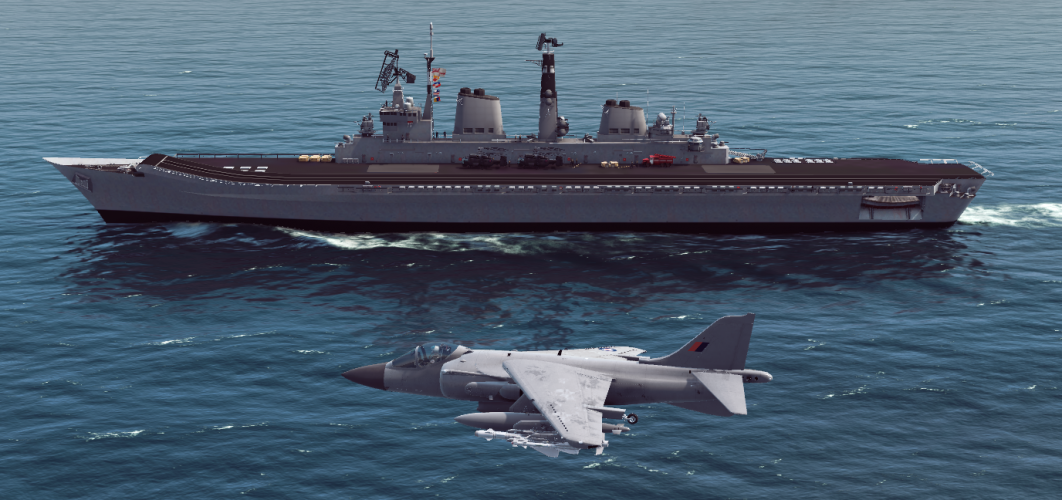
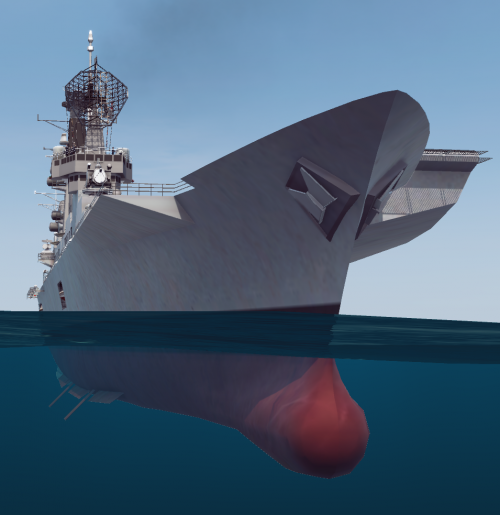
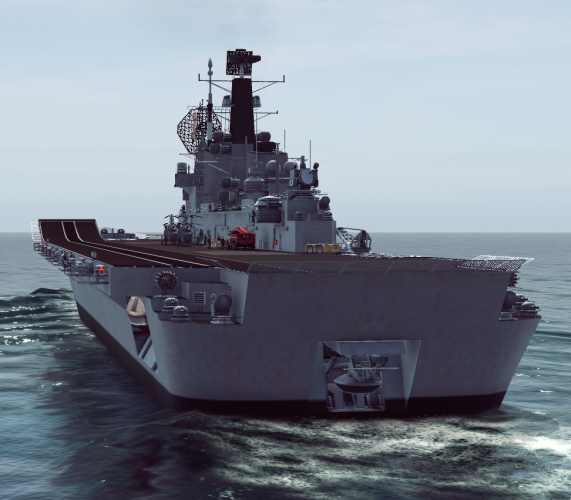
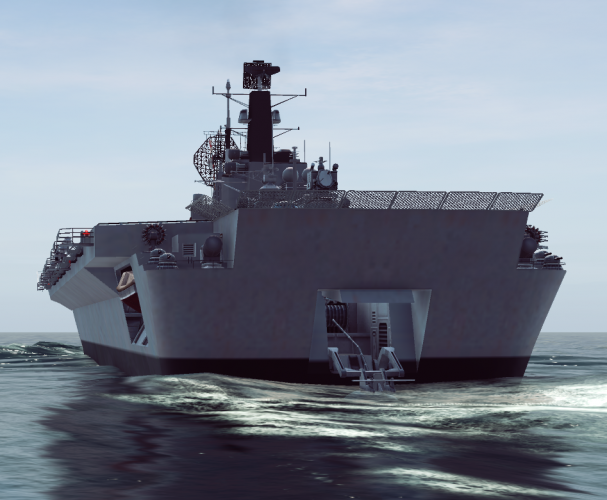
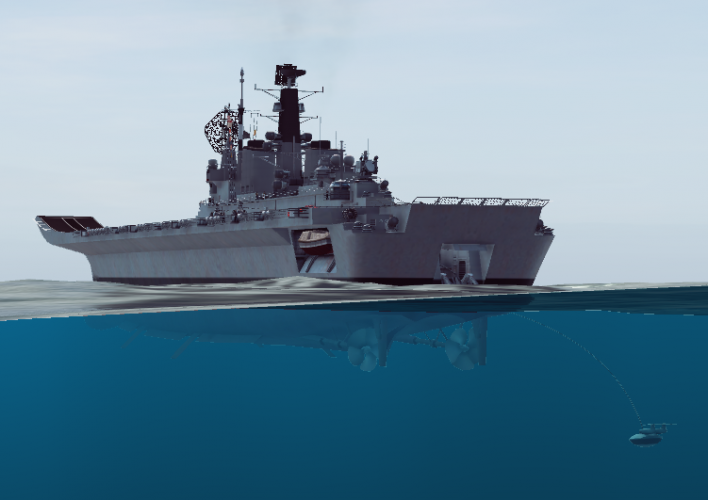
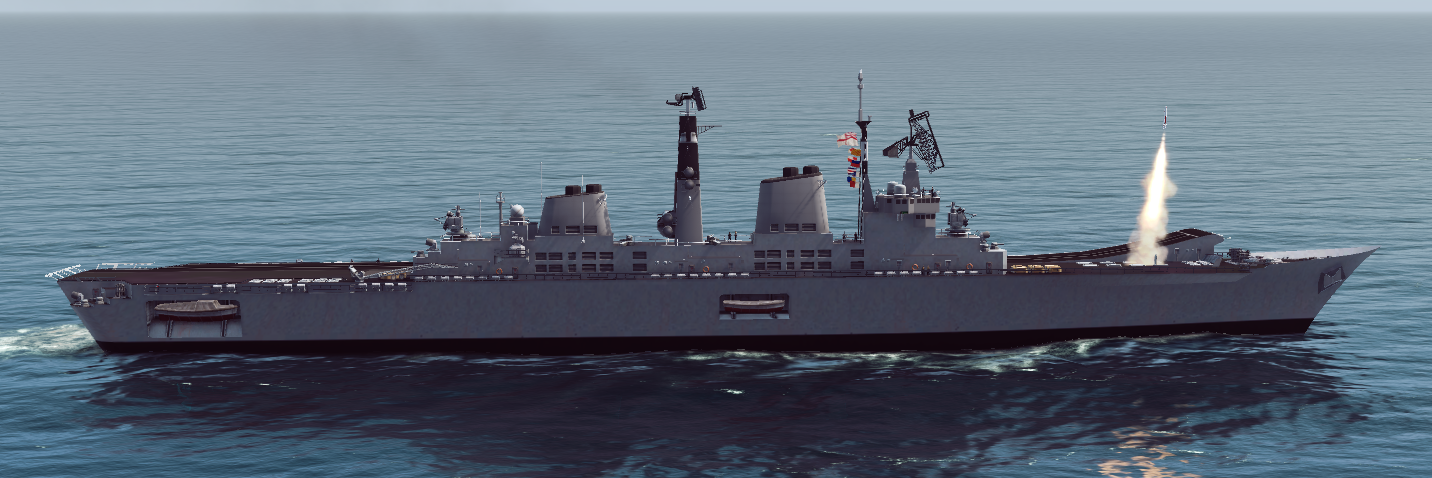
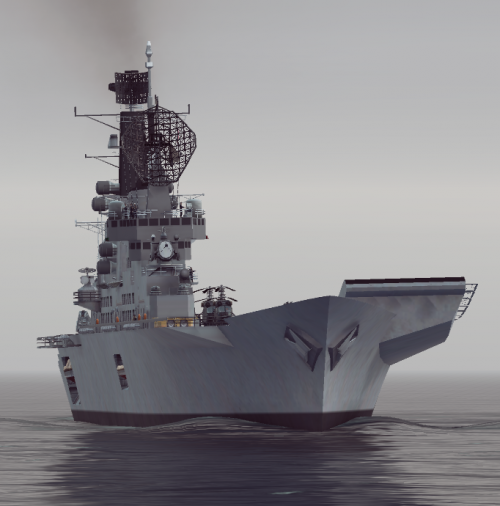
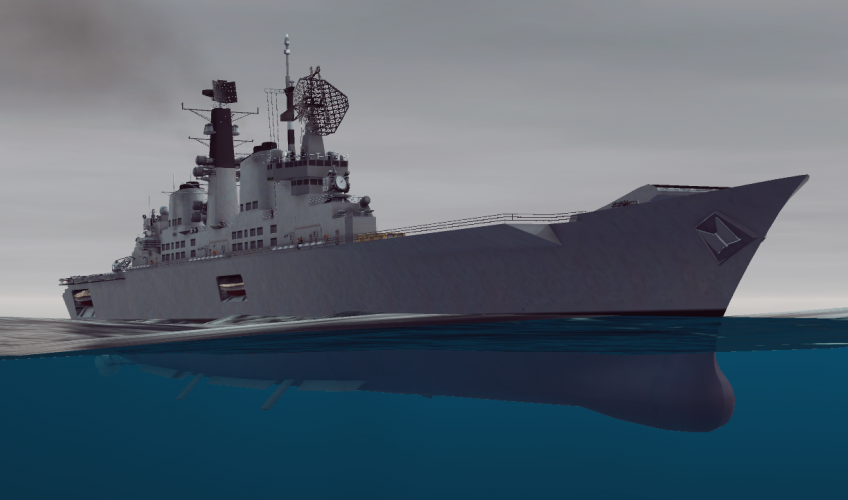
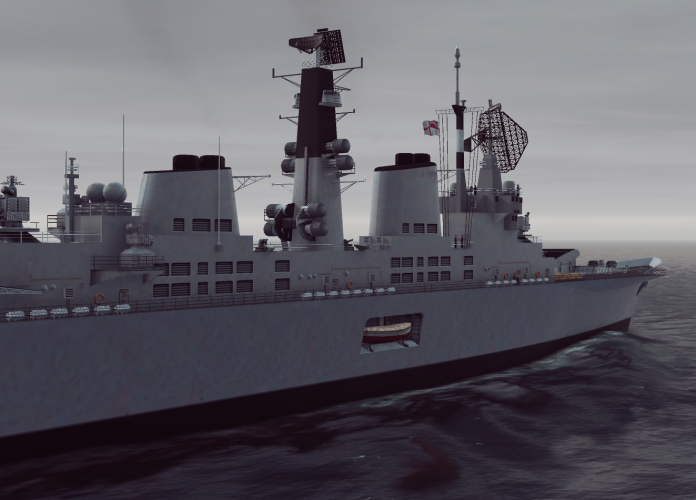
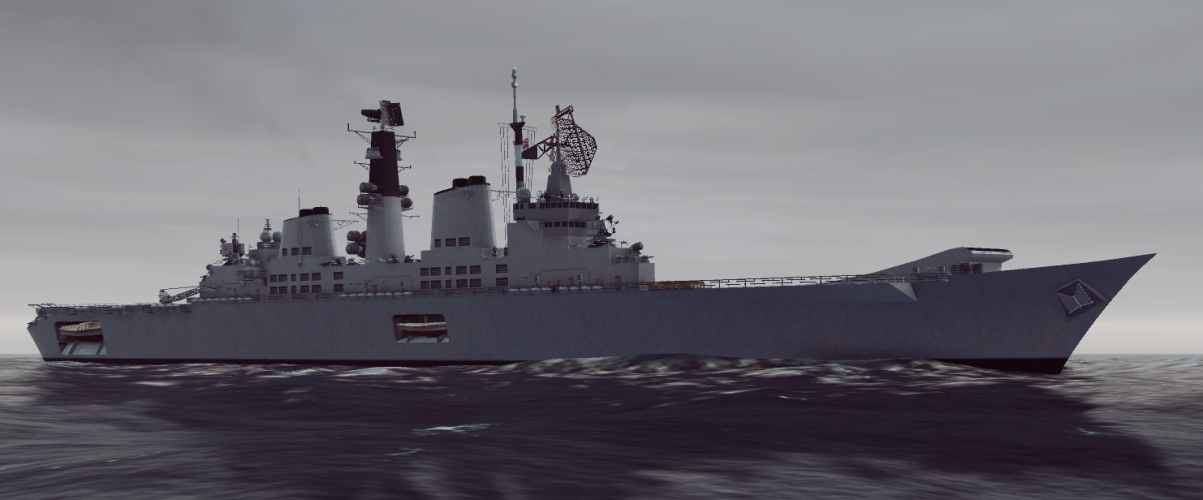
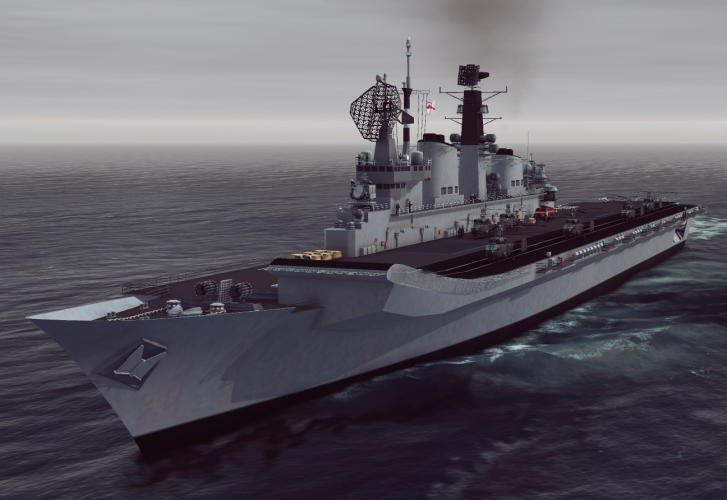
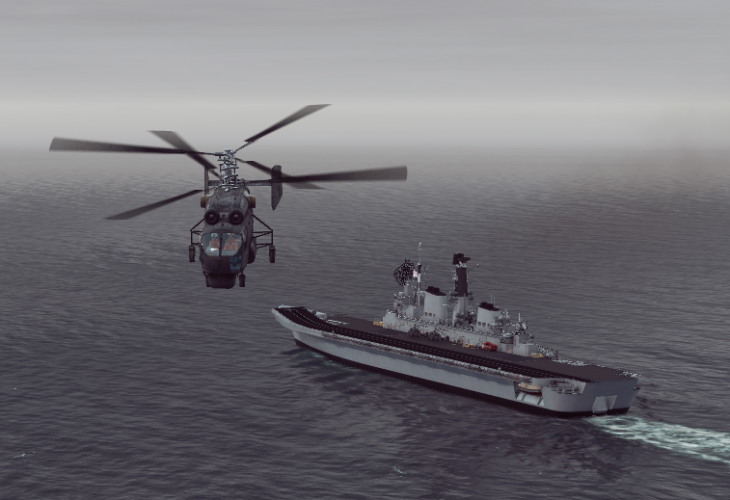
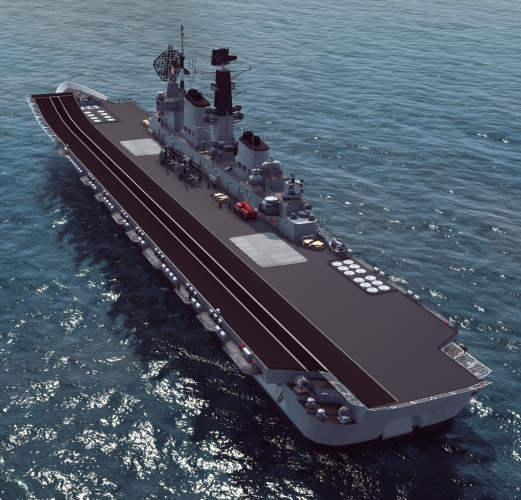
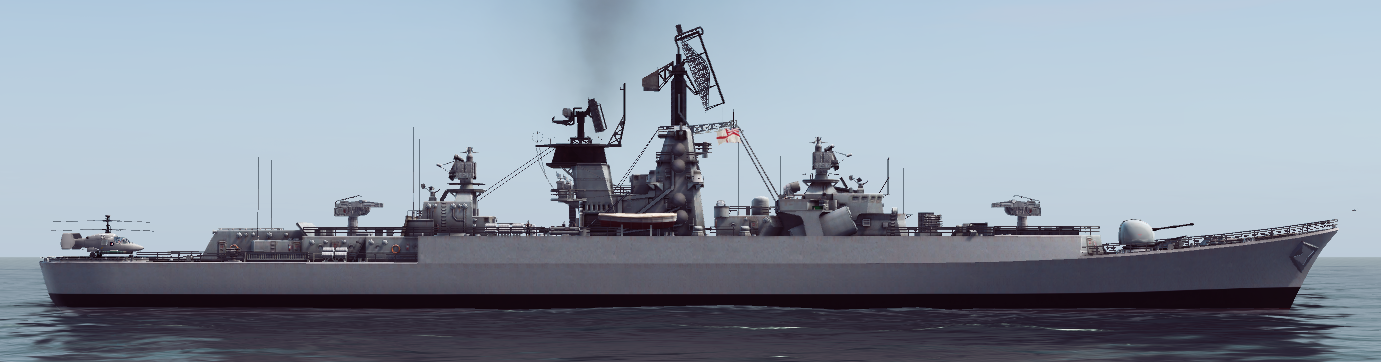
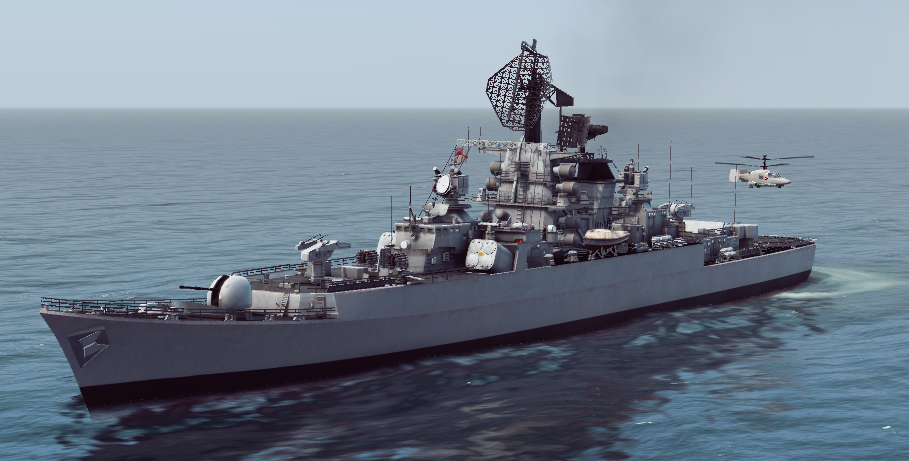
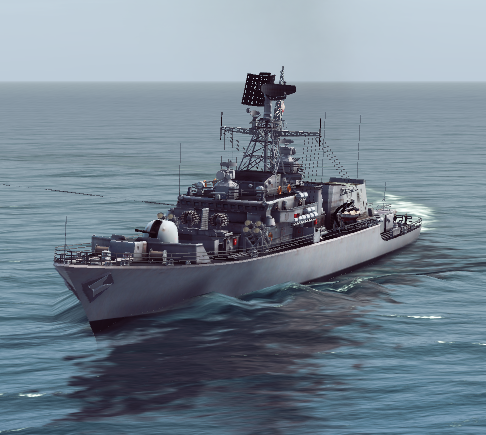
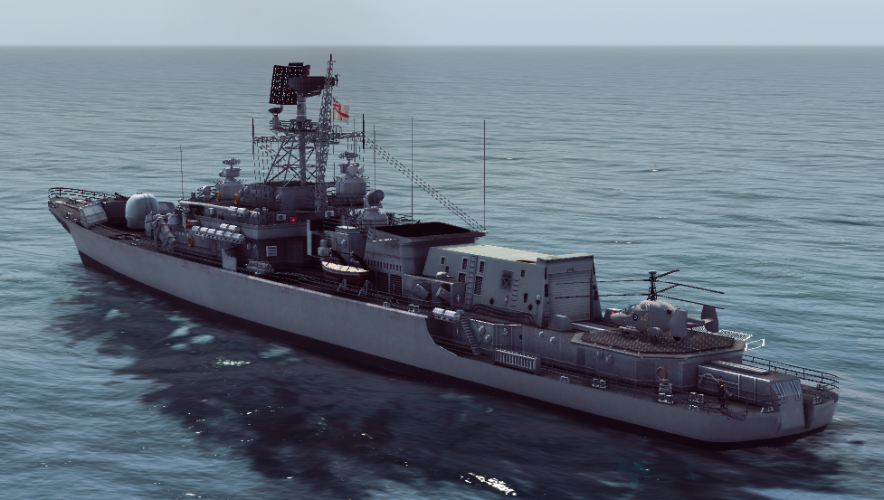
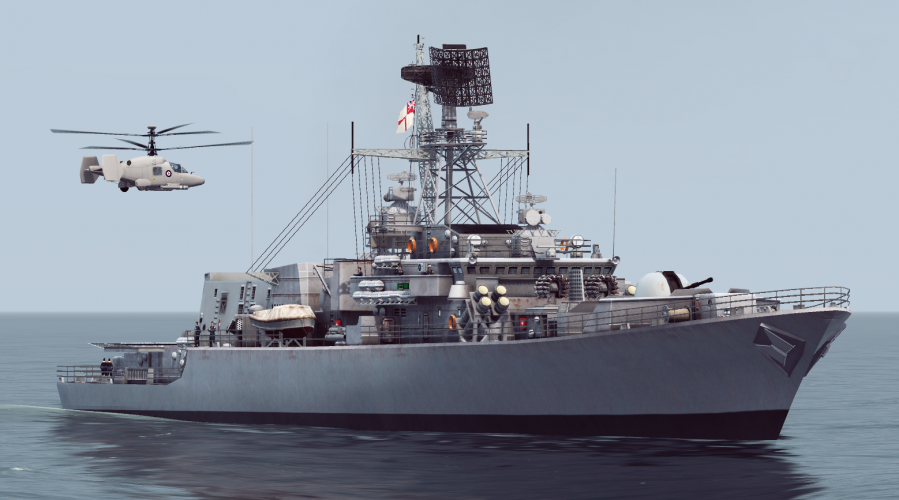
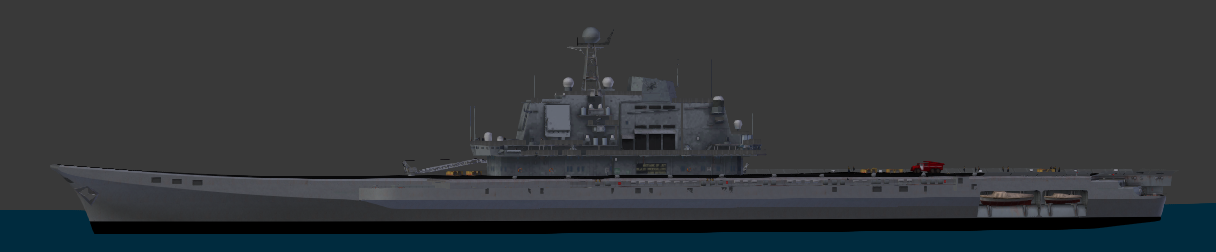
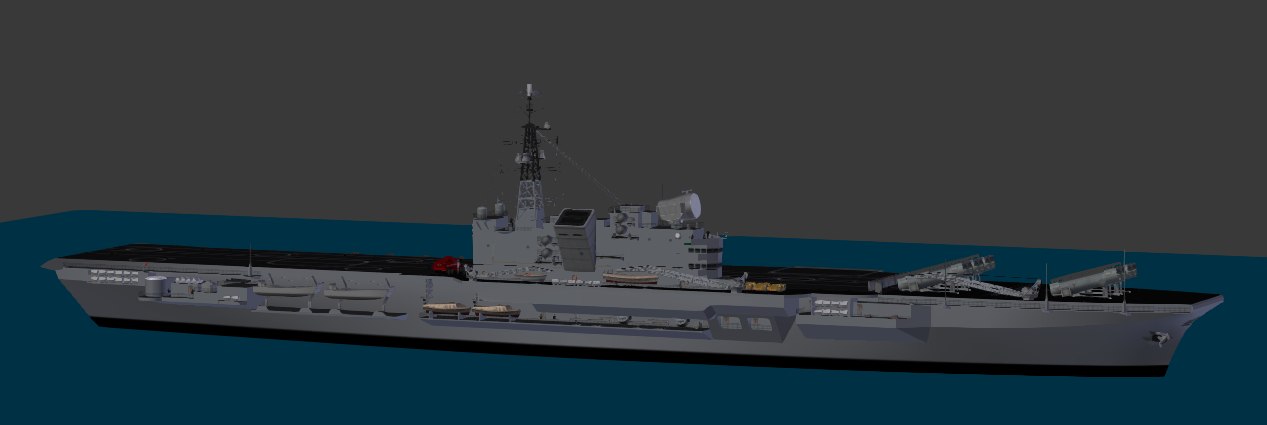
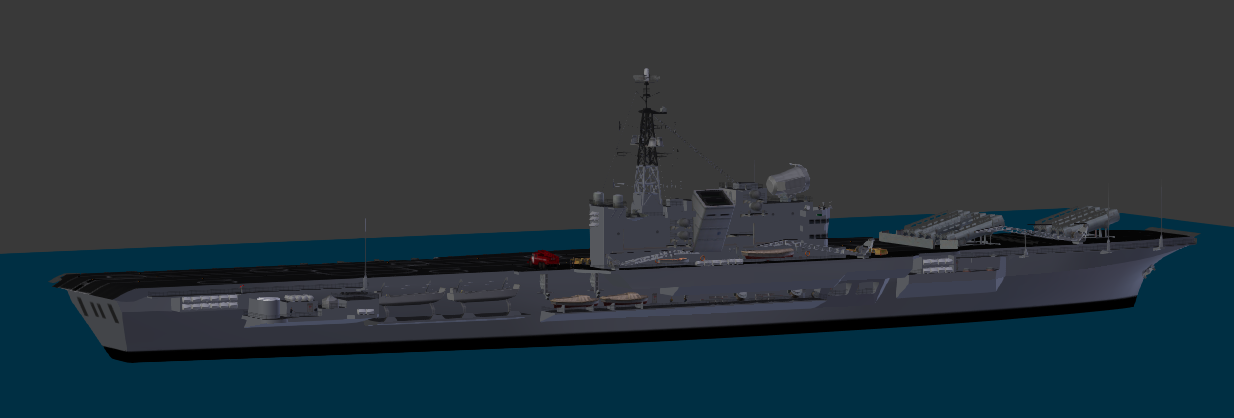
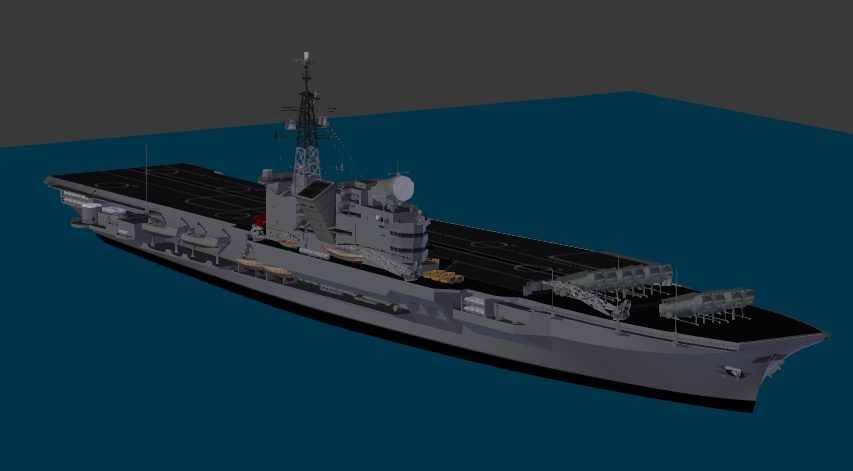
The Cruiser:

1753493238763.png


1753493363299.png

1753493429067.png
Harrier overflight

1753493275330.png
The massive forward sonar (British implementation of the "Polynom" system, should provide quite crazy detection ranges)

1753493481468.png 1753493532452.png

1753493566369.png
Deploying VDS

1753493673005.png
Aft RBU firing

1753493694972.png
Sea Dart vertical launch
As I see it, they would be designed to operate autonomously in near Arctic/Antarctic conditions, search for SSBNs or hunting attack submarines, secure the British Isles-White Sea supply line and the GIUK gap (and symmetrically, the Cape Horn and Good Hope passages) and possibly provide support for the Second Strike.

Now that I think of it, I begin to suspect that the large Type 43 destroyer is going to be - again - cancelled in this timeline, because this would be the pinnacle of the program, and building more of these units would be preferable to non-VSTOL-capable ships roughly half the displacement even at ton to ton ratio. The Type 24 frigate (based on Udaloy, with the same large sonar array and vertical Sea Dart) would be sufficient to fullfil the smaller escort role and the older cruisers and destroyers would gradually get a Sea Dart 2/VLS upgrade.
 
Last edited:
Some more assorted images (I made some fixes here and there, mostly correcting the too narrow entry of the hull) -

1753600399789.png
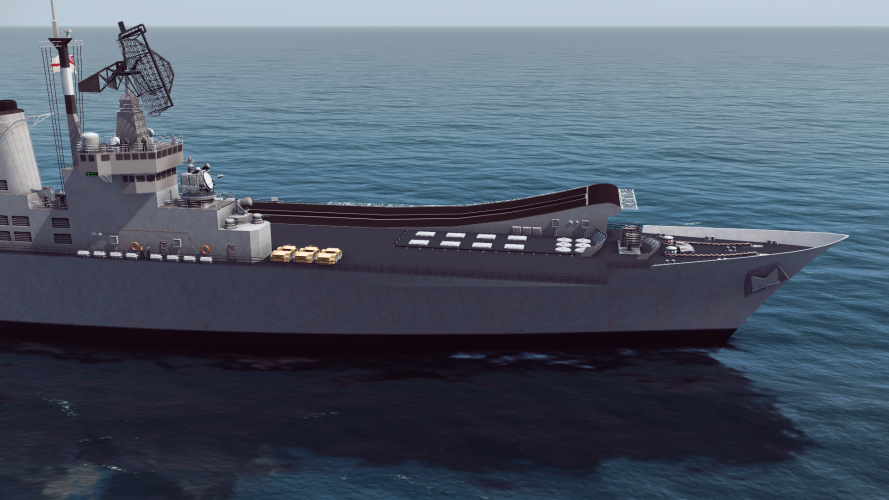
Zoom in on the bow showcasing the sensor and electronic setup - Sea Dragon CIWS, Type 909, main 3D radar set (Top Sail + Top Steer), ECM and ESM on the mast, Sea Wolf radar on the side of the superstructure


1753600129517.png
The hull above and below the waterline


1753600177252.png
Camera flyby


1753600441840.png
The cruiser under way


1753600353138.png
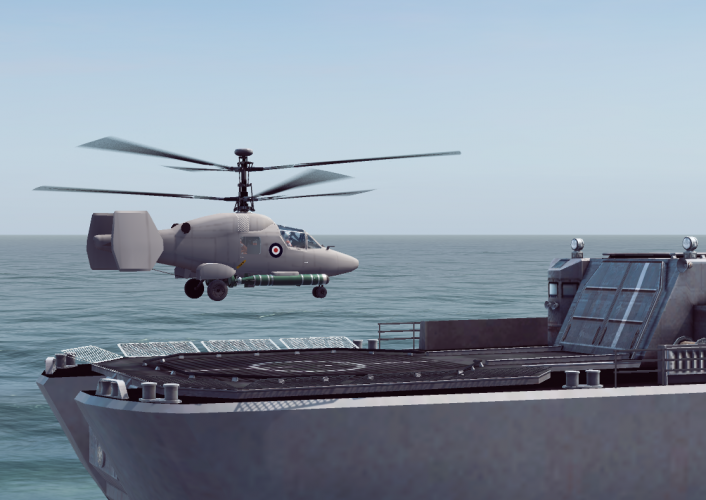
Kingfishers lining up


1753600519192.png
Helicopter takeoff


1753602318894.png
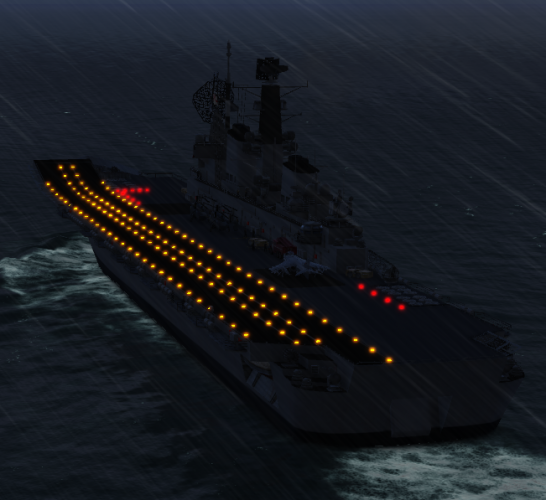
Deck lights​


From the design perspective, I used a lot of features from the Vickers Light Carrier. Unlike the original Invincible, the hull is symmetric, and the flight deck is supported by a full length external sponson. The superstructure is moved as far to starboard as possible (but not outboard), elevators moved to free the runway. To compensate shifting the superstructure (and to fit the elevators) the deck is a little wider.

And note that ITTL they are not a poor man's carrier substitute. We are talking about at least 10 ships in the class (15, if @NOMISYRRUC calculation does not include the earlier Command Cruisers in his 5x increase assumption), and in this timeline if the Admiralty wants to send a carrier somewhere, it can send a carrier. So they have their own tactical and strategic niche, and I now somewhat suspect that the whole concept and perception of "aircraft-carrying cruiser" can only work as intended when you have a sufficient amount of them - that allows not to treat them as ultra-high-value units. Ironically, IRL no country that tried to build such ships had enough.
 
Last edited:
A close-up on the forward weapon array:

1753715526375.png

RBU, then Sea Wolf in 6x8 vertical containers, then the main VLS system with 8 launchers. The spacing of the launchers is identical to the S-300 Fort of the Kirovs, so this may imply either similar rotating 8-missile container magazines, or, like the first Sea Dart, a single magazine with mechanical feed that selects missiles and brings them to one of the launch positions. I would suppose the former, but who knows, it's still mostly Sea Dart inside, after all, and British boffins are British boffins.
And the emplacements aft - two Sea Wolf arrays and stern cutouts with RBU and CIWS.

1753715791564.png
 
Last edited:
And note that ITTL they are not a poor man's carrier substitute. We are talking about at least 10 ships in the class (15, if @NOMISYRRUC calculation does not include the earlier Command Cruisers in his 5x increase assumption), and in this timeline if the Admiralty wants to send a carrier somewhere, it can send a carrier.
FWIW my assessment of what aviation ships the Royal Navy would have wanted in the late 1950s/early 1960s, if money were no object, is:
  • Six fleet carriers (ideally carrying 48 fast jets plus supporting aircraft, to support two EoS, one in the Med, and one in the North Atlantic, with two in refit and working up.
  • Ten helicopter cruisers - nominally one alongside each fleet carrier and four independent (one EoS, one in the Med, one in home waters, and one refitting/working up)
  • Four Commando carriers, to operate alongside four assault ships to provide brigade-strength assault in the Indian Ocean and the Med.
The latter would be in collaboration with paratroops dropped by the RAF - and I can absolutely see them rubbing their hands with glee when someone tells them about the Il-76.
 
my assessment of what aviation ships the Royal Navy would have wanted in the late 1950s/early 1960s, if money were no object

I quite agree. My initial assumption was a program of 4 CVA-01 ships and 8 Command Cruisers, while keeping modernized Ark Royal, Eagle and Victorious as second-tier carriers (tentatively replacing them with two additional CVA-class ships in the 70's), and using the 4 Centaurs as commando carriers and potentially employing some of the surviving Majestics (which won't be sold around) as helicopter carriers as well.

The Invincibles in this case are a second generation of helicopter/Harrier cruisers, that grow from Type 43 destroyer program, and are possibly built several years later than IRL. Their introduction would enable to retire the oldest of the light carriers, but not necessarily.

The latter would be in collaboration with paratroops dropped by the RAF - and I can absolutely see them rubbing their hands with glee when someone tells them about the Il-76.
Ironically, they had a very Il-76-looking project (AW.681, at least the most conventional option), all they needed was budget. I would simply converge them into a single aircraft for the timeline.
 
Ironically, they had a very Il-76-looking project (AW.681, at least the most conventional option), all they needed was budget. I would simply converge them into a single aircraft for the timeline.
The AW.681 was substantially smaller than the Il-76, very much a tactical aircraft. The Short Belfast, of all things, dreamt of being an Il-76 equivalent, but the funding for a decent jet version was never there.
 
The AW.681 was substantially smaller than the Il-76, very much a tactical aircraft.
I suppose it could have grown up in development, if allowed.

Visually they look remarkably similar. First time I saw it's model, I thought - wait, the Brits had their own Il-76 planned too?..

And Il-76, for all it's size, has that tactical short/rough runway feature.

Short Belfast is more in a direction of An-22, IMHO, and can develop further into An-124 direction.
 
Last edited:
I'm now wondering what would a Short Belfast with 4 NK-12 engines would be like.

I daresay it will look (and be) much less underpowered. 11k shp vs 5.7k each engine. I would at least expect the same performance as An-22, 400 kt speed and maybe 2k miles range, depending on the fuel storage.
 
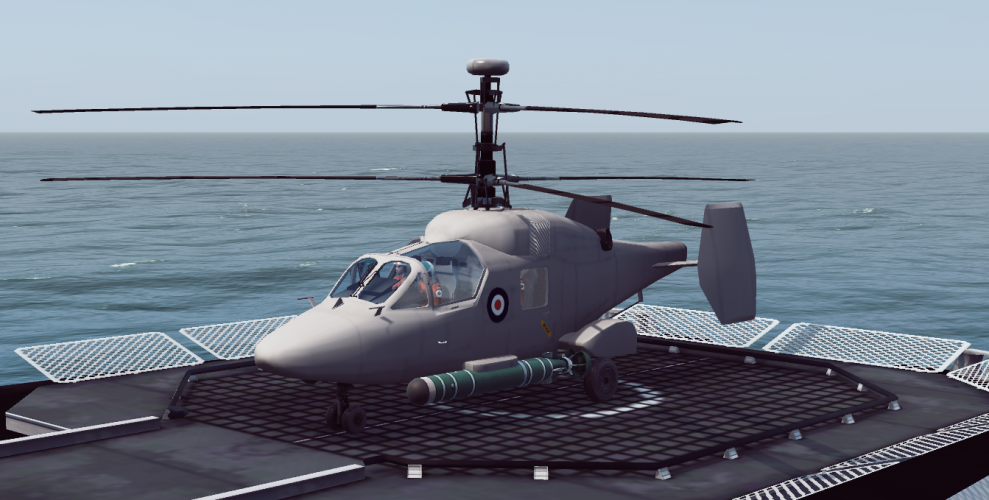
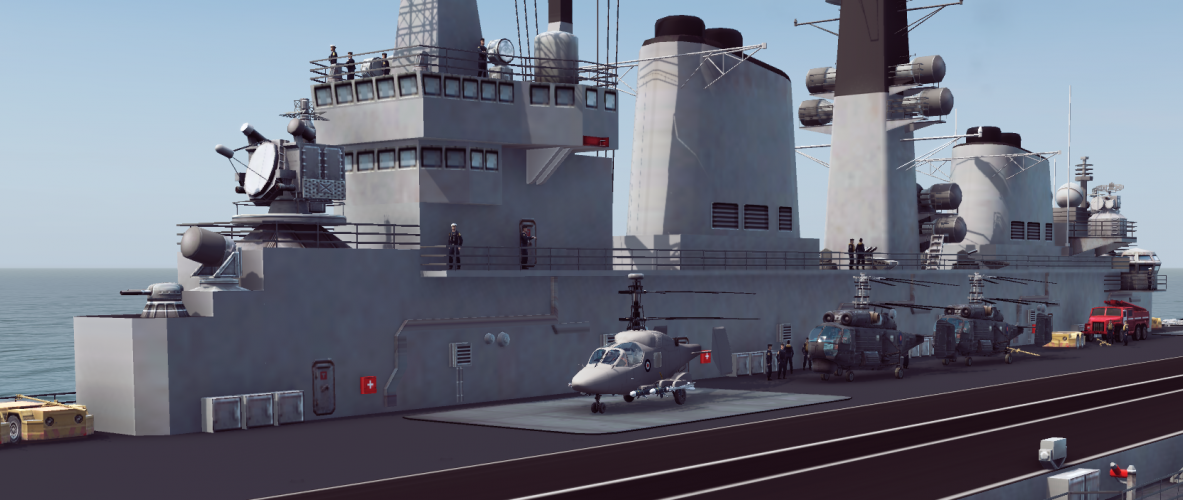
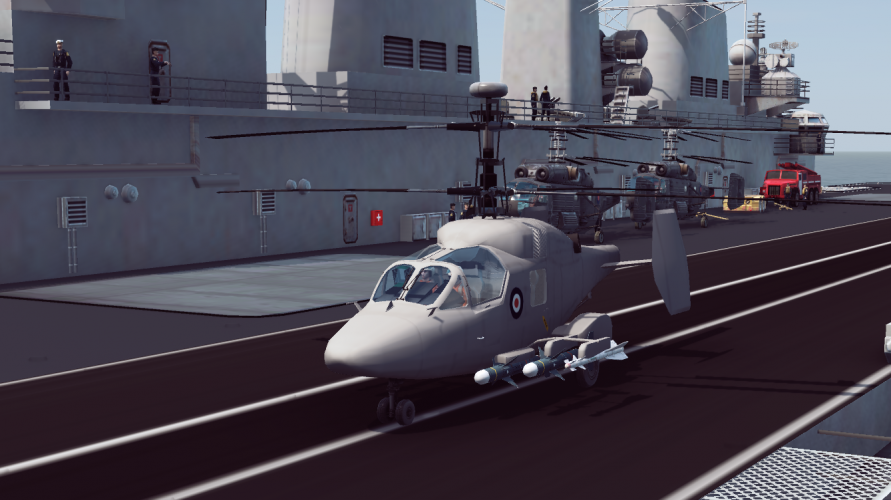
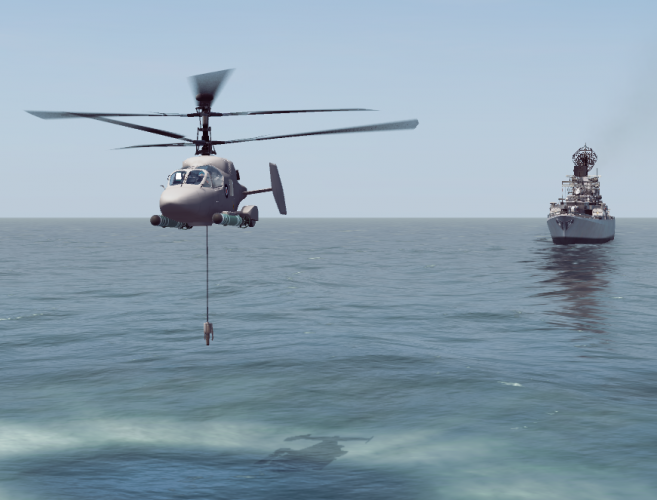
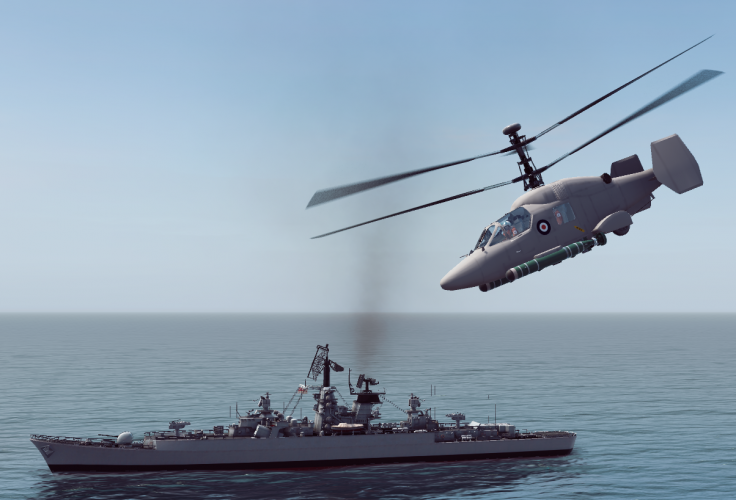
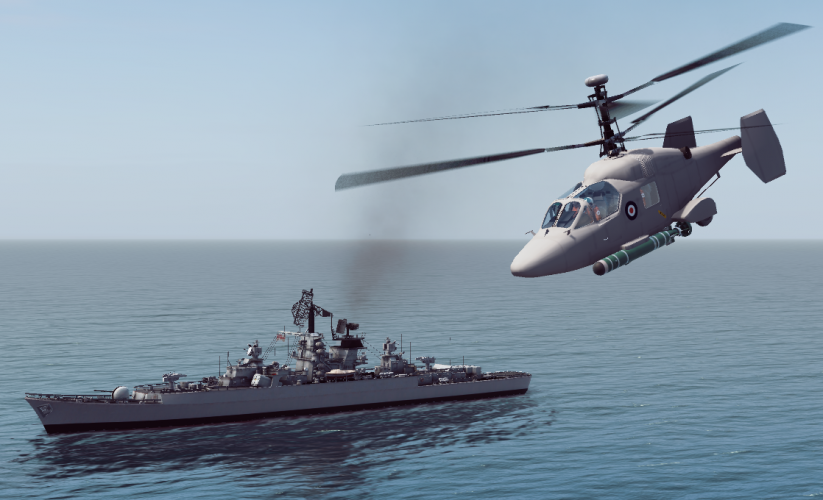
One of the first assumptions I made when I began looking into this timeline was a replacement of the Sea King with Ka-27. Ka-27 is extremely effective naval helicopter, taking minimum hangar space for it's size and providing roughly the same set of capabilities and weight parameters the Sea King does, thus it's repaint into RN livery was a very straightforward solution.

The sequence of events here is also interesting. A specimen of Wessex was obtained in 1956, moments before the Switch, and the seach for a future replacement for it has already begun. With the Americans out of the picture, we are looking first at Ka-25 in early-mid 60's (which is still larger than the Wessex, can carry more weight and has 2 engines), and probably a joint development that would create the Ka-27, possibly, several years earlier than IRL.

The timeline implies close cooperation between British and Soviet construction bureaus - mirroring the work with the Americans IRL, and cooperation with Kamov opens Westland to implementing coaxial rotors, which they, apparently, actively considered in the 70's, but here they will be percieved as more practical, because everybody would get used to them by the time.


Of course we won't go as far as supersonic rotors, but the little blue bird is very attractive and I wanted to try and recreate something similar.

And then there is a question of a light naval helicopter that has to replace the Wasp. It has to be

- similar to the Lynx
- coaxial
- keep the style of mid-70s Westland projects

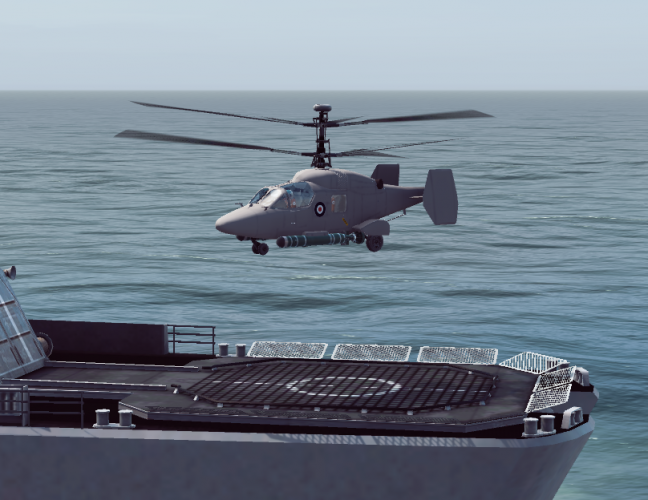
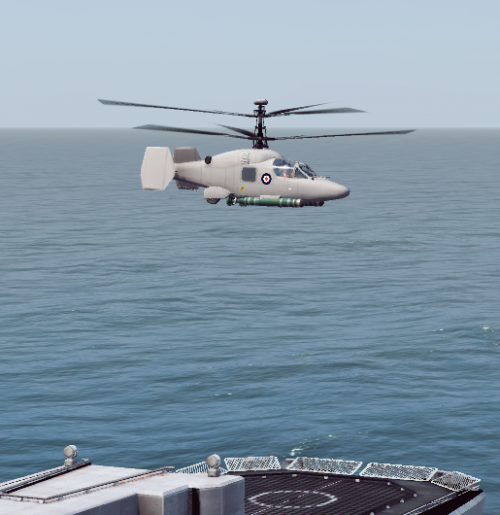
From which assumptions, thanks to long private discussions with @Scott Kenny and to the wonderful materials available here on the forum I got this.

1754293309297.png

1754293217429.png

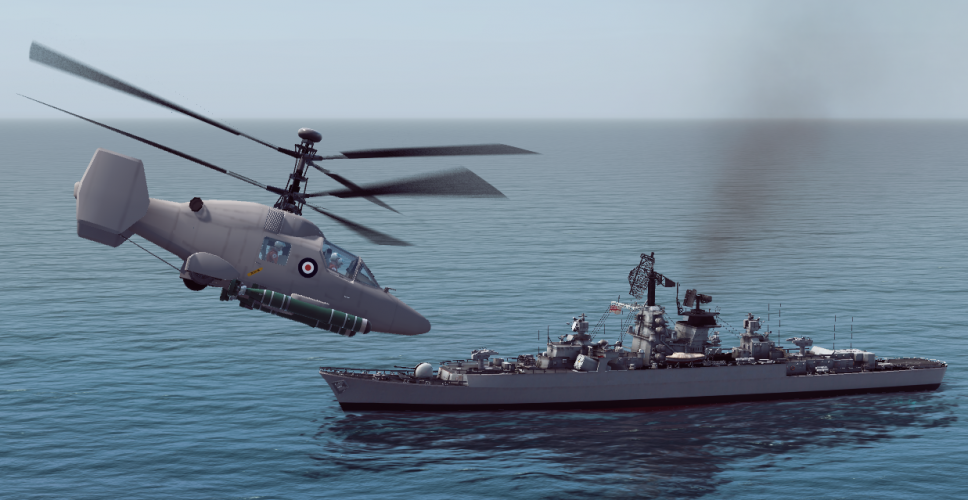
In practice it's Ka-52 cabin attached to Lynx fuselage and Ka-27 tail with angular stabilizers. The size is the same as the Lynx with folded tail, the height is more or less identical to Ka-27.

The specifications should be identical to the Lynx with possibly a slight increase in speed, but that would depend on the payload. The radar is integrated into the nose cone, the gear is retractable (sort of).

1754293709589.png
Taking off

1754293735323.png
In-flight configuration

1754293847275.png
Lowering dipping sonar


1754293684788.png
With strike loadout on the deck of the Invincible​

1754293797407.png
Four Sea Skuas (I suppose they would be developed anyway, as Soviet comparable missiles are much heavier) and two AA-8 for self defense

1754294071263.png

1754294323318.png

1754294149464.png

1754294204415.png

1754294279300.png

Taking off and overflying a Sea Dart destroyer​

Overall a very cute - and fast - helicopter, which, I hope, still looks sufficiently Westland.
 
Last edited:
I guess it's sleek and futuristic look will later be spoiled with all kinds of additional sensors and cameras, but it should be still possible to do it aesthetically pleasing.
 
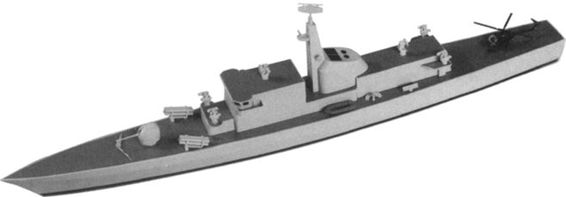
A part of the implementation of a small(er) frigate programme - I still want to make a Leeds Castle based frigate, but a very straightforward conversion of a Krivak hull (that I initially considered doing as a temporary placeholder) turned out surprisingly attractive.

1754827069206.png
Roughly along the lines of Krivak-3 (all I did was replacing the anchors, the gun turret, torpedo tubes and adding SSM launchers, along with some corrections to the hangar and flight deck), with a gun turret forward and a hangar aft, this frigate is more or less parallel to the Type 23, although intended to be built in mid-70s more likely.

1754827281477.png
Armed with one double Sea Wolf launcher (with 2 directors), 2 RBU, 8 SSM launchers (the containers are about 1.5 size of Harpoon, and tentatively can launch an anti-surface Sea Dart or some Harpoon equivalent missile), Mark 8 gun, Sea Dragon CIWS, a towed array and a towed decoy - quite a standard pre-stealth anti-submarine frigate. Comparing to the previous ships she appears to be very small, but she's still considerably larger than the Leanders.

1754827386479.png
I will possibly enclose the stern later and make a fully flush decked hull.

 
Last edited:
this frigate is more or less parallel to the Type 23, although intended to be built in mid-70s more likely.
For IRL context they would be in line with Type 24 studies of 1978

1754893823024.png

And to make them even closer, I will add two additional Sea Wolf launchers either in the midship (where the oversized Soviet torpedo tubes were), or by the sides of the hangar. That should make their air-defense somewhat more adequate.
 
The AW.681 was substantially smaller than the Il-76, very much a tactical aircraft. The Short Belfast, of all things, dreamt of being an Il-76 equivalent, but the funding for a decent jet version was never there.
There was also the Whitworth Gloster 681 (AW.681), later to become the HS. 681:
whitworh-gloster-681-jpg.159736

(h/t BillRo)

EDIT: Ack, just realised we talking about the exact same aircraft!
 
Another illustrative post.

Su-33 -> BAe Wyvern operating from HMS Princess Royal:

1756316286756.png


1756316323690.png
A coaxial Lynx over a replenishment tanker:

1756316426076.png

The Invincible with minor cosmetic corrections:

1756316519161.png

And a preview for Command Cruiser 2.0, based on light carrier versions of 1143 and Vikramaditya, but less fancy.

1756316624613.png

This would apply both as a late 80's modernization project for the first series of the ships and for building the intended replacements for Centaur-class. Completely new superstructure with Anglo-Soviet take on the AEGIS system, missile launchers moved under the deck into VLS clusters (10 x SS-N-19, 64 x Sea Dart, 192 x Sea Wolf), conventional aircraft launch and arresting gear.
 
A (probably) short-lived early 60's proposal of a reversible missile cruiser conversion for Centaur class carrying SS-N-3a Shaddocks:

1756433714505.png


1756433727205.png


1756433733988.png
Being relatively full forward they may be better suited for this than the Majestics, and could still carry a considerable helicopter group, ASW or commando. A slightly different configuration of the angled deck (without the side elevator) could be fitted with a catapult for limited aircraft use (I am just not going that far with the model).

If implemented at all, the setup would likely be stripped with the introduction of the Harriers, so rearming them with SS-N-12 is unlikely.
The caveat, comparing to the command cruisers, is absence of any serious anti-air defense systems, relying instead on escorts. Still, could provide an interesting experiment with deployment of long range heavy strike missiles in early Red period.
 
Last edited:
I know we discussed it as not-very-possible, but -

1756447657233.png

1756447672050.png
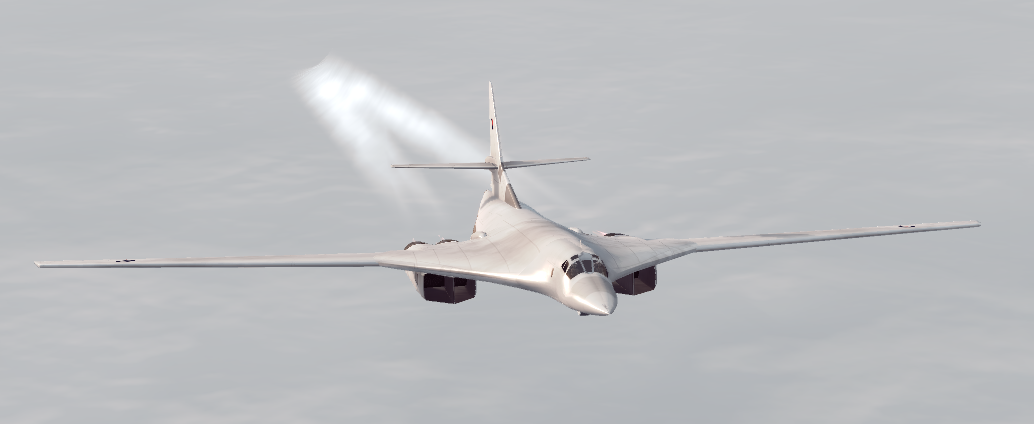
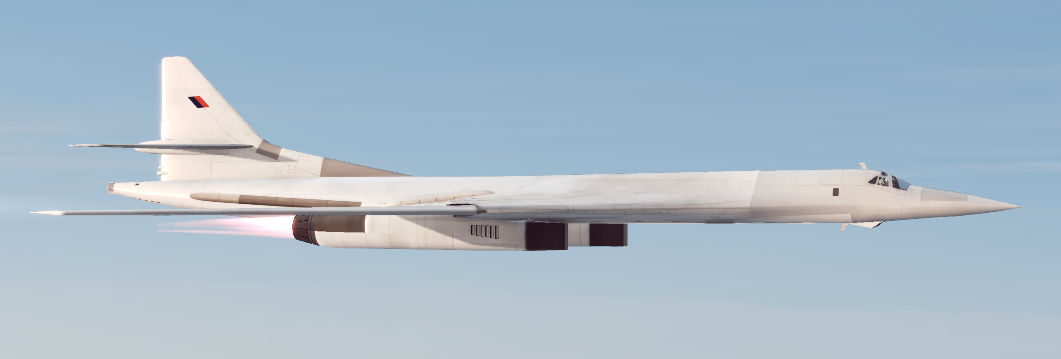
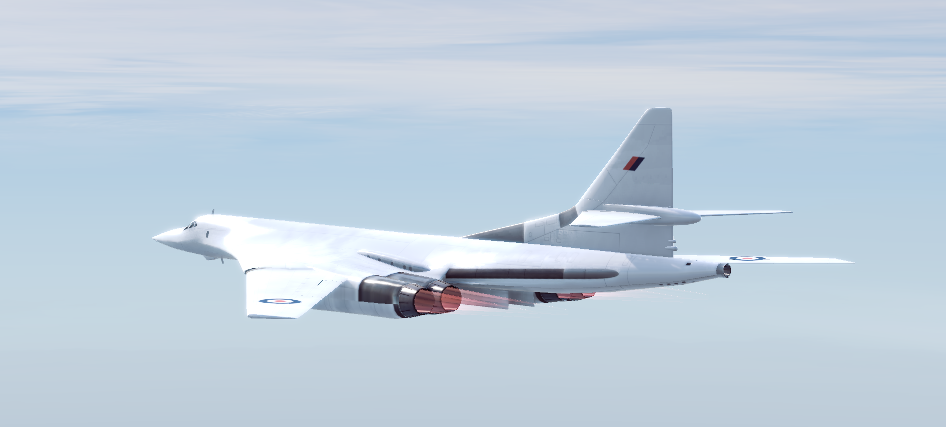
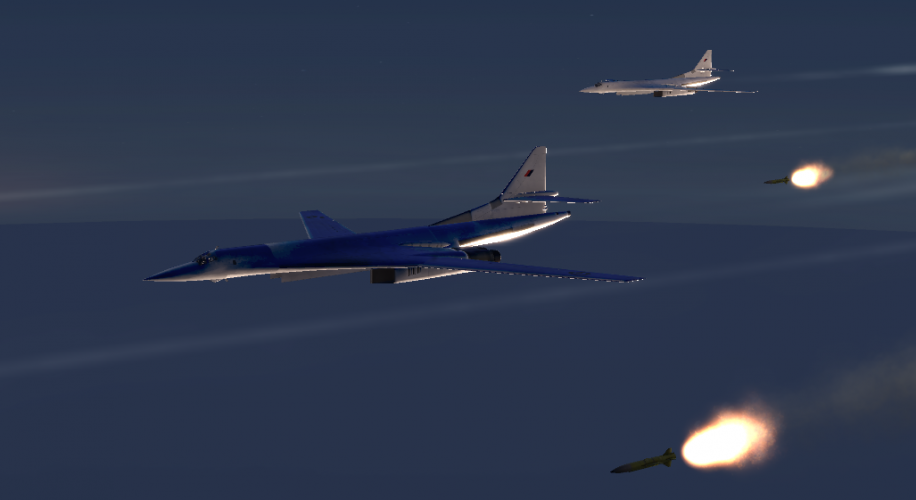
As per the usual procedure, I changed the nose cone to one closer to HS.1011. Yes, it is unlikely that USSR would have shared Tu-160 out of hand, but using a joint work on Tu-144, a bit of intel and overall design convergence it could be possible for HS/BAe to offer such a bomber to RAF. Global presence, all that?
 
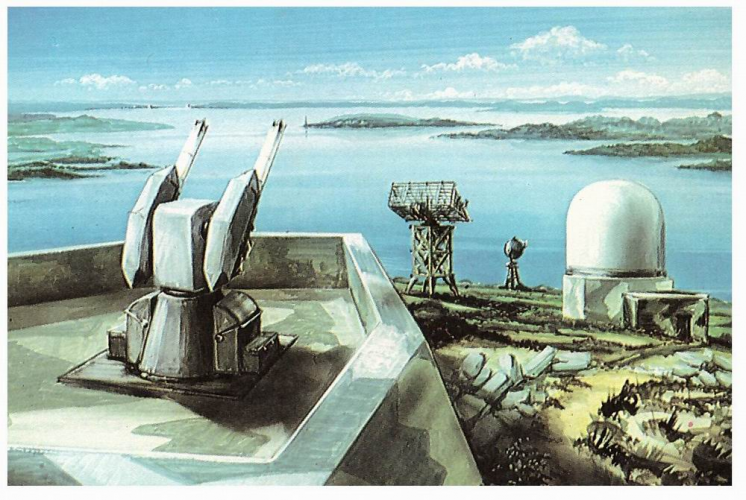
Vehicles like Osa and Toczka on the British coast.
Definitely. Tochkas converging with Blue Water, or similar development.

And those on the cliffs of Dover facing France -

1757324746942.png

____________________________

And a couple of issues we have discussed with @Scott Kenny:


"The Soviet Union acquired an AIM-7 in 1968 and a Vympel team started copying it as the K-25."

Apparently, in this timeline nothing prevents the development of the Skyflash missile (which probably will evolve into some joint implementation of R-27 eventually).

* * *


1757324786542.jpeg

A potential next-gen VSTOL jet - it looks like a crazy mashup of Tornado, Typhoon and Yak-141, so it would fit the timeline perfectly.

* * *

Overall, my current vision of late 80's fighter procurement lists Mig-31 for interceptor squadrons (augmenting, but not outright replacing Mig-25s, as I doubt there would be a treaty that puts them to the knife), Su-33 for the large carriers, Mig-29K for modernized command cruisers (with strike missiles moved under the flight deck they would be able to operate conventional aircraft) and Ark Royal, Eagle and Victorious (whichever of them are kept in service), and updated (with folding large wings?) Harriers for smaller platforms. The main problem on Invincible-sized ships is that any aircraft that is larger than the Harrier requires more hangar place and thus reduces the airwing further, so the design would have to be pushed to the limit within the dimension constraints.

On the Soviet side it is possible we'll see a VSTOL single engine variant of the Su-25 (if RR produces a sufficiently powerful engine) as armored frontline CAS for the western DDR border.

I generally grew very fond of Tornado IDS on the carriers, especially armed with Skyshadow pod and R-27E's.

Buccaneers are there to stay until some new stealth replacement gets developed.

And, speaking of stealth, looking at BAe Replica project and the Tempest mockups I seriously begin to think this line of development quite naturally produces the Su-57 in this timeline.
 
Last edited:
Global presence, all that?

1757324828543.png

1757324842643.png

In the meantime, I tried the Tu-160 (-> BAe Vigil B.1, tentatively, with possible nicknames of "White Death", "the Lady in White" and "Plague Doctor" by RAF personnel) in several scenarios, and it's an immense pleasure. Makes the pond really small suddenly.
 
Last edited:
Jumping back in time - is there a way (or need, really) to get rid of Sea Vixens from the outset, in 1959, going straight to Mig-21 as a carrier fighter?
 
Jumping back in time - is there a way (or need, really) to get rid of Sea Vixens from the outset, in 1959, going straight to Mig-21 as a carrier fighter?
If you can figure out a way to put a 29-inch radar dish and a radar operator into a Sea Vixen, then go for it.

But the MiG-21 is more nearly an equivalent to the SR.177 as a fast-climbing interceptor to be operated alongside the slow, all-weather Sea Vixen.
 

Similar threads

Back
Top Bottom