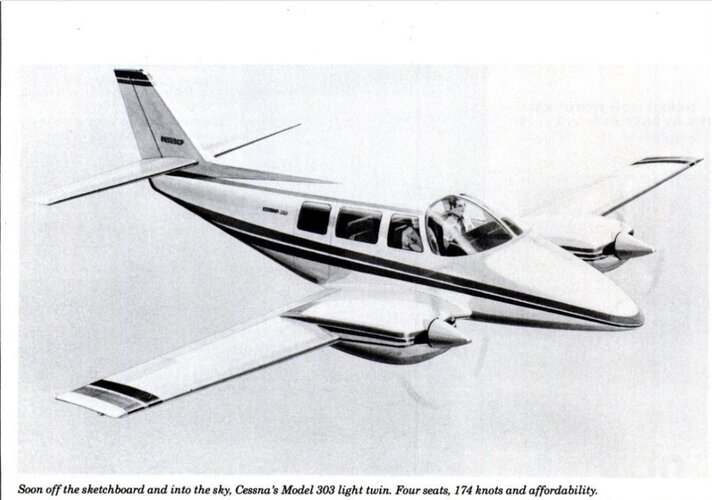
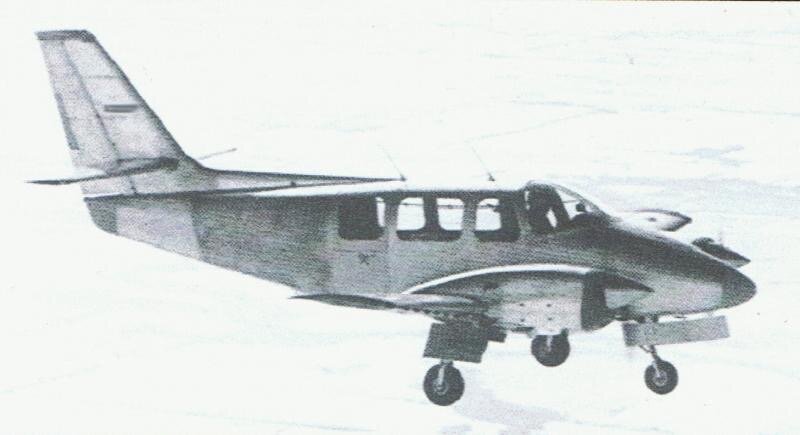
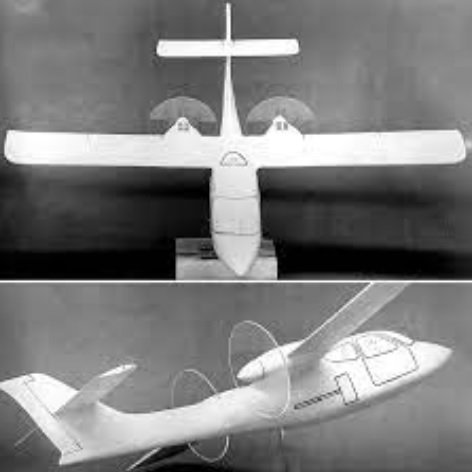
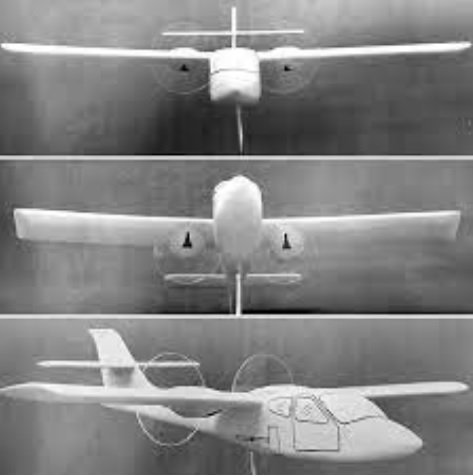
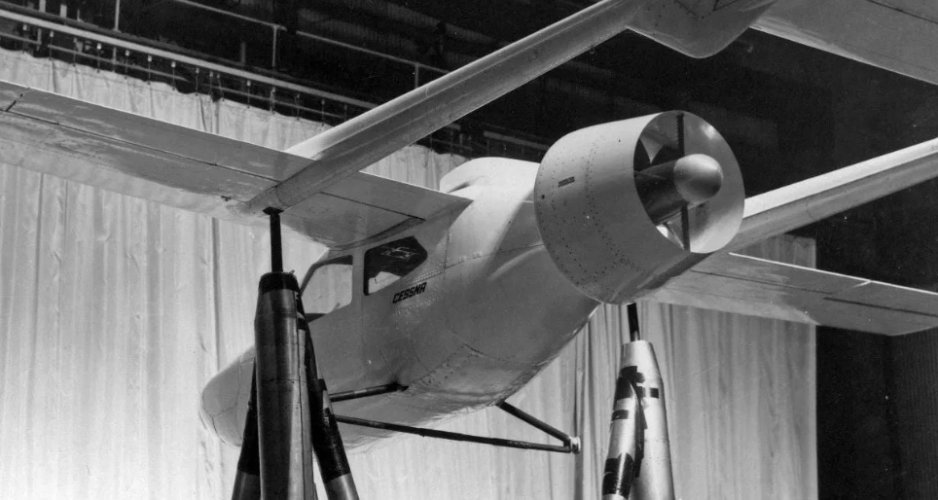
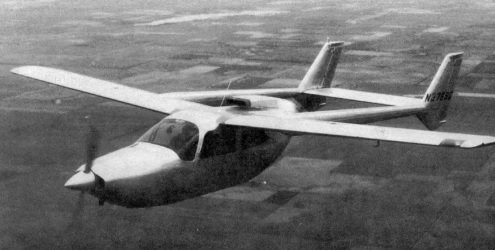
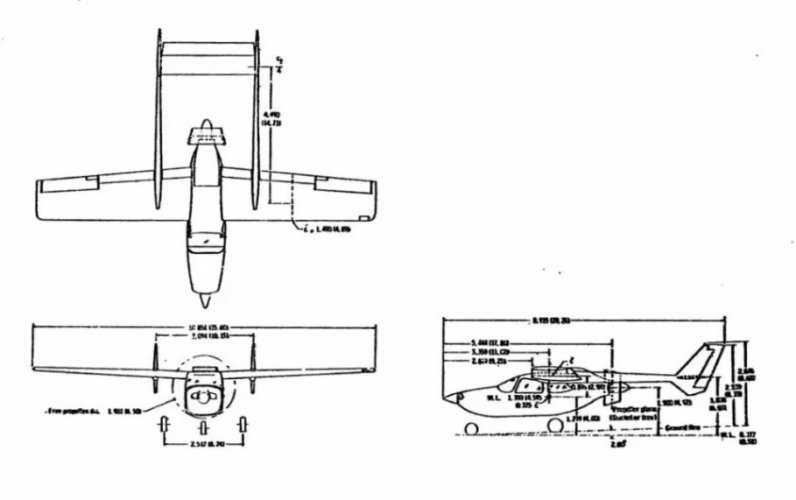
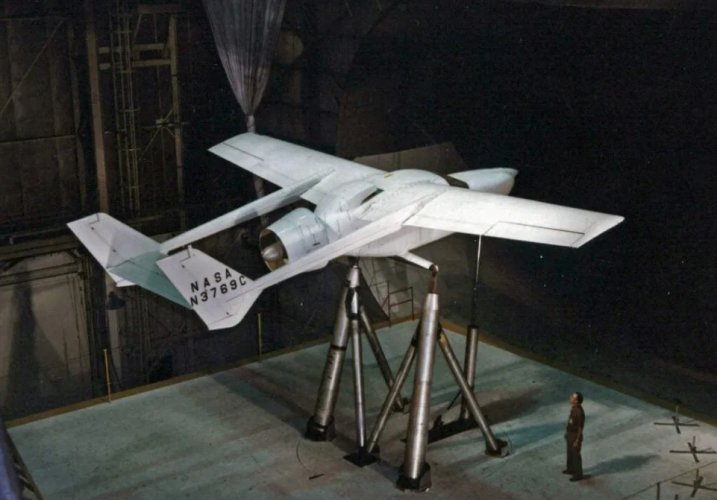
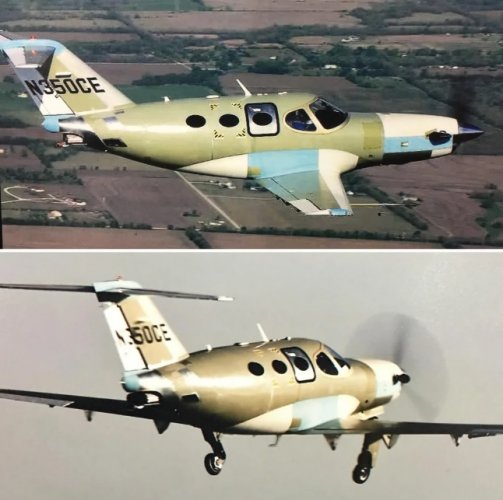
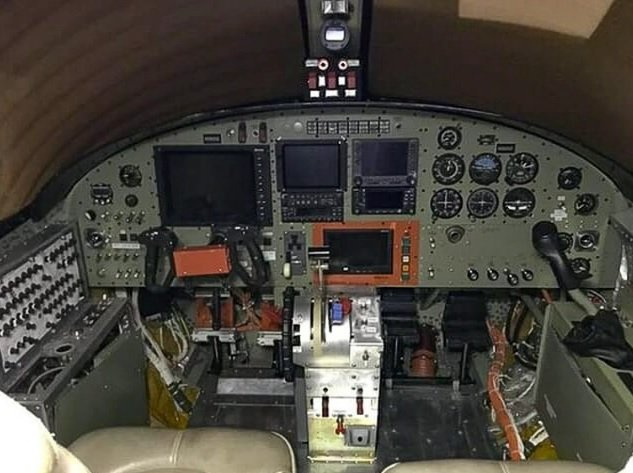
Here’s one of the most interesting Cessnas ever created.
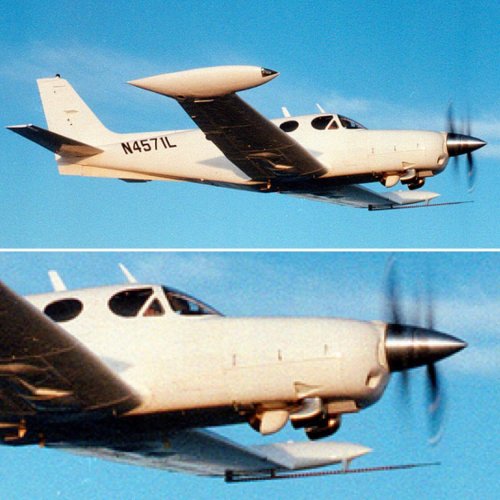
Known as the "COAX”, it began life as a twin-engine, piston-powered Cessna 340.
Both piston engines were removed, and two Allison 250 turbine engines were installed in the nose.
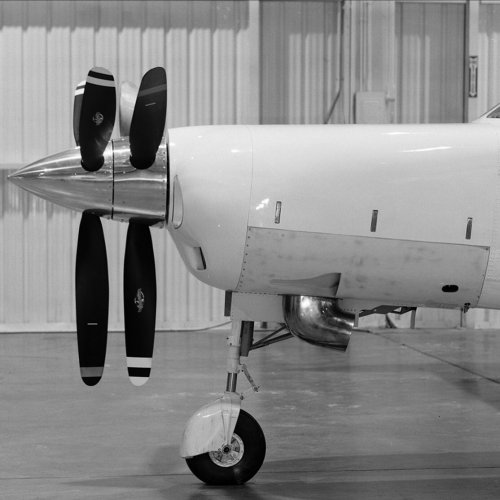
These engines were connected via a common gearbox and a coaxial output shaft that all worked together to turn two propellers that rotated in opposite directions.
Presumably, the failure of one engine left the remaining engine with the ability to provide power to one or both of the propellers without any of those pesky asymmetric thrust issues.
These photos reveal an interesting detail - the nosewheel didn't full retract. Instead, half of it remained outside of the aircraft, partially shielded by a shroud.
The reason for this was almost certainly due to a lack of space inside the nose section that was already bursting at the seams with engines.
On the final flight, the tip tanks were removed to test the effects on speed, leaving only around 60 gallons (227 liters) of fuel on board and an endurance measured in minutes.
The COAX was built and flown around 1986-87 in secrecy. As far as I know, no publications ever caught on to the flights, and no photos or information were ever made public.
So I'm fairly confident you're looking at the entire collection of Cessna COAX photos that exist outside of the mythical Cessna archive vault.
With any luck, I will someday be able to explore those archives and publish a photo book of the lesser-known Cessnas to have been built and flown.
While these machines may not have seen success in the marketplace, they must surely have felt like triumphs to the engineers and designers who worked hard to take the concepts from drawings to flight.
It’s their stories that would be so rewarding to tell.
In addition to photos of rare prototypes, I think it would be amazing to supplement such a book with candid shots showing life in the engineering and manufacturing trenches throughout the years...presuming such photography exists.
Cessna and Beechcraft‘s rich history certainly translates into amazing aircraft today, so it would be quite an opportunity to curate it.