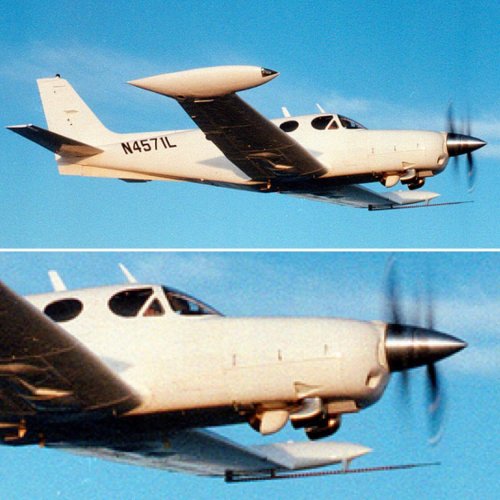
As an aside, Soloy built and test-flew a Cessna 208 Caravan converted to a pair of Pratt & Whitney PT6D-114 engines. They drove a single propeller via a combining gearbox (similar to Bell Twin Huey helicopter). Soloy inserted a plug to stretch the aft fuselage and balance the heavier powerplant. When the FAA insisted upon more stringent certification standards - to carry more than 9 passengers - Soloy grounded the prototype and it has not flown since 1999.
Why on earth would they even bother with that? The -114 engines are ~700hp each, if you need 1400hp use a PT6-68!


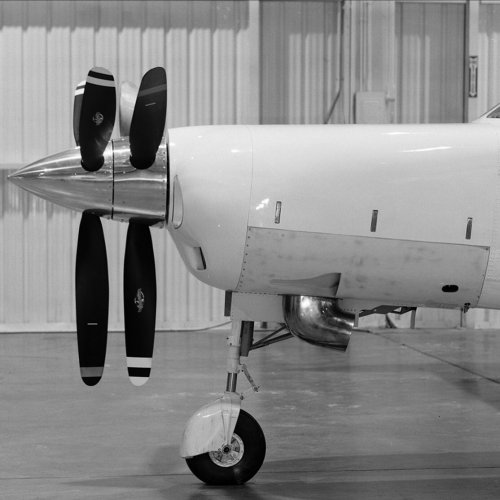
A Cessna 206 Stationwagon fitted with a very unusual three-blade propeller.
Origiinal high-res photos HERE.
That's weird, almost looks like a Hydromatic prop hub from WW2...
 
Definitely variable pitch, and those blades are kevlar composite of some sort . . .

cheers,
Robin.
 
I think, this is the right thread to post this.

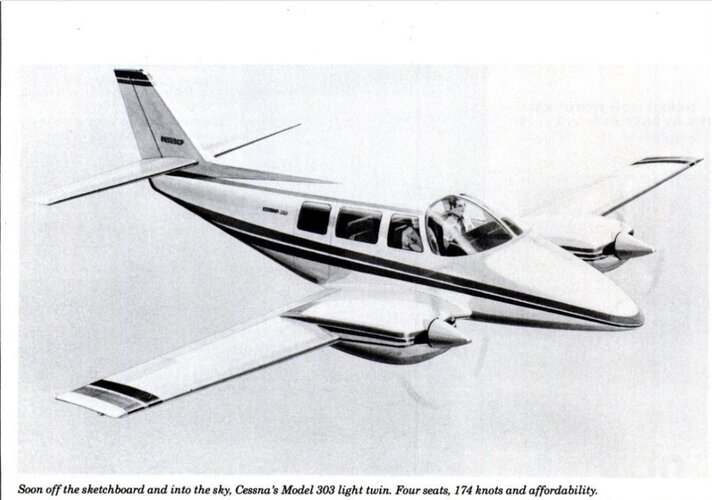
An artist impression how the Cessna 303 could/should have looked like. The picture comes from Flying 2/1978.

IMG_9461.jpeg


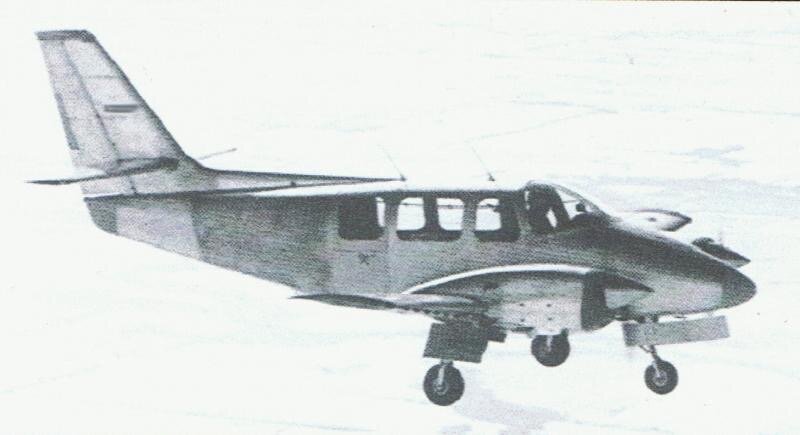
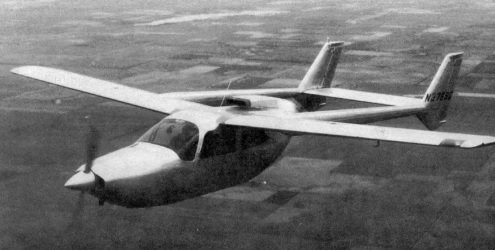
The second photo shows the very different prototype of the Model 303. This photo was posted years ago as a quiz at the key-forum by our dearly missed walter:

Link

The series production of the Cessna 303 again looked very different.


IMG_9464.jpeg
 
The second photo shows the very different prototype of the Model 303.
Nice pics, thanks, though I do not see the actual aircraft as being so "very different" from the artist's concept.
 
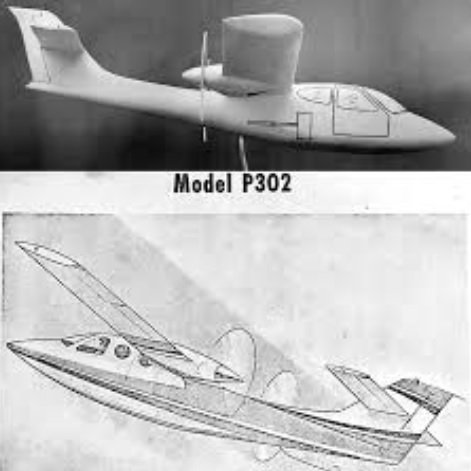
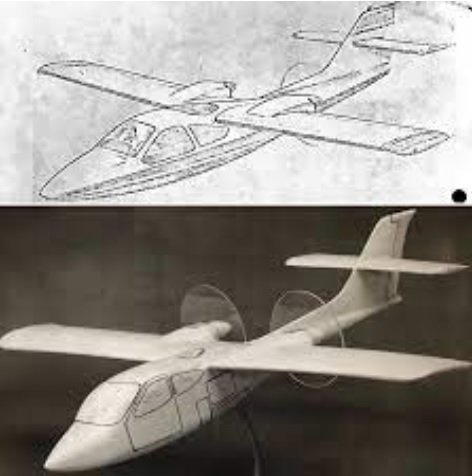
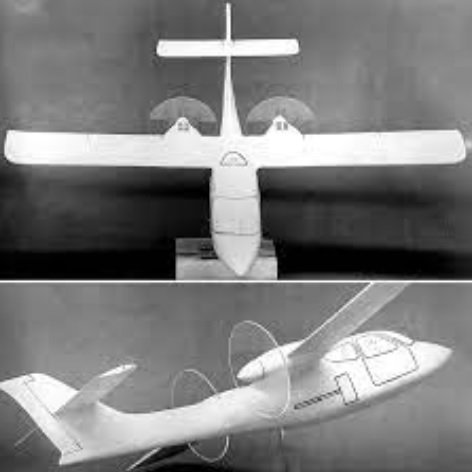
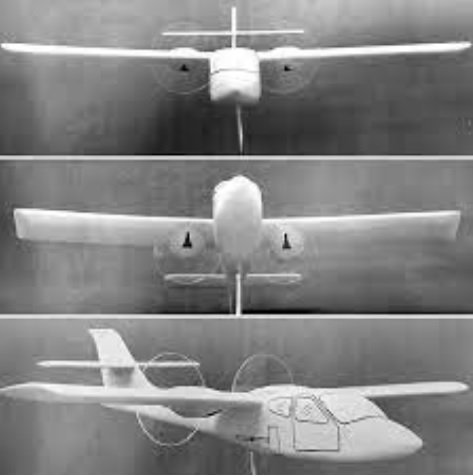
Cessna P302
 

Attachments

  • Cessna P302.jpg
    Cessna P302.jpg
    46.5 KB · Views: 25
  • Cessna P302-2.jpg
    Cessna P302-2.jpg
    47.8 KB · Views: 24
  • Cessna P302-3.jpg
    Cessna P302-3.jpg
    36.9 KB · Views: 19
  • Cessna P302-4.jpg
    Cessna P302-4.jpg
    39.3 KB · Views: 27
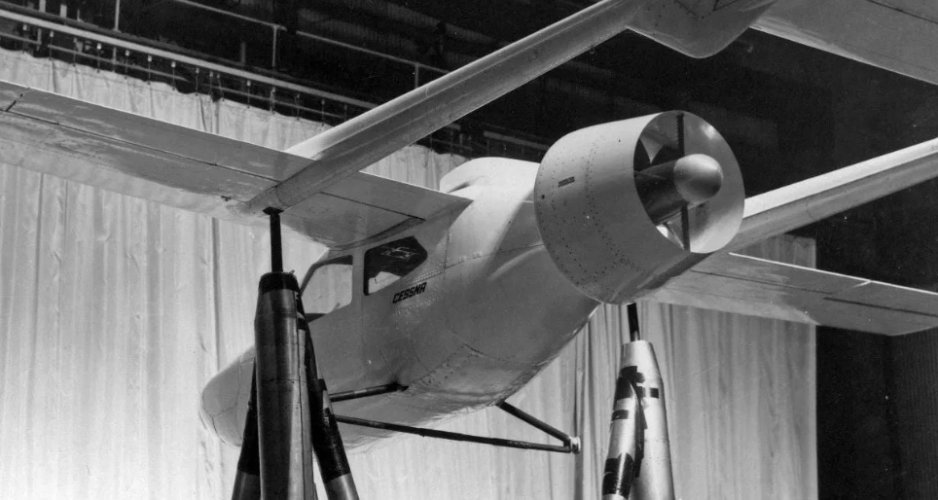
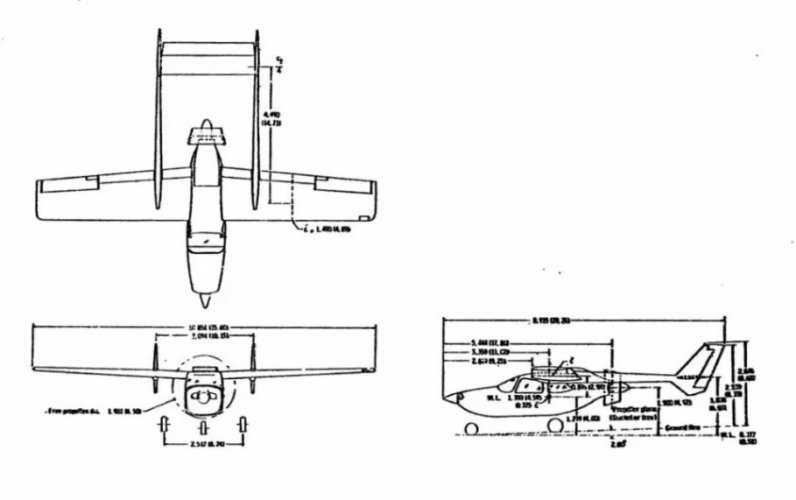
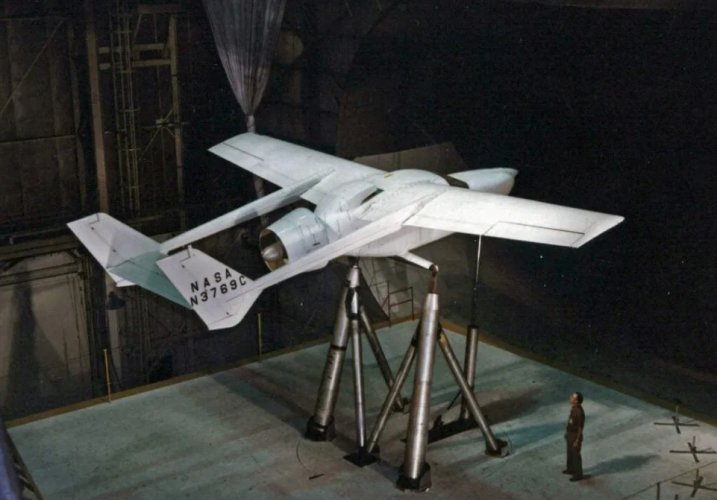
Cessna Model 327 Strutless Skymaster with ducted fan.
 

Attachments

  • Cessna Model 327 NASA Wind Tunnel.jpg
    Cessna Model 327 NASA Wind Tunnel.jpg
    134.7 KB · Views: 27
  • Struless Cessna Model 327.jpg
    Struless Cessna Model 327.jpg
    45.9 KB · Views: 35
  • 327 3view.jpg
    327 3view.jpg
    59.5 KB · Views: 33
  • Model 327 Wind Tunnel.jpg
    Model 327 Wind Tunnel.jpg
    152 KB · Views: 45
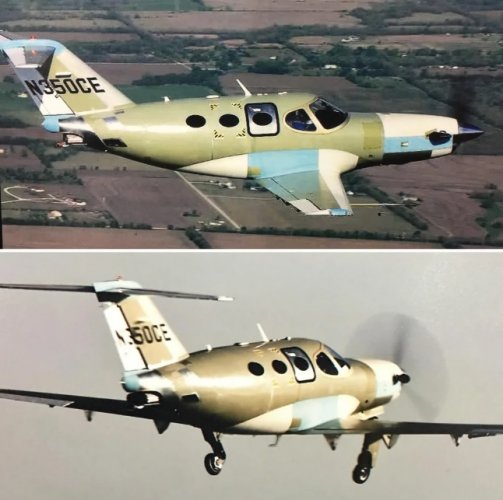
Turboprop conversion of the Cessna Mustang E350
 

Attachments

  • Cessna Mustang Turboprop Conversion.jpg
    Cessna Mustang Turboprop Conversion.jpg
    105.2 KB · Views: 43
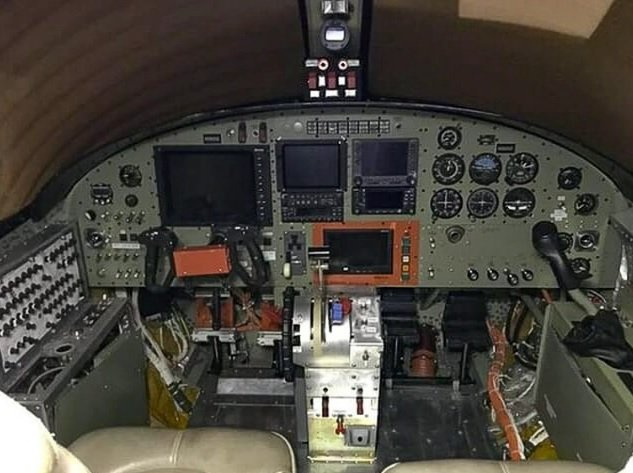
  • E250 Cockpit.jpg
    E250 Cockpit.jpg
    93.4 KB · Views: 48
In an effort to alleviate this thread, new topics have been created for projects/programs that are well identified and documented enough, leaving here only the generic, undesignated and unidentified ones, or those for which too little information is available.

Here is the list of all Cessna-related topics in the "Postwar projects" section:
Military competitions involving Cessna aircraft:
Also, note that the "Cessna CH-1 Skyhook/H-41 Seneca" and "Cessna 408 SkyCourier" topics can be found in the "Aviation & Space" section.

Hope this helps!
 
Last edited:
A little more on the Cessna COAX prototype:

Here’s one of the most interesting Cessnas ever created.
Known as the "COAX”, it began life as a twin-engine, piston-powered Cessna 340.
Both piston engines were removed, and two Allison 250 turbine engines were installed in the nose.
These engines were connected via a common gearbox and a coaxial output shaft that all worked together to turn two propellers that rotated in opposite directions.
Presumably, the failure of one engine left the remaining engine with the ability to provide power to one or both of the propellers without any of those pesky asymmetric thrust issues.
These photos reveal an interesting detail - the nosewheel didn't full retract. Instead, half of it remained outside of the aircraft, partially shielded by a shroud.
The reason for this was almost certainly due to a lack of space inside the nose section that was already bursting at the seams with engines.
On the final flight, the tip tanks were removed to test the effects on speed, leaving only around 60 gallons (227 liters) of fuel on board and an endurance measured in minutes.
The COAX was built and flown around 1986-87 in secrecy. As far as I know, no publications ever caught on to the flights, and no photos or information were ever made public.
So I'm fairly confident you're looking at the entire collection of Cessna COAX photos that exist outside of the mythical Cessna archive vault.
With any luck, I will someday be able to explore those archives and publish a photo book of the lesser-known Cessnas to have been built and flown.
While these machines may not have seen success in the marketplace, they must surely have felt like triumphs to the engineers and designers who worked hard to take the concepts from drawings to flight.
It’s their stories that would be so rewarding to tell.
In addition to photos of rare prototypes, I think it would be amazing to supplement such a book with candid shots showing life in the engineering and manufacturing trenches throughout the years...presuming such photography exists.
Cessna and Beechcraft‘s rich history certainly translates into amazing aircraft today, so it would be quite an opportunity to curate it.

Source: Jason McDowell, Textron Aviation (Facebook page)

82787174_2822417514486244_9072402716629663744_n.jpg


83775203_2822417841152878_5424827708150382592_n.jpg
 
IIRC, those tip tanks were shaped well enough that they lifted the fuel's weight all by themselves. Plus they acted like winglets and made a better L/D ratio.

The only downside to them was that all that weight at the wingtips made the airplane slow to start rolling and very slow to stop rolling.
 
The file itself

Very interesting. And the first paragraph says it all (which is why source documents are always important!): it was not a proper Cessna project, just an idea by the author at the time he worked for Cessna.
That it doesn’t have a drawing number, nor an assigned project number for the model illustrated says it was not a formally established undertaking of the Cessna Flight Test, Aerodynamics and Preliminary Design group of which I was a member back in early 1955. It was just a pictorial of a great idea I had – and since I hadn’t looked at it for about 50 years it was a revelation for even me. I wasn’t real sure of what I would see.
 

Similar threads

Back
Top Bottom