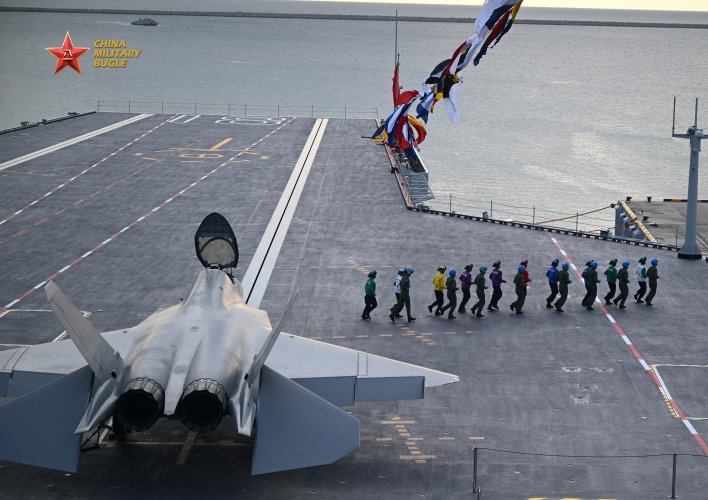
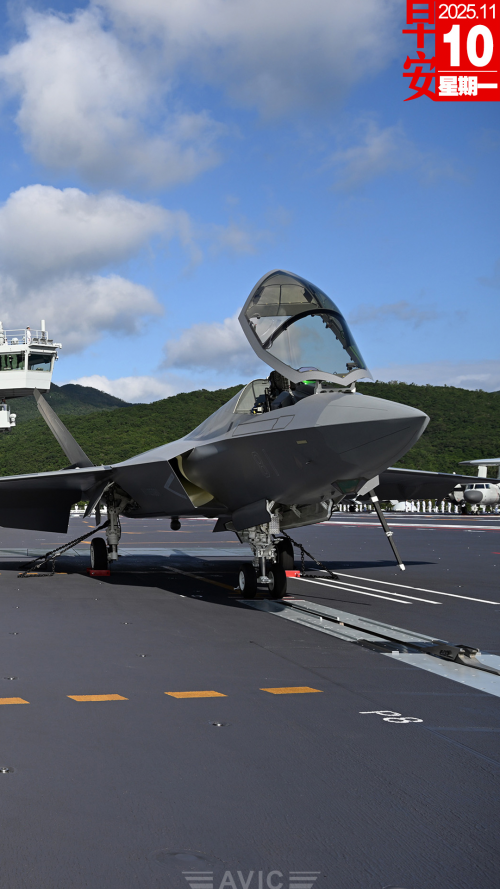
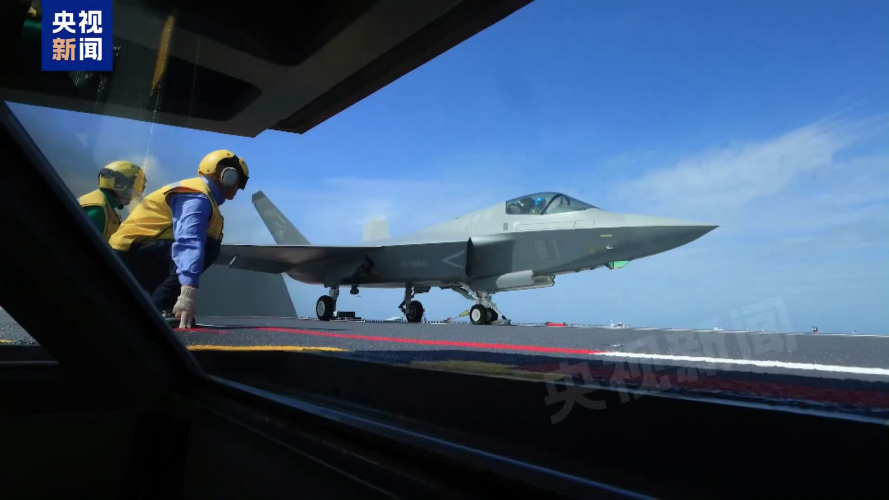
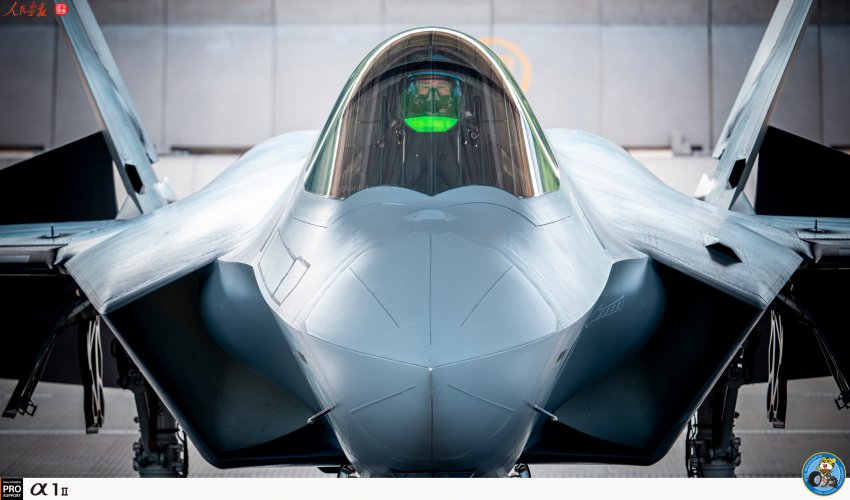
I like the naval version.
I dont know if the KF-21N, will exist.
But, a western copy.
I like it
On CV for those country, that the dont want or think the political issue about the F-35
 
Re-typing it is a pain but since it got removed from the KF-21 thread, I'll manually move it over here to anyone who would like to inform themselves on current Chinese engine progress.

In the paper posted in this thread, the turbofan it was describing is suspected to be the WS-19 or something thereof. It has an estimated reliability increase of up to 50% compared to it's predecessor unnamed T/W ratio of 8 engine. This unnamed engine is presumed to be the WS-13E/WS-21, a interim of sorts to the WS-19.

Despite wielding the WS-13 namesake, the WS-21 is completely different than the WS-13 in design. The WS-13 is similar to the RD-33, with 4 Low pressure stages and 8 high pressure stages, while the WS-21 has 3 low pressure and 7 high pressure stages, a design reminiscent of the F414. Thus it would be foolish to even extrapolate anything from the base WS-13 for the WS-21. But to give an absolute baseline floor value to stop people from uneducatedly quoting the lifespan of Chinese engines being 500 hours, something I often see. The WS-13 has an estimated TBO of around 810 hours, a 50% increase from here would be an absolute floor value of 1200 hours.

For a more realistic estimate I will assume the WS-21 should belong in the same technological area as engines such as the WS-10B. From what I could scavenge online, the WS-10B should have a hot section TBO of 1200-1500 hours. Extrapolating this number for the WS-21, we should get a TBO of around 1800-2200 hours for the WS-19. This is a realistic estimate inline with other 5th gen engines, like the F119 with a hot section TBO of 2000 hours.

Therefore I would take pause to anyone trying to diminish the Chinese engine development program by downplaying their lifespans. Yes in the past Chinese engines were not doing so great on this front. But the mental gymnastics needed to jump around assuming Chinese engines would forever remain unreliable is a cope, plain and simple.

@insidersource @BonPlan2

10 years ago, if you had argued that Chinese engines were unreliable I would have assuredly agreed with you, today however is different than 10 years ago.

 
Last edited:
10 years ago, if you had argued that Chinese engines were unreliable I would have assuredly agreed with you, today however is different than 10 years ago.
Until these Chinese engines are used by a non Chinese air force then I do not believe a single word in your post.

20 years ago the Russian fanboys said the Russians had perfected their engines. India and Malaysia with their Su-30 fleets have proven that they were still extremely unreliable.

All of the western engines achieve their performance numbers while running no where near their maximum potential. This is why their time between overhauls is so high. Western operators have been offered increased performance but they prefer the higher durability.

You are comparing maximum numbers of Chinese engines with derated western numbers
 
Until these Chinese engines are used by a non Chinese air force then I do not believe a single word in your post.

20 years ago the Russian fanboys said the Russians had perfected their engines. India and Malaysia with their Su-30 fleets have proven that they were still extremely unreliable.

All of the western engines achieve their performance numbers while running no where near their maximum potential. This is why their time between overhauls is so high. Western operators have been offered increased performance but they prefer the higher durability.

You are comparing maximum numbers of Chinese engines with derated western numbers

That's completely fine by me, everyone is entitled to their own opinions, but If you're not going to believe anything I'm going to say and remain as a stubborn rock don't ask for it. Trust me, there is no evidence in existence that will convince you. All I ask is if there is nothing concrete to discuss, lets not beat around the bush and call Chinese engines unreliable, and I won't talk about them being reliable. The argument will endlessly loop otherwise.

Bottom line is no matter how much we disagree, Chinese engines are going well enough for the Chinese to deem viable, and is a major factor in the rapid explosion of indigenous aircraft. May we continue to see these visible trends.
 
Until these Chinese engines are used by a non Chinese air force then I do not believe a single word in your post.
Pakistani pilots’ first impressions were full of praise for both the aircraft and its engine, and mind you, these are ex-F-16 drivers. Wth are you blabbering about?

42780b7c-27d0-4665-9190-fe3c5c7297a5_b534e67f.jpg


China doesn't sell anything more advanced than a LIFT jet to countries it doesn't have deep military relations with, so you will hardly hear anything about it from non-Chinese sources.

You are a fool for comparing everything -Russian and -Chinese, and this ignorant behaviour alone shows everyone that you are not to be taken seriously on these matters.

Also, FYI, Russian engines' MTBO has increased dramatically since the Cold War.
 
Last edited:
Pakistani pilots’ first impressions were full of praise for both the aircraft and its engine, and mind you, these are ex-F-16 drivers. Wth are you blabbering about?
Pilots returns about flying qualities are usefull, but they are not the guys who made overhauls and support.
 
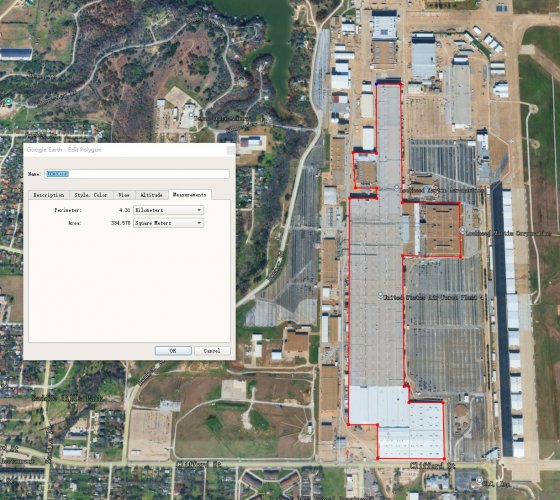
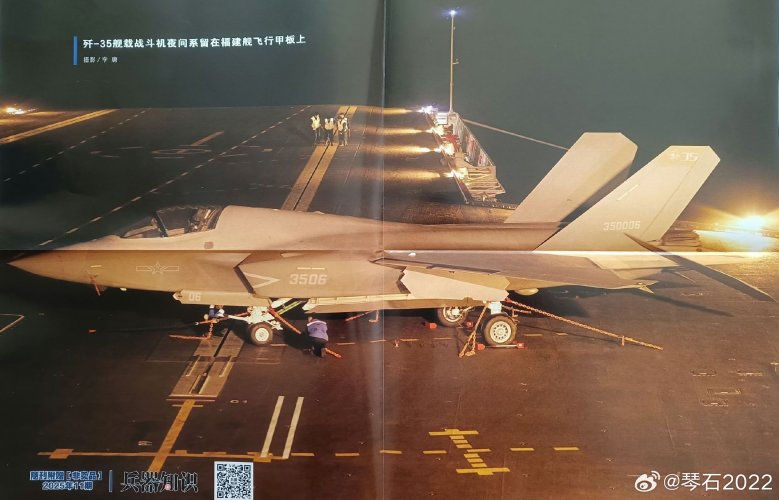
Shenyang Aircraft Corporation is building a new factory up in north Shenyang. The size of its main workshop is about two-thirds of the one at Lockheed Martin's Fort Worth plant. Since SAC makes the J-35, this new facility will probably lead to a huge boost in the J-35's production capacity.

North Shenyang main workshop (2024 image)
2023454304.jpg

Fort Worth
212324358.jpg

North Shenyang (last 2025)
G6HkGdXXMAAZ2Qh.jpg
 
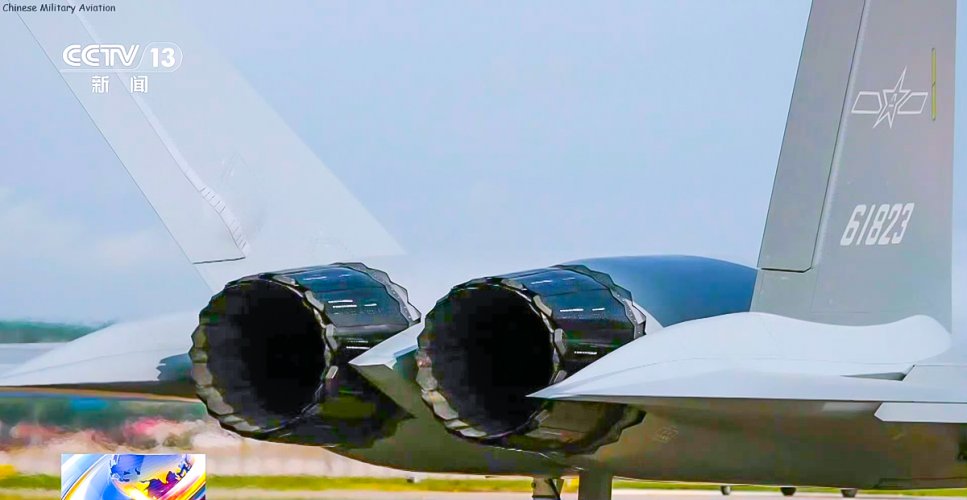
After the initial speculation about the WS-19, Huitong now writes that "the J-35A currently is still powered by the same WS-21 engine but with a slightly different sawtooth nozzle".
So what is the reality?
 

Attachments

  • G14KsllXIAAughl.jpeg
    G14KsllXIAAughl.jpeg
    131.7 KB · Views: 130
  • J-35A_83.jpg
    J-35A_83.jpg
    384.4 KB · Views: 171
Pakistani pilots’ first impressions were full of praise for both the aircraft and its engine, and mind you, these are ex-F-16 drivers. Wth are you blabbering about?
Block 15 or 52? There's a huge difference.
 
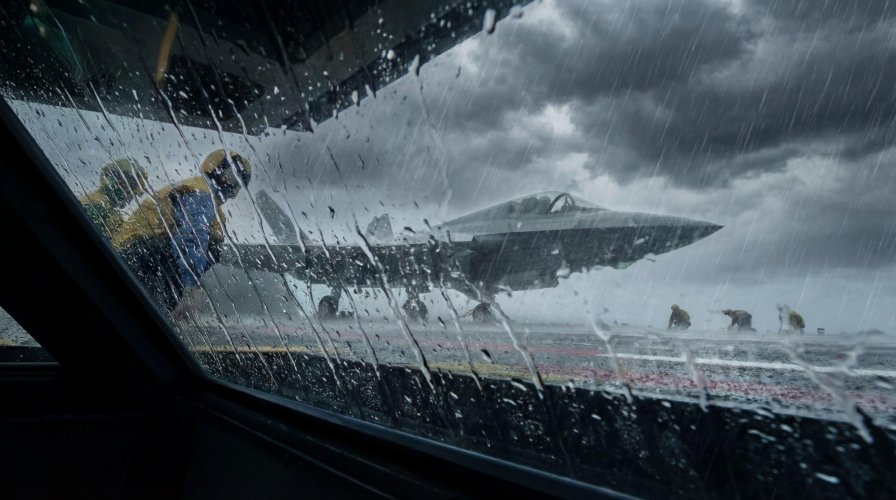
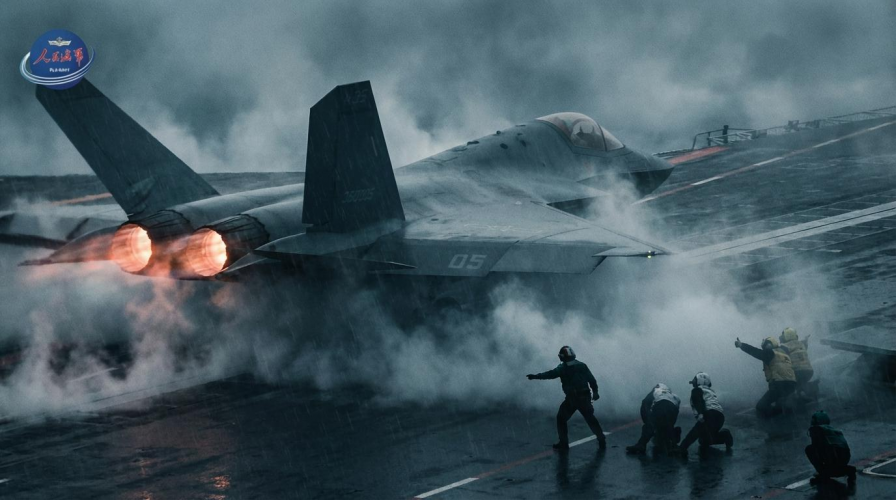
Twitter et al. are full of AI "art", do we have to put up with that garbage here too? :confused:


In fact I totally agree with you and we should all stop posting deliberately AI-modified or manipulated images!

However to call this "garbage" is a bit harsh when you consider they were posted initially without knowing they are AI-enhanced. As such since it is becoming more and more difficult to concern what's AI or not I again agree such images should be better posted not in the regular threads, but to ask a question if, is surely in a forum not an issue.

I have more reservations, when someone - as in the Su-57-thread - deliberately posts AI-images!
 
Last edited:
Wow, have a lot to catch up on...
My definition of mature is mass production 100+ into service air brigade combat training/patrol for at least 5 years.
Which isn't anyone else's definition.


The J-35 has to be the cleanest looking aircraft of it's generation. It's deeply pleasing to look at from all angles.
Best looking "light 5th gen" (F-35, KF-21, J-35, etc).

I think the J-20S is the best looking heavy 5th gen.


Here's the rest of it

0.5:1 Bypass Ratio
35:1 OPR
100kg/s Air mass flow
22.2g/kN/s SFC Dry
52.9g/kN/s SFC Reheat
70kN Dry
110kN Reheat
3-5-1-1 stages
View attachment 787119
It still amazes me to think that we're getting 35:1 OPR out of 8 total stages. When I went to school, the rule of thumb was about 1.2:1 per axial compressor stage (and about 7:1 from each centrifugal stage). 35^(1/8) = 1.56, and that's lower than the max due to the thermal limits imposed by supercruising.


Re-typing it is a pain but since it got removed from the KF-21 thread, I'll manually move it over here to anyone who would like to inform themselves on current Chinese engine progress.

In the paper posted in this thread, the turbofan it was describing is suspected to be the WS-19 or something thereof. It has an estimated reliability increase of up to 50% compared to it's predecessor unnamed T/W ratio of 8 engine. This unnamed engine is presumed to be the WS-13E/WS-21, a interim of sorts to the WS-19.

Despite wielding the WS-13 namesake, the WS-21 is completely different than the WS-13 in design. The WS-13 is similar to the RD-33, with 4 Low pressure stages and 8 high pressure stages, while the WS-21 has 3 low pressure and 7 high pressure stages, a design reminiscent of the F414. Thus it would be foolish to even extrapolate anything from the base WS-13 for the WS-21. But to give an absolute baseline floor value to stop people from uneducatedly quoting the lifespan of Chinese engines being 500 hours, something I often see. The WS-13 has an estimated TBO of around 810 hours, a 50% increase from here would be an absolute floor value of 1200 hours.

For a more realistic estimate I will assume the WS-21 should belong in the same technological area as engines such as the WS-10B. From what I could scavenge online, the WS-10B should have a hot section TBO of 1200-1500 hours. Extrapolating this number for the WS-21, we should get a TBO of around 1800-2200 hours for the WS-19. This is a realistic estimate inline with other 5th gen engines, like the F119 with a hot section TBO of 2000 hours.

Therefore I would take pause to anyone trying to diminish the Chinese engine development program by downplaying their lifespans. Yes in the past Chinese engines were not doing so great on this front. But the mental gymnastics needed to jump around assuming Chinese engines would forever remain unreliable is a cope, plain and simple.

@insidersource @BonPlan2

10 years ago, if you had argued that Chinese engines were unreliable I would have assuredly agreed with you, today however is different than 10 years ago.
Note that hot sections need to happen more often than compressor overhauls. IIRC "typical" compressor overhauls happen about 3500-5000 hours for a 2000hr hot section. Yes, you could have 2 hot sections before you open up the compressor.
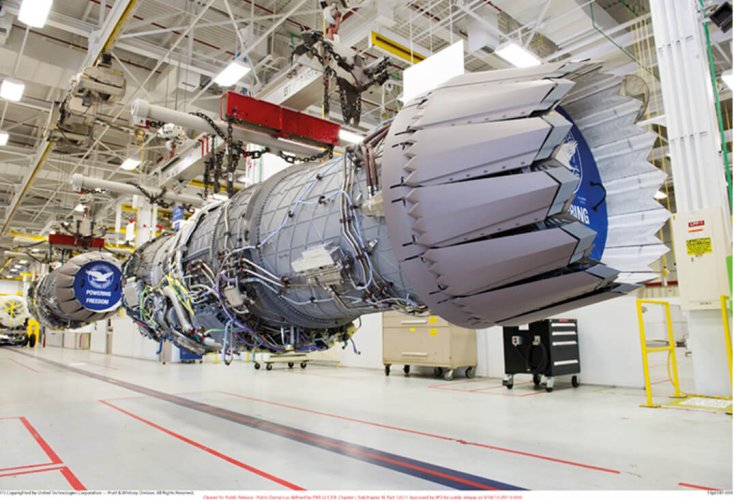
And it's about time the Chinese wrapped their brains around QA/QC to get the engine TBOs competitive!
 
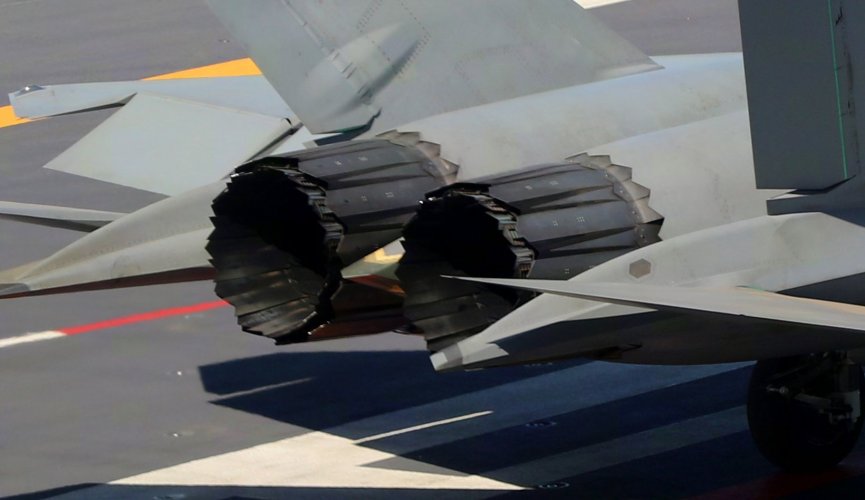
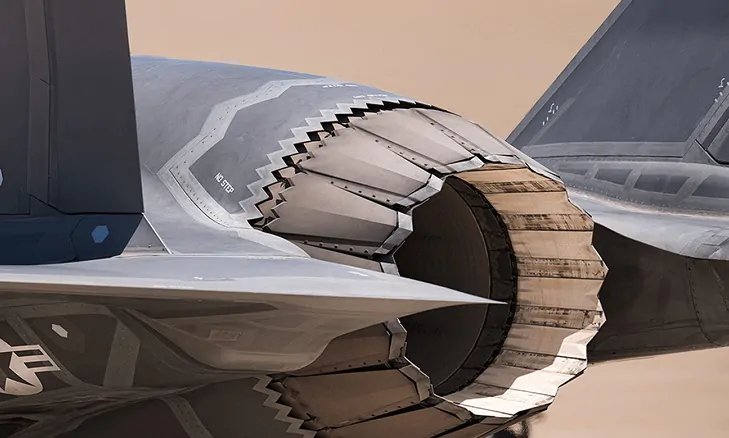
Looks like a good first attempt at a LOAN style round nozzle. Chevron trailing edges for both the external flaps and the divergent segments and seals. Probable good alignment of the inner and outer chevrons with the nozzle in the closed non-AB in-flight position, with the external segment uncoated surfaces covered by the adjacent coated segment.

The back sides of the divergent segments and seals have a lot of non-LO features like corrugated outer skins. Hard to tell whether these will be visible with the nozzle in the closed position; they are very exposed with the nozzle in the open shutdown position. The gap between the rear airframe chevroned fairing and the nozzle static structure appears to be quite wide - don’t know if this exposed cavity would be a LO reflective feature or if they have included any mitigation internally.
 
Last edited:

Similar threads

Back
Top Bottom