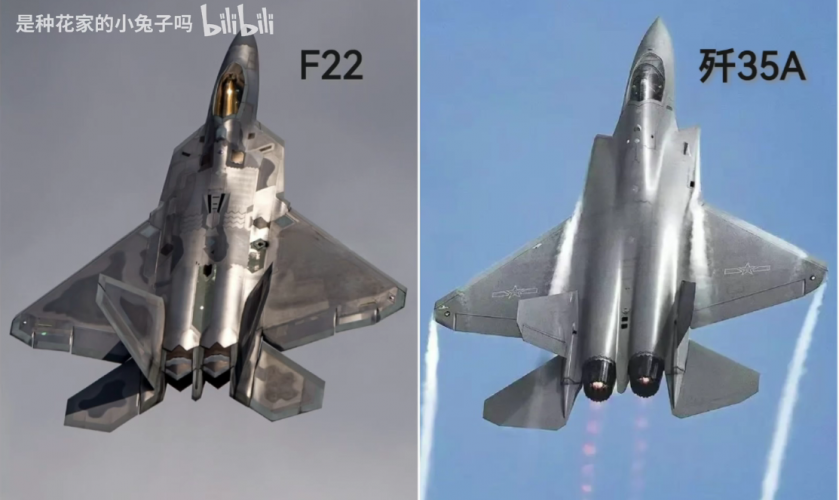
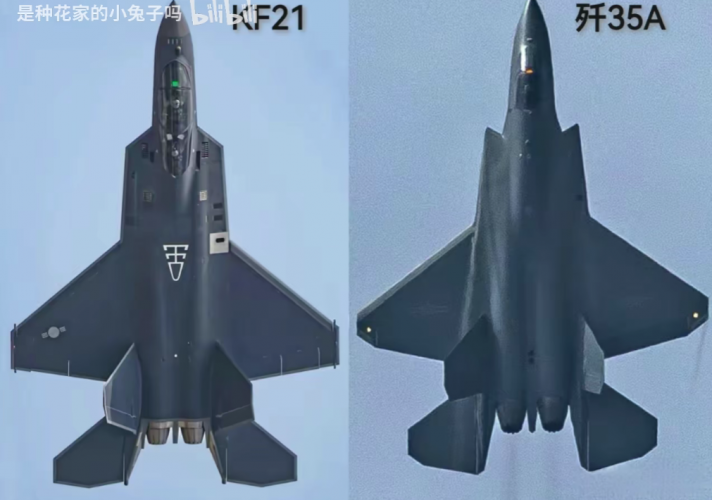
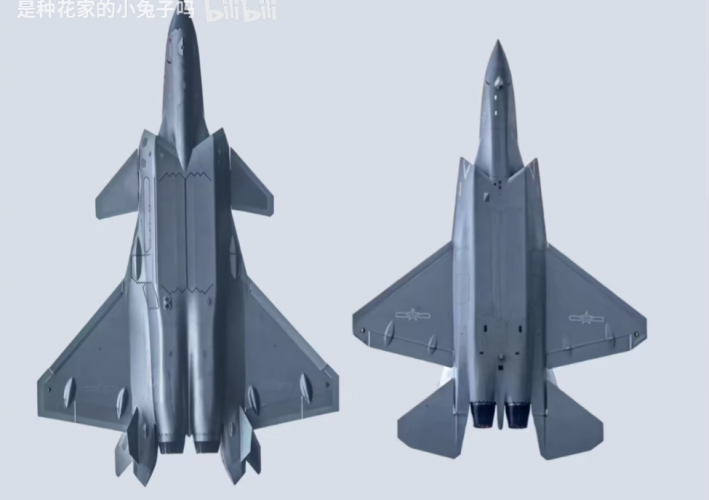
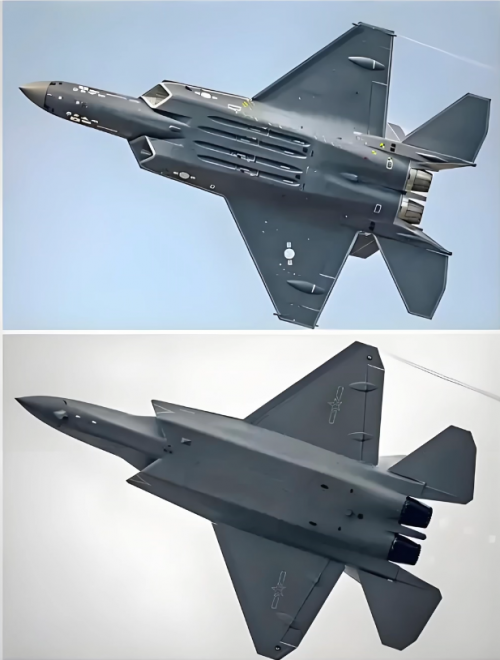
- Joined
- 3 June 2011
- Messages
- 20,898
- Reaction score
- 19,088
Unbelievably so. Even the F414 EPE is only 120k. The 127k seems more like fanboi fantasies.Btw 127 kN seems quite a lot for an engine of this size.

Unbelievably so. Even the F414 EPE is only 120k. The 127k seems more like fanboi fantasies.Btw 127 kN seems quite a lot for an engine of this size.
The estimated thrust range from the grapevine so to speak is 12,000-13,000kgf. So 127kN is the most optimistic estimate. I believe 117kN -122kN would be the conservative estimate.Unbelievably so. Even the F414 EPE is only 120k. The 127k seems more like fanboi fantasies.

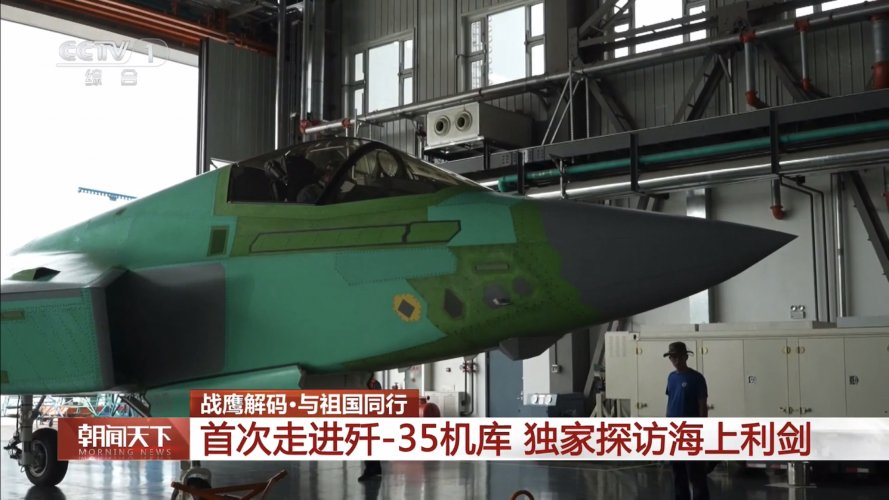
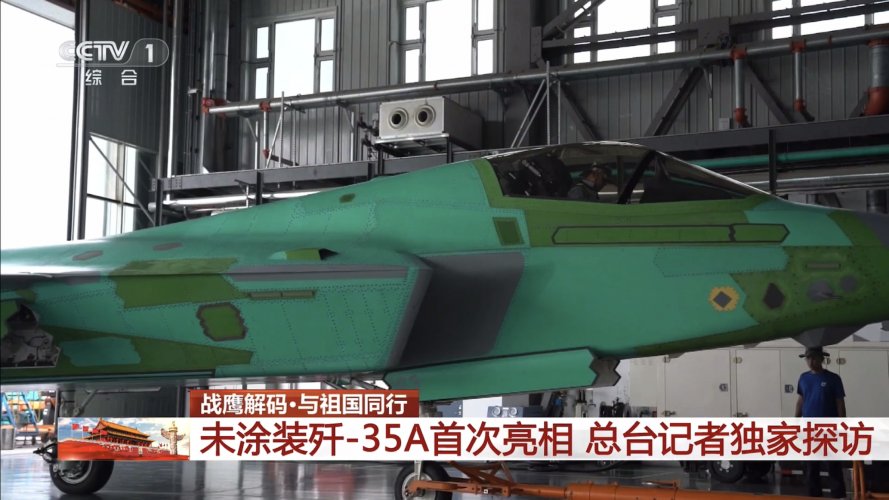
More like the proposed EJ230, in my opinion...Interesting. Kinda makes it a chinese F414, as in Super Hornet and Boramae. https://en.wikipedia.org/wiki/General_Electric_F414
More like F414-EPE and EJ270More like the proposed EJ230, in my opinion...
Isn't 230 the designation of the engine that was once planned for Stage 2?More like F414-EPE and EJ270


Interesting. Kinda makes it a chinese F414, as in Super Hornet and Boramae. https://en.wikipedia.org/wiki/General_Electric_F414
I imagine a copy,that with western electronics and engines.
Well without published data on Chinese engines, it’s hard to know if the Chinese have caught up, are catching up or are way behind on technologies. Even in 10 years time, it’s not like they’ll be any less opaque than they are now.It won't take the Chinese long to catch up with the engine tech Nx4eu that is for sure, wait another ten years then we will see the Chinese has cought up with the West.
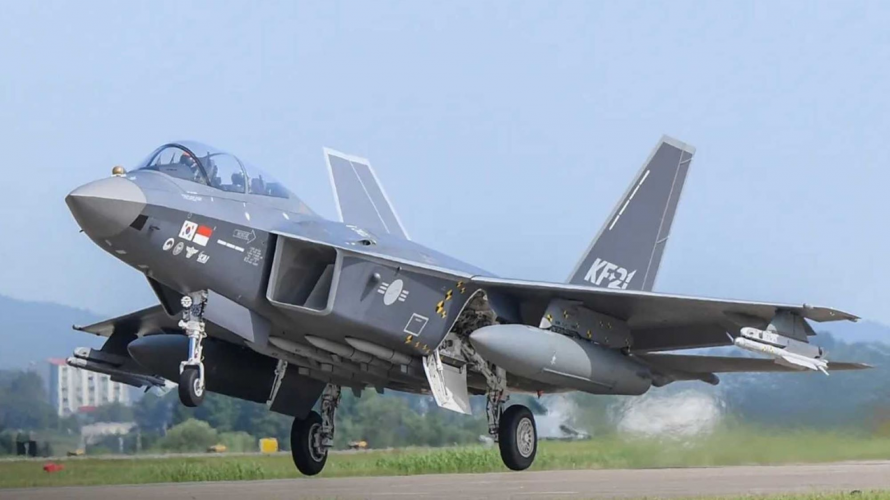
So. . the KF-21?I imagine a copy,that with western electronics and engines.
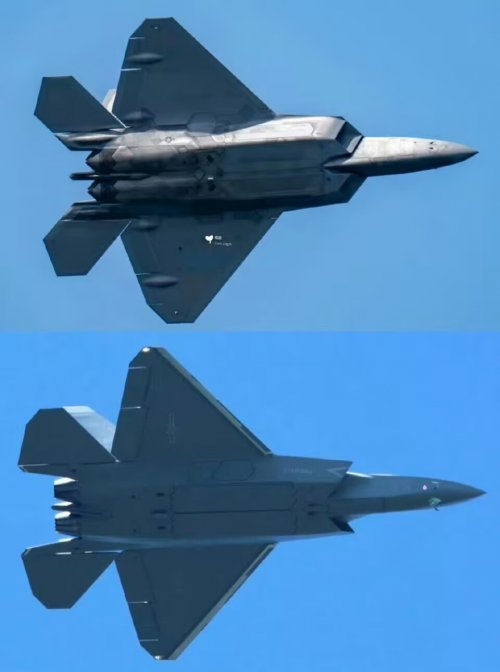
Beautifull lines

Good luck trying to get that information from the Chinese in the next 40 years. Even just the static thrust numbers are hard to come by.The plain static thrust output isn't the primary metric for supercruise. What matters is first and foremost the dynamic installed thrust at supersonic speeds and higher altitudes, along with the drag of the airframe.
I love the KF-21. spcialy the 2 seat.So. . the KF-21?
But the chines is Navy baby.So. . the KF-21?

More like 5, the technology is already there. They are working on building up supply chains and production facilities, the engines they have in late stages of development/awaiting mass production should match up to the latest western engines in technology and performance. We should see them widely used before 2030(WS-15, WS-19, AEP400/500, CJ-1000A and even CJ-2000 is rumored to be certified by the end of the decade).It won't take the Chinese long to catch up with the engine tech Nx4eu that is for sure, wait another ten years then we will see the Chinese has cought up with the West.
Btw 127 kN seems quite a lot for an engine of this size.
Given the F414 EPE is nearly two decades old it's probably not impossible.Considering that we have only the most basic notion of what "this size" actually is, not necessarily. I mean, fundamentally we only know that it's supposed to be in the same general ball park of the EJ200, F414 and RD-33 and their enhanced derivatives. That's a 10+% spread in dry weight already - going from 120 to 127kN is a mere 6% step.
Taking the 810mm fan diameter of the F414 as the basis and assuming the Chinese engine runs on the same cycle, getting to 127kN from 120 requires a size increase of less than one inch...

copy & paste.....

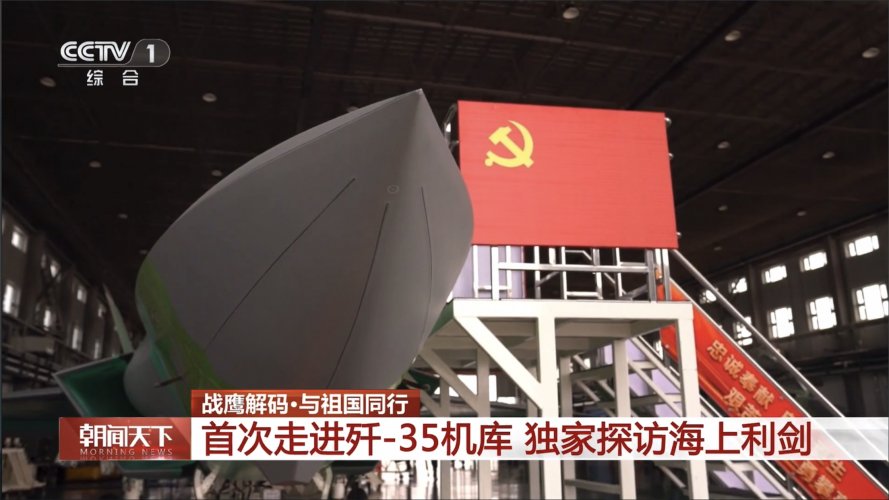
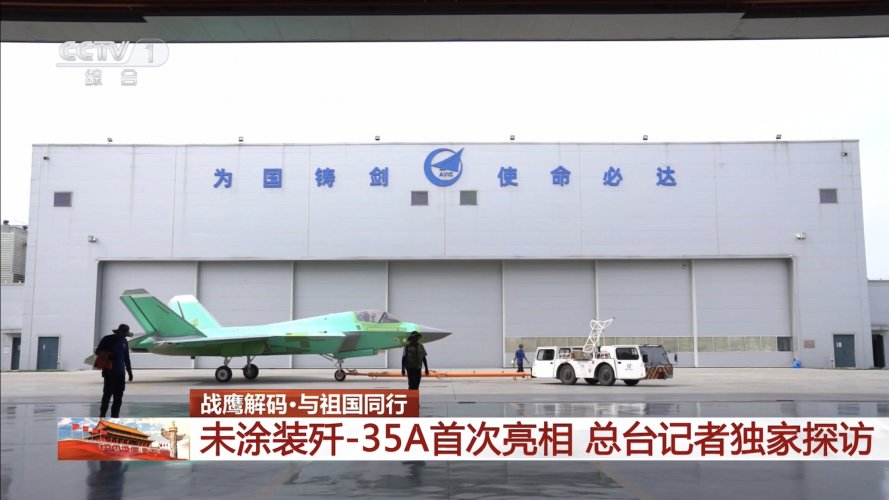
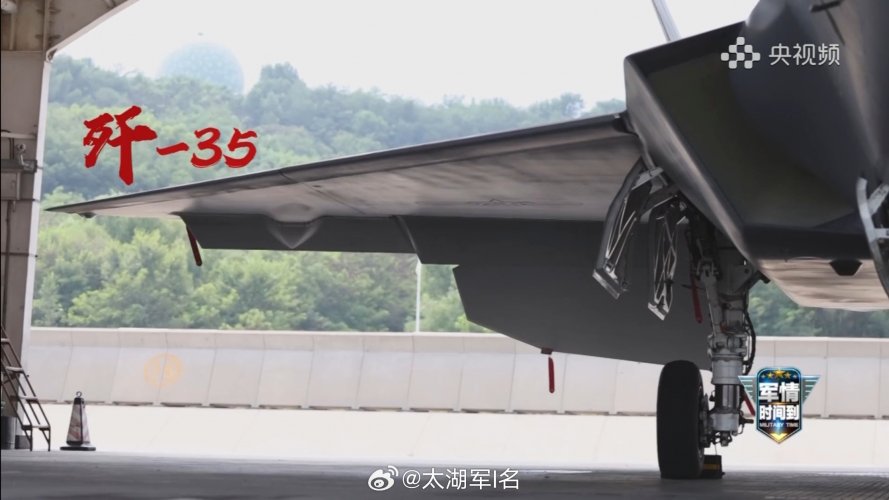
I don't think Sferrin tried to put some backhanded implications as much as just pointing out that an F-35 operating with obvious GSEs has a ladder too. Unless someone can infer from a basic front view that a slide out ladder is any proof that a bird is the specific carrier variant.


I've heard and seen some evidence that CJ-2000 will be a GTF similar to UltrafanOf course, I don't think China's civil aircraft engines can catch up with giants like GE and RR in a short period of time. However, as China's aviation engine industry chain becomes more mature, and with the domestic market demand in China, progress is predictable.
I see WS-15 being designed to fit in the same size envelope as WS-10 and AL-31. Do you have any info on the bypass ratio of WS-15. Is it 0.5ish like most fighter engines, or is it much lower like F119, which is a supercruise optimized engine?Could it be that the inconsistent semantics caused by AI translation made me seem to be overstating things? However, I believe it won't be long before China draws close to the first echelon in terms of engine technology.
I see WS-15 being designed to fit in the same size envelope as WS-10 and AL-31. Do you have any info on the bypass ratio of WS-15. Is it 0.5ish like most fighter engines, or is it much lower like F119, which is a supercruise optimized engine?

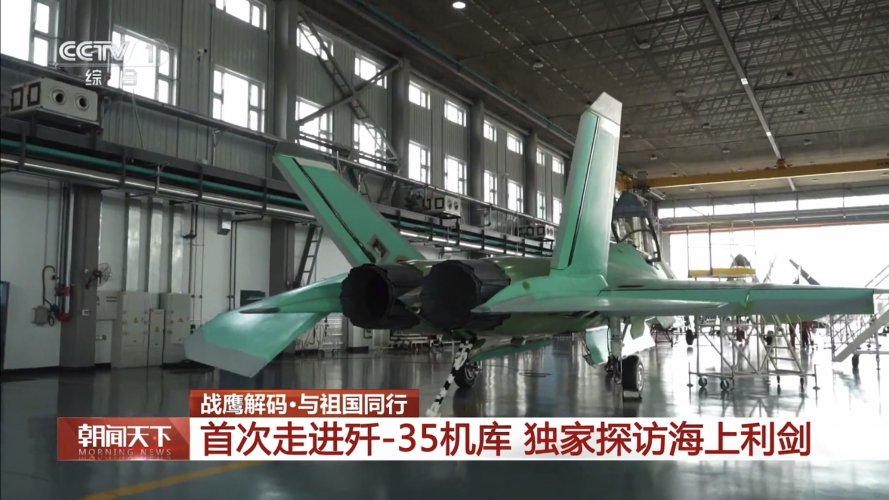
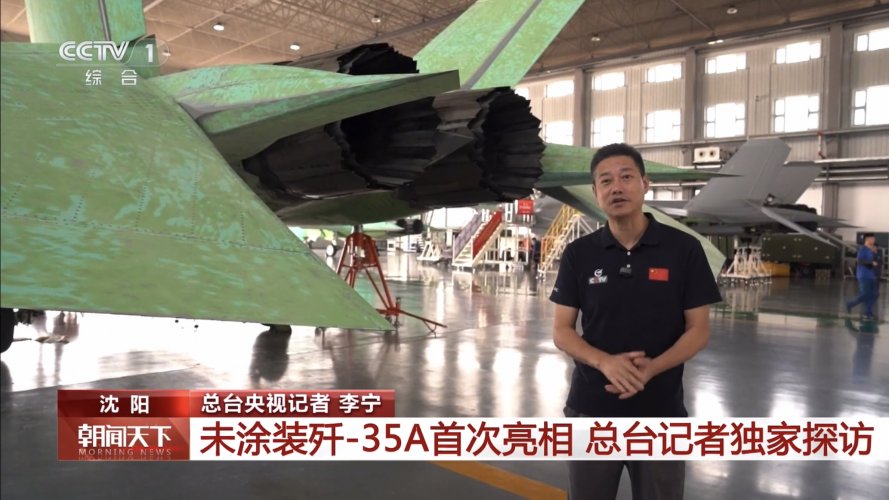
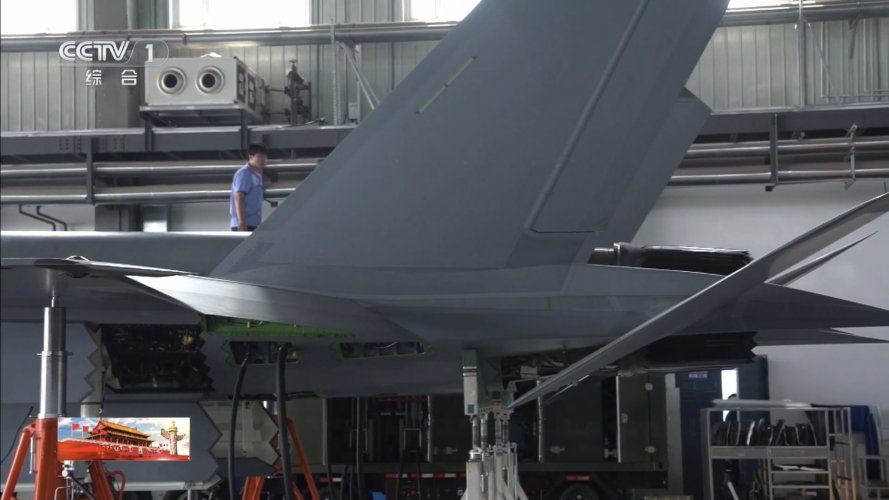
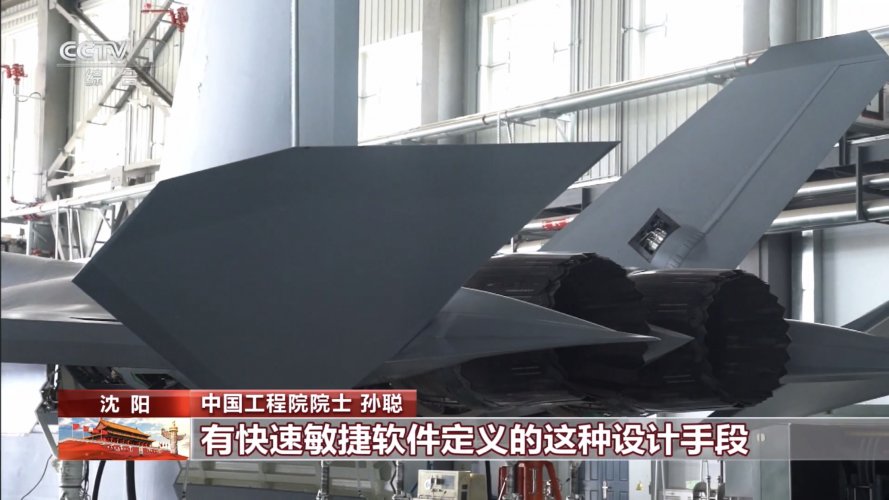
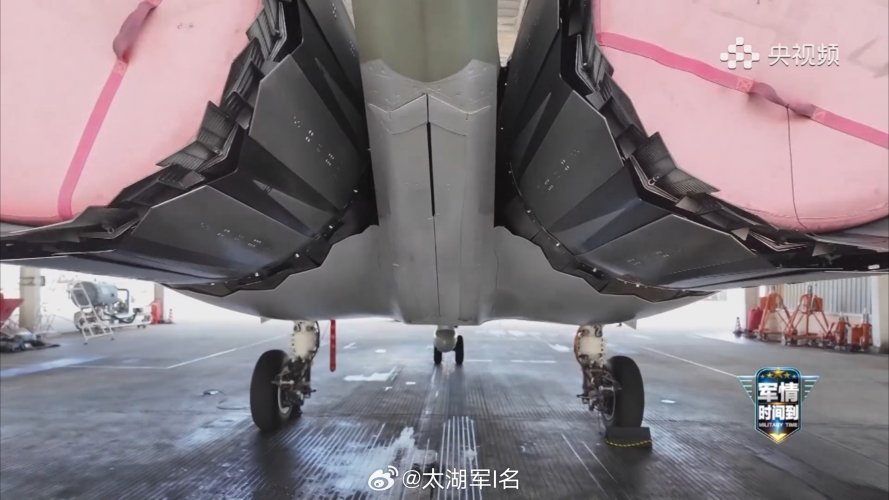
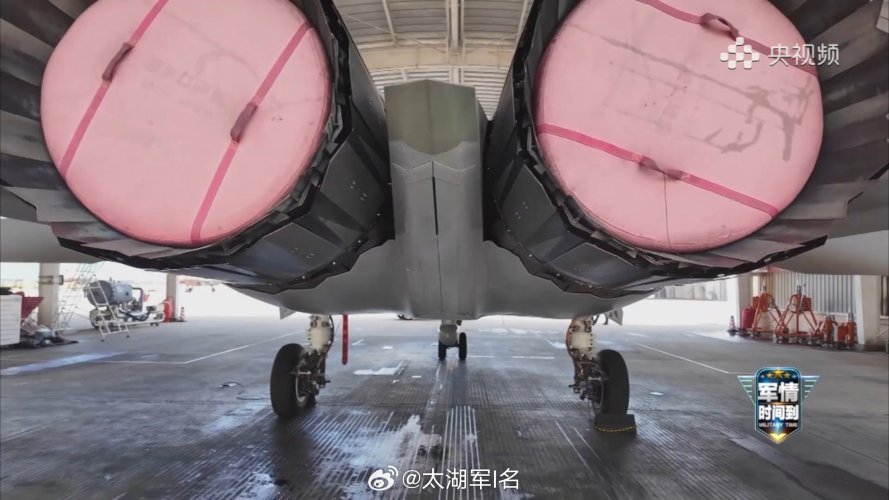
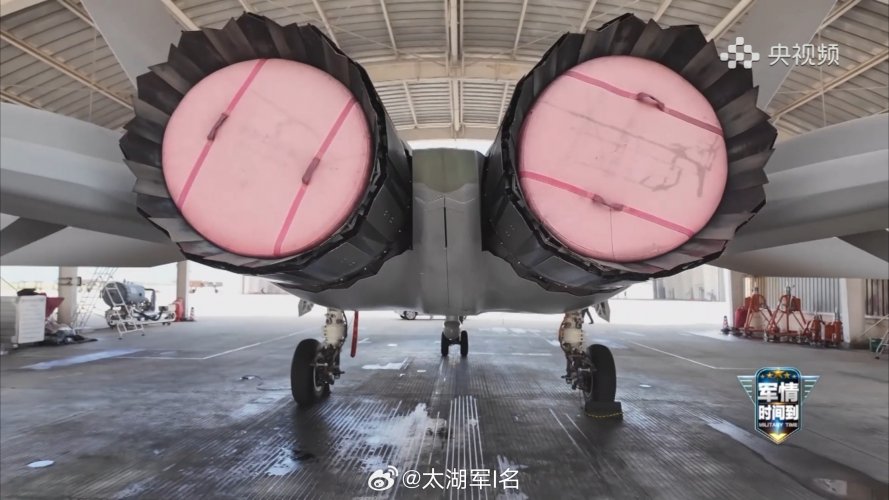
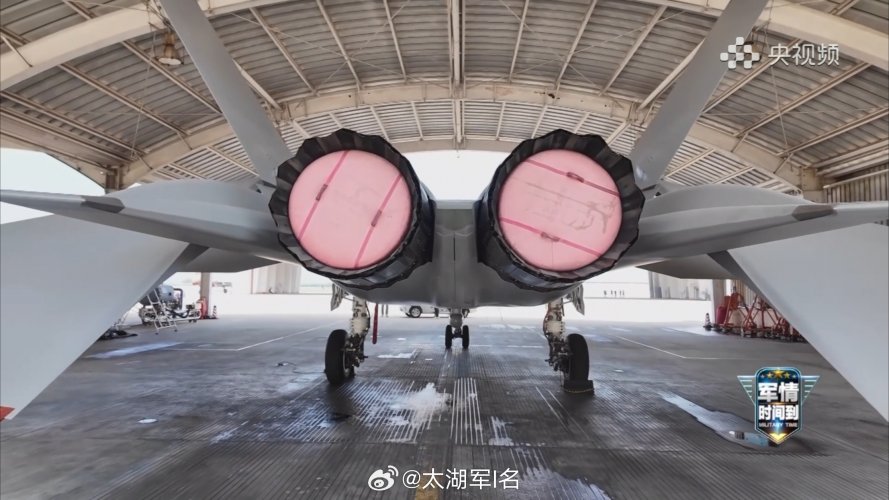
Because WS-21 is still based on the RD-33, WS-19 is a new design with triple layered nozzleIt's interesting how "RD-33ish" the nozzle remains, mechanically speaking. Elegant design though, so why wouldn't you?
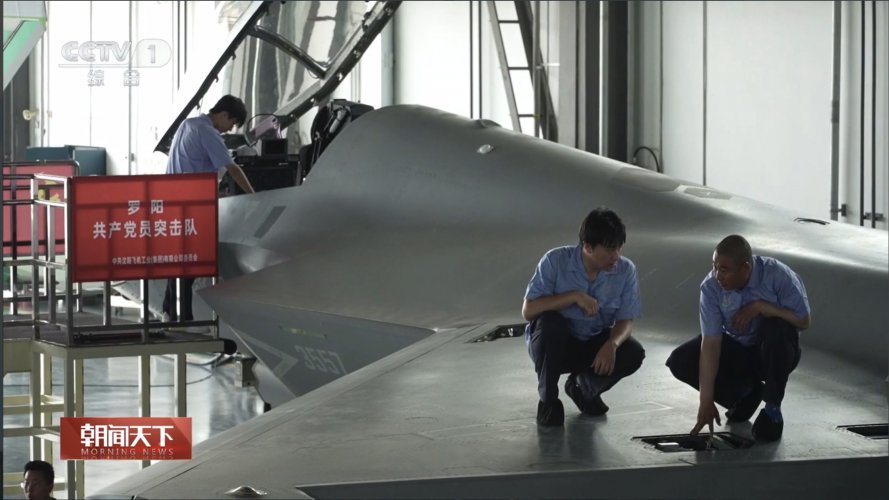
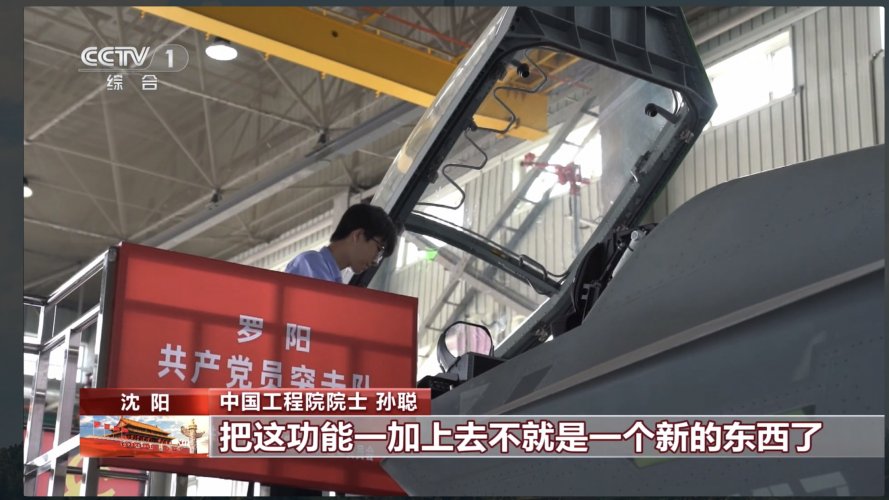
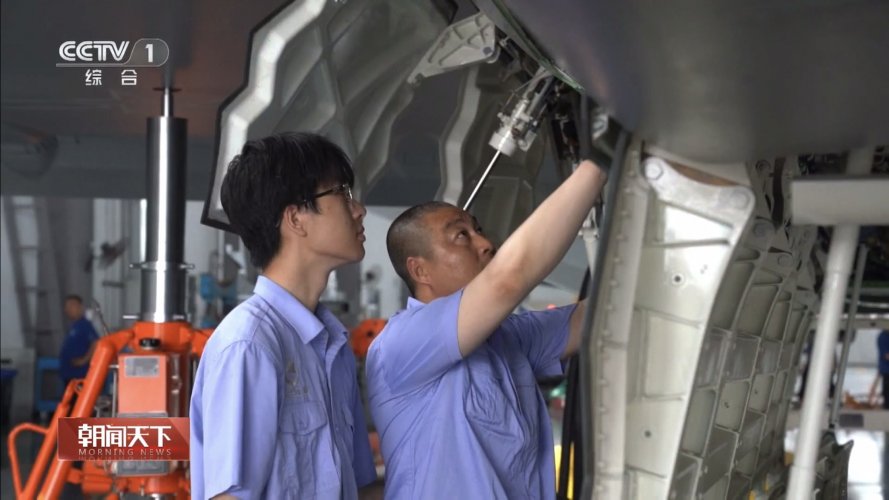
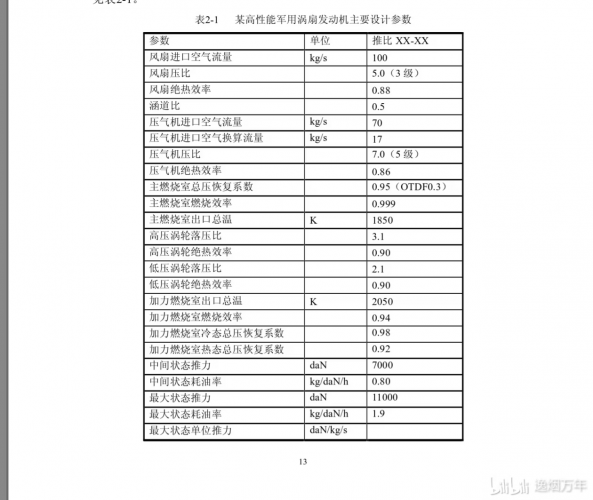
But this looks much more realistic.Possible hint towards WS-19 engine? Not confirmed of course. But sea level thrust seems lower than alleged before.
View: https://twitter.com/Alfa_Particle/status/1974751979529474327