Hey, what is your source on that...I am pretty sure the F-22 AND F-35 "coating stacks" are heavily classifiedMany of the basic, regular maintenance tasks on the F-22 require removal and reapplication of coatings. This is labor intensive. The F-22 coatings also degrade due to features of the F-22 design.
"F-35 RAM" is not going to solve these problems.
The F-35 was designed to make access to the inside of the aircraft easier and require less messing with the coatings. That can't be retrofitted to the F-22. The F-35 also has a fundamentally different coating stack because the structure was designed differently.

You are using an out of date browser. It may not display this or other websites correctly.
You should upgrade or use an alternative browser.
You should upgrade or use an alternative browser.
Lockheed Martin F-22 Raptor
- Thread starter flateric
- Start date

- Joined
- 6 August 2007
- Messages
- 4,377
- Reaction score
- 9,187
Hey, what is your source on that...I am pretty sure the F-22 AND F-35 "coating stacks" are heavily classified
Court filings (Olsen, Zoltek, McDonnell Douglas, etc)
DoD Environmental Research Program
DoD Corrosion Protection Program
Contracts and purchase orders (Nippon Carbon / COI Ceramics, Chomerics, etc)
Technical reports and presentations (such as below)
DoD guidance for international transfer of low observable and counter low observable system
But hey everyone likes pictures, even if they are reposts. The "stack up" diagram omits the RAM layer(s).
(Diagrams Removed)
The coating stacks are not classified. Some aspects of how they are produced, used, and their performance attributes when applied are but not as much as you might expect.
Last edited:
Scott Kenny
ACCESS: USAP
- Joined
- 15 May 2023
- Messages
- 17,031
- Reaction score
- 24,167
Seeing that first pic, Quellish, makes me wonder if it'd be possible to reskin an F-22 to use the F-35 materials.
I am aware that the F-22 doesn't have parts and access doors in quite the right places like the F-35 does.
I am aware that the F-22 doesn't have parts and access doors in quite the right places like the F-35 does.
- Joined
- 6 August 2007
- Messages
- 4,377
- Reaction score
- 9,187
Seeing that first pic, Quellish, makes me wonder if it'd be possible to reskin an F-22 to use the F-35 materials.
No, it’s not, which the picture explains.
…. Posting a picture sure didn’t help the discussion so that will be the last I post.

EmoBirb
E.S.T
- Joined
- 18 January 2025
- Messages
- 2,214
- Reaction score
- 5,634
Seeing that first pic, Quellish, makes me wonder if it'd be possible to reskin an F-22 to use the F-35 materials.
I am aware that the F-22 doesn't have parts and access doors in quite the right places like the F-35 does.
The topic already persisted at least a page ago and probably even before that, according to Quellish and others the process of how RAM is applied and overall implemented and interacts with other stuff is fundamentally different between the F-22 and F-35.
So while the RAM used on the F-35 works with the F-35, it seems that the process of application and the physical properties would have to be seriously changed to be applicable to the F-22. If I understood correctly you'd basically have to develop an entirely new coating specifically for the F-22.
EmoBirb
E.S.T
- Joined
- 18 January 2025
- Messages
- 2,214
- Reaction score
- 5,634
No, it’s not, which the picture explains.
…. Posting a picture sure didn’t help the discussion so that will be the last I post.
Please don't be disheartened, your insights are always appreciated and valued.
Scott Kenny
ACCESS: USAP
- Joined
- 15 May 2023
- Messages
- 17,031
- Reaction score
- 24,167
I meant "rip off the aluminum/titanium skin and replace with the composite stuff the F-35 uses", not just "replace the coatings on top of the skin."The topic already persisted at least a page ago and probably even before that, according to Quellish and others the process of how RAM is applied and overall implemented and interacts with other stuff is fundamentally different between the F-22 and F-35.
So while the RAM used on the F-35 works with the F-35, it seems that the process of application and the physical properties would have to be seriously changed to be applicable to the F-22. If I understood correctly you'd basically have to develop an entirely new coating specifically for the F-22.
Statement also directed to @quellish
So you're using the full stack developed for the F-35, all the way down.
Last edited:
EmoBirb
E.S.T
- Joined
- 18 January 2025
- Messages
- 2,214
- Reaction score
- 5,634
I could imagine even that wouldn't be enough? But even if it was, it would basically be the construction of an entirely new aircraft. As such modifications would be very extensive, demanding and costly.I meant "rip off the aluminum/titanium skin and replace with the composite stuff the F-35 uses", not just "replace the coatings on top of the skin."
If it wasn't as hard as others have suggested, they probably would have done it by now. Given how much time, manpower and money the upkeep of the coatings of the F-22 devour.

New F-22 Upgrade Package To Keep The Jets Viable Laid Out
The Air Force's latest budget request has new details about the cocktail of enhancements that aim to keep the F-22 relevant.
 www.twz.com

Kiltonge
Greetings Earthling
- Joined
- 24 January 2013
- Messages
- 839
- Reaction score
- 1,923
New F-22 Upgrade Package To Keep The Jets Viable Laid Out
The Air Force's latest budget request has new details about the cocktail of enhancements that aim to keep the F-22 relevant.
1. Low Observable signature management
2. Pilot Vehicle Interface
3. Countermeasures
4. Helmet
5. Future crypto upgrades
6. Dynamic Synthetic Aperture Radar
7. Cyber security
8. Infrared Defensive System, which involves improved missile launch detection capabilities. Formal decision about whether to start low-rate initial production of IRDS for integration onto the F-22 fleet is scheduled to occur in the fourth quarter of Fiscal Year 2026.
9. Electronic Warfare system enhancements to counter evolving EW threat
"No further details about the other components of the viability upgrade package are included in the budget documents. "
Saved you having to read the additional 23 paragraphs of nothingness.

Colonial-Marine
UAVs are now friend, drones are the real enemy.
- Joined
- 5 October 2009
- Messages
- 1,650
- Reaction score
- 1,699
Crypto upgrades? Will pilots have to buy into Raptorcoin or something if they want any hours in the air?1. Low Observable signature management
2. Pilot Vehicle Interface
3. Countermeasures
4. Helmet
5. Future crypto upgrades
6. Dynamic Synthetic Aperture Radar
7. Cyber security
8. Infrared Defensive System, which involves improved missile launch detection capabilities. Formal decision about whether to start low-rate initial production of IRDS for integration onto the F-22 fleet is scheduled to occur in the fourth quarter of Fiscal Year 2026.
9. Electronic Warfare system enhancements to counter evolving EW threat
"No further details about the other components of the viability upgrade package are included in the budget documents. "
Saved you having to read the additional 23 paragraphs of nothingness.

Forest Green
ACCESS: USAP
- Joined
- 11 June 2019
- Messages
- 12,823
- Reaction score
- 27,579
F-22 Raptors Will Be First To Control ‘Fighter Drone’ Collaborative Combat Aircraft

F-22 Raptors Will Be First To Control ‘Fighter Drone’ Collaborative Combat Aircraft
F-22s look set to be the first operational controllers for USAF CCAs, but many questions still remain about how those drones will be employed.
www.twz.com

GA-ASI Welcomes USAF Designation for New CCA: YFQ-42A
General Atomics Aeronautical Systems, Inc. (GA-ASI) welcomes the U.S. Air Force’s designation for its Collaborative Combat Aircraft: the new uncrewed jet fighter will be called the YFQ-42A. The announcement on Monday followed an earlier USAF decision in 2024 that GA-ASI was selected to develop...
www.ga-asi.com
According to the GA-ASI, the YFQ-42A is semi-autonomous.Semi-autonomous aircraft, like YFQ-42A, will enhance flexibility, affordability, and mission effectiveness.

Boeing, RAAF Demonstrate MQ-28 Teaming with E-7A Wedgetail
- Two uncrewed MQ-28 aircraft controlled by single operator onboard an E-7A Wedgetail - Successful trial validates key interoperability requirement to meet operational capability WOOMERA, South...
The MQ-28 needs an operator.During the mission, a single operator onboard the E-7A took control of the uncrewed MQ-28s emulating the role they play in flying ahead of and protecting crewed assets.
Considering that the F-22 is a single-seat fighter, I guess there is still a long way to go.

FighterJock
ACCESS: Above Top Secret
- Joined
- 29 October 2007
- Messages
- 6,705
- Reaction score
- 7,935
That makes me belive that the F-47 will be a twin seat from the start.

Or you do away with the pilot and just have a WSO. After all, the "piloting" could easily be done by the machine.That makes me belive that the F-47 will be a twin seat from the start.

- Joined
- 3 June 2011
- Messages
- 20,034
- Reaction score
- 17,248
You could call it the, "Pilot's Associate".Or you do away with the pilot and just have a WSO. After all, the "piloting" could easily be done by the machine.

- Joined
- 6 August 2007
- Messages
- 4,377
- Reaction score
- 9,187
GA-ASI Welcomes USAF Designation for New CCA: YFQ-42A
General Atomics Aeronautical Systems, Inc. (GA-ASI) welcomes the U.S. Air Force’s designation for its Collaborative Combat Aircraft: the new uncrewed jet fighter will be called the YFQ-42A. The announcement on Monday followed an earlier USAF decision in 2024 that GA-ASI was selected to develop...www.ga-asi.com
According to the GA-ASI, the YFQ-42A is semi-autonomous.
Boeing, RAAF Demonstrate MQ-28 Teaming with E-7A Wedgetail
- Two uncrewed MQ-28 aircraft controlled by single operator onboard an E-7A Wedgetail - Successful trial validates key interoperability requirement to meet operational capability WOOMERA, South...boeing.mediaroom.com
The MQ-28 needs an operator.
Considering that the F-22 is a single-seat fighter, I guess there is still a long way to go.
They are “point and click” not throttle and stick.
Forest Green
ACCESS: USAP
- Joined
- 11 June 2019
- Messages
- 12,823
- Reaction score
- 27,579
Boom On KC-46 Tanker Just Broke Off During F-22 Refueling Mission (Updated)
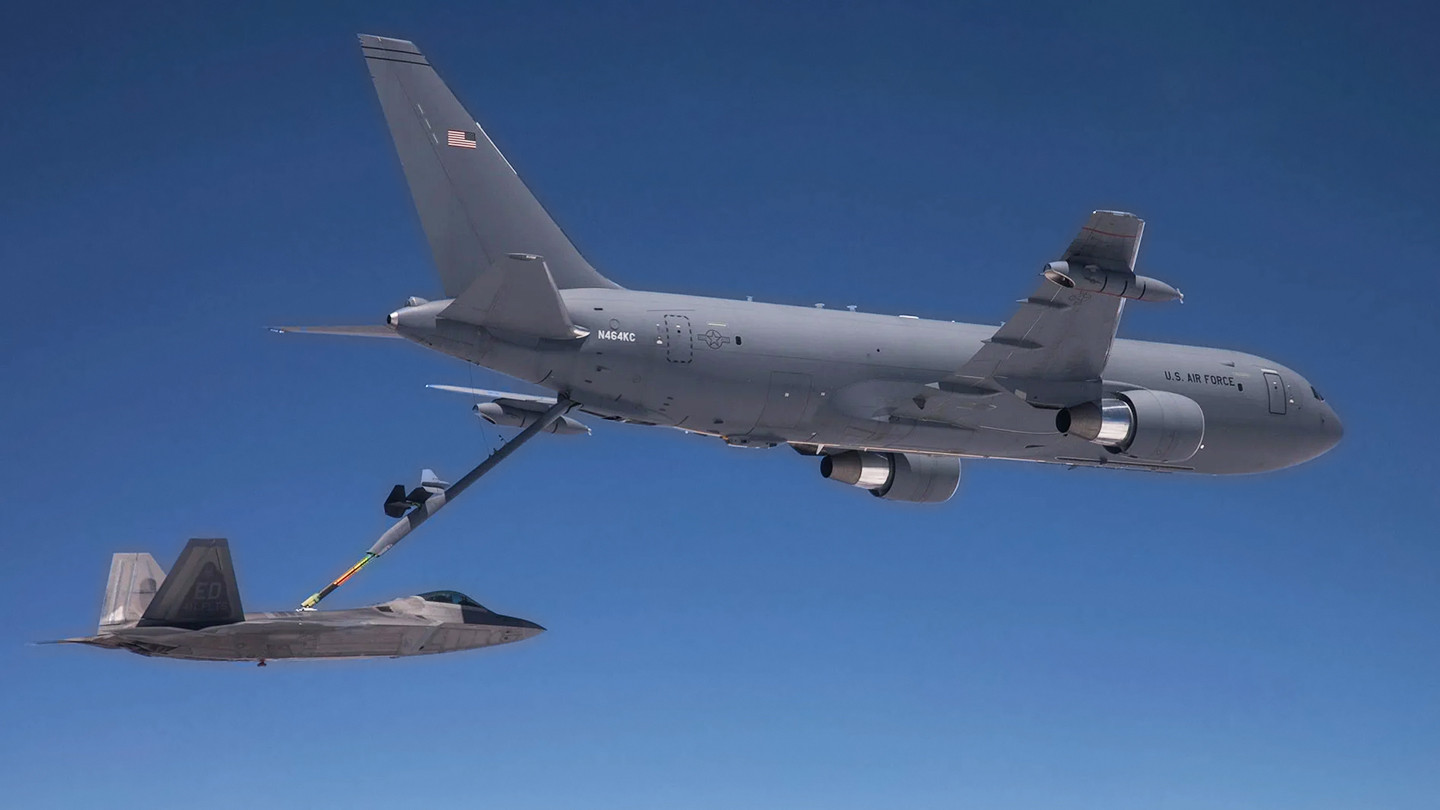
Boom On KC-46 Tanker Just Broke Off During F-22 Refueling Mission (Updated)
The KC-46 tanker had been refueling F-22 Raptor stealth fighters when the incident occurred.
www.twz.com
F-22 Raptors Will Be First To Control ‘Fighter Drone’ Collaborative Combat Aircraft
F-22 Raptors Will Be First To Control ‘Fighter Drone’ Collaborative Combat Aircraft
F-22s look set to be the first operational controllers for USAF CCAs, but many questions still remain about how those drones will be employed.
Was not the F-35 previously going to be the first CCA aircraft? I would have thought pairing CCAs with a super cruiser rather limiting to the manned aircraft.
- Joined
- 6 August 2007
- Messages
- 4,377
- Reaction score
- 9,187
Was not the F-35 previously going to be the first CCA aircraft? I would have thought pairing CCAs with a super cruiser rather limiting to the manned aircraft.
No.
Scott Kenny
ACCESS: USAP
- Joined
- 15 May 2023
- Messages
- 17,031
- Reaction score
- 24,167
It would require either:I would have thought pairing CCAs with a super cruiser rather limiting to the manned aircraft.
- launching the CCAs a long time ahead of the supercruiser and then the supercruiser picking up control of the CCAs as it arrived on scene (making the time-on-target calculations complex), or
- having supercruise-capable CCAs with similar range (read: expensive and not particularly attritable)

- Joined
- 30 May 2023
- Messages
- 564
- Reaction score
- 1,208
F-22 is the inevitable threshold a/c for CCAs. It’s here now and is in an upgrade path that will give it new sensors and comms via a narrow “slice” of open architecture in an otherwise proprietary set of mission systems. To me, CCA is a clear force multiplier for every F-22 mission I can think of, in a way that F-35 cannot claim, mostly bc of a more diverse and strike oriented set of missions.
- Joined
- 30 May 2023
- Messages
- 564
- Reaction score
- 1,208
Just bc Raptor can super cruise doesn’t mean that it will, or should. In fact, getting to the action a bit slower, but without generating a supersonic thermal signature and with more gas, is better most times than the reverse.It would require either:
- launching the CCAs a long time ahead of the supercruiser and then the supercruiser picking up control of the CCAs as it arrived on scene (making the time-on-target calculations complex), or
- having supercruise-capable CCAs with similar range (read: expensive and not particularly attritable)
I had thought that when the thousand CCA figure was first mentioned (by Kendal?) that the specific theoretical breakdown was two per 200 NGAD and two for 300 F-35. I had also thought I read somewhere that studies found that incr1 CCA would need F-35 cruise speed to be relevant, because that was the primary aircraft the first generation was being paired with. Perhaps I my memory is incorrect.
In any case I think the CCA program has moved past those initial deployment ideas.
Scott Kenny
ACCESS: USAP
- Joined
- 15 May 2023
- Messages
- 17,031
- Reaction score
- 24,167
Granted.Just bc Raptor can super cruise doesn’t mean that it will, or should. In fact, getting to the action a bit slower, but without generating a supersonic thermal signature and with more gas, is better most times than the reverse.
But if you want to have air combat CCAs that could keep up with a Raptor, you need to do what I said.
View: https://x.com/xuwei1133548/status/1945022017306042768
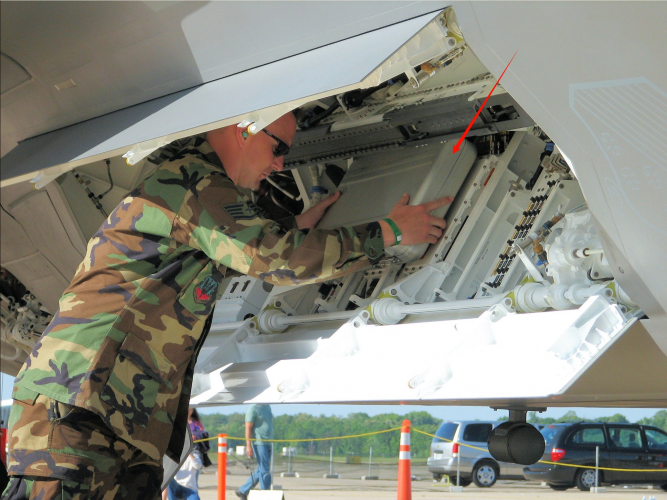
What is the white box he is putting into the weapon bay of the F-22?

What is the white box he is putting into the weapon bay of the F-22?
Sandboxx has a short video about the F-22 being the first aircraft to have drone wingmen:
It’s official, America’s F-22 Raptor will be the first operational fighters to receive the hardware upgrade necessary to control entire formations of drone wingmen as part of a much broader $11+ billion upgrade that’s already underway for these unparalleled stealth fighters.
Credit to The Warzone, who I believe was the first to break this story!https://www.twz.com/air/f-22-raptors-...

Soviet aircraft have a special box for the pilot's personal belongings. This is necessary when the aircraft changes its location. The box is approximately the same size.What is the white box he is putting into the weapon bay of the F-22?

Low IQ Techie
Low IQ, mid-aged, IT Engineer, Military enthusiast
- Joined
- 4 December 2022
- Messages
- 222
- Reaction score
- 490
What is the white box he is putting into the weapon bay of the F-22?
Tuxedo, shoes, socks, perfume, shaving kit, under-garments.

For females, may be entire SWB will be needed.
Last edited by a moderator:

We.lovejets
ACCESS: Restricted
- Joined
- 25 May 2023
- Messages
- 16
- Reaction score
- 174
Does anyone have the original photo of this YF-22 shot?

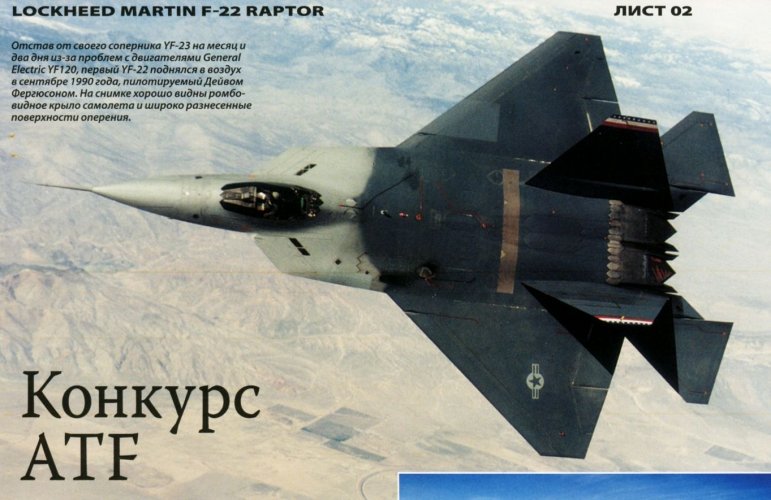
View: https://x.com/F111Driver/status/1949663598604702049
A fast turn with losing energy by the F-22A
A fast turn with losing energy by the F-22A

- Joined
- 1 April 2006
- Messages
- 12,028
- Reaction score
- 13,982
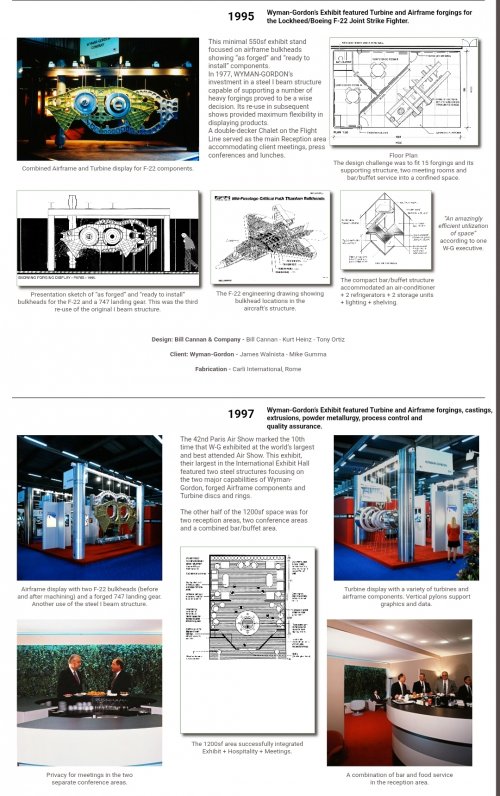
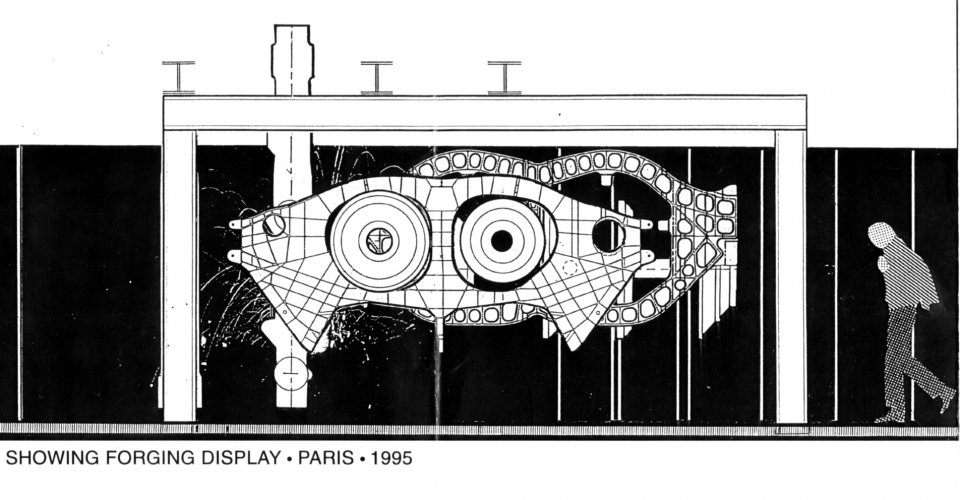
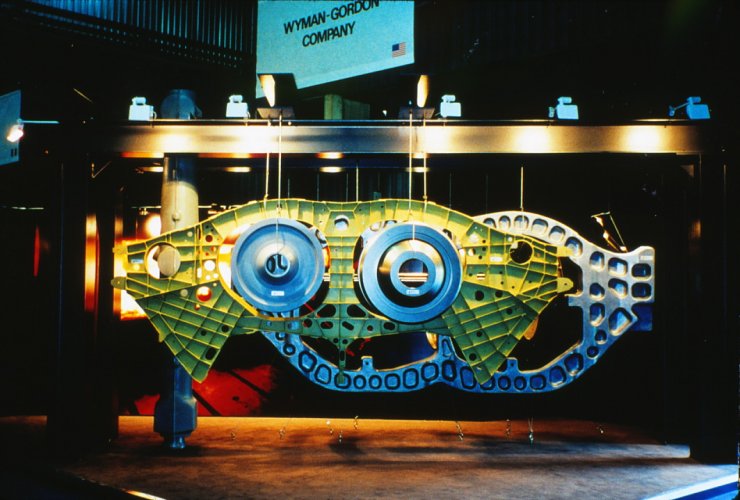
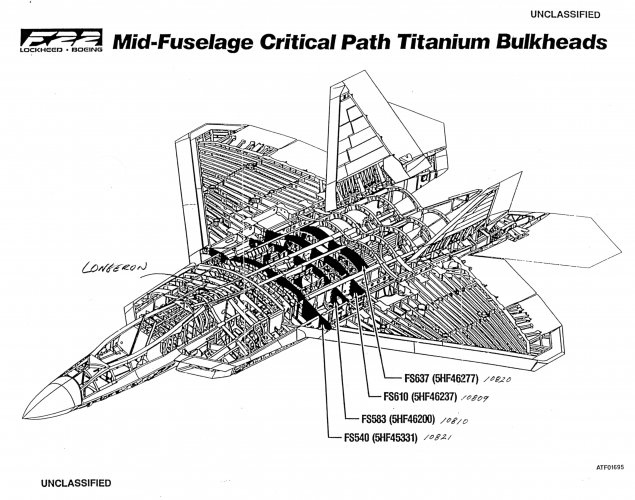
Paris Air Show Exhibits
Paris Air Show Exibits produced by Bill Cannan, 1976 - 1999
billcannandesign.com
Attachments

dumpster4
I really should change my personal text
- Joined
- 9 November 2017
- Messages
- 102
- Reaction score
- 202
"For the [industry] source, a better option would be to revisit a platform that never should have been retired: “Reopening the F-22 line and upgrading it would be smarter, cheaper, and faster. But doing so would force too many people in Washington to admit the truth—that the F-35 was never a true replacement.”
Last edited by a moderator:

Bounce
I like cheese.
- Joined
- 14 February 2011
- Messages
- 248
- Reaction score
- 696
What a load of horse manure.
"For the [industry] source, a better option would be to revisit a platform that never should have been retired: “Reopening the F-22 line and upgrading it would be smarter, cheaper, and faster. But doing so would force too many people in Washington to admit the truth—that the F-35 was never a true replacement.”
- Joined
- 6 August 2007
- Messages
- 4,377
- Reaction score
- 9,187
doing so would force too many people in Washington to admit the truth—that the F-35 was never a true replacement.”
F-35 was never intended to replace the F-22.
- Joined
- 30 May 2023
- Messages
- 564
- Reaction score
- 1,208
That post is trollish content and doesn’t appear to benefit this forum from a technical viewpoint (but it got Quellish to snap shoot!!!).
yeetmahboi
ACCESS: Top Secret
- Joined
- 6 April 2022
- Messages
- 967
- Reaction score
- 1,335
It's true that the USAF never officially pushed the F-35 as a replacement, but it has been argued so for the last 20 yrs, from amateurs to their own mouthpieces. Passing the stick to @LowObservable, if he has the time to rant again.
Defense Updates has put out a video concerning the F-22's upcoming $7.8 billion upgrade package:
The U.S. Air Force is set to pump nearly $7.8 billion into F-22 Raptor upgrades through 2029, marking a strategic shift to extend the jet’s operational relevance well into the 2030s. The bulk of this—$4.7 billion—is earmarked for procurement, while $3.1 billion supports research, development, testing, and evaluation efforts.
Two new key technologies will be incorporated.The upgrade program will outfit the 142 Block 30/35 F-22 Raptors with Low-drag external fuel tanks and a next-generation Infrared Defensive System (IRDS).
In this video, Defense Updates analyzes how $7.8 billion upgrade package will enhance the F-22 Raptor’s capabilities?
#defenseupdates #f22raptor #f22

I had the displeasure of forcing myself to watch through that entire thing. That video has no new information, just sloppy synthesis of information that one can find in greater detail and accuracy in this thread and various easily found articles published in the last few years.
Seriously, what was even the point? It looks like pure engagement farming.
Seriously, what was even the point? It looks like pure engagement farming.
Similar threads
-

-
Lockheed Martin F-16 Fighting Falcon Developments
- Started by seruriermarshal
- Replies: 698
-
 Lockheed Martin C-5M Super Galaxy replacement
- Started by Triton
- Replies: 46
-
Lockheed Martin F-35 Lightning II Joint Strike Fighter (JSF)
- Started by Triton
- Replies: 8K
-
