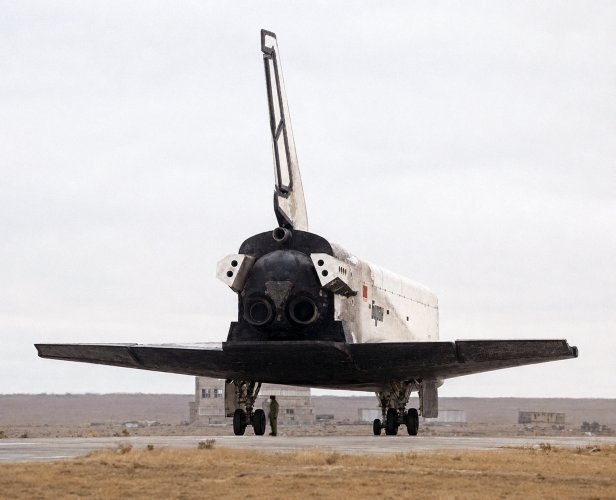
Source:
View: https://www.facebook.com/vadim.lukashevich.7/posts/pfbid0339cNUurJi3JBZTCxme5amQ7uFTdLcQnqbLuRmXNRmEKikfxhBj6K8Hvrkv9F4Xp9l
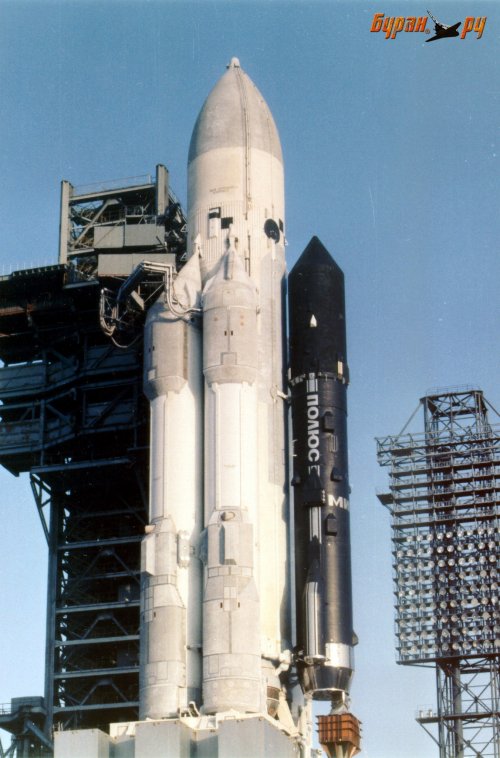
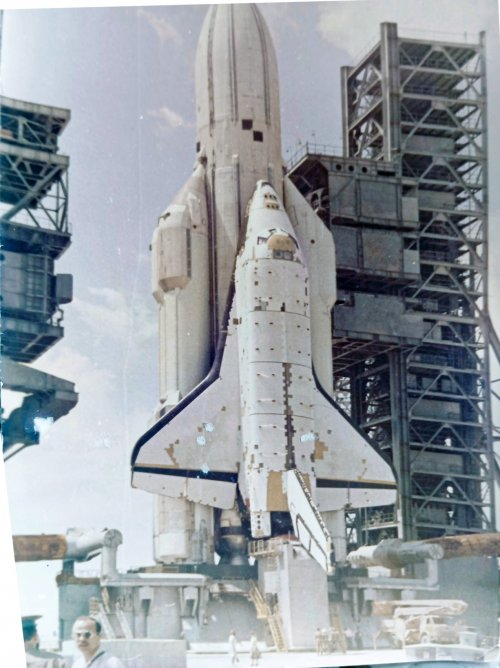
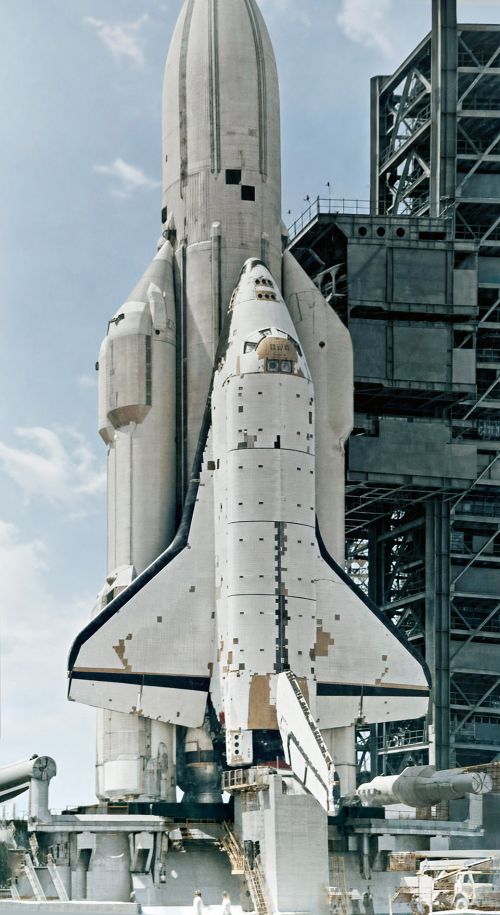
Yesterday we missed an interesting anniversary—39 years ago, on May 15, 1987, the first launch of the new Soviet super-heavy-lift carrier rocket “Energia” took place from Baikonur, carrying the “Polyus” spacecraft—the name given to the demonstration model of the 17F19DM (“Skif-DM”), weighing 79.6 tons and equipped with a megawatt-class excimer laser, which was developed as part of the “Skif” program in accordance with the tactical and technical requirements of the USSR Ministry of Defense (Main Directorate of Space Equipment) No. K-00561.
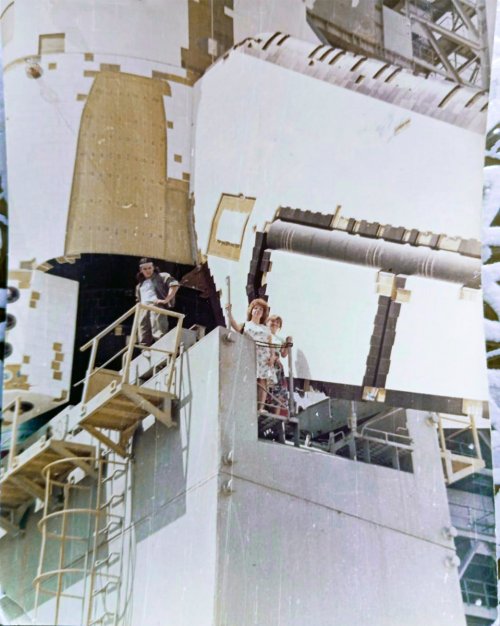
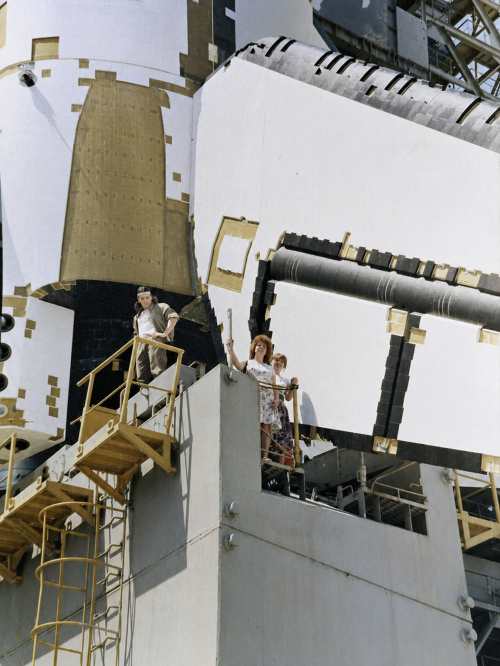
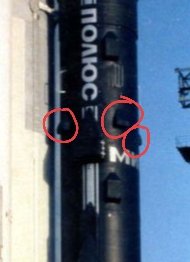
To mislead the enemy, the words “Mir-2” were painted in large letters on the black surface of the “Skif-DM” so that they would be visible from space during the horizontal transport of the “Polyus” to the launch complex.
On that day, the rocket performed normally, delivering “Polyus” to a transfer trajectory at an altitude of 110 kilometers, where it was supposed to fire its own engine and, with two thrust pulses, enter its target orbit. But due to a malfunction in the orientation system, the engine fired, delivering the specified thrust in the wrong direction, and “Polyus,” having flown along a suborbital trajectory, fell into the Pacific Ocean.
There is much that is interesting and still mysterious about this story; if you’re interested, check out the relevant section on my website
https://www.buran.ru/htm/cargo.htm or the memoirs of “Energia” chief designer Boris Gubanov
https://www.buran.ru/htm/35-3.htm
But the most interesting and detailed account of the entire project, including the launch, can be found in Konstantin Lantratov’s article “The Star Wars That Never Was”—this manuscript sat in a safe under two locks for many years until I posted it on my website,
https://www.buran.ru/other/skif-lan.pdf, at my own risk
But here’s what I’ll say—the true story of “Polus” (also known as “Skif”) has yet to be written. If you look at everything that has been published on this topic, it all boils down to the fact that the “Energia-Buran” system was created to launch a reusable orbital spacecraft into space, and since ‘Energia’ could fly without “Buran,” in the first test launch it flew with “Polus,” and subsequently, “Energia” was supposed to fly mainly with ‘Buran’ spacecraft and occasionally with “Skif” spacecraft.
In reality, it was exactly the opposite.
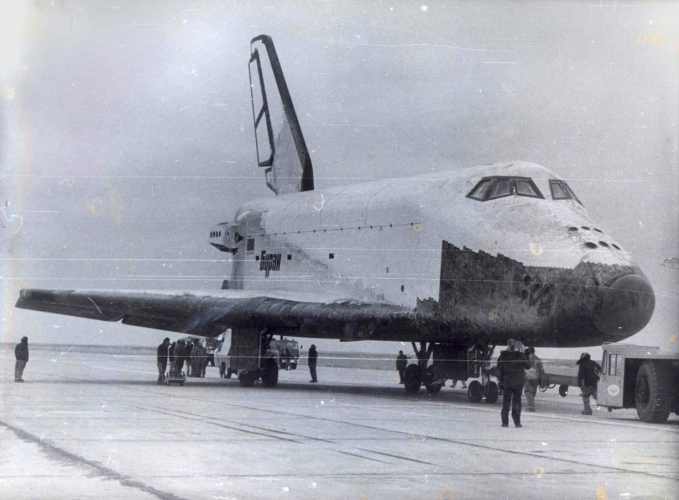
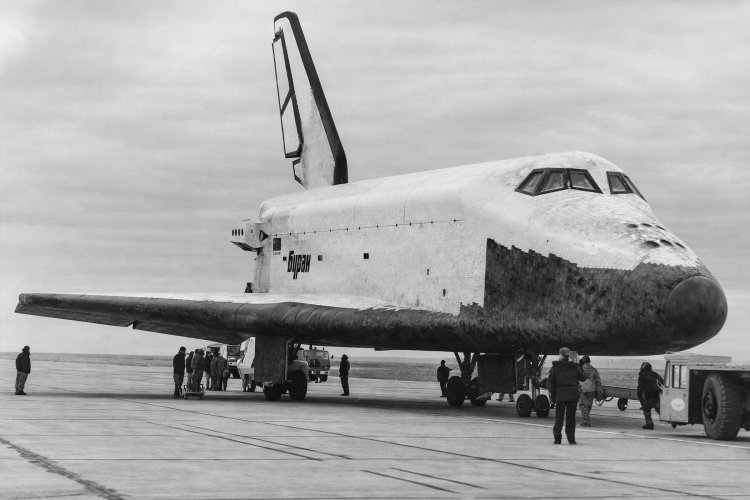
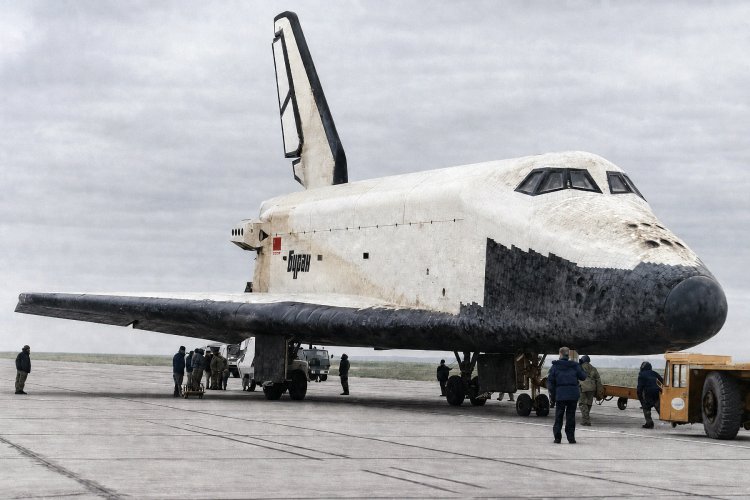
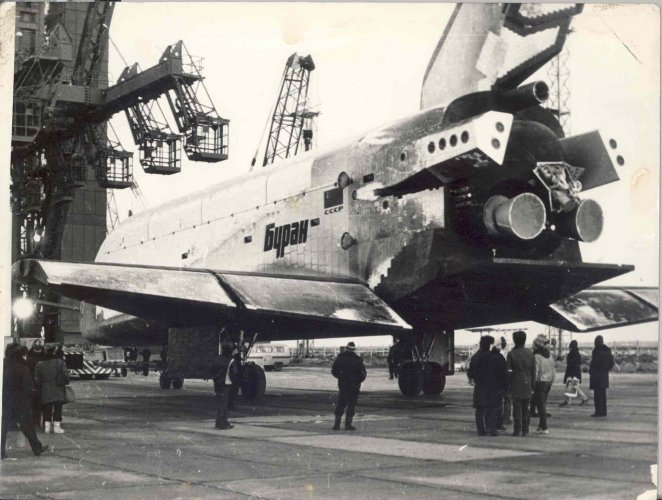
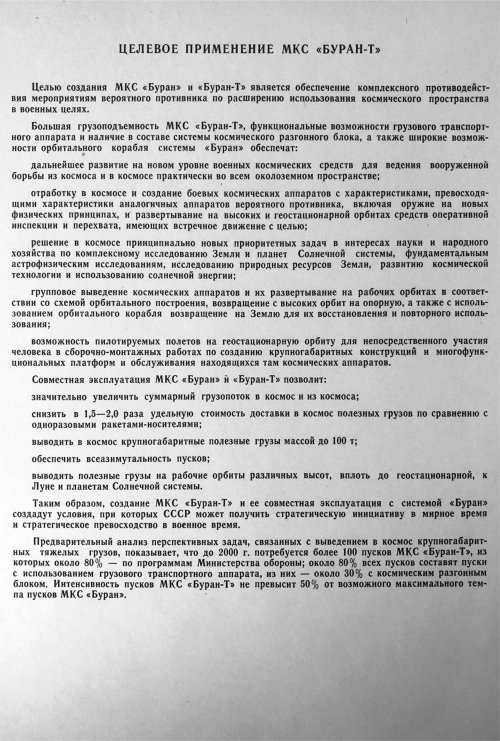
Yes, it all began with “Buran” as a response to the American Space Shuttle, but when it became clear after further study that the shuttle concept with two solid-fuel boosters and three main engines on the spacecraft was flawed (it was significantly inferior in payload capacity when launching from the latitude of Baikonur) and there was no point in repeating it—a decision was made to create a full-fledged launch vehicle with a side-mounted payload of up to 105 tons. This payload could have been either the reusable “Buran” or an independent payload with its own propulsion system. This is how the “Buran-T” variant emerged, which (note!) became the dominant one.
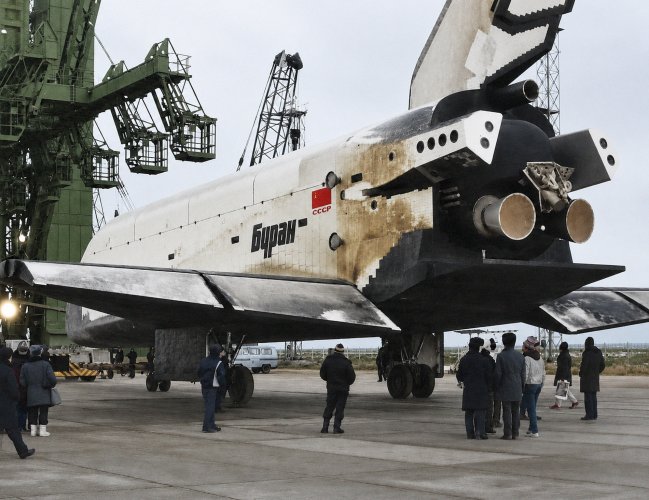
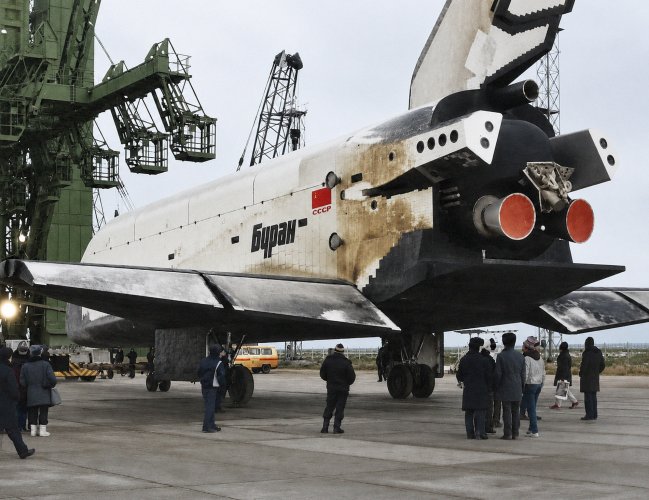
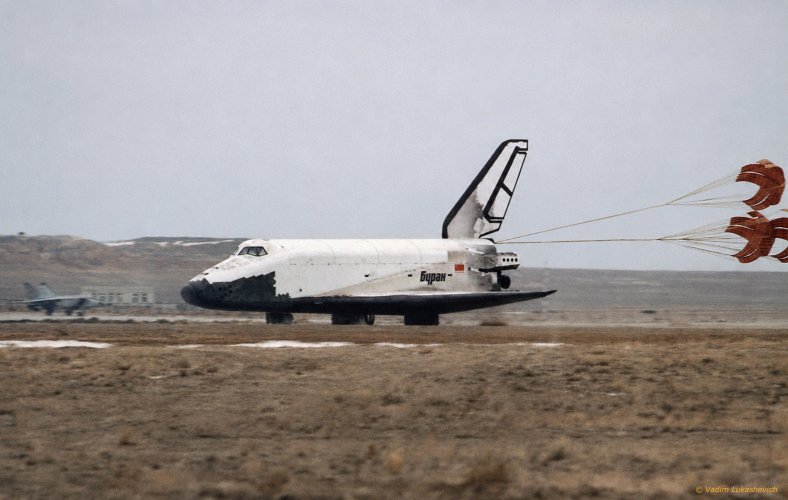
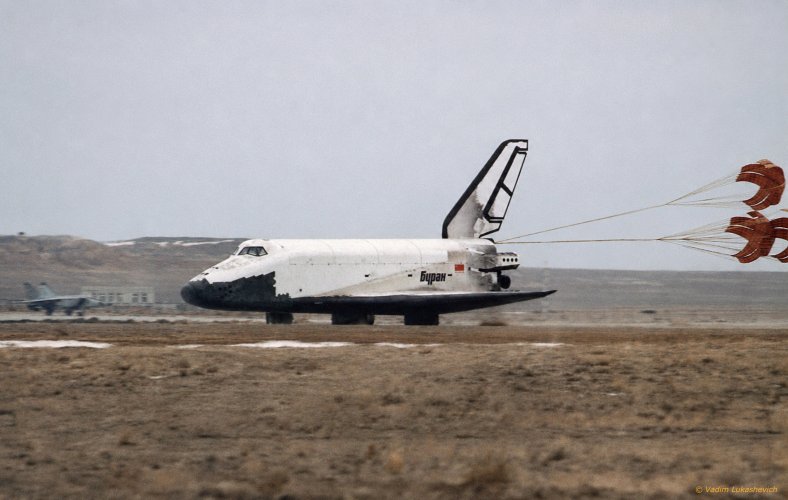
In fact, starting in 1983, the priority “Buran-T” was developed under the 11K26 program, while the 11F35 “Buran” winged spacecraft became secondary. For example, by the time of the first “Buran” launch in November 1988, plans for using the 11K26 system through the year 2000 called for four “Buran-T” launches for every “Buran” launch.
It was no coincidence that in May 1987, during a visit to Baikonur, Mikhail Gorbachev told the test engineers: “We are unlikely to find a use for the spacecraft, but the rocket will come in handy”—he was referring specifically to the “Buran-T.”
And the story of the “Buran-T,” which remained in the shadow of the Buran’s triumphant but solitary flight, has remained unknown...
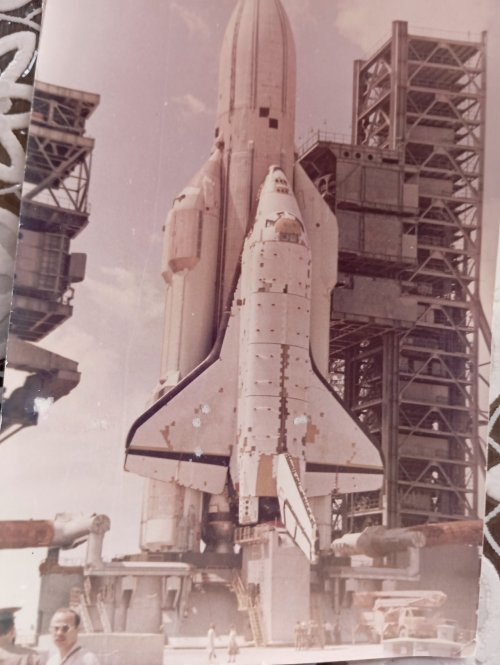
I’m not telling you what everyone already knows, but rather what only I know. That’s why, along with the photo of “Energia” and “Polyus” at the launch complex from my website
www.buran.ru, I’m publishing for the first time an excerpt from a document on “Buran-T” that sheds a great deal of light on the Soviet program to develop a reusable space transportation system.
Thus, the launch of “Energia” with “Polyus” 39 years ago was the first flight test of “Buran-T,” still without the cargo transport module (CTM).
I will add that according to the (still) classified Resolution of the Central Committee of the Communist Party of the Soviet Union and the Council of Ministers of the USSR dated December 19, 1981, No. 1206-371, the first two launches of “Energia” in 1985–1986 were to have been with mock-ups of the orbital spacecraft (which are now sitting at Baikonur, owned by Kazakhstan), and only the third launch was supposed to be the first launch of the “Buran-T” in 1987, but the development, testing, and trials of the spacecraft took too long, and the first launch was of the “Energia” flight test model (6SL) with ‘Polyus’—the prototype of the “Buran-T.”
I should note that it launched within the timeframe set by Government Decree No. 1206-371.


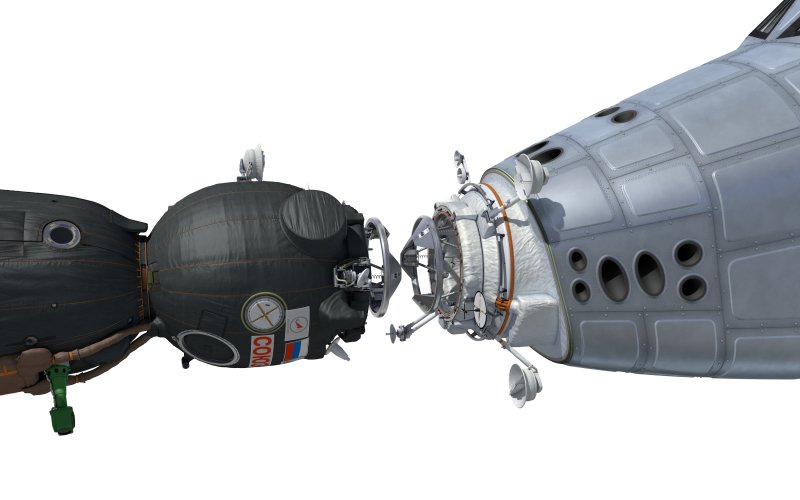 bolid-soyuz_005_1.jpg1.6 MB · Views: 230
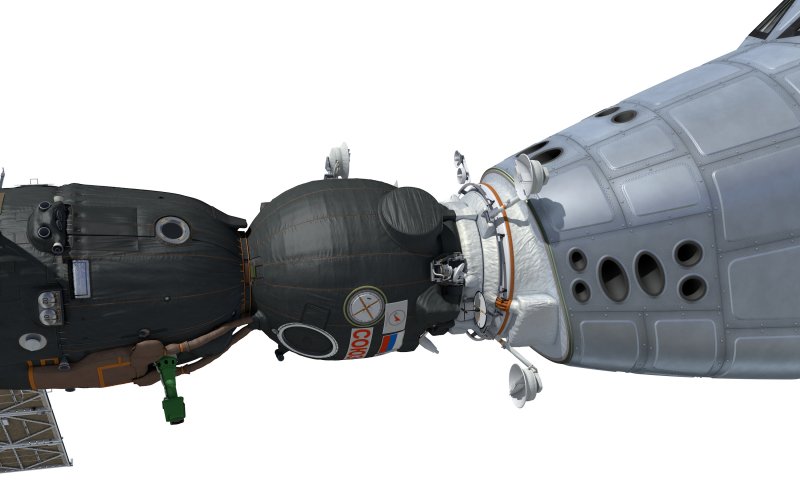 bolid-soyuz_005_2.jpg1.7 MB · Views: 62
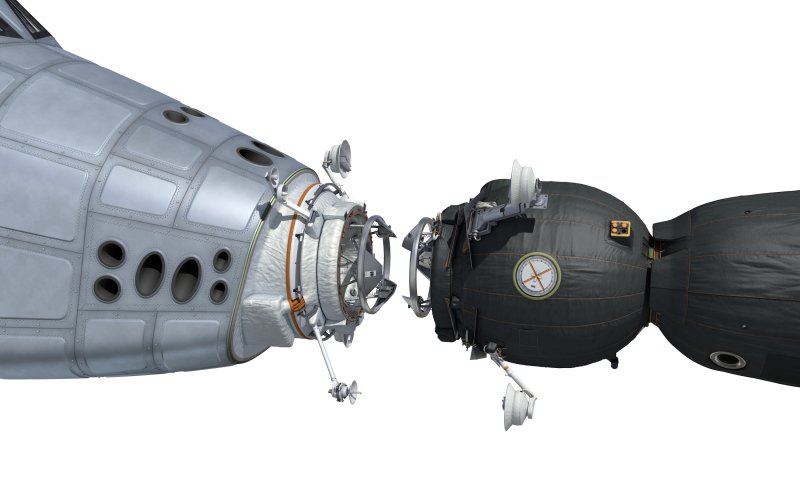 bolid-soyuz_007_1.jpg1.6 MB · Views: 42
 bolid-soyuz_007_2.jpg1.8 MB · Views: 43
 bolid-soyuz_017_1.jpg1.9 MB · Views: 39
 bolid-soyuz_017_2.jpg2 MB · Views: 41
 bolid-soyuz_021_1.jpg1.5 MB · Views: 41
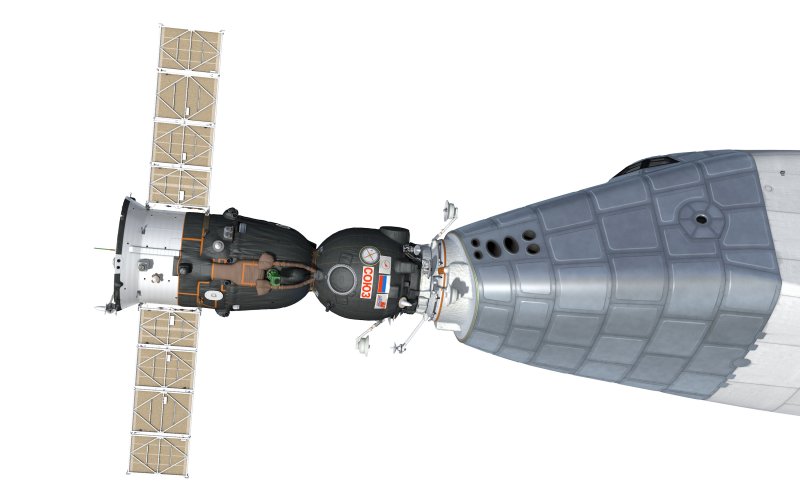 bolid-soyuz_021_2.jpg1.5 MB · Views: 54