US/FRG UNITED STATES/FEDERAL REPUBLIC OF GERMANY TACTICAL FIGHTER’ PROGRAMME
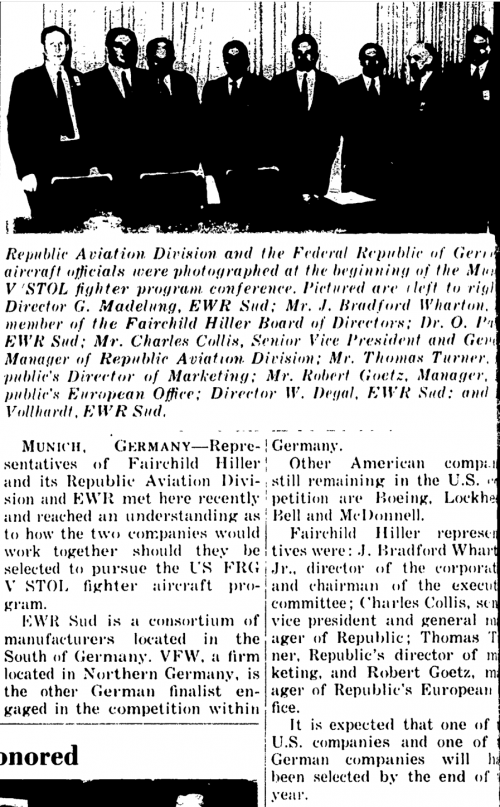
AIRFRAME PRIME CONTRACTORS: Fairchild Hiller Corporation, Republic Aviation Division, Farmingdale, Long Island, New York 11735, USA Entwicklungsring Sid GmbH, 8 Miinchen 26, Museumsinsel 1, Germany
INDUSTRIAL MANAGEMENT: EWR / Fairchild International, Munich, Germany
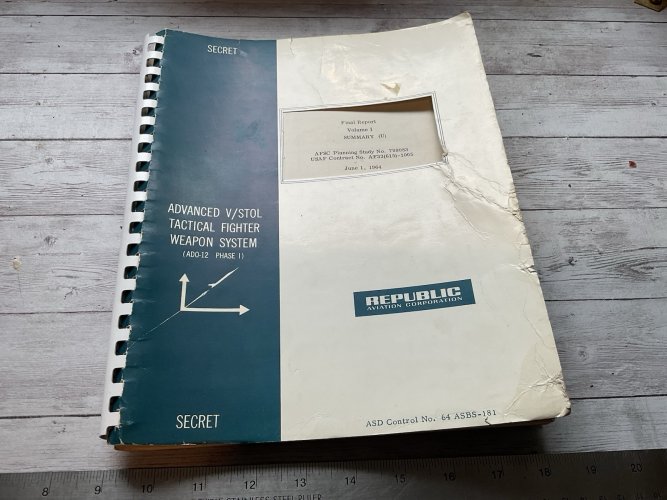
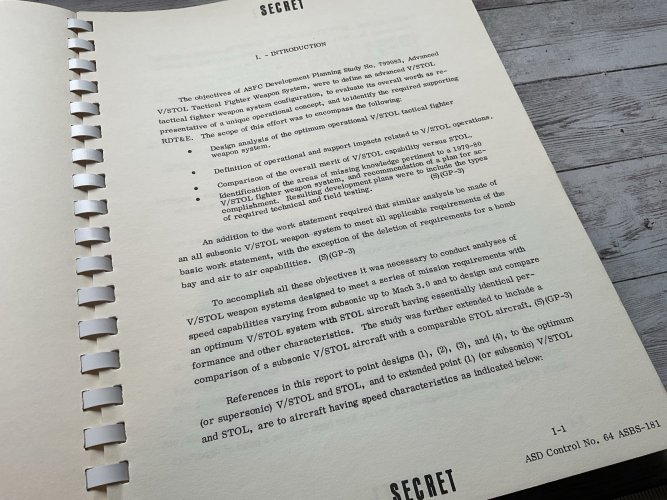
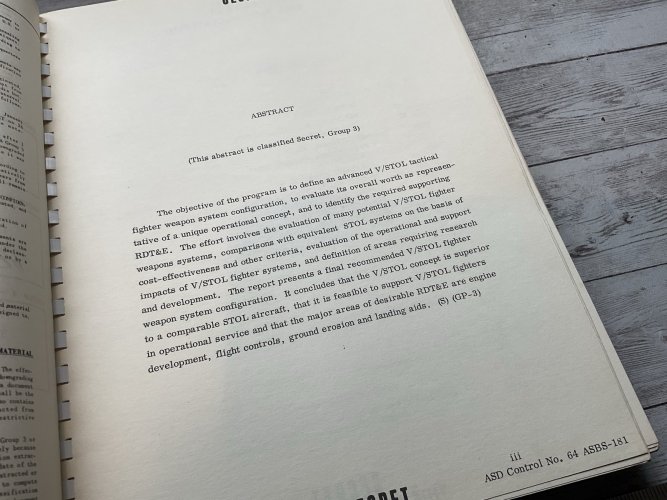
The aim of this bi-national programme is the study, development and construction of a highly-flexible advanced weapon system, embodying vertical and/or ultra-short take-off capability, to replace the Starfighter aircraft at present in service with the Luftwaffe and some types of current USAF tactical combat aircraft. The US/FRG project was initiated by a German American Memorandum of December 12, 1964, on the joint development of weapon systems, and the signing of the “Statement of Desired Work for a US/FRG Design Study”, of February 2, 1965. During 1965-66, eighteen US and two German companies put in proposals in answer to a government request. In November 1966, a US/FRG government committee designated EWR of Germany and Fairchild Hiller’s Republic Aviation Division as equal partners to perform initially the Project System Definition Phase (SDP). EWR and Fairchild Hiller have company EWR/Fairchild for industrial management of the during the seven-month SDP which began on April 24, 1967. After evaluation of the SDP study, the two governments will decide whether or not to proceed with the construction of prototypes. The inter-government agreement provides for the manufacture of twelve prototypes. Government management of the programme is the responsibility of a joint German American Programme Office at Wright-Patterson AFB, Ohio, USA.
US/FRG PROJECT
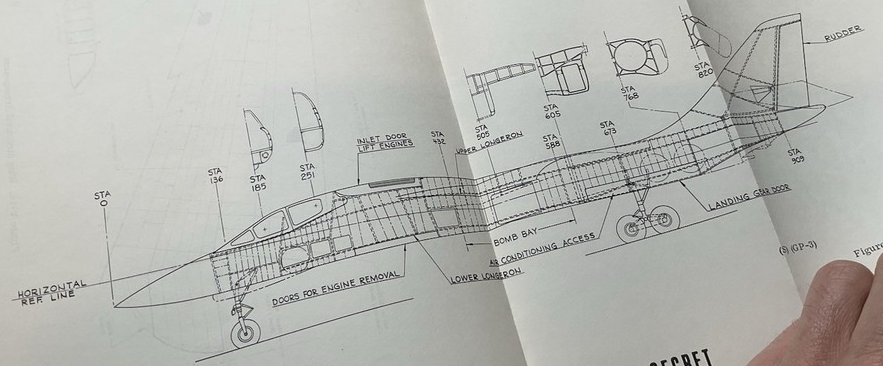
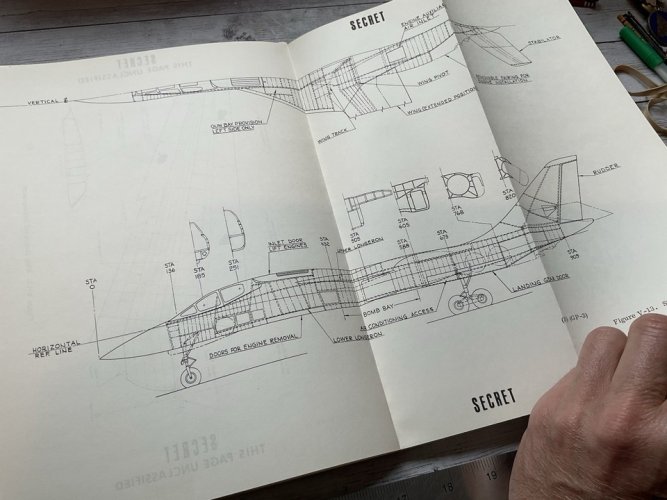
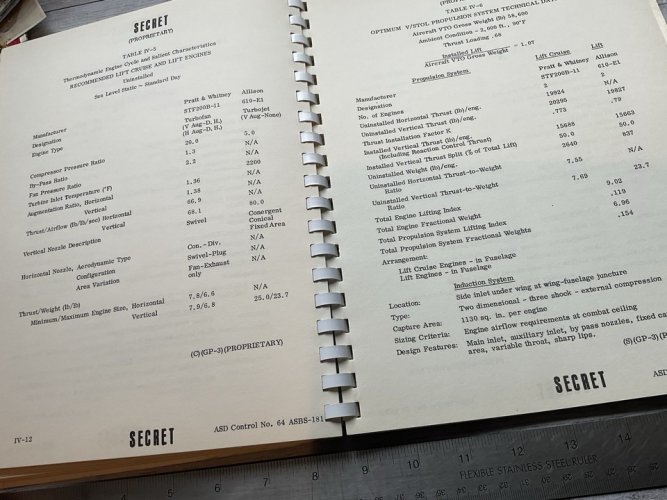
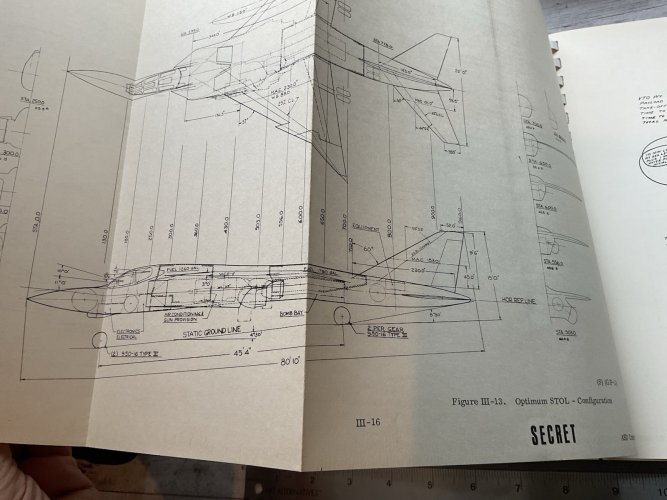
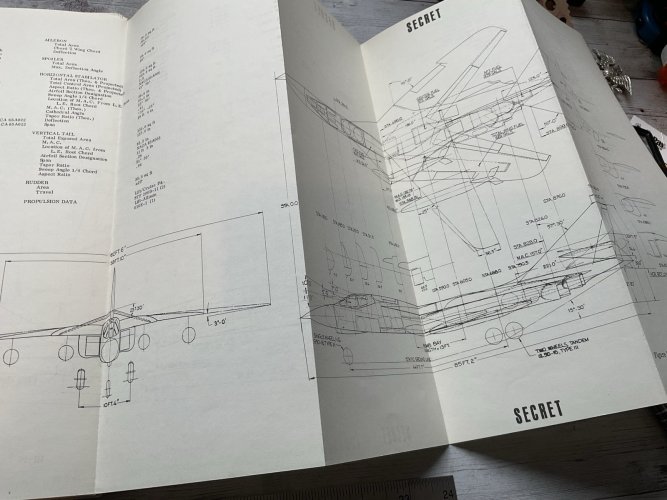
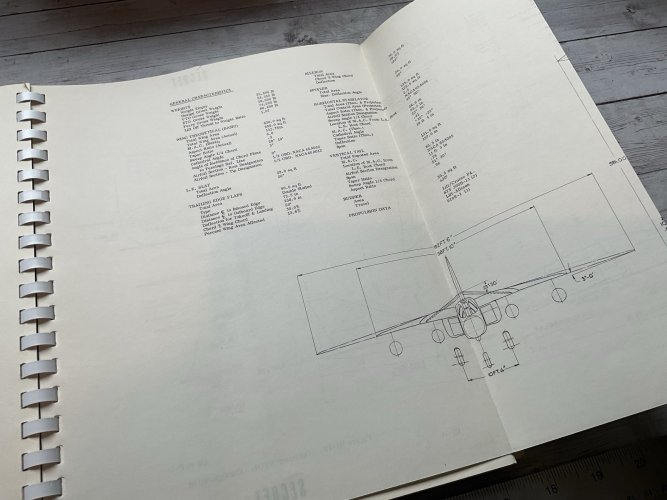
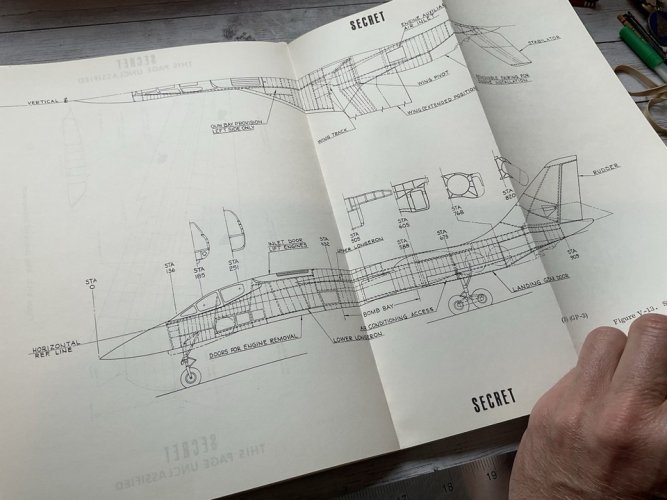
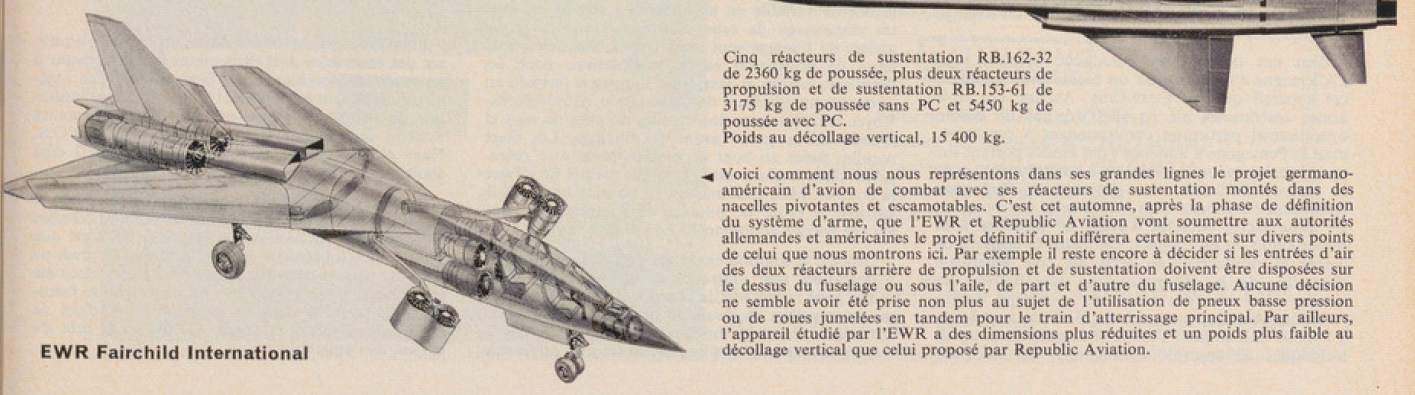
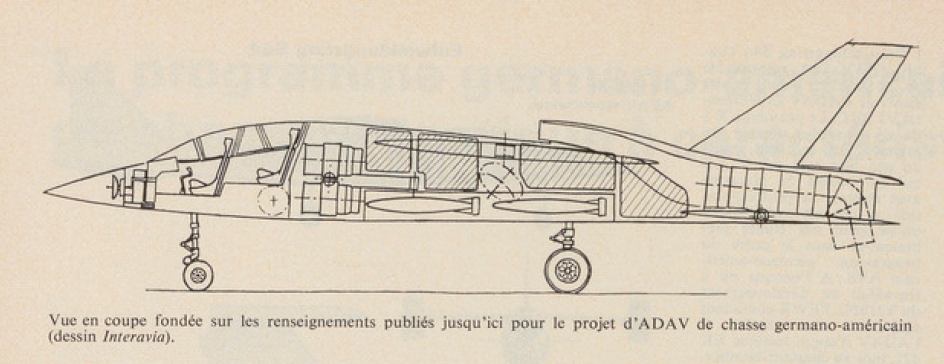
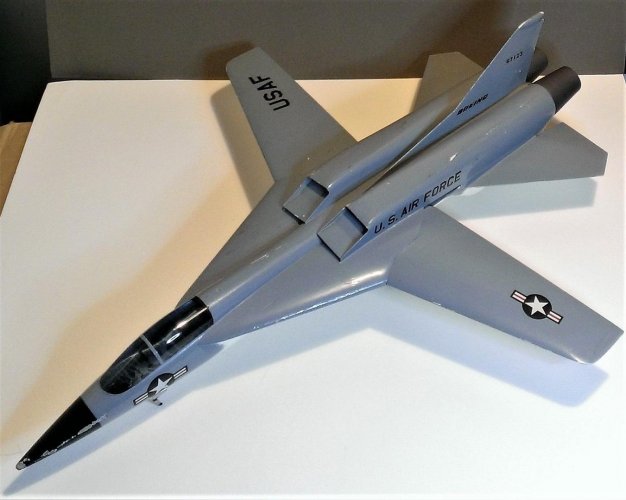
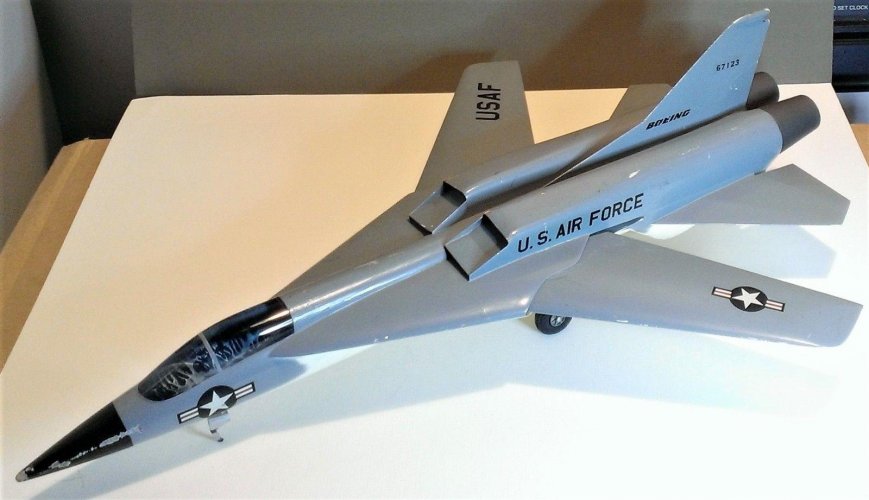
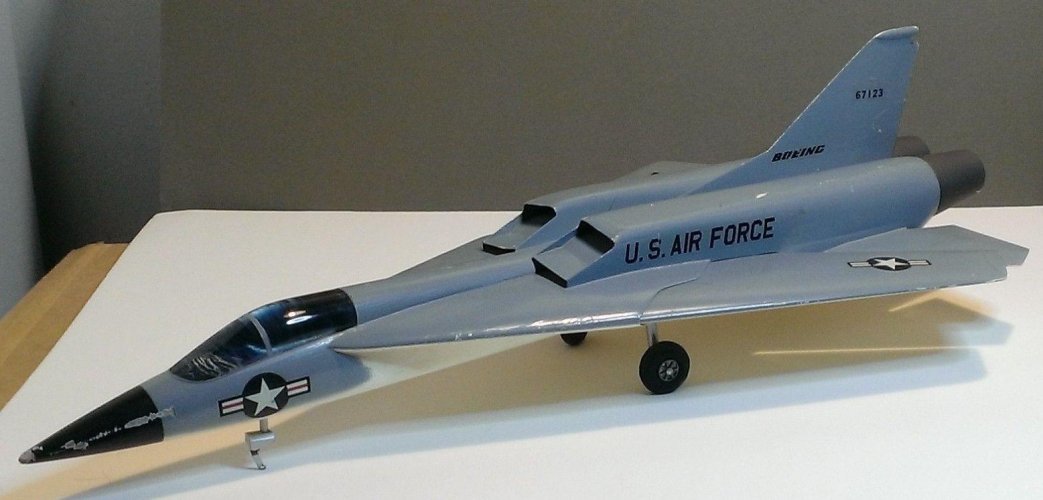
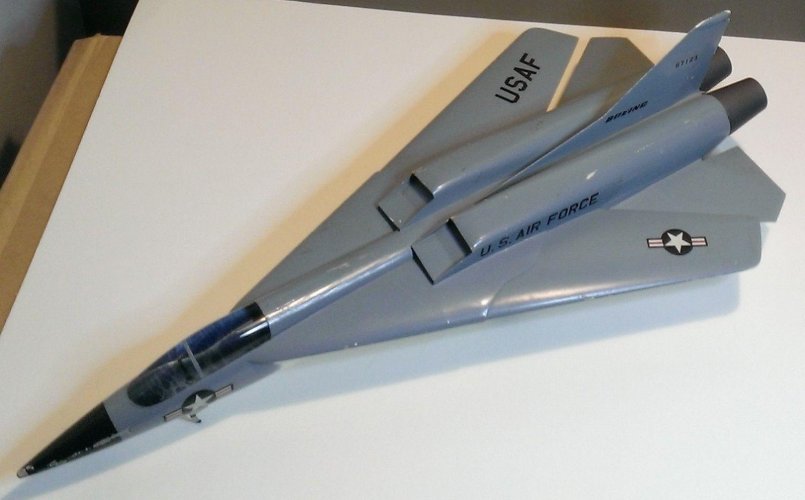
Detailed specifications of the US/FRG fighter are classified, but the adjacent illustration shows a model of one of the design studies that was exhibited at the 1967 Paris Air Show. It represents a medium-weight tactical fighter, eapable of operating conventionally, from short airstrips, or vertically. The fighter will have variable-geometry wings and will be powered by both lft and lift-cruise engines. The lift engines are being developed jointly by Allison in the USA and Rolls-Royce in the UK. Four of them will be fitted, in pairs, on arms which swing out from each side of the fuselage just forward of the wing leading-edges. They will be able to tilt in varying degrees from the horizontal, to provide vertical lift or short take-off capability. In an emergency, they could be used to give the aircraft a ‘“‘return-home”’ capability after failure of the main lift-cruis« engines. When not in use they will retract into the fuselage. The turbofan lift-cruise developed by the US government. The competition for their development and production is between Pratt & Whitney and General Electric. Two of the engines will be mounted side-by-side in the rear fuselage and will be fitted with tilting nozzles so that they can provide deflected thrust during take-off. A crew of two will be carried in tandem, the second man serving as back-up pilot or in any other role demanded by be flown.