- Joined
- 25 July 2007
- Messages
- 4,917
- Reaction score
- 5,538
Société Dyle et Bacalan - 1924-1929
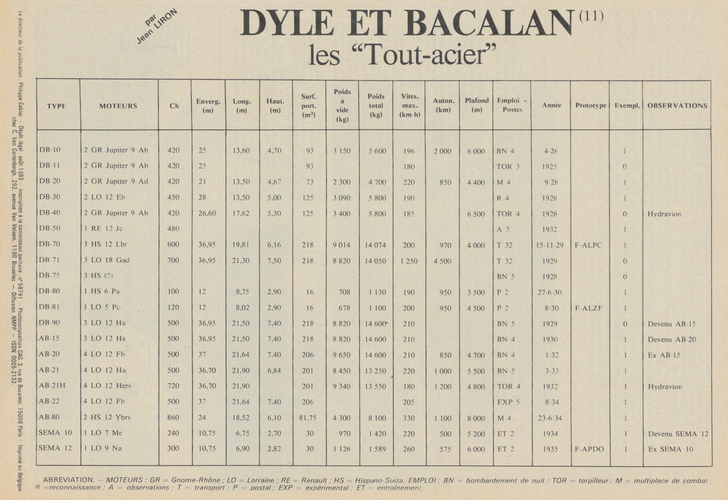
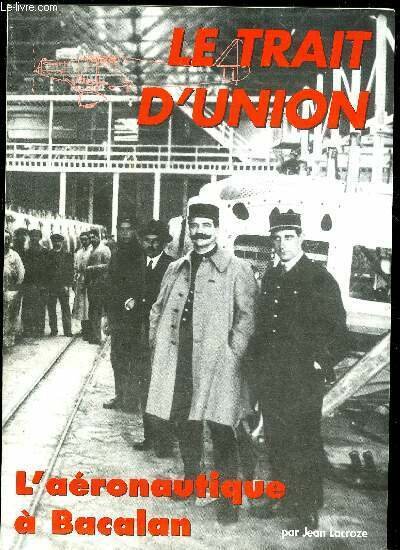
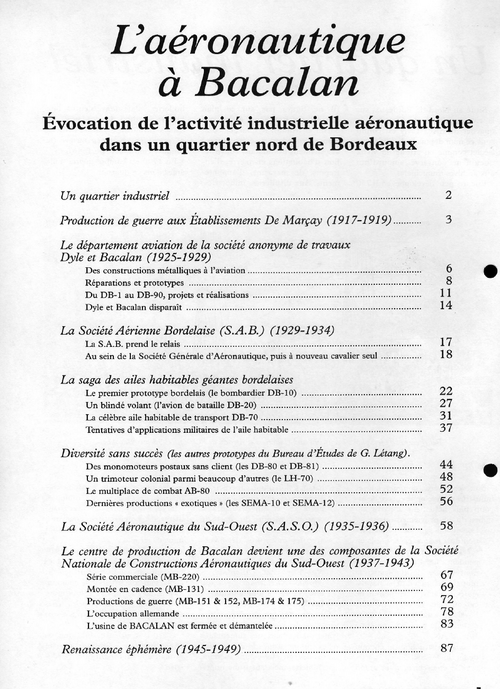
In 1924, shipbuilders Société de Travaux Dyle et Bacalan of Bordeaux established an aeronautical division to design and build aircraft of all-metal construction. This shipbuilding firm went bankrupt in 1928 and was bought by the Ateliers et Chantiers Maritimes du Sud-Ouest to form the Ateliers et Chantiers Maritimes du Sud-Ouest et de Bacalan Réunis. Aircraft design and construction was then taken over by the Société Aérien Bordelaise (SAB).
Note that 'DB' designations were initially carried over into 1930 by the newly-formed SAB.
Dyle et Bacalan 'DB' Aircraft Designations
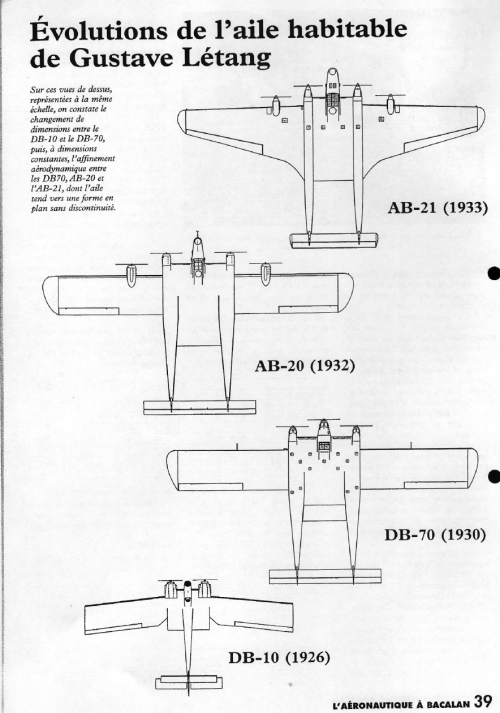
DB 1 - (Project) 1924 twin-engined; lifting-body bomber
- DB 1 : Braced high wings; fixed undercarriage
- DB 1 : 2 x (??) hp (??) engines;* span; 18.00 m
-- * Unclear if annular-radial V12s or radial engines?
DB 2 - (Project) 192? twin-engined; lifting-body a/c
- DB 2 : Led to DB 20; no details (??); see reply #3
DB 10 - 1926 twin-engined, heavy night bomber prototype
- DB 10 : High-wing monoplane; lifting body centre section
- DB 10 : 2 x 480 hp Gnome-Rhône 9A Jupiter; span 25.00 m
- DB 10H: (Project) Hydro; twin float-seaplane derivative
- DB 10 Bn4: Armée de l'Air desig.; Bomber, nuit, 4-place
-- https://www.secretprojects.co.uk/threads/dyle-bacalan-société-aérienne-bordelaise-sab-projects.4843/#post-41171
- DB 11 : (Project) Inline-engined DB 10 development
- DB 11 : Revised wing planform with no sweep-back
-- https://www.secretprojects.co.uk/threads/dyle-bacalan-société-aérienne-bordelaise-sab-projects.4843/#post-119934
DB 20 - 1929 twin-engined; 4-seat; armoured attack a/c; x 1
- DB 20 : All-metal monoplane; lifting body centre-section
- DB 20 : 2 x 420 hp Gnome-Rhône Jupiter 9Ad; span 21.00 m
- DB 20 : Once fitted, armour plating diminished performance
DB 30 - 1928 twin-engined; 4-seat; monoplane recce a/c; x 1
- DB 30 : All-metal constr.; lifting body centre-section
- DB 30 : 2 x 450 hp Lorraine 12Eb Courlis W-12s; span 28.00 m
DB 40 - (Project) 1928 twin-engined torpedo-bomber floatplane
- DB 40 : Airframe derived from the DB 30 reconnaissance aircraft
- DB 40 : 2 x 420 hp Gnome-Rhône Jupiter 9A; span 27.60 m
- DB 40 : Cantilevered high-wings with 'lifting-body'; twin floats
DB 50 - (Project) 193? single-engined observation sesquiplane
- DB 50 : To an A3 requirement to replace Breguet Bre XIX/19
- DB 50 : 1 x 480 hp Renault 12 Kd V-12 engine; span (??) m
DB 60 - (??) no details; poss. a development of DB 30
- DB 60: see reply #3
DB 70 - 1929 trimotor; braced-monoplane; 3+28 airliner; x 1
- DB 70 : All-metal constr.; lifting body centre-body/cabin
- DB 70 : 3 x 600 hp HS 12Lbr V-12 engines; span 37.00 m
- DB 70 : 3 x crew; 28 x diurnal pax, 24 x 'sleeper' pax
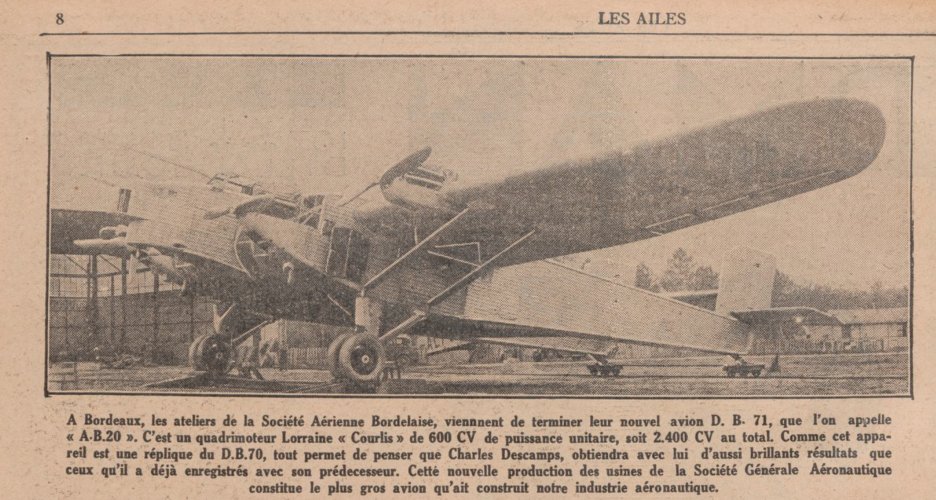
- DB 71 (I) : (Project) Higher-powered DB 70 airliner deriv.
- DB 71 : 3 x 700 hp Lorraine 18Gad Orion; span 37.00 m
- DB.71: Abandoned with end of work on the Orion W-18
- DB 71 (II): 4-engined bomber derivative of BD 70/DB 71 (I)
- DB.71: 4 x 600 hp Lorraine 12Fb (or 12E) Courlis W-12s
- DB.71: aka SAB AB.20 (qv); see replies #18 and #19
-- * NB: Contemporary confusion with AB 15 bomber design
- DB 72 - DB 74: (??) hypothetical designations
- DB 75 : (Project) For BN.4 programme; redesig. DB 90
DB 80 - 1930 all-metal; high-wing monoplane; mailplane x 2
- DB 80 : Corrogated constr.; cantilever wing; cabin a/c; x 1
- DB 80 : 1 x 100 hp Hispano-Suiza 6P 6-cyl.; span 12.00 m
- DB 81 : Mailplane; 1 x 120 hp Lorraine 5Pc ('120CV') radial
DB 90 - (Project) 1930 twin-boomed; 4-seat; night bomber
- DB 90 : Redesignated DB 75 variant of DB 70 airliner
- DB 90 : 3 x (??) hp (??) engines; span 37.00 m (??)*
-- * Assuming span is unchanged from DB 70 airliner
Société Aérienne Bordelaise (SAB) - 1929-1934
As noted above, the aviation assets of the bankrupt Société Dyle et Bacalan were refounded as the Société Aérienne Bordelaise on 25 July 1929. The Société Aérienne Bordelaise was established with funding assistance from the Bordeaux region and from Nieuport-Delage.
Former Dyle et Bacalan engineer Létang became directeur général of SAB and continued development of several designs under their prior 'DB' designation sequence. Some of these would be redesignated under a new SAB 'AB' series.
Société Aérienne Bordelaise 'AB' Aircraft Designations
AB 15 - (Project) 1930 twin-boomed 5-seat heavy bomber
- AB 15 : Development of the Dyle et Bacalan DB 70 airliner
- AB 15 : 4 x 610 hp Lorraine 12 Fb Courlis; span (??) m
- AB 15 : Redesigned as AB 20 (qv) as the design evolved
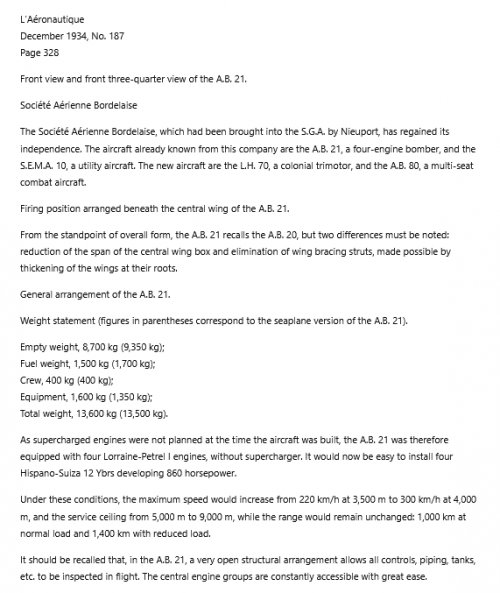
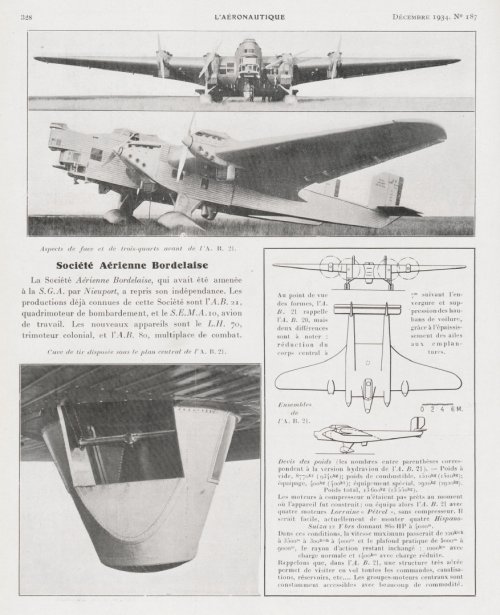
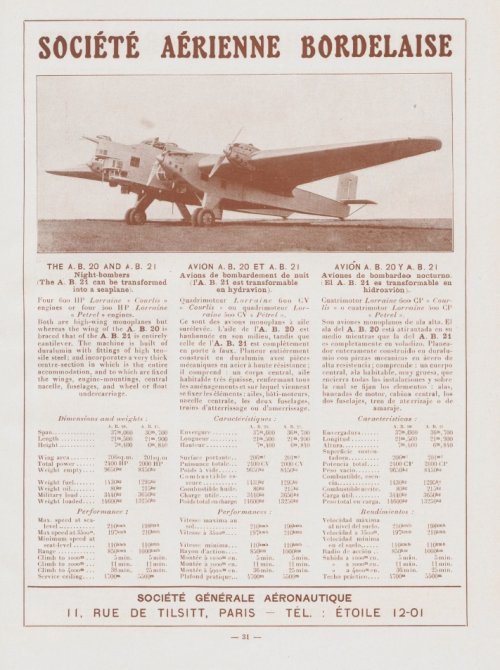
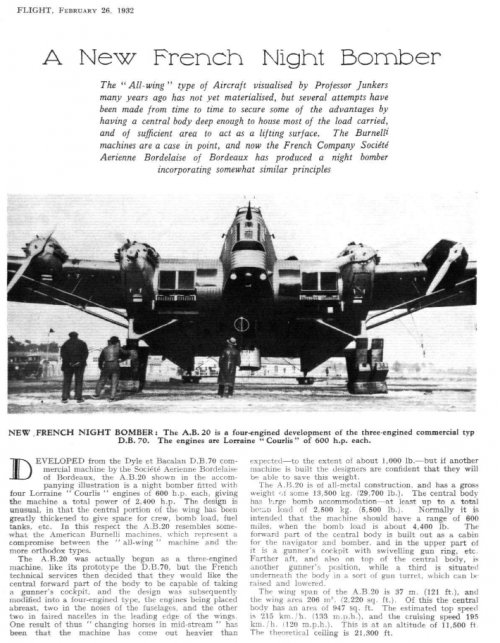
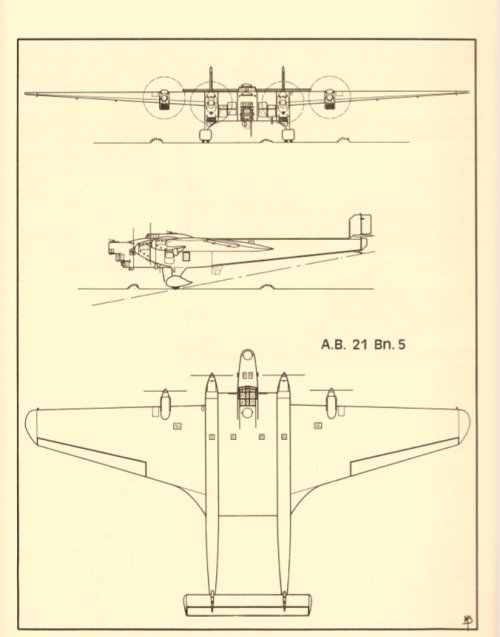
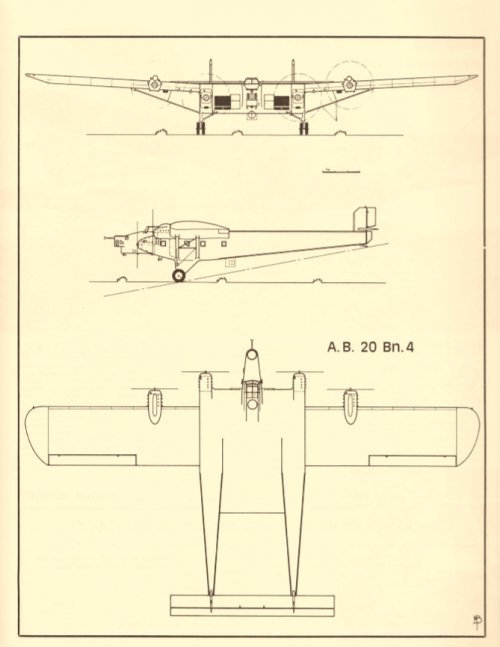
AB 20 - 1932 4-engined; twin-boomed; heavy bomber; x 1
- AB 20 : Initially, a redesignation & continuation of AB 15
- AB 20 : (As built) With nose gun & bombardier positions
- AB 20 : 4 x 600 hp Lorraine 12Fb Courlis; span 37.00 m
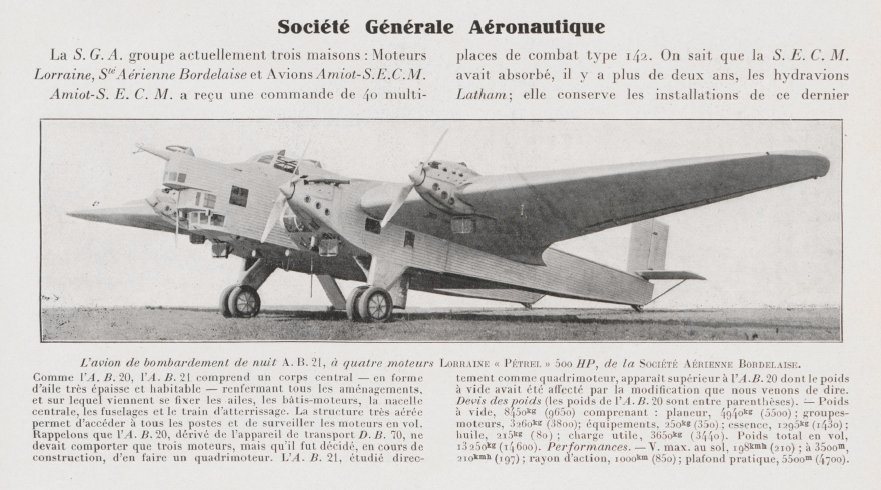
- AB 21 : 1933 refined AB 20 devel. with new tapered wings
- AB 21 : 4 x 500 hp Lorraine 12Ha Pétrel;* span 36.70 m
-- * Planned re-engining from Pétrels to 860 hp HS 12Ys
- AB.21H: (Project) 1934 torpedo/recce bomber floatplane
- AB 22: Prototype AB 20 revised from bomber to attack role
- AB 22: 1934; fitted w/ sideways-fire 75 mm gun; 5 x crew
-- AB 22 abandoned; gun firing resulted in wing skin damage
AB 30 - (Project) 4-engined bomber; no details (??)
AB 40 - AB 60 (??) hypothetical designations; see reply #3
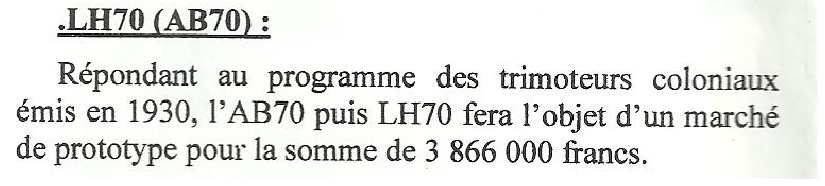
AB 70 - Marketing designation for Lorraine Hanriot LH 70
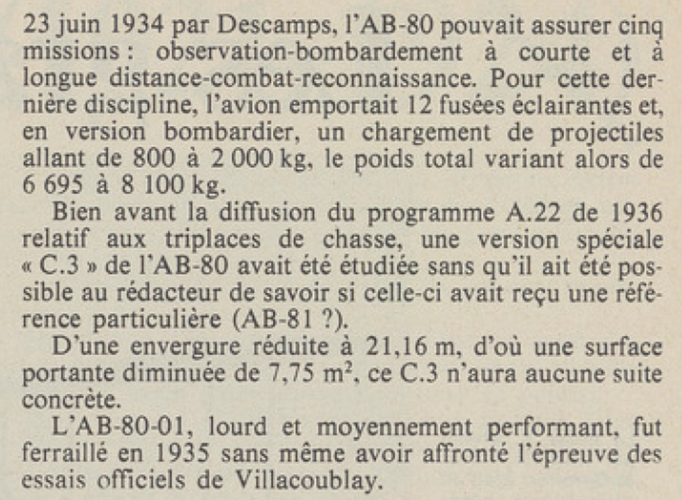
AB 80 - (Project) 1934 high-winged; twin-engined military a/c
- AB 80 : 4-seat multiplace de combat; twin fins & rudders
- AB 80 : 2 x 860 hp HS 12Ybrs V12 engines; span 18.52 m
- AB 80 : Covered cockpit; fore & aft machine gun positions
-- https://www.secretprojects.co.uk/attachments/société-aérienne-bordelaise-sab-80-bn-5-les-ailes-no-1-741-15-septembre-1959-jpg.134512/
AB 90 - (??) hypothetical designation; see reply #3
Societé d'Etudes de Materiel d'Aviation 'SEMA' Designations
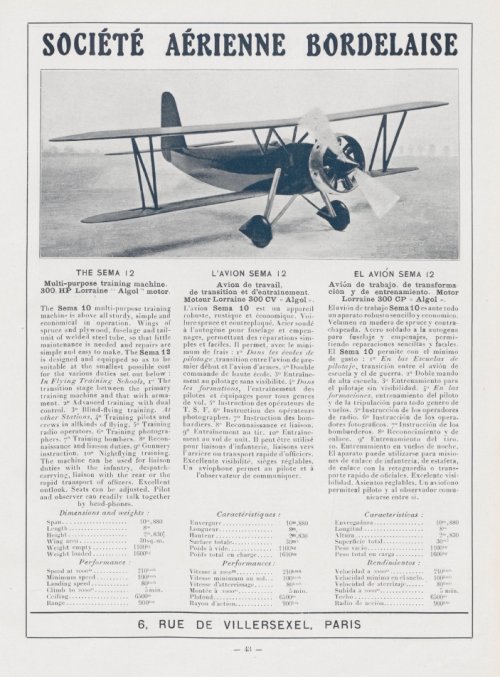
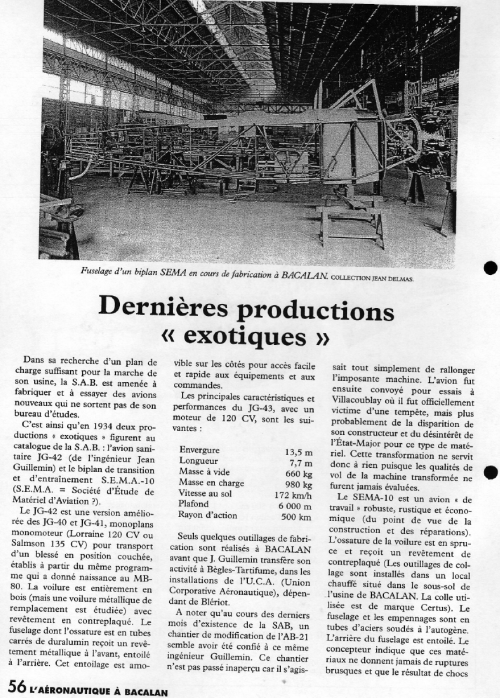
The SEMA 10 biplane trainer was constructed (under contract?) by the Société Aérienne Bordelaise. This unsuccessful trainer prototype was later converted into the more powerful SEMA 12. This airframe is often assigned a 'SAB SEMA' designation prefix.
SAB SEMA 10 - 1933 military intermediate trainer; x 1
- SEMA 10: Tandem 2-seat; single-bay biplane trainer
- SEMA 10: 1 x 240 hp Lorraine 7Mc Mizar; span 8.75 m
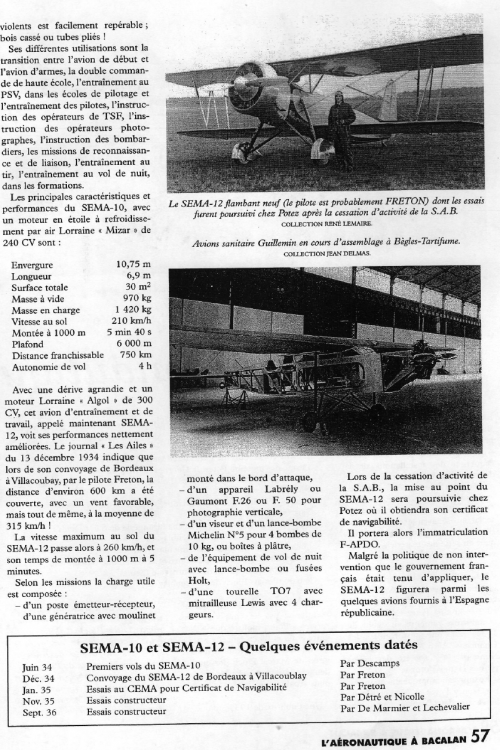
-- SEMA 10 prototype rebuilt as more powerful SEMA 12
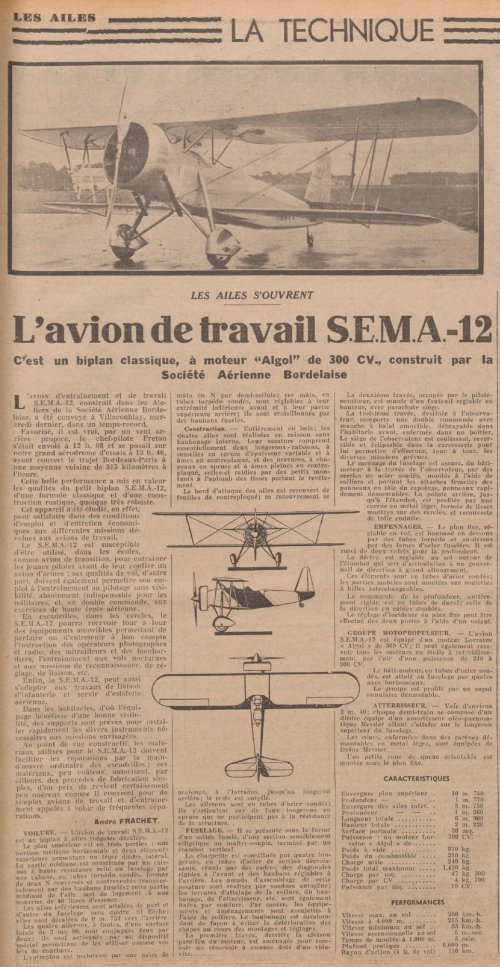
SAB SEMA 12 - 1934 military advanced trainer biplane
- SEMA 12: Rebuilt/re-engined SAB SEMA 10 prototype
- SEMA 12: 1 x 296 hp Lorraine 9Na Algol; span 10.88 m
- SEMA 12: Townend ring; spatted u/c; enlarged tailplane
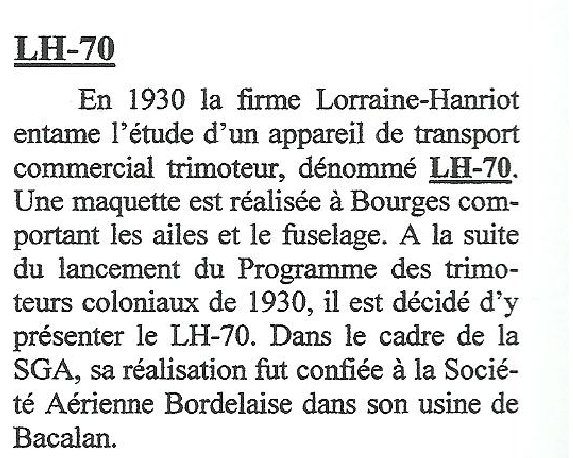
SAB also constructed the prototype LH 70 colonial transport. As that designation shows, this high-wing monoplane was a Lorraine Hanriot design. SAB marketed this aircraft under its original Lorraine Hanriot designation. That said, the aircraft is often referred to as the SAB (or Bordelaise) LH 70. So, for completeness ...
SAB (Lorraine Hanriot) LH 70 - 1931 colonial aircraft; x 1
- LH 70 : High cantilever-winged monoplane transport
- LH 70 : 3 x 300 hp Lorraine 9N Algol; span 24.00 m
-- LH 70 suffered poor lateral stability & engine vibrations
In 1924, shipbuilders Société de Travaux Dyle et Bacalan of Bordeaux established an aeronautical division to design and build aircraft of all-metal construction. This shipbuilding firm went bankrupt in 1928 and was bought by the Ateliers et Chantiers Maritimes du Sud-Ouest to form the Ateliers et Chantiers Maritimes du Sud-Ouest et de Bacalan Réunis. Aircraft design and construction was then taken over by the Société Aérien Bordelaise (SAB).
Note that 'DB' designations were initially carried over into 1930 by the newly-formed SAB.
Dyle et Bacalan 'DB' Aircraft Designations
DB 1 - (Project) 1924 twin-engined; lifting-body bomber
- DB 1 : Braced high wings; fixed undercarriage
- DB 1 : 2 x (??) hp (??) engines;* span; 18.00 m
-- * Unclear if annular-radial V12s or radial engines?
DB 2 - (Project) 192? twin-engined; lifting-body a/c
- DB 2 : Led to DB 20; no details (??); see reply #3
DB 10 - 1926 twin-engined, heavy night bomber prototype
- DB 10 : High-wing monoplane; lifting body centre section
- DB 10 : 2 x 480 hp Gnome-Rhône 9A Jupiter; span 25.00 m
- DB 10H: (Project) Hydro; twin float-seaplane derivative
- DB 10 Bn4: Armée de l'Air desig.; Bomber, nuit, 4-place
-- https://www.secretprojects.co.uk/threads/dyle-bacalan-société-aérienne-bordelaise-sab-projects.4843/#post-41171
- DB 11 : (Project) Inline-engined DB 10 development
- DB 11 : Revised wing planform with no sweep-back
-- https://www.secretprojects.co.uk/threads/dyle-bacalan-société-aérienne-bordelaise-sab-projects.4843/#post-119934
DB 20 - 1929 twin-engined; 4-seat; armoured attack a/c; x 1
- DB 20 : All-metal monoplane; lifting body centre-section
- DB 20 : 2 x 420 hp Gnome-Rhône Jupiter 9Ad; span 21.00 m
- DB 20 : Once fitted, armour plating diminished performance
DB 30 - 1928 twin-engined; 4-seat; monoplane recce a/c; x 1
- DB 30 : All-metal constr.; lifting body centre-section
- DB 30 : 2 x 450 hp Lorraine 12Eb Courlis W-12s; span 28.00 m
DB 40 - (Project) 1928 twin-engined torpedo-bomber floatplane
- DB 40 : Airframe derived from the DB 30 reconnaissance aircraft
- DB 40 : 2 x 420 hp Gnome-Rhône Jupiter 9A; span 27.60 m
- DB 40 : Cantilevered high-wings with 'lifting-body'; twin floats
DB 50 - (Project) 193? single-engined observation sesquiplane
- DB 50 : To an A3 requirement to replace Breguet Bre XIX/19
- DB 50 : 1 x 480 hp Renault 12 Kd V-12 engine; span (??) m
DB 60 - (??) no details; poss. a development of DB 30
- DB 60: see reply #3
DB 70 - 1929 trimotor; braced-monoplane; 3+28 airliner; x 1
- DB 70 : All-metal constr.; lifting body centre-body/cabin
- DB 70 : 3 x 600 hp HS 12Lbr V-12 engines; span 37.00 m
- DB 70 : 3 x crew; 28 x diurnal pax, 24 x 'sleeper' pax
- DB 71 (I) : (Project) Higher-powered DB 70 airliner deriv.
- DB 71 : 3 x 700 hp Lorraine 18Gad Orion; span 37.00 m
- DB.71: Abandoned with end of work on the Orion W-18
- DB 71 (II): 4-engined bomber derivative of BD 70/DB 71 (I)
- DB.71: 4 x 600 hp Lorraine 12Fb (or 12E) Courlis W-12s
- DB.71: aka SAB AB.20 (qv); see replies #18 and #19
-- * NB: Contemporary confusion with AB 15 bomber design
- DB 72 - DB 74: (??) hypothetical designations
- DB 75 : (Project) For BN.4 programme; redesig. DB 90
DB 80 - 1930 all-metal; high-wing monoplane; mailplane x 2
- DB 80 : Corrogated constr.; cantilever wing; cabin a/c; x 1
- DB 80 : 1 x 100 hp Hispano-Suiza 6P 6-cyl.; span 12.00 m
- DB 81 : Mailplane; 1 x 120 hp Lorraine 5Pc ('120CV') radial
DB 90 - (Project) 1930 twin-boomed; 4-seat; night bomber
- DB 90 : Redesignated DB 75 variant of DB 70 airliner
- DB 90 : 3 x (??) hp (??) engines; span 37.00 m (??)*
-- * Assuming span is unchanged from DB 70 airliner
Société Aérienne Bordelaise (SAB) - 1929-1934
As noted above, the aviation assets of the bankrupt Société Dyle et Bacalan were refounded as the Société Aérienne Bordelaise on 25 July 1929. The Société Aérienne Bordelaise was established with funding assistance from the Bordeaux region and from Nieuport-Delage.
Former Dyle et Bacalan engineer Létang became directeur général of SAB and continued development of several designs under their prior 'DB' designation sequence. Some of these would be redesignated under a new SAB 'AB' series.
Société Aérienne Bordelaise 'AB' Aircraft Designations
AB 15 - (Project) 1930 twin-boomed 5-seat heavy bomber
- AB 15 : Development of the Dyle et Bacalan DB 70 airliner
- AB 15 : 4 x 610 hp Lorraine 12 Fb Courlis; span (??) m
- AB 15 : Redesigned as AB 20 (qv) as the design evolved
AB 20 - 1932 4-engined; twin-boomed; heavy bomber; x 1
- AB 20 : Initially, a redesignation & continuation of AB 15
- AB 20 : (As built) With nose gun & bombardier positions
- AB 20 : 4 x 600 hp Lorraine 12Fb Courlis; span 37.00 m
- AB 21 : 1933 refined AB 20 devel. with new tapered wings
- AB 21 : 4 x 500 hp Lorraine 12Ha Pétrel;* span 36.70 m
-- * Planned re-engining from Pétrels to 860 hp HS 12Ys
- AB.21H: (Project) 1934 torpedo/recce bomber floatplane
- AB 22: Prototype AB 20 revised from bomber to attack role
- AB 22: 1934; fitted w/ sideways-fire 75 mm gun; 5 x crew
-- AB 22 abandoned; gun firing resulted in wing skin damage
AB 30 - (Project) 4-engined bomber; no details (??)
AB 40 - AB 60 (??) hypothetical designations; see reply #3
AB 70 - Marketing designation for Lorraine Hanriot LH 70
AB 80 - (Project) 1934 high-winged; twin-engined military a/c
- AB 80 : 4-seat multiplace de combat; twin fins & rudders
- AB 80 : 2 x 860 hp HS 12Ybrs V12 engines; span 18.52 m
- AB 80 : Covered cockpit; fore & aft machine gun positions
-- https://www.secretprojects.co.uk/attachments/société-aérienne-bordelaise-sab-80-bn-5-les-ailes-no-1-741-15-septembre-1959-jpg.134512/
AB 90 - (??) hypothetical designation; see reply #3
Societé d'Etudes de Materiel d'Aviation 'SEMA' Designations
The SEMA 10 biplane trainer was constructed (under contract?) by the Société Aérienne Bordelaise. This unsuccessful trainer prototype was later converted into the more powerful SEMA 12. This airframe is often assigned a 'SAB SEMA' designation prefix.
SAB SEMA 10 - 1933 military intermediate trainer; x 1
- SEMA 10: Tandem 2-seat; single-bay biplane trainer
- SEMA 10: 1 x 240 hp Lorraine 7Mc Mizar; span 8.75 m
-- SEMA 10 prototype rebuilt as more powerful SEMA 12
SAB SEMA 12 - 1934 military advanced trainer biplane
- SEMA 12: Rebuilt/re-engined SAB SEMA 10 prototype
- SEMA 12: 1 x 296 hp Lorraine 9Na Algol; span 10.88 m
- SEMA 12: Townend ring; spatted u/c; enlarged tailplane
SAB also constructed the prototype LH 70 colonial transport. As that designation shows, this high-wing monoplane was a Lorraine Hanriot design. SAB marketed this aircraft under its original Lorraine Hanriot designation. That said, the aircraft is often referred to as the SAB (or Bordelaise) LH 70. So, for completeness ...
SAB (Lorraine Hanriot) LH 70 - 1931 colonial aircraft; x 1
- LH 70 : High cantilever-winged monoplane transport
- LH 70 : 3 x 300 hp Lorraine 9N Algol; span 24.00 m
-- LH 70 suffered poor lateral stability & engine vibrations
Last edited: