Grey Havoc
ACCESS: USAP
- Joined
- 9 October 2009
- Messages
- 24,500
- Reaction score
- 18,175


ESA and ISRO declared their intent to work together on the interoperability of rendezvous and docking systems to allow their respective spacecraft to work together in low Earth orbit. They will also examine further activities related to astronaut training, analogue space missions – where teams test aspects of space missions in ground-based simulations – and parabolic flight activities.
[...]
Future cooperation possibilities include ESA astronaut flight opportunities to the planned Bharatiya Antariksh Station (BAS) and early scientific utilisation, as well as developing infrastructure in low Earth orbit. The two space agencies are also discussing alignment on payloads and robotic scientific missions to the Moon. Such activities would be governed by specific agreements to be established.
Some of the tests from the Gaganyaan mission will also feed into the development of the Bharatiya Antariksh Station, expected in 2035. The recent success of the space docking experiment (Spadex), in early January, where two satellites moving at high speeds were ‘docked’ or conjoined autonomously, was critical to future missions, including the development of the five-module Bharatiya Antariksh Space Station.
In 2028, ISRO expects to employ docking technology as a ‘space docking’ experiment to the International Space Station. This will be followed by sending the first of the five modules by 2028. “Once it’s successful, we will go ahead with the rest of the modules,” Mr. Narayanan said.
Experience the true size of the Bharatiya Antariksh Station!
The first-ever 1:1 scale model of the 1st module of BAS is now on display at the Bharat Mandapam in New Delhi!
This is exactly how big the actual module is going to be! On the bottom picture, you can compare its size to humans!
Weighing in at 52 tons, the entire station will comprise 5 such modules assembled over 5 LVM3 launches between 2028 and 2035 (planned).
Image credit: @electricfoo
The unveiled BAS-01 module weighs approximately 10 tonnes and will orbit the Earth at an altitude of 450 kilometers. It boasts several indigenous features, including the Environmental Control and Life Support System (ECLSS), the Bharat Docking System, Bharat Berthing Mechanism, and an automated hatch system.
ISRO Spaceflight@ISROSpaceflight
ISRO's 4 Gaganyaan astronaut designates standing in front of the BAS-01 module mockup!
Image credit:
@IndianAstronaut

Jonathan McDowell
@planet4589
·
I estimate that PSLV-C62 reached a suborbital trajectory of around -3800 x 390 km x 98 deg and fell in the Indian Ocean very roughly near 75E 18S.
Ryan Caton
@dpoddolphinpro
If confirmed, this would be the PSLV’s 2nd consecutive failure, again caused by Stage 3 - very out-of-character for a rocket with a 94.4% success rate.
Jay Keegan
@_jaykeegan_
Not the way ISRO wanted to start the year, especially after the previous PSLV launch also resulted in a third stage anomaly.
View: https://twitter.com/planet4589/status/2010590190021312939Jonathan McDowell
@planet4589
ISRO PSLV-C62 failure essentially confirmed. They said they saw a deviation in the flight path and they're analysing the data.
9:15 PM · Jan 11, 2026
Jonathan McDowell
@planet4589
·
I estimate that PSLV-C62 reached a suborbital trajectory of around -3800 x 390 km x 98 deg and fell in the Indian Ocean very roughly near 75E 18S.
We know that not everyone will read 35 pages of post-flight analysis. Here are some findings that matter a lot:
• We reconstructed the full flight trajectory by combining PSLV's launch data with KID's onboard measurements.
• KID separated smoothly from the PSLV stage. We didn’t observe tumbling or lateral impact. Separation occurred triggered by aerodynamic heating.
• KID faced a much steeper entry than nominal (up to -25°), experiencing at least 35g of deceleration and a peak heat flux of 2 MW/m². Despite these off-nominal conditions, the thermal protection system held. KID received only 30% of the total heat load it was sized for.
• We validated the performance of our ceramic thermal protection material in real flight conditions.
Jun 7, 2026 #JourneyToOrbit #Vikram1 #SkyrootAerospace
A rocket's structure has to be strong enough to survive launch and light enough to reach orbit. Episode 3 is about how the team turned to carbon composites and cork to meet both demands, and what it took to master the manufacturing from the ground up.
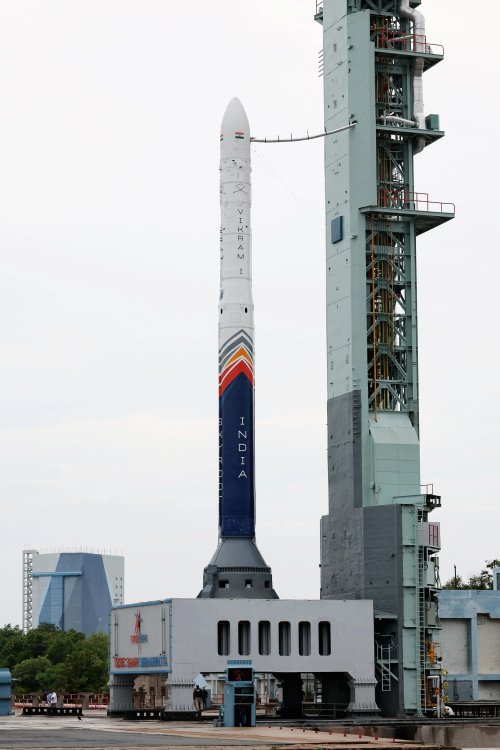
The first pictures from the spaceport of India’s first privately built orbital rocket.
For those following closely: Vikram-1's Stage 2, Kalam-250, is now fully integrated inside SHAR, Sriharikota. Flex nozzle, actuators, and Interstages 1_2L & 1_2U mounted and assembled. Our first complete integration. Final assembly of remaining components and stages is underway—we're steadily progressing toward launch.


Vikram-1 test flight
https://x.com/i/broadcasts/1PJqrrXWeXbxb
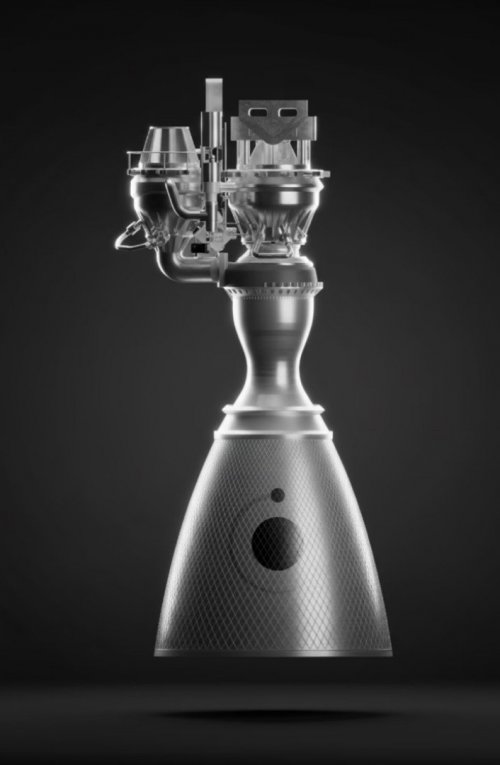
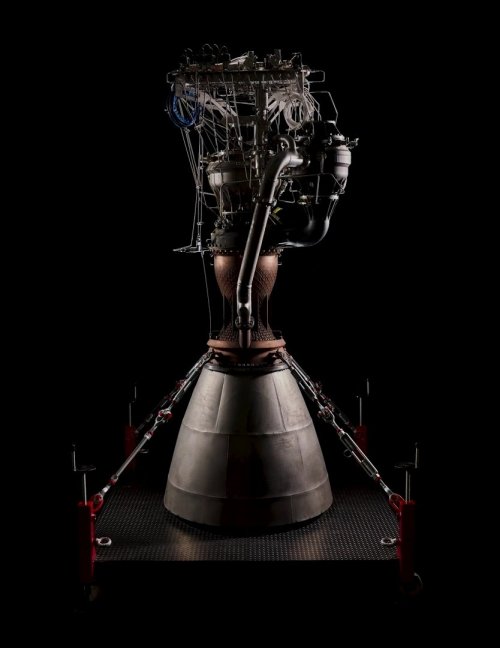
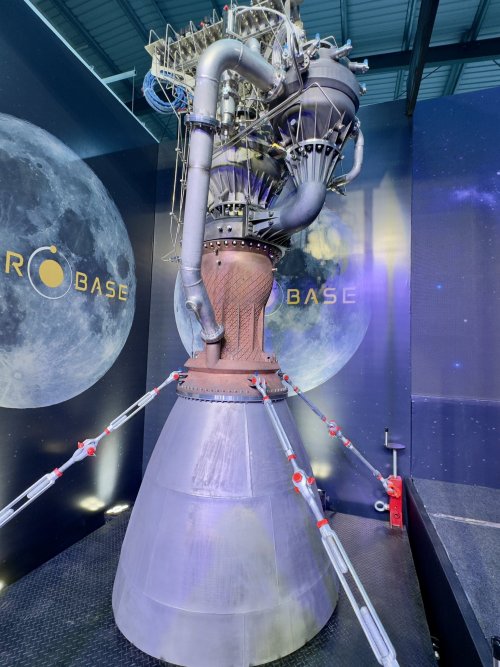
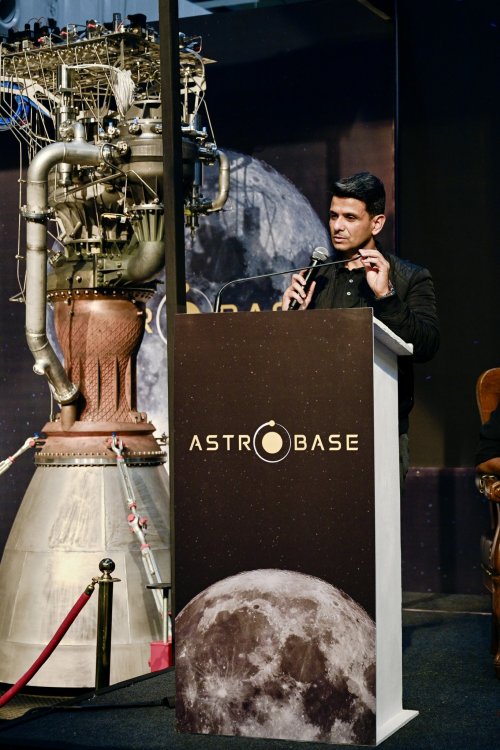
Astrobase Technologies is set to unveil their 800 kN LOX-Methane Full-Flow Staged Combustion (FFSC) engine this Friday.
View: https://x.com/astrobase_space/status/2084475832354136187?s=20
View attachment 820048
Their sub-scale prototype was undergoing hot fire-tests about a year ago:
View: https://x.com/astrobase_space/status/2003826992559632580?s=20
Pretty big deal if they can crack an FFSC cycle, given ISRO itself hasn't attempted that cycle yet (LOX-RP1 SE-2000 is SC and the upcoming LOX-CH4 LME-1100 is GG). Astrobase has so far got a $10 million seed along with being selected for the Govt's Technology Adoption Fund. It's not much but then again a million $ goes a LOT farther in India than in the US. Plus I don't know how much they are benefiting from ISRO's HR/knowledge base & infrastructure.
The real challenge will be productionizing it though. Regardless, India's private space industry has made quite some strides since the sector was opened up to full-scale private investment only about ~6 years ago.
https://www.astrobase.in/product
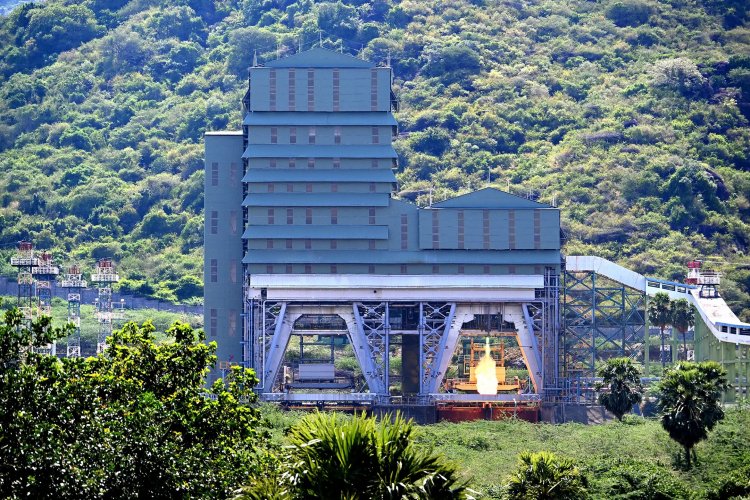
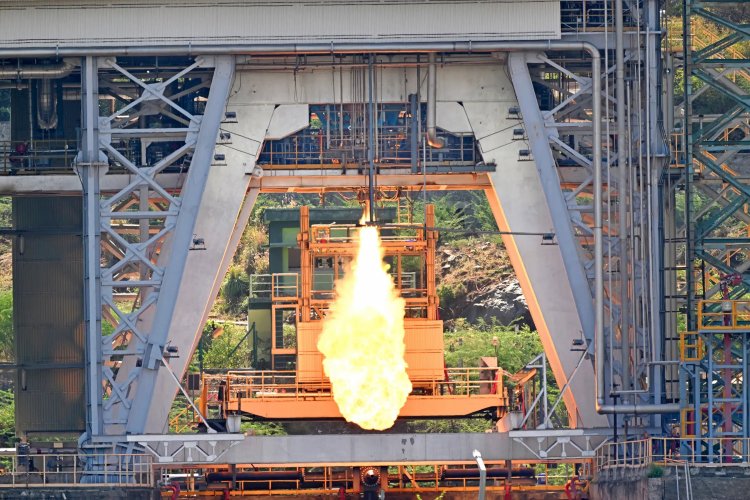
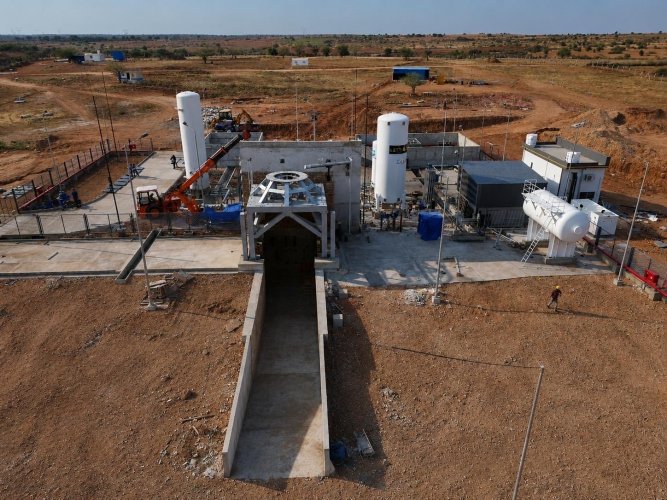
Astrobase test stand:
View attachment 820049
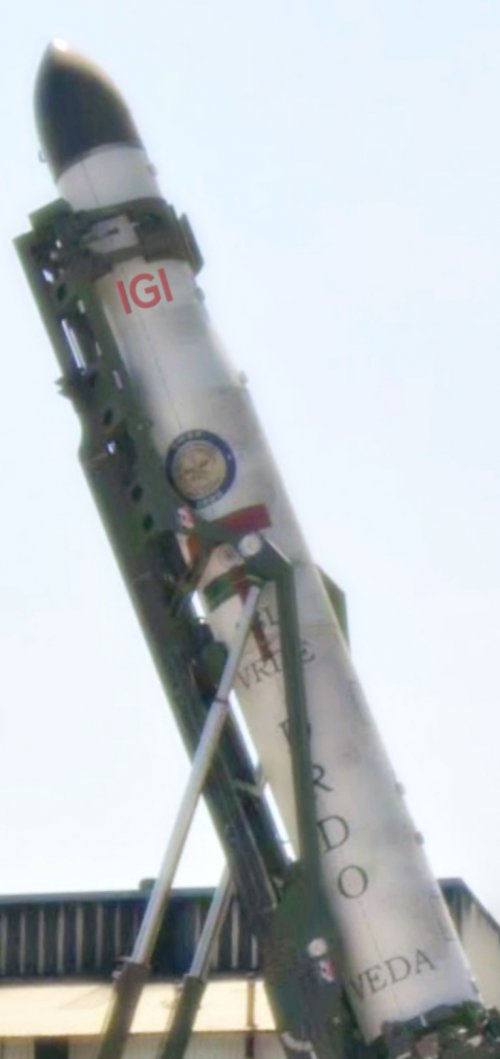
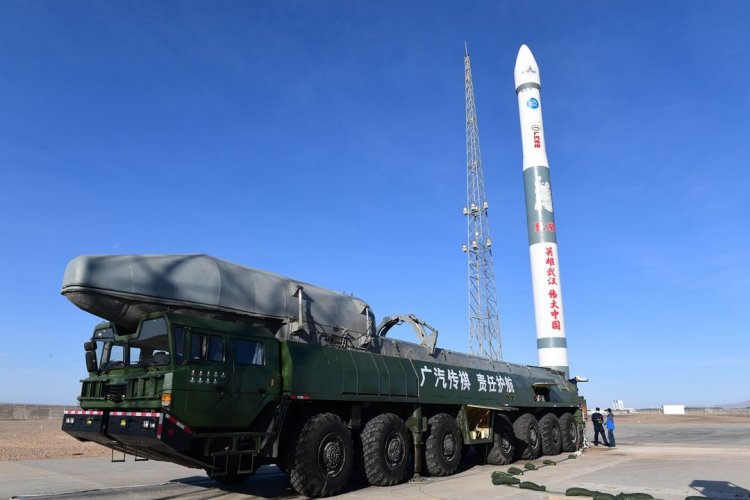
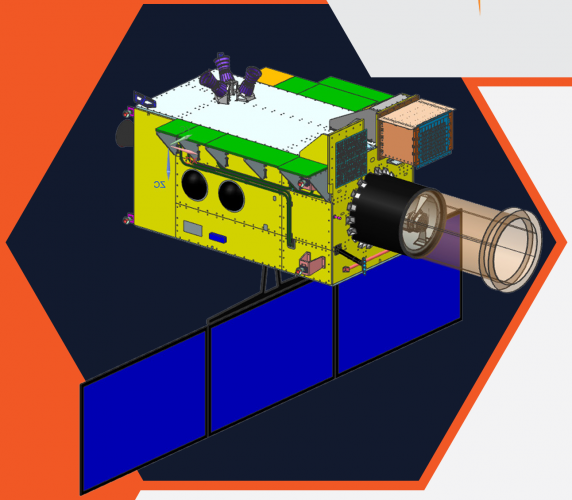
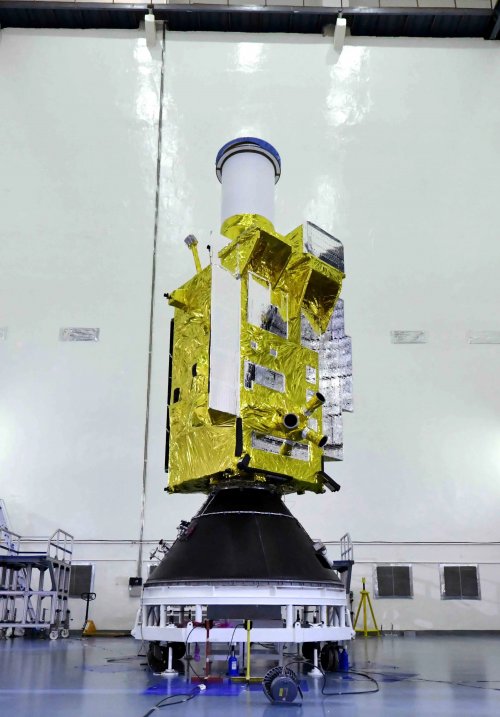
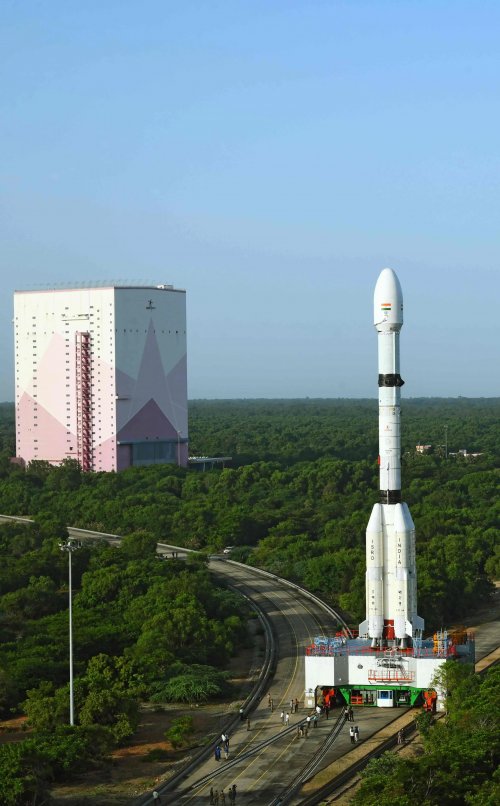
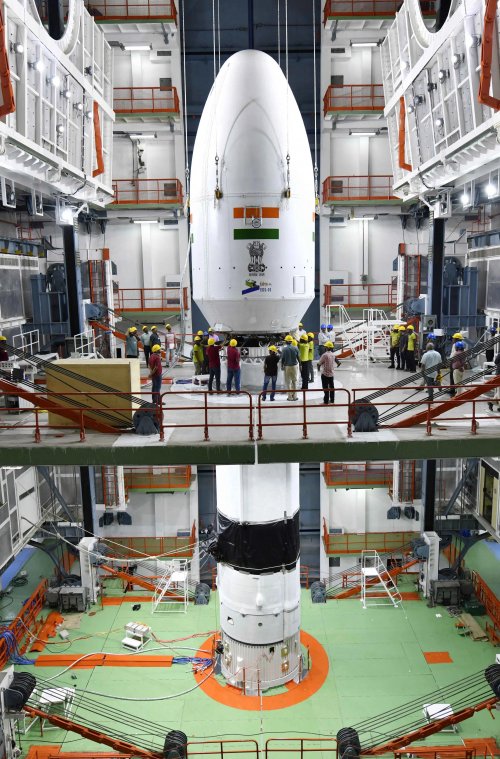
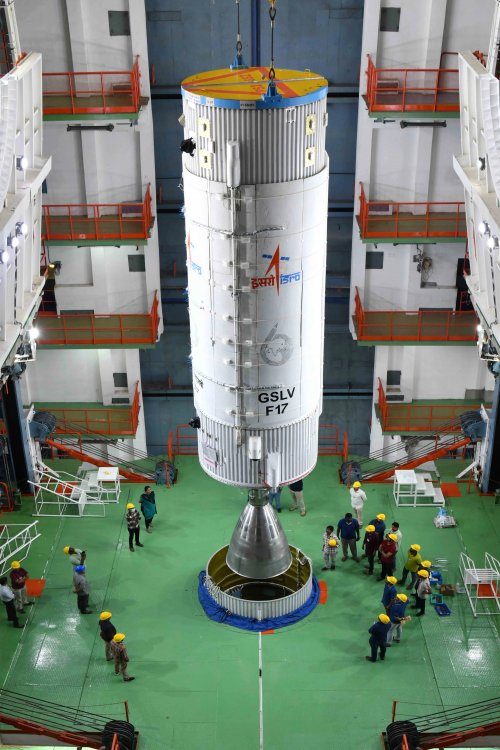
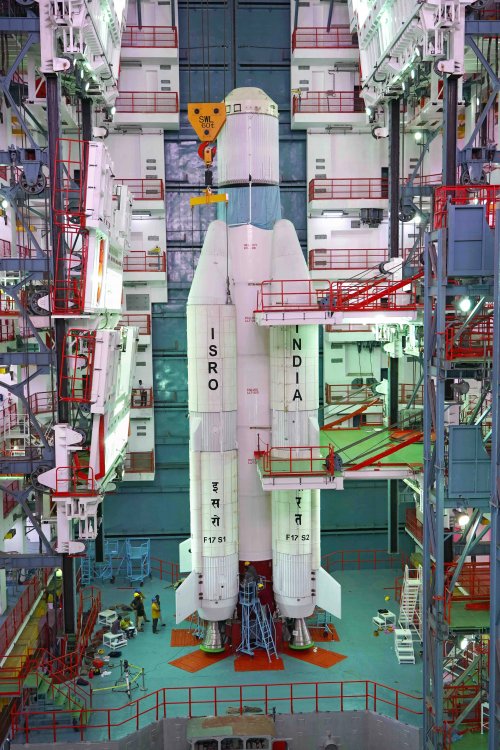
GSLV-F17 has moved to the launchpad, aiming for a September 4 liftoff. The payload is the 2.2-ton GISAT-1A (EOS-05 under the new naming system), a pretty important geostationary earth-observation satellite with a strategic role. It's widely understood to have a very SBIRS-like ability of detecting ballistic missile launches, among other capabilities that aren't fully disclosed.