

You are using an out of date browser. It may not display this or other websites correctly.
You should upgrade or use an alternative browser.
You should upgrade or use an alternative browser.
Transall - Origins, Variants & Projects
- Thread starter Jemiba
- Start date
-
- Tags
- aérospatiale airborne forces airlifter armeé de l'air civil aviation cold war electronic warfare french fifth republic hamburger flugzeugbau luftwaffe messerschmitt-bölkow-blohm nord aviation stol transport aircraft transport allianz vereinigte flugtechnische werke weser flugzeugbau west germany

snne
ACCESS: Top Secret
- Joined
- 3 July 2022
- Messages
- 2,434
- Reaction score
- 8,932
It was a specialized ELINT bird...snne, I'm missing something because I can't see relationship between "C160 troubled flying" with the tittle of the thread...
https://www.airhistory.net/photo/148437/69-036
Edit:
https://x.com/orko_8/status/1750770711533121743?s=20
Last edited:
Coventry Archives (not one iv been to as yet)
https://discovery.nationalarchives.gov.uk/details/r/be19a9cf-0f02-4921-9a7b-27b5fbd9d1ff
https://discovery.nationalarchives.gov.uk/details/r/be19a9cf-0f02-4921-9a7b-27b5fbd9d1ff
Last edited:

- Joined
- 3 June 2006
- Messages
- 3,543
- Reaction score
- 6,230
Hello everyone,
in the July 2025 issue of the French aviation magazine "Le Fana de l'Aviation," there is a two-page about the Transall "C-161 Jet." No screenshots of this article have been posted on their Facebook page so far.
Edit: Here a detailed summary of this article.
in the July 2025 issue of the French aviation magazine "Le Fana de l'Aviation," there is a two-page about the Transall "C-161 Jet." No screenshots of this article have been posted on their Facebook page so far.
Edit: Here a detailed summary of this article.
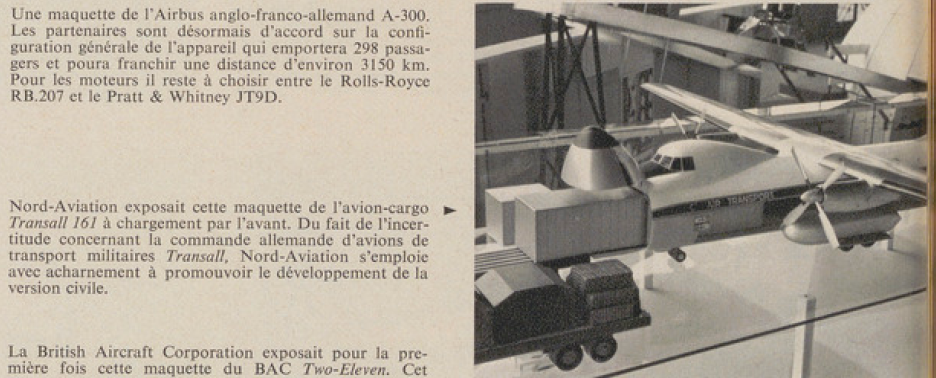
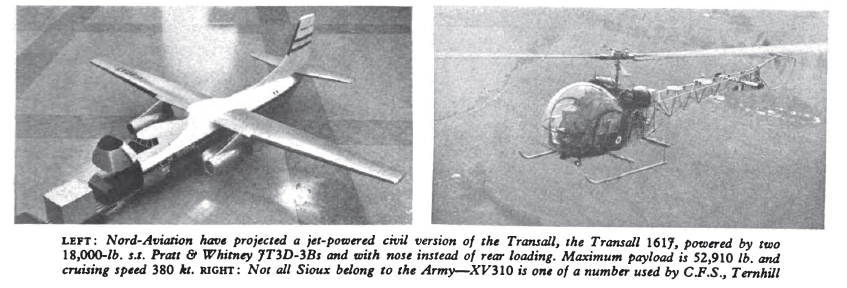
The article delves into the C-161 "Jet," a project from the 1970s that aimed to convert the C-160 "Transall" into a jet-powered medium-lift aircraft. The project proposed replacing the turboprop engines with two Pratt & Whitney JT3D turbojets, which were also used in the Boeing 707 and Douglas DC-8. This modification was intended to improve the aircraft's speed and payload capacity.
The C-161 "Jet" was envisioned to have a modified fuselage with a cargo door at the front that opened high, similar to the cargo version of the 747. The cockpit was positioned over the cargo hold, and the aircraft could carry a maximum load of 24 tons. The aircraft was slightly larger than the original "Transall," with a length of 35 meters compared to 32.4 meters, but the wingspan remained unchanged at 40 meters. The hold was expanded to 189 cubic meters from 115 cubic meters, allowing it to carry standardized containers. According to a promotional brochure, the aircraft was perfectly suited for connections between major airports and regional services.
However, the project faced several challenges. By abandoning the Rolls-Royce "Tyne" turboprops, the "Transall" lost its essential qualities: its ability to fly slowly, climb quickly, and make short landings. The jet engines did not provide the same control at low speeds as the original turboprops, making the aircraft less suitable for rough terrain and short landings. Additionally, the fuel consumption of the jet engines at low altitudes was significantly higher, reducing the aircraft's range and profitability.
The jet-powered "Transall" was projected into a world where the main operational need remained that of a rustic transport, suitable for African terrain, bush roads, humanitarian missions, and high-intensity engagements. Neither the French Air Force nor the Luftwaffe were seduced by the C-161 "Jet," nor were civilian operators. The possibility of a demonstrator was barely mentioned but never moved on to construction 3. The program was quietly shelved, and only a few mentions remain today in Airbus industrial archives.
The article also mentions that the concept of a jet-powered "Transall" could have had strategic transport benefits, but the focus shifted to developing the Airbus A400M, which combined speed, range, and ruggedness with modern turboprops. The first projects of the FLA had jet engines, which were abandoned for modern, high-powered turboprops. The C-161 "Jet" remains a fascinating, almost incongruous image of a "Transall" driven by the same breath as the civilian intercontinental. An unlikely cross between a DC-8 and an Army truck.
Last edited:

- Joined
- 26 May 2006
- Messages
- 38,287
- Reaction score
- 20,424
Hello everyone,
in the July 2025 issue of the French aviation magazine "Le Fana de l'Aviation," there is a two-page article about the Transall "C-161 Jet." No screenshots of this article have been posted on their Facebook page so far.
Believe me my dear Rolf,if they produced it after Transall,it would be a bridge
between C-160 and FLA,and no need to Lockheed C-130 ?.

- Joined
- 11 March 2006
- Messages
- 8,538
- Reaction score
- 5,022
The C-161 was a civil derivative of the C-160, the C-160J was the jet powered version, as the suffix already implies, see #9, #23, #32 or #39, and had nothing to do with the FLA, or other, later military trasnports.
ElTeletubi
ACCESS: Restricted
- Joined
- 6 November 2024
- Messages
- 7
- Reaction score
- 7
Does anyone have more info or pics about the maritime/ASW and AEW version? They looks so cool!
But I'm curious about where would the sonobuoys be located in the plane
And what about the armament? Could it also have armament inside? Like a P-3 Orion, for example
Also is it possible to give it cannon that could fire at ground targets? Like a AC-130
But I'm curious about where would the sonobuoys be located in the plane
And what about the armament? Could it also have armament inside? Like a P-3 Orion, for example
Also is it possible to give it cannon that could fire at ground targets? Like a AC-130
- Joined
- 27 March 2006
- Messages
- 1,992
- Reaction score
- 2,148
The ASF seems to have placed the sonobuoys in the rear of the large undercarriage sponsons.Does anyone have more info or pics about the maritime/ASW and AEW version? They looks so cool!
But I'm curious about where would the sonobuoys be located in the plane
And what about the armament? Could it also have armament inside? Like a P-3 Orion, for example
Armament looks to be on underwing hardpoints and undercarriage sponson hardpoints.
Would the ASF be applicable to only newbuilds, or could previously produced airlifters be modified?


- Joined
- 30 November 2007
- Messages
- 1,153
- Reaction score
- 772
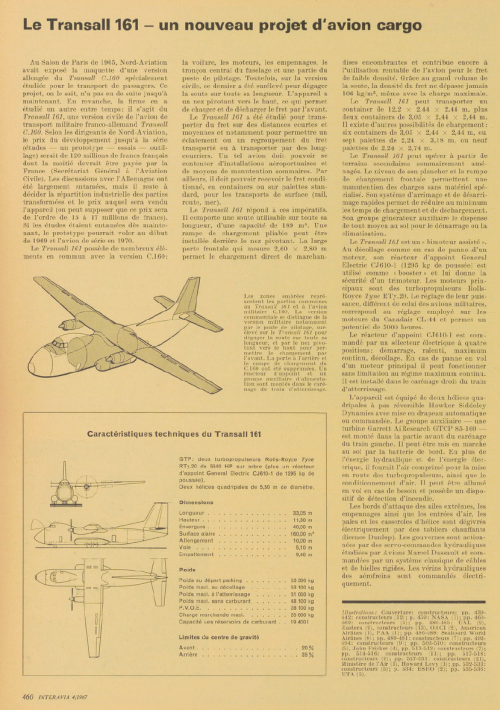
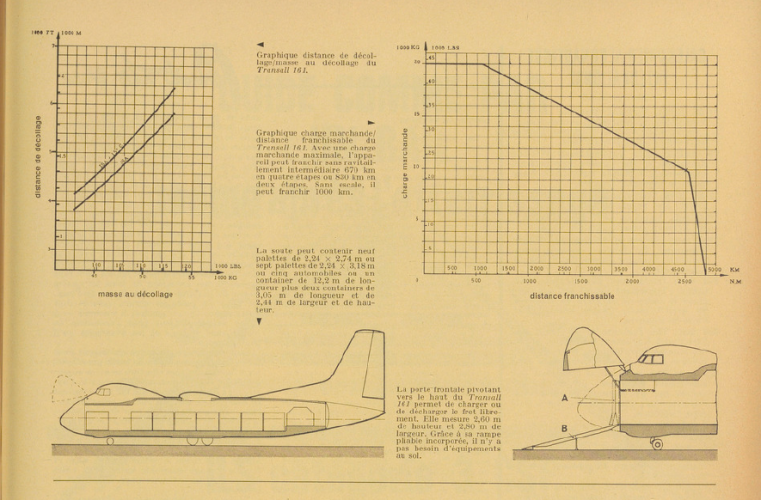
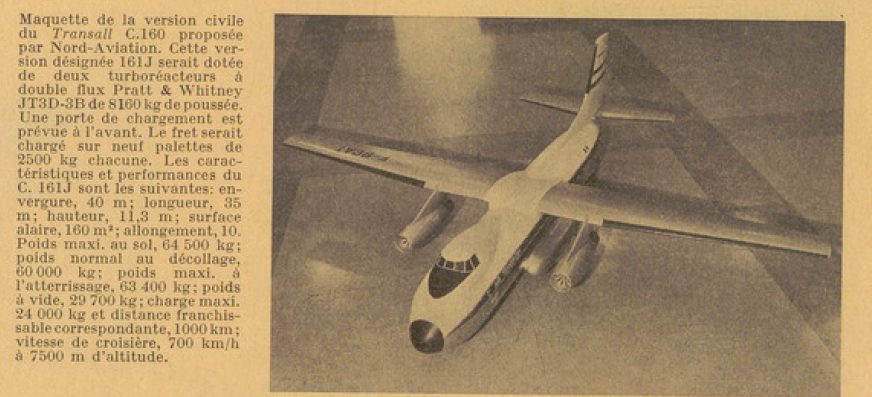
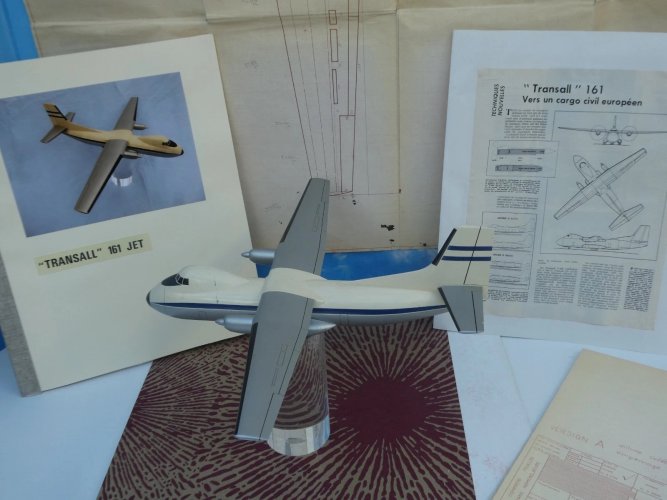
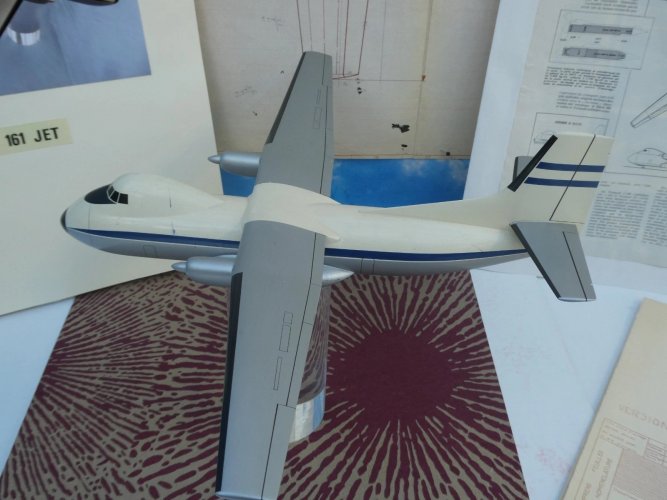
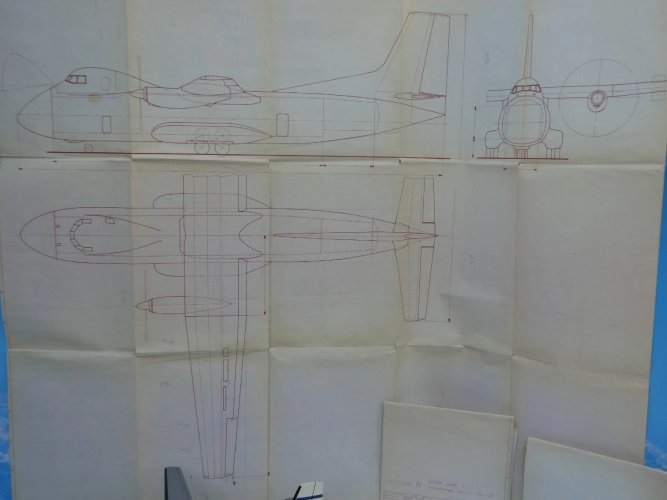
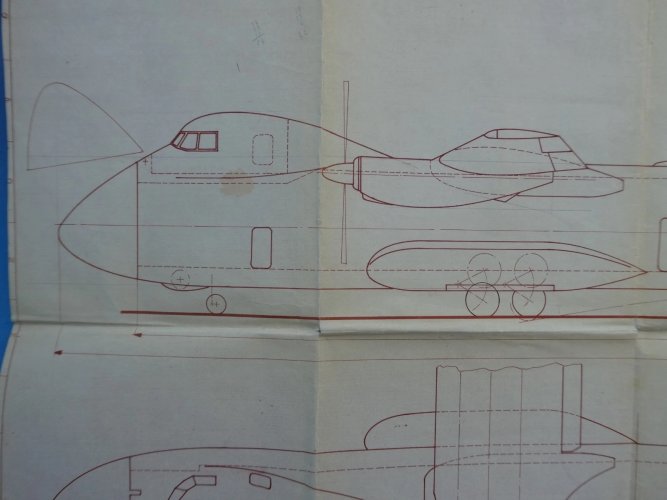
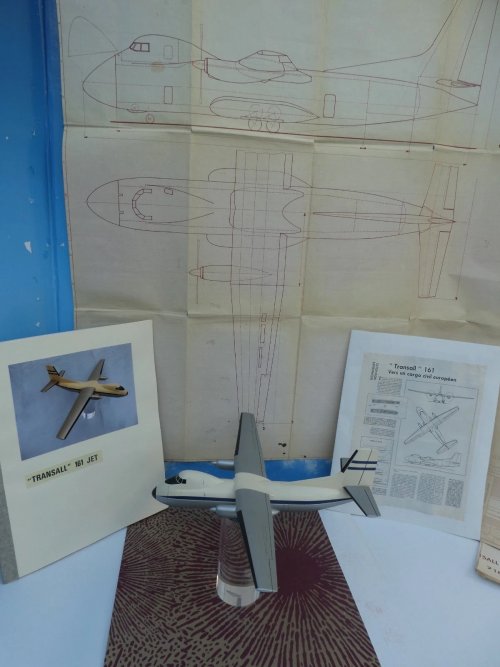
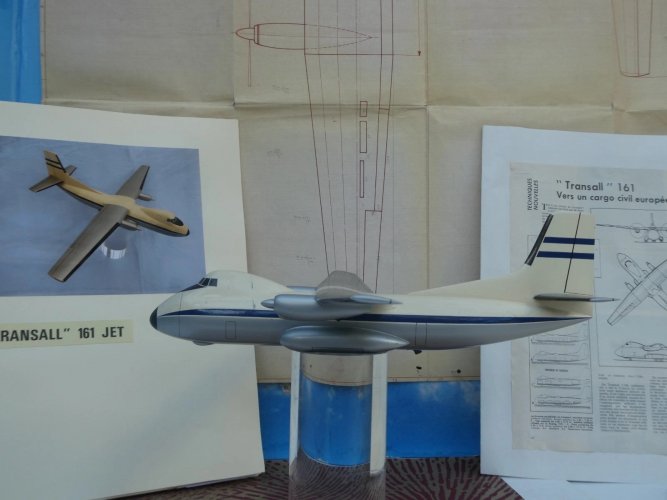
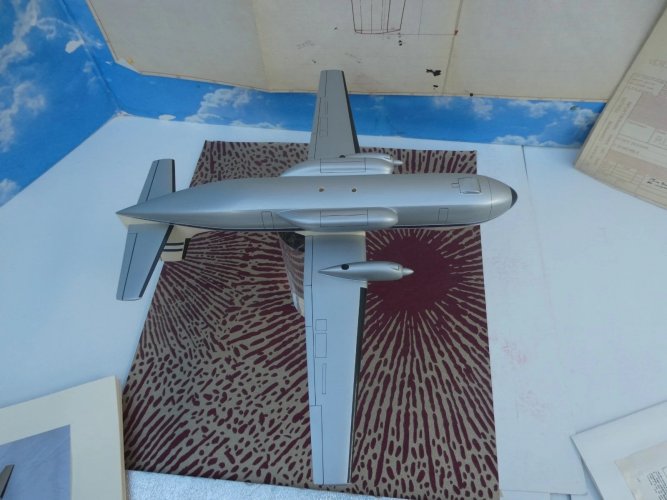
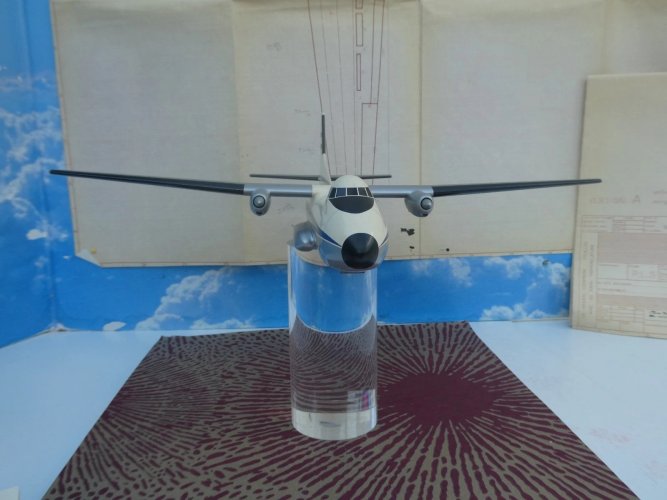
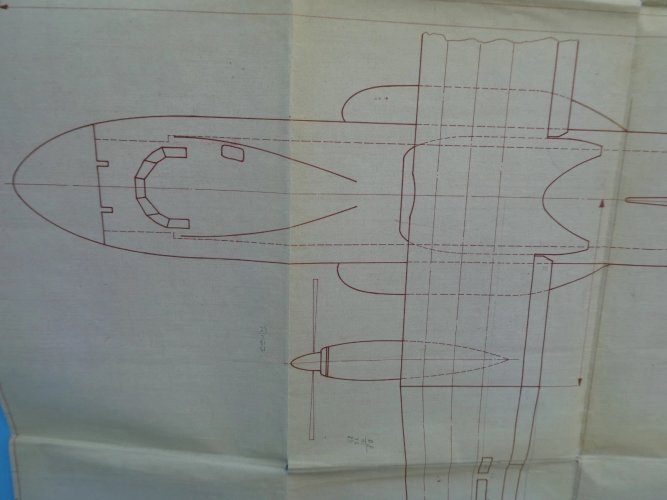
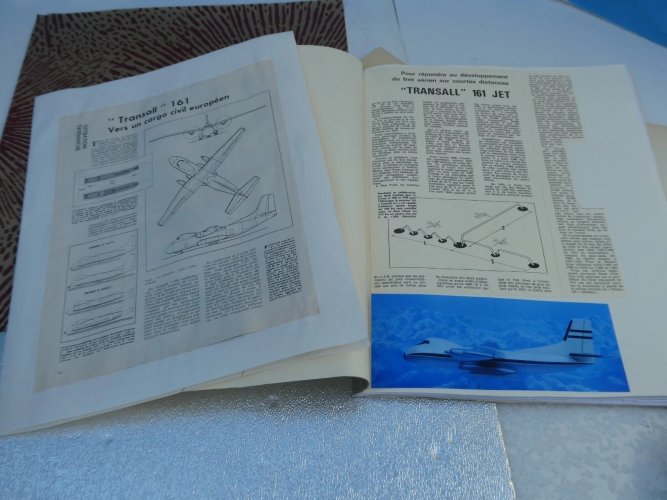
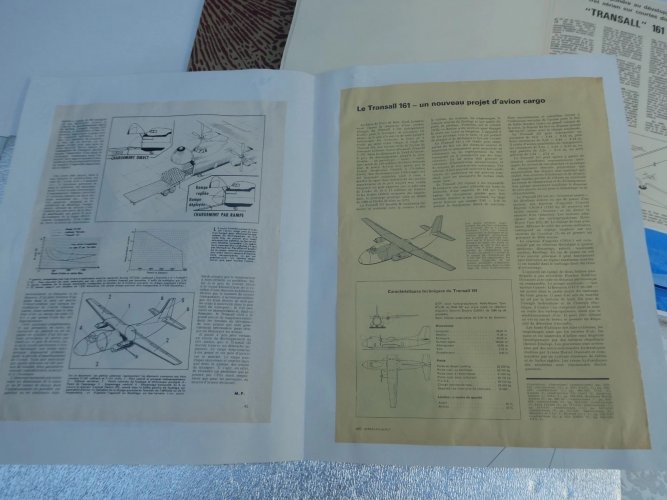
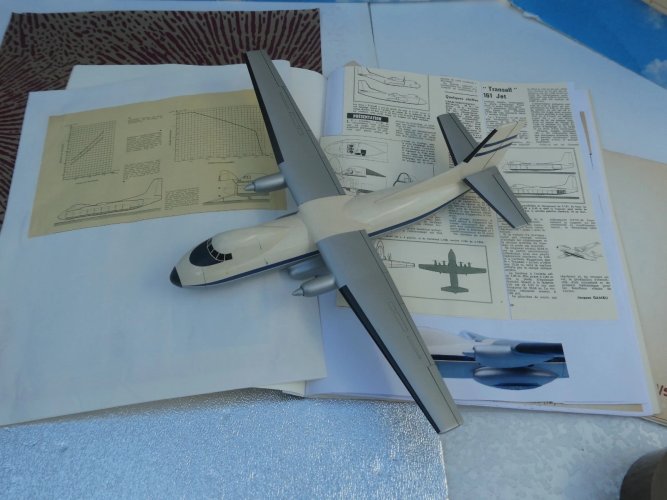
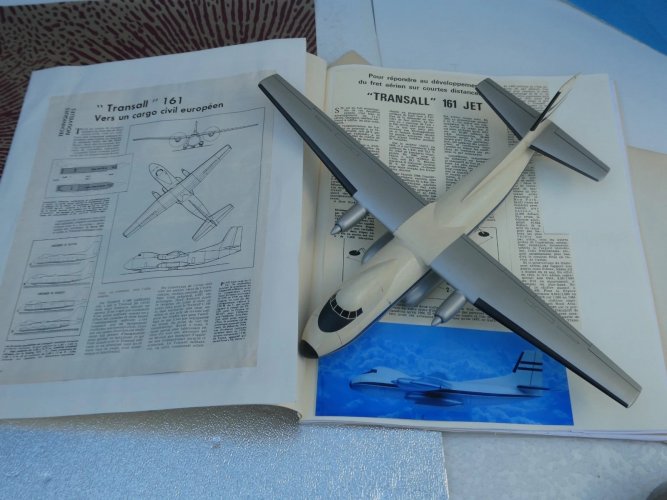
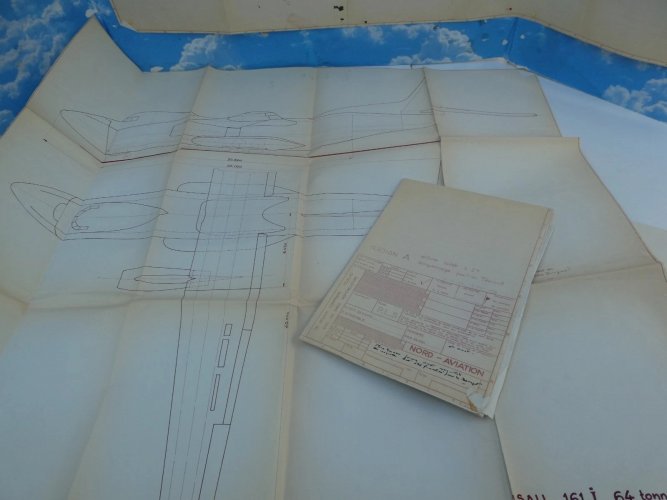
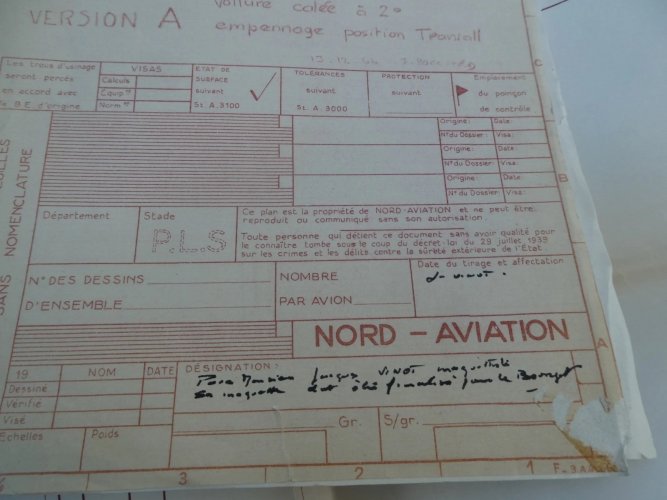
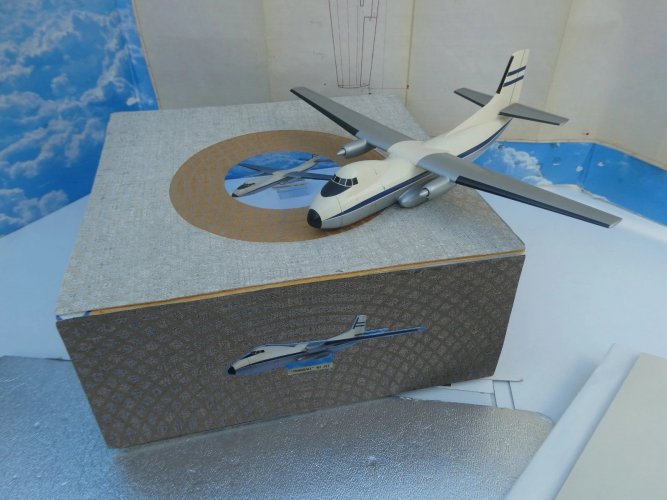
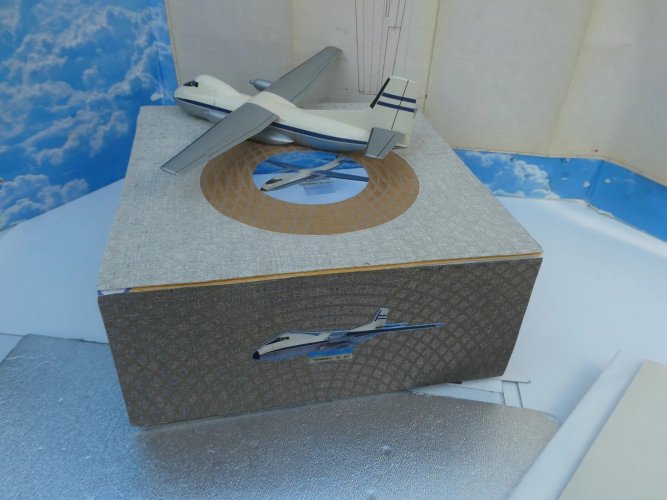
Dear Boys & Girls, spotted yesterday on ebay.co.uk - what appears to be an original manufacturer's model in 1/100 scale of the C-161C commercial freighter Transall project (oddly labelled as the C-161J jet transport). The eBay listing also contains press & manufacturer's drawings of both the C-161C and the jet-powered C-161J - https://www.ebay.co.uk/itm/227154435394


Terry (Caravellarella)
Terry (Caravellarella)
