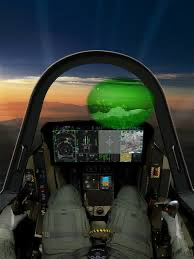
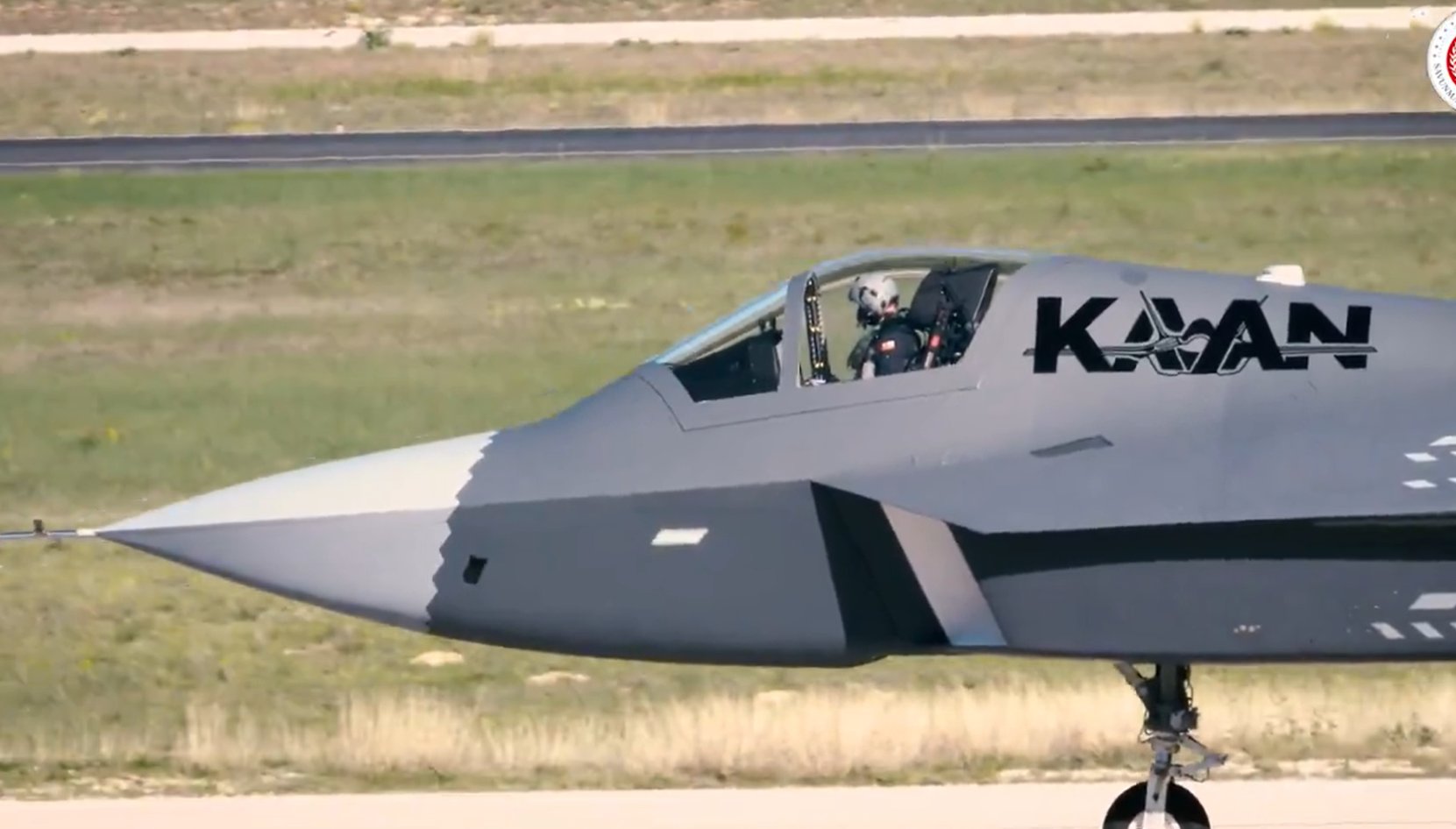
I think non-IR vision present on demo suggests us that IRIS-300 is not only an IR MWS+FSS but also contains DayTV? Maybe I am just too fixated on non-IR vision View attachment 723960
IMO even if there is day TV, since these displays are translucent by nature, the contrast wouldn't be very good when "seeing through" the cockpit. I think the color HMD is more for improved symbology, like the Striker II.

1711813752930.png

Addendum:
Excellent demo of Forces News of Striker II in action. You can see the tracking setup is very similar to TULGAR with an IR camera behind the reporter, IR markers dotted about the cranium, and a color camera in front.
View: https://www.youtube.com/watch?v=sU6tewk85-Y
 
Last edited:
IMO even if there is day TV, since these displays are translucent by nature, the contrast wouldn't be very good when "seeing through" the cockpit. I think the color HMD is more for improved symbology, like the Striker II.

View attachment 724084

Addendum:
Excellent demo of Forces News of Striker II in action. You can see the tracking setup is very similar to TULGAR with an IR camera behind the reporter, IR markers dotted about the cranium, and a color camera in front.
View: https://www.youtube.com/watch?v=sU6tewk85-Y
could also be for better contrast on thermal vision of IRIS-300. Black-White provides better contrast compared to green's tones
 
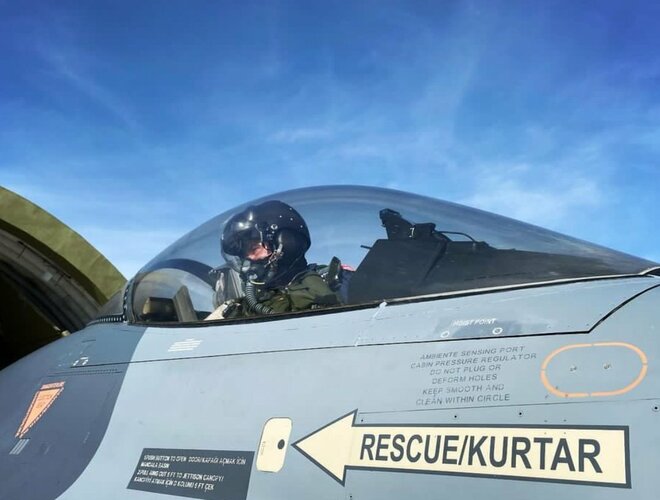
Looking down at a wing walker or similar. Remember that the F16 pilot's feet are at head level for an adult male.
To me, at first look, it seems like as if he's sitting backwards or smth. this is what I meant by that, but it's of topic anyway.
 
pilot looks like he is leaning backwards and to the leaning to the right
while looking over his shoulder, possibly to some one on the side or slightly behind him
 
To me, at first look, it seems like as if he's sitting backwards or smth. this is what I meant by that, but it's of topic anyway.
combined response:
pilot looks like he is leaning backwards and to the leaning to the right
while looking over his shoulder, possibly to some one on the side or slightly behind him
Which is consistent with looking at someone walking next to the wingtip.
 
"TUSAŞ has shared images from its wind tunnel facility, which is the largest in Turkey and the second-largest in Europe. The facility is designed to conduct wind tunnel tests for aircraft using domestic resources. Operated by TUSAŞ, it will test various aircraft developed by the company as well as products from the defense industry and other sectors, ensuring that design and test data remain within Turkey. The tunnel features three different test sections and advanced technology equipment for measurement and evaluation. It also includes a movable ground belt system for take-off and landing tests, exclusive to this facility in Turkey. Additionally, the facility will support the production, integration, and instrumentation of tested models, making significant contributions to the product development process."

View: https://x.com/tdefenceagency/status/1780586569524523441
View: https://www.youtube.com/watch?v=DfttRuW7jik
 
Last edited:
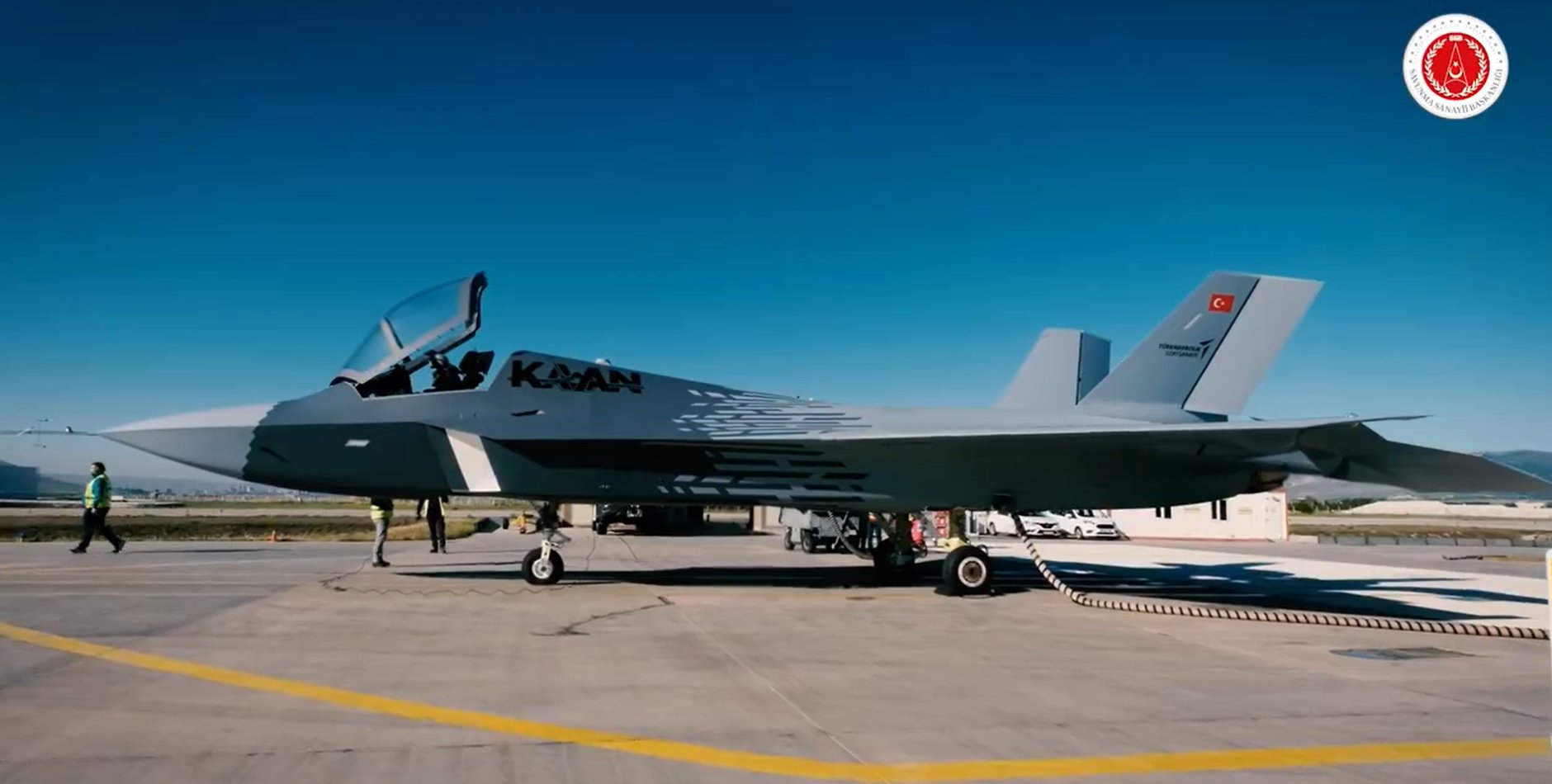
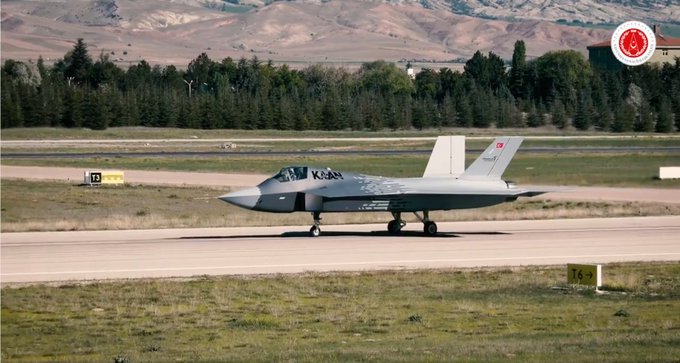
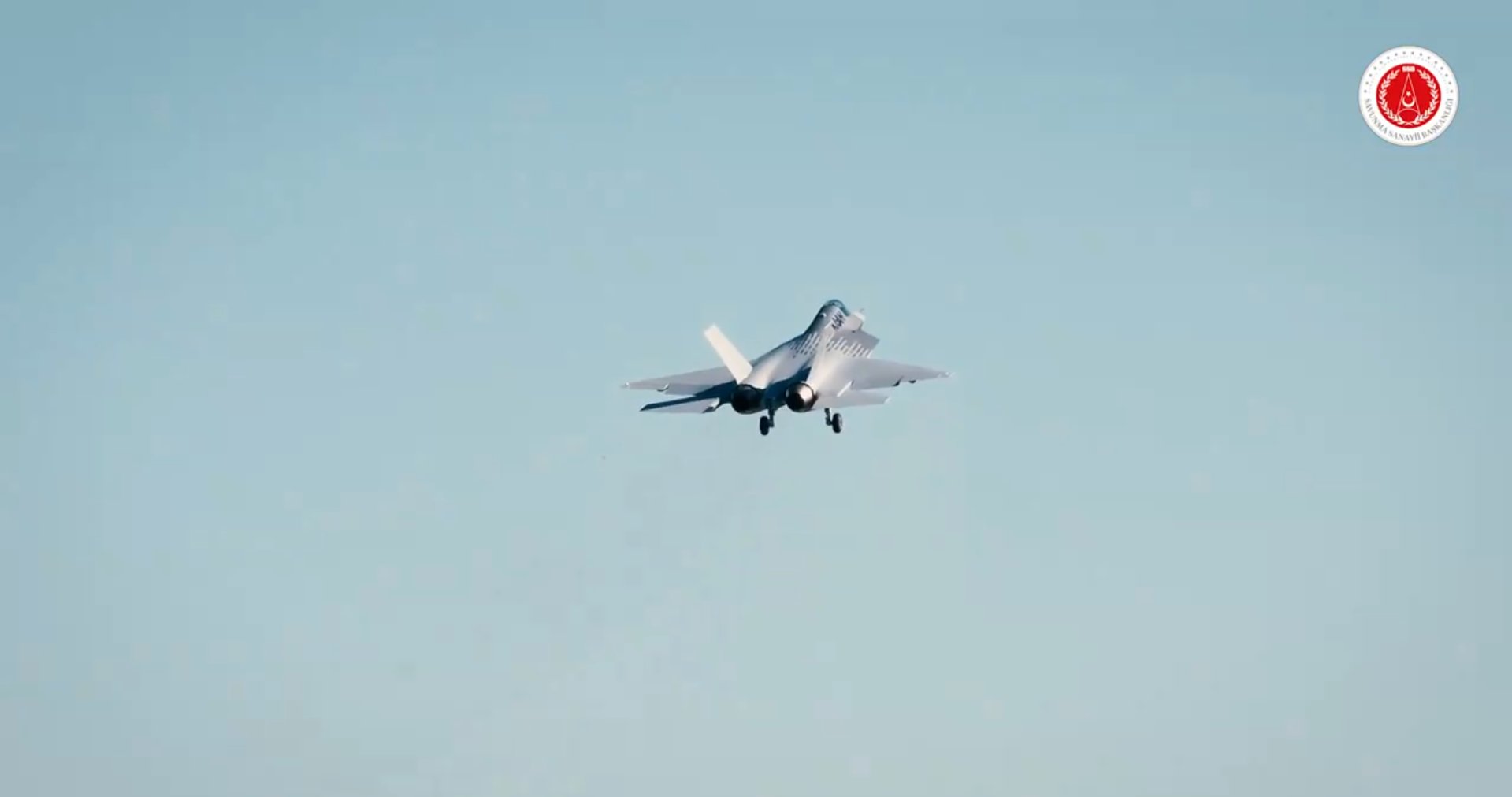
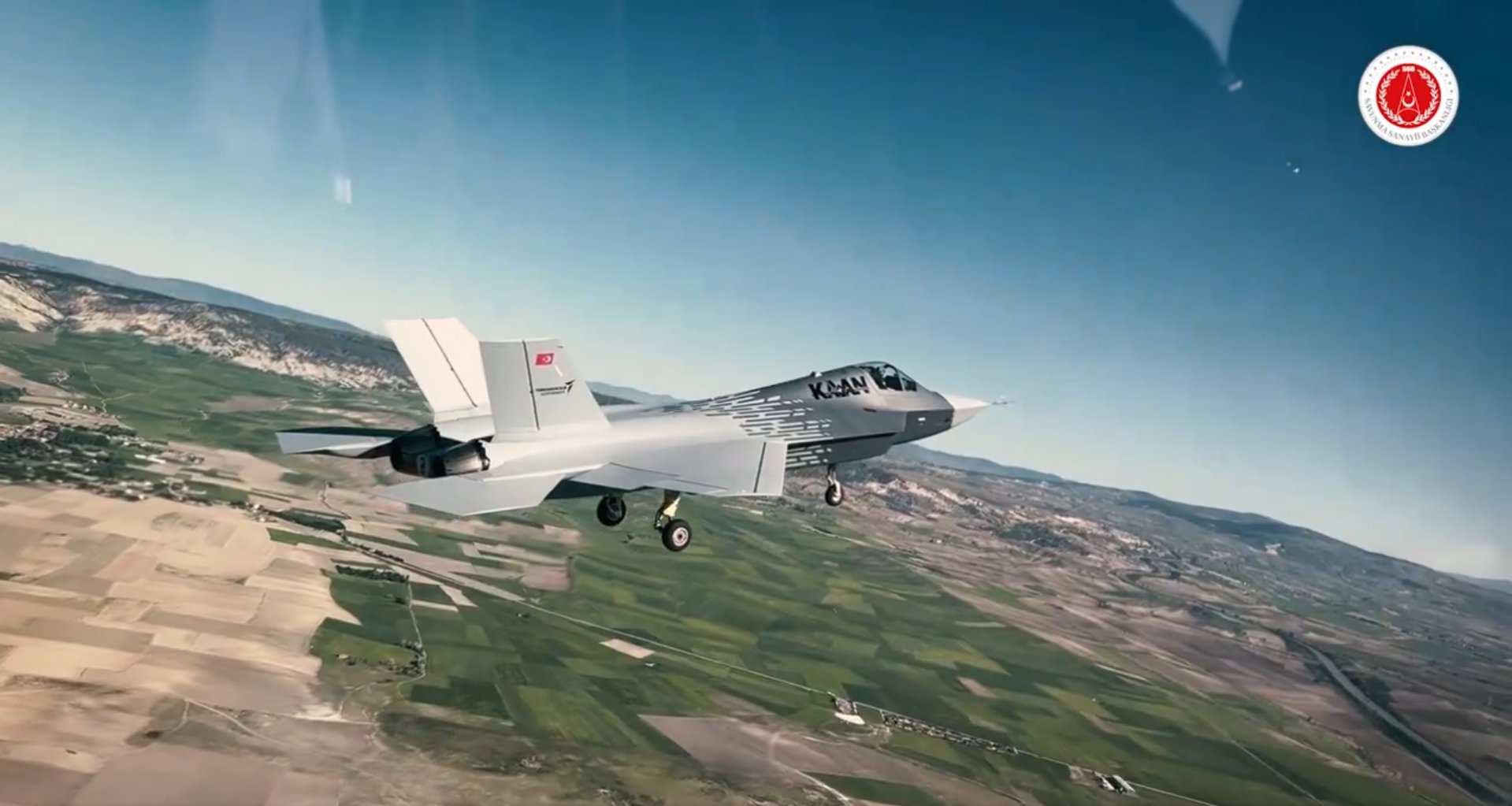
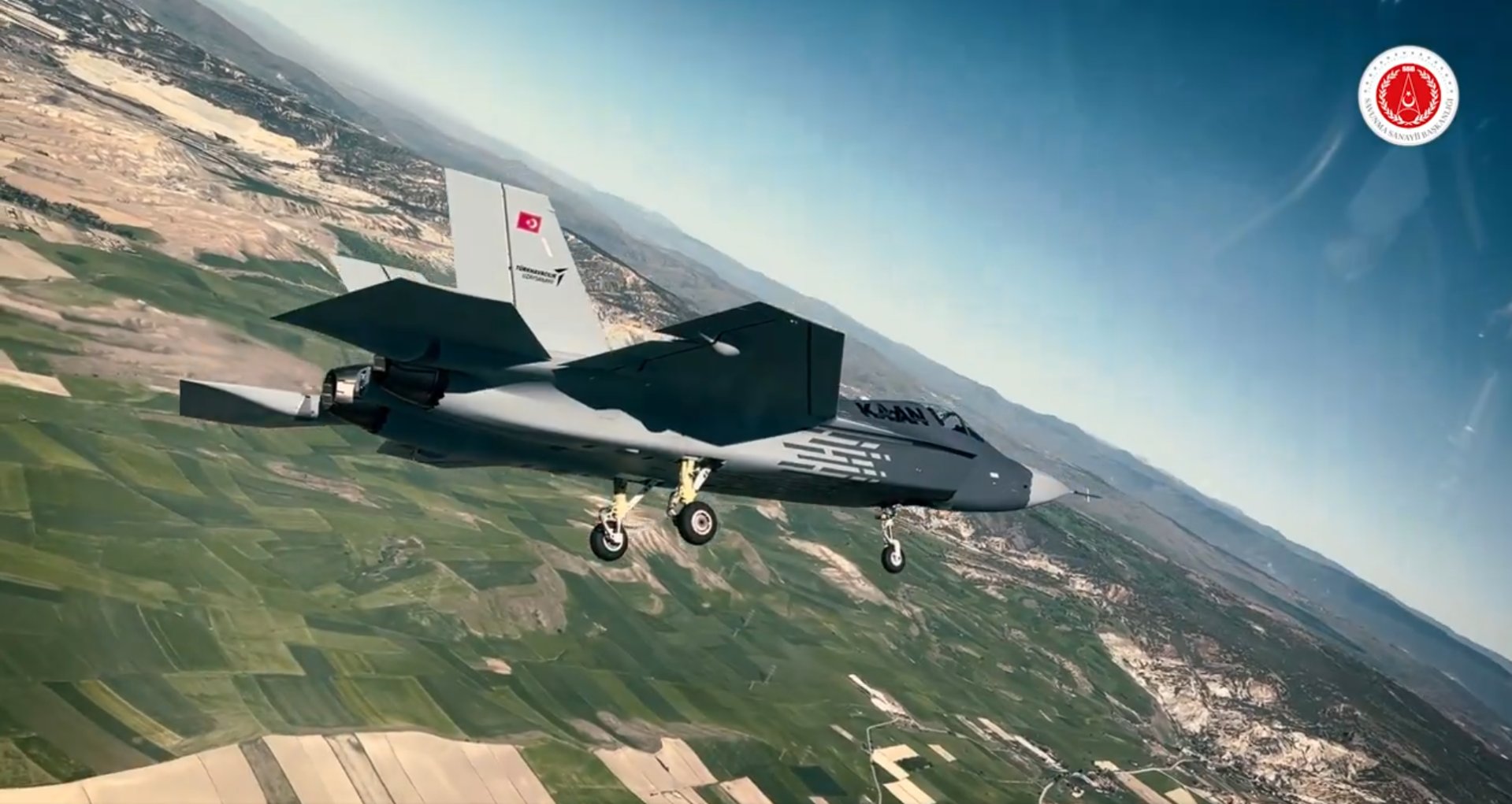
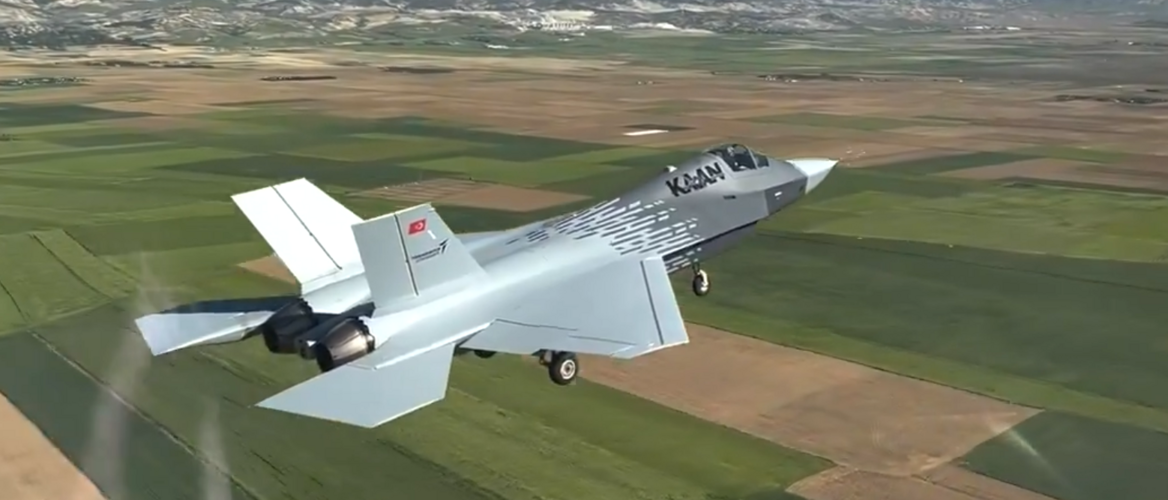
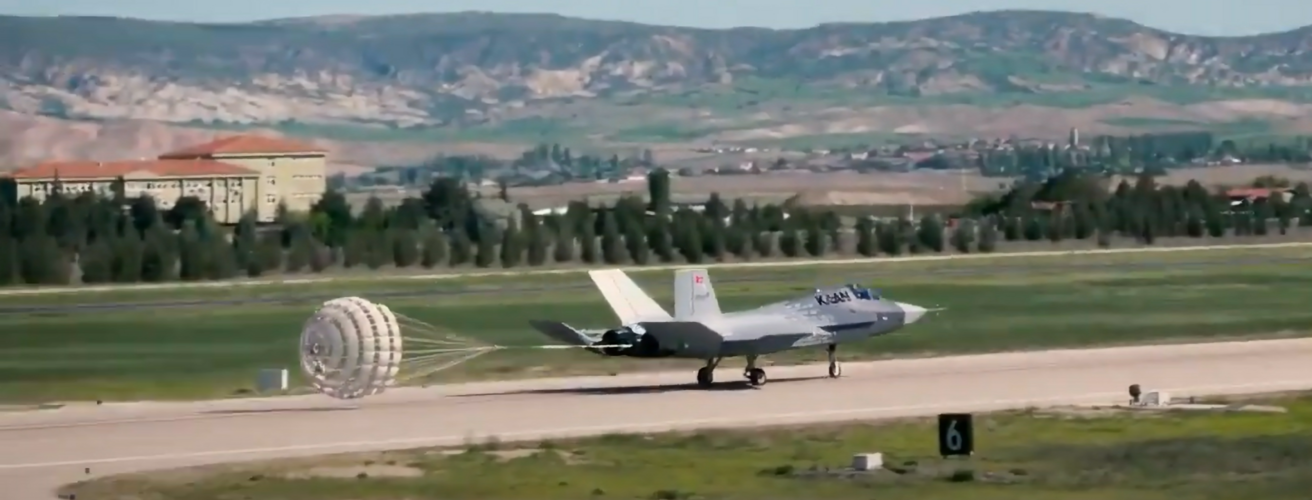
It seems the second test pilot Gökhan Bayramoğlu had his first flight with Kaan this morning

GM5ysX3WQAAudNR
GM5wA3KWYAArtsK

GM5wA5rXcAAF1r-
GM5wA54WUAAu_YZ
GM5wBAFX0AAqBXE
Screenshot 2024-05-06 172840.png
1715036289911-jpeg.38542
Screenshot 2024-05-06 165042.png
GM5yrOiXIAA2x3k
Screenshot 2024-05-06 165014.png

Screenshot 2024-05-06 165408.png
 
Last edited:
Thanks. This video also shows the elevator's pitch correction actions are much smaller as some people were wondering about this.

Also, longer video coming from clash report makes me wonder if they are/have insiders to tusaş/ssb. Interesting.

And, as a byproduct of the "new" paint, Ataturk's signature is out, Erdogan's signature is in.
It's probably from AA/Anadolu Agency, they usually share longer footages, i.e. during the first flight they shared a 10 min. long video while all we've had from TAI was only two minutes long.
 
Last edited:

Turkish Aerospace Advancing Additional Kaan Prototypes​

LONDON—Turkish Aerospace Industries (TAI) has revealed it is advancing development of a second prototype of the Kaan indigenous combat aircraft.

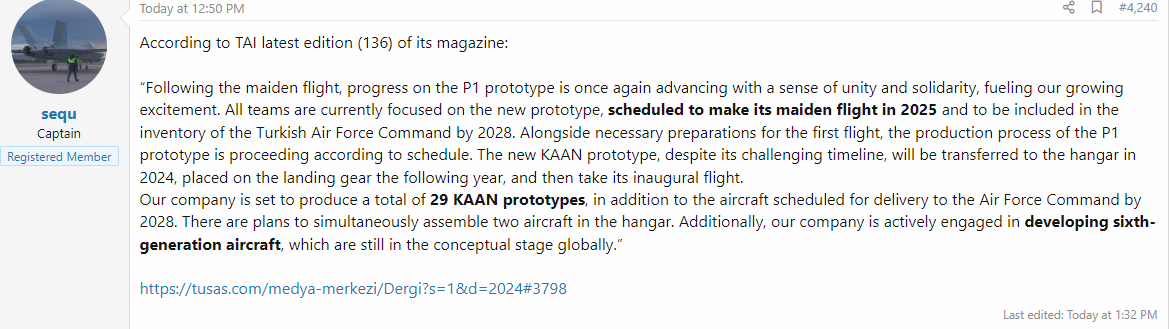
In articles published in the company’s in-house journal at the beginning of May to mark the first flight of the Kaan prototype earlier this year, the company says production of the second prototype, referred to as P1, is “proceeding according to schedule.” It is scheduled to move into final assembly later this year and be placed onto its landing gear in 2025, before flying later that year, the documents state.

https://www.tusas.com/medya-merkezi/Dergi?s=1&d=2024#3798

TAI says it will produce 29 Kaan prototypes, but these likely will include the first 20 pre-production standard aircraft. The OEM hopes to begin delivering them to the Turkish Air Force beginning in 2028.


The first prototype, which has made two flights—on Feb. 21 May 6—is referred to as P0. According to the TAI articles, P0 was produced in just nine months to meet three needs: as a “demonstration to government officials, to perform a hangar rollout and display aircraft engine starting.”

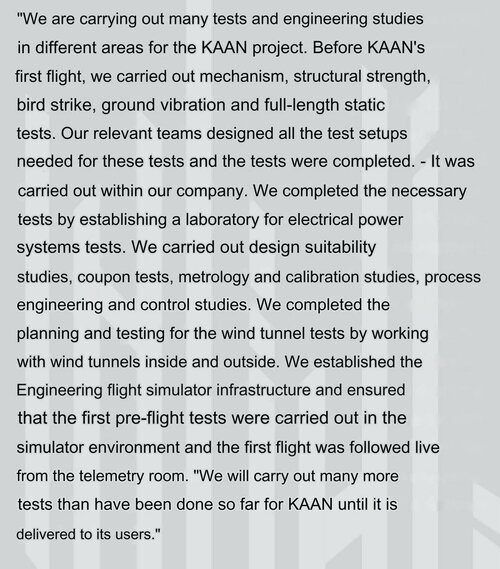
It appears P0 then was adapted for flight using “newly developed strengthening systems,” writes the Kaan program assembly manager, Celal Onur Alkas. A series of structural checks was conducted to ensure the prototype could deal with “anticipated flight loads,” reports Ugur Zengin, the TAI executive vice president for the Turkish fighter program. The aircraft also was fitted with a new canopy for bird-strike testing, while the landing gear was rigorously tested, he notes.


The aircraft originally was due to make its first flight on Feb. 20, but “minor deviations” from the simulation were noted in the flight control system so the flight was delayed.

The OEM says the Kaan is 90% indigenous, with 100 Turkish companies supporting the program. Some 24 of the 30 subsystems used on P0 were supplied by domestic companies and work is continuing to localize parts sourced from foreign entities.

Among the foreign components are the General Electric F110 engine from the Lockheed Martin F-16, two of which power the prototype Kaan. The other is the Martin-Baker ejection seat. TAI-owned TUSAS Engine Industries (TEI) and TR Motor are leading development of an indigenous engine to replace the F110 for later blocks of the fighter.

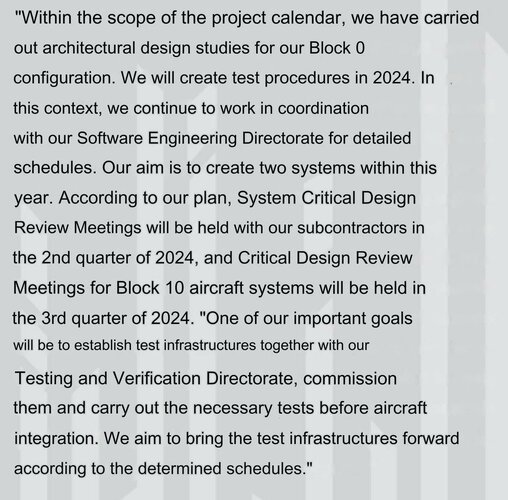
As part of the development of the pre-production aircraft that will form Block 0, system architectural design has been completed and during 2024, engineers will work on “establishing test procedures.” Also, during 2024, two system integration laboratories will be commissioned.

System critical-design review meetings with subcontractors are expected in the second quarter of 2024, followed by critical-design review meetings for Block 10 aircraft systems in the third quarter, the articles state.

Work also is ongoing on qualifying materials for low-observability, as well as wind-tunnel and flight-control system testing. A roadmap is being developed for the software to equip the aircraf
t entering Turkish Air Force service in 2028, as well as the ground software that will assist maintainers.

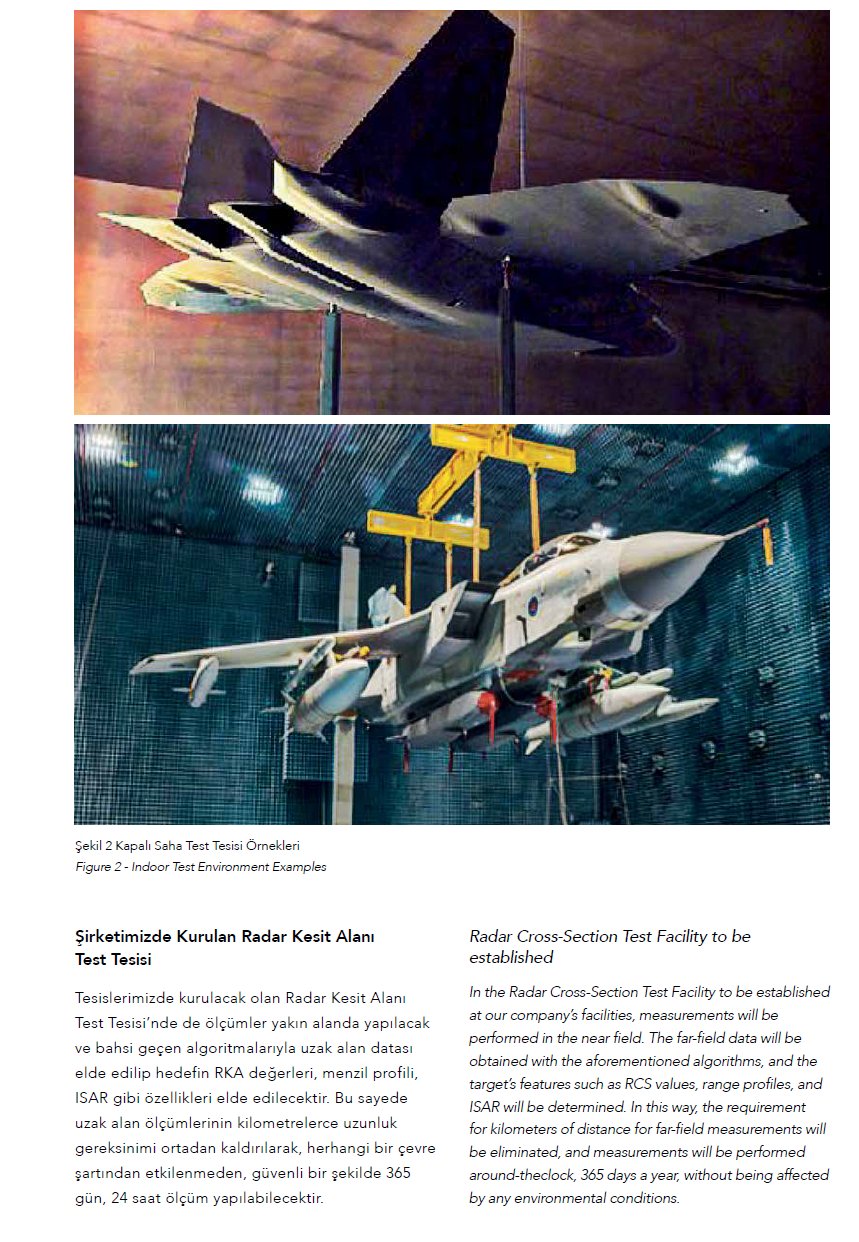
TAI also is continuing construction of infrastructure to support development efforts at its Ankara campus. Projects include test facilities for lightning strikes, near-field radar cross-section trials, and structural test and verification. The articles also mention development of a flying-test laboratory that is expected to make use of a second-hand business jet, as first reported by Aviation Week.

“The facilities and infrastructures that Kaan has brought to our country and our company during the development process will play a significant role in realizing numerous projects as the hub of the Turkish aviation,” writes TAI Chairman Rafet Bozdogan.

TAI officials also are working on “cooperation models” with foreign companies as the company looks to expand the Kaan program beyond Turkey, explains Osman Eldar Donmez, the Kaan program’s subcontracts manager. Agreements on the program have been signed with Azerbaijan.

“We are currently collaborating closely with the Presidency of Defense Industry Agency to advance these efforts,” Donmez adds.

The articles also say TAI already is looking beyond the Kaan and is “actively engaged in developing sixth-generation [combat] aircraft. However, no details have yet emerged about potential concepts.

https://aviationweek.com/defense-sp...erospace-advancing-additional-kaan-prototypes
 
Last edited:
From ASELSAN's 2023 activity report:

https://t.co/912b8T5qPu

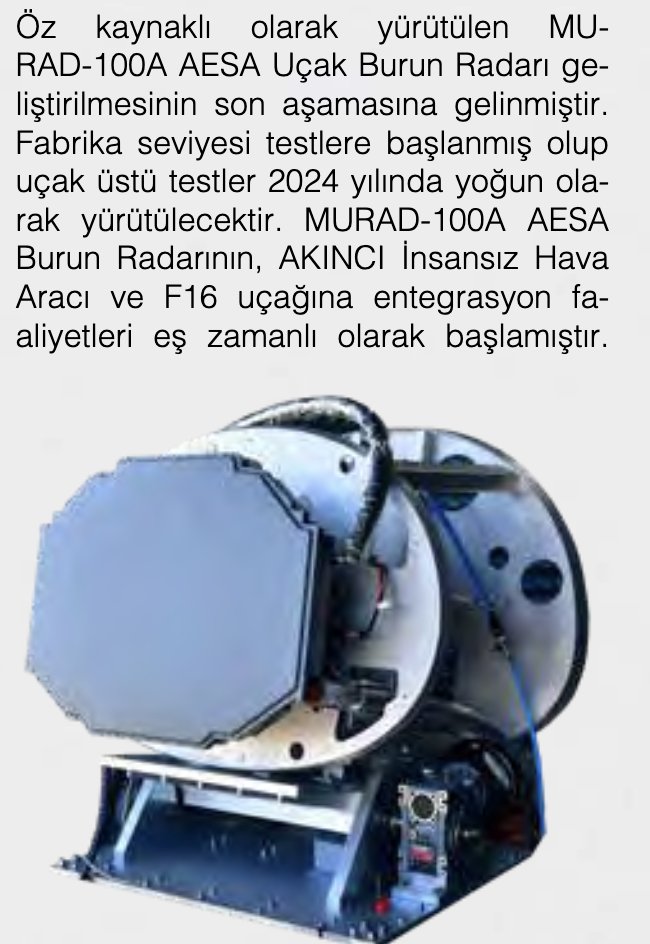
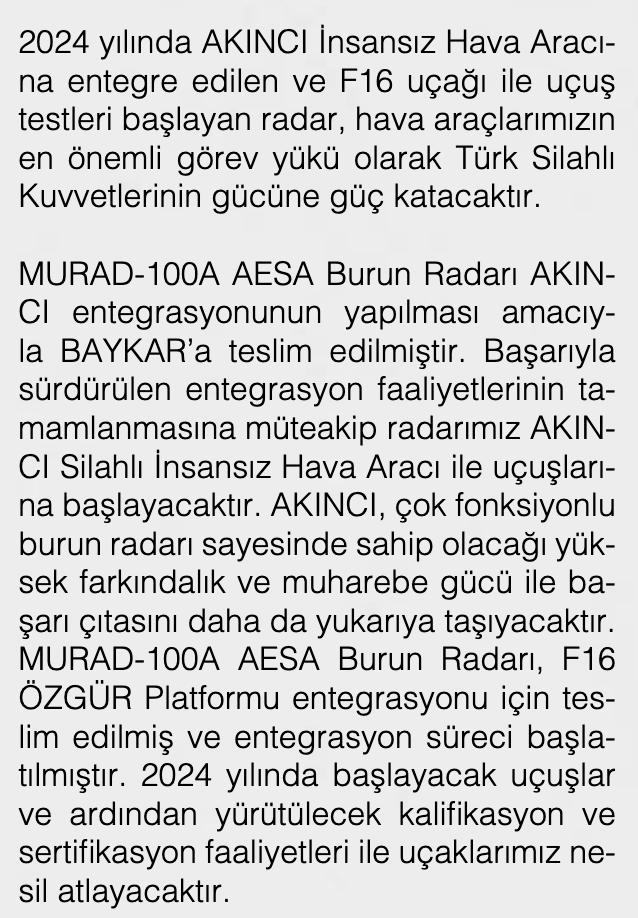
As predicted, MURAD has become a radar "family". The AESA Radar of Kaan, previously named BÜRFIS, has been coded as the "600A". OTOH, F16's radar is given the code "100A".
GO1IV2xXQAAlTF1
GO1IcAeXcAAjnqH


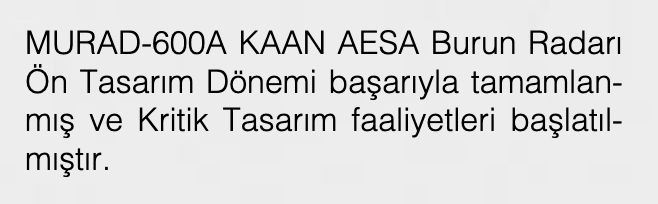
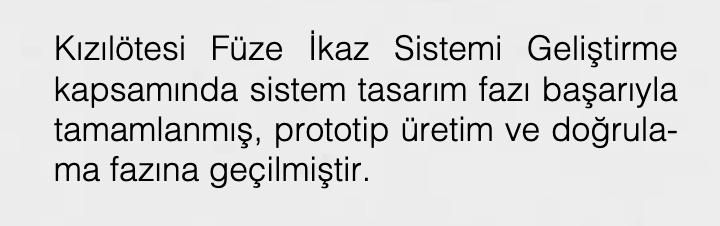
The 'Preliminary Design Period' of the ASELSAN MURAD-600A AESA Nose Radar developed for the KAAN fighter jet has been successfully completed and 'Critical Design' activities have been initiated.
GO1I2QeXAAAP9Pc

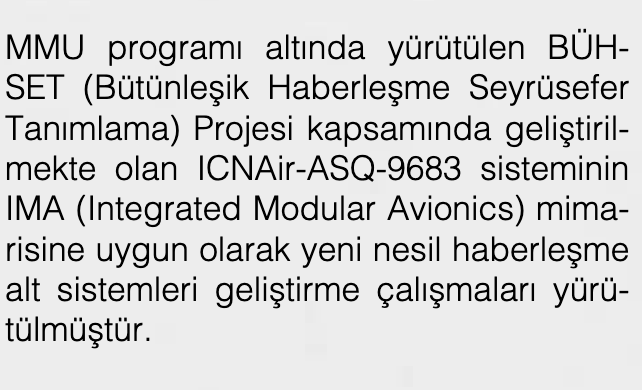
Work has been carried out to develop new generation communication subsystems in accordance with the IMA (Integrated Modular Avionics) architecture of the ICNAir-ASQ-9683 system, which is being developed within the scope of the BÜHSET (Integrated Communication Navigation Identification) Project carried out under the MMU program.
GO1DaQgXEAAgO8v

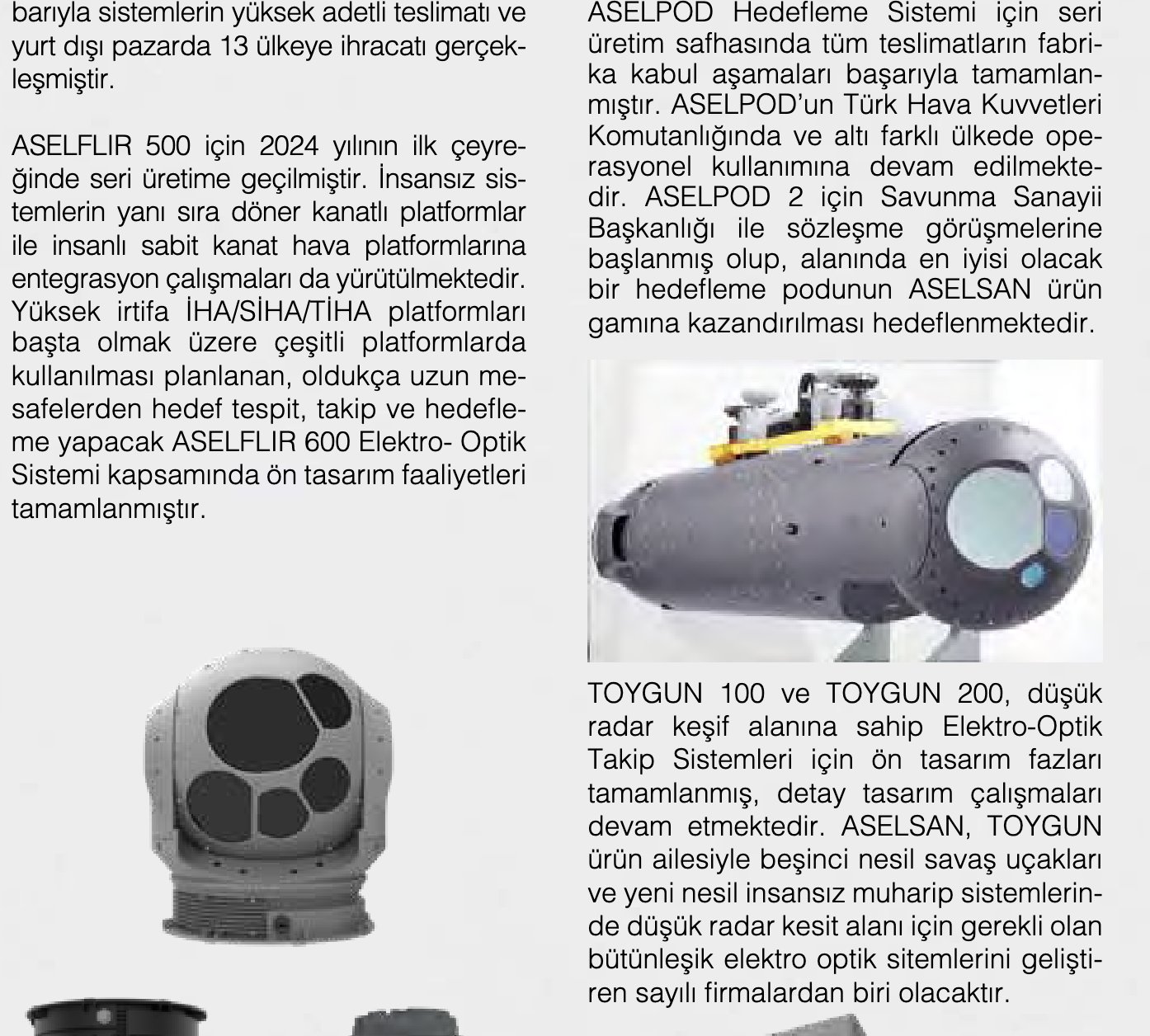
TOYGUN 100 and TOYGUN 200 preliminary design phases have been completed. The journey towards CDR has begun. (the same situation applies to KARAT IRST)

GO1GHYXXYAEjFPp


MMU optical systems visual.

GO1GlLfWQAAEh5B


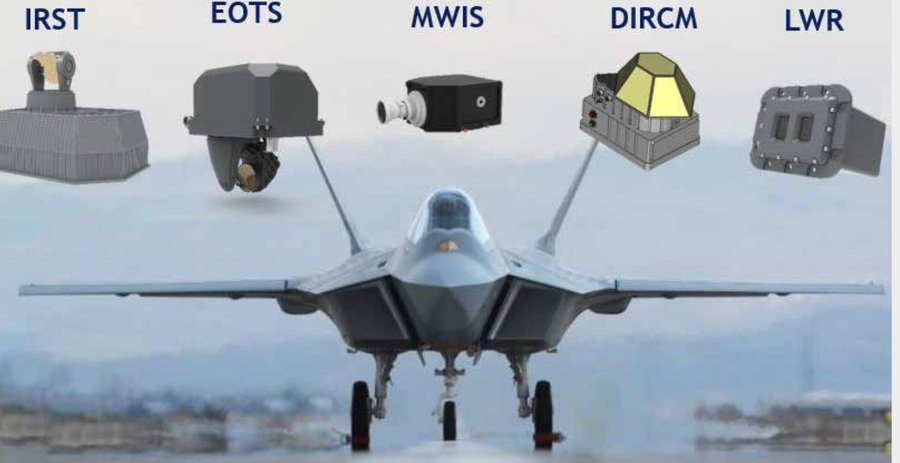
Prototypes are being produced for MWIS. (F-35 DAS equivalent?)
GO1GsLpWgAAk1-e
 
I wonder if the differences beyween MURAD-100A and 600A are more like the difference between APG-81 and SABR or Vixen 500E and 1000E.

Also, I'd imagine that MWIS would stand for Missile Warning Infrared Sensor. The sensor with its fixed aperture cannot be something other than a MAWS, realistically speaking.
 
Last edited by a moderator:
I wonder if the differences beyween MURAD-100A and 600A are more like the difference between APG-81 and SABR or Vixen 500E and 1000E.
The -100A won't differ that much with compared with the ones for the Akinci, KE and Hurjet expect for shape and size with corresponding amount of trm.

-600A I have a feeling is going to be a different beast not only wrt its trm count.
 
I wonder if the differences beyween MURAD-100A and 600A are more like the difference between APG-81 and SABR or Vixen 500E and 1000E.

Also, I'd imagine that MWIS would stand for Missile Warning Infrared Sensor. The sensor with its fixed aperture cannot be something other than a MAWS, realistically speaking.
As you've said, MWIS is short for Mid Wave Infrared System. It is the same thing as the DAS(with a better sensor 640p vs 720p). The picture shows a single camera of the MWIS. It will be placed all around the aircraft and it is also an infrared-based missile warning system on top of being a 360 degree infrared search&surveillance system.

It should be noted that the "Integrated RF System (BÜRFİS)" is a system of integrated apartures placed around the airframe. As such, MURAD-600A only one of the elements of this system.

MURAD-100A features 1138 GaN modules, so the 600A should be an upscaled version of it (along with some software differences). AFAICR APG-81 and 83 have more than 75% commonality in software, so the situation should be similar in this case.

untitled-2-jpg.723553


MURAD-100A has started flying only a couple of months ago, so it should take a significant amount of time to enhance the software. They will then need to tweak it for the upscaled version.

They will also integrate the 100A to Hurjet, jet UCAVs/LW and also to Akinci. How these will differ from the base model is still not known, but it has been reported that the integration activities on Akinci is complete and it is expected to fly any day now.

20231207_184513-jpg.713565
 
Last edited:

Similar threads

Back
Top Bottom