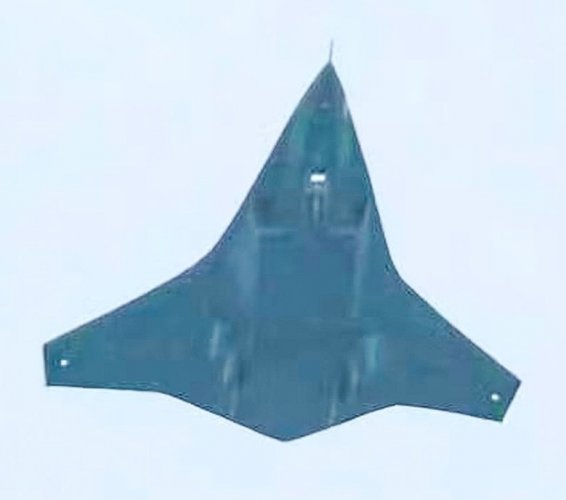
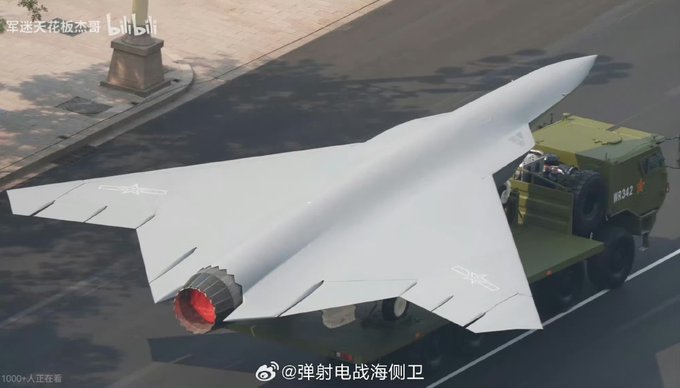
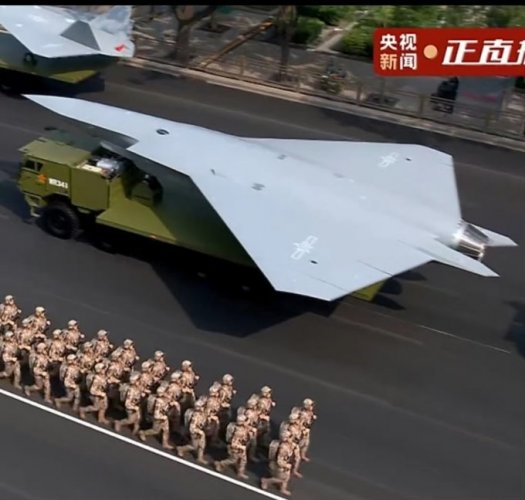
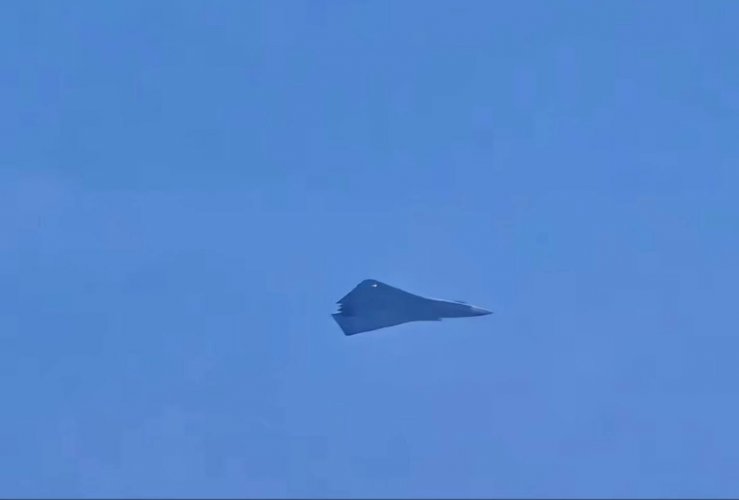
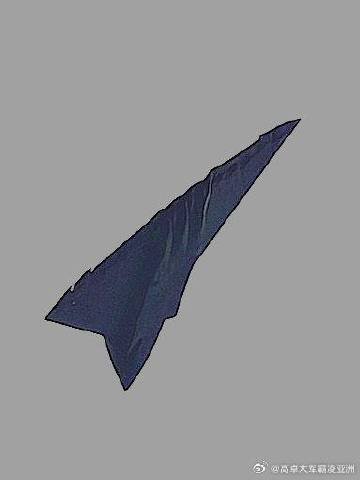
There are fierce competition between different firms just like in the US, except the proposal is usually chosen before full scale prototype stage but sometimes a full scale mockup is built like HAIG's proposal for the Z-10 program and allegedly SAC's J-XX entry.
What's the point in having a competition between two rival companies when you don't go into the real world validation stage. If one proposal is so vastly superior than the other, then the question arises why it was a competition in the first place, when a sober assessment would have immediately come to the conclusion that Contractor A cannot deliver anything remotely close to Contractor B. Furthermore, in case of the J-35 for example, as far as I am aware, there was no bidding process. It went straight from SACs privately funded FC-31 to the PLAN requesting a refined and navalized version, the J-35. It's also debatable if XAC had any competition for the H-XX contract, given that no other design house in China has familiarity with long range aviation. So that was most likely default too. To me it seems like competitions exist but are the exception, rather than the rule. The rule being that the state asks a given enterprise to develop something, if they can deliver on that. With certain design bureaus being favoritized for certain roles (SAC and naval aviation, CAC for high end land based fighters, XAC for large long range aircraft etc). In that sense it's more similarly structured to the Russian industry, where you have UAC/AVIC to whom all subsidiaries ultimately belong, with internal rivalries. It's very distinct from the US in that sense, where you have three large private contractors, not one state owned entity under which they all belong. As a consequence in the US you have all three (Boeing, Lockheed, Northrop) bid on, let's say, a next generation fighter program. While in the PRC that gets already narrowed down to SAC and CAC beforehand, in Russia to JSC Sukhoi by default. Therefore I believe saying it's "just like in the US" extremely misleading, because the surrounding structures and the bidding process itself is most evidently very different from how the Americans conduct such business.
Now, I'd like to argue that the UAV landscape would probably offer plenty of opportunities for competition, but for one, the pie seems big enough for everyone to get a slice, and secondly I'm not deluding myself by thinking I have a grasp of the scale of the current Chinese UAV landscape.