
You are using an out of date browser. It may not display this or other websites correctly.
You should upgrade or use an alternative browser.
You should upgrade or use an alternative browser.
Shenyang / Chengdu "6th Gen" Aircraft - News and Analysis



- Joined
- 2 January 2006
- Messages
- 4,235
- Reaction score
- 8,279
Another image of the "2nd" J-36 and as it seems for the first time its number is readable:  ... but it too looks like 36011!!
So, let‘s summarise since I‘m confused:
- we have a chart image of the first prototype clearly with no. 36011
- we have several images of a 2nd aircraft and the amount of changes suggest it is a different aircraft
- now we have a „clearer“ image of the same one suggesting it is likely also no. 36011 (@huitong)
Why? Just to confuse us there are two nos. 36011? Or was the first 36011 heavily modified to be now the second 36011 (IMO unlikely)
Any other theories & explanations?


... but it too looks like 36011!!So, let‘s summarise since I‘m confused:
- we have a chart image of the first prototype clearly with no. 36011
- we have several images of a 2nd aircraft and the amount of changes suggest it is a different aircraft
- now we have a „clearer“ image of the same one suggesting it is likely also no. 36011 (@huitong)
Why? Just to confuse us there are two nos. 36011? Or was the first 36011 heavily modified to be now the second 36011 (IMO unlikely)
Any other theories & explanations?


Why do you think it’s not plausible that the J-36 prototype from the onset was designed with modularity and hot swappability in mind? Especially in the prototype testing stages, being able to switch out different parts for fast flight testing would be an incredible design achievement by chengdu.Another image of the "2nd" J-36 and as it seems for the first time its number is readable:
So, let‘s summarise since I‘m confused:
- we have a chart image of the first prototype clearly with no. 36011
- we have several images of a 2nd aircraft and the amount of changes suggest it is a different aircraft
- now we have a „clearer“ image of the same one suggesting it is likely also no. 36011 (@huitong)
Why? Just to confuse us there are two nos. 36011? Or was the first 36011 heavily modified to be now the second 36011 (IMO unlikely)
Any other theories & explanations?
View attachment 792607View attachment 792608View attachment 792609
IMO the changes are not major enough to warrant a completely new airframe. I often see people of the opinion that the new undercarriage design would need a completely internal reshuffling. I don't believe that is true, simply if the landing bay was initially already designed to been able to incorporate both the set of tandem and bicycle configurations, the gear bays would not need to be reconstructed. Secondly the engine nozzles are the easiest one to point out, from the very original pictures we can see lines near the rear which are now obvious to be the joint between the nozzle and the fuselage. Lastly I don't see why it isn't possible to swap out the supersonic intake configuration
Last edited:

Tomboy
ACCESS: Top Secret
- Joined
- 4 January 2025
- Messages
- 543
- Reaction score
- 1,967
It can't be the same airframe because the original airframe thousands of kilometers away in Xinjiang under going flight test when this was spotted.Why do you think it’s not plausible that the J-36 prototype from the onset was designed with modularity and hot swappability in mind? Especially in the prototype testing stages, being able to switch out different parts for fast flight testing would be an incredible design achievement by chengdu.
IMO the changes are not major enough to warrant a completely new airframe. I often see people of the opinion that the new undercarriage design would need a completely internal reshuffling. I don't believe that is true, simply if the landing bay was initially already designed to been able to incorporate both the set of tandem and bicycle configurations, the gear bays would not need to be reconstructed. Secondly the engine nozzles are the easiest one to point out, from the very original pictures we can see lines near the rear which are now obvious to be the joint between the nozzle and the fuselage. Lastly I don't see why it isn't possible to swap out the supersonic intake configuration
And you don't think it's possible that the J-36 flew 2000km? I need some exact dates of when this aircraft was spotted, and when the spotting in xinjiang was.It can't be the same airframe because the original airframe thousands of kilometers away in Xinjiang under going flight test when this was spotted.
Edit: Actually I just measured the distance and it's 1600km, less than a 2 hour flight at a low cruise speed.
Last edited:
Tomboy
ACCESS: Top Secret
- Joined
- 4 January 2025
- Messages
- 543
- Reaction score
- 1,967
Because you don't put untested modifications on a untested prototype and fly it 1600km.And you don't think it's possible that the J-36 flew 2000km? I need some exact dates of when this aircraft was spotted, and when the spotting in xinjiang was.
Edit: Actually I just measured the distance and it's 1600km, less than a 2 hour flight at a low cruise speed.
That's not at all what I'm saying. Im saying the original J-36 could have flew to Lop Nur, with the bicycle gears, carets and troughs, did some secret flight testing. Then flew back to chengdu, where it was later modified with new pre-prepared modifications, which could be quickly swapped in. Then started new low altitude trial tests in chengdu.Because you don't put untested modifications on a untested prototype and fly it 1600km.
Is this timeline not possible, and why?
TWZ Satellite imagery first saw J-36 at lop nur in late august. We don't know how long it's been at that secret test air base. Could it have not soon thereafter flew back to Chengdu, for new modifications? Footage of the modifications were spotted back at Chengdu in late October. Give or take a 2 month window of we have no idea what was going on.
Last edited:
That's not at all what I'm saying. Im saying the original J-36 could have flew to Lop Nur, with the bicycle gears, carets and troughs, did some secret flight testing. Then flew back to chengdu, where it was later modified with new pre-prepared modifications, which could be quickly swapped in. Then started new low altitude trial tests in chengdu.
Is this timeline not possible, and why?
TWZ Satellite imagery first saw J-36 at lop nur in late august. We don't know how long it's been at that secret test air base. Could it have not soon thereafter flew back to Chengdu, for new modifications? Footage of the modifications were spotted back at Chengdu in late October. Give or take a 2 month window of we have no idea what was going on.
I think at this stage the easiest explanation is that this aircraft's serial is probably not 36011, but we should await better pictures instead.
While it's not impossible for it to be the first prototype but with key bits modified, it also somewhat goes against usual practice and also is different to what some people in the grapevine had suggested in prior months about expecting a second prototype.
In other words, I think the threshold for seriously entertaining the idea that it is a "modified first prototype" should be fairly high.

Kommoe
ACCESS: Restricted
- Joined
- 3 January 2025
- Messages
- 36
- Reaction score
- 182
i thought it is a 34011Another image of the "2nd" J-36 and as it seems for the first time its number is readable:
So, let‘s summarise since I‘m confused:
- we have a chart image of the first prototype clearly with no. 36011
- we have several images of a 2nd aircraft and the amount of changes suggest it is a different aircraft
- now we have a „clearer“ image of the same one suggesting it is likely also no. 36011 (@huitong)
Why? Just to confuse us there are two nos. 36011? Or was the first 36011 heavily modified to be now the second 36011 (IMO unlikely)
Any other theories & explanations?
View attachment 792607View attachment 792608View attachment 792609
The number is so blurry that it seems to look like any number you are thinking of, I mean I see a 6 when i think of 36011, I see a 4 when thinking of 34011. It's certain that its a 3X011 of some sorti thought it is a 34011
siegecrossbow
I really should change my personal text
- Joined
- 12 March 2012
- Messages
- 843
- Reaction score
- 2,903

Avimimus
ACCESS: Top Secret
- Joined
- 15 December 2007
- Messages
- 2,707
- Reaction score
- 1,378
Why do you think it’s not plausible that the J-36 prototype from the onset was designed with modularity and hot swappability in mind?
Including structural features like the landing gear, and including the air intake design?
If that is the case... well... I'll be humbled.
Scott Kenny
ACCESS: USAP
- Joined
- 15 May 2023
- Messages
- 19,511
- Reaction score
- 27,958
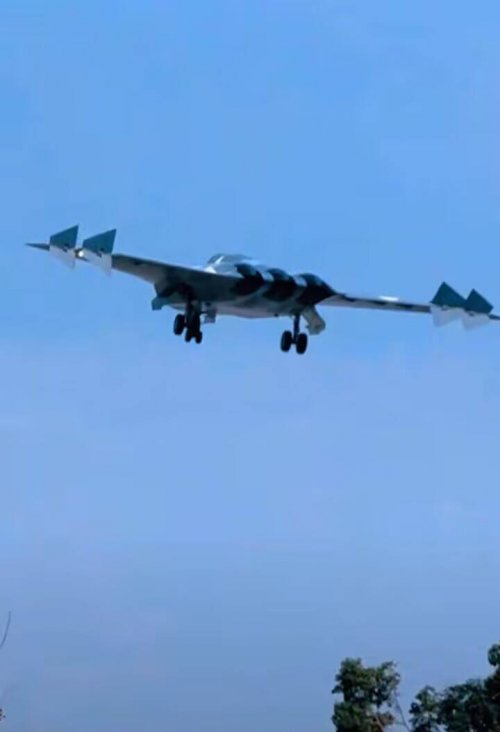
That is an awful lot of deflection on the wingtip surfaces!
siegecrossbow
I really should change my personal text
- Joined
- 12 March 2012
- Messages
- 843
- Reaction score
- 2,903
It’s coming in for landing. Needs to slow the bird down.That is an awful lot of deflection on the wingtip surfaces!

FlyGuy369
Flying is fantastic
- Joined
- 15 June 2023
- Messages
- 576
- Reaction score
- 1,693
If I had to think about why id imagine that the tiperons have that deflection is to match so kind of LD coefficient equal to what could be for a conventionally configured aircraft flap system. Maybe the greater deflection hits that sweet spot to push the CLmax to a desired value.

In_A_Dream
ACCESS: Top Secret
- Joined
- 3 June 2019
- Messages
- 786
- Reaction score
- 926
I wonder what the limitations are for those tiperons (lol) during supersonic flight
In supersonic flight they wouldn't need to deflect as much as in subsonic flight to get the same aerodynamic deflection forces.I wonder what the limitations are for those tiperons (lol) during supersonic flight
In_A_Dream
ACCESS: Top Secret
- Joined
- 3 June 2019
- Messages
- 786
- Reaction score
- 926
In supersonic flight they wouldn't need to deflect as much as in subsonic flight to get the same aerodynamic deflection forces.
Valid, I was thinking more along the lines of shockwave/buffet management around the wingtips.
Scott Kenny
ACCESS: USAP
- Joined
- 15 May 2023
- Messages
- 19,511
- Reaction score
- 27,958
I believe it's physically possible. It'd require some seriously fancy flight-control computer laws, however.Is it possible for control surfaces to lock during cruise and rely on TVC purely for trimming and occasional yaw management?
I mean, with multiple engines you can get the equivalent of aileron rolls via differential TVC, and trim and yaw by adjusting all the same direction.
Avimimus
ACCESS: Top Secret
- Joined
- 15 December 2007
- Messages
- 2,707
- Reaction score
- 1,378
In cruise one needs a lot less control authority than during takeoff or landing. It should be feasible for pitch and roll - I'm less certain about yaw.
That said, one only really needs two axis control for flight and yaw is the least important of the three axis (mainly used for dealing with cross-winds and things like adverse yaw from aileron deflection)... and is most crucial during take-off and landing - so one could theoretically just bank the aircraft into any crosswind (using pitch and roll control).
So it should be possible even with 2d thrust vectoring (assuming the nozzles can move independently (RCS and crew fatigue considerations aside).
That said, one only really needs two axis control for flight and yaw is the least important of the three axis (mainly used for dealing with cross-winds and things like adverse yaw from aileron deflection)... and is most crucial during take-off and landing - so one could theoretically just bank the aircraft into any crosswind (using pitch and roll control).
So it should be possible even with 2d thrust vectoring (assuming the nozzles can move independently (RCS and crew fatigue considerations aside).
FlyGuy369
Flying is fantastic
- Joined
- 15 June 2023
- Messages
- 576
- Reaction score
- 1,693
Hey man Lockmart queued the term during FATE/ICE lol or atleast thats my perception. I think split surface deflection may be more at play at that point.I wonder what the limitations are for those tiperons (lol) during supersonic flight

- Joined
- 3 June 2011
- Messages
- 20,895
- Reaction score
- 19,083
No reason you couldn't, and it looks like it's got ailerons and flaps that could still contribute.Is it possible for control surfaces to lock during cruise and rely on TVC purely for trimming and occasional yaw management?
- Joined
- 28 January 2008
- Messages
- 1,645
- Reaction score
- 4,210
I'm sure the tip surfaces may be mach number scheduled, with more authority at lower speeds. In regards to LO, I'm sure the surfaces could be locked-out at all flight speeds, potentially.
Avimimus
ACCESS: Top Secret
- Joined
- 15 December 2007
- Messages
- 2,707
- Reaction score
- 1,378
I'm sure the tip surfaces may be mach number scheduled, with more authority at lower speeds. In regards to LO, I'm sure the surfaces could be locked-out at all flight speeds, potentially.
Yes, if it didn't, I suspect that structural failure could easily occur (regarding full deflection at high speed). In the old days you could rely partly on pilots not having the muscle strength at high speed...
siegecrossbow
I really should change my personal text
- Joined
- 12 March 2012
- Messages
- 843
- Reaction score
- 2,903

targetpractice
ACCESS: Confidential
- Joined
- 30 December 2024
- Messages
- 165
- Reaction score
- 616
Could you upload images, please? Imgur is blocked in the uk

TwoTribes
ACCESS: Secret
- Joined
- 3 July 2025
- Messages
- 437
- Reaction score
- 1,635
View: https://x.com/WZZJWZ/status/2037414174889034206Could you upload images, please? Imgur is blocked in the uk
View: https://x.com/WZZJWZ/status/2037399678166368367
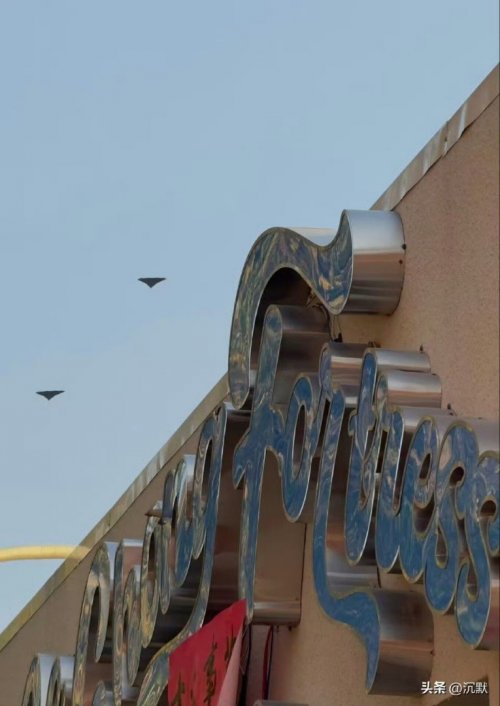
Any chance they are the different variants or are they both 2nd prototype airframe
https://www.janes.com/osint-insights/defence-news/defence/second-j-36-prototype-breaks-cover
https://www.janes.com/osint-insights/defence-news/defence/second-j-36-prototype-breaks-cover
- Joined
- 2 January 2006
- Messages
- 4,235
- Reaction score
- 8,279
Any chance they are the different variants or are they both 2nd prototype airframe
https://www.janes.com/osint-insights/defence-news/defence/second-j-36-prototype-breaks-cover
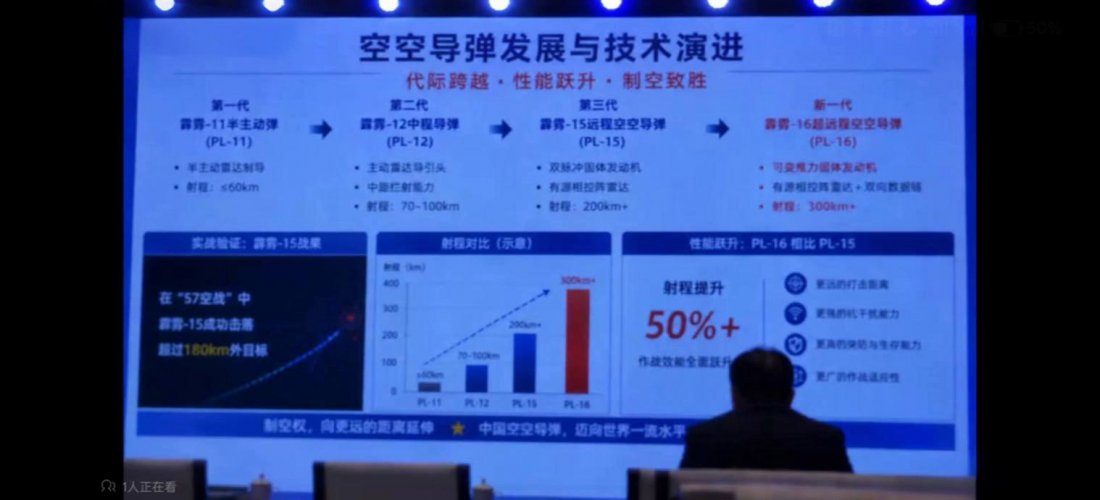
Based on the latest info, this particular image is again a fake, but from all we know there are at least three revised prototypes already and yesterday I heard a rumour, the altogether fifth J-36 flew on Weekend.
I'm not aware of the third revision, what does it look like.Based on the latest info, this particular image is again a fake, but from all we know there are at least three revised prototypes already and yesterday I heard a rumour, the altogether fifth J-36 flew on Weekend.

snne
ACCESS: Top Secret
- Joined
- 3 July 2022
- Messages
- 2,408
- Reaction score
- 8,848
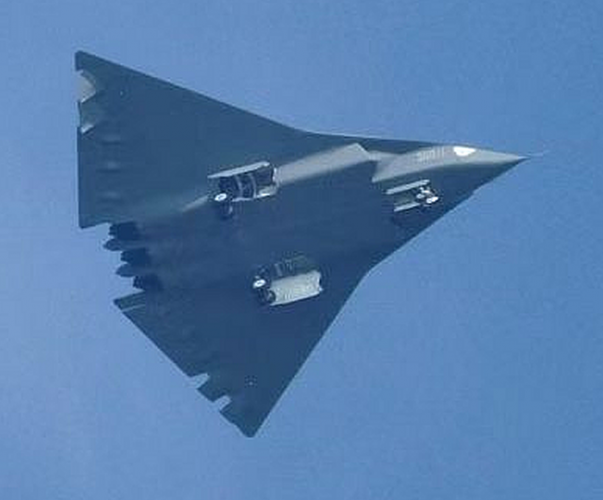
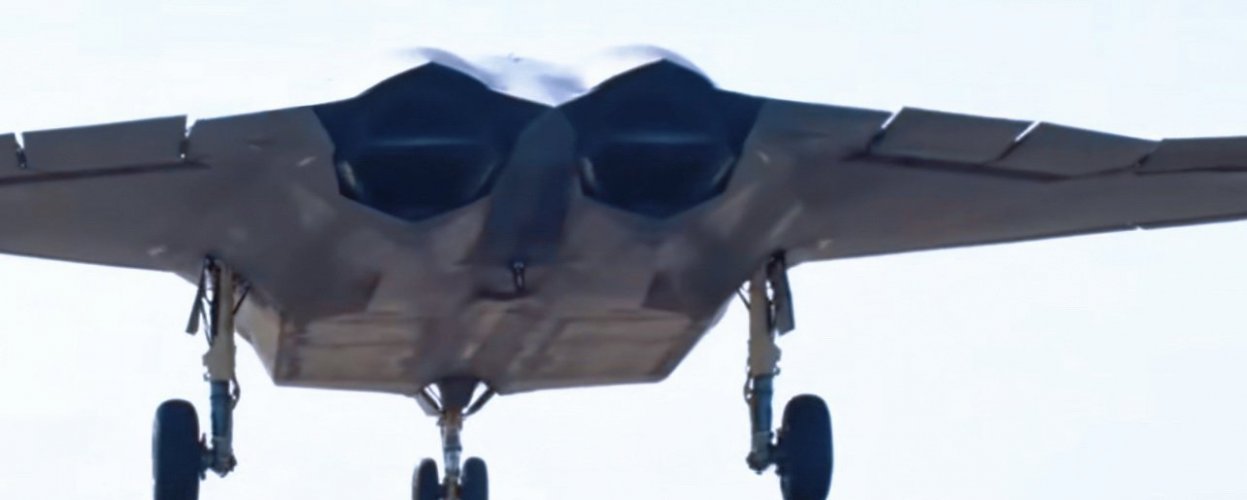
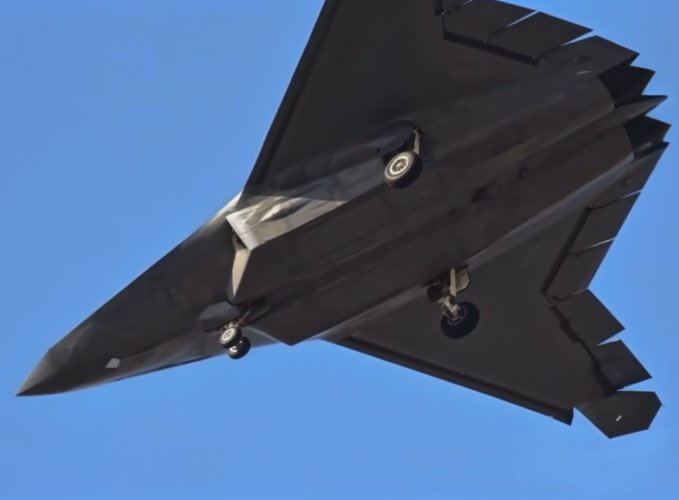
New look at the underside of the J-XDS/SAC 6th gen (although some detail has been lost due to AI enhancement!).
Via ACuriousPLAFan/SDF:
Via ACuriousPLAFan/SDF:
Looks like someone got a few pretty close shots of the J-XDS/50's bottom and rear. Posted by @数性体 on Weibo.
Though, I would like to caution of any possible AI-enhancements in these photos.
|
|
snne
ACCESS: Top Secret
- Joined
- 3 July 2022
- Messages
- 2,408
- Reaction score
- 8,848
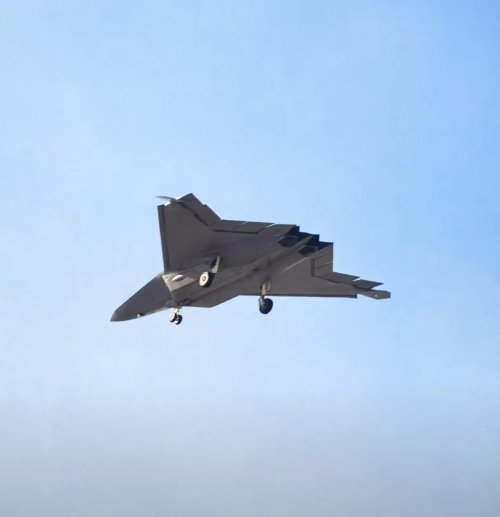
New look at the underside of the J-XDS/SAC 6th gen (although some detail has been lost due to AI enhancement!).
Via ACuriousPLAFan/SDF:
|
- Joined
- 3 June 2011
- Messages
- 20,895
- Reaction score
- 19,083
Wouldn't it create clearance issues for the stores in the bays?Two bays... but I do wonder - centreline external hardpoint?
Similar threads
-
 Chengdu J-10 "Vigorous Dragon" fighter - News only
- Started by overscan (PaulMM)
- Replies: 939
-

-
Shenyang FC-31 demonstrators / J-35 naval fighter / J-35A land-based version
- Started by Foxglove
- Replies: 1K
-

-
 The early MiG's in China - MiG-9, MiG-15 and MiG-15UTI
- Started by Deino
- Replies: 11