I'm not an engineer by trade so beyond taking people's word, my only other guiding thought is - if it needs to work right, it has to look right first lol
With that said, I do agree with
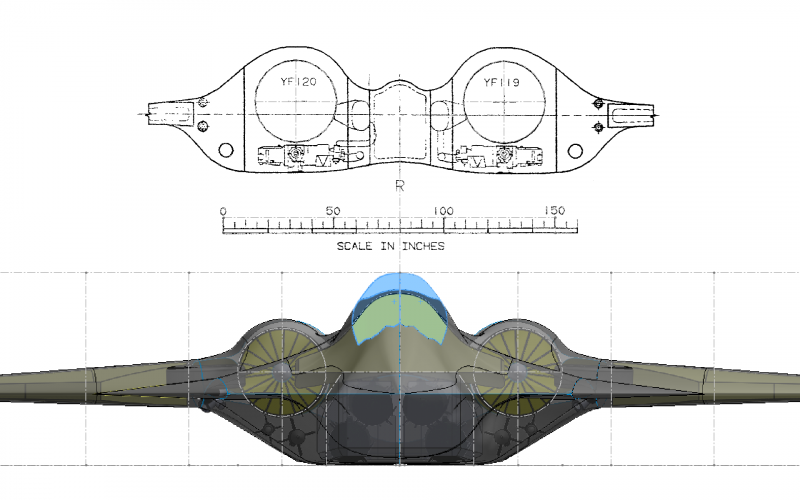
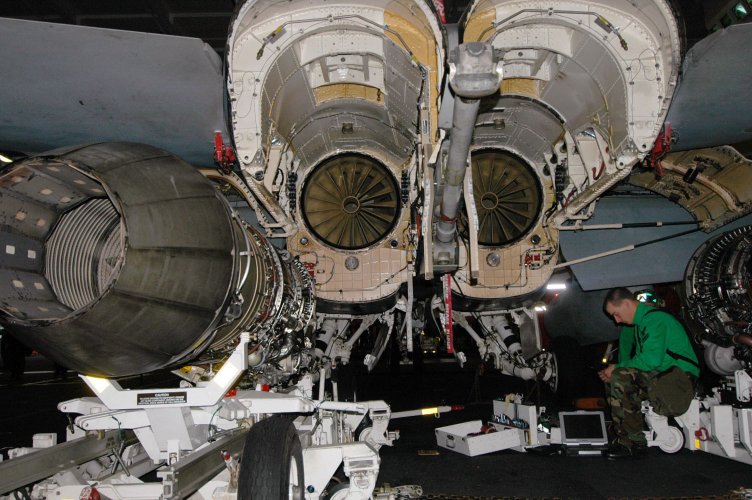
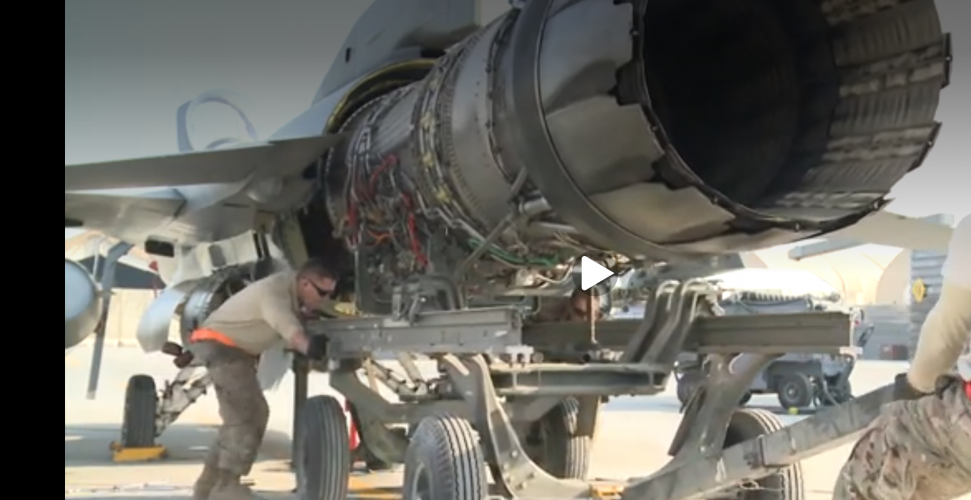
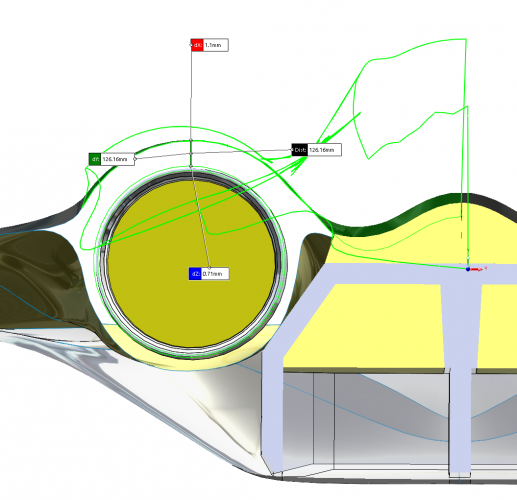
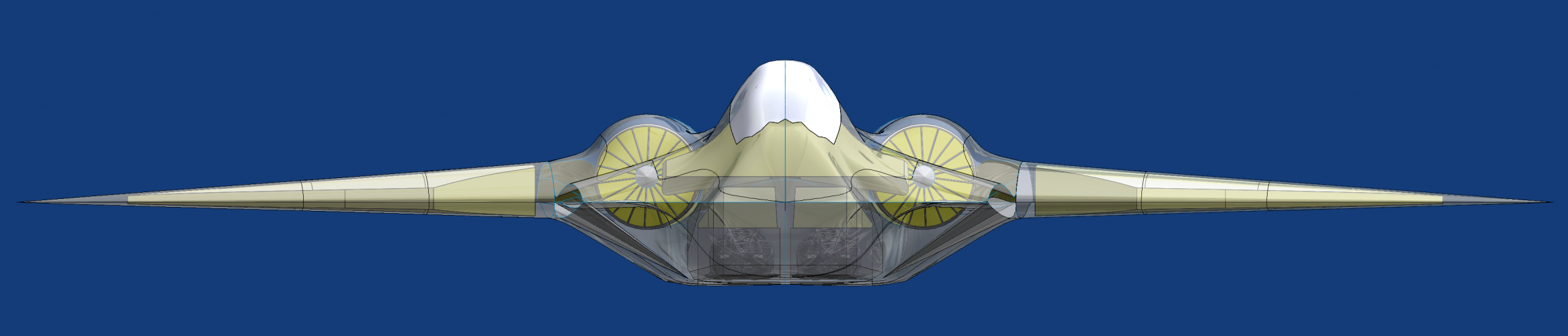
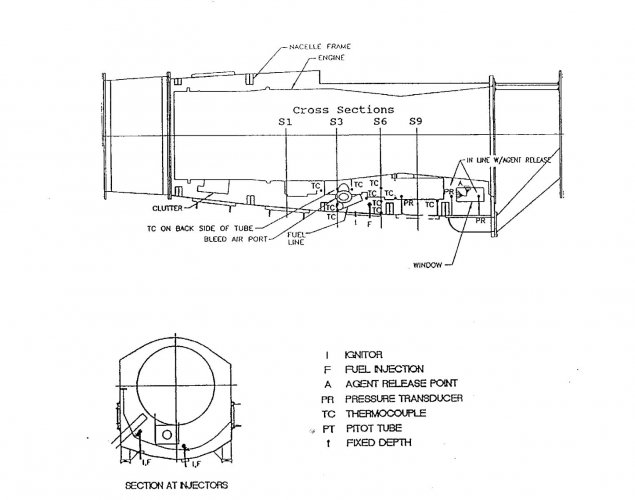
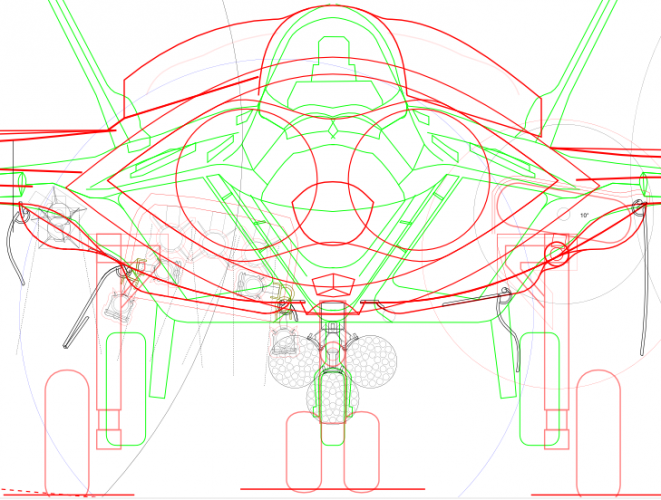
@VTOLicious. On the YF-23 EMD drawings that VTOL posted, I believe at one point I realized the F-22's bulkhead rings that wrap around the engine nacelles may even be a bit thicker than what is specified on the YF-23 drawings (and you still have to count in aircraft skin. I had a cursory search of the F-35 nacelle bulkhead rings but didn't find much to go off of. On the other hand, the F-22's appear to be on the thicker side especially toward the intake bulkhead. So while the tail where the augmentor / afterburner would go could have a little less clearance, the forward part of the engine would usually get thicker bulkheads.
View attachment 812840
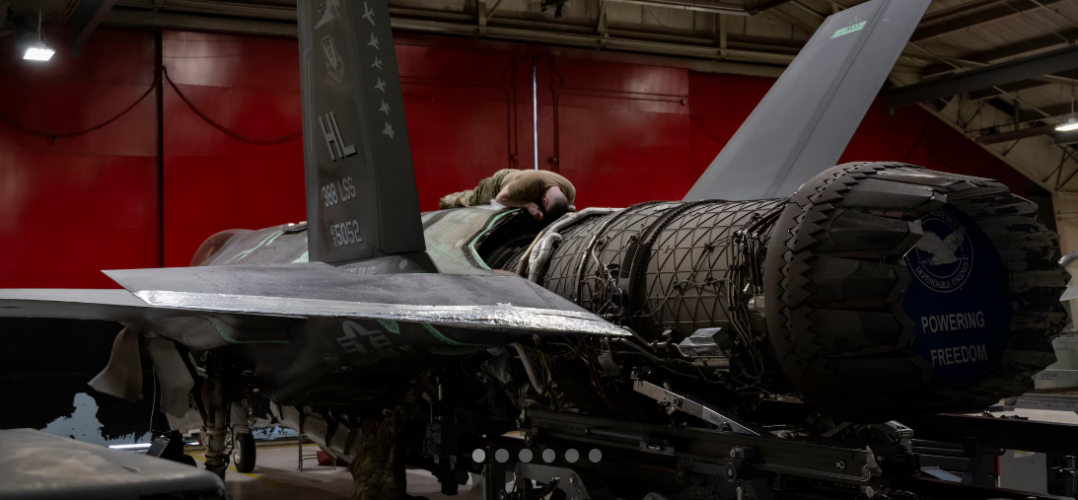
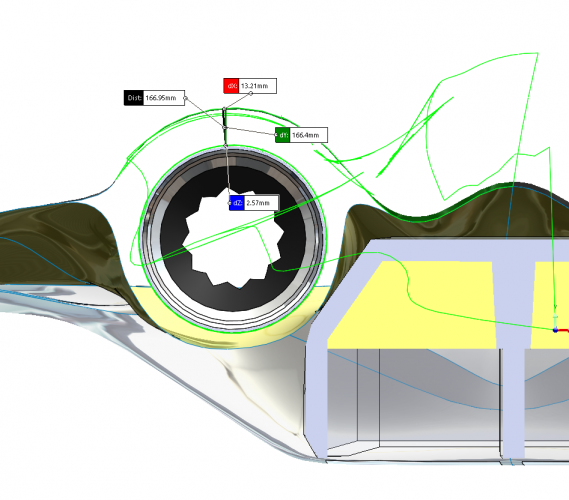
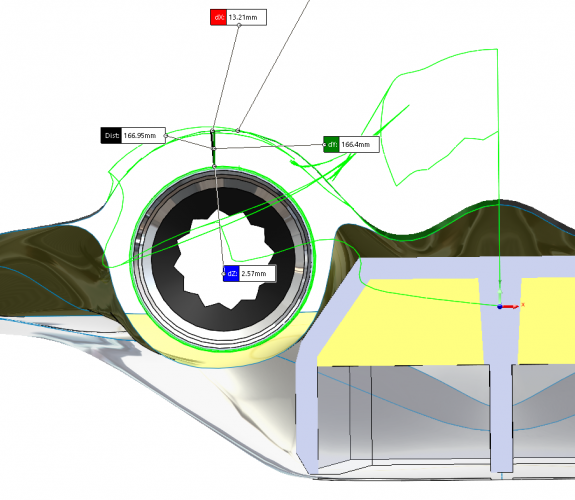
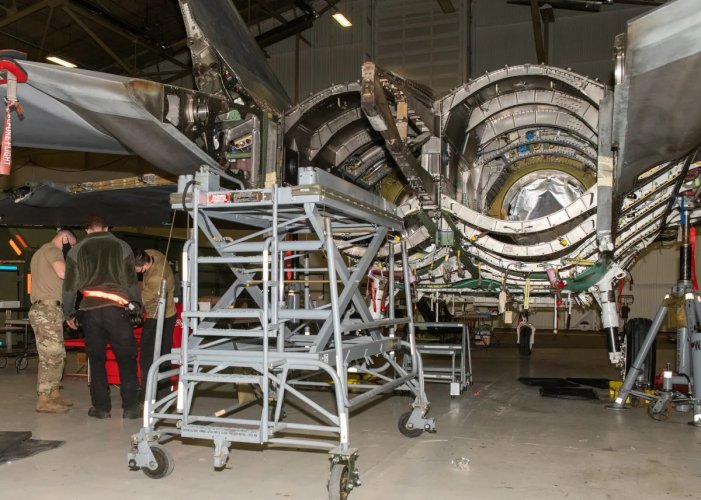
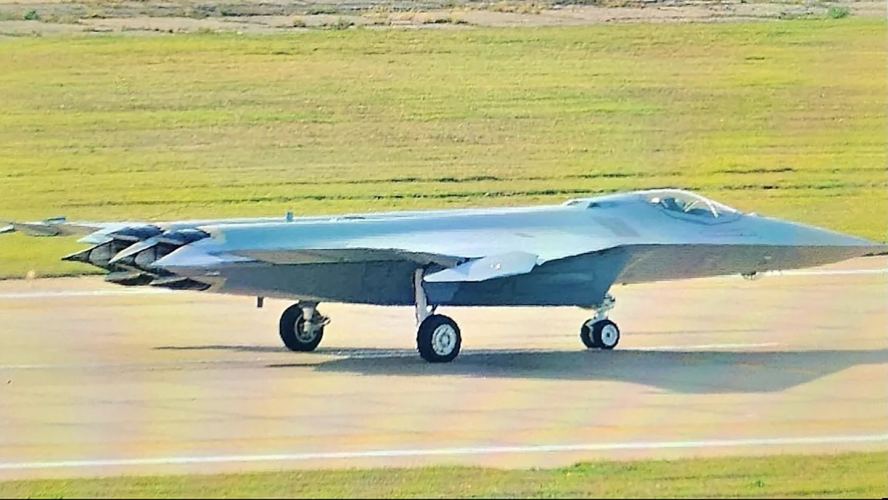
As you can see in the photo below, there appears to be quite a bit more thickness going on especially on top of the engine / nacelle.
View attachment 812839
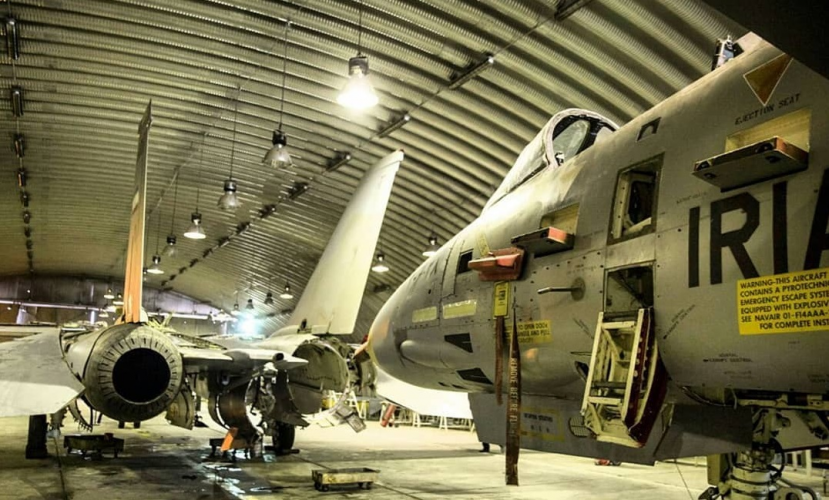
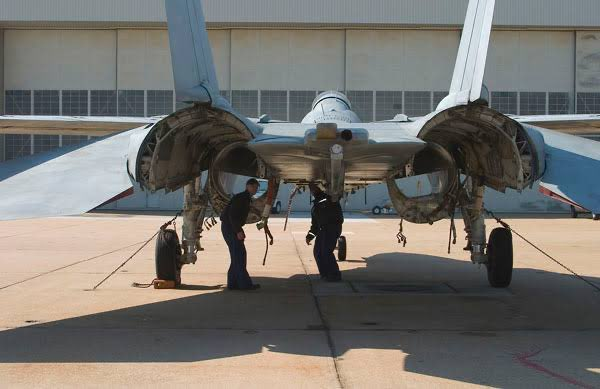
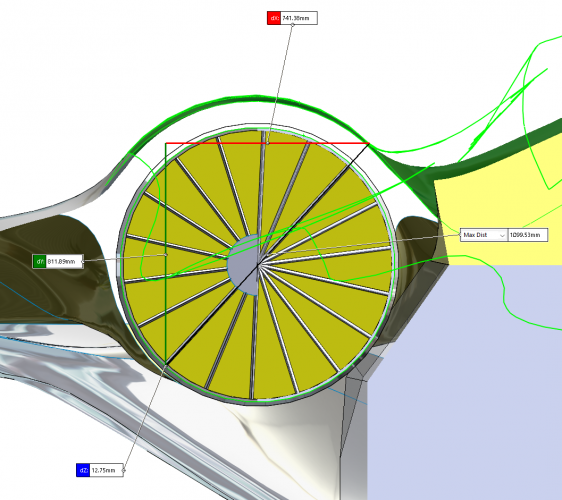
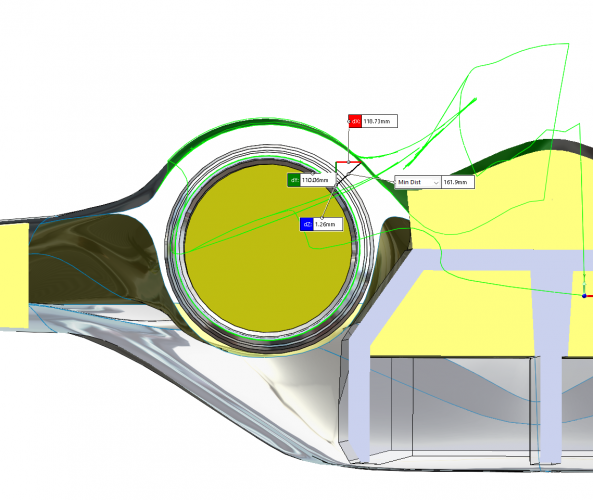
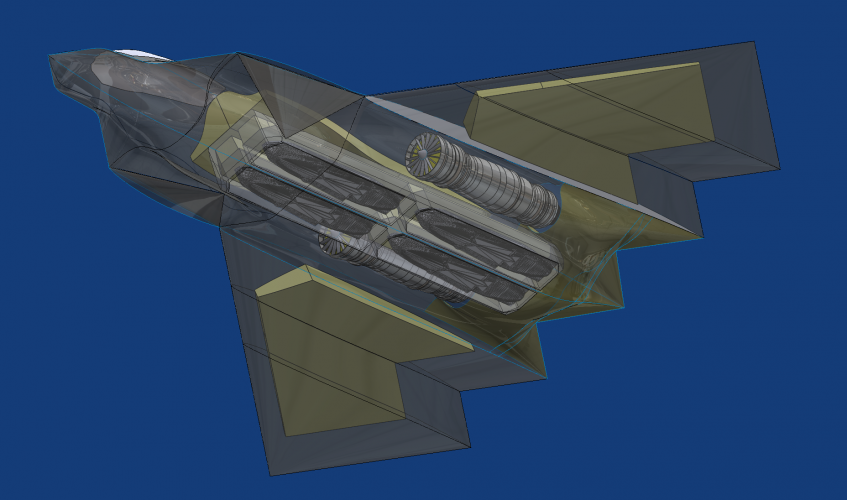
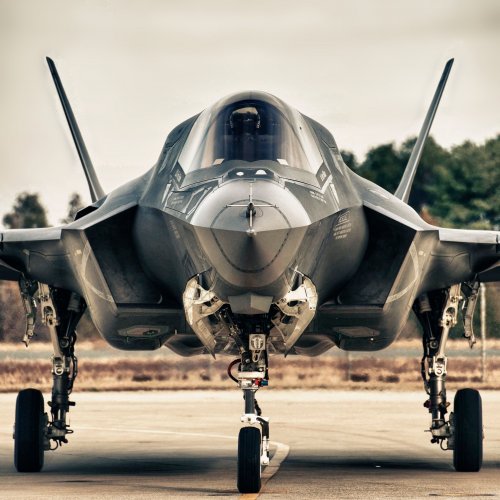
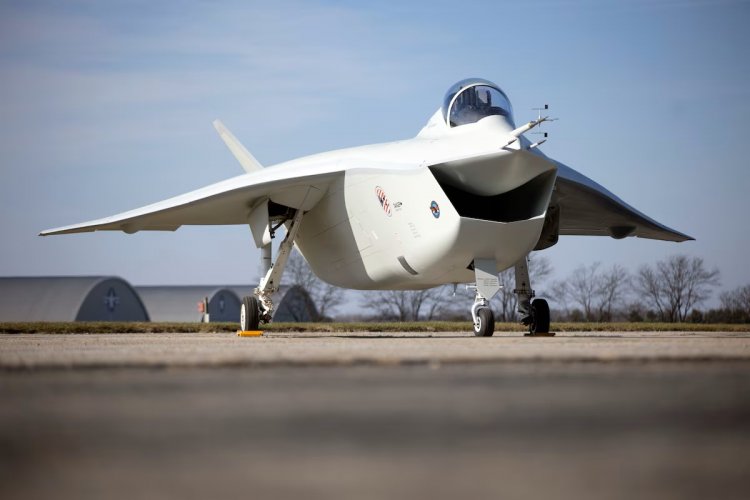
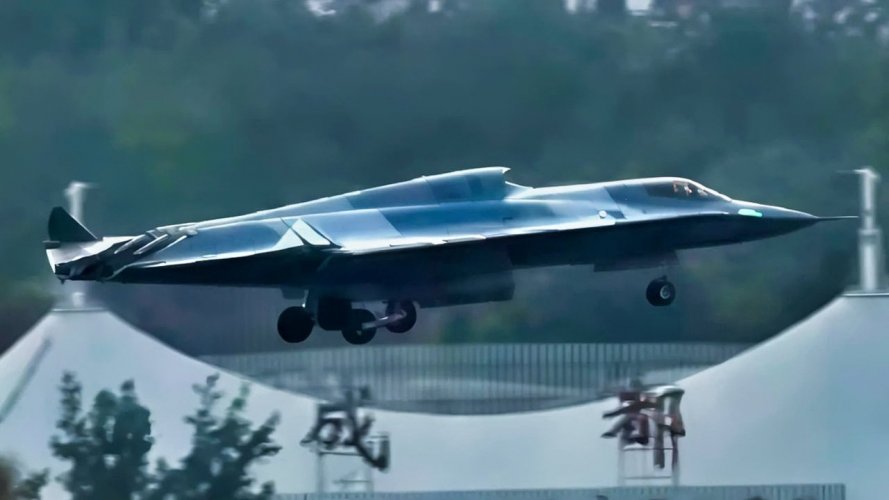
I think the stealth shaping on the bottom and side walls of the aircraft (beneath the chine) could perhaps be a bit more steep. I can't explain why because I'm not engineer, but it seems to be that every stealth fighter that's been designed has a steeper undercarriage wall whether it's chined or rounded out. Even in the same design family as the YF-23 and Su-57, the undercarriage has steeper walls. The B-21 is the only exception that has a flat and gently tapering undercarriage. I believe this could be better for stealth and it could, in theory, decrease the wetted area and make the aircraft less draggy. Incidentally, having a more steep under carriage could be a boon for your side weapon bays + whatever side arrays you'd be thinking of, as well as creating more room for your engine nacelles.
View attachment 812842View attachment 812843
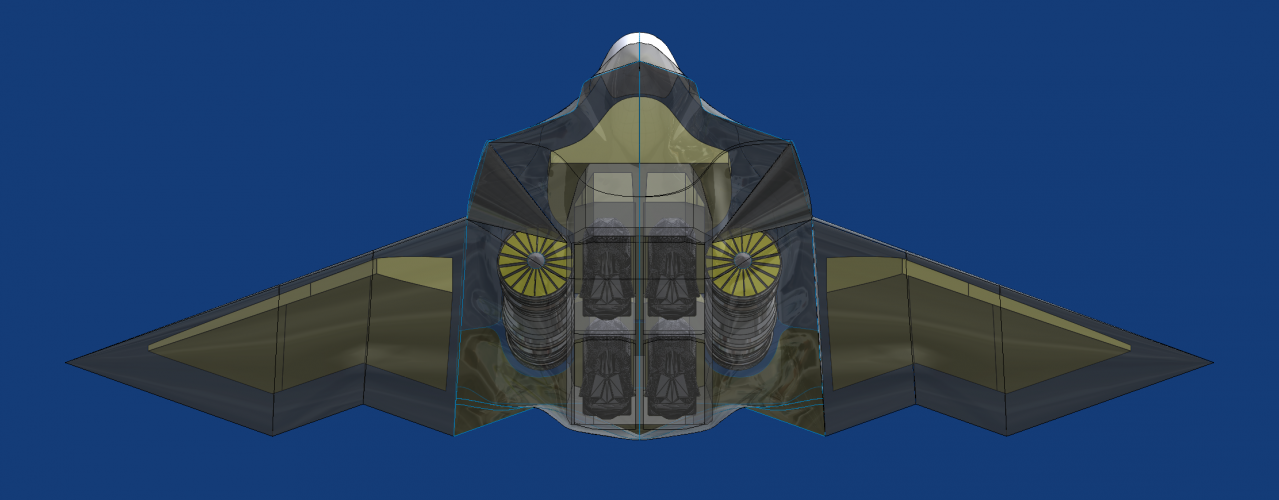
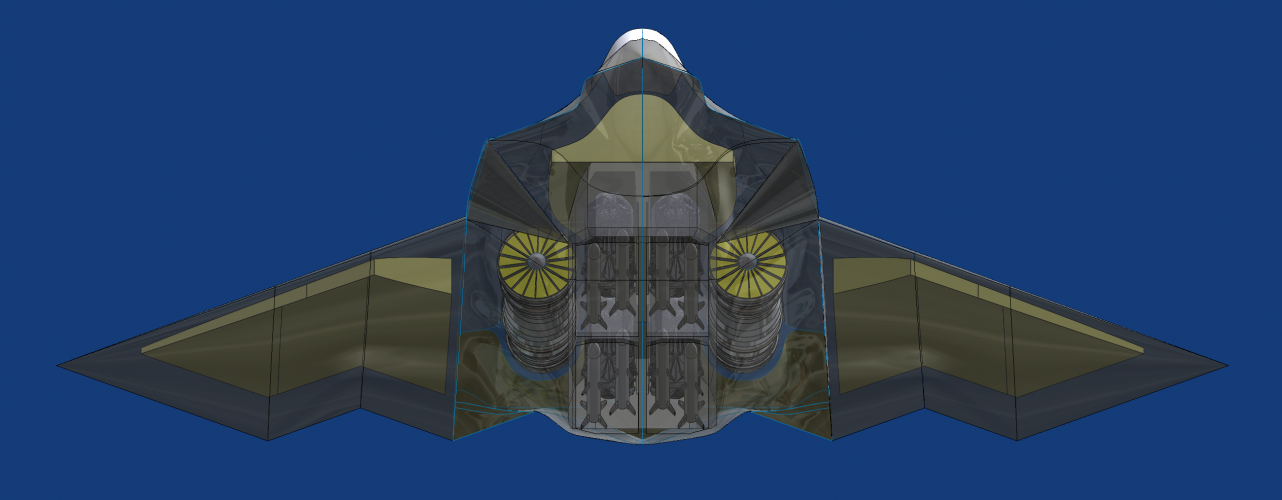
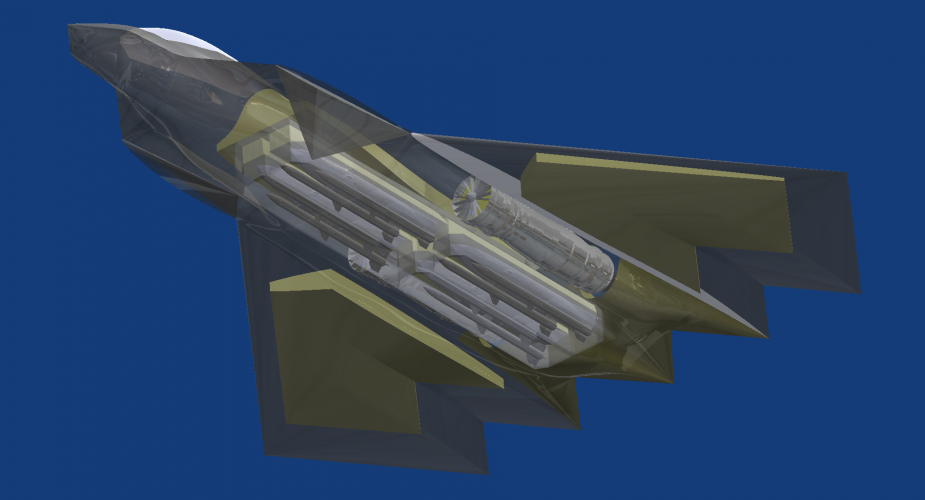
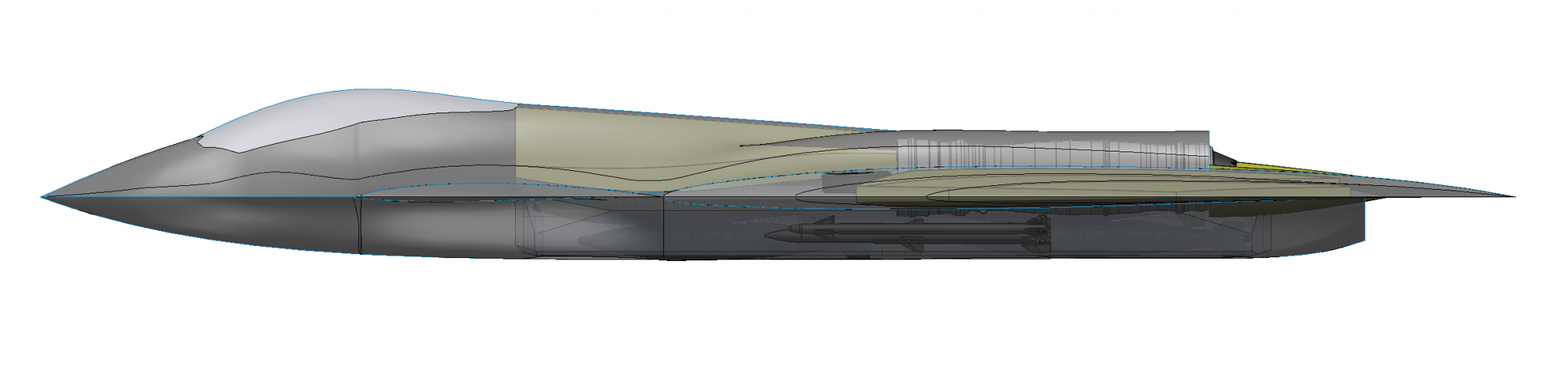
I've always thought of the undercarriage + tail end of the plane in two configurations. You could go the YF-23 route and simply start tapering real early (usually my go to for trough style exhausts), or you could go with the F-22, F-35, and any of the Chinese 5th and 6th gen fighters and end more conventionally. Generally, option A can actually offer you less weapon bay room due to the taper starting very early. Instead, given the layout of your weapon bays, option B with a more conventional exhaust system + a Su-57 weapon bay layout could net you the most in terms of your weapon bay layout. I'm guessing that's what you were going for as well.
On the subject of weapon bays, weapon bays aren't always uniform in height. The F-22, J20 and F-35 weapon bays have differing depths varying along the length of the bay. So you could possibly get away with a shallower tail bay as you move to end the taper on the aircraft. You also have to keep in mind that you have to leave room for a larger tailhook, which, in turn, has it's own mechanical parts that may take away from bay size, shape etc.
Another thing to watch out for is the diameter of your wheels, how the wheel arm folds, and whether the alotted place and gear doors support the mechanism you want them to fold in. From what I can tell, it looks good though.
For canard, wing and planform related stuff, from what cursory readings I've done, usually carrier borne aircraft have larger wing areas with less sweep or they can have higher sweep and smaller wing area + canards. So you could probably hash it out either way with this in case your volume, aspect ratio or something balloons too much.
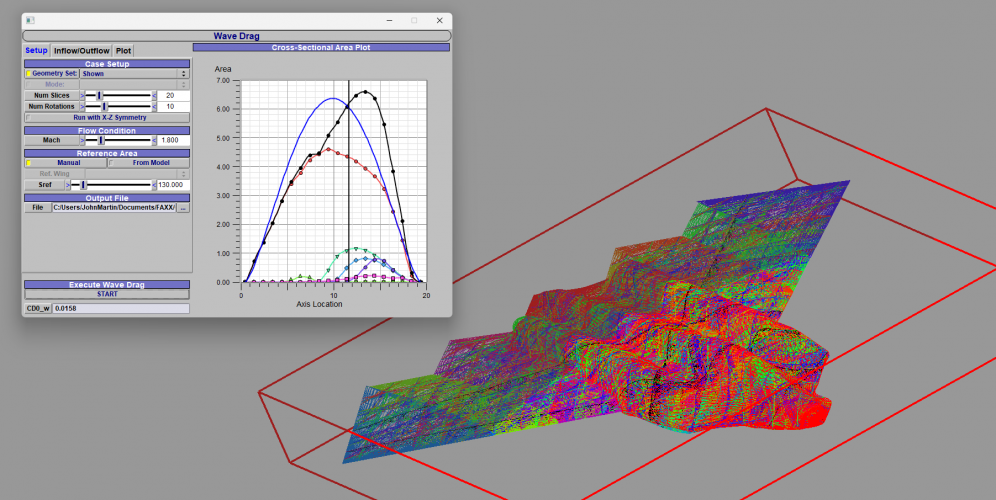
Lastly, like VTOL pointed out on the other thread, It's useful to evaluate your model's volume and keep an eye on that as you keep working on it.

 to tackle the problem and hopefully in the end you'll see it my way.