Hi,
While the acquistion costs of the components for a third catapult may well be not as high as some fear, we shouldn't neglect the installation, test and evaluation costs, as well as the added life cycle burden, including additional crew, spare parts and maintenance. In addition adding an additional catapult will also increase the need for extended support systems (electrical and fire fighting and such) as well as increase the overall displacement of the ship. As such, in order to get a better understanding of the trade-offs between a two or a three catapult system we probably should also try to better understand these additional impacts as well.
 
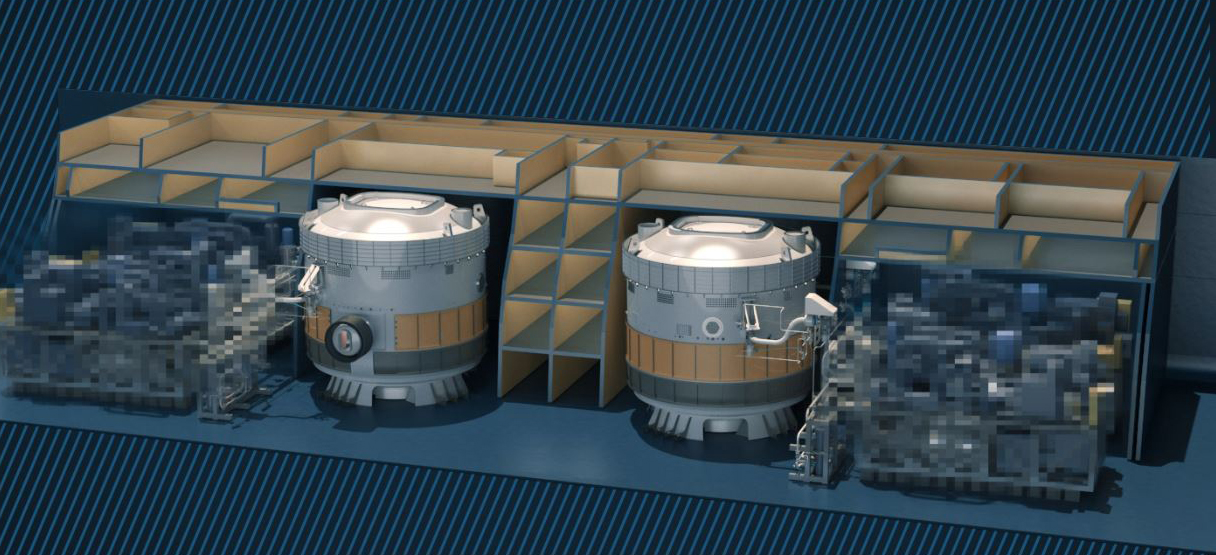
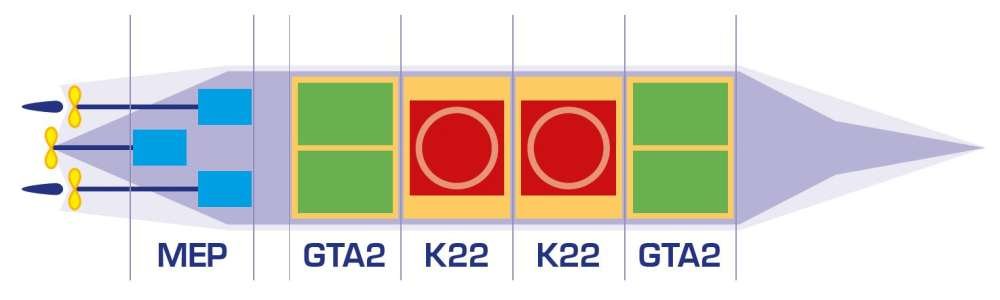
Two 220 MW nuclear reactors to power the PANG by the looks of things Titus K? Would that be the reactor issue settled or is it still under discussion?
 
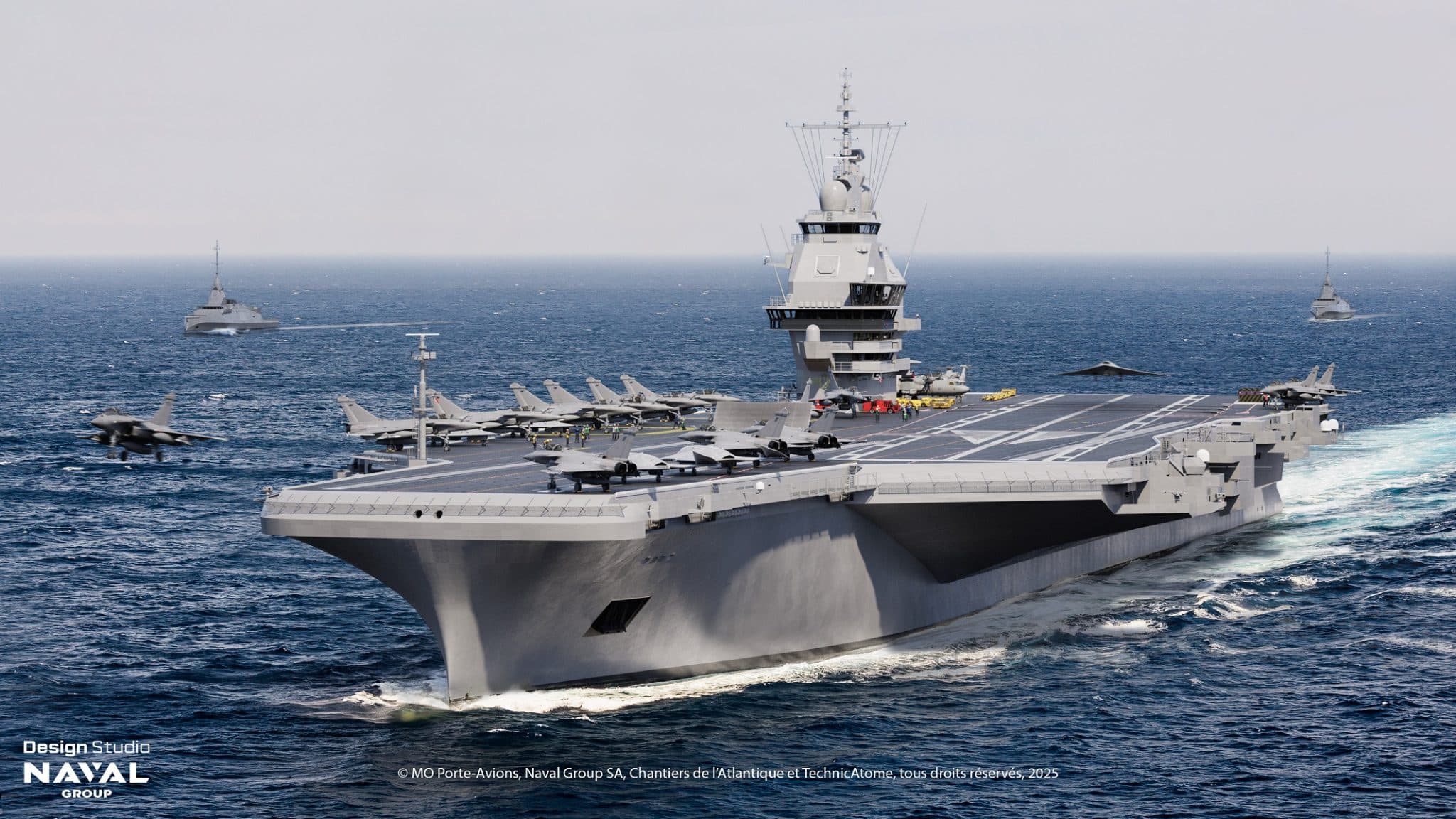
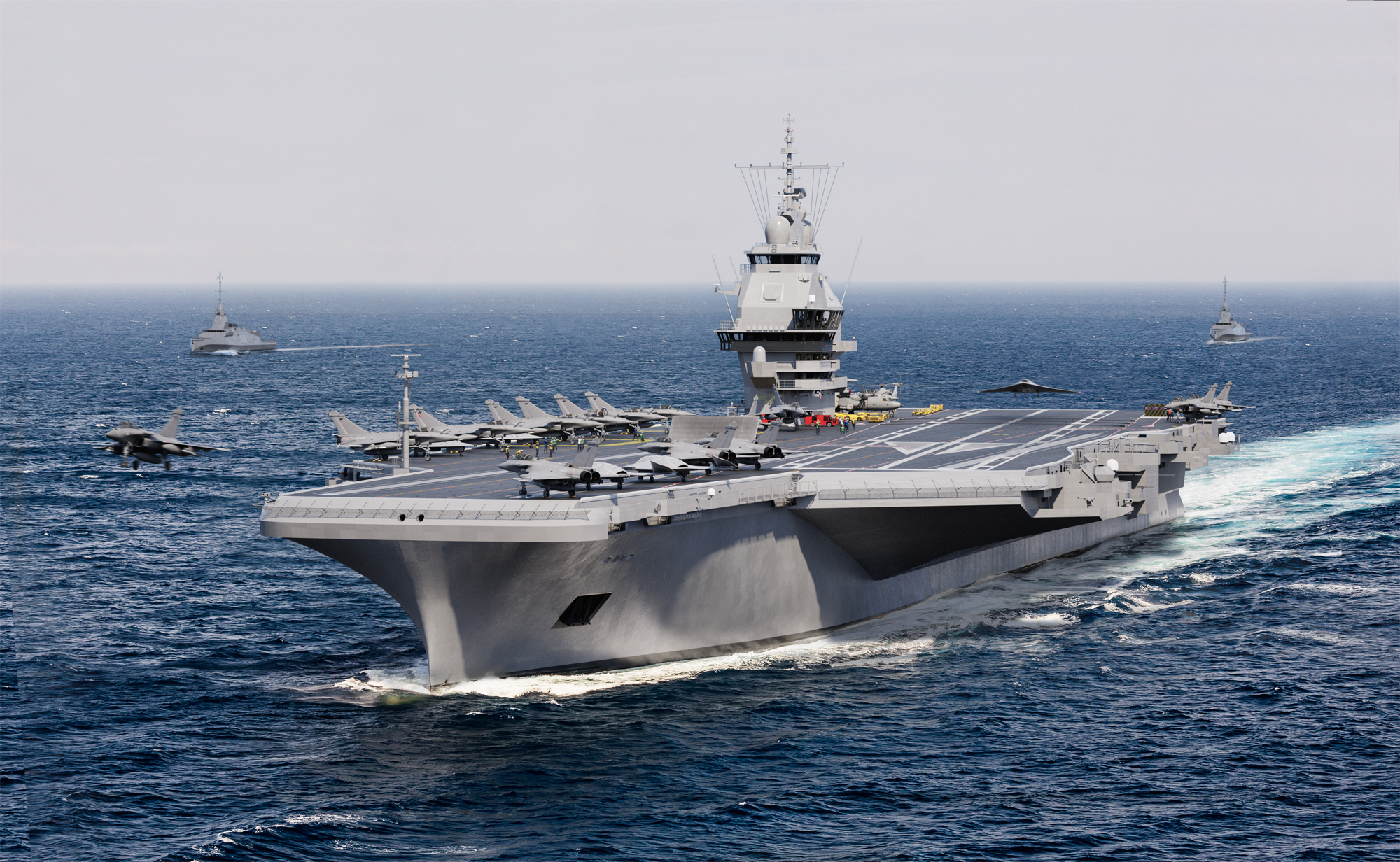
Huh. No "clown nose"?
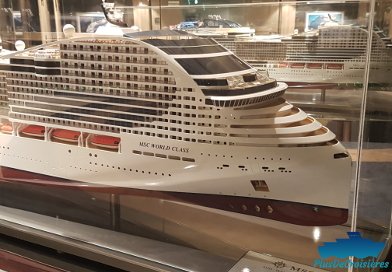
As I mentioned back in post 518 about the “ducktails” being synonymous with Chantiers de l’Atlantique’s recent designs, I think the same applies here.
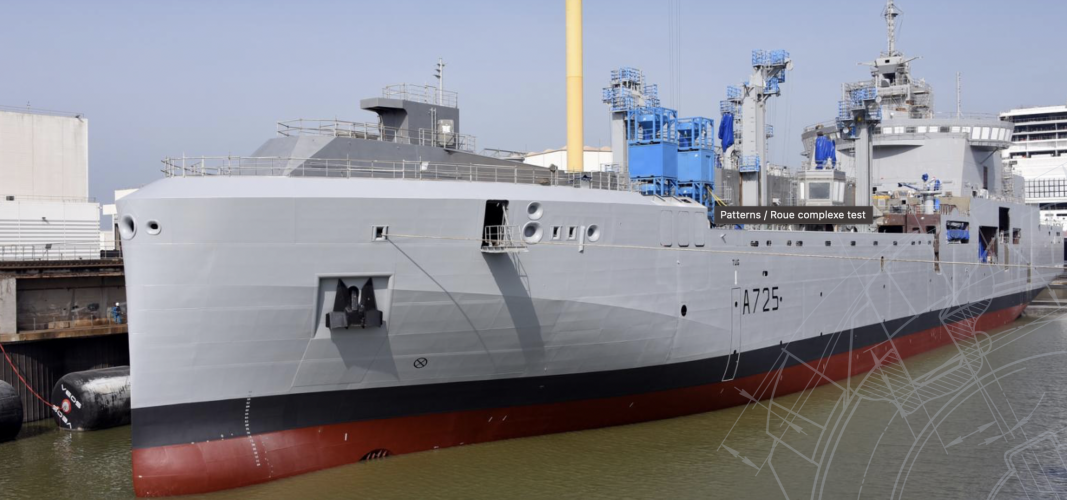
If you look at the bow of the World-class cruise ships, and even at the new French Navy BRF fleet oiler, which is a Fincantieri design but with a bow modified by CdlA, you’ll see the similarity.

As to the why, i'll let someone else explain it since i'm not a naval architect
 

Attachments

  • WC_MscEuropa_avant.jpg
    WC_MscEuropa_avant.jpg
    116.9 KB · Views: 143
  • Capture d’écran 2025-09-20 à 11.22.14.png
    Capture d’écran 2025-09-20 à 11.22.14.png
    3.3 MB · Views: 109

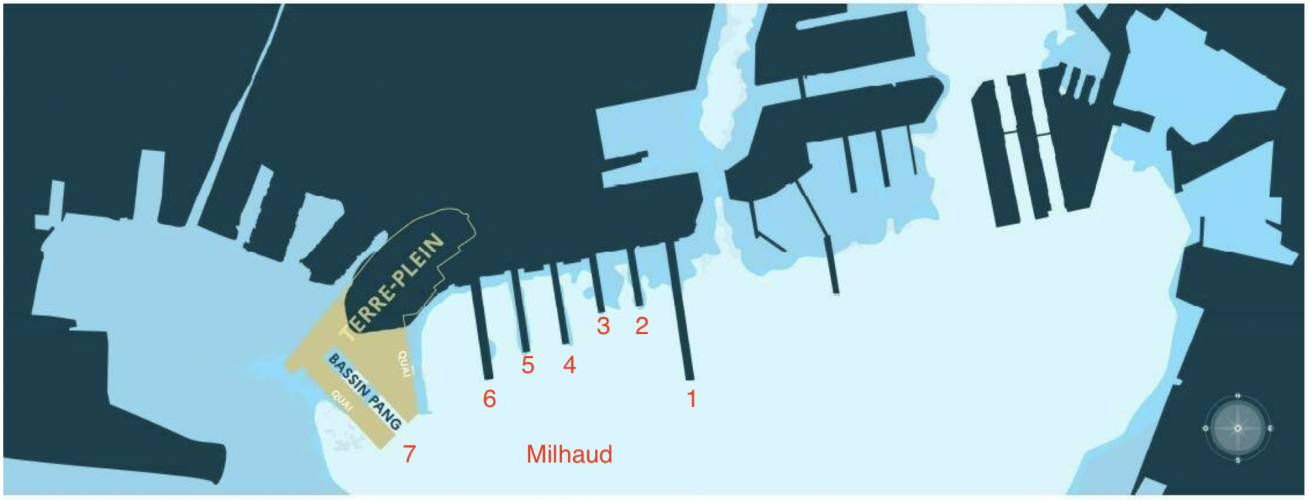
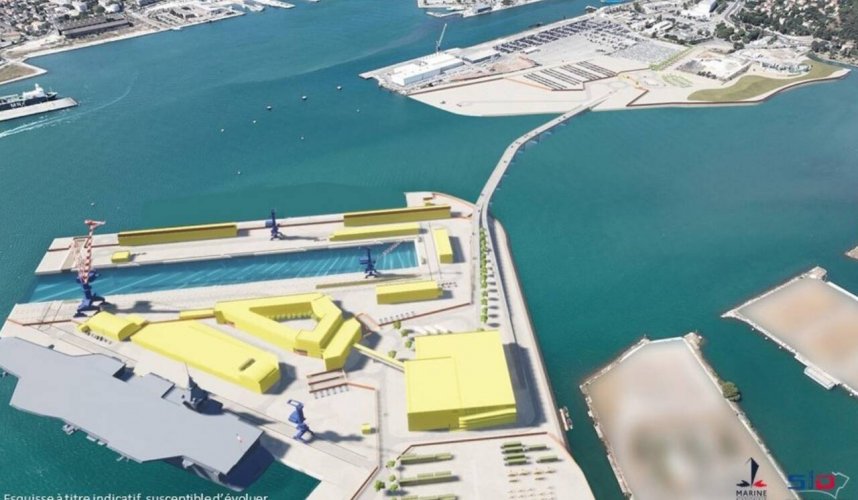
Some more info on PANG's future 15 hectare hub at Milhaud 7 : the large 360x80m drydock and the 2x 400m piers


Fifteen hectares reclaimed from the sea and a bridge for the future next-generation aircraft carrier expected in Toulon

Although the next-generation aircraft carrier is not expected in Toulon until 2035, work has already begun to build the infrastructure needed to accommodate it at the naval base. Here’s an update.

The facilities dedicated to hosting, maintaining, and supporting the future nuclear aircraft carrier will be built on land reclaimed from the sea.

A 15-hectare polder will include 400-meter quays and a 360-meter dry dock, connected by a bridge to the Brégaillon area

For a long time, the Toulon naval base was competing with Brest to host the successor to the Charles de Gaulle. After careful consideration by the general staff, Toulon — the largest military port in Europe — ultimately won the decision in 2019. Another debate then began: where should the maintenance of this ship, far larger than the nuclear aircraft carrier currently in service with the French Navy, take place? Should one of the Vauban dry docks be converted, or should a dedicated facility be designed?

"To better control costs and scheduling, we chose to build new infrastructure, as an integral part of the combat tool. This solution also allows us to preserve the full maintenance capacity of the Vauban complex," explains Vice Admiral Christophe Lucas, Maritime Prefect for the Mediterranean.

The project of a lifetime

While the military remains discreet about the cost of the operation (1) — “It’s confidential, all the more so as we are still in the consultation phase with companies,” specifies Admiral Lucas — one thing is certain: “This is an extraordinary project, the likes of which have not been carried out within a French operational military facility for 40 years. Back then, it was Dry Dock No. 10, built for the maintenance of nuclear ballistic missile submarines,” says General Engineer Pierre-Jean Rondeau, Director of the Defense Infrastructure Service (SID) for the Mediterranean.

And indeed, the upcoming construction project is on an exceptional scale. “We are going to reshape the naval base for the years to come,” insists the maritime prefect. On the western side of Quai Milhaud 6 – the berth of the Charles de Gaulle – at the border with the Pyrotechnics area, the French Navy will reclaim 15 hectares from the sea. By way of comparison, the Vauban islet, where the main warships based in Toulon are currently maintained, covers “only” 11 hectares. “As an extension of the current Drop Zone, a 15-hectare polder (an artificial stretch of land reclaimed from the sea) will be created. In addition to a 400-meter-long quay and a 360-meter dry dock that meet the Navy’s strict requirements, this polder will include hangars, storage areas, offices, and a parking lot… everything necessary to maintain and support the PA-Ng (next-generation aircraft carrier),” explains Admiral Lucas.

A 500m bridge that will become a 4th entrance

But the most spectacular element of the project, at least the most visible, will undoubtedly be the construction of a 500-meter-long bridge linking Toulon’s naval base to the Brégaillon port area, located in the commune of La Seyne. In an article published on June 3, 2024, Var-matin had already raised this possibility. A year later, the French Navy has confirmed the option. “The bridge will have sufficient clearance to allow the passage of ‘bugalets,’ those small boats that transport munitions between the pyrotechnics site and the warships,” comments General Engineer Rondeau. “Twenty thousand people enter and exit the naval base every day. By absorbing the traffic related to the project, this bridge will prevent access difficulties to the military compound from worsening (…) At the end of the works, the structure will not be demolished, but converted into a 4th entrance. It will therefore help ease congestion at the three current access gates,” adds the maritime prefect.

But we are not there yet. The serious work will only begin in 2027 with dredging operations in the far western part of the small harbor. On this subject, “in a circular logic,” the sediments recovered will, whenever possible, be reused in the construction of the polder, for which Belgian or Dutch companies might be called upon. “The European leaders in land reclamation,” says Admiral Lucas.

More than 1,000 workers per day!

For now, the study phase that began in 2023 is continuing. These include clearance studies, currentology studies, studies on the biodiversity of local flora and fauna, as well as on water quality. Even preventive archaeology studies. “In the area where the PA-Ng facilities are to be built, there used to be an island. We are almost certain to discover interesting remains, such as ceramics,” explains the director of SID Méditerranée. As for pyrotechnic pollution, the military authorities are fairly confident. “We have detected metallic debris probably from the scuttling of the fleet, but since the area was relatively far from any activity during World War II, we believe there are very few unexploded munitions,” says Admiral Lucas.

The admiral emphasizes one final point: “The project, which could involve more than 1,000 workers per day, will be an economic driver for the region. But we do not have two or three years of leeway. The infrastructures must absolutely be completed by 2035, the year when the next-generation aircraft carrier is due to arrive in Toulon for its fitting-out operations.”

image.jpeg
 
Last edited:

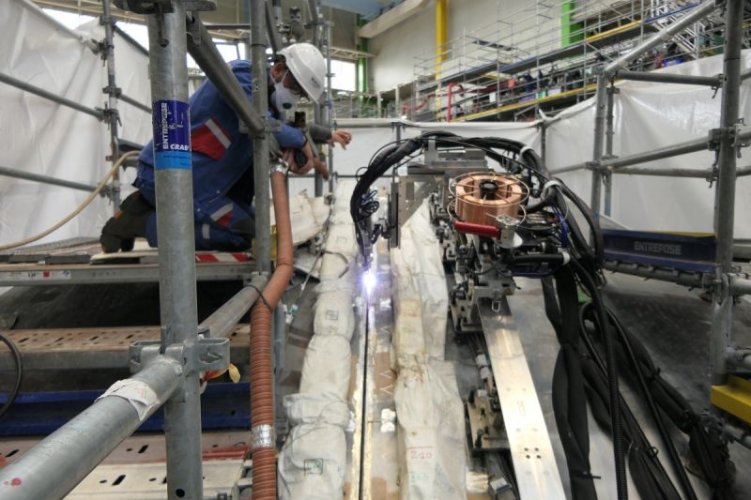
PANG | First Welding of the Containment Vessels

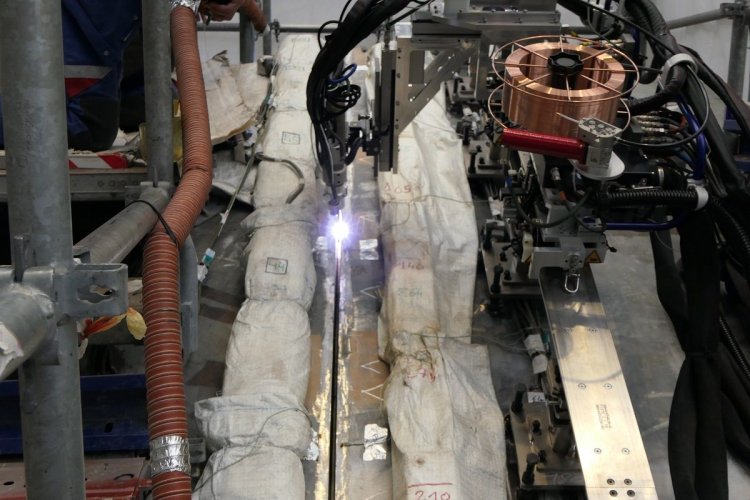
The ceremony for the welding of the first plate of the containment vessels, which will house the nuclear reactors of the next-generation aircraft carrier PANG, took place in Cherbourg on September 25, 2025.

The construction of these iconic elements of the ship began with its most complex, technical, and demanding phase: the base, at the NAVAL GROUP shipyard in Cherbourg, a site with unique and highly specialized expertise, particularly in boilermaking.

Unprecedented in scale, these metal vessels will measure 14 meters in height and 13 meters in diameter, weighing 1,300 tons each. They are a distinctive feature of aircraft carriers, unlike submarines, whose thick hulls provide the equivalent protective function for their nuclear reactors.

The future next-generation K22 nuclear reactors will be integrated into these vessels, which will then in turn be integrated into the ship. Designed by TechnicAtome under the responsibility of the CEA, these containment vessels represent a major industrial challenge for this extraordinary program, led by the DGA, with commissioning scheduled for 2038.
 

Attachments

  • image.jpeg
    image.jpeg
    78.5 KB · Views: 74
  • image.jpeg
    image.jpeg
    145.6 KB · Views: 56
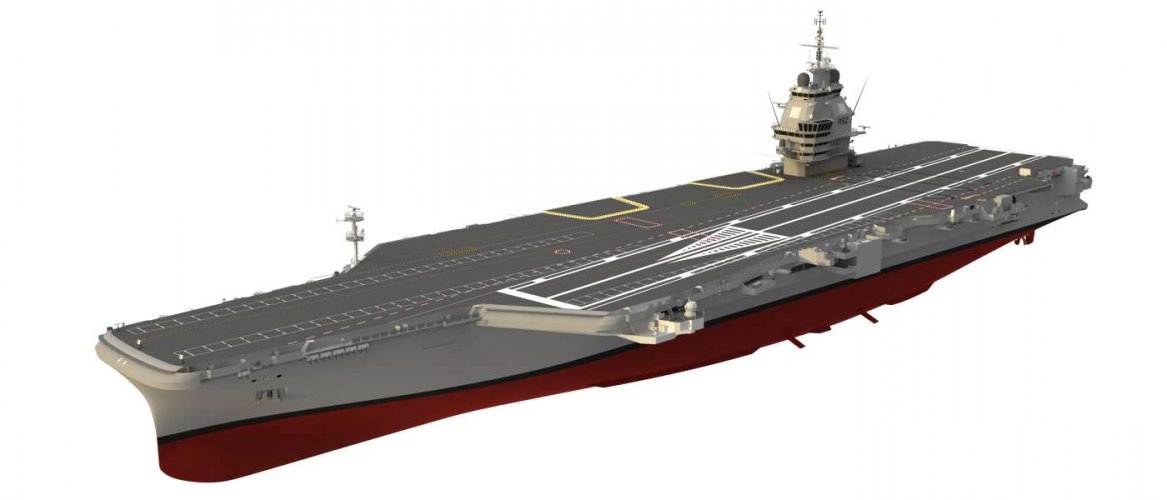
Here's a size comparison... PANG vs CdG.

View attachment 785122
The PANG island looks so tiny. Nice additional space freed on the deck.
I'm crossing fingers that everything goes smoothly as planned and that the construction of this carrier doesn't face the hardships its predecessor went though. Let's pray for FCAS as well...
 
The budget draft submitted by the PM (and former MoD) this week contains the following paragraphs about PANG (translated):
For the Next Generation Aircraft Carrier (PANG) program, the main commitments planned for 2025 and 2026 include:
• continuing the detailed preliminary design of the ship and the associated risk-reduction studies;
• continuing the early production preparations launched in 2024, particularly regarding long-lead procurements and the development of the integration of the EMALS catapults and AAG arresting gear;
• placing the main construction contract for the next-generation aircraft carrier.

Funding for the third catapult rail and the data-centric evolution of the Combat Management System (CMS), as part of its incremental development approach, is provided under the supplementary budget announced by the President during his speech at the Hôtel de Brienne on July 13, 2025, and covered by the additional appropriations.

For the PANG Infrastructure program, the main commitments planned for 2025 concern the continuation of diagnostic work and preparatory design and service continuity studies, as well as preliminary works required for the construction phase of the future aircraft carrier’s support facilities.
In 2026, these works will continue, along with related implementation studies, dredging, civil engineering, structural works, and handling facilities, paving the way for the construction of the basin and berth for the Next Generation Aircraft Carrier.
(https://www.budget.gouv.fr/documentation/file-download/30673 - page 440)

Second paragraph pretty much confirms (although it was implied before) that they intend to fit it with 3 EMALS and I'm glad to hear that as 2 would've been a huge waste. Still no official order and budget though, the current political turmoil will be considerably slowing things down.
 
Currently ~€13 billion has been budgeted for PANG...

... but that number will go up with periodic adjustments for inflation and changes in scope as PANG's build progresses.
Wow, that has really escalated....

The smaller conventional PA2 variations were 3-4 billion. Would be more now with inflation, emals etc, but you'd still get probably two of them for that money.... which would have been the initial navy preference.

I'm still surprised that there is no hot debate about cancellation, given the political situation and budget problems....
 
Wow, that has really escalated....

The smaller conventional PA2 variations were 3-4 billion. Would be more now with inflation, emals etc, but you'd still get probably two of them for that money.... which would have been the initial navy preference.

I'm still surprised that there is no hot debate about cancellation, given the political situation and budget problems....
Carrier seems to be the one thing the different french parties at the parliament seem to agree on.

CVF FR with steam catapults isn't possible anymore as the US doesn't make steam catapults anymore, that would've reduced the cost. And the main cost reduction from CVF FR initially came from the simultaneous construction with the British carriers.

It is honestly extremely expensive but what other choice does France have? Buy F-35Bs and operate 2 STOVL carriers? That would end up being more expensive than this PANG. We have to look at the naval aviation cost as a whole, of which the carrier is just one item, though the single most expensive one. When looking at the overall cost, I'm not sure the 2 STOVL carriers would come out that cheaper (I'd need to crunch the numbers). But then comes the hard question of: how will they procure a 2nd carrier now that we're out of the peace dividends era that allowed the French Navy to operate only one carrier safely?
 
Dcns had the catobar projects juliettte etc. Conventional, about 60k tons, 3-4 billion.
With inflation, say 4-5 billion. Emals etc 5-6 billion? Still two within 13 billion and some change....
 
I'm still surprised that there is no hot debate about cancellation, given the political situation and budget problems....
Probably because the CVN is a non negotiable pillar of French national security and foreign policy. As well as providing plenty of jobs during construction and down the line. The benefit, some of which not immediately tangible, outweigh the cost in the end. Even if that cost may appear massive at first.
 
Probably because the CVN is a non negotiable pillar of French national security and foreign policy. As well as providing plenty of jobs during construction and down the line. The benefit, some of which not immediately tangible, outweigh the cost in the end. Even if that cost may appear massive at first.
Had the Russian invasion of Ukraine not happened, I'm sure that there would've been calls to cancel or downsize it.
 
Had the Russian invasion of Ukraine not happened, I'm sure that there would've been calls to cancel or downsize it.
Downsize, perhaps. But France giving up their carrier force was never on the table, even the people least concerned with foreign policy would admit that. It's just too good of a tool to give up for France, as it makes them one of only two European navies with proper carriers and the only navy outside of North America to field a nuclear powered carrier. That brings a certain aspect of prestige with it, but also the fact that if that capability dies, recovering it later on when needed will be incredibly costly and time consuming, perhaps not even viable. So swallowing the cost to be among the world's top naval powers and all the benefits and duties that come with it has never been in doubt.

The warhawks get a kick out of showing off a CVN and growing NATO naval power, the pro EU folks view it as the only truly European carrier and thus as a valuable tool to guarantee European autonomy, the socialist folks see the yards busy and workers employed and the people in ties and suits see the money flow.

Ultimately there are little downsides to France going through with their next gen CVN and that is a circumstance that existed in this form well before 2022. Which is why I'm positive that this thing will enter service in the future no matter what and most likely in an adequate time frame.
 
Totally agree with you EmoBirb about France giving up their carrier force, hell will well and trully freeze over before that ever happens. Don't forget that the Charles de Gaule is getting on in terms of life expectancy.
 
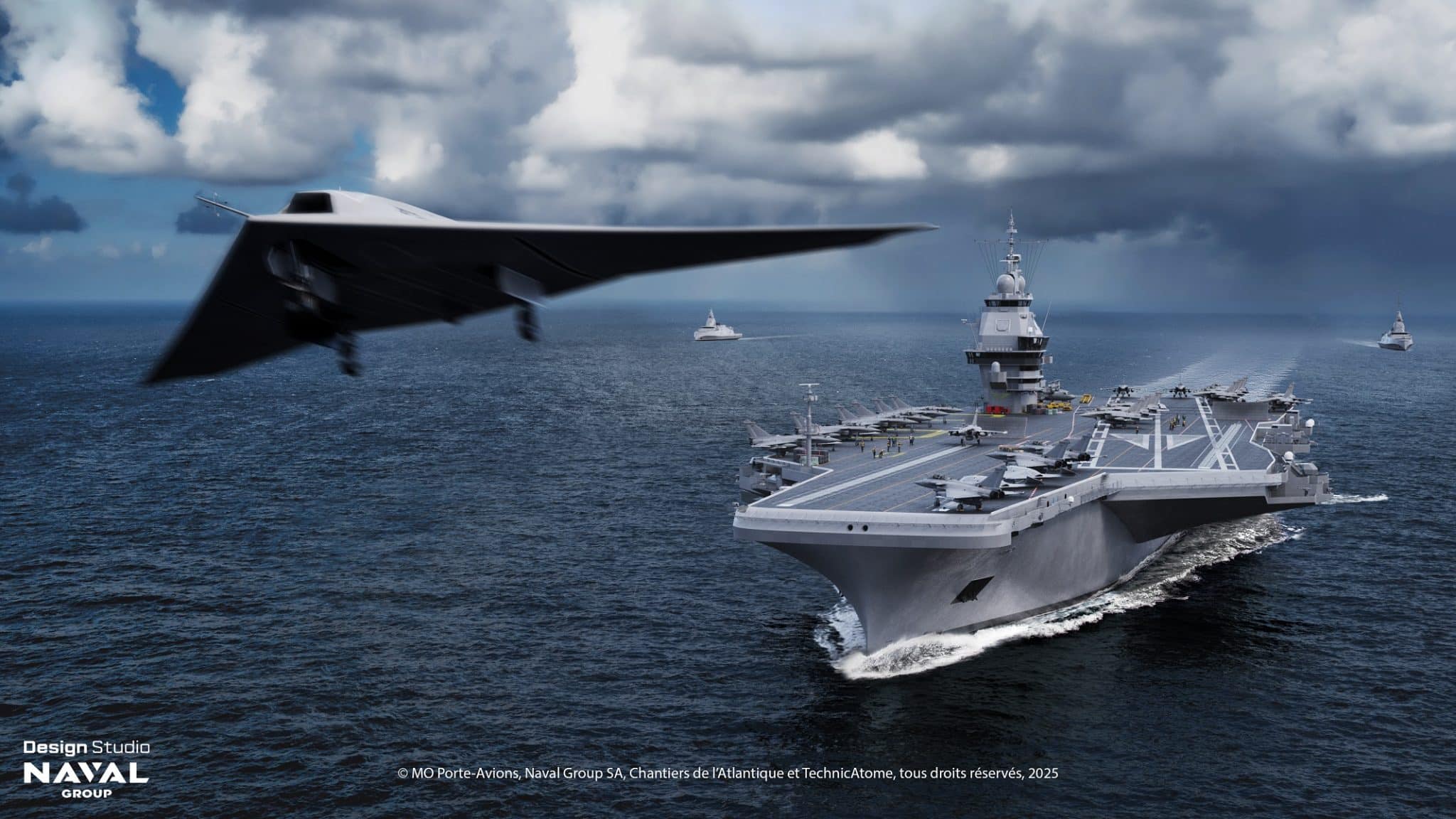
Big Bang for the PANG: France launches New Aircraft Carrier production.

 
Some slight differences from earlier reports, coming from the always well-informed Mer et Marine.
Crewed by 2,000 service members:
  • 1,200 ship’s crew,
  • 500 personnel of the embarked air wing,
  • 200 specialists,
  • 100-person command staff.
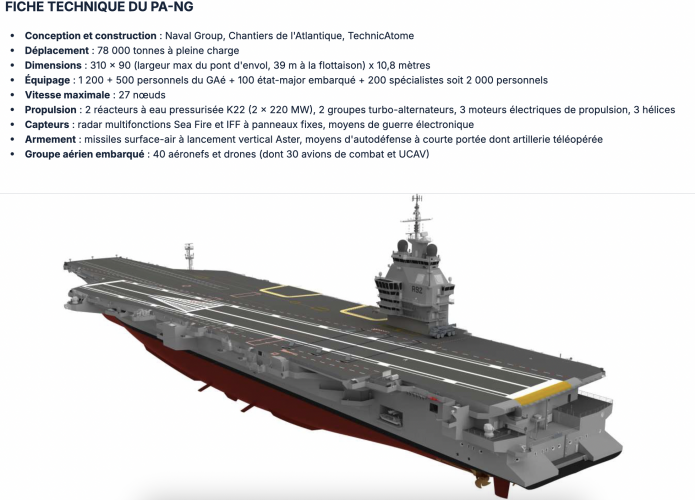
The PA-NG will be able to embark at least 40 aircraft, as its facilities have been designed to accommodate:
  • 36 combat aircraft (Rafale, NGF, UCAV),
  • 2 to 3 E-2D Advanced Hawkeye airborne early-warning aircraft,
  • 5 to 6 helicopters,
  • around 10 lighter drones with either fixed or rotary wings.
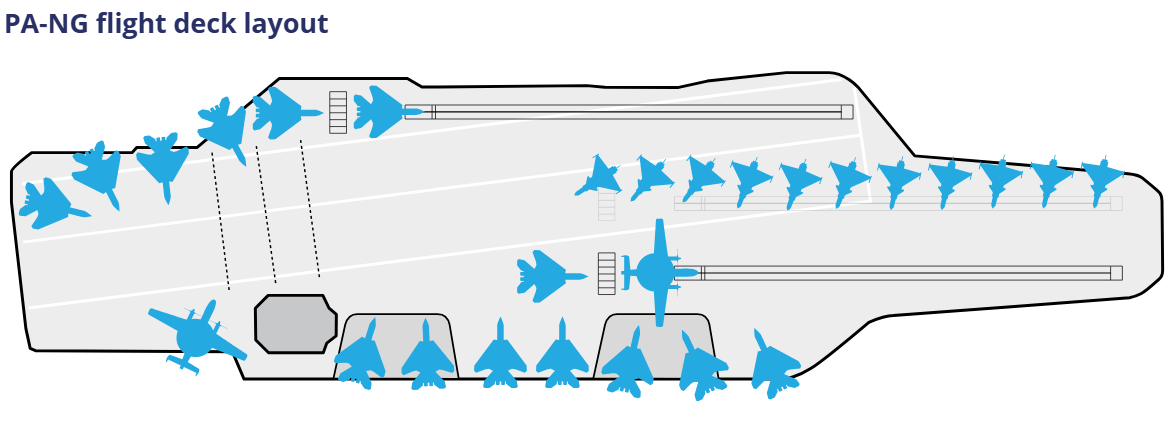
Equipped with a flight deck of more than 17,000 m² (compared with 12,000 m² on Charles de Gaulle), the ship will feature an angled landing deck with 3 arresting wires and an emergency safety net, as well as 3 catapult tracks (two axial catapults forward and one on the angled deck).

Also, the PANG might initially operate alongside CdG instead of replacing it ... That's if the latter can undergo a 4th and final nuclear refueling in 2038.
The issue of the permanence of the carrier strike group

Normally, at that date, the PA-NG is meant to replace Charles de Gaulle. However, a study will be conducted on the issue of the permanence of the French carrier strike group, which has been lost since France no longer operates two aircraft carriers, as was the case with the former Clemenceau (1961–1997) and Foch (1963–2000). This will notably involve examining the construction of a second PA-NG, or a complementary solution, for example drone carriers, or possibly an alternative based on a conventionally powered aircraft carrier or one fitted with new modular nuclear reactors (SMRs).

At the same time, as the French Navy will need between 2035 and 2038 to field two crews to man both its current and its new aircraft carrier, the possibility of extending the service life of Charles de Gaulle, in service since 2001, is being considered. This option depends on the condition of its nuclear boiler rooms, which will be thoroughly inspected during its next (and normally final) major refit, scheduled for 2027–2028. During this overhaul, the reactor cores will be reloaded with nuclear fuel (these reloadings take place every 10 years, during major refits).

Given that this refit will also include a major modernization of the ship’s combat system, with the installation of the new Sea Fire fixed-panel active electronically scanned array radar, if its reactors can be technically extended, it would be worthwhile to carry out one final refueling in 2038 in order to keep Charles de Gaulle in service for an additional 5 to 10 years—enough time to build an additional platform.
 
Last edited:
That reactor extension is going to require some significant analysis of just how many neutrons the reactor vessels and primary loop piping have absorbed. (Neutron embrittlement)
The hull itself is much older than 2001 as the ship was launched in 1994 but only commissioned in 2001 after many delays. The nuclear reactors were first "started" in 1998. If extended for another 8-9 years, the ship will be 52 in 2046 and the reactors will be 48 years old. It's honestly not too extravagant. And CdG will still be very capable in the 2040s. I think the main driver behind the decision will be the cost of the life extension.
 
Last edited:
That was mostly due to waffling. The initial decision to go no-cats was poor, but they waited far too long to reverse it. Much of the ship would have had to be torn apart to install cats, which raised the cost far above what the UK could pay.

Lessons learned:
1) design for the most capability
2) do NOT attempt to change specifications mid-way, it will only make you look stupid.
A 3rd rail is far cheaper if you already have the power gen systems and arresting gear in. the first contract for the Emal and AAG setup was over a billion.
 

Attachments

  • image.jpeg
    image.jpeg
    21.1 KB · Views: 48
Does the last sentence of the article say that the availability could reach 300 days per year or am I reading this wrong?
Yes that's the target. I believe CdG is at 235 days on average (65%) over a refueling cycle.
This 300 day target is outside of refueling periods though.
PANG will be refueled every 10 years instead of 7-8 years for CdG so that's also a positive

For reference the SSN (Suffren/Barracuda) fleet target is "at least 270 days per year per sub". Which is very much needed since 2 crews need at least 100 days at sea.
 
Last edited:
1770078948638.png
1770079193980.png
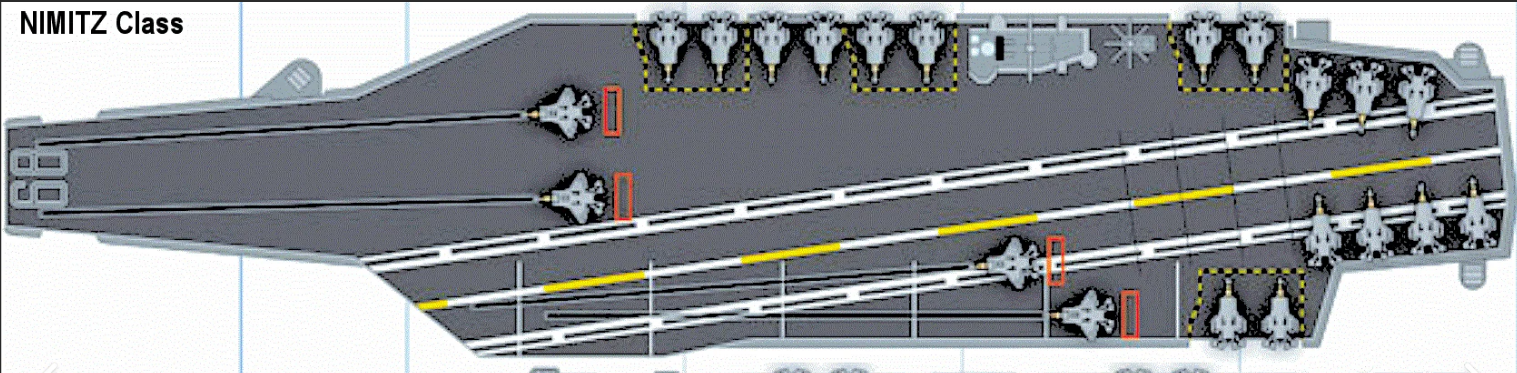
First pic from Navy lookout, have to ask, why has Pang not adopted the more optimal layout used on american carriers of the forward cats being angled from the starboard to port side rather than straight on, this would allow for simultaneous takeoffs and landings with 2 cats rather than the current version which can barely do a single cat launch while leaving the landing strip open?
 

Similar threads

Back
Top Bottom