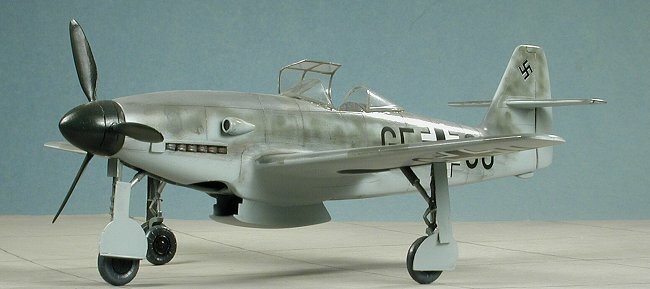
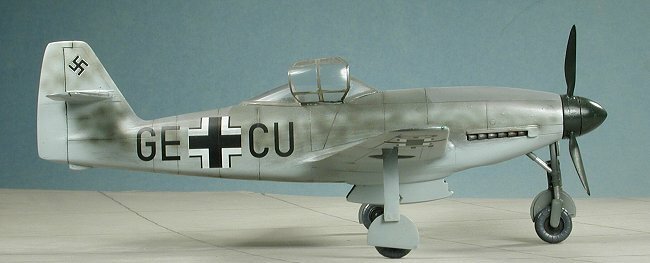
Messerschmitt Me 309/509 Projects & Prototypes

A single wartime drawing, document, whatever...
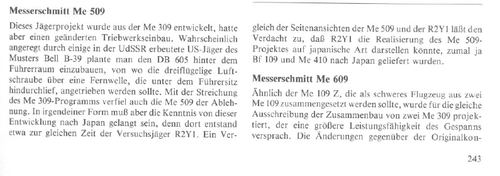
I've just encountered information, the 509 was given birth in the 1970s by a certain book author angry that another authors just copied information from books or articles, without any archive research. And so his freshly invented story on the 509 was quickly multiplied in other publications...
 
Last edited:
A single wartime drawing, document, whatever...
I've just encountered information, the 509 was given birth in the 1970s by a certain book author angry that another authors just copied information from books or articles, without any archive research. And so his freshly invented story on the 509 was quickly multiplied in other publications...

There was definitely an Me 409 (what would become the Me 155) and an Me 609 (test-ready Me 262) but I've never seen a single mention of an Me 509 anywhere in period documents. It's not impossible that it briefly existed but it seems doubtful.
 
I imagine that German engineers thought that which is better P-39 and P-51?
 
Re: Messerschmitt Me 309 versions

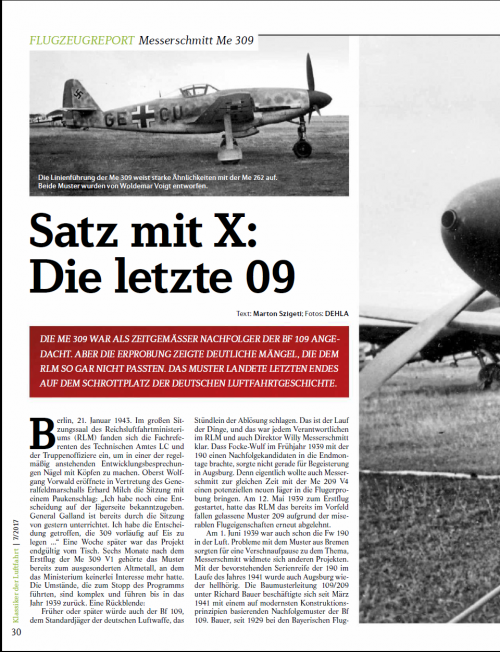
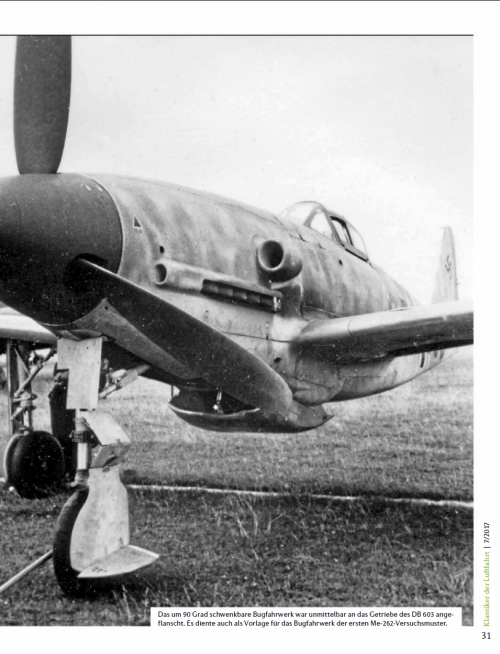
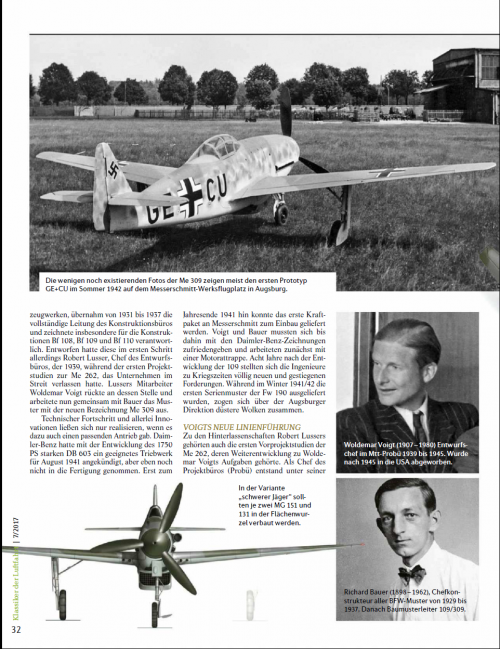
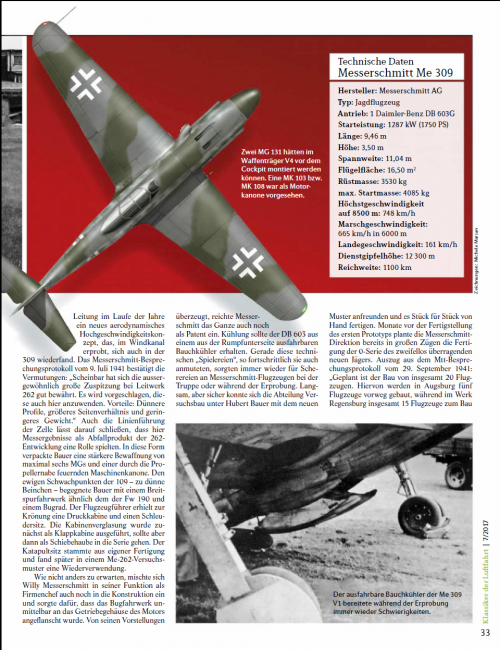
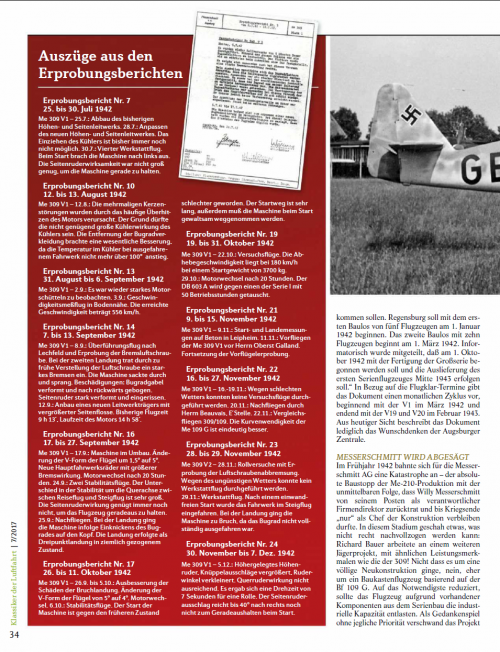
A very interesting article about the Messerschmitt Me 309 is published in the August 2017 issue of the German magazine Klassiker der Luftfahrt. IMHO some unseen new pictures of the the flight tests are featured in this article.
You can also buy and download the article at their website.
Link: http://www.klassiker-der-luftfahrt....tt-me-309-die-letzte-09/734200/paidattachment
I can't find that magazine. I am very curious, could you please give me some more details?
 
Re: Messerschmitt Me 309 versions

A very interesting article about the Messerschmitt Me 309 is published in the August 2017 issue of the German magazine Klassiker der Luftfahrt. IMHO some unseen new pictures of the the flight tests are featured in this article.
You can also buy and download the article at their website.
Link: http://www.klassiker-der-luftfahrt....tt-me-309-die-letzte-09/734200/paidattachment
I can't find that magazine. I am very curious, could you please give me some more details?
The magazine containing the Me 309 article you mention appears at this link:
https://www.flugrevue.de/heft-07-2017-1/
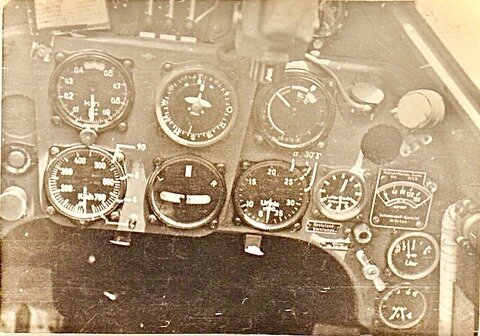
 
Re: Messerschmitt Me 309 versions

A very interesting article about the Messerschmitt Me 309 is published in the August 2017 issue of the German magazine Klassiker der Luftfahrt. IMHO some unseen new pictures of the the flight tests are featured in this article.
You can also buy and download the article at their website.
Link: http://www.klassiker-der-luftfahrt....tt-me-309-die-letzte-09/734200/paidattachment
I can't find that magazine. I am very curious, could you please give me some more details?
The magazine containing the Me 309 article you mention appears at this link:
https://www.flugrevue.de/heft-07-2017-1/
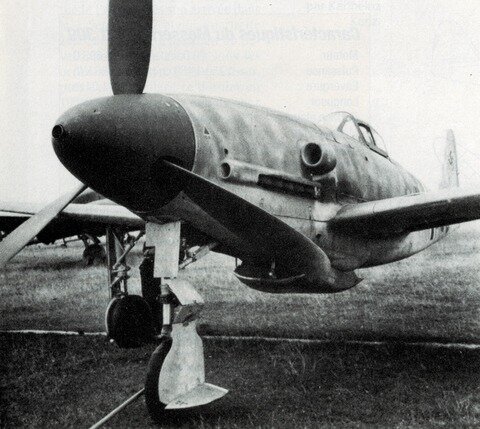
Thank you.

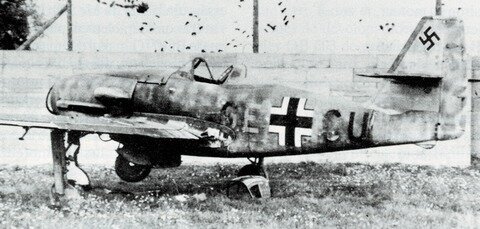
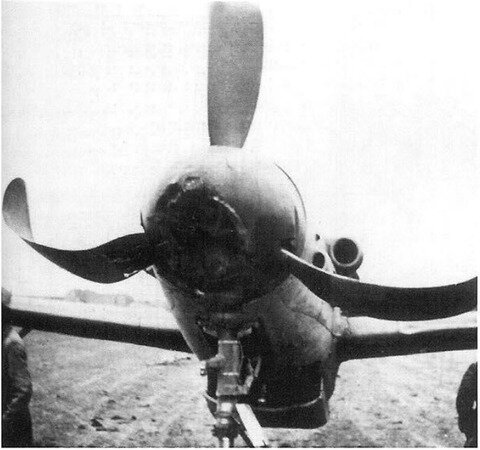
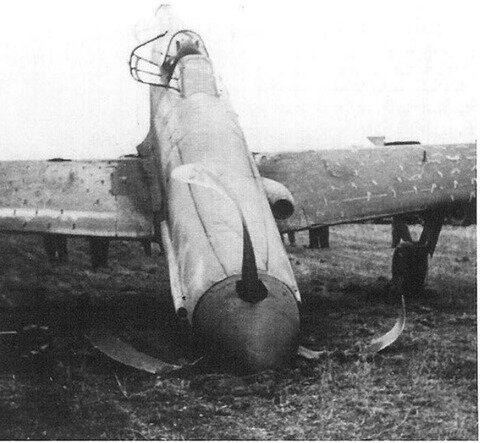
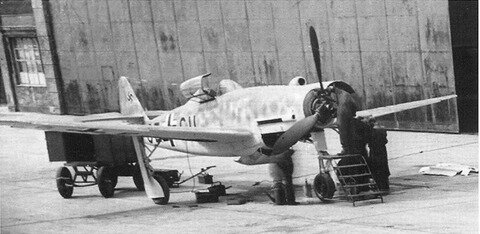
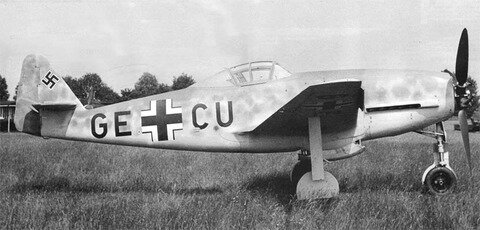
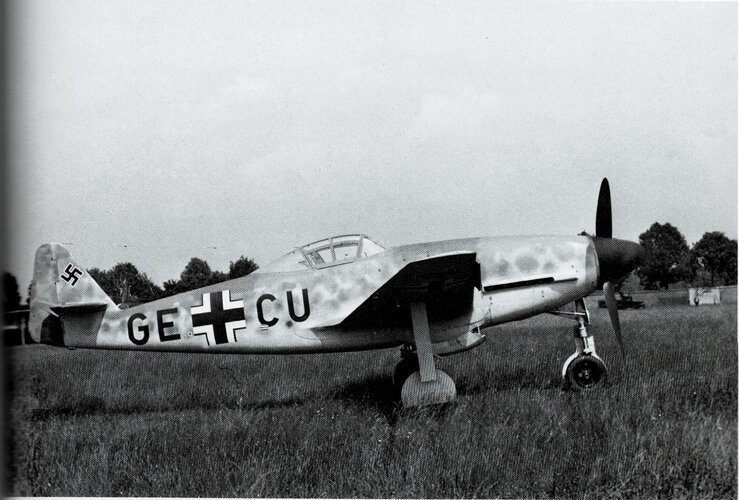
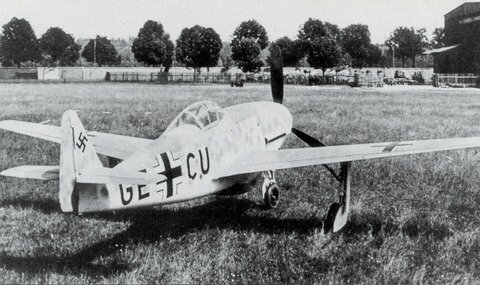
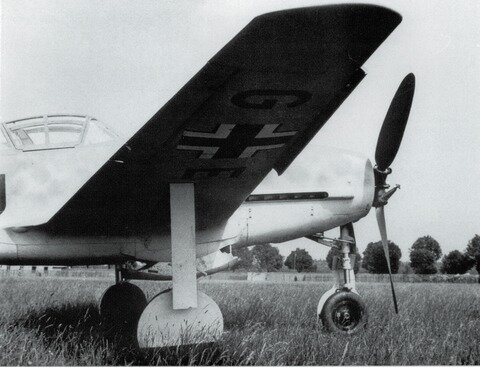
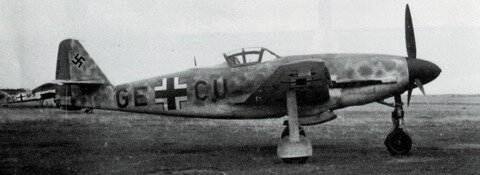
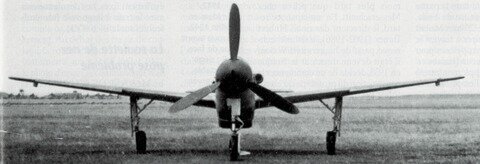
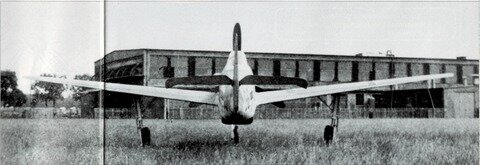
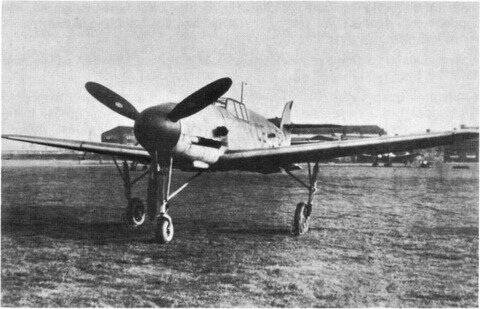
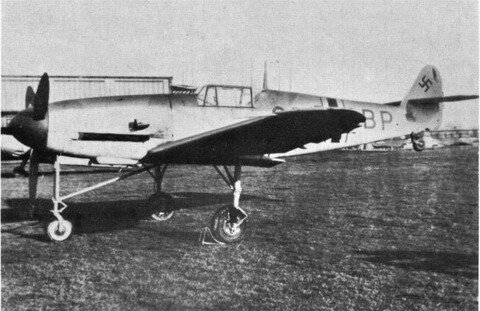
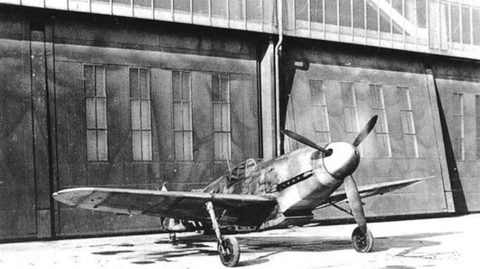
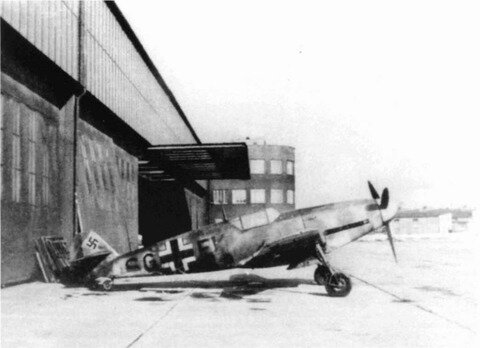
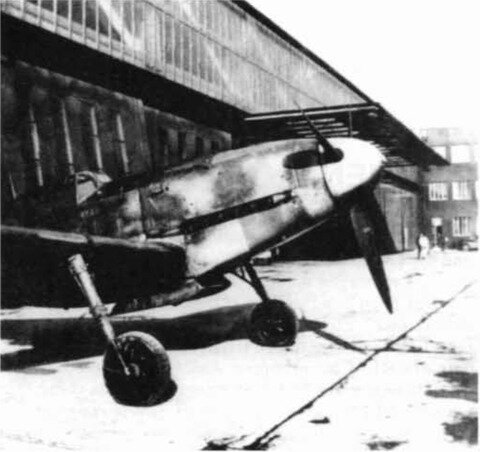
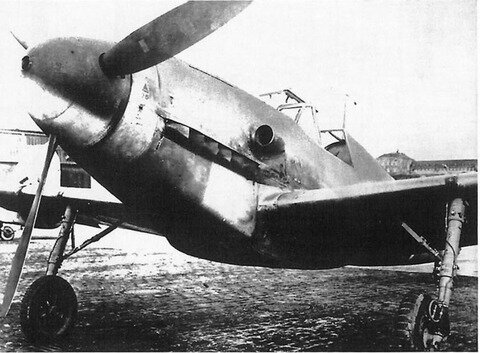
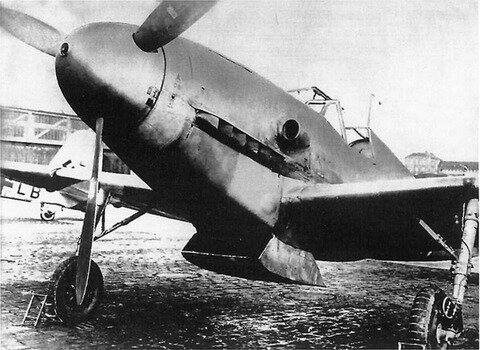
By the way, I don't know if there is a demand for it, but I think I'll compile the currently confirmed photos of Me 309 V1 here.
 

Attachments

  • 851254dc-s.jpg
    851254dc-s.jpg
    70.3 KB · Views: 291
  • 94323942-s.jpg
    94323942-s.jpg
    66 KB · Views: 259
  • ce2a1c49-s.jpg
    ce2a1c49-s.jpg
    44.2 KB · Views: 231
  • 0be61da3-s.jpg
    0be61da3-s.jpg
    48.9 KB · Views: 213
  • 53b1c80f-s.jpg
    53b1c80f-s.jpg
    57 KB · Views: 197
  • 6fd665fa-s.jpg
    6fd665fa-s.jpg
    35.9 KB · Views: 193
  • 860098d9-s.jpg
    860098d9-s.jpg
    66.1 KB · Views: 190
  • ab350e57-s.jpg
    ab350e57-s.jpg
    71.3 KB · Views: 204
  • Scan2022-01-22_120852.jpg
    Scan2022-01-22_120852.jpg
    1.3 MB · Views: 206
  • Scan2022-01-22_120501.jpg
    Scan2022-01-22_120501.jpg
    4.4 MB · Views: 213
  • 707aaf4f-s.jpg
    707aaf4f-s.jpg
    39.8 KB · Views: 219
  • 73b8faee-s.jpg
    73b8faee-s.jpg
    36.8 KB · Views: 218
  • Scan2022-01-22_121027.jpg
    Scan2022-01-22_121027.jpg
    5.3 MB · Views: 226
  • 9e4eb46e-s.jpg
    9e4eb46e-s.jpg
    58.3 KB · Views: 209
  • 1d041fea-s.jpg
    1d041fea-s.jpg
    51.3 KB · Views: 215
  • 6c2a9903-s.jpg
    6c2a9903-s.jpg
    23.7 KB · Views: 223
  • 3cccb160-s.jpg
    3cccb160-s.jpg
    21.9 KB · Views: 209
  • 3d336546-s.jpg
    3d336546-s.jpg
    28.1 KB · Views: 211
  • c2f54216-s.jpg
    c2f54216-s.jpg
    65.2 KB · Views: 233
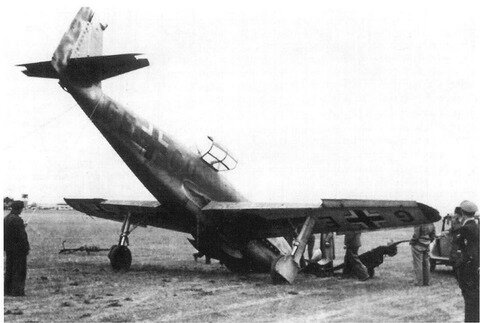
and Me 309 V2

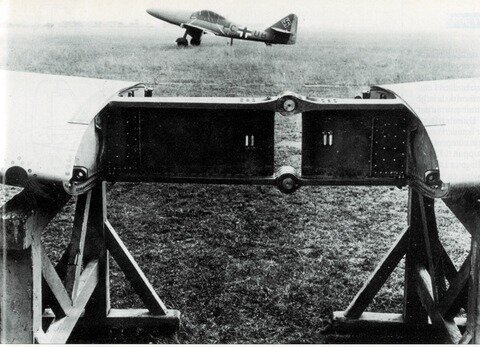
Me 309 was also created V3 and V4, but unfortunately no photos of these two aircraft have been found. Of these, the V3 was considered for export to the Japanese ally.
 

Attachments

  • ba8468b3-s.jpg
    ba8468b3-s.jpg
    26.6 KB · Views: 237
  • e144ebc0-s.jpg
    e144ebc0-s.jpg
    33.6 KB · Views: 225
  • Scan2022-01-22_120708.jpg
    Scan2022-01-22_120708.jpg
    3.4 MB · Views: 226
  • 2a38e8a8-s.jpg
    2a38e8a8-s.jpg
    35 KB · Views: 277
Dear Raa,

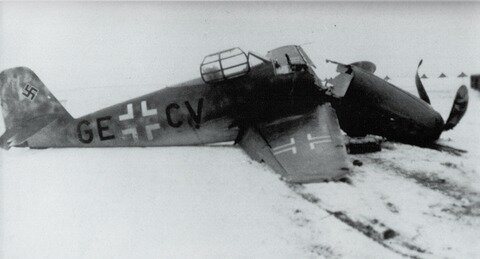
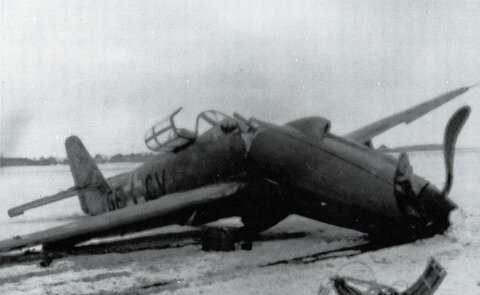
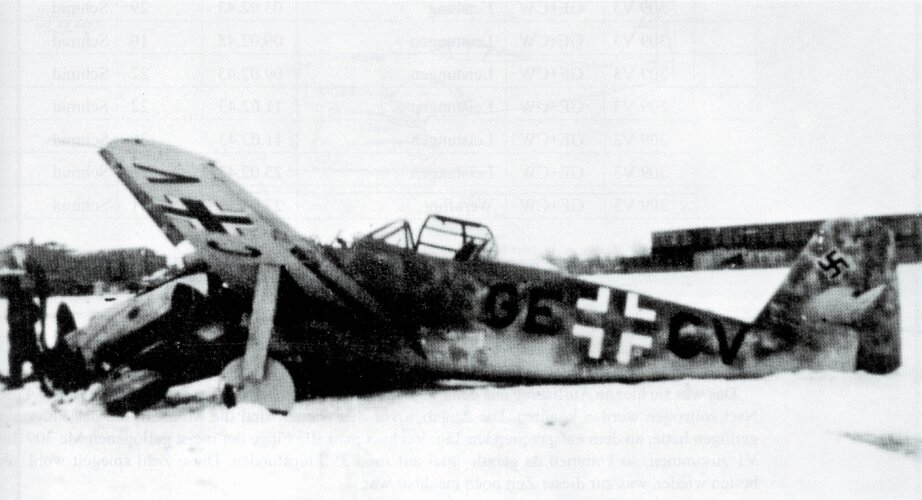
So both GE+CU and GE+CV crashed?

re. photo Scan 2022-01-22-120105.jpg
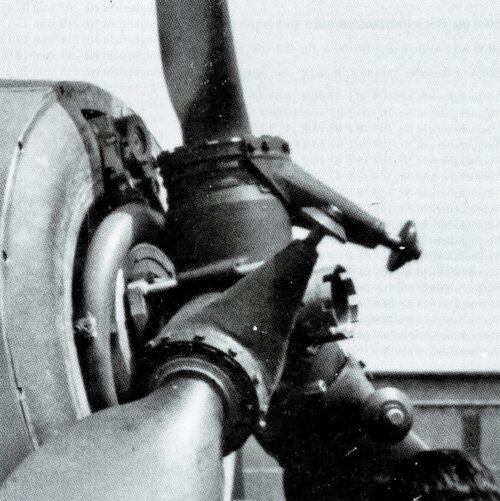
Are those external balance weights bolted to the propeller blade hubs?
 
Were these aircraft flown by the allies post war?
 
So both GE+CU and GE+CV crashed?
Yes.
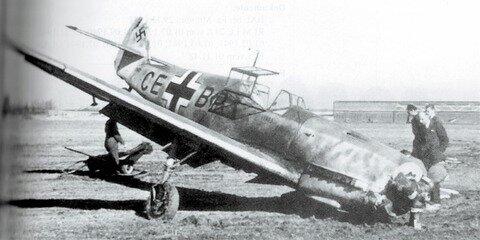
GE+CU (Me 309 V1) was repaired after the accident.
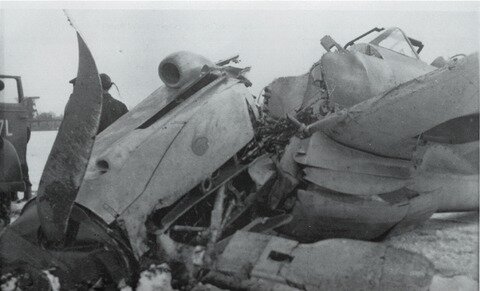
However, GE+CV (Me 309 V2) made its first flight with Karl Baur at the controls, but had an accident on landing, and ended up like the one in the photo. Mischievous Karl :)
After that, the Me 309 V2 was not repaired and probably scrapped.
Are those external balance weights bolted to the propeller blade hubs?
In the photo, the top propeller looks like that, but I'm not sure about the bottom two propellers.

Edit:
If you look closely again, you will see that the balance weight in the front does indeed appear to be attached with bolts. You can't see the base of the balance weight at the back, but it is probably bolted on as well.
Were these aircraft flown by the allies post war?
Nope.

Me 309 V1 (GE+CU) was abandoned in the field after it was rejected in 1943. It was later found by the US Army, but was probably scrapped. The third photo in my post #48 is the Me 309 V1 taken by the US Army.
Me 309 V2 (GE+CV) was not repaired and probably scrapped after it had an accident on its first flight.
Me 309 V3 (GE+CW) was destined for export. This aircraft was purchased by Lieutenant General Osamu Ohtani, a Japanese resident military officer who was interested in German technology at the time. He purchased the Me 309 V3 and a set of drawings for 1.2 million Reichsmark.
However, the Me 309 V3 was destroyed in a night bombing run that lasted from February 25 to 26, 1944.
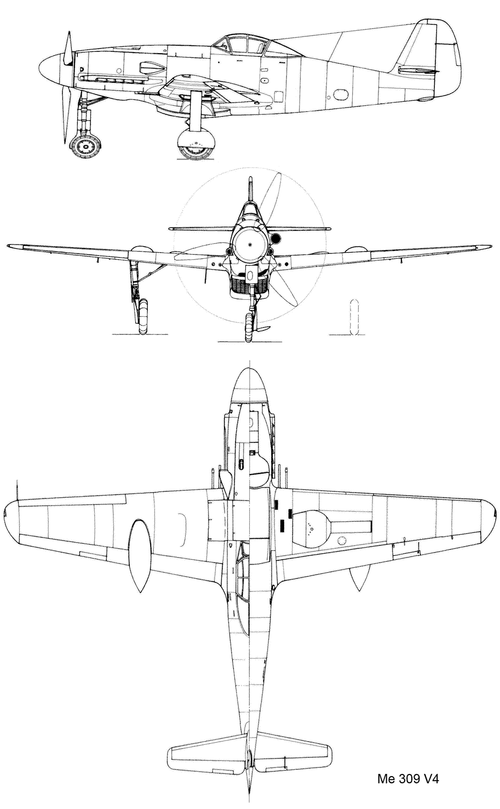
Me 309 V4 (GE+CX) was also destroyed in an air raid.

As you can see, all of the prototype Me 309s were either scrapped or destroyed in air raids, and unfortunately were never flown by the Allies.
 
Last edited:
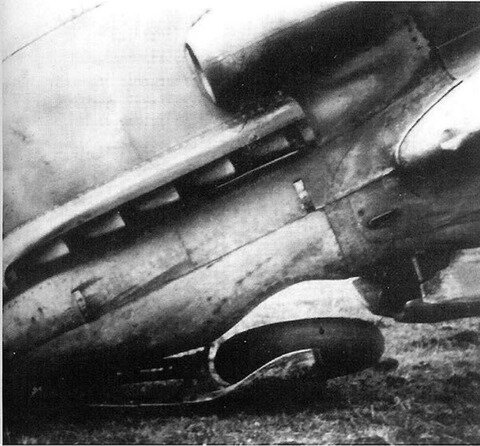
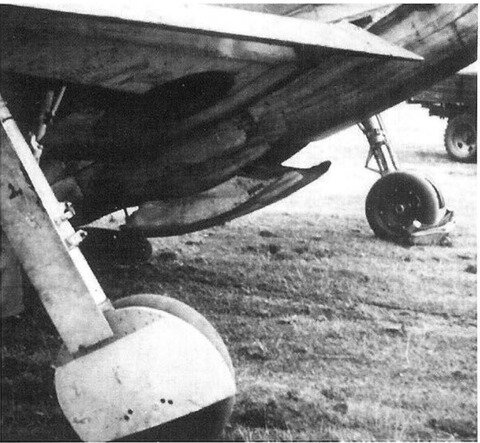
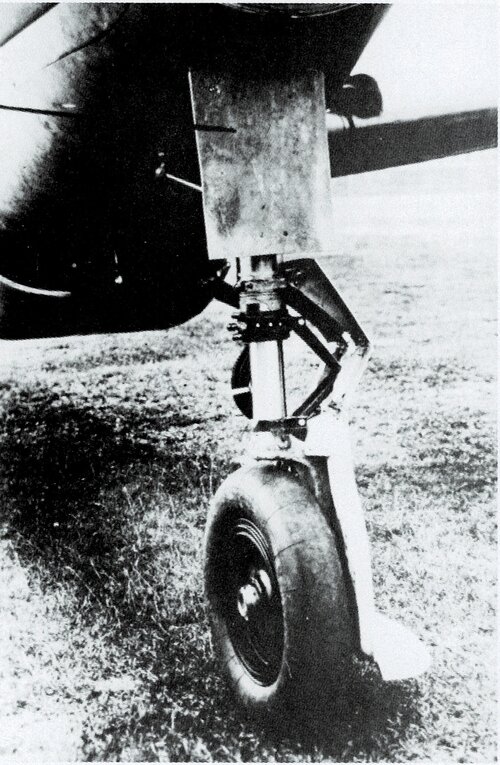
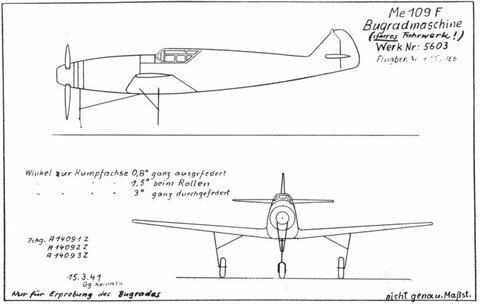
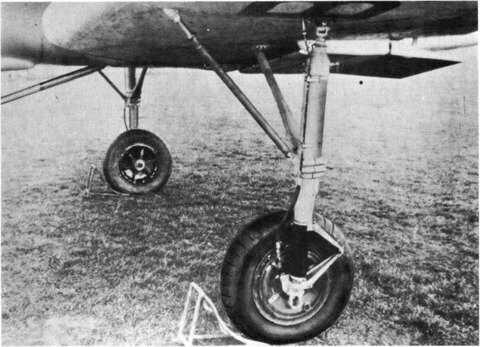
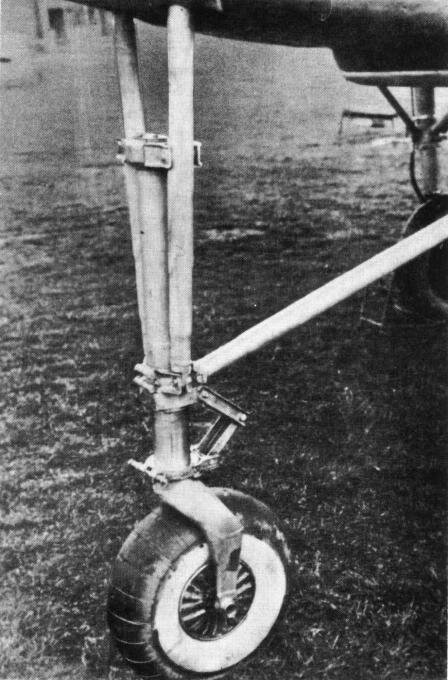
I'll also post pictures of the Bf 109 V23, which were used as experimental aircraft for landing gear before the Me 309 prototype was built :)
 

Attachments

  • 0956514b-s.jpg
    0956514b-s.jpg
    25.8 KB · Views: 278
  • 8933e250-s.jpg
    8933e250-s.jpg
    34.6 KB · Views: 253
  • d280c862-s.jpg
    d280c862-s.jpg
    62.3 KB · Views: 209
  • 4c396253.jpg
    4c396253.jpg
    58.7 KB · Views: 190
  • 56231aca-s.jpg
    56231aca-s.jpg
    47.4 KB · Views: 198
  • 02a062ba-s.jpg
    02a062ba-s.jpg
    48.7 KB · Views: 264
Last edited:
And here is a picture of a Bf 109 V31 used to test the retractable radiator.
 

Attachments

  • 95dea72a-s.png
    95dea72a-s.png
    114.6 KB · Views: 244
  • 293a221e-s.jpg
    293a221e-s.jpg
    32.9 KB · Views: 226
  • 575326c7-s.jpg
    575326c7-s.jpg
    44.9 KB · Views: 216
  • 92945177-s.jpg
    92945177-s.jpg
    55.7 KB · Views: 213
  • cd93dd9c-s.jpg
    cd93dd9c-s.jpg
    60.6 KB · Views: 257
Last edited:

Attachments

  • me309.gif
    me309.gif
    61.8 KB · Views: 262
Last edited:
I hope this is the right place for this, if not, please feel free to move it elsewhere.

The question about the Me 309 wing profile in the book-review thread piqued my curiosity.
https://www.secretprojects.co.uk/th...itics-by-dan-sharp-and-calum-e-douglas.41814/

So I put together a small comparison done in XFOIL (viscous mode). The data for the unmodified NACA 15014 are taken from Airfoiltools.com, just as the wing profiles of the P-51 D and H.

The modifications done to NACA 15014 in order to match the Me 309 airfoil designation which can be found in Dan's book, were done by me in XFOIL, I hope they are accurate. At least they look right. Thanks to Sienar for linking to the explanatory thead for reading german modifications to NACA profiles. Please also note the wonky quality of the P-51 D profile and pressure distribution resulting from the available profile-dataset.

For the comparison I chose Ma 0.5 since I wanted to steer clear of any transonic effects while being relevant to the speeds these planes flew at. Different Reynolds numbers are included, you might want to discard the Re 1,5000,000 results, since there seems to have been faulty user input causing some of them to run at 15,000,000 instead. I also limited the angle of attack range to maximum 6° since I wanted to avoid any separation issues.

The laminar to turbulent transition in these simulations was apparently triggered by a separation bubble (visible as a plateau in the total pressure distribution). Higher Reynolds numbers make this effect slowly disappear (as it should) so I feel relatively confident in the chosen Reynolds number range w.r.t. its capability to show the effect which I wanted to see.

What can you take from this?
The transition from laminar to turbulent flow indeed happens later for the Me 309 profile (so the modified NACA15014-0.825-37) compared to the unmodified NACA15014 (Re 1,000,000, AoA 0°, estimated 68% axial chord end of suction side transition bubble NACA15014-0.825-37 vs 51% axial chord end of suction side transition bubble NACA15014) . However, the P-51 H profile shows this only at roughly 76% axial chord. The P-51 D profile shows this phenomenon at 52% chord but since the surface is so wobbly this is most certainly not accurate and artificially shifted towards the leading edge.

Now can the NACA15014-0.825-37 be considered a laminar flow profile? Yes and no, I would say. It is more of a laminar flow profile than a typical NACA15014. But it does not reach the laminar flow lengths of the P-51 H profile. This is aggravated by the fact, that the Me 309 profile has a lower cl compared to the P-51 H Mustang profile at the same angle of attack and thus needs a higher AoA to generate the same lift as the latter profile. This in turn causes a forward shift in the transition point and shifts the scales even further in favor of the P-51 H profile. Just look at the large advantage in L/D the H Mustang profile has!

The attached document contains the plots on which I based my conclusions, please let me know if you think there is an error.
 

Attachments

  • Me309-NACA15014-0.825-37_Comparison.pdf
    321.4 KB · Views: 86
A practical question : Would this wing give the Me 309 an advantage over other aircraft ?
 
At first glance, something which should/could be read as a whodunnit crime story.
 
A practical question : Would this wing give the Me 309 an advantage over other aircraft ?
I think this is a tough question to answer. The performance of the overall wing is certainly dependent on the profile for these aircraft, however it is also heavily influenced by the other wing design parameters, such as overall wing area, taper, aspect ratio, twist (geometric and aerodynamic), dihedral, wing tip design etc.
We would need to see the distribution of lift for the Me 309 wing to get an indication of the wing's performance and that requires a different set of simulations.

With these caveats out of the way, to me, the Me 309 profile alone indicates this:

1. It does not have a high cl, so it does not generate a lot of lift at low speeds
Discarding the other parameters, this indicates that we need a well designed flap system for takeoff and landing as well as low speed climb.
Contrast this with the Clark-YH profile of the Hurricane (as stand in for an older, very popular airfoil).
A much thicker profile with higher cl, so we can expect the lift provided at low speeds to be higher. This (again discarding all other influence factors) enables lower takeoff and landing speeds, as well as higher rate of climb at low speeds. This will also aid with low speed turning to a certain extent.

2. The Me 309 profile seems a bit more sensitive towards high AoA separation (compared to Clark-YH). This can indicate a lmitation in instantaneous turn rate compared to airfoils with a rounder leading edge. It might also necessitate the presence of slats for high AoA situations such as maneuvers or (to a certain extent) landing. And indeed the Me 309 was designed with slats.

3. However, and I suspect this to be the key design driver, at moderate AoA (I did a rough comparison at 2°) the lift over drag is significantly higher than for the Clark-YH. This indicates less profile drag and thus enables reaching higher speeds or attaining a longer cruising range. This effect is of course more pronounced for the P-51 H profile, which we know to have an even better range and higher max. speed compared to the 309. The critical Mach-number of the Me 309 profile is also lower than for the Mustang H profile (see the higher cp-max in my plots), so in a high speed dive, the wing might become a limitation at lower speeds compared to the P-51 H (assuming transonic drag rise from other regions of the aircraft does not prohibit reaching these speeds).

Putting everything in a nutshell: it might offer an advantage for high speed and cruise over some aircraft but has downsides that need to be mitigated via aides such as slats at lower speeds. Considering the fact, that the 109 already needed all of these aides anyways, I would dare say the Me 309 profile is designed well enough to not be considered a downside of the aircraft.
 
Hello, do we have any original drawing showing the weapon configuration? I ask because I'mm not too sure how to do my RS model wing guns.

Thanks for your answers!
 
I think this is a tough question to answer. The performance of the overall wing is certainly dependent on the profile for these aircraft, however it is also heavily influenced by the other wing design parameters, such as overall wing area, taper, aspect ratio, twist (geometric and aerodynamic), dihedral, wing tip design etc.
We would need to see the distribution of lift for the Me 309 wing to get an indication of the wing's performance and that requires a different set of simulations.

With these caveats out of the way, to me, the Me 309 profile alone indicates this:

1. It does not have a high cl, so it does not generate a lot of lift at low speeds
Discarding the other parameters, this indicates that we need a well designed flap system for takeoff and landing as well as low speed climb.
Contrast this with the Clark-YH profile of the Hurricane (as stand in for an older, very popular airfoil).
A much thicker profile with higher cl, so we can expect the lift provided at low speeds to be higher. This (again discarding all other influence factors) enables lower takeoff and landing speeds, as well as higher rate of climb at low speeds. This will also aid with low speed turning to a certain extent.

2. The Me 309 profile seems a bit more sensitive towards high AoA separation (compared to Clark-YH). This can indicate a lmitation in instantaneous turn rate compared to airfoils with a rounder leading edge. It might also necessitate the presence of slats for high AoA situations such as maneuvers or (to a certain extent) landing. And indeed the Me 309 was designed with slats.

3. However, and I suspect this to be the key design driver, at moderate AoA (I did a rough comparison at 2°) the lift over drag is significantly higher than for the Clark-YH. This indicates less profile drag and thus enables reaching higher speeds or attaining a longer cruising range. This effect is of course more pronounced for the P-51 H profile, which we know to have an even better range and higher max. speed compared to the 309. The critical Mach-number of the Me 309 profile is also lower than for the Mustang H profile (see the higher cp-max in my plots), so in a high speed dive, the wing might become a limitation at lower speeds compared to the P-51 H (assuming transonic drag rise from other regions of the aircraft does not prohibit reaching these speeds).

Putting everything in a nutshell: it might offer an advantage for high speed and cruise over some aircraft but has downsides that need to be mitigated via aides such as slats at lower speeds. Considering the fact, that the 109 already needed all of these aides anyways, I would dare say the Me 309 profile is designed well enough to not be considered a downside of the aircraft.
Just a question, why are you using the Mustang H profile ?
 
Because, as a NACA 6-series profile, it is an example of a very well designed and (at the time) modern profile. It is also often used as the posterchild of practical laminar flow profiles, since it worked so well. So in a way, this profile represents the gold standard of its time.
 
Because, as a NACA 6-series profile, it is an example of a very well designed and (at the time) modern profile. It is also often used as the posterchild of practical laminar flow profiles, since it worked so well. So in a way, this profile represents the gold standard of its time.
I understand correctly that the Me 309 wing profile was "more laminar" than the P-51D profile ? I know I'm simplifying greatly, but purely from a wing profile perspective would that be the case ?
 
I understand correctly that the Me 309 wing profile was "more laminar" than the P-51D profile ? I know I'm simplifying greatly, but purely from a wing profile perspective would that be the case ?
First of all, sorry for the very late response. I have been a bit busy lately and did not find the time to generate a decent dataset of the P-51 D profile and re-run it in X-FOIL. That is what I would need in order to provide a good answer to your question. Alas I still have not done that.
With the uncertainty of the P-51 D profile data I have, any tendency I could give would be meaningless. I will try to update the data as soon as possible.
 
First of all, sorry for the very late response. I have been a bit busy lately and did not find the time to generate a decent dataset of the P-51 D profile and re-run it in X-FOIL. That is what I would need in order to provide a good answer to your question. Alas I still have not done that.
With the uncertainty of the P-51 D profile data I have, any tendency I could give would be meaningless. I will try to update the data as soon as possible.
Thank you, what do you think of the combination of leading edge slots and the laminar profile of the Me 309 wing ?
 
From, Klassiker der Luftfahrt 2017-07
 

Attachments

  • 20.png
    20.png
    697.4 KB · Views: 131
  • 21.png
    21.png
    994 KB · Views: 124
  • 22.png
    22.png
    935.4 KB · Views: 133
  • 23.png
    23.png
    863.5 KB · Views: 129
  • 24.png
    24.png
    712.4 KB · Views: 138
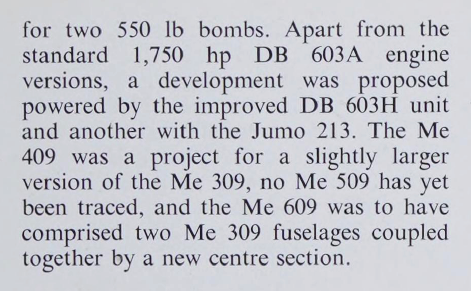
From, Messerschmitt an Aircraft Album,
 

Attachments

  • 2.png
    2.png
    208 KB · Views: 90
My question with the 309 is more direct:

If it had entered production, would it have been better enough to make any serious / relevant difference over what was already in service?
 
My question with the 309 is more direct:

If it had entered production, would it have been better enough to make any serious / relevant difference over what was already in service?
Likely no. It was found to not offer any major advantage over the Bf-109G already in service, which played a role in why it was rejected.
 
My question with the 309 is more direct:

If it had entered production, would it have been better enough to make any serious / relevant difference over what was already in service?
I really and truly do not understand the purpose of this and similar questions!. It belongs above "what if " category . Would it make any serious impact ? We can compare two aicrafts, we can clearly say which one is better or more advanced, it is the purpose of this site. Would it have any impact, who actually cares. Why is it relevant at all, the impact? If yes then what? If no, then what?
 
Likely no. It was found to not offer any major advantage over the Bf-109G already in service, which played a role in why it was rejected.

A more accurate summary of Beauvais' comparative test flights of the Me 309 V1 against a full production model Bf 109 G might be to say that the former was too unfinished for any reasonable conclusions to be drawn. Bad weather meant speed comparisons were off the table and other aspects of performance, such as the turn, were hampered by the non-functionality of the retractable radiator etc.

Thinking about the Me 309 in broader terms: the Luftwaffe needed a single-seater airframe for the DB 603/Jumo 213. Ideally it would be able to fit these engines interchangably. The Me 309 was the initially chosen 603/213 vehicle. Focke-Wulf's vehicle, the Fw 190 C, lost out.

But Messerschmitt lacked the capacity to develop the Me 309 and the programme made very slow progress. In the background, however, Messerschmitt came to realise that the Bf 109, suitably modified, could become the 603/213 vehicle. Obviously, using the 109 as a base would cut development time and use numerous already-in-production parts - whereas the 309 was almost entirely bespoke.

So in January 1943, Messerschmitt pitched the 109 with 603/213 vehicle and the RLM saw the sense of it. The Me 309 was cancelled and the 109 with 603/213 replaced it. It got a new name - Me 209. But this switch brought FW back into the picture, with the Fw 190 D being their chosen 603/213 vehicle contender. This got a new name - Ta 153.

The 209 had a ~50% new/old parts split (the 309 having been nearly 100% new). The 153 was 90% new. The 209 was winning... till FW came up with a simple tail insert which made the regular 190 A a viable 603/213 vehicle with only 10% new parts. The 190 603/213 vehicle won and got a new name: Ta 152.

The Ta 152 then evolved beyond that simple concept as the Luftwaffe piled on requirements for more weapons, more armour etc. So in order to just finally rush a 603/213 vehicle into service, the original FW 190 with 603/213 concept was 'frozen' - resulting in the Fw 190 D-9.

It would appear that the primary driver behind the switch from the 309 to other 603/213 vehicle options was its parts list, rather than the performance of the unfinished first prototype in less than ideal conditions against a 109 G. On paper, circa Jan 1943, the developed production model 309 with developed 603 engine, was still projected to provide superior performance to the 109 G. But it was increasingly unattractive, production-wise.

One could argue that, had Messerschmitt thrown everything into the 309's development and got it done, the Luftwaffe might have had a fighter with Fw 190 D-9 performance somewhat earlier in the war. But ramping up 309 production numbers would have been tough. So more performance, but fewer aircraft.
 
Thinking about the Me 309 in broader terms: the Luftwaffe needed a single-seater airframe for the DB 603/Jumo 213. Ideally it would be able to fit these engines interchangably. The Me 309 was the initially chosen 603/213 vehicle. Focke-Wulf's vehicle, the Fw 190 C, lost out.

Thanks @Dan Sharp , this isn't my area of core interest so apologies if this has been answered elsewhere or there is somewhere obvious I should be looking. What was the relationship between the proposed production FW-190C-1/FW-190C-2 and the prototypes/test machines designated V13 through V18? E.g. was the V16 fairly representative of what a production FW-190C would have looked like?
 

Similar threads

Back
Top Bottom