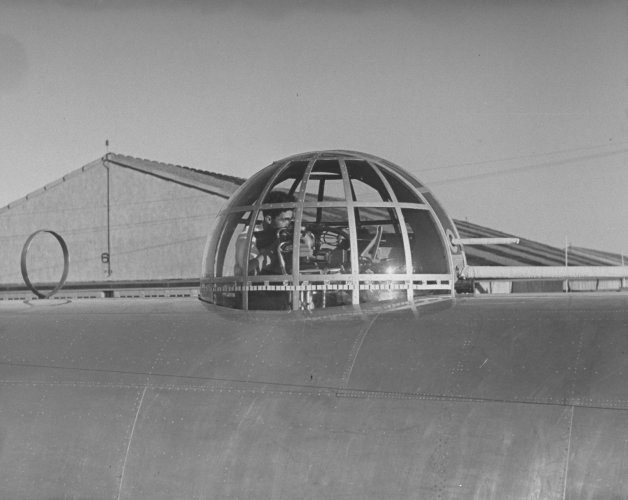
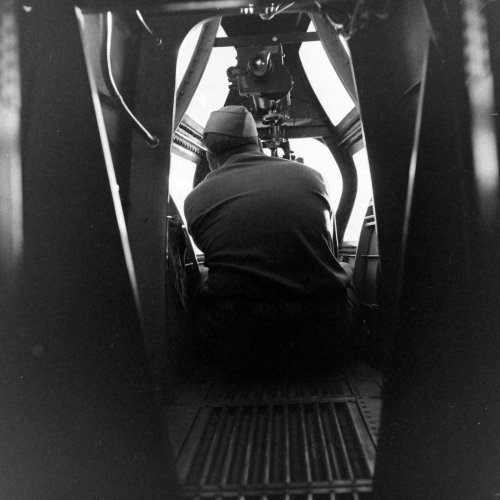
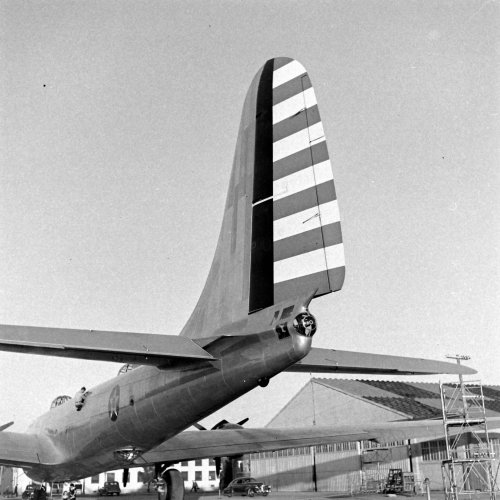
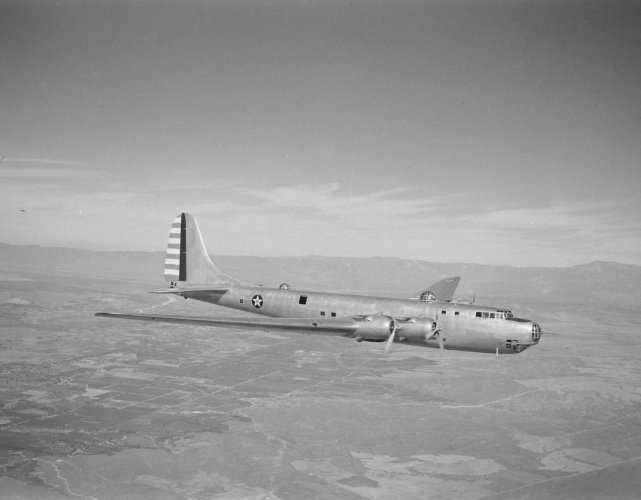
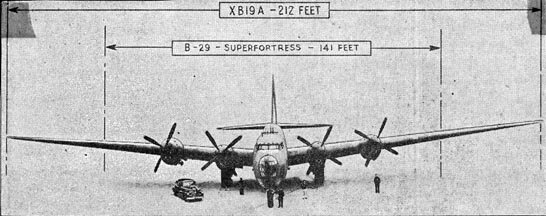
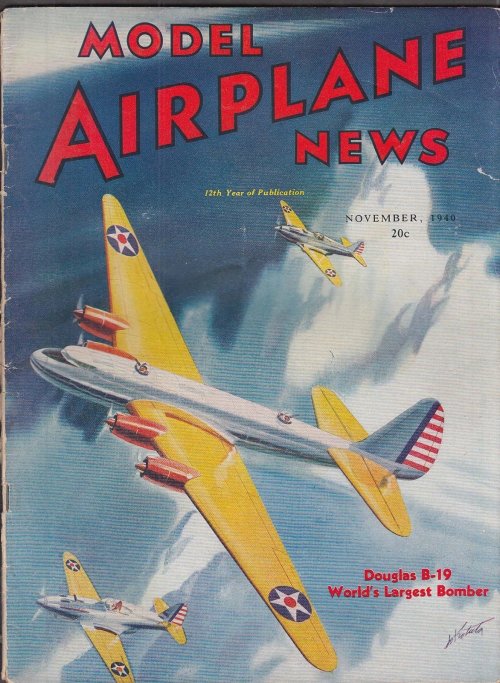
For the XB-19, I'll recommend as a well-organized presentation of the facts, Bill Yenne's article in International Air Power Journal Vol 5. The plan for extreme long range bombers consisting developing bigger aircraft, step by step. As earlier Soviet attempts to demonstrated, that approach was necessary because available engine power was limiting. Besides, contemporary US economy couldn't afford such an expensive weapons.
First step was Project A (April 1934) asking for 5,000 miles range, single experimental bomber prototype.
Next, on February 1935, it was launched Project D. It was aimed to produce an experimental bomber aircraft capable of 8,000 miles range.
This aircraft were never intended to be series produced.
While Boeing put the XB-15 in the air by October 1937, the Douglas XB-19 lacked adequate funding until March 1938. By then, the design was already becoming obsolescent, loosing their raison d'être as a development laboratory. It was USAAC that pressed Douglas to get the aircraft in the air and, finally that was achieved on June, 1941.
Through a long series of designs from the experimental Model 294 / XB-15, a 5,000 miles operational bomber was series produced as Model 345 / B-29.
Intercontinental bomber development, instead, followed an unrelated path to Douglas XB-19 research. That was USAAC April 1941 RFP for a 12,000 miles range bomber which resulted in the B-36.