Dear Friends, in Mallams auction site (already mentioned) there were also the plans of an unknown Caproni twin engine bomber, here below I attached three available scans, related to fuselage only.
Unfortunately, the drawing titleblock is not visible, therefore there is no type number. In my opinion the arrangement is similar to the Ca.122 transport/colonial type that was actually built as a single prototype, with fixed undercarriage and without armament.
These drawings are a bit complex than the actual Ca.122, having defensive armament (in three turrets) and bombs stored vertically (in the fuselage) and horizontally (in wing roots); moreover the tailplane has a bit convolute design, while that of Ca.122 is more conventional.

It looks like this one ?.
 

Attachments

  • 3.png
    3.png
    858.7 KB · Views: 54
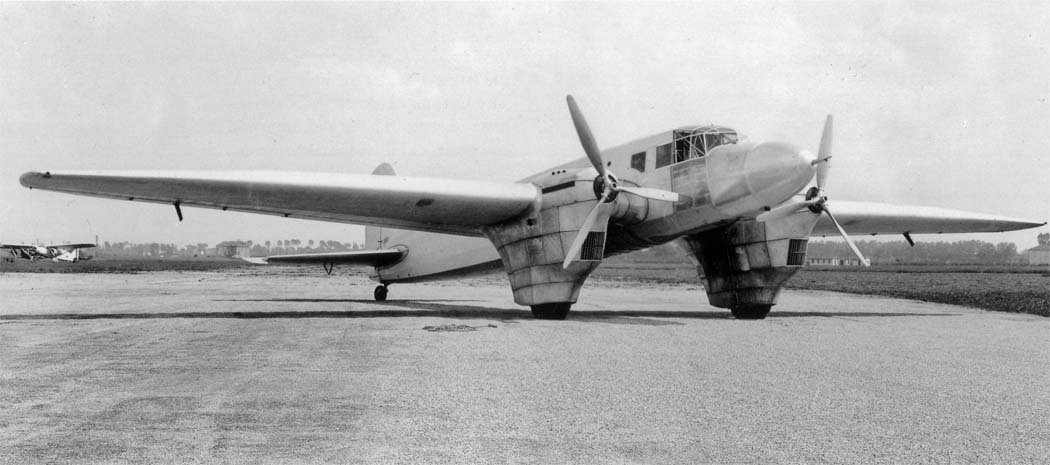
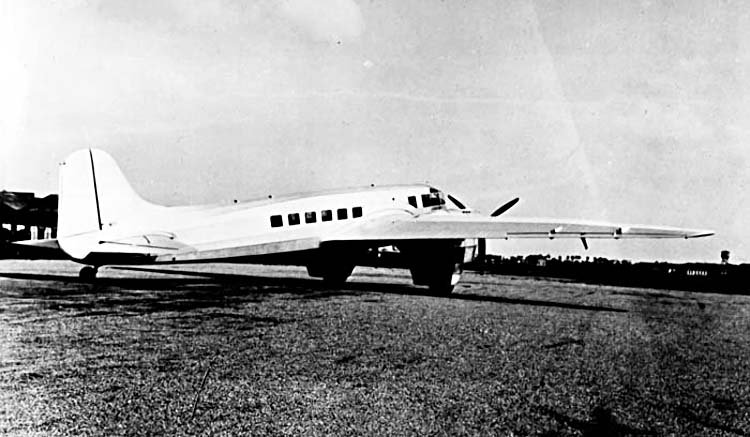
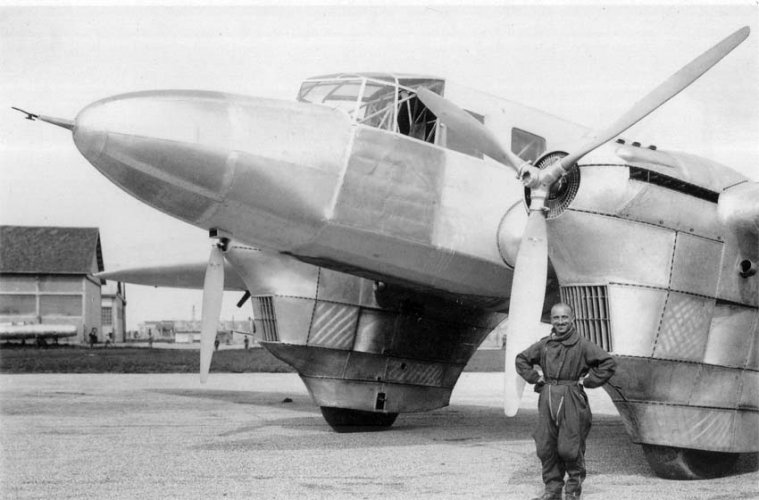
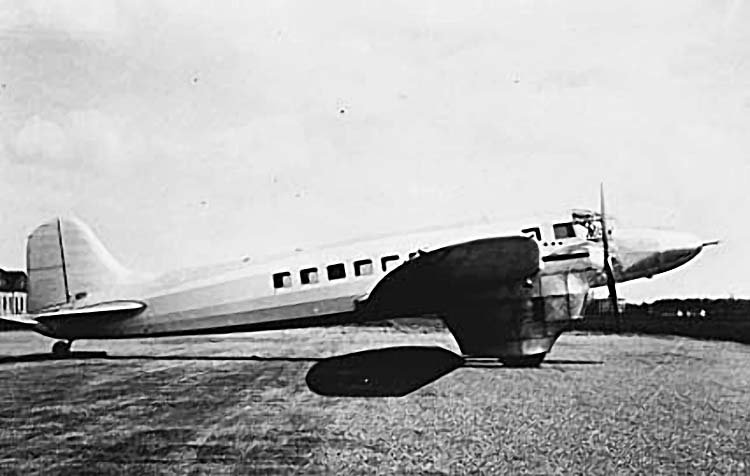
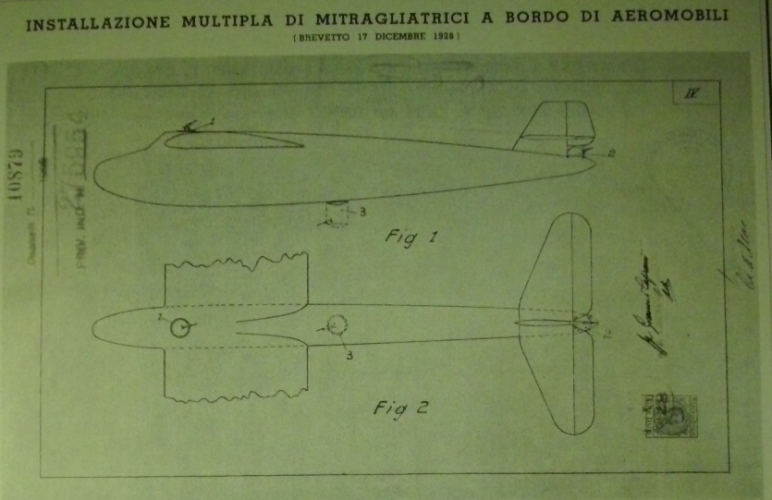
Dear Hesham, the drawing in your latest post is taken from a patent registered by Caproni and does not represent a specific aircraft, but is similar to the layout of the Ca.95 trimotor, a large heavy bomber, built as a single prototype. Here below please find attached the photos of the only Ca.122 built. The man in photo ca122-2 is engineer Antonio Chiodi, Caproni test pilot.
 

Attachments

  • ca122-1.jpg
    ca122-1.jpg
    67.9 KB · Views: 36
  • ca122-3.jpg
    ca122-3.jpg
    65.5 KB · Views: 24
  • ca122-2.jpg
    ca122-2.jpg
    68.3 KB · Views: 24
  • ca122-4.jpg
    ca122-4.jpg
    51.6 KB · Views: 42
Last edited:
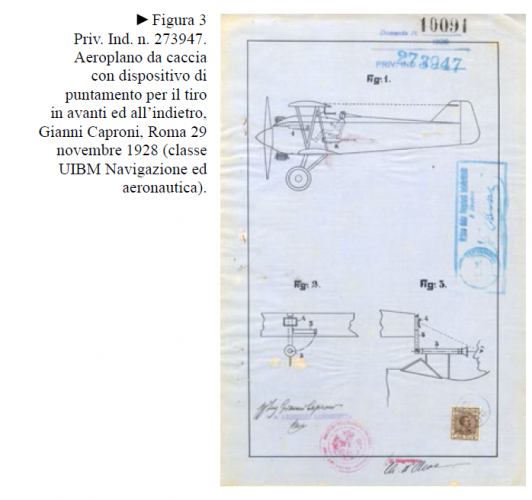
From the same source,what was the designation of this ?.

This is not an aircraft design, it is more akin to a patent (more on that later).

Your clipping reads something like:

Figure 3. Priv. Ind. No. 273947. Fighter aircraft with sights for firing both forward and to the rear. [Assigned to] Gianni Caproni, Rome, 29 November 1928 (UIBM Navigation and Aeronautics category).

So, we have a design concept allowing the pilot of any single-engined fighter to direct machine gun fire both fore and aft. The abbreviation and acronym require some explanation.

UIBM stands for Ufficio Italiano Brevetti e Marchi or Italian Patent and Trademark Office. However, a Priv. Ind. was not exactly a patent (Brevetto). [1]

Priv. Ind. is short for Privativa Industriale which translates as 'Industrial Property', inferring a degree of industrial property protection. However, this was less about property rights (in the modern sense) than the right of the rulers to 'allow' that claim to property. Hence Privativa Industriale often being translated as 'Industrial Privilege'.
___________________________________

[1] The Privativa Industriale can be thought of as an earlier form of rights protection slowly evolving towards the fully modern patent (a process competed in 2005).
 

Similar threads

Back
Top Bottom