Stargazer

ACCESS: USAP
Top Contributor
Senior Member
Joined
25 June 2009
Messages
15,515
Reaction score
9,447
The Samara region of Russia is undoubtedly the home of seaplane aviation in Russia. Several companies have developed flying boats, floatplanes and amphibians in that area over the past thirty years, all of them being kind of spiritual descendants of Shavrov's 1930s designs. One designer in particular was prominent in the design story of all those companies: Boris Chernov. The self-taught designer who built a dozen light aircraft, and whose designs were previously associated with the Samara-based No.1 Students' Design Bureau (SKB-1), is considered one of the founders of modern Samara hydro-aviation, and has been described as one of the most talented living aircraft designers of amphibious aircraft. Along with KB “Aerosamara” and other designers of the area such as Annenkov, he created several more seaplanes which were popular abroad (some of them being license-built in China and Vietnam).

Despite these achievements which made him a prominent figure of Russian general aviation, it is a fact that Chernov is a virtual unknown in the Western world, and information about him in English is sparse. The fact that his designs were also produced by an array of different companies such as AeroSamara, Staratel, Gidroplan, Status-Avia or AeroVolga makes it a little difficult at times to reconstruct the entire design lineage. Also, Chernov is kind of an independent mind on the Russian aviation scene. He always worked independently, without a strict connection to the aviation infrastructure, which hasn't helped making him a household name.

Boris Valentinovich Chernov was born in 1956 in Kuibyshev, in the Samara region. From the age of 10 he was engaged in ship modeling, winning regional and national competitions. After school, he was involved in water-motor sports for 7 years, during which time he built about ten racing boats and took part in many competitions which owed him the title of “Master Sportsman of the USSR”. In 1976, Chernov first took to the air in a homemade aircraft. It was simply a Rogallo-wing type, towed behind a motorboat. For several years he designed and built hovercraft such as the Albatros surface-skimmer. From 1983 onwards, he designed and built motorized hang gliders, some of them floats types. In 1985, his hydromotor trike participated in the SLA-85 light aircraft air meet in Kiev.

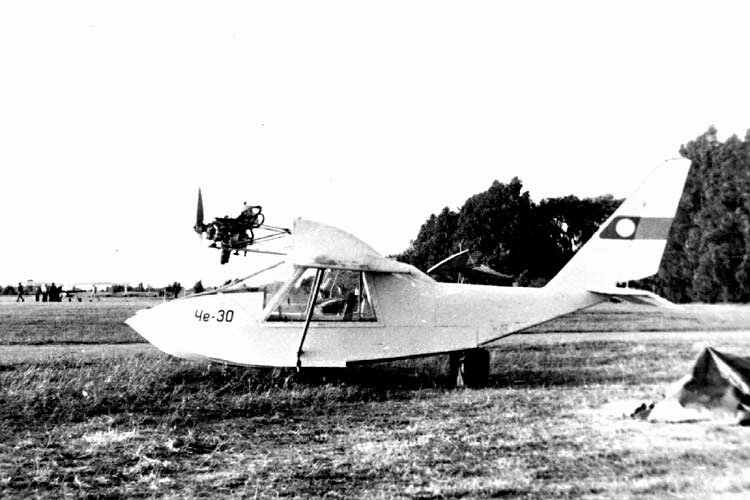
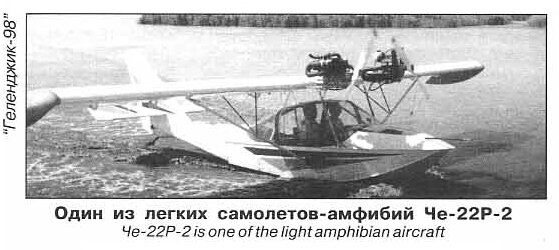
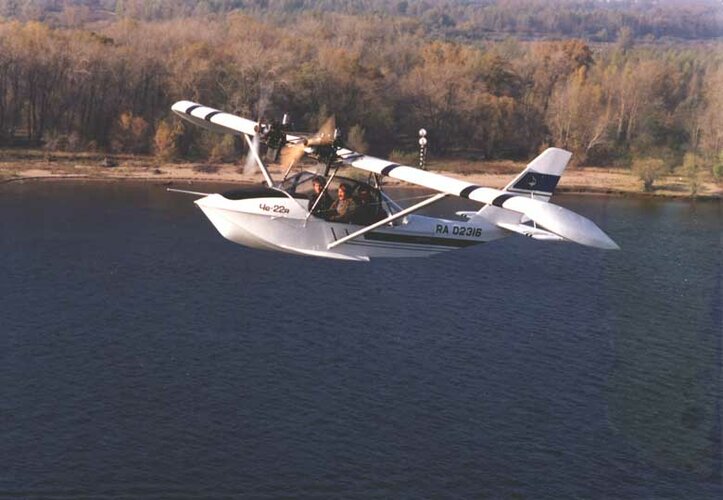
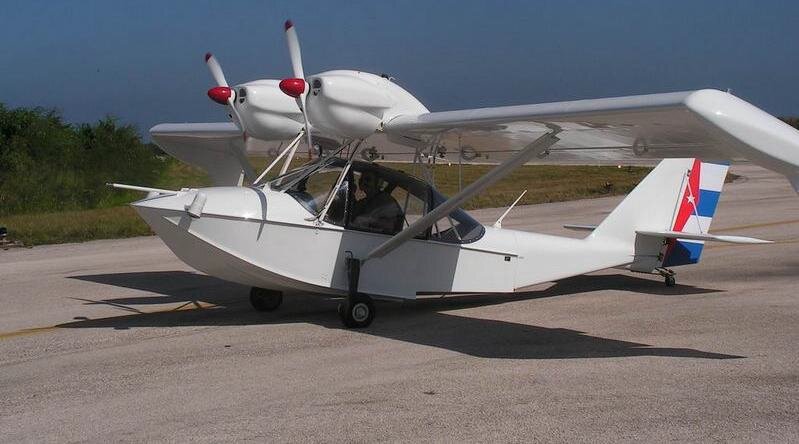
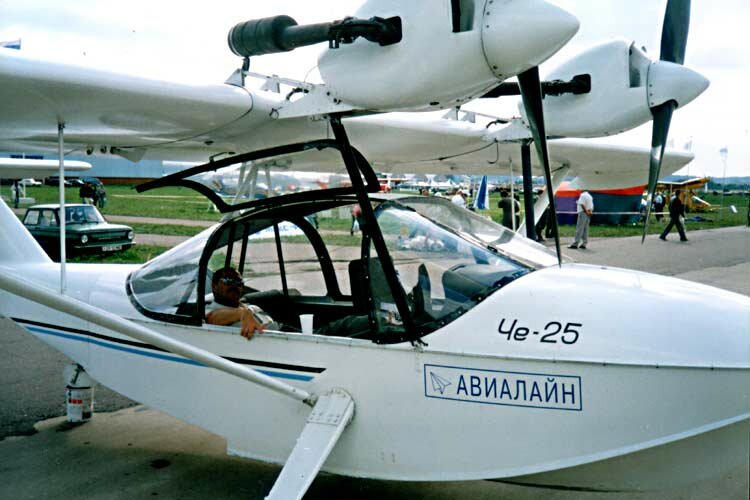
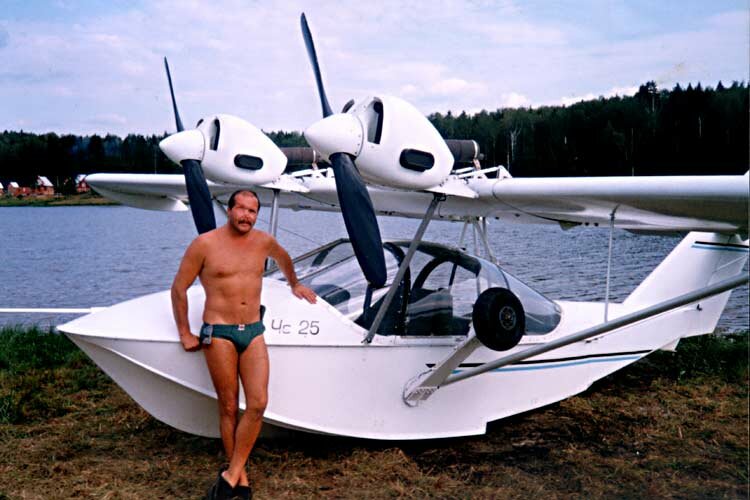
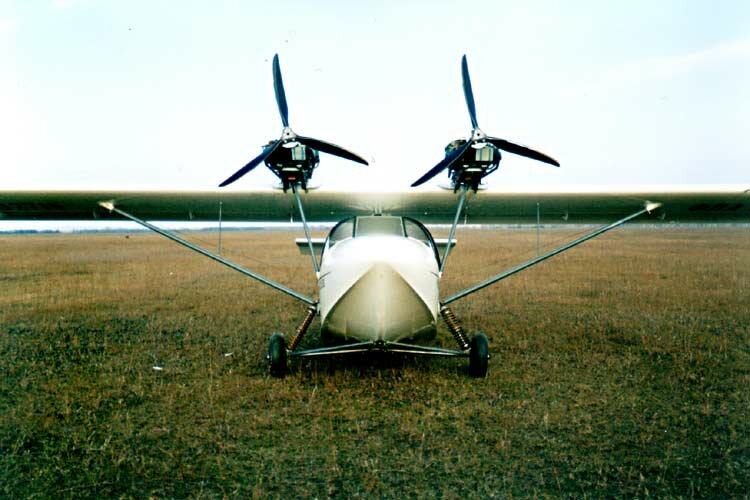
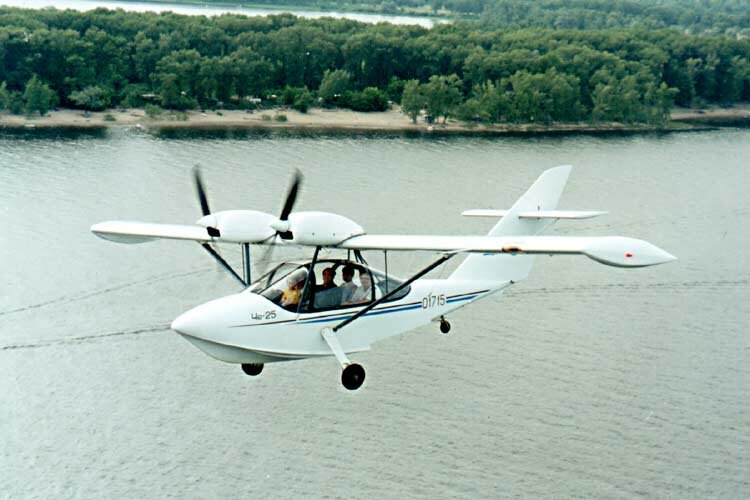
In 1986 Chernov built his first real aircraft, the Che-10, a tandem two-seater plane on floats; then in 1989, the first prototype of the three-seater Che-20, described by those who flew it as "an ideal club plane". It took part in the SLA-89 air meet in Riga. Then in 1991, the Che-30 was built, flown and presented at SLA-91 in Chernigov. That same year, serial production of the Che-20 aircraft began. Later on, the Che-20 was modernized into the Che-22 amphibious aircraft, developed with Evgeny Yunkerov, which was subsequently mass-produced under the name Corvette, becoming the first light amphibious aircraft in Russia to be certified by the IAC Aviation Register and built in fairly large series. The Che-25 followed in 1995, answering the need for a more seaworthy and load-lifting aircraft. For two summer seasons of 1996 and 1997, the type flew on the open coast of the Black Sea and performed well.

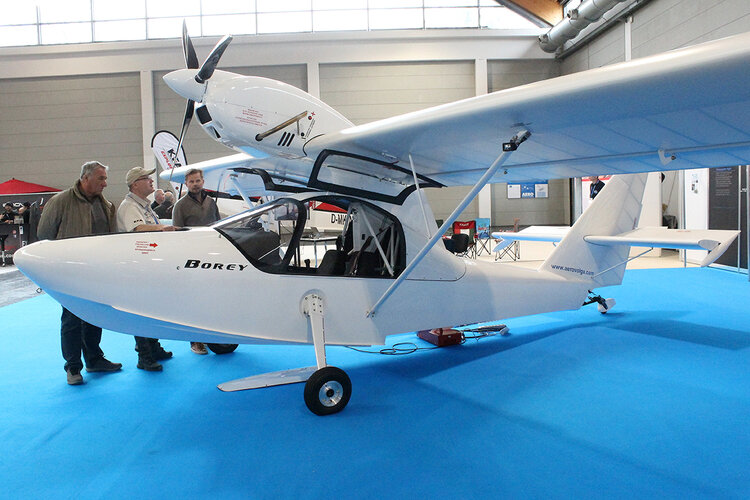
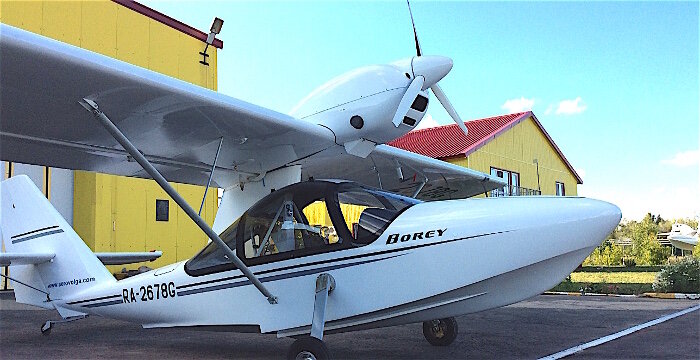
General aviation in general, and seaplanes in particular, were experiencing an unprecedented boom at the time, and so Chernov set up the Gidrosamolyet company in Saint-Petersburg (with Konstantin Viktorovich Dorgovtsov as its general director), in order to handle custom-made multi-purpose seaplanes and amphibious aircraft of the Che- brand. In 1996, however, Chernov was seriously injured while accompanying a cadet on a flight: part of his face was literally cut off by the propeller of the plane, but he himself sat down at the helm and flew to the hospital. In 1997, Chernov's team was assigned the technical task to design and build a small, open two-seater aircraft with easily folding wings, intended to be based on a large hull design. Thus was created the Che-15, first seen at the first Hydroaviation Show-98 in Gelendzhik. The modernized Che-25M began mass production in 1999. He later sold the documentation for the European Che-25 to a Chinese plant in Harbin. Chernov’s latest development is the unique Borey amphibious aircraft, produced by NPO AeroVolga.

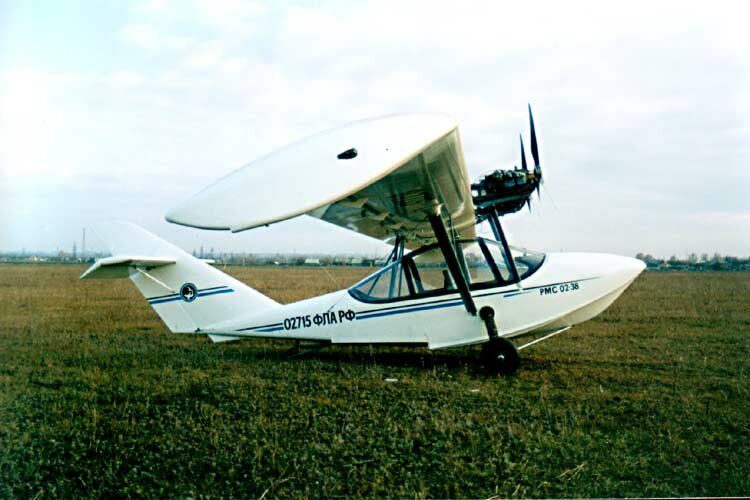
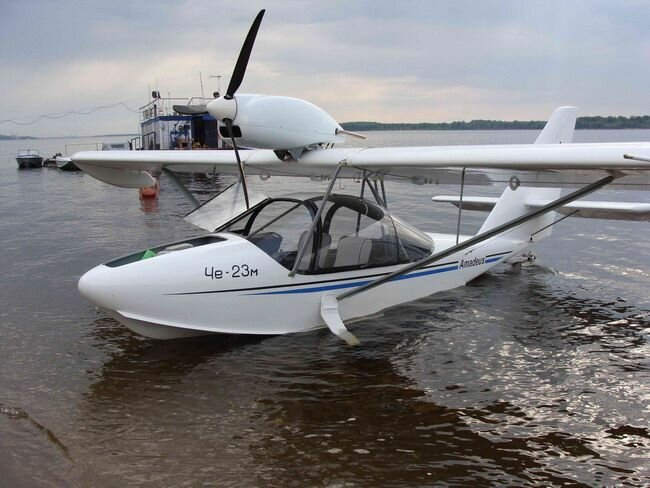
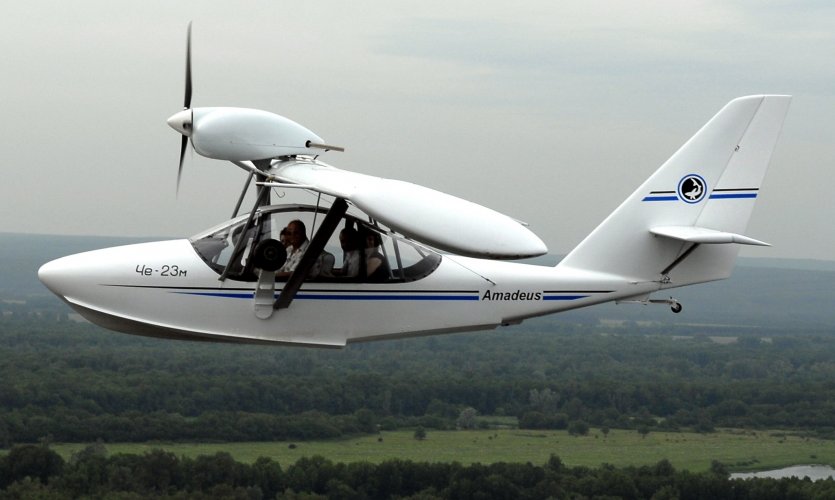
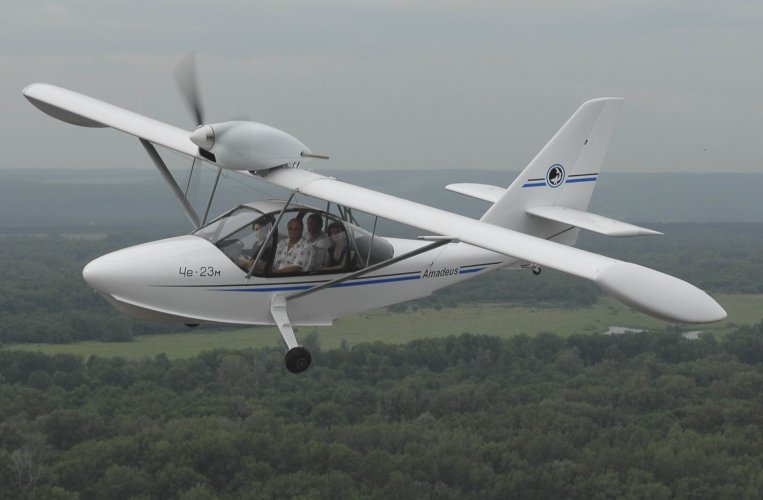
B.V. Chernov, using many years of personal experience in building and operating light aircraft, continued work on various modernizations of production aircraft, developing a new, faster and more load-bearing aircraft, the sleek twin-engined light transport/cargo Che-35 amphibian (which unfortunately remained a project), while the light single-engine two-three-seater Che-23 amphibious aircraft was being prepared for release. Compared to the Che-22, it had a more aesthetic appearance, with improved aerodynamics, lighter weight and better seaworthiness.

On the side, the company entered into a dealer agreement with KB Aerocopter for the sale of the AK1-3 helicopter and a kit for amateur construction in Russia, but nothing came of it apparently. Furthermore, the boom of Russian hydro-aviation of the 1990s and 2000s had passed, orders stagnated (despite regular reduction of prices on the kits), Gidrosamolyet no longer attended the air meets (claiming it was costly and brought few customers), and eventually the company was liquidated in 2014.

Although he seems to have been inactive in latter years, Chernov co-founded a new company in Moscow in October 2022 called "OKB Chernov B & M, Ltd.", which leads one to believe that he probably still has plans for new developments. In 2021, AON Russia (general aviation federation) established a medal "For merits in the development of general aviation in Russia", and Chernov was one of its first recipients, a reminder of his importance in the field.

Research by Stéphane Beaumort for Secret Projects © 2024

Official Chernov site:
http://www.sama.ru/~chernovb/

NOTE: I will tackle each of the Chernov types in separate posts.
 
Last edited:
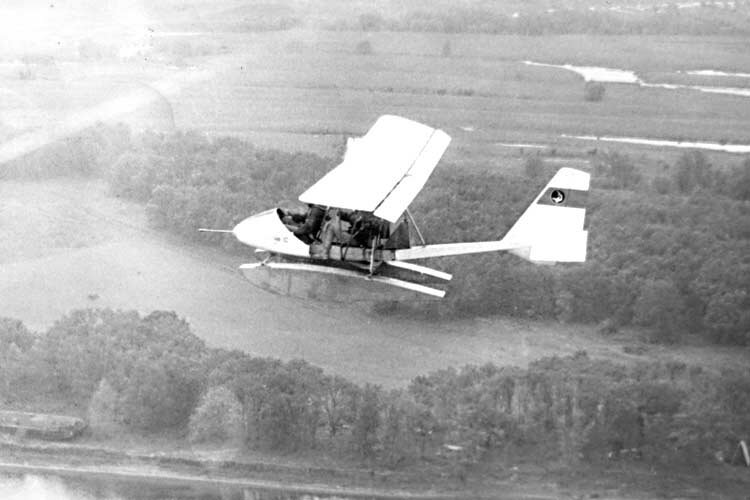
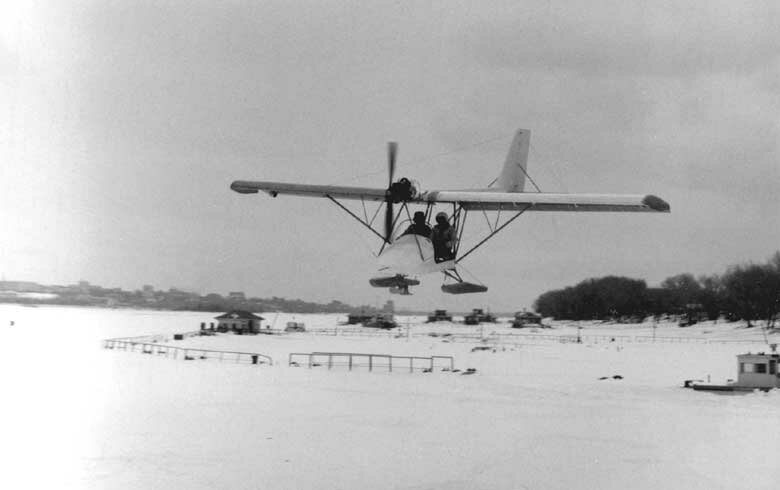
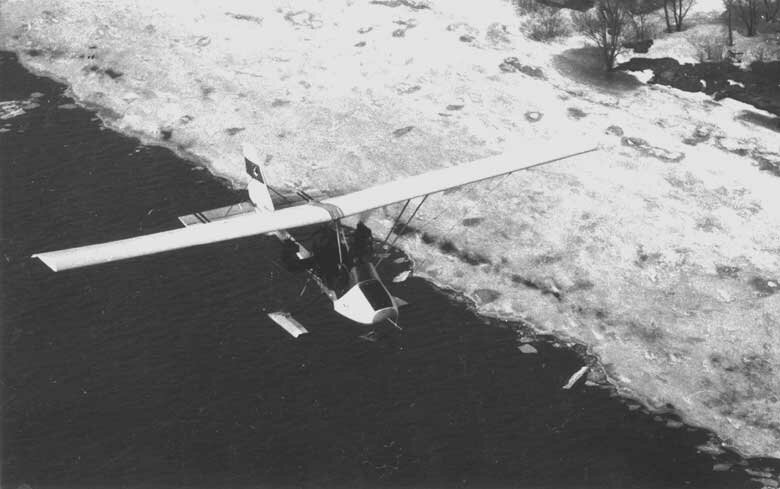
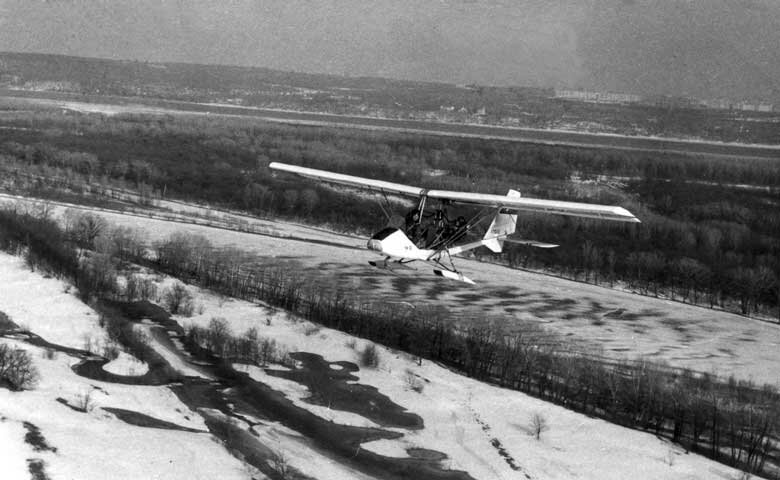
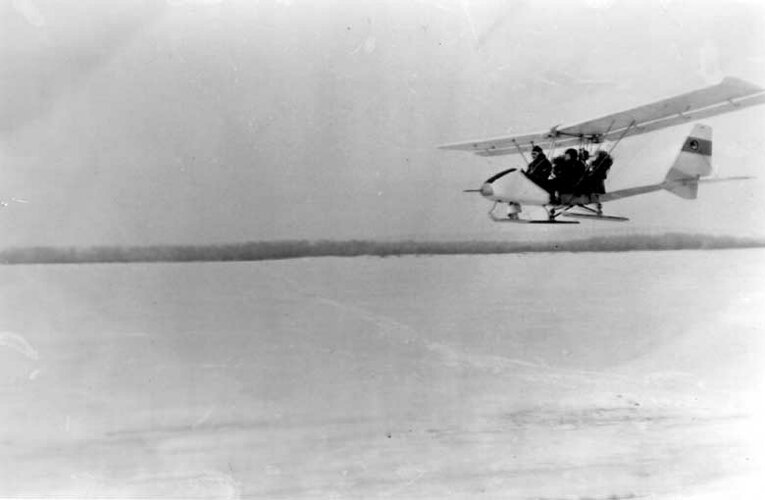
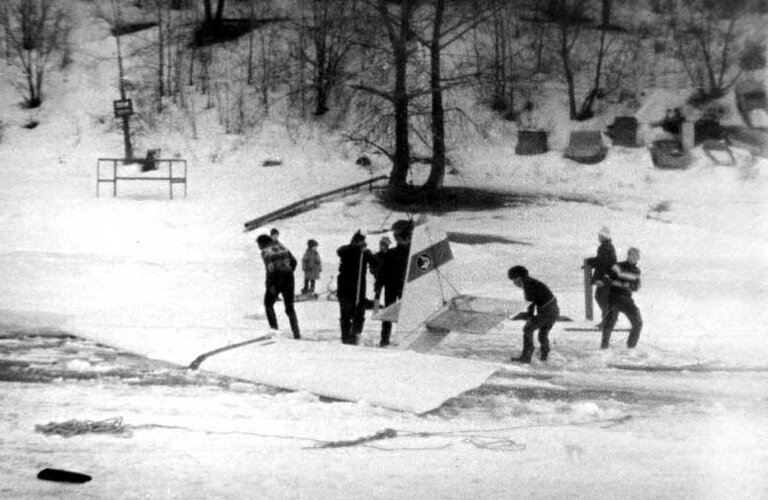
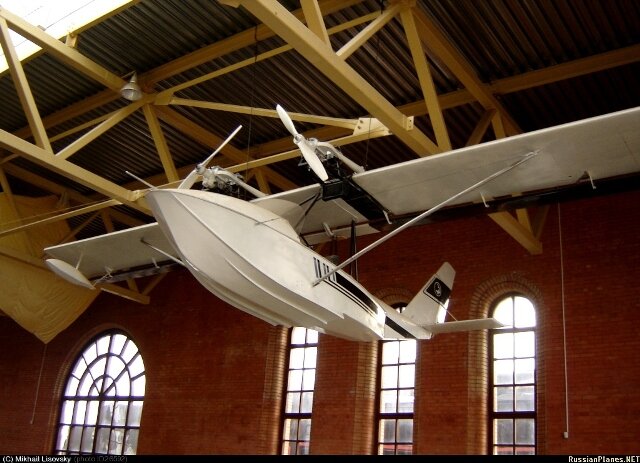
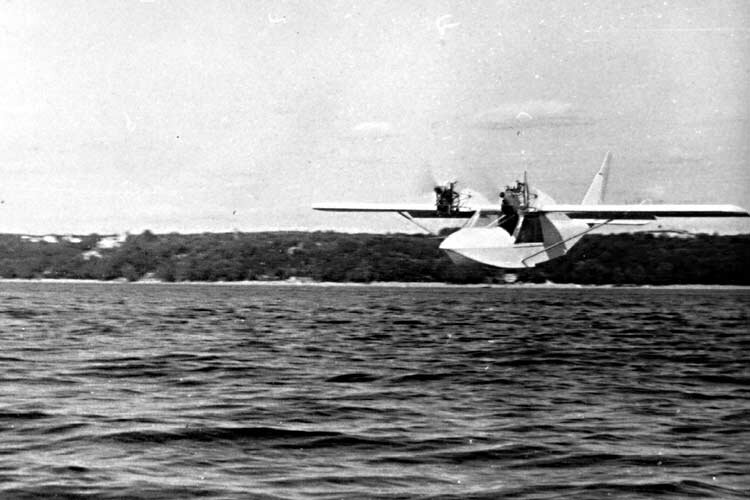
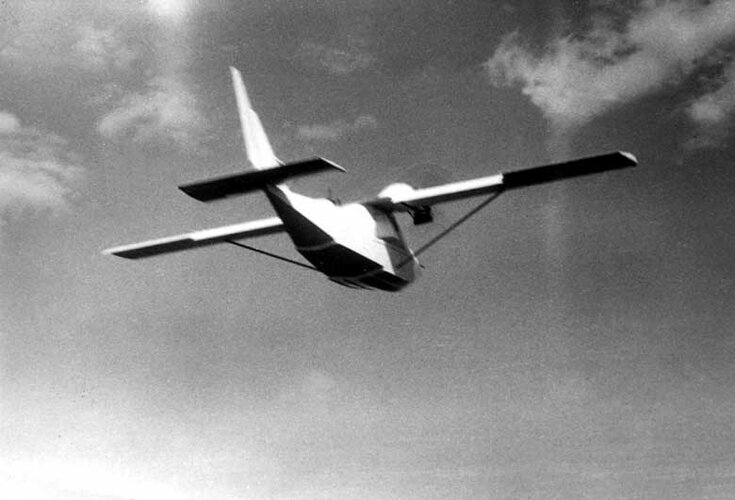
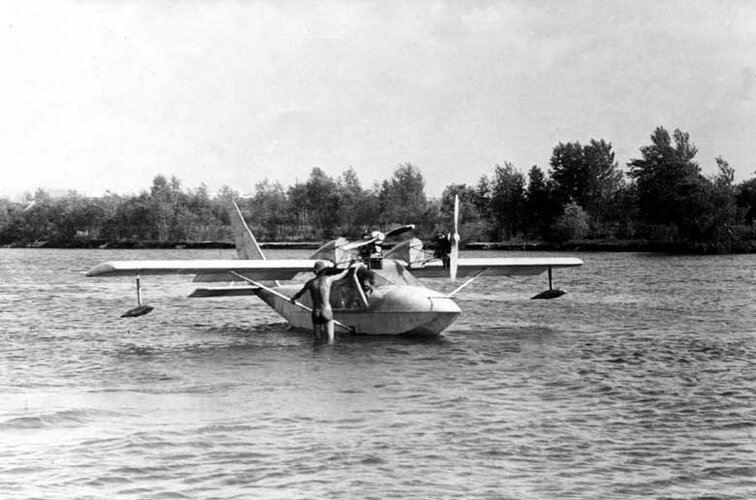
Chernov Che-10 (1986) :
Chernov's very first aircraft.

10.jpg
 

Attachments

  • 10-1.jpg
    10-1.jpg
    19 KB · Views: 41
  • 10-3.jpg
    10-3.jpg
    34.4 KB · Views: 27
  • 10-4.jpg
    10-4.jpg
    45 KB · Views: 22
  • 10-5.jpg
    10-5.jpg
    15 KB · Views: 20
  • 10-6.jpg
    10-6.jpg
    42.5 KB · Views: 21
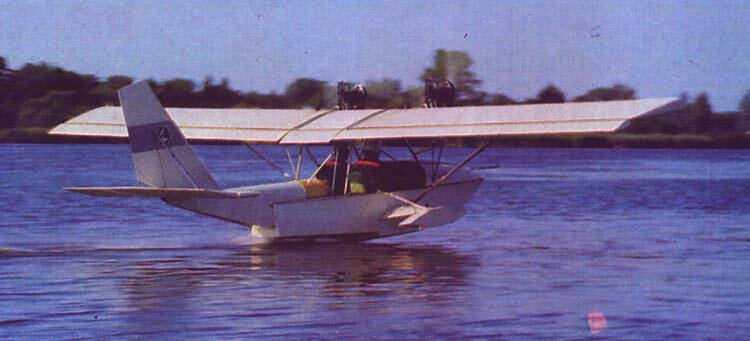
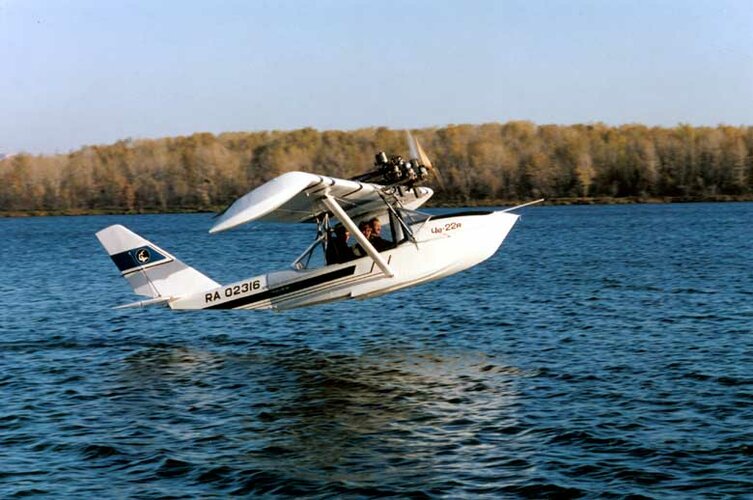
Chernov Che-22 (1993):
existed in single- and twin-engine configurations, with Rotax engines.

22-3.jpg
 

Attachments

  • Che-22R-2.jpg
    Che-22R-2.jpg
    85.8 KB · Views: 22
  • 22-2.jpg
    22-2.jpg
    35.3 KB · Views: 19
  • 22-1.jpg
    22-1.jpg
    66.7 KB · Views: 23
Gidrosamolyet "Korvet":

Gidroplan Korvet-LJ.jpg
 

Attachments

  • aon_05_Page_11_Image_0006.jpg
    aon_05_Page_11_Image_0006.jpg
    14.8 KB · Views: 22
  • АВИАТЕКСИМ «Корвет-J».jpg
    АВИАТЕКСИМ «Корвет-J».jpg
    106.8 KB · Views: 24
  • korvette.jpg
    korvette.jpg
    24.8 KB · Views: 24
AeroSamara Che-25 (1996):

25-912-3.jpg
 

Attachments

  • 25-582-1.jpg
    25-582-1.jpg
    49.3 KB · Views: 20
  • 25-582-2.jpg
    25-582-2.jpg
    50.6 KB · Views: 21
  • 25-912-1.jpg
    25-912-1.jpg
    49.2 KB · Views: 23
  • 25-912-2.jpg
    25-912-2.jpg
    47.7 KB · Views: 21
  • 25-912-4.jpg
    25-912-4.jpg
    43.1 KB · Views: 22
  • 25-s71-1.jpg
    25-s71-1.jpg
    70.6 KB · Views: 22
  • 25-s71-2.jpg
    25-s71-2.jpg
    64.4 KB · Views: 22
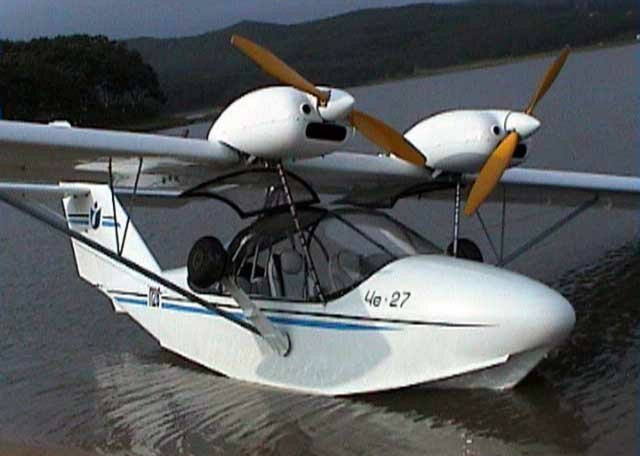
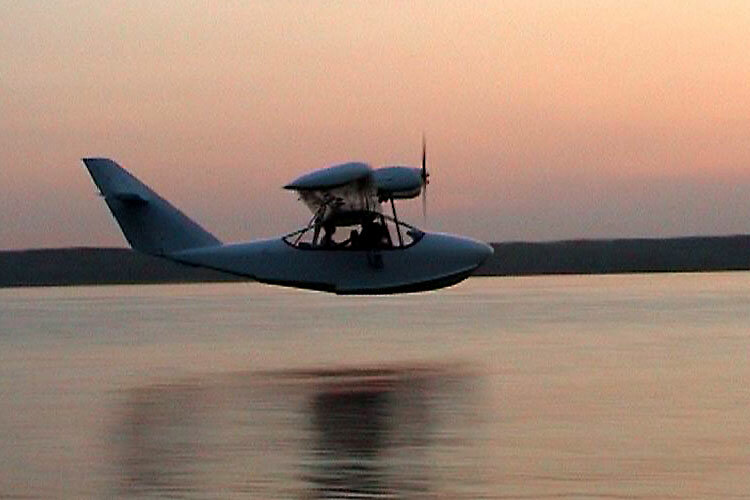
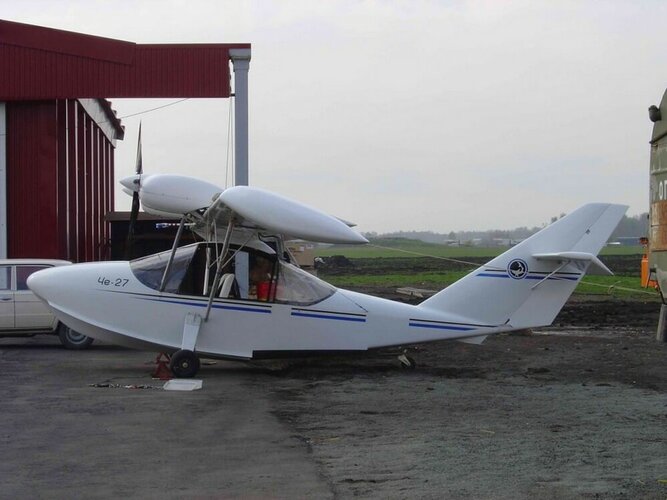
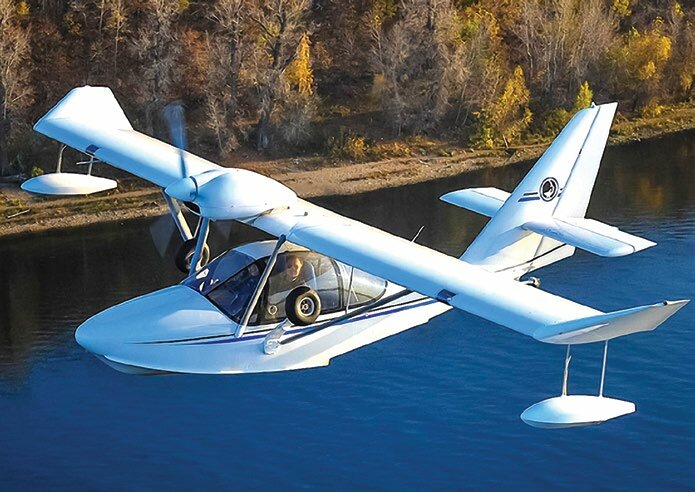
Gidrosamolyet Che-27 (2003):

scale_2400.jpg
 

Attachments

  • 27-01.jpg
    27-01.jpg
    27.5 KB · Views: 26
  • 27-03.jpg
    27-03.jpg
    27.2 KB · Views: 22
  • 27-07.jpg
    27-07.jpg
    50.1 KB · Views: 21
  • seaplane-che-27-3.jpg
    seaplane-che-27-3.jpg
    101.5 KB · Views: 21
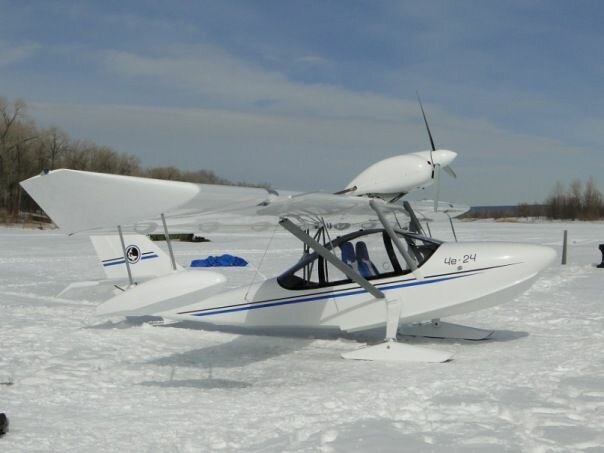
Gidrosamolyet Che-24 (2010):

ГИДРОСАМОЛЕТ Че-24.jpg
 

Attachments

  • CHE-24_blue.jpg
    CHE-24_blue.jpg
    174.4 KB · Views: 24
  • x_a021aad2_1_.jpg
    x_a021aad2_1_.jpg
    31.6 KB · Views: 21
  • x_8c1d6b53_1_.jpg
    x_8c1d6b53_1_.jpg
    22.7 KB · Views: 23
Gidrosamolyet Che-28 (2011):

x_0d736eae_1_.jpg
 

Attachments

  • Che-28.jpg
    Che-28.jpg
    133.5 KB · Views: 22
  • x_da7644bb_1_.jpg
    x_da7644bb_1_.jpg
    36.4 KB · Views: 23
  • Че-28.jpg
    Че-28.jpg
    23 KB · Views: 23
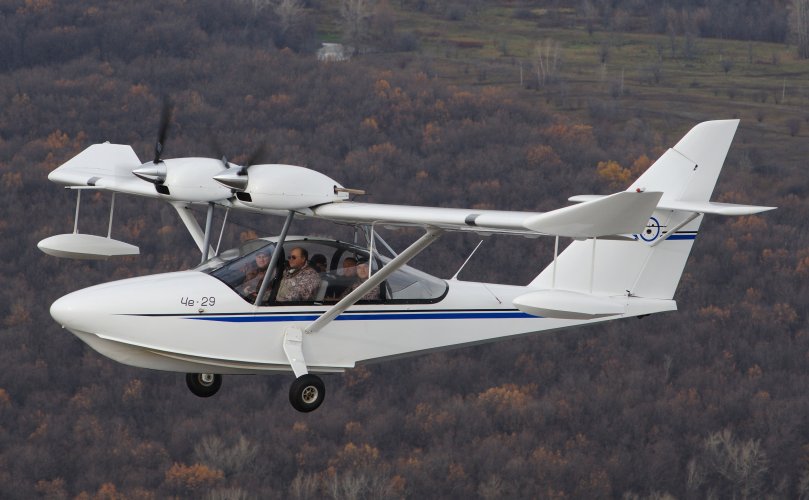
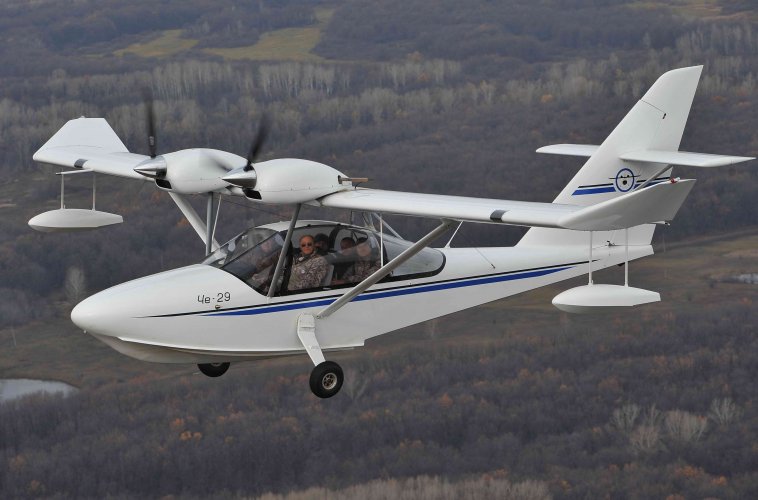
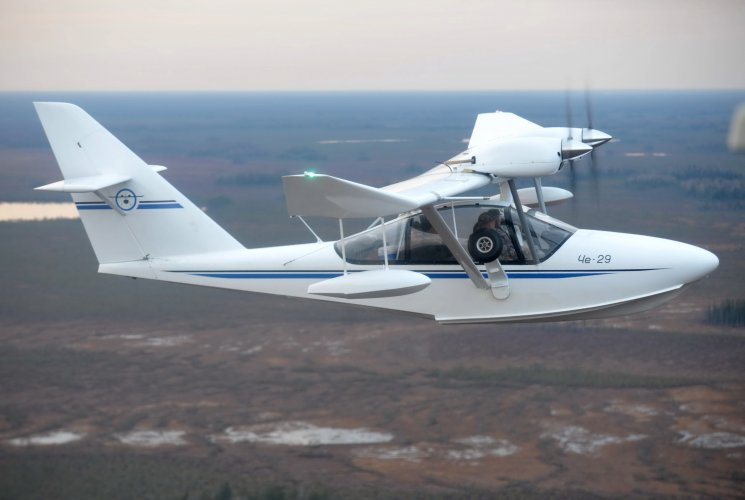
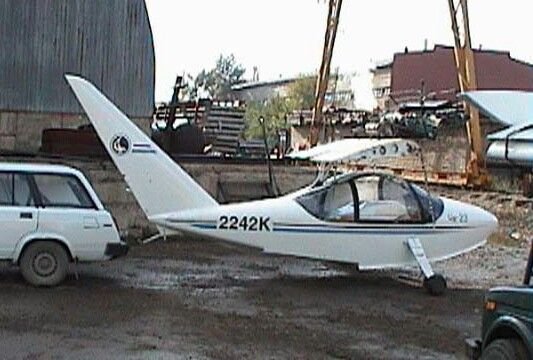
Gidrosamolyet Che-29 (2011):

2023-04-03_16-12-08.jpg
 

Attachments

  • scale_2400c.jpg
    scale_2400c.jpg
    278 KB · Views: 23
  • scale_2400b.jpg
    scale_2400b.jpg
    306.3 KB · Views: 20
  • scale_2400a.jpg
    scale_2400a.jpg
    259.4 KB · Views: 22
  • 2023-04-03_16-15-19.jpg
    2023-04-03_16-15-19.jpg
    40.4 KB · Views: 17
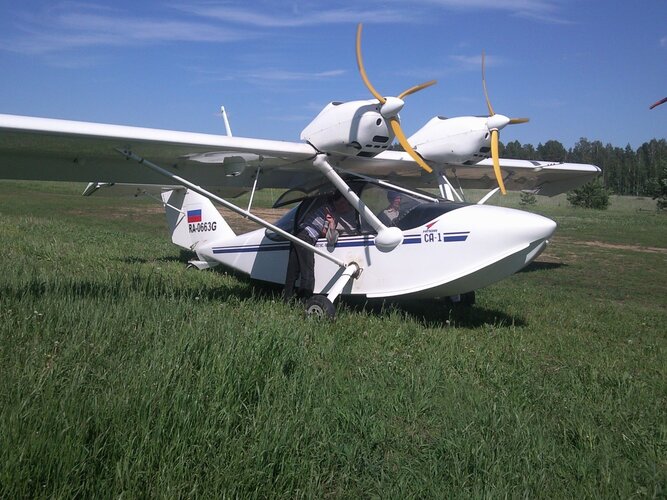
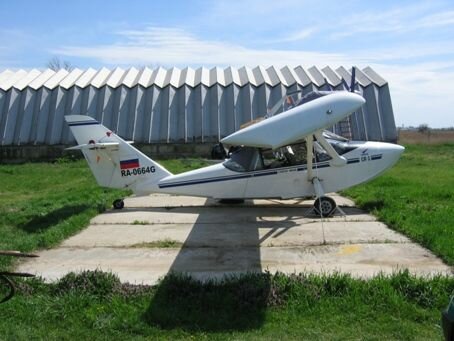
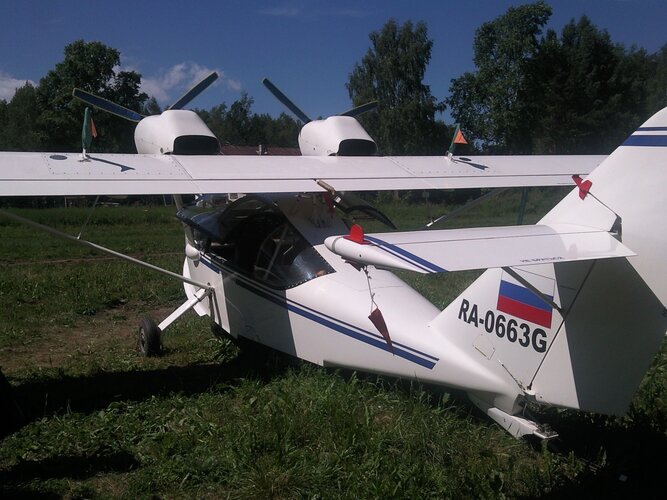
Status-Avia SA-1 "Status" (2004)
I forgot this in the chronology; it was a redesigned and improved Che-27:

7cfe7du-960.jpg
 

Attachments

  • 1_271.jpg
    1_271.jpg
    32.3 KB · Views: 15
  • bcfe7du-960.jpg
    bcfe7du-960.jpg
    602.7 KB · Views: 14
  • sa1-i.jpg
    sa1-i.jpg
    11.3 KB · Views: 16
  • fcfe7du-960.jpg
    fcfe7du-960.jpg
    664.1 KB · Views: 18
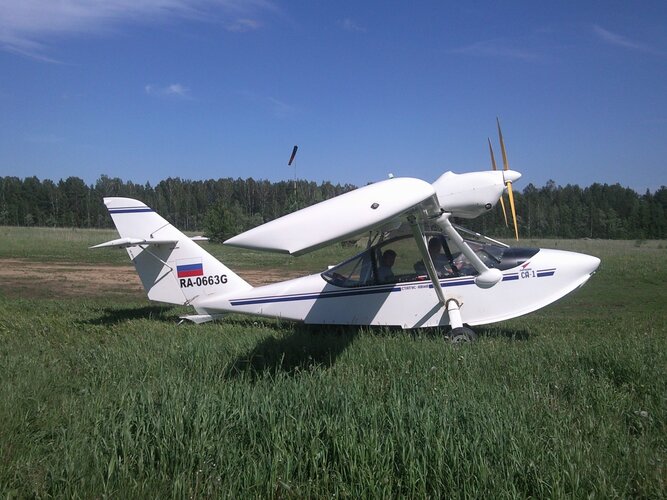
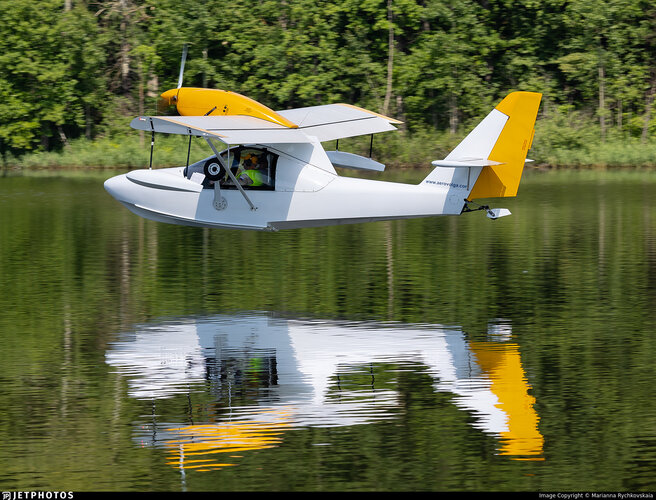
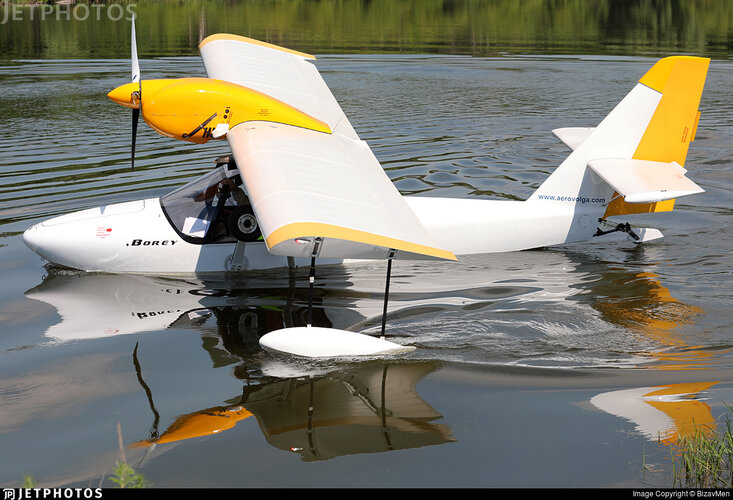
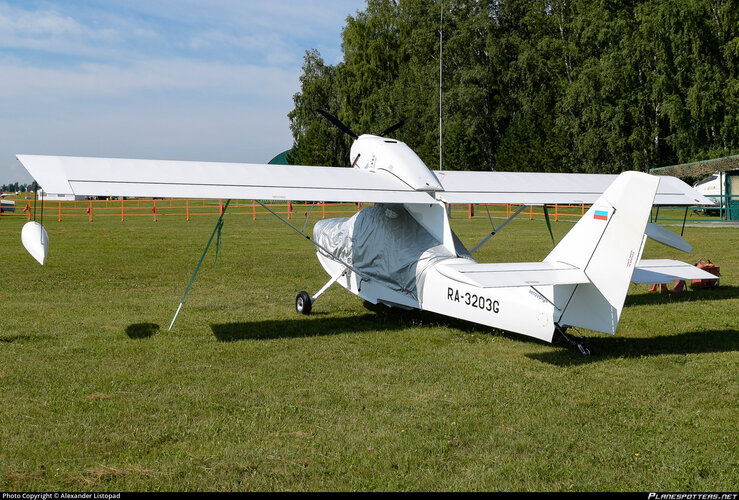
Aerovolga "Borey" (2016)
Chernov's last produced design to date:

1469149_1703431375.jpg
 

Attachments

  • 27098_1667587417.jpg
    27098_1667587417.jpg
    817.9 KB · Views: 26
  • ra-3203g-private-aerovolga-borey_PlanespottersNet_1593405_a1f69c91e7_o.jpg
    ra-3203g-private-aerovolga-borey_PlanespottersNet_1593405_a1f69c91e7_o.jpg
    728.3 KB · Views: 20
  • Z-Aeorvolga_Borey_(47695555511).jpg
    Z-Aeorvolga_Borey_(47695555511).jpg
    846.8 KB · Views: 20
  • 01 BOREY at the enterprise.JPG
    01 BOREY at the enterprise.JPG
    129.3 KB · Views: 35
I believe I have shared photos of every Chernov basic design in this topic, except for the Che-21 (for which I could find no image) and the Che-35 project (which already has a topic in the Secret postwar projects section). I have not (yet) included specs and detailed info for all those types. Feel free to add more photos or info for each of the aircraft.

A parallel topic will now be created in the designations section to detail all the types and variants.
 
Ища некую информацию в интернете, напал на данный форум. С удивлением обнаружил, сколько всего интересного написано про меня и мои самолёты.
Если интересно, я могу уточнить и дополнить информацию про то, что происходит с моими проектами сегодня.
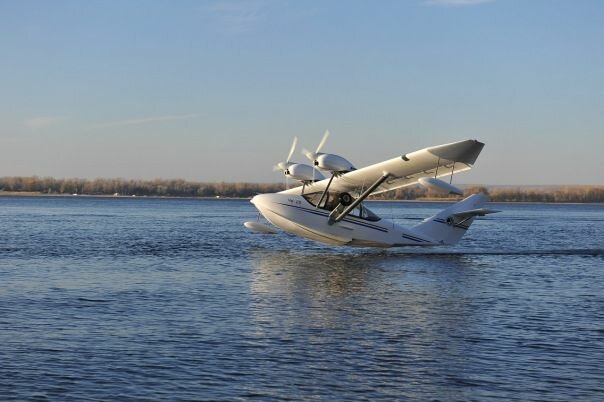
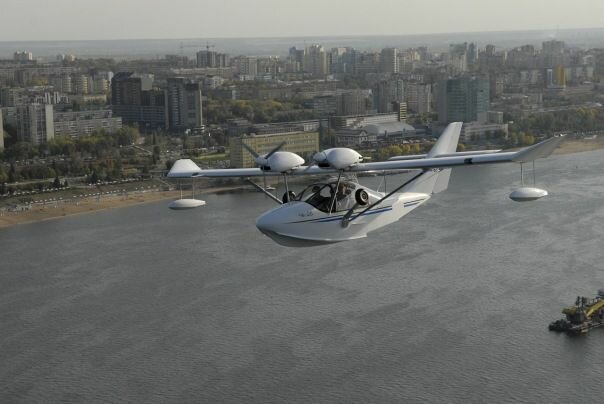
А пока хочу дополнить вашу коллекцию фото некоторыми, на мой взгляд, удачными фото.
Самарская область России, несомненно, является родиной гидросамолетной авиации в России. За последние тридцать лет несколько компаний разработали летающие лодки, гидросамолеты и амфибии в этой области, и все они являются своего рода духовными потомками разработок Шаврова 1930-х годов. Один дизайнер был особенно заметным в истории дизайна всех этих компаний: Борис Чернов. Конструктор-самоучка, построивший десяток легких самолетов, чьи разработки ранее были связаны с самарским студенческим конструкторским бюро No 1 (СКБ-1), считается одним из основоположников современной самарской гидроавиации и считается одним из самых талантливых из ныне живущих авиаконструкторов самолетов-амфибий. Вместе с КБ "Аэросамара" и другими конструкторами региона, такими как Анненков, он создал еще несколько гидросамолетов, которые были популярны за рубежом (некоторые из них были построены по лицензии в Китае и Вьетнаме).

Несмотря на эти достижения, которые сделали его выдающимся деятелем русской авиации общего назначения, фактом является то, что Чернов практически неизвестен в западном мире, и информация о нем на английском языке скудна. Тот факт, что его проекты также производились множеством различных компаний, таких как «АэроСамара», «Старатель», «Гидролан», «Статус-Авиа» или «АэроВолга», иногда затрудняет реконструкцию всей линейки конструкций. Кроме того, Чернов является независимым человеком на российской авиационной сцене. Он всегда работал самостоятельно, без жесткой привязки к авиационной инфраструктуре, что не помогло сделать его имя нарицательным.

Борис Валентинович Чернов родился в 1956 году в городе Куйбышев, что в Самарской области. С 10 лет занимался судомоделизмом, побеждал в областных и республиканских соревнованиях. После школы он в течение 7 лет занимался водно-моторным спортом, за это время построил около десяти гоночных лодок и принял участие во многих соревнованиях, которые принесли ему звание «Мастер спорта СССР». В 1976 году Чернов впервые поднялся в воздух на самодельном самолете. Это был просто тип «крыло Рогалло», буксируемый за моторной лодкой. В течение нескольких лет он проектировал и строил суда на воздушной подушке, такие как надводный скиммер «Альбатрос». С 1983 года он проектировал и строил моторизованные дельтапланы, некоторые из которых были поплавковыми. В 1985 году его гидромоторный мотодельтаплан принял участие в воздушных слетах легкомоторных самолетов SLA-85 в Киеве.

В 1986 году Чернов построил свой первый настоящий самолет Че-10, тандемный двухместный самолет на поплавках; затем в 1989 году был создан первый прототип трехместного Че-20, описанный теми, кто на нем летал, как «идеальный клубный самолет». Он принял участие в авиавстрече SLA-89 в Риге. Затем в 1991 году Че-30 был построен, поднялся в воздух и представлен на SLA-91 в Чернигове. В том же году началось серийное производство самолета Че-20. В дальнейшем Че-20 был модернизирован в самолет-амфибию Че-22, разработанный совместно с Евгением Юнкеровым, который впоследствии серийно выпускался под названием «Корвет», став первым в России легким самолетом-амфибией, сертифицированным Авиационным регистром МАК и построенным достаточно крупными сериями. В 1995 году последовал Че-25, отвечающий потребности в более мореходном и грузоподъемном самолете. В течение двух летних сезонов 1996 и 1997 годов тип летал на открытом побережье Черного моря и показал хорошие результаты.

Авиация общего назначения в целом и гидросамолеты в частности переживали в то время небывалый бум, поэтому Чернов основал в Санкт-Петербурге компанию «Гидросамолет» (генеральным директором которой стал Константин Викторович Дорговцов) для производства многоцелевых гидросамолетов и самолетов-амфибий марки Che-. Однако в 1996 году Чернов получил тяжелую травму во время сопровождения курсанта в полете: часть его лица была буквально отрезана пропеллером самолета, но сам он сел за штурвал и полетел в госпиталь. В 1997 году коллективу Чернова было поставлено техническое задание на проектирование и постройку небольшого открытого двухместного самолета с легко складывающимися крыльями, предназначенного для создания большого корпуса. Так был создан Че-15, впервые показанный на первом Салоне гидроавиации-98 в Геленджике. Серийное производство модернизированного Че-25М началось в 1999 году. Позже он продал документацию на европейский Че-25 китайскому заводу в Харбине. Новейшей разработкой Чернова является уникальный самолет-амфибия «Борей», выпускаемый НПО «АэроВолга».

Б.В. Чернов, используя многолетний личный опыт постройки и эксплуатации легких самолетов, продолжил работы по различным модернизациям серийных самолетов, разработав новый, более скоростной и грузоподъемный самолет, обтекаемый двухмоторный легкий транспортно-грузовой самолет-амфибия Че-35 (который, к сожалению, так и остался проектом), в то время как легкий одномоторный двух-трехместный Че-23 Самолеты-амфибии готовились к выпуску. По сравнению с Che-22, он имел более эстетичный внешний вид, с улучшенной аэродинамикой, меньшим весом и лучшими мореходными качествами.

Побоку компания заключила дилерское соглашение с КБ «Аэрокоптер» на продажу вертолета АК1-3 и комплекта для любительской постройки в России, но из этого, судя по всему, ничего не вышло. Кроме того, бум российской гидроавиации 1990-х и 2000-х годов прошел, заказы стагнировали (несмотря на регулярное снижение цен на комплекты), «Гидросамаролет» перестал участвовать в авиасборах (считая это дорого и мало клиентов), а в 2014 году компания была ликвидирована.

Несмотря на то, что в последние годы он, похоже, бездействовал, в октябре 2022 года Чернов стал соучредителем новой компании в Москве под названием «OKB Chernov B&M, Ltd.», что наводит на мысль, что у него, вероятно, все еще есть планы на новые разработки. В 2021 году АОН Россия (федерация авиации общего назначения) учредила медаль «За заслуги в развитии авиации общего назначения в России», и Чернов стал одним из первых ее получателей, напоминая о его значимости в поле.

Исследование Стефана Боморта для Secret Projects © 2024

Официальный сайт Chernov:
http://www.sama.ru/~chernovb/

ПРИМЕЧАНИЕ: Я рассмотрю каждый из типов Чернов в отдельных постах.
Ища некую информацию в интернете, напал на данный форум. С удивлением обнаружил, сколько всего интересного написано про меня и мои самолёты.
Если интересно, я могу уточнить и дополнить информацию про то, что происходит с моими проектами сегодня.
А пока хочу дополнить вашу коллекцию фото некоторыми, на мой взгляд, удачными фото.
 

Attachments

  • _DSC4912би.jpg
    _DSC4912би.jpg
    574.2 KB · Views: 28
  • _DSC4920м.jpg
    _DSC4920м.jpg
    198.4 KB · Views: 23
  • NIK_5287ооо.jpg
    NIK_5287ооо.jpg
    4.6 MB · Views: 26
  • NIK_5304мм.jpg
    NIK_5304мм.jpg
    290.8 KB · Views: 28
  • м.jpg
    м.jpg
    2.9 MB · Views: 44
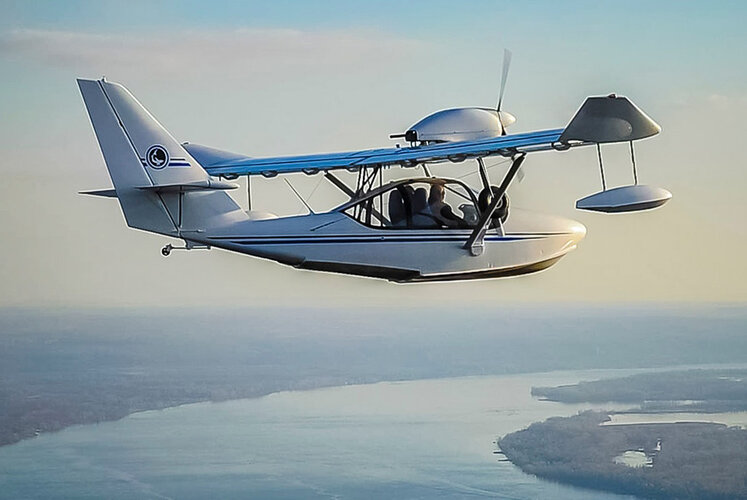
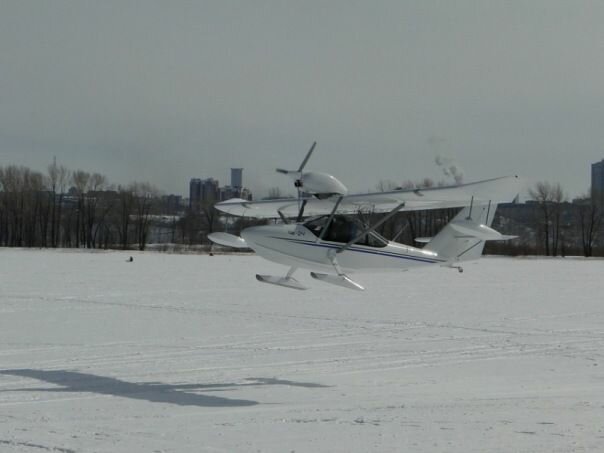
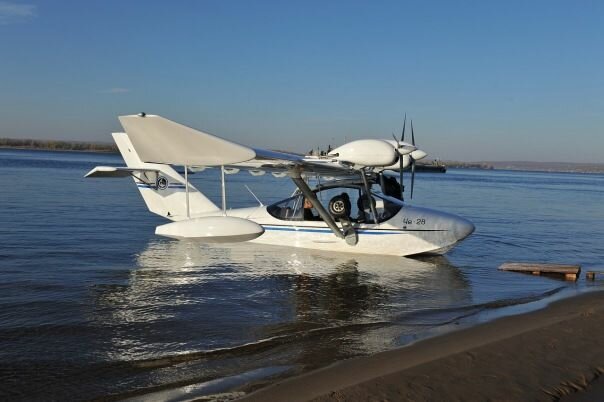
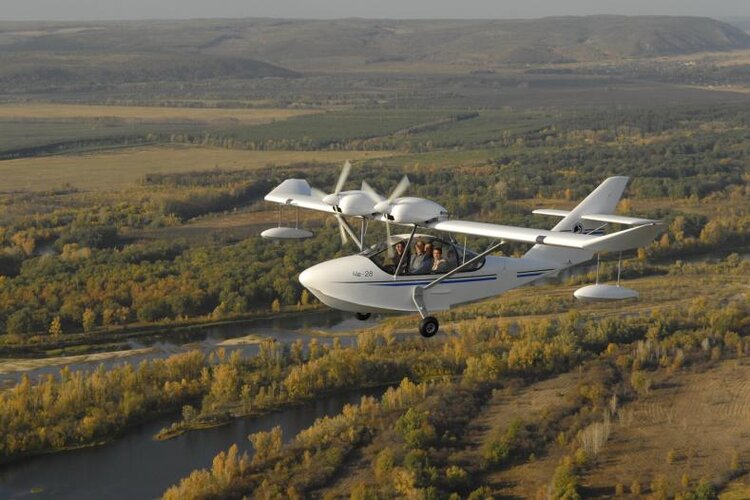
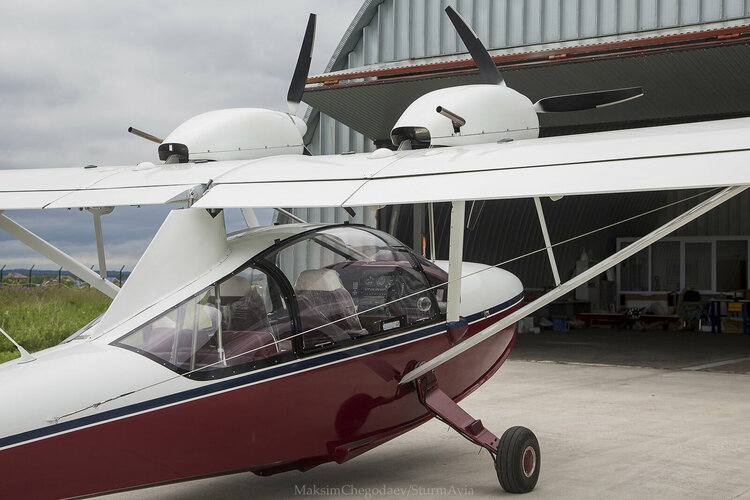
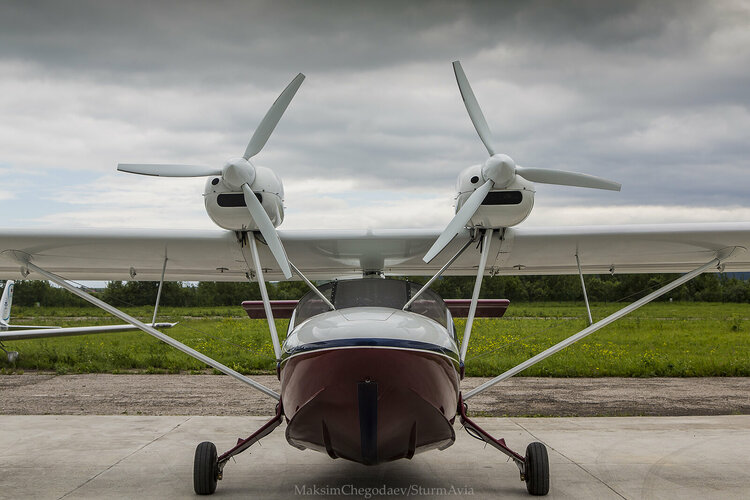
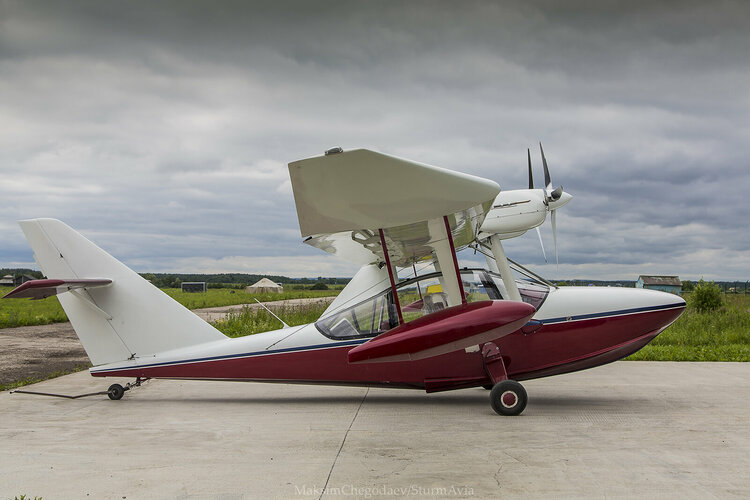
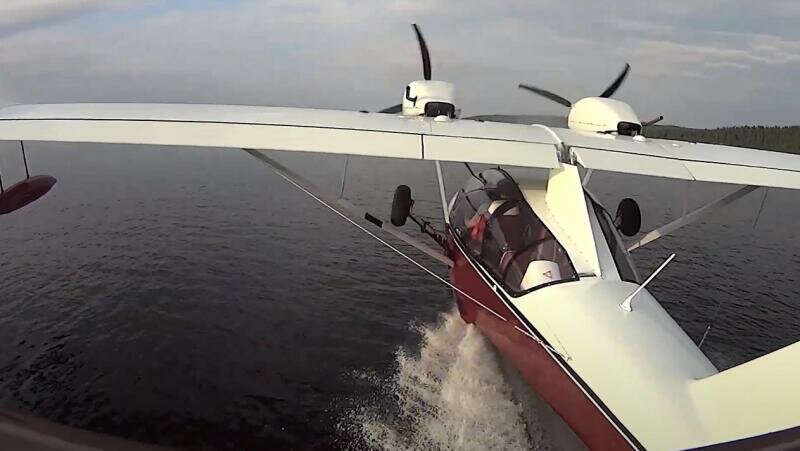
While searching for some information on the Internet, I came across this forum. I was surprised to find out how much interesting stuff was written about me and my planes.If you are interested, I can clarify and supplement the information about what is happening with my projects today.In the meantime, I want to supplement your photo collection with some, in my opinion, successful photos.
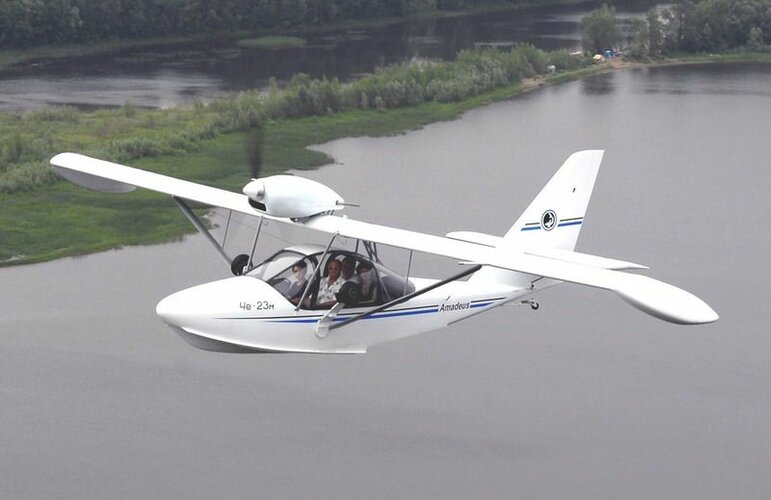
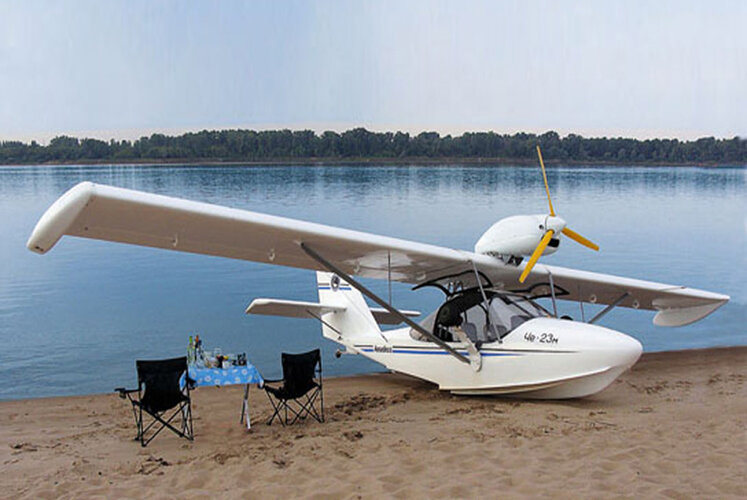
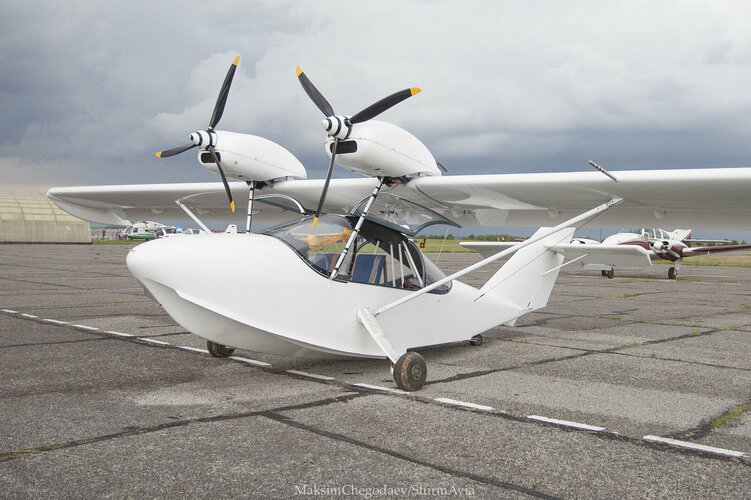
Thank you so much for the beautiful photos of the Che-23M and Che-29!
It is an honor for me to know that you have appreciated my research into your wonderful seaplane designs. I hope I didn't make any mistakes...
Of course, any supplement of information you can provide about your projects, past and present, will be most welcome!
 
Ища некую информацию в интернете, напал на данный форум. С удивлением обнаружил, сколько всего интересного написано про меня и мои самолёты.
Если интересно, я могу уточнить и дополнить информацию про то, что происходит с моими проектами сегодня.
А пока хочу дополнить вашу коллекцию фото некоторыми, на мой взгляд, удачными фото.

Ища некую информацию в интернете, напал на данный форум. С удивлением обнаружил, сколько всего интересного написано про меня и мои самолёты.
Если интересно, я могу уточнить и дополнить информацию про то, что происходит с моими проектами сегодня.
А пока хочу дополнить вашу коллекцию фото некоторыми, на мой взгляд, удачными фото.
Dear Boris Chernow!
I have followed your aircraft designs for quite some years, here from Norway. They are really beautiful and functional!
Yes, please share more detailed about the upcoming projects. I know for a fact that there are things happening, perhaps you can share some of the information here on the forum? Thank you!
 
Уважаемый г. Чернов у меня вопрос по этим обозначениям Че-23:

1. Вариант ультралайт это Че-23А?
2. Стандартный вариант это Че-23Б?
3. Вариант дальнего многоцелевого гидросамолета это Че-23В?

Или это разные варианты?
Dear Mr. Chernov, I have a question about these designations Che-23:

1. Is the ultralight variant the Che-23A?
2. Is the standard variant the Che-23B?
3. Is the long-range multipurpose seaplane the Che-23B?

Or are they different options?


Variants of the Che-23
Ultralight option:
The Che-23 amphibious seaplane, with one Rotax-912 engine (100 hp), a three-bladed propeller with variable pitch on the ground, a two-pilot layout, with one tank for 60 liters of fuel, with a take-off weight of up to 500 kg, and a flight range of 800 km


=
Che-23A
This is a single-engine seaplane with a Rotax-912 engine (100 liters.s.) powered by A-95 automotive fuel.
The standard version:
Che-23 amphibious seaplane, with one Rotax-912 engine (100 hp), with variable propeller pitch in flight, with two fuel tanks of 50 liters each, four-person layout on board, flight range up to 880 km.


=
Che-23B
This is a single-engine amphibious seaplane with a Rotax-912 engine (100 liters.s.) powered by A-95 automotive fuel, with a three-bladed variable pitch propeller in flight.
A variant of a long-range multi-purpose seaplane:
The Che-23 amphibious seaplane, with one Rotax-914 engine (115 liters.s.), with variable propeller pitch in flight (with reverse), fuel tanks in the center section of 80 liters each, an additional tank behind the engine in the fairing for 40 liters, a total of 200 liters, respectively, the flight range increases to 2000 km .


=
Che-23B
This is a single-engine amphibious seaplane with a Rotax-914 engine (115 liters.s.) powered by A-95 automotive fuel, with a three-bladed variable pitch propeller in flight, reversible, the leading edge of the rotor blades is protected from impact of solid particles and water.
 
Уважаемый г. Чернов у меня вопрос по этим обозначениям Че-23:

1. Вариант ультралайт это Че-23А?
2. Стандартный вариант это Че-23Б?
3. Вариант дальнего многоцелевого гидросамолета это Че-23В?

Или это разные варианты?
Dear Mr. Chernov, I have a question about these designations Che-23:

1. Is the ultralight variant the Che-23A?
2. Is the standard variant the Che-23B?
3. Is the long-range multipurpose seaplane the Che-23B?

Or are they different options?


​
Variants of the Che-23
Ultralight option:
The Che-23 amphibious seaplane, with one Rotax-912 engine (100 hp), a three-bladed propeller with variable pitch on the ground, a two-pilot layout, with one tank for 60 liters of fuel, with a take-off weight of up to 500 kg, and a flight range of 800 km


=
Che-23A
This is a single-engine seaplane with a Rotax-912 engine (100 liters.s.) powered by A-95 automotive fuel.
The standard version:
Che-23 amphibious seaplane, with one Rotax-912 engine (100 hp), with variable propeller pitch in flight, with two fuel tanks of 50 liters each, four-person layout on board, flight range up to 880 km.


=
Che-23B
This is a single-engine amphibious seaplane with a Rotax-912 engine (100 liters.s.) powered by A-95 automotive fuel, with a three-bladed variable pitch propeller in flight.
A variant of a long-range multi-purpose seaplane:
The Che-23 amphibious seaplane, with one Rotax-914 engine (115 liters.s.), with variable propeller pitch in flight (with reverse), fuel tanks in the center section of 80 liters each, an additional tank behind the engine in the fairing for 40 liters, a total of 200 liters, respectively, the flight range increases to 2000 km .


=
Che-23B
This is a single-engine amphibious seaplane with a Rotax-914 engine (115 liters.s.) powered by A-95 automotive fuel, with a three-bladed variable pitch propeller in flight, reversible, the leading edge of the rotor blades is protected from impact of solid particles and water.
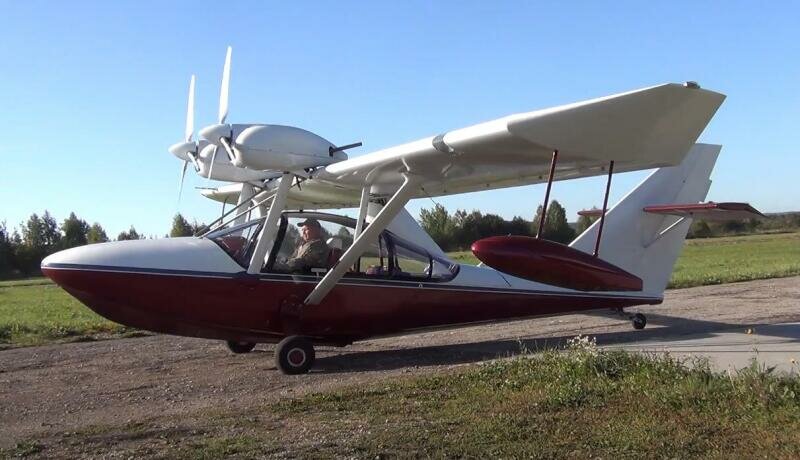
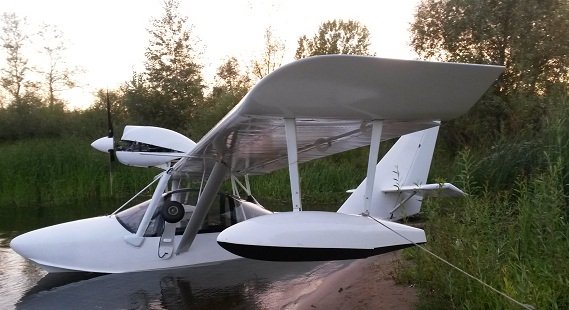
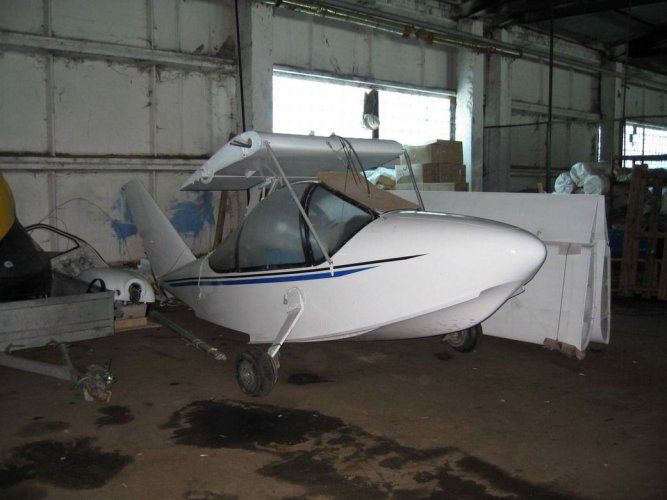
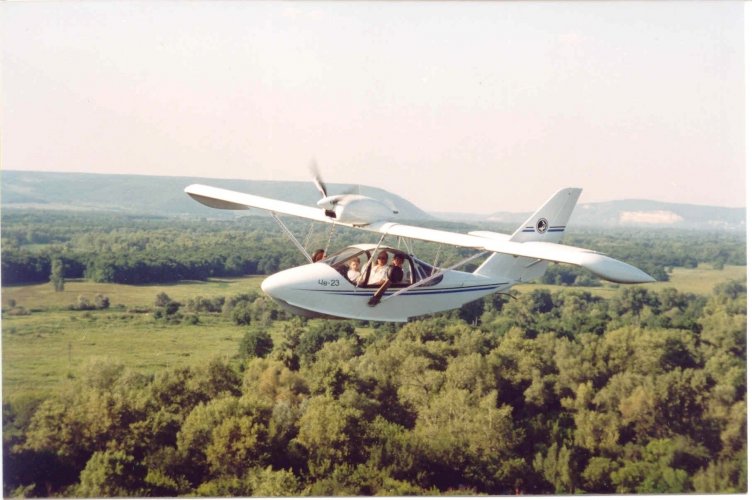
Че-23Б есть у нас на водохранилище. У него лодка длиннее, чем у Че-23А, длиннее нос, лобовое стекло, хвостовая балка, но короче заднее стекло. Это почти все отличия. Обычно на Че-23А и Че-23Б ставится одинаковый центроплан на два бака, но у Че-23А может быть уменьшенный центроплан на один бак. Че-23В отличается от Че-23Б, как на некоторых сайтах пишут, более широкой лодкой, но это не точно. Ещё у него больше центроплан, чем на Че-23Б. Он примерно как на Корветах. На первой фотке Че-23Б во время перевозки в 2003 году. Потом в 2010 году его немного модернизировали, поставили новые стойки шасси, убрали дверцу на лобовом стекле, немного переделали капот двигателя, поменяли стандартные поплавки на поплавки с винглетами. На второй фотке он после модернизации. На третьей фотке его современное состояние
 

Attachments

  • Че-23.jpg
    Че-23.jpg
    42.2 KB · Views: 24
  • 20160824_193953.jpg
    20160824_193953.jpg
    81.2 KB · Views: 26
  • общи вид сбоку.jpg
    общи вид сбоку.jpg
    469.5 KB · Views: 28
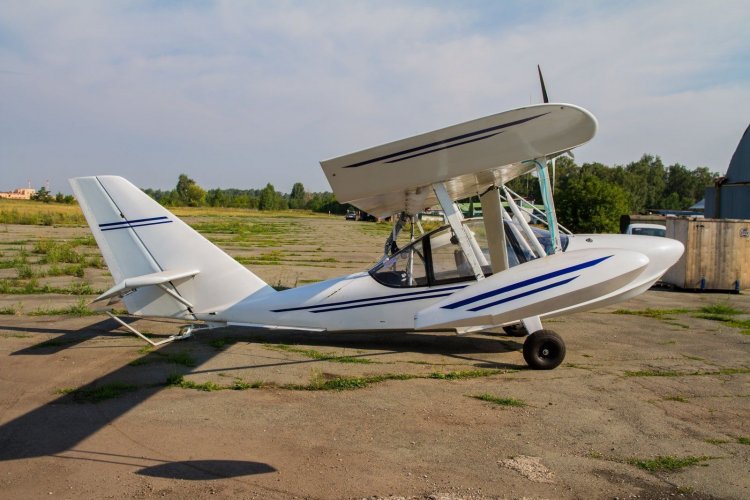
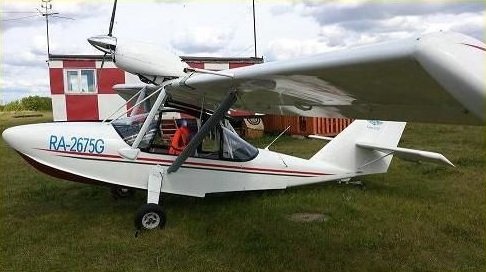
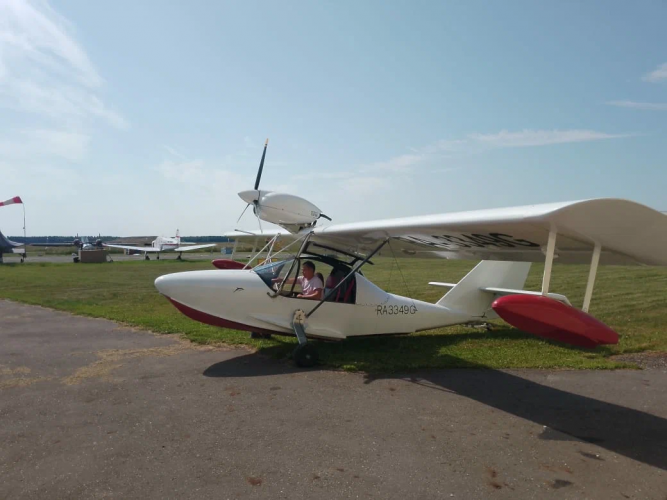
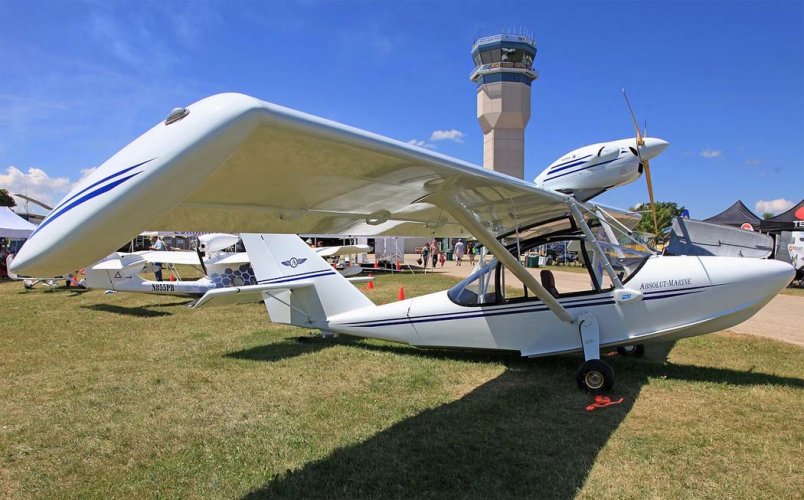
Че-23М отличается от Че-23Б немного увеличенной лодкой, она стала немного длиньше и шире, но некоторые всё равно путают Че-23Б и Че-23М. Возможно, те самолёты, что подписывают иногда как Че-23М, на самом деле Че-23Б, потому что иногда их лодки на фотках кажутся чуть меньше. Что за модификации на фото, непонятно
 

Attachments

  • 014.jpg
    014.jpg
    54.6 KB · Views: 23
  • 15.png
    15.png
    657 KB · Views: 17
  • che23-3.jpg
    che23-3.jpg
    133.3 KB · Views: 17
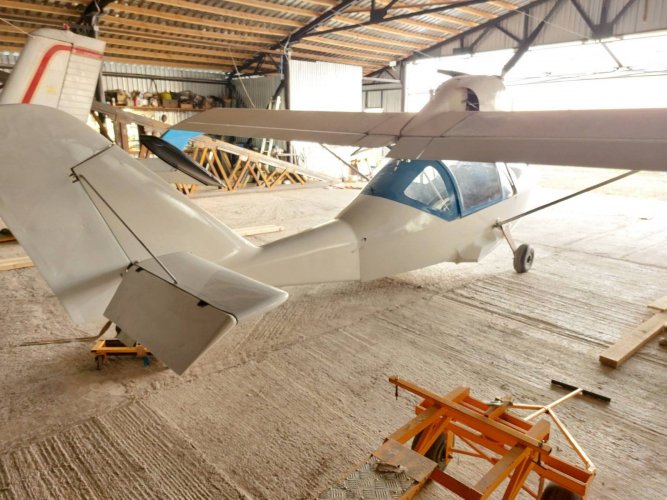
На этой фотографии тоже неизвестная модификация Че-23. Возможно, Че-23А. Вдобавок, у него киль, как у Че-22. На следующей фотографии экспериментальный Че-22, который, возможно, называется Че-39. Так его называли на одном сайте, на котором он был в варианте с тентом. Тут у него уменьшенный центроплан, примерно такой, возможно, мог бы ставиться на Че-23А с одним баком. Для сравнения фото с сайта производителя Че-23, на нём у Че-23 обычный центроплан. Ещё можно заметить, что горизонтальное оперение находится чуть выше, чем обычно
 

Attachments

  • 001_001.jpg
    001_001.jpg
    92 KB · Views: 18
  • 20211002_175001.jpg
    20211002_175001.jpg
    284.8 KB · Views: 23
  • 155.jpg
    155.jpg
    327.8 KB · Views: 18
Че-23Б есть у нас на водохранилище. У него лодка длиннее, чем у Че-23А, длиннее нос, лобовое стекло, хвостовая балка, но короче заднее стекло. Это почти все отличия. Обычно на Че-23А и Че-23Б ставится одинаковый центроплан на два бака, но у Че-23А может быть уменьшенный центроплан на один бак. Че-23В отличается от Че-23Б, как на некоторых сайтах пишут, более широкой лодкой, но это не точно. Ещё у него больше центроплан, чем на Че-23Б. Он примерно как на Корветах. На первой фотке Че-23Б во время перевозки в 2003 году. Потом в 2010 году его немного модернизировали, поставили новые стойки шасси, убрали дверцу на лобовом стекле, немного переделали капот двигателя, поменяли стандартные поплавки на поплавки с винглетами. На второй фотке он после модернизации. На третьей фотке его современное состояние
Thanks. Careful with automatic translations: both Че-23Б and Че-23В have been translated as Che-23B. The latter should be Che-23V. (the alphabetical order in Russian is A, B, V, G, D, etc.)
 
Thanks. Careful with automatic translations: both Че-23Б and Че-23В have been translated as Che-23B. The latter should be Che-23V. (the alphabetical order in Russian is A, B, V, G, D, etc.)
Че-23А это Che-23A, Че-23Б это Che-23b, Че-23В это Che-23v
 

Similar threads

Back
Top Bottom