Richard P. Gallagher
@rpg571
·
1h
The Hydrogen Leak Puzzle: Why SLS's Keeps Springing Leaks—and NASA's Plan to Seal It
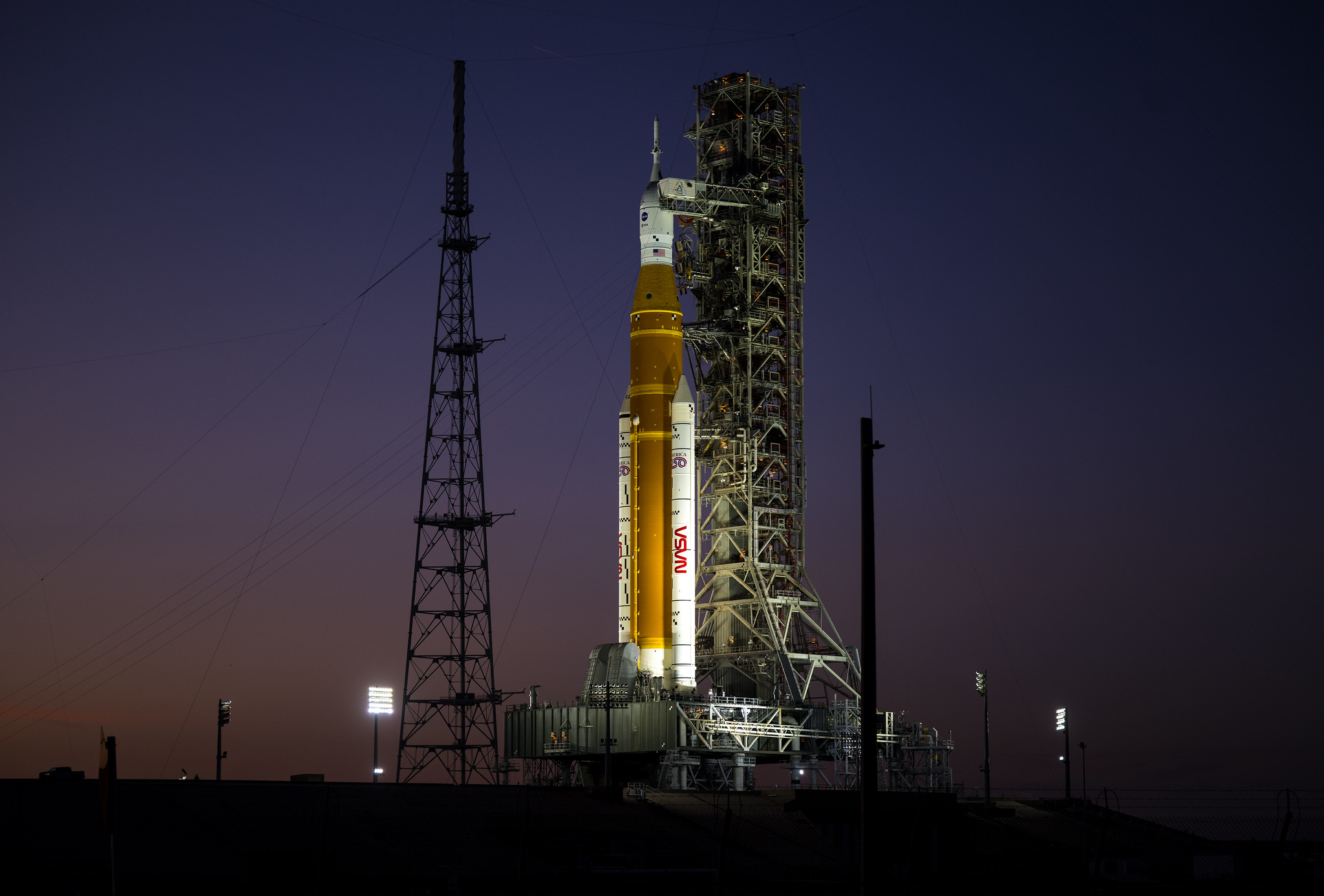
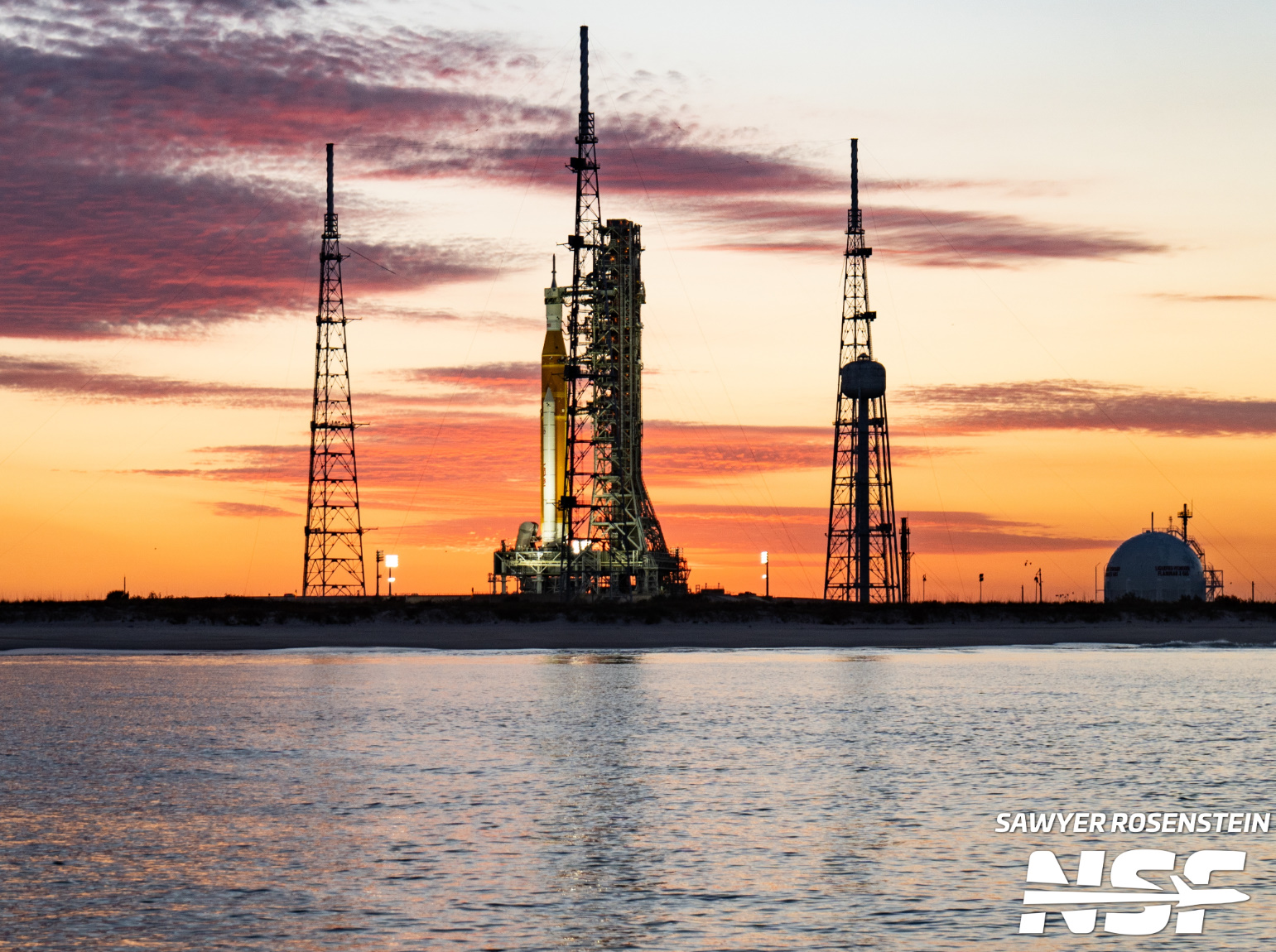
As NASA's Artemis II rocket—the first crewed lunar voyage since Apollo—looms at Launch Complex 39B, the persistent challenge of liquid hydrogen (LH2) leaks has once again delayed progress, sharpening focus on a March launch target. During the February 2-3, 2026, wet dress rehearsal (WDR), teams loaded the SLS core stage with hundreds of thousands of gallons of super-cold propellants, but a stubborn LH2 leak at the tail service mast umbilical (TSMU) forced pauses, seal "warming" tricks, and an abort at T-5:15 when pressures spiked. A quick "confidence test" on February 12 showed "materially lower leak rates" after swapping seals, though a ground filter snag slowed things down (NASA, Feb. 13, 2026 update). It's a replay of Artemis I woes, but with astronauts on the line, engineers are drilling deeper into the why—and how to fix it for good.
Why Hydrogen Plays Hard to Seal: The Tiny Molecule That Won't Stay Put
LH2 is a rocket fuel superstar—light, energetic, and perfect for the RS-25 engines' punch. But at -423°F (-253°C), it's a cryogenic nightmare. "Hydrogen molecules are the smallest and lightest in the Universe, with the ability to find their way through the tiniest of breaches," Eric Berger wrote in Ars Technica. "Because of this, NASA engineers accept that a small amount of hydrogen will escape seals in the fueling line" (Ars Technica, Feb. 3, 2026).
Unlike chunky kerosene, H2 sneaks through gaps like smoke under a door. The cold shrinks metals and seals unevenly, and even a hairline crack lets it ooze. "This one caught us off guard," said John Honeycutt, chair of the Artemis II Mission Management Team. "We either had some sort of misalignment or some sort of deformation or debris on the seal" (Feb. 3, 2026 briefing). It's echoed Shuttle days—leaks that grounded fleets—and hit Artemis I hard, delaying it months.
Breaking It Down: The TSMU Plumbing and Seal Setup, As Pipefitters Might Explain It
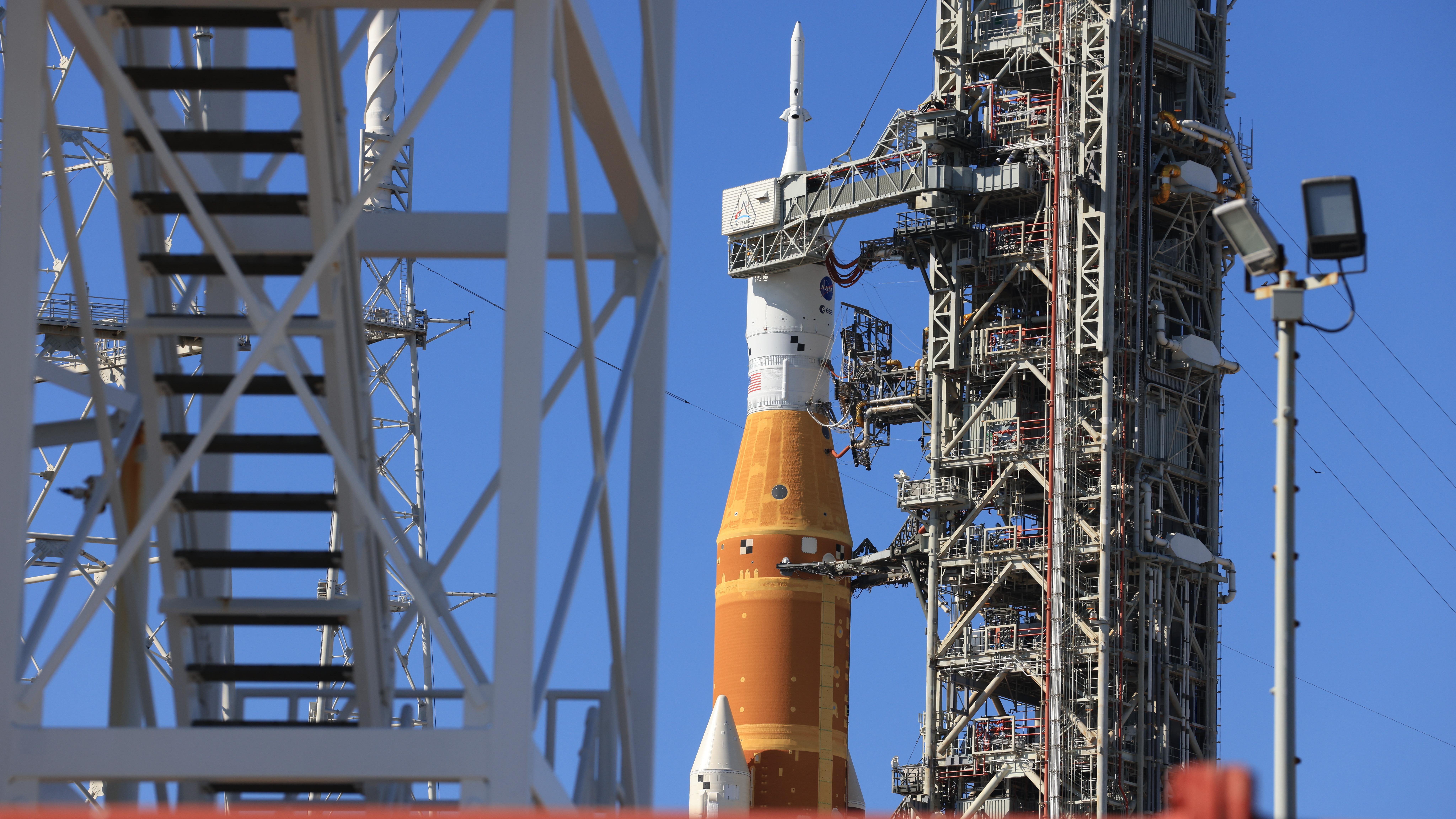
The TSMU is the critical “handshake” point between the ground and the rocket—two tall masts on the mobile launcher delivering propellants to the core stage's engine section. As a pipefitter on the pad might explain it, you've got these big 8-inch and 4-inch stainless steel lines, vacuum-jacketed lines, like super insulated Yeti straws, to keep the fuel cold, running up from ground tanks. They connect via flanges—heavy aluminum or titanium plates, one on the rocket (flight side), one on the launcher (ground side)—bolted tight but built to snap apart clean at liftoff.
Inside, quick disconnects (QDs) act like smart valves: poppet-style, spring-loaded plugs that open for fueling, then slam shut and retract. The seals are the real workhorses—dual-redundant Teflon (PTFE) O-rings, kind of like the rubber washer in your garden hose, in grooves around the pipe ends. "Not your standard rubber—PTFE stays squishy even at cryo temps, unlike metal that turns brittle," NASA notes. "Pressure from the fuel 'energizes' them, pushing the ring hard against the mating face for a tight squeeze" (NASA technical overview, 2017, updated in briefings).
Think of it as a face seal on a flanged pipe joint: the O-ring sits in a rectangular gland, the cut groove, and as LH2 flows, its pressure (hundreds of psi) forces the soft PTFE to conform, filling micro-gaps. "It's pressure-assisted, so the harder the push, the better the seal—until the cold warps things" (Spaceflight Now, Feb. 12, 2026).
But here's where it bites: thermal contraction. "Steel shrinks one way, aluminum another, PTFE a third—everything's fighting at -423°F," Honeycutt explained. "Add vibration from the 4-mile rollout, a speck of debris, or a fast-fill surge, and poof—tiny leak path" (Feb. 3 briefing). During the WDR, leaks hit 12-14% H2 concentration in the TSMU cavity, spiking to abort levels when the core stage pressurized at T-5:15. "As we began that pressurization, we did see that the leak within the cavity came up pretty quick," said Charlie Blackwell-Thompson, Artemis launch director (Feb. 3 briefing).
The Mechanics of Seal Failure
The seal degradation unfolds progressively during the fueling sequence:
Slow Fill Phase: The initial gentle flow allows the seals to cool and seat adequately, resulting in only minor leaks within operational limits.
Fast Fill Phase: Increased pressure and flow rates induce thermal shock, leading to uneven cooling and slight separation of the flange plates (Ars Technica, Feb. 3, 2026).
Pressurization Phase: During terminal countdown, core stage tank pressurization generates a pressure spike, causing hydrogen concentrations in the TSMU cavity to rise rapidly, exceeding the purge system's capacity to contain it (Blackwell-Thompson, Feb. 3 briefing).
Leak Path Formation: Hydrogen permeates even microscopic gaps (as small as 0.001 inches). Potential contributors include assembly debris or misalignment of the guide pins (collets). "We really need to get into the plate and take a look," said Honeycutt (Feb. 3 briefing).
The issue isn't with the rocket—it's TSMU's ground hardware, upgraded from Space Shuttle days but still not keeping up with SLS's higher flow rate.
The Tolerance for Leaks: Why Zero Isn't Even Possible—and How the System Manages It
Zero leak? Not realistically possible with hydrogen. "Some hydrogen will always leak due to the nature of the molecule," as
http://nasaspaceflight.com put it, based on Artemis I data (Feb. 2, 2026). H2's atomic size and cryo behavior mean even "perfect" seals have micro-paths—engineers design around a baseline seepage.
The system allows it by design: The TSMU cavity is continuously purged with helium or nitrogen to dilute and vent any H2 gas, keeping concentrations safe. NASA monitors via sensors; the old Shuttle limit was a conservative 4% H2, but tests showed the flammability threshold here is closer to 16%. So for Artemis II, they raised the allowable to 16%—"an appropriate leak limit for LH2 in that cavity," per Honeycutt (Feb. 3 briefing). "At 16 percent, you could not [ignite it]," he added, based on ignition tests (Ars Technica, Feb. 16, 2026).
During WDR, spikes to 12-14% were managed until the final pressurization push. The purge and sensors act like a safety net—if it hits the limit, the Ground Launch Sequencer aborts automatically. This tolerance is why leaks don't doom the mission outright; it's baked into cryo ops, from Shuttle to SLS.
NASA's Fix-It Plan: Swap, Test, and Redesign for the Long Haul
No VAB rollback this time—fixes happen on-pad. Post-WDR, techs detached the plates, yanked two PTFE seals around the LH2 lines, and inspected. "Technicians have replaced two seals in an area where operators saw higher than allowable hydrogen gas concentrations," NASA reported (Feb. 8, 2026). The February 12 test? "We observed materially lower leak rates," though a GSE filter clogged flow (NASA, Feb. 13).
Short-Term:
Lab-test the old seals at Stennis for clues (deformation? FOD?).
Swap the filter, purge lines.
Second WDR soon: "Modified sequence" focused on TSMU, gentler fills to let seals "warm and reseat" (Spaceflight Now, Feb. 12).
Longer-Term for Artemis III+:
"Cryoproofing": Full cold tests pre-pad.
Tweak interfaces: Better collets, torque specs, redundant sensors. "New ground systems have new interfaces like the quick disconnects," NASA said, noting Shuttle lessons (Aerospace America, Feb. 2026).
"They've made progress in changing out a few seals, and they're doing some testing on those seals," added Steve Stich, overseeing SLS elements (Feb. press conference).
Persistence Pays Off
This isn't defeat—it's the rocket "talking to us," as Honeycutt put it. With data piling up, NASA eyes March, honing the system for crewed flights. For the TSMU, fixing the leaks could be what transforms, stuck on the pad forever into launching from the pad and going to the Moon.



 www.spacedaily.com