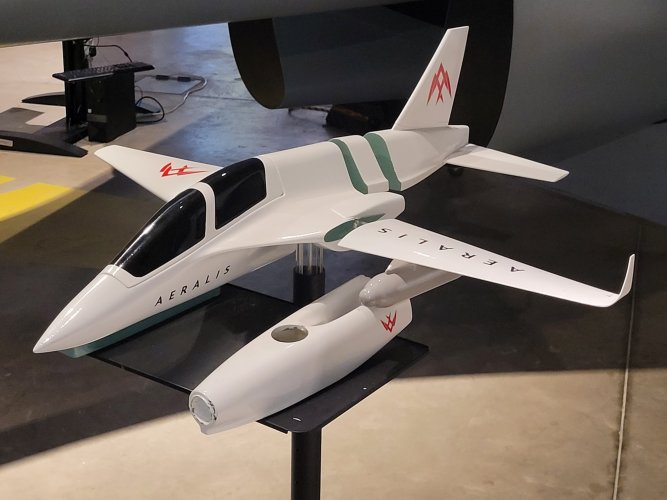
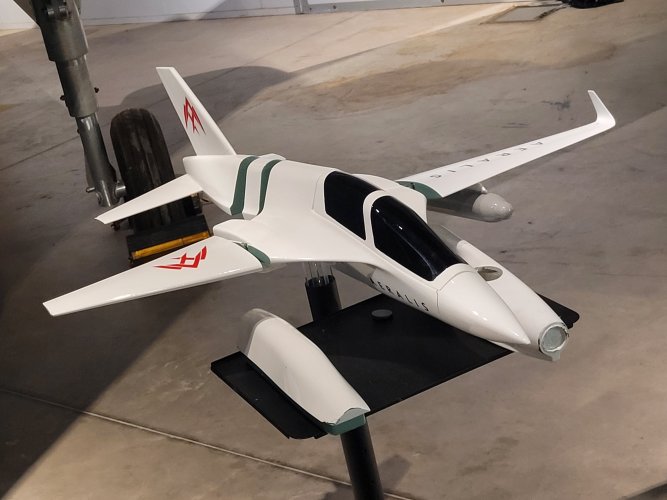
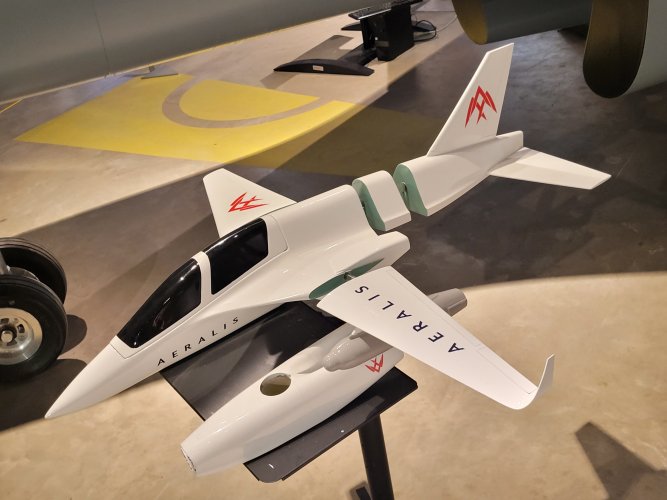
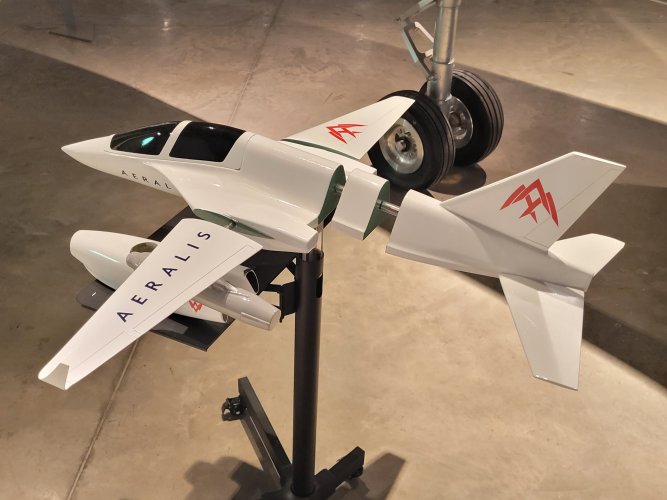
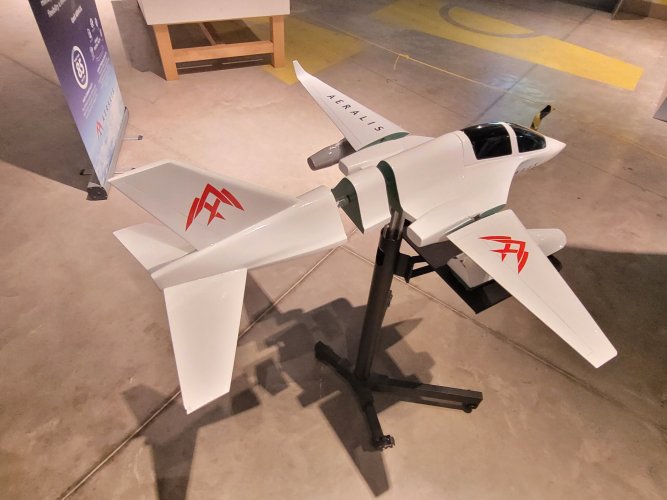
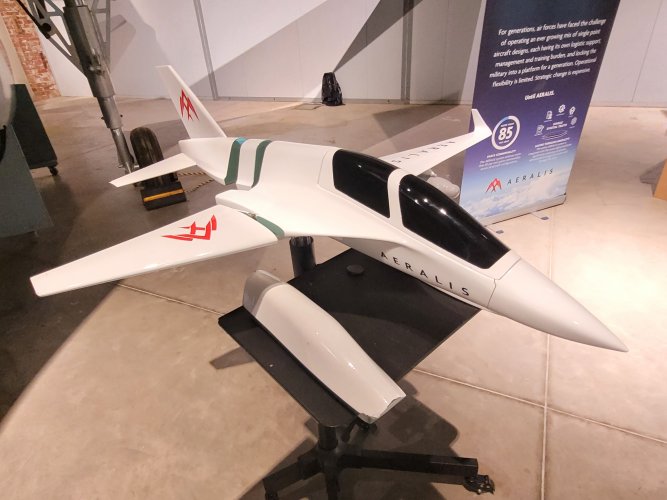
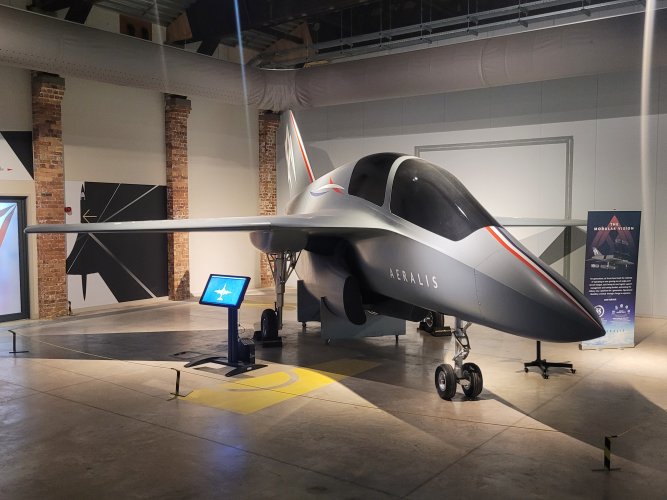
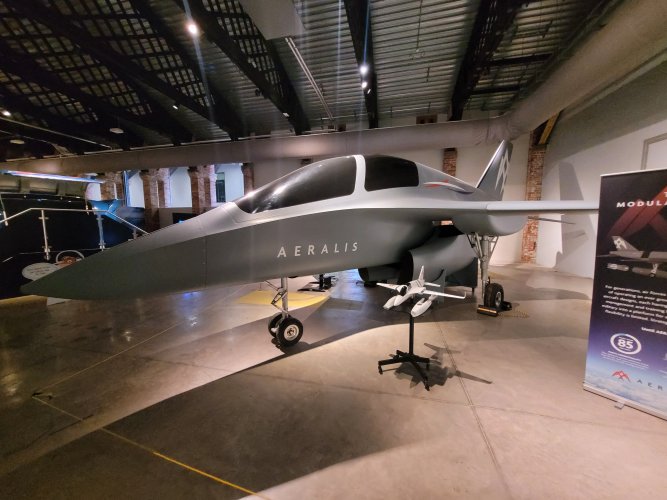
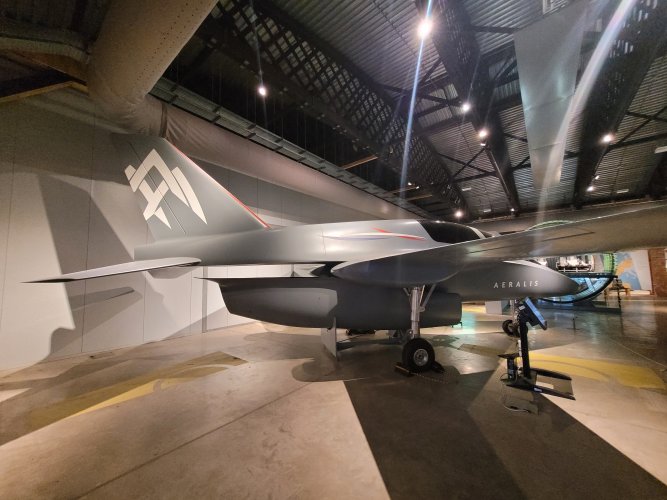
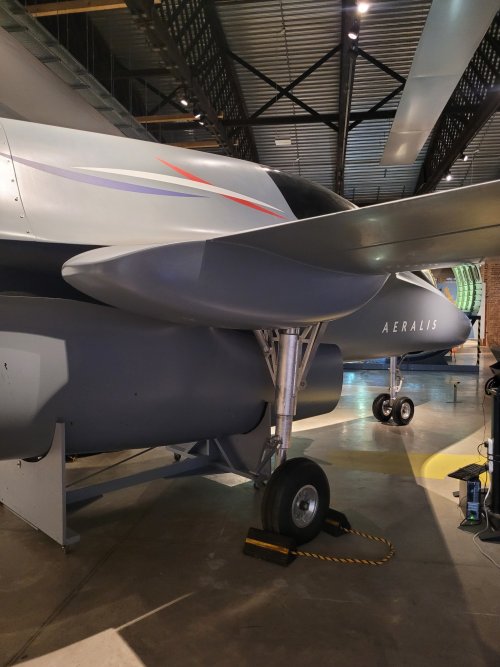
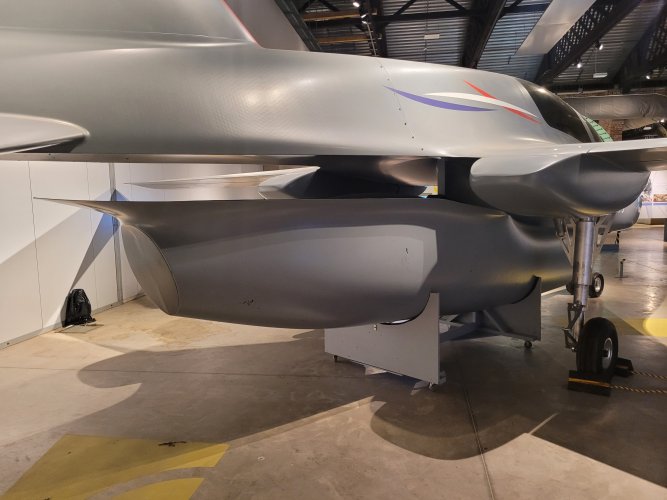
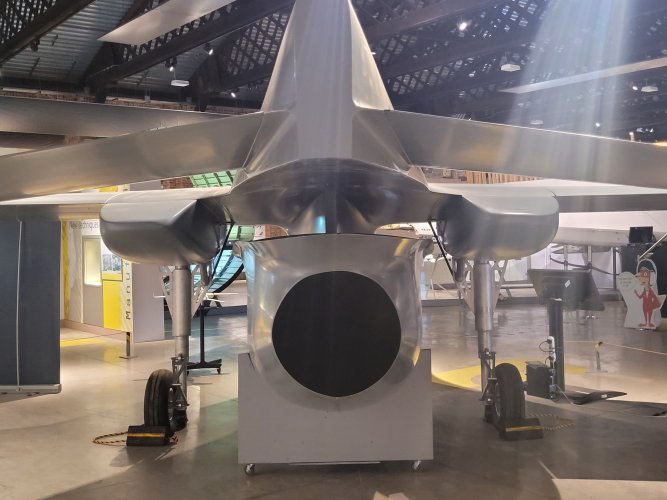
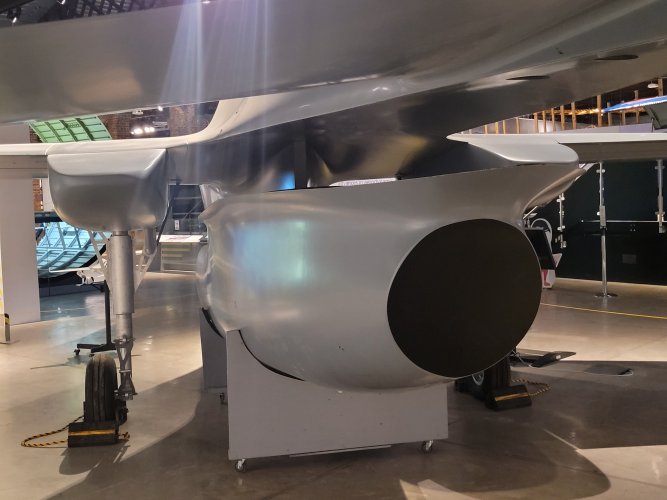
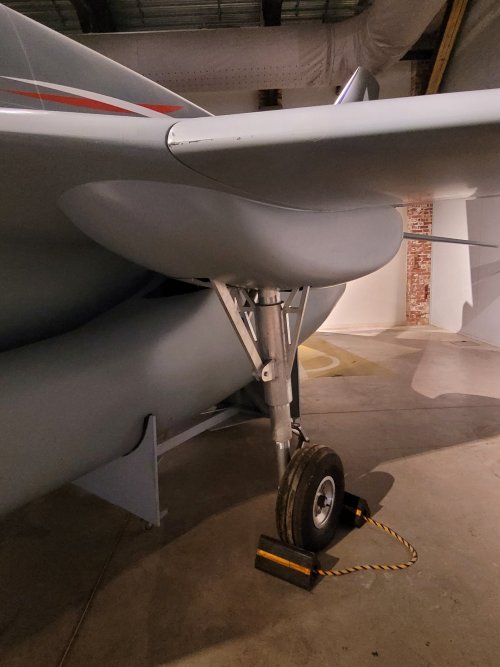
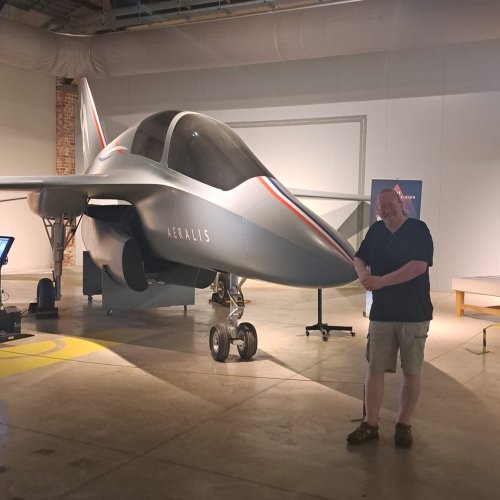
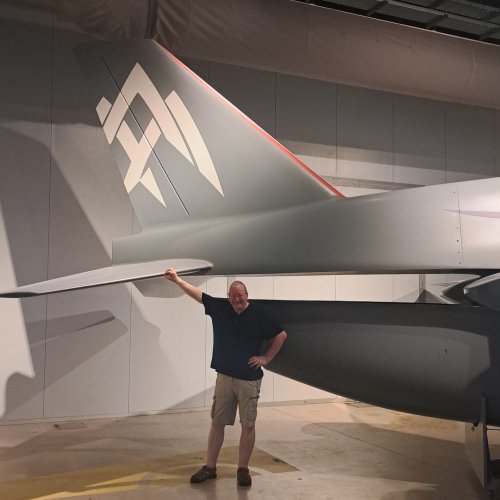
Getting anything through flight-testing nowadays is going to cost you a billion up, so no one's getting there without either very generous shareholders, government support, or a contract. Aeralis gave it a good try, but in the end no one has come through with a contract before the money ran out. That's practically situation normal for the air mobility companies, so I don't see any real need to judge Aeralis more harshly than, say, Lilium. Comparing them to Stavatti seems distinctly unfair. You could also bring up the Textron Scorpion and Scaled Composites Ares as even bigger money sinks, but I don't see anyone queuing up to compare Burt Rutan to Stavatti.
Justin Bronk's comments to the BBC are fair in noting that the Aeralis design was a much higher risk than existing designs such as the T-7 et al, but I still think there was more to the Aeralis proposals than something like Stavatti, who've seemed more like this generation's AvPro, except with less grounding in reality.
https://www.bbc.co.uk/news/articles/cpwp11v82lno
But this probably nails the real issue:
"The BBC has been told the company's main investor Barzan Holdings, the strategic investment and procurement arm of Qatar's Ministry of Defence, withdrew its funding amid the US-Israeli war with Iran."
So the Qataris thought Aeralis had something that was worth investing in, until they needed to throw everything into air defence when America stirred the hornet's nest.