!Mark
ACCESS: Confidential
- Joined
- 4 August 2019
- Messages
- 176
- Reaction score
- 285
Wow you just created that thread last month, what a coincidence lol.Yes,he designed a jet aircraft,
Last edited:
Wow you just created that thread last month, what a coincidence lol.Yes,he designed a jet aircraft,
Re: Italian all-wing aircraft
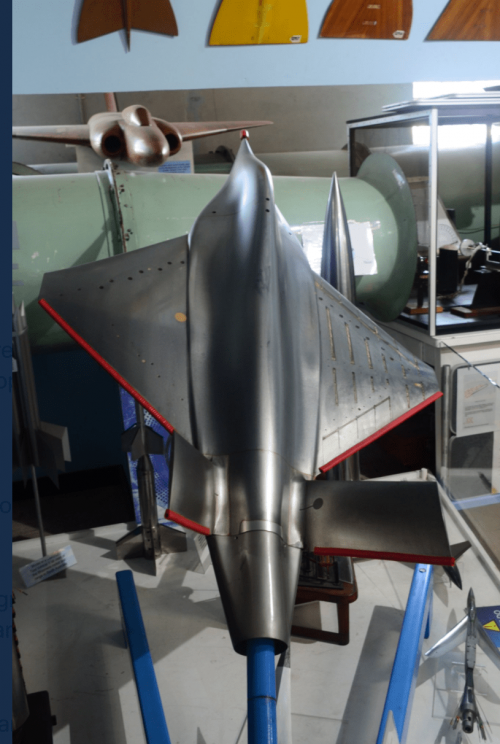
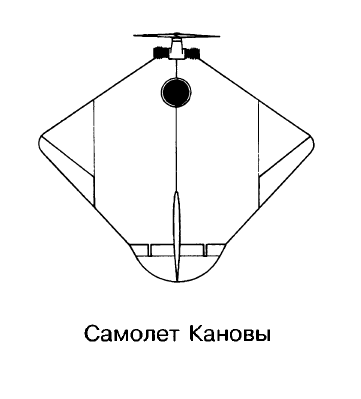
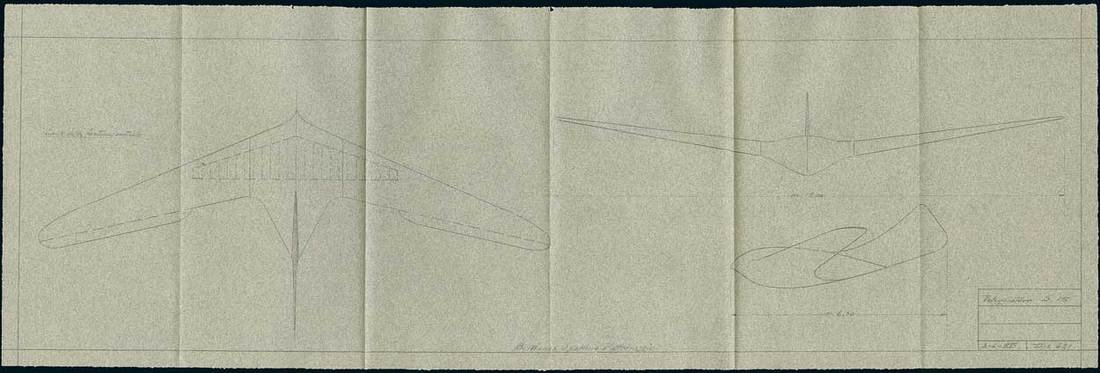
The plane posted by Hesham is one of the numerous projects by Piana-Canova, who developed the rhomboidal wing. It flew only in sailplane form, but it flew very well. Projects span from light sportplanes to huge boatplanes and bombers. During the mid-30s Piana-Canova had some exchanges with Alessandro Marchetti that went as far as a brief proposal for a rhomboidal-wing version of the S-84.
I read somehere that, in the middle of the 30s, the designer Flaminio Piana-Canova was in contact with Alexandro Marchetti, from Savoia-Marchetti company, and together they briefly projected, under the designation SM-94, a tri-engine bomber equipped with a rhomboïdal wing.
But I have not found any other information confirming this project and its related designation.
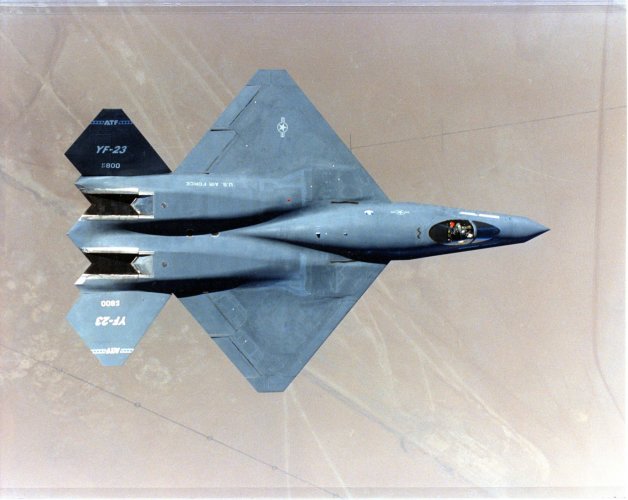
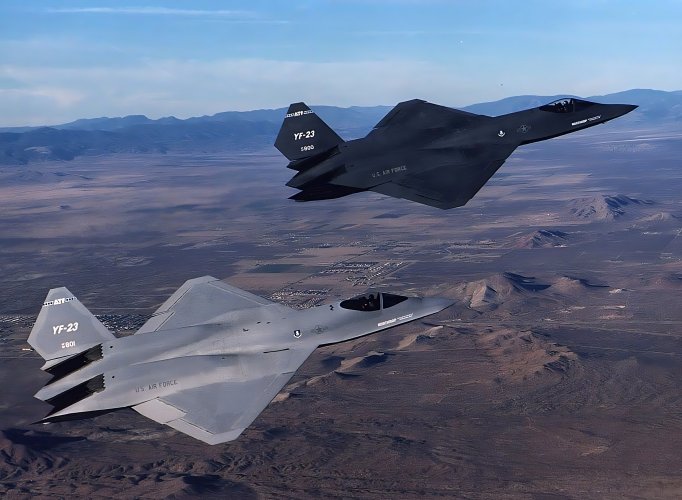
Yes he tested every wing shape in the wind tunnel and calculated that rhomboidal wings allowed aircraft to reach 1.26x higher speeds.Canova was on to something.
Fast forward to 1993 and Barnaby Wainfain proved it with his single-seater Facetmobile. A two-seater variant of the Facetmobile is is the later stages of construction in 1026.
those sharply-swept (say 45 degrees) leading edges create massive wing-tip vortices at high angles of attack, but they meet in the middle and cancel each other out.
The second advantage is the long root chord which vastly improves the Reynolds number, increasing lift, etc.
A third advantage is the long root chord helps streamline the pilot.
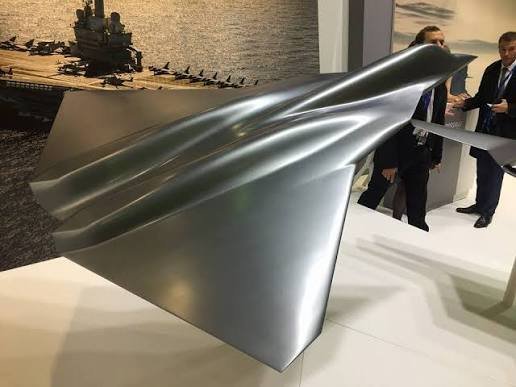
A fourth advantage is the long root chord distancing the elevators a long way from the center-of-gravity, improving both stability and control. Look at the latest proposals for 6th generation stealth fighters (see Sukhoi 57) with their lamda planforms.