The high FPR is going to help (if indeed they can achieve it...), but that modest a temperature at combustor outlet in combination with such a high OPR is not a recipe for supercruise, no. And therein lies a crucial difference to the EJ270 concept.

You are using an out of date browser. It may not display this or other websites correctly.
You should upgrade or use an alternative browser.
You should upgrade or use an alternative browser.
Shenyang FC-31 demonstrators / J-35 naval fighter / J-35A land-based version

- Joined
- 3 June 2011
- Messages
- 20,899
- Reaction score
- 19,089
EJ270? Had heard of an EJ230 but not that one.The high FPR is going to help (if indeed they can achieve it...), but that modest a temperature at combustor outlet in combination with such a high OPR is not a recipe for supercruise, no. And therein lies a crucial difference to the EJ270 concept.
Scorpion82
ACCESS: Secret
- Joined
- 20 May 2006
- Messages
- 406
- Reaction score
- 871
EJ270? Had heard of an EJ230 but not that one.
It was another proposed evolution. At the end of the day, people should stop using this 2+ decades old nomenclature. These concepts were early growth proposals that never turned into reality and while I can't say it with absolute certainity, I doubt that possible future iterations of the EJ200 would be named that way. An MKsomething addition is more likely, as it has been the case in the past.
Well it seems those were the preliminary specifications of the engine in 2011. The paper stated a design goal of the engine to have a TIT of 1950-2100K with a specific thrust of 120-130daN/kg/s.The high FPR is going to help (if indeed they can achieve it...), but that modest a temperature at combustor outlet in combination with such a high OPR is not a recipe for supercruise, no. And therein lies a crucial difference to the EJ270 concept.
- Joined
- 15 January 2021
- Messages
- 649
- Reaction score
- 2,859
I’ve seen that table before, thanks for the translation (instead of trying to determine the parameters by guessing based on format and units !!)
The FPR of 5:1 is definitely in the direction of high specific thrust, but the thrust levels are only about 1k lbf higher than a F100-220 with a FPR of 3:1 and only slightly higher airflow.
A FPR of 5:1 with a 0.5 bypass ratio takes a lot of core power. The HPC pressure ratio of 7 for an OPR of 35 might be enough to deliver that power, but the resulting high HPC discharge temp with the 1850K TIT doesn’t leave that much room for combustor heat addition, which implies a low theta-break temperature and reduced performance at elevated inlet temperatures.
The component efficiencies are also not impressive at 88% Fan and 86% HPC, with both turbines at 90%. You would like to see all of those efficiencies 3-5% higher.
It looks like they are trying to beat F414 and EJ200 performance in a slightly larger engine, even though both of those engines have lower FPR and OPR.
One interesting technical tidbit is the augmentor pressure recovery dropping from 98% to 92% when the AB is lit. There is a total pressure loss when heat is added into a constant pressure flow, called Rayleigh loss. This is a a small pressure loss at the entrance to the exhaust nozzle, but this is one of the first times I’ve seen it documented.
The FPR of 5:1 is definitely in the direction of high specific thrust, but the thrust levels are only about 1k lbf higher than a F100-220 with a FPR of 3:1 and only slightly higher airflow.
A FPR of 5:1 with a 0.5 bypass ratio takes a lot of core power. The HPC pressure ratio of 7 for an OPR of 35 might be enough to deliver that power, but the resulting high HPC discharge temp with the 1850K TIT doesn’t leave that much room for combustor heat addition, which implies a low theta-break temperature and reduced performance at elevated inlet temperatures.
The component efficiencies are also not impressive at 88% Fan and 86% HPC, with both turbines at 90%. You would like to see all of those efficiencies 3-5% higher.
It looks like they are trying to beat F414 and EJ200 performance in a slightly larger engine, even though both of those engines have lower FPR and OPR.
One interesting technical tidbit is the augmentor pressure recovery dropping from 98% to 92% when the AB is lit. There is a total pressure loss when heat is added into a constant pressure flow, called Rayleigh loss. This is a a small pressure loss at the entrance to the exhaust nozzle, but this is one of the first times I’ve seen it documented.

Alfa_Particle
In Your Atmosphere
- Joined
- 15 April 2024
- Messages
- 68
- Reaction score
- 371
I don't believe the WS-19 is that much larger than either of those, to be honest. Or at least not that much larger than the F414. After all, it's got to have a similar form factor as the RD-33/93 which actually has a smaller inlet diameter than the F414 and around the same as the EJ200. The RD-33 is only "larger" cause of the obnoxiously-sized mixed-flow afterburner. The WS-19 should actually be very close in dimensions to the F414/EJ200.It looks like they are trying to beat F414 and EJ200 performance in a slightly larger engine, even though both of those engines have lower FPR and OPR.
Either way, these are all 15 year old information. With how the WS-15 got overhauled mid-2018 because of breakthroughs on their side that only happened late 2010s, it's likely that the real WS-19 went quite a bit beyond the initial preliminary specs.
- Joined
- 15 January 2021
- Messages
- 649
- Reaction score
- 2,859
When I said larger, I was referring to the airflow of 100 kg/sec, vs the 75-77 kg/sec fo the F414 and EJ200.
The comparison with the F100-220 which has a rated airflow of approx 104 Kg/sec (228 lbs/sec) with 14.5 lbf Mil and 23.4 lbf AB thrust with a FPR of 3-3.2:1 (3.0 EPR measured in front of the sprayrings and flameholder)
The comparison with the F100-220 which has a rated airflow of approx 104 Kg/sec (228 lbs/sec) with 14.5 lbf Mil and 23.4 lbf AB thrust with a FPR of 3-3.2:1 (3.0 EPR measured in front of the sprayrings and flameholder)
So is this more or less a sea level optimized engine? Since its airflow is claimed to be so high at 100 kg/s it seems to imply an augmented airflow over F414/EJ200. It doesn't seem to have the air intakes of the front fan diameter for this much airflow. Even if they boosted the front fan stages electrically it seems to defy the laws of physics.I’ve seen that table before, thanks for the translation (instead of trying to determine the parameters by guessing based on format and units !!)
The FPR of 5:1 is definitely in the direction of high specific thrust, but the thrust levels are only about 1k lbf higher than a F100-220 with a FPR of 3:1 and only slightly higher airflow.
A FPR of 5:1 with a 0.5 bypass ratio takes a lot of core power. The HPC pressure ratio of 7 for an OPR of 35 might be enough to deliver that power, but the resulting high HPC discharge temp with the 1850K TIT doesn’t leave that much room for combustor heat addition, which implies a low theta-break temperature and reduced performance at elevated inlet temperatures.
The component efficiencies are also not impressive at 88% Fan and 86% HPC, with both turbines at 90%. You would like to see all of those efficiencies 3-5% higher.
It looks like they are trying to beat F414 and EJ200 performance in a slightly larger engine, even though both of those engines have lower FPR and OPR.
One interesting technical tidbit is the augmentor pressure recovery dropping from 98% to 92% when the AB is lit. There is a total pressure loss when heat is added into a constant pressure flow, called Rayleigh loss. This is a a small pressure loss at the entrance to the exhaust nozzle, but this is one of the first times I’ve seen it documented.
- Joined
- 15 January 2021
- Messages
- 649
- Reaction score
- 2,859
Back in Alpha_Particle’s post with the translated performance table, he did indicate that this was a 2011 study for a notional WS-19. It is possible that the real WS-19 was scaled down to match the J-35 airframe performance needs. 100 kg/sec may have been just a nice round number in the middle of the performance range.So is this more or less a sea level optimized engine? Since its airflow is claimed to be so high at 100 kg/s it seems to imply an augmented airflow over F414/EJ200. It doesn't seem to have the air intakes of the front fan diameter for this much airflow. Even if they boosted the front fan stages electrically it seems to defy the laws of physics.
If the real WS-19 indeed has this FPR / OPR design, it would appear to be optimized for middle of the envelope to low supersonic speeds where inlet temperatures are low, and not low altitude or high supersonic conditions with inlet temps 20C and higher.
Seems like these claims of this type of performance would be more likely found in an old airliner versus a jet fighter.Back in Alpha_Particle’s post with the translated performance table, he did indicate that this was a 2011 study for a notional WS-19. It is possible that the real WS-19 was scaled down to match the J-35 airframe performance needs. 100 kg/sec may have been just a nice round number in the middle of the performance range.
If the real WS-19 indeed has this FPR / OPR design, it would appear to be optimized for middle of the envelope to low supersonic speeds where inlet temperatures are low, and not low altitude or high supersonic conditions with inlet temps 20C and higher.


Tomboy
ACCESS: Top Secret
- Joined
- 4 January 2025
- Messages
- 543
- Reaction score
- 1,967
Is this official?Singapore airshow catalog from AVIC lists WS-19 thrust to be 25,000 - 26,000 lbf or 111.2 - 115.7 kN
View attachment 800953
Hard to pin down the exact source, most of what is said online about this picture said its from a catalogue provided at the Singapore airshow. Guess you should be taking the information with a grain of salt, but it's not like these figures are surprising. It's what we've been suspecting for awhile.Is this official?
Scorpion82
ACCESS: Secret
- Joined
- 20 May 2006
- Messages
- 406
- Reaction score
- 871
Sounds reasonable from a size perspective (F414/EJ200 class).
- Joined
- 3 June 2011
- Messages
- 20,899
- Reaction score
- 19,089
It's certainly in the realm of possible given GE was doing it 20 years ago.Sounds reasonable from a size perspective (F414/EJ200 class).
"By 2006 GE had tested an Enhanced Durability Engine (EDE) with an advanced core. The EDE engine provided a 15% thrust increase or longer life without the thrust increase."
https://web.archive.org/web/2009020.../presscenter/military/military_20060717b.html

Christmas Day dumplings
ACCESS: Restricted
- Joined
- 26 December 2024
- Messages
- 36
- Reaction score
- 67
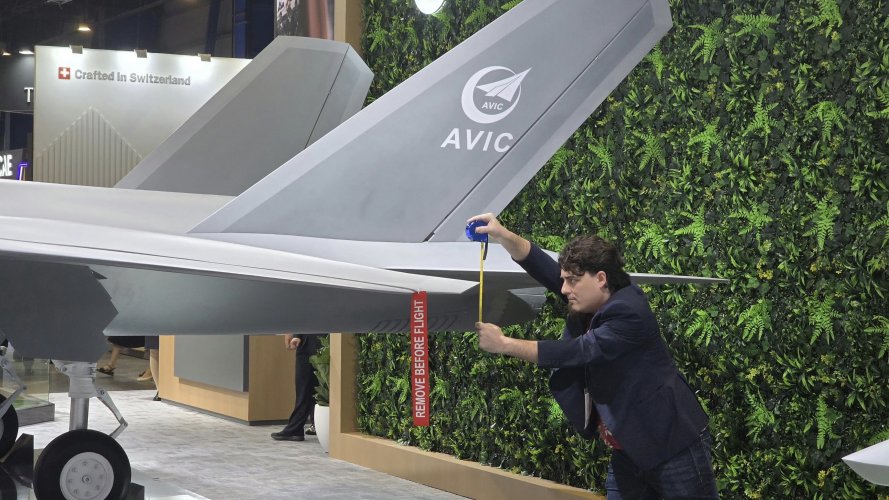
Spain is fed up with SCAF disputes!

- Joined
- 2 January 2006
- Messages
- 4,235
- Reaction score
- 8,279
Is this AI?
No, posted by him himself
- Joined
- 2 January 2006
- Messages
- 4,235
- Reaction score
- 8,279
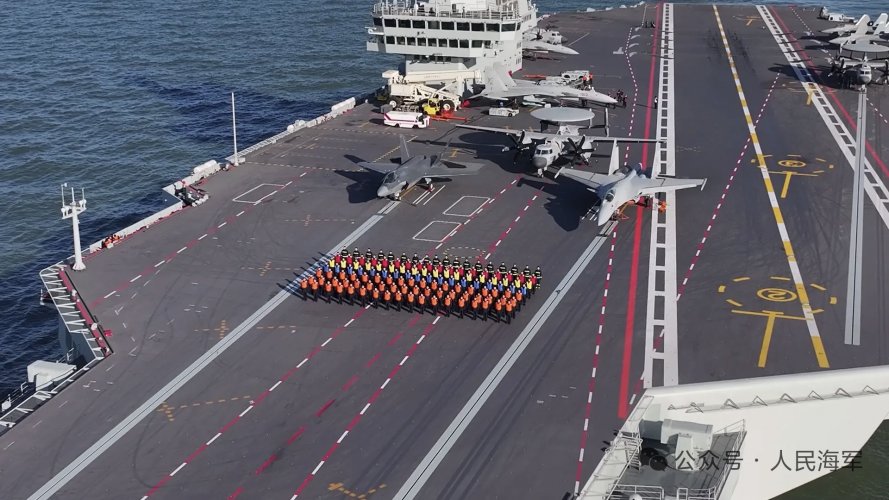
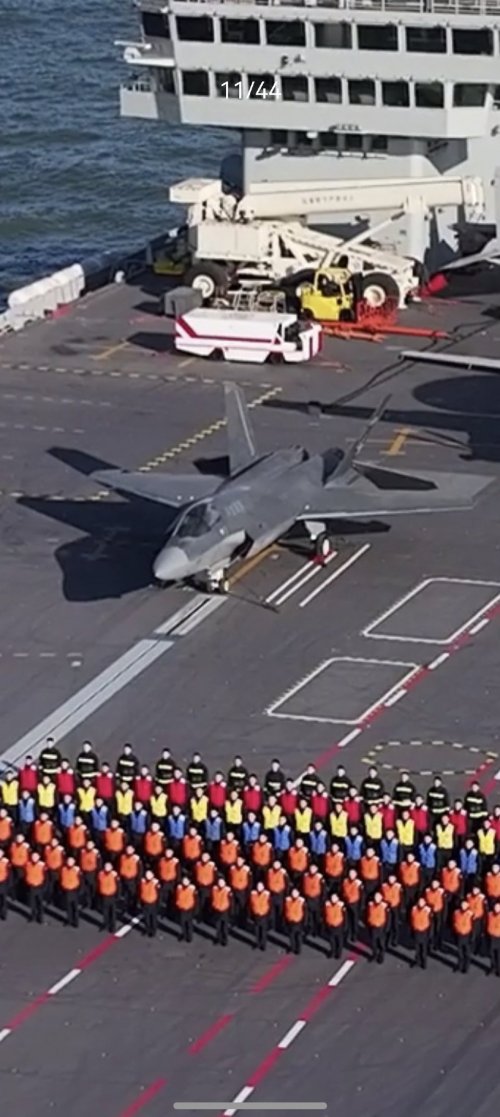
It's not exactly correct to compare it with F-35. For starters, it's much larger, almost as large as Su-57, so it is probably better described as a cutprice F-22 rather than F-35.How is it comparison with F-35 ?
I still don't understand, though, if it should be viewed as a fighter or attack aircraft. Seems too slow for a fighter, but it could work rather well pairing with Flankers.
Last edited:
Ainen
I really should change my personal text
- Joined
- 25 August 2011
- Messages
- 2,819
- Reaction score
- 4,926
Multirole without clear focus. Also not unlike su-57.It's not exactly correct to compare it with F-35. For starters, it's much larger, almost as large as Su-57, so it is probably better described as a cutprice F-22 rather than F-35.
I still don't understand, though, if it should be viewed as a fighter or attack aircraft. Seems too slow for a fighter, but it could work rather well pairing with Flankers.

EmoBirb
ACCESS: Top Secret
- Joined
- 18 January 2025
- Messages
- 2,694
- Reaction score
- 6,920
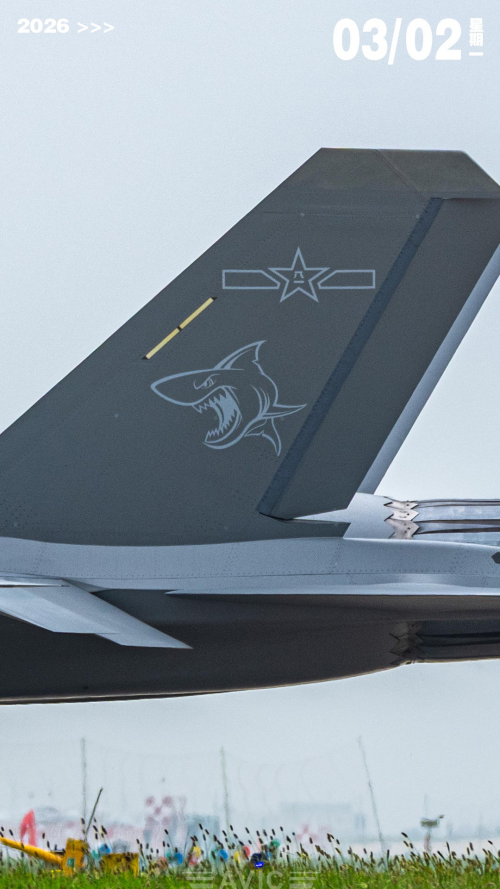
Lovely to see the shark theme continue following the J-15s footsteps.

SUPER=BUG
ACCESS: Top Secret
- Joined
- 25 September 2024
- Messages
- 884
- Reaction score
- 2,424
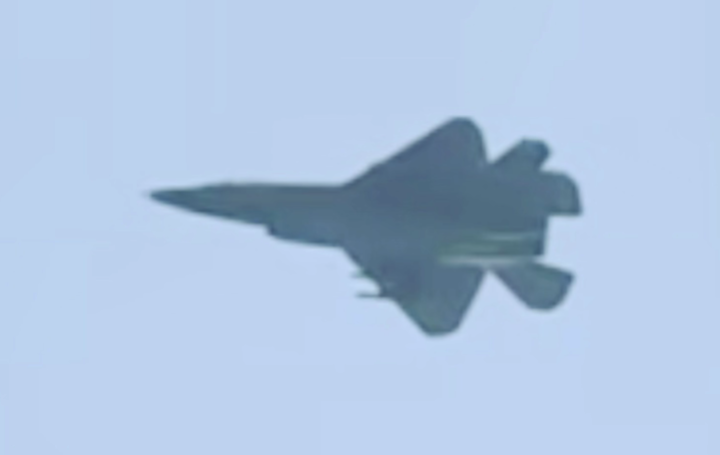
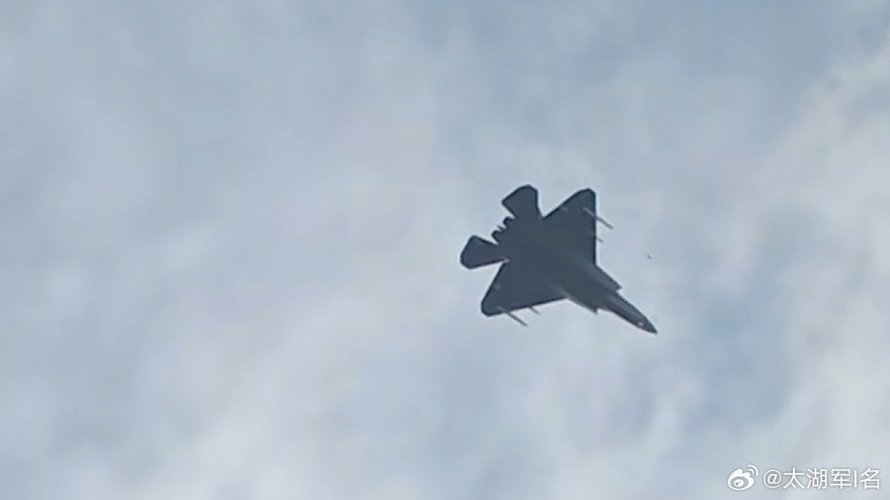
Scott Kenny
ACCESS: USAP
- Joined
- 15 May 2023
- Messages
- 19,517
- Reaction score
- 27,966
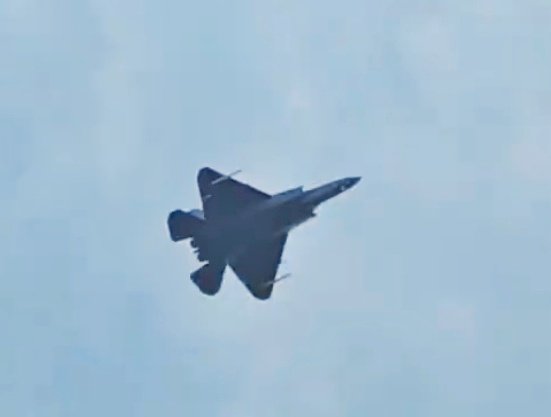
Agreed, the chinese wing hardpoints seem to have a long rack built in. As opposed to US hardpoints where the wing pylons have a separate long rack installed.They look like external hardpoints (racks).
View attachment 806335
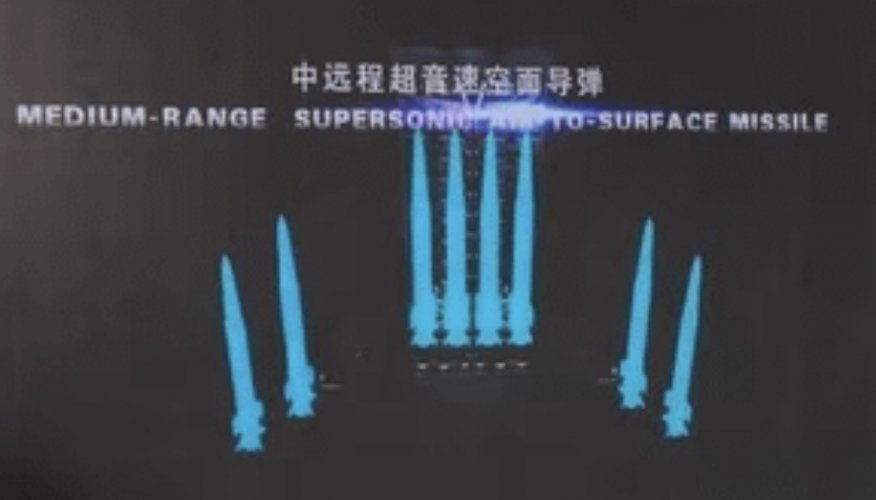
Jumping into this thread halfway but has J-35 been confirmed to be able to carry ASCM missile internally for stealthy maritime strike (JSM-equivalent) otherwise i personally find it weird that it would have to loose its stealth for surface warfare as part of a carrier air wing
I think this showcase of the FC-31 load out capacity is the best we have. I don’t know which munition exactly “medium range supersonic air to surface missile” refers too though.Jumping into this thread halfway but has J-35 been confirmed to be able to carry ASCM missile internally for stealthy maritime strike (JSM-equivalent) otherwise i personally find it weird that it would have to loose its stealth for surface warfare as part of a carrier air wing
Attachments
Last edited by a moderator:
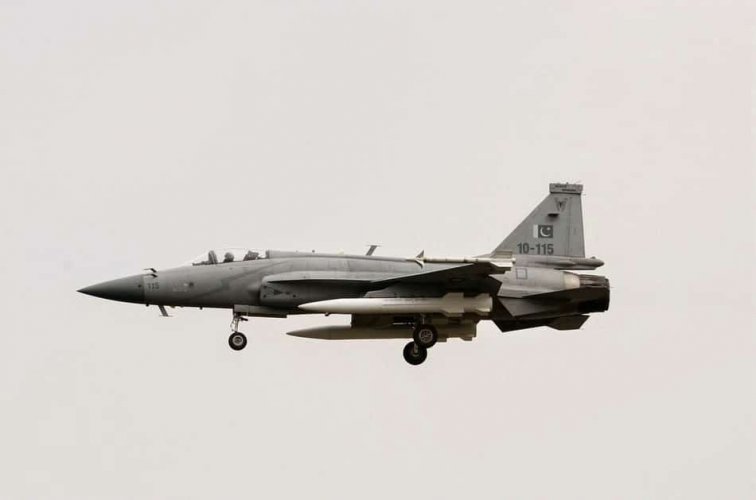
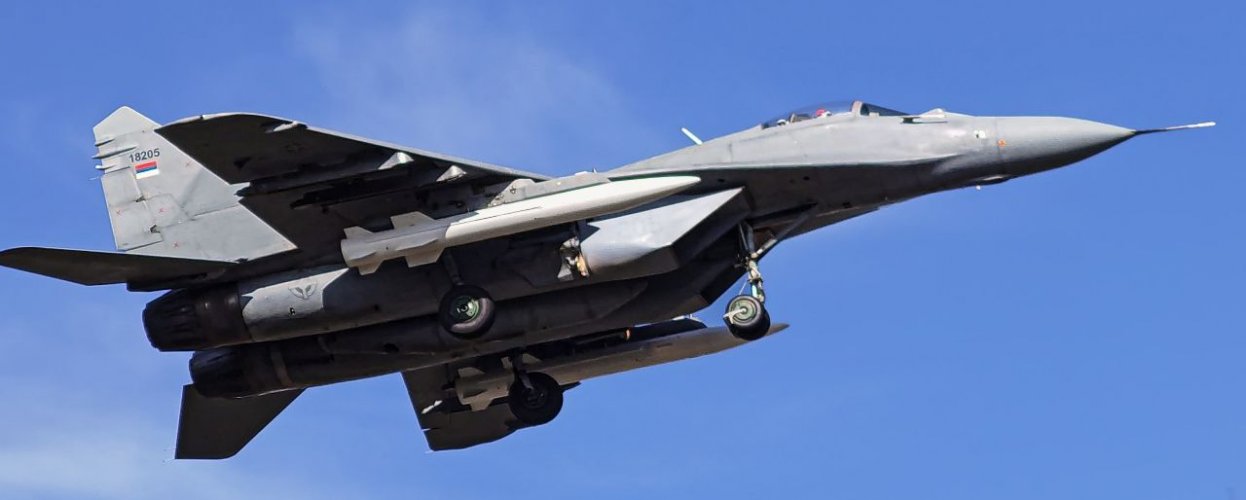
There was also shown a 500kg “deep penetration bomb” I’m not well versed in Chinese munitions, but maybe we can extrapolate some information from this picture as well.Looks like a CM-400 but those are too big to fit four side-by-side internally.
View attachment 807323
View attachment 807326
Attachments

Last edited by a moderator:

TwoTribes
ACCESS: Secret
- Joined
- 3 July 2025
- Messages
- 437
- Reaction score
- 1,635
No similar missile has been unveiled yet.Jumping into this thread halfway but has J-35 been confirmed to be able to carry ASCM missile internally for stealthy maritime strike (JSM-equivalent)
It can serve as a reconnaissance platform with greater survivability within the anti-ship kill chain. The PLAN warships possesses hypersonic missiles with ranges from 1,000 to 2,000 kilometers; if used properly, these missiles are no less powerful than the JSM.otherwise i personally find it weird that it would have to loose its stealth for surface warfare as part of a carrier air wing
siegecrossbow
I really should change my personal text
- Joined
- 12 March 2012
- Messages
- 843
- Reaction score
- 2,903
I don’t think that was ever the intent.Looks like a CM-400 but those are too big to fit four side-by-side internally.
View attachment 807323
View attachment 807326



- Joined
- 29 November 2010
- Messages
- 2,275
- Reaction score
- 5,186
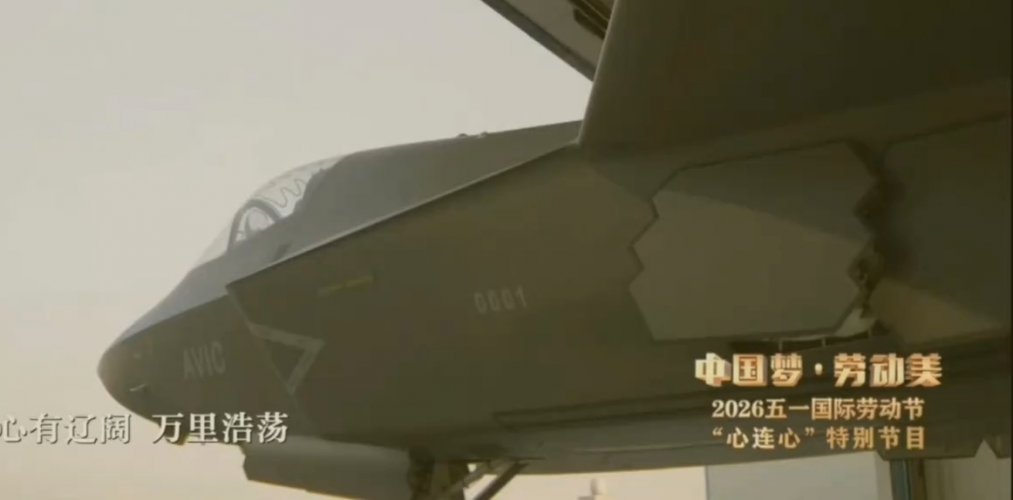
supposedly that J-35 is the first export version

snne
ACCESS: Top Secret
- Joined
- 3 July 2022
- Messages
- 2,408
- Reaction score
- 8,848
supposedly that J-35 is the first export version

Similar threads
-

-

-
Chengdu J-10 "Vigorous Dragon" fighter - News only
- Started by overscan (PaulMM)
- Replies: 939
-

-
 Shenyang Jianjiji-11 / J-11 Lightweight Fighter
- Started by Deino
- Replies: 11