View: https://twitter.com/CNSpaceflight/status/2013038151770800234


China 'N Asia Spaceflight ️
@CNSpaceflight
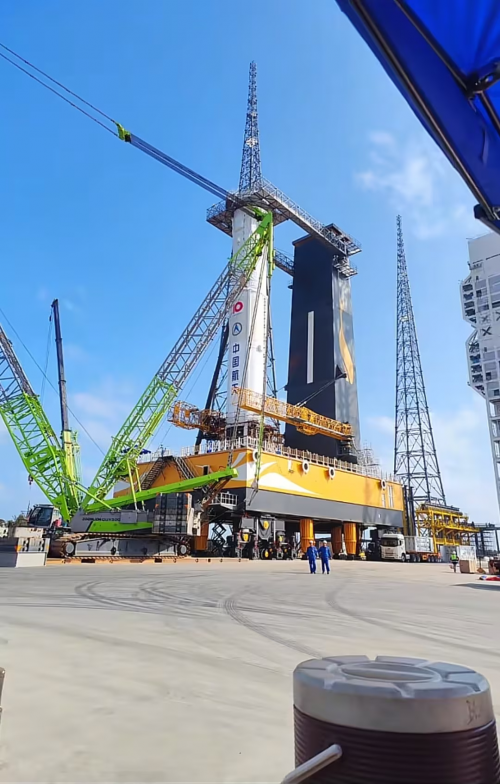
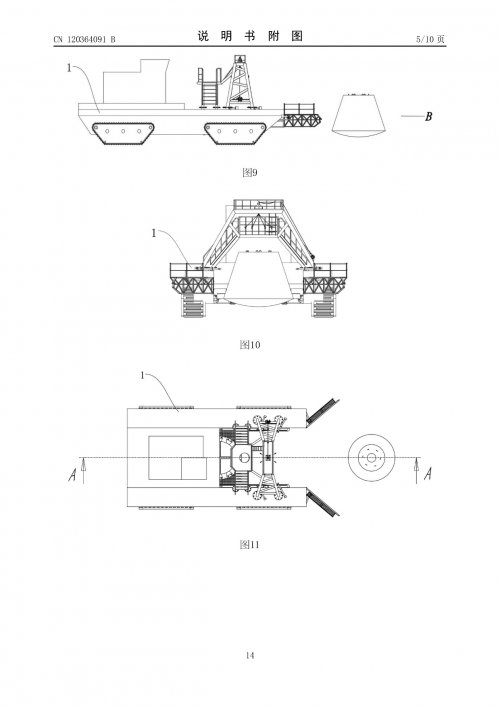
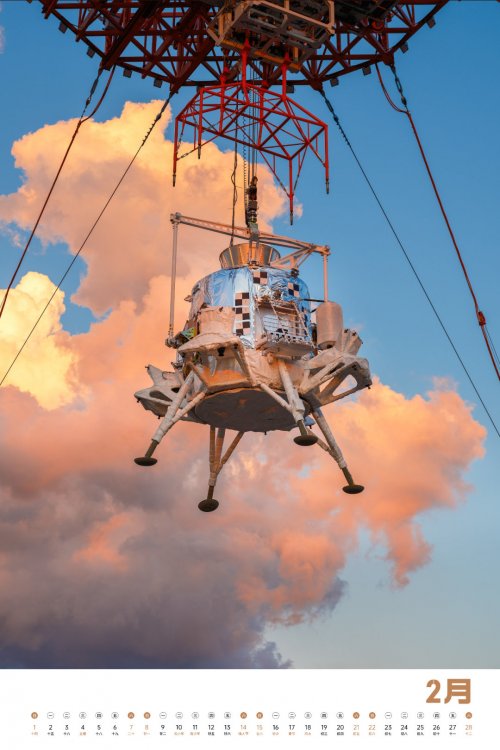
INTERSTELLOR completed a landing test of the CYZ-1 crew capsule, dropped from a height of >3 meters. The bottom of the 5-ton test article was again blurred
CSS EVA space suit "b" (with blue strips markings), which has reached its 20 times usage lifetime and was supposed to be returned to Earth on a "new type of spacecraft" (Mengzhou-1?), has took a seat of opportunity to come back on Shenzhou 20:

View: https://twitter.com/Cosmic_Penguin/status/2013089025691619492
 
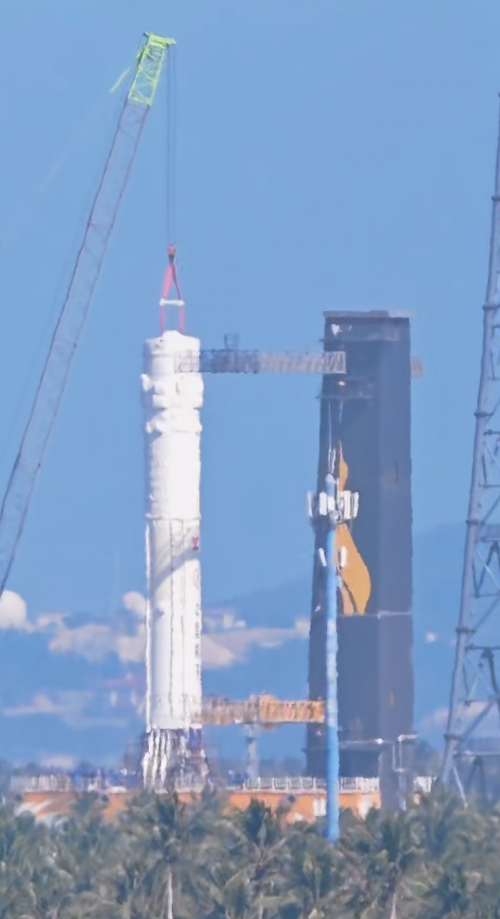
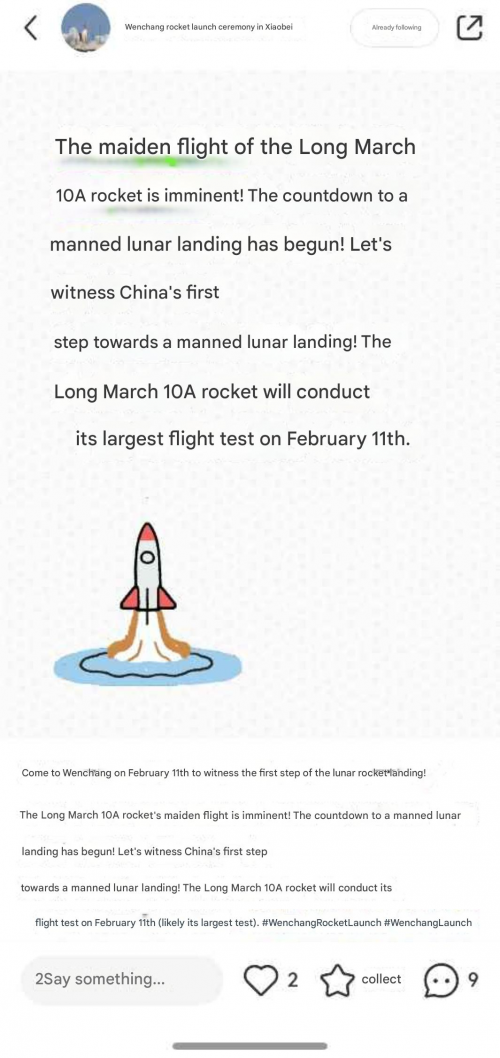
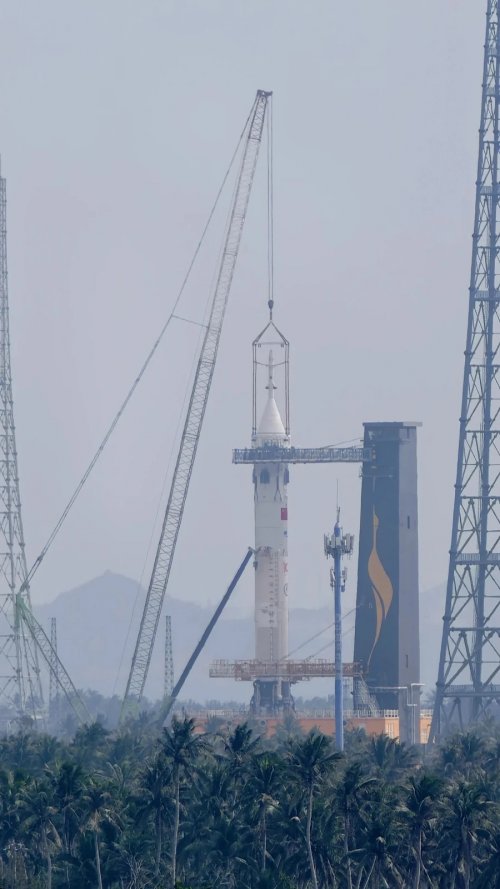
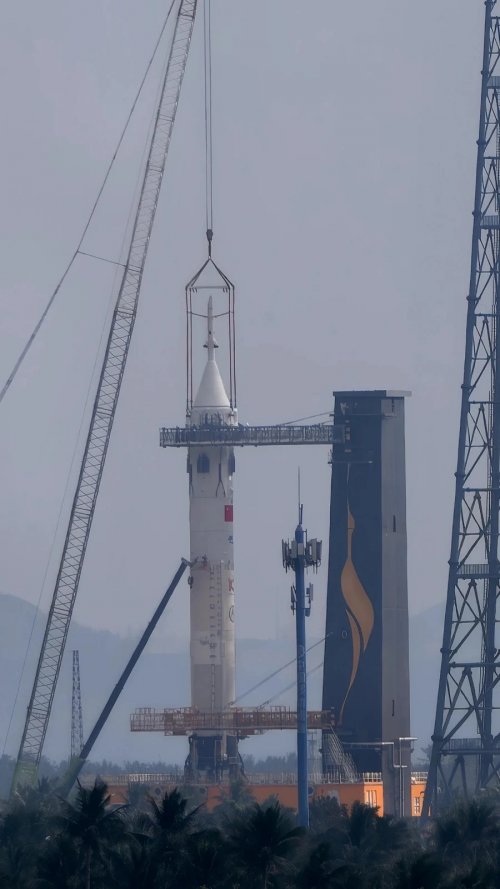
A test flight of the CZ-10A is planned for February 11th at Wenchang, this will either test the Abort system of the Mengzhou lunar capsule at Max Q or a test of the catch recovery system of the CZ-10A, or who knows, maybe both?
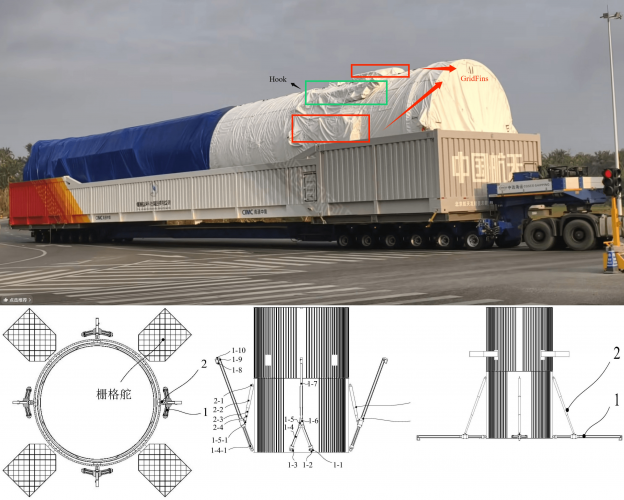
The stage used is repurposed form the static fire article tested last summer, with additional inert sections added on top, it has gridfins and hooks to be caught.
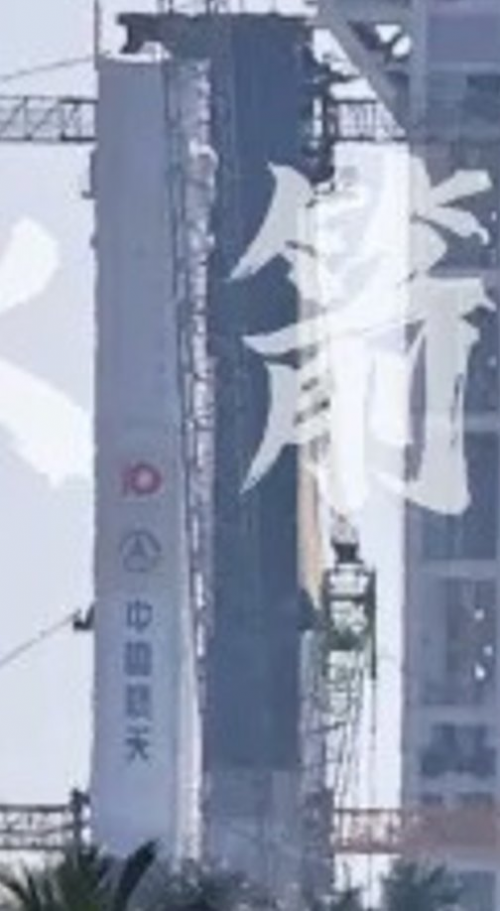
1769049866219.png 1769049873106.png
1769050108163.png
For reference:
1769049986462.png
 
A test flight of the CZ-10A is planned for February 11th at Wenchang, this will either test the Abort system of the Mengzhou lunar capsule at Max Q or a test of the catch recovery system of the CZ-10A, or who knows, maybe both?
The stage used is repurposed form the static fire article tested last summer, with additional inert sections added on top, it has gridfins and hooks to be caught.
The presence of a capsule recovery vessel confirms that it's the Mengzhou In Flight Abort Test

MengzhouAbortVehicule.jpg
CZ10.png


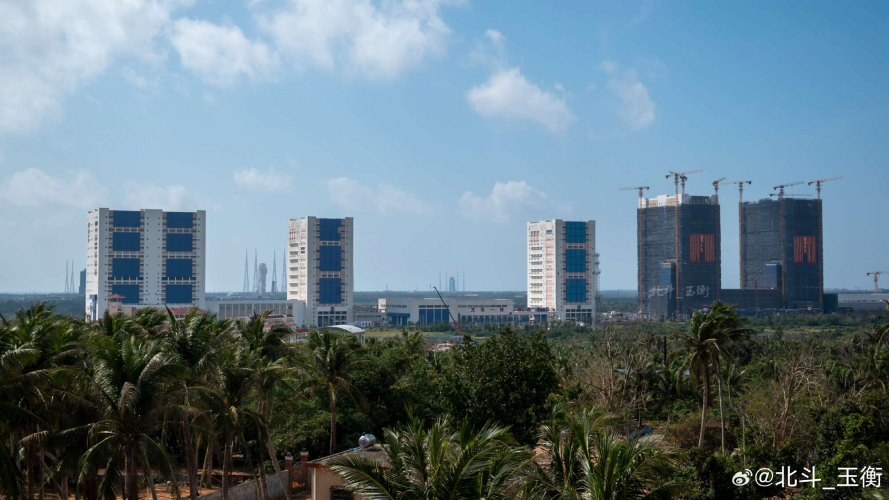
Scaffolding on the Long March 10 VAB is coming down so it seems that the building itself is finished:
1769955706229.png
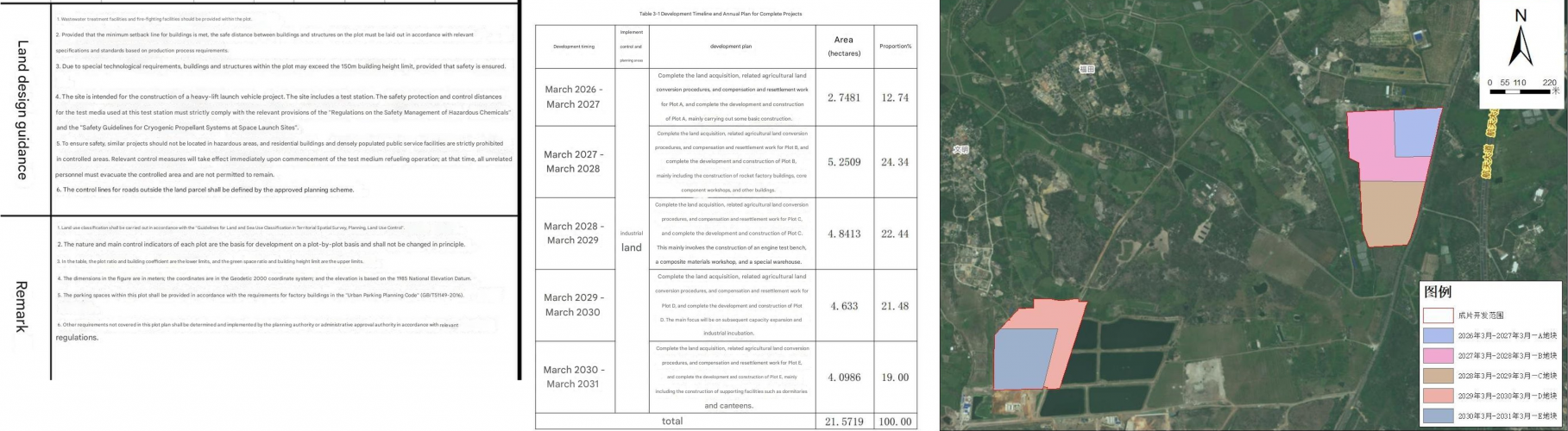
And just as the big construction work on the Long March 10 infrastructure is about to finish, Some documents indicate that Wenchang and CASC may be planning the construction of infrastructure for the Long March 9 Reusable super heavy launcher (Starship Equivalent) in Wenchang, early construction of a production plant and a >150m tall VAB (comparable in size to the one at the KSC) is expected to start in March, with initial infrastructure completion planned in early 2029 ahead of a 2032 launch.
(https://www.163.com/dy/article/KKKEA4ME05563KCB.html?spss=dy_author ; https://wenchang.hainan.gov.cn//wen...748381f14c0d9b88e516ed5a41b1.shtml?ddtab=true)

1769956665109.png
1769956680372.png

Additionally CASC hot tested a 240tf Staged combustion engine (said to be the single-chamber version of the YF-130) that is, according to an article, expected to be used on an upgraded, commercial version of the single-core Long march 10A next year, while it is not certain, it could be used in the 2030s on an upgraded version of the tricore Long March 10

 
View: https://twitter.com/raz_liu/status/2016854275079754138

There will be a new rocket Long March 10A Business Edition ("长征十号甲商业版") featuring this 240T engine and scheduling for 2027 first launch. 300T version is planned also.

https://news.mydrivers.com/1/1101/1101290.htm

Congratulations! my country's 240-ton commercial reusable high-pressure staged combustion liquid oxygen-kerosene engine has successfully completed a long-duration test run.

2026-01-29 21:44:28 Source: Fast Technology Author: Luo Mu Editor: Luo Mu Popularity : 2737 Comments ( 0 )Click to copy the title and link of this article.copyCorrecting errors in the article contentCorrection
#Astronomy and Aerospace#astronomical
18110
On January 29, Fast Technology reported that the 240-ton-class commercial reusable high-pressure staged combustion liquid oxygen kerosene engine of the Sixth Academy of China Aerospace Science and Technology Corporation successfully completed a 200-second long-duration test.

Its performance indicators have reached the international leading level, marking a major breakthrough in China's commercial aerospace field of high-thrust reusable liquid propulsion.

This type of engine is specifically designed for the domestic commercial aerospace market, filling the gap in 200-300 ton-class commercial reusable liquid engines and meeting the power needs of medium to large reusable rockets.

It adopts a single thrust chamber design with a sea-level thrust of 240 tons, and uses reusable technologies such as ceramic bearing turbopumps and 3D-printed cooling channels, allowing it to be reused more than 10 times. It has the ability to be quickly repaired and reused, and the launch interval is less than 72 hours (traditionally 15 days).

According to the plan, 5-8 long-duration test runs will be conducted in the first half of this year, with a total test time of over 1,000 seconds, to verify the engine's adaptability and reliability under extreme operating conditions. In the second half of the year, the engine technology will be finalized, a large-scale production line will be established, and the engine will be capable of mass delivery .

In 2027, it will be used for the first commercial launch mission with the Long March 10A commercial rocket, achieving its first commercial flight. A 300-ton improved model will be launched later to further enhance thrust and reusability to meet the needs of heavy commercial rockets.
 
EU SST closely monitors upcoming re-entry of space object ZQ-3 R/B

The EU Space Surveillance and Tracking (EU SST) Operations Centres are actively monitoring the re-entry into Earth's atmosphere of the space object ZQ-3 R/B, the second stage of a launch vehicle that could have a dummy payload attached. The EU SST network of contributing sensors is closely following the object to refine the re-entry window, which is currently estimated to be on 30 January at 10:32 UTC, with an uncertainty of ±3 hours.

Due to its inclination of approximately 56.94 degrees, the object can re-enter within a latitude band of ±57 degrees, covering a vast area of the Earth's surface, although most of it is ocean or uninhabited. The Italian Operations Centre, responsible for the EU SST Re-entry Analysis service, is working to narrow down the possible re-entry location and time. As the re-entry approaches, the predictions will become more accurate, but uncertainties remain due to the object's uncontrolled nature.

The EU SST contributing sensors are playing a crucial role in observing the object and providing data for analysis. This data is being used to produce the best possible estimation for the expected re-entry location and time. A ground track for the re-entry window is being continuously updated, and the current window will be refined as more data becomes available.

he ZQ-3 R/B is quite a sizable object deserving careful monitoring, with an estimated total mass of 11 tonnes and an estimated length of 12-13 m. Its maiden launch on 3 December 2025 seemingly included a dummy payload, which could have remained attached to the second stage of the launcher. The object has been decaying since then, apparently uncontrolled.

As the re-entry approaches, the EU SST Operations Centres will continue to update their predictions and provide the latest information. This article will be updated accordingly, reflecting the latest developments in the monitoring of the ZQ-3 R/B's re-entry.

https://www.eusst.eu/newsroom/news/eu-sst-closely-monitors-upcoming-re-entry-space-object-zq-3-rb
 
View: https://twitter.com/raz_liu/status/2018321942223495489


Ace of Razgriz
@raz_liu
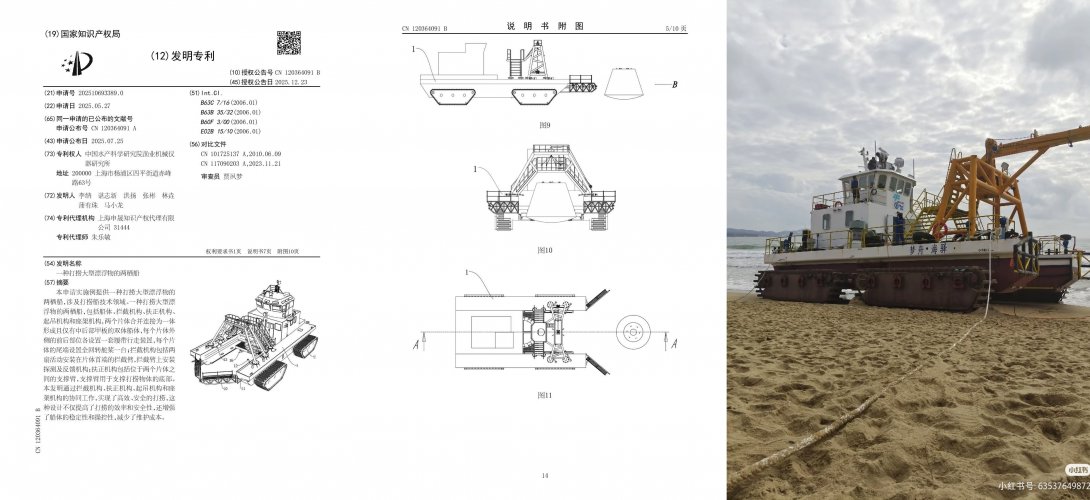
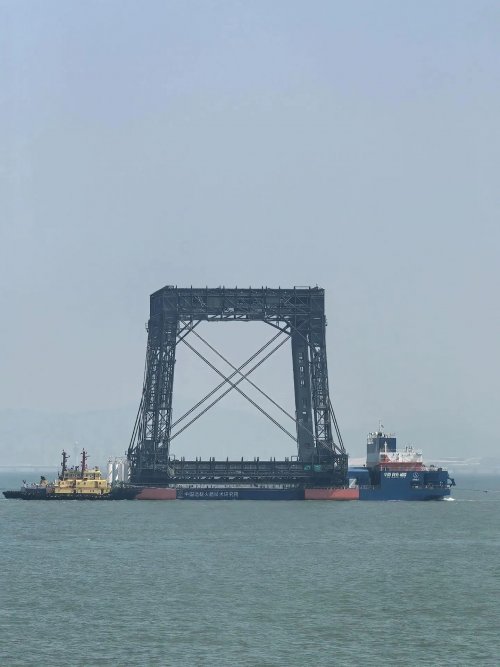
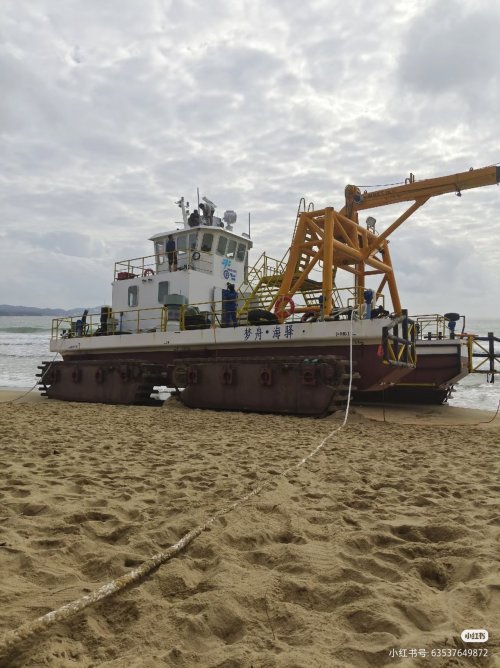
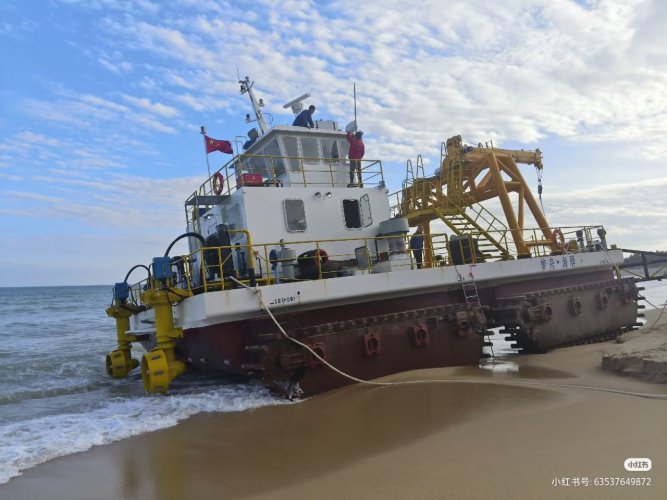
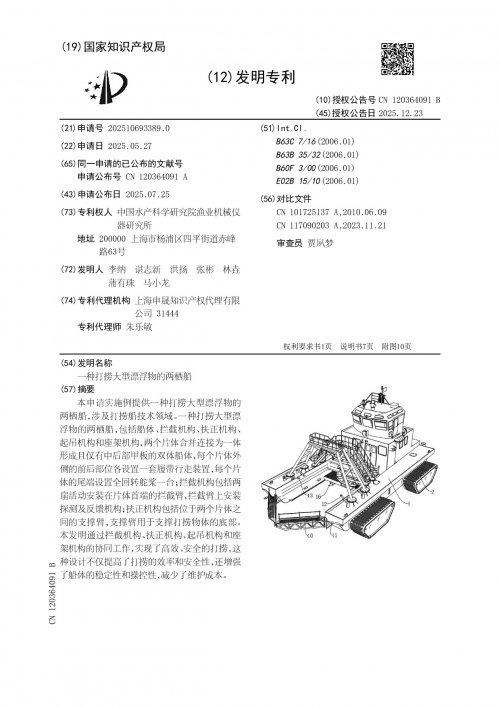
CZ-10A first stage cable recovery barge:领航者/Ling Hang Zhe

Ace of Razgriz
@raz_liu
Possible patch of the coming test. Max-Q abort & VT splashdown with the stage recovery barge doing the catch action nearby.

View: https://twitter.com/raz_liu/status/2018469679195619634


Ace of Razgriz
@raz_liu
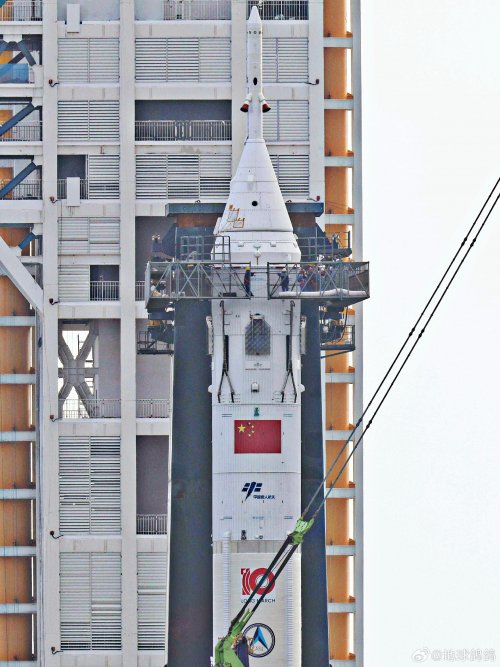
Mengzhou capsule is lifting up onto the CZ-10 test stage. pic via RT火箭小镇

View: https://twitter.com/raz_liu/status/2018512070782926863
 
Pakistan says two astronaut candidates pass China screening for space mission

ISLAMABAD: Two Pakistani astronaut candidates have successfully completed advanced medical, psychological and aptitude assessments in China for a human spaceflight mission, an official statement said on Saturday, bringing the country closer to sending on of them aboard a Chinese space station later this year.

The bilateral arrangement follows the signing of the Astronaut Cooperation Agreement between the two countries in February last year, which aimed to enable Pakistan’s participation in space-based activities.

The Pakistan Space and Upper Atmosphere Research Commission (SUPARCO) had selected potential candidates who underwent advanced assessments at the Astronauts Center of China (ACC) and will now proceed to the next phase of training.

“The shortlisted candidates will undertake advanced astronaut training for six months at ACC,” the military’s media wing, Inter-Services Public Relations (ISPR), said in a statement.

“Upon completion of training, one candidate will be selected for a spaceflight mission aboard the Chinese Space Station (CSS) in October / November 2026,” it added.

The program is part of Pakistan’s broader push to enter human spaceflight through cooperation with China, as Beijing expands international participation in its Tiangong space station amid growing competition in space exploration.

China has increasingly opened its space station to international collaboration.

Pakistan and China have also worked together in the past on satellite launches and lunar exploration projects.

The ISPR described the initiative as a “landmark” step reflecting strong Chinese support, saying Beijing had “selected Pakistan as the first foreign partner in its astronaut program.”

https://www.arabnews.pk/node/2632103/pakistan
 
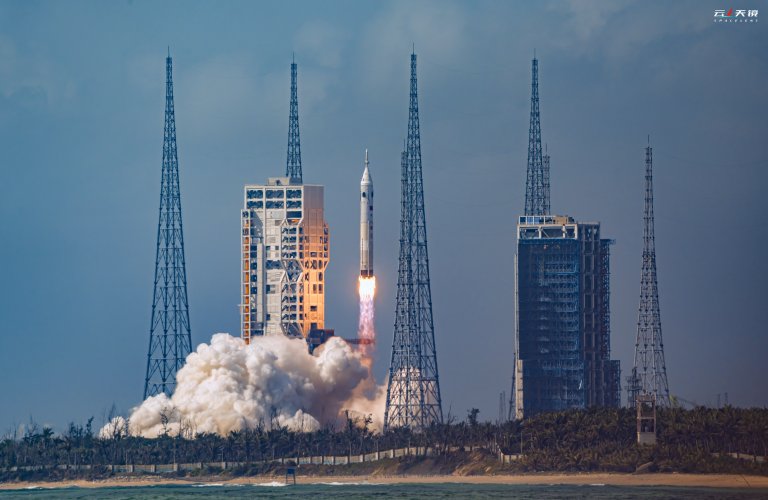
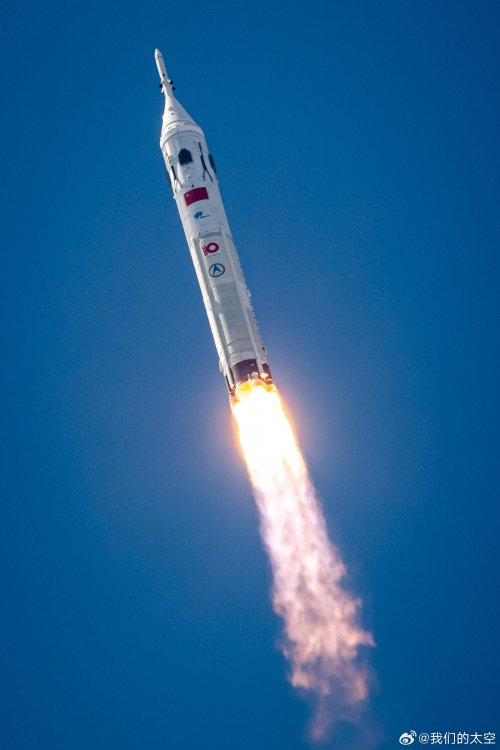
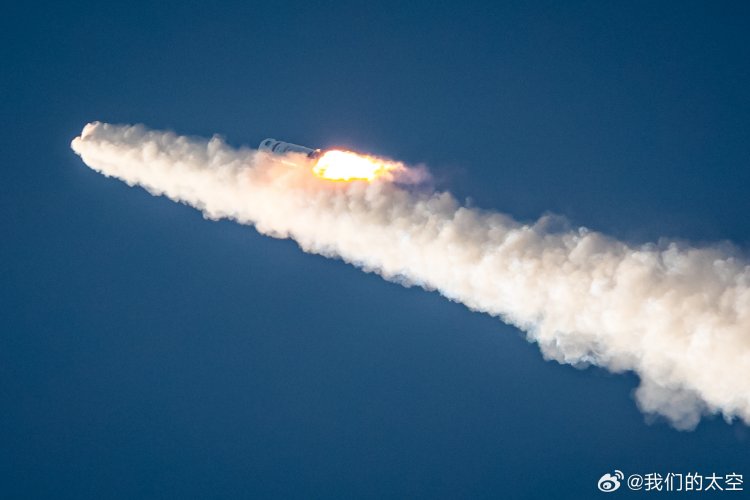
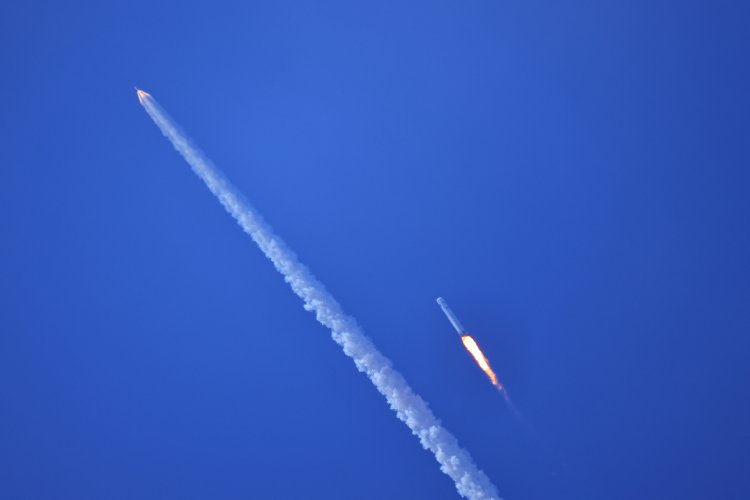
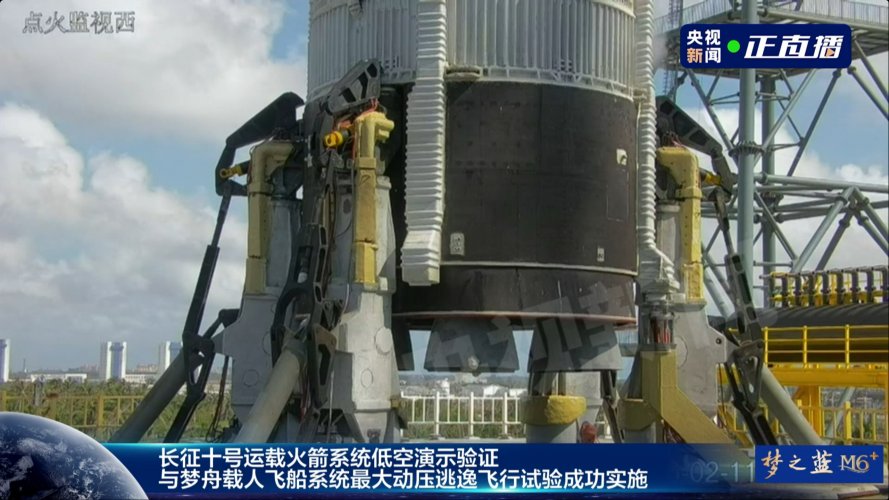
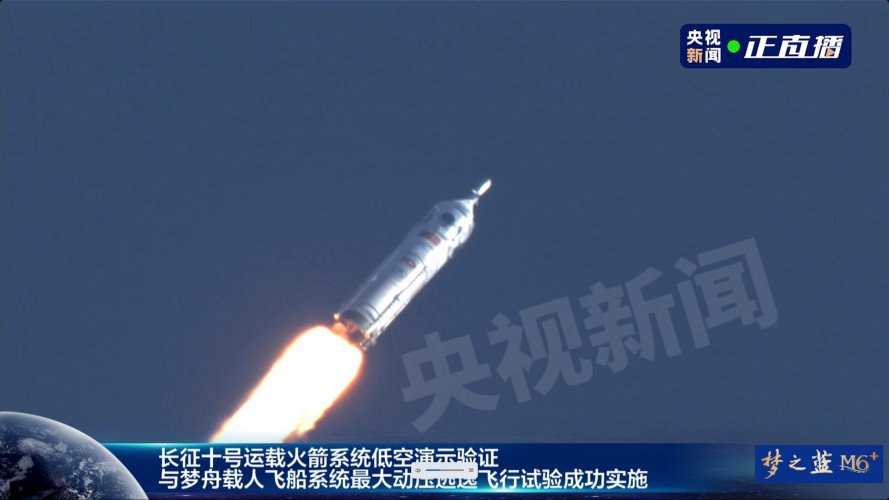
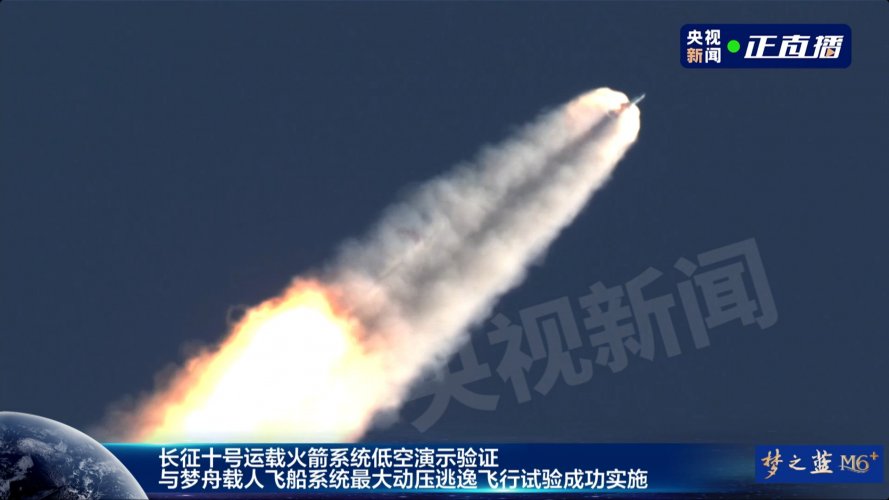
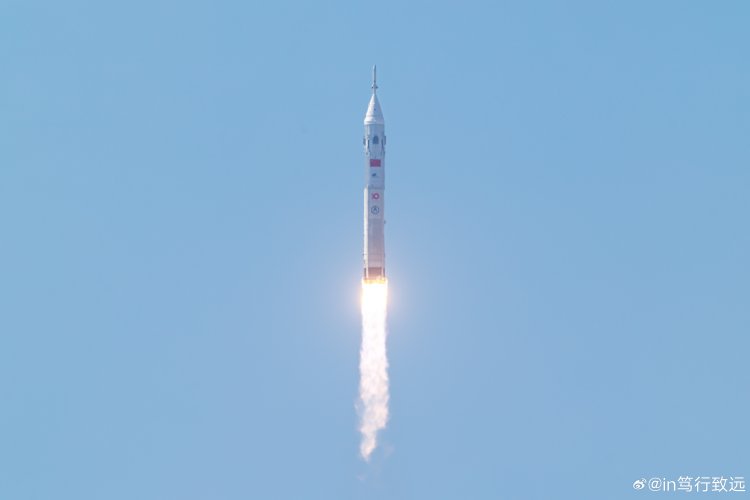
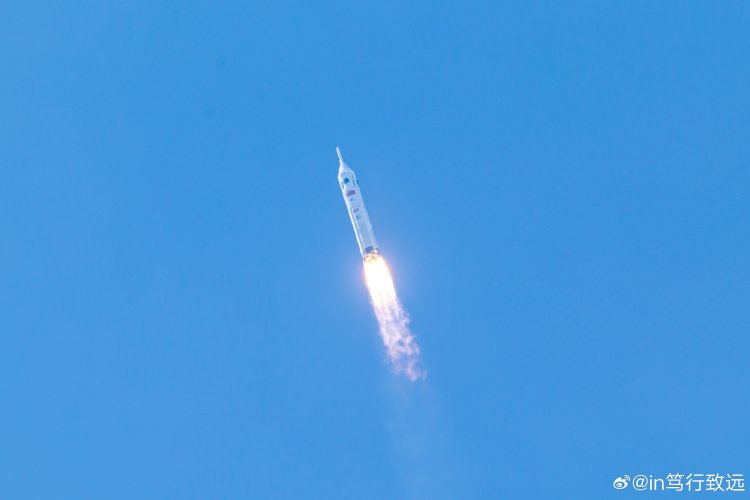
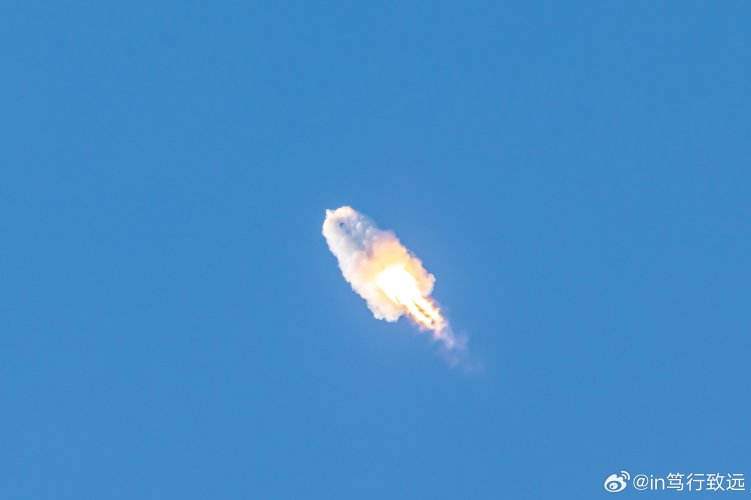
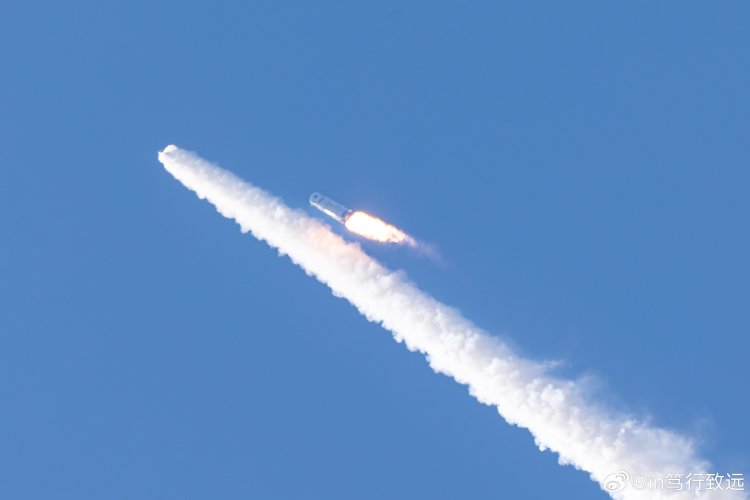
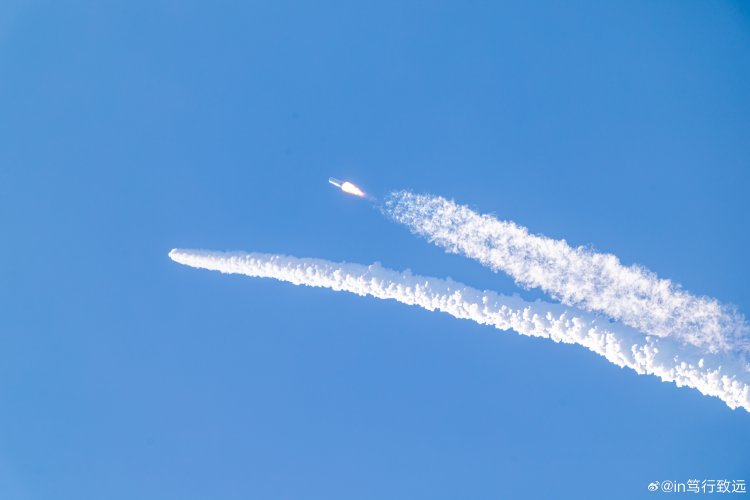
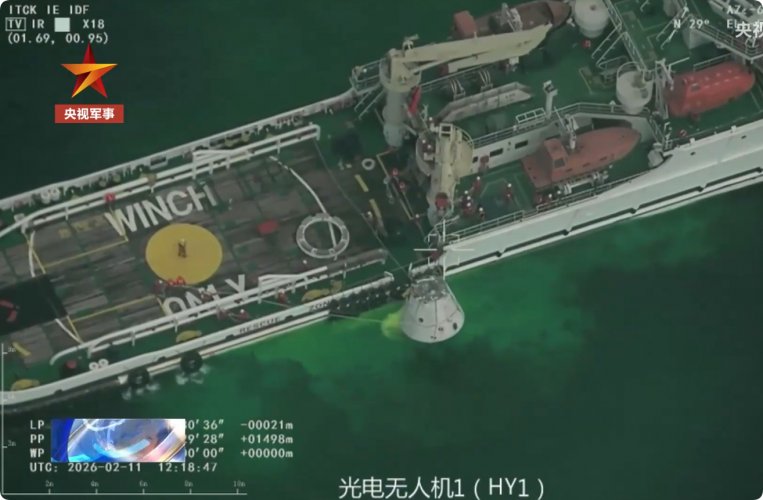
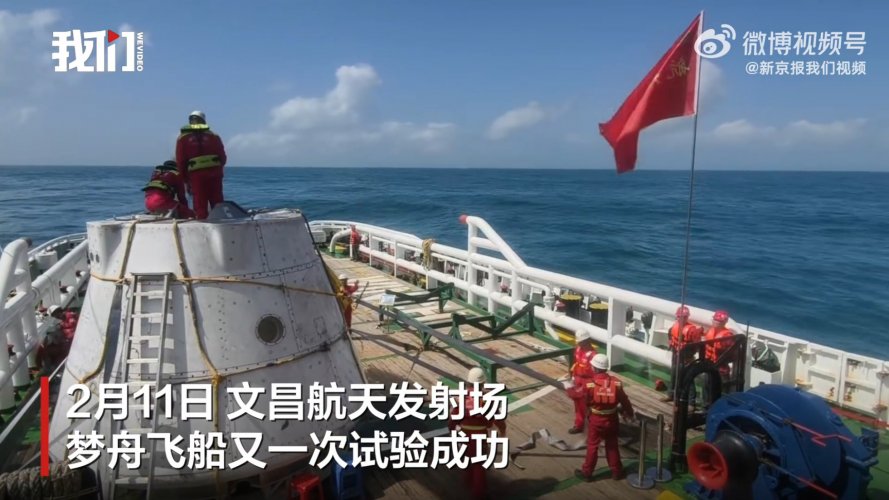
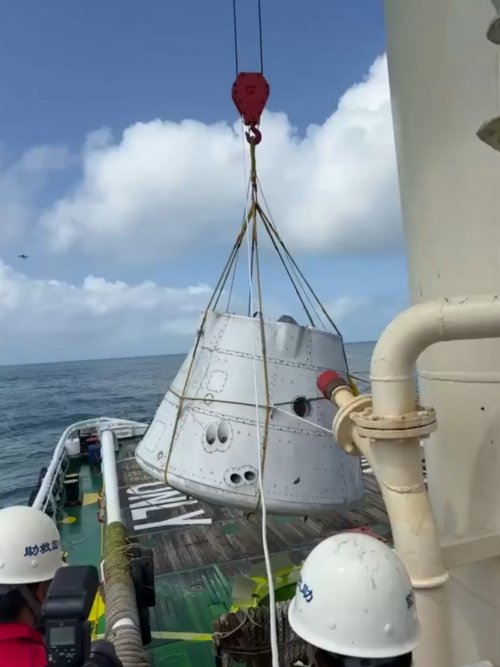
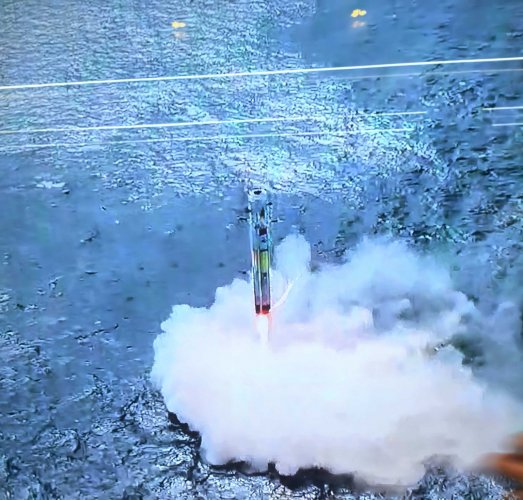
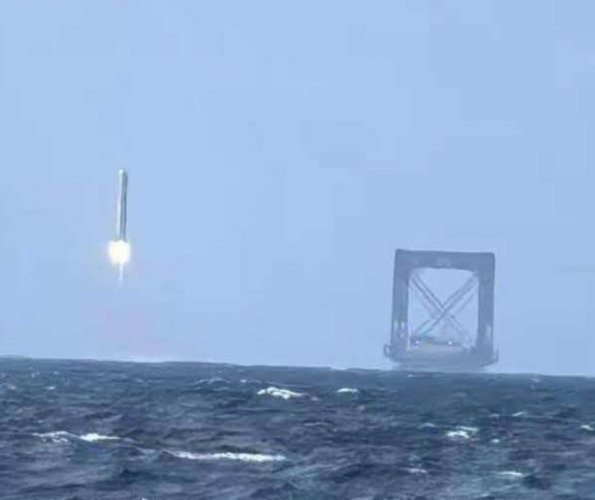
Mengzhou abort test and LM-10 booster splashdown conducted sucessfully.


Announcement by CCTV Military
(AI translation)
#China's manned lunar landing makes new breakthrough【Praise!】(Mengzhou) flies again, another test successful#️】Today, the Chang Zheng-10 carrier rocket propulsion system low-temperature demonstration and verification test with the Mengzhou manned spacecraft system maximum dynamic pressure escape flight test was successfully conducted. China's manned lunar exploration project research has achieved an important phased breakthrough. Cheer for China's aerospace!"

1770780977958.png
 
Last edited:
Today, the Chang Zheng-10 carrier rocket propulsion system low-temperature demonstration
Low-temperature(×), Low-altitude(✔).

But the altitude isn't low. The highest point has already surpassed the Kármán line. This essentially aligns with the flight characteristics of an orbital launch.
 
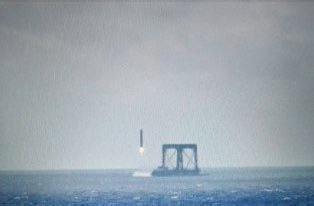
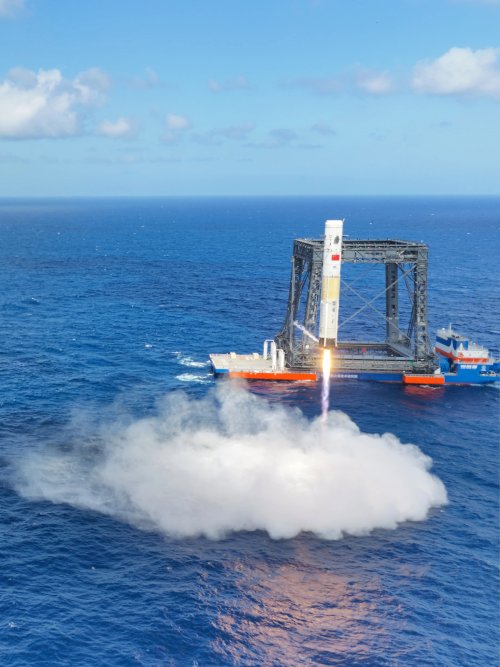
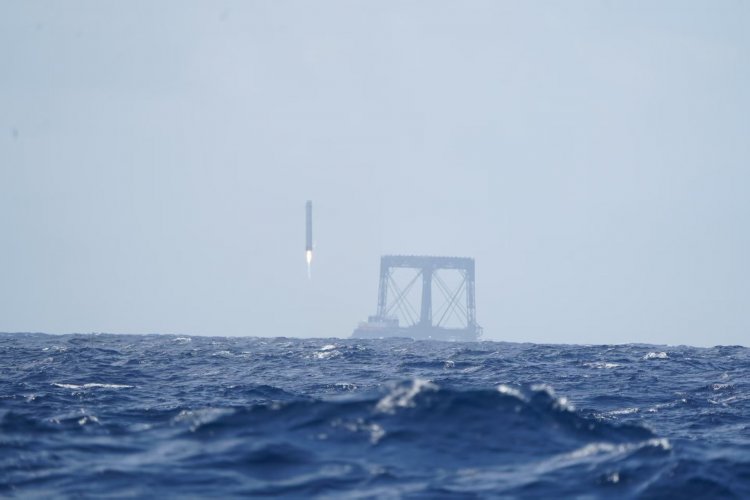
It should be clarified that this booster recovery was a splashdown recovery, not a landing on the recovery ship.

Overall, this booster recovery can be considered highly successful. First, it accomplished its mission, then it successfully completed the restart. The descent speed appeared well-controlled, and the landing accuracy was quite impressive—it splashed down close to its intended target, the recovery ship.

Looking forward to the day when the booster lands on the recovery ship.
 
Here's a short video about he Max-Q abort test:


Mission successful: Chinese lunar craft Mengzhou’s Max-Q abort test & CZ-10 stage VT splash-down test successful. China aces the Max-Q test for its lunar spacecraft. The craft separated from the Long March-rocket and landed in water. Long March first stage also slashed down in the water.
 

Similar threads

Back
Top Bottom