CHINA’S MILITARY POLICY AND GENERAL PURPOSE FORCES
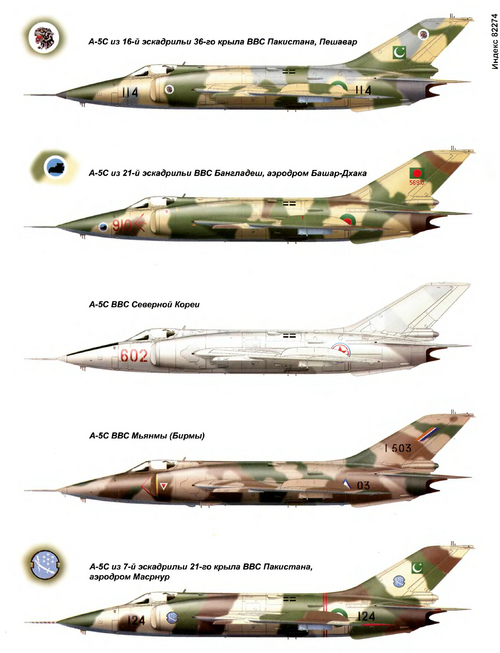
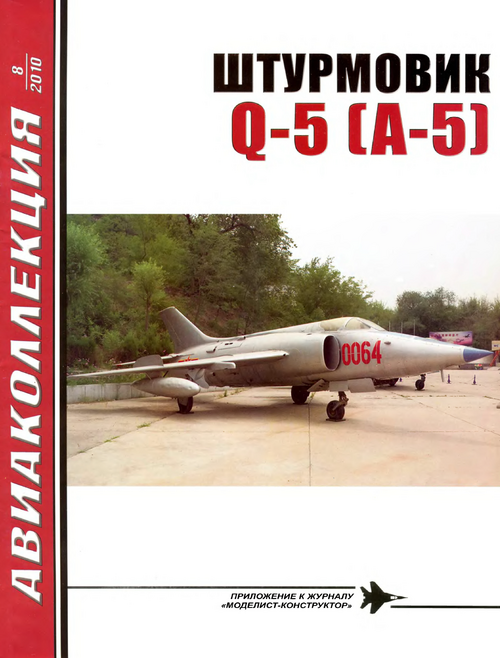
J. China’s ground attack fighter force consists of MiG–15/17 jet fighters and a growing number (currently about 185) of F–9 fighter-bombers (a Chinese-designed aircraft somewhat larger than but resembling the MiG–19). About three-quarters of China’s 540 or so bombers are obsolescent Il–28s. The Chinese also have deployed about 43 Tu–16 jet medium bombers, but we believe Peking intends to use the Tu–16s mainly as part of China’s force for peripheral nuclear attack.
P. The outlook for air and air defense forces is one of substantial increases in size with qualitative improvement proceeding at a more modest pace. Peking may decide to phase out production of MiG–19 fighters in favor of MiG–21s. Chinese-produced MiG–21s evidently have not yet entered the force, but we expect this to occur in the near future. The availability of this aircraft would mark the beginning of major improvements in intercept capability, particularly as the MiG–21s would probably be armed with air-to-air missiles and be equipped for all-weather operations. The Hsian-A interceptor, a native-designed follow-on to the MiG–21 currently being tested, may be available for deployment in the mid-1970s.
Q. SAM deployment will probably proceed at a faster rate than in years past, and deployment of the Chinese version of the SA–2 may be supplemented by a low-altitude weapon during the period of this Estimate. Radar coverage will improve and expand, and new communications equipment now becoming available will improve the command and control of China’s air defense system. Despite this growth and improvement, however, China will continue to be vulnerable to a large-scale attack by planes employing the latest equipment and technology.
R. The new F–9 fighter-bomber represents a significant improvement in China’s ground attack capability and is likely to be deployed in fairly substantial numbers. Peking may soon conclude that the cost of building and deploying the outmoded Il–28 jet light bomber is not warranted and that production should cease. Although the Chinese will probably use the Tu–16 bomber primarily as a strategic weapon carrier, some will probably be assigned to reconnaissance and other nonstrategic roles.
This site uses cookies to help personalise content, tailor your experience and to keep you logged in if you register.
By continuing to use this site, you are consenting to our use of cookies.


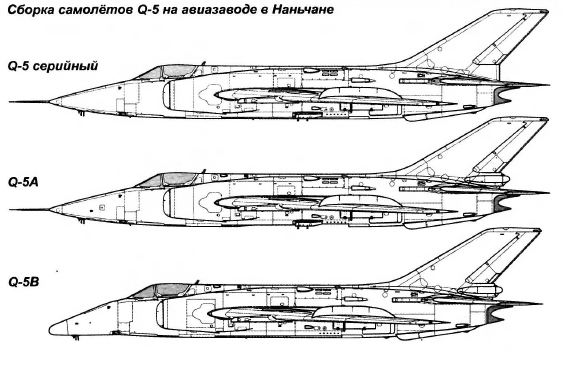
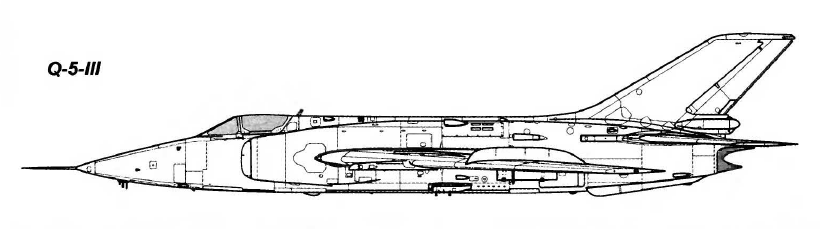
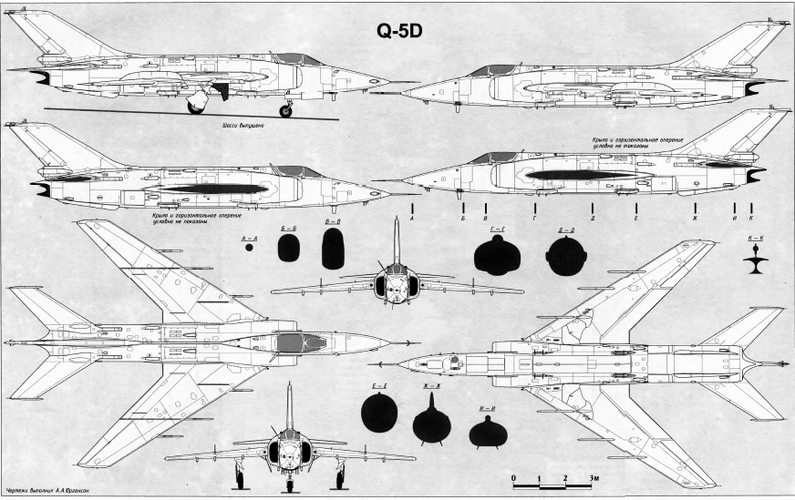
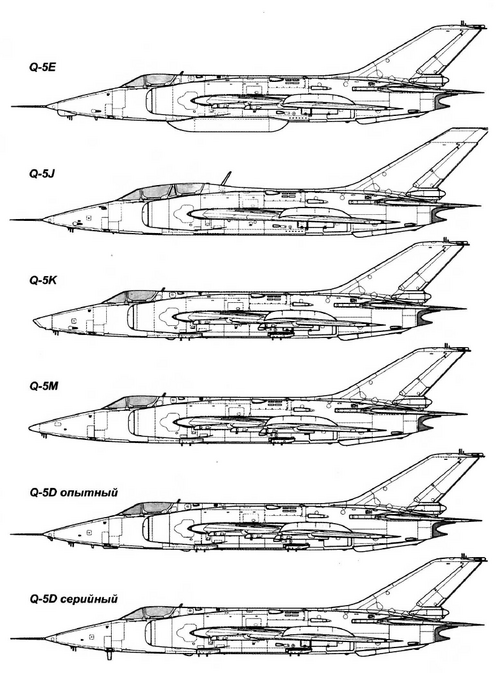
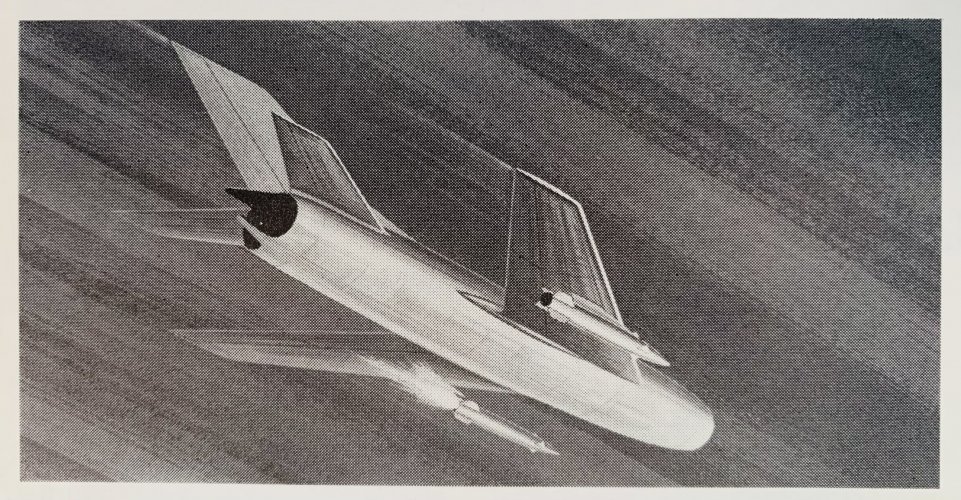


 Nanchang Q-5 Fantan Hypothetical drawings
