- Joined
- 26 May 2006
- Messages
- 38,262
- Reaction score
- 20,403


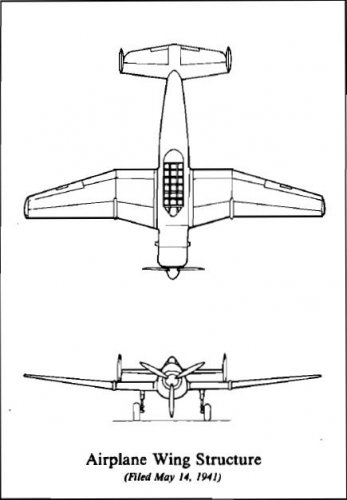
That drawing is dated 6 weeks after the real Vengeance prototype first flew on 30 March 1941.Hi,
here is the early drawing to Vultee V-72 Vengeance dive bomber,it was
two seat single engined full cantilever low-wing monoplane with twin tail
surface,that was in 14 may 1941.
From the book; The Vultee Vengeance dive bomber,by Peter C. Smith
That drawing is dated 6 weeks after the real Vengeance prototype first flew on 30 March 1941.
So it must have been for a variant design.
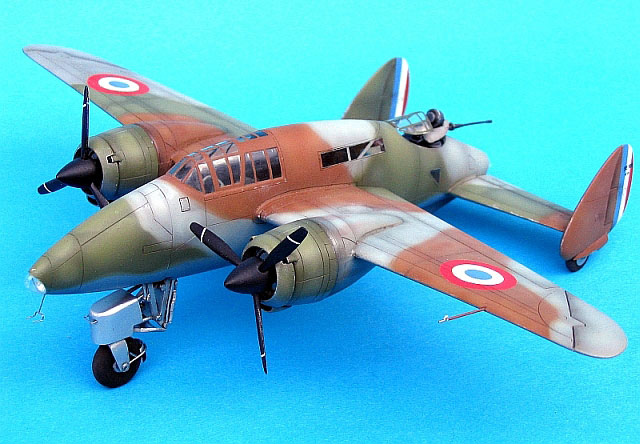
it's really interesting : 1. twin tail version exist only on project mentioned in patent. 2. Also France before capitulation ordered 300 aircraft.

Given the French Ministère de l'Air's obsession with twin-tailed aircraft, it's indeed safe to assume that the original twin-tailed design was made to order for the French Air Force...it's really interesting : 1. twin tail version exist only on project mentioned in patent. 2. Also France before capitulation ordered 300 aircraft.

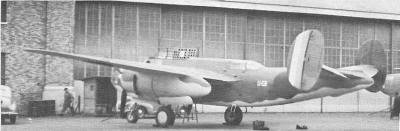
The rear gunner's position had a wider area of sight on twin tailfins aircraft, l'Armée de l'Air was beginning to install 20-mm cannons on flexible mounts on its more modern bombers when the German attack occurred."Given the French Ministère de l'Air's obsession with twin-tailed aircraft,..."
I'm sorry, I'd never heard of such.
Was there some 'internal logic' to this, or was it simply whim ??

The experiment showed that the 20 mm gun, despite a devastating effect in case of reaching the target, presented an ultimately illusory defense against the attack of single-engine fighter jets by its uneasy handling ... It would indeed have been better to have 2 x. 50, with projectiles certainly less lethal on paper but at a higher rate and much more manageable in terms of shooting and especially loading, and therefore more efficient (we will not talk about 7.5 mm guns as effective as lead rifles ...).The rear gunner's position had a wider area of sight on twin tailfins aircraft, l'Armée de l'Air was beginning to install 20-mm cannons on flexible mounts on its more modern bombers when the German attack occurred.