snne
ACCESS: Top Secret
- Joined
- 3 July 2022
- Messages
- 2,408
- Reaction score
- 8,848
More like, J-35(A)...That's called the KF-21.

More like, J-35(A)...That's called the KF-21.
Maybe there is a possibility there will be another version of Kaan.International market would be more interested in that


Maybe there is a possibility there will be another version of Kaan.
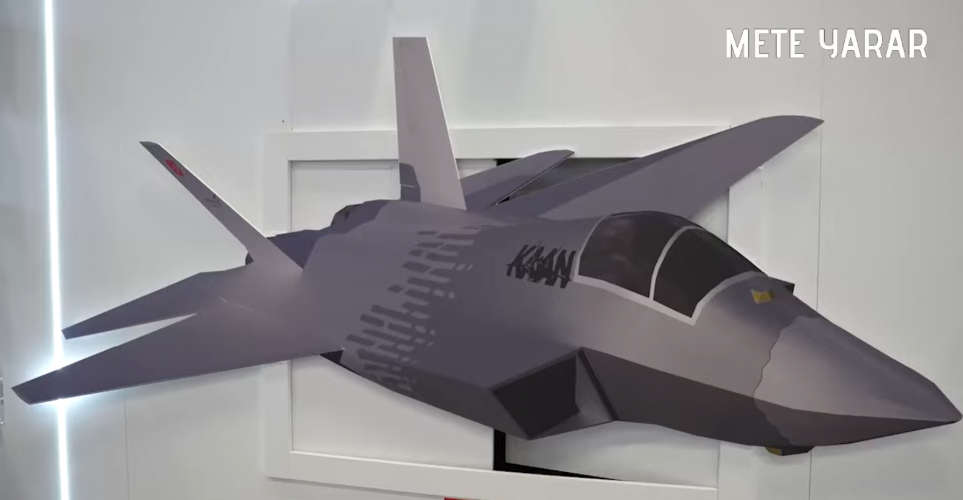
This person come to TAI booth during Indodefence 2024
View: https://x.com/Raditama0210/status/1966142320392511770?t=4XP2HlsYeZmsdRG9yF6Y-A&s=19
Translation:
View attachment 789635
View attachment 789637
I asume the display was showing Kaan's first flight
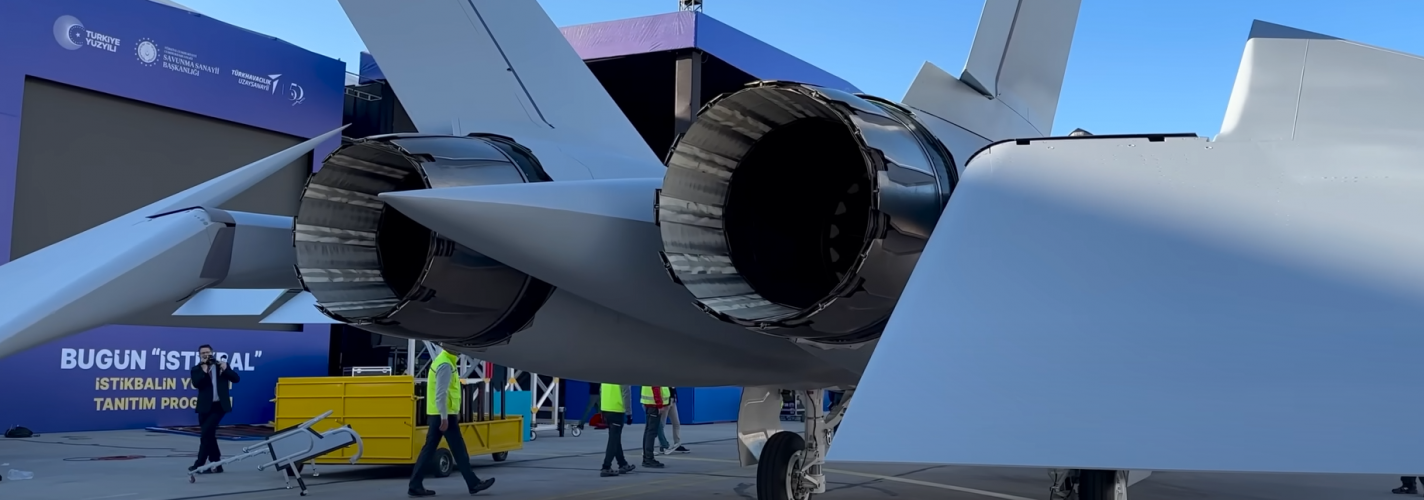
You think that the GCAP engine is going to be F110-sized?An alternative engine potentially exists for the Kaan that might be a similar size, which is the one Japan is developing. But not sure if they would be willing to export it to Turkey despite generally friendly relations between the two.
I’m cross-posting this from the FCAS-thread because surprisingly the specs and requirements in this pre-FCAS German study almost exactly match what we know and what we can guesstimate about the Kaan.TAI updated the specs again
--
--
Dimensions, Weight and Performance
- Wing Span : 13.4 m (44 ft)
- Wing Area : 71.6 m² (771 ft²)
- Length : 20.3 m (66 ft)
- Height : 5 m (16 ft)
- MTOW : 34,750 kg (76,500 lb)
- Thrust : 2 x 13,150 kgf (2 x 29,000 lb)
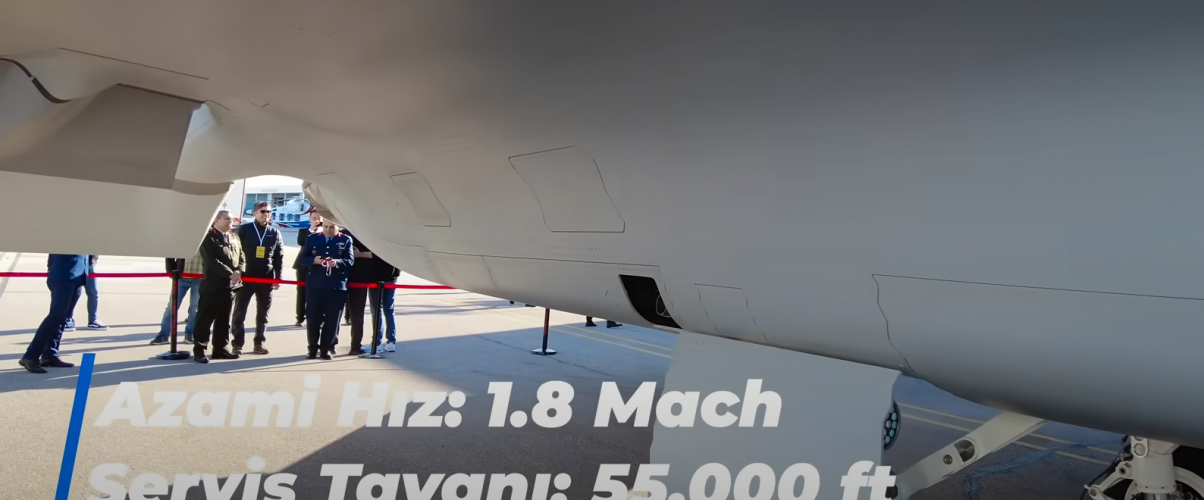
- Maximum Speed : 1.8 Mach (@ 40,000 ft)
- Service Ceiling : 16,764 m (55,000 ft)
- Positive / Negative G Limit: +9 / -3.5 G
View attachment 764950
Could serve as a useful benchmark for our theoretical performance discussions...We can look at the German studies immediately preceeding FCAS (DLR Future Fighter Demonstrator, aka Project Diabolo).
https://www.secretprojects.co.uk/th...r-demonstrator-dlr-ffd-project-diabolo.43292/
The FFD’s net thrust requirement was 112.7kN dry / 177.1kN wet (per engine). This required a 5m long engine with 1m inlet diameter, weighing 1875kg. Thrust also quoted elsewhere as 124kN dry / 183kN wet… possibly gross (uninstalled) engine rating.
The FFD design is quite big… 20.3m long x 14.8m wide with a 100m2 wing. Empty weight is ~16.5t. Take off weight clean is 28.3t with 8x AAMs (1.8t) and 10t internal fuel, increasing to 29.4t in air to ground configuration with internal weapons (4x AAMs + 4x 1,000lb JDAMs). Max take off weight is ~35t with external load. Combat radius is 780nm hi-hi-hi with internal fuel and 2.5min combat, or 550nm with 1hr CAP loiter.
I find these thrust numbers rather high IMHO. Dry thrust is driven by the Mach 1.4 supercruise requirement and wet thrust by requirements for supersonic maneuverability and Mach 2.0 top speed… see charts below. In addition, the wing is oversized (100m2) in order to enable subsonic cruise at 50,000ft, which increases structural weight and thrust requirements.
So perhaps thrust requirements could be cut by 10-20% to ~100kN dry and ~150kN wet with a few performance compromises (eg. supercruise at Mach 1.2 vs 1.4, top speed Mach 1.8 vs 2.0, subsonic cruise at 45kft vs 50kft). Also I would expect Dassault to be able to optimize the design a fair bit (eg. FFD weapons bay volume seems quite oversized).
Indeed, interestingly very very similar apart from wing areaI’m cross-posting this from the FCAS-thread because surprisingly the specs and requirements in this pre-FCAS German study almost exactly match what we know and what we can guesstimate about the Kaan.
Could serve as a useful benchmark for our theoretical performance discussions...

This seems to be ~3 years old, but still gives us a solid sense of the declassified types of RAM and RAS that Aselsan had worked on up until that point:
https://wwwcdn.aselsan.com/api/file/RADAR_SIGNATURE_MANAGEMENT_APPLICATIONS_ENG.pdf
(Some of the images and results have been shared here before.)
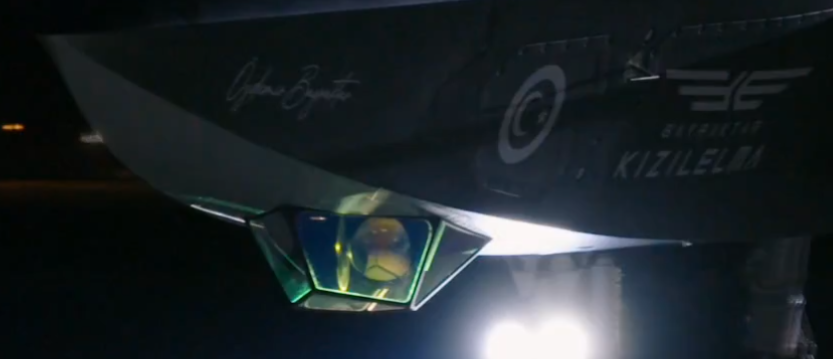
Our first look at the mirror assembly:Kaan's Toygun EOTS has flown for the first time, onboard a Baykar Kizilelma prototype...

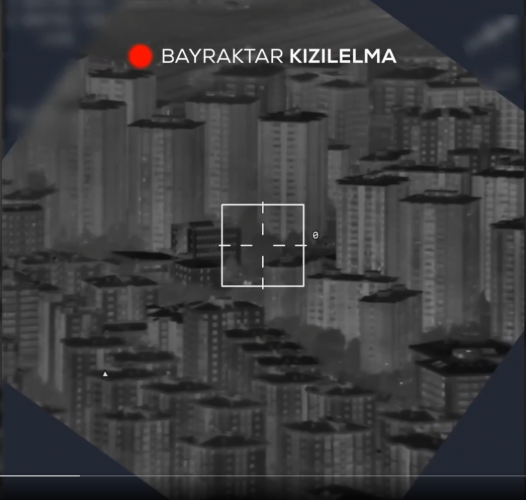
|
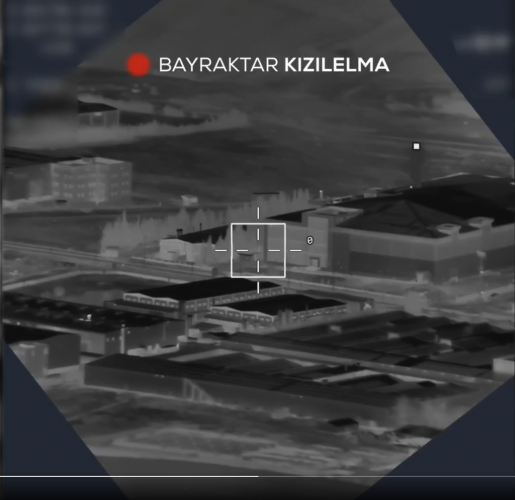
|
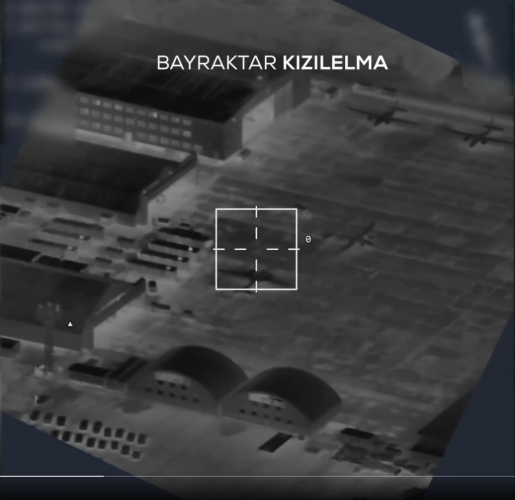
|


Very low chance of happening because of A. Politics, B. They'll need to swap the gearbox from the top to the bottom of the engine.Came across this, not sure how likely this can be (though they bought S-400 so...), but yeah the 14,500kgf Izd. 177S or even better, the 16,000 kgf Izd. 177 are probably the only viable and available alternatives to the american engines.
lmaoYeah the europeans are non-players in the thrust range required for KAAN (unless somehow the turks are willing to pay through their nose to have a european bespoke engine build for it, by i dunno 2040?).
The issue regarding the engine supply for the LRIP batch, as it turns out, was misconveyed by MoFA Fidan. It wasn't blocked; the US State Department hasn't submitted it to Congress yet and is seemingly waiting for the right time to pass it without issue.
Presidency of the Defense Industries?Guys, calm down.
The Kaan project is neither a self-funded project of Turkish Aerospace nor is it the project of the MoND. It was initiated by the Presidency of the Defence Industries and this is where all the problems with engine supply and CAATSA lie. Because it was put in place against the PoDI, anytime they get mentioned on an export-license, that project receives an instant export-ban with anyone that wants to continue having business with the U.S.; the same also holds true for GE and their F110 engines.
https://en.wikipedia.org/wiki/Defence_Industry_AgencyPresidency of the Defense Industries?
Could you describe that whole organizational setup, please?
Is that a nationalized business leader, or some elected/appointed governmental entity?

Back in 2017, TEI had actually offered to complete the development of an F110 equivalent within 15 years. (But that was a different TEI to today's).
According to the CEO, they essentially built a scaled-down version of the TF35000; using the TF6000/10000 to build the technologies incorporated into the TF35000.
To be clear, when he said 'integration by 2032,' he was referring to serial production, supported by the fact that the Indonesian planes with Turkish indigenous engines are officially also scheduled to begin delivery in 2032. Additionally, the official delivery timeline for the Block 30 'with indigenous engines' has always been set for 2032.
According to the official timeline, in 2028, one of the prototypes is expected to conduct tests with a single TF35000 integrated.
Temel Kotil, a.k.a the previous head of TAI.
Original Text:
English translation:
https://haber.aero/savunma/milli-mu...la-2028de-havalanacak/?utm_source=chatgpt.com
Original Text:
English translation:
https://www.dunya.com/gundem/tusas-...rinde-2028te-turk-motoru-olacak-haberi-728958
Original:
English Translation:
https://www.defenceturk.net/disisle...ri-ve-kaanda-son-durum?utm_source=chatgpt.com
https://www.turkiyetoday.com/turkiy...y-2028-says-kotil-1804?utm_source=chatgpt.com
Demiroğlu:
https://www.turkishminute.com/2025/...n-in-kaan-fighter-jet/?utm_source=chatgpt.com
I can pull up more quotes if you give me some time.
Moreover, this entire thread is essentially an encyclopedia of every tiny detail about this project. If you go back a couple of dozen pages, you'll find anything you're looking for.
--------
Besides, the Block 30 (i.e. the ultimate version) has always been intended to be equipped with the indigenous engine and delivered by 2032. The fact that Indonesian deliveries in 2032 will also officially come with Turkish engines further supports this.
Demiroğlu has also stated similar things:
They don't mean that dual engine trials will commence in 2032; they mean the certification will be completed by 2032.
It doesn't help that most of the figures in the Turkish military-industrial complex love to say things that are open to many interpretations or misunderstandings (Temel Kotil in particular is infamous for this); but this has been one of the few clear things they've ever communicated to us.
Let our people rest assured. They will soon see the TF35000. "
but TEI folks tend to work at their own pace, without much pressure.
Yes, compared to the urgency that other Turkish giants operate under to meet deadlines, they do indeed face less pressure due to the nature of the industry they’re in. It can take up to two decades for an engine of any kind to mature and be ready for production from scratch.TEI personnel not under pressure, seems like broken logic. Especially with their past projects, they are putting in the hours to churn out prototypes and complete engine developments.
The latest official news is they'll start "tests" in 2026. Ignore the tweet unless they've posted credible source or are credible themselves.
Look at the bays, the 'shape' of the fuselage, the horizontal stabilizer mounting configuration, the landing gear arrangement, the EOTS & IRST... that's AI for sure...Latest iteration from TAI ?
View: https://x.com/i/status/1999722641679327360
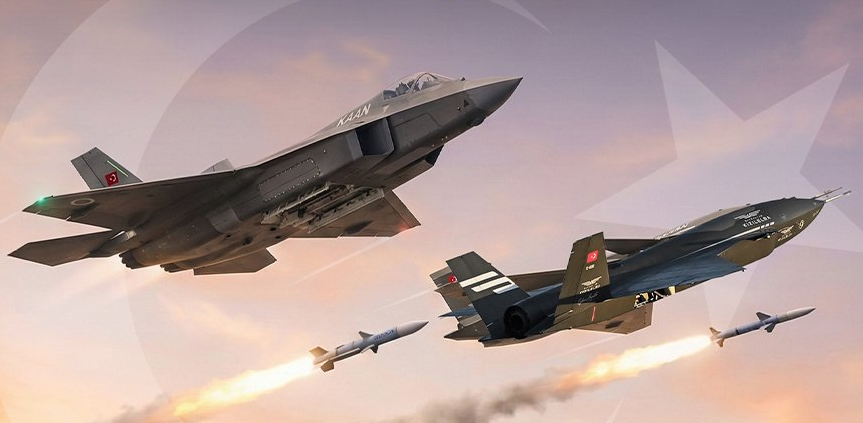
That looks closer to the one that Aselsan was showing in their booth in IDEF'25, but more detailed - especially with the pushback of the inletLatest iteration from TAI ?
View: https://x.com/i/status/1999722641679327360
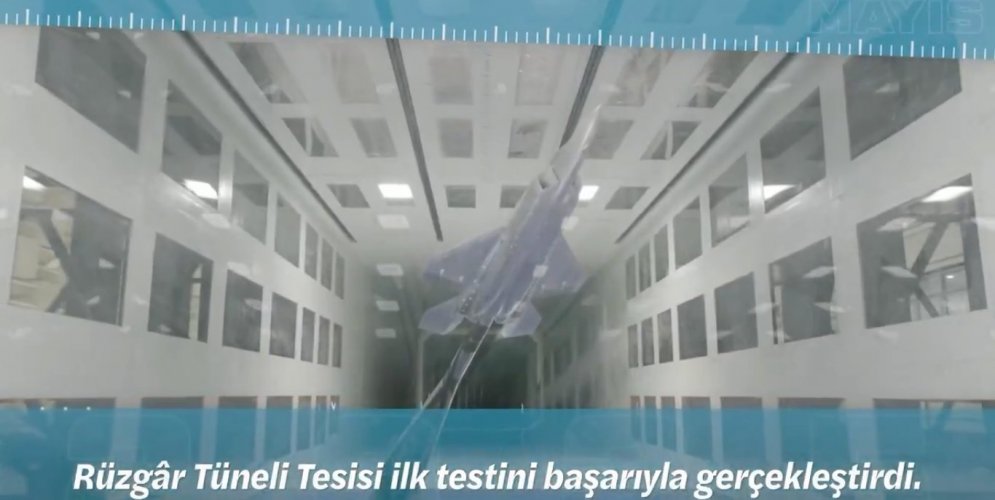
Low res image, of an Articulated Research Configuration model KAAN in TUSAS new BSAT-T wind tunnel facility
(looks like the inlets are smaller and pushed back some?)
View attachment 788289
View attachment 788291
Various size wind tunnel cells;
View attachment 788292
Source> https://www.tusas.com/medya-merkezi/Dergi?s=1&d=2025
--------------------------------------------------------------------------
shitty comparison
View attachment 788305
View attachment 788295
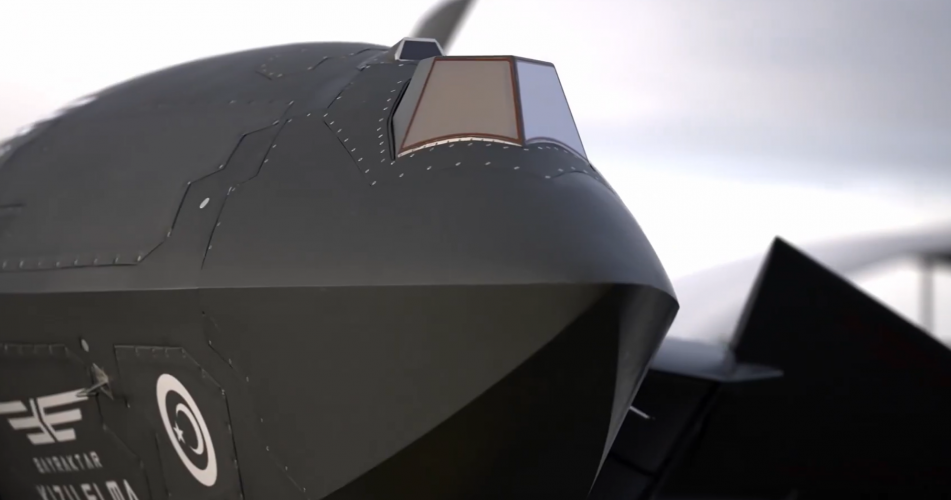
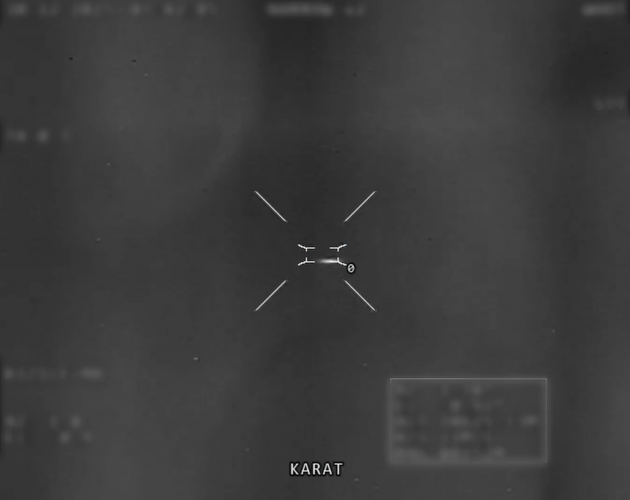
Downgraded variant of the Kaan's IRST; the Karat-100(?)/200(?) has also flown for the first timeOur first look at the mirror assembly:
View attachment 791848
Kaan’s going to have an upgraded variant with the-200-300 code, while this one on the Kizilelma is theTOYGUN-100TOYGUN-200 model:
TheTOYGUN-200TOYGUN-300 is going to be integrated onto the new P1 & P2 prototypes of the Kaan and start airborne tests by H1 2026.
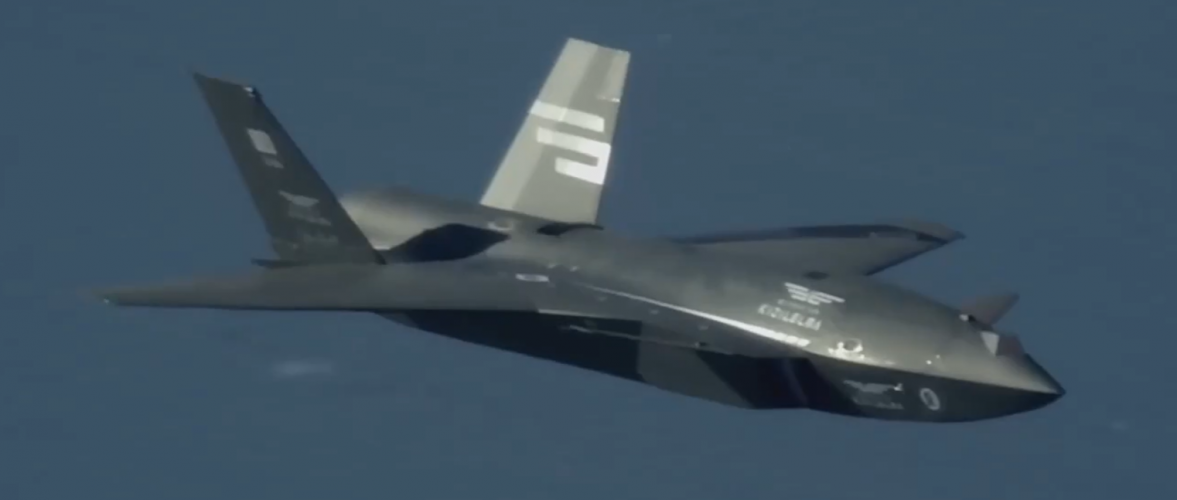
This looks more like that AI Image than already flying P0 ?
Bruh the P0 flew two years ago...This looks more like that AI Image than already flying P0 ?

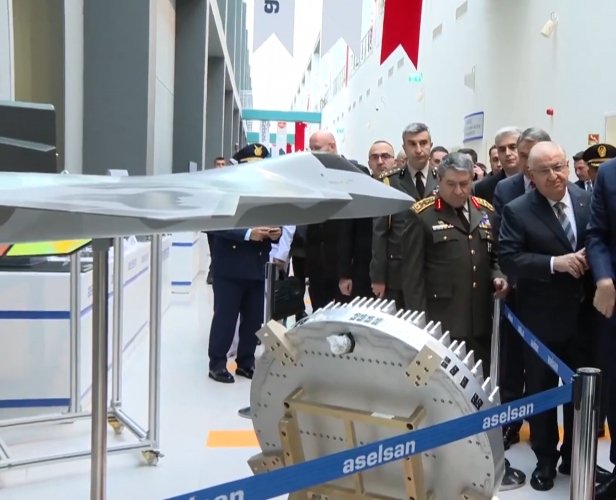
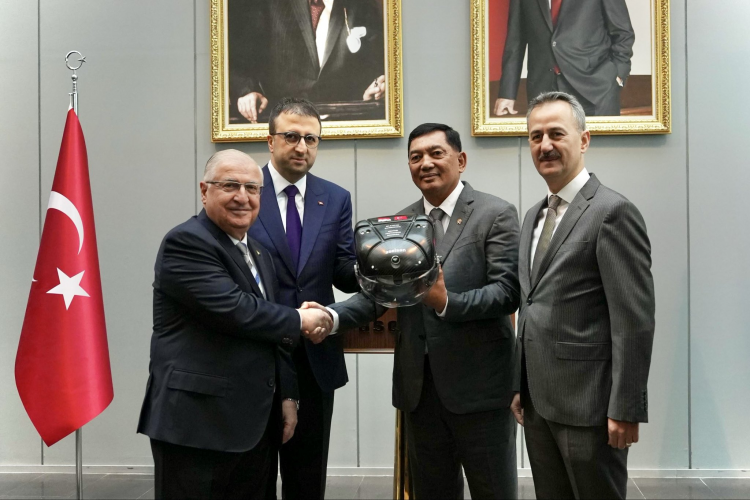

That mouthpiece, @sswipe insider/journalist of yours had mentioned that an initial payment of around $1.2B was allocated for Kaan in 2025.That's the Indonesian Defense Minister, looks like we're actually very committed to KAAN
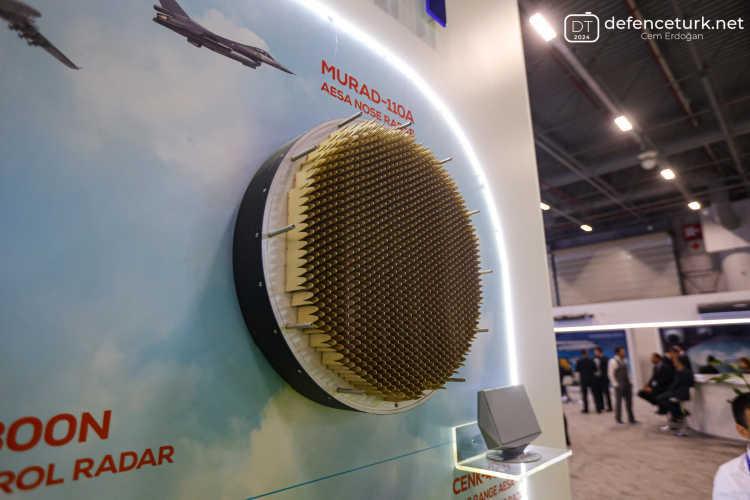
You and I both know that this is an early mockup of the MURAD-600A from around 2021, yet you keep randomly posting not only that aperture mockup but also photos of the HMD, even though there are no new developments to justify posting them.First glimpse at KAAN's AESA radar MURAD-600 : Brick architecture confirmed @Waterballoon
View attachment 797948
TULGAR HMD
View attachment 797952
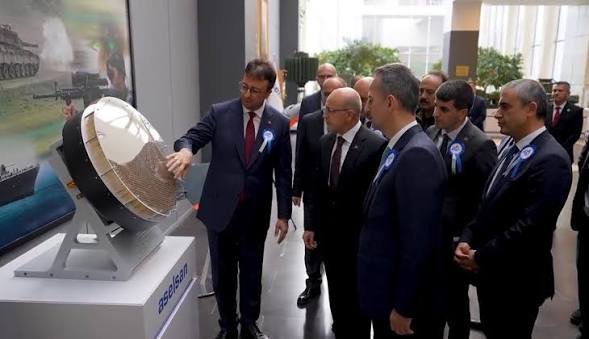
They are different, one is clearly a mock-up and the newer one looks to be a test article of some kind at least. Also the size seems to be around 1m², which matches the main array for 600AThat mouthpiece, @sswipe insider/journalist of yours had mentioned that an initial payment of around $1.2B was allocated for Kaan in 2025.
View: https://x.com/i/status/1978601295402664253
You and I both know that this is an early mockup of the MURAD-600A from around 2021, yet you keep randomly posting not only that aperture mockup but also photos of the HMD, even though there are no new developments to justify posting them.
View attachment 797979
Also, regarding the radars. My bet is that the main array has bricks and sides/back are patches. Hell it might even be that the side arrays are Murad-100A's and the back array is a smaller 100AThey are different, one is clearly a mock-up and the newer one looks to be a test article of some kind at least. Also the size seems to be around 1m², which matches the main array for 600A
there's a back array? I though it had 270deg radar coverage and not full 360?Also, regarding the radars. My bet is that the main array has bricks and sides/back are patches. Hell it might even be that the side arrays are Murad-100A's and the back array is a smaller 100A
Yes, there is a rear array. Though I am not sure if it will be used as a radar. More probably for EW dutiesthere's a back array? I though it had 270deg radar coverage and not full 360?
That's MURAD 110AYou and I both know that this is an early mockup of the MURAD-600A from around 2021, yet you keep randomly posting not only that aperture mockup but also photos of the HMD, even though there are no new developments to justify posting them.
View attachment 797979
– The second and third phase official signatures for the Indonesian KAANs (Finance, Training, Maintenance, etc.) will be signed in 2026
– P1 will make its first flight around May-June 2026.
– We plan to bring the second prototype to the testing phase by the end of this year, and the third prototype either by the end of this year or at the beginning of next year. The prototypes have an approximate 2-3 month on-site testing process.
– The delivery target for Kaan was set for the end of 2028, but due to the delays experienced, it is now anticipated that entry into the inventory will begin in early 2029.
– The official order for the first 20 Kaan is expected to be placed soon.
– In Blocks 10/20, 20–40 aircraft will be produced with the F110. Once the domestic engine is ready, it will be integrated into the platform. 3–5 month delays are normal in projects of this scale; the main plan has not changed.
- Work for the 6th generation has already begun.
– Towards the end of Kaan Block 20, together with the indigenous engine, we can speak of a 5.5 generation level.
– With the indigenous engine coming online, all infrastructure and concepts for the 6th generation will be ready within a few years.
Is KAAN block 30 designed with 2MW power generation in mind?Block 20 (not B30) being 5.5-gen level (or close to) means Block 30 with indigenous engines will be proper 5.5th gen as expected, on the same level as FCAS or GCAP.