https://defencesecurityasia.com/en/...ti-drone-russia-ukraine-omsk-refinery-strike/
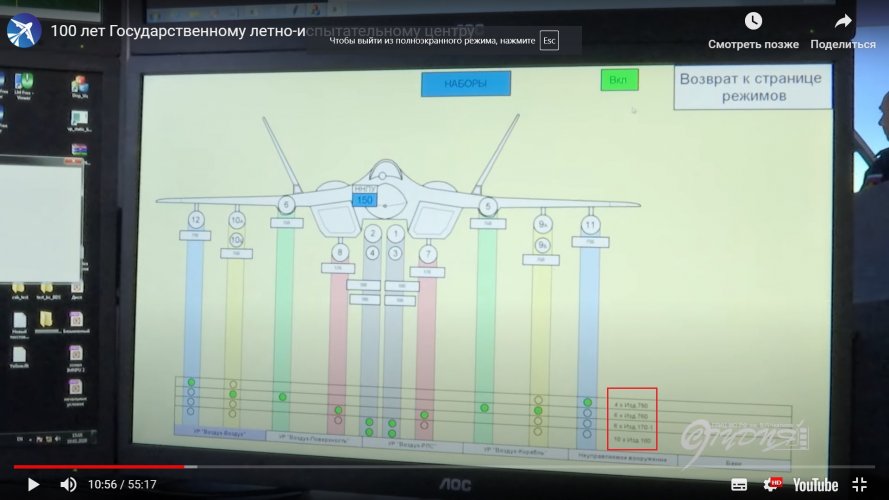
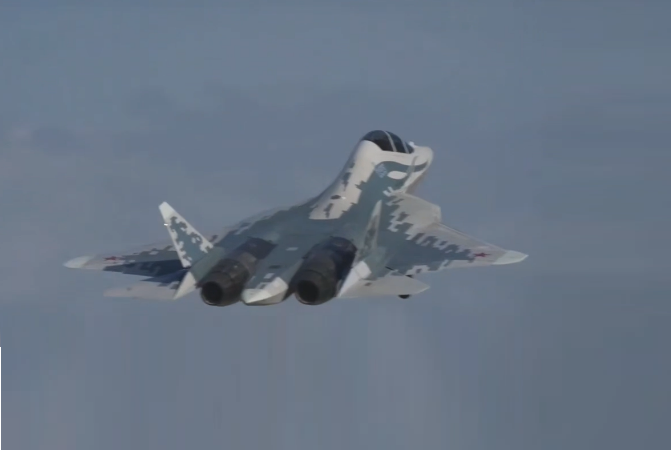
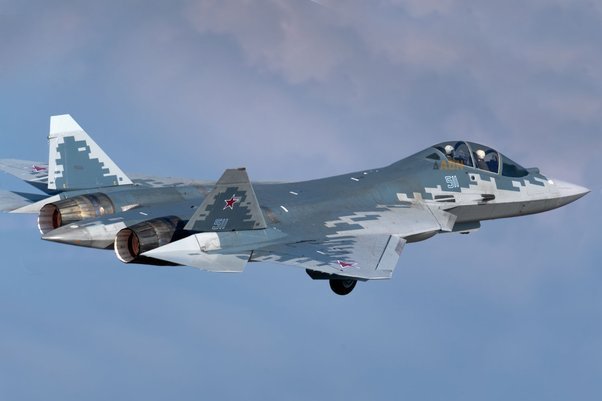
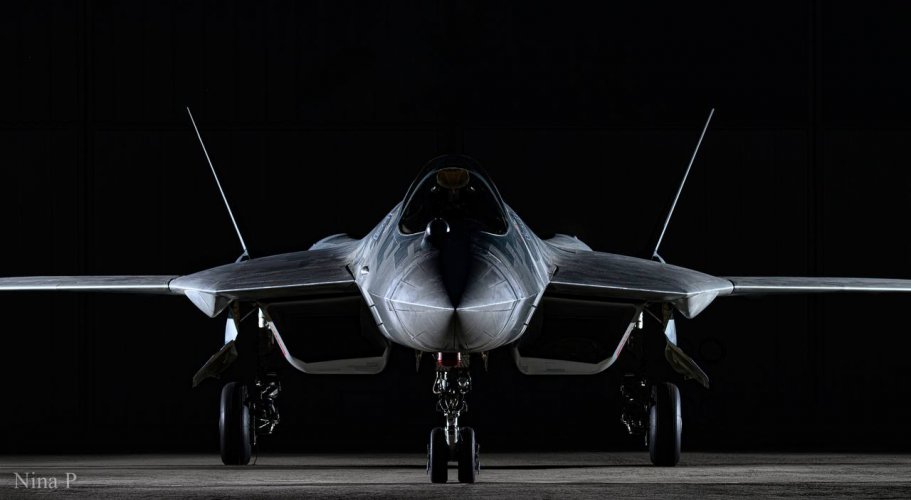
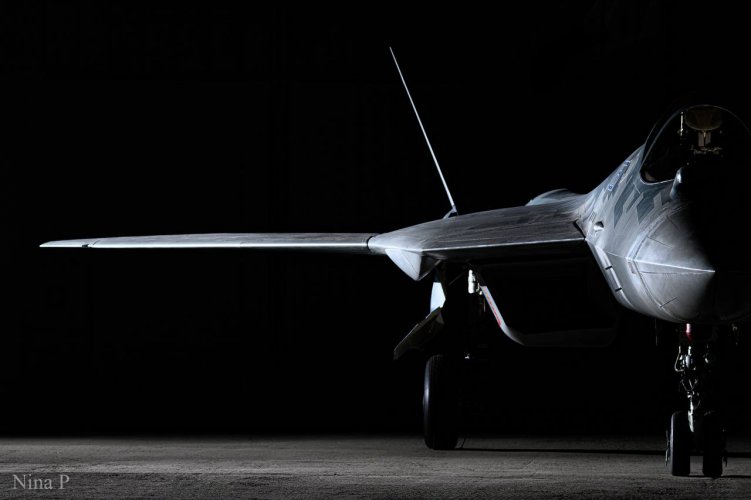
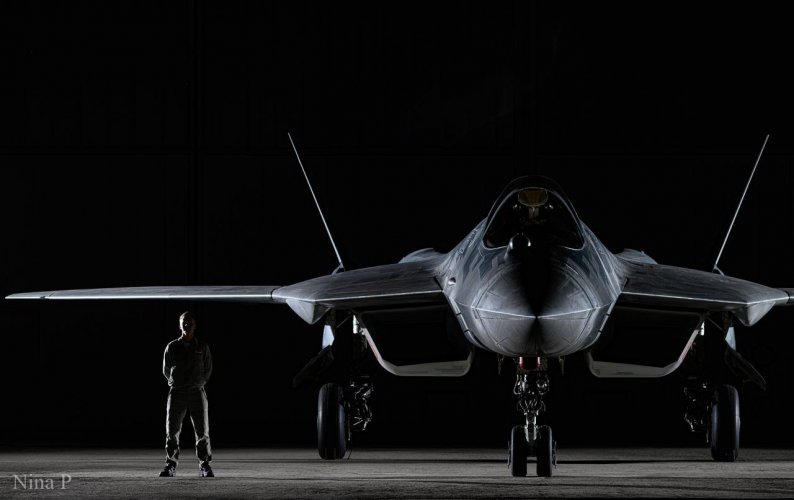
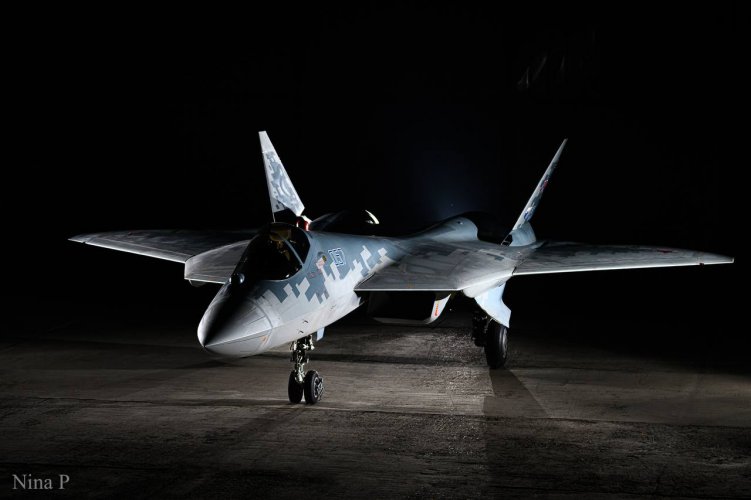
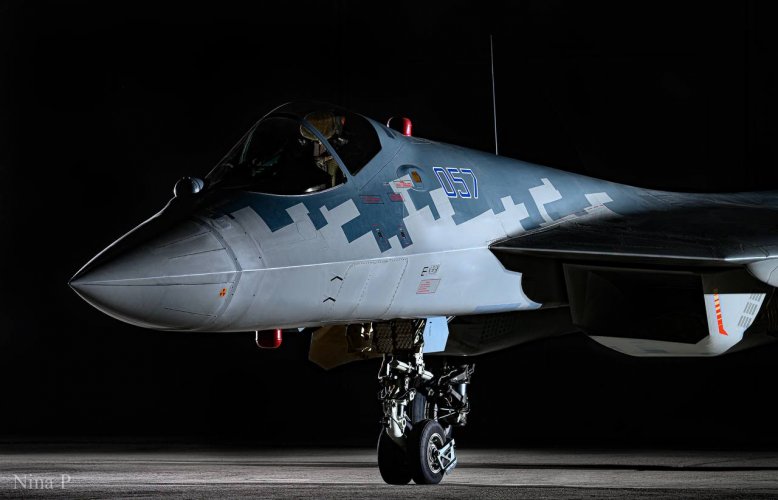
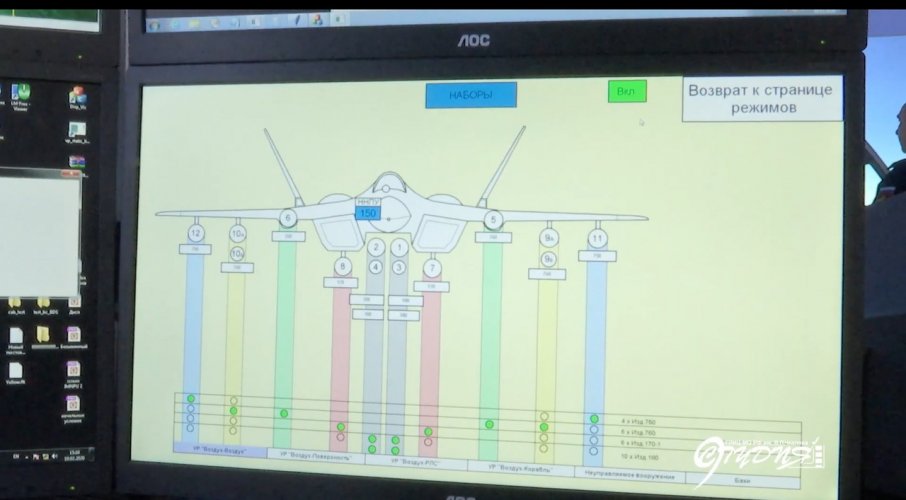
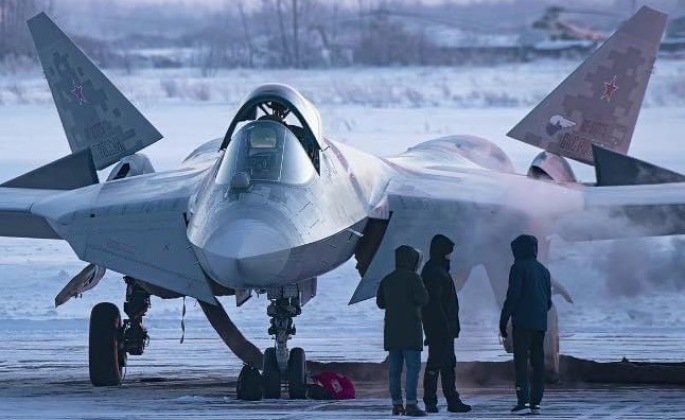
"Photographic evidence from Akhtubinsk revealed Su-57 airframes carrying an unusual external loadout of two to four R-73 or R-74 (RVV-MD) infrared-guided short-range missiles mounted openly on underwing pylons rather than housed within the aircraft’s stealth-preserving internal weapons bays.
These missiles were selected for their high off-boresight engagement envelope and, in several variants, thrust-vectoring control, both decisive advantages when engaging slow, low-altitude, manoeuvrable unmanned targets at within-visual-range distances.
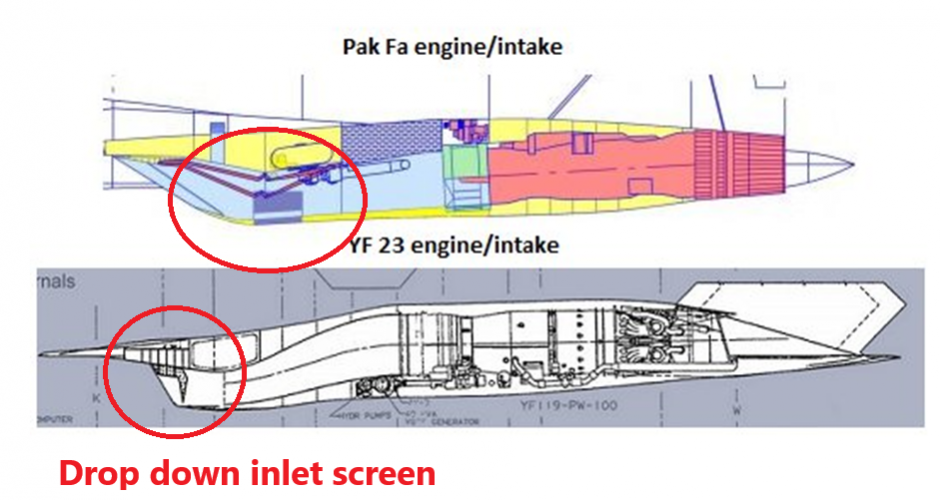
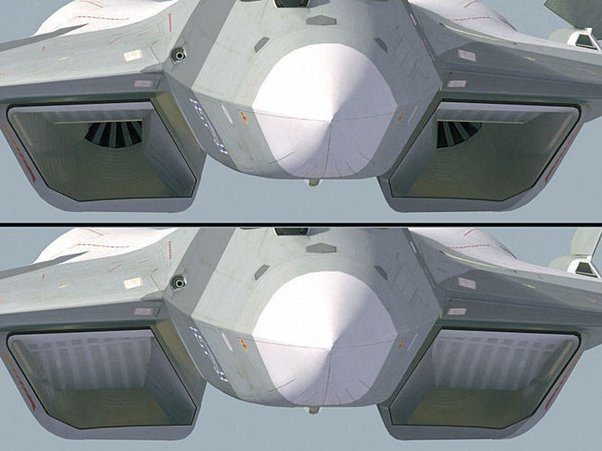
The decision to mount them externally reflects a deliberate trade-off, because the bulkier R-73 variant is largely incompatible with the Su-57’s internal side bays, forcing designers to sacrifice radar cross-section discipline for magazine depth against saturation attacks.
Complementing the missile loadout, the modified airframes carried an external electro-optical targeting pod, widely assessed as a variant of the 101KS-N system, mounted beneath the left engine nacelle to identify small, low-radar-cross-section aerial threats."
"
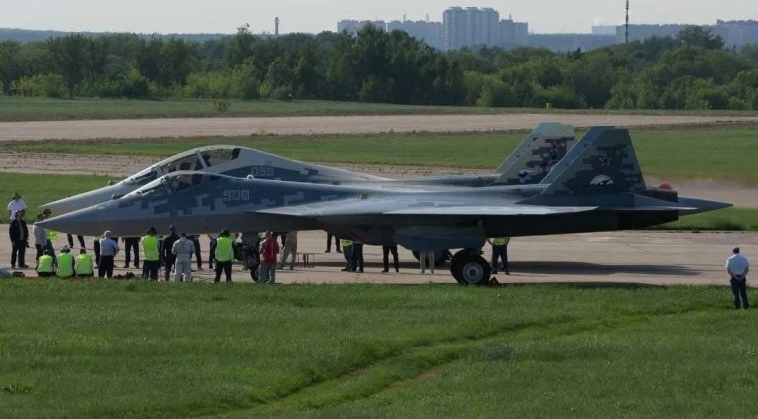
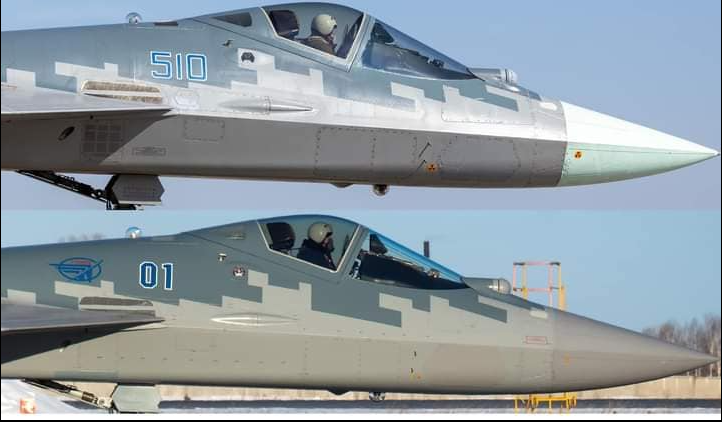
The Russian case is distinguished by the extreme scarcity of the platform committed, because Russia’s operational Su-57 fleet is estimated at only twenty to thirty-five serial production aircraft as of mid-2026, supplemented by roughly ten prototype airframes.
Diverting even a fraction of this limited inventory to drone interception directly reduces the number of airframes available for the Su-57’s intended missions, including standoff strikes using Kh-59 and Kh-69 munitions and suppression of Ukrainian air defences.
The opportunity cost is compounded by the fact that each Su-57 flight hour represents a disproportionately expensive commitment of maintenance and pilot resources relative to the low-value drone targets it now destroys.
"