
You are using an out of date browser. It may not display this or other websites correctly.
You should upgrade or use an alternative browser.
You should upgrade or use an alternative browser.
South American aerospace industry
- Thread starter F-14ATomcat
- Start date

F-14ATomcat
ACCESS: Top Secret
- Joined
- 26 May 2024
- Messages
- 785
- Reaction score
- 1,694
[
They are dependant in jet engines, aircraft engines, avionics, in many systems; they buy western aircraft parts, the main Market for Brazilian aircraft is the USA but their main trading partners are the USA, Argentina, China and the EU.
For Brazilian agricultural products the Chinese market is important, so they do not want to develop nuclear weapons they want South America without WMD, so they keep an aerospace industry in the civilian sector, with few exception, Brazil makes mostly aviation civil products.
Brazil as a Nation is very close to Cuba in terms of demography, they are around 50% European, 40% mixed races, and 10% other ethnicities, so they have more commonality with the USA than with Russia, but Brazil does not want become a target of ICBMs, so their policy is neutrality and they just want to lead South America (well de facto they are doing it) so I think is unlikely they want to engage in the conflict but I do not know.
I do not know, Brazil has a policy of neutrality, some people in Brazil might like a Brazil closer to the USA and others closer to BRICS.It has occurred to me that the A-29 Super Tucano would be good choice of aircraft for the Ukrainians to go hunting Shaheed drones.
They are dependant in jet engines, aircraft engines, avionics, in many systems; they buy western aircraft parts, the main Market for Brazilian aircraft is the USA but their main trading partners are the USA, Argentina, China and the EU.
For Brazilian agricultural products the Chinese market is important, so they do not want to develop nuclear weapons they want South America without WMD, so they keep an aerospace industry in the civilian sector, with few exception, Brazil makes mostly aviation civil products.
Brazil as a Nation is very close to Cuba in terms of demography, they are around 50% European, 40% mixed races, and 10% other ethnicities, so they have more commonality with the USA than with Russia, but Brazil does not want become a target of ICBMs, so their policy is neutrality and they just want to lead South America (well de facto they are doing it) so I think is unlikely they want to engage in the conflict but I do not know.
Last edited:
F-14ATomcat
ACCESS: Top Secret
- Joined
- 26 May 2024
- Messages
- 785
- Reaction score
- 1,694
Global defense technology group says that, with its wealth of engineering talent, the country will become a hub

Julio Wiziack.
Editor of Painel S.A.
With Stéfanie Rigamonti
Folha de São Paulo
September 6, 2025
Emirati Hamad Al Marar, 41, heads the global operations of Edge Group, a defense and defense technology giant based in Abu Dhabi, United Arab Emirates. With 35 companies worldwide, the group invested in acquiring stakes in two defense companies in Brazil, SIATT and Condor, a R$3 billion investment in 2023.
Since then, Al Marar claims to have authorized his executives to invest increasingly in the search for Brazilian engineering talent, aiming to build an Embraer in the defense-focused aerospace sector capable of transforming Brazil into a global export hub. Although the country imposes high costs on companies, the executive affirms that the company is betting on long-term results.
A bearded man wearing traditional Arab garb, including a ghutrah head covering, sits on a sofa. He smiles and appears relaxed. In the background, there's a model drone with the inscription 'REACH S'. The lighting is soft, and the ambiance is modern.
Brazil has one of the lowest defense spending countries in the world and one of the highest installation costs. Why did you choose the country?
The Edge group is quite diverse. We manufacture everything from ammunition products to satellites, not to mention electronic warfare and radar, algorithmic development, and AI. Brazil is a gold mine for talent. It has always had and will continue to have great engineering capabilities. We are seeking an industrial base to produce and export beyond Brazil's borders, which will be a hub. Geography and time zones are other factors. And our transactions are long-term.
What will Brazil's role be in the group?
From a technological perspective, I see enormous potential in both software development and AI. We tend to find tremendous resources in the aerospace engineering domain in Brazil, and I can't wait to see another success story and replicate Embraer again on a larger scale.
What are the businesses in Brazil today?
We acquired SIATT [51%] to complement the product investments they had already begun. We are shipbuilders and intended to develop our own anti-ship missile. We learned that this missile was under development [by SIATT] and decided to pick up where they left off. Therefore, we acquired control of the company. We announced new facilities two days ago, part of this expansion. Today, they are successfully demonstrating the missiles. The program is progressing, and we already have two main customers: the United Arab Emirates and Brazil. After development is complete, we will deploy them on ships.
We also acquired Condor [50%], which allows them to use our facilities in the Middle East to export to other markets, which is typically a challenge in terms of logistics and insurance policies.
What is Latin America's current share of revenue?
We have revenue of approximately US$5 billion, 53% of our portfolio comes from exports, and less than 5% of that goes to Latin America.
One of the US's arguments for the 50% tariff increase was the Brazilian government's lack of control over organized crime. Is this a business front?
One of the things we export most is our knowledge and security. We have proof of concept [testing security solutions] in São Paulo, Rio de Janeiro, and other cities, and this is not motivated by political interests. In many cases, we also finance these tests so they can become contracts.
Is there any active contract to combat trafficking or crime?
Not yet.
Considering this type of war, what can Brazil buy?
We can apply some reconnaissance drones, moving away from armaments, to inspect the energy sector, fossil fuel installations on the coast; inspect gas pipelines; conduct surveillance in the Amazon; and collect environmental information. We have more interest in Brazil than in anything else, whether it's increasing capacity to benefit ports, real estate businesses, or their presence in tourism or food security.
Global tensions have been heightened by Vladimir Putin of Russia and Donald Trump of the US. Does this generate more market share?
I'm not sure about the numbers, because even if contracts are signed today, they're counted two or three years later. But I can say that the decision-making cycle has become faster in Europe, which means there's urgency. We have contracts in Estonia, Poland, Switzerland, Germany, among others. We have joint ventures with Italians, French, and Spanish companies. So, we're really trying to find our way to have our solutions recognized by NATO [North Atlantic Treaty Organization].
https://www.defesanet.com.br/edge/edge-quer-criar-no-brasil-nova-embraer/

Julio Wiziack.
Editor of Painel S.A.
With Stéfanie Rigamonti
Folha de São Paulo
September 6, 2025
Emirati Hamad Al Marar, 41, heads the global operations of Edge Group, a defense and defense technology giant based in Abu Dhabi, United Arab Emirates. With 35 companies worldwide, the group invested in acquiring stakes in two defense companies in Brazil, SIATT and Condor, a R$3 billion investment in 2023.
Since then, Al Marar claims to have authorized his executives to invest increasingly in the search for Brazilian engineering talent, aiming to build an Embraer in the defense-focused aerospace sector capable of transforming Brazil into a global export hub. Although the country imposes high costs on companies, the executive affirms that the company is betting on long-term results.
A bearded man wearing traditional Arab garb, including a ghutrah head covering, sits on a sofa. He smiles and appears relaxed. In the background, there's a model drone with the inscription 'REACH S'. The lighting is soft, and the ambiance is modern.
Brazil has one of the lowest defense spending countries in the world and one of the highest installation costs. Why did you choose the country?
The Edge group is quite diverse. We manufacture everything from ammunition products to satellites, not to mention electronic warfare and radar, algorithmic development, and AI. Brazil is a gold mine for talent. It has always had and will continue to have great engineering capabilities. We are seeking an industrial base to produce and export beyond Brazil's borders, which will be a hub. Geography and time zones are other factors. And our transactions are long-term.
What will Brazil's role be in the group?
From a technological perspective, I see enormous potential in both software development and AI. We tend to find tremendous resources in the aerospace engineering domain in Brazil, and I can't wait to see another success story and replicate Embraer again on a larger scale.
What are the businesses in Brazil today?
We acquired SIATT [51%] to complement the product investments they had already begun. We are shipbuilders and intended to develop our own anti-ship missile. We learned that this missile was under development [by SIATT] and decided to pick up where they left off. Therefore, we acquired control of the company. We announced new facilities two days ago, part of this expansion. Today, they are successfully demonstrating the missiles. The program is progressing, and we already have two main customers: the United Arab Emirates and Brazil. After development is complete, we will deploy them on ships.
We also acquired Condor [50%], which allows them to use our facilities in the Middle East to export to other markets, which is typically a challenge in terms of logistics and insurance policies.
What is Latin America's current share of revenue?
We have revenue of approximately US$5 billion, 53% of our portfolio comes from exports, and less than 5% of that goes to Latin America.
One of the US's arguments for the 50% tariff increase was the Brazilian government's lack of control over organized crime. Is this a business front?
One of the things we export most is our knowledge and security. We have proof of concept [testing security solutions] in São Paulo, Rio de Janeiro, and other cities, and this is not motivated by political interests. In many cases, we also finance these tests so they can become contracts.
Is there any active contract to combat trafficking or crime?
Not yet.
Considering this type of war, what can Brazil buy?
We can apply some reconnaissance drones, moving away from armaments, to inspect the energy sector, fossil fuel installations on the coast; inspect gas pipelines; conduct surveillance in the Amazon; and collect environmental information. We have more interest in Brazil than in anything else, whether it's increasing capacity to benefit ports, real estate businesses, or their presence in tourism or food security.
Global tensions have been heightened by Vladimir Putin of Russia and Donald Trump of the US. Does this generate more market share?
I'm not sure about the numbers, because even if contracts are signed today, they're counted two or three years later. But I can say that the decision-making cycle has become faster in Europe, which means there's urgency. We have contracts in Estonia, Poland, Switzerland, Germany, among others. We have joint ventures with Italians, French, and Spanish companies. So, we're really trying to find our way to have our solutions recognized by NATO [North Atlantic Treaty Organization].
https://www.defesanet.com.br/edge/edge-quer-criar-no-brasil-nova-embraer/
Last edited:
F-14ATomcat
ACCESS: Top Secret
- Joined
- 26 May 2024
- Messages
- 785
- Reaction score
- 1,694
ITA Students Launch Two Rockets Equipped with Satellites
This step is part of preparation for international competitions
ITA, Air Force Agency – by Lieutenant Leonardo and Lieutenant Scarlet
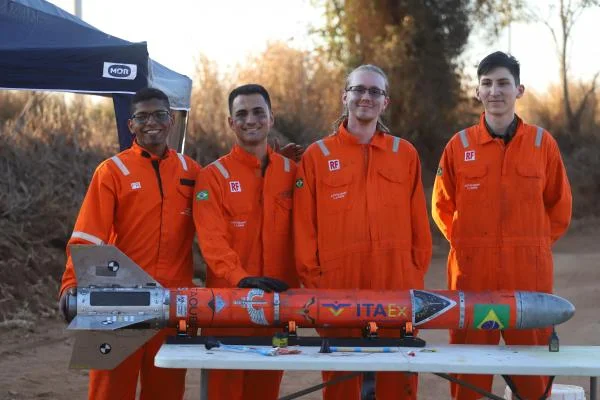
Engineering students from the Aeronautics Institute of Technology (ITA) held an unprecedented event on August 6th and 7th, launching two sounding rockets equipped with nanosatellites during the "1st ITA 2 SPACE" mission at the Air Force Academy (AFA) in Pirassununga, São Paulo. The event is part of the ITA Rocket Design and ITACUBE initiatives, in which students design, develop, and build their own equipment.
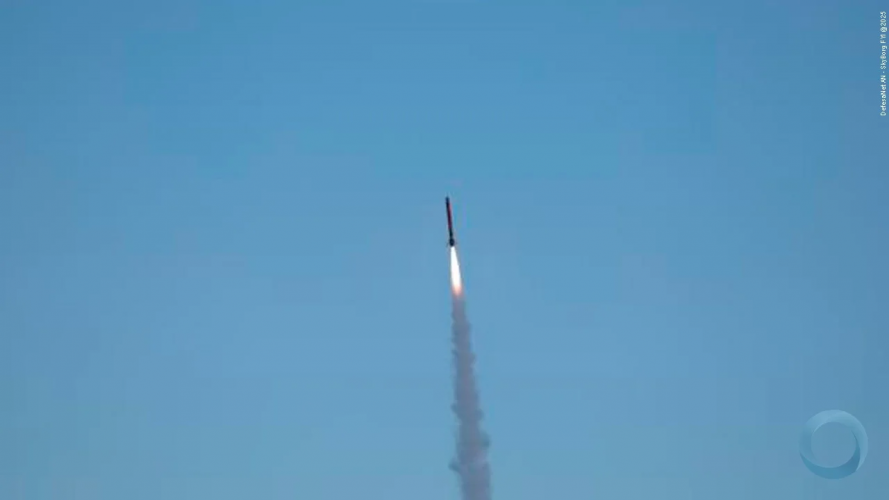
Two separate launches were made. The first, of the RDS3-mk.1 "Vulture," used an ATRATUS solid-propellant engine developed by the Institute of Aeronautics and Space (IAE), of the Department of Aerospace Science and Technology (DCTA). Onboard were the Dumont and Casimiro satellites, responsible for measuring altitude, pressure, 2D and 3D distances, temperature, and acceleration.
The second rocket, RDS1-mk.1 "One Step Closer," consisted of a smaller structure equipped with KNSB solid propellant and carrying a Dumont satellite unit, designed to transmit telemetry during the flight. This model reached an altitude of approximately 1 km, while the "Vulture" exceeded 3 km at apogee.
Both the sounding rockets and the satellites were entirely developed by the students and will be tested in the next edition of the Latin American Space Challenge (LASC), an international competition scheduled for November. "This was an excellent opportunity to test the equipment in an integrated and safe manner, using an isolated and controlled area at AFA.

The results were exceptional and will serve as a basis for improving research and preparing the students for future launches," noted Airman Captain Chrystian Jones Maia Campos, the initiative's advisor.

The launches were closely watched by AFA personnel and their families. Cadet Corps Leader, Cadet Aviator Hilton Maia Lourenço, commented on the event. "It was a remarkable and symbolic moment, due to the exchange between two important training schools of the Brazilian Air Force and the broadening of horizons for all involved, bringing new career and operational perspectives," he said.
https://www.defesanet.com.br/aviaca...etes-equipados-com-satelites/#google_vignette
This step is part of preparation for international competitions
ITA, Air Force Agency – by Lieutenant Leonardo and Lieutenant Scarlet
Engineering students from the Aeronautics Institute of Technology (ITA) held an unprecedented event on August 6th and 7th, launching two sounding rockets equipped with nanosatellites during the "1st ITA 2 SPACE" mission at the Air Force Academy (AFA) in Pirassununga, São Paulo. The event is part of the ITA Rocket Design and ITACUBE initiatives, in which students design, develop, and build their own equipment.
Two separate launches were made. The first, of the RDS3-mk.1 "Vulture," used an ATRATUS solid-propellant engine developed by the Institute of Aeronautics and Space (IAE), of the Department of Aerospace Science and Technology (DCTA). Onboard were the Dumont and Casimiro satellites, responsible for measuring altitude, pressure, 2D and 3D distances, temperature, and acceleration.
The second rocket, RDS1-mk.1 "One Step Closer," consisted of a smaller structure equipped with KNSB solid propellant and carrying a Dumont satellite unit, designed to transmit telemetry during the flight. This model reached an altitude of approximately 1 km, while the "Vulture" exceeded 3 km at apogee.
Both the sounding rockets and the satellites were entirely developed by the students and will be tested in the next edition of the Latin American Space Challenge (LASC), an international competition scheduled for November. "This was an excellent opportunity to test the equipment in an integrated and safe manner, using an isolated and controlled area at AFA.
The results were exceptional and will serve as a basis for improving research and preparing the students for future launches," noted Airman Captain Chrystian Jones Maia Campos, the initiative's advisor.
The launches were closely watched by AFA personnel and their families. Cadet Corps Leader, Cadet Aviator Hilton Maia Lourenço, commented on the event. "It was a remarkable and symbolic moment, due to the exchange between two important training schools of the Brazilian Air Force and the broadening of horizons for all involved, bringing new career and operational perspectives," he said.
https://www.defesanet.com.br/aviaca...etes-equipados-com-satelites/#google_vignette
Last edited:
F-14ATomcat
ACCESS: Top Secret
- Joined
- 26 May 2024
- Messages
- 785
- Reaction score
- 1,694
Brazil's Embraer lands first U.S. order for E2 jets with Avelo Airlines buying 50 planes
PUBLISHED WED, SEP 10 202
Brazilian airplane maker Embraer has landed its first U.S. sale of its efficient but slow-selling E2 jets with a 50-plane deal from startup carrier Avelo Airlines.
Avelo first started flying in April 2021 with used Boeing 737s but has struggled and recently exited a host of cities on the West Coast. It has also turned to flying deportees for U.S. Immigration and Customs Enforcement, which has sparked protests, demonstrations and backlash from some politicians.
The low-cost airline focuses on smaller cities, with a large operation out of Connecticut. On Monday, without providing a figure or an investor, Avelo announced it won the “single largest investment” since the carrier launched and said the money will be used to grow and improve customer experience. The new Embraer jets, scheduled to start arriving in the first half of 2027, represent big growth for Avelo, which has just 22 Boeing planes now, according to its website.
Avelo said the order for 50 E195-E2 planes, with options for 50 more, will help it modernize its fleet. The airline is betting that the planes’ two-by-two seating configuration and quieter cabins compared with older jets will be a hit with customers.
https://www.cnbc.com/2025/09/10/embraer-e2-jets-avelo-airlines.html
Peru: Antarqui Program
The Antarqui Program consists of the production under the modality of total assembling of the Canadian origin aircraft CH2000, which represents an achievement achieved by SEMAN, contributing in great magnitude to the development of the aeronautical industry of Peru. We count with professional and aeronautical personnel duly qualified and certified by the manufacturing company, as well as, with the facilities and equipment necessary for that purpose.The CH2000 aircraft has the Certificate N° TA5CH of the Federal Aviation Administration (FAA), as well as, the Certificate N°. A-185 of Transport Canada and certification validation in more than 20 authorities of other countries, including the General Directorate of Civil Aviation of Spain and The General Administration of China.
El SEMAN-PERÚ por medio del programa Antarqui, cumple con los objetivos de investigación, desarrollo e innovación (I+D+I), en beneficio de la Industria Aeronáutica Nacional.
One of its competitive advantages is its low cost of operation and its low fuel consumption of 5.5 gl / h, being an aerial platform for air, maritime, road and internal order patrol, and plague control missions, installing special equipment such as FLIR camera, photographic equipment and even data transmission in real time.
The SEMAN-PERU through the Antarqui program, meets the objectives of research, development and innovation (R + D + I), for the benefit of the National Aeronautics Industry.

AMD Alarus CH2000 Antarqui, built under license by SEMAN
https://old.seman.com.pe/en/proyecto/programa-antarqui-ingles/

Erdosain
ACCESS: Top Secret
- Joined
- 10 March 2020
- Messages
- 738
- Reaction score
- 2,966
Erdosain
ACCESS: Top Secret
- Joined
- 10 March 2020
- Messages
- 738
- Reaction score
- 2,966
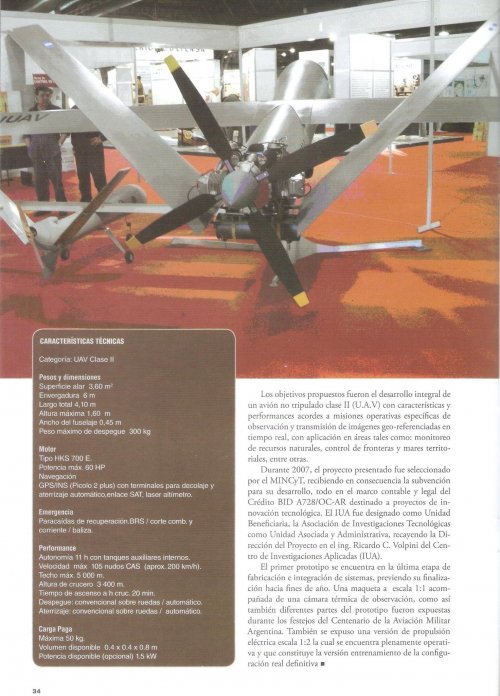
Erdosain
ACCESS: Top Secret
- Joined
- 10 March 2020
- Messages
- 738
- Reaction score
- 2,966
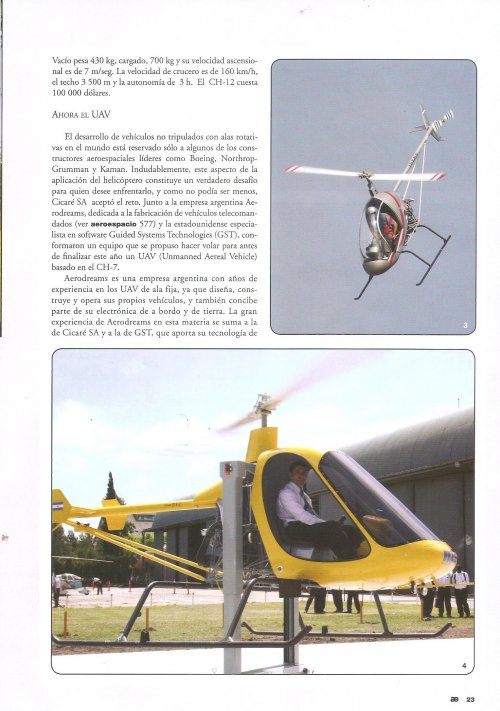
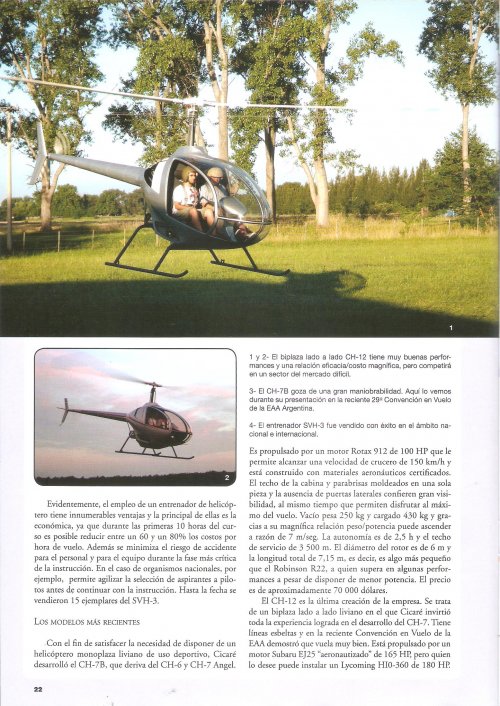
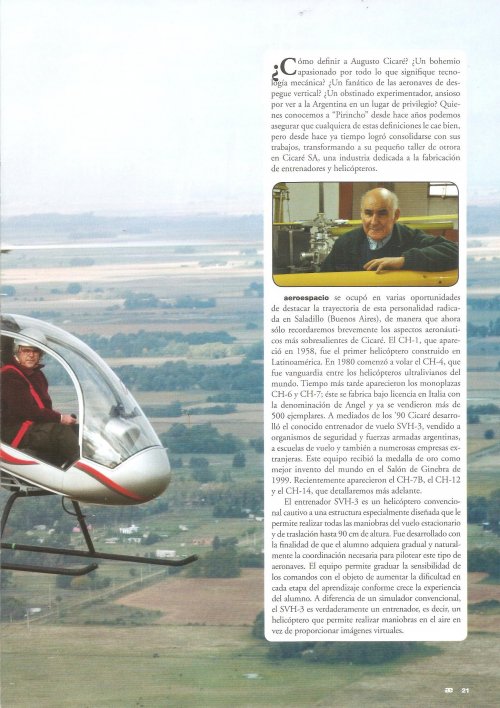
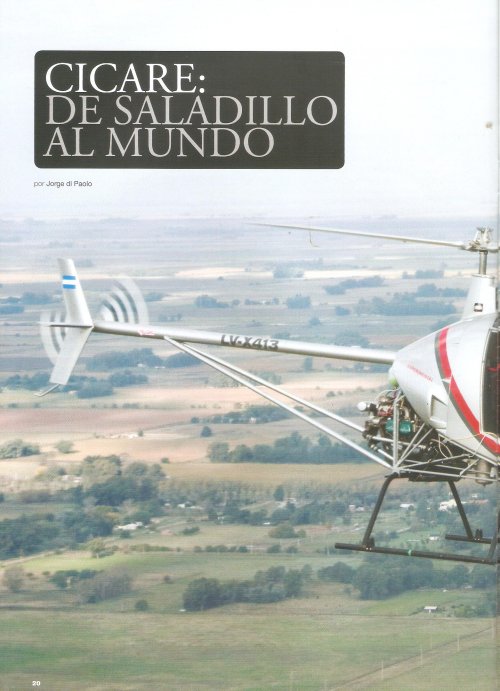
Cicare from Saladillo to the World
Aeroespacio No. 593
October 2010
Aeroespacio No. 593
October 2010
Attachments
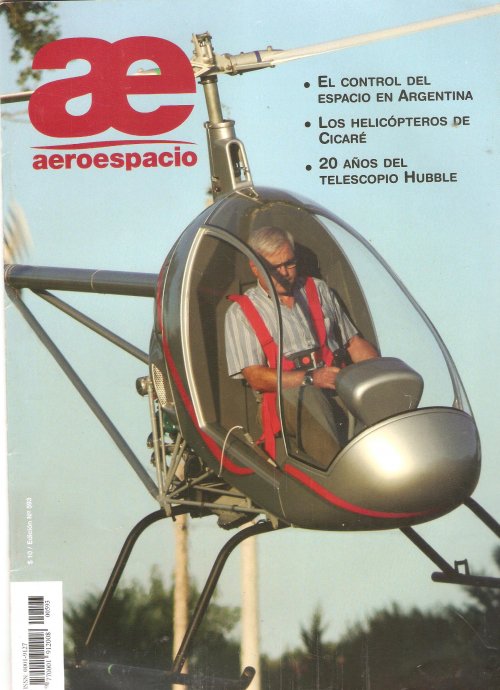
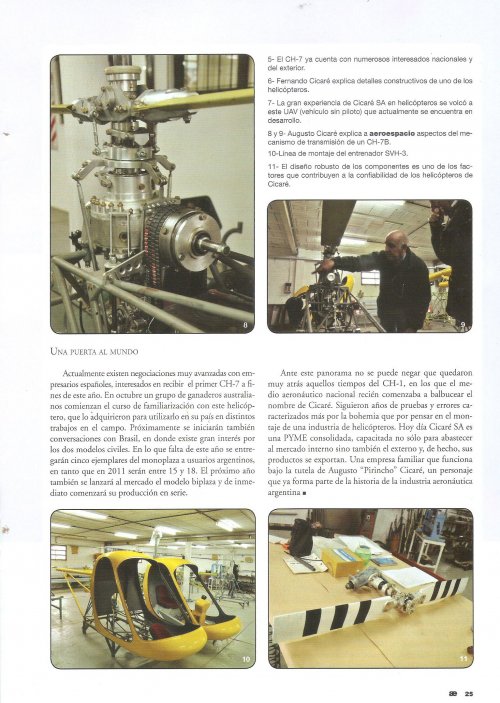
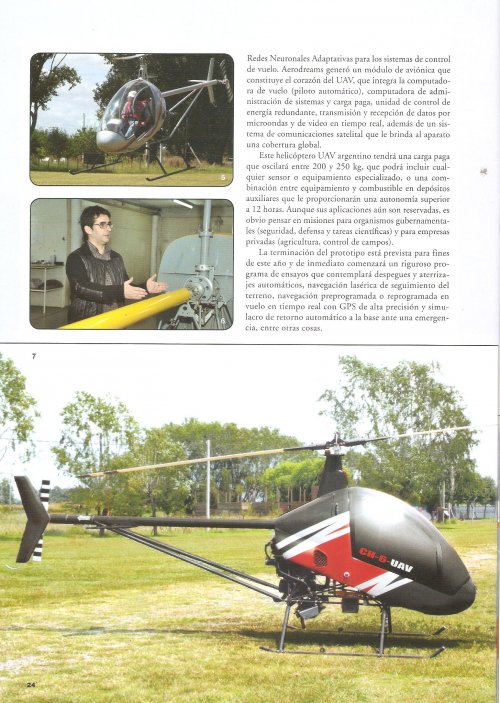
Erdosain
ACCESS: Top Secret
- Joined
- 10 March 2020
- Messages
- 738
- Reaction score
- 2,966
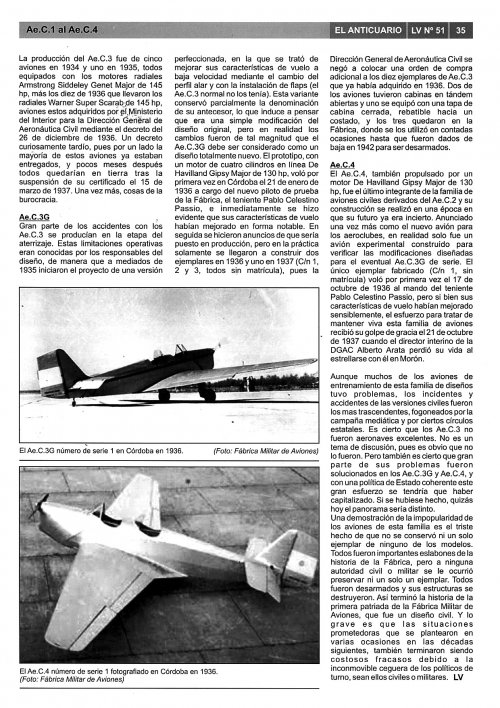
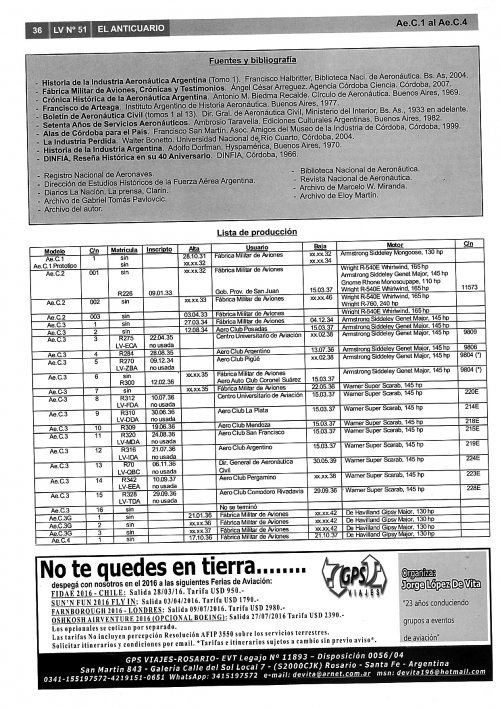
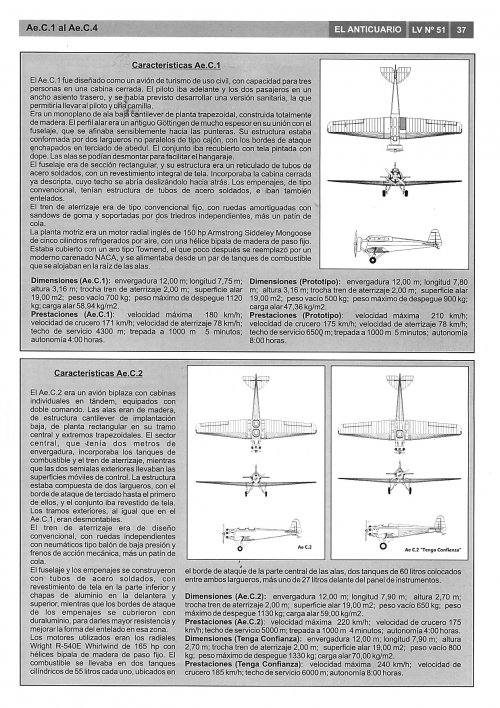
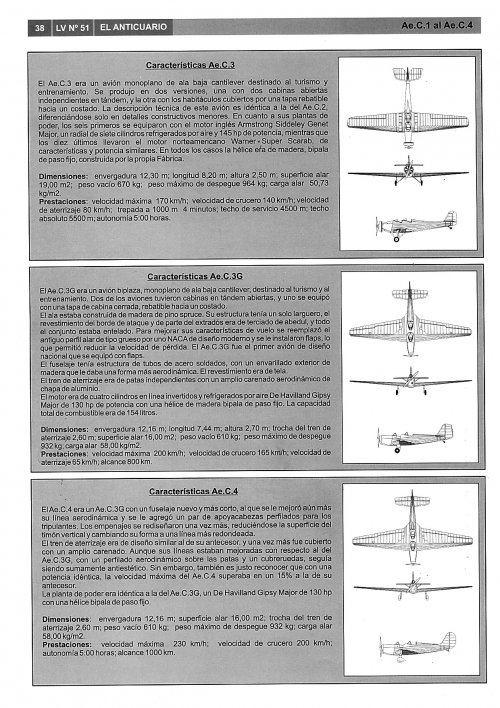
From Ae.C.1 to Ae.C.4
History of the first civilian aircraft of the Military Aircraft Factory of Argentina
Lima Victor Magazine No. 52
History of the first civilian aircraft of the Military Aircraft Factory of Argentina
Lima Victor Magazine No. 52
Attachments
-
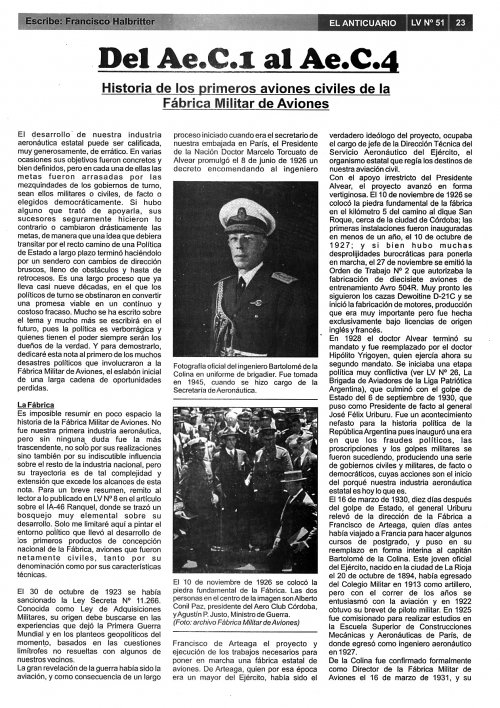 Del Ae.C.1 al Ae.C.4_01.jpg1,021.8 KB · Views: 4
 -
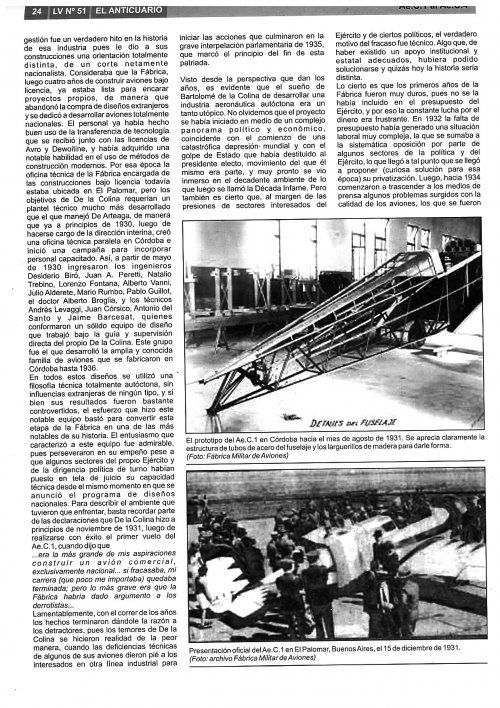 Del Ae.C.1 al Ae.C.4_02.jpg1 MB · Views: 3
 -
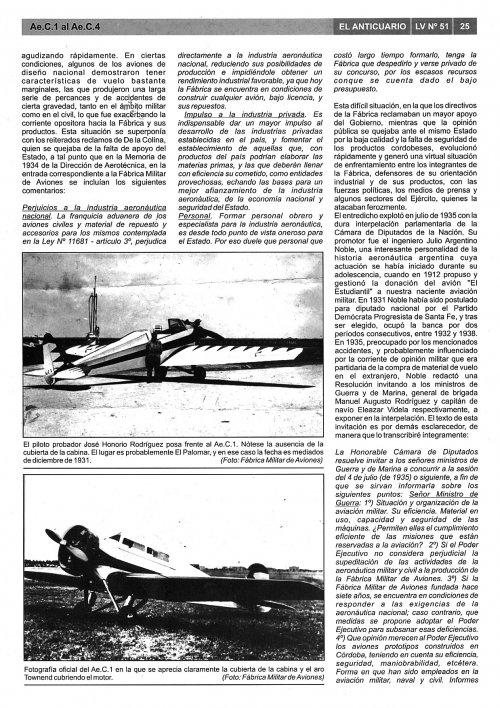 Del Ae.C.1 al Ae.C.4_03.jpg997.8 KB · Views: 3
 -
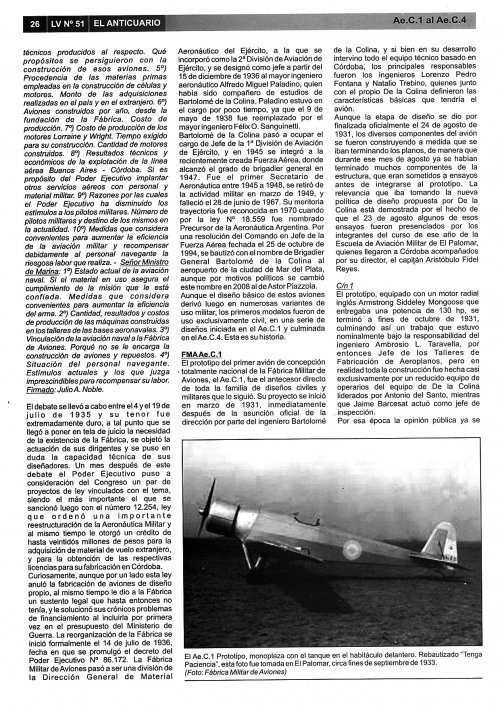 Del Ae.C.1 al Ae.C.4_04.jpg1.1 MB · Views: 4
 -
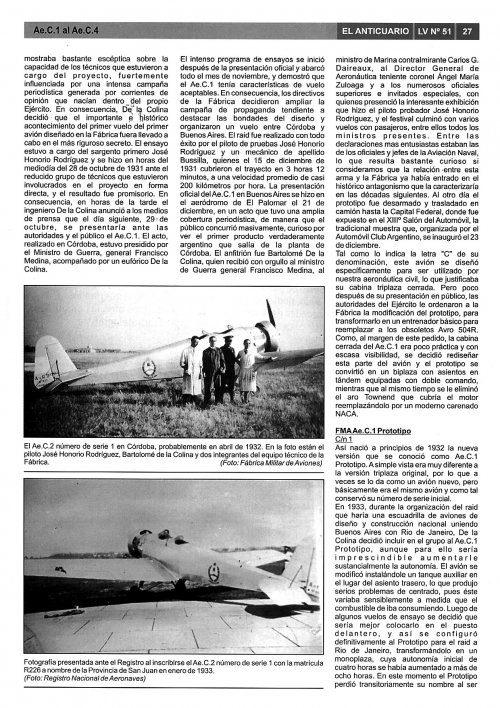 Del Ae.C.1 al Ae.C.4_05.jpg1 MB · Views: 4
 -
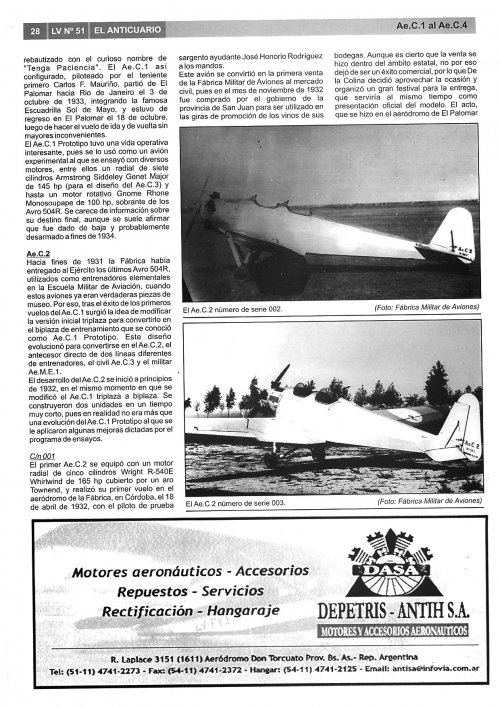 Del Ae.C.1 al Ae.C.4_06.jpg879.3 KB · Views: 4
 -
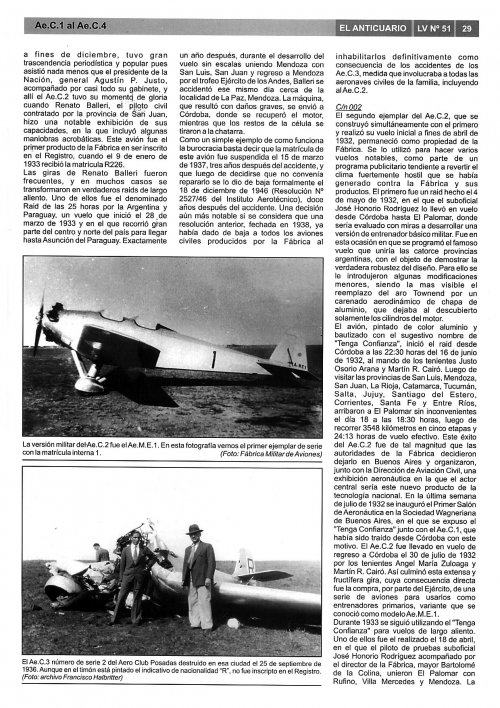 Del Ae.C.1 al Ae.C.4_07.jpg832.9 KB · Views: 4
 -
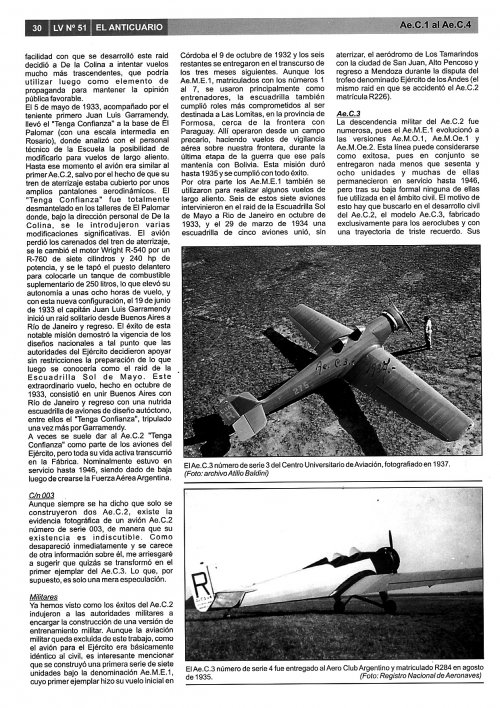 Del Ae.C.1 al Ae.C.4_08.jpg1 MB · Views: 3
 -
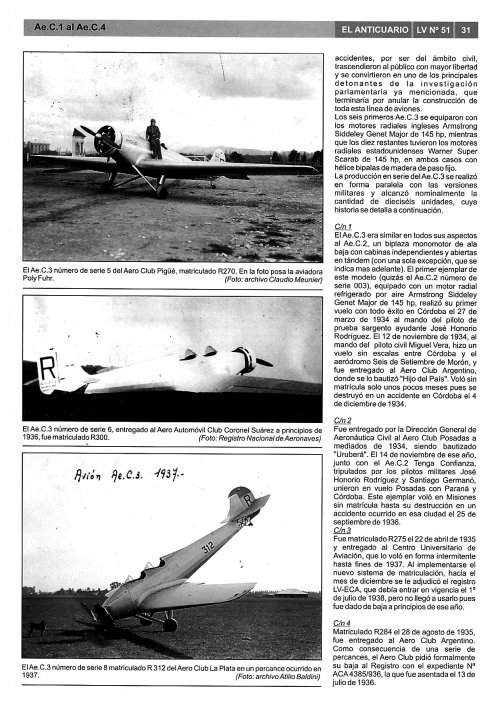 Del Ae.C.1 al Ae.C.4_09.jpg828.3 KB · Views: 3
 -
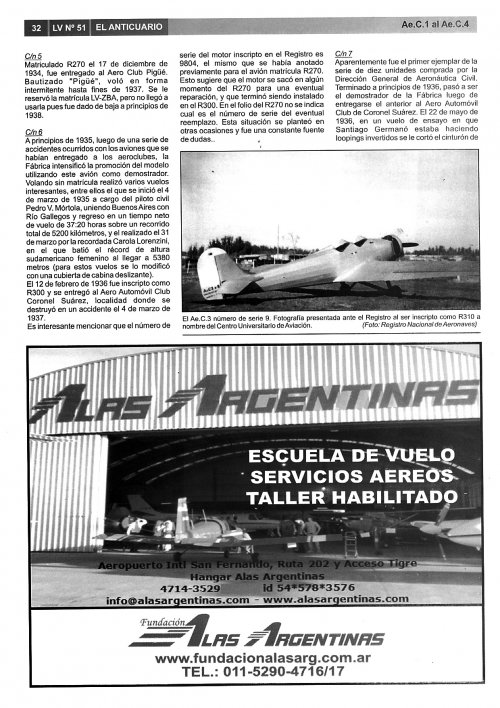 Del Ae.C.1 al Ae.C.4_10.jpg828.6 KB · Views: 3
 -
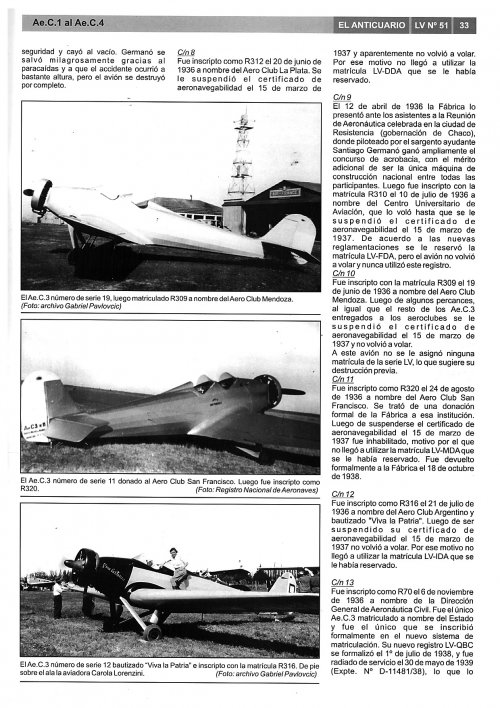 Del Ae.C.1 al Ae.C.4_11.jpg787.1 KB · Views: 2
 -
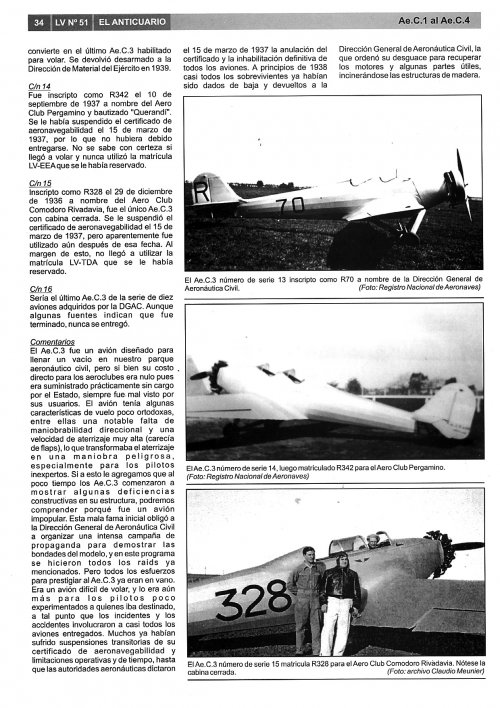 Del Ae.C.1 al Ae.C.4_12.jpg780.4 KB · Views: 2
 -
 Del Ae.C.1 al Ae.C.4_13.jpg982.8 KB · Views: 2
 -
 Del Ae.C.1 al Ae.C.4_14.jpg961.9 KB · Views: 3
 -
 Del Ae.C.1 al Ae.C.4_15.jpg950.9 KB · Views: 3
 -
 Del Ae.C.1 al Ae.C.4_16.jpg938.4 KB · Views: 4
Last edited:
Erdosain
ACCESS: Top Secret
- Joined
- 10 March 2020
- Messages
- 738
- Reaction score
- 2,966
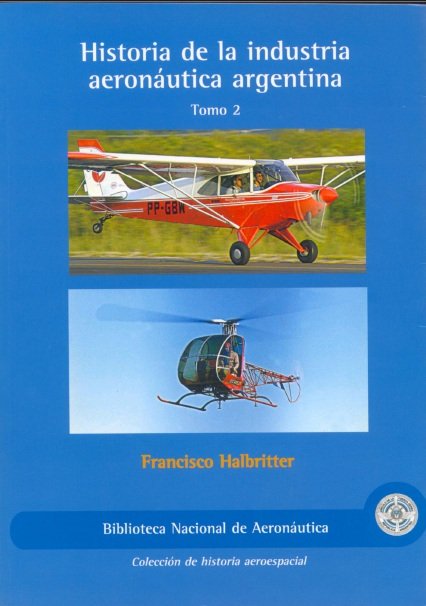
Erdosain
ACCESS: Top Secret
- Joined
- 10 March 2020
- Messages
- 738
- Reaction score
- 2,966
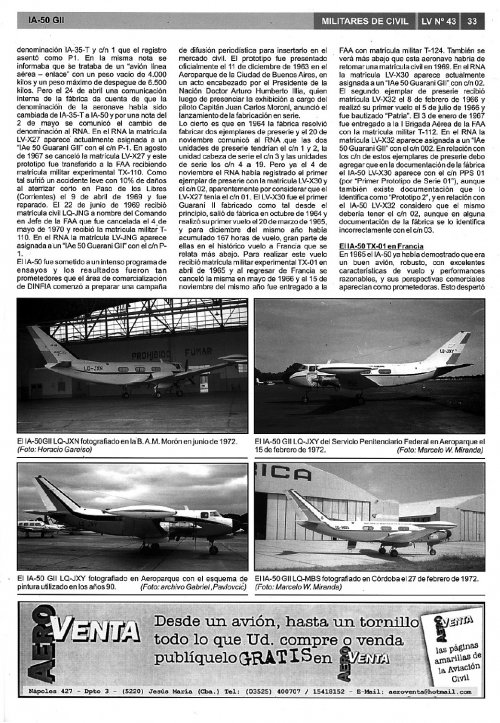
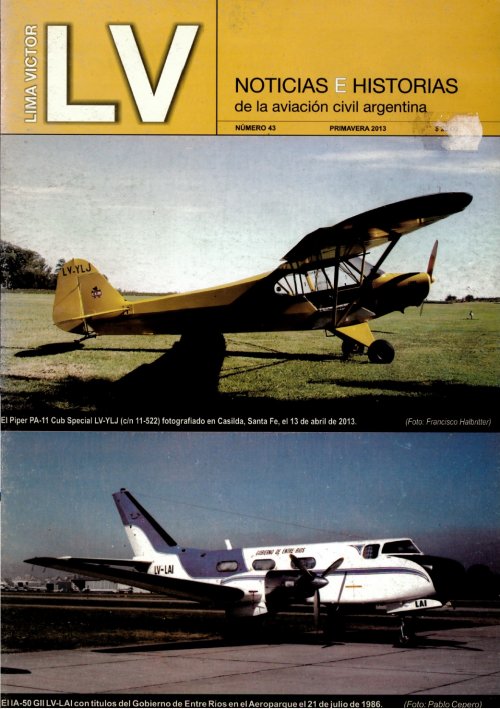
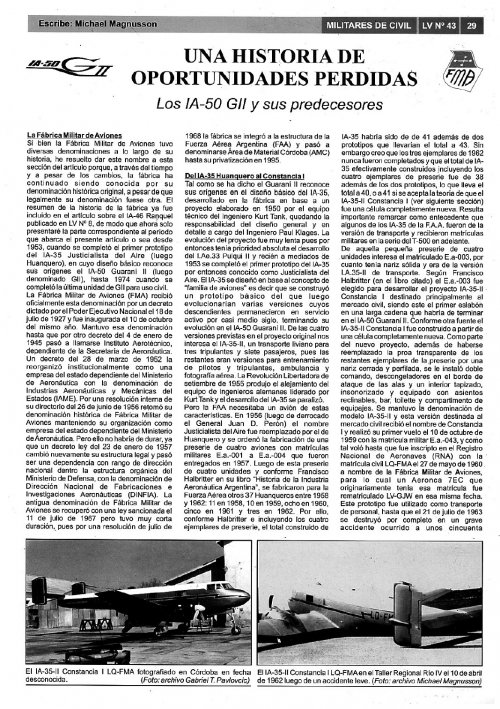
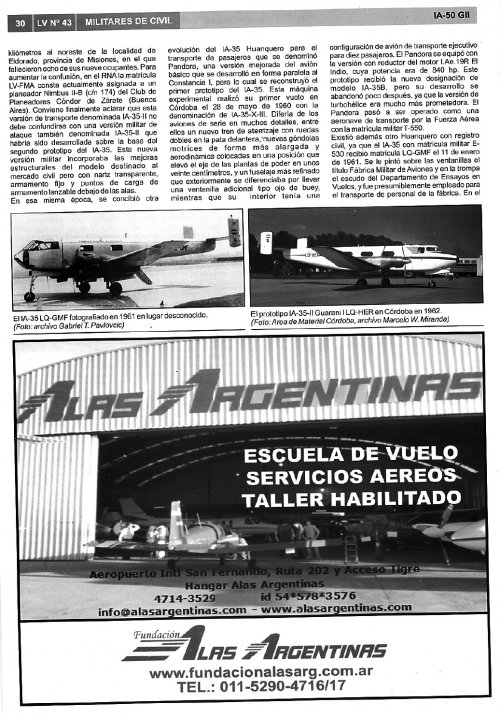
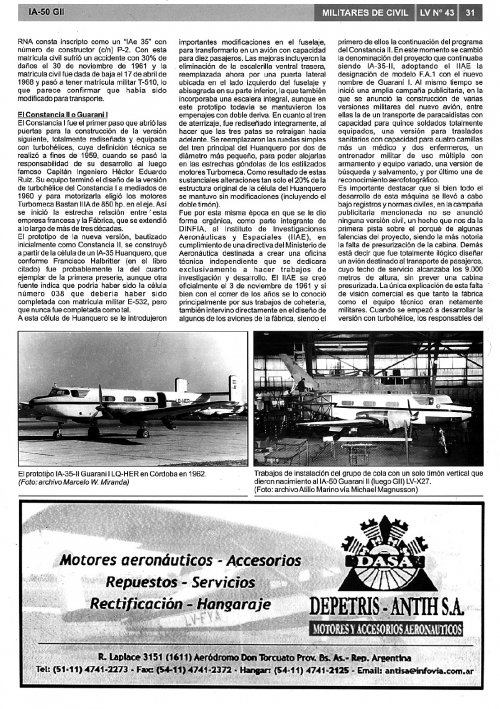
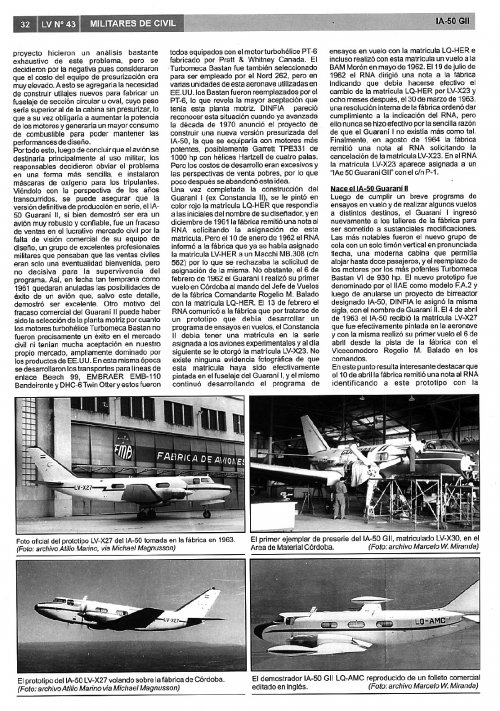
THE IA-50 GUARANI II AND ITS PREDECESSORS
A History of Missed Opportunities
By Michael Magnusson
Lima Victor (LV) Magazine No. 43 - Spring 2013
A History of Missed Opportunities
By Michael Magnusson
Lima Victor (LV) Magazine No. 43 - Spring 2013
Attachments
-
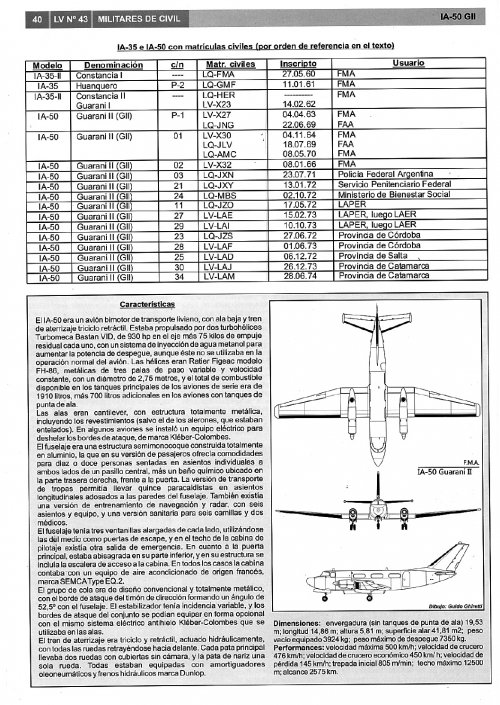 FMA IA-50 Guarani II - Revista LV_12.jpg725.3 KB · Views: 6
 -
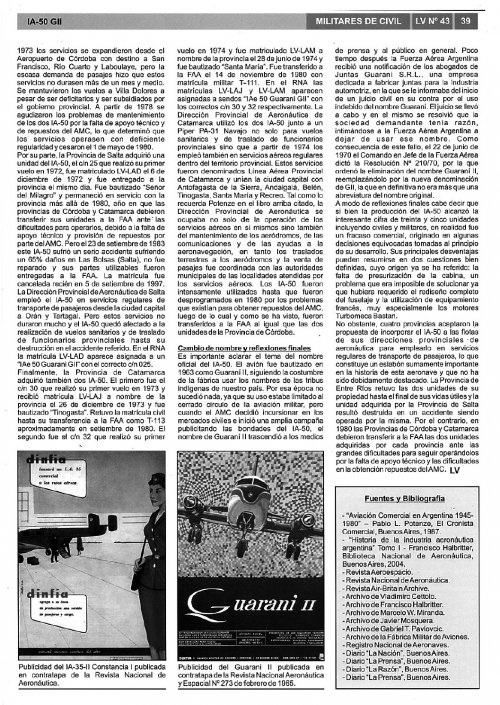 FMA IA-50 Guarani II - Revista LV_11.jpg812.5 KB · Views: 2
 -
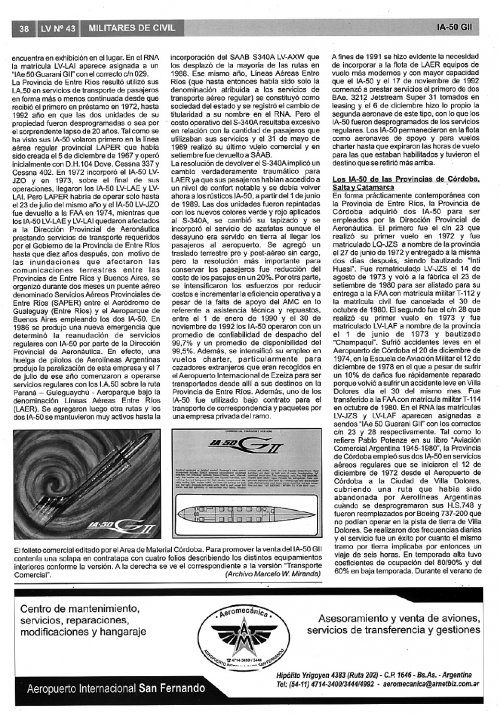 FMA IA-50 Guarani II - Revista LV_10.jpg912.8 KB · Views: 2
 -
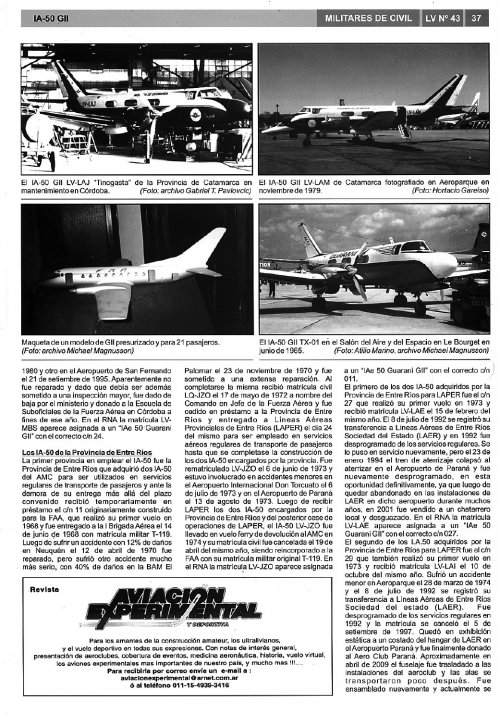 FMA IA-50 Guarani II - Revista LV_09.jpg641.6 KB · Views: 1
 -
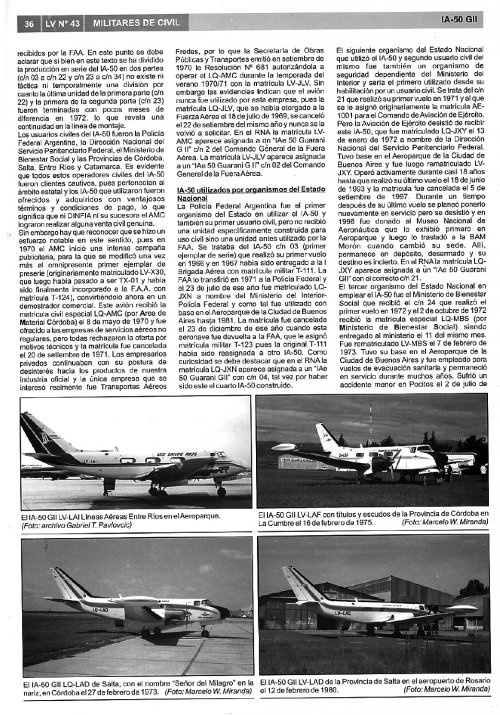 FMA IA-50 Guarani II - Revista LV_08.jpg876.9 KB · Views: 1
 -
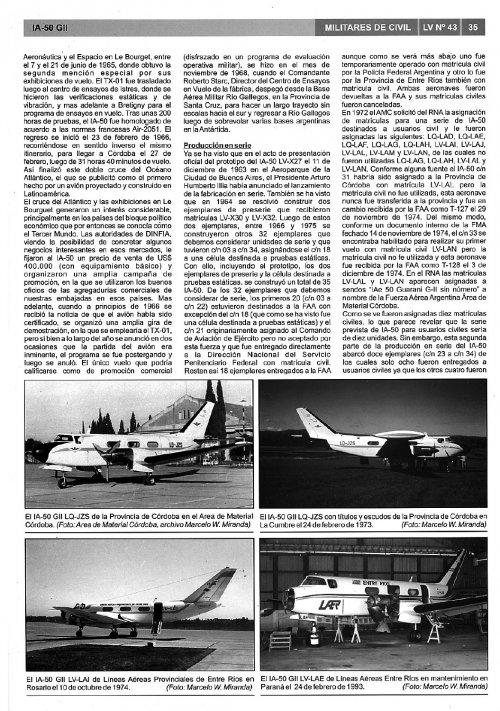 FMA IA-50 Guarani II - Revista LV_07.jpg718.3 KB · Views: 1
 -
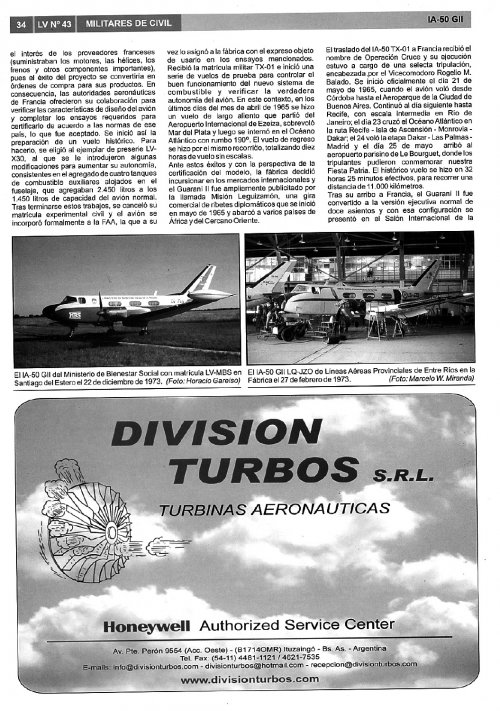 FMA IA-50 Guarani II - Revista LV_06.jpg787 KB · Views: 0
 -
 FMA IA-50 Guarani II - Revista LV_05.jpg686.8 KB · Views: 0
 -
 FMA IA-50 Guarani II - Revista LV_00.jpg504.1 KB · Views: 3
 -
 FMA IA-50 Guarani II - Revista LV_01.jpg912.2 KB · Views: 1
 -
 FMA IA-50 Guarani II - Revista LV_02.jpg679.4 KB · Views: 0
 -
 FMA IA-50 Guarani II - Revista LV_03.jpg953.5 KB · Views: 0
 -
 FMA IA-50 Guarani II - Revista LV_04.jpg995.1 KB · Views: 3
Erdosain
ACCESS: Top Secret
- Joined
- 10 March 2020
- Messages
- 738
- Reaction score
- 2,966
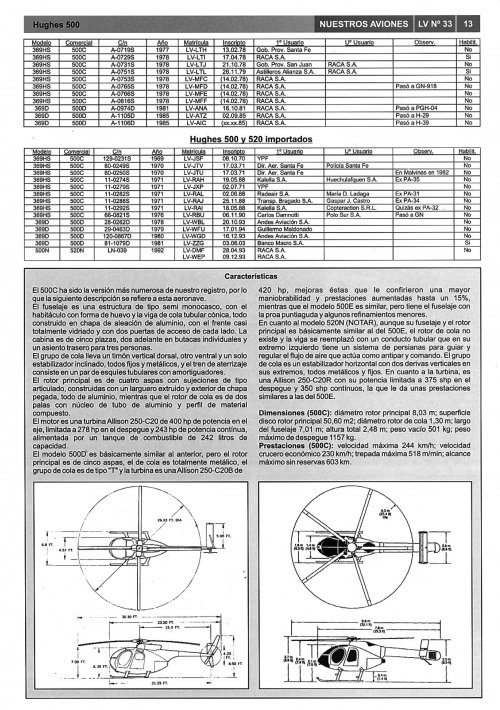
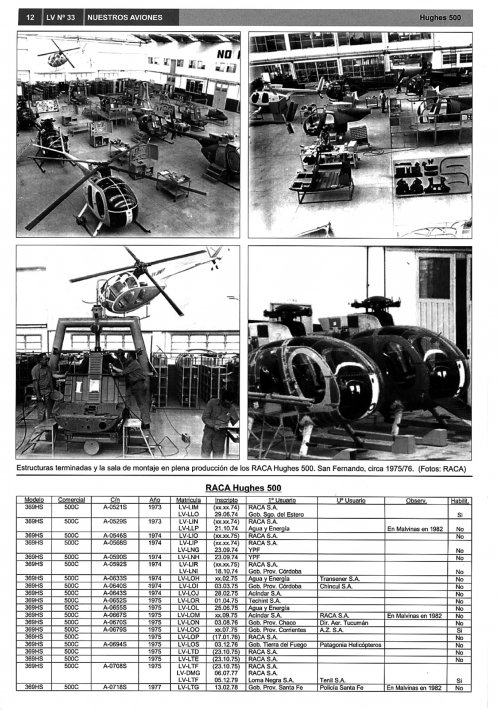
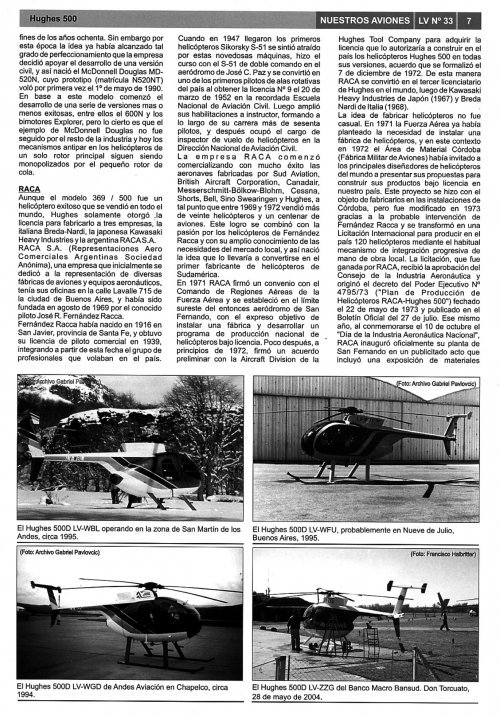
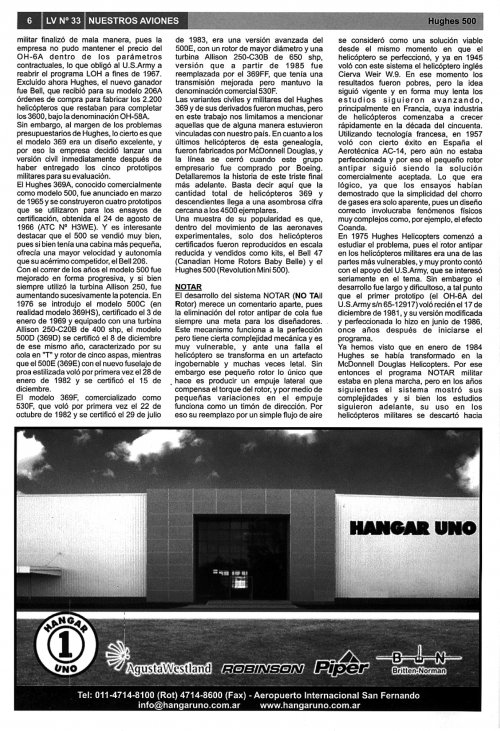
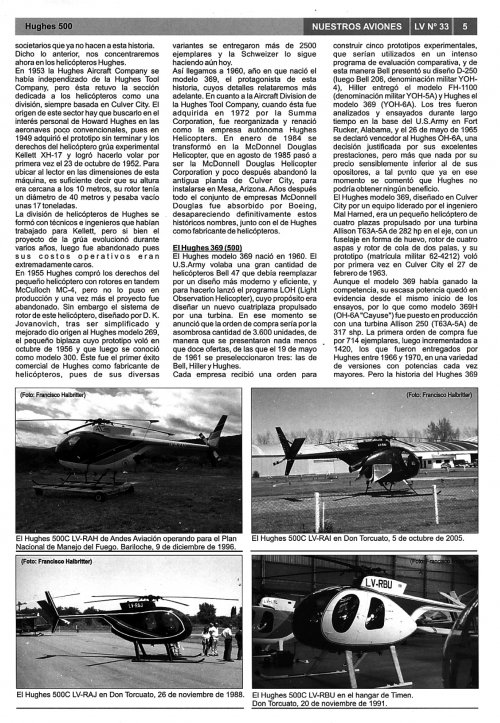
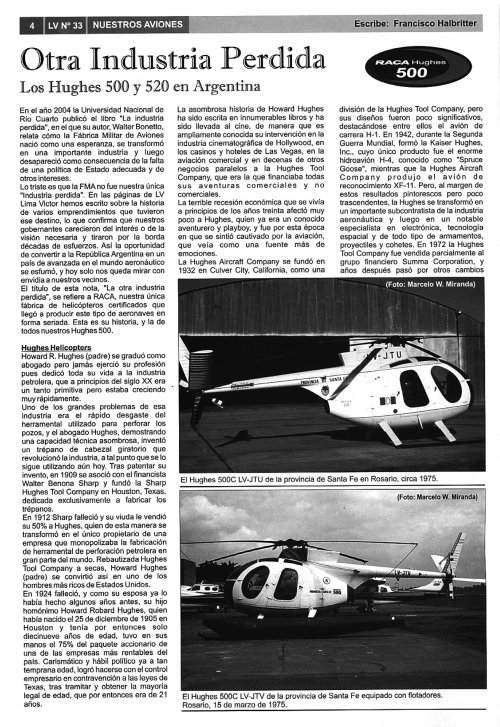
Another Lost Industry
The Hughes 500 and 520 in Argentina
By Francisco Halbritter
Lima Victor (LV) Magazine No. 33 - Autumn 2023
The Hughes 500 and 520 in Argentina
By Francisco Halbritter
Lima Victor (LV) Magazine No. 33 - Autumn 2023
Attachments
-
 LV nro 33_10.jpg967.9 KB · Views: 4
 -
 LV nro 33_09.jpg866.8 KB · Views: 5
 -
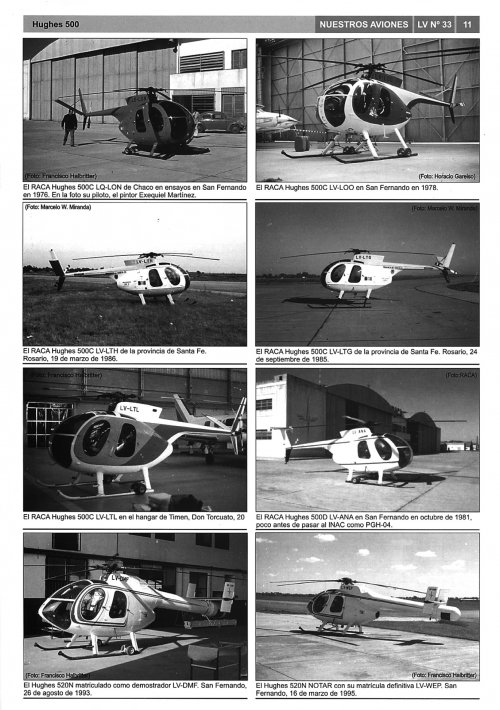 LV nro 33_08.jpg833.3 KB · Views: 5
 -
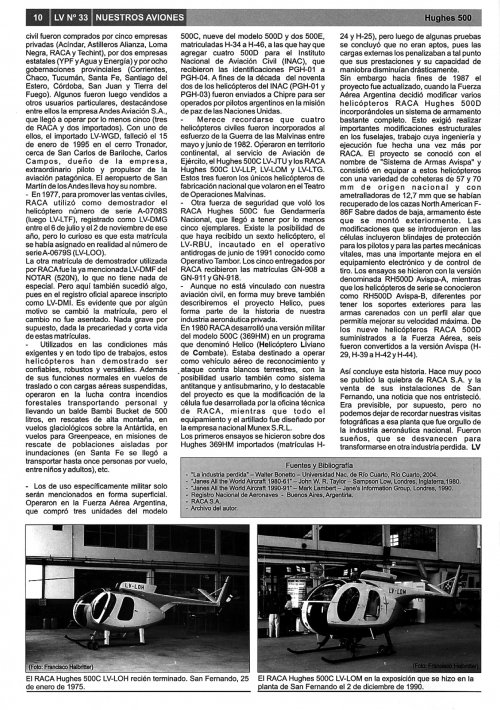 LV nro 33_07.jpg1.2 MB · Views: 5
 -
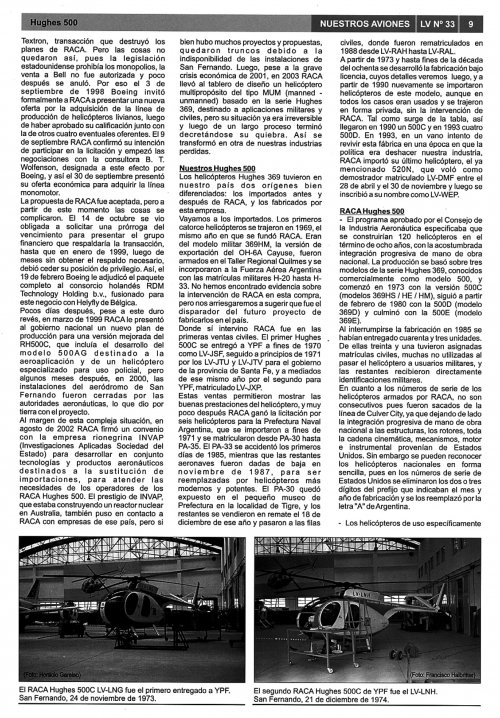 LV nro 33_06.jpg1.2 MB · Views: 4
 -
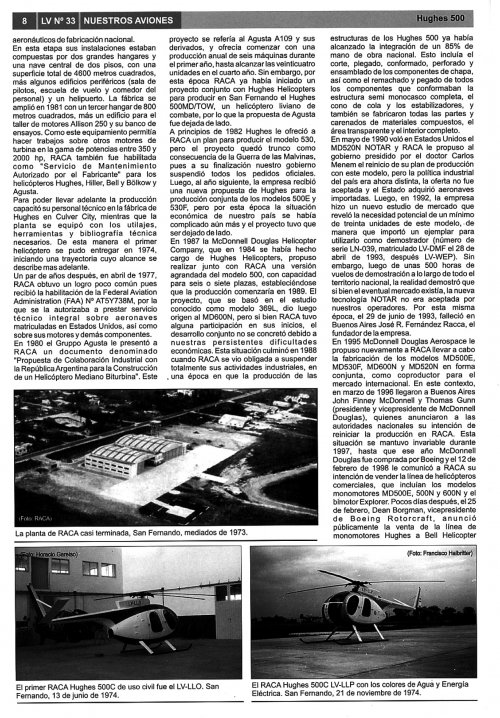 LV nro 33_05.jpg1.1 MB · Views: 4
 -
 LV nro 33_04.jpg1.1 MB · Views: 4
 -
 LV nro 33_03.jpg1.1 MB · Views: 4
 -
 LV nro 33_02.jpg1.1 MB · Views: 4
 -
 LV nro 33_01.jpg1,001.2 KB · Views: 5

- Joined
- 21 January 2015
- Messages
- 14,995
- Reaction score
- 24,211
Eve ‘Back In The Air’ For Next Phase, Announces New LOIs
FARNBOROUGH, England—Eve Air Mobility has moved into its next phase of flight testing, having completed several months of preparatory groundwork activities for its eVTOL engineering prototype.
“Our engineering prototype is back in the air, after three months of software upload, of ground testing, integration,” CEO Johann Bordais announced July 19 at the Farnborough Airshow. “Now we are in the transition phase.”
Erdosain
ACCESS: Top Secret
- Joined
- 10 March 2020
- Messages
- 738
- Reaction score
- 2,966
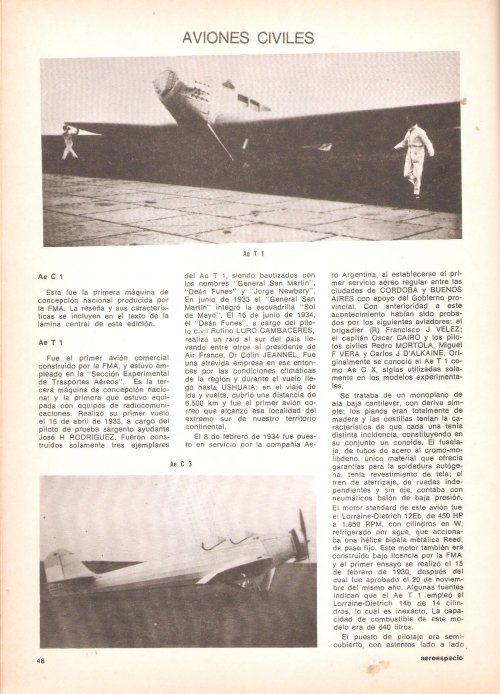
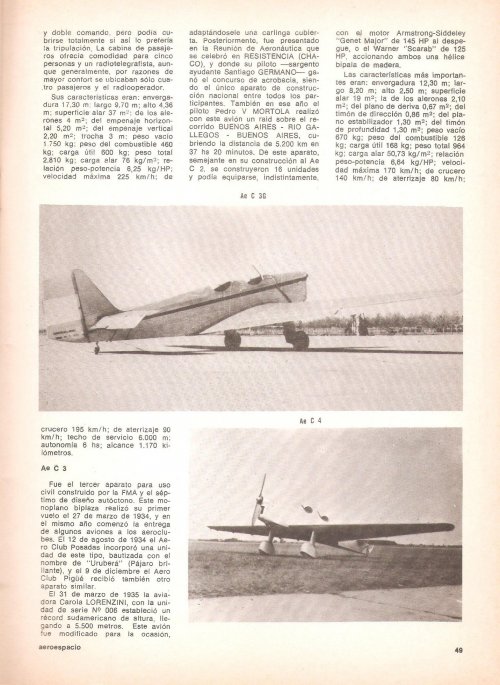
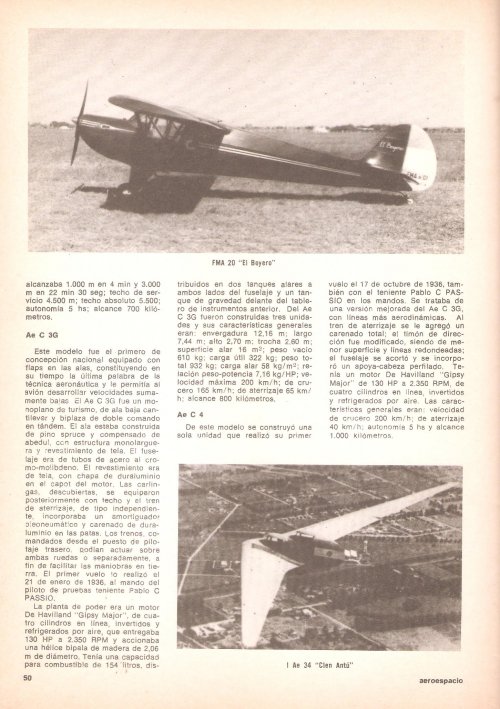
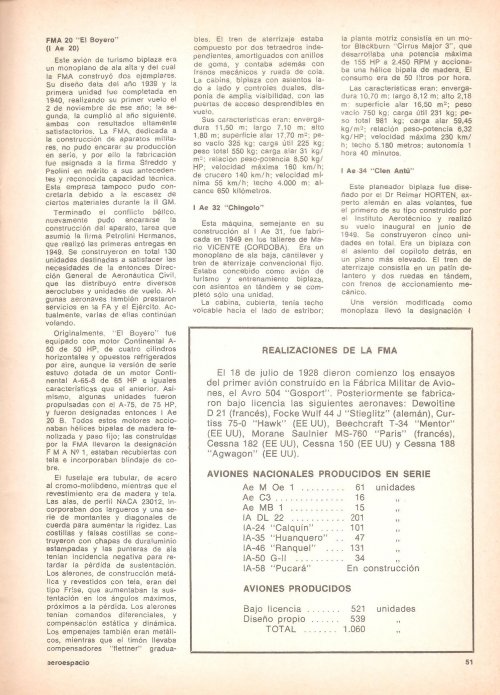
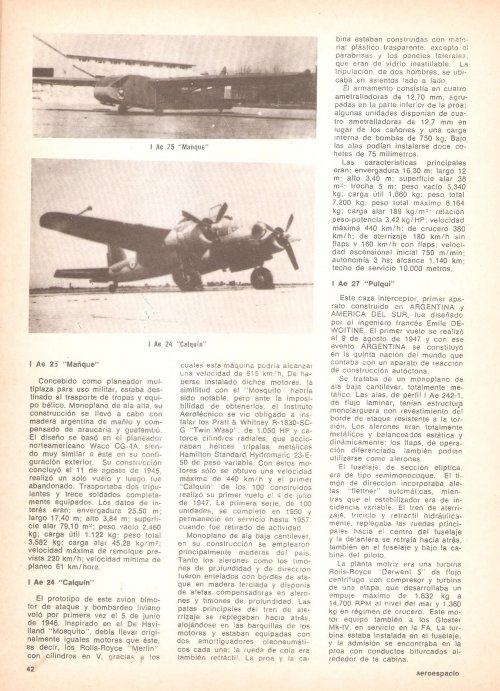
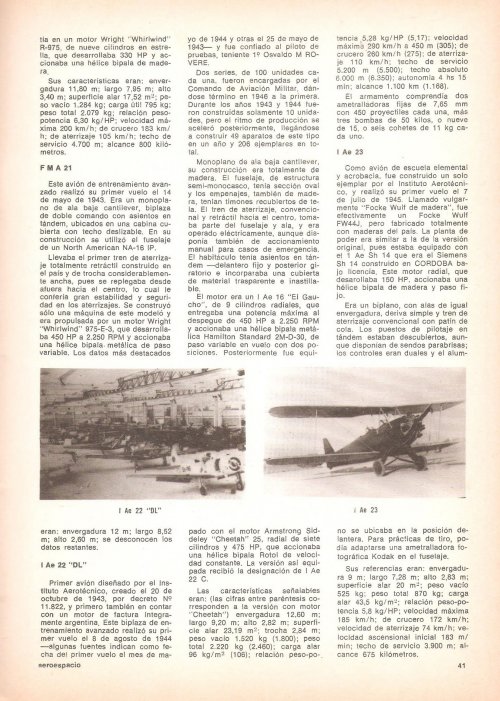
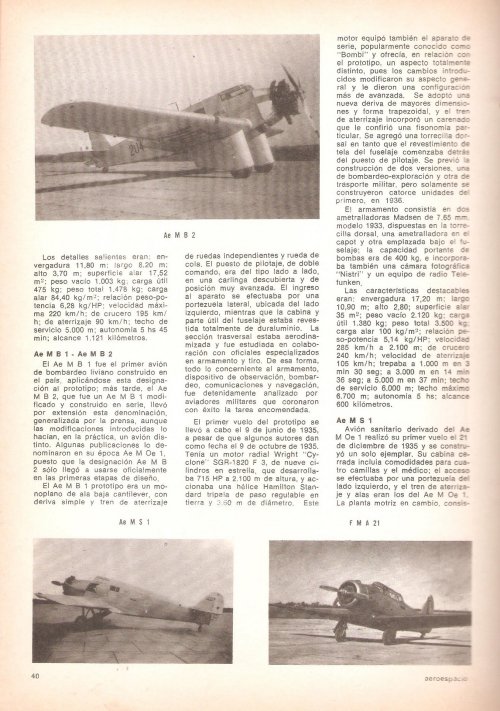
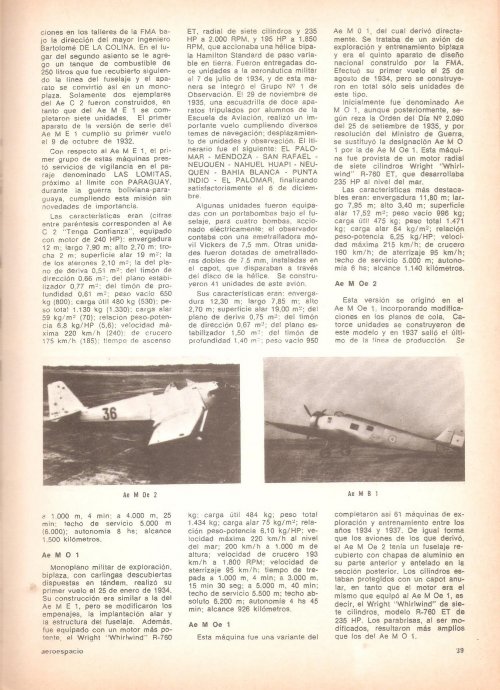
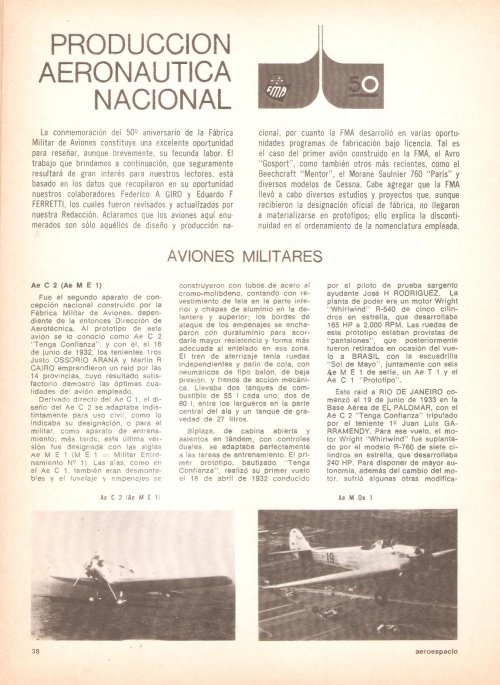
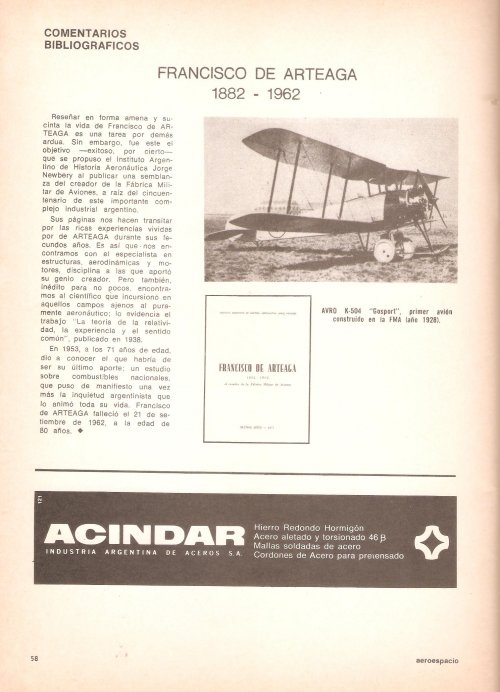
FMA: Argentine National Aeronautical Production
Aeroespacio Magazine No. 399
September - October 1977
Aeroespacio Magazine No. 399
September - October 1977
Attachments
-
 399_Set-Oct 1977_50 Años FMA_20.jpg541.7 KB · Views: 2
 -
 399_Set-Oct 1977_50 Años FMA_21.jpg1.1 MB · Views: 2
 -
 399_Set-Oct 1977_50 Años FMA_22.jpg482.4 KB · Views: 1
 -
 399_Set-Oct 1977_50 Años FMA_23.jpg922.6 KB · Views: 1
 -
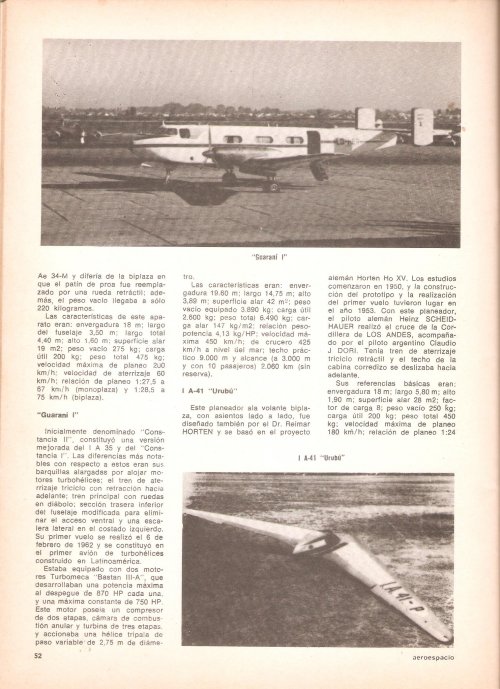 399_Set-Oct 1977_50 Años FMA_24.jpg526.4 KB · Views: 1
 -
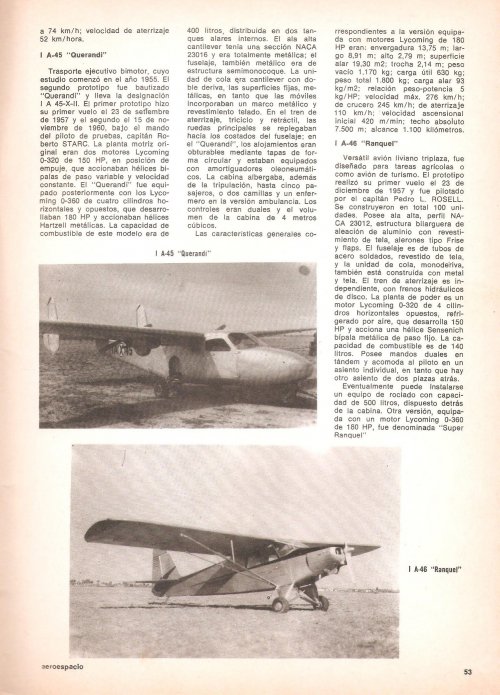 399_Set-Oct 1977_50 Años FMA_25.jpg1 MB · Views: 2
 -
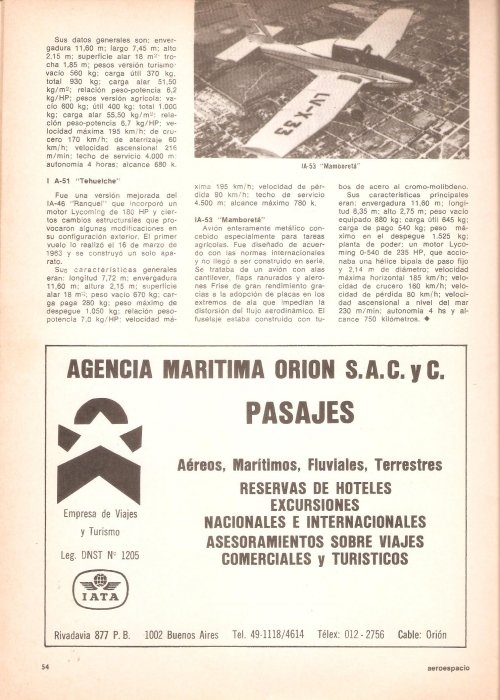 399_Set-Oct 1977_50 Años FMA_26.jpg443.4 KB · Views: 2
 -
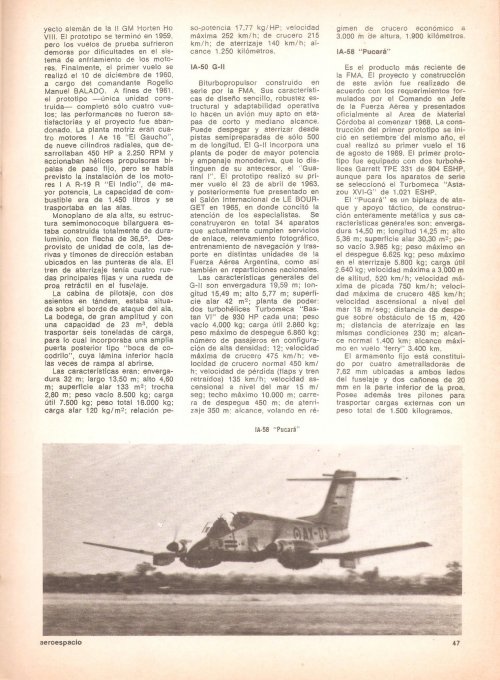 399_Set-Oct 1977_50 Años FMA_19.jpg1 MB · Views: 3
 -
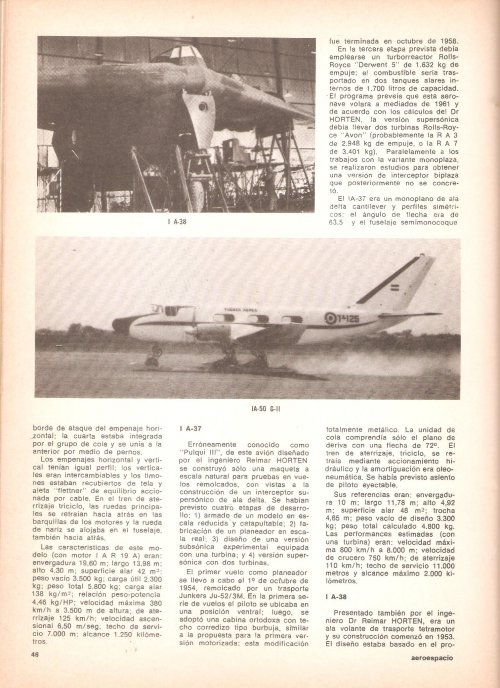 399_Set-Oct 1977_50 Años FMA_18.jpg565.9 KB · Views: 3
 -
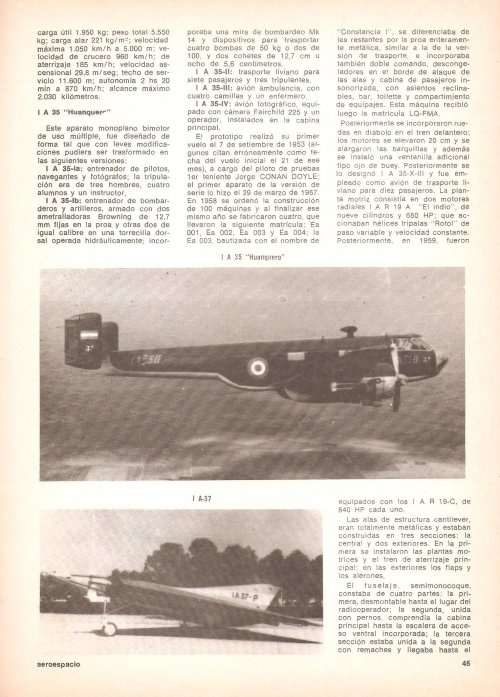 399_Set-Oct 1977_50 Años FMA_17.jpg1.1 MB · Views: 2
 -
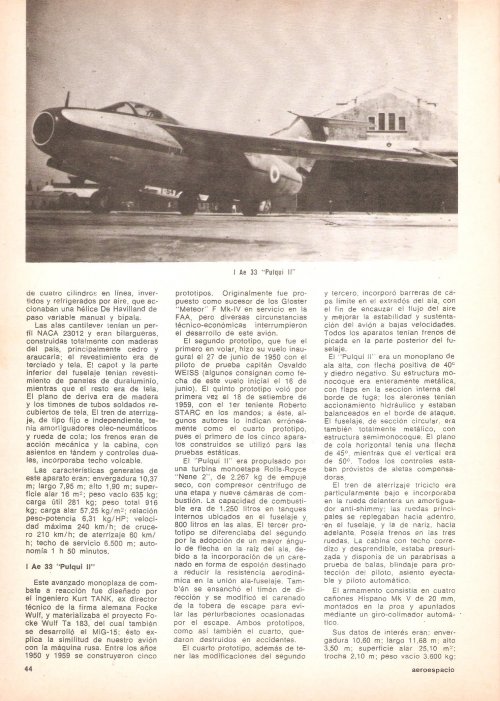 399_Set-Oct 1977_50 Años FMA_16.jpg634.4 KB · Views: 1
 -
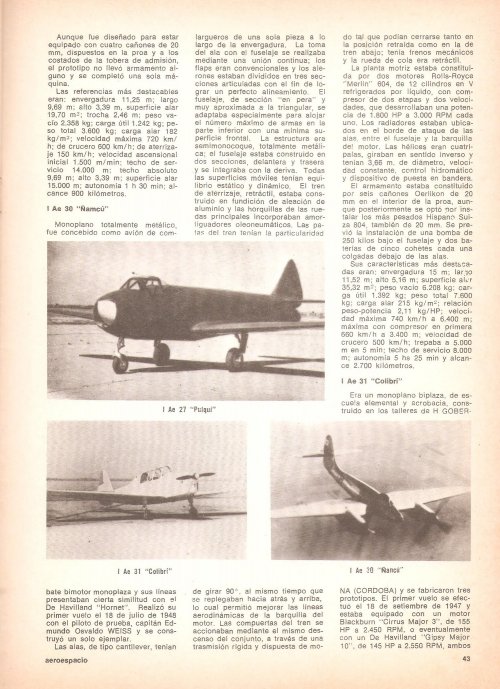 399_Set-Oct 1977_50 Años FMA_15.jpg968.2 KB · Views: 1
 -
 399_Set-Oct 1977_50 Años FMA_14.jpg926.1 KB · Views: 1
 -
 399_Set-Oct 1977_50 Años FMA_13.jpg1 MB · Views: 1
 -
 399_Set-Oct 1977_50 Años FMA_12.jpg937.5 KB · Views: 1
 -
 399_Set-Oct 1977_50 Años FMA_11.jpg1,002.4 KB · Views: 1
 -
 399_Set-Oct 1977_50 Años FMA_10.jpg757.2 KB · Views: 1
 -
 399_Set-Oct 1977_50 Años FMA_27.jpg339.1 KB · Views: 1


