View: https://www.youtube.com/watch?v=MOaa2mlz2qE


EMBRAER AND GRIPEN FOR PERU​


July 5, 2025
Sale of Gripen E/F fighters to Peru and Colombia paves the way for joint production with Embraer
Brazil could position itself as a regional hub for the manufacturing and maintenance of the Swedish fighter

*LRCA Defense Consulting - 07/05/2025


In a moment that could be emblematic for the South American defense industry, Peru announced yesterday (04) the acquisition of 24 Gripen E/F fighters, produced by the Swedish company Saab. This move comes shortly after Colombia, in early April, confirmed the purchase of a batch of 16 to 24 aircraft of the same model.

Although it was announced by the President of Peru herself, Dina Boluarte, the deal is still awaiting the signing of a presidential decree of national interest, scheduled for this month, authorizing the use of the resources necessary for the acquisition of the new fighters.

If the contract goes ahead, Peru will become the third Latin American country to operate the Gripen, after Brazil and Colombia.

Embraer as a natural partner
Embraer is already a partner in the Gripen program in Brazil, working in the production of aerostructures, avionics and systems integration. The accumulated know-how will serve as a basis for future contracts for Peru and Colombia that also include the involvement of the Brazilian company.


Saab has already stated that it sees Embraer as a regional industrial hub, capable of serving multiple Latin American customers, which facilitates logistics, reduces transportation costs and speeds up delivery times.

However, during the discussions that led to the Peruvian decision, sources from the country's defense department expressed concern about the potential logistical dependence on Brazil, especially under the current government.

Intensified regional cooperation
Producing in Brazil would bring significant operational and geopolitical benefits, such as:

- Significant cost reduction and faster delivery to neighboring countries, which already cooperate militarily with Brazil.

- Greater logistical autonomy and agility for maintenance and technical support, with the possibility of transferring part of the final assembly to Peru and Colombia themselves.

- Consolidation of Brazil as a regional defense hub, with permanent industrial and economic gains.

Announcement details
In Colombia, although the contract is still in the negotiation phase, the operational issues are well underway, with a possible signing between July and September 2025 and subsequent delivery of the first units 16 to 18 months later.

In the case of Peru, the Swedish Defense Minister, Pål Jonson, is expected to arrive in the country on July 10 for a bilateral meeting with his Peruvian counterpart, Walter Astudillo Chávez, in a visit that should finalize the intergovernmental agreement on the fighter jets. The Swedish minister and Saab CEO Micael Johansson will also be present at the 12th edition of the Colombian International Aeronautics and Space Fair, which will be held from July 9 to 13 at the José María Córdova International Airport in Rionegro, Antioquia, where they are expected to meet with Colombian and Peruvian authorities.

Strategic perspectives
A co-production arrangement similar to Brazil's, with Embraer supplying structures and systems, and with final assembly possibly in Brazil (or even, in part, on Peruvian or Colombian soil, according to offset clauses), combined with the possibility of Embraer approaching a robust contract for more than 40 units (both countries combined), would create enormous synergy with the Brazilian production line.


With this, Brazil could expand its leadership position in defense in Latin America, with a positive impact on income, skilled jobs, taxes and industrial prominence.

What's next
July/September 2025: possible official signing of the contract with Colombia.

By the end of the year or beginning of 2026: conclusion of formal negotiations with Peru, including the definition of Embraer's involvement.

In 2026/2027: arrival of the first Colombian aircraft and inauguration of a new phase of regional production of the Gripen for the continent.

Strategic industrial center
The progress of the agreements with Colombia and Peru could consolidate Brazil, especially Embraer and its system of companies involved, as a strategic industrial center for the assembly and logistics of fighter jets in Latin America, establishing the company as Saab's main industrial partner in the region, given that, in this scenario, it will carry out partial manufacturing, assembly, support and maintenance of the Gripen E/F fighter jets for the three countries.


https://www.lrcadefenseconsulting.com/2025/07/venda-de-cacas-gripen-ef-para-peru-e.html
 
Last edited:
Geopolitics weighs in: how the loss of the commercial aircraft contract in Poland affects Embraer and Brazil

By Ricardo Fan, June 30, 2025
1751846704888.png

Embraer, the Brazilian aerospace giant, suffered a significant setback in Poland, where it lost a contract to Airbus for the acquisition of military aircraft, as reported by Bloomberg Línea. The Polish government's choice of the Airbus C295, instead of Embraer's C-390 Millennium freighter, reflects not only technical issues, but also the weight of geopolitics in defense decisions.

Crossing with the previous analysis by DefesaNet (“Embraer and Poland: An analysis of the new aerospace frontier of the Brazilian company in Europe“), this article explores the reasons for the Polish decision, the impacts for Embraer and Brazil, and the role of President Luiz Inácio Lula da Silva's foreign policy, especially his rapprochement with Vladimir Putin, in this outcome.

The Polish decision: technical and geopolitical factors
The tender to modernize the Polish military fleet put Embraer's C-390 Millennium in direct competition with Airbus' C295. Despite the technical advantages of the C-390, such as greater cargo capacity and versatility, Poland opted to continue with the C295, which is already integrated into its fleet. This choice reduces training, maintenance and logistics costs, which are critical factors in defense decisions.

In addition, Airbus, as a European company, probably offered more advantageous offset agreements, involving partnerships with local Polish industry. However, the determining factor, according to Bloomberg Línea, was geopolitics.

As a member of NATO and the European Union, Poland prioritizes suppliers aligned with its strategic interests, especially in a context of regional tension due to the war in Ukraine. The decision reflects the preference for strengthening ties with Europe and the United States, to the detriment of partnerships with countries perceived as less aligned, such as Brazil.

The shadow of Brazilian foreign policy
DefenseNet's 2023 analysis highlighted Poland as a “new frontier” for Embraer, emphasizing the potential of the C-390 to conquer Eastern European markets. However, President Lula's rapprochement with Russia, marked by meetings with Vladimir Putin in forums such as BRICS and a stance of “neutrality” in the Ukrainian conflict, may have influenced Polish perception. Poland, which faces direct threats due to its proximity to Ukraine, is particularly sensitive to partners that maintain relations with Moscow.


Although there is no direct evidence that the Lula-Putin relationship was the decisive factor, Brazil's foreign policy of non-alignment may have generated distrust. Statements by Lula that avoid explicitly condemning Russia or that defend an equidistant stance contrast with Poland's need for clear alignment with NATO. In this scenario, Airbus, based in Europe, represented a safer choice and aligned with Warsaw's strategic interests.

Impacts for Embraer
The loss of the Polish contract is an obstacle to Embraer's expansion in Europe, a strategic market for the C-390. The Brazilian freighter has already won contracts in countries such as Portugal, Hungary, South Korea and Austria, but the exclusion of Poland limits the potential for penetration in Eastern Europe, where modernizing military fleets is a priority. Financially, the impact is significant, considering that defense contracts involve values in the hundreds of millions of dollars, in addition to long-term maintenance agreements.

Despite this, Embraer maintains a solid position globally. The success of the C-390 in other markets demonstrates its competitiveness, and the company continues to invest in innovation and international partnerships. The loss in Poland, although significant, does not compromise Embraer's growth trajectory, but highlights the need for strategies to mitigate geopolitical risks in future bids.

Embraer delivers seventh C-390 Millennium to Brazilian Air Force
Impacts for Brazil
For Brazil, the Polish decision has economic and diplomatic implications:

Economic: Embraer is a pillar of Brazilian industry, generating jobs, foreign exchange and technology. The loss of the contract reduces opportunities for export and technology transfer, impacting the trade balance and the visibility of the Brazilian aerospace sector.
Diplomatic: Poland's choice exposes the challenges of Lula's foreign policy. The attempt to balance relations with powers such as Russia and China, while maintaining ties with the West, may generate distrust in strategic NATO partners. This reinforces the perception that Brazil, under Lula, is not a fully reliable ally in defense contexts.
The loss of Embraer's contract to Airbus in Poland reflects the complexity of the global defense market, where technical factors compete with geopolitical pressures. For Embraer, the setback limits its expansion
expansion in Europe, but does not compromise its global competitiveness. For Brazil, the decision highlights the challenges of a foreign policy of non-alignment in a context of international tensions.

Lula's stance towards Russia, although not the only factor, probably influenced Polish perception, highlighting the need for Brazil to calibrate its diplomacy to protect strategic interests such as those of Embraer. The case serves as a warning: in a polarized global scenario, diplomatic decisions can have direct impacts on the national economy and industry.

https://www.defesanet.com.br/aviaca...polonia-geopolitica-e-impactos-para-o-brasil/
 
SAS Places Record Order for 55 Embraer Jets to Drive Future Growth and Regional Connectivity
Ricardo Fan
July 1, 2025
Aviation, EMBRAER, Embraer

SAS Places Record Order for 55 Embraer Jets to Drive Future Growth and Regional Connectivity
Scandinavian Airlines (SAS) has entered into an agreement to acquire 45 Embrae E195-E2 jets, with purchase rights for 10 additional aircraft – SAS’s largest direct jet order from a manufacturer since 1996.

This landmark agreement supports SAS’s long-term fleet renewal strategy, which focuses on increasing efficiency, reducing emissions and generating future growth opportunities from its global hub in Copenhagen, Denmark.

First deliveries are scheduled for late 2027, with additional deliveries over approximately four years. Excluding purchase rights, the order value is approximately US$4 billion.

“This is a defining moment for SAS,” said Anko van der Werff, President & CEO of SAS. “The Embraer E195-E2 is a world-class aircraft that combines exceptional performance, excellent fuel efficiency and comfort. It is the right aircraft to support our future growth and develop our network both in Scandinavia and beyond. We took the time to make the right decision – and this major investment reflects our confidence in the future and the strength of the agreement we have secured.”

The E195-E2 will play a vital role in optimizing SAS’ operations and enhancing connectivity in Scandinavia and Europe.

The size and range of the jet are tailored to complement SAS’ existing fleet and route structure, enabling more frequencies, greater network flexibility and lower costs per flight.

Built for the future of sustainable aviation

“The E2 is central to our strategy to build a modern, efficient and high-performance fleet. The jet enables us to serve more routes with lower emissions and costs, while delivering a superior experience for our passengers,” added Van der Werff. “We are setting the course for the next chapter of SAS in partnership with Embraer.”

The E2 family of aircraft is proven to operate on 100% sustainable aviation fuel (SAF), and is certified to fly on blends of up to 50% SAF.

“We are delighted to deepen our partnership with SAS through this landmark agreement. The E2 is the quietest single-aisle jet available today, while being 29% more fuel efficient and with a 62% reduction in noise footprint compared to the previous generation jet.

The E195-E2 is a game-changer in terms of efficiency, performance and passenger comfort. We are confident that these aircraft will play a crucial role in SAS’s fleet renewal and expansion strategy, supporting its bold growth plans and enhancing its operational capabilities,” said Arjan Meijer, President and CEO, Embraer Commercial Aviation.

Powered by Pratt & Whitney’s advanced PW1900G geared turbofan engines, the E195-E2 offers double-digit reductions in fuel burn, emissions and noise compared to previous generation aircraft. The new fleet will help reduce SAS’s environmental footprint and reinforce its leadership position in reducing aviation’s climate impact.
1751927506053.png

This order marks another step in SAS’s future-focused transformation, supporting a modernized fleet and an enhanced travel experience. SAS continues to strengthen its global network and international reach, while improving connectivity between regional hubs and global destinations through more integrated and sustainable operations.

This order was facilitated with the support of Skyworks Holding.

SAS was recently ranked the world’s most punctual airline*, demonstrating its commitment to excellence and reliability in its operations.

*SAS ranked 1st globally out of 660 airlines for on-time performance, May 2025 (source: Cirium).

https://www.defesanet.com.br/embrae...-crescimento-futuro-e-conectividade-regional/
 
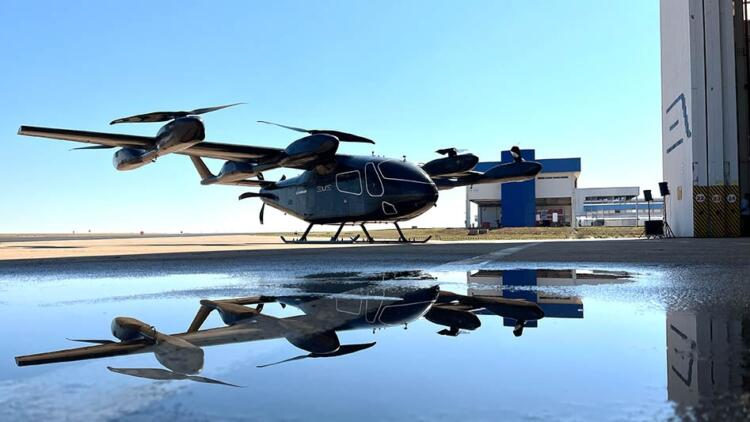
EVE AIR MOBILITY SIGNS AGREEMENT TO INTRODUCE UP TO 50 EVTOLS IN COSTA RICA
The alliance with Aerosolutions and Bluenest by Globalvia will promote sustainable air mobility in Guanacaste, connecting airports with tourist destinations
A21 Editorial Team A21 Editorial Team July 4, 2025

Eve Air Mobility signed a letter of intent (LOI) with Aerosolutions—the company that develops Aeros Electric Airlines, an innovative eVTOL operator—and with Bluenest by Globalvia, Globalvia's Advanced Air Mobility (AAM) and vertiport infrastructure unit, for the purchase of up to 50 electric vertical takeoff and landing (eVTOL) aircraft and access to Eve's comprehensive TechCare services.

This portfolio offers all-in-one solutions to efficiently operate, maintain, and support customers. The agreement represents a key step in the development of a robust advanced air mobility ecosystem in Costa Rica.
1752012888544.png
“Joining forces with Aerosolutions and Bluenest by Globalvia allows us to accelerate the introduction of safe, sustainable, and efficient air mobility in Costa Rica,” said Johann Bordais, CEO of Eve Air Mobility.

“We are excited to see how our eVTOLs will transform travel in regions like Guanacaste, alleviating congestion and strengthening the country's leadership in ecotourism.”

The collaboration will initially focus on Costa Rica's Pacific Northwest region, connecting airports with premium resorts and eco-friendly destinations via routes between 20 and 50 kilometers.

With more than three million foreign visitors annually, Costa Rica is the most visited country in Central America, but its extensive and frequently congested road network can result in long travel times.

This initiative seeks to offer efficient, low-emission air taxi services, transforming tourist and local mobility, reducing ground traffic, and reinforcing Costa Rica's image as a leader in sustainable tourism.

“This agreement is a fundamental step in transforming regional air mobility for partners like Aerosolutions. By integrating our eVTOL and TechCare services, they will be able to offer faster, more efficient, and sustainable travel options, especially in areas with congested or limited land routes,” explained Megha Bhatia, Chief Commercial Officer of Eve.

Bluenest, Globalvia's AAM business line, will be key in developing vertiport infrastructure for safe, sustainable, and efficient operations. As the leading operator of the Route 27 highway in Costa Rica, Globalvia's integrated approach will facilitate intermodal connections between air and land transportation, further enhancing the traveler experience.

Aerosolutions will have access to Eve's TechCare suite as part of the agreement. The partners will also collaborate on specialized workshops on vertiport development, airspace integration, pilot training, certifications, and operational planning, laying the foundation for a successful AAM implementation in the region.

“Bluenest by Globalvia is committed to building the sustainable infrastructure of the future, and our work in Costa Rica with Eve Air Mobility and Aerosolutions is an example of the progress we've made since we began our collaboration with local entities in March 2024, when we conducted real-world tests of vertiports and air taxis in Guanacaste (Liberia Airport and Reserva Conchal),” said José Ignacio Rodríguez, CEO of Bluenest.
View: https://www.youtube.com/watch?v=IoshDkUTkgU

https://a21.com.mx/aeronautica/2025...para-introducir-hasta-50-evtol-en-costa-rica/
 
As I read comments regarding the possibility that Airbus, currently the world's largest aircraft manufacturer, could launch a version 500 of its A220, which would serve the segment of up to 170 seats, that is, very close to the supply level of its A320, making it clear that a possible new narrow-body aircraft, possibly called the A360, would focus on meeting the demand currently covered by its successful A321, I am more convinced than ever that Boeing's decision around 2020 not to acquire Embraer's commercial aircraft division, that is, those that the Brazilian manufacturer sells specifically to airlines, including the enormously loss-making Mexican State Airlines (Mexicana de Aviación), was a mistake that could cost it as dearly as staying out of the market for aircraft, let's say between 120 and 170 seats, for which it offers versions 7 and 8 and around 9 of its infamous Boeing 737 MAX. that has cost so many lives, money, and headaches.

According to the information available to me, Boeing itself is reportedly designing its potential 797 in the 225- to 275-seat category, that is, in the A321, and therefore, the A360, leaving airlines that don't require such a large aircraft without a Boeing-branded option. They will have no choice but to continue operating MAXs as long as they can, or else opt for the A220-500, which, incidentally, would offer better economy than the former.

I think this issue is important for Mexican air transport because among the airlines I see facing this dilemma, I clearly find our most important airline: Aeroméxico. I don't imagine it operating only MAX 10, A321, 797, or A360 aircraft, but rather a combination of some of these and several dozen of those MAX 8, 9, or, it must be said, A220-500, a model I also see integrating the fleets of Viva and Volaris, if it is launched on the market with the required characteristics, which I understand has a lot to do with its having better engines than the A220-100 and 300.

And I don't see Embraer in the mix? The truth is, I have a hard time imagining an Embraer with more than 150 seats being produced at the pace required by large aircraft orders without the support of a major manufacturer. That's why I insist that the decision, regardless of the reasons, not to go ahead with the purchase of Embraer's commercial division by Boeing will hit the North American company, and perhaps the Brazilian company, as hard as the European Airbus' decision to acquire the originally Canadian C Series, now the A220, which will end up generating enormous dividends in the long run.

So, dear reader, let's wait and see, because this won't happen in the short term, but let's prepare to possibly see an Airbus A220 in the colors of Aeroméxico and other very "Boeing" airlines. Remember that Delta, in addition to being the main shareholder and controller of the "Eagle Knight," currently operates the largest fleet of the formerly Canadian A220.

“Signed articles are the sole responsibility of their authors and may or may not reflect the opinions of A21.”

https://a21.com.mx/opinion/2025/07/02/embraer-la-gran-oportunidad-perdida-de-boeing/
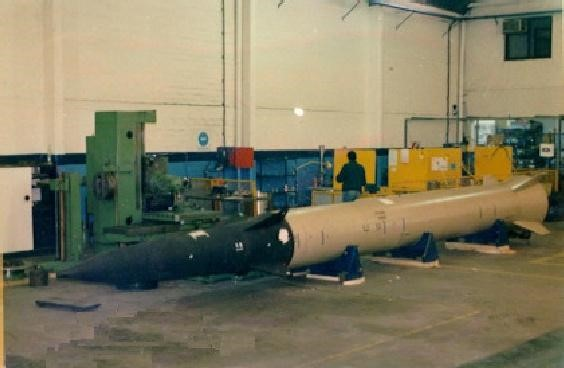
The fantastic story of the Condor II, the Argentine missile that could have changed the Falklands War and was dismantled by the Menem administration
04/16/2024

In his book "The Condor II Missile Project and Argentine Space Policy," journalist Daniel Blinder reconstructs the secret plot surrounding the development of this program, which was intended to give Argentina a powerful weapon against the British occupation of the islands.
1752106476643.png

The Condor II missile project and Argentine space policy is an investigation by Daniel Blinder, who reconstructs, using documents and archives, the negotiations and disputes that explain the secret development of a space rocket that eventually became a ballistic missile. The origins of the program date back to the de facto government of the last civil-military dictatorship.

"It was a technological policy, with a technology considered strategic for Argentina at the time. The program documents were very difficult to access to reconstruct this story," the journalist tells Los Mundos Posibles.

"What I did was look for sources in official institutions, like the Foreign Ministry. There were things in the archive, or so it appeared in the catalog I had seen. And at the time, I was denied access. And the only sources I was able to reconstruct were secondary sources and also primary sources that I obtained and referenced from other key figures in the military, diplomatic, and political worlds," he describes regarding the research methodology he used to prepare this work.

The project lasted through Raúl Alfonsín's administration and was finally dismantled at the beginning of Carlos Menem's administration, but one of the central questions was what the Condor II actually was.

"It was an intermediate-range ballistic missile, around 200 kilometers. It was a rocket whose purpose, already in its design, was military. It could be launched from Patagonia and reach the Falkland Islands, occupied by the United Kingdom after the war. This was theoretically the case, but this never happened," Blinder explains.

"It began as a secret project in which Air Force officers, seeing their combat capability diminished by the events of the war, developed it to provide deterrence capability over the Falkland Islands. It was done with external funding from countries in Europe and the Middle East," he explains.

Ultimately, Cóndor II was unable to prosper due to the economic crisis that led to hyperinflation during the Alfonsín administration, which ultimately resulted in a lack of funding and paralysis that gradually occurred when Carlos Menem took office.
https://fmfutura.com.ar/2024/04/16/...malvinas-y-fue-desmantelado-por-el-menemismo/
Vectors 1980 / 1989
CÓNDOR I
Manufacturer: FAA
Stages: 1
Propellant: Solid (HTPB)
Weight: 1,532 kg
Length: 8 m
Diameter: 80 cm
Function: Technology demonstrator
Apogee: 115 km (approx.)
1st launch: 1985-1986
1752106741624.png
Cóndor I was a project that originated with dual purposes, seeking to master the technology of larger solid-fuel engines than those used up to that time. The goal was, on the one hand, to have the technology that would be useful for missile development and also allow a 200 kg payload to be placed into low orbit.

ALACRÁN
Manufacturer: FAA
Stages: 1
Propellant: Solid (CTPB: Carboxy-Terminated Polybutadiene)
Weight: 1,500 kg
Length: 6.6 m
Diameter: 54 cm
Function: Missile
Range: 100 km
First launch: October 14, 1986
1752106772038.png
The Alacrán was a tactical artillery missile weighing 1,500 kg and with a diameter of 540 mm, capable of carrying a 250 kg payload up to 100 km. It was developed to flight-test technologies that would be used in the future Cóndor II missile, such as the use of composite materials, an inertial navigation system, servo-actuated control surfaces, and the casting of composite propellant into the motor tube, among others.

CONDOR II
Manufacturer: FAA
Stages: 2
Propellant: Solid
Weight: 6,500 kg
Length: 10.39 m
Diameter: 80 cm
Function: Missile
Range: 1,000 km (theoretical)
1st launch: Never carried out.
1752106813673.png
The Cóndor II was a ballistic missile, the result of technological evolution achieved through the development of the Cóndor I and Alacrán vectors, with the addition of various missile technologies acquired through technology transfer from European companies. It featured a tilting nozzle control system, roll control, attitude control, and speed control. The entire system was controlled by three computers that allowed trajectory modifications during flight. When the missile was ready for flight testing, political and economic pressure from the United States, coupled with the subservient attitude of Carlos Menem's government, prevented the launch from taking place and the project was canceled.

http://argentinaenelespacio.blogspot.com/p/vectores-nacionales-1980-1089-v2.html
 
Last edited:
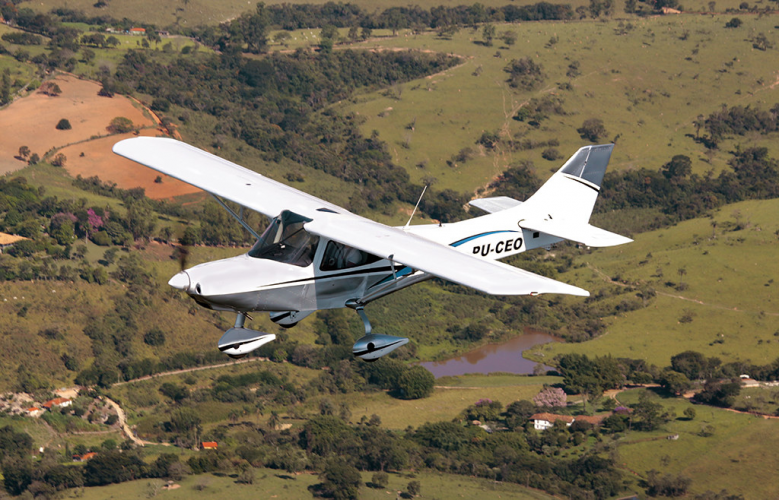
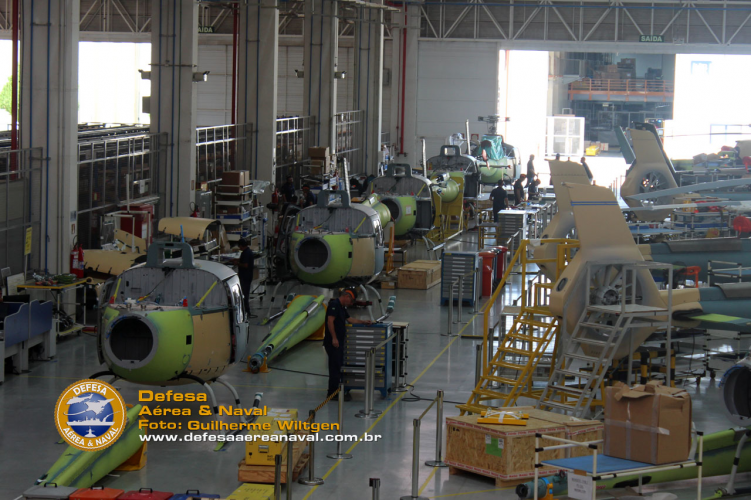
The French Ministry of Development, Industry, Trade and Services (MDIC) and the Ministry of Europe and Foreign Affairs announced their intention on Wednesday (July 2) to transform Helibras, a factory located in Itajubá, Minas Gerais, into a production and export hub for one of the world's most advanced helicopter models, the H145, a multipurpose, high-tech onboard aircraft.
1752188526109.png
The Letter of Intent was signed after a meeting between the Vice President and Minister of the MDIC, Geraldo Alckmin, and the Minister Delegate for Foreign Trade, Laurent Saint-Martin, in Brasília. The document was signed by the MDIC's Executive Secretary, Márcio Elias Rosa, who led the project negotiations on the Brazilian side.

Geraldo Alckmin and Laurent Saint-Martin in Brasília. The proposal is aligned with the guidelines of the New Industry Brazil (NIB), meeting the premises of productive densification, technological incorporation, and high-value-added exports, generating jobs and developing local supply chains.

R$1 billion is expected to be invested in the production of the H145 model, with the construction of up to 200 units over the next 15 years, targeting both domestic and international markets. Each helicopter has an estimated market value of US$15 million.

Helibras: a regional benchmark in aviation

TH-X assembly line
Helibras is the only rotorcraft manufacturer in the Southern Hemisphere and has already delivered more than 850 helicopters in Brazil, for both civilian and military operations. Originally a binational company, it is now controlled by Airbus and produces two other helicopter models: the H225, for predominantly military use, and the H125, known as the Esquilo.

H145 Versatility

The H145 is a versatile helicopter that can be used for both civilian and military missions, such as passenger transport, emergency medical services, public safety, offshore operations, wind farm support, civil defense and rescue, troop transport, and reconnaissance operations.

1752188469027.png

https://www.defesaaereanaval.com.br...ara-producao-de-helicopteros-h145-na-helibras
 
Chile launches drone and UAV production plan (2025)
View: https://www.youtube.com/watch?v=MRcUc12iJGQ


Chile takes a historic step by officially launching its drone and UAV production plan by 2025. This new initiative positions the country as a pioneer in military and aerospace technology in Latin America. With this ambitious project, Chile seeks not only to strengthen its national defense but also to boost its technology industry and foster national innovation. In this video, we explain all the details of the plan, the objectives it seeks to achieve, its impact on the Chilean economy, and how it could influence regional geopolitics.
View: https://www.youtube.com/watch?v=_1J5WleIMrg
 
1752272660216.png
1752272695182.png
1752272678713.png

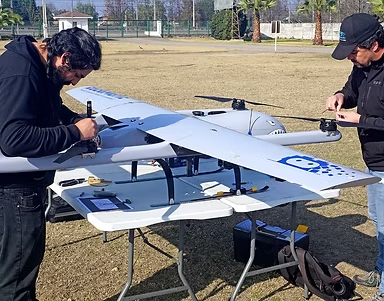
VTOL, the best of both worlds
All the advantages of a multicopter integrated with those of an airplane. Long takeoff and landing strips or catapults are no longer necessary; our systems can take off like a drone, and once they reach the configured height, they can turn on their rear engines and fly like an airplane. From 1.5 to 6 meters of wingspan, they can fly for up to 8 hours, reach a distance of 150 km, and take off from the roof of a building. And of course, they're built by RoboMotic Chile.
https://www.robomotic.cl/vtol-robomotic
 
EMBRAER FACES RISK OF MILLION-DOLLAR LOSSES DUE TO US TARIFF THREAT
For every 10-point tariff increase, the manufacturer's costs will rise by around $70 million, with the executive jet division being the most affected.
A21 Editorial Team A21 Editorial Team July 11, 2025


Embraer can expect severe impacts if President Donald Trump's threat to impose 50% tariffs on Brazilian imports becomes a reality.

The Valor International website reported that approximately 23.8% of the aircraft manufacturer's revenue comes directly from its exports to the United States, particularly from executive jet components, according to investment firm XP.

Analysts at this consulting firm estimate a negative impact on earnings of between 14% and 15% for every 10 percentage point increase in tariffs, given that the final assembly of the Praetor and Phenom executive jets is carried out at its Florida facilities.

Meanwhile, UBS BB, an entity formed by the alliance between UBS and Banco do Brasil, predicted that for every 10% increase in tariffs, Embraer's costs would increase by around $70 million, with the executive jet division being the most affected, with up to 75% of its sales to the United States potentially subject to the new tariffs.

“We have to be realistic about these tariffs. If this continues, it will bring more complexity and costs to companies, including Embraer,” said Francisco Gomes Neto, CEO of the manufacturer, according to Reuters.

Last Wednesday, Trump sent a letter to Brazilian President Lula da Silva, warning that he will impose 50% tariffs on goods from his country. Among the reasons he gave was the "witch hunt" against former President Jair Bolsonaro, his political ally who is accused of plotting a coup after losing the 2022 elections.

In response, da Silva published on X that "any unilateral tariff increase will be addressed in accordance with Brazil's Economic Reciprocity Law," meaning new tariffs would also be imposed on US products.
https://a21.com.mx/aeronautica/2025...as-millonarias-por-amenaza-arancelaria-de-eu/
 
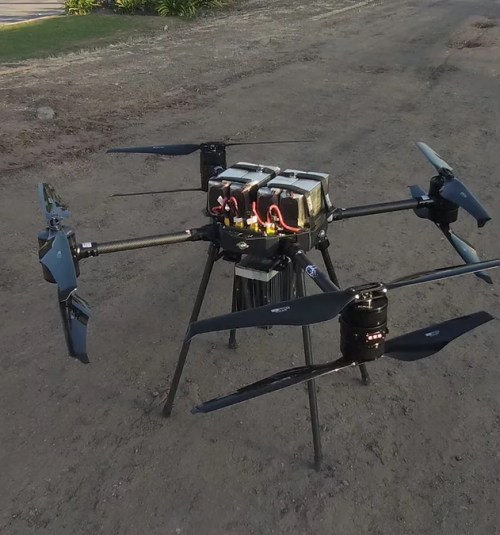
We develop 90% of our parts locally, allowing us to build high-tech equipment that is fully functional for the needs of each industry in a timely manner.
We Push the Limits
Thanks to our ability to decide and select the best parts to achieve our goal, our equipment offers the following features:

4, 6, and 8-engine versions

Flight time up to 1 hour with batteries

Extended flight time of up to 3 hours with a generator

Umbilical cable flights of 8 hours or more!

Payloads of 100 kg or more!
1752490533344.png

RoboMotic, Technology and Cutting-Edge Technology
We are the first drone factory in Chile, where products are designed and built to meet customer expectations.

1752490558689.png
https://www.robomotic.cl/
 
INPAER
Founded in 2001 by the visionary Caio Jordão, INPAER has been a beacon of innovation and excellence in the Brazilian aviation sector.

Headquartered in Campo dos Amarais in Campinas, one of the technological heartlands of the state of São Paulo, INPAER has grown not only as a company, but as a community dedicated to the advancement of aviation.
1752540225698.png
For more than two decades, INPAER has stood out among the dozens of Brazilian companies that have ventured into manufacturing small aircraft. Each aircraft that leaves our assembly line is the result of years of research, development, and a deep understanding of the needs of pilots and the industry, using high-quality materials and advanced manufacturing technology to ensure an exceptional flight experience.
Brazilian manufacturer Inpaer – Indústria Paulista de Aeronáutica announced this week that it has received authorization from the National Civil Aviation Agency (ANAC) to assemble and operate COLT 100 aircraft in Brazil.
1752540267066.png

The COLT's acceptance document as a Special Light Sport Aircraft (LSA Special) reached the Inpaer team on Friday, May 5th, as shared on social media by the company.
The COLT 100 is a Light Sport Aircraft (LSA) aircraft from the Texas Aircraft Group, based in the United States, which is being produced in Brazil by Inpaer.

https://aeroin.net/inpaer-e-autorizada-a-fabricar-e-a-operar-no-brasil-o-aviao-colt-100/
https://inpaer.com.br/sobre-nos/
 
Chimango 650, the Argentine-made UAV that the Argentine Air Force will operate
August 22, 2023


In May, the Argentine government officially announced the purchase of two Chimango 650 unmanned aerial vehicle (UAV) systems for the Argentine Air Force (FAA). The purchase was made through a direct contracting process that was published in the Official Gazette, and the documentation indicates May 12 as the official date.

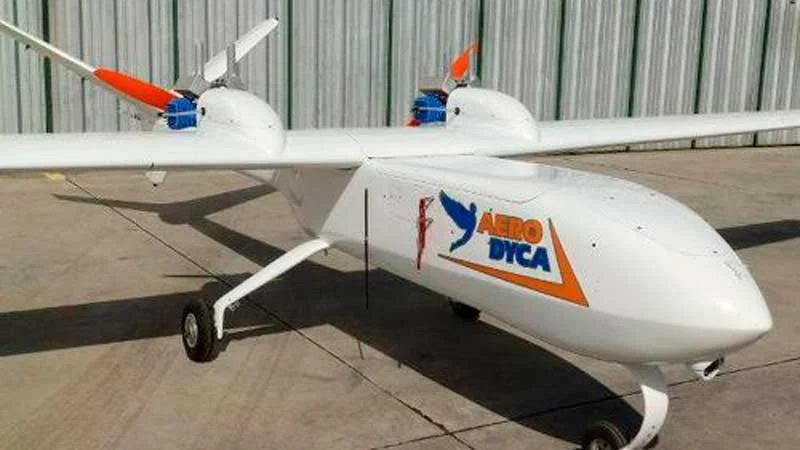
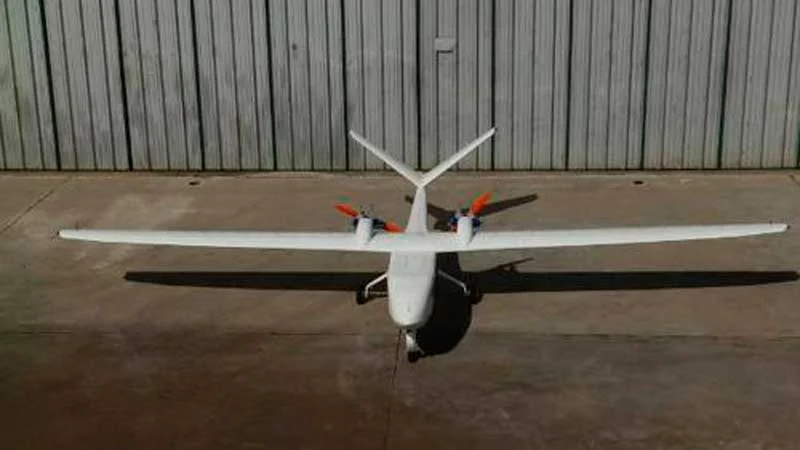
Designed by Aerodyca MDQ S.A., the Chimango 650 UAV was developed in 2014, where it made its first flight at the company's facilities in Mar del Plata, Buenos Aires Province, Argentina. This unmanned aircraft is manufactured under STANAG 4703 standards, endorsed by quality standards throughout its production and installation process. In 2015, it participated in the Innovar competition, where it was awarded first place, and was awarded the Argentine Good Design Seal in 2016, according to the zona-militar website.
1752617785166.png


The CHIMANGO 650 UAV is developed for long-range observation and can carry supplementary tanks under the wing using pylons. The maximum payload is 15 kg each, extending its range and allowing it to travel long distances. This allows for online aerial observation of the area during a scheduled flight. It also has a payload capacity of 30 kg, allowing it to carry different types of equipment, depending on the user's needs. This UAV has the ability to reassign missions and features an advanced surveillance camera system that allows for autonomous target tracking. The system is developed under STANAG standards. This UAV features the PEGASUS 2.0 redundant system developed by AeroDyca, which provides greater operational safety. This means that if one flight system fails, the UAV continues to operate with the other system, allowing it to safely return home without endangering its equipment.

Its design is notable for its construction of composite materials (fiberglass, resin, carbon, and Kevlar), and it is registered with the National Institute of Industrial Property (INPI).

With autonomous flight, the mission is programmed and it carries out its mission, sending information in real time to the ground command post, where operators and technicians receive and analyze the information to make decisions regarding the achievement of the objective. The information can be modified at any time by operators if they need to observe another point or area.

1752617813953.png


Designed and developed to travel long distances, its uses can be varied, from monitoring national parks for early fire detection; border control missions; observation of oil pipelines; Agricultural/livestock observation (for determining crop spraying, for example) and any other aerial visualization applications that may be required.

Technical Specifications
Length: 3.80 m
Wingspan: 6.50 m
Height: 1.1 m
Wing Area: 3.11 m
Empty Weight: 95 kg
Maximum Takeoff Weight: 125 kg
Powerplant: 11.5 HP 120 CC x 2
Maximum Operating Speed: 220 km/h
Cruising Speed: 130 km/h
Range: 100 km
Radius: 50 km
Maximum Ceiling: 3,500 m
Endurance: 6 hours / 10 hours
Payload: 30 kg
Operating Limit: Wind gusts up to 60 km/h
1752617841434.png

https://aeromundotv.com.ar/chimango...entina-que-operara-la-fuerza-aerea-argentina/
 
ACS SORA-e
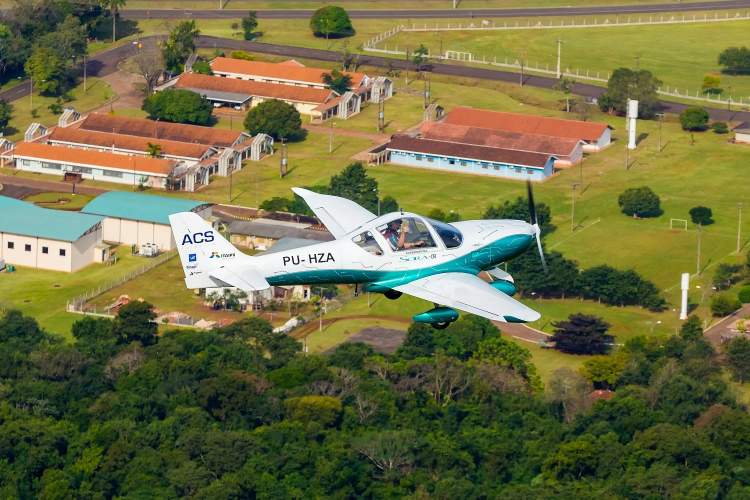
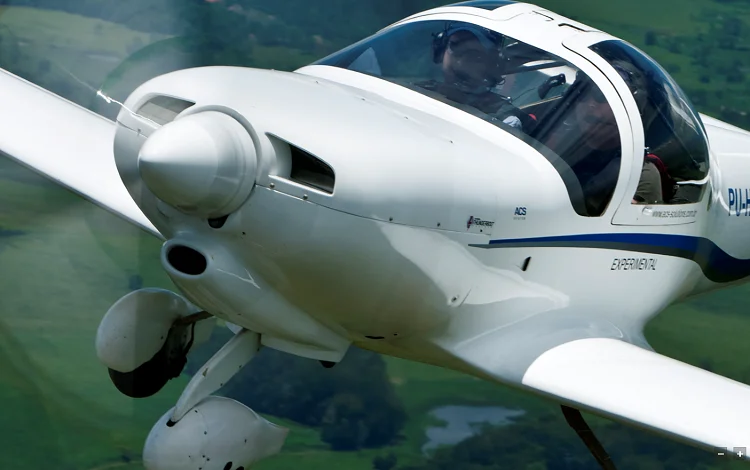
In 2010, ACS, together with the Brazilian Studies and Projects Financing Agency (Finep), developed an electrical system for aircraft. In September 2014, the SORA-e passed tests conducted by Itaipu's Center for Research, Development, and Assembly of Electric Vehicles (CPDM-VE).

The inaugural flight took place on the Itaipu runway in Foz do Iguaçu, Paraná.

The SORA-e uses two 35 kW Emrax electric motors, each produced by the Slovenian company Enstroj. The motors are powered by six lithium-ion polymer battery packs, which together provide 400 volts.

The aircraft has a climb rate of 1,500 feet per minute. Its flight range is 90 minutes at 190 km/h, with a maximum speed of 340 km/h.

1752710105609.png - ACS SORA-e
1752710131668.png

https://www.acs-solutions.com.br/index.php/produtos
 
1752790921922.png
The Amazon is an advanced ultralight aircraft manufactured by Aero Bravo, a renowned Brazilian manufacturer of light aircraft. This model combines robustness, ease of operation, and excellent performance, making it ideal for leisure flights, training, and operations on unprepared runways.

Technical Specifications:

- Manufacturer: Aero Bravo (Brazil)
- Model: Amazon
- Category: Advanced Ultralight (LSA)
- Engine: Rotax 912 ULS – 100 hp
- Cruise Speed: Approximately 170 km/h (92 kt)
- Maximum Speed: 200 km/h (108 kt)
- Range: Approximately 5 hours or up to 850 km
- Operating Ceiling: 12,000 ft
- Maximum Takeoff Weight (MTOW): 600 kg
- Payload Capacity: 250 kg
- Fuel: Regular gasoline (AVGAS or Mogas)
- Fuel Tank: 100 liters
- Length: 6.40 m
- Wingspan: 9.60 m
- Landing Gear Type: Conventional or fixed tricycle
- Frame Material: Aluminum Aeronautical
- Seats: 2 (side by side)
View: https://www.youtube.com/watch?v=4Ir8lUXmio4

The Amazon stands out for its flight stability, low operating costs, and easy maintenance. It's ideal for those seeking safety and pleasure with every takeoff.
https://www.abefaer.org.br/jornalis...-da-serie-conheca-seu-aviao-amazon-aero-bravo
 
Last edited:
View: https://www.youtube.com/watch?v=0s2iQ0z-LoE

View: https://www.youtube.com/watch?v=zJGyn5m8YJA

Developed in 2013 by prominent Brazilian aeronautical designer Bruno de Oliveira, the Montaer MC-01 is a striking and stylish aircraft evocative of a 21st Century reimagining of Cessna’s sleek 177 Cardinal. Notwithstanding differences the likes of its braced, semi-cantilever wing and ample stabilator, the MC-01 evokes the selfsame visceral sense of moving while standing still for which the Cardinal was renowned.The MC-01’s four-place cabin is accessible via a trio of lightweight but sturdy composite doors—two large, forward-opening front doors and a third, smaller door just aft of the aesthetically-pleasing confluence of the aircraft’s starboard wing-brace and solid-aluminum main landing-gear strut. The roominess and comfort of the MC-01’s cabin are surpassed only by the durability of the machine’s welded, 4130 molybdenum-steel-tube passenger safety-cell and solid-metal rivet construction. The fabrication of such an airframe is more time-consuming than the pulled-rivet architecture typical of most Part 23-certified metal aircraft.The MC-01’s propulsion scheme comprises a turbocharged and intercooled iteration of Rotax’s potent, 141-horsepower 915iS engine turning a ground-pitch-adjustable three-blade (or optional four-blade) propeller. Even higher-output mills—such as Continental’s 150 to 205-horsepower Titan powerplants—can be wedged into the MC-01’s engine bay.Diverging from Light Sport convention, the MC-01 forgoes center or side-stick controls in favor of the dual-yoke configuration familiar to and favored by pilots trained in legacy general aviation aircraft. The MC-01’s familiarity is further enhanced by its steerable nose-wheel, dual toe-brakes, electric flaps, and center-mounted throttle and choke controls.The MC-01’s 1,320-pound maximum gross takeoff weight includes the aircraft’s eight-hundred-pound empty weight and 520-pound useful load. It must be borne in mind, however, that useful load—within the aerospace context—includes the MC-01’s 37-gallons (223-pounds) of usable fuel. Fully gassed, the aircraft manages a range of 780-nautical-miles.At 117-knots and 104-knots respectively, the MC-01’s Vne and cruise speeds are unremarkable. The airplane’s stall performance, however, impresses. In a clean configuration, the MC-01 stalls at a docile 45-knots; while in its Vso configuration, the machine stalls at a glacial 39-knots.

SOME HISTORY​

Founded in 2013 in Bahia, Brazil by the prominent aeronautical designer Bruno de Oliveira, the MONTAER MC-01 is a new generation of Light-Sport Aircraft. Based on the popular Paradise aircraft family, this superior high-wing design and an all-metal airframe is a unique aircraft with outstanding finishing and superior craftsmanship. It features a welded passenger safety cell with solid metal rivets, dual yokes, and brings the most advanced avionics equipment available Light-Sport in the world.

In 2019, MONTAER became fully FAA accepted as LSA, following the ASTM international Standards, and in 2021 established a presence at DeLand Municipal Airport, FL with the intuit to provide sales, support and training for operators interested in quality Sport-flying.

In 2021 Montaer delivered the first aircraft adapted with hand controls to a dear customer with disability, and the company decided to make this version, a standard product for disabled pilots.

In 2022, Montaer became elite Sponsor at the Aero Showcase | DeLand and introduced its first aircraft with the ROTAX 915iS engine, with 141 Horse Power to the US market.
https://www.montaeraircraft.com/about 1752791392725.png
View: https://www.youtube.com/watch?v=ZTmFW3wRaDE
 
Last edited:
Flyer: 40 Years of History

Learn More
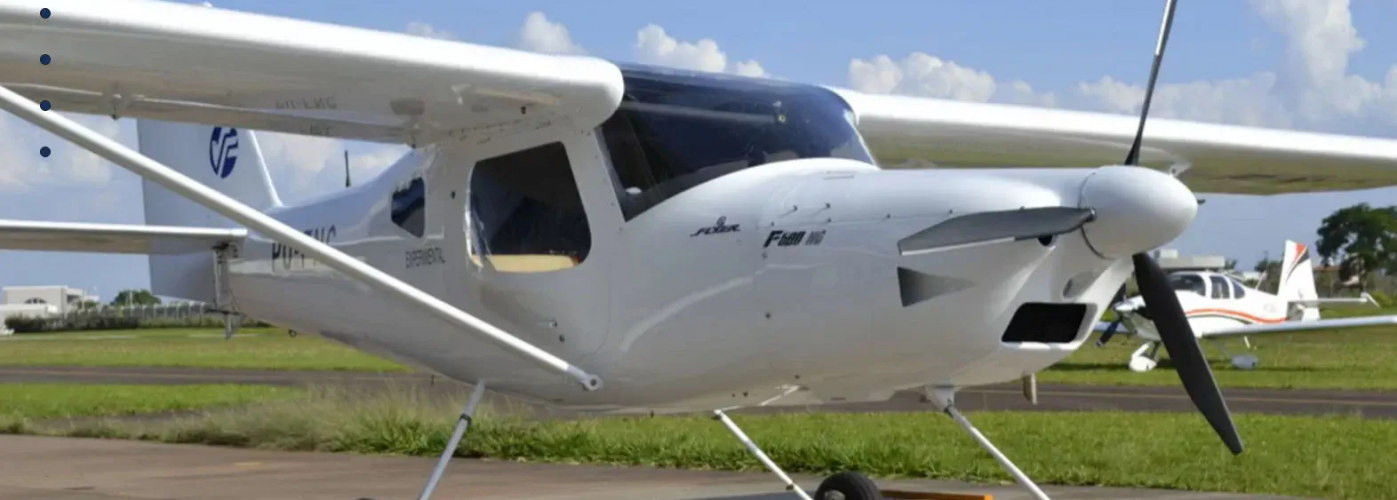
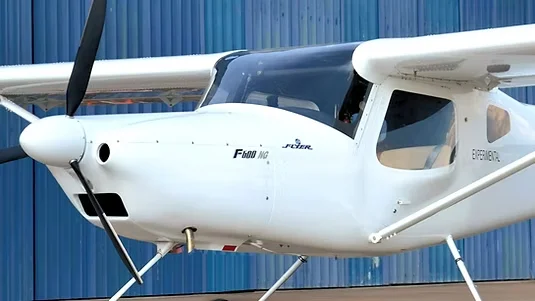
Flyer was founded in 1983 by two young engineers, brothers Nelson Luiz and Luiz Claudio Gonçalves, with the main objective of producing, assembling, and selling experimental ultralights and light aircraft. The company's first product was the Flyer II, similar to the old Quicksilver. Since then, Flyer has evolved to become one of the leading manufacturers of experimental aircraft in Brazil.

1752875905395.png


In 1985, Flyer began manufacturing the Tierra II, under license from Teratorn Inc., and in 1986, it designed and began producing the Flyer GT, which became the most widely assembled basic ultralight in Brazil. In 1988, Flyer designed and began manufacturing its amphibious aircraft, the Hidroflyer.


Due to Brazil's difficult economic situation in 1992, Flyer decided to begin assembling imported kits, including the Super Coyote model from Rans Aircraft Inc. In 1998, Flyer entered into a joint venture with the Canadian company Ultravia to begin assembling the Pelican 500BR in Brazil.


In 2000, Flyer decided to start the assembly line and stop assembling individual kits for customers, continuing production of its own line of ultralights. In 2002, Flyer discontinued assembly of the Flyer GT and the Hidroflyer due to lack of sales.


In 2004, Flyer began assembling the first aircraft in the Van's Aircraft RV series, an RV-4. In 2005, Flyer rented an 8,100 sq ft hangar at Americana Airport, São Paulo, to conduct all flight tests of its aircraft. In December, Flyer purchased its first CNC Flow waterjet machine.


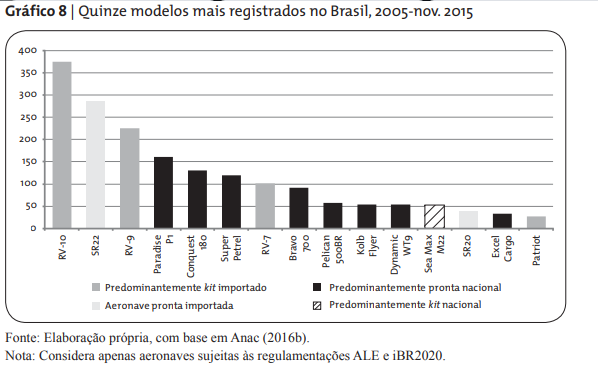
In 2006, production of the Pelican 500BR reached 125 aircraft. It was the most popular advanced ultralight in Brazil, followed by the Super Coyote. In December, Flyer signed an exclusive distribution agreement with Glasair Aviation. That year, Flyer delivered 81 aircraft to the Brazilian market.

1752875619440.png
n March 2008, Flyer celebrated its 25th anniversary. A quarter-century dedicated to experimental aviation, it boasts many achievements: the most popular basic ultralight in Brazil, with 756 units manufactured, the Flyer GT; the most popular advanced ultralight in Brazil, with 218 units assembled/manufactured, the Pelican 500BR; and the second most popular advanced ultralight in Brazil, with 123 units assembled, the Super Coyote S-6S.
View: https://www.youtube.com/watch?v=G9cd_6jYDjs

With its successful trajectory, Flyer has established itself as one of the leading experimental aviation companies in Brazil, always innovating and striving to offer the best to its customers
https://www.flyer-aero.com/história
 
Aeroálcool Tecnologia Ltda. was established in 2001 with its primary focus on developing and commercializing alcohol-fueled aircraft engine technology, a project carried out by its founding partners. It was the first company worldwide to enable the use of ethanol as a fuel for aircraft under real-world conditions, such as the Piper Pawnee PA-25. It was also the first company in Latin America to initiate a certification process for this type of technology.

Aeroálcool also has an extensive track record in developing aeronautical products and providing highly specialized services, such as unmanned aerial vehicles (UAVs), light jet design (Eviation EV-20), FLIR surveillance system installation (Ximango), composite material repairs, satellite components, and various certifications.

Its founding partners are aeronautical engineers with extensive experience in design and certification. Its workforce also includes leading figures in Brazilian technology in the areas of design, materials, and processes.

Aeroálcool professionally addresses the challenge of developing light aircraft for the Brazilian and global markets, boasting a highly successful first product in the global market, which is now proving to be a success in the Brazilian market as well: the Quasar Lite aircraft.

Aeroálcool Tecnologia Ltda. has diversified its operations beyond the aeronautical market, excelling in aerospace, military, and educational sectors, among others.
View: https://www.youtube.com/watch?v=r17LsVVBq2s

AREAS OF ACTIVITY:

AERONAUTICAL:

Design of aircraft and their parts and components.

Manufacture of aircraft designed in-house or by third parties.

Aeronautical services and certification.

Consulting on design and/or services.

Trading of aeronautical parts and/or components.

Development and production of UAVs for civilian use.

AEROSPACE:

Development and production of satellite parts and components.

Design and production of radar antennas.

DEFENSE:

UAVs for training purposes.

EDUCATIONAL:

Design and construction of wind tunnels for educational purposes.

Quasar Lite

1752893100911.png

1752893116689.png

1752893150769.png
http://www.voequasar.com.br/
View: https://www.youtube.com/watch?v=avDYsCA362o&embeds_referring_euri=https%3A%2F%2Fdefenceforumbharat.com%2F&source_ve_path=OTY3MTQ
 
Last edited:
AEROPEPE ENGINEERING PLASTICS

FLAMINGO AIRCRAFT


The advanced ultralight Flamingo has amazed everyone who has had the opportunity to fly it, both with its performance and its comfort and low noise and vibration emissions. This design paid great attention to the style and ergonomics of the occupants, without neglecting flight quality issues, while also taking into account the structural strength of the aircraft. In the cabin, we sought to create a finish similar to that of a passenger plane, with harmonious shapes and a combination of surfaces. The instrument panel is a single piece with three distinct planes, aiming for better distribution and assimilation of the instruments. Leather upholstery is available, with a choice of tones and colors. Under the seats, there are two storage compartments and a large luggage compartment behind. One of the highlights of this aircraft is its flight quality and ease. With the Rotax 912 (80 HP), BMW (100 HP), and VW 1800 engines with a reducer (80 HP), the behavior is quite similar, with a very smooth and predictable stall, excellent stability on all axes, and direct and positive controls. The BMW engine offers excellent climb capability due to the greater power available and the large wingspan (10.40 m). This is a very significant figure: while climbing, maintaining a speed of 80 mph (IAS), we can climb at approximately 1,300 rpm. During manufacturing, we use several advanced techniques to improve the technical performance of the manufactured parts, including vacuum forming, post-curing, pressure molding, and non-destructive structural testing on each manufactured item. The wing spar is made of carbon fiber, forming a self-supporting structure. In the future, we will offer the VW 1800 engine with a reducer as a more economical option; this aircraft is still under construction. We expect its performance to be similar to that of the aircraft with a Rotax 912 engine (80 HP). The technical specifications are as follows:
View: https://www.youtube.com/watch?v=9zx-sv91oTY

AIRCRAFT: Flamingo

CHARACTERISTICS: Experimental aircraft, Ultralight category, high wing, 2-seat side-by-side, tricycle landing gear,
wingspan 10.40 m, length 7.50 m, height 2.80 m, internal width 1.10 m. Luggage rack located behind the seat, with an approximate volumetric capacity of 200 liters or approximately 20 kg. The landing gear wheel system will be covered with gaiters. The engine is compatible with the following BMW 1100 S Rotax models: 503, 582, 618, 912, 912s, and 914, and VW 1800 with reduction gear. The basic aircraft includes a speedometer, altimeter, inclinometer, and compass. Fuel tanks with capacities of 60 to 100 liters. The cabin will have padded upholstery on the seats and synthetic fabric on the pillars, doors, and luggage compartment. The aircraft will be delivered in white, with standardized stripes and a prefix.

1752964290608.png

Made with a composite structure, using fiberglass fabric, carbon, and thermosetting resins sandwiched with PVC foam.

Aircraft in the Advanced Ultralight category, with a two-seat high wing (two seats) side by side, a cantilever wing with a spar composed of unidirectional carbon fiber tables.

Fixed tricycle landing gear, with a tail fin (directional brakes), a full horizontal stabilizer (full stabilizer), flaps, and sub-wing ailerons (Junkers type).

Aileron and elevator controls are controlled by tubes, rockers, and ball joints.

Rudder controls are operated by dual cables.

Electric flap controls are operated by teleflex cables.

We have produced aircraft of this model with the following engines:

- Rotax 503 (50 HP),

- Rotax 582 (64 HP)

- Rotax 912 (80 HP),

- BMW 1100 (100 HP)

- VW 1800 (80 HP).

Note: The aircraft powered by the VW 1800 engine (80 hp) has aerodynamic performance very similar to that of the aircraft powered by the Rotax 912 engine (80 hp).

1752964328658.png
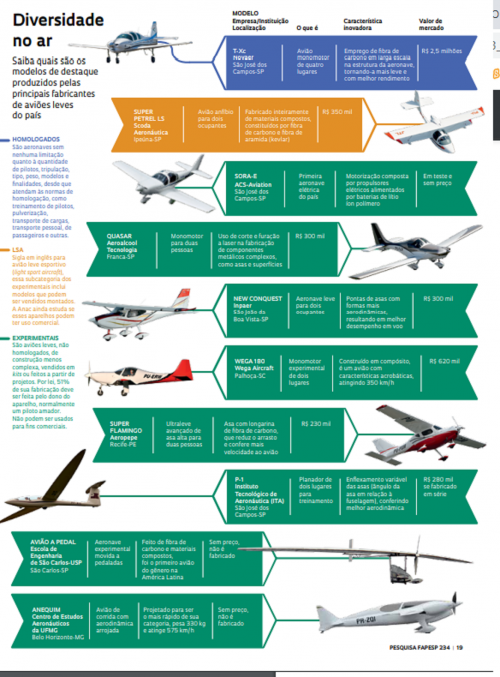
https://www.aviacaoexperimental.pro.br/aero/ultralevesdados/pepe/flamingo.htmhttps://revistapesquisa.fapesp.br/wp-content/uploads/2015/08/016-23_Aviões_234.pdf
 
Last edited:
Paradise Indústria Aeronáutica recently received FAA certification, classifying our Paradise P1 aircraft as LSA (Light Sport Aircraft). This allows this aircraft to be sold in the US to flight schools, professionals, farmers, business owners, and aviation enthusiasts in general. With the disability-friendly version, the company is also entering the special aircraft market, fostering social inclusion and contributing to the reduction of existing barriers for people with disabilities.

The aircraft, which adheres to ASTM manufacturing standards, achieved a very high level of quality control reliability, also resulting in certification in South Africa, which sent two representatives to visit and inspect the aircraft, the factory, and the production processes.
In Brazil, the company obtained the CAFC (Certificate of Authorization for Manufacturing of Assemblies) from ANAC, which inspects the entire company and certifies that it has a quality control manual and its applicability, suitable for monitoring production processes and capable of providing greater safety to the final product, consequently providing greater safety to the user.
Paradise Aeronautics Industry was founded in 2001 through a passion for experimental aviation, building a safe aircraft with good cruising speed, low stall, good range, and payload capacity. After many years of research, including several trips to the United States to learn how to manufacture fiberglass parts and develop wing profiles and aeronautical structures, Paradise arrived at the project that made it famous, now achieving worldwide recognition, with its aircraft earning FAA certification as a Light Sport Aircraft (LSA) and certification in South Africa.
The Paradise aircraft made its first flight in 1999, in Feira de Santana, Bahia. Since then, with the help of all its employees, customers, and partners, the aircraft has been improving daily and gaining ground on the national and international scene.
1752975757631.png

1752976694806.png

View: https://www.youtube.com/watch?v=dPh7JNsXZcg


http://www.paradise-ultraleve.com/paradise.php
View: https://www.youtube.com/watch?v=DeeqTf-jC1g
 
Last edited:
Inpaer Conquest 180 LSA - Beautiful as can be
1753011562399.png
We tested the Conquest 180 LSA.
Fly with us in this experimental light aircraft designed and built in Brazil

Inpaer has delivered over 300 aircraft, produced since 2002 at the company's base at Campo dos Amarais Airport in Campinas, São Paulo. Besides the Conquest 180, the family includes the Conquest 160, the Excel, and the Explorer, the latter with four seats
. Welcoming us at the door of the new factory is the company's founder, Caio Jordão, from Goiás. According to him, the manufacturing improvements extend far beyond the physical facilities. The first of these is in the Engineering department, where Inpaer uses the SolidWorks software suite, a cutting-edge resource used in a wide range of industries worldwide. In an extensive reverse engineering effort, the design of the classic Conquest 180 was converted from paper drawings and measurements taken from the actual aircraft into complete 3D models. Within a short time, all the design experience was cataloged and refined by the software, with its structures optimized, resulting in a new aircraft 150 kg lighter than the Conquest from which it inherited its name. The CAE (Computer Aided Engineering) module enabled the simulation of critical parts, reducing development time and improving manufacturing quality. But the range of benefits is even broader. For the maintenance of these aircraft, for example, Inpaer is creating a dedicated customer support website, featuring a parts catalog and descriptions of maintenance procedures illustrated by images generated and animated by SolidWorks modules, similar to those used by the world's largest aircraft manufacturers.
1753011719452.png
CONVERTING PAPER DRAWINGS AND REAL MEASUREMENTS INTO 3D MODELS ALLOWED THE DESIGN OF A NEW AIRCRAFT, 150 KG LIGHTER

During the factory tour, we moved from engineering to the construction area, where Caio proudly showed us his CNC machining facility. There, the generated drawings are directly loaded into automated machines, and the magic of mass production of parts happens without human intervention. The wing panels, for example, are already precisely cut and drilled for rivets, speeding up and ensuring uniform assembly.

The Conquest 180 Light Sport consists of a fiberglass and Kevlar fuselage, molded in two halves, which houses the stainless steel survival cell. Fixed to this cell are wings, uprights, landing gear, engine mount, and seats, ensuring robustness and occupant safety. The aluminum wings, each with two spars, house metal fuel tanks with a capacity of 60 liters. A new feature compared to the classic Conquest 180 is the adoption of frieze-type ailerons, which offer improved roll efficiency and reduce the tendency to yaw. Another aerodynamic improvement is the 60 mm lower center of pressure of the wing, designed to meet stability and damping requirements. The fin is integral to the fuselage, while the horizontal stabilizer, elevator (with a new profile), and rudder are made of aluminum and pass the most rigorous flutter tests. This is the machine we'll fly in a photo shoot and rehearsal.
https://rupert.com.br/aeronaves/
View: https://www.youtube.com/watch?v=2A6E1HWo9K4

Inpaer
Industria Paulista de Aeronaves (Inpaer) was founded in August
2002, with series production of the Conquest 160 aircraft. Soon after, in 2003, improvements were incorporated into the design, notably a new semi-trapezoidal wing with a mid-to-tip wing. These advances resulted in a new aircraft, which culminated in a new project:

the Conquest 180. In 2007, with over 85 units sold, the company launched a new aircraft with capacity for three occupants, the Excel. Until then, the company occupied a 2,500 m² hangar at Campo dos Amarais State Airport in Campinas, São Paulo.
From 2012 to 2014, the company underwent a restructuring, which included a capital injection from new partners and a change in management. With the funds, Inpaer built a new plant with the capacity to produce up to thirty aircraft per month in a 5,000 m² hangar. The new location is adjacent to São João da Boa Vista Airport (SP), which has a 1,500 m runway, longer than the two runways at Santos Dumont Airport (RJ), for example.
The investment was also applied to development, factory automation, and the hiring of qualified professionals. Among the innovations and modernizations of manufacturing processes, the implementation of a machining center, a paint booth, and production management based on lean manufacturing stand out. The initiative aims to offer service in accordance with certified aviation standards and comply with the requirements of the iBR2020 Program, in which Inpaer is registered.
Aeronautics
Since its inception, Inpaer has produced 230 aircraft. The company develops, designs, manufactures, and markets its aircraft, employing over one hundred people. Among the company's aircraft, three are noteworthy (Figure 4). The Excel is an experimental aircraft with a tricycle engine, a controllable tailplane, three occupants, a yoke, a composite fuselage (glass fiber) with a stainless steel survival cell, a high wing, two fuel tanks in the wings plus a skid tank, and a ballistic parachute mount.
The New Conquest is derived from the Conquest 180, a single-engine light-sport aircraft. It has a high wing configuration, two seats, and an aircraft-grade aluminum structure. It is Inpaer's first product since the company was restructured with the entry of external investors. The new generation of the aircraft received design improvements that gave it a more aerodynamic shape and its instrumentation, predominantly digital. The company also has another small aircraft under development: the EZY-300A. It is a four-seat aircraft with an aircraft-grade aluminum structure and high-wing configuration. The EZY-300A is being developed to comply with new national and international guidelines (new FAR 23) and become Inpaer's first certified aircraft.
 
Last edited:
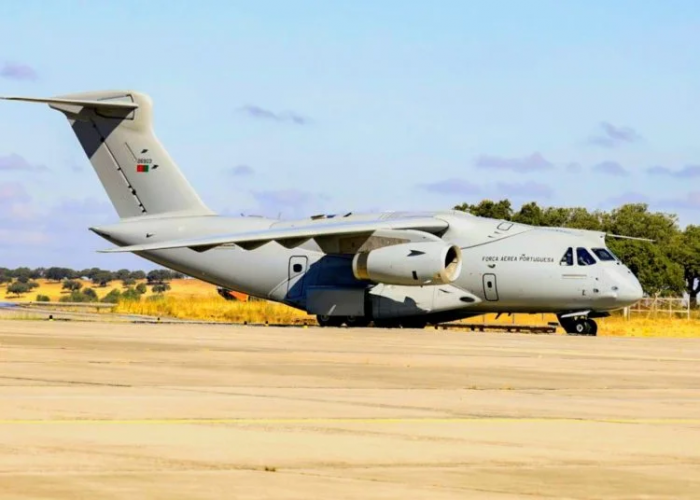
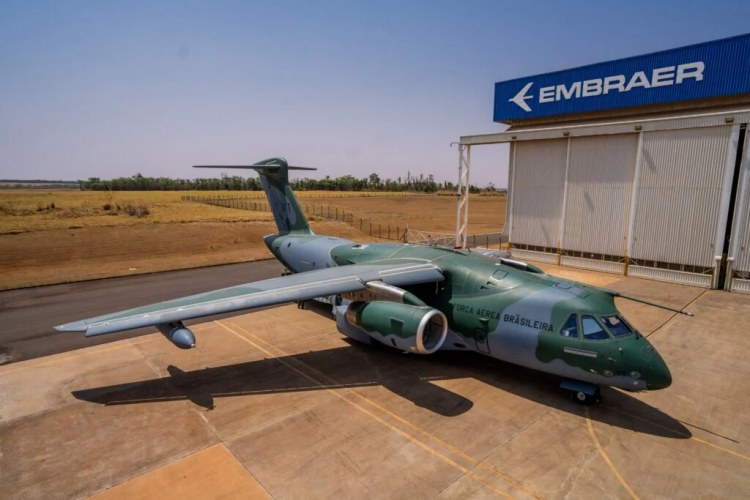
The Portuguese Air Force (FAP) received its third KC-390 aircraft this Thursday (17) at Air Base No. 11 (BA11) in Beja, reinforcing the operational capabilities of Squadron 506 – "Rhinos."
1753049831786.png

After a phase of acceptance flights that took place at Embraer's facilities in Gavião Peixoto, Brazil, the new KC-390, identified with tail number 26903, landed in Beja around 10:00 a.m., after a 12-hour flight.

The KC-390 is a multi-mission military transport aircraft capable of transporting people and cargo, with a long intercontinental range. It can also be used for aerial refueling (AAR), medical transport, search and rescue, and humanitarian support missions, with high efficiency and operational flexibility.

Portugal acquired five KC-390 aircraft and a simulator in 2019. However, this year, the option to purchase a sixth aircraft was activated, with the aircraft being delivered at a rate of one per year.

https://www.defesaaereanaval.com.br/aviacao/terceiro-kc-390-da-fap-foi-recebido-em-portugal
 
Rupert Aeronaves from Pernanbuco Brazil
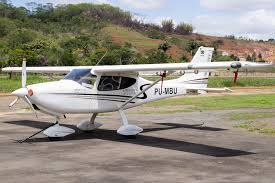
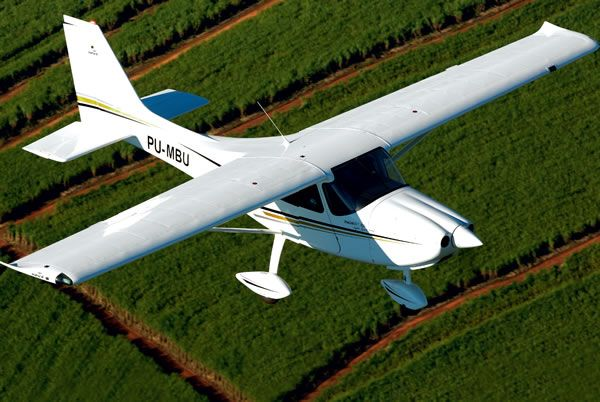
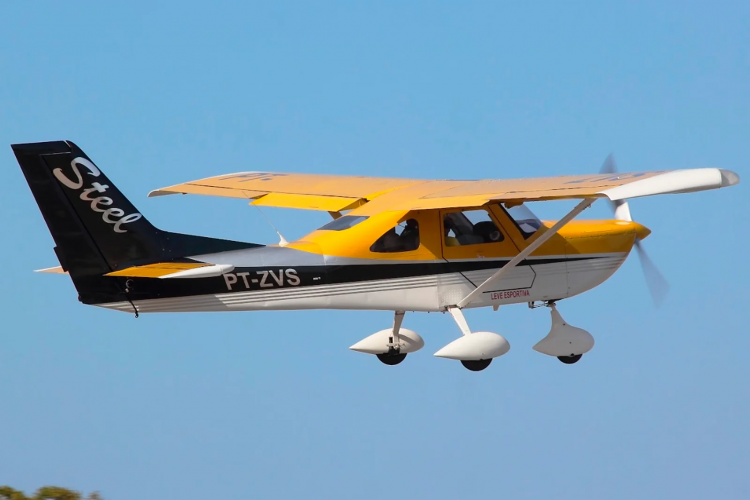
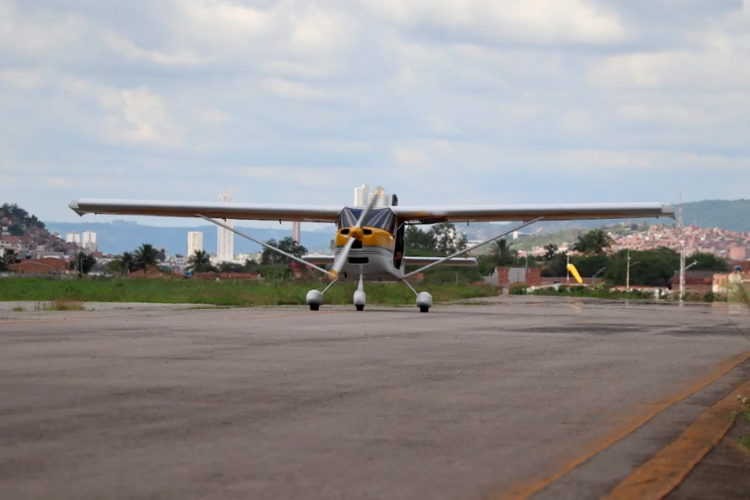
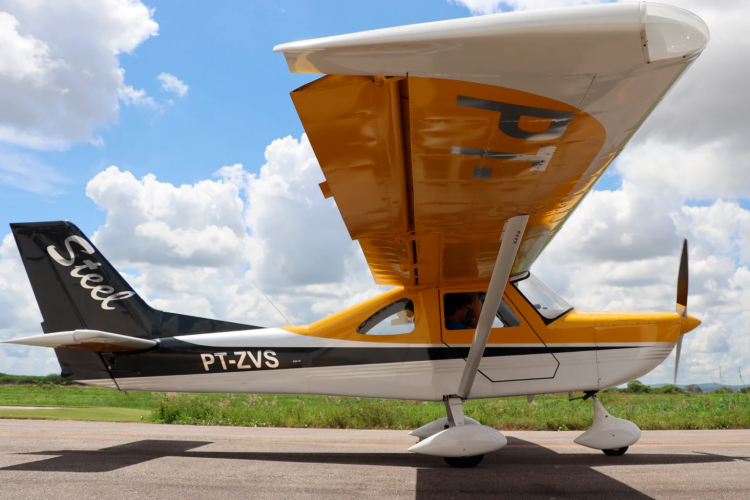
Rupert Aeronaves, a Pernambuco-based manufacturer based in Caruaru, stood out at the Coroa do Avião Aerofest 2018, a major aviation event held in Igarassu, Pernambuco. During the event, company representatives shared detailed information about their most innovative project: the VimanaSteel, a light-sport aircraft with a capacity of two people, developed to serve both the sports market and the aviation training sector.

Participation in the event provided a significant platform for Rupert Aeronaves to showcase its advanced technology, attracting enthusiasts, investors, and professionals interested in the prospects and future of Brazilian aviation. Visitors had the opportunity to learn more about the technical characteristics and benefits of the VimanaSteel, which was already in an advanced stage of the certification process with the National Civil Aviation Agency (ANAC).

This participation further strengthened Rupert Aeronaves' position as a benchmark in the light aircraft manufacturing sector in Brazil, highlighting the technical and industrial potential of the Caruaru region.

The event was a great opportunity for Rupert Aeronaves to showcase its innovative technology, attracting enthusiasts, investors, and aviation professionals interested in the future of the Brazilian aviation industry. The exhibition allowed the public to get up close and personal with the VimanaSteel, which was already in the advanced stages of certification by the National Civil Aviation Agency (ANAC).

This participation reinforces Rupert Aeronaves' position as a leader in the manufacture of light sport aircraft in Brazil, highlighting the technical and industrial potential of the Caruaru region.


1753136117474.png

1753136141094.png

VimanaSteel - LSA/ALE​

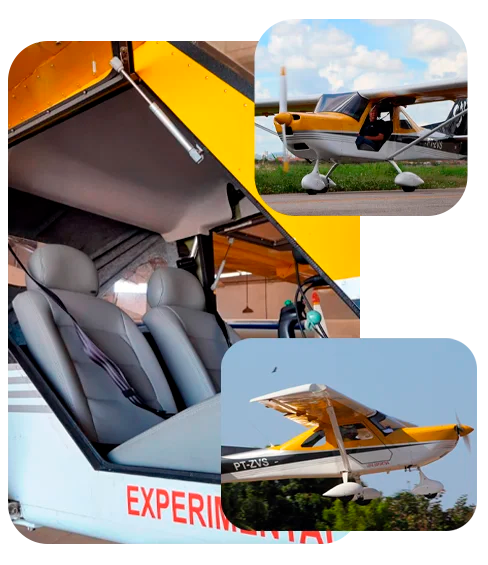
The VimanaSteel – LSA is an aircraft designed and built entirely from 2024-T3 and 6061-T6 aluminum (in specific parts), in addition to genuine aircraft rivets (AN426 and AN470). Its high-wing configuration provides greater stability and controllability in flight. The aircraft seats two (pilot and passenger) with sturdy leather seats and a steel alloy internal structure. The aircraft is equipped with a 100-hp ROTAX 912 ULS aircraft engine. It features a tricycle landing gear made of high-strength aluminum.

1753136187422.png

1753136419334.png


This aircraft was designed, manufactured, and tested in compliance with the current ASTM standards required for acceptance into the LSA class by ANAC (National Civil Aviation Agency).
https://rupert.com.br/aeronaves/
View: https://www.youtube.com/watch?v=v5RY6szoWac
 
Last edited:
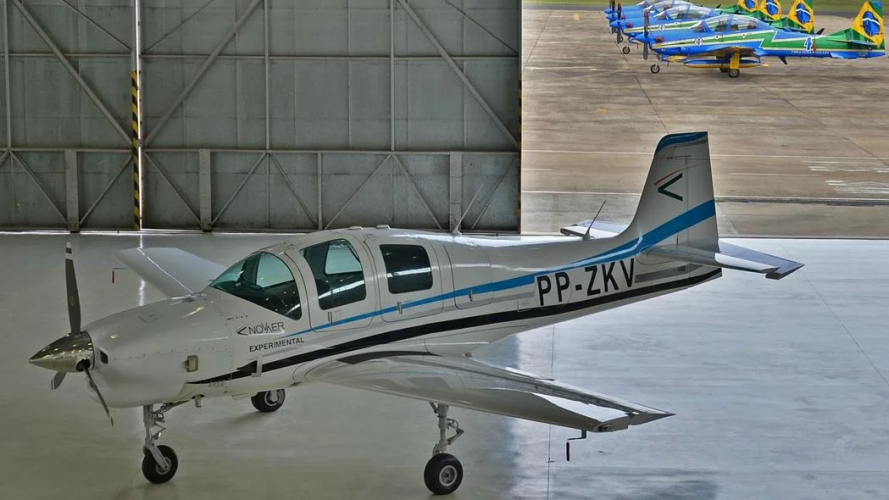
The debut flight of the T-Xc Prototype took place at August 22nd, 2014.T-Xc flew alongside the K-51 aircraft, which is the exact one chosen by Novaer as a base for the T-Xc Project.Unfortunately, as you can see, the dry weather caused some outbreaks of fire, which brought a lot of smoke to the airspace and spoiled some of the beautiful landscape of the region.

1753136728995.png
1753136744009.png
1753136757442.png

1753136776480.png
1753136990408.png


View: https://www.youtube.com/watch?v=UhoCokJzsnk


]


https://revistapesquisa.fapesp.br/wp-content/uploads/2015/08/016-23_Aviões_234.pdfhttps://www.defesaaereanaval.com.br/aviacao/novaer-voa-o-1o-prototipo-t-xc
 
Rupert Aeronaves from Pernanbuco Brazil


View attachment 778685

View attachment 778686

VimanaSteel - LSA/ALE​

The VimanaSteel – LSA is an aircraft designed and built entirely from 2024-T3 and 6061-T6 aluminum (in specific parts), in addition to genuine aircraft rivets (AN426 and AN470). Its high-wing configuration provides greater stability and controllability in flight. The aircraft seats two (pilot and passenger) with sturdy leather seats and a steel alloy internal structure. The aircraft is equipped with a 100-hp ROTAX 912 ULS aircraft engine. It features a tricycle landing gear made of high-strength aluminum.

View attachment 778687

It looks like a Cessna 172.
 
It looks like a Cessna 172.
According to their website it is an original design


https://rupert.com.br/noticias/
It has English and Portuguese versions the website.

It might be coincidence or inspiration, but they do not mention any previous license for a Cessna model.

It surprises me the number of current companies making aircraft in Brazil.

Brazil basically has the whole range of civil aircraft.


I know these companies built a few licensed models

The COLT 100 is a Light Sport Aircraft (LSA) aircraft from the Texas Aircraft Group, based in the United States, which is being produced in Brazil by Inpaer.
Due to Brazil's difficult economic situation in 1992,
Flyer decided to begin assembling imported kits, including the Super Coyote model from Rans Aircraft Inc. In 1998, Flyer entered into a joint venture with the Canadian company Ultravia to begin assemis companies
the Brazilian company Flyer Indústria Aeronáutica the Official Recognition Certificate for the RV-10 LSA aircraft, recognizing it as a Special Light Sport Aircraft (ALE).
However they have also their own designs.

Paradise Aviation, Impaer, Aero Bravo, Wega, ACS Aeroálcool Tecnologia Ltda, Novaer, F.I.T.S. Aero and other companies built and design their aircraft like Rupert aeronaves, I probably would need to read more to be honest, but up to my current readings that it seems the case.
 
Last edited:
View: https://www.youtube.com/watch?v=T2CF0keMkCI&embeds_referring_euri=https%3A%2F%2Fdefenceforumbharat.com%2F&source_ve_path=OTY3MTQ


1753145123499.png

1753145147585.png

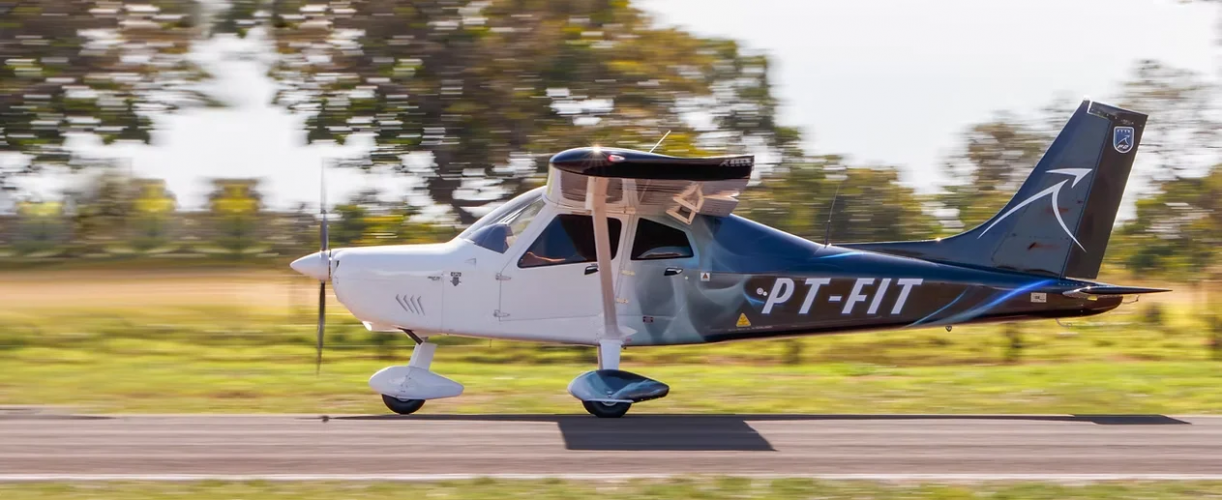
A Special Light Sport Aircraft (S-LSA) designed and built by F.I.T.S. Aero in Goiânia, Goiás, Brazil. With a simple, technological, and innovative design, 100% focused on safety and comfort, the F2 offers space for two adults and one child, with a main structure made of aircraft aluminum and non-structural composite parts. Its wings feature a NACA 30-315 profile, Junker-type ailerons, partially extendable electric flaps, and winglets for drag reduction. Powered by a 100-hp Rotax 912 iS Sport engine, the F2 offers a smooth and efficient flight experience. With a spacious cabin that accommodates passengers in two abreast and easy access through three doors, the F2 is the ideal choice for pilots who value performance and comfort.
https://www.fits.aero/
 
Just under 324 MPH.
it is a bit faster 575 km/h. (design goals) but the point is it is very light 330 kg weight, thus they say fastest in its category


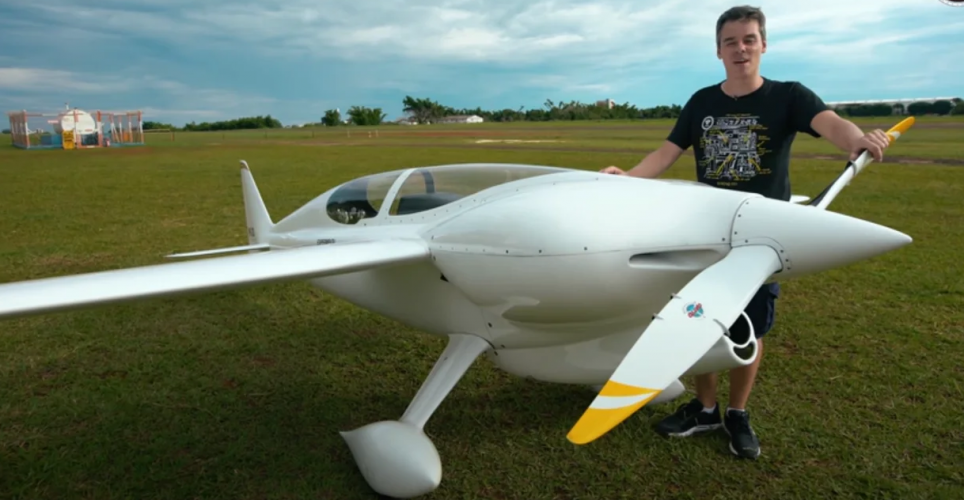
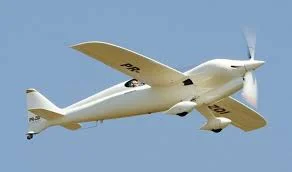
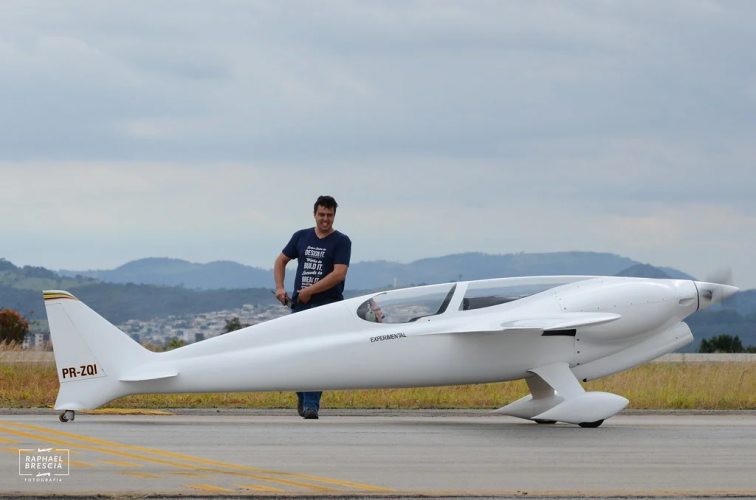
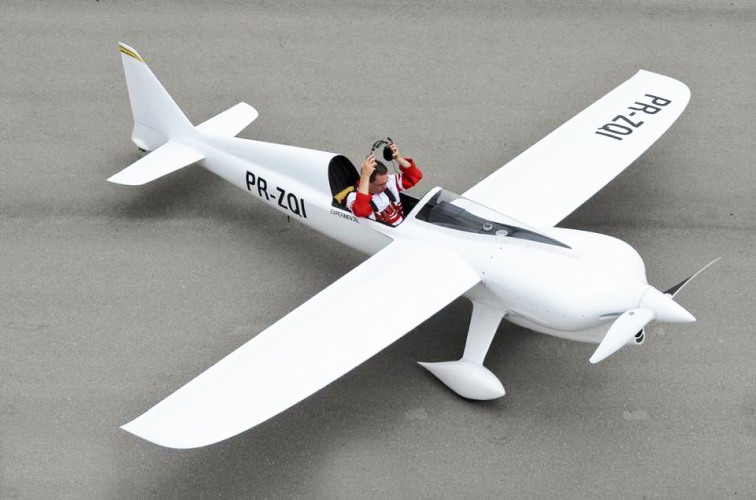
When we talk about the world's fastest aircraft, we often think of a plane equipped with a very powerful engine or a jet engine, but design is crucial. The more drag is reduced, the better the aircraft's aerodynamic efficiency, requiring less energy for flight. This is why the Anequim has broken several speed records in its category. The CEA-311 Anequim was entirely developed in Brazil, at UFMG, by designer Paulo Iscold and his team of university students. The project's goal was to be the fastest in the world in its category: single-engine piston aircraft weighing up to 500 kg.
View: https://www.youtube.com/watch?v=ywDOfK8aZz0

CEA-311 Anequim: getting to know closely the fastest airplane in it's weight range designed by engineer Paulo Iscold.
View: https://www.youtube.com/watch?v=pDfj89PEweg

CEA-311 Anequim
FAI speed record, category C-1a. 3 km, 521.08 km/h. August 22, 2015.
Video from the pilot's point of view, Gúnar Armin Halboth
View: https://www.youtube.com/watch?v=hpIQBgcoFQE
1753183248928.png
The CEA-311, better known as Anequim, is an aircraft built using composite materials supplied jointly by Barracuda Composites and developed by the Federal University of Minas Gerais. The aircraft has a maximum takeoff weight of 500 kg, a flight altitude of up to 4,200 meters (14,000 ft), and an estimated top speed of 575 km/h, a world record for its category.

The aircraft's aesthetic and functional inspiration came from a Mako shark, considered the fastest of its kind. Its designers sought to utilize the characteristic features of this species' shape to create a parallel design for perfect aerodynamics.

Its designers aimed to break the speed record, along with the four records set by Brazilian pilots and aircraft, and so they opted for innovative means to achieve these results. These objectives, along with the personal satisfaction of everyone involved in the process, truly influenced the choices made throughout the construction of this aircraft.

The fuselage and wings were developed through a computational process and constructed using unidirectional and multidirectional carbon fibers, epoxy resin and adhesive systems, and Divinycell PVC foam in an efficient molding system that allows for perfect weight distribution. *Photos: Raphael Brescia
https://www.barracudacomposites.com.br/o-recorde-do-anequim-cea-311/
 
Last edited:
Wega

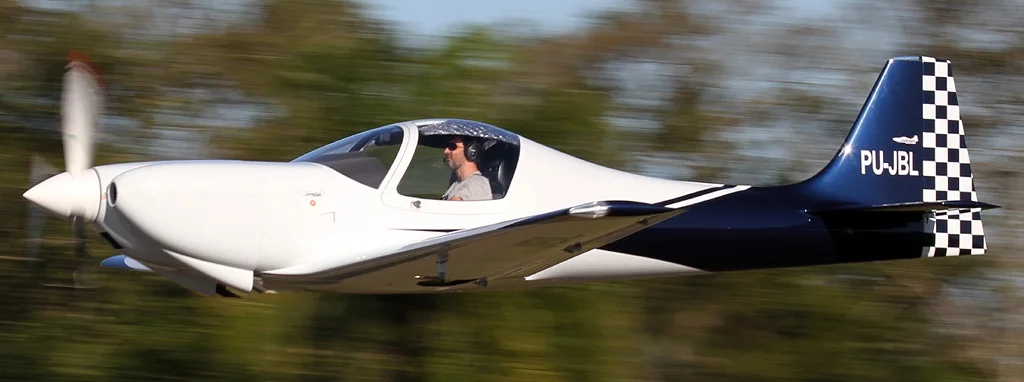
The Wega is a high-performance aircraft with a modern design, aerobatic capabilities, high cruise speed, and comfortable and ergonomic design. It features a two-person cabin, low wing, conventional empennage, excellently finished composite construction, and retractable tricycle landing gear.
1753181989791.png

Company
The company was founded in March 2006 by Jocelito Carlos Wildner, an aircraft mechanic trained at the VARIG school, with the goal of manufacturing lightweight aircraft kits from high-quality composite materials using cutting-edge techniques and components, thus filling a gap in the Brazilian market.

1753182001185.png
Wega 180
The Wega 180 is a high-performance aircraft with a modern design, aerobatic capabilities, high cruise speed, comfortable and ergonomic design, a cabin for two side-by-side passengers, low wing, conventional empennage, composite construction with excellent finish, retractable tricycle landing gear, 180 hp engine, and MT propeller.
https://www.aerowega.com/index.php/wega-180.html
 
Last edited:
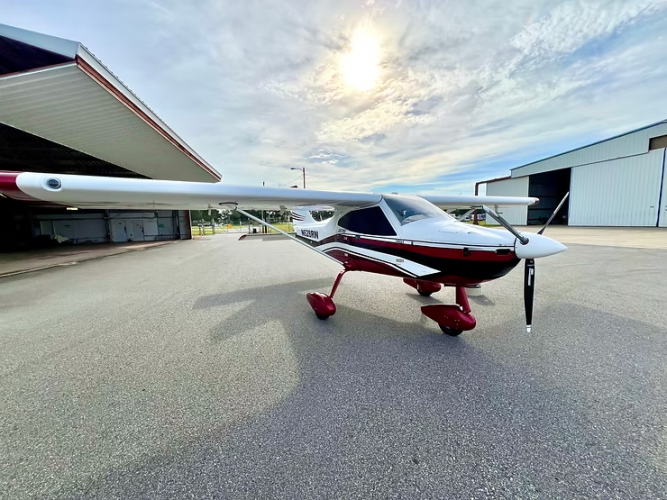
The Brazilian P-4 Enters the Market as a Four-Seat Aircraft Option
Paradise is leading the way with its newest project. The P-4 enters the market as a four-seat aircraft option, with the speed and performance of a Cessna Skyline, but with the added bonus of low operating costs and an extremely competitive price.
View: https://www.youtube.com/watch?v=KTmnZRNTIIo

View: https://www.youtube.com/watch?v=ui28mTipKMo


1753307570817.png

1753622231775.png


Technical Data
Learn more about Paradise P4.

Capacity: 4 occupants
Engine: Lycoming Engine - 180/215 HP
Propeller: Hartzell – Two-blade – Variable Pitch
Cruising Speed: 231 km/h (125 knots)
Never Exceed Speed: 269 km/h (145 knots)
Stall Speed: 83 km/h (45 knots)
Empty Weight: 600 kg
Maximum Takeoff Weight: 1,200 kg
Consumption on a cruise: 38 liters/hour
Autonomy: 5.3 hours
Range: 1,380 km
http://www.paradise-ultraleve.com/p4.php
1753307750726.png
Paradise
Paradise Indústria Aeronáutica was founded in 2001 at the Itaparica Island Aeroclub (BA). At the time, the company manufactured the Paradise P1 aircraft.

However, over time, the location became incompatible with the company's growth. There were challenges in the production process, which could take up to six months to produce an aircraft; in expanding the factory due to space constraints; and in logistical issues, especially in receiving supplies.
In 2007, after a financial injection, the company relocated to Feira de Santana (BA), next to João Durval Carneiro Airport. One of the main reasons for choosing this location was its proximity to the port of Salvador, which facilitated the company's logistics. The factory began operating on a 63,000 m² site, with 7,000 m² of covered area and the capacity to manufacture fifty aircraft per year, in addition to providing maintenance services.

Also in 2007, the company received FAA certification for the Paradise P1 aircraft in the LSA category. This allowed the aircraft to be sold in the US to flight schools and used for commercial flights planned for this category in the US. The Paradise P1, which follows ASTM manufacturing standards, also obtained certification in Australia and South Africa.
Paradise is the only major company in the sector located outside the large Southeast market. This poses some challenges in accessing qualified labor, specialized suppliers, and proximity to the country's largest market. In Feira de Santana, Bahia, the company relies on a workforce that has graduated from courses at the National Industrial Training Service (SENAI) and the Center for Aeronautical Technological Education
of the State of Bahia (CETEB). Currently, the company has approximately 239 employees.
It is worth noting that all of its aircraft are the result of in-house designs, created, developed, and perfected by the company itself. Furthermore, with the exception of engines, tires, and electronics, the company is highly vertically integrated. Its factory includes areas dedicated to machining, plating,
cutting, bending, assembly, upholstery, electrical work, painting, and mechanics.
By the end of 2012, the company had already sold approximately 240 aircraft domestically, in addition to another twenty exported to the US and Australia. In January 2015, Paradise opened its new factory in the US and, as a result of export operations, has aircraft flying
in North America, Africa, Asia, and Oceania.
Currently, the company produces four different models: P1, P2-S, P4, and Eagle. The Paradise P1 is an advanced ultralight aircraft
with two seats, a high wing, aircraft-grade aluminum skin, a tubular molybdenum steel frame, and an independent hydraulic disc brake, a controllable tricycle landing gear, and mechanically actuated trim.
The P2-S arose from the need for greater speed for the P1.
It is an advanced ultralight aircraft with two seats, a unique engine, aircraft-grade aluminum skin, a tubular molybdenum steel frame, and an independent hydraulic disc brake, a controllable tricycle landing gear, a center console with throttle layout, mechanically actuated trim, and electric power steering. The Paradise P4 is an advanced ultralight aircraft with four seats. It has aircraft-grade aluminum skin, a tubular molybdenum steel frame, and an independent hydraulic disc brake, a controllable tricycle landing gear, mechanically actuated trim, and electric power steering.
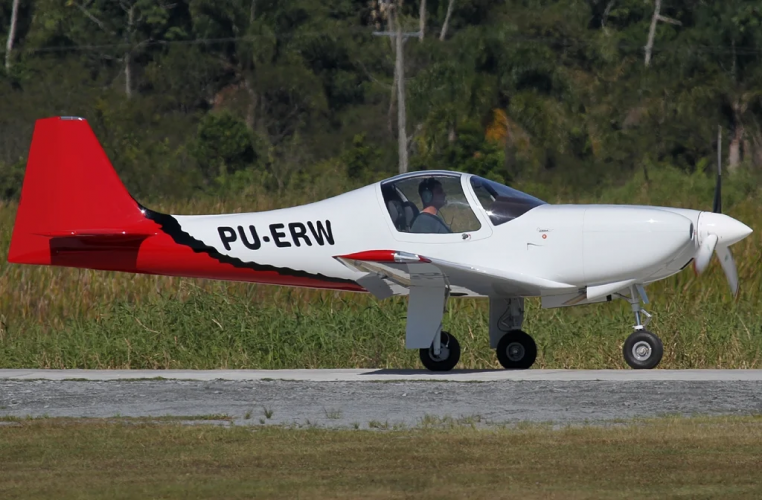
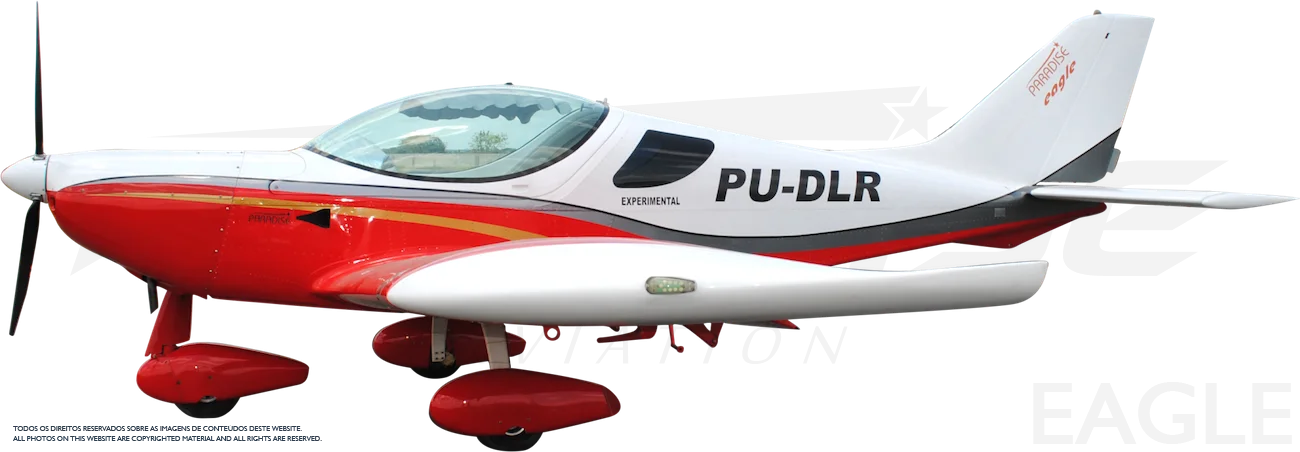
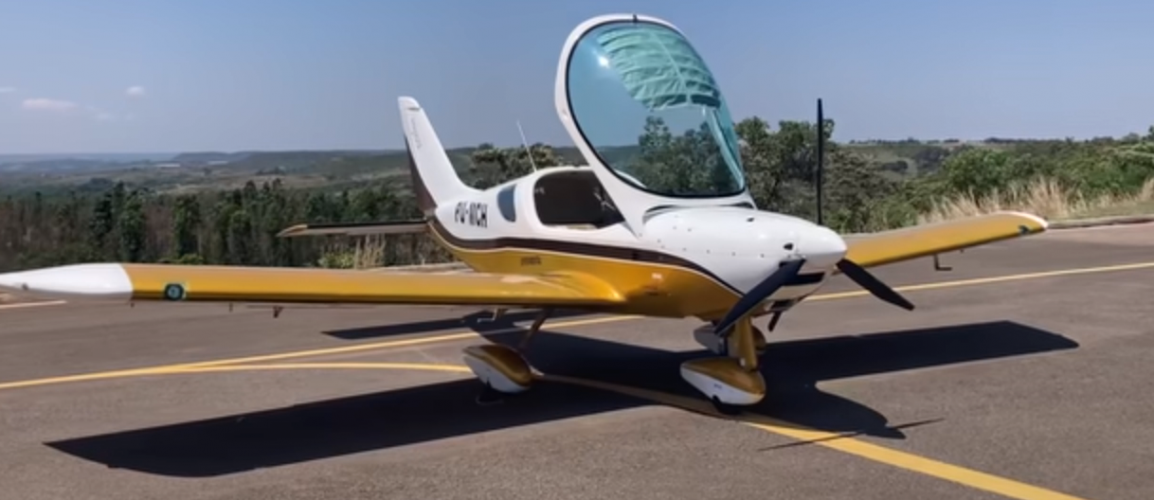
The Paradise Eagle is the only low-wing model. Its design was based on the Sport Cruiser, developed in the Czech Republic. On the national aircraft, the tailplane is controllable to facilitate taxiing.
One of the biggest challenges of the national project was developing a furnace that could mold the canopy. Bubble-shaped, without seams or arcs, the circumference must be uniform and precise. To achieve this, the technique involves positioning the acrylic in a ring installed over a heater connected to a vacuum pump. This enabled the factory to become independent of external suppliers.
 
Last edited:
View: https://www.youtube.com/watch?v=MXlRctvbtx0


1753405468185.png
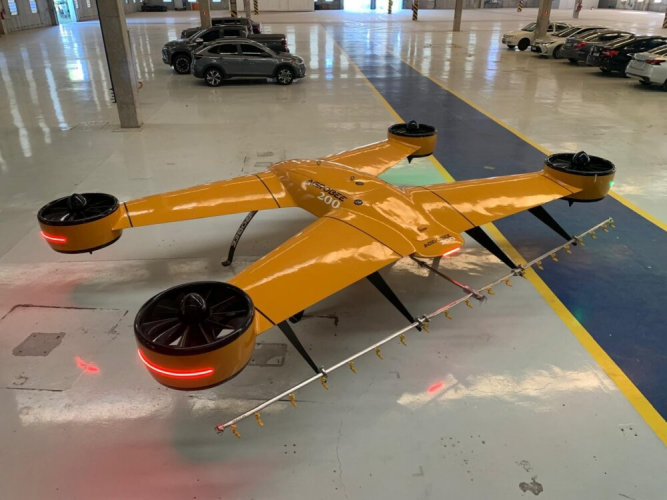
After its national launch in the first half of this year during Agrishow, the world's largest agricultural technology fair, Tupan Aircraft, based in São José dos Campos, São Paulo, is preparing to launch the Agrobee 200 in 2025. The equipment, currently the largest of its kind in the country, attracted the interest of 50 customers during the three-day event held in Ribeirão Preto, and also attracted the attention of countries such as Australia, the United States, and Argentina.

Designed with cutting-edge technology and capable of vertical takeoff and landing, the company also launched two additional drone models for spraying and transporting cargo and tools. The Agrobee 200 has eight motors, carries up to 200 kg of pesticides, has its own generator, and is used for spraying and transporting cargo and tools. Its range is 1 hour and 20 minutes.

Several indicators indicate that the agribusiness drone market is growing. By 2030, the global agricultural drone market is projected to reach US$5 billion (approximately R$25 billion), with a remarkable growth rate of 22.4%. This outlook is justified by the agility and efficiency provided by drones, which have revolutionized crop productivity worldwide.

In Brazil, the National Civil Aviation Agency (ANAC), responsible for regulating this activity, estimates that the number will grow in line with market developments. Currently, there are approximately 2,500 agricultural drones registered with Sisant (Unmanned Aircraft System), and by 2028, the incredible number of these vehicles is expected to reach 90,000.

https://www.edrotacultural.com.br/e...anca-no-mercado-de-drones-para-o-agronegocio/
1753490888902.png
TUPAN, a Brazilian company recognized for its high-performance drone engineering, officially announces the opening of pre-sales for firm orders and purchase intentions of its VTOL aircraft (Vertical Takeoff and Landing) and tailor-made aerial projects.

The announcement will be featured at booth 908 during Expo eVTOL / MundoGEO Connect 2025, held from June 3 to 5 at Expo Center Norte in São Paulo, Brazil
https://mundogeo.com/en/2025/06/01/...ircraft-for-civil-and-strategic-applications/
 
Last edited:
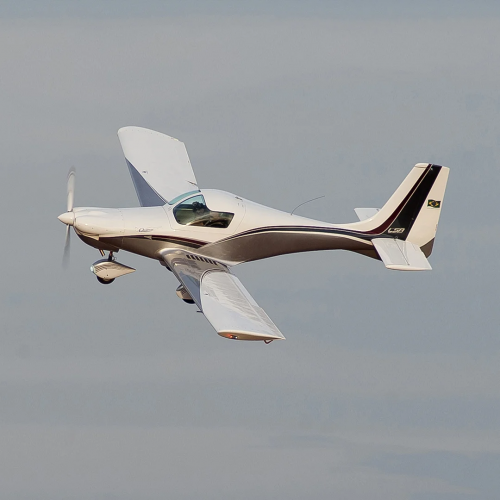
We flew the Brazilian super machine, the Schubert P1 Glider!
A two-seat glider for basic and advanced pilot training, designed by Brazilian aeronautical engineer Ekkehard Schubert, has already been tested and approved as a safe aircraft. The initiative to build the P-1 began six years ago, when the aircraft designer managed to gather 66 people who were willing to cover the costs of building the prototype and also participate in the project's development. Since then, more than US$80,000 has been invested in the P-1, and many weekends have been dedicated to its construction. Schubert, who has been flying gliders for almost 30 years and was a ten-time Brazilian champion in the free-flight class, says the P-1 is extremely docile and has excellent performance for its category.
View: https://www.youtube.com/watch?v=0MZ5cduLMTE&t=185s

"The idea to build it came about because there is a shortage of two-seat gliders in Brazil," says Schubert, who works at Eleb, a subsidiary of Embraer. The designer describes the P-1 as a modern glider, with more convenient aerodynamic shapes because it is made entirely of fiberglass, an easily molded material. Glider flight is achieved by leveraging only air movement. Therefore, to take off, it needs to be towed by an airplane for about 1,000 meters from the runway, after which it is released to remain in the air for hours. Schubert explains that when he decided to move forward with the glider construction project, he also committed to obtaining aeronautical certification, which is already required from the Industrial Development Institute (IFI).

1753490615912.png

"The fact that the glider is already flying is just the first step of all we must take to certify the P-1. Now we will build a second prototype to obtain this certification, which should occur within two to three years," he explains. Once the entire process is complete, Schubert will seek financing to bring the P-1 to market, to compete with imported gliders, which cost around US$45,000. "If the glider can be made cheaper, it will be an advantage for Brazilian gliders," says the designer. Therefore, among his plans is to sell the P-1 in kit form, with technical assistance for assembly.
https://revistapesquisa.fapesp.br/planador-com-concepcao-nacional/
View: https://www.youtube.com/watch?v=G0DGwlXWFQ4

1753492057305.png
1753492129052.png

1753492200899.png


In this episode, we test PARADISE P1, a highly successful Brazilian project.

SPECIFICATIONS​

Learn more about Paradise P1.

  • Capacity: 1 Passenger and 1 pilot
  • Engine: Rotax Motor - 100 hp
  • Blades: Warp Drive Fixed Pitch
  • Cruise Speed: 105 knots (194km/h)
  • Maximum Speed Never Exceed: 125 knots (230 km/h)
  • Stall Speed: 44 knots (82 km/h)
  • Empty Weight: 851 lb (386 kg)
  • Maximum Takeoff Weight: 1323 lb (600 kg)
  • Cruised Consumption: 4,8 US gal (18 liters/hour)
  • Autonomy: 7,5 hours
  • Range: 810 M (nautical miles) | 1.500 Km
http://www.paradise-ultraleve.com/eng/p1.php
View: https://www.youtube.com/watch?v=m-L-pYsoBbk&t=10s
 
Last edited:
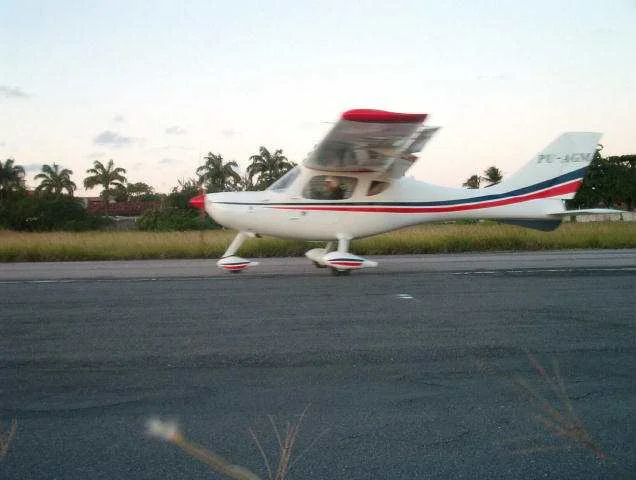
In 1956, in Saladillo, Buenos Aires province, Augusto “Pirincho” Cicaré stopped to stare at the image of a helicopter while reading a popular mechanics magazine. At that moment, his passion for these aircraft was ignited, and he began to build and design how to manufacture one. Two years later, with the materials at his disposal, he finished building the Cicaré-CH 1, the first of its kind developed and built in the entire southern hemisphere. Thus, Cicaré Helicópteros was born.
View: https://www.youtube.com/watch?v=r7yhjRPDtEU

The renowned inventor passed away in January 2022, but his children embraced the same passion and are quick to take on challenges. This is how they achieved certification in Germany, which opens up great prospects for the family business, enabling them to sell their ultralight helicopters for commercial use.

Cicaré Helicópteros: A Company on the Right Path…
“We can proudly say that we are on the right path,” Juan Manuel Cicaré, president of Cicaré Helicópteros, told Ser Industria Radio. He immediately recalls his father, who designed, produced, and flew his own aircraft. “Then the path was paved to commercialize them and also produce them for the world. We continue with the same passion that was born more than 60 years ago, based on all my father's enthusiasm and inventiveness,” he added.

I imagine you getting involved in this activity as a child. How do you generate projects for something so sophisticated?
Actually, of the three brothers, I'm the newest to this and the one who had the least initial involvement in the factory: I've been doing it for five years with the responsibility of running the company. It's something we've managed throughout the journey, through ups and downs. Today, we can proudly say we're on the right path. We continue with the same passion that was born more than 60 years ago, based on all my father's enthusiasm and inventiveness.
1753491407174.png
How many aircraft did Cicaré Helicópteros build?
Since Saladillo, we've already manufactured more than 120 units, of which there are many on the local market, and a large portion—I'd say almost 80%—have been exported.


What is the main use for these helicopters?
Locally, it's for recreational use, for short-distance travel or trips from one point to another for agricultural producers, entrepreneurs, or aeronautical enthusiasts who wanted to see and own a Cicaré. Abroad, for example, Australia has something very striking: 100% of the units are used for working in the fields and herding cattle. Europe also has a strong market for sports and ultralights for personal and recreational use. But now, thanks to a certification we obtained with the support of several institutions, including the German Ultralight Flight Association (DULV) and our distributor in Germany, it enables us to enter the commercial market. It means you can make a profit, provide services, or even perform aerial work at this flight school. We have the goal of opening the market and satisfying it. And in the rest of the world, in the experimental ultralight category, we operate in more than 25 countries on five continents.

Does Cicaré Helicópteros have competitors among the countries in the region?
We are the only helicopter manufacturer in South America and one of the few in this category worldwide. One constantly emerges or another falls behind because they have little experience and can't develop a product, they can't establish it. Worldwide, in this category, we are about five or six companies. The rest are super-renowned, like those that make turbine helicopters or Robinson himself, and others, but they are on a different scale.

Augusto "Pirincho" Cicaré.
Are production prices in Argentina competitive?
No, not in terms of materials. But we have a very good workforce, of incredible quality. What we've achieved in the Cicaré line is exceptional. The quality of the suppliers is also exceptional. When you bring local suppliers like auto parts suppliers or those who were once dedicated to aviation for other reasons to another province or the province of Buenos Aires, the high level of quality is truly striking. We have design, quality workmanship… But we don't have competitive material costs. A helicopter requires almost 80% imported material, which leaves you quite uncompetitive. But today, with a network of distributors around the world, there are some of these issues that can be addressed. In the domestic market, competitiveness is sometimes achieved by the fact that there isn't a single currency. So it's something that can be compared to having to import a complete machine from abroad. There you are competitive. But depending on how you look at it, it can be expensive where you have a supplier that doesn't charge you an official dollar.

How are you doing with inputs?
We face the same complications as any SME that relies on imported inputs. There is a certain complexity. In just a few years, we've gone from a DJAI to a SIMI, and even then, not even the famous SI
RA: Some don't come out... But I don't want to deny that because there are many of us who suffer from this, and I'd like to speak for everyone, not just Cicaré. It's an issue that's becoming more complicated.

"Chat GPT has significant potential to improve financial education."

Do you feel production is threatened?
Not to that extent, but it raises alarms knowing that before you could have material or any external supplier in less than a month, and now it takes at least three months. You have to start managing this entire process differently, and of course, when you get the import permits. It's tedious, but today it's not critical.

How do you rate this export to Germany?
We've been exporting machines to the European market for over ten years. This will be the first certified ultralight aircraft to go to Germany. Because it goes hand in hand with a certification we obtained at the end of 2022, a very large undertaking led by my father with the company's engineering group and with support, for example, from the Faculty of Engineering at the National University of La Plata (UNLP), among other local institutions. After long and demanding work, we were able to obtain the certificate, which is the only 600-kilogram certificate in the world. Germany not only granted us this certification as the only foreign company in the country, but it is also the only one in the 600-kilogram full-size category.

Are dairy producers concerned about the impact of the government's latest measures?

Does this raise expectations of reaching other countries with the same product?
In principle, no. Yes, with Germany, but it is sufficient to enter the German commercial market, which is very rich, very good, and requires that the machine used be certified for instruction, aerial work, and what I mentioned.

What does Cicaré Helicópteros have planned for the rest of the year and 2024? Are there any challenges?
Yes. Regarding production lines, I call production lines the products we've had in production for at least ten years. It's about consolidating them. Now, more than anything, I'm aiming for the certification of the Cicaré 8 side-by-side two-seater, because that entails processes that must be certified within our company. The goal is to achieve excellence along these lines and continue producing and placing in the world the unique product that is my father's invention, the SVH 4 flight trainer.
https://www.serindustria.com.ar/cicare-exporta-helicopteros-a-25-paises-y-encara-nuevos-desafios/
 
Edwards AFB, California (AFNS) – The Air Force Test Pilot School is diligently integrating the newly acquired Embraer A-29C Super Tucano into its student flight curriculum. In partnership with the Air Force Test Center and Sierra Nevada Corporation*, the three aircraft will soon provide essential cutting-edge training for future test leaders.
1753569679581.png

The A-29C is unique in many ways. Designed to be a lightweight, multi-role, and affordable airframe, the aircraft was briefly evaluated by Air Force Special Operations Command before being temporarily stored at Davis-Monthan AFB, Arizona. Due to its limited use, the A-29C is one of the few aircraft in the current USAF inventory that lacks a formal training course and is not used operationally. This contrasts with the broader A-29 fleet, which is widely used worldwide by allied nations to provide counterinsurgency and reconnaissance operations. The ability to fly multiple mission sets makes this aircraft the right choice for the school's modernization efforts.

A-29C Photo: Richard Gonzales
To successfully transport the A-29C aircraft to Edwards AFB, three test pilot school instructors had to perform the flight without any formal flight training. They prepared by studying the flight manual, speaking with maintenance personnel, and studying what is known as Publication 3-3, or essential tactics, techniques, and procedures, unique to the aircraft. To further mitigate the risks associated with operating the aircraft for the first time, the instructors also conducted qualification flights in the T-6 Texan and the PC-21, which have similar flight and handling characteristics.

“Even though I didn’t test the A-29C itself, the thrill of getting into an aircraft I had never flown before, alone, was incomparable,” noted Maj. Mateusz Borek, assistant chief of the flight science department and chief pilot of the A-29 at the test pilot school.

“I studied the flight manual meticulously and mentally rehearsed the flight more than I can remember. The USAF Test Pilot School played a key role in preparing me for scenarios like this. As a student, I flew more than 20 different aircraft. The school didn't provide me with extraordinary skills; instead, it taught me critical thinking and evaluation skills that can only be acquired through countless hours of study, simulations, and practical experience.”

Three A-29 Super Tucanos perform a transfer flight to Edwards AFB, California. Photo: Richard Gonzales
Once safely on the ground, the A-29s spent the next six months undergoing extensive maintenance in collaboration with the Sierra Nevada Corporation. This allowed the instructors to thoroughly study the aircraft, refine procedures, and develop a comprehensive training plan. Modern avionics and a robust airframe design allow the A-29C to be one of the few aircraft within the U.S. Air Force Test Pilot School curriculum to be used for multiple events and classes, or what the school defines as a "jack of all trades."

The aircraft will be used primarily for stall and spin training. Evaluating and testing aircraft stall and spin characteristics is a crucial skill set for all test pilot school graduates. While the Air Force currently has a glider spin sortie and a stall flight (in one or all axes) in high AoA flight, prior to entering a spin, PSG, or deep stall with an F-16, the former offers limited repetition and flight dynamics, while the latter is applicable only to graduates who move on to test fighter aircraft. The new A-29Cs will be capable of performing various types of spins with an endurance of over an hour and a half, maximizing learning for all students.

1753569716726.png

USAF Test Pilot School F-16 Fighter
Once these flights are established, the school's curriculum will delve deeper into the A-29C's mission systems. The aircraft can carry an MX-15 Sensor Ball, utilize Link 16, communicate via a VORTEX link, and deploy laser-guided bombs and rockets. These systems will equip students with the knowledge and skills necessary to test and evaluate similar mission systems on current and emerging platforms. This will also help reduce flight hours and maintenance burden on the F-16 fleet at Edwards AFB by allowing the Sensor Demonstration, Weapons Demonstration, and Practical Mission Systems Exam to be conducted exclusively on the A-29C.

As with any test equipment, the new A-29Cs will require special instrumentation to enable advanced data collection and control room operations, which is currently underway. The school is also The potential integration of the Agile Pod is being explored, which would further enhance mission systems capabilities. With five weapons stations per aircraft, the A-29C also allows future flexibility for research and development efforts through the Air Force Test Pilot School's Research Division. The A-29's rear seat also houses a dedicated control station that could be used in the future by combat systems officers and remotely piloted aircraft students, as the concept of manned-unmanned partnerships further expands in air operations.

https://www.defesaaereanaval.com.br...-tucano-na-escola-de-pilotos-de-teste-da-usaf
 
1753657552646.png
1753657779803.png
Advanced ultralight aircraft assembled in Brazil in Belo Horizonte by AEROBRAVO, model PATRIOT
1753657703533.png
https://web.bndes.gov.br/bib/jspui/...produção nacional de aeronaves leves_P_BD.pdf 1753661036674.png

By 2016 there were around 160 Paradise P1 flying in Brazil and around 25 Aerobravo Patriot, Its Stable mate Aerobravo 700 was doing better with less than 100 aircraft flying
Supply Structure in Brazil
Aerobravo
Aerobravo Indústria Aeronáutica was founded over twenty years ago, in 1993. The company manufactures small aircraft, both kit and ready-to-fly, in addition to selling spare parts and providing maintenance services. Currently, the company operates from a 1,000 m² hangar located at Carlos Prates Airport in the Belo Horizonte Metropolitan Region, which has a 900 m long paved runway.
Two aircraft manufactured by the company are noteworthy: the Amazon and the Bravo 700 (Figure 2). Both are manufactured from aluminum, as maintenance and repairs of this material are easier in Brazil.
Additionally, the construction process is simpler, and there is a greater availability of tooling and specialized labor in the market.
The Amazon aircraft is a small, single-engine, high-wing aircraft that complies with ASTM standards for LSA construction. Its structure consists of wings, fuselage, empennage, and control surfaces made of
6061-T6 aircraft-grade aluminum; and its survival cell is constructed of 4130N chrome-molybdenum steel.
The Bravo 700 is an experimental, two-seat, single-engine, high-wing, advanced ultralight aircraft, with a design inspired by the Zenair CH-701 STOL aircraft. It features an all-aeronautical aluminum monocoque structure with a chrome-molybdenum steel survival cell, certified according to ASTM standards.
View: https://www.youtube.com/watch?v=8qtM0nF41TA&embeds_referring_euri=https%3A%2F%2Fdefenceforumbharat.com%2F&source_ve_path=OTY3MTQ
 
Last edited:
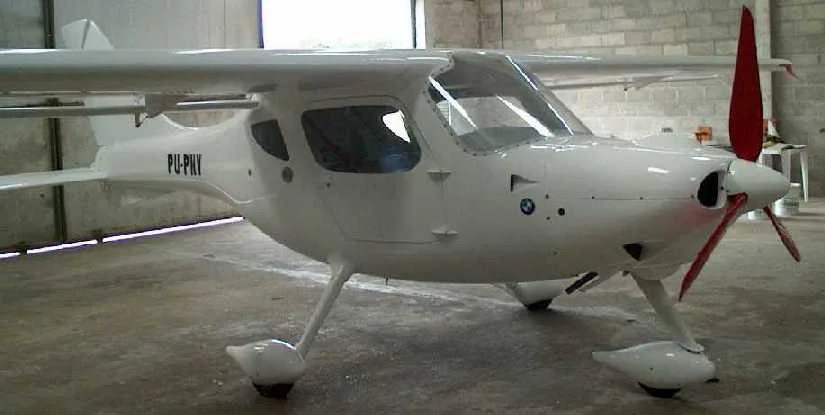
Similar threads

Back
Top Bottom